Domina Conceptos Médicos

Estudia para la escuela de medicina y tus examenes con Lecturio.

Dolor de Cuello

El dolor Dolor Inflammation de cuello es uno de los LOS Neisseria motivos de consulta más comunes en EN Erythema nodosum is an immune-mediated panniculitis (inflammation of the subcutaneous fat) caused by a type IV (delayed-type) hypersensitivity reaction. It commonly manifests in young women as tender, erythematous nodules on the shins. Erythema Nodosum la población general. Según la duración de los LOS Neisseria síntomas, puede ser aguda, subaguda o crónica. Hay muchas causas de dolor Dolor Inflammation de cuello, como las enfermedades degenerativas, los LOS Neisseria traumatismos, las enfermedades reumatológicas y las infecciones. Los LOS Neisseria trastornos musculoesqueléticos pueden variar en EN Erythema nodosum is an immune-mediated panniculitis (inflammation of the subcutaneous fat) caused by a type IV (delayed-type) hypersensitivity reaction. It commonly manifests in young women as tender, erythematous nodules on the shins. Erythema Nodosum gravedad desde una simple distensión hasta una radiculopatía y una mielopatía. Una historia clínica y examen físico cuidadosos son esenciales para descubrir la etiología y orientar el tratamiento. El tratamiento de la mayoría de los LOS Neisseria casos de dolor Dolor Inflammation de cuello es conservador y basado en EN Erythema nodosum is an immune-mediated panniculitis (inflammation of the subcutaneous fat) caused by a type IV (delayed-type) hypersensitivity reaction. It commonly manifests in young women as tender, erythematous nodules on the shins. Erythema Nodosum la actividad.

Last updated: Dec 15, 2025

Editorial responsibility: Stanley Oiseth, Lindsay Jones, Evelin Maza

Epidemiología y Etiología

Epidemiología

El dolor Dolor Inflammation de cuello es un síntoma de consulta frecuente.

  • La mayoría de los LOS Neisseria adultos desarrollan dolor Dolor Inflammation de cuello en EN Erythema nodosum is an immune-mediated panniculitis (inflammation of the subcutaneous fat) caused by a type IV (delayed-type) hypersensitivity reaction. It commonly manifests in young women as tender, erythematous nodules on the shins. Erythema Nodosum algún momento de su vida.
  • La prevalencia aumenta en EN Erythema nodosum is an immune-mediated panniculitis (inflammation of the subcutaneous fat) caused by a type IV (delayed-type) hypersensitivity reaction. It commonly manifests in young women as tender, erythematous nodules on the shins. Erythema Nodosum la mediana edad.
  • Una de las principales causas de discapacidad.

Factores de riesgo

  • Ocupación (trabajo repetitivo)
  • Ergonomía
  • Depresión
  • Estilo de vida sedentario
  • Antecedentes de traumatismos en EN Erythema nodosum is an immune-mediated panniculitis (inflammation of the subcutaneous fat) caused by a type IV (delayed-type) hypersensitivity reaction. It commonly manifests in young women as tender, erythematous nodules on the shins. Erythema Nodosum el cuello
  • Tabaquismo
  • Predisposición genética (síndromes de Turner y Down)
  • Dolor Dolor Inflammation lumbar concomitante
  • Enfermedades reumáticas

Etiología

Trastornos músculo-esqueléticos:

  • Tensión cervical, que puede producirse por:
    • Lesión de los LOS Neisseria músculos cervicales
    • Mala postura
    • Hábitos del sueño
  • Espondilosis cervical (término no específico para los LOS Neisseria cambios degenerativos de la columna vertebral)
  • Dolor Dolor Inflammation discogénico cervical (por degeneración discal)
  • Síndrome de latigazo cervical o «whiplash» ( en EN Erythema nodosum is an immune-mediated panniculitis (inflammation of the subcutaneous fat) caused by a type IV (delayed-type) hypersensitivity reaction. It commonly manifests in young women as tender, erythematous nodules on the shins. Erythema Nodosum inglés) (una lesión por aceleración-deceleración resultante de la extensión y flexión súbita del cuello)
  • Síndrome de dolor Dolor Inflammation miofascial
  • Radiculopatía cervical
    • Disfunción del nervio espinal por inflamación, compresión o daño
    • Puede ser causado por:
      • Enfermedad degenerativa (e.g., estenosis foraminal, hernia Hernia Protrusion of tissue, structure, or part of an organ through the bone, muscular tissue, or the membrane by which it is normally contained. Hernia may involve tissues such as the abdominal wall or the respiratory diaphragm. Hernias may be internal, external, congenital, or acquired. Abdominal Hernias discal)
      • Trauma
      • Infarto o avulsión de la raíz nerviosa
      • Tumor Tumor Inflammation
      • Infección (e.g., herpes zóster, enfermedad de Lyme)
  • Mielopatía espondilótica cervical
    • Disfunción o lesión de la médula espinal
    • Las causas son similares a las de la radiculopatía cervical.
  • Subluxación o inestabilidad atlantoaxial, que suele estar asociada a:
    • Artritis reumatoide
    • Síndrome de Down

Enfermedades no músculo-esqueléticas:

  • Enfermedades cardiovasculares:
    • Angina
    • IM
  • Infección:
    • Meningitis Meningitis Meningitis is inflammation of the meninges, the protective membranes of the brain, and spinal cord. The causes of meningitis are varied, with the most common being bacterial or viral infection. The classic presentation of meningitis is a triad of fever, altered mental status, and nuchal rigidity. Meningitis
    • Absceso epidural
    • Discitis o espondilodiscitis
    • Osteomielitis
  • Neurológico:
    • Cefaleas tensionales
    • Malformaciones de Chiari
  • Enfermedad reumatológica:
    • Polimialgia reumática
    • Artritis reumatoide
    • Espondilitis anquilosante
    • Fibromialgia
    • La arteritis de células gigantes debe considerarse en EN Erythema nodosum is an immune-mediated panniculitis (inflammation of the subcutaneous fat) caused by a type IV (delayed-type) hypersensitivity reaction. It commonly manifests in young women as tender, erythematous nodules on the shins. Erythema Nodosum un paciente con:
      • Dolor Dolor Inflammation de cuello
      • Cefalea
      • Claudicación de la mandíbula
      • Cambios visuales asociados
  • Malignidad:
  • Síndrome del estrecho torácico o de la salida del tórax ( TOS TOS Thoracic outlet syndrome (TOS) is a broad term used for a spectrum of syndromes related to the general region of the thoracic outlet, which involves the compression or irritation of elements of the brachial plexus, subclavian artery, or subclavian vein. Thoracic Outlet Syndrome, por sus siglas en EN Erythema nodosum is an immune-mediated panniculitis (inflammation of the subcutaneous fat) caused by a type IV (delayed-type) hypersensitivity reaction. It commonly manifests in young women as tender, erythematous nodules on the shins. Erythema Nodosum inglés)
  • Disección de la arteria vertebral
  • Gastrointestinales:
    • Enfermedad biliar
    • Enfermedad esofágica

Related videos

Presentación Clínica

Clasificación

El dolor Dolor Inflammation de cuello puede clasificarse en EN Erythema nodosum is an immune-mediated panniculitis (inflammation of the subcutaneous fat) caused by a type IV (delayed-type) hypersensitivity reaction. It commonly manifests in young women as tender, erythematous nodules on the shins. Erythema Nodosum función de la duración de los LOS Neisseria síntomas:

  • Agudo: Los LOS Neisseria síntomas persisten durante < 6 semanas.
  • Subagudo: Los LOS Neisseria síntomas persisten durante ≤ 3 meses.
  • Crónico: Los LOS Neisseria síntomas persisten durante > 3 meses.

Antecedentes

  • Características del dolor Dolor Inflammation:
    • Inicio y duración
    • Calidad del dolor Dolor Inflammation
    • Gravedad
    • Factores que lo exacerban y alivian
    • Radiación
  • Importantes síntomas asociados:
    • Adormecimiento
    • Parestesias
    • Debilidad muscular
    • Cefalea
  • Revisión por sistemas (ejemplos, la lista no es exhaustiva):
    • Fiebre o escalofríos → infección
    • Pérdida de peso → malignidad
    • Cambios en EN Erythema nodosum is an immune-mediated panniculitis (inflammation of the subcutaneous fat) caused by a type IV (delayed-type) hypersensitivity reaction. It commonly manifests in young women as tender, erythematous nodules on the shins. Erythema Nodosum la visión → arteritis de células gigantes
    • Disfagia u odinofagia → trastornos esofágicos
    • Dolor Dolor Inflammation torácico → angina de pecho o IM
    • Erupción → herpes zóster
    • Incontinencia intestinal o vesical → compresión medular o mielopatía
  • Traumatismos recientes
  • Antecedentes
    • Artritis
    • Enfermedad reumatológica
    • Malignidad
    • Enfermedades cardiovasculares
    • Osteoporosis Osteoporosis Osteoporosis refers to a decrease in bone mass and density leading to an increased number of fractures. There are 2 forms of osteoporosis: primary, which is commonly postmenopausal or senile; and secondary, which is a manifestation of immobilization, underlying medical disorders, or long-term use of certain medications. Osteoporosis
    • Cirugías
    • Inmunosupresión
    • Consumo de drogas por vía intravenosa

Mnemotecnia

Se pueden recordar las preguntas abiertas importantes que hay que hacer cuando se evalúa a un paciente con dolor Dolor Inflammation:

  • O – Onset (inicio)
  • P – Provocation and palliation (provocación y paliación)
  • Q Quality Quality Activities and programs intended to assure or improve the quality of care in either a defined medical setting or a program. The concept includes the assessment or evaluation of the quality of care; identification of problems or shortcomings in the delivery of care; designing activities to overcome these deficiencies; and follow-up monitoring to ensure effectiveness of corrective steps. Quality Measurement and Improvement of pain Pain An unpleasant sensation induced by noxious stimuli which are detected by nerve endings of nociceptive neurons. Pain: Types and Pathways (calidad del dolor Dolor Inflammation)
  • R Radiation Radiation Emission or propagation of acoustic waves (sound), electromagnetic energy waves (such as light; radio waves; gamma rays; or x-rays), or a stream of subatomic particles (such as electrons; neutrons; protons; or alpha particles). Osteosarcoma (irradiación)
  • S – Severity (gravedad)
  • T – Timing (tiempo)

Examen físico

Examen básico:

  • Observación:
    • Postura y alineación de la columna
    • Deformidades
    • Erupciones
  • Palpación del cuello:
  • Rango de movimiento:
    • Rotación
    • Flexión lateral
    • Flexión hacia delante
    • Extensión
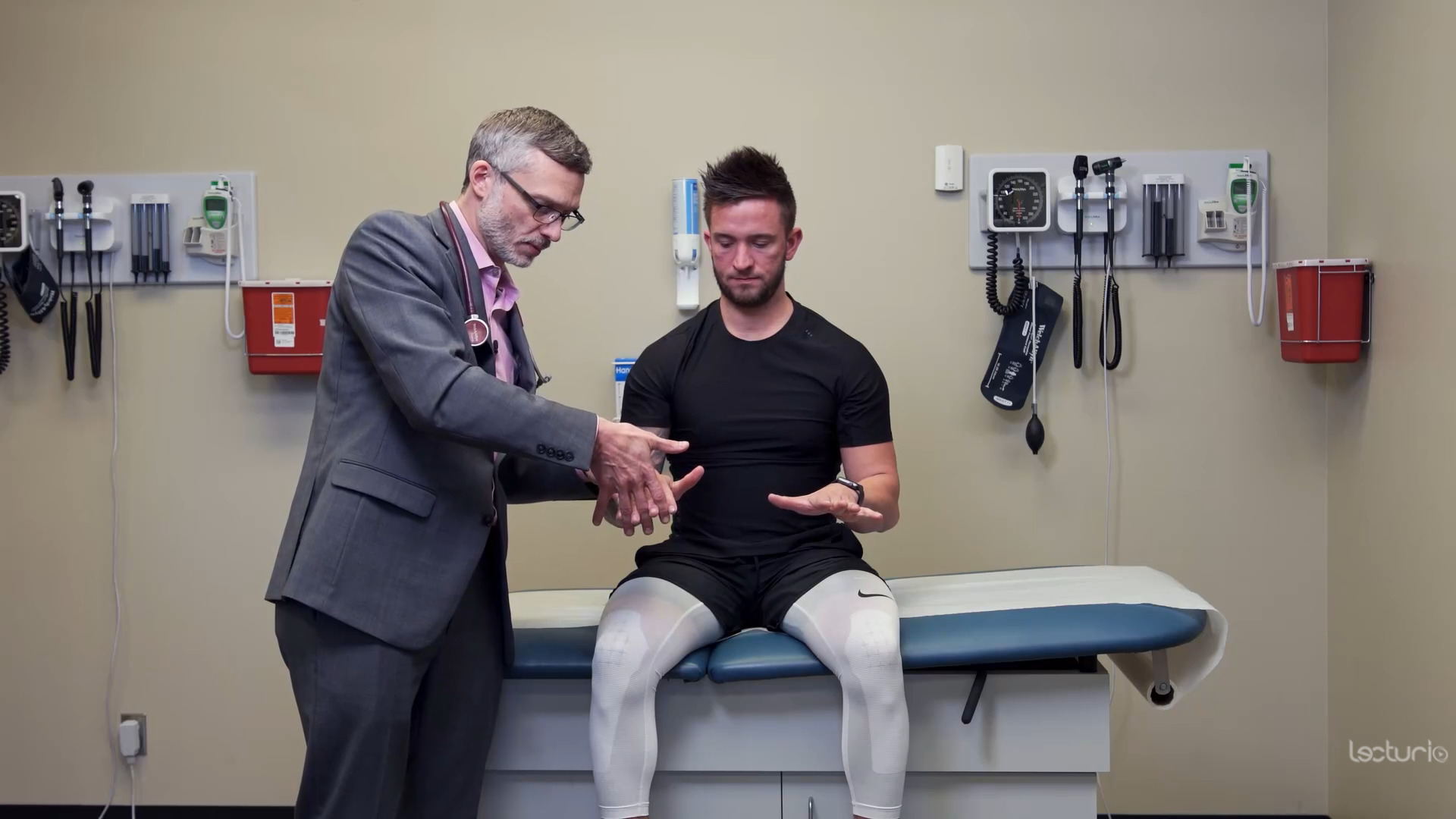
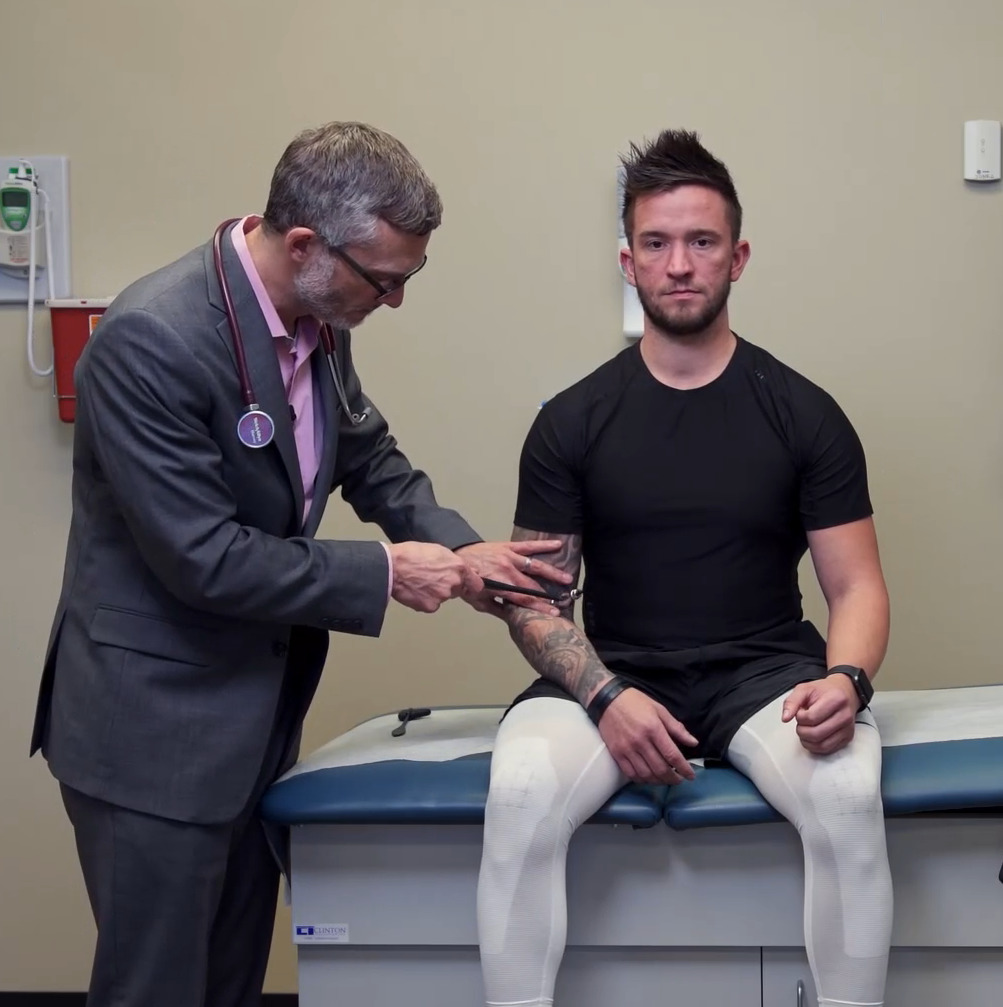
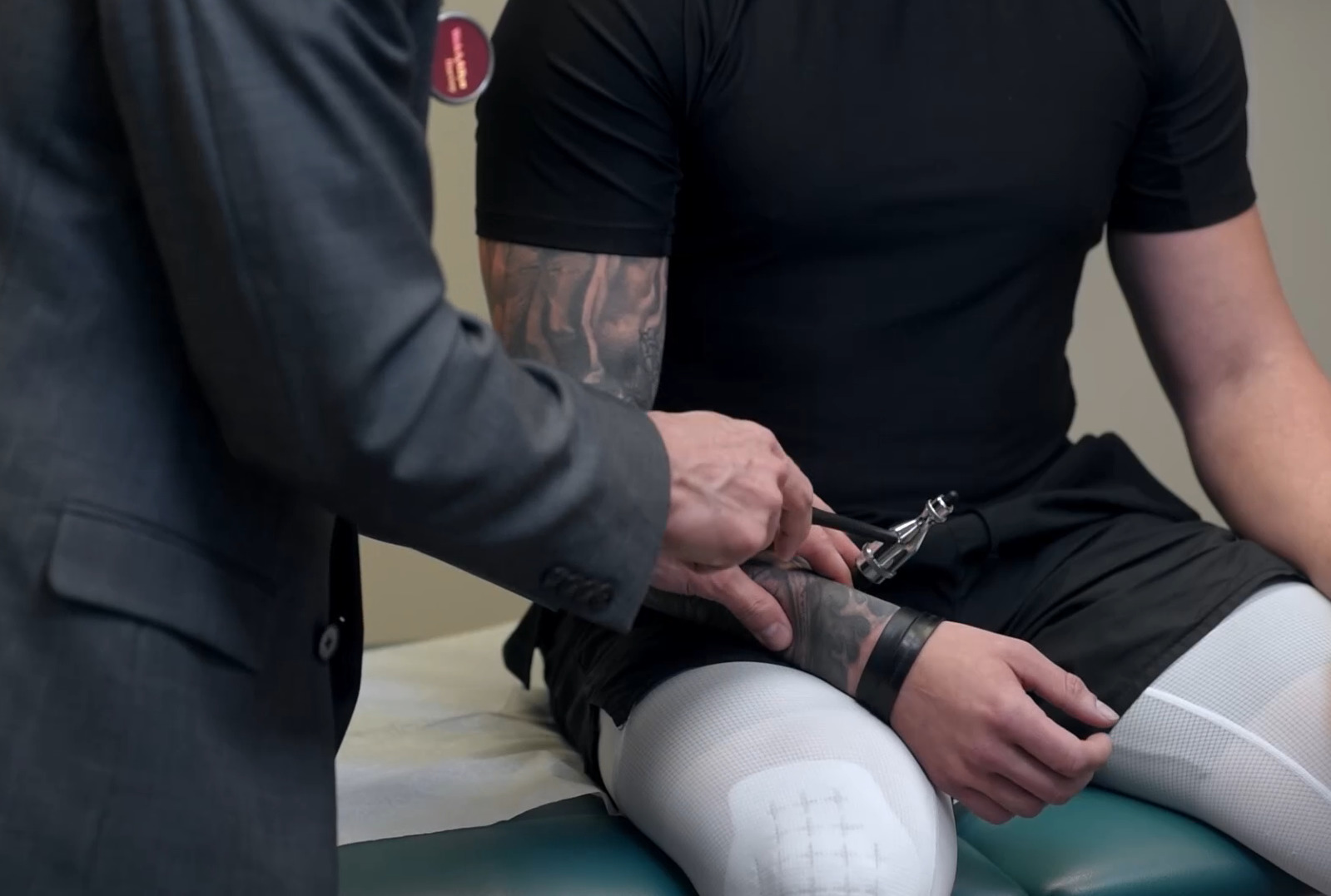
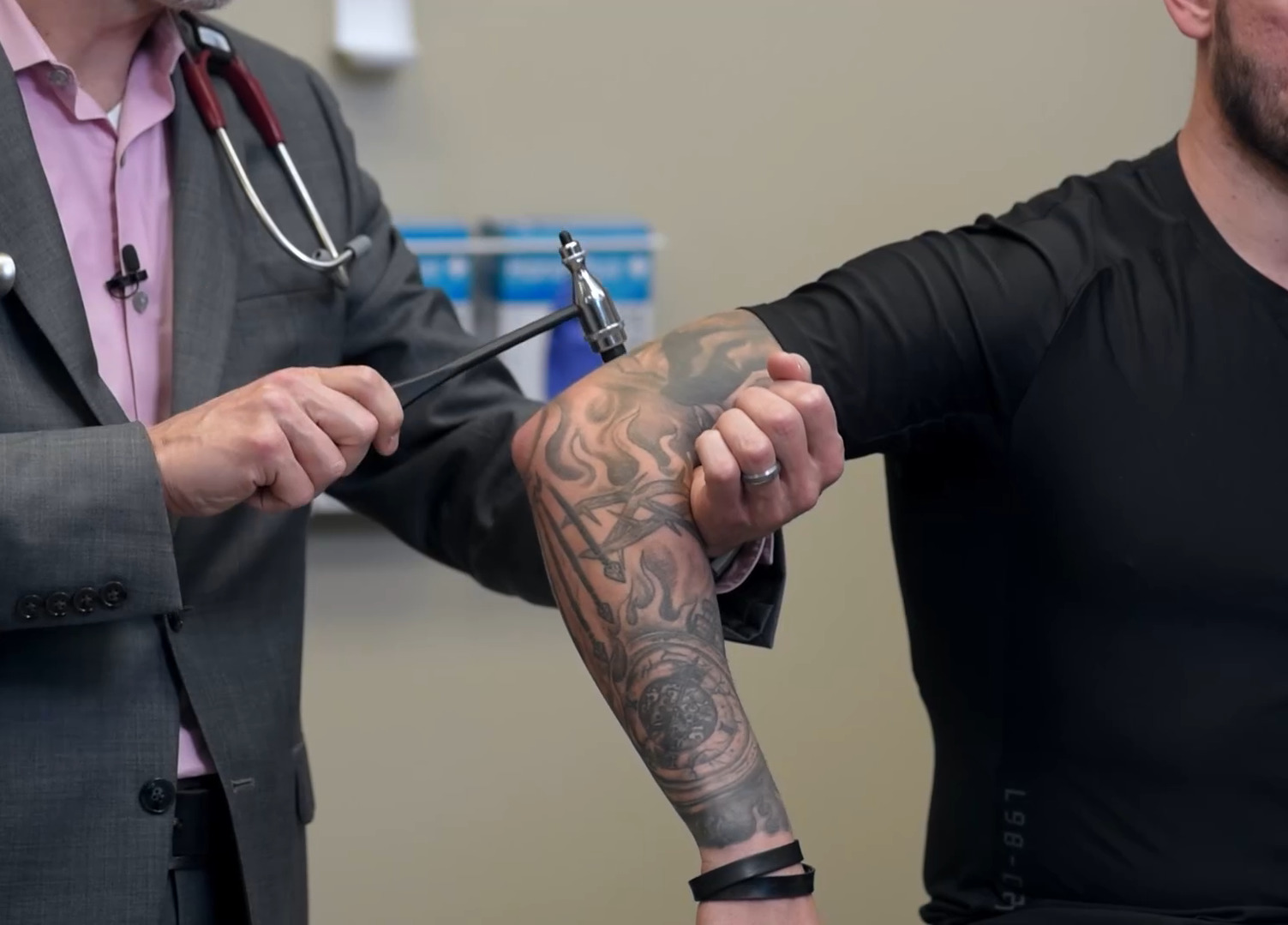
  • Examen neurológico:
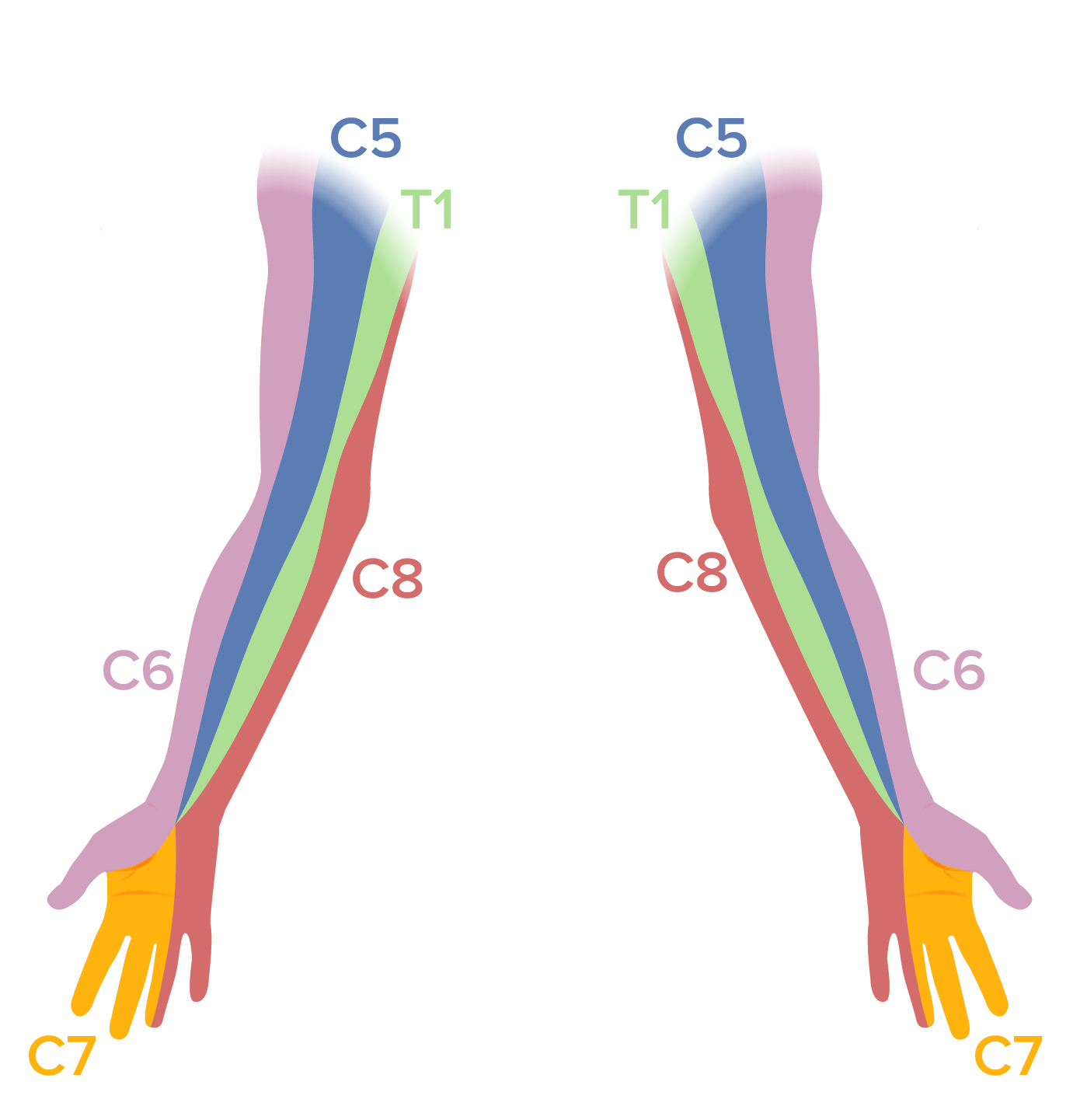
    • Examen dermatológico de las extremidades superiores
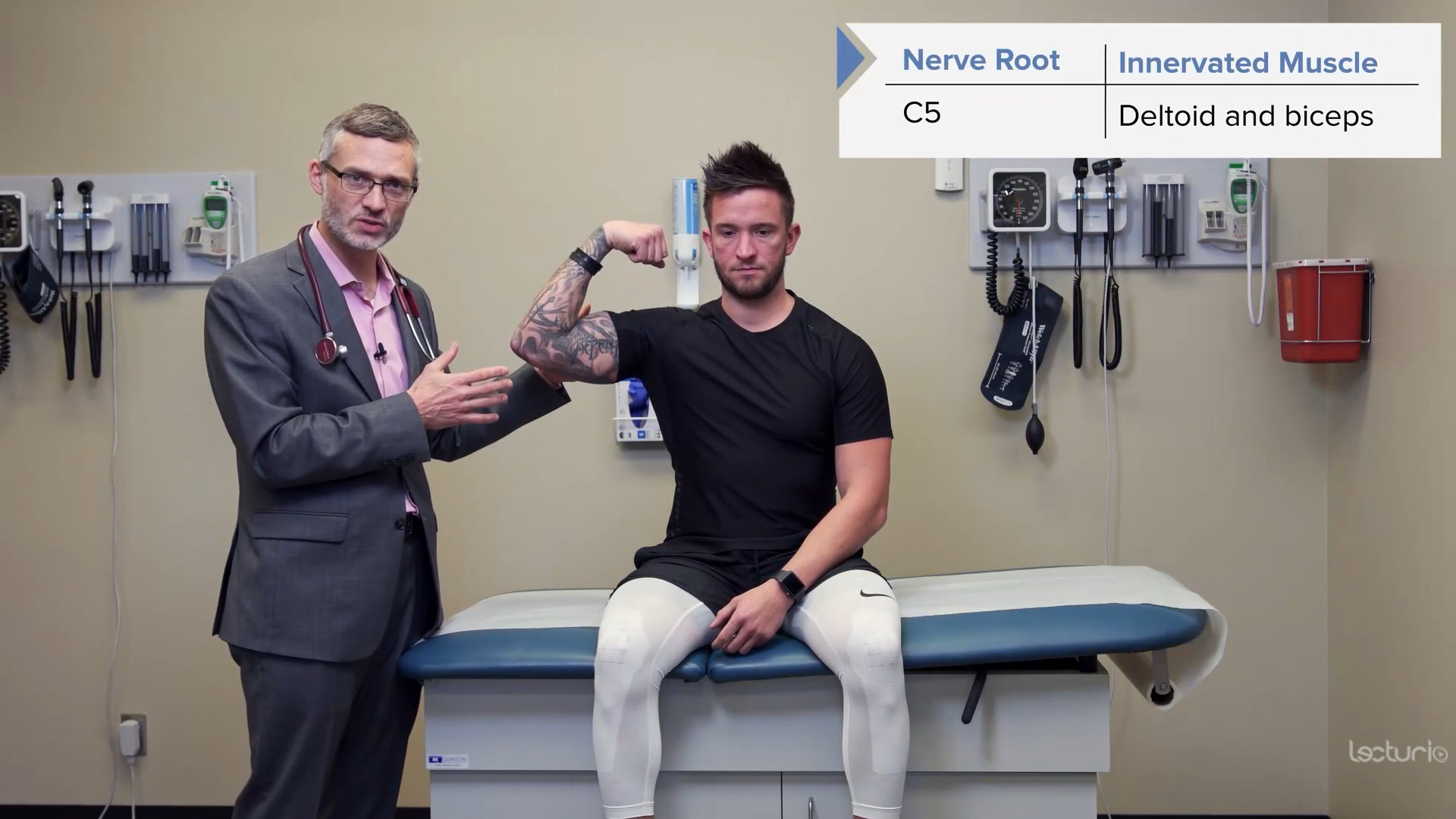
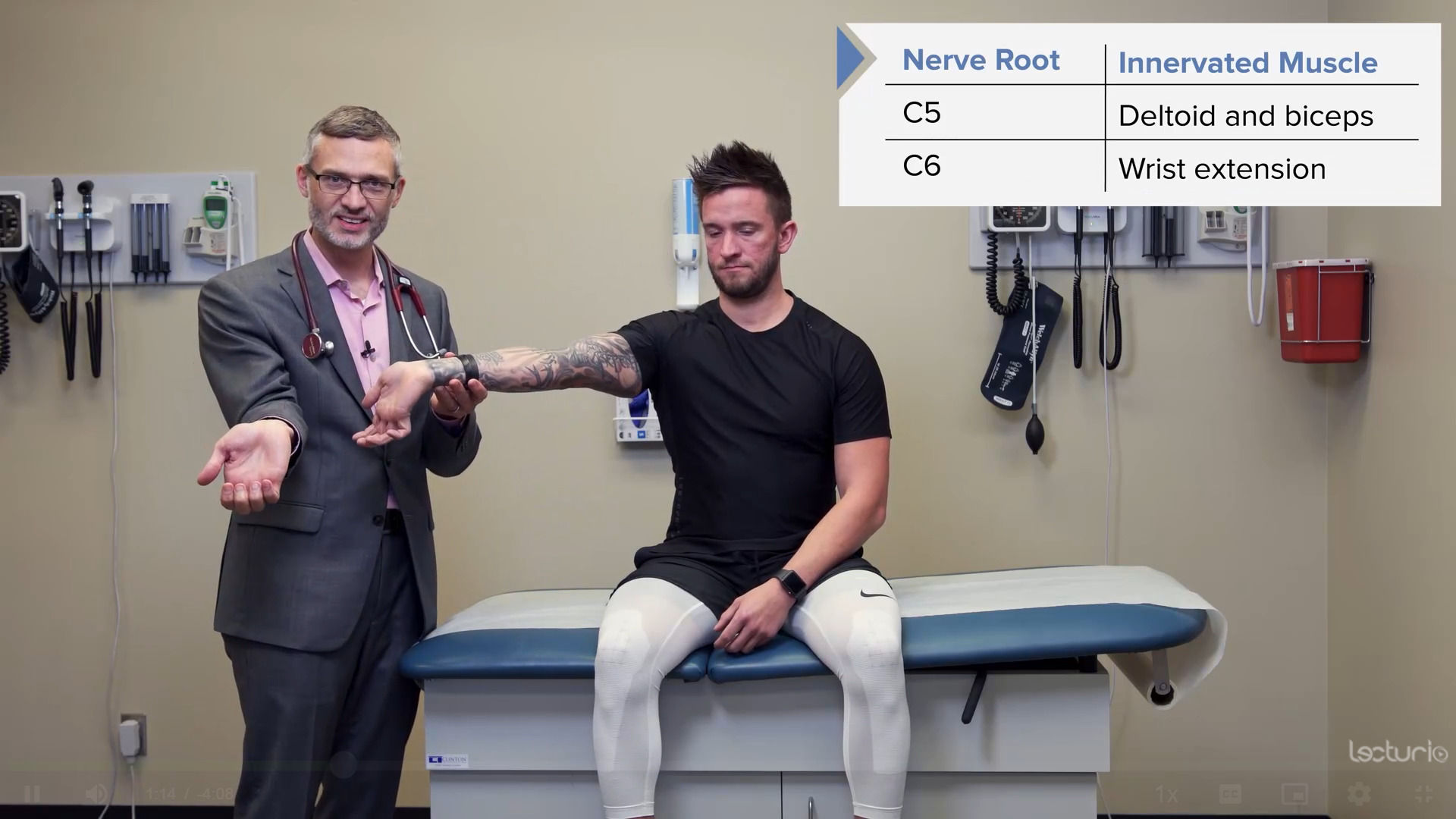
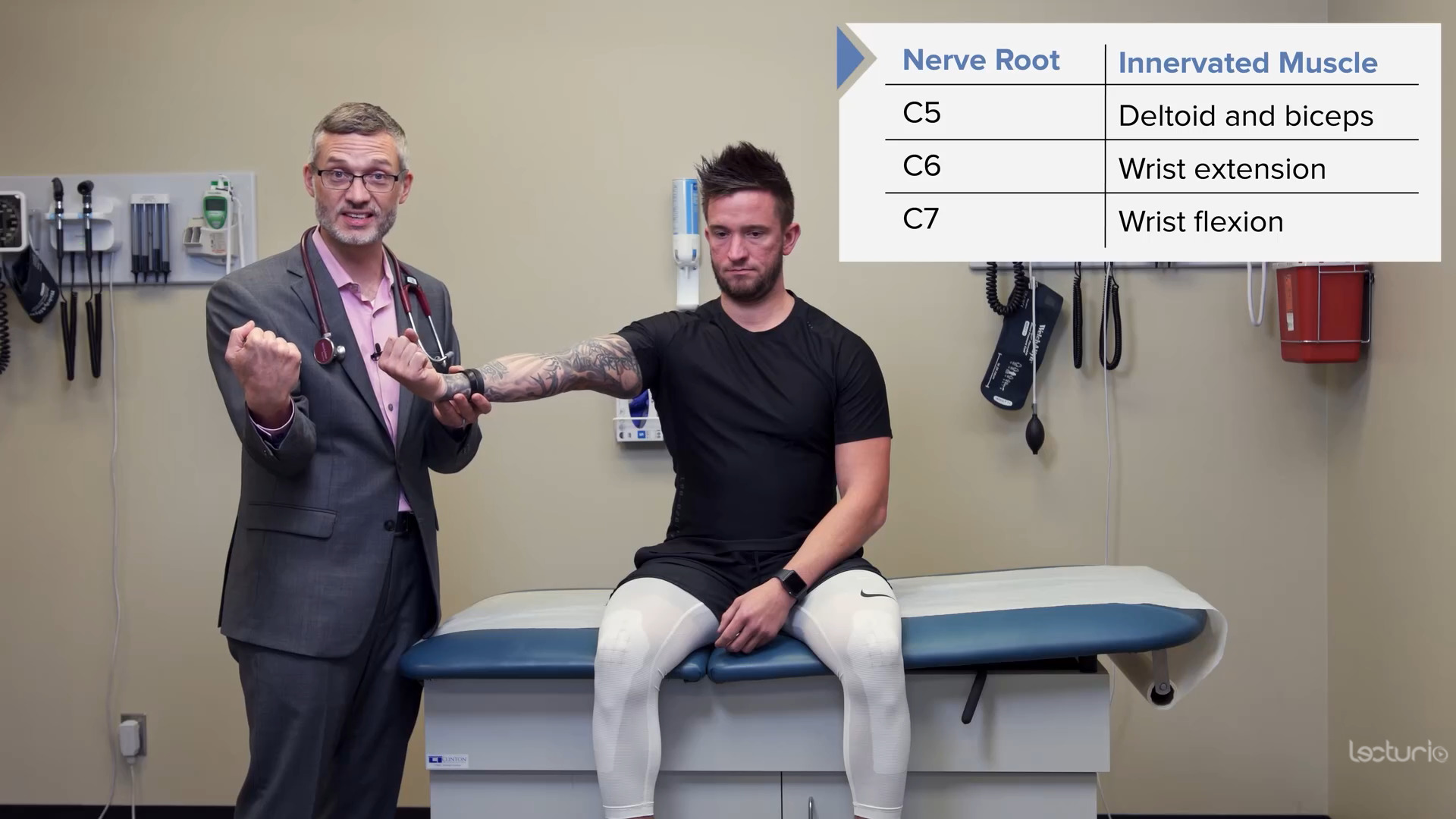
    • Pruebas de resistencia
    • Reflejos tendinosos profundos
    • Marcha

Pruebas y signos especiales:


  • Signo de Lhermitte:
    • Prueba de mielopatía cervical
    • La flexión pasiva o activa del cuello produce una sensación aguda y eléctrica que baja por los LOS Neisseria brazos o por la columna vertebral.
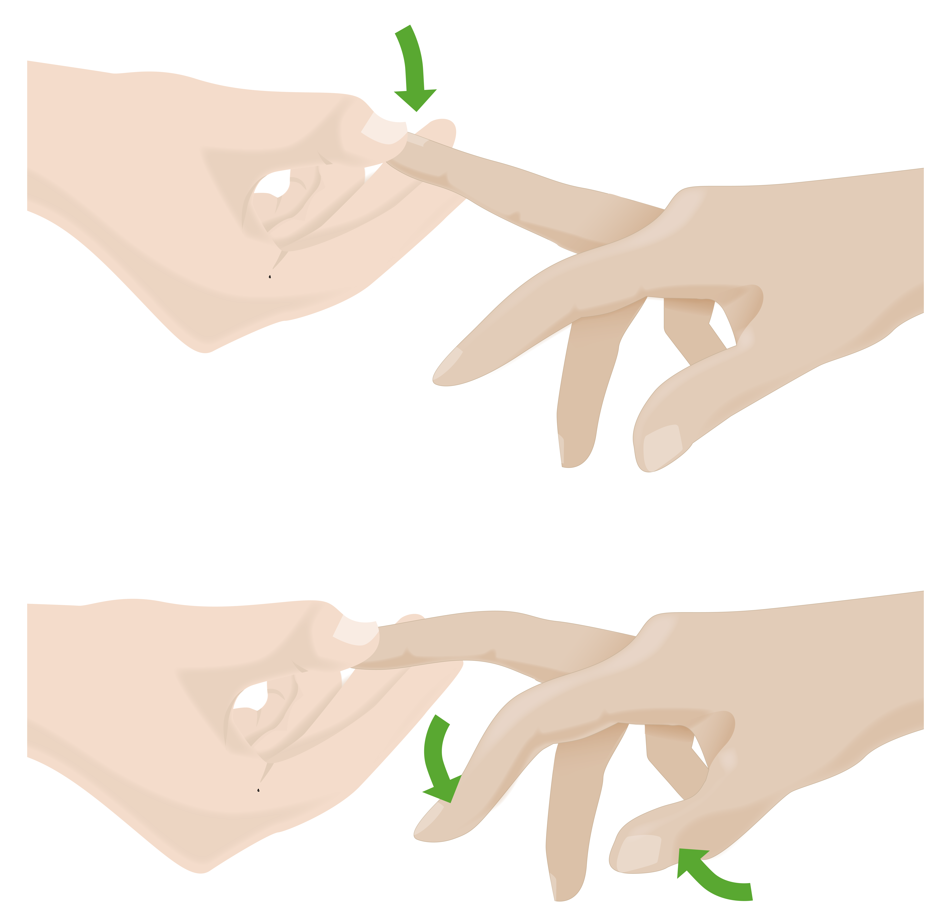
  • Signo de Hoffmann:
    • Prueba de síndrome de neurona motora superior (e.g., mielopatía cervical)
    • La flexión súbita del dedo medio provoca la flexión involuntaria de los LOS Neisseria dedos pulgar e índice.
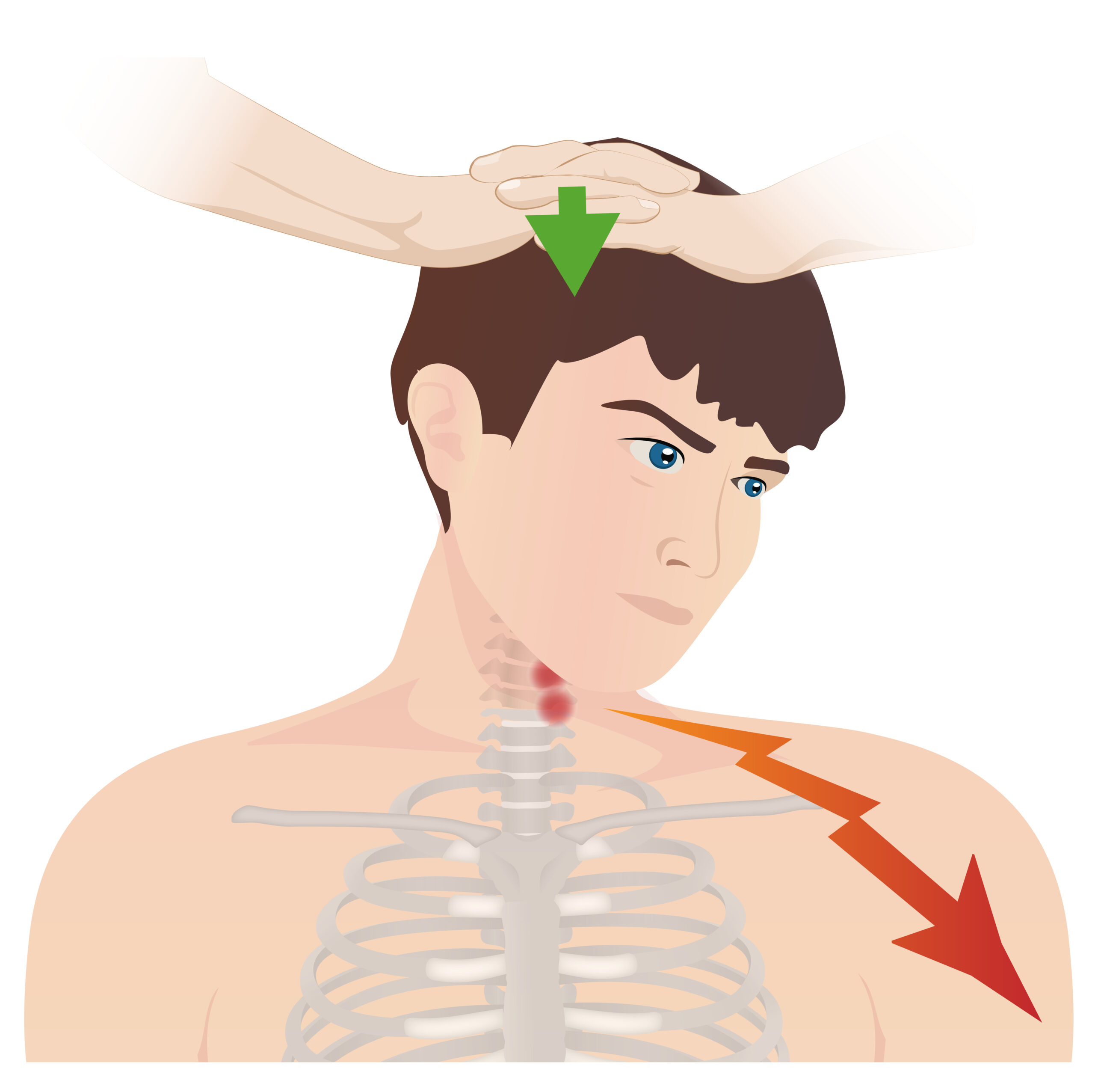
  • Prueba de Spurling (prueba de compresión del cuello):
    • Evalúa la radiculopatía cervical comprimiendo la raíz nerviosa afectada.
    • Realícelo con cuidado para evitar más lesiones.
    • Evite realizarlo en EN Erythema nodosum is an immune-mediated panniculitis (inflammation of the subcutaneous fat) caused by a type IV (delayed-type) hypersensitivity reaction. It commonly manifests in young women as tender, erythematous nodules on the shins. Erythema Nodosum pacientes con el signo de Lhermitte.
    • Procedimiento:
      • El cuello del paciente se extiende y gira hacia un lado.
      • Se aplica una fuerza hacia abajo en EN Erythema nodosum is an immune-mediated panniculitis (inflammation of the subcutaneous fat) caused by a type IV (delayed-type) hypersensitivity reaction. It commonly manifests in young women as tender, erythematous nodules on the shins. Erythema Nodosum la parte superior de la cabeza del paciente.
      • La irradiación del dolor Dolor Inflammation a la extremidad superior ipsilateral indica una prueba positiva.

Signos y síntomas de alarma

Los LOS Neisseria siguientes síntomas sugieren una patología grave e indican una evaluación urgente:

  • Debilidad de las extremidades inferiores
  • Alteración de la marcha
  • Disfunción intestinal o vesical
  • Fiebre
  • Pérdida de peso inexplicable
  • Signo de Lhermitte positivo

Diagnóstico

Los LOS Neisseria diagnósticos diferenciales relacionados con el dolor Dolor Inflammation de cuello son amplios y pueden reducirse con los LOS Neisseria antecedentes clínicos y la exploración física.

  • La imagenología puede no estar indicada durante la valoración inicial (< 6 semanas de duración de síntomas).
  • Excepciones:
    • Signos y síntomas de alarma
    • Lesiones graves

Imagenología

  • Los LOS Neisseria estudios de imagenología están indicados, o pueden considerarse, en EN Erythema nodosum is an immune-mediated panniculitis (inflammation of the subcutaneous fat) caused by a type IV (delayed-type) hypersensitivity reaction. It commonly manifests in young women as tender, erythematous nodules on the shins. Erythema Nodosum los LOS Neisseria siguientes escenarios clínicos:
    • Traumatismo agudo asociado
    • Hallazgos neurológicos graves o progresivos
    • Signos y síntomas constitucionales
    • Antecedentes de malignidad
    • Factores de riesgo infeccioso:
      • Abuso de drogas por vía intravenosa
      • Inmunosupresión
    • Signo de Lhermitte positivo
    • Dolor Dolor Inflammation de cuello persistente que no responde al AL Amyloidosis tratamiento adecuado
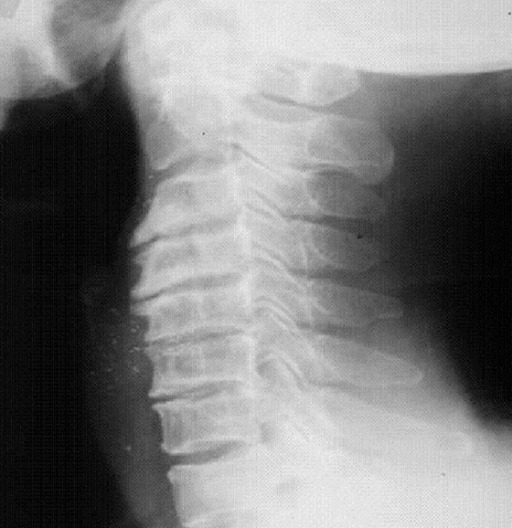
  • Las radiografías simples pueden evaluar:
    • Cambios degenerativos
    • Pérdida de altura del disco intervertebral
    • Mal alineamiento
    • Fracturas
    • Inestabilidad de la columna cervical
  • TC:
    • Método de elección para la detección de fracturas durante la valoración en EN Erythema nodosum is an immune-mediated panniculitis (inflammation of the subcutaneous fat) caused by a type IV (delayed-type) hypersensitivity reaction. It commonly manifests in young women as tender, erythematous nodules on the shins. Erythema Nodosum trauma
    • Evaluación de la anatomía ósea y de las fracturas
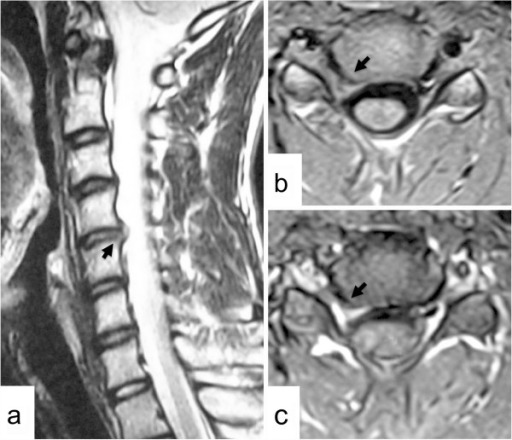
  • RM para evaluar anomalías de:
    • Tejidos blandos
    • Discos intervertebrales
    • Médula espinal
    • Raíces nerviosas

Estudios adicionales

  • Electromiografía y estudios de conducción nerviosa:
    • No es necesario de forma rutinaria.
    • A menudo se utilizan en EN Erythema nodosum is an immune-mediated panniculitis (inflammation of the subcutaneous fat) caused by a type IV (delayed-type) hypersensitivity reaction. It commonly manifests in young women as tender, erythematous nodules on the shins. Erythema Nodosum la evaluación de la neuropatía periférica.
  • Los LOS Neisseria estudios de laboratorio están indicados solo cuando se busca una patología adicional
    • Velocidad de sedimentación globular y PCR PCR Polymerase chain reaction (PCR) is a technique that amplifies DNA fragments exponentially for analysis. The process is highly specific, allowing for the targeting of specific genomic sequences, even with minuscule sample amounts. The PCR cycles multiple times through 3 phases: denaturation of the template DNA, annealing of a specific primer to the individual DNA strands, and synthesis/elongation of new DNA molecules. Polymerase Chain Reaction (PCR) → enfermedades inflamatorias, infección
    • Evaluación reumatológica (si procede)
    • Hemograma → leucocitosis puede indicar infección.
    • Troponina → isquemia miocárdica

Comparación de diagnósticos

La siguiente tabla compara las pistas clínicas y de diagnóstico de algunos trastornos músculo-esqueléticos comunes que se manifiestan con dolor Dolor Inflammation de cuello.

Tabla: Comparación de las pistas de diagnóstico para trastornos músculo-esqueléticos comunes que causan dolor Dolor Inflammation de cuello
Entidad Características clínicas Diagnóstico
Tensión cervical
  • Dolor Dolor Inflammation de cuello
  • Rigidez
  • Cefaleas
  • Sensibilidad a la palpación de los LOS Neisseria músculos del cuello y del trapecio
  • Las maniobras de provocación de la radiculopatía cervical son negativas.
Clínico
Espondilosis cervical
  • El dolor Dolor Inflammation es principalmente crónico y de naturaleza mecánica.
  • Cefaleas
  • Con o sin síntomas neurológicos
  • Puede asociarse a una radiculopatía o mielopatía cervical.
  • La exploración física varía en EN Erythema nodosum is an immune-mediated panniculitis (inflammation of the subcutaneous fat) caused by a type IV (delayed-type) hypersensitivity reaction. It commonly manifests in young women as tender, erythematous nodules on the shins. Erythema Nodosum función de la gravedad del proceso degenerativo.
  • Clínico
  • Hallazgos degenerativos en EN Erythema nodosum is an immune-mediated panniculitis (inflammation of the subcutaneous fat) caused by a type IV (delayed-type) hypersensitivity reaction. It commonly manifests in young women as tender, erythematous nodules on the shins. Erythema Nodosum imagenología
Síndrome del latigazo cervical (whiplash injury, en EN Erythema nodosum is an immune-mediated panniculitis (inflammation of the subcutaneous fat) caused by a type IV (delayed-type) hypersensitivity reaction. It commonly manifests in young women as tender, erythematous nodules on the shins. Erythema Nodosum inglés)
  • Dolor Dolor Inflammation de cuello
  • Movimiento restringido
  • Cefaleas occipitales
  • Usualmente no asociado a mareos
  • Clínico
  • Estudios de imagenología (si están indicados) para descartar otra patología
Radiculopatía cervical
  • Dolor Dolor Inflammation radicular
  • Posibles anomalías sensoriales y motoras
  • Prueba de Spurling positiva
  • Clínico
  • Imagenología indicada para los LOS Neisseria déficits neurológicos:
    • Estrechamiento de los LOS Neisseria forámenes neurales
    • Compresión de la raíz nerviosa
Mielopatía cervical
  • Dolor Dolor Inflammation progresivo de cuello
  • Trastorno de la marcha
  • Debilidad en EN Erythema nodosum is an immune-mediated panniculitis (inflammation of the subcutaneous fat) caused by a type IV (delayed-type) hypersensitivity reaction. It commonly manifests in young women as tender, erythematous nodules on the shins. Erythema Nodosum las extremidades
  • Anomalías vibratorias/propioceptivas
  • Disfunción intestinal y vesical
  • Síntomas de síndrome de neurona motora superior
  • Signo de Lhermitte positivo
RM muestra:
  • Compresión de la médula espinal cervical
  • Cambios en EN Erythema nodosum is an immune-mediated panniculitis (inflammation of the subcutaneous fat) caused by a type IV (delayed-type) hypersensitivity reaction. It commonly manifests in young women as tender, erythematous nodules on the shins. Erythema Nodosum la médula espinal
  • Estrechamiento del canal espinal

Tratamiento

El tratamiento precoz del dolor Dolor Inflammation de cuello se centra en EN Erythema nodosum is an immune-mediated panniculitis (inflammation of the subcutaneous fat) caused by a type IV (delayed-type) hypersensitivity reaction. It commonly manifests in young women as tender, erythematous nodules on the shins. Erythema Nodosum una evaluación inicial adecuada, la recuperación temprana del movimiento, el control del dolor Dolor Inflammation y una fisioterapia acertada.

Tratamiento tras un traumatismo grave

  • Tablero, collarín cervical rígido
  • Evaluación de la vía aérea, respiración y circulación (ABC, por sus siglas en EN Erythema nodosum is an immune-mediated panniculitis (inflammation of the subcutaneous fat) caused by a type IV (delayed-type) hypersensitivity reaction. It commonly manifests in young women as tender, erythematous nodules on the shins. Erythema Nodosum inglés)
  • Remisión inmediata a urgencias

Medidas conservadoras

Las medidas conservadoras suelen utilizarse en EN Erythema nodosum is an immune-mediated panniculitis (inflammation of the subcutaneous fat) caused by a type IV (delayed-type) hypersensitivity reaction. It commonly manifests in young women as tender, erythematous nodules on the shins. Erythema Nodosum pacientes sin traumatismos importantes o signos de alarma.

Tratamiento general:

Terapia física y de movimiento:

  • Ejercicios de terapia en EN Erythema nodosum is an immune-mediated panniculitis (inflammation of the subcutaneous fat) caused by a type IV (delayed-type) hypersensitivity reaction. It commonly manifests in young women as tender, erythematous nodules on the shins. Erythema Nodosum casa:
    • Ejercitar todo el rango de movimiento del cuello
    • Estiramiento
    • Postura adecuada
  • Ejercicio aeróbico (e.g., caminar)
  • Fisioterapia: esencial en EN Erythema nodosum is an immune-mediated panniculitis (inflammation of the subcutaneous fat) caused by a type IV (delayed-type) hypersensitivity reaction. It commonly manifests in young women as tender, erythematous nodules on the shins. Erythema Nodosum el tratamiento del dolor Dolor Inflammation de cuello y en EN Erythema nodosum is an immune-mediated panniculitis (inflammation of the subcutaneous fat) caused by a type IV (delayed-type) hypersensitivity reaction. It commonly manifests in young women as tender, erythematous nodules on the shins. Erythema Nodosum la prevención del dolor Dolor Inflammation de cuello crónico
  • Terapia manual o manipulación
  • Considere la posibilidad de realizar ejercicios de mente-cuerpo:
    • Tai chi
    • Yoga

Medidas farmacológicas

  • Acetaminofén
  • AINE (usar con precaución en EN Erythema nodosum is an immune-mediated panniculitis (inflammation of the subcutaneous fat) caused by a type IV (delayed-type) hypersensitivity reaction. It commonly manifests in young women as tender, erythematous nodules on the shins. Erythema Nodosum pacientes con úlcera gástrica, enfermedad cardíaca y enfermedad renal)
  • Relajantes musculares:
    • Controvertido
    • Falta de pruebas de calidad
    • Evitar el uso a largo plazo
  • Tramadol Tramadol A narcotic analgesic proposed for severe pain. It may be habituating. Opioid Analgesics
    • Posible sinergismo cuando se utiliza con paracetamol paracetamol Acetaminophen is an over-the-counter nonopioid analgesic and antipyretic medication and the most commonly used analgesic worldwide. Despite the widespread use of acetaminophen, its mechanism of action is not entirely understood. Acetaminophen
    • Evitar el uso a largo plazo
  • Duloxetina, gabapentina o antidepresivos tricíclicos para los LOS Neisseria pacientes en EN Erythema nodosum is an immune-mediated panniculitis (inflammation of the subcutaneous fat) caused by a type IV (delayed-type) hypersensitivity reaction. It commonly manifests in young women as tender, erythematous nodules on the shins. Erythema Nodosum los LOS Neisseria que falla la terapia anterior
  • Esteroides sistémicos o epidurales
    • Puede considerarse en EN Erythema nodosum is an immune-mediated panniculitis (inflammation of the subcutaneous fat) caused by a type IV (delayed-type) hypersensitivity reaction. It commonly manifests in young women as tender, erythematous nodules on the shins. Erythema Nodosum pacientes con dolor Dolor Inflammation radicular.
    • Controvertidos
    • Falta de pruebas de calidad
  • Los LOS Neisseria opiáceos rara vez están indicados.

Terapias invasivas

Se pueden considerar las siguientes opciones, junto con el manejo del dolor Dolor Inflammation y/o la terapia física y rehabilitación:

  • Acupuntura
  • Punción seca
  • Inyecciones de puntos de disparo
  • Bloqueos de rama medial cervical
  • Neurotomía percutánea

Intervenciones quirúrgicas

  • Raramente indicadas en EN Erythema nodosum is an immune-mediated panniculitis (inflammation of the subcutaneous fat) caused by a type IV (delayed-type) hypersensitivity reaction. It commonly manifests in young women as tender, erythematous nodules on the shins. Erythema Nodosum el dolor Dolor Inflammation de cuello no radicular
  • Las tasas de éxito son mayores para los LOS Neisseria pacientes con dolor Dolor Inflammation radicular o enfermedad mielopática.
  • El manejo quirúrgico temprano está indicado en EN Erythema nodosum is an immune-mediated panniculitis (inflammation of the subcutaneous fat) caused by a type IV (delayed-type) hypersensitivity reaction. It commonly manifests in young women as tender, erythematous nodules on the shins. Erythema Nodosum:
    • Debilidad muscular significativa
    • Fracturas
    • Mielopatía

Relevancia Clínica

  • Osteoartritis: Causa de la espondilosis cervical; debido a la destrucción del cartílago y a los LOS Neisseria cambios del hueso subcondral. Los LOS Neisseria pacientes con osteoartritis desarrollan dolor Dolor Inflammation articular gradual, rigidez que dura < 30 minutos y disminución del rango de movimiento. El examen físico puede revelar crépitos con el movimiento de la articulación. El diagnóstico es clínico y se apoya con los LOS Neisseria hallazgos radiológicos. El tratamiento incluye medidas conservadoras, analgésicos, inyecciones intraarticulares de glucocorticoides y cirugía en EN Erythema nodosum is an immune-mediated panniculitis (inflammation of the subcutaneous fat) caused by a type IV (delayed-type) hypersensitivity reaction. It commonly manifests in young women as tender, erythematous nodules on the shins. Erythema Nodosum casos avanzados.
  • Hernia Hernia Protrusion of tissue, structure, or part of an organ through the bone, muscular tissue, or the membrane by which it is normally contained. Hernia may involve tissues such as the abdominal wall or the respiratory diaphragm. Hernias may be internal, external, congenital, or acquired. Abdominal Hernias discal: Prolapso de un disco intervertebral a través del anillo fibroso, que puede provocar la irritación y pinzamiento en EN Erythema nodosum is an immune-mediated panniculitis (inflammation of the subcutaneous fat) caused by a type IV (delayed-type) hypersensitivity reaction. It commonly manifests in young women as tender, erythematous nodules on the shins. Erythema Nodosum una raíz nerviosa adyacente y provocar radiculopatía. Los LOS Neisseria síntomas de la hernia Hernia Protrusion of tissue, structure, or part of an organ through the bone, muscular tissue, or the membrane by which it is normally contained. Hernia may involve tissues such as the abdominal wall or the respiratory diaphragm. Hernias may be internal, external, congenital, or acquired. Abdominal Hernias discal incluyen dolor Dolor Inflammation, parestesias y debilidad, dependiendo de la gravedad de la afectación del nervio. La imagenología demostrará protrusión del disco. El tratamiento incluye medidas conservadoras, analgésicos, fisioterapia y cirugía en EN Erythema nodosum is an immune-mediated panniculitis (inflammation of the subcutaneous fat) caused by a type IV (delayed-type) hypersensitivity reaction. It commonly manifests in young women as tender, erythematous nodules on the shins. Erythema Nodosum casos graves.
  • Fibromialgia: Trastorno no articular y no inflamatorio que provoca dolor Dolor Inflammation crónico. La fibromialgia es poco conocida, pero provoca dolor Dolor Inflammation muscular generalizado, que puede comprometer el cuello. El diagnóstico es clínico y el manejo se centra en EN Erythema nodosum is an immune-mediated panniculitis (inflammation of the subcutaneous fat) caused by a type IV (delayed-type) hypersensitivity reaction. It commonly manifests in young women as tender, erythematous nodules on the shins. Erythema Nodosum el alivio del estrés, optimización del sueño, manejo de salud mental y analgésicos no opiáceos.
  • Síndrome de dolor Dolor Inflammation miofascial: Trastorno de dolor Dolor Inflammation muscular similar a la fibromialgia. Sin embargo, el dolor Dolor Inflammation del síndrome de dolor Dolor Inflammation miofascial suele estar localizado en EN Erythema nodosum is an immune-mediated panniculitis (inflammation of the subcutaneous fat) caused by a type IV (delayed-type) hypersensitivity reaction. It commonly manifests in young women as tender, erythematous nodules on the shins. Erythema Nodosum una región anatómica (como el cuello). El diagnóstico se basa en EN Erythema nodosum is an immune-mediated panniculitis (inflammation of the subcutaneous fat) caused by a type IV (delayed-type) hypersensitivity reaction. It commonly manifests in young women as tender, erythematous nodules on the shins. Erythema Nodosum la presencia de puntos de disparo. El tratamiento puede incluir fisioterapia, masajes y analgésicos no opiáceos.
  • Artritis reumatoide: Enfermedad autoinmune de las articulaciones que provoca artritis inflamatoria y destructiva. La subluxación atlanto-axial es frecuente en EN Erythema nodosum is an immune-mediated panniculitis (inflammation of the subcutaneous fat) caused by a type IV (delayed-type) hypersensitivity reaction. It commonly manifests in young women as tender, erythematous nodules on the shins. Erythema Nodosum la artritis reumatoide y puede causar rigidez de cuello y hombro, radiculopatía y mielopatía. El diagnóstico se basa en EN Erythema nodosum is an immune-mediated panniculitis (inflammation of the subcutaneous fat) caused by a type IV (delayed-type) hypersensitivity reaction. It commonly manifests in young women as tender, erythematous nodules on the shins. Erythema Nodosum el cuadro clínico, los LOS Neisseria marcadores inflamatorios, el factor reumatoide ( RF RF Rheumatoid Arthritis, por sus siglas en EN Erythema nodosum is an immune-mediated panniculitis (inflammation of the subcutaneous fat) caused by a type IV (delayed-type) hypersensitivity reaction. It commonly manifests in young women as tender, erythematous nodules on the shins. Erythema Nodosum inglés) y los LOS Neisseria anticuerpos antipéptido cíclico citrulinado (anti-CCP). El tratamiento comienza con glucocorticoides, medicamentos antirreumáticos modificadores de la enfermedad ( DMARD DMARD Disease-modifying antirheumatic drugs are antiinflammatory medications used to manage rheumatoid arthritis. The medications slow, but do not cure, the progression of the disease. The medications are classified as either synthetic or biologic agents and each has unique mechanisms of action and side effects. Disease-Modifying Antirheumatic Drugs (DMARDs), por sus siglas en EN Erythema nodosum is an immune-mediated panniculitis (inflammation of the subcutaneous fat) caused by a type IV (delayed-type) hypersensitivity reaction. It commonly manifests in young women as tender, erythematous nodules on the shins. Erythema Nodosum inglés) y AINE.
  • Espondilitis anquilosante: Espondiloartropatía seronegativa caracterizada por una inflamación crónica e indolente del esqueleto axial Axial Computed Tomography (CT). La enfermedad grave puede provocar la fusión y la rigidez de la columna vertebral. Los LOS Neisseria pacientes con espondilitis anquilosante presentarán dolor Dolor Inflammation progresivo en EN Erythema nodosum is an immune-mediated panniculitis (inflammation of the subcutaneous fat) caused by a type IV (delayed-type) hypersensitivity reaction. It commonly manifests in young women as tender, erythematous nodules on the shins. Erythema Nodosum el cuello y en EN Erythema nodosum is an immune-mediated panniculitis (inflammation of the subcutaneous fat) caused by a type IV (delayed-type) hypersensitivity reaction. It commonly manifests in young women as tender, erythematous nodules on the shins. Erythema Nodosum la parte baja de la espalda (que mejora con la actividad), rigidez matutina y disminución del rango de movimiento de la columna vertebral. El diagnóstico se basa en EN Erythema nodosum is an immune-mediated panniculitis (inflammation of the subcutaneous fat) caused by a type IV (delayed-type) hypersensitivity reaction. It commonly manifests in young women as tender, erythematous nodules on the shins. Erythema Nodosum los LOS Neisseria antecedentes clínicos, la exploración física y el diagnóstico por imagen. La mayoría de los LOS Neisseria pacientes son tratados con fisioterapia y AINE.
  • Arteritis de células gigantes: Vasculitis Vasculitis Inflammation of any one of the blood vessels, including the arteries; veins; and rest of the vasculature system in the body. Systemic Lupus Erythematosus de grandes vasos que afecta predominantemente a la aorta Aorta The main trunk of the systemic arteries. Mediastinum and Great Vessels: Anatomy y sus ramas principales, con predilección por las ramas de la carótida (incluida la arteria temporal). Los LOS Neisseria pacientes con arteritis de células gigantes pueden tener cefalea, dolor Dolor Inflammation de cuello, dolor Dolor Inflammation de mandíbula y problemas de visión. El diagnóstico se realiza con una biopsia de la arteria temporal. Un tratamiento rápido con glucocorticoides puede aliviar los LOS Neisseria síntomas y prevenir la disminución de la agudeza visual.
  • Síndrome de salida torácica: Causado por la compresión de las estructuras neurovasculares en EN Erythema nodosum is an immune-mediated panniculitis (inflammation of the subcutaneous fat) caused by a type IV (delayed-type) hypersensitivity reaction. It commonly manifests in young women as tender, erythematous nodules on the shins. Erythema Nodosum la salida torácica, especialmente las que pasan por el triángulo interescalénico. Los LOS Neisseria signos y síntomas pueden incluir dolor Dolor Inflammation en EN Erythema nodosum is an immune-mediated panniculitis (inflammation of the subcutaneous fat) caused by a type IV (delayed-type) hypersensitivity reaction. It commonly manifests in young women as tender, erythematous nodules on the shins. Erythema Nodosum las extremidades superiores, el hombro o el cuello y parestesias. El diagnóstico se realiza con un examen clínico, imágenes y pruebas de electrodiagnóstico. El tratamiento suele incluir fisioterapia y analgésicos.
  • Absceso epidural: Acumulación de pus en EN Erythema nodosum is an immune-mediated panniculitis (inflammation of the subcutaneous fat) caused by a type IV (delayed-type) hypersensitivity reaction. It commonly manifests in young women as tender, erythematous nodules on the shins. Erythema Nodosum el espacio epidural. Los LOS Neisseria pacientes con un absceso epidural pueden tener dolor Dolor Inflammation de espalda o de cuello (dependiendo de la localización) y fiebre. Puede producirse una disfunción neurológica si el absceso comprime la médula espinal. La RM confirmará el diagnóstico. El tratamiento incluye antibióticos y aspiración del absceso. La cirugía es necesaria en EN Erythema nodosum is an immune-mediated panniculitis (inflammation of the subcutaneous fat) caused by a type IV (delayed-type) hypersensitivity reaction. It commonly manifests in young women as tender, erythematous nodules on the shins. Erythema Nodosum pacientes con disfunción neurológica.

Referencias

  1. Isaac, Z., et al. (2025). Evaluation of the adult patient with neck pain. In Atlas, S.J., et al. (Ed.), UpToDate. Retrieved November 15, 2025, from https://www.uptodate.com/contents/evaluation-of-the-adult-patient-with-neck-pain
  2. Shah, K. (2024). Cervical spinal column injuries in adults: Evaluation and initial management. UpToDate. Retrieved November 15, 2025, from https://www.uptodate.com/contents/cervical-spinal-column-injuries-in-adults-evaluation-and-initial-management
  3. Robinson, J. et al. (2025). Clinical features and diagnosis of cervical radiculopathy. In Shefner, J.M. (Ed.), UpToDate. Retrieved November 15, 2025, from https://www.uptodate.com/contents/clinical-features-and-diagnosis-of-cervical-radiculopathy
  4. Robinson, J. et al. (2025). Treatment and prognosis of cervical radiculopathy. In Shefner, J.M. (Ed.), UpToDate. Retrieved November 15, 2025, from https://www.uptodate.com/contents/treatment-and-prognosis-of-cervical-radiculopathy
  5. Levin, K. (2024). Cervical spondylotic myelopathy. In Aminoff, M.J. (Ed.), UpToDate. Retrieved November 15, 2025, from https://www.uptodate.com/contents/cervical-spondylotic-myelopathy
  6. Binder, A. (2005). Neck pain. American Family Physician 71:117–118. https://www.aafp.org/afp/2005/0101/p117.html
  7. Childress, M.A., and Stuek, S.J. (2020). Neck pain: Initial evaluation and management. American Family Physician. 102(3):150-156. https://www.aafp.org/afp/2020/0801/p150.html
  8. Teichtahl, A.J., McColl, G. (2013). An approach to neck pain for the family physician. Australian Family Physician 42:774–777. https://www.racgp.org.au/afp/2013/november/neck-pain/
  9. Moley, P.J. (2024). Evaluation of neck and back pain. MSD Manual Professional Version. Retrieved November 15, 2025, from https://www.msdmanuals.com/professional/musculoskeletal-and-connective-tissue-disorders/neck-and-back-pain/evaluation-of-neck-and-back-pain
  10. Freeman, M.D. (2023). Cervical sprain and strain. In Lorenzo, C.T. (Ed.), Medscape. Retrieved November 15, 2025, from https://emedicine.medscape.com/article/306176-overview

¡Crea tu cuenta gratis o inicia una sesión para seguir leyendo!

Regístrate ahora y obtén acceso gratuito a Lecturio con páginas de concepto, videos médicos y cuestionarios para tu educación médica.

User Reviews

Que tengas una sesión de estudio alegre y navideña 🎁 Ahorra 50% en todos los planes >>

Details