Domina Conceptos Médicos

Estudia para la escuela de medicina y tus examenes con Lecturio.

Difteria

La difteria es una enfermedad infecciosa causada por Corynebacterium diphtheriae que suele provocar una enfermedad respiratoria con inflamación membranosa de la faringe, dolor de garganta, fiebre, inflamación de los ganglios y debilidad. El signo distintivo es una lámina de material grueso y gris que cubre la parte posterior de la garganta. La difteria también puede manifestarse como una enfermedad cutánea que da lugar a lesiones cutáneas inespecíficas. En fases avanzadas, la difteria puede dañar el corazón, los riñones y el sistema nervioso. Se diagnostica mediante un cultivo de hisopado faríngeo y se trata con terapia antibiótica y la antitoxina diftérica.

Last updated: Jan 21, 2023
Editorial responsibility: Stanley Oiseth, Lindsay Jones, Evelin Maza

Etiología y Epidemiología

  • Patógeno: Corynebacterium diphtheriae Corynebacterium diphtheriae Diphtheria is an infectious disease caused by corynebacterium diphtheriae that most often results in respiratory disease with membranous inflammation of the pharynx, sore throat, fever, swollen glands, and weakness. The hallmark sign is a sheet of thick, gray material covering the back of the throat. Diphtheria, bacilo grampositivo
    • Cuatro biotipos: gravis, intermedius, mitis y belfanti
  • Transmisión: contacto estrecho con la secreción respiratoria infectada (directa o por gotitas en EN Erythema nodosum is an immune-mediated panniculitis (inflammation of the subcutaneous fat) caused by a type IV (delayed-type) hypersensitivity reaction. It commonly manifests in young women as tender, erythematous nodules on the shins. Erythema Nodosum el aire)
    • También puede transmitirse a través de lesiones cutáneas
  • La inmunización ha HA Hemolytic anemia (HA) is the term given to a large group of anemias that are caused by the premature destruction/hemolysis of circulating red blood cells (RBCs). Hemolysis can occur within (intravascular hemolysis) or outside the blood vessels (extravascular hemolysis). Hemolytic Anemia minimizado la transmisión de la cepa toxigénica en EN Erythema nodosum is an immune-mediated panniculitis (inflammation of the subcutaneous fat) caused by a type IV (delayed-type) hypersensitivity reaction. It commonly manifests in young women as tender, erythematous nodules on the shins. Erythema Nodosum los LOS Neisseria países ricos en EN Erythema nodosum is an immune-mediated panniculitis (inflammation of the subcutaneous fat) caused by a type IV (delayed-type) hypersensitivity reaction. It commonly manifests in young women as tender, erythematous nodules on the shins. Erythema Nodosum recursos.
  • Sigue siendo una enfermedad extendida/endémica en EN Erythema nodosum is an immune-mediated panniculitis (inflammation of the subcutaneous fat) caused by a type IV (delayed-type) hypersensitivity reaction. It commonly manifests in young women as tender, erythematous nodules on the shins. Erythema Nodosum los LOS Neisseria países con recursos limitados
  • Los LOS Neisseria portadores asintomáticos son importantes en EN Erythema nodosum is an immune-mediated panniculitis (inflammation of the subcutaneous fat) caused by a type IV (delayed-type) hypersensitivity reaction. It commonly manifests in young women as tender, erythematous nodules on the shins. Erythema Nodosum la transmisión.
    • El 5% de las poblaciones de las zonas endémicas tienen cultivos faríngeos positivos.
  • Los LOS Neisseria humanos son el único reservorio conocido.
  • Pico de incidencia en EN Erythema nodosum is an immune-mediated panniculitis (inflammation of the subcutaneous fat) caused by a type IV (delayed-type) hypersensitivity reaction. It commonly manifests in young women as tender, erythematous nodules on the shins. Erythema Nodosum los LOS Neisseria meses más fríos

Fisiopatología

Patogénesis de la difteria

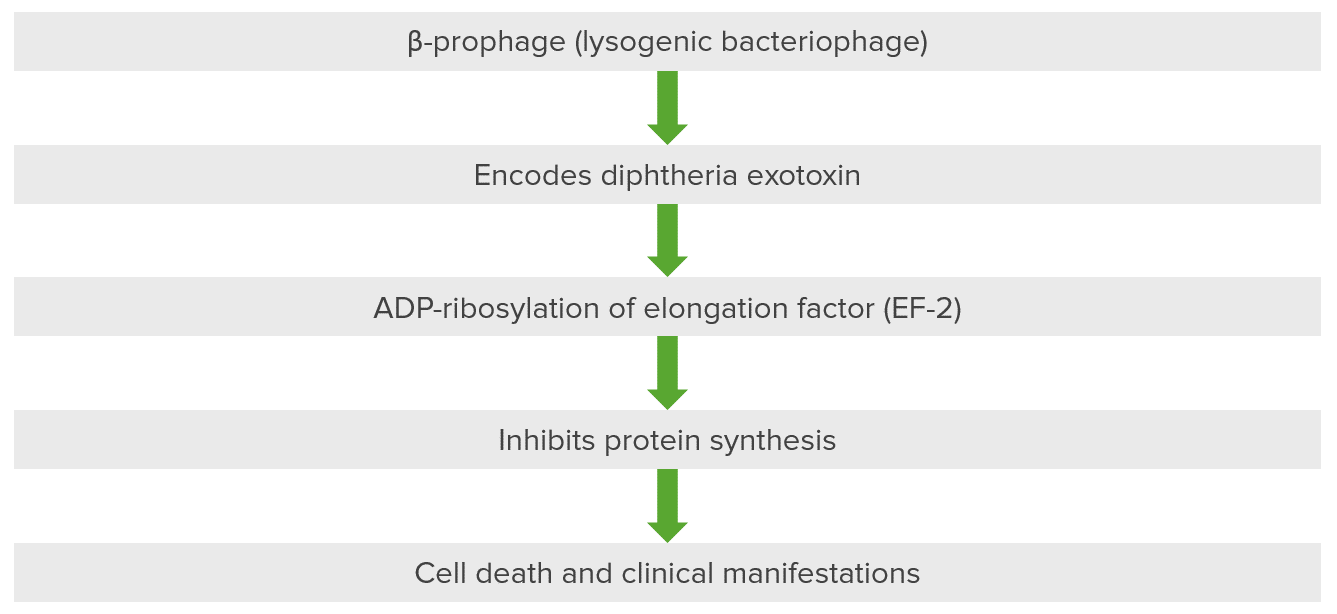
Patogénesis de las enfermedades asociadas a Corynebacterium: la exotoxina de la difteria inactiva el factor de elongación (EF-2) a través de la ribosilación ADP
Este bacteriófago, un profago beta, se introduce en la célula y en el ADN del organismo anfitrión, dando lugar a la codificación de la exotoxina diftérica. La exotoxina tiene 3 dominios: 1 está presente en el fragmento A y es catalítico, mientras que 2 están presentes en el fragmento B para la unión al receptor y la inserción y translocación en la membrana. La exotoxina es la principal causa de la enfermedad en la difteria porque ribosila el ADP presente en el factor de elongación. El factor de elongación, concretamente el factor de elongación 2 (EF-2), es fundamental para la elongación de las cadenas de proteínas. La exotoxina de la difteria inhibe el EF-2 de manera que no se sintetiza la proteína, lo que provoca la muerte celular y las manifestaciones clínicas secundarias.
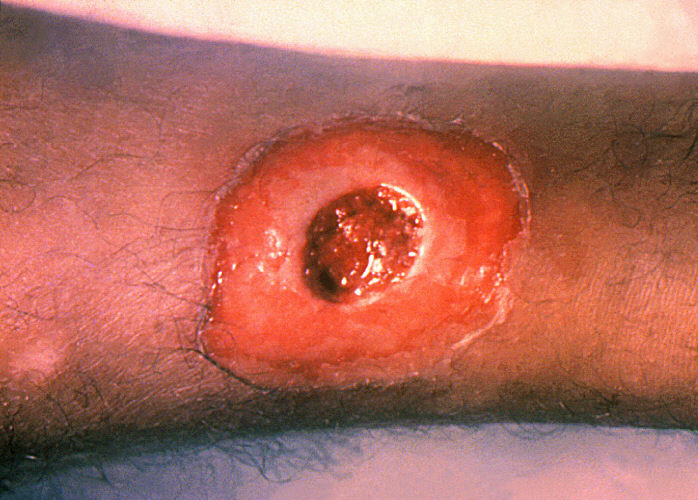
Imagen por Lecturio.

Presentación Clínica

  • Difteria respiratoria:
    • Los LOS Neisseria síntomas comienzan 2-5 días después de la infección.
    • El inicio es gradual: dolor Dolor Inflammation de garganta, malestar, linfadenopatía cervical, fiebre baja, faringe ligeramente eritematosa
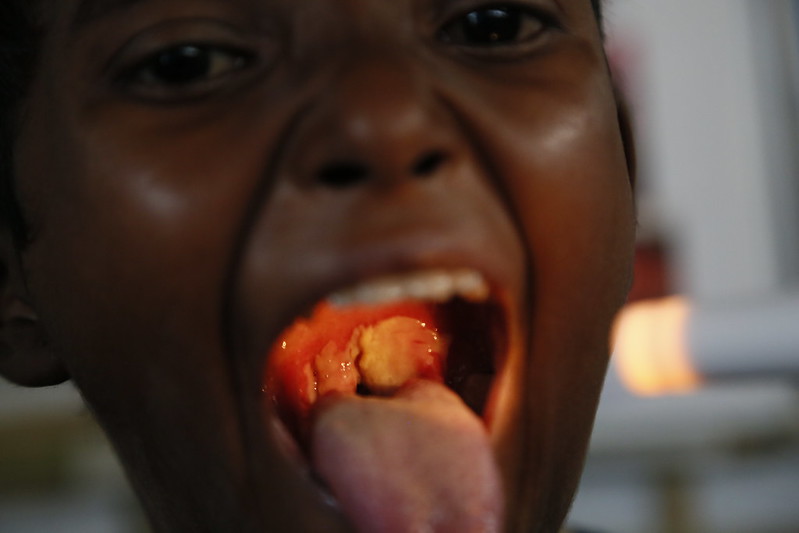
    • Faringitis pseudomembranosa: una membrana blanco-grisácea que cubre la pared faríngea posterior y/o las amígdalas y que sangra mucho al AL Amyloidosis intentar su extracción debido a su naturaleza altamente vascular, presente en EN Erythema nodosum is an immune-mediated panniculitis (inflammation of the subcutaneous fat) caused by a type IV (delayed-type) hypersensitivity reaction. It commonly manifests in young women as tender, erythematous nodules on the shins. Erythema Nodosum al AL Amyloidosis menos un-tercio de los LOS Neisseria casos
      • Nunca se debe raspar
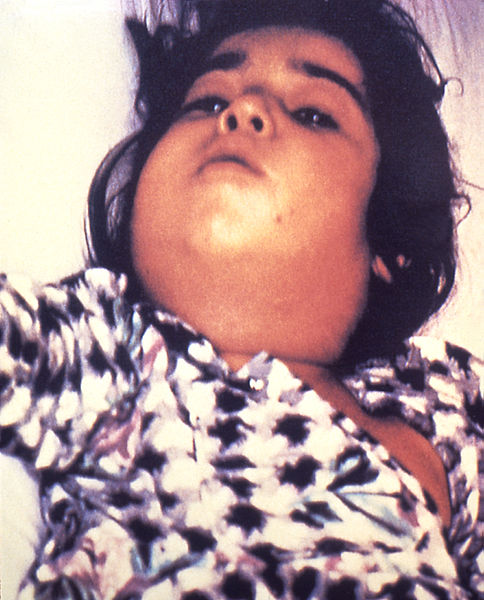
    • Linfadenopatía severa con apariencia de “cuello de toro” (patognomónico)
    • Mal aliento u olor de la boca
  • Difteria laríngea:
    • El característico cuello y garganta hinchados o “cuello de toro”
    • A menudo acompañado por:
      • Tos “perruna”
      • Estridor
      • Disfonía
      • Dificultad para respirar
      • Crup diftérico
  • Difteria cutánea (de las heridas):
    • Pápula inicial → úlcera crónica que no cicatriza con una membrana de color gris sucio
    • El traumatismo local es un precedente frecuente (e.g., el uso de drogas por vía intravenosa)
    • Se observa con mayor frecuencia en EN Erythema nodosum is an immune-mediated panniculitis (inflammation of the subcutaneous fat) caused by a type IV (delayed-type) hypersensitivity reaction. It commonly manifests in young women as tender, erythematous nodules on the shins. Erythema Nodosum pacientes sin hogar o con antecedentes de abuso de drogas
  • Toxemia sistémica:
    • Daños en EN Erythema nodosum is an immune-mediated panniculitis (inflammation of the subcutaneous fat) caused by a type IV (delayed-type) hypersensitivity reaction. It commonly manifests in young women as tender, erythematous nodules on the shins. Erythema Nodosum órganos distantes: miocarditis, arritmia, bloqueo cardíaco, toxicidad neurológica central y periférica, insuficiencia renal, hipotensión
    • La desmielinización y los LOS Neisseria déficits nerviosos comienzan en EN Erythema nodosum is an immune-mediated panniculitis (inflammation of the subcutaneous fat) caused by a type IV (delayed-type) hypersensitivity reaction. It commonly manifests in young women as tender, erythematous nodules on the shins. Erythema Nodosum la faringe oral posterior.
  • Difteria nasal:
    • Irritación leve de las fosas nasales externas y del labio superior
    • Secreción nasal serosa o purulenta
  • Difteria traqueobronquial:
    • Se desarrolla de forma secundaria a la propagación de la membrana
    • Puede dar lugar a un compromiso respiratorio, especialmente en EN Erythema nodosum is an immune-mediated panniculitis (inflammation of the subcutaneous fat) caused by a type IV (delayed-type) hypersensitivity reaction. It commonly manifests in young women as tender, erythematous nodules on the shins. Erythema Nodosum niños con vías respiratorias más pequeñas

Diagnóstico

  • Considere un diagnóstico con las manifestaciones clínicas relevantes enumeradas anteriormente junto con los LOS Neisseria factores de riesgo epidemiológicos.
  • El diagnóstico definitivo requiere un cultivo + prueba toxigénica.
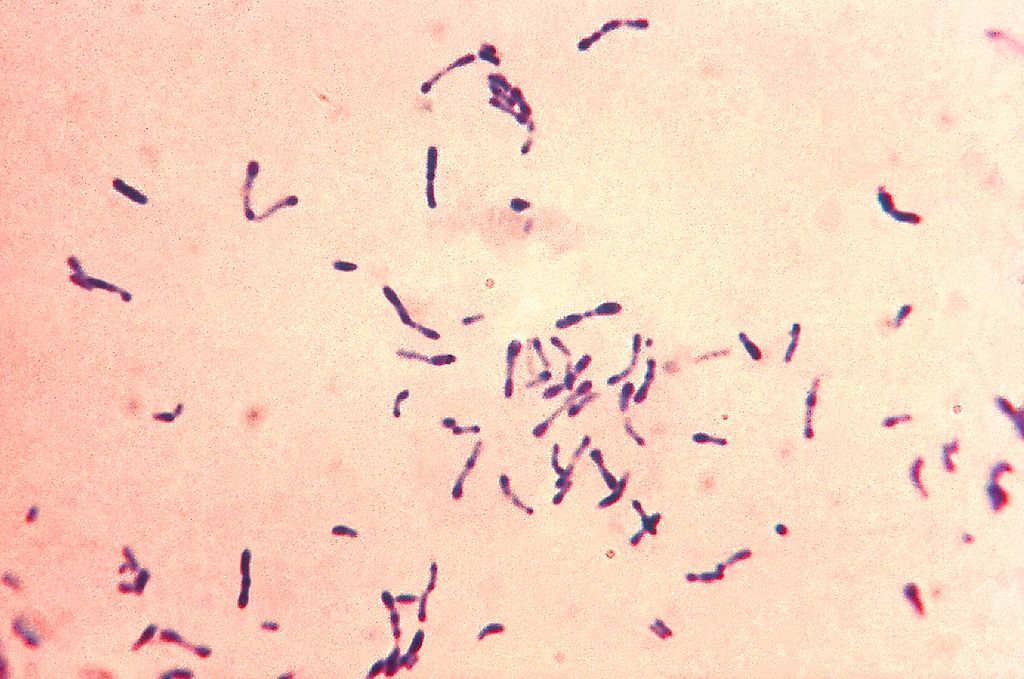
  • Los LOS Neisseria cultivos de hisopados faríngeos muestran C. diphtheriae (bacilos grampositivos con gránulos metacromáticos azules y rojos, en EN Erythema nodosum is an immune-mediated panniculitis (inflammation of the subcutaneous fat) caused by a type IV (delayed-type) hypersensitivity reaction. It commonly manifests in young women as tender, erythematous nodules on the shins. Erythema Nodosum forma de bastón, con formación en EN Erythema nodosum is an immune-mediated panniculitis (inflammation of the subcutaneous fat) caused by a type IV (delayed-type) hypersensitivity reaction. It commonly manifests in young women as tender, erythematous nodules on the shins. Erythema Nodosum V e Y).
  • La prueba Elek se realiza para determinar si la cepa es toxigénica:
    • C. diphtheriae crece en EN Erythema nodosum is an immune-mediated panniculitis (inflammation of the subcutaneous fat) caused by a type IV (delayed-type) hypersensitivity reaction. It commonly manifests in young women as tender, erythematous nodules on the shins. Erythema Nodosum un cultivo en EN Erythema nodosum is an immune-mediated panniculitis (inflammation of the subcutaneous fat) caused by a type IV (delayed-type) hypersensitivity reaction. It commonly manifests in young women as tender, erythematous nodules on the shins. Erythema Nodosum agar que se incrusta con un papel de filtro impregnado de antitoxina. La producción de la toxina de la difteria se muestra mediante bandas de precipitación.
    • Cultivo en EN Erythema nodosum is an immune-mediated panniculitis (inflammation of the subcutaneous fat) caused by a type IV (delayed-type) hypersensitivity reaction. It commonly manifests in young women as tender, erythematous nodules on the shins. Erythema Nodosum agar: Telurito → muestra colonias negras con halos
    • Medio de cultivo: Loeffler’s → muestra gránulos metacromáticos
  • Las pruebas de PCR PCR Polymerase chain reaction (PCR) is a technique that amplifies DNA fragments exponentially for analysis. The process is highly specific, allowing for the targeting of specific genomic sequences, even with minuscule sample amounts. The PCR cycles multiple times through 3 phases: denaturation of the template DNA, annealing of a specific primer to the individual DNA strands, and synthesis/elongation of new DNA molecules. Polymerase Chain Reaction (PCR) pueden identificar el gen a través de la subunidad A.
    • Se debe realizar un cultivo para confirmar la presencia de la toxina.

Puntos clave a recordar sobre la difteria:

ABCDEFG: ADP-ribosylation (ADP-ribosilación), Beta-prophage (Beta-profago), Corynebacterium Corynebacterium Corynebacteria are gram-positive, club-shaped bacilli. Corynebacteria are commonly isolated on tellurite or Loeffler’s media and have characteristic metachromatic granules. The major pathogenic species is Corynebacterium diphtheriae, which causes a severe respiratory infection called diphtheria. Corynebacterium diphtheriae, Elongation factor 2 (Factor de Elongación 2), Granules (Gránulos)
Tratamiento y Prevención

  • El tratamiento de la difteria respiratoria es una terapia con antibióticos + antitoxina diftérica.
    • Antibióticos: eritromicina > penicilina G/V durante 14 días
    • Inmunoglobulina antitoxina para neutralizar la toxina (inmunización pasiva)
  • El tratamiento de la difteria cutánea es solo con antibióticos (igual que la anterior), a menos que se presenten también síntomas sistémicos.
  • Es necesario un manejo cuidadoso de la vía aérea para evitar su obstrucción.
  • Los LOS Neisseria electrocardiogramas seriados y las enzimas cardíacas pueden controlar una posible miocarditis.
  • Debe aislarse las gotitas respiratorias para limitar la transmisión hasta que se obtengan 2 cultivos negativos consecutivos con un lapso de 24 horas de diferencia.
  • Se debe vigilar, obtener muestra para cultivo y potencialmente tratar a los LOS Neisseria contactos cercanos de forma profiláctica con antibióticos.
  • Prevención: vacuna toxoide (vacuna DPT) de refuerzo cada 10 años (inmunización activa)

Complicaciones

Las posibles complicaciones asociadas a la difteria son:

  • Miocarditis: enfermedad inflamatoria del músculo cardíaco, que surge sobre todo debido a infecciones con virus Virus Viruses are infectious, obligate intracellular parasites composed of a nucleic acid core surrounded by a protein capsid. Viruses can be either naked (non-enveloped) or enveloped. The classification of viruses is complex and based on many factors, including type and structure of the nucleoid and capsid, the presence of an envelope, the replication cycle, and the host range. Virology cardiotrópicos, especialmente infecciones con el virus Virus Viruses are infectious, obligate intracellular parasites composed of a nucleic acid core surrounded by a protein capsid. Viruses can be either naked (non-enveloped) or enveloped. The classification of viruses is complex and based on many factors, including type and structure of the nucleoid and capsid, the presence of an envelope, the replication cycle, and the host range. Virology Coxsackie.
  • Arritmias: alteración de la frecuencia o del ritmo cardíaco en EN Erythema nodosum is an immune-mediated panniculitis (inflammation of the subcutaneous fat) caused by a type IV (delayed-type) hypersensitivity reaction. It commonly manifests in young women as tender, erythematous nodules on the shins. Erythema Nodosum la que el corazón puede latir demasiado rápido, demasiado lento o con un ritmo irregular
    • Bradiarritmias, taquiarritmias, fibrilación auricular, taquicardia supraventricular, fibrilación ventricular, taquicardia ventricular, bloqueo auriculoventricular, síndrome de QT largo, síndrome del seno enfermo
  • Epiglotitis: causada por infecciones estreptocócicas o estafilocócicas. Puede provocar la obstrucción de la vía aérea, lo que conlleva dificultad para respirar, estridor y cianosis, y en EN Erythema nodosum is an immune-mediated panniculitis (inflammation of the subcutaneous fat) caused by a type IV (delayed-type) hypersensitivity reaction. It commonly manifests in young women as tender, erythematous nodules on the shins. Erythema Nodosum última instancia, la muerte
  • Endocarditis Endocarditis Endocarditis is an inflammatory disease involving the inner lining (endometrium) of the heart, most commonly affecting the cardiac valves. Both infectious and noninfectious etiologies lead to vegetations on the valve leaflets. Patients may present with nonspecific symptoms such as fever and fatigue. Endocarditis infecciosa: las bacterias del grupo de los LOS Neisseria estreptococos son los LOS Neisseria patógenos más comunes que causan endocarditis Endocarditis Endocarditis is an inflammatory disease involving the inner lining (endometrium) of the heart, most commonly affecting the cardiac valves. Both infectious and noninfectious etiologies lead to vegetations on the valve leaflets. Patients may present with nonspecific symptoms such as fever and fatigue. Endocarditis bacteriana o infecciosa. La endocarditis Endocarditis Endocarditis is an inflammatory disease involving the inner lining (endometrium) of the heart, most commonly affecting the cardiac valves. Both infectious and noninfectious etiologies lead to vegetations on the valve leaflets. Patients may present with nonspecific symptoms such as fever and fatigue. Endocarditis infecciosa es una enfermedad inflamatoria del revestimiento interior del corazón y afecta con mayor frecuencia a las válvulas cardíacas.
  • Faringitis: Inflamación de la parte posterior de la garganta que suele estar causada por una infección de las vías respiratorias superiores. Suele provocar dolor Dolor Inflammation de garganta y fiebre. Otros síntomas pueden ser secreción nasal, tos TOS Thoracic outlet syndrome (TOS) is a broad term used for a spectrum of syndromes related to the general region of the thoracic outlet, which involves the compression or irritation of elements of the brachial plexus, subclavian artery, or subclavian vein. Thoracic Outlet Syndrome, cefalea y disfonía.
  • Absceso retrofaríngeo: acumulación de pus en EN Erythema nodosum is an immune-mediated panniculitis (inflammation of the subcutaneous fat) caused by a type IV (delayed-type) hypersensitivity reaction. It commonly manifests in young women as tender, erythematous nodules on the shins. Erythema Nodosum la parte posterior de la garganta causada por una infección bacteriana. Las manifestaciones clínicas incluyen dificultad y dolor Dolor Inflammation al AL Amyloidosis tragar, fiebre, rigidez de cuello y respiración ruidosa.
  • Amigdalitis: infección de las amígdalas, que son agrupaciones de tejido linfático que se encuentran en EN Erythema nodosum is an immune-mediated panniculitis (inflammation of the subcutaneous fat) caused by a type IV (delayed-type) hypersensitivity reaction. It commonly manifests in young women as tender, erythematous nodules on the shins. Erythema Nodosum los LOS Neisseria lados bilaterales de la parte posterior de la garganta. Las amígdalas inflamadas se enrojecen y se hinchan y dan lugar a dolores de garganta.
  • Aspiración de cuerpos extraños: los LOS Neisseria alimentos aspirados pueden alojarse en EN Erythema nodosum is an immune-mediated panniculitis (inflammation of the subcutaneous fat) caused by a type IV (delayed-type) hypersensitivity reaction. It commonly manifests in young women as tender, erythematous nodules on the shins. Erythema Nodosum la laringe o la tráquea, lo que puede provocar asfixia y potencialmente la muerte. Las diferencias geográficas en EN Erythema nodosum is an immune-mediated panniculitis (inflammation of the subcutaneous fat) caused by a type IV (delayed-type) hypersensitivity reaction. It commonly manifests in young women as tender, erythematous nodules on the shins. Erythema Nodosum el material aspirado afectan a la frecuencia relativa con la que se aspiran diversos objetos.
  • Candidiasis Candidiasis Candida is a genus of dimorphic, opportunistic fungi. Candida albicans is part of the normal human flora and is the most common cause of candidiasis. The clinical presentation varies and can include localized mucocutaneous infections (e.g., oropharyngeal, esophageal, intertriginous, and vulvovaginal candidiasis) and invasive disease (e.g., candidemia, intraabdominal abscess, pericarditis, and meningitis). Candida/Candidiasis orofaríngea: afección en EN Erythema nodosum is an immune-mediated panniculitis (inflammation of the subcutaneous fat) caused by a type IV (delayed-type) hypersensitivity reaction. It commonly manifests in young women as tender, erythematous nodules on the shins. Erythema Nodosum la que el hongo Candida albicans Candida albicans A unicellular budding fungus which is the principal pathogenic species causing candidiasis (moniliasis). Candida/Candidiasis se acumula en EN Erythema nodosum is an immune-mediated panniculitis (inflammation of the subcutaneous fat) caused by a type IV (delayed-type) hypersensitivity reaction. It commonly manifests in young women as tender, erythematous nodules on the shins. Erythema Nodosum el revestimiento de la boca, dando lugar a lesiones blancas que suelen manifestarse en EN Erythema nodosum is an immune-mediated panniculitis (inflammation of the subcutaneous fat) caused by a type IV (delayed-type) hypersensitivity reaction. It commonly manifests in young women as tender, erythematous nodules on the shins. Erythema Nodosum la lengua o en EN Erythema nodosum is an immune-mediated panniculitis (inflammation of the subcutaneous fat) caused by a type IV (delayed-type) hypersensitivity reaction. It commonly manifests in young women as tender, erythematous nodules on the shins. Erythema Nodosum el interior de las mejillas

Diagnóstico Diferencial

El diagnóstico diferencial de la difteria respiratoria incluye:

  • Mononucleosis Mononucleosis Infectious mononucleosis (IM), also known as “the kissing disease,” is a highly contagious viral infection caused by the Epstein-Barr virus. Its common name is derived from its main method of transmission: the spread of infected saliva via kissing. Clinical manifestations of IM include fever, tonsillar pharyngitis, and lymphadenopathy. Mononucleosis infecciosa: una infección viral muy contagiosa causada en EN Erythema nodosum is an immune-mediated panniculitis (inflammation of the subcutaneous fat) caused by a type IV (delayed-type) hypersensitivity reaction. It commonly manifests in young women as tender, erythematous nodules on the shins. Erythema Nodosum la mayoría de los LOS Neisseria casos por el virus Virus Viruses are infectious, obligate intracellular parasites composed of a nucleic acid core surrounded by a protein capsid. Viruses can be either naked (non-enveloped) or enveloped. The classification of viruses is complex and based on many factors, including type and structure of the nucleoid and capsid, the presence of an envelope, the replication cycle, and the host range. Virology de Epstein-Barr. Las manifestaciones clínicas incluyen fiebre, faringoamigdalitis y linfadenopatía. El diagnóstico es clínico y se confirma mediante pruebas de anticuerpos heterófilos.
  • Faringoamigdalitis estreptocócica del grupo A: infección de la faringe causada por estreptococos del grupo A. Las manifestaciones clínicas de la faringitis estreptocócica incluyen la ausencia de tos TOS Thoracic outlet syndrome (TOS) is a broad term used for a spectrum of syndromes related to the general region of the thoracic outlet, which involves the compression or irritation of elements of the brachial plexus, subclavian artery, or subclavian vein. Thoracic Outlet Syndrome, la presencia de exudados amigdalinos, fiebre y adenopatía cervical anterior sensible. El diagnóstico se confirma mediante una prueba rápida de detección de antígenos o un cultivo.
  • Epiglotitis: inflamación de la epiglotis y de las estructuras circundantes, causada generalmente por bacterias. Los LOS Neisseria síntomas son de rápida aparición, graves, e incluyen fiebre, dolor Dolor Inflammation de garganta, disfagia, sialorrea y dificultad respiratoria. El diagnóstico es principalmente clínico, pero puede confirmarse mediante faringoscopia.
  • Faringitis viral: inflamación e infección de la faringe y de las estructuras circundantes causada generalmente por un virus Virus Viruses are infectious, obligate intracellular parasites composed of a nucleic acid core surrounded by a protein capsid. Viruses can be either naked (non-enveloped) or enveloped. The classification of viruses is complex and based on many factors, including type and structure of the nucleoid and capsid, the presence of an envelope, the replication cycle, and the host range. Virology. Las etiologías más comunes son:
    • Adenovirus Adenovirus Adenovirus (member of the family Adenoviridae) is a nonenveloped, double-stranded DNA virus. Adenovirus is transmitted in a variety of ways, and it can have various presentations based on the site of entry. Presentation can include febrile pharyngitis, conjunctivitis, acute respiratory disease, atypical pneumonia, and gastroenteritis. Adenovirus
    • Virus Virus Viruses are infectious, obligate intracellular parasites composed of a nucleic acid core surrounded by a protein capsid. Viruses can be either naked (non-enveloped) or enveloped. The classification of viruses is complex and based on many factors, including type and structure of the nucleoid and capsid, the presence of an envelope, the replication cycle, and the host range. Virology Coxsackie A
    • Ortomixovirus
    • Virus Virus Viruses are infectious, obligate intracellular parasites composed of a nucleic acid core surrounded by a protein capsid. Viruses can be either naked (non-enveloped) or enveloped. The classification of viruses is complex and based on many factors, including type and structure of the nucleoid and capsid, the presence of an envelope, the replication cycle, and the host range. Virology de Epstein-Barr
    • Virus Virus Viruses are infectious, obligate intracellular parasites composed of a nucleic acid core surrounded by a protein capsid. Viruses can be either naked (non-enveloped) or enveloped. The classification of viruses is complex and based on many factors, including type and structure of the nucleoid and capsid, the presence of an envelope, the replication cycle, and the host range. Virology del herpes simple
    • Virus Virus Viruses are infectious, obligate intracellular parasites composed of a nucleic acid core surrounded by a protein capsid. Viruses can be either naked (non-enveloped) or enveloped. The classification of viruses is complex and based on many factors, including type and structure of the nucleoid and capsid, the presence of an envelope, the replication cycle, and the host range. Virology del sarampión
    • Rinovirus
    • Coronavirus Coronavirus Coronaviruses are a group of related viruses that contain positive-sense, single-stranded RNA. Coronavirus derives its name from “κορώνη korṓnē” in Greek, which translates as “crown,” after the small club-shaped proteins visible as a ring around the viral envelope in electron micrographs. Coronavirus
    • Virus Virus Viruses are infectious, obligate intracellular parasites composed of a nucleic acid core surrounded by a protein capsid. Viruses can be either naked (non-enveloped) or enveloped. The classification of viruses is complex and based on many factors, including type and structure of the nucleoid and capsid, the presence of an envelope, the replication cycle, and the host range. Virology respiratorio sincitial
    • Virus Virus Viruses are infectious, obligate intracellular parasites composed of a nucleic acid core surrounded by a protein capsid. Viruses can be either naked (non-enveloped) or enveloped. The classification of viruses is complex and based on many factors, including type and structure of the nucleoid and capsid, the presence of an envelope, the replication cycle, and the host range. Virology de la parainfluenza
  • Angina de Vincent: una infección de las encías comúnmente causada por las bacterias Bacillus Bacillus Bacillus are aerobic, spore-forming, gram-positive bacilli. Two pathogenic species are Bacillus anthracis (B. anthracis) and B. cereus. Bacillus y Borrelia Borrelia Borrelia are gram-negative microaerophilic spirochetes. Owing to their small size, they are not easily seen on Gram stain but can be visualized using dark-field microscopy, Giemsa, or Wright stain. Spirochetes are motile and move in a characteristic spinning fashion due to axial filaments in the periplasmic space. Borrelia. Las manifestaciones clínicas incluyen la aparición aguda de encías dolorosas y sangrantes, el embotamiento de las papilas interdentales y una descamación necrótica ulcerosa de la encía. También se denomina gingivitis Gingivitis Inflammation of gum tissue (gingiva) without loss of connective tissue. Chédiak-Higashi Syndrome necrosante aguda ulcerosa.
  • Candidiasis Candidiasis Candida is a genus of dimorphic, opportunistic fungi. Candida albicans is part of the normal human flora and is the most common cause of candidiasis. The clinical presentation varies and can include localized mucocutaneous infections (e.g., oropharyngeal, esophageal, intertriginous, and vulvovaginal candidiasis) and invasive disease (e.g., candidemia, intraabdominal abscess, pericarditis, and meningitis). Candida/Candidiasis oral: sobrecrecimiento de Candida Candida Candida is a genus of dimorphic, opportunistic fungi. Candida albicans is part of the normal human flora and is the most common cause of candidiasis. The clinical presentation varies and can include localized mucocutaneous infections (e.g., oropharyngeal, esophageal, intertriginous, and vulvovaginal candidiasis) and invasive disease (e.g., candidemia, intraabdominal abscess, pericarditis, and meningitis). Candida/Candidiasis en EN Erythema nodosum is an immune-mediated panniculitis (inflammation of the subcutaneous fat) caused by a type IV (delayed-type) hypersensitivity reaction. It commonly manifests in young women as tender, erythematous nodules on the shins. Erythema Nodosum la orofaringe en EN Erythema nodosum is an immune-mediated panniculitis (inflammation of the subcutaneous fat) caused by a type IV (delayed-type) hypersensitivity reaction. It commonly manifests in young women as tender, erythematous nodules on the shins. Erythema Nodosum pacientes típicamente inmunocomprometidos. Las manifestaciones clínicas incluyen placas blancas en EN Erythema nodosum is an immune-mediated panniculitis (inflammation of the subcutaneous fat) caused by a type IV (delayed-type) hypersensitivity reaction. It commonly manifests in young women as tender, erythematous nodules on the shins. Erythema Nodosum la mucosa bucal, el paladar, la lengua o la orofaringe. El diagnóstico se confirma con la tinción de Gram o con una preparación de hidróxido de potasio que muestra las levaduras en EN Erythema nodosum is an immune-mediated panniculitis (inflammation of the subcutaneous fat) caused by a type IV (delayed-type) hypersensitivity reaction. It commonly manifests in young women as tender, erythematous nodules on the shins. Erythema Nodosum ciernes.

Referencias

  1. Barroso, L., Pegram, S. (2025). Epidemiology and pathophysiology of diphtheria Diphtheria Diphtheria is an infectious disease caused by Corynebacterium diphtheriae that most often results in respiratory disease with membranous inflammation of the pharynx, sore throat, fever, swollen glands, and weakness. The hallmark sign is a sheet of thick, gray material covering the back of the throat. Diphtheria. UpToDate. Retrieved April 26, 2025, from https://www.uptodate.com/contents/epidemiology-and-pathophysiology-of-diphtheria
  2. Centers for Disease Control and Prevention. (2024, February 12). Clinical overview of diphtheria Diphtheria Diphtheria is an infectious disease caused by Corynebacterium diphtheriae that most often results in respiratory disease with membranous inflammation of the pharynx, sore throat, fever, swollen glands, and weakness. The hallmark sign is a sheet of thick, gray material covering the back of the throat. Diphtheria. https://www.cdc.gov/diphtheria/hcp/clinical-overview/index.html
  3. Corynebacterium Corynebacterium Corynebacteria are gram-positive, club-shaped bacilli. Corynebacteria are commonly isolated on tellurite or Loeffler’s media and have characteristic metachromatic granules. The major pathogenic species is Corynebacterium diphtheriae, which causes a severe respiratory infection called diphtheria. Corynebacterium, listeria Listeria Listeria spp. are motile, flagellated, gram-positive, facultative intracellular bacilli. The major pathogenic species is Listeria monocytogenes. Listeria are part of the normal gastrointestinal flora of domestic mammals and poultry and are transmitted to humans through the ingestion of contaminated food, especially unpasteurized dairy products. Listeria Monocytogenes/Listeriosis, and bacillus Bacillus Bacillus are aerobic, spore-forming, gram-positive bacilli. Two pathogenic species are Bacillus anthracis (B. anthracis) and B. cereus. Bacillus. (2022). Chapter 26 of Ryan, K.J. (Ed.), Sherris & Ryan’s Medical Microbiology, 8th ed. McGraw-Hill. https://accessmedicine.mhmedical.com/content.aspx?bookid=3107&sectionid=260926758
  4. Barroso, L., Pegram, S. (2023). Clinical manifestations, diagnosis and treatment of diphtheria Diphtheria Diphtheria is an infectious disease caused by Corynebacterium diphtheriae that most often results in respiratory disease with membranous inflammation of the pharynx, sore throat, fever, swollen glands, and weakness. The hallmark sign is a sheet of thick, gray material covering the back of the throat. Diphtheria. UpToDate. Retrieved April 26, 2025, from https://www.uptodate.com/contents/clinical-manifestations-diagnosis-and-treatment-of-diphtheria

¡Crea tu cuenta gratis o inicia una sesión para seguir leyendo!

Regístrate ahora y obtén acceso gratuito a Lecturio con páginas de concepto, videos médicos y cuestionarios para tu educación médica.

User Reviews

Que tengas una sesión de estudio alegre y navideña 🎁 Ahorra 50% en todos los planes >>

Details