
Domina Conceptos Médicos

Estudia para la escuela de medicina y tus examenes con Lecturio.

Deficiencia del Receptor de IL-12

La deficiencia del receptor Receptor Receptors are proteins located either on the surface of or within a cell that can bind to signaling molecules known as ligands (e.g., hormones) and cause some type of response within the cell. Receptors de la interleucina-12 (IL-12) es una inmunodeficiencia primaria autosómica recesiva causada por una mutación en EN Erythema nodosum is an immune-mediated panniculitis (inflammation of the subcutaneous fat) caused by a type IV (delayed-type) hypersensitivity reaction. It commonly manifests in young women as tender, erythematous nodules on the shins. Erythema Nodosum los LOS Neisseria genes Genes A category of nucleic acid sequences that function as units of heredity and which code for the basic instructions for the development, reproduction, and maintenance of organisms. DNA Types and Structure que codifican los LOS Neisseria receptores de la IL-12 en EN Erythema nodosum is an immune-mediated panniculitis (inflammation of the subcutaneous fat) caused by a type IV (delayed-type) hypersensitivity reaction. It commonly manifests in young women as tender, erythematous nodules on the shins. Erythema Nodosum las células T. La IL-12 promueve la inmunidad celular al AL Amyloidosis inducir la maduración de las células T a células Th1 Th1 A subset of helper-inducer T-lymphocytes which synthesize and secrete interleukin-2; interferon-gamma; and interleukin-12. Due to their ability to kill antigen-presenting cells and their lymphokine-mediated effector activity, th1 cells are associated with vigorous delayed-type hypersensitivity reactions. T cells: Types and Functions y estimular la secreción de interferón-gamma (IFN-γ). Este proceso, a su vez, activa las células asesinas naturales, los LOS Neisseria macrófagos y las células T citotóxicas. La deficiencia del receptor Receptor Receptors are proteins located either on the surface of or within a cell that can bind to signaling molecules known as ligands (e.g., hormones) and cause some type of response within the cell. Receptors de IL-12 da lugar a un deterioro de todas estas funciones inmunológicas; en EN Erythema nodosum is an immune-mediated panniculitis (inflammation of the subcutaneous fat) caused by a type IV (delayed-type) hypersensitivity reaction. It commonly manifests in young women as tender, erythematous nodules on the shins. Erythema Nodosum consecuencia, los LOS Neisseria pacientes presentan infecciones diseminadas.

Last updated: Mar 28, 2025
Editorial responsibility: Stanley Oiseth, Lindsay Jones, Evelin Maza

Etiología y Fisiopatología

Epidemiología

  • Trastorno muy raro
  • Se desconoce la prevalencia exacta

Etiología

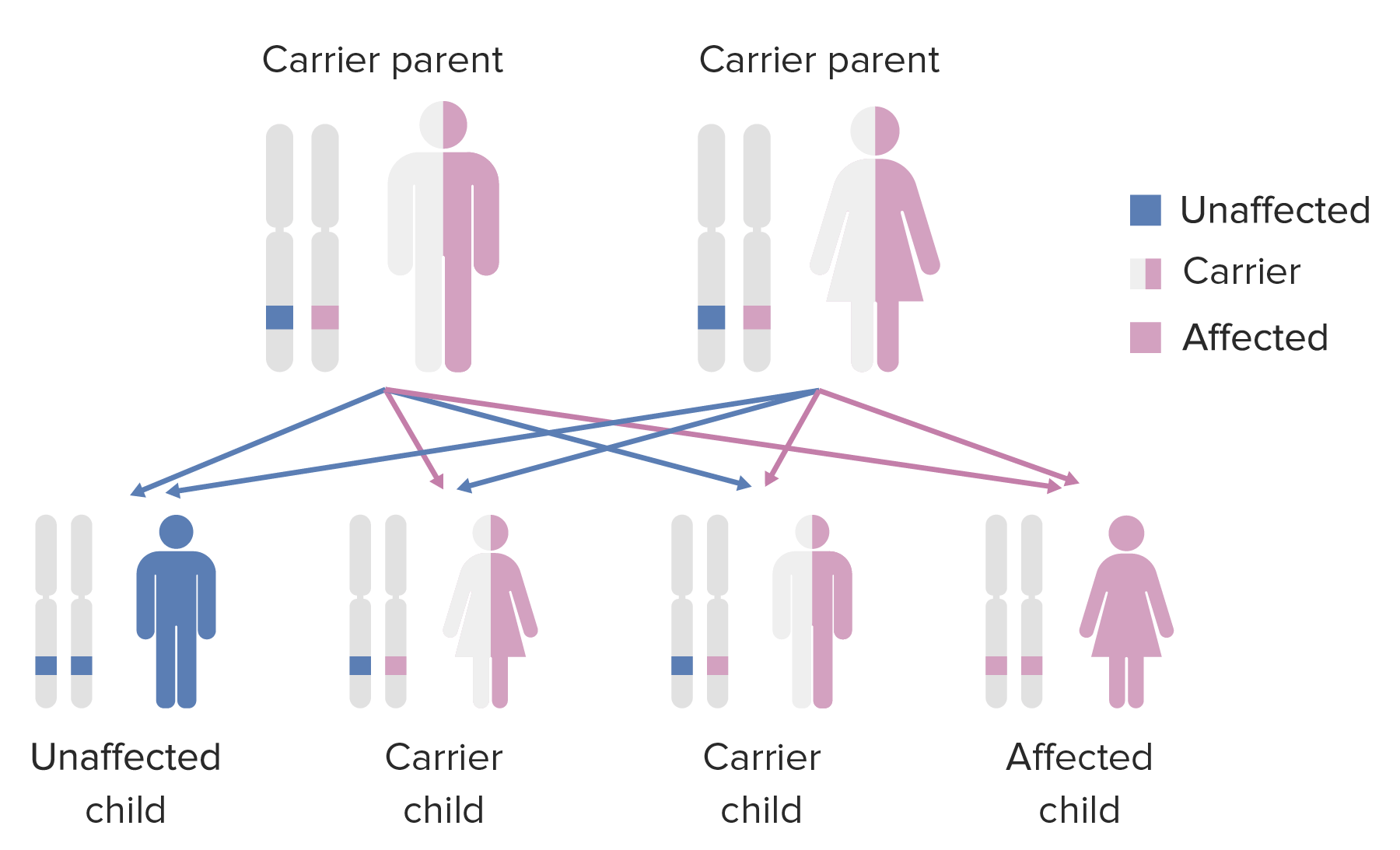
  • Patrón de herencia autosómico recesivo
  • Causada por mutaciones en EN Erythema nodosum is an immune-mediated panniculitis (inflammation of the subcutaneous fat) caused by a type IV (delayed-type) hypersensitivity reaction. It commonly manifests in young women as tender, erythematous nodules on the shins. Erythema Nodosum los LOS Neisseria genes Genes A category of nucleic acid sequences that function as units of heredity and which code for the basic instructions for the development, reproduction, and maintenance of organisms. DNA Types and Structure que codifican para el receptor Receptor Receptors are proteins located either on the surface of or within a cell that can bind to signaling molecules known as ligands (e.g., hormones) and cause some type of response within the cell. Receptors de la IL-12 (IL-12Rβ, IL-12Rβ1 e IL-12Rβ2)
  • La deficiencia del receptor Receptor Receptors are proteins located either on the surface of or within a cell that can bind to signaling molecules known as ligands (e.g., hormones) and cause some type of response within the cell. Receptors de IL-12 se considera parte o un subtipo de la condición Susceptibilidad Mendeliana a la Enfermedad Micobacteriana, que se caracteriza por la disfunción inmunológica de:
    • Receptor Receptor Receptors are proteins located either on the surface of or within a cell that can bind to signaling molecules known as ligands (e.g., hormones) and cause some type of response within the cell. Receptors de interferón-gamma 1 (IFN-gammaR1) y receptor Receptor Receptors are proteins located either on the surface of or within a cell that can bind to signaling molecules known as ligands (e.g., hormones) and cause some type of response within the cell. Receptors 2 (IFN-gammaR2)
    • Interleucina-12 (IL-12) y receptor Receptor Receptors are proteins located either on the surface of or within a cell that can bind to signaling molecules known as ligands (e.g., hormones) and cause some type of response within the cell. Receptors de IL-12 (más común)
    • Proteína del gen estimulado por el interferón 15 (ISG15)
    • Transductor de señales y activador de la transcripción 1 (STAT1)
    • Factor regulador del interferón 8 (IRF8)
Patrón de herencia de las enfermedades autosómicas recesivas

Herencia autosómica recesiva:
La descendencia afectada tendrá padres no afectados que son portadores.

Imagen por Lecturio.

Fisiopatología

  • IL-12:
    • Codificada por 2 genes Genes A category of nucleic acid sequences that function as units of heredity and which code for the basic instructions for the development, reproduction, and maintenance of organisms. DNA Types and Structure distintos, IL-12A (p35) e IL-12B (p40)
    • Producida por células presentadoras de antígenos activadas (e.g., células dendríticas, macrófagos)
    • Promueve la transición de las células T colaboradoras inmaduras en EN Erythema nodosum is an immune-mediated panniculitis (inflammation of the subcutaneous fat) caused by a type IV (delayed-type) hypersensitivity reaction. It commonly manifests in young women as tender, erythematous nodules on the shins. Erythema Nodosum células Th1 Th1 A subset of helper-inducer T-lymphocytes which synthesize and secrete interleukin-2; interferon-gamma; and interleukin-12. Due to their ability to kill antigen-presenting cells and their lymphokine-mediated effector activity, th1 cells are associated with vigorous delayed-type hypersensitivity reactions. T cells: Types and Functions, que liberan IFN-γ para activar los LOS Neisseria macrófagos, lo que conduce a la protección citotóxica
    • Esencial para la inmunidad protectora contra bacterias intracelulares como las micobacterias y Salmonella Salmonella Salmonellae are gram-negative bacilli of the family Enterobacteriaceae. Salmonellae are flagellated, non-lactose-fermenting, and hydrogen sulfide-producing microbes. Salmonella enterica, the most common disease-causing species in humans, is further classified based on serotype as typhoidal (S. typhi and paratyphi) and nontyphoidal (S. enteritidis and typhimurium). Salmonella
  • Pacientes con deficiencia de IL-12Rβ1 tienen variantes patogénicas bialélicas de cambio de sentido o sin sentido en EN Erythema nodosum is an immune-mediated panniculitis (inflammation of the subcutaneous fat) caused by a type IV (delayed-type) hypersensitivity reaction. It commonly manifests in young women as tender, erythematous nodules on the shins. Erythema Nodosum el gen IL12RB1, que impiden la expresión superficial de la proteína IL12RB1, bloqueando la formación y función del receptor Receptor Receptors are proteins located either on the surface of or within a cell that can bind to signaling molecules known as ligands (e.g., hormones) and cause some type of response within the cell. Receptors IL-12.
  • Las mutaciones en EN Erythema nodosum is an immune-mediated panniculitis (inflammation of the subcutaneous fat) caused by a type IV (delayed-type) hypersensitivity reaction. It commonly manifests in young women as tender, erythematous nodules on the shins. Erythema Nodosum los LOS Neisseria receptores de IL-12 dan lugar a una respuesta Th1 Th1 A subset of helper-inducer T-lymphocytes which synthesize and secrete interleukin-2; interferon-gamma; and interleukin-12. Due to their ability to kill antigen-presenting cells and their lymphokine-mediated effector activity, th1 cells are associated with vigorous delayed-type hypersensitivity reactions. T cells: Types and Functions inapropiada y a una disminución de la secreción de IFN-γ, lo que da lugar a infecciones diseminadas.

Presentación Clínica

  • Infecciones diseminadas recurrentes en EN Erythema nodosum is an immune-mediated panniculitis (inflammation of the subcutaneous fat) caused by a type IV (delayed-type) hypersensitivity reaction. It commonly manifests in young women as tender, erythematous nodules on the shins. Erythema Nodosum la primera infancia, y la primera infección suele producirse a los LOS Neisseria 3 años de edad
    • Infección diseminada tras la vacuna Bacilo de Calmette-Guerin ( BCG BCG An active immunizing agent and a viable avirulent attenuated strain of Mycobacterium bovis, which confers immunity to mycobacterial infections. It is used also in immunotherapy of neoplasms due to its stimulation of antibodies and non-specific immunity. Cancer Immunotherapy) (>50% de casos)
    • Salmonella Salmonella Salmonellae are gram-negative bacilli of the family Enterobacteriaceae. Salmonellae are flagellated, non-lactose-fermenting, and hydrogen sulfide-producing microbes. Salmonella enterica, the most common disease-causing species in humans, is further classified based on serotype as typhoidal (S. typhi and paratyphi) and nontyphoidal (S. enteritidis and typhimurium). Salmonella no tifoidea (~25%)
    • Micobacterias no tuberculosas (<10%)
    • Tuberculosis Tuberculosis Tuberculosis (TB) is an infectious disease caused by Mycobacterium tuberculosis complex bacteria. The bacteria usually attack the lungs but can also damage other parts of the body. Approximately 30% of people around the world are infected with this pathogen, with the majority harboring a latent infection. Tuberculosis spreads through the air when a person with active pulmonary infection coughs or sneezes. Tuberculosis (<5%)
    • Candidiasis Candidiasis Candida is a genus of dimorphic, opportunistic fungi. Candida albicans is part of the normal human flora and is the most common cause of candidiasis. The clinical presentation varies and can include localized mucocutaneous infections (e.g., oropharyngeal, esophageal, intertriginous, and vulvovaginal candidiasis) and invasive disease (e.g., candidemia, intraabdominal abscess, pericarditis, and meningitis). Candida/Candidiasis mucocutánea crónica (~25%)
  • Las infecciones pueden afectar la médula ósea (osteomielitis), los LOS Neisseria pulmones (neumonía), la piel (celulitis, abscesos) y los LOS Neisseria ganglios linfáticos (linfadenitis), entre otras zonas
  • A menudo se presenta como sepsis Sepsis Systemic inflammatory response syndrome with a proven or suspected infectious etiology. When sepsis is associated with organ dysfunction distant from the site of infection, it is called severe sepsis. When sepsis is accompanied by hypotension despite adequate fluid infusion, it is called septic shock. Sepsis and Septic Shock (e.g., fiebre, rigidez, hipotensión) y coagulación intravascular diseminada (CID)
  • Las infecciones suelen ser diseminadas, pero también pueden limitarse a órganos específicos, especialmente los LOS Neisseria pulmones o el hígado (neumonitis o hepatitis, respectivamente).

Diagnóstico y Tratamiento

Diagnóstico

  • La sospecha clínica surge tras infecciones recurrentes y diseminadas por patógenos intracelulares (e.g., Salmonella Salmonella Salmonellae are gram-negative bacilli of the family Enterobacteriaceae. Salmonellae are flagellated, non-lactose-fermenting, and hydrogen sulfide-producing microbes. Salmonella enterica, the most common disease-causing species in humans, is further classified based on serotype as typhoidal (S. typhi and paratyphi) and nontyphoidal (S. enteritidis and typhimurium). Salmonella, Mycobacterium Mycobacterium Mycobacterium is a genus of the family Mycobacteriaceae in the phylum Actinobacteria. Mycobacteria comprise more than 150 species of facultative intracellular bacilli that are mostly obligate aerobes. Mycobacteria are responsible for multiple human infections including serious diseases, such as tuberculosis (M. tuberculosis), leprosy (M. leprae), and M. avium complex infections. Mycobacterium) en EN Erythema nodosum is an immune-mediated panniculitis (inflammation of the subcutaneous fat) caused by a type IV (delayed-type) hypersensitivity reaction. It commonly manifests in young women as tender, erythematous nodules on the shins. Erythema Nodosum la primera infancia.
  • Los LOS Neisseria estudios de laboratorio revelarán niveles bajos o disminución del IFN-γ.

Tratamiento

  • No hay cura para la deficiencia del receptor Receptor Receptors are proteins located either on the surface of or within a cell that can bind to signaling molecules known as ligands (e.g., hormones) and cause some type of response within the cell. Receptors de IL-12, pero las infecciones resultantes pueden tratarse con antibióticos y antifúngicos.
  • La administración de IFN-γ ayuda a la activación de los LOS Neisseria macrófagos.
    • Iniciando con dosis estándar utilizadas en EN Erythema nodosum is an immune-mediated panniculitis (inflammation of the subcutaneous fat) caused by a type IV (delayed-type) hypersensitivity reaction. It commonly manifests in young women as tender, erythematous nodules on the shins. Erythema Nodosum la enfermedad granulomatosa crónica (EGC)
    • La ​​dosis se aumenta según la tolerancia y la respuesta del paciente.
  • Pronóstico:
    • Tasa de mortalidad del 30% debido a las infecciones diseminadas
    • Los LOS Neisseria pacientes con infecciones micobacterianas no tuberculosas tienen el peor pronóstico.

Diagnóstico Diferencial

Las siguientes condiciones son diagnósticos diferenciales para la deficiencia del receptor Receptor Receptors are proteins located either on the surface of or within a cell that can bind to signaling molecules known as ligands (e.g., hormones) and cause some type of response within the cell. Receptors de IL-12:

  • Síndrome de hiper-IgE autosómico dominante: también conocido como síndrome de Job, una forma poco común de inmunodeficiencia primaria que afecta a varios sistemas de órganos además del sistema inmune. Causada por mutaciones en EN Erythema nodosum is an immune-mediated panniculitis (inflammation of the subcutaneous fat) caused by a type IV (delayed-type) hypersensitivity reaction. It commonly manifests in young women as tender, erythematous nodules on the shins. Erythema Nodosum el gen STAT3, provoca una quimiotaxis anormal de los LOS Neisseria neutrófilos. Los LOS Neisseria pacientes presentan neumonía recurrente, infecciones cutáneas, erupciones, ampollas y abscesos.
  • Fibrosis Fibrosis Any pathological condition where fibrous connective tissue invades any organ, usually as a consequence of inflammation or other injury. Bronchiolitis Obliterans quística: un trastorno autosómico recesivo causado por mutaciones en EN Erythema nodosum is an immune-mediated panniculitis (inflammation of the subcutaneous fat) caused by a type IV (delayed-type) hypersensitivity reaction. It commonly manifests in young women as tender, erythematous nodules on the shins. Erythema Nodosum el gen CFTR. Las mutaciones provocan una disfunción de los LOS Neisseria canales de cloruro, lo que da lugar a una mucosa hiperviscosa y a la acumulación de secreciones. Las presentaciones más frecuentes son infecciones respiratorias crónicas, retraso en EN Erythema nodosum is an immune-mediated panniculitis (inflammation of the subcutaneous fat) caused by a type IV (delayed-type) hypersensitivity reaction. It commonly manifests in young women as tender, erythematous nodules on the shins. Erythema Nodosum el desarrollo e insuficiencia pancreática.
  • Enfermedad granulomatosa crónica: trastorno crónico que se caracteriza por la formación de granulomas Granulomas A relatively small nodular inflammatory lesion containing grouped mononuclear phagocytes, caused by infectious and noninfectious agents. Sarcoidosis. Este trastorno es una consecuencia de la disfunción de las células fagocíticas que son incapaces de producir superóxido bactericida, debido a un defecto en EN Erythema nodosum is an immune-mediated panniculitis (inflammation of the subcutaneous fat) caused by a type IV (delayed-type) hypersensitivity reaction. It commonly manifests in young women as tender, erythematous nodules on the shins. Erythema Nodosum la nicotinamida adenina dinucleótido fosfato. La presentación incluye infecciones cutáneas recurrentes, neumonía y gastroenteritis Gastroenteritis Gastroenteritis is inflammation of the stomach and intestines, commonly caused by infections from bacteria, viruses, or parasites. Transmission may be foodborne, fecal-oral, or through animal contact. Common clinical features include abdominal pain, diarrhea, vomiting, fever, and dehydration. Gastroenteritis.
  • Inmunodeficiencia combinada severa: la forma más grave de inmunodeficiencia primaria. Es un trastorno genético que implica una respuesta defectuosa de los LOS Neisseria anticuerpos debido a la implicación directa de los LOS Neisseria linfocitos B o a la activación inadecuada de los LOS Neisseria linfocitos B, debido a la falta de funcionamiento de las células T colaboradoras. Se presenta como infecciones oportunistas graves y recurrentes y se diagnostica mediante la reacción en EN Erythema nodosum is an immune-mediated panniculitis (inflammation of the subcutaneous fat) caused by a type IV (delayed-type) hypersensitivity reaction. It commonly manifests in young women as tender, erythematous nodules on the shins. Erythema Nodosum cadena de la polimerasa ( PCR PCR Polymerase chain reaction (PCR) is a technique that amplifies DNA fragments exponentially for analysis. The process is highly specific, allowing for the targeting of specific genomic sequences, even with minuscule sample amounts. The PCR cycles multiple times through 3 phases: denaturation of the template DNA, annealing of a specific primer to the individual DNA strands, and synthesis/elongation of new DNA molecules. Polymerase Chain Reaction (PCR)) cuantitativa y la citometría de flujo.

Referencias

  1. Abbas, A. K., Lichtman, A. H., & Pillai, S. (2021). Cellular and molecular immunology (10th ed.). Elsevier.
  2. Castaño, D., Rodríguez, D., Gómez, A. M., & Rojas, M. (2024). IL-12 drives the differentiation of human T follicular regulatory cells. Science Immunology, 9(97), eadf2047. https://doi.org/10.1126/sciimmunol.adf2047
  3. Freeman, A. F., & Holland, S. M. (2023). Mendelian susceptibility to mycobacterial diseases: Specific defects. In J. M. Puck (Section Ed.), UpToDate. Wolters Kluwer. Retrieved May 19, 2025.
  4. Hallstrand, T. S., Aksamit, T. R., & Olivier, K. N. (2004). Inhaled IFN-γ for persistent nontuberculous mycobacterial pulmonary disease due to functional IFN-γ deficiency. European Respiratory Journal, 24(3), 367–370. https://doi.org/10.1183/09031936.04.00036704
  5. Mitwalli, H., Alshahrani, A., & Alsaadi, M. (2024). A diagnostic challenge: A case of disseminated nocardiosis presenting with generalized lymphadenopathy in a patient with interleukin-12 deficiency. Cureus. https://doi.org/10.7759/cureus.62396
  6. Schneeberger, S., Nguyen, T., Xu, Z., & Li, L. (2025). Interleukin-12 signaling drives Alzheimer’s disease pathology through disrupting neuronal and oligodendrocyte homeostasis. Nature Aging, 5(4), 622–641. https://doi.org/10.1038/s43587-025-00816-2
  7. Shi, W., Zhang, Y., Liu, Y., & Wang, H. (2025). Adverse events associated with IL-23 and IL-12/23 inhibitors in the clinical management of psoriasis: A comprehensive pharmacovigilance analysis. BMC Pharmacology and Toxicology, 26(1), 11. https://doi.org/10.1186/s40360-025-00837-y
  8. UpToDate. https://www.uptodate.com/contents/mendelian-susceptibility-to-mycobacterial-diseases-specific-defects/print. Accessed 19 May 2025.

¡Crea tu cuenta gratis o inicia una sesión para seguir leyendo!

Regístrate ahora y obtén acceso gratuito a Lecturio con páginas de concepto, videos médicos y cuestionarios para tu educación médica.

User Reviews

Que tengas una sesión de estudio alegre y navideña 🎁 Ahorra 50% en todos los planes >>

Details