Domina Conceptos Médicos

Estudia para la escuela de medicina y tus examenes con Lecturio.

Clasificación, Estadificación y Metástasis

El cáncer es la segunda causa principal de muerte en EN Erythema nodosum is an immune-mediated panniculitis (inflammation of the subcutaneous fat) caused by a type IV (delayed-type) hypersensitivity reaction. It commonly manifests in young women as tender, erythematous nodules on the shins. Erythema Nodosum los LOS Neisseria EE. UU. después de las enfermedades cardiovasculares. Muchos tumores malignos son tratables o curables, pero algunos pueden reaparecer. Por lo tanto, a todos los LOS Neisseria tumores malignos se les debe asignar un grado y una etapa para guiar el tratamiento y determinar el pronóstico. El grado tumoral clasifica un tumor Tumor Inflammation por su histología y forma parte del sistema de estadificación TNM ( tumor Tumor Inflammation, ganglios, metástasis) aceptado internacionalmente, que se utiliza para caracterizar la extensión de la enfermedad. La enfermedad metastásica se refiere al AL Amyloidosis cáncer que se ha HA Hemolytic anemia (HA) is the term given to a large group of anemias that are caused by the premature destruction/hemolysis of circulating red blood cells (RBCs). Hemolysis can occur within (intravascular hemolysis) or outside the blood vessels (extravascular hemolysis). Hemolytic Anemia diseminado más allá del sitio del tumor Tumor Inflammation primario.

Last updated: Dec 15, 2025

Editorial responsibility: Stanley Oiseth, Lindsay Jones, Evelin Maza

Clasificación

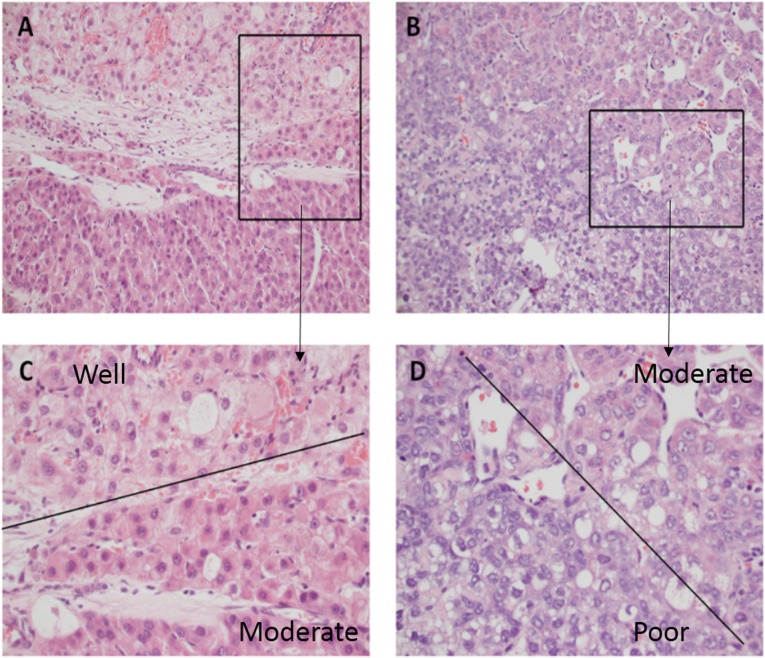
La clasificación es la evaluación histológica de las células tumorales según su estado de diferenciación.

  • Examen microscópico de células tumorales después de cirugía o biopsia
  • Las células tumorales se agrupan en EN Erythema nodosum is an immune-mediated panniculitis (inflammation of the subcutaneous fat) caused by a type IV (delayed-type) hypersensitivity reaction. It commonly manifests in young women as tender, erythematous nodules on the shins. Erythema Nodosum 4 tipos según su parecido/diferencia con las células sanas (G1, G2, G3, G4):
    • Tumores bien diferenciados (bajo grado, G1) generalmente tienen un mejor pronóstico que los LOS Neisseria tumores pobremente diferenciados (alto grado, G4)
    • Los LOS Neisseria tumores poco diferenciados se denominan anaplásicos
  • Los LOS Neisseria marcadores de tejido son útiles si se encuentran células de origen desconocido:
    • La citoqueratina se expresa en EN Erythema nodosum is an immune-mediated panniculitis (inflammation of the subcutaneous fat) caused by a type IV (delayed-type) hypersensitivity reaction. It commonly manifests in young women as tender, erythematous nodules on the shins. Erythema Nodosum los LOS Neisseria carcinomas
    • La vimentina se expresa en EN Erythema nodosum is an immune-mediated panniculitis (inflammation of the subcutaneous fat) caused by a type IV (delayed-type) hypersensitivity reaction. It commonly manifests in young women as tender, erythematous nodules on the shins. Erythema Nodosum sarcomas
    • CD45 se expresa en EN Erythema nodosum is an immune-mediated panniculitis (inflammation of the subcutaneous fat) caused by a type IV (delayed-type) hypersensitivity reaction. It commonly manifests in young women as tender, erythematous nodules on the shins. Erythema Nodosum linfomas

La clasificación se realiza para la mayoría de los LOS Neisseria tipos de tumores, pero hay excepciones específicas.

  • Cáncer de próstata: utiliza la puntuación de Gleason que va VA Ventilation: Mechanics of Breathing de 2–10
    • Se basa en EN Erythema nodosum is an immune-mediated panniculitis (inflammation of the subcutaneous fat) caused by a type IV (delayed-type) hypersensitivity reaction. It commonly manifests in young women as tender, erythematous nodules on the shins. Erythema Nodosum el patrón de crecimiento y el grado de diferenciación de las células tumorales
    • Una puntuación más alta se asocia con enfermedad fuera de la próstata
    • Una puntuación más alta indica una mayor probabilidad de un peor pronóstico
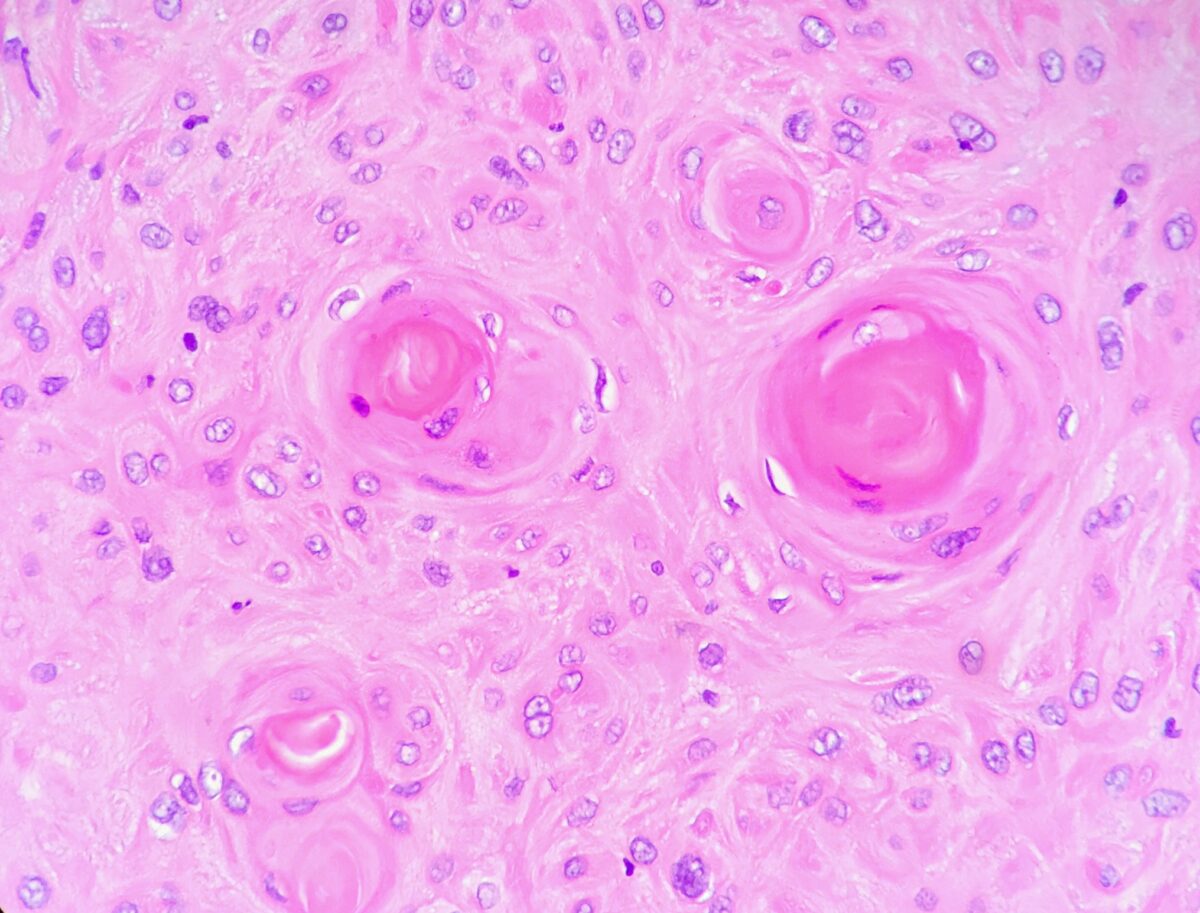
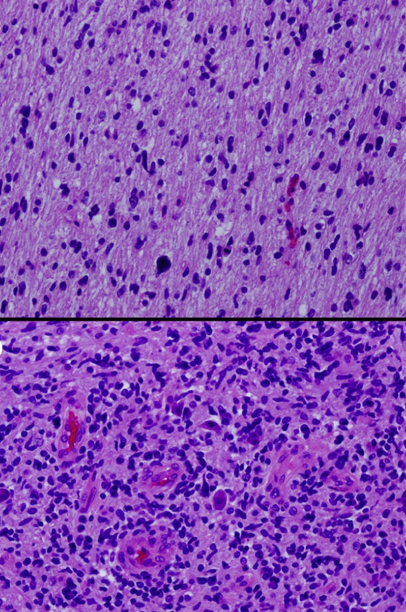
  • Tumores cerebrales: clasificación específica de la OMS
    • Utiliza tanto el genotipo como el fenotipo para algunos tumores
    • Además de la histología, se utilizan datos inmunohistoquímicos para alteraciones genéticas moleculares.
  • Cáncer de seno: utiliza el sistema de clasificación de Nottingham
    • Basado en EN Erythema nodosum is an immune-mediated panniculitis (inflammation of the subcutaneous fat) caused by a type IV (delayed-type) hypersensitivity reaction. It commonly manifests in young women as tender, erythematous nodules on the shins. Erythema Nodosum la formación de túbulos del tumor Tumor Inflammation, el grado nuclear y la tasa mitótica
    • Cada categoría se puntúa entre 1 y 3, y se calcula una puntuación total
    • La puntuación total de 3–5 es G1 (grado bajo; bien diferenciado)
    • La puntuación total de 6–7 es G2 (grado intermedio; moderadamente diferenciado)
    • La puntuación total de 8–9 es G3 (grado alto; pobremente diferenciado)

Clasificación del tumor Tumor Inflammation:
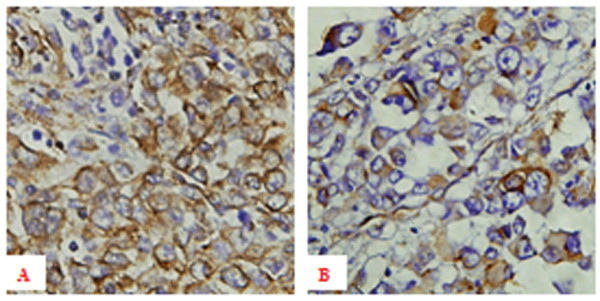
  • Gx = grado no evaluable (grado indeterminado)
  • G1 = bien diferenciado, gran similitud con el tejido original (grado bajo)
  • G2 = tejido maligno algo diferenciado (grado intermedio)
  • G3 = tejido maligno pobremente diferenciado (grado alto)
  • G4 = tejido maligno indiferenciado: el tejido original que dio lugar al AL Amyloidosis tumor Tumor Inflammation puede determinarse solo mediante evaluación inmunohistoquímica o no determinarse en EN Erythema nodosum is an immune-mediated panniculitis (inflammation of the subcutaneous fat) caused by a type IV (delayed-type) hypersensitivity reaction. It commonly manifests in young women as tender, erythematous nodules on the shins. Erythema Nodosum absoluto (grado alto).

Related videos

Estadificación

La estadificación del cáncer describe la extensión de la enfermedad y se usa para ayudar a comunicarse con otros miembros del equipo médico y quirúrgico para tomar decisiones sobre el tratamiento y el pronóstico. Por ejemplo, con el cáncer de colon Colon The large intestines constitute the last portion of the digestive system. The large intestine consists of the cecum, appendix, colon (with ascending, transverse, descending, and sigmoid segments), rectum, and anal canal. The primary function of the colon is to remove water and compact the stool prior to expulsion from the body via the rectum and anal canal. Colon, Cecum, and Appendix: Anatomy, después de la cirugía y la estadificación patológica, la quimioterapia administrada a personas con enfermedad en EN Erythema nodosum is an immune-mediated panniculitis (inflammation of the subcutaneous fat) caused by a type IV (delayed-type) hypersensitivity reaction. It commonly manifests in young women as tender, erythematous nodules on the shins. Erythema Nodosum estadio III erradica las micrometástasis, reduce la probabilidad de recurrencia de la enfermedad y aumenta las tasas de curación.

  • La estadificación clínica (“c” antes del estadio ocurre antes de la cirugía).
    • Examen físico
    • Imagenología con TC, RM o PET PET An imaging technique that combines a positron-emission tomography (PET) scanner and a ct X ray scanner. This establishes a precise anatomic localization in the same session. Nuclear Imaging
  • La estadificación patológica (“p” antes del estadio) se realiza después de la biopsia o la extirpación quirúrgica.
  • Las etapas van desde localizadas hasta generalizadas:
    • Estadio 0: carcinoma in situ (crecimiento marcado de células anormales que no se han propagado al AL Amyloidosis tejido vecino, pero que tienen el potencial de convertirse en EN Erythema nodosum is an immune-mediated panniculitis (inflammation of the subcutaneous fat) caused by a type IV (delayed-type) hypersensitivity reaction. It commonly manifests in young women as tender, erythematous nodules on the shins. Erythema Nodosum un tumor Tumor Inflammation)
    • Estadio I: localizado (más allá de la membrana basal)
    • Estadio II: temprano localizado avanzado
    • Estadio III: tardío localmente avanzado
    • Estadio IV: metástasis a diferentes órganos
  • El estadio se aplica después de clasificar un tumor Tumor Inflammation mediante el sistema TNM.
    • El American Joint Committee on Cancer (AJCC, por sus siglas en EN Erythema nodosum is an immune-mediated panniculitis (inflammation of the subcutaneous fat) caused by a type IV (delayed-type) hypersensitivity reaction. It commonly manifests in young women as tender, erythematous nodules on the shins. Erythema Nodosum inglés) actualiza periódicamente el sistema de estadificación; actualmente, se sigue la 8va edición (vigente en EN Erythema nodosum is an immune-mediated panniculitis (inflammation of the subcutaneous fat) caused by a type IV (delayed-type) hypersensitivity reaction. It commonly manifests in young women as tender, erythematous nodules on the shins. Erythema Nodosum 2018).
    • Se basa en EN Erythema nodosum is an immune-mediated panniculitis (inflammation of the subcutaneous fat) caused by a type IV (delayed-type) hypersensitivity reaction. It commonly manifests in young women as tender, erythematous nodules on the shins. Erythema Nodosum agrupaciones anatómicas y macroscópicas de enfermedades con pronósticos similares
    • T = tamaño y extensión del tumor Tumor Inflammation primario:
      • Tx: no se puede medir el tumor Tumor Inflammation primario.
      • T0: ausencia de tumor Tumor Inflammation primario
      • T1– T4 T4 The major hormone derived from the thyroid gland. Thyroxine is synthesized via the iodination of tyrosines (monoiodotyrosine) and the coupling of iodotyrosines (diiodotyrosine) in the thyroglobulin. Thyroxine is released from thyroglobulin by proteolysis and secreted into the blood. Thyroxine is peripherally deiodinated to form triiodothyronine which exerts a broad spectrum of stimulatory effects on cell metabolism. Thyroid Hormones: asignación según el tipo específico de tumor Tumor Inflammation teniendo en EN Erythema nodosum is an immune-mediated panniculitis (inflammation of the subcutaneous fat) caused by a type IV (delayed-type) hypersensitivity reaction. It commonly manifests in young women as tender, erythematous nodules on the shins. Erythema Nodosum cuenta criterios como tamaño, profundidad invasiva e infiltración de tejidos y órganos vecinos
    • N = afectación de los LOS Neisseria ganglios linfáticos ( lymph Lymph The interstitial fluid that is in the lymphatic system. Secondary Lymphatic Organs nodes, en EN Erythema nodosum is an immune-mediated panniculitis (inflammation of the subcutaneous fat) caused by a type IV (delayed-type) hypersensitivity reaction. It commonly manifests in young women as tender, erythematous nodules on the shins. Erythema Nodosum inglés):
      • Nx: no se puede evaluar la afectación de los LOS Neisseria ganglios linfáticos vecinos
      • N0: sin afectación de los LOS Neisseria ganglios linfáticos vecinos
      • N1–N3: número y localización de ganglios linfáticos con cáncer
    • M = estado de las metástasis:
      • Mx: Metástasis distantes no pueden ser medidas
      • M0: sin metástasis
      • M1: metástasis distantes observadas
  • La estadificación es específica para cada cáncer; algunos se desvían del sistema TNM de uso común.
    • Linfoma: estadificación de Ann Arbor
    • Cáncer de cuello uterino y de ovario: sistema de la International Federation of Gynecology and Obstetrics (FIGO)
    • La estadificación del carcinoma de seno utiliza TNM más otros factores para determinar el estadio:
      • Calificación
      • Estado del receptor Receptor Receptors are proteins located either on the surface of or within a cell that can bind to signaling molecules known as ligands (e.g., hormones) and cause some type of response within the cell. Receptors: receptor Receptor Receptors are proteins located either on the surface of or within a cell that can bind to signaling molecules known as ligands (e.g., hormones) and cause some type of response within the cell. Receptors del factor de crecimiento epidérmico humano-2, receptor Receptor Receptors are proteins located either on the surface of or within a cell that can bind to signaling molecules known as ligands (e.g., hormones) and cause some type of response within the cell. Receptors de estrógeno y receptor Receptor Receptors are proteins located either on the surface of or within a cell that can bind to signaling molecules known as ligands (e.g., hormones) and cause some type of response within the cell. Receptors de progesterona
    • Cáncer de pulmón:
      • T se relaciona con el tamaño del tumor Tumor Inflammation, pero también si ha HA Hemolytic anemia (HA) is the term given to a large group of anemias that are caused by the premature destruction/hemolysis of circulating red blood cells (RBCs). Hemolysis can occur within (intravascular hemolysis) or outside the blood vessels (extravascular hemolysis). Hemolytic Anemia invadido estructuras cercanas
      • N de la etapa TNM utiliza el número de estaciones nodales involucradas
      • M de la etapa TNM se divide según si la enfermedad metastásica se limita al AL Amyloidosis tórax o a sitios de metástasis extratorácicos únicos o múltiples
    • El melanoma Melanoma Melanoma is a malignant tumor arising from melanocytes, the melanin-producing cells of the epidermis. These tumors are most common in fair-skinned individuals with a history of excessive sun exposure and sunburns. Melanoma utiliza el sistema de estadificación TNM; sin embargo:
      • La concordancia con el diagnóstico de referencia de consenso y la reproducibilidad entre patólogos sigue siendo baja
      • La T de la etapa TNM tiene en EN Erythema nodosum is an immune-mediated panniculitis (inflammation of the subcutaneous fat) caused by a type IV (delayed-type) hypersensitivity reaction. It commonly manifests in young women as tender, erythematous nodules on the shins. Erythema Nodosum cuenta el grosor del tumor Tumor Inflammation en EN Erythema nodosum is an immune-mediated panniculitis (inflammation of the subcutaneous fat) caused by a type IV (delayed-type) hypersensitivity reaction. It commonly manifests in young women as tender, erythematous nodules on the shins. Erythema Nodosum mm y la presencia o ausencia de ulceración
      • M de la etapa TNM tiene en EN Erythema nodosum is an immune-mediated panniculitis (inflammation of the subcutaneous fat) caused by a type IV (delayed-type) hypersensitivity reaction. It commonly manifests in young women as tender, erythematous nodules on the shins. Erythema Nodosum cuenta los LOS Neisseria niveles de LDH LDH Osteosarcoma del laboratorio.
    • Estadificación del cáncer de colon Colon The large intestines constitute the last portion of the digestive system. The large intestine consists of the cecum, appendix, colon (with ascending, transverse, descending, and sigmoid segments), rectum, and anal canal. The primary function of the colon is to remove water and compact the stool prior to expulsion from the body via the rectum and anal canal. Colon, Cecum, and Appendix: Anatomy:
      • La estadificación clínica se basa en EN Erythema nodosum is an immune-mediated panniculitis (inflammation of the subcutaneous fat) caused by a type IV (delayed-type) hypersensitivity reaction. It commonly manifests in young women as tender, erythematous nodules on the shins. Erythema Nodosum el examen, los LOS Neisseria resultados de la TC y los LOS Neisseria niveles del antígeno carcinoembrionario ( CEA CEA A glycoprotein that is secreted into the luminal surface of the epithelia in the gastrointestinal tract. It is found in the feces and pancreaticobiliary secretions and is used to monitor the response to colon cancer treatment. Serum Tumor Markers) del marcador tumoral.
      • La estadificación patológica se basa en EN Erythema nodosum is an immune-mediated panniculitis (inflammation of the subcutaneous fat) caused by a type IV (delayed-type) hypersensitivity reaction. It commonly manifests in young women as tender, erythematous nodules on the shins. Erythema Nodosum TNM
Ejemplo de estadificación T1-T4 para tumor en el colon-01

Ejemplo de estadificación T1-T4 para un tumor en el colon
T1: El tumor invade la submucosa (a través de la muscularis mucosa pero no hacia la muscularis propria).
T2: El tumor invade la muscularis propria.
T3: El tumor invade a través de la muscularis propria hacia los tejidos circundantes.
T4: Extensión directa a través de la serosa, invadiendo el peritoneo visceral o adhiriéndose a órganos adyacentes

Imagen por Lecturio. Licencia: CC BY-NC-SA 4.0

Metástasis

Definición

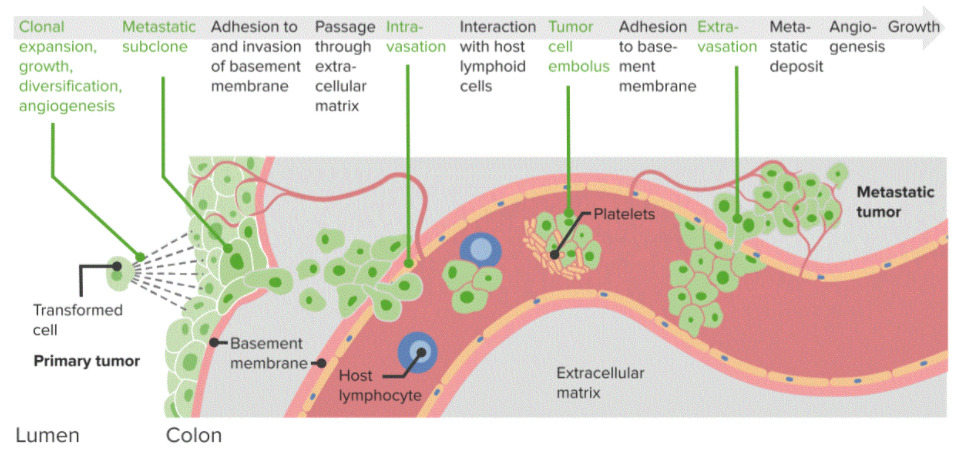
La metástasis es la diseminación de un tumor Tumor Inflammation desde su sitio primario a lugares cercanos o distantes.
Rutas de metástasis

  • Propagación local: por infiltración en EN Erythema nodosum is an immune-mediated panniculitis (inflammation of the subcutaneous fat) caused by a type IV (delayed-type) hypersensitivity reaction. It commonly manifests in young women as tender, erythematous nodules on the shins. Erythema Nodosum tejidos sanos adyacentes
  • Siembra: a través de cavidades como el peritoneo, la pleura Pleura The pleura is a serous membrane that lines the walls of the thoracic cavity and the surface of the lungs. This structure of mesodermal origin covers both lungs, the mediastinum, the thoracic surface of the diaphragm, and the inner part of the thoracic cage. The pleura is divided into a visceral pleura and parietal pleura. Pleura: Anatomy y el LCR
    • Cáncer de ovarios
    • Cáncer gástrico
    • Mesotelioma
    • Glioblastoma multiforme Glioblastoma multiforme Glioblastoma multiforme is a high-grade astrocytoma, an aggressive brain tumor arising from astrocytes, with an unknown cause and a poorly understood link to risk factors. There are two main types: primary, a more aggressive form seen more commonly in older patients, and secondary, developing from lower-grade astrocytomas and seen more commonly in younger patients. Glioblastoma Multiforme (tipo de cáncer cerebral)
  • Propagación linfática: a través de los LOS Neisseria ganglios linfáticos regionales y los LOS Neisseria vasos linfáticos
    • Visto con carcinomas, como el cáncer de seno.
    • Algunas excepciones: cáncer de colon Colon The large intestines constitute the last portion of the digestive system. The large intestine consists of the cecum, appendix, colon (with ascending, transverse, descending, and sigmoid segments), rectum, and anal canal. The primary function of the colon is to remove water and compact the stool prior to expulsion from the body via the rectum and anal canal. Colon, Cecum, and Appendix: Anatomy, que se disemina a través de la vena porta
  • Propagación hematógena: a través de los LOS Neisseria vasos sanguíneos, como en EN Erythema nodosum is an immune-mediated panniculitis (inflammation of the subcutaneous fat) caused by a type IV (delayed-type) hypersensitivity reaction. It commonly manifests in young women as tender, erythematous nodules on the shins. Erythema Nodosum los LOS Neisseria sarcomas

Mecanismo

  • Las proteasas y las hialuronidasas facilitan la invasión de la matriz extracelular y la membrana basal.
  • Las células malignas son transportadas a través de los LOS Neisseria vasos linfáticos y sanguíneos formando una embolia de células tumorales.
  • Las células invaden otros tejidos y órganos a través de la extravasación:
    • Inicialmente, permanecen latentes y excretan complejos de señales → angiogénesis
    • Se forman vasos sanguíneos → entregan nutrientes

Sitios de metástasis

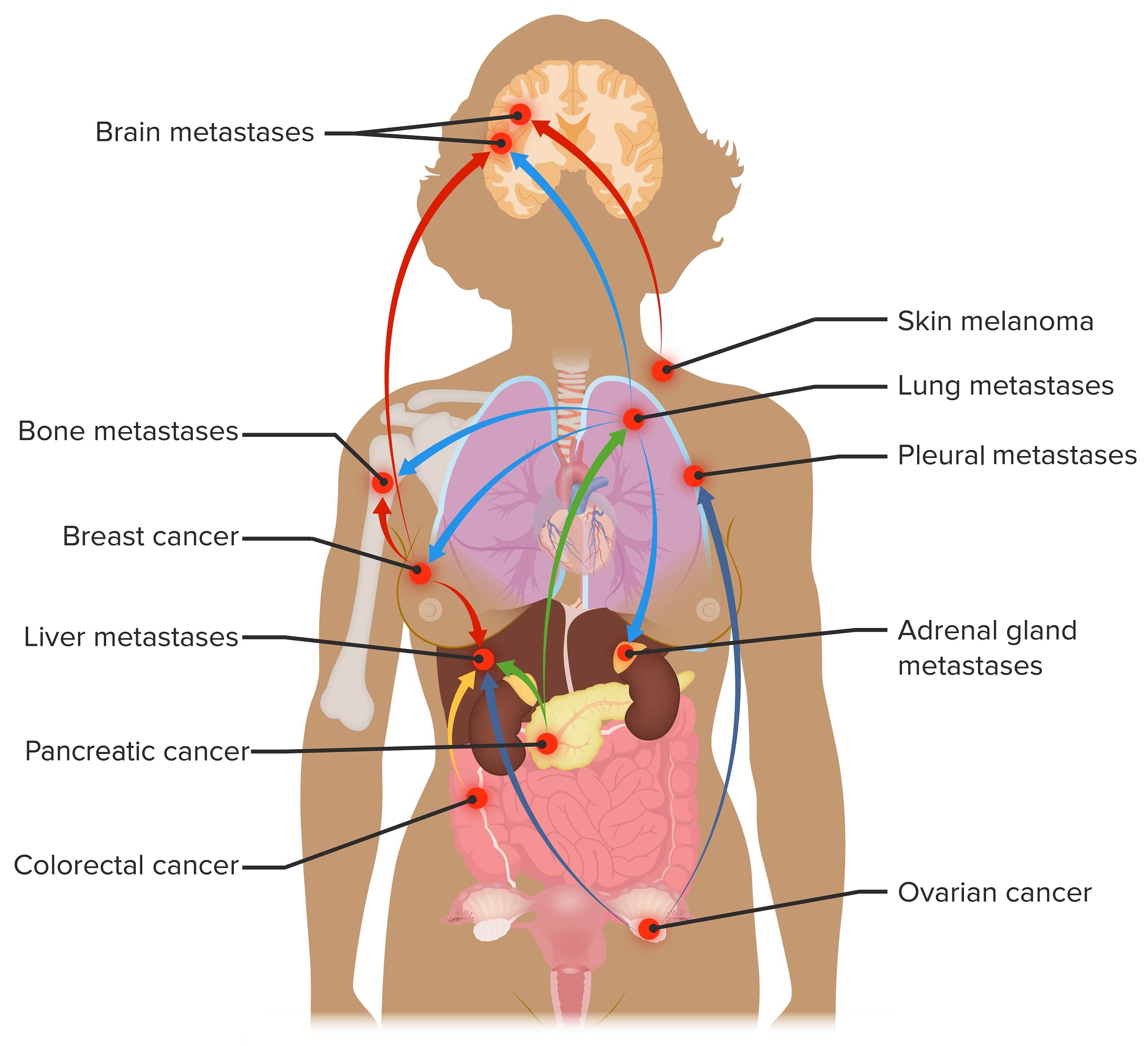
  • Dependiendo de la localización del tumor Tumor Inflammation primario, existen diferentes tipos de metástasis según el flujo sanguíneo.
  • Los LOS Neisseria sitios más comunes son los LOS Neisseria huesos, los LOS Neisseria pulmones, el hígado y el cerebro.
  • Los LOS Neisseria tumores gastrointestinales se diseminan a través del sistema portal hacia el hígado y los LOS Neisseria pulmones.

Referencias

  1. Telloni, S.M. (2017). Tumor staging and grading: A primer. Methods Mol Biol. 1606, 1–17. https://pubmed.ncbi.nlm.nih.gov/28501990/
  2. Rosen, R.D., Sapra, A. (2021). TNM Classification. StatPearls. Retrieved May 9, 2021, from https://www.ncbi.nlm.nih.gov/books/NBK553187/
  3. Brierley, J., Gospodarowicz, M., O’Sullivan, B. (2016). The principles of cancer staging. Ecancermedicalscience, 10, ed61. https://pubmed.ncbi.nlm.nih.gov/28101141/
  4. Burstein, H.J. (2020). Tumor, Node, Metastasis (TNM) staging classification for breast cancer. UpToDate. Retrieved July 22, 2021, from https://www.uptodate.com/contents/tumor-node-metastasis-tnm-staging-classification-for-breast-cancer
  5. Yang, X.J. (2021). Interpretation of prostate biopsy. UpToDate. Retrieved July 22, 2021, from https://www.uptodate.com/contents/interpretation-of-prostate-biopsy
  6. Thomas, K.W., Gould, M.K. (2019). Tumor, Node, Metastasis (TNM) staging system for lung cancer. UpToDate. Retrieved July 22, 2021, from https://www.uptodate.com/contents/tumor-node-metastasis-tnm-staging-system-for-lung-cancer
  7. Keung, E.Z., Gershenwald, J.E. (2018). The eighth edition American Joint Committee on Cancer (AJCC) melanoma staging system: Implications for melanoma treatment and care. Expert review of anticancer therapy18, 775–84. https://www.ncbi.nlm.nih.gov/pmc/articles/PMC7652033/

¡Crea tu cuenta gratis o inicia una sesión para seguir leyendo!

Regístrate ahora y obtén acceso gratuito a Lecturio con páginas de concepto, videos médicos y cuestionarios para tu educación médica.

User Reviews

Que tengas una sesión de estudio alegre y navideña 🎁 Ahorra 50% en todos los planes >>

Details