Domina Conceptos Médicos

Estudia para la escuela de medicina y tus examenes con Lecturio.

Artritis Idiopática Juvenil

La artritis idiopática juvenil, antes conocida como artritis reumatoide juvenil, es un grupo heterogéneo de enfermedades inflamatorias caracterizadas por la inflamación de 1 o más articulaciones y es la enfermedad reumática pediátrica más común. La artritis idiopática juvenil se clasifica de acuerdo con su presentación clínica y el diagnóstico se realiza con los LOS Neisseria hallazgos del examen físico, así como con pruebas de laboratorio de confirmación que muestran evidencia de inflamación y hallazgos característicos de las radiografías. El tratamiento está dirigido a prevenir la pérdida de la función y controlar o limitar el daño articular, con un pronóstico variable Variable Variables represent information about something that can change. The design of the measurement scales, or of the methods for obtaining information, will determine the data gathered and the characteristics of that data. As a result, a variable can be qualitative or quantitative, and may be further classified into subgroups. Types of Variables según el tipo.

Last updated: Dec 15, 2025

Editorial responsibility: Stanley Oiseth, Lindsay Jones, Evelin Maza

Descripción General

La artritis idiopática juvenil, antes conocida como artritis reumatoide juvenil, es la enfermedad reumatológica crónica más común en EN Erythema nodosum is an immune-mediated panniculitis (inflammation of the subcutaneous fat) caused by a type IV (delayed-type) hypersensitivity reaction. It commonly manifests in young women as tender, erythematous nodules on the shins. Erythema Nodosum la población pediátrica. Si bien existen múltiples subgrupos con distintas patogénesis, la característica clave es la artritis.

Definición

La artritis idiopática juvenil es un término que se usa para describir un grupo de afecciones inflamatorias de las articulaciones que afectan a niños menores de 16 años y que duran 6 semanas o más.

Clasificación

La clasificación se realiza según la sintomatología (según la International League of Associations for Rheumatology):

  • Artritis idiopática juvenil oligoarticular:
    • Artritis en EN Erythema nodosum is an immune-mediated panniculitis (inflammation of the subcutaneous fat) caused by a type IV (delayed-type) hypersensitivity reaction. It commonly manifests in young women as tender, erythematous nodules on the shins. Erythema Nodosum menos de 5 articulaciones
    • Además subdividido en EN Erythema nodosum is an immune-mediated panniculitis (inflammation of the subcutaneous fat) caused by a type IV (delayed-type) hypersensitivity reaction. It commonly manifests in young women as tender, erythematous nodules on the shins. Erythema Nodosum:
      • Oligoartritis persistente: pacientes con 1–4 articulaciones afectadas que no desarrollan artritis en EN Erythema nodosum is an immune-mediated panniculitis (inflammation of the subcutaneous fat) caused by a type IV (delayed-type) hypersensitivity reaction. It commonly manifests in young women as tender, erythematous nodules on the shins. Erythema Nodosum 5 o más articulaciones durante los LOS Neisseria primeros 6 meses de la enfermedad
      • Oligoartritis extendida: pacientes con 1–4 articulaciones afectadas que desarrollan artritis en EN Erythema nodosum is an immune-mediated panniculitis (inflammation of the subcutaneous fat) caused by a type IV (delayed-type) hypersensitivity reaction. It commonly manifests in young women as tender, erythematous nodules on the shins. Erythema Nodosum más de 4 articulaciones después de los LOS Neisseria primeros 6 meses de enfermedad
  • Artritis idiopática juvenil poliarticular:
    • Artritis en EN Erythema nodosum is an immune-mediated panniculitis (inflammation of the subcutaneous fat) caused by a type IV (delayed-type) hypersensitivity reaction. It commonly manifests in young women as tender, erythematous nodules on the shins. Erythema Nodosum ≥ 5 articulaciones
    • Además subdividido en EN Erythema nodosum is an immune-mediated panniculitis (inflammation of the subcutaneous fat) caused by a type IV (delayed-type) hypersensitivity reaction. It commonly manifests in young women as tender, erythematous nodules on the shins. Erythema Nodosum:
      • Poliartritis con factor reumatoide positivo
      • Poliartritis con factor reumatoide negativo
  • Artritis idiopática juvenil sistémica (antes llamada enfermedad de Still):
    • Artritis en EN Erythema nodosum is an immune-mediated panniculitis (inflammation of the subcutaneous fat) caused by a type IV (delayed-type) hypersensitivity reaction. It commonly manifests in young women as tender, erythematous nodules on the shins. Erythema Nodosum 1 o varias articulaciones
    • Fiebre ≥ 2 semanas que ocurre diariamente durante al AL Amyloidosis menos 3 días
    • 1 o más de los LOS Neisseria siguientes:
  • Artritis idiopática juvenil psoriásica:
    • Se presenta con artritis y psoriasis Psoriasis Psoriasis is a common T-cell-mediated inflammatory skin condition. The etiology is unknown, but is thought to be due to genetic inheritance and environmental triggers. There are 4 major subtypes, with the most common form being chronic plaque psoriasis. Psoriasis
    • Puede presentarse solamente con artritis y 1 de los LOS Neisseria siguientes:
      • Psoriasis Psoriasis Psoriasis is a common T-cell-mediated inflammatory skin condition. The etiology is unknown, but is thought to be due to genetic inheritance and environmental triggers. There are 4 major subtypes, with the most common form being chronic plaque psoriasis. Psoriasis en EN Erythema nodosum is an immune-mediated panniculitis (inflammation of the subcutaneous fat) caused by a type IV (delayed-type) hypersensitivity reaction. It commonly manifests in young women as tender, erythematous nodules on the shins. Erythema Nodosum un familiar de 1er grado
      • Dactilitis
      • Anomalías en EN Erythema nodosum is an immune-mediated panniculitis (inflammation of the subcutaneous fat) caused by a type IV (delayed-type) hypersensitivity reaction. It commonly manifests in young women as tender, erythematous nodules on the shins. Erythema Nodosum las uñas de las manos
  • Artritis por entesitis (también llamada espondiloartropatía pediátrica):
    • Se presenta con artritis y entesitis (inflamación de las entesis, los LOS Neisseria sitios donde los LOS Neisseria tendones o ligamentos se insertan en EN Erythema nodosum is an immune-mediated panniculitis (inflammation of the subcutaneous fat) caused by a type IV (delayed-type) hypersensitivity reaction. It commonly manifests in young women as tender, erythematous nodules on the shins. Erythema Nodosum el hueso)
    • Puede presentarse solo con artritis o entesitis y 2 de los LOS Neisseria siguientes criterios:
      • Sensibilidad de la articulación sacroilíaca o dolor Dolor Inflammation lumbosacro debido a la inflamación
      • Antígeno leucocitario humano (HLA, por sus siglas en EN Erythema nodosum is an immune-mediated panniculitis (inflammation of the subcutaneous fat) caused by a type IV (delayed-type) hypersensitivity reaction. It commonly manifests in young women as tender, erythematous nodules on the shins. Erythema Nodosum inglés)-B27 positivo
      • Pariente de 1er grado con uveítis anterior aguda, espondilitis anquilosante, enfermedad inflamatoria intestinal con sacroileitis o artritis reactiva
      • Uveítis anterior aguda
      • Inicio de la artritis en EN Erythema nodosum is an immune-mediated panniculitis (inflammation of the subcutaneous fat) caused by a type IV (delayed-type) hypersensitivity reaction. It commonly manifests in young women as tender, erythematous nodules on the shins. Erythema Nodosum niños > 6 años
  • Artritis idiopática juvenil indiferenciada:
    • Pacientes que cumplen los LOS Neisseria criterios de más de 1 categoría
    • Pacientes que no cumplen todos los LOS Neisseria criterios para otra categoría

Epidemiología

  • Enfermedad reumática más común en EN Erythema nodosum is an immune-mediated panniculitis (inflammation of the subcutaneous fat) caused by a type IV (delayed-type) hypersensitivity reaction. It commonly manifests in young women as tender, erythematous nodules on the shins. Erythema Nodosum niños
    • Incidencia general en EN Erythema nodosum is an immune-mediated panniculitis (inflammation of the subcutaneous fat) caused by a type IV (delayed-type) hypersensitivity reaction. It commonly manifests in young women as tender, erythematous nodules on the shins. Erythema Nodosum los LOS Neisseria EE. UU. y Canadá: 0,041–0,061 por cada 1 000 niños
    • Frecuencias de diferentes subtipos:
      • Oligoartritis: 50%–60%
      • Poliartritis con factor reumatoide negativo: 11%–28%
      • Poliartritis con factor reumatoide positivo: 2%–7%
      • Artritis sistémica: 10%–20%
      • Artritis psoriásica: 2%–15%
      • Artritis relacionada con entesitis: 1%–7%
  • La prevalencia varía según la enfermedad y las variables del paciente:
    • Sexo:
      • Predomina principalmente en EN Erythema nodosum is an immune-mediated panniculitis (inflammation of the subcutaneous fat) caused by a type IV (delayed-type) hypersensitivity reaction. It commonly manifests in young women as tender, erythematous nodules on the shins. Erythema Nodosum las niñas (proporción de niña a niño = 2:1–3:1)
      • Proporción niña/niño de artritis idiopática juvenil sistémica = 1:1
      • La artritis relacionada con entesitis es predominante en EN Erythema nodosum is an immune-mediated panniculitis (inflammation of the subcutaneous fat) caused by a type IV (delayed-type) hypersensitivity reaction. It commonly manifests in young women as tender, erythematous nodules on the shins. Erythema Nodosum los LOS Neisseria niños.
    • Localización geográfica:
      • La poliartritis con factor reumatoide negativo es más común en EN Erythema nodosum is an immune-mediated panniculitis (inflammation of the subcutaneous fat) caused by a type IV (delayed-type) hypersensitivity reaction. It commonly manifests in young women as tender, erythematous nodules on the shins. Erythema Nodosum América del Norte.
      • La oligoartritis es más común en EN Erythema nodosum is an immune-mediated panniculitis (inflammation of the subcutaneous fat) caused by a type IV (delayed-type) hypersensitivity reaction. It commonly manifests in young women as tender, erythematous nodules on the shins. Erythema Nodosum el sur de Europa.
      • La artritis sistémica y la artritis relacionada con entesitis son más frecuentes en EN Erythema nodosum is an immune-mediated panniculitis (inflammation of the subcutaneous fat) caused by a type IV (delayed-type) hypersensitivity reaction. It commonly manifests in young women as tender, erythematous nodules on the shins. Erythema Nodosum el sudeste asiático.
    • Edad (nota: por definición, el inicio debe ser antes de los LOS Neisseria 16 años):
      • 1–3 años de edad: incidencia máxima de artritis idiopática juvenil (predominantemente en EN Erythema nodosum is an immune-mediated panniculitis (inflammation of the subcutaneous fat) caused by a type IV (delayed-type) hypersensitivity reaction. It commonly manifests in young women as tender, erythematous nodules on the shins. Erythema Nodosum niñas)
      • 8–10 años de edad: 2do pico (más pequeños, y más niños con artritis idiopática juvenil oligoarticular)
      • Edad promedio de aparición de la enfermedad tanto sistémica como poliarticular: aproximadamente 6 años
      • Edad promedio de aparición de la enfermedad oligoarticular: 4 años en EN Erythema nodosum is an immune-mediated panniculitis (inflammation of the subcutaneous fat) caused by a type IV (delayed-type) hypersensitivity reaction. It commonly manifests in young women as tender, erythematous nodules on the shins. Erythema Nodosum niñas y 10 años en EN Erythema nodosum is an immune-mediated panniculitis (inflammation of the subcutaneous fat) caused by a type IV (delayed-type) hypersensitivity reaction. It commonly manifests in young women as tender, erythematous nodules on the shins. Erythema Nodosum niños
Tabla: Epidemiología de los LOS Neisseria principales tipos de artritis idiopática juvenil
Oligoarticular Poliarticular Sistémica
% De casos de artritis idiopática juvenil 50% 35% 10%
Sexo Niñas > niños Niñas > niños Niñas = niños
Edad 2–3 años, raro > 10 años 2–5 años, 10–14 años Cualquiera < 16

Etiología y Fisiopatología

Etiología

Si bien la susceptibilidad genética tiene un rol en EN Erythema nodosum is an immune-mediated panniculitis (inflammation of the subcutaneous fat) caused by a type IV (delayed-type) hypersensitivity reaction. It commonly manifests in young women as tender, erythematous nodules on the shins. Erythema Nodosum la artritis idiopática juvenil, la etiología y patogénesis exactas de la enfermedad no se comprenden completamente. Se cree que la artritis idiopática juvenil es causada por una interacción entre las exposiciones ambientales y la predisposición genética.

Componente ambiental:

  • Posibles factores de riesgo:
    • Uso de antibióticos
    • Parto por cesárea
    • Exposición a patógenos (e.g., parvovirus B19 Parvovirus B19 Primate erythroparvovirus 1 (generally referred to as parvovirus B19, B19 virus, or sometimes erythrovirus B19) ranks among the smallest DNA viruses. Parvovirus B19 is of the family Parvoviridae and genus Erythrovirus. In immunocompetent humans, parvovirus B19 classically results in erythema infectiosum (5th disease) or “slapped cheek syndrome.” Parvovirus B19, virus Virus Viruses are infectious, obligate intracellular parasites composed of a nucleic acid core surrounded by a protein capsid. Viruses can be either naked (non-enveloped) or enveloped. The classification of viruses is complex and based on many factors, including type and structure of the nucleoid and capsid, the presence of an envelope, the replication cycle, and the host range. Virology de Epstein-Barr ( EBV EBV Epstein-barr virus (EBV) is a linear, double-stranded DNA virus belonging to the herpesviridae family. This highly prevalent virus is mostly transmitted through contact with oropharyngeal secretions from an infected individual. The virus can infect epithelial cells and B lymphocytes, where it can undergo lytic replication or latency. Epstein-Barr Virus, por sus siglas en EN Erythema nodosum is an immune-mediated panniculitis (inflammation of the subcutaneous fat) caused by a type IV (delayed-type) hypersensitivity reaction. It commonly manifests in young women as tender, erythematous nodules on the shins. Erythema Nodosum inglés), bacterias entéricas, Chlamydophila pneumoniae y Streptococcus Streptococcus Streptococcus is one of the two medically important genera of gram-positive cocci, the other being Staphylococcus. Streptococci are identified as different species on blood agar on the basis of their hemolytic pattern and sensitivity to optochin and bacitracin. There are many pathogenic species of streptococci, including S. pyogenes, S. agalactiae, S. pneumoniae, and the viridans streptococci. Streptococcus)
  • Posibles factores protectores:
    • Lactancia materna
    • Hermanos en EN Erythema nodosum is an immune-mediated panniculitis (inflammation of the subcutaneous fat) caused by a type IV (delayed-type) hypersensitivity reaction. It commonly manifests in young women as tender, erythematous nodules on the shins. Erythema Nodosum el hogar

Componente genético :

  • Los LOS Neisseria gemelos monocigóticos tienen una tasa de concordancia del 25%–40% para desarrollar la enfermedad.
  • Los LOS Neisseria patrones de herencia no son mendelianos o de un solo gen (tener un hermano afectado no aumenta significativamente el riesgo).
  • Los LOS Neisseria alelos de HLA específicos, así como los LOS Neisseria genes Genes A category of nucleic acid sequences that function as units of heredity and which code for the basic instructions for the development, reproduction, and maintenance of organisms. DNA Types and Structure que no son de HLA, pueden estar asociados con subtipos de artritis idiopática juvenil específicos.
  • Cuantos más alelos de riesgo HLA-DR tenga un paciente, más probabilidades tendrá de desarrollar artritis idiopática juvenil y de hacerlo más temprano.

Fisiopatología

  • La patogenia varía según el subtipo:
    • Enfermedad autoinmune o autoinflamatoria
    • Desequilibrio entre la sobreactivación (tanto innata como adaptativa) y la regulación del sistema inmunológico
  • La membrana sinovial es el objetivo principal de la respuesta inflamatoria:
    • Las células del sistema inmunitario son activadas y secretan células proinflamatorias, como el factor de necrosis Necrosis The death of cells in an organ or tissue due to disease, injury or failure of the blood supply. Ischemic Cell Damage tumoral ( TNF TNF Tumor necrosis factor (TNF) is a major cytokine, released primarily by macrophages in response to stimuli. The presence of microbial products and dead cells and injury are among the stimulating factors. This protein belongs to the TNF superfamily, a group of ligands and receptors performing functions in inflammatory response, morphogenesis, and cell proliferation. Tumor Necrosis Factor (TNF), por sus siglas en EN Erythema nodosum is an immune-mediated panniculitis (inflammation of the subcutaneous fat) caused by a type IV (delayed-type) hypersensitivity reaction. It commonly manifests in young women as tender, erythematous nodules on the shins. Erythema Nodosum inglés)-alfa, las células IL-6 y las células IL-1.
    • Los LOS Neisseria linfocitos T y los LOS Neisseria linfocitos B participan en EN Erythema nodosum is an immune-mediated panniculitis (inflammation of the subcutaneous fat) caused by a type IV (delayed-type) hypersensitivity reaction. It commonly manifests in young women as tender, erythematous nodules on the shins. Erythema Nodosum el desarrollo del estado inflamatorio de la articulación.
    • La membrana sinovial prolifera y se inflama, aumentando el flujo sanguíneo a la articulación, lo que conduce al AL Amyloidosis edema Edema Edema is a condition in which excess serous fluid accumulates in the body cavity or interstitial space of connective tissues. Edema is a symptom observed in several medical conditions. It can be categorized into 2 types, namely, peripheral (in the extremities) and internal (in an organ or body cavity). Edema articular:
      • Mayor cantidad de líquido sinovial
      • Disminución de la viscosidad del líquido sinovial
    • La sinovitis persistente finalmente causa destrucción articular.
    • Con el tiempo, también se produce la destrucción de los LOS Neisseria huesos, tendones y ligamentos.

Presentación Clínica

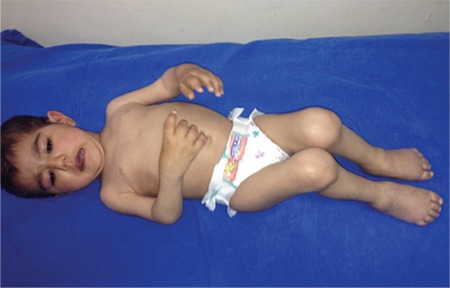
La presentación de artritis idiopática juvenil es variable Variable Variables represent information about something that can change. The design of the measurement scales, or of the methods for obtaining information, will determine the data gathered and the characteristics of that data. As a result, a variable can be qualitative or quantitative, and may be further classified into subgroups. Types of Variables secundaria a la naturaleza heterogénea de los LOS Neisseria diversos subgrupos, pero hay algunas características comunes.
Características comunes

  • Patrón progresivo de síntomas y hallazgos:
    • Sinovitis
    • Derrame articular
    • Inflamación de tejidos blandos
    • Osteopenia Osteopenia Osteoporosis
    • Edema Edema Edema is a condition in which excess serous fluid accumulates in the body cavity or interstitial space of connective tissues. Edema is a symptom observed in several medical conditions. It can be categorized into 2 types, namely, peripheral (in the extremities) and internal (in an organ or body cavity). Edema óseo
    • Erosiones óseas
  • Artritis presente durante al AL Amyloidosis menos 6 semanas antes del diagnóstico
  • Dolor Dolor Inflammation articular de larga duración (el 25% puede no tener dolor Dolor Inflammation, solo articulaciones inflamadas)
  • Rigidez matutina o, después de un largo período de inactividad, congelamiento
  • Cojeo que puede mejorar durante el día con la actividad
  • Eritema y dolor Dolor Inflammation ocular que sugieren uveítis: pueden tener un impacto significativo en EN Erythema nodosum is an immune-mediated panniculitis (inflammation of the subcutaneous fat) caused by a type IV (delayed-type) hypersensitivity reaction. It commonly manifests in young women as tender, erythematous nodules on the shins. Erythema Nodosum la calidad de vida relacionada con la visión en EN Erythema nodosum is an immune-mediated panniculitis (inflammation of the subcutaneous fat) caused by a type IV (delayed-type) hypersensitivity reaction. It commonly manifests in young women as tender, erythematous nodules on the shins. Erythema Nodosum los LOS Neisseria niños

Presentaciones clínicas únicas para cada subtipo

  • Subtipos sistémicos y poliarticulares con factor reumatoide positivo: artritis destructiva
  • Artritis psoriásica:
    • Edema Edema Edema is a condition in which excess serous fluid accumulates in the body cavity or interstitial space of connective tissues. Edema is a symptom observed in several medical conditions. It can be categorized into 2 types, namely, peripheral (in the extremities) and internal (in an organ or body cavity). Edema de dedos, muñecas y tobillos
    • Afectación/hendiduras de uñas
  • Artritis idiopática juvenil sistémica:
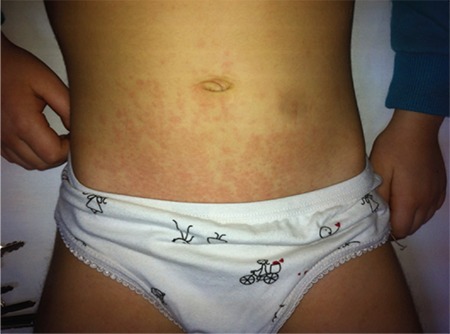
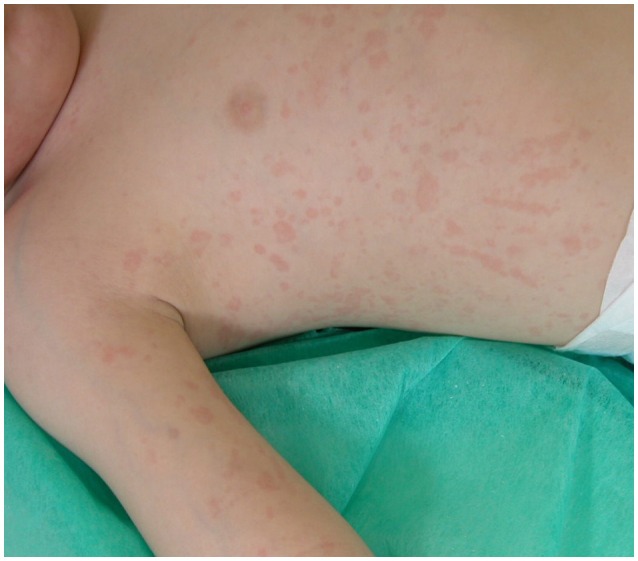
    • Erupción en EN Erythema nodosum is an immune-mediated panniculitis (inflammation of the subcutaneous fat) caused by a type IV (delayed-type) hypersensitivity reaction. It commonly manifests in young women as tender, erythematous nodules on the shins. Erythema Nodosum el tronco y las extremidades
    • Fiebre que ocurre una o dos veces al AL Amyloidosis día aproximadamente a la misma hora del día
    • Síndrome de activación de macrófagos: complicación rara que implica cambios hematológicos graves, una emergencia médica
  • Artritis relacionada con entesitis: dolor Dolor Inflammation posterior al AL Amyloidosis ejercicio
Tabla: Presentación clínica de los LOS Neisseria principales tipos de artritis idiopática juvenil
Oligoarticular Poliarticular Sistémica
Número de articulaciones afectadas Menos de 5 > 5 Ninguna
Tipos de articulaciones afectadas
  • Articulaciones medianas y grandes
  • Asimétrica
  • Raro en EN Erythema nodosum is an immune-mediated panniculitis (inflammation of the subcutaneous fat) caused by a type IV (delayed-type) hypersensitivity reaction. It commonly manifests in young women as tender, erythematous nodules on the shins. Erythema Nodosum las caderas
  • Artritis menos destructiva
  • Cualquier articulación, incluida la columna cervical y la articulación temporomandibular
  • Simétrica
  • Rara vez en EN Erythema nodosum is an immune-mediated panniculitis (inflammation of the subcutaneous fat) caused by a type IV (delayed-type) hypersensitivity reaction. It commonly manifests in young women as tender, erythematous nodules on the shins. Erythema Nodosum las caderas
  • Artritis destructiva y nódulos reumatoides en EN Erythema nodosum is an immune-mediated panniculitis (inflammation of the subcutaneous fat) caused by a type IV (delayed-type) hypersensitivity reaction. It commonly manifests in young women as tender, erythematous nodules on the shins. Erythema Nodosum pacientes con factor reumatoide positivo
  • Cualquier articulación
  • Artritis destructiva en EN Erythema nodosum is an immune-mediated panniculitis (inflammation of the subcutaneous fat) caused by a type IV (delayed-type) hypersensitivity reaction. It commonly manifests in young women as tender, erythematous nodules on the shins. Erythema Nodosum un % significativo de estos pacientes
Características sistémicas
  • Parecen estar bien sin características sistémicas significativas
  • Si ANA (anticuerpos antinucleares, por sus siglas en EN Erythema nodosum is an immune-mediated panniculitis (inflammation of the subcutaneous fat) caused by a type IV (delayed-type) hypersensitivity reaction. It commonly manifests in young women as tender, erythematous nodules on the shins. Erythema Nodosum inglés) +, tiene más probabilidades de desarrollar uveítis
La uveítis es menos frecuente
  • El niño parece enfermo.
  • Fiebres altas a diario
  • Erupción evanescente de color rosa salmón, hepatoesplenomegalia, linfadenopatías significativas, compromiso del corazón/pulmón/hígado

Complicaciones a largo plazo

  • Alteración del crecimiento
  • Osteopenia Osteopenia Osteoporosis
  • Discapacidad funcional (discrepancias en EN Erythema nodosum is an immune-mediated panniculitis (inflammation of the subcutaneous fat) caused by a type IV (delayed-type) hypersensitivity reaction. It commonly manifests in young women as tender, erythematous nodules on the shins. Erythema Nodosum la longitud de las piernas, contractura en EN Erythema nodosum is an immune-mediated panniculitis (inflammation of the subcutaneous fat) caused by a type IV (delayed-type) hypersensitivity reaction. It commonly manifests in young women as tender, erythematous nodules on the shins. Erythema Nodosum flexión de las articulaciones, pérdida de la extensión de la columna cervical)
  • Cambios visuales a largo plazo secundarios a la uveítis

Diagnóstico

El diagnóstico de la artritis idiopática juvenil se basa principalmente en EN Erythema nodosum is an immune-mediated panniculitis (inflammation of the subcutaneous fat) caused by a type IV (delayed-type) hypersensitivity reaction. It commonly manifests in young women as tender, erythematous nodules on the shins. Erythema Nodosum los LOS Neisseria antecedentes y los LOS Neisseria hallazgos del examen físico. Los LOS Neisseria datos de laboratorio y la imagenología contribuyen a la confirmación del diagnóstico y la exclusión de otras enfermedades.

Estudios de laboratorio

  • Los LOS Neisseria marcadores inflamatorios pueden estar elevados en EN Erythema nodosum is an immune-mediated panniculitis (inflammation of the subcutaneous fat) caused by a type IV (delayed-type) hypersensitivity reaction. It commonly manifests in young women as tender, erythematous nodules on the shins. Erythema Nodosum la artritis idiopática juvenil sistémica y la artritis idiopática juvenil poliarticular:
    • Aumento de la velocidad de eritrosedimentación (VES), PCR PCR Polymerase chain reaction (PCR) is a technique that amplifies DNA fragments exponentially for analysis. The process is highly specific, allowing for the targeting of specific genomic sequences, even with minuscule sample amounts. The PCR cycles multiple times through 3 phases: denaturation of the template DNA, annealing of a specific primer to the individual DNA strands, and synthesis/elongation of new DNA molecules. Polymerase Chain Reaction (PCR)
    • Estos marcadores son útiles para distinguir entre la baja y alta actividad de la enfermedad (especialmente en EN Erythema nodosum is an immune-mediated panniculitis (inflammation of the subcutaneous fat) caused by a type IV (delayed-type) hypersensitivity reaction. It commonly manifests in young women as tender, erythematous nodules on the shins. Erythema Nodosum la artritis idiopática juvenil oligoarticular).
  • Hemograma:
    • La neutropenia Neutropenia Neutrophils are an important component of the immune system and play a significant role in the eradication of infections. Low numbers of circulating neutrophils, referred to as neutropenia, predispose the body to recurrent infections or sepsis, though patients can also be asymptomatic. Neutropenia es poco común.
    • Cuando se asocia con trombocitopenia, considere una leucemia linfocítica aguda.
  • Anticuerpos antinucleares (ANA, por sus siglas en EN Erythema nodosum is an immune-mediated panniculitis (inflammation of the subcutaneous fat) caused by a type IV (delayed-type) hypersensitivity reaction. It commonly manifests in young women as tender, erythematous nodules on the shins. Erythema Nodosum inglés):
    • Hasta el 70% de los LOS Neisseria niños con artritis idiopática juvenil oligoarticular tienen ANA positivos.
    • Los LOS Neisseria ANA + aumentan la prevalencia de la uveítis y estos niños requieren exámenes periódicos con lámpara de hendidura.
  • Factor reumatoide y anticuerpo antipéptido cíclico citrulinado: importante para definir el subtipo y el pronóstico
  • HLA-B27: puede ser positivo en EN Erythema nodosum is an immune-mediated panniculitis (inflammation of the subcutaneous fat) caused by a type IV (delayed-type) hypersensitivity reaction. It commonly manifests in young women as tender, erythematous nodules on the shins. Erythema Nodosum la artritis relacionada con entesitis

Radiología

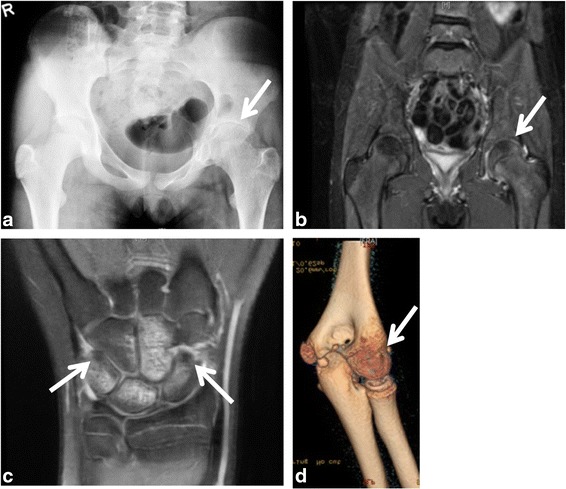
Hallazgos variables relacionados con la gravedad y el tipo de enfermedad; se utiliza a menudo para evaluar otros diagnósticos:
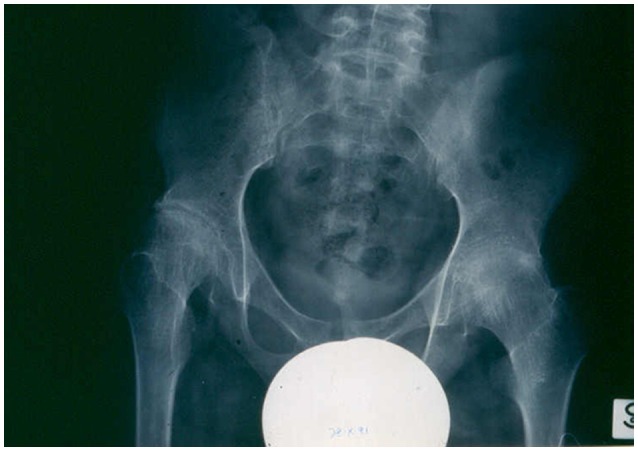
  • Radiografías simples:
    • Utilidad limitada, particularmente porque los LOS Neisseria primeros signos no son detectables en EN Erythema nodosum is an immune-mediated panniculitis (inflammation of the subcutaneous fat) caused by a type IV (delayed-type) hypersensitivity reaction. It commonly manifests in young women as tender, erythematous nodules on the shins. Erythema Nodosum la radiografía
    • Puede demostrar:
      • Inflamación de tejidos blandos
      • Dislocación del pliegue graso
      • Osteopenia Osteopenia Osteoporosis
      • Erosiones y pérdida de espacio articular
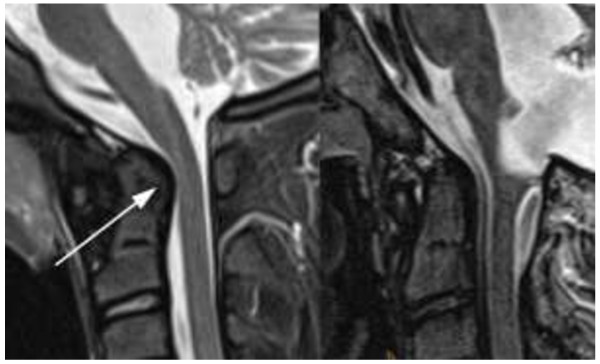
    • Radiografías de columna cervical: subluxación atlantoaxial
  • RM:
    • Estándar de oro
    • Particularmente sensible para evaluar la sinovitis
    • Evaluar la hipertrofia sinovial y las erosiones óseas y cartilaginosas
  • Ultrasonografía:
    • Permite una evaluación conjunta dinámica
    • Permite una fácil comparación con el lado no afectado
    • Puede mostrar:
      • Engrosamiento sinovial
      • Derrame articular
      • Tenosinovitis
      • Entesitis
      • Erosión ósea

Tratamiento

El objetivo principal en EN Erythema nodosum is an immune-mediated panniculitis (inflammation of the subcutaneous fat) caused by a type IV (delayed-type) hypersensitivity reaction. It commonly manifests in young women as tender, erythematous nodules on the shins. Erythema Nodosum el tratamiento de la artritis idiopática juvenil es limitar la extensión del daño articular y restringir la pérdida de función. La artritis idiopática juvenil es una enfermedad crónica, y es esencial inducir la remisión con la menor cantidad de toxicidad.

Tratamiento general

  • Terapia farmacológica:
    • AINE
    • Medicamentos antirreumáticos modificadores de la enfermedad
    • Agentes biológicos
    • Esteroides intraarticulares y orales
  • Nutrición: abordar la salud ósea y la anemia Anemia Anemia is a condition in which individuals have low Hb levels, which can arise from various causes. Anemia is accompanied by a reduced number of RBCs and may manifest with fatigue, shortness of breath, pallor, and weakness. Subtypes are classified by the size of RBCs, chronicity, and etiology. Anemia: Overview and Types ( anemia Anemia Anemia is a condition in which individuals have low Hb levels, which can arise from various causes. Anemia is accompanied by a reduced number of RBCs and may manifest with fatigue, shortness of breath, pallor, and weakness. Subtypes are classified by the size of RBCs, chronicity, and etiology. Anemia: Overview and Types por deficiencia de hierro) con la dieta
  • Fisioterapia y terapia ocupacional:
    • Protección articular y optimizar su función
    • Considerar órtesis para proteger la articulación.
  • Psicosocial: problemas familiares, escolares
  • La terapia médica o los LOS Neisseria medicamentos para la artritis idiopática juvenil son preferiblemente guiados por un reumatólogo pediátrico.

Artritis idiopática juvenil oligoarticular

  • Enfermedad de baja actividad: AINE y/o terapia con esteroides intraarticulares según se indique
  • Enfermedad de alta actividad:
    • AINE, terapia con esteroides intraarticulares y escalada a medicamentos antirreumáticos modificadores de la enfermedad (metotrexato inicialmente)
    • Ácido fólico (con terapia con metotrexato)
  • Se utilizan inhibidores del TNF TNF Tumor necrosis factor (TNF) is a major cytokine, released primarily by macrophages in response to stimuli. The presence of microbial products and dead cells and injury are among the stimulating factors. This protein belongs to the TNF superfamily, a group of ligands and receptors performing functions in inflammatory response, morphogenesis, and cell proliferation. Tumor Necrosis Factor (TNF) si no responden después de 3 meses

Artritis idiopática juvenil poliarticular

  • Se recomienda medicamentos antirreumáticos modificadores de la enfermedad en EN Erythema nodosum is an immune-mediated panniculitis (inflammation of the subcutaneous fat) caused by a type IV (delayed-type) hypersensitivity reaction. It commonly manifests in young women as tender, erythematous nodules on the shins. Erythema Nodosum el momento del diagnóstico (raro que los LOS Neisseria AINE por sí solos controlen la inflamación).
  • El metotrexato es la elección inicial de medicamentos antirreumáticos modificadores de la enfermedad: ácido fólico (con terapia con metotrexato).
  • Corticosteroides para la enfermedad de actividad moderada o alta:
    • Inicialmente oral
    • Se inyecta en EN Erythema nodosum is an immune-mediated panniculitis (inflammation of the subcutaneous fat) caused by a type IV (delayed-type) hypersensitivity reaction. It commonly manifests in young women as tender, erythematous nodules on the shins. Erythema Nodosum la articulación si es resistente a la terapia después de 3 meses
  • Considere los LOS Neisseria medicamentos biológicos (la elección inicial es el TNF-alfa)

Artritis idiopática juvenil sistémica

  • Enfermedad leve (o durante la evaluación inicial): AINE como prueba inicial
  • Enfermedad más grave y evidencia de manifestaciones sistémicas:
    • Glucocorticoides y AINE
    • Para las manifestaciones sistémicas, se prefiere la terapia biológica dirigida a IL-1 o IL-6; minimice los LOS Neisseria glucocorticoides sistémicos siempre que sea posible.

Artritis idiopática juvenil psoriásica

  • AINE inicialmente
  • Glucocorticoides intraarticulares
  • Medicamentos antirreumáticos modificadores de la enfermedad según se indique (el metotrexato es el más utilizado)
  • Medicamentos biológicos según se indique

Remisión

Criterios del American College of Rheumatology para la remisión completa:

  • Ausencia de dolor Dolor Inflammation articular inflamatorio
  • Ausencia de fatiga
  • Ausencia de sinovitis
  • Ausencia de rigidez matutina
  • Niveles normales de VES y PCR PCR Polymerase chain reaction (PCR) is a technique that amplifies DNA fragments exponentially for analysis. The process is highly specific, allowing for the targeting of specific genomic sequences, even with minuscule sample amounts. The PCR cycles multiple times through 3 phases: denaturation of the template DNA, annealing of a specific primer to the individual DNA strands, and synthesis/elongation of new DNA molecules. Polymerase Chain Reaction (PCR)

Diagnóstico Diferencial

  • Artritis gonocócica: una infección por Neisseria gonorrhoeae. La enfermedad diseminada puede presentarse de manera similar a la artritis idiopática juvenil con una artritis asimétrica, inflamatoria y aguda con uretritis. El diagnóstico se basa en EN Erythema nodosum is an immune-mediated panniculitis (inflammation of the subcutaneous fat) caused by a type IV (delayed-type) hypersensitivity reaction. It commonly manifests in young women as tender, erythematous nodules on the shins. Erythema Nodosum los LOS Neisseria antecedentes clínicos, el análisis del líquido sinovial y los LOS Neisseria resultados del cultivo. El tratamiento incluye antibióticos.
  • Artritis reactiva: una espondiloartropatía autoinmune seronegativa que a menudo es precipitada por una infección gastrointestinal o genitourinaria. Los LOS Neisseria pacientes presentan oligoartritis asimétrica, entesopatía, dactilitis y/o sacroileitis. El diagnóstico es clínico, y una tinción de Gram sinovial y cultivo negativos ayudarán a descartar la artritis séptica. El tratamiento incluye AINE, medicamentos antirreumáticos modificadores de la enfermedad y el tratamiento de una infección activa.
  • Osteoartritis: una artritis debida a la destrucción del cartílago y cambios del hueso subcondral. Los LOS Neisseria pacientes desarrollan dolor Dolor Inflammation articular gradual, rigidez que dura < 30 minutos y disminución del rango de movimiento. El examen físico puede revelar crepitación con el movimiento articular y formación de osteofitos. El diagnóstico es clínico. El líquido sinovial será no inflamatorio, lo que diferencia la osteoartritis de la artritis séptica. El tratamiento incluye analgésicos, inyecciones intraarticulares de glucocorticoides y cirugía para la enfermedad avanzada.
  • Osteomielitis: una infección del hueso, más comúnmente causada por Staphylococcus aureus Staphylococcus aureus Potentially pathogenic bacteria found in nasal membranes, skin, hair follicles, and perineum of warm-blooded animals. They may cause a wide range of infections and intoxications. Brain Abscess. Los LOS Neisseria pacientes se presentan con dolor Dolor Inflammation, eritema y edema Edema Edema is a condition in which excess serous fluid accumulates in the body cavity or interstitial space of connective tissues. Edema is a symptom observed in several medical conditions. It can be categorized into 2 types, namely, peripheral (in the extremities) and internal (in an organ or body cavity). Edema del sitio afectado y pueden tener síntomas asociados como fiebre y escalofríos. Los LOS Neisseria valores de laboratorio demostrarán leucocitos, PCR PCR Polymerase chain reaction (PCR) is a technique that amplifies DNA fragments exponentially for analysis. The process is highly specific, allowing for the targeting of specific genomic sequences, even with minuscule sample amounts. The PCR cycles multiple times through 3 phases: denaturation of the template DNA, annealing of a specific primer to the individual DNA strands, and synthesis/elongation of new DNA molecules. Polymerase Chain Reaction (PCR) y VES elevados en EN Erythema nodosum is an immune-mediated panniculitis (inflammation of the subcutaneous fat) caused by a type IV (delayed-type) hypersensitivity reaction. It commonly manifests in young women as tender, erythematous nodules on the shins. Erythema Nodosum la mayoría de los LOS Neisseria casos. La modalidad de imagenología más sensible y específica para diagnosticar la osteomielitis es la RM. El tratamiento requiere antibióticos a largo plazo y un posible desbridamiento quirúrgico.
  • Enfermedad de Lyme: una infección transmitida por garrapatas causada por la espiroqueta gram-negativa Borrelia burgdorferi Borrelia burgdorferi A specific species of bacteria, part of the borrelia burgdorferi group, whose common name is lyme disease spirochete. Borrelia. Los LOS Neisseria pacientes con enfermedad tardía pueden desarrollar una poliartritis migratoria, particularmente en EN Erythema nodosum is an immune-mediated panniculitis (inflammation of the subcutaneous fat) caused by a type IV (delayed-type) hypersensitivity reaction. It commonly manifests in young women as tender, erythematous nodules on the shins. Erythema Nodosum las articulaciones grandes. También puede haber una erupción de eritema migratorio, así como manifestaciones neurológicas, cardíacas y oculares. El análisis del líquido sinovial y las pruebas serológicas pueden confirmar una infección de Lyme y diferenciarán la enfermedad de la artritis séptica. La terapia con antibióticos se usa para el tratamiento.

Referencias

  1. Nolan, B. (2024). Classification of juvenile idiopathic arthritis. UpToDate. Retrieved August 5, 2025, from https://www.uptodate.com/contents/classification-of-juvenile-idiopathic-arthritis
  2. Ritchey, AK, O’Brien, SH, & Keller, FG. (2018). Hematologic manifestations of childhood illness. In Hoffman, R, et al. (Eds.), Hematology: Basic Principles and Practice, pp. 2215–2237, 7th Ed. http://dx.doi.org/10.1016/B978-0-323-35762-3.00152-9
  3. Macaubas, C, et al. (2009). Oligoarticular and polyarticular JIA: Epidemiology and pathogenesis. Nature Reviews Rheumatology, 5(11), pp. 616–626. https://doi.org/10.1038/nrrheum.2009.209
  4. Weiss, JE, & Ilowite, NT. (2005). Juvenile idiopathic arthritis. Pediatr Clin North Am, 52(2), 413–42. https://pubmed.ncbi.nlm.nih.gov/15820374/
  5. Macaubas, C, et al.  (2012). Alternative activation in systemic juvenile idiopathic arthritis monocytes. Clinical Immunology (Orlando, Fla.), 142(3), pp. 362–372. https://doi.org/10.1016/j.clim.2011.12.008
  6. Dimitriou, C, et al. (2017) Imaging of juvenile idiopathic arthritis. Radiologic Clinics of North America, 55(5), pp. 1071–1083. https://pubmed.ncbi.nlm.nih.gov/28774449/
  7. Beukelman, T, et al. (2011). 2011 American College of Rheumatology recommendations for the treatment of juvenile idiopathic arthritis: Initiation and safety monitoring of therapeutic agents for the treatment of arthritis and systemic features. Arthritis Care & Research, 63(4), pp. 465–482. https://doi.org/10.1002/acr.20460
  8. ter Haar, N. M., van Dijkhuizen, E. H. P., Swart, J., van Royen-Kerkhof, A., el Idrissi, A., Leek, A. P., de Jager, W., de Groot, M. C. H., Haitjema, S., Holzinger, D., Foell, D., van Loosdregt, J., Wulffraat, N. M., de Roock, S., & Vastert, S. J. (2019). Treatment to target using recombinant interleukin-1 receptor antagonist as first-line monotherapy in new-onset systemic juvenile idiopathic arthritis: Results from a five-year follow-up study. Arthritis & Rheumatology, 71(7), 1163–1173. https://doi.org/10.1002/art.40865

¡Crea tu cuenta gratis o inicia una sesión para seguir leyendo!

Regístrate ahora y obtén acceso gratuito a Lecturio con páginas de concepto, videos médicos y cuestionarios para tu educación médica.

User Reviews

Que tengas una sesión de estudio alegre y navideña 🎁 Ahorra 50% en todos los planes >>

Details