Domina Conceptos Médicos

Estudia para la escuela de medicina y tus examenes con Lecturio.

Staphylococcus

Staphylococcus Staphylococcus Staphylococcus is a medically important genera of Gram-positive, aerobic cocci. These bacteria form clusters resembling grapes on culture plates. Staphylococci are ubiquitous for humans, and many strains compose the normal skin flora. Staphylococcus es un género de importancia médica de cocos aerobios gram-positivos. Estas bacterias forman racimos que se asemejan a las uvas en EN Erythema nodosum is an immune-mediated panniculitis (inflammation of the subcutaneous fat) caused by a type IV (delayed-type) hypersensitivity reaction. It commonly manifests in young women as tender, erythematous nodules on the shins. Erythema Nodosum las placas de cultivo. Los LOS Neisseria estafilococos son ubicuos para los LOS Neisseria humanos y muchas cepas componen la flora cutánea normal. Staphylococcus aureus Staphylococcus aureus Potentially pathogenic bacteria found in nasal membranes, skin, hair follicles, and perineum of warm-blooded animals. They may cause a wide range of infections and intoxications. Brain Abscess es la especie más virulenta; S. epidermidis S. epidermidis A species of staphylococcus that is a spherical, non-motile, gram-positive, chemoorganotrophic, facultative anaerobe. Mainly found on the skin and mucous membrane of warm-blooded animals, it can be primary pathogen or secondary invader. Staphylococcus y S. saprophyticus S. saprophyticus A species of gram-positive bacteria in the family staphylococcaceae. It commonly causes urinary tract infections in humans. Staphylococcus son menos virulentos, pero también clínicamente significativos. La infección por Staphylococcus Staphylococcus Staphylococcus is a medically important genera of Gram-positive, aerobic cocci. These bacteria form clusters resembling grapes on culture plates. Staphylococci are ubiquitous for humans, and many strains compose the normal skin flora. Staphylococcus puede causar una amplia gama de enfermedades, que incluyen celulitis, abscesos, endocarditis Endocarditis Endocarditis is an inflammatory disease involving the inner lining (endometrium) of the heart, most commonly affecting the cardiac valves. Both infectious and noninfectious etiologies lead to vegetations on the valve leaflets. Patients may present with nonspecific symptoms such as fever and fatigue. Endocarditis, osteomielitis e infecciones por dispositivos médicos. Las toxinas formadas por S. aureus S. aureus Potentially pathogenic bacteria found in nasal membranes, skin, hair follicles, and perineum of warm-blooded animals. They may cause a wide range of infections and intoxications. Staphylococcus pueden causar gastroenteritis Gastroenteritis Gastroenteritis is inflammation of the stomach and intestines, commonly caused by infections from bacteria, viruses, or parasites. Transmission may be foodborne, fecal-oral, or through animal contact. Common clinical features include abdominal pain, diarrhea, vomiting, fever, and dehydration. Gastroenteritis, síndrome de piel escaldada por estafilococos y síndrome de shock Shock Shock is a life-threatening condition associated with impaired circulation that results in tissue hypoxia. The different types of shock are based on the underlying cause: distributive (↑ cardiac output (CO), ↓ systemic vascular resistance (SVR)), cardiogenic (↓ CO, ↑ SVR), hypovolemic (↓ CO, ↑ SVR), obstructive (↓ CO), and mixed. Types of Shock tóxico. El tratamiento con antibióticos varía según el tipo de infección, la gravedad y los LOS Neisseria datos sobre la sensibilidad.

Last updated: Sep 1, 2022

Editorial responsibility: Stanley Oiseth, Lindsay Jones, Evelin Maza

Clasificación

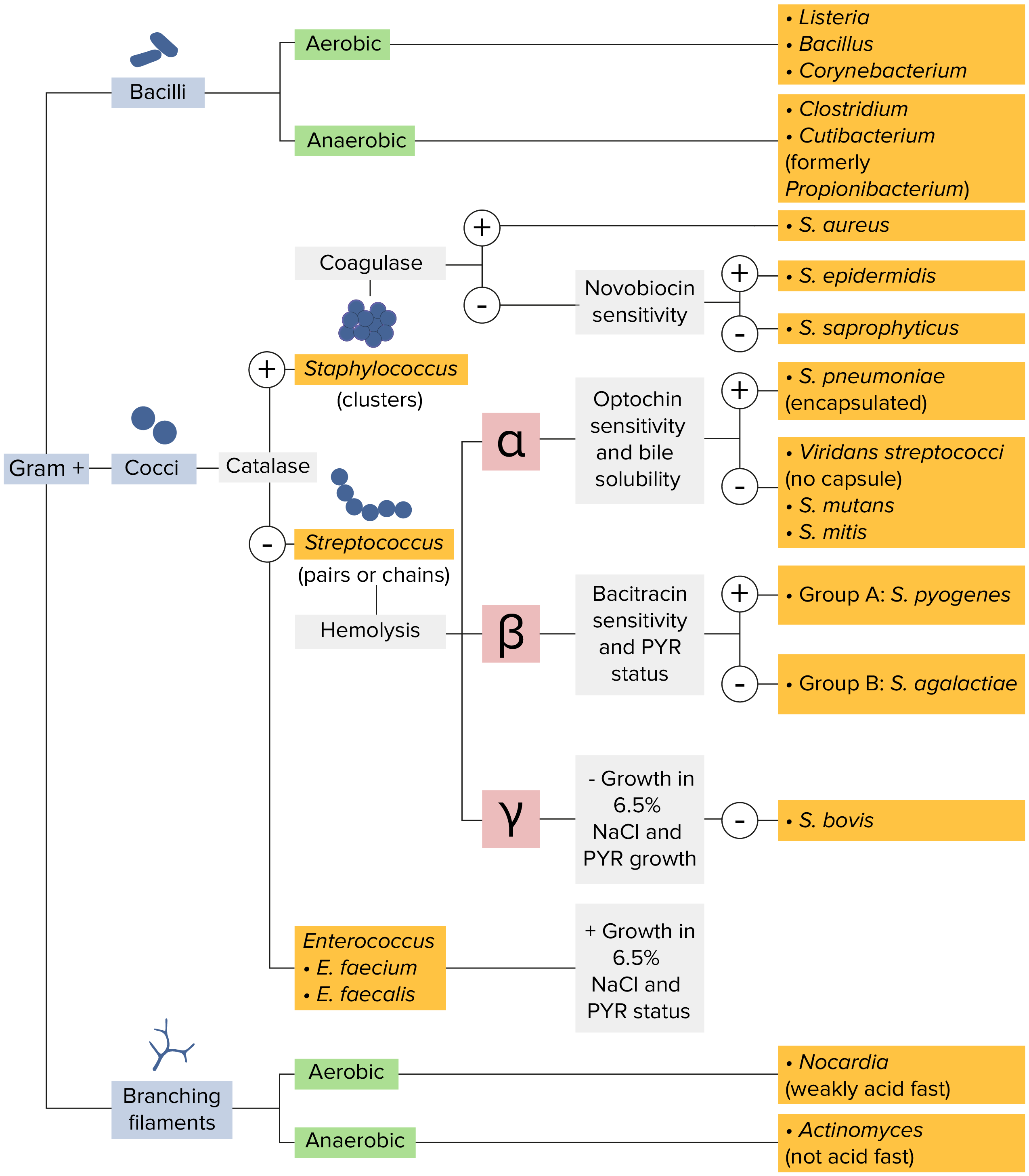
Diagrama de flujo de microbiología de bacterias grampositivas

Bacterias gram-positivas:
La mayoría de las bacterias se pueden clasificar de acuerdo con un procedimiento de laboratorio llamado tinción de Gram.
Las bacterias con paredes celulares que tienen una capa gruesa de peptidoglicano retienen la tinción cristal violeta utilizada en la tinción de Gram, pero no se ven afectadas por la contratinción de safranina. Estas bacterias aparecen como azul púrpura en la tinción, lo que indica que son gram-positivas. Las bacterias pueden clasificarse además según su morfología (filamentos ramificados, bacilos y cocos en grupos o cadenas) y su capacidad para crecer en presencia de oxígeno (aeróbicos versus anaeróbicos). Los cocos también pueden identificarse con mayor profundidad. Los estafilococos pueden reducirse en función de la presencia de la enzima coagulasa y de su sensibilidad al antibiótico novobiocina. Los estreptococos se cultivan en agar sangre y se clasifican según la forma de hemólisis que emplean (α, β o γ). Los estreptococos se reducen aún más en función de su respuesta a la prueba de pirrolidonil-β-naftilamida, su sensibilidad a antimicrobianos específicos (optoquina y bacitracina) y su capacidad para crecer en medios de cloruro de sodio (NaCl).
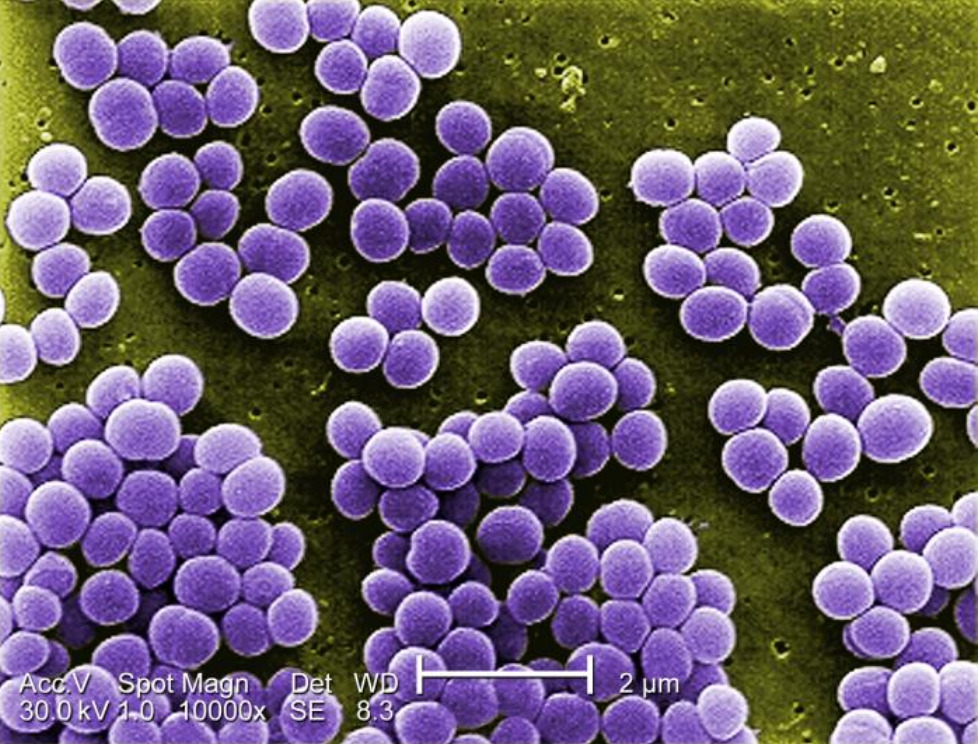
Imagen por Lecturio.

Características Generales y Epidemiología

Características básicas de Staphylococcus Staphylococcus Staphylococcus is a medically important genera of Gram-positive, aerobic cocci. These bacteria form clusters resembling grapes on culture plates. Staphylococci are ubiquitous for humans, and many strains compose the normal skin flora. Staphylococcus

  • Cocos gram-positivos
    • Crecen en EN Erythema nodosum is an immune-mediated panniculitis (inflammation of the subcutaneous fat) caused by a type IV (delayed-type) hypersensitivity reaction. It commonly manifests in young women as tender, erythematous nodules on the shins. Erythema Nodosum racimos
    • Se asemejan a un racimo de uvas
  • Inmóviles
  • No forman esporas
  • Aeróbicos y anaeróbicos facultativos
  • Catalasa positivos:
    • Una enzima que escinde el peróxido de hidrógeno → agua y oxígeno
    • Característica que los LOS Neisseria distingue de los LOS Neisseria estreptococos (que son catalasa negativos)
Staphylococcus aureus

Imagen de microscopio electrónico de barrido coloreada digitalmente con un aumento de 10 000X de Staphylococcus aureus:
Obsérvese que estos cocos se asemejan a un “racimo de uvas”.

Imagen: “10.000x Magnification of Staphylococcus aureus” por CDC/Matthew J. Arduino, DRPH. Licencia: Dominio Público

Especies clínicamente relevantes

Las especies clínicamente relevantes se pueden clasificar según la presencia (o ausencia) de coagulasa:

  • Estafilococos coagulasa positivos: S. aureus S. aureus Potentially pathogenic bacteria found in nasal membranes, skin, hair follicles, and perineum of warm-blooded animals. They may cause a wide range of infections and intoxications. Staphylococcus
  • Especies de estafilococos coagulasa negativos (a menudo agrupados):
    • S. epidermidis S. epidermidis A species of staphylococcus that is a spherical, non-motile, gram-positive, chemoorganotrophic, facultative anaerobe. Mainly found on the skin and mucous membrane of warm-blooded animals, it can be primary pathogen or secondary invader. Staphylococcus
    • S. saprophyticus S. saprophyticus A species of gram-positive bacteria in the family staphylococcaceae. It commonly causes urinary tract infections in humans. Staphylococcus
    • Patógenos poco frecuentes (la lista no es exhaustiva):
      • S. lugdunensis
      • S. hominis
      • S. capitis
      • S. haemolyticus

Características distintivas

Tabla: Características distintivas entre las especies patógenas comunes de Staphylococcus Staphylococcus Staphylococcus is a medically important genera of Gram-positive, aerobic cocci. These bacteria form clusters resembling grapes on culture plates. Staphylococci are ubiquitous for humans, and many strains compose the normal skin flora. Staphylococcus
Especies Coagulasa Agar sangre Agar manitol salado Novobiocina *
sensibilidad
S. aureus S. aureus Potentially pathogenic bacteria found in nasal membranes, skin, hair follicles, and perineum of warm-blooded animals. They may cause a wide range of infections and intoxications. Staphylococcus Positivo Beta-hemólisis Colonias amarillas Sensible
S. epidermidis S. epidermidis A species of staphylococcus that is a spherical, non-motile, gram-positive, chemoorganotrophic, facultative anaerobe. Mainly found on the skin and mucous membrane of warm-blooded animals, it can be primary pathogen or secondary invader. Staphylococcus Negativo No hemolítico Colonias rosadas o rojas Sensible
S. saprophyticus S. saprophyticus A species of gram-positive bacteria in the family staphylococcaceae. It commonly causes urinary tract infections in humans. Staphylococcus Negativo No hemolítico Colonias amarillas o rojas (dependiendo de la cepa) Resistente
* Un antibiótico producido por Streptomyces nivens
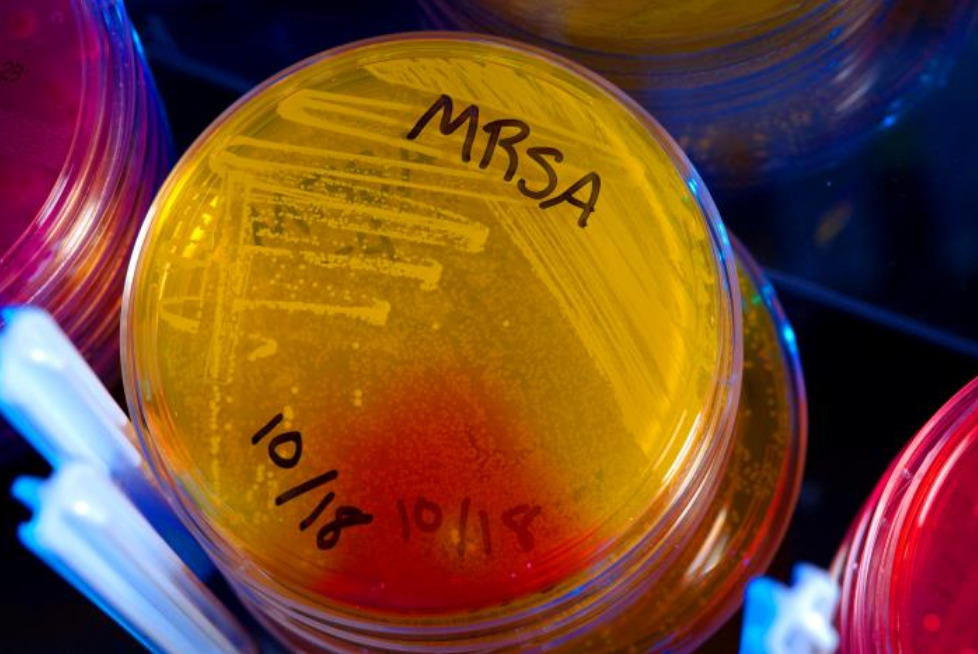
MRSA

Staphylococcus aureus resistente a la meticilina (MRSA, por sus siglas en inglés):
El S. aureus coagulasa positivo fermenta manitol (rojo), produciendo colonias amarillas en placas de agar con sal de manitol.

Imagen: “Methicillin-resistant Staphylococcus aureus (MRSA) bacteria” por CDC/Melissa Dankel. Licencia: Dominio Público

Epidemiología

  • S. aureus S. aureus Potentially pathogenic bacteria found in nasal membranes, skin, hair follicles, and perineum of warm-blooded animals. They may cause a wide range of infections and intoxications. Staphylococcus:
    • Coloniza aproximadamente el 30% de la población general
    • Causa importante de infecciones nosocomiales y adquiridas en EN Erythema nodosum is an immune-mediated panniculitis (inflammation of the subcutaneous fat) caused by a type IV (delayed-type) hypersensitivity reaction. It commonly manifests in young women as tender, erythematous nodules on the shins. Erythema Nodosum la comunidad
  • S. epidermidis S. epidermidis A species of staphylococcus that is a spherical, non-motile, gram-positive, chemoorganotrophic, facultative anaerobe. Mainly found on the skin and mucous membrane of warm-blooded animals, it can be primary pathogen or secondary invader. Staphylococcus:
    • Especies de Staphylococcus Staphylococcus Staphylococcus is a medically important genera of Gram-positive, aerobic cocci. These bacteria form clusters resembling grapes on culture plates. Staphylococci are ubiquitous for humans, and many strains compose the normal skin flora. Staphylococcus más comúnmente identificadas en EN Erythema nodosum is an immune-mediated panniculitis (inflammation of the subcutaneous fat) caused by a type IV (delayed-type) hypersensitivity reaction. It commonly manifests in young women as tender, erythematous nodules on the shins. Erythema Nodosum la piel humana
    • Causa común de bacteriemia nosocomial
  • S. saprophyticus S. saprophyticus A species of gram-positive bacteria in the family staphylococcaceae. It commonly causes urinary tract infections in humans. Staphylococcus: causa común de infecciones del tracto urinario (ITU) en EN Erythema nodosum is an immune-mediated panniculitis (inflammation of the subcutaneous fat) caused by a type IV (delayed-type) hypersensitivity reaction. It commonly manifests in young women as tender, erythematous nodules on the shins. Erythema Nodosum mujeres jóvenes sexualmente activas

Related videos

Patogénesis

Reservorio

Las especies de Staphylococcus Staphylococcus Staphylococcus is a medically important genera of Gram-positive, aerobic cocci. These bacteria form clusters resembling grapes on culture plates. Staphylococci are ubiquitous for humans, and many strains compose the normal skin flora. Staphylococcus forman parte de la flora humana normal:

  • Mucosa nasal
  • Tracto respiratorio
  • Piel
  • Tracto gastrointestinal
  • Tracto genitourinario ( S. saprophyticus S. saprophyticus A species of gram-positive bacteria in the family staphylococcaceae. It commonly causes urinary tract infections in humans. Staphylococcus)

Transmisión

Staphylococcus aureus Staphylococcus aureus Potentially pathogenic bacteria found in nasal membranes, skin, hair follicles, and perineum of warm-blooded animals. They may cause a wide range of infections and intoxications. Brain Abscess se puede transmitir a través de aerosoles y el contacto con:

  • Individuos infectados
  • Fluidos corporales
  • Objetos contaminados

Factores de riesgo

Los LOS Neisseria factores de riesgo de infección grave por Staphylococcus Staphylococcus Staphylococcus is a medically important genera of Gram-positive, aerobic cocci. These bacteria form clusters resembling grapes on culture plates. Staphylococci are ubiquitous for humans, and many strains compose the normal skin flora. Staphylococcus incluyen:

  • Hospitalización
  • Cirugía
  • Procedimientos ambulatorios (e.g., diálisis)
  • Material implantado o protésico:
    • Marcapasos/desfibriladores
    • Catéteres intravasculares
    • Catéteres uretrales
    • Implantes quirúrgicos
    • Válvulas protésicas
  • Individuos inmunocomprometidos
  • Estancias en EN Erythema nodosum is an immune-mediated panniculitis (inflammation of the subcutaneous fat) caused by a type IV (delayed-type) hypersensitivity reaction. It commonly manifests in young women as tender, erythematous nodules on the shins. Erythema Nodosum hogares de ancianos
  • Uso de drogas inyectables

Factores virulentos

Comunes a la mayoría de los LOS Neisseria estafilococos:

  • Desoxirribonucleasa: despolimeriza el ADN, un componente de las trampas extracelulares de neutrófilos → ↓ viscosidad del pus
  • Fibrinolisina: lisa las paredes de fibrina que se utilizan para contener una infección → ayuda a la propagación
  • Proteasas: degradan las proteínas de las células diana, como los LOS Neisseria componentes de:
    • Matriz extracelular
    • Sistema inmunitario innato
  • Biopelícula:
    • Una matriz de polisacárido extracelular que recubre las bacterias después de adherirse a material extraño
    • Funciona como una barrera protectora contra los LOS Neisseria antibióticos y el sistema inmunitario del huésped

Staphylococcus aureus Staphylococcus aureus Potentially pathogenic bacteria found in nasal membranes, skin, hair follicles, and perineum of warm-blooded animals. They may cause a wide range of infections and intoxications. Brain Abscess:

  • Hialuronidasa:
    • Escinde el ácido hialurónico
    • Facilita la invasión de patógenos en EN Erythema nodosum is an immune-mediated panniculitis (inflammation of the subcutaneous fat) caused by a type IV (delayed-type) hypersensitivity reaction. It commonly manifests in young women as tender, erythematous nodules on the shins. Erythema Nodosum los LOS Neisseria tejidos
  • Lipasa e hidrolasa:
    • Degradan los LOS Neisseria lípidos
    • Usadas para la invasión
  • Hemolisinas y leucocidinas: provocan la muerte de las células diana, incluidos los LOS Neisseria eritrocitos y las células inmunitarias
  • Factor de aglutinación A:
    • Se une al AL Amyloidosis fibrinógeno y a otras proteínas
    • Provoca la acumulación de bacterias en EN Erythema nodosum is an immune-mediated panniculitis (inflammation of the subcutaneous fat) caused by a type IV (delayed-type) hypersensitivity reaction. It commonly manifests in young women as tender, erythematous nodules on the shins. Erythema Nodosum el plasma Plasma The residual portion of blood that is left after removal of blood cells by centrifugation without prior blood coagulation. Transfusion Products
    • Particularmente importante en EN Erythema nodosum is an immune-mediated panniculitis (inflammation of the subcutaneous fat) caused by a type IV (delayed-type) hypersensitivity reaction. It commonly manifests in young women as tender, erythematous nodules on the shins. Erythema Nodosum la patogénesis de la endocarditis Endocarditis Endocarditis is an inflammatory disease involving the inner lining (endometrium) of the heart, most commonly affecting the cardiac valves. Both infectious and noninfectious etiologies lead to vegetations on the valve leaflets. Patients may present with nonspecific symptoms such as fever and fatigue. Endocarditis y las infecciones endovasculares
  • Coagulasa:
    • Convierte el fibrinógeno en EN Erythema nodosum is an immune-mediated panniculitis (inflammation of the subcutaneous fat) caused by a type IV (delayed-type) hypersensitivity reaction. It commonly manifests in young women as tender, erythematous nodules on the shins. Erythema Nodosum fibrina para formar una pared alrededor del área local de la infección (pseudocápsula)
    • Promueve la formación de abscesos
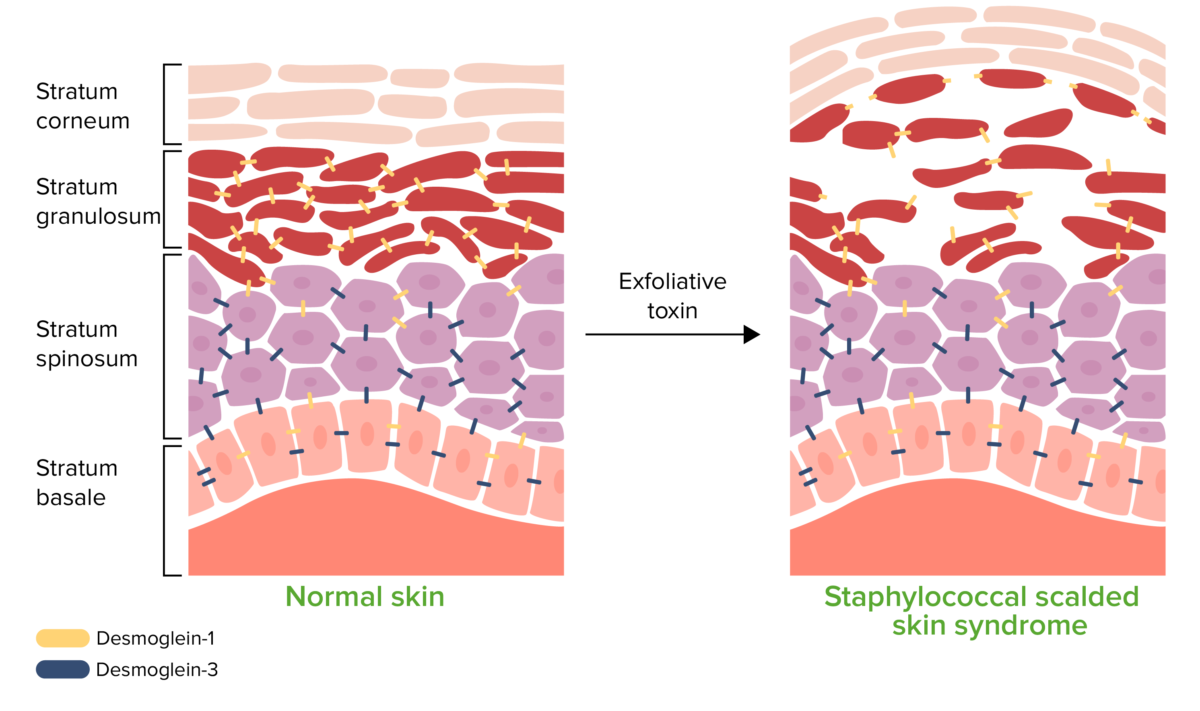
  • Toxinas exfoliativas A y B:
    • Exotoxinas
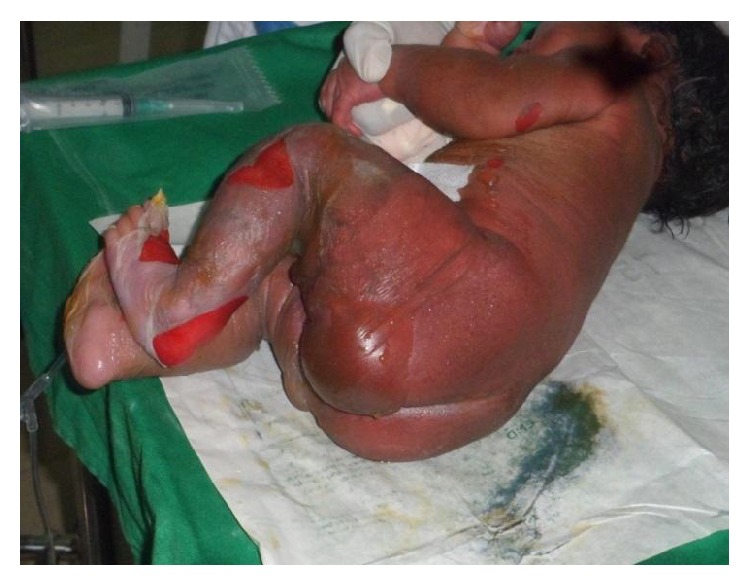
    • Causan el síndrome de piel escaldada por estafilococos
      • Escinden el complejo de desmogleína-1 en EN Erythema nodosum is an immune-mediated panniculitis (inflammation of the subcutaneous fat) caused by a type IV (delayed-type) hypersensitivity reaction. It commonly manifests in young women as tender, erythematous nodules on the shins. Erythema Nodosum el estrato granuloso
      • Interrumpen la adhesión entre queratinocitos
      • Causan separación y desprendimiento de la epidermis Epidermis The external, nonvascular layer of the skin. It is made up, from within outward, of five layers of epithelium: (1) basal layer (stratum basale epidermidis); (2) spinous layer (stratum spinosum epidermidis); (3) granular layer (stratum granulosum epidermidis); (4) clear layer (stratum lucidum epidermidis); and (5) horny layer (stratum corneum epidermidis). Skin: Structure and Functions superficial
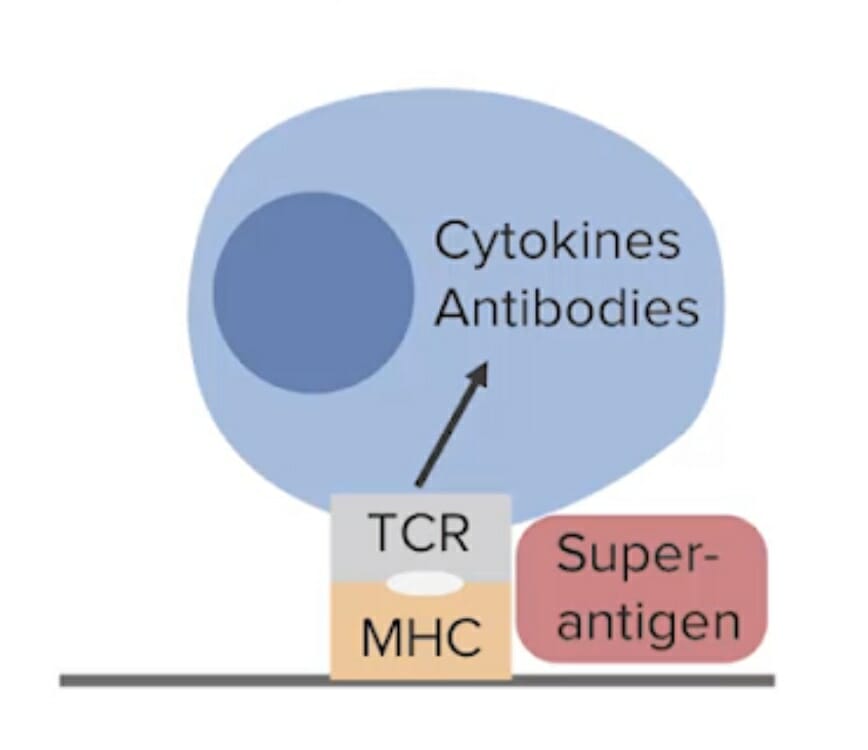
  • Superantígenos:
    • Incluyen las exotoxinas:
      • Toxina tipo 1 del síndrome de shock Shock Shock is a life-threatening condition associated with impaired circulation that results in tissue hypoxia. The different types of shock are based on the underlying cause: distributive (↑ cardiac output (CO), ↓ systemic vascular resistance (SVR)), cardiogenic (↓ CO, ↑ SVR), hypovolemic (↓ CO, ↑ SVR), obstructive (↓ CO), and mixed. Types of Shock tóxico
      • Enterotoxina B
    • Causa síndrome de shock Shock Shock is a life-threatening condition associated with impaired circulation that results in tissue hypoxia. The different types of shock are based on the underlying cause: distributive (↑ cardiac output (CO), ↓ systemic vascular resistance (SVR)), cardiogenic (↓ CO, ↑ SVR), hypovolemic (↓ CO, ↑ SVR), obstructive (↓ CO), and mixed. Types of Shock tóxico:
      • Se une al AL Amyloidosis complejo mayor de histocompatibilidad (CMH) de clase II en EN Erythema nodosum is an immune-mediated panniculitis (inflammation of the subcutaneous fat) caused by a type IV (delayed-type) hypersensitivity reaction. It commonly manifests in young women as tender, erythematous nodules on the shins. Erythema Nodosum las células presentadoras de antígeno → enlaces cruzados con la región β del receptor Receptor Receptors are proteins located either on the surface of or within a cell that can bind to signaling molecules known as ligands (e.g., hormones) and cause some type of response within the cell. Receptors de linfocitos T
      • Estimula la activación de los LOS Neisseria linfocitos T y una liberación exagerada de citocinas
      • Da como resultado una respuesta inflamatoria excesiva
  • Otras enterotoxinas:
    • Exotoxinas termoestables
    • Mecanismo de acción desconocido
    • Puede causar gastroenteritis Gastroenteritis Gastroenteritis is inflammation of the stomach and intestines, commonly caused by infections from bacteria, viruses, or parasites. Transmission may be foodborne, fecal-oral, or through animal contact. Common clinical features include abdominal pain, diarrhea, vomiting, fever, and dehydration. Gastroenteritis (intoxicación alimentaria)

Estafilococos coagulasa negativos:

  • Adhesinas: ayudan a la adhesión de estafilococos coagulasa negativos a las células huésped
  • Ureasa:
    • Producida por S. saprophyticus S. saprophyticus A species of gram-positive bacteria in the family staphylococcaceae. It commonly causes urinary tract infections in humans. Staphylococcus
    • Hidroliza la urea Urea A compound formed in the liver from ammonia produced by the deamination of amino acids. It is the principal end product of protein catabolism and constitutes about one half of the total urinary solids. Urea Cycle → CO2 y amoníaco → ↑ pH pH The quantitative measurement of the acidity or basicity of a solution. Acid-Base Balance urinario
    • Lo vuelve particularmente virulento dentro del tracto urinario

Enfermedades Causadas por S. aureus

Infecciones

Staphylococcus aureus Staphylococcus aureus Potentially pathogenic bacteria found in nasal membranes, skin, hair follicles, and perineum of warm-blooded animals. They may cause a wide range of infections and intoxications. Brain Abscess puede causar una amplia gama de infecciones, que incluyen (pero no se limitan a):
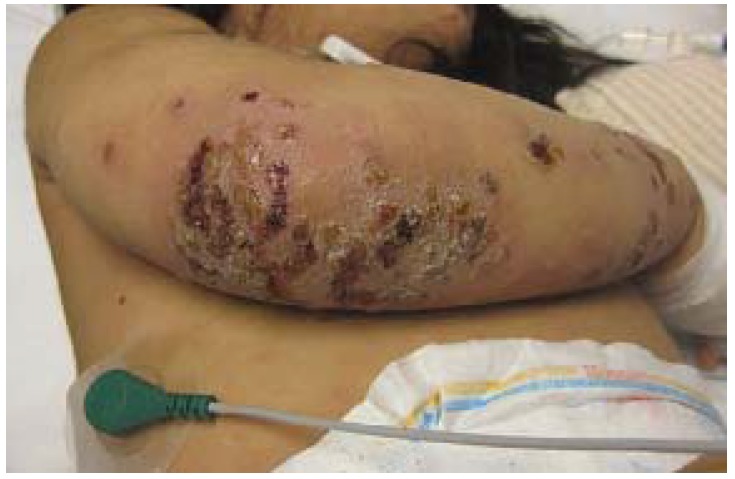
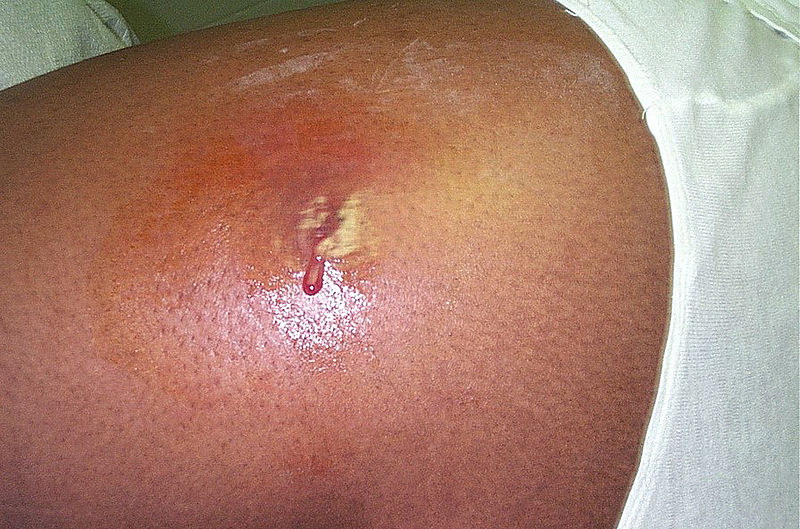
  • Infecciones de piel y tejidos blandos
    • Foliculitis
    • Impétigo
    • Celulitis
    • Absceso
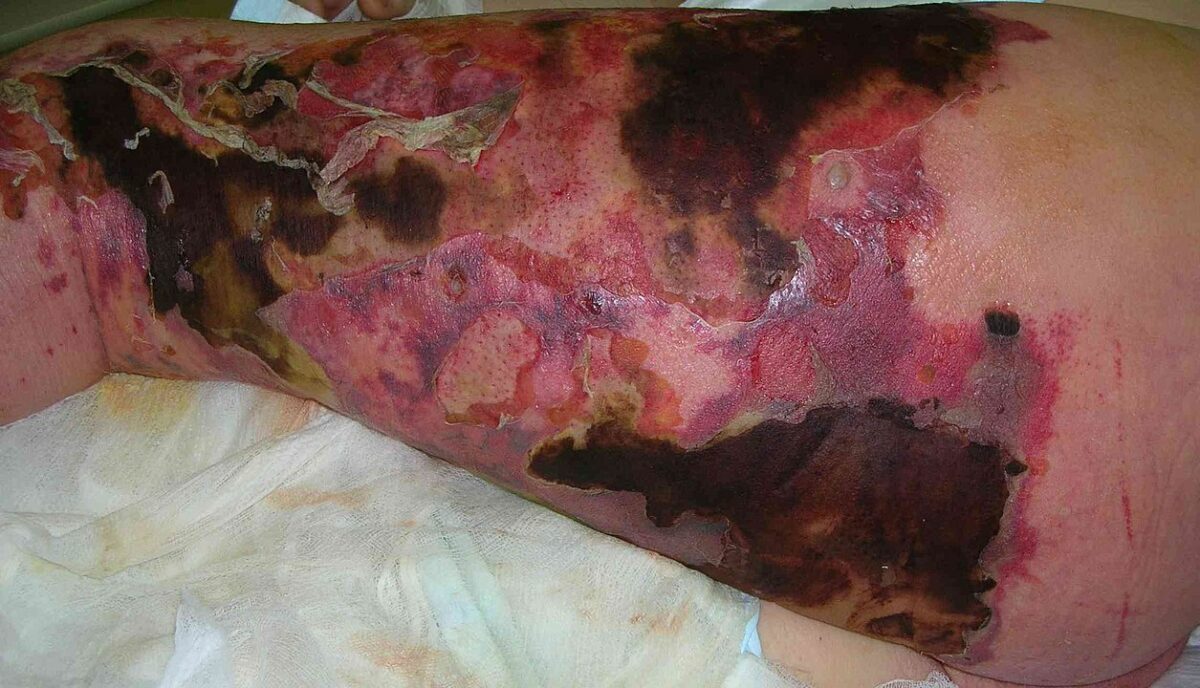
    • Fascitis necrosante
    • Infección de heridas quirúrgicas
  • Infección del torrente sanguíneo → puede sembrar infecciones en EN Erythema nodosum is an immune-mediated panniculitis (inflammation of the subcutaneous fat) caused by a type IV (delayed-type) hypersensitivity reaction. It commonly manifests in young women as tender, erythematous nodules on the shins. Erythema Nodosum otros tejidos
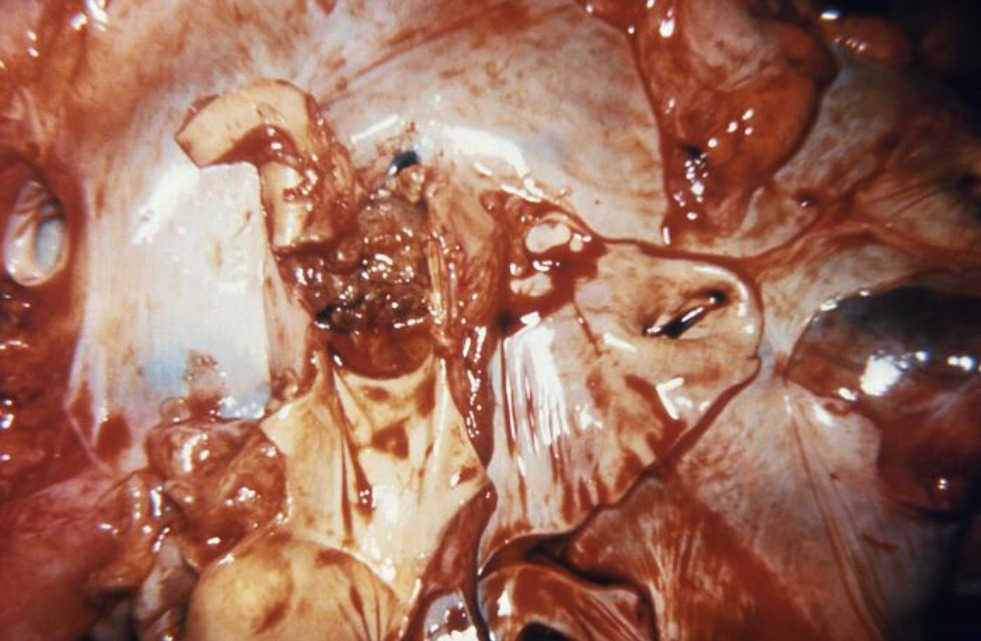
  • Endocarditis Endocarditis Endocarditis is an inflammatory disease involving the inner lining (endometrium) of the heart, most commonly affecting the cardiac valves. Both infectious and noninfectious etiologies lead to vegetations on the valve leaflets. Patients may present with nonspecific symptoms such as fever and fatigue. Endocarditis infecciosa
    • Conduce a vegetaciones en EN Erythema nodosum is an immune-mediated panniculitis (inflammation of the subcutaneous fat) caused by a type IV (delayed-type) hypersensitivity reaction. It commonly manifests in young women as tender, erythematous nodules on the shins. Erythema Nodosum válvulas cardíacas
    • Puede liberar émbolos sépticos → complicaciones embólicas y/o infección metastásica
    • S. aureus S. aureus Potentially pathogenic bacteria found in nasal membranes, skin, hair follicles, and perineum of warm-blooded animals. They may cause a wide range of infections and intoxications. Staphylococcus se asocia con una infección aguda que progresa rápidamente.
  • Neumonía
    • S. aureus S. aureus Potentially pathogenic bacteria found in nasal membranes, skin, hair follicles, and perineum of warm-blooded animals. They may cause a wide range of infections and intoxications. Staphylococcus causa notablemente neumonía bacteriana secundaria en EN Erythema nodosum is an immune-mediated panniculitis (inflammation of the subcutaneous fat) caused by a type IV (delayed-type) hypersensitivity reaction. It commonly manifests in young women as tender, erythematous nodules on the shins. Erythema Nodosum individuos con influenza Influenza Influenza viruses are members of the Orthomyxoviridae family and the causative organisms of influenza, a highly contagious febrile respiratory disease. There are 3 primary influenza viruses (A, B, and C) and various subtypes, which are classified based on their virulent surface antigens, hemagglutinin (HA) and neuraminidase (NA). Influenza typically presents with a fever, myalgia, headache, and symptoms of an upper respiratory infection. Influenza Viruses/Influenza.
    • Complicaciones:
      • Infección necrosante → destrucción tisular → cavitación pulmonar
      • Absceso pulmonar
      • Empiema
  • Artritis séptica
  • Osteomielitis
    • Infección del hueso
    • Puede deberse a diseminación hematógena o no hematógena
  • Infecciones por dispositivos médicos, como:
    • Catéteres intravenosos
    • Válvulas protésicas
    • Articulaciones protésicas
    • Marcapasos

Enfermedades mediadas por toxinas

Tabla: Características de las enfermedades mediadas por toxinas causadas por S. aureus S. aureus Potentially pathogenic bacteria found in nasal membranes, skin, hair follicles, and perineum of warm-blooded animals. They may cause a wide range of infections and intoxications. Staphylococcus
Enfermedad Exotoxina Presentación clínica
Síndrome de piel escaldada por estafilococos Toxinas exfoliativas A y B
  • Síntomas prodrómicos
  • Erupción eritematosa → ampollas → descamación
  • Dolor Dolor Inflammation cutáneo
  • No afecta mucosas
Síndrome de shock Shock Shock is a life-threatening condition associated with impaired circulation that results in tissue hypoxia. The different types of shock are based on the underlying cause: distributive (↑ cardiac output (CO), ↓ systemic vascular resistance (SVR)), cardiogenic (↓ CO, ↑ SVR), hypovolemic (↓ CO, ↑ SVR), obstructive (↓ CO), and mixed. Types of Shock tóxico Toxina del síndrome de shock Shock Shock is a life-threatening condition associated with impaired circulation that results in tissue hypoxia. The different types of shock are based on the underlying cause: distributive (↑ cardiac output (CO), ↓ systemic vascular resistance (SVR)), cardiogenic (↓ CO, ↑ SVR), hypovolemic (↓ CO, ↑ SVR), obstructive (↓ CO), and mixed. Types of Shock tóxico tipo 1
Enterotoxina B
  • Fiebre
  • Erupción
  • Hipotensión
  • Disfunción multiorgánica
Gastroenteritis Gastroenteritis Gastroenteritis is inflammation of the stomach and intestines, commonly caused by infections from bacteria, viruses, or parasites. Transmission may be foodborne, fecal-oral, or through animal contact. Common clinical features include abdominal pain, diarrhea, vomiting, fever, and dehydration. Gastroenteritis Enterotoxinas
  • Náuseas y vómitos
  • Cólicos abdominales
  • Diarrea

Enfermedades Causadas por Estafilococos Coagulasa Negativos

Los LOS Neisseria estafilococos coagulasa negativos pueden causar muchas de las mismas afecciones que S. aureus S. aureus Potentially pathogenic bacteria found in nasal membranes, skin, hair follicles, and perineum of warm-blooded animals. They may cause a wide range of infections and intoxications. Staphylococcus. Las infecciones notables incluyen:

  • Infecciones por dispositivos médicos (particularmente S. epidermidis S. epidermidis A species of staphylococcus that is a spherical, non-motile, gram-positive, chemoorganotrophic, facultative anaerobe. Mainly found on the skin and mucous membrane of warm-blooded animals, it can be primary pathogen or secondary invader. Staphylococcus)
    • Catéteres intravenosos
    • Valvulas protésicas
    • Marcapasos
    • Articulaciones protésicas
    • Derivaciones del SNC
    • Implantes mamarios
  • Infección de la herida quirúrgica
  • Endocarditis Endocarditis Endocarditis is an inflammatory disease involving the inner lining (endometrium) of the heart, most commonly affecting the cardiac valves. Both infectious and noninfectious etiologies lead to vegetations on the valve leaflets. Patients may present with nonspecific symptoms such as fever and fatigue. Endocarditis infecciosa (válvula nativa y protésica)
  • Osteomielitis
  • ITU (particularmente S. saprophyticus S. saprophyticus A species of gram-positive bacteria in the family staphylococcaceae. It commonly causes urinary tract infections in humans. Staphylococcus)

Antibióticos y Resistencia

Susceptibilidad a los LOS Neisseria antibióticos

Las especies de Staphylococcus Staphylococcus Staphylococcus is a medically important genera of Gram-positive, aerobic cocci. These bacteria form clusters resembling grapes on culture plates. Staphylococci are ubiquitous for humans, and many strains compose the normal skin flora. Staphylococcus pueden desarrollar resistencia a los LOS Neisseria antibióticos y la identificación de la susceptibilidad es necesaria para un tratamiento adecuado. Las especies a menudo se designan como:

  • Sensible a la meticilina
  • Resistente a la meticilina
  • Resistente a la vancomicina

Mecanismo de resistencia

  • Meticilina: resistencia mediada por la proteína de unión de penicilina
    • Mutaciones en EN Erythema nodosum is an immune-mediated panniculitis (inflammation of the subcutaneous fat) caused by a type IV (delayed-type) hypersensitivity reaction. It commonly manifests in young women as tender, erythematous nodules on the shins. Erythema Nodosum las proteínas de unión de penicilina (codificadas por el gen mecA ) → ↓ afinidad de las penicilinas por las proteínas de unión de penicilina
    • A pesar de las mutaciones, estas proteínas de unión de penicilina aún pueden producir una pared celular.
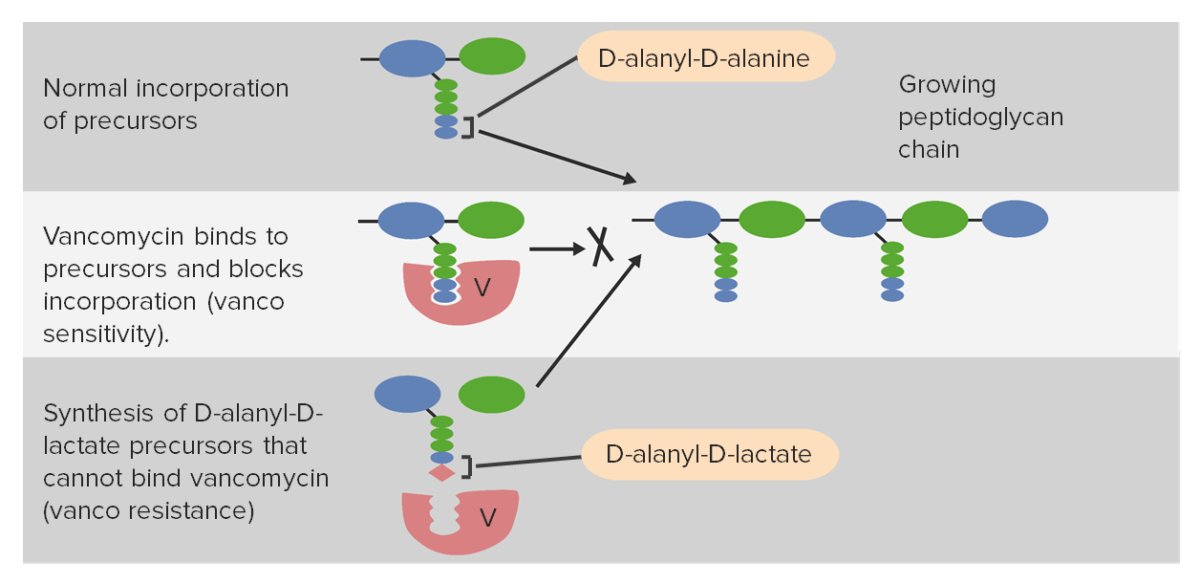
  • Vancomicina: alteración de la síntesis de peptidoglicanos
    • Conferido por el gen vanA ( en EN Erythema nodosum is an immune-mediated panniculitis (inflammation of the subcutaneous fat) caused by a type IV (delayed-type) hypersensitivity reaction. It commonly manifests in young women as tender, erythematous nodules on the shins. Erythema Nodosum plásmido)
    • Adquirido de un Enterococcus Enterococcus Enterococcus is a genus of oval-shaped gram-positive cocci that are arranged in pairs or short chains. Distinguishing factors include optochin resistance and the presence of pyrrolidonyl arylamidase (PYR) and Lancefield D antigen. Enterococcus is part of the normal flora of the human GI tract. Enterococcus resistente a la vancomicina
    • Altera la diana del peptidoglicano de D-alanil-D-alanina a D-alanil-D-lactato o D-alanil-D-serina → mala unión de glucopéptidos y sin alteración de la síntesis de la pared celular

Opciones de antibióticos

El agente de elección y la duración del tratamiento para la infección por Staphylococcus Staphylococcus Staphylococcus is a medically important genera of Gram-positive, aerobic cocci. These bacteria form clusters resembling grapes on culture plates. Staphylococci are ubiquitous for humans, and many strains compose the normal skin flora. Staphylococcus dependen del área del cuerpo afectada, la gravedad de la infección y la sensibilidad a los LOS Neisseria antibióticos de la cepa.

Tabla: Opciones de antibióticos para Staphylococcus Staphylococcus Staphylococcus is a medically important genera of Gram-positive, aerobic cocci. These bacteria form clusters resembling grapes on culture plates. Staphylococci are ubiquitous for humans, and many strains compose the normal skin flora. Staphylococcus según la resistencia
Cepa Antibiótico
Staphylococcus aureus Staphylococcus aureus Potentially pathogenic bacteria found in nasal membranes, skin, hair follicles, and perineum of warm-blooded animals. They may cause a wide range of infections and intoxications. Brain Abscess sensible a la meticilina (MSSA, por sus siglas en EN Erythema nodosum is an immune-mediated panniculitis (inflammation of the subcutaneous fat) caused by a type IV (delayed-type) hypersensitivity reaction. It commonly manifests in young women as tender, erythematous nodules on the shins. Erythema Nodosum inglés) y estafilococos coagulasa negativos
  • Penicilinas resistentes a la penicilinasa
  • Cefalosporinas
MRSA MRSA A strain of Staphylococcus aureus that is non-susceptible to the action of methicillin. The mechanism of resistance usually involves modification of normal or the presence of acquired penicillin binding proteins. Staphylococcus
  • Vancomicina
  • Trimetoprim-sulfametoxazol
  • Clindamicina
  • Linezolid Linezolid An oxazolidinone and acetamide derived anti-bacterial agent and protein synthesis inhibitor that is used in the treatment of gram-positive bacterial infections of the skin and respiratory tract. Oxazolidinones
  • Daptomicina
  • Tetraciclinas
  • Ceftarolina
  • Tigeciclina
Staphylococcus aureus Staphylococcus aureus Potentially pathogenic bacteria found in nasal membranes, skin, hair follicles, and perineum of warm-blooded animals. They may cause a wide range of infections and intoxications. Brain Abscess resistente a la vancomicina
  • Linezolid Linezolid An oxazolidinone and acetamide derived anti-bacterial agent and protein synthesis inhibitor that is used in the treatment of gram-positive bacterial infections of the skin and respiratory tract. Oxazolidinones
  • Daptomicina
  • Ceftarolina

Referencias

  1. Carroll, KC, & Hobden, JA. (2015). The staphylococci. In Brooks, JE, et al. (Eds.), Jawetz, Melnick, & Adelberg’s Medical Microbiology. (27th ed). [VitalSource Bookshelf 9.4.3]. 
  2. Centers for Disease Control and Prevention. (2024, April 15). Staphylococcus aureus basics. https://www.cdc.gov/staphylococcus-aureus/about/index.html
  3. Fowler, VG, & Holland, TL. Clinical approach to Staphylococcus aureus bacteremia in adults. UpToDate. Retrieved May 13, 2021, from https://www.uptodate.com/contents/clinical-approach-to-staphylococcus-aureus-bacteremia-in-adults
  4. Tufariello, JM, & Lowy, FD. Infection due to coagulase-negative staphylococci: Epidemiology, microbiology, and pathogenesis. UpToDate. Retrieved May 14, 2021, from https://www.uptodate.com/contents/infection-due-to-coagulase-negative-staphylococci-epidemiology-microbiology-and-pathogenesis
  5. Chu, VH. Staphylococcal toxic shock syndrome. UpToDate. Retrieved May 19, 2021, from https://www.uptodate.com/contents/staphylococcal-toxic-shock-syndrome
  6. McMahon, P. Staphylococcal scalded skin syndrome. UpToDate. Retrieved May 19, 2021, from https://www.uptodate.com/contents/staphylococcal-scalded-skin-syndrome
  7. Cong, Y, Yang, S, & Rao, X. (2020). Vancomycin-resistant Staphylococcus aureus infections: A review of case updating and clinical features. Journal of Advanced Research. 21:169-176. https://www.sciencedirect.com/science/article/pii/S2090123219301638
  8. Gardete, S, & Tomasz, A. (2014). Mechanism of vancomycin resistance in Staphylococcus aureus. The Journal of Clinical Investigation. 124(7):2836-40. https://www.ncbi.nlm.nih.gov/pmc/articles/PMC4071404/
  9. Moreillon, P, et al. (1995). Rose of Staphylococcus aureus coagulase and clumping factor in pathogenesis of experimental endocarditis. Infection and Immunity. 63(12):4738-43. https://www.ncbi.nlm.nih.gov/pmc/articles/PMC173679/
  10. Vandenesch, F, Lina, G, & Henry, T. (2012). Staphylococcus aureus hemolysins, bicomponent leukocidins, and cytolytic peptides: A redundant arsenal of membrane-damaging virulence factors? Frontiers in Cellular and Infection Microbiology. 2:12. https://www.ncbi.nlm.nih.gov/pmc/articles/PMC3417661/

¡Crea tu cuenta gratis o inicia una sesión para seguir leyendo!

Regístrate ahora y obtén acceso gratuito a Lecturio con páginas de concepto, videos médicos y cuestionarios para tu educación médica.

User Reviews

Que tengas una sesión de estudio alegre y navideña 🎁 Ahorra 50% en todos los planes >>

Details