Domina Conceptos Médicos

Estudia para la escuela de medicina y tus examenes con Lecturio.

Plasmodium/Paludismo

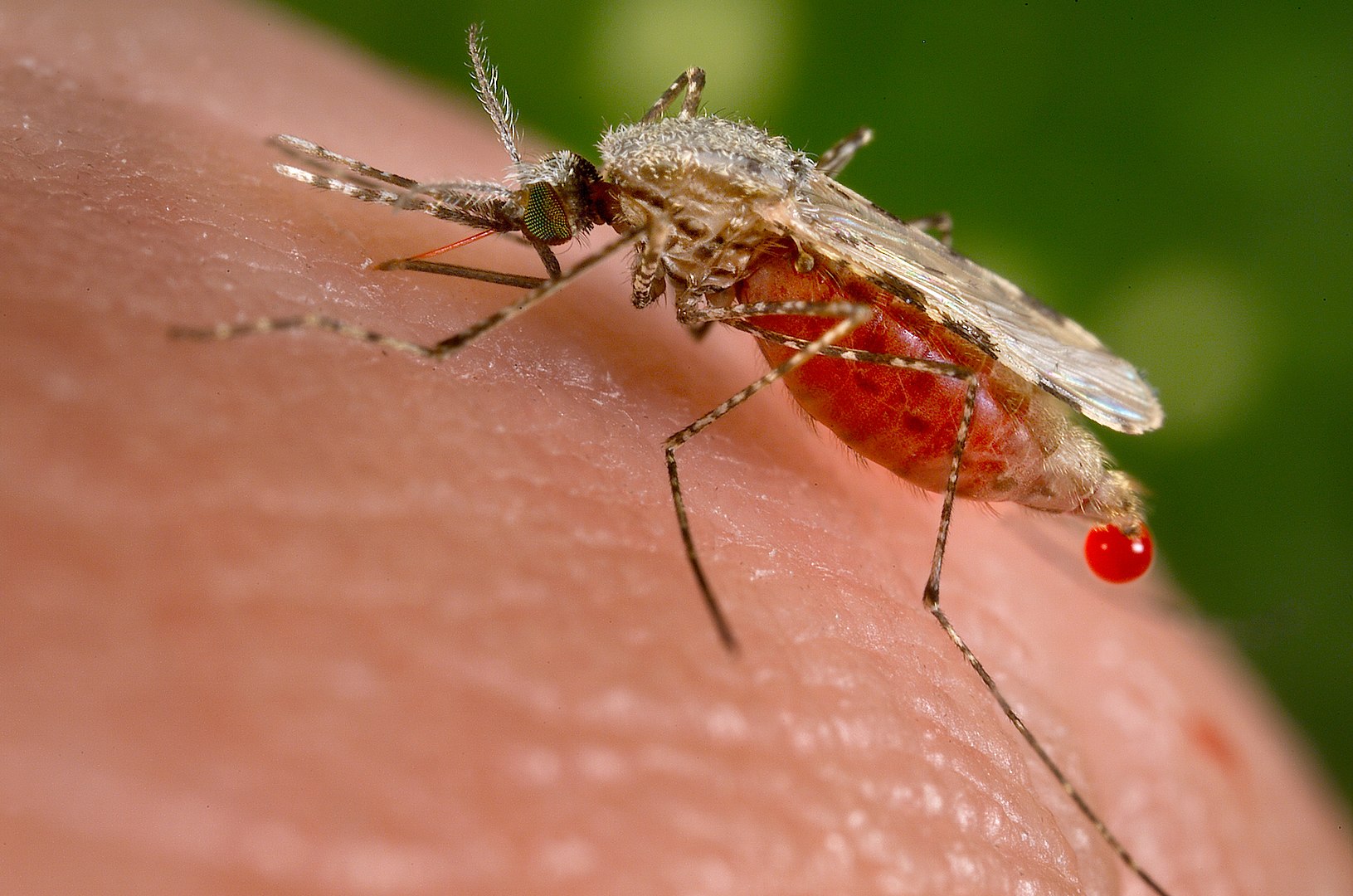
El paludismo es una enfermedad parasitaria infecciosa que afecta a los LOS Neisseria seres humanos y a otros animales. El paludismo, que se transmite sobre todo por la picadura de un mosquito Anopheles Anopheles A genus of mosquitoes (culicidae) that are known vectors of malaria. Plasmodium/Malaria hembra infectado, es causado por microorganismos unicelulares del género Plasmodium Plasmodium A genus of protozoa that comprise the malaria parasites of mammals. Four species infect humans (although occasional infections with primate malarias may occur). These are plasmodium falciparum; plasmodium malariae; plasmodium ovale, and plasmodium vivax. Species causing infection in vertebrates other than man include: plasmodium berghei; plasmodium chabaudi; p. Vinckei, and plasmodium yoelii in rodents; p. Brasilianum, plasmodium cynomolgi; and plasmodium knowlesi in monkeys; and plasmodium gallinaceum in chickens. Antimalarial Drugs. Los LOS Neisseria pacientes se presentan con fiebre, escalofríos, mialgia, cefalea y diaforesis después de un antecedente de exposición en EN Erythema nodosum is an immune-mediated panniculitis (inflammation of the subcutaneous fat) caused by a type IV (delayed-type) hypersensitivity reaction. It commonly manifests in young women as tender, erythematous nodules on the shins. Erythema Nodosum una zona endémica de paludismo, que suele ser cíclica. La profilaxis es de suma importancia. Existe un tratamiento con medicamentos orales, pero el paludismo puede ser grave y mortal si no se diagnostica a tiempo, especialmente en EN Erythema nodosum is an immune-mediated panniculitis (inflammation of the subcutaneous fat) caused by a type IV (delayed-type) hypersensitivity reaction. It commonly manifests in young women as tender, erythematous nodules on the shins. Erythema Nodosum los LOS Neisseria niños pequeños.

Last updated: Dec 15, 2025

Editorial responsibility: Stanley Oiseth, Lindsay Jones, Evelin Maza

Descripción General

Definición

El paludismo es una enfermedad parasitaria causada por parásitos unicelulares del género Plasmodium Plasmodium A genus of protozoa that comprise the malaria parasites of mammals. Four species infect humans (although occasional infections with primate malarias may occur). These are plasmodium falciparum; plasmodium malariae; plasmodium ovale, and plasmodium vivax. Species causing infection in vertebrates other than man include: plasmodium berghei; plasmodium chabaudi; p. Vinckei, and plasmodium yoelii in rodents; p. Brasilianum, plasmodium cynomolgi; and plasmodium knowlesi in monkeys; and plasmodium gallinaceum in chickens. Antimalarial Drugs y es transmitida por mosquitos del género Anopheles Anopheles A genus of mosquitoes (culicidae) that are known vectors of malaria. Plasmodium/Malaria.
Epidemiología

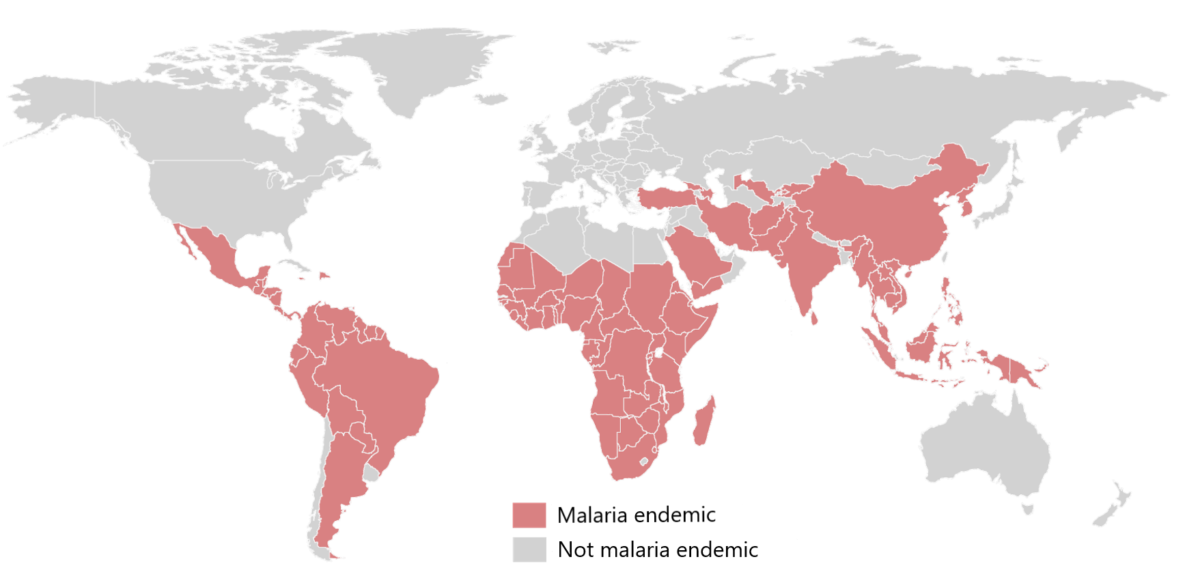
  • El paludismo se presenta en EN Erythema nodosum is an immune-mediated panniculitis (inflammation of the subcutaneous fat) caused by a type IV (delayed-type) hypersensitivity reaction. It commonly manifests in young women as tender, erythematous nodules on the shins. Erythema Nodosum la mayor parte de las regiones tropicales y subtropicales de África, América Central y del Sur, partes del Caribe, Asia ASIA Spinal Cord Injuries y el Pacífico Sur.
  • En EN Erythema nodosum is an immune-mediated panniculitis (inflammation of the subcutaneous fat) caused by a type IV (delayed-type) hypersensitivity reaction. It commonly manifests in young women as tender, erythematous nodules on the shins. Erythema Nodosum 2022, se estimaron 249 millones de casos y unas 608.000 muertes a nivel mundial; en EN Erythema nodosum is an immune-mediated panniculitis (inflammation of the subcutaneous fat) caused by a type IV (delayed-type) hypersensitivity reaction. It commonly manifests in young women as tender, erythematous nodules on the shins. Erythema Nodosum 2023, se estimaron 263 millones de casos y unas 597.000 muertes.
  • Los LOS Neisseria niños < 5 años aproximadamente 3/4 de las muertes por malaria Malaria Malaria is an infectious parasitic disease affecting humans and other animals. Most commonly transmitted via the bite of a female Anopheles mosquito infected with microorganisms of the Plasmodium genus. Patients present with fever, chills, myalgia, headache, and diaphoresis. Plasmodium/Malaria, principalmente en EN Erythema nodosum is an immune-mediated panniculitis (inflammation of the subcutaneous fat) caused by a type IV (delayed-type) hypersensitivity reaction. It commonly manifests in young women as tender, erythematous nodules on the shins. Erythema Nodosum la región africana.
  • El paludismo no es endémico en EN Erythema nodosum is an immune-mediated panniculitis (inflammation of the subcutaneous fat) caused by a type IV (delayed-type) hypersensitivity reaction. It commonly manifests in young women as tender, erythematous nodules on the shins. Erythema Nodosum Estados Unidos, pero cada año se diagnostican alrededor de 2 000 casos ( en EN Erythema nodosum is an immune-mediated panniculitis (inflammation of the subcutaneous fat) caused by a type IV (delayed-type) hypersensitivity reaction. It commonly manifests in young women as tender, erythematous nodules on the shins. Erythema Nodosum su mayoría viajeros e inmigrantes del África subsahariana y el sur de Asia ASIA Spinal Cord Injuries).

Etiología

  • Transportado por los LOS Neisseria mosquitos Anopheles Anopheles A genus of mosquitoes (culicidae) that are known vectors of malaria. Plasmodium/Malaria y transmitido a los LOS Neisseria humanos a través de las picaduras
  • Causado por especies del género Plasmodium Plasmodium A genus of protozoa that comprise the malaria parasites of mammals. Four species infect humans (although occasional infections with primate malarias may occur). These are plasmodium falciparum; plasmodium malariae; plasmodium ovale, and plasmodium vivax. Species causing infection in vertebrates other than man include: plasmodium berghei; plasmodium chabaudi; p. Vinckei, and plasmodium yoelii in rodents; p. Brasilianum, plasmodium cynomolgi; and plasmodium knowlesi in monkeys; and plasmodium gallinaceum in chickens. Antimalarial Drugs:
    • P. falciparum P. falciparum A species of protozoa that is the causal agent of falciparum malaria. It is most prevalent in the tropics and subtropics. Plasmodium/Malaria:
      • Más común (aproximadamente el 70% de los LOS Neisseria casos)
      • Más letal
      • Predomina en EN Erythema nodosum is an immune-mediated panniculitis (inflammation of the subcutaneous fat) caused by a type IV (delayed-type) hypersensitivity reaction. It commonly manifests in young women as tender, erythematous nodules on the shins. Erythema Nodosum África subsahariana, Nueva Guinea, Haití y República Dominicana
    • P. vivax P. vivax A protozoan parasite that causes vivax malaria. This species is found almost everywhere malaria is endemic and is the only one that has a range extending into the temperate regions. Plasmodium/Malaria: causa aproximadamente el 20% de los LOS Neisseria casos y es más común en EN Erythema nodosum is an immune-mediated panniculitis (inflammation of the subcutaneous fat) caused by a type IV (delayed-type) hypersensitivity reaction. It commonly manifests in young women as tender, erythematous nodules on the shins. Erythema Nodosum América del Norte y del Sur
    • P. ovale P. ovale A species of protozoan parasite causing malaria. It is the rarest of the four species of Plasmodium infecting humans, but is common in West african countries and neighboring areas. Plasmodium/Malaria: comprende < 1% de los LOS Neisseria casos aislados y es relativamente inusual fuera de África
    • P. malariae P. malariae A protozoan parasite that occurs primarily in subtropical and temperate areas. It is the causal agent of quartan malaria. As the parasite grows it exhibits little ameboid activity. Plasmodium/Malaria: poco común, se encuentra en EN Erythema nodosum is an immune-mediated panniculitis (inflammation of the subcutaneous fat) caused by a type IV (delayed-type) hypersensitivity reaction. It commonly manifests in young women as tender, erythematous nodules on the shins. Erythema Nodosum la mayoría de las zonas endémicas (especialmente en EN Erythema nodosum is an immune-mediated panniculitis (inflammation of the subcutaneous fat) caused by a type IV (delayed-type) hypersensitivity reaction. It commonly manifests in young women as tender, erythematous nodules on the shins. Erythema Nodosum África subsahariana)

Fisiopatología

Transmisión

  • Transmitido por las hembras de los LOS Neisseria mosquitos del género Anopheles Anopheles A genus of mosquitoes (culicidae) that are known vectors of malaria. Plasmodium/Malaria a través de las picaduras
  • La intensidad de la transmisión se define por la tasa de inoculación entomológica.
  • Baja transmisión: tasa de inoculación entomológica < 10/año
  • Alta transmisión: tasa de inoculación entomológica ≥ 50/año
  • Infección estable:
    • Se define como una transmisión constante, durante todo el año, con tasa de inoculación entomológica ≥ 50/año
    • Generalmente, es asintomática en EN Erythema nodosum is an immune-mediated panniculitis (inflammation of the subcutaneous fat) caused by a type IV (delayed-type) hypersensitivity reaction. It commonly manifests in young women as tender, erythematous nodules on the shins. Erythema Nodosum adultos que residen en EN Erythema nodosum is an immune-mediated panniculitis (inflammation of the subcutaneous fat) caused by a type IV (delayed-type) hypersensitivity reaction. It commonly manifests in young women as tender, erythematous nodules on the shins. Erythema Nodosum zonas estables debido a la inmunidad

Ciclo de vida del Plasmodium Plasmodium A genus of protozoa that comprise the malaria parasites of mammals. Four species infect humans (although occasional infections with primate malarias may occur). These are plasmodium falciparum; plasmodium malariae; plasmodium ovale, and plasmodium vivax. Species causing infection in vertebrates other than man include: plasmodium berghei; plasmodium chabaudi; p. Vinckei, and plasmodium yoelii in rodents; p. Brasilianum, plasmodium cynomolgi; and plasmodium knowlesi in monkeys; and plasmodium gallinaceum in chickens. Antimalarial Drugs

Plasmodium Plasmodium A genus of protozoa that comprise the malaria parasites of mammals. Four species infect humans (although occasional infections with primate malarias may occur). These are plasmodium falciparum; plasmodium malariae; plasmodium ovale, and plasmodium vivax. Species causing infection in vertebrates other than man include: plasmodium berghei; plasmodium chabaudi; p. Vinckei, and plasmodium yoelii in rodents; p. Brasilianum, plasmodium cynomolgi; and plasmodium knowlesi in monkeys; and plasmodium gallinaceum in chickens. Antimalarial Drugs es un género de eucariotas unicelulares, que son parásitos obligados de vertebrados e insectos.

  1. Un mosquito Anopheles Anopheles A genus of mosquitoes (culicidae) that are known vectors of malaria. Plasmodium/Malaria hembra infectado (huésped definitivo) pica Pica Pica is an eating disorder characterized by a desire or recurrent compulsion to eat substances that are nonnutritive and not food. These compulsions and ingested substances are inappropriate for age or culture. Pica al AL Amyloidosis humano e inyecta los LOS Neisseria esporozoitos de su saliva Saliva The clear, viscous fluid secreted by the salivary glands and mucous glands of the mouth. It contains mucins, water, organic salts, and ptyalin. Salivary Glands: Anatomy en EN Erythema nodosum is an immune-mediated panniculitis (inflammation of the subcutaneous fat) caused by a type IV (delayed-type) hypersensitivity reaction. It commonly manifests in young women as tender, erythematous nodules on the shins. Erythema Nodosum la sangre del huésped humano.
  2. Los LOS Neisseria esporozoítos viajan a través del sistema circulatorio, llegando al AL Amyloidosis hígado en EN Erythema nodosum is an immune-mediated panniculitis (inflammation of the subcutaneous fat) caused by a type IV (delayed-type) hypersensitivity reaction. It commonly manifests in young women as tender, erythematous nodules on the shins. Erythema Nodosum 30 minutos y luego se dividen asexualmente miles de veces hasta que los LOS Neisseria esquizontes maduros (estadio de células multinucleadas en EN Erythema nodosum is an immune-mediated panniculitis (inflammation of the subcutaneous fat) caused by a type IV (delayed-type) hypersensitivity reaction. It commonly manifests in young women as tender, erythematous nodules on the shins. Erythema Nodosum el ciclo asexual del Plasmodium Plasmodium A genus of protozoa that comprise the malaria parasites of mammals. Four species infect humans (although occasional infections with primate malarias may occur). These are plasmodium falciparum; plasmodium malariae; plasmodium ovale, and plasmodium vivax. Species causing infection in vertebrates other than man include: plasmodium berghei; plasmodium chabaudi; p. Vinckei, and plasmodium yoelii in rodents; p. Brasilianum, plasmodium cynomolgi; and plasmodium knowlesi in monkeys; and plasmodium gallinaceum in chickens. Antimalarial Drugs) sufren múltiples fisiones para formar merozoítos.
  3. En EN Erythema nodosum is an immune-mediated panniculitis (inflammation of the subcutaneous fat) caused by a type IV (delayed-type) hypersensitivity reaction. It commonly manifests in young women as tender, erythematous nodules on the shins. Erythema Nodosum el hígado, los LOS Neisseria hepatocitos infectados se rompen y liberan miles de merozoítos en EN Erythema nodosum is an immune-mediated panniculitis (inflammation of the subcutaneous fat) caused by a type IV (delayed-type) hypersensitivity reaction. It commonly manifests in young women as tender, erythematous nodules on the shins. Erythema Nodosum la sangre del huésped.
  4. En EN Erythema nodosum is an immune-mediated panniculitis (inflammation of the subcutaneous fat) caused by a type IV (delayed-type) hypersensitivity reaction. It commonly manifests in young women as tender, erythematous nodules on the shins. Erythema Nodosum el hígado, P. ovale P. ovale A species of protozoan parasite causing malaria. It is the rarest of the four species of Plasmodium infecting humans, but is common in West african countries and neighboring areas. Plasmodium/Malaria y P. vivax P. vivax A protozoan parasite that causes vivax malaria. This species is found almost everywhere malaria is endemic and is the only one that has a range extending into the temperate regions. Plasmodium/Malaria pueden transformarse en EN Erythema nodosum is an immune-mediated panniculitis (inflammation of the subcutaneous fat) caused by a type IV (delayed-type) hypersensitivity reaction. It commonly manifests in young women as tender, erythematous nodules on the shins. Erythema Nodosum un estadio latente llamado hipnozoítos, que pueden causar una recaída tardía al AL Amyloidosis reactivarse después de muchos meses.
  5. Los LOS Neisseria merozoítos pueden infectar nuevas células hepáticas para transformarse en EN Erythema nodosum is an immune-mediated panniculitis (inflammation of the subcutaneous fat) caused by a type IV (delayed-type) hypersensitivity reaction. It commonly manifests in young women as tender, erythematous nodules on the shins. Erythema Nodosum esquizontes y liberar trofozoítos, que infectan a eritrocitos.
  6. En EN Erythema nodosum is an immune-mediated panniculitis (inflammation of the subcutaneous fat) caused by a type IV (delayed-type) hypersensitivity reaction. It commonly manifests in young women as tender, erythematous nodules on the shins. Erythema Nodosum los LOS Neisseria eritrocitos, se multiplican y se transforman en EN Erythema nodosum is an immune-mediated panniculitis (inflammation of the subcutaneous fat) caused by a type IV (delayed-type) hypersensitivity reaction. It commonly manifests in young women as tender, erythematous nodules on the shins. Erythema Nodosum esquizontes maduros.
  7. Los LOS Neisseria eritrocitos infectados acaban por romperse, liberando más merozoítos al AL Amyloidosis torrente sanguíneo y provocando síntomas y fiebres cíclicas debido a las citoquinas proinflamatorias:
    • Este proceso dura 48 horas para P. falciparum P. falciparum A species of protozoa that is the causal agent of falciparum malaria. It is most prevalent in the tropics and subtropics. Plasmodium/Malaria, P. vivax P. vivax A protozoan parasite that causes vivax malaria. This species is found almost everywhere malaria is endemic and is the only one that has a range extending into the temperate regions. Plasmodium/Malaria, y P. ovale P. ovale A species of protozoan parasite causing malaria. It is the rarest of the four species of Plasmodium infecting humans, but is common in West african countries and neighboring areas. Plasmodium/Malaria.
    • 72 horas para P. malariae P. malariae A protozoan parasite that occurs primarily in subtropical and temperate areas. It is the causal agent of quartan malaria. As the parasite grows it exhibits little ameboid activity. Plasmodium/Malaria
    • 24 horas para P. knowlesi P. knowlesi A protozoan parasite from southeast Asia that causes monkey malaria. It is naturally acquired by man in malaysia and can also be transmitted experimentally to humans. Plasmodium/Malaria
  8. Los LOS Neisseria merozoítos continúan la replicación asexual en EN Erythema nodosum is an immune-mediated panniculitis (inflammation of the subcutaneous fat) caused by a type IV (delayed-type) hypersensitivity reaction. It commonly manifests in young women as tender, erythematous nodules on the shins. Erythema Nodosum el hígado y en EN Erythema nodosum is an immune-mediated panniculitis (inflammation of the subcutaneous fat) caused by a type IV (delayed-type) hypersensitivity reaction. It commonly manifests in young women as tender, erythematous nodules on the shins. Erythema Nodosum los LOS Neisseria eritrocitos (aunque unos pocos se reproducen sexualmente) y se transforman en EN Erythema nodosum is an immune-mediated panniculitis (inflammation of the subcutaneous fat) caused by a type IV (delayed-type) hypersensitivity reaction. It commonly manifests in young women as tender, erythematous nodules on the shins. Erythema Nodosum gametocitos dentro de los LOS Neisseria eritrocitos.
  9. Los LOS Neisseria gametocitos son ingeridos por un nuevo mosquito durante su alimentación de sangre humana infectada ( los LOS Neisseria gametocitos masculinos son microcitos, los LOS Neisseria femeninos son macrocitos).
    • Dentro del estómago del mosquito, Plasmodium Plasmodium A genus of protozoa that comprise the malaria parasites of mammals. Four species infect humans (although occasional infections with primate malarias may occur). These are plasmodium falciparum; plasmodium malariae; plasmodium ovale, and plasmodium vivax. Species causing infection in vertebrates other than man include: plasmodium berghei; plasmodium chabaudi; p. Vinckei, and plasmodium yoelii in rodents; p. Brasilianum, plasmodium cynomolgi; and plasmodium knowlesi in monkeys; and plasmodium gallinaceum in chickens. Antimalarial Drugs se reproduce sexualmente (fecundación → cigoto → oocineto → ooquiste → esporoblasto).
    • Los LOS Neisseria esporozoítos resultantes se acumulan en EN Erythema nodosum is an immune-mediated panniculitis (inflammation of the subcutaneous fat) caused by a type IV (delayed-type) hypersensitivity reaction. It commonly manifests in young women as tender, erythematous nodules on the shins. Erythema Nodosum las glándulas salivales para volver a empezar el ciclo cuando el mosquito pica Pica Pica is an eating disorder characterized by a desire or recurrent compulsion to eat substances that are nonnutritive and not food. These compulsions and ingested substances are inappropriate for age or culture. Pica al AL Amyloidosis siguiente humano.
Ciclo de vida de Plasmodium

Ciclo de vida del Plasmodium

Imagen por Lecturio. Licencia: CC BY-NC-SA 4.0
Fisiopatología

  • Plasmodium Plasmodium A genus of protozoa that comprise the malaria parasites of mammals. Four species infect humans (although occasional infections with primate malarias may occur). These are plasmodium falciparum; plasmodium malariae; plasmodium ovale, and plasmodium vivax. Species causing infection in vertebrates other than man include: plasmodium berghei; plasmodium chabaudi; p. Vinckei, and plasmodium yoelii in rodents; p. Brasilianum, plasmodium cynomolgi; and plasmodium knowlesi in monkeys; and plasmodium gallinaceum in chickens. Antimalarial Drugs altera los LOS Neisseria eritrocitos de distintas maneras:
    • Deriva energía de la glucólisis anaeróbica → hipoglucemia, ↑ ácido láctico
    • Reduce la deformabilidad de la membrana → hemólisis, anemia Anemia Anemia is a condition in which individuals have low Hb levels, which can arise from various causes. Anemia is accompanied by a reduced number of RBCs and may manifest with fatigue, shortness of breath, pallor, and weakness. Subtypes are classified by the size of RBCs, chronicity, and etiology. Anemia: Overview and Types, esplenomegalia
    • Digiere la hemoglobina → formación del producto tóxico hemozoína
  • La lisis de los LOS Neisseria eritrocitos provoca la liberación de citoquinas inflamatorias.
  • La esplenomegalia y el daño endotelial conducen al AL Amyloidosis consumo de plaquetas y a la trombocitopenia.
  • Plasmodium Plasmodium A genus of protozoa that comprise the malaria parasites of mammals. Four species infect humans (although occasional infections with primate malarias may occur). These are plasmodium falciparum; plasmodium malariae; plasmodium ovale, and plasmodium vivax. Species causing infection in vertebrates other than man include: plasmodium berghei; plasmodium chabaudi; p. Vinckei, and plasmodium yoelii in rodents; p. Brasilianum, plasmodium cynomolgi; and plasmodium knowlesi in monkeys; and plasmodium gallinaceum in chickens. Antimalarial Drugs es citoadherente al AL Amyloidosis endotelio y a otras células y puede sufrir un secuestro en EN Erythema nodosum is an immune-mediated panniculitis (inflammation of the subcutaneous fat) caused by a type IV (delayed-type) hypersensitivity reaction. It commonly manifests in young women as tender, erythematous nodules on the shins. Erythema Nodosum varios tejidos humanos:
    • Enfermedad microvascular: oclusión de pequeños vasos, fuga capilar, infartos
    • Paludismo cerebral: secuestro de eritrocitos en EN Erythema nodosum is an immune-mediated panniculitis (inflammation of the subcutaneous fat) caused by a type IV (delayed-type) hypersensitivity reaction. It commonly manifests in young women as tender, erythematous nodules on the shins. Erythema Nodosum el cerebro
    • Insuficiencia renal
  • Los LOS Neisseria factores del huésped desempeñan un papel importante en EN Erythema nodosum is an immune-mediated panniculitis (inflammation of the subcutaneous fat) caused by a type IV (delayed-type) hypersensitivity reaction. It commonly manifests in young women as tender, erythematous nodules on the shins. Erythema Nodosum la susceptibilidad y la gravedad de la enfermedad:
    • Antígenos eritrocitarios: la ausencia del antígeno Duffy proporciona protección contra el paludismo por P. vivax P. vivax A protozoan parasite that causes vivax malaria. This species is found almost everywhere malaria is endemic and is the only one that has a range extending into the temperate regions. Plasmodium/Malaria.
    • Algunas enfermedades de los LOS Neisseria eritrocitos confieren una protección parcial contra el paludismo:
      • Enfermedad de células falciformes
      • Talasemia (multiplicación parasitaria reducida)
      • Ovalocitosis, eliptocitosis hereditaria
      • Deficiencia de la piruvato quinasa
    • Algunos polimorfismos del factor de necrosis Necrosis The death of cells in an organ or tissue due to disease, injury or failure of the blood supply. Ischemic Cell Damage tumoral alfa (TNF-ɑ, por sus siglas en EN Erythema nodosum is an immune-mediated panniculitis (inflammation of the subcutaneous fat) caused by a type IV (delayed-type) hypersensitivity reaction. It commonly manifests in young women as tender, erythematous nodules on the shins. Erythema Nodosum inglés) pueden influir en EN Erythema nodosum is an immune-mediated panniculitis (inflammation of the subcutaneous fat) caused by a type IV (delayed-type) hypersensitivity reaction. It commonly manifests in young women as tender, erythematous nodules on the shins. Erythema Nodosum la gravedad de la enfermedad.
    • Las personas que viven en EN Erythema nodosum is an immune-mediated panniculitis (inflammation of the subcutaneous fat) caused by a type IV (delayed-type) hypersensitivity reaction. It commonly manifests in young women as tender, erythematous nodules on the shins. Erythema Nodosum zonas endémicas suelen desarrollar una inmunidad parcial.

Presentación Clínica

Paludismo no complicado

  • Periodo de incubación: 7–30 días
  • Síntomas:
    • La presentación clínica inicial incluye cefalea, malestar y mialgia.
    • Escalofríos paroxísticos, fiebre alta (> 40℃), taquicardia y diaforesis que coinciden con los LOS Neisseria ciclos de destrucción eritrocitaria:
      • De manera inicial se producen a diario en EN Erythema nodosum is an immune-mediated panniculitis (inflammation of the subcutaneous fat) caused by a type IV (delayed-type) hypersensitivity reaction. It commonly manifests in young women as tender, erythematous nodules on the shins. Erythema Nodosum intervalos irregulares
      • Más tarde se producen cada 2do día para P. vivax, P. ovale P. ovale A species of protozoan parasite causing malaria. It is the rarest of the four species of Plasmodium infecting humans, but is common in West african countries and neighboring areas. Plasmodium/Malaria y P. falciparum P. falciparum A species of protozoa that is the causal agent of falciparum malaria. It is most prevalent in the tropics and subtropics. Plasmodium/Malaria; cada 3er día para P. malariae P. malariae A protozoan parasite that occurs primarily in subtropical and temperate areas. It is the causal agent of quartan malaria. As the parasite grows it exhibits little ameboid activity. Plasmodium/Malaria
    • La anemia Anemia Anemia is a condition in which individuals have low Hb levels, which can arise from various causes. Anemia is accompanied by a reduced number of RBCs and may manifest with fatigue, shortness of breath, pallor, and weakness. Subtypes are classified by the size of RBCs, chronicity, and etiology. Anemia: Overview and Types hemolítica causa:
      • Fatiga
      • Debilidad
      • Mareo
      • Ictericia
    • Síntomas gastrointestinales:
      • Diarrea
      • Dolor Dolor Inflammation abdominal
      • Náuseas
      • Vómitos
      • Anorexia Anorexia The lack or loss of appetite accompanied by an aversion to food and the inability to eat. It is the defining characteristic of the disorder anorexia nervosa. Anorexia Nervosa

Paludismo grave

  • Puede ocurrir con la parasitemia por P. falciparum P. falciparum A species of protozoa that is the causal agent of falciparum malaria. It is most prevalent in the tropics and subtropics. Plasmodium/Malaria y P. knowlesi P. knowlesi A protozoan parasite from southeast Asia that causes monkey malaria. It is naturally acquired by man in malaysia and can also be transmitted experimentally to humans. Plasmodium/Malaria
  • Pueden verse afectados múltiples sistemas orgánicos:
    • Disminución de la conciencia, convulsiones
    • Debilidad profunda
    • Dificultad respiratoria
    • Colapso circulatorio
    • Coagulopatía
    • Insuficiencia renal, hemoglobinuria (“fiebre de aguas negras”)
    • Insuficiencia hepática
    • Acidosis Acidosis A pathologic condition of acid accumulation or depletion of base in the body. The two main types are respiratory acidosis and metabolic acidosis, due to metabolic acid build up. Respiratory Acidosis metabólica
    • Anemia Anemia Anemia is a condition in which individuals have low Hb levels, which can arise from various causes. Anemia is accompanied by a reduced number of RBCs and may manifest with fatigue, shortness of breath, pallor, and weakness. Subtypes are classified by the size of RBCs, chronicity, and etiology. Anemia: Overview and Types severa
    • Hipoglucemia

Diagnóstico

Antecedentes y examen físico

  • Residir o viajar a una región endémica
  • Fiebre
  • Palidez ( anemia Anemia Anemia is a condition in which individuals have low Hb levels, which can arise from various causes. Anemia is accompanied by a reduced number of RBCs and may manifest with fatigue, shortness of breath, pallor, and weakness. Subtypes are classified by the size of RBCs, chronicity, and etiology. Anemia: Overview and Types)
  • Esplenomegalia (aparece alrededor del día 4)

Pruebas de laboratorio

  • Hemograma
    • Anemia Anemia Anemia is a condition in which individuals have low Hb levels, which can arise from various causes. Anemia is accompanied by a reduced number of RBCs and may manifest with fatigue, shortness of breath, pallor, and weakness. Subtypes are classified by the size of RBCs, chronicity, and etiology. Anemia: Overview and Types (disminución de la hemoglobina y del hematocrito), aumento del recuento de reticulocitos
    • Trombocitopenia
  • Perfil metabólico:
    • Hipoglucemia
    • Anomalías renales
    • Bilirrubina indirecta y transaminasas elevadas
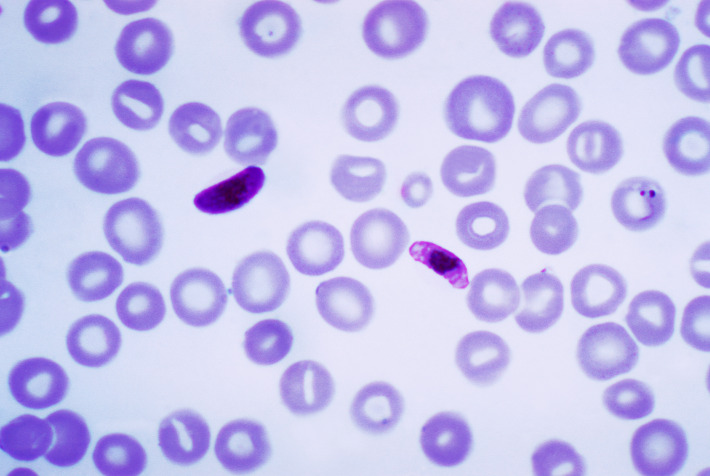
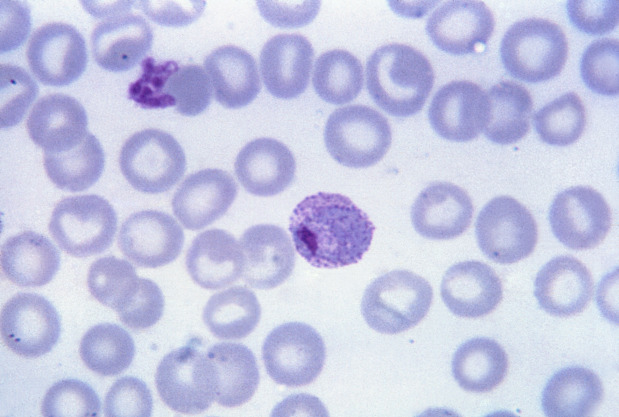
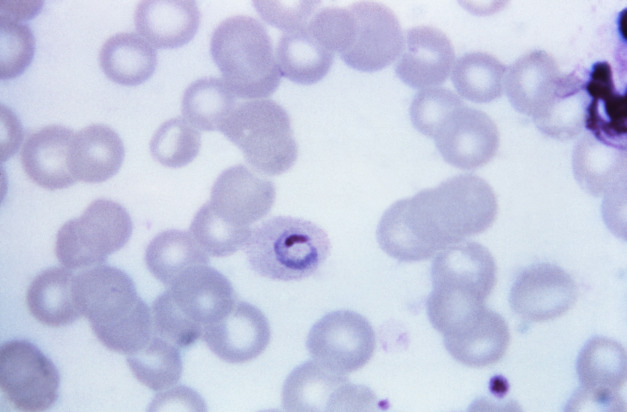
  • Frotis de sangre:
    • Grueso: la especificidad puede ser difícil, pero la sensibilidad es mayor.
    • Fino: la especificidad es más fácil, pero la sensibilidad es menor.
    • Hallazgos:
      • Anillo de trofozoítos dentro de los LOS Neisseria eritrocitos
      • Esquizonte con merozoítos
      • Se observan gránulos rojos (gránulos de Schüffner) en EN Erythema nodosum is an immune-mediated panniculitis (inflammation of the subcutaneous fat) caused by a type IV (delayed-type) hypersensitivity reaction. It commonly manifests in young women as tender, erythematous nodules on the shins. Erythema Nodosum todo el citoplasma de eritrocitos con P. vivax P. vivax A protozoan parasite that causes vivax malaria. This species is found almost everywhere malaria is endemic and is the only one that has a range extending into the temperate regions. Plasmodium/Malaria y P. ovale P. ovale A species of protozoan parasite causing malaria. It is the rarest of the four species of Plasmodium infecting humans, but is common in West african countries and neighboring areas. Plasmodium/Malaria.
      • Los LOS Neisseria gametocitos en EN Erythema nodosum is an immune-mediated panniculitis (inflammation of the subcutaneous fat) caused by a type IV (delayed-type) hypersensitivity reaction. It commonly manifests in young women as tender, erythematous nodules on the shins. Erythema Nodosum sangre periférica solo se observan con P. falciparum P. falciparum A species of protozoa that is the causal agent of falciparum malaria. It is most prevalent in the tropics and subtropics. Plasmodium/Malaria.
    • Pruebas rápidas de diagnóstico: > 90% de especificidad y sensibilidad
    • Prueba de reacción en EN Erythema nodosum is an immune-mediated panniculitis (inflammation of the subcutaneous fat) caused by a type IV (delayed-type) hypersensitivity reaction. It commonly manifests in young women as tender, erythematous nodules on the shins. Erythema Nodosum cadena de la polimerasa ( PCR PCR Polymerase chain reaction (PCR) is a technique that amplifies DNA fragments exponentially for analysis. The process is highly specific, allowing for the targeting of specific genomic sequences, even with minuscule sample amounts. The PCR cycles multiple times through 3 phases: denaturation of the template DNA, annealing of a specific primer to the individual DNA strands, and synthesis/elongation of new DNA molecules. Polymerase Chain Reaction (PCR), por sus siglas en EN Erythema nodosum is an immune-mediated panniculitis (inflammation of the subcutaneous fat) caused by a type IV (delayed-type) hypersensitivity reaction. It commonly manifests in young women as tender, erythematous nodules on the shins. Erythema Nodosum inglés): específica y sensible, pero raramente disponible en EN Erythema nodosum is an immune-mediated panniculitis (inflammation of the subcutaneous fat) caused by a type IV (delayed-type) hypersensitivity reaction. It commonly manifests in young women as tender, erythematous nodules on the shins. Erythema Nodosum entornos endémicos

Tratamiento y Profilaxis

Tratamiento

  • Todos los LOS Neisseria casos confirmados de paludismo deben ser reportados.
  • Indicaciones de hospitalización:
    • Niños pequeños
    • Individuos inmunocomprometidos
    • Individuos sin inmunidad adquirida
    • Hiperparasitemia de 4%–10% (riesgo de progresión a enfermedad grave)
  • Tratar con medicamentos antipalúdicos:
    • Evitar el mismo medicamento para el tratamiento si ya se utilizó para la profilaxis.
    • Cloroquina o hidroxicloroquina para especies sensibles
    • Doxiciclina o atovacuona/ proguanil Proguanil A biguanide compound which metabolizes in the body to form cycloguanil, an anti-malaria agent. Antimalarial Drugs (Malarone) para zonas resistentes a la cloroquina
    • Mefloquina: se emplea en EN Erythema nodosum is an immune-mediated panniculitis (inflammation of the subcutaneous fat) caused by a type IV (delayed-type) hypersensitivity reaction. It commonly manifests in young women as tender, erythematous nodules on the shins. Erythema Nodosum zonas con P. falciparum P. falciparum A species of protozoa that is the causal agent of falciparum malaria. It is most prevalent in the tropics and subtropics. Plasmodium/Malaria resistente a la cloroquina si lo anterior no está disponible.
    • Se utiliza primaquina para los LOS Neisseria hipnozoítos si se identifica P. vivax P. vivax A protozoan parasite that causes vivax malaria. This species is found almost everywhere malaria is endemic and is the only one that has a range extending into the temperate regions. Plasmodium/Malaria o P. ovale P. ovale A species of protozoan parasite causing malaria. It is the rarest of the four species of Plasmodium infecting humans, but is common in West african countries and neighboring areas. Plasmodium/Malaria.
    • Si la enfermedad es potencialmente mortal, utilice artesunato intravenoso.

Profilaxis

  • Es necesario iniciar los LOS Neisseria medicamentos antes de viajar a regiones endémicas:
    • Para zonas con P. falciparum P. falciparum A species of protozoa that is the causal agent of falciparum malaria. It is most prevalent in the tropics and subtropics. Plasmodium/Malaria sensible a la cloroquina: utilizar cloroquina.
    • Para zonas con P. falciparum P. falciparum A species of protozoa that is the causal agent of falciparum malaria. It is most prevalent in the tropics and subtropics. Plasmodium/Malaria resistente a la cloroquina: utilizar doxiciclina, mefloquina o atovacuona-proguanil (Malarone).
    • Para zonas sin P. falciparum P. falciparum A species of protozoa that is the causal agent of falciparum malaria. It is most prevalent in the tropics and subtropics. Plasmodium/Malaria: utilizar primaquina.
    • Para pacientes embarazadas: utilizar cloroquina o mefloquina.
  • Mosquiteros
  • Ropa de manga larga
  • Repelente de insectos
  • Pantallas para ventanas en EN Erythema nodosum is an immune-mediated panniculitis (inflammation of the subcutaneous fat) caused by a type IV (delayed-type) hypersensitivity reaction. It commonly manifests in young women as tender, erythematous nodules on the shins. Erythema Nodosum los LOS Neisseria hogares

Diagnóstico Diferencial

  • Dengue Dengue An acute febrile disease transmitted by the bite of aedes mosquitoes infected with dengue virus. It is self-limiting and characterized by fever, myalgia, headache, and rash. Severe dengue is a more virulent form of dengue. Dengue Virus: una enfermedad viral transmitida por mosquitos. La presentación puede incluir malestar general, cefalea, fatiga, malestar abdominal y dolores musculares asociados a la fiebre. La mialgia y el dolor Dolor Inflammation óseo del dengue Dengue An acute febrile disease transmitted by the bite of aedes mosquitoes infected with dengue virus. It is self-limiting and characterized by fever, myalgia, headache, and rash. Severe dengue is a more virulent form of dengue. Dengue Virus generalmente son más graves que la mialgia debida al AL Amyloidosis paludismo. El dengue Dengue An acute febrile disease transmitted by the bite of aedes mosquitoes infected with dengue virus. It is self-limiting and characterized by fever, myalgia, headache, and rash. Severe dengue is a more virulent form of dengue. Dengue Virus puede complicarse con trombocitopenia grave, hemorragia y shock Shock Shock is a life-threatening condition associated with impaired circulation that results in tissue hypoxia. The different types of shock are based on the underlying cause: distributive (↑ cardiac output (CO), ↓ systemic vascular resistance (SVR)), cardiogenic (↓ CO, ↑ SVR), hypovolemic (↓ CO, ↑ SVR), obstructive (↓ CO), and mixed. Types of Shock. El diagnóstico se establece con la detección del antígeno. El tratamiento es generalmente de soporte.
  • Chikungunya Chikungunya Chikungunya virus belongs to the Alphavirus genus and causes a viral infection characterized by fever and joint pain. Symptoms usually appear within 1 week of infection. Additional manifestations of chikungunya virus may include muscle pain, headache, maculopapular rash, and lymphadenopathy. Chikungunya Virus: una enfermedad viral transmitida por mosquitos. La presentación incluye la aparición brusca de fiebre y dolor Dolor Inflammation articular. El chikungunya Chikungunya Chikungunya virus belongs to the Alphavirus genus and causes a viral infection characterized by fever and joint pain. Symptoms usually appear within 1 week of infection. Additional manifestations of chikungunya virus may include muscle pain, headache, maculopapular rash, and lymphadenopathy. Chikungunya Virus se parece al AL Amyloidosis dengue Dengue An acute febrile disease transmitted by the bite of aedes mosquitoes infected with dengue virus. It is self-limiting and characterized by fever, myalgia, headache, and rash. Severe dengue is a more virulent form of dengue. Dengue Virus, pero es menos grave, autolimitado y a menudo se presenta con una erupción. El tratamiento incluye cuidados de soporte.
  • Zika Zika Zika virus belongs to the genus Flavivirus and is primarily transmitted by Aedes aegypti mosquitoes, but can also be transmitted sexually and transplacentally. Although most infected patients are asymptomatic, some may present with low-grade fever, pruritic rash, and conjunctivitis. Zika Virus Infection: un virus Virus Viruses are infectious, obligate intracellular parasites composed of a nucleic acid core surrounded by a protein capsid. Viruses can be either naked (non-enveloped) or enveloped. The classification of viruses is complex and based on many factors, including type and structure of the nucleoid and capsid, the presence of an envelope, the replication cycle, and the host range. Virology que causa conjuntivitis y cefalea. El zika Zika Zika virus belongs to the genus Flavivirus and is primarily transmitted by Aedes aegypti mosquitoes, but can also be transmitted sexually and transplacentally. Although most infected patients are asymptomatic, some may present with low-grade fever, pruritic rash, and conjunctivitis. Zika Virus Infection se asocia al AL Amyloidosis síndrome de Guillain-Barré y puede causar microcefalia infantil si se infecta durante el embarazo. El diagnóstico se establece con la serología y el tratamiento es principalmente de soporte.
  • Leptospirosis Leptospirosis Leptospira is a spiral or question mark-shaped, gram-negative spirochete with hook-shaped ends. The major clinical species is Leptospira interrogans, which causes a mild flu-like illness in a majority of cases. The manifestations are biphasic, with Leptospira found in the blood initially. Leptospira/Leptospirosis: enfermedad bacteriana asociada a fiebre, escalofríos, mialgias y cefalea. La mialgia generalmente es más grave que en EN Erythema nodosum is an immune-mediated panniculitis (inflammation of the subcutaneous fat) caused by a type IV (delayed-type) hypersensitivity reaction. It commonly manifests in young women as tender, erythematous nodules on the shins. Erythema Nodosum el paludismo. La presentación clínica también puede incluir hemorragias petequiales en EN Erythema nodosum is an immune-mediated panniculitis (inflammation of the subcutaneous fat) caused by a type IV (delayed-type) hypersensitivity reaction. It commonly manifests in young women as tender, erythematous nodules on the shins. Erythema Nodosum la piel o en EN Erythema nodosum is an immune-mediated panniculitis (inflammation of the subcutaneous fat) caused by a type IV (delayed-type) hypersensitivity reaction. It commonly manifests in young women as tender, erythematous nodules on the shins. Erythema Nodosum las membranas de las mucosas. El diagnóstico se establece con el cultivo y el tratamiento incluye antibióticos.

Referencias

  1. Lindblade, K. A., & Ntuku, H. (2025). Malaria: Epidemiology, prevention, and elimination. UpToDate. Retrieved October 24, 2025, from https://www.uptodate.com/contents/malaria-epidemiology-prevention-and-elimination
  2. Le, T., Bhusan, V., et al. (Eds.). (2020). First Aid for the USMLE Step 1. 30th edition. pp. 242–243.
  3. Milner, D.A. (2024). Pathogenesis of malaria. UpToDate. Retrieved October 24, 2025, from https://www.uptodate.com/contents/pathogenesis-of-malaria
  4. Centers for Disease Control and Prevention. (2024). Choosing a drug to prevent malaria. U.S. Department of Health & Human Services. Retrieved October 24, 2025, from https://www.cdc.gov/malaria/hcp/drug-malaria/
  5. World Health Organization. (2020). World Malaria Report 2020. Retrieved October 24, 2025, from https://www.who.int/docs/default-source/malaria/world-malaria-reports/

¡Crea tu cuenta gratis o inicia una sesión para seguir leyendo!

Regístrate ahora y obtén acceso gratuito a Lecturio con páginas de concepto, videos médicos y cuestionarios para tu educación médica.

User Reviews

Que tengas una sesión de estudio alegre y navideña 🎁 Ahorra 50% en todos los planes >>

Details