Domina Conceptos Médicos

Estudia para la escuela de medicina y tus examenes con Lecturio.

Medicamentos Antiadrenérgicos

Los LOS Neisseria agentes antiadrenérgicos son medicamentos que bloquean la actividad de las catecolaminas, principalmente la norepinefrina. Hay 2 tipos principales de receptores adrenérgicos (receptores alfa y beta) y hay varios subtipos de cada uno. Los LOS Neisseria medicamentos antiadrenérgicos se pueden clasificar según su especificidad para los LOS Neisseria diferentes receptores, y las clases principales incluyen bloqueadores selectivos de los LOS Neisseria receptores beta-1, bloqueadores beta no selectivos, bloqueadores alfa y beta mixtos, bloqueadores selectivos de los LOS Neisseria receptores alfa-1 y bloqueadores alfa-1 no selectivos. Hay muchos receptores beta en EN Erythema nodosum is an immune-mediated panniculitis (inflammation of the subcutaneous fat) caused by a type IV (delayed-type) hypersensitivity reaction. It commonly manifests in young women as tender, erythematous nodules on the shins. Erythema Nodosum el corazón, por lo que estos medicamentos se usan principalmente para indicaciones cardíacas, que incluyen IM, angina de pecho, insuficiencia cardíaca (estable) e hipertensión (como agente alternativo). Los LOS Neisseria receptores alfa son prominentes en EN Erythema nodosum is an immune-mediated panniculitis (inflammation of the subcutaneous fat) caused by a type IV (delayed-type) hypersensitivity reaction. It commonly manifests in young women as tender, erythematous nodules on the shins. Erythema Nodosum el músculo liso, especialmente en EN Erythema nodosum is an immune-mediated panniculitis (inflammation of the subcutaneous fat) caused by a type IV (delayed-type) hypersensitivity reaction. It commonly manifests in young women as tender, erythematous nodules on the shins. Erythema Nodosum la vasculatura. Los LOS Neisseria alfabloqueadores causan una vasodilatación significativa y están indicados en EN Erythema nodosum is an immune-mediated panniculitis (inflammation of the subcutaneous fat) caused by a type IV (delayed-type) hypersensitivity reaction. It commonly manifests in young women as tender, erythematous nodules on the shins. Erythema Nodosum la hipertensión y la hiperplasia prostática benigna (HPB). Es posible la presentación de efectos secundarios significativos.

Last updated: Dec 15, 2025

Editorial responsibility: Stanley Oiseth, Lindsay Jones, Evelin Maza

Descripción General

Descripción general del sistema nervioso autónomo

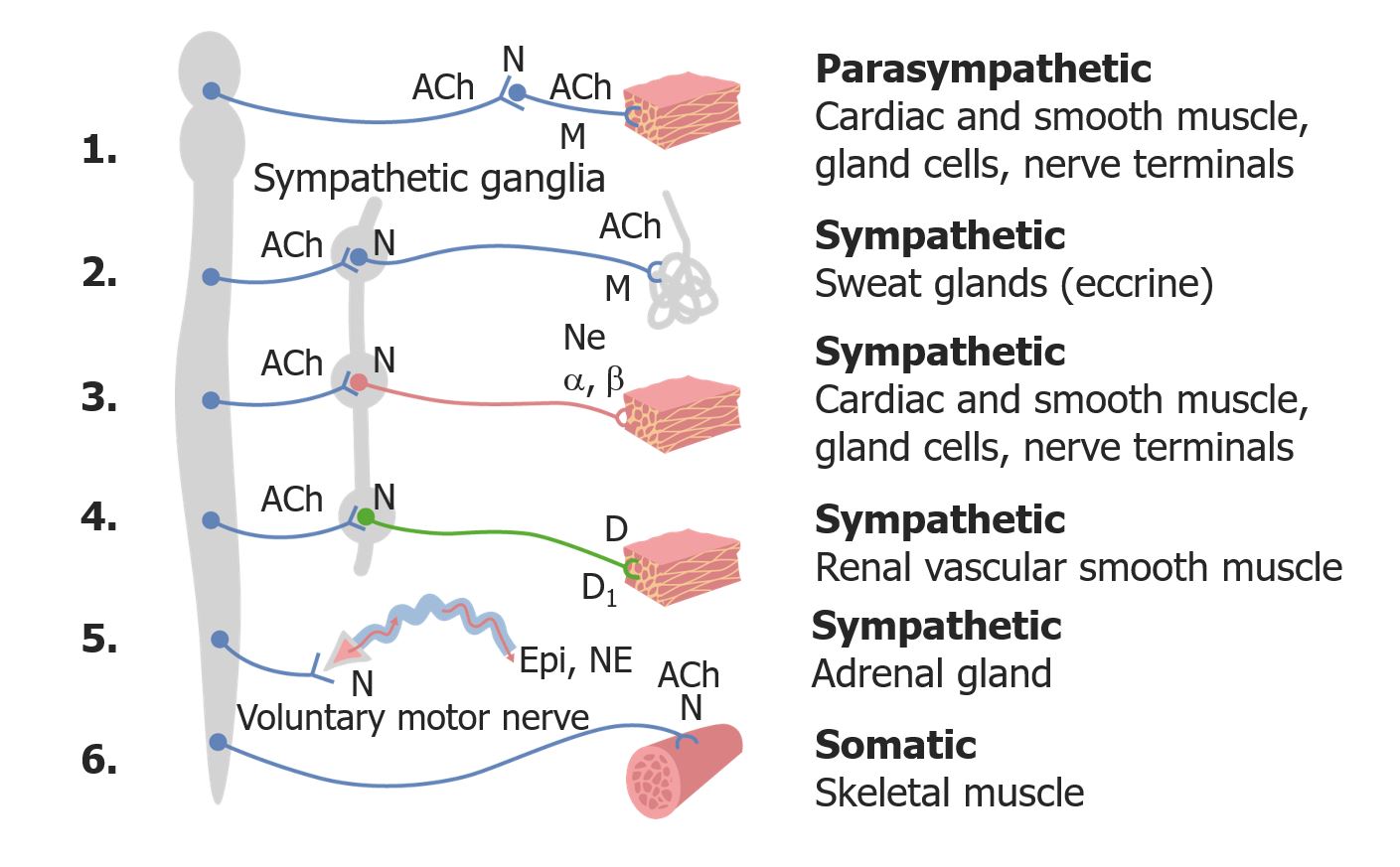
El sistema nervioso autónomo se subdivide en EN Erythema nodosum is an immune-mediated panniculitis (inflammation of the subcutaneous fat) caused by a type IV (delayed-type) hypersensitivity reaction. It commonly manifests in young women as tender, erythematous nodules on the shins. Erythema Nodosum las vías simpática y parasimpática. Ambas vías contienen 2 neuronas eferentes en EN Erythema nodosum is an immune-mediated panniculitis (inflammation of the subcutaneous fat) caused by a type IV (delayed-type) hypersensitivity reaction. It commonly manifests in young women as tender, erythematous nodules on the shins. Erythema Nodosum serie conocidas como neuronas preganglionares y postganglionares.

Neurona preganglionar:

  • 1ra neurona de la serie
  • El cuerpo celular se origina en EN Erythema nodosum is an immune-mediated panniculitis (inflammation of the subcutaneous fat) caused by a type IV (delayed-type) hypersensitivity reaction. It commonly manifests in young women as tender, erythematous nodules on the shins. Erythema Nodosum el SNC.
  • Libera acetilcolina en EN Erythema nodosum is an immune-mediated panniculitis (inflammation of the subcutaneous fat) caused by a type IV (delayed-type) hypersensitivity reaction. It commonly manifests in young women as tender, erythematous nodules on the shins. Erythema Nodosum los LOS Neisseria receptores colinérgicos nicotínicos en EN Erythema nodosum is an immune-mediated panniculitis (inflammation of the subcutaneous fat) caused by a type IV (delayed-type) hypersensitivity reaction. It commonly manifests in young women as tender, erythematous nodules on the shins. Erythema Nodosum los LOS Neisseria ganglios autónomos
  • En EN Erythema nodosum is an immune-mediated panniculitis (inflammation of the subcutaneous fat) caused by a type IV (delayed-type) hypersensitivity reaction. It commonly manifests in young women as tender, erythematous nodules on the shins. Erythema Nodosum la glándula suprarrenal, las neuronas preganglionares hacen sinapsis directamente con las células cromafines de la médula suprarrenal ( en EN Erythema nodosum is an immune-mediated panniculitis (inflammation of the subcutaneous fat) caused by a type IV (delayed-type) hypersensitivity reaction. It commonly manifests in young women as tender, erythematous nodules on the shins. Erythema Nodosum lugar de con los LOS Neisseria ganglios simpáticos).

Neurona postganglionar:

  • Segunda neurona de la serie
  • El cuerpo celular se origina en EN Erythema nodosum is an immune-mediated panniculitis (inflammation of the subcutaneous fat) caused by a type IV (delayed-type) hypersensitivity reaction. It commonly manifests in young women as tender, erythematous nodules on the shins. Erythema Nodosum el ganglio.
  • Puede liberar:
    • Norepinefrina a los LOS Neisseria receptores alfa o beta adrenérgicos en EN Erythema nodosum is an immune-mediated panniculitis (inflammation of the subcutaneous fat) caused by a type IV (delayed-type) hypersensitivity reaction. It commonly manifests in young women as tender, erythematous nodules on the shins. Erythema Nodosum los LOS Neisseria tejidos diana:
      • Músculo cardíaco y liso
      • Células glandulares
      • Terminales nerviosas
    • Acetilcolina a los LOS Neisseria receptores muscarínicos en EN Erythema nodosum is an immune-mediated panniculitis (inflammation of the subcutaneous fat) caused by a type IV (delayed-type) hypersensitivity reaction. It commonly manifests in young women as tender, erythematous nodules on the shins. Erythema Nodosum las glándulas sudoríparas
    • Dopamina a los LOS Neisseria receptores dopaminérgicos en EN Erythema nodosum is an immune-mediated panniculitis (inflammation of the subcutaneous fat) caused by a type IV (delayed-type) hypersensitivity reaction. It commonly manifests in young women as tender, erythematous nodules on the shins. Erythema Nodosum el músculo liso vascular renal
  • En EN Erythema nodosum is an immune-mediated panniculitis (inflammation of the subcutaneous fat) caused by a type IV (delayed-type) hypersensitivity reaction. It commonly manifests in young women as tender, erythematous nodules on the shins. Erythema Nodosum la glándula suprarrenal, las células cromafines actúan como neuronas postganglionares modificadas y liberan epinefrina (80%) y norepinefrina (20%) directamente al AL Amyloidosis torrente sanguíneo.
Descripción general de la ANS

Descripción general del sistema nervioso autónomo
ACh: acetilcolina
N: receptor nicotínico
M: receptor muscarínico
α y β: receptores adrenérgicos α y β
NE: norepinefrina
D: dopamina
D1: receptor de dopamina
Epi: epinefrina

Imagen por Lecturio.

Estructura Química y Farmacodinamia

Estructura química

  • Las catecolaminas se derivan del aminoácido tirosina ( aa AA Amyloidosis. Tyr).
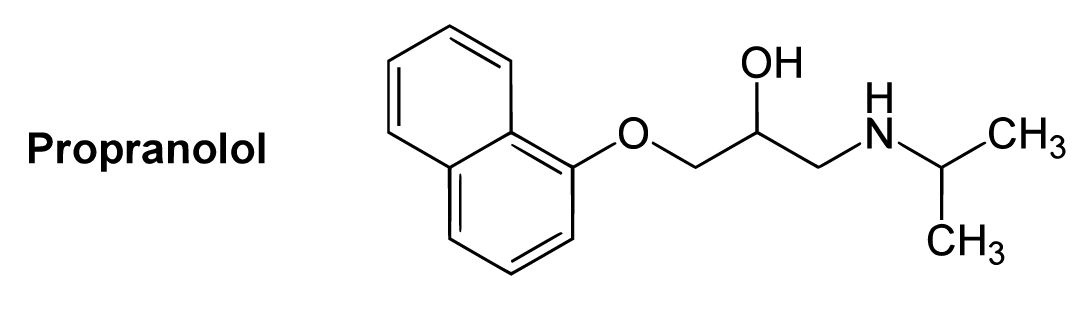
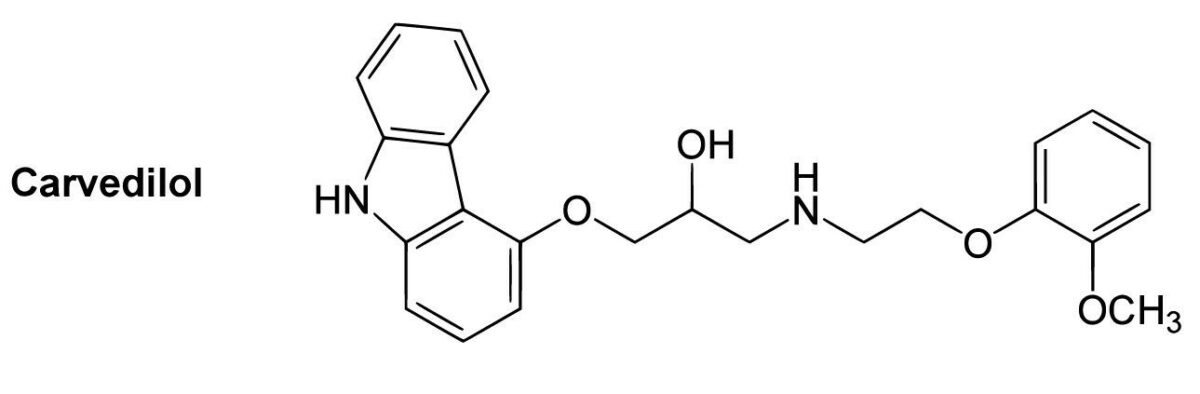
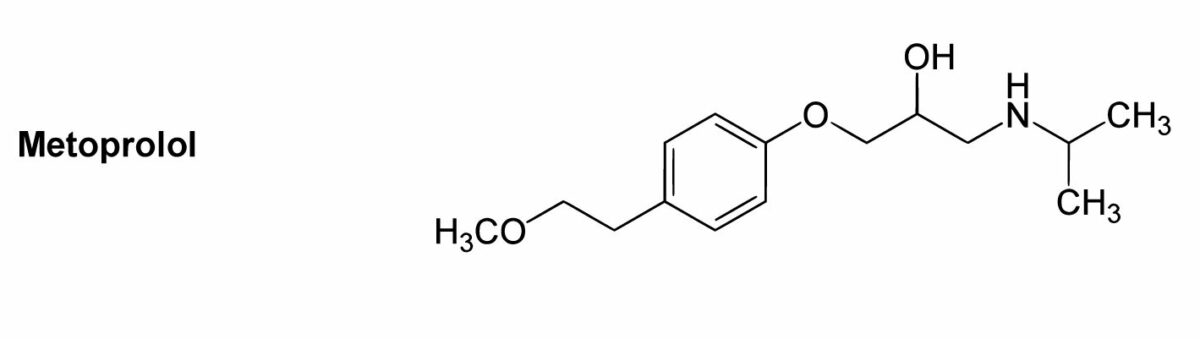
  • La mayoría de los LOS Neisseria betabloqueadores son estructuralmente similares a las catecolaminas.

Mecanismos de acción

Los LOS Neisseria medicamentos antiadrenérgicos actúan inhibiendo los LOS Neisseria receptores adrenérgicos postganglionares. Estos son receptores acoplados a proteína G.

Receptores alfa:

  • Receptores alfa-1:
    • Estimulación alfa-1:
      • Activa la enzima fosfolipasa C →
      • Genera inositol trifosfato y diacilglicerol como mensajeros secundarios →
      • Provoca ↑ niveles de iones de calcio ( Ca CA Condylomata acuminata are a clinical manifestation of genital HPV infection. Condylomata acuminata are described as raised, pearly, flesh-colored, papular, cauliflower-like lesions seen in the anogenital region that may cause itching, pain, or bleeding. Condylomata Acuminata (Genital Warts)2+) intracelularmente →
      • Contracción del músculo liso
    • Antagonistas de los LOS Neisseria receptores alfa-1: inhiben la liberación de inositol trifosfato y diacilglicerol → ↓ liberación de Ca CA Condylomata acuminata are a clinical manifestation of genital HPV infection. Condylomata acuminata are described as raised, pearly, flesh-colored, papular, cauliflower-like lesions seen in the anogenital region that may cause itching, pain, or bleeding. Condylomata Acuminata (Genital Warts)2+ → relajación del músculo liso
  • Receptores alfa-2 (ubicados principalmente en EN Erythema nodosum is an immune-mediated panniculitis (inflammation of the subcutaneous fat) caused by a type IV (delayed-type) hypersensitivity reaction. It commonly manifests in young women as tender, erythematous nodules on the shins. Erythema Nodosum las terminaciones nerviosas periféricas):
    • Estimulación del receptor Receptor Receptors are proteins located either on the surface of or within a cell that can bind to signaling molecules known as ligands (e.g., hormones) and cause some type of response within the cell. Receptors alfa-2:
      • Inhibe la enzima adenilil ciclasa
      • ↓ Niveles del mensajero secundario AMPc →
      • En EN Erythema nodosum is an immune-mediated panniculitis (inflammation of the subcutaneous fat) caused by a type IV (delayed-type) hypersensitivity reaction. It commonly manifests in young women as tender, erythematous nodules on the shins. Erythema Nodosum última instancia, bloquea la liberación presináptica de norepinefrina →
      • ↓ Estimulación adrenérgica
    • Antagonistas de los LOS Neisseria receptores alfa-2: bloquean la reducción de AMPc → ↑ liberación de norepinefrina → ↑ estimulación adrenérgica
  • La unión del inhibidor del receptor Receptor Receptors are proteins located either on the surface of or within a cell that can bind to signaling molecules known as ligands (e.g., hormones) and cause some type of response within the cell. Receptors alfa puede ser:
    • Selectiva o no selectiva para receptores alfa-1 vs. alfa-2
    • Reversible o irreversible

Receptores beta: beta-1, beta-2 y beta-3

  • Estimulación del receptor Receptor Receptors are proteins located either on the surface of or within a cell that can bind to signaling molecules known as ligands (e.g., hormones) and cause some type of response within the cell. Receptors beta: estimula la adenilil ciclasa → ↑ AMPc → desencadena efectos en EN Erythema nodosum is an immune-mediated panniculitis (inflammation of the subcutaneous fat) caused by a type IV (delayed-type) hypersensitivity reaction. It commonly manifests in young women as tender, erythematous nodules on the shins. Erythema Nodosum las células diana
  • Antagonistas de los LOS Neisseria receptores beta:
    • Inhiben competitivamente las catecolaminas en EN Erythema nodosum is an immune-mediated panniculitis (inflammation of the subcutaneous fat) caused by a type IV (delayed-type) hypersensitivity reaction. It commonly manifests in young women as tender, erythematous nodules on the shins. Erythema Nodosum los LOS Neisseria receptores beta-adrenérgicos
    • ↓ Activación de la adenilil ciclasa → inhibe los LOS Neisseria efectos de las células diana
    • Tienen un impacto mínimo en EN Erythema nodosum is an immune-mediated panniculitis (inflammation of the subcutaneous fat) caused by a type IV (delayed-type) hypersensitivity reaction. It commonly manifests in young women as tender, erythematous nodules on the shins. Erythema Nodosum los LOS Neisseria pacientes en EN Erythema nodosum is an immune-mediated panniculitis (inflammation of the subcutaneous fat) caused by a type IV (delayed-type) hypersensitivity reaction. It commonly manifests in young women as tender, erythematous nodules on the shins. Erythema Nodosum reposo
  • Agonistas parciales de los LOS Neisseria receptores beta:
    • Activa parcialmente los LOS Neisseria receptores beta, aunque no con tanta fuerza como las catecolaminas verdaderas
    • Da como resultado una disminución de los LOS Neisseria efectos cuando la norepinefrina está ↑ y un aumento de los LOS Neisseria efectos cuando la norepinefrina está ↓

Efectos fisiológicos

Los LOS Neisseria receptores adrenérgicos se encuentran en EN Erythema nodosum is an immune-mediated panniculitis (inflammation of the subcutaneous fat) caused by a type IV (delayed-type) hypersensitivity reaction. It commonly manifests in young women as tender, erythematous nodules on the shins. Erythema Nodosum todo el cuerpo y desencadenan una amplia variedad de efectos. Los LOS Neisseria efectos fisiológicos de los LOS Neisseria agentes antiadrenérgicos son bloquear cualquiera que sea la respuesta típica de ese receptor Receptor Receptors are proteins located either on the surface of or within a cell that can bind to signaling molecules known as ligands (e.g., hormones) and cause some type of response within the cell. Receptors en EN Erythema nodosum is an immune-mediated panniculitis (inflammation of the subcutaneous fat) caused by a type IV (delayed-type) hypersensitivity reaction. It commonly manifests in young women as tender, erythematous nodules on the shins. Erythema Nodosum particular.

  • Receptores alfa-1:
    • Se encuentran en EN Erythema nodosum is an immune-mediated panniculitis (inflammation of the subcutaneous fat) caused by a type IV (delayed-type) hypersensitivity reaction. It commonly manifests in young women as tender, erythematous nodules on the shins. Erythema Nodosum el músculo liso de todo el cuerpo (e.g., paredes bronquiales, vasculares, intestinales y vesicales)
    • Juegan un papel importante en EN Erythema nodosum is an immune-mediated panniculitis (inflammation of the subcutaneous fat) caused by a type IV (delayed-type) hypersensitivity reaction. It commonly manifests in young women as tender, erythematous nodules on the shins. Erythema Nodosum la determinación del tono vascular
    • Los LOS Neisseria antagonistas de los LOS Neisseria receptores alfa-1 causan:
      • Vasodilatación
      • Relajación de los LOS Neisseria músculos de la vejiga → mejora de la micción
  • Receptores beta-1:
    • Ubicados principalmente en EN Erythema nodosum is an immune-mediated panniculitis (inflammation of the subcutaneous fat) caused by a type IV (delayed-type) hypersensitivity reaction. It commonly manifests in young women as tender, erythematous nodules on the shins. Erythema Nodosum el corazón
    • Juegan un papel importante en EN Erythema nodosum is an immune-mediated panniculitis (inflammation of the subcutaneous fat) caused by a type IV (delayed-type) hypersensitivity reaction. It commonly manifests in young women as tender, erythematous nodules on the shins. Erythema Nodosum la determinación de la frecuencia cardíaca y la contractilidad
    • Antagonistas beta-1:
      • ↓ Frecuencia cardíaca y contractilidad
      • ↓ Demanda miocárdica de O2
  • Receptores beta-2:
    • Ubicados en EN Erythema nodosum is an immune-mediated panniculitis (inflammation of the subcutaneous fat) caused by a type IV (delayed-type) hypersensitivity reaction. It commonly manifests in young women as tender, erythematous nodules on the shins. Erythema Nodosum todo el cuerpo, incluidos el corazón, los LOS Neisseria pulmones y el músculo liso
    • Generalmente, tienen efectos opuestos a los LOS Neisseria de los LOS Neisseria receptores alfa-1
    • Antagonistas beta-2:
      • ↓ Frecuencia cardíaca, contractilidad y demanda miocárdica de O2
      • Broncoconstricción (efecto secundario)
      • Vasoconstricción
      • ↓ Presión intraocular (PIO)
      • Efectos metabólicos
Tabla: Efectos fisiológicos de los LOS Neisseria medicamentos antiadrenérgicos
Sistema Órgano Receptores Acciones fisiológicas de la estimulación del receptor Receptor Receptors are proteins located either on the surface of or within a cell that can bind to signaling molecules known as ligands (e.g., hormones) and cause some type of response within the cell. Receptors (agonismo) Efectos fisiológicos del bloqueo del receptor Receptor Receptors are proteins located either on the surface of or within a cell that can bind to signaling molecules known as ligands (e.g., hormones) and cause some type of response within the cell. Receptors (antagonismo)
Ojo Músculo radial del iris α1 Contracción → dilatación pupilar Relajación → contracción de la pupila
Músculo ciliar β Se relaja → aplana el cristalino → mejor para enfoque de largo alcance ↓ Relajación → cristalino más redondo → enfoque de corto alcance
Epitelio ciliar β ↑ Producción de humor Humor Defense Mechanisms acuoso ↓ Secreción de humor Humor Defense Mechanisms acuoso → ↓ PIO
Sistema cardiovascular SA β1, β2 Aceleración (↑ FC Fc Crystallizable fragments composed of the carboxy-terminal halves of both immunoglobulin heavy chains linked to each other by disulfide bonds. Fc fragments contain the carboxy-terminal parts of the heavy chain constant regions that are responsible for the effector functions of an immunoglobulin (complement fixation, binding to the cell membrane via fc receptors, and placental transport). This fragment can be obtained by digestion of immunoglobulins with the proteolytic enzyme papain. Immunoglobulins: Types and Functions) FC Fc Crystallizable fragments composed of the carboxy-terminal halves of both immunoglobulin heavy chains linked to each other by disulfide bonds. Fc fragments contain the carboxy-terminal parts of the heavy chain constant regions that are responsible for the effector functions of an immunoglobulin (complement fixation, binding to the cell membrane via fc receptors, and placental transport). This fragment can be obtained by digestion of immunoglobulins with the proteolytic enzyme papain. Immunoglobulins: Types and Functions
Marcapasos ectópicos β1, β2 Aceleración (↑ FC Fc Crystallizable fragments composed of the carboxy-terminal halves of both immunoglobulin heavy chains linked to each other by disulfide bonds. Fc fragments contain the carboxy-terminal parts of the heavy chain constant regions that are responsible for the effector functions of an immunoglobulin (complement fixation, binding to the cell membrane via fc receptors, and placental transport). This fragment can be obtained by digestion of immunoglobulins with the proteolytic enzyme papain. Immunoglobulins: Types and Functions) FC Fc Crystallizable fragments composed of the carboxy-terminal halves of both immunoglobulin heavy chains linked to each other by disulfide bonds. Fc fragments contain the carboxy-terminal parts of the heavy chain constant regions that are responsible for the effector functions of an immunoglobulin (complement fixation, binding to the cell membrane via fc receptors, and placental transport). This fragment can be obtained by digestion of immunoglobulins with the proteolytic enzyme papain. Immunoglobulins: Types and Functions
Contractilidad de aurículas y ventrículos β1, β2 ↑ Contractilidad ↓ Contractilidad
Músculo liso de la pared vascular α1 Vasoconstricción Vasodilatación → puede causar hipotensión ortostática y taquicardia refleja
β2 Vasodilatación Vasoconstricción → ↑ resistencia periférica
Músculo liso pulmonar Músculo liso bronquiolar β2 Broncodilatación Broncoconstricción (especialmente con asma ASMA Autoimmune Hepatitis)
Músculo liso del tracto gastrointestinal Paredes intestinales α2, β2 Relajación (↓ motilidad) ↑ Motilidad → puede provocar diarrea
Músculos del esfínter α1 Se contrae (evita que el quimo avance) Relajación de esfínteres → ↑ riesgo de acidez estomacal
Músculo liso genitourinario Pared vesical β2, β3 Se relaja ↓ Resistencia al AL Amyloidosis flujo de orina
Esfínteres uretrales α1 Se contrae ↓ Resistencia al AL Amyloidosis flujo de orina → ↑ riesgo de incontinencia
Útero embarazado α Contraccion uterina Relajación uterina
β2 Relajación uterina Contracciones uterinas → trabajo de parto/trabajo de parto pretérmino
Pene y vesículas seminales α Eyaculación Dificultad con la eyaculación
Funciones metabólicas Hígado α, β2 Gluconeogénesis, glucogenólisis ↓ Glucogenólisis → puede perjudicar la recuperación de la hipoglucemia
Tejido adiposo β3 Lipólisis Inhibición de la lipólisis
Riñón β1 Liberación de renina Supresión de la liberación de renina
PIO: presión intraocular
SA: nódulo sinoauricular
FC: frecuencia cardíaca

Clasificación

Alfabloqueadores

  • Bloqueadores alfa-1 selectivos:
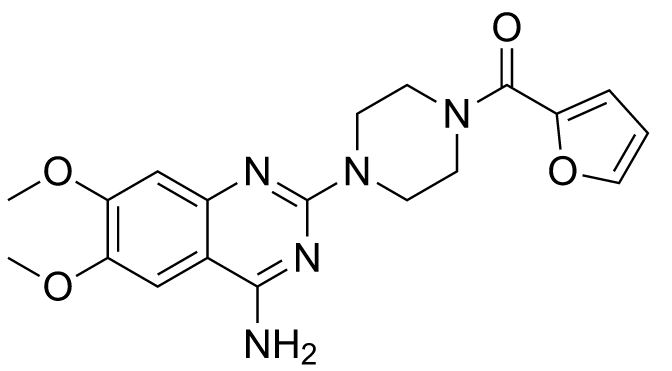
    • Prazosina
    • Doxazosina
    • Terazosina
    • Tamsulosina
  • Bloqueador alfa-2 selectivo: yohimbina (actualmente no aprobado por la FDA)
  • Bloqueadores alfa-1 y alfa-2 no selectivos:
    • Fenoxibenzamina
    • Fentolamina

Betabloqueadores

  • Bloqueadores selectivos beta-1:
    • Atenolol Atenolol A cardioselective beta-1 adrenergic blocker possessing properties and potency similar to propranolol, but without a negative inotropic effect. Class 2 Antiarrhythmic Drugs (Beta Blockers)
    • Metoprolol Metoprolol A selective adrenergic beta-1 blocking agent that is commonly used to treat angina pectoris; hypertension; and cardiac arrhythmias. Antiadrenergic Drugs
    • Esmolol Esmolol Antiadrenergic Drugs
    • Nebivolol Nebivolol A cardioselective adrenergic beta-1 receptor antagonist (beta-blocker) that functions as a vasodilator through the endothelial l-arginine/ nitric oxide system. It is used to manage hypertension and chronic heart failure in elderly patients. Antiadrenergic Drugs
  • Bloqueador selectivo beta-2: butaxamina (usado solo experimentalmente)
  • Betabloqueadores no selectivos:
    • Propranolol Propranolol A widely used non-cardioselective beta-adrenergic antagonist. Propranolol has been used for myocardial infarction; arrhythmia; angina pectoris; hypertension; hyperthyroidism; migraine; pheochromocytoma; and anxiety but adverse effects instigate replacement by newer drugs. Antiadrenergic Drugs
    • Nadolol Nadolol A non-selective beta-adrenergic antagonist with a long half-life, used in cardiovascular disease to treat arrhythmias, angina pectoris, and hypertension. Nadolol is also used for migraine disorders and for tremor. Class 2 Antiarrhythmic Drugs (Beta Blockers)
    • Timolol Timolol A beta-adrenergic antagonist that is similar in action to propranolol; the levo-isomer is more active. Timolol has been proposed as an anti-hypertensive, anti-arrhythmic, anti-angina, and anti-glaucoma agent. It is also used in the treatment of migraine disorders and tremor. Class 2 Antiarrhythmic Drugs (Beta Blockers)
  • Betabloqueadores con actividad agonista parcial:
    • Pindolol Pindolol A moderately lipophilic beta blocker (adrenergic beta-antagonists). It is non-cardioselective and has intrinsic sympathomimetic actions, but little membrane-stabilizing activity. Antiadrenergic Drugs
    • Acebutolol Acebutolol A cardioselective beta-1 adrenergic antagonist with little effect on the bronchial receptors. The drug has stabilizing and quinidine-like effects on cardiac rhythm, as well as weak inherent sympathomimetic action. Class 2 Antiarrhythmic Drugs (Beta Blockers)

Bloqueadores Alfa y Beta Mixtos

Estos medicamentos tienen efectos inhibidores tanto en EN Erythema nodosum is an immune-mediated panniculitis (inflammation of the subcutaneous fat) caused by a type IV (delayed-type) hypersensitivity reaction. It commonly manifests in young women as tender, erythematous nodules on the shins. Erythema Nodosum los LOS Neisseria receptores beta como alfa-1

  • Carvedilol Carvedilol A carbazole and propanol derivative that acts as a non-cardioselective beta blocker and vasodilator. It has blocking activity for alpha 1 adrenergic receptors and, at higher doses, may function as a blocker of calcium channels; it also has antioxidant properties. Carvedilol is used in the treatment of hypertension; angina pectoris; and heart failure. It can also reduce the risk of death following myocardial infarction. Class 2 Antiarrhythmic Drugs (Beta Blockers)
  • Labetalol Labetalol A salicylamide derivative that is a non-cardioselective blocker of beta-adrenergic receptors and alpha-1 adrenergic receptors. Subarachnoid Hemorrhage

Farmacocinética

Las diferencias en EN Erythema nodosum is an immune-mediated panniculitis (inflammation of the subcutaneous fat) caused by a type IV (delayed-type) hypersensitivity reaction. It commonly manifests in young women as tender, erythematous nodules on the shins. Erythema Nodosum la farmacocinética pueden ayudar a determinar qué medicamento en EN Erythema nodosum is an immune-mediated panniculitis (inflammation of the subcutaneous fat) caused by a type IV (delayed-type) hypersensitivity reaction. It commonly manifests in young women as tender, erythematous nodules on the shins. Erythema Nodosum una clase particular es óptimo para un escenario clínico determinado.

Tabla: Farmacocinética de medicamentos antiadrenérgicos
Medicamento Absorción Distribución Metabolismo Excreción
Prazosina (bloqueador α1 selectivo) Comienzo: 2‒4 horas
  • VD: 0,5 L/kg
  • Unión a proteínas: 97%
Hepático extenso a través de desmetilación y conjugación
  • Fecal
  • Vida media: 2‒3 horas
Fentolamina (bloqueador alfa no selectivo
  • Mala absorción oral
  • Comienzo:
    • IM: 15‒20 min
    • IV: 1‒2 min
Ampliamente distribuida Hepático
  • Orina
  • Vida media: aproximadamente 20 min
Propranolol Propranolol A widely used non-cardioselective beta-adrenergic antagonist. Propranolol has been used for myocardial infarction; arrhythmia; angina pectoris; hypertension; hyperthyroidism; migraine; pheochromocytoma; and anxiety but adverse effects instigate replacement by newer drugs. Antiadrenergic Drugs (bloqueador β no selectivo)
  • Rápida absorción oral completa
  • Comienzo:
    • Vía oral: 1‒2 horas
    • IV: < 5 minutos
  • VD 4 L/kg
  • Cruza la BHE
  • Unión a proteínas: aproximadamente 90%
Extenso metabolismo hepático de 1er paso
  • Orina (como metabolitos)
  • Vida media: 3‒6 horas
Atenolol Atenolol A cardioselective beta-1 adrenergic blocker possessing properties and potency similar to propranolol, but without a negative inotropic effect. Class 2 Antiarrhythmic Drugs (Beta Blockers) (betabloqueador selectivo β1)
  • Rápida absorción oral incompleta (aproximadamente del 50%)
  • Comienzo (por vía oral): <1 h
  • VD: aproximadamente 75 L
  • No cruza la BHE
  • Unión a proteínas: aproximadamente 10%
Mínimo metabolismo hepático
  • Heces: 50%
  • Orina: 40%
  • Vida media: 6‒7 horas (hasta 35 horas en EN Erythema nodosum is an immune-mediated panniculitis (inflammation of the subcutaneous fat) caused by a type IV (delayed-type) hypersensitivity reaction. It commonly manifests in young women as tender, erythematous nodules on the shins. Erythema Nodosum la ERC terminal)
Metoprolol Metoprolol A selective adrenergic beta-1 blocking agent that is commonly used to treat angina pectoris; hypertension; and cardiac arrhythmias. Antiadrenergic Drugs (betabloqueador selectivo β1)
  • Rápida absorción oral completa
  • Comienzo:
    • Por vía oral: 1‒2 horas
    • IV: 20 minutos
  • VD: aproximadamente 4 L/kg
  • Cruza la BHE
  • Unión a proteínas: aproximadamente 10%
Amplio metabolismo hepático de 1er paso
  • Orina
  • Vida media: 3‒4 horas (↑ en EN Erythema nodosum is an immune-mediated panniculitis (inflammation of the subcutaneous fat) caused by a type IV (delayed-type) hypersensitivity reaction. It commonly manifests in young women as tender, erythematous nodules on the shins. Erythema Nodosum insuficiencia hepática)
Carvedilol Carvedilol A carbazole and propanol derivative that acts as a non-cardioselective beta blocker and vasodilator. It has blocking activity for alpha 1 adrenergic receptors and, at higher doses, may function as a blocker of calcium channels; it also has antioxidant properties. Carvedilol is used in the treatment of hypertension; angina pectoris; and heart failure. It can also reduce the risk of death following myocardial infarction. Class 2 Antiarrhythmic Drugs (Beta Blockers) (bloqueo mixto α y β)
  • Rápida absorción oral completa
  • Inicio (por vía oral):
    • Bloqueo α: 30 min
    • Bloqueo β: 1 h
  • VD: 115 L (se distribuye en EN Erythema nodosum is an immune-mediated panniculitis (inflammation of the subcutaneous fat) caused by a type IV (delayed-type) hypersensitivity reaction. It commonly manifests in young women as tender, erythematous nodules on the shins. Erythema Nodosum el espacio extravascular)
  • Unión a proteínas: 98%
Amplio metabolismo hepático de 1er paso
  • Heces
  • Vida media: 7‒10 horas
IM: intramuscular
IV: intravenoso
BHE: barrera hematoencefálica
ERC: enfermedad renal crónica
VD: volumen de distribución

Interacciones medicamentosas

Las interacciones medicamentosas también son importantes para varios medicamentos dentro de esta clase.

  • Alfabloqueadores + medicamentos para la disfunción eréctil (e.g., sildenafil Sildenafil A phosphodiesterase type-5 inhibitor; vasodilator agent and urological agent that is used in the treatment of erectile dysfunction and primary pulmonary hypertension. Phosphodiesterase Inhibitors) → pueden causar hipotensión significativa
  • Betabloqueadores + diuréticos de asa ASA Anterior Cord Syndrome → puede provocar hipotensión
  • Los LOS Neisseria AINE pueden ↓ la eficacia de los LOS Neisseria betabloqueadores.

Indicaciones

Antagonistas alfa

Si bien los LOS Neisseria antagonistas alfa-2 tienen pocos usos clínicos, los LOS Neisseria antagonistas alfa-1 y alfa no selectivos se usan por su capacidad para causar vasodilatación y relajación del músculo liso. Se utilizan con frecuencia en EN Erythema nodosum is an immune-mediated panniculitis (inflammation of the subcutaneous fat) caused by a type IV (delayed-type) hypersensitivity reaction. It commonly manifests in young women as tender, erythematous nodules on the shins. Erythema Nodosum el tratamiento de:

  • Prazosina:
    • Hipertensión
    • Hiperplasia prostática benigna (HPB, agrandamiento de la próstata que resulta en EN Erythema nodosum is an immune-mediated panniculitis (inflammation of the subcutaneous fat) caused by a type IV (delayed-type) hypersensitivity reaction. It commonly manifests in young women as tender, erythematous nodules on the shins. Erythema Nodosum retención urinaria)
    • Uso distinto al AL Amyloidosis de la ficha: pesadillas en EN Erythema nodosum is an immune-mediated panniculitis (inflammation of the subcutaneous fat) caused by a type IV (delayed-type) hypersensitivity reaction. It commonly manifests in young women as tender, erythematous nodules on the shins. Erythema Nodosum el TEPT
  • Fenoxibenzamina: feocromocitoma (tumores secretores de catecolaminas de la médula suprarrenal)
  • Fentolamina:
    • Disfunción eréctil
    • Prevención o tratamiento de la extravasación de la norepinefrina intravenosa
    • Reversión de la anestesia de tejidos blandos por anestésicos locales que contienen un vasoconstrictor

Antagonistas beta

Los LOS Neisseria betabloqueadores tienen una variedad de indicaciones. Se utilizan con frecuencia por sus efectos inotrópicos y cronotrópicos negativos en EN Erythema nodosum is an immune-mediated panniculitis (inflammation of the subcutaneous fat) caused by a type IV (delayed-type) hypersensitivity reaction. It commonly manifests in young women as tender, erythematous nodules on the shins. Erythema Nodosum el corazón.

  • Indicaciones cardiovasculares:
    • Fibrilación auricular
    • Insuficiencia cardíaca
    • Post-IM
    • Angina de pecho
    • Hipertensión
  • Otras indicaciones del propranolol Propranolol A widely used non-cardioselective beta-adrenergic antagonist. Propranolol has been used for myocardial infarction; arrhythmia; angina pectoris; hypertension; hyperthyroidism; migraine; pheochromocytoma; and anxiety but adverse effects instigate replacement by newer drugs. Antiadrenergic Drugs:
    • Neuropsiquiátricas:
      • Temblor esencial
      • Migraña
      • Ansiedad (especialmente ansiedad por rendimiento)
    • Gastrointestinales: hemorragia por várices esofágicas (el bloqueo beta ↓ presión de la vena porta en EN Erythema nodosum is an immune-mediated panniculitis (inflammation of the subcutaneous fat) caused by a type IV (delayed-type) hypersensitivity reaction. It commonly manifests in young women as tender, erythematous nodules on the shins. Erythema Nodosum la cirrosis)
    • Endocrinas: hipertiroidismo
  • Indicaciones especializadas para otros betabloqueadores:
    • Labetalol Labetalol A salicylamide derivative that is a non-cardioselective blocker of beta-adrenergic receptors and alpha-1 adrenergic receptors. Subarachnoid Hemorrhage: hipertensión en EN Erythema nodosum is an immune-mediated panniculitis (inflammation of the subcutaneous fat) caused by a type IV (delayed-type) hypersensitivity reaction. It commonly manifests in young women as tender, erythematous nodules on the shins. Erythema Nodosum el embarazo
    • Timolol Timolol A beta-adrenergic antagonist that is similar in action to propranolol; the levo-isomer is more active. Timolol has been proposed as an anti-hypertensive, anti-arrhythmic, anti-angina, and anti-glaucoma agent. It is also used in the treatment of migraine disorders and tremor. Class 2 Antiarrhythmic Drugs (Beta Blockers) (buena penetración ocular): glaucoma Glaucoma Glaucoma is an optic neuropathy characterized by typical visual field defects and optic nerve atrophy seen as optic disc cupping on examination. The acute form of glaucoma is a medical emergency. Glaucoma is often, but not always, caused by increased intraocular pressure (IOP). Glaucoma
    • Esmolol Esmolol Antiadrenergic Drugs (vida media muy corta): cuando se requieren infusiones en EN Erythema nodosum is an immune-mediated panniculitis (inflammation of the subcutaneous fat) caused by a type IV (delayed-type) hypersensitivity reaction. It commonly manifests in young women as tender, erythematous nodules on the shins. Erythema Nodosum estado estacionario
    • Butoxamina (antagonista selectivo beta-2): utilizado con fines de investigación

Efectos Secundarios y Contraindicaciones

Los LOS Neisseria medicamentos antiadrenérgicos deben usarse con precaución y titularse lentamente para evitar efectos secundarios.

Tabla: Efectos secundarios y contraindicaciones de los LOS Neisseria medicamentos antiadrenérgicos
Medicamento Efectos secundarios Contraindicaciones
Betabloqueadores
  • Bradicardia
  • Broncoespasmo (debido al AL Amyloidosis bloqueo beta-2 con betabloqueadores no selectivos)
  • IC IC Inhaled Anesthetics
  • Hipotensión
  • Síncope y/o mareo
  • Impotencia/fallo eyaculatorio
  • Diarrea
  • Pirosis
  • Fatiga
  • Hiperglucemia
  • Enmascaramiento de signos de hipoglucemia en EN Erythema nodosum is an immune-mediated panniculitis (inflammation of the subcutaneous fat) caused by a type IV (delayed-type) hypersensitivity reaction. It commonly manifests in young women as tender, erythematous nodules on the shins. Erythema Nodosum diabéticos
  • Visión borrosa
  • Contraindicaciones absolutas:
    • Asma ASMA Autoimmune Hepatitis
    • IC IC Inhaled Anesthetics no compensada y/o shock Shock Shock is a life-threatening condition associated with impaired circulation that results in tissue hypoxia. The different types of shock are based on the underlying cause: distributive (↑ cardiac output (CO), ↓ systemic vascular resistance (SVR)), cardiogenic (↓ CO, ↑ SVR), hypovolemic (↓ CO, ↑ SVR), obstructive (↓ CO), and mixed. Types of Shock cardiogénico
    • Bloqueo cardíaco de 2do o 3er grado
  • Contraindicaciones relativas:
    • Individuos propensos a la hipoglucemia
    • Diabetes Diabetes Diabetes mellitus (DM) is a metabolic disease characterized by hyperglycemia and dysfunction of the regulation of glucose metabolism by insulin. Type 1 DM is diagnosed mostly in children and young adults as the result of autoimmune destruction of β cells in the pancreas and the resulting lack of insulin. Type 2 DM has a significant association with obesity and is characterized by insulin resistance. Diabetes Mellitus
    • Hipotensión
    • EVP
    • Enfermedad hepática o renal
    • Feocromocitoma (no tratado con bloqueo alfa)
    • MG
    • Hipertiroidismo
Bloqueadores alfa-1 (prazosina)
  • Hipotensión ortostática
  • Síncope y/o mareos
  • Cefalea
  • Fatiga
  • Congestión nasal
  • Malestar gastrointestinal
  • Edema Edema Edema is a condition in which excess serous fluid accumulates in the body cavity or interstitial space of connective tissues. Edema is a symptom observed in several medical conditions. It can be categorized into 2 types, namely, peripheral (in the extremities) and internal (in an organ or body cavity). Edema
  • Priapismo (erección prolongada)
Hipersensibilidad conocida al AL Amyloidosis medicamento
Antagonistas alfa no selectivos (fenoxibenzamina, fentolamina)
  • Igual que los LOS Neisseria antagonistas alfa-1, especialmente hipotensión ortostática
  • Taquicardia refleja (debido al AL Amyloidosis bloqueo alfa-2 adicional, que causa ↑ liberación de norepinefrina)
  • Lactancia materna
  • Afecciones cardiovasculares que no pueden tolerar la hipotensión:
IC: insuficiencia cardíaca
EVP: enfermedad vascular periférica
MG: miastenia gravis

Sobredosis

Presentación de la toxicidad de los LOS Neisseria betabloqueadores

Aunque los LOS Neisseria betabloqueadores son generalmente seguros, la sobredosis puede producir síntomas de toxicidad, generalmente dentro de las 2 horas (casi siempre dentro de las 6). Los LOS Neisseria síntomas incluyen:

  • Bradicardia
  • Hipotensión
  • Depresión miocárdica y shock Shock Shock is a life-threatening condition associated with impaired circulation that results in tissue hypoxia. The different types of shock are based on the underlying cause: distributive (↑ cardiac output (CO), ↓ systemic vascular resistance (SVR)), cardiogenic (↓ CO, ↑ SVR), hypovolemic (↓ CO, ↑ SVR), obstructive (↓ CO), and mixed. Types of Shock cardiogénico
  • Arritmias ventriculares
  • Cambios en EN Erythema nodosum is an immune-mediated panniculitis (inflammation of the subcutaneous fat) caused by a type IV (delayed-type) hypersensitivity reaction. It commonly manifests in young women as tender, erythematous nodules on the shins. Erythema Nodosum el estado mental (e.g., delirium Delirium Delirium is a medical condition characterized by acute disturbances in attention and awareness. Symptoms may fluctuate during the course of a day and involve memory deficits and disorientation. Delirium, coma Coma Coma is defined as a deep state of unarousable unresponsiveness, characterized by a score of 3 points on the GCS. A comatose state can be caused by a multitude of conditions, making the precise epidemiology and prognosis of coma difficult to determine. Coma, convulsiones)
  • Broncoespasmo
  • Hipoglucemia

Tratamiento

  • Estabilización aguda de la vía aérea, la respiración y la circulación (ABC, por sus siglas en EN Erythema nodosum is an immune-mediated panniculitis (inflammation of the subcutaneous fat) caused by a type IV (delayed-type) hypersensitivity reaction. It commonly manifests in young women as tender, erythematous nodules on the shins. Erythema Nodosum inglés):
    • Intubar si es necesario.
    • Líquidos isotónicos para tratar la hipotensión
  • Revertir los LOS Neisseria efectos cardiotóxicos:
    • Atropina para tratar la bradicardia sintomática
    • Glucagón
    • Sales de calcio
    • Vasopresores
  • Evitar la hipoglucemia: dextrosa intravenosa
  • Tratar las convulsiones: benzodiazepinas

Comparación de Medicamentos

Tabla: Comparación de medicamentos
Medicamento Mecanismo Efectos fisiológicos Indicación
Metoprolol Metoprolol A selective adrenergic beta-1 blocking agent that is commonly used to treat angina pectoris; hypertension; and cardiac arrhythmias. Antiadrenergic Drugs Bloqueador selectivo β1
  • ↓ Frecuencia cardíaca
  • ↓ Contractilidad
  • Menor efecto sobre el músculo liso bronquial
Propranolol Propranolol A widely used non-cardioselective beta-adrenergic antagonist. Propranolol has been used for myocardial infarction; arrhythmia; angina pectoris; hypertension; hyperthyroidism; migraine; pheochromocytoma; and anxiety but adverse effects instigate replacement by newer drugs. Antiadrenergic Drugs Betabloqueador no selectivo
  • ↓ Frecuencia cardíaca
  • ↓ Contractilidad
  • ↓ Presión arterial
  • Mayor riesgo de broncoespasmo
  • IM
  • AP
  • Hipertensión (no de 1era línea)
  • Profilaxis de la migraña
  • Temblor esencial
  • Ansiedad por rendimiento
  • TEPT
  • Tirotoxicosis
Carvedilol Carvedilol A carbazole and propanol derivative that acts as a non-cardioselective beta blocker and vasodilator. It has blocking activity for alpha 1 adrenergic receptors and, at higher doses, may function as a blocker of calcium channels; it also has antioxidant properties. Carvedilol is used in the treatment of hypertension; angina pectoris; and heart failure. It can also reduce the risk of death following myocardial infarction. Class 2 Antiarrhythmic Drugs (Beta Blockers) Bloqueadores α y β no selectivos
  • ↓ Frecuencia cardíaca
  • ↓ Contractilidad
  • Vasodilatación
  • ↓ Liberación de renina
Prazosina Bloqueador selectivo α1
  • Vasodilatación de arterias y venas
  • ↓ Presión arterial
  • Relajación de los LOS Neisseria músculos de la vejiga
  • Hipertensión (no de 1era línea)
  • HPB
  • TEPT (uso distinto al AL Amyloidosis de la ficha)
Fentolamina Antagonista α-adrenérgico no selectivo
  • Vasodilatación
  • ↓ Presión arterial
  • ↑ Frecuencia cardíaca
  • Feocromocitoma
  • Prevención o tratamiento de la extravasación de la NE intravenosa
  • Reversión de la anestesia de tejidos blandos por anestésicos locales que contienen un vasoconstrictor
IC: insuficiencia cardiaca
FA: fibrilación auricular
AP: angina de pecho
HPB: hiperplasia prostática benigna
NE: norepinefrina

Referencias

  1. Katzung, BG. (2012). Introduction to autonomic pharmacology. In Katzung, BG, Masters, SB, & Trevor, AJ. (Eds.), Basic and Clinical Pharmacology. 12th Ed. pp. 79–95. McGraw-Hill.
  2. Robertson, D, & Biaggioni, I. (2012). Adrenoceptor antagonist drugs. In Katzung, BG, Masters, SB, & Trevor, AJ. (Eds.), Basic and Clinical Pharmacology. 12th Ed. pp. 151–165. McGraw-Hill.
  3. Podrid, PJ. (2020). Major side effects of beta blockers. UpToDate. Retrieved September 1, 2021, from https://www.uptodate.com/contents/major-side-effects-of-beta-blockers
  4. Farzam, K, & Jan, A. (2021). Beta blockers. StatPearls. Retrieved August 31, 2021, from https://www.statpearls.com/articlelibrary/viewarticle/18241/ 
  5. Nachawati, D, & Patel, J. (2021). Alpha blockers. StatPearls. Retrieved August 31, 2021, from https://www.statpearls.com/articlelibrary/viewarticle/17401/ 
  6. Lexicomp Drug Information Sheets (2021). In UpToDate. Retrieved August 31, 2021:
  7. Wang, J, Gareri, C, & Rockman, HA. (2018). G-protein-coupled receptors in heart disease. Circ Res. 123(6), 716–735. https://doi.org/10.1161/CIRCRESAHA.118.311403 
  8. Westfall, TC, Macarthur, H, & Westfall, DP. (2018). Neurotransmission: The autonomic and somatic motor nervous systems. Adrenergic Agonists and Antagonists. In Brunton, LL, et al. (Eds.). Goodman & Gilman’s: The Pharmacological Basis of Therapeutics 13e. New York, NY: McGraw-Hill. 
  9. Gorodetzky, CW, et al. (2017). A phase III, randomized, multi-center, double-blind, placebo-controlled study of safety and efficacy of lofexidine for relief of symptoms in individuals undergoing inpatient opioid withdrawal. Drug Alcohol Depend. 176, 79–88. https://doi.org/10.1016/j.drugalcdep.2017.02.020 
  10. Sarma, AV, Wei, JT. (2012). Benign prostatic hyperplasia and lower urinary tract symptoms. N Engl J Med. 367(3), 248–57. https://doi.org/10.1056/NEJMcp1106637 
  11. Wolraich, ML, et al. (2019). Clinical practice guideline for the diagnosis, evaluation, and treatment of attention-deficit/hyperactivity disorder in children and adolescents. Pediatrics. 144(4), e20192528. https://doi.org/10.1542/peds.2019-2528 
  12. Campbell, RJ, et al. (2019). Evolution in the risk of cataract surgical complications among patients exposed to tamsulosin: A population-based study. Ophthalmology. 126(4), 490–496. https://doi.org/10.1016/j.ophtha.2018.11.028 
  13. The definition of orthostatic hypotension, pure autonomic failure, and multiple system atrophy. (1996). J Auton Nerv Syst. 58(1–2), 123–4. https://doi.org/10.1016/0165-1838(96)90001-6 
  14. Griebenow, R, et al. (1997). Low-dose reserpine/thiazide combination in first-line treatment of hypertension: efficacy and safety compared to an ACE inhibitor. Blood Press. 6(5), 299–306. https://pubmed.ncbi.nlm.nih.gov/9360001/
  15. Li, S, Liu, X, & Li, L. (2020). A Multicenter retrospective analysis on clinical effectiveness and economic assessment of compound reserpine and hydrochlorothiazide tablets (CRH) for hypertension. Clinicoecon Outcomes Res. 12, 107–114. https://www.ncbi.nlm.nih.gov/pubmed/32104022
  16. Shamon, SD, Perez, MI. (2016). Blood pressure–lowering efficacy of reserpine for primary hypertension. Cochrane Database Syst Rev. 12, CD007655. https://www.ncbi.nlm.nih.gov/pubmed/27997978
  17. Khakurel, S, Sapkota, S, & Karki, AJ. (2019). Analgesic effect of caudal bupivacaine with or without clonidine in pediatric patient. J Nepal Health Res Counc. 16(41), 428–433. https://www.ncbi.nlm.nih.gov/pubmed/30739935
  18. Bello, M, et al. (2019). Effect of opioid-free anesthesia on postoperative epidural ropivacaine requirement after thoracic surgery: A retrospective unmatched case-control study. Anaesth Crit Care Pain Med. 38(5), 499–505. https://pubmed.ncbi.nlm.nih.gov/30731138/
  19. Pelayo, R, & Yuen, K. (2012). Pediatric sleep pharmacology. Child Adolesc Psychiatr Clin N Am. 21(4), 861–83. https://pubmed.ncbi.nlm.nih.gov/23040905/
  20. Drugs for ADHD. (2020). Med Lett Drugs Ther. 62(1590), 9–15. https://pubmed.ncbi.nlm.nih.gov/31999670/

¡Crea tu cuenta gratis o inicia una sesión para seguir leyendo!

Regístrate ahora y obtén acceso gratuito a Lecturio con páginas de concepto, videos médicos y cuestionarios para tu educación médica.

User Reviews

Que tengas una sesión de estudio alegre y navideña 🎁 Ahorra 50% en todos los planes >>

Details