Domina Conceptos Médicos

Estudia para la escuela de medicina y tus examenes con Lecturio.

Inhibidores del Sistema Renina-Angiotensina-Aldosterona

Los LOS Neisseria inhibidores del sistema renina-angiotensina-aldosterona constituyen una clase importante de medicamentos para el tratamiento de las enfermedades cardiovasculares. Son agentes antihipertensivos de 1ra línea, que además pueden utilizarse como tratamiento en EN Erythema nodosum is an immune-mediated panniculitis (inflammation of the subcutaneous fat) caused by a type IV (delayed-type) hypersensitivity reaction. It commonly manifests in young women as tender, erythematous nodules on the shins. Erythema Nodosum el IM, la insuficiencia cardíaca, la nefropatía diabética y el ictus. Los LOS Neisseria inhibidores del sistema renina-angiotensina-aldosterona incluyen los LOS Neisseria IECA, los LOS Neisseria ARA, los LOS Neisseria inhibidores directos de la renina, los LOS Neisseria inhibidores de los LOS Neisseria receptores de la angiotensina y de la neprilisina y los LOS Neisseria antagonistas de la aldosterona, que afectan a diferentes componentes de la vía del SRAA. En EN Erythema nodosum is an immune-mediated panniculitis (inflammation of the subcutaneous fat) caused by a type IV (delayed-type) hypersensitivity reaction. It commonly manifests in young women as tender, erythematous nodules on the shins. Erythema Nodosum general, el uso de inhibidores del SRAA provoca una disminución de la vasoconstricción y del volumen sanguíneo. Entre los LOS Neisseria efectos adversos más comunes se encuentran la hiperpotasemia, la tos TOS Thoracic outlet syndrome (TOS) is a broad term used for a spectrum of syndromes related to the general region of the thoracic outlet, which involves the compression or irritation of elements of the brachial plexus, subclavian artery, or subclavian vein. Thoracic Outlet Syndrome, el angioedema Angioedema Angioedema is a localized, self-limited (but potentially life-threatening), nonpitting, asymmetrical edema occurring in the deep layers of the skin and mucosal tissue. The common underlying pathophysiology involves inflammatory mediators triggering significant vasodilation and increased capillary permeability. Angioedema y la pancreatitis Pancreatitis Inflammation of the pancreas. Pancreatitis is classified as acute unless there are computed tomographic or endoscopic retrograde cholangiopancreatographic findings of chronic pancreatitis. The two most common forms of acute pancreatitis are alcoholic pancreatitis and gallstone pancreatitis. Acute Pancreatitis, que son más frecuentes con el uso de los LOS Neisseria IECA que de los LOS Neisseria ARA.

Last updated: Dec 15, 2025

Editorial responsibility: Stanley Oiseth, Lindsay Jones, Evelin Maza

Descripción General

Definición

Los LOS Neisseria inhibidores del sistema renina-angiotensina-aldosterona constituyen una clase importante de medicamentos para el tratamiento de las enfermedades cardiovasculares y son agentes de 1ra línea para el tratamiento de la hipertensión.
Descripción del SRAA

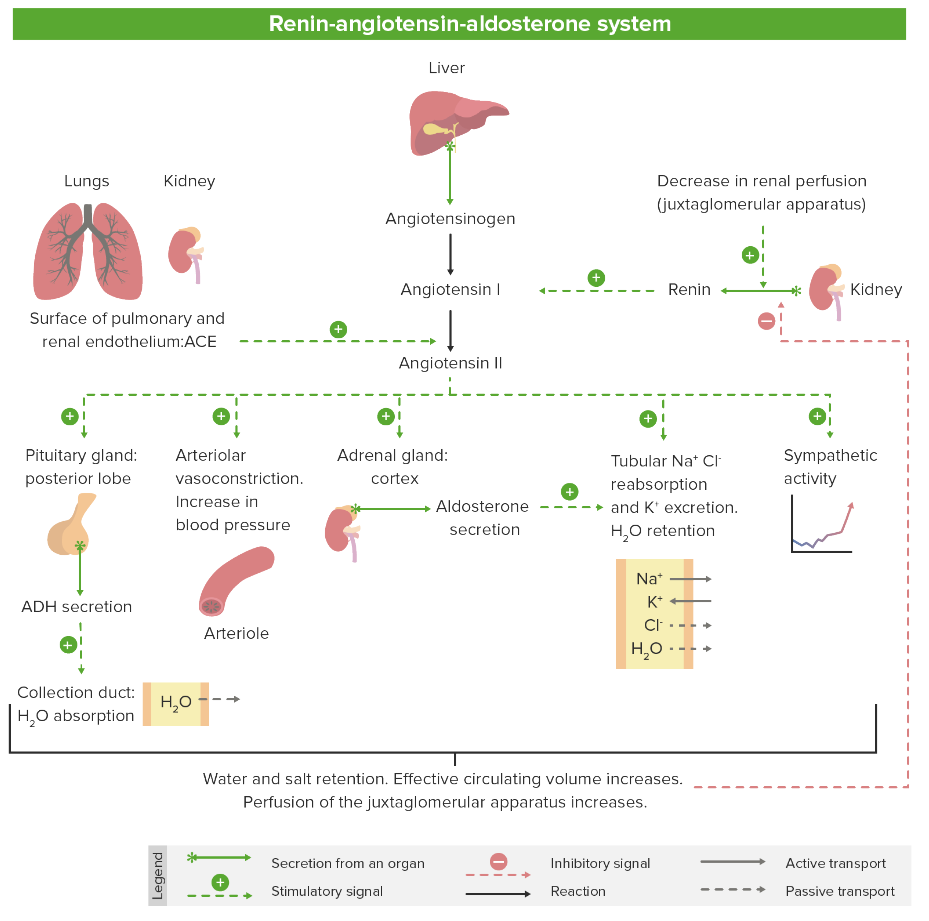
  • Renina (de los LOS Neisseria riñones) convierte el angiotensinógeno (del hígado) en EN Erythema nodosum is an immune-mediated panniculitis (inflammation of the subcutaneous fat) caused by a type IV (delayed-type) hypersensitivity reaction. It commonly manifests in young women as tender, erythematous nodules on the shins. Erythema Nodosum angiotensina I.
  • La ECA (de los LOS Neisseria pulmones) convierte la angiotensina I en EN Erythema nodosum is an immune-mediated panniculitis (inflammation of the subcutaneous fat) caused by a type IV (delayed-type) hypersensitivity reaction. It commonly manifests in young women as tender, erythematous nodules on the shins. Erythema Nodosum angiotensina II.
  • Angiotensina II:
    • La unión a los LOS Neisseria receptores de angiotensina-1 estimula:
      • Vasoconstricción y ↑ actividad simpática
      • Liberación de aldosterona (de la corteza suprarrenal), que estimula la reabsorción de Na+ y agua, así como la secreción de K+ y H+
      • Liberación de la hormona antidiurética desde la hipófisis posterior, que estimula la reabsorción de agua
      • Estimulación directa del Na+ y del agua
      • Sed
    • La unión a los LOS Neisseria receptores de angiotensina-2 estimula:
      • Vasodilatación
      • Efectos cardioprotectores y antiproliferativos
    • ↑ Niveles crónicos de angiotensina II causan:
      • Proliferación del músculo liso vascular
      • Disfunción endotelial
      • Agregación plaquetaria
      • Aumento en EN Erythema nodosum is an immune-mediated panniculitis (inflammation of the subcutaneous fat) caused by a type IV (delayed-type) hypersensitivity reaction. It commonly manifests in young women as tender, erythematous nodules on the shins. Erythema Nodosum la respuesta inflamatoria
  • El efecto global de la estimulación del SRAA es el aumento de la PA a través de:
    • ↑ Volumen sanguíneo circulante
    • ↑ Resistencia vascular periférica
Descripción general del sistema renina-angiotensina-aldosterona

Descripción general del SRAA

Imagen por Lecturio. Licencia: CC BY-NC-SA 4.0

Medicamentos de la clase de los LOS Neisseria inhibidores del SRAA

Los LOS Neisseria medicamentos de la clase de los LOS Neisseria inhibidores del SRAA incluyen:

Descripción general de los LOS Neisseria agentes antihipertensivos

Tabla: Medicamentos utilizados para tratar la hipertensión
Sitio de acción Clase Subclase
Renales Medicamentos que afectan al AL Amyloidosis SRAA
  • IECA
  • ARA
  • Inhibidores directos de la renina
Diuréticos
Extrarrenales Vasodilatadores directos
  • Bloqueadores de los LOS Neisseria canales de calcio
  • Activadores del canal K+
  • Nitrodilatadores
  • Antagonistas de la endotelina
Agentes que actúan a través del sistema nervioso simpático
  • Medicamentos que actúan en EN Erythema nodosum is an immune-mediated panniculitis (inflammation of the subcutaneous fat) caused by a type IV (delayed-type) hypersensitivity reaction. It commonly manifests in young women as tender, erythematous nodules on the shins. Erythema Nodosum la vía eferente simpática del SNC (e.g., clonidina)
  • Medicamentos que actúan en EN Erythema nodosum is an immune-mediated panniculitis (inflammation of the subcutaneous fat) caused by a type IV (delayed-type) hypersensitivity reaction. It commonly manifests in young women as tender, erythematous nodules on the shins. Erythema Nodosum los LOS Neisseria ganglios (e.g., hexametonio)
  • Medicamentos que actúan en EN Erythema nodosum is an immune-mediated panniculitis (inflammation of the subcutaneous fat) caused by a type IV (delayed-type) hypersensitivity reaction. It commonly manifests in young women as tender, erythematous nodules on the shins. Erythema Nodosum las terminales nerviosas (e.g., guanetidina, reserpina)
  • Medicamentos que actúan en EN Erythema nodosum is an immune-mediated panniculitis (inflammation of the subcutaneous fat) caused by a type IV (delayed-type) hypersensitivity reaction. It commonly manifests in young women as tender, erythematous nodules on the shins. Erythema Nodosum los LOS Neisseria receptores α y β

Estructura Química y Farmacodinamia

Estructura química

Todos los LOS Neisseria medicamentos de una misma clase tienen la misma estructura básica, pero diferentes grupos funcionales unidos, lo que explica sus diferentes perfiles farmacocinéticos y de seguridad.
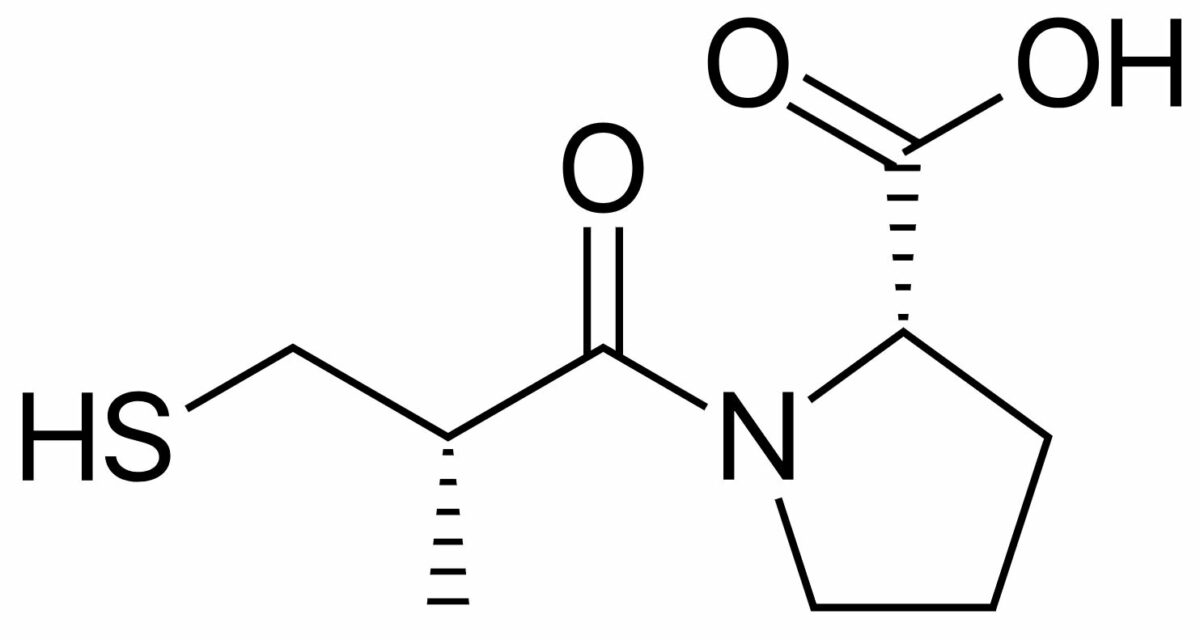
  • IECA: los LOS Neisseria grupos funcionales incluyen grupos carboxilo, sulfhidrilo y fosfinilo, que confieren diferentes propiedades farmacocinéticas:
    • El captopril Captopril A potent and specific inhibitor of peptidyl-dipeptidase a. It blocks the conversion of angiotensin I to angiotensin II, a vasoconstrictor and important regulator of arterial blood pressure. Captopril acts to suppress the renin-angiotensin system and inhibits pressure responses to exogenous angiotensin. Hypertension Drugs es el medicamento prototipo (1ro de su clase) que contiene un grupo sulfhidrilo, que le confiere propiedades antioxidantes.
    • El profármaco, el enalapril Enalapril An angiotensin-converting enzyme inhibitor that is used to treat hypertension and heart failure. Hypertension Drugs, se hidroliza a enalaprilat, que tiene efectos similares a los LOS Neisseria del enalapril Enalapril An angiotensin-converting enzyme inhibitor that is used to treat hypertension and heart failure. Hypertension Drugs.
    • El lisinopril Lisinopril One of the angiotensin-converting enzyme inhibitors (ACE inhibitors), orally active, that has been used in the treatment of hypertension and congestive heart failure. Renin-Angiotensin-Aldosterone System Inhibitors es un derivado de la lisina del enalaprilato.
    • Otros profármacos de acción prolongada de esta clase son el benazepril Benazepril Hypertension Drugs, el fosinopril y el quinapril.
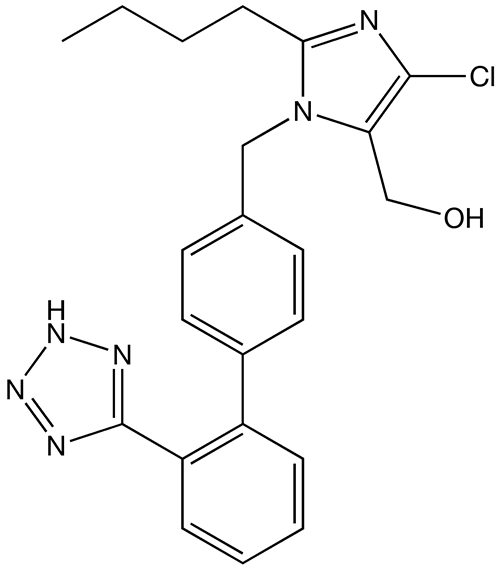
  • ARA: incluyen un grupo tetrazol (anillo con 4 nitrógenos y un carbono) junto con 1 o 2 grupos imidazoles Imidazoles Compounds containing 1, 3-diazole, a five membered aromatic ring containing two nitrogen atoms separated by one of the carbons. Chemically reduced ones include imidazolines and imidazolidines. Distinguish from 1, 2-diazole (pyrazoles). Azoles

Mecanismos de acción

Tabla: Mecanismos de acción y efectos fisiológicos
Clase del medicamento Mecanismo de acción Efectos fisiológicos
IECA Inhibe la ECA, evitando:
  • Conversión de la angiotensina I en EN Erythema nodosum is an immune-mediated panniculitis (inflammation of the subcutaneous fat) caused by a type IV (delayed-type) hypersensitivity reaction. It commonly manifests in young women as tender, erythematous nodules on the shins. Erythema Nodosum angiotensina II
  • Degradación de bradiquinina (un potente vasodilatador)
Disminución de la resistencia vascular periférica vía:
  • ↓ Niveles de angiotensina II:
    • ↓ Vasoconstricción
    • ↓ Actividad simpática
    • ↓ Reabsorción de Na+ y agua en EN Erythema nodosum is an immune-mediated panniculitis (inflammation of the subcutaneous fat) caused by a type IV (delayed-type) hypersensitivity reaction. It commonly manifests in young women as tender, erythematous nodules on the shins. Erythema Nodosum el riñón (efecto directo)
    • ↓ Secreción de aldosterona
  • ↑ Bradiquinina:
    • Vasodilatación
    • ↑ Riesgo de tos TOS Thoracic outlet syndrome (TOS) is a broad term used for a spectrum of syndromes related to the general region of the thoracic outlet, which involves the compression or irritation of elements of the brachial plexus, subclavian artery, or subclavian vein. Thoracic Outlet Syndrome y angioedema Angioedema Angioedema is a localized, self-limited (but potentially life-threatening), nonpitting, asymmetrical edema occurring in the deep layers of the skin and mucosal tissue. The common underlying pathophysiology involves inflammatory mediators triggering significant vasodilation and increased capillary permeability. Angioedema
  • ↓ Resistencia de la arteriola eferente en EN Erythema nodosum is an immune-mediated panniculitis (inflammation of the subcutaneous fat) caused by a type IV (delayed-type) hypersensitivity reaction. It commonly manifests in young women as tender, erythematous nodules on the shins. Erythema Nodosum el riñón → disminución de la proteinuria Proteinuria The presence of proteins in the urine, an indicator of kidney diseases. Nephrotic Syndrome in Children y estabilización de la función renal en EN Erythema nodosum is an immune-mediated panniculitis (inflammation of the subcutaneous fat) caused by a type IV (delayed-type) hypersensitivity reaction. It commonly manifests in young women as tender, erythematous nodules on the shins. Erythema Nodosum la ERC.
ARA Inhiben los LOS Neisseria receptores de angiotensina-1, impidiendo que ejerzan sus efectos
  • ↓ Actividad de la angiotensina II:
    • ↓ Vasoconstricción
    • ↓ Actividad simpática
    • ↓ Reabsorción de Na+ y agua en EN Erythema nodosum is an immune-mediated panniculitis (inflammation of the subcutaneous fat) caused by a type IV (delayed-type) hypersensitivity reaction. It commonly manifests in young women as tender, erythematous nodules on the shins. Erythema Nodosum el riñón
    • ↓ Secreción de aldosterona
  • Ningún efecto sobre la bradiquinina
DRi Inhibe directamente la actividad de la renina, bloqueando la conversión del angiotensinógeno en EN Erythema nodosum is an immune-mediated panniculitis (inflammation of the subcutaneous fat) caused by a type IV (delayed-type) hypersensitivity reaction. It commonly manifests in young women as tender, erythematous nodules on the shins. Erythema Nodosum angiotensina I ↓ Angiotensina I, angiotensina II y aldosterona → ↓ resistencia vascular periférica.
ARNI ARNi Renin-Angiotensin-Aldosterone System Inhibitors Combinación de ARA y un inhibidor de la neprilisina:
  • Inhibe los LOS Neisseria receptores de angiotensina-1
  • Inhibe la neprilisina, impidiendo la degradación de:
    • Péptidos natriuréticos (ANP, BNP BNP A peptide that is secreted by the brain and the heart atria, stored mainly in cardiac ventricular myocardium. It can cause natriuresis; diuresis; vasodilation; and inhibits secretion of renin and aldosterone. It improves heart function. It contains 32 amino acids. Renal Sodium and Water Regulation)
    • Vasodilatadores (bradiquinina)
    • Angiotensina II (es la razón por la cual se combina un inhibidor de la neprilisina con un ARA)
  • ↓ Vasoconstricción
  • ↓ Secreción de aldosterona
  • ↑ ANP, BNP BNP A peptide that is secreted by the brain and the heart atria, stored mainly in cardiac ventricular myocardium. It can cause natriuresis; diuresis; vasodilation; and inhibits secretion of renin and aldosterone. It improves heart function. It contains 32 amino acids. Renal Sodium and Water Regulation → diuresis
  • ↑ Bradiquinina → vasodilatación
PNA: péptido natriurético auricular
DRi: inhibidor directo de la renina
BNP: péptido natriurético cerebral
ARNI: inhibidor del receptor de angiotensina-neprilisina
Resumen de los inhibidores del SRAA y su sitio de acción

Descripción general de los inhibidores del SRAA y su sitio de acción:
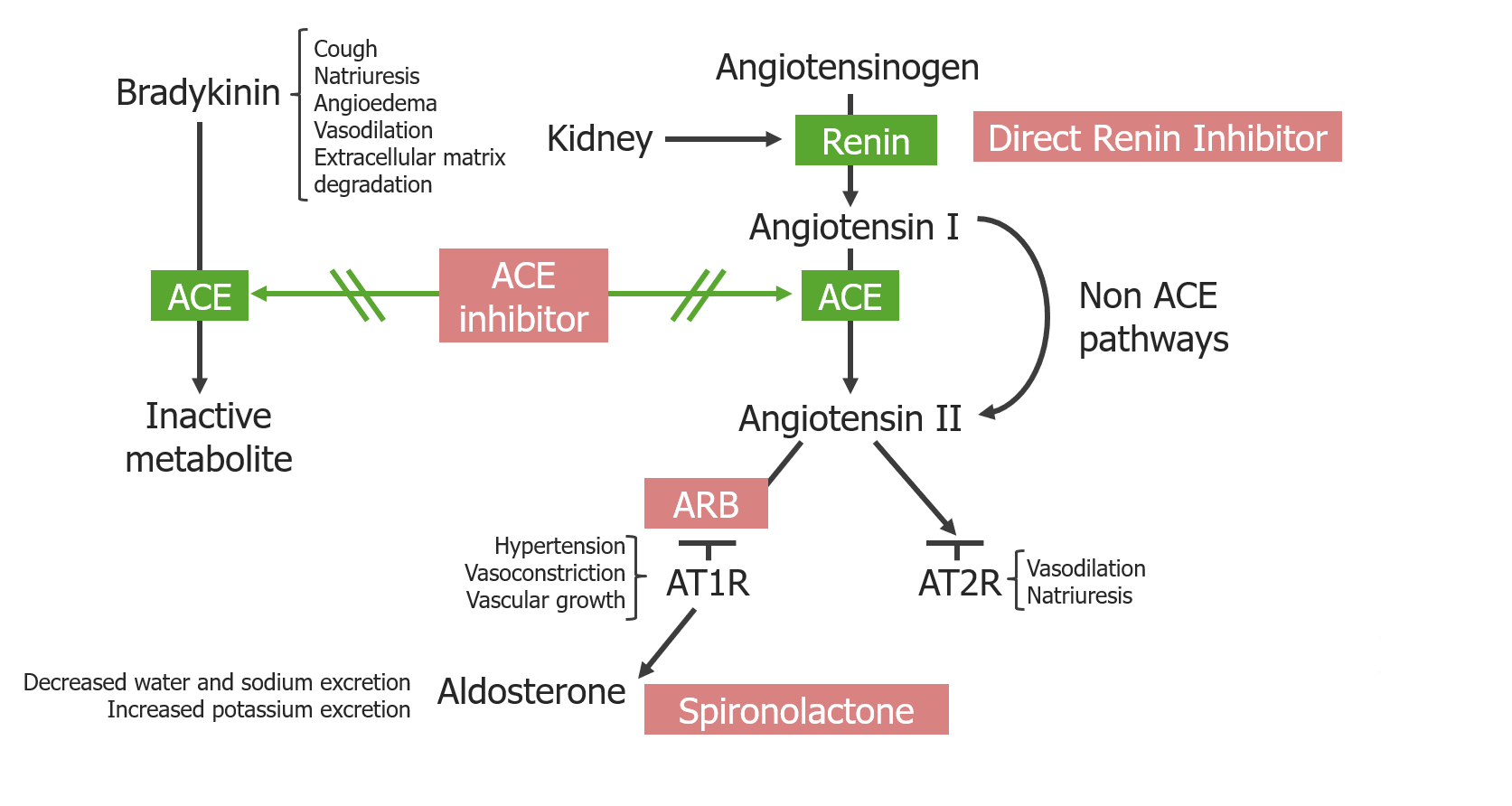
Los inhibidores de la ECA bloquean tanto la degradación de la bradicinina como la generación de angiotensina II.
Los ARA bloquean los receptores de angiotensina II tipo 1. Los inhibidores directos de la renina bloquean la generación de angiotensina I.
La espironolactona bloquea los receptores mineralocorticoides en las células principales de los túbulos renales distales y del conducto colector cortical.

Imagen por Lecturio. Licencia: CC BY-NC-SA 4.0

Farmacocinética

Tabla: Farmacocinética de los LOS Neisseria inhibidores del SRAA
Medicamento Absorción Distribución Metabolismo Excreción
IECA
  • Los LOS Neisseria profármacos tienen una biodisponibilidad ↑ en EN Erythema nodosum is an immune-mediated panniculitis (inflammation of the subcutaneous fat) caused by a type IV (delayed-type) hypersensitivity reaction. It commonly manifests in young women as tender, erythematous nodules on the shins. Erythema Nodosum comparación con los LOS Neisseria medicamentos activos
  • Inicio de acción relativamente rápido: 15–60 min.
La mayoría de los LOS Neisseria medicamentos tienen una unión mínima a las proteínas y volúmenes de distribución relativamente modestos Los LOS Neisseria profármacos se activan por hidrólisis en EN Erythema nodosum is an immune-mediated panniculitis (inflammation of the subcutaneous fat) caused by a type IV (delayed-type) hypersensitivity reaction. It commonly manifests in young women as tender, erythematous nodules on the shins. Erythema Nodosum el hígado; los LOS Neisseria medicamentos activos no se modifican.
  • Principalmente en EN Erythema nodosum is an immune-mediated panniculitis (inflammation of the subcutaneous fat) caused by a type IV (delayed-type) hypersensitivity reaction. It commonly manifests in young women as tender, erythematous nodules on the shins. Erythema Nodosum la orina
  • Vida media: varía de 2–24 horas según el medicamento
ARA
  • Biodisponibilidad: variable Variable Variables represent information about something that can change. The design of the measurement scales, or of the methods for obtaining information, will determine the data gathered and the characteristics of that data. As a result, a variable can be qualitative or quantitative, and may be further classified into subgroups. Types of Variables
  • Se absorbe rápidamente por vía oral
  • El Vd varía de 0,1 L/kg (candesartán) a un máximo de 7 L/kg (telmisartán)
  • Unión a proteínas: 95%–99%
Metabolismo hepático
  • Heces (60%)
  • Orina (35%, aproximadamente 4% como medicamento inalterado)
  • Vida media: varía de 2–24 horas
DRI: aliskiren Aliskiren Renin-Angiotensin-Aldosterone System Inhibitors
  • Biodisponibilidad: 3%.
  • Mala absorción oral (empeora con comidas con ↑ contenido graso)
Unión a proteínas: 50% Grado de metabolismo hepático desconocido
  • Heces (excreción por vía biliar como medicamento inalterado)
  • Orina (25% como medicamento inalterado)
  • Vida media: 24 horas
Vd: volumen de distribución
DRI: inhibidor directo de la renina

Indicaciones

Inhibidores de la enzima convertidora de angiotensina y ARA

  • Elección del medicamento:
    • Las indicaciones de los LOS Neisseria IECA y los LOS Neisseria ARA son similares.
    • Puede elegirse un ARA en EN Erythema nodosum is an immune-mediated panniculitis (inflammation of the subcutaneous fat) caused by a type IV (delayed-type) hypersensitivity reaction. It commonly manifests in young women as tender, erythematous nodules on the shins. Erythema Nodosum lugar de un IECA en EN Erythema nodosum is an immune-mediated panniculitis (inflammation of the subcutaneous fat) caused by a type IV (delayed-type) hypersensitivity reaction. It commonly manifests in young women as tender, erythematous nodules on the shins. Erythema Nodosum pacientes con (o con alto riesgo de) efectos secundarios inducidos por los LOS Neisseria IECA, como la tos TOS Thoracic outlet syndrome (TOS) is a broad term used for a spectrum of syndromes related to the general region of the thoracic outlet, which involves the compression or irritation of elements of the brachial plexus, subclavian artery, or subclavian vein. Thoracic Outlet Syndrome o el angioedema Angioedema Angioedema is a localized, self-limited (but potentially life-threatening), nonpitting, asymmetrical edema occurring in the deep layers of the skin and mucosal tissue. The common underlying pathophysiology involves inflammatory mediators triggering significant vasodilation and increased capillary permeability. Angioedema.
    • Algunos de estos medicamentos están formulados como combinaciones con medicamentos de otras clases de antihipertensivos (e.g., hidroclorotiazidas) → tomar una sola píldora puede mejorar el cumplimiento en EN Erythema nodosum is an immune-mediated panniculitis (inflammation of the subcutaneous fat) caused by a type IV (delayed-type) hypersensitivity reaction. It commonly manifests in young women as tender, erythematous nodules on the shins. Erythema Nodosum pacientes que requieren múltiples medicamentos
  • Indicaciones aprobadas por la Food and Drug Administration (FDA, por sus siglas en EN Erythema nodosum is an immune-mediated panniculitis (inflammation of the subcutaneous fat) caused by a type IV (delayed-type) hypersensitivity reaction. It commonly manifests in young women as tender, erythematous nodules on the shins. Erythema Nodosum inglés) para el uso de IECA/ARA:
    • Hipertensión (agente de 1ra línea), especialmente en EN Erythema nodosum is an immune-mediated panniculitis (inflammation of the subcutaneous fat) caused by a type IV (delayed-type) hypersensitivity reaction. It commonly manifests in young women as tender, erythematous nodules on the shins. Erythema Nodosum pacientes que también tienen:
      • Diabetes Diabetes Diabetes mellitus (DM) is a metabolic disease characterized by hyperglycemia and dysfunction of the regulation of glucose metabolism by insulin. Type 1 DM is diagnosed mostly in children and young adults as the result of autoimmune destruction of β cells in the pancreas and the resulting lack of insulin. Type 2 DM has a significant association with obesity and is characterized by insulin resistance. Diabetes Mellitus mellitus de tipo II
      • ERC
      • Enfermedad arterial coronaria
    • Nefropatía diabética
    • Insuficiencia cardíaca con fracción de eyección reducida
    • IAMCEST: El tratamiento en EN Erythema nodosum is an immune-mediated panniculitis (inflammation of the subcutaneous fat) caused by a type IV (delayed-type) hypersensitivity reaction. It commonly manifests in young women as tender, erythematous nodules on the shins. Erythema Nodosum 24 horas mejora la supervivencia de los LOS Neisseria pacientes hemodinámicamente estables.
  • Los LOS Neisseria usos fuera de indicación incluyen:
    • Síndrome coronario agudo sin elevación del ST
    • Cetoacidosis estable
    • ERC proteinúrica
    • Eritrocitosis postrasplante en EN Erythema nodosum is an immune-mediated panniculitis (inflammation of the subcutaneous fat) caused by a type IV (delayed-type) hypersensitivity reaction. It commonly manifests in young women as tender, erythematous nodules on the shins. Erythema Nodosum receptores de trasplantes renales
  • Beneficios en EN Erythema nodosum is an immune-mediated panniculitis (inflammation of the subcutaneous fat) caused by a type IV (delayed-type) hypersensitivity reaction. It commonly manifests in young women as tender, erythematous nodules on the shins. Erythema Nodosum la mortalidad se observan en EN Erythema nodosum is an immune-mediated panniculitis (inflammation of the subcutaneous fat) caused by a type IV (delayed-type) hypersensitivity reaction. It commonly manifests in young women as tender, erythematous nodules on the shins. Erythema Nodosum los LOS Neisseria pacientes con:
    • Hipertensión
    • Insuficiencia cardíaca
    • IM agudo
    • Accidente cerebrovascular
    • Diabetes Diabetes Diabetes mellitus (DM) is a metabolic disease characterized by hyperglycemia and dysfunction of the regulation of glucose metabolism by insulin. Type 1 DM is diagnosed mostly in children and young adults as the result of autoimmune destruction of β cells in the pancreas and the resulting lack of insulin. Type 2 DM has a significant association with obesity and is characterized by insulin resistance. Diabetes Mellitus mellitus
  • Principios terapéuticos:
    • Los LOS Neisseria IECA y los LOS Neisseria ARA no suelen utilizarse juntos, salvo en EN Erythema nodosum is an immune-mediated panniculitis (inflammation of the subcutaneous fat) caused by a type IV (delayed-type) hypersensitivity reaction. It commonly manifests in young women as tender, erythematous nodules on the shins. Erythema Nodosum raras circunstancias, generalmente por parte de los LOS Neisseria nefrólogos.
    • Los LOS Neisseria IECA y los LOS Neisseria ARA se combinan frecuentemente con:
      • Diuréticos (más comúnmente, hidroclorotiazida)
      • Bloqueadores de los LOS Neisseria canales de calcio
    • Los LOS Neisseria ARA son mejor tolerados (y es más probable que los LOS Neisseria pacientes los LOS Neisseria tomen) que los LOS Neisseria IECA.

Inhibidores directos de la renina e inhibidores del receptor Receptor Receptors are proteins located either on the surface of or within a cell that can bind to signaling molecules known as ligands (e.g., hormones) and cause some type of response within the cell. Receptors de angiotensina

  • Inhibidores directos de la renina: aliskiren Aliskiren Renin-Angiotensin-Aldosterone System Inhibitors
    • Indicado para la hipertensión
    • Normalmente se utiliza como terapia “añadida” para pacientes que ya toman antihipertensivos (nota: no se recomienda como tratamiento inicial)
  • Inhibidores del receptor Receptor Receptors are proteins located either on the surface of or within a cell that can bind to signaling molecules known as ligands (e.g., hormones) and cause some type of response within the cell. Receptors de angiotensina: sacubitril/valsartán (medicamentos más nuevos y los LOS Neisseria únicos de esta clase)
    • Indicado en EN Erythema nodosum is an immune-mediated panniculitis (inflammation of the subcutaneous fat) caused by a type IV (delayed-type) hypersensitivity reaction. It commonly manifests in young women as tender, erythematous nodules on the shins. Erythema Nodosum pacientes con insuficiencia cardíaca crónica con fracción de eyección reducida del ventrículo izquierdo
    • Se ha HA Hemolytic anemia (HA) is the term given to a large group of anemias that are caused by the premature destruction/hemolysis of circulating red blood cells (RBCs). Hemolysis can occur within (intravascular hemolysis) or outside the blood vessels (extravascular hemolysis). Hemolytic Anemia demostrado que reduce la muerte y las hospitalizaciones cardiovasculares en EN Erythema nodosum is an immune-mediated panniculitis (inflammation of the subcutaneous fat) caused by a type IV (delayed-type) hypersensitivity reaction. It commonly manifests in young women as tender, erythematous nodules on the shins. Erythema Nodosum pacientes con fracción de eyección reducida del ventrículo izquierdo

Efectos Adversos y Contraindicaciones

Efectos adversos

Los LOS Neisseria efectos adversos más comunes de los LOS Neisseria IECA y los LOS Neisseria ARA se muestran en EN Erythema nodosum is an immune-mediated panniculitis (inflammation of the subcutaneous fat) caused by a type IV (delayed-type) hypersensitivity reaction. It commonly manifests in young women as tender, erythematous nodules on the shins. Erythema Nodosum la tabla.

Tabla: Efectos adversos de los LOS Neisseria IECA frente a los LOS Neisseria ARA
Síntoma IECA ARA (y ARNI ARNi Renin-Angiotensin-Aldosterone System Inhibitors)
Hiperpotasemia 1% 0,3%
Tos TOS Thoracic outlet syndrome (TOS) is a broad term used for a spectrum of syndromes related to the general region of the thoracic outlet, which involves the compression or irritation of elements of the brachial plexus, subclavian artery, or subclavian vein. Thoracic Outlet Syndrome 10%‒20% 1 por cada 1 000
Pancreatitis Pancreatitis Inflammation of the pancreas. Pancreatitis is classified as acute unless there are computed tomographic or endoscopic retrograde cholangiopancreatographic findings of chronic pancreatitis. The two most common forms of acute pancreatitis are alcoholic pancreatitis and gallstone pancreatitis. Acute Pancreatitis 1 por cada 5 000
  • 1 por cada 15 000
  • 1 por cada 10 en EN Erythema nodosum is an immune-mediated panniculitis (inflammation of the subcutaneous fat) caused by a type IV (delayed-type) hypersensitivity reaction. It commonly manifests in young women as tender, erythematous nodules on the shins. Erythema Nodosum pacientes con antecedentes de pancreatitis Pancreatitis Inflammation of the pancreas. Pancreatitis is classified as acute unless there are computed tomographic or endoscopic retrograde cholangiopancreatographic findings of chronic pancreatitis. The two most common forms of acute pancreatitis are alcoholic pancreatitis and gallstone pancreatitis. Acute Pancreatitis por un IECA
Angioedema Angioedema Angioedema is a localized, self-limited (but potentially life-threatening), nonpitting, asymmetrical edema occurring in the deep layers of the skin and mucosal tissue. The common underlying pathophysiology involves inflammatory mediators triggering significant vasodilation and increased capillary permeability. Angioedema 1 por cada 2 000 1 por cada 20 000
ARNI: inhibidor del receptor de angiotensina-neprilisina

Los LOS Neisseria efectos secundarios adicionales pueden incluir:

  • Hipotensión
  • Mareo/síncope
  • Cefalea
  • Aumento del nitrógeno de urea Urea A compound formed in the liver from ammonia produced by the deamination of amino acids. It is the principal end product of protein catabolism and constitutes about one half of the total urinary solids. Urea Cycle (BUN, por sus siglas en EN Erythema nodosum is an immune-mediated panniculitis (inflammation of the subcutaneous fat) caused by a type IV (delayed-type) hypersensitivity reaction. It commonly manifests in young women as tender, erythematous nodules on the shins. Erythema Nodosum inglés)/creatinina ( en EN Erythema nodosum is an immune-mediated panniculitis (inflammation of the subcutaneous fat) caused by a type IV (delayed-type) hypersensitivity reaction. It commonly manifests in young women as tender, erythematous nodules on the shins. Erythema Nodosum raras ocasiones, los LOS Neisseria IECA y los LOS Neisseria ARA pueden provocar una insuficiencia renal aguda)
  • Diarrea (con aliskiren Aliskiren Renin-Angiotensin-Aldosterone System Inhibitors)

Contraindicaciones

  • Contraindicaciones absolutas:
    • Antecedentes de angioedema Angioedema Angioedema is a localized, self-limited (but potentially life-threatening), nonpitting, asymmetrical edema occurring in the deep layers of the skin and mucosal tissue. The common underlying pathophysiology involves inflammatory mediators triggering significant vasodilation and increased capillary permeability. Angioedema
    • Embarazo
    • Los LOS Neisseria pacientes con diabetes Diabetes Diabetes mellitus (DM) is a metabolic disease characterized by hyperglycemia and dysfunction of the regulation of glucose metabolism by insulin. Type 1 DM is diagnosed mostly in children and young adults as the result of autoimmune destruction of β cells in the pancreas and the resulting lack of insulin. Type 2 DM has a significant association with obesity and is characterized by insulin resistance. Diabetes Mellitus no deben utilizar a la vez un inhibidor directo de la renina ( aliskiren Aliskiren Renin-Angiotensin-Aldosterone System Inhibitors) y un IECA/ARA.
  • Contraindicaciones relativas:
    • Pacientes con función renal anormal
    • Estenosis aórtica ( los LOS Neisseria IECA/ARA son reductores de la poscarga y pueden provocar una hipotensión grave)
    • Deshidratación/hipovolemia
    • Pacientes que toman otros medicamentos que pueden provocar hiperpotasemia (e.g., diuréticos ahorradores de K+)

Comparación de medicamentos

Tabla: Comparación de los LOS Neisseria medicamentos utilizados habitualmente para tratar las enfermedades cardiovasculares
Medicamentos Mecanismos Efectos fisiológicos Indicaciones
IECA Inhibe la ECA, que:
  • Previene la conversión de angiotensina I en EN Erythema nodosum is an immune-mediated panniculitis (inflammation of the subcutaneous fat) caused by a type IV (delayed-type) hypersensitivity reaction. It commonly manifests in young women as tender, erythematous nodules on the shins. Erythema Nodosum angiotensina II
  • Previene la degradación de la bradiquinina (un potente vasodilatador)
  • ↓ Vasoconstricción
  • ↓ Actividad simpática
  • ↓ Reabsorción de Na+ y agua
  • ↓ Resistencia de la arteriola eferente (riñón)
  • ↑ Bradiquinina
  • Hipertensión
  • Insuficiencia cardíaca
  • IM/SCA
  • Nefropatía diabética crónica
ARA Inhiben los LOS Neisseria receptores de angiotensina-1, impidiendo que ejerzan sus efectos
  • ↓ Vasoconstricción
  • ↓ Actividad simpática
  • ↓ Reabsorción de Na+ y agua
  • ↓ Resistencia de la arteriola eferente (riñón)
  • Hipertensión
  • Insuficiencia cardíaca
  • IM/SCA
  • ERC
Bloqueadores de los LOS Neisseria canales de calcio Se unen e inhiben los LOS Neisseria canales de calcio de tipo L en EN Erythema nodosum is an immune-mediated panniculitis (inflammation of the subcutaneous fat) caused by a type IV (delayed-type) hypersensitivity reaction. It commonly manifests in young women as tender, erythematous nodules on the shins. Erythema Nodosum los LOS Neisseria miocitos cardíacos y el músculo liso vascular
  • Vasodilatación sistémica
  • ↓ Presion arterial
  • ↓ Poscarga cardíaca
  • ↓ Frecuencia cardiaca
  • ↓ Gasto cardíaco
  • ↓ Demanda de O2 del miocardio
  • Hipertensión
  • Angina estable
  • Vasoespasmo
Betabloqueadores Inhiben los LOS Neisseria receptores β de las catecolaminas con distinta afinidad por los LOS Neisseria receptores β1 frente a los LOS Neisseria β2
  • Efectos inotrópicos y cronotrópicos negativos
  • ↓ Liberación de renina
  • Broncoconstricción (receptores β2)
  • Inhibe la lipólisis
  • ↓ Presión intraocular
  • IM agudo
  • Insuficiencia cardíaca estable
  • Fibrilación auricular
  • Hipertensión (incluido el embarazo)
  • Glaucoma Glaucoma Glaucoma is an optic neuropathy characterized by typical visual field defects and optic nerve atrophy seen as optic disc cupping on examination. The acute form of glaucoma is a medical emergency. Glaucoma is often, but not always, caused by increased intraocular pressure (IOP). Glaucoma de ángulo abierto
  • Prevención de la migraña
Diuréticos tiazídicos ↓ Reabsorción de NaCl en EN Erythema nodosum is an immune-mediated panniculitis (inflammation of the subcutaneous fat) caused by a type IV (delayed-type) hypersensitivity reaction. It commonly manifests in young women as tender, erythematous nodules on the shins. Erythema Nodosum el túbulo contorneado distal mediante la inhibición del cotransportador de Na+/cloro
  • ↓ Volumen plasmático → ↓ Presión arterial
  • Edema Edema Edema is a condition in which excess serous fluid accumulates in the body cavity or interstitial space of connective tissues. Edema is a symptom observed in several medical conditions. It can be categorized into 2 types, namely, peripheral (in the extremities) and internal (in an organ or body cavity). Edema
  • Hipertensión
  • Edema Edema Edema is a condition in which excess serous fluid accumulates in the body cavity or interstitial space of connective tissues. Edema is a symptom observed in several medical conditions. It can be categorized into 2 types, namely, peripheral (in the extremities) and internal (in an organ or body cavity). Edema
Diuréticos de asa ASA Anterior Cord Syndrome Inhiben el cotransportador luminal de Na+/K+/cloro en EN Erythema nodosum is an immune-mediated panniculitis (inflammation of the subcutaneous fat) caused by a type IV (delayed-type) hypersensitivity reaction. It commonly manifests in young women as tender, erythematous nodules on the shins. Erythema Nodosum la rama ascendente gruesa del asa ASA Anterior Cord Syndrome de Henle
  • Edema Edema Edema is a condition in which excess serous fluid accumulates in the body cavity or interstitial space of connective tissues. Edema is a symptom observed in several medical conditions. It can be categorized into 2 types, namely, peripheral (in the extremities) and internal (in an organ or body cavity). Edema
  • ↓ Volumen plasmático → ↓ Presión arterial
  • Edema Edema Edema is a condition in which excess serous fluid accumulates in the body cavity or interstitial space of connective tissues. Edema is a symptom observed in several medical conditions. It can be categorized into 2 types, namely, peripheral (in the extremities) and internal (in an organ or body cavity). Edema/ascitis
  • Insuficiencia cardíaca
  • Hipertensión
Diuréticos ahorradores de K+
  • ↓ Reabsorción de Na+ a través de los LOS Neisseria canales ENaC ENaC Sodium channels found on salt-reabsorbing epithelial cells that line the distal nephron; the distal colon; salivary ducts; sweat glands; and the lung. They are amiloride-sensitive and play a critical role in the control of sodium balance, blood volume, and blood pressure. Liddle Syndrome en EN Erythema nodosum is an immune-mediated panniculitis (inflammation of the subcutaneous fat) caused by a type IV (delayed-type) hypersensitivity reaction. It commonly manifests in young women as tender, erythematous nodules on the shins. Erythema Nodosum el CC.
  • Inhibición de los LOS Neisseria receptores de aldosterona en EN Erythema nodosum is an immune-mediated panniculitis (inflammation of the subcutaneous fat) caused by a type IV (delayed-type) hypersensitivity reaction. It commonly manifests in young women as tender, erythematous nodules on the shins. Erythema Nodosum el CC
  • ↓ Volumen plasmático → ↓ Presión arterial
  • Edema Edema Edema is a condition in which excess serous fluid accumulates in the body cavity or interstitial space of connective tissues. Edema is a symptom observed in several medical conditions. It can be categorized into 2 types, namely, peripheral (in the extremities) and internal (in an organ or body cavity). Edema
  • No causa ↑ en EN Erythema nodosum is an immune-mediated panniculitis (inflammation of the subcutaneous fat) caused by a type IV (delayed-type) hypersensitivity reaction. It commonly manifests in young women as tender, erythematous nodules on the shins. Erythema Nodosum la excreción de K+
  • Efectos antiandrogénicos (espironolactona)
  • Insuficiencia cardíaca
  • Edema Edema Edema is a condition in which excess serous fluid accumulates in the body cavity or interstitial space of connective tissues. Edema is a symptom observed in several medical conditions. It can be categorized into 2 types, namely, peripheral (in the extremities) and internal (in an organ or body cavity). Edema/ascitis
  • Hipertensión
  • Hiperaldosteronismo
  • Hirsutismo en EN Erythema nodosum is an immune-mediated panniculitis (inflammation of the subcutaneous fat) caused by a type IV (delayed-type) hypersensitivity reaction. It commonly manifests in young women as tender, erythematous nodules on the shins. Erythema Nodosum mujeres (espironolactona)
I
SCA: síndrome coronario agudo
CC: conducto colector
ENaC: canales de sodio epiteliales

Referencias

  1. UpToDate Lexicomp Drug Topic Pages: Captopril; Losartan; Aliskiren; Sacubitril and Valsartan. Retrieved June 18, 2021, from
    1. https://www.uptodate.com/contents/captopril-drug-information
    2. https://www.uptodate.com/contents/losartan-drug-information
    3. https://www.uptodate.com/contents/aliskiren-drug-information
    4. https://www.uptodate.com/contents/sacubitril-and-valsartan-drug-information
  2. Mann, J.E. (2020). Choice of drug therapy in primary (essential) hypertension. In Forman, J.P. (Ed.), UpToDate. Retrieved June 18, 2021, from https://www.uptodate.com/contents/choice-of-drug-therapy-in-primary-essential-hypertension
  3. Mann, J.E. (2020). Renin-angiotensin system inhibition in the treatment of hypertension. In Forman, J.P. (Ed.), UpToDate. Retrieved June 18, 2021, from https://www.uptodate.com/contents/renin-angiotensin-system-inhibition-in-the-treatment-of-hypertension
  4. Givertz, M.M., Colucci, W.S. (2020). Pharmacologic therapy of heart failure with reduced ejection fraction: Mechanisms of action. In Dardas, T.F. (Ed.), UpToDate. Retrieved June 18, 2021, from https://www.uptodate.com/contents/pharmacologic-therapy-of-heart-failure-with-reduced-ejection-fraction-mechanisms-of-action
  5. Goyal, A. (2020). ACE inhibitors. StatPearls. Retrieved June 18, 2021, from https://www.statpearls.com/articlelibrary/viewarticle/17070/
  6. Hill, R. (2021). Angiotensin II receptor blockers (ARB). StatPearls. Retrieved June 18, 2021, from https://www.statpearls.com/articlelibrary/viewarticle/17585/
  7. Benowitz, N.L. (2012). Antihypertensive agents. In Katzung, B.G., Masters, S.B., Trevor, A.J. (Eds.), Basic and Clinical Pharmacology, 12th Ed. pp. 169‒185.
  8. Piepho, R.W. (2000). Overview of the angiotensin-converting-enzyme inhibitors. American Journal of Health-System Pharmacy. 57 (Suppl 1), S3-S7. https://doi.org/10.1093/ajhp/57.suppl_1.S3
  9. D’Elia, E., et al. (2017). Neprilysin inhibition in heart failure: Mechanisms and substrates beyond modulating natriuretic peptides. European Journal of Heart Failure. 19(6), 710–717. https://doi.org/10.1002/ejhf.799
  10. Silver, M.A. (2006). The natriuretic peptide system: Kidney and cardiovascular effects. Current Opinion in Nephrology and Hypertension. 15(1), 14–21. https://doi.org/10.1097/01.mnh.0000199008.49176.37
  11. Hilal-Dandan, R. (2018). Renin and Angiotensin. In Brunton, L.L., et al., (Eds.), Goodman & Gilman’s: The Pharmacological Basis of Therapeutics, 13e. New York, NY: McGraw-Hill. https://accessmedicine.mhmedical.com/content.aspx?bookid=2189§ionid=170106980
  12. Whelton, P.K., et al. (2018). 2017 ACC/AHA/AAPA/ABC/ACPM/AGS/APhA/ASH/ASPC/NMA/PCNA Guideline for the prevention, detection, evaluation, and management of high blood pressure in adults: A report of the American College of Cardiology/American Heart Association Task Force on Clinical Practice Guidelines. Hypertension. 71(6), e13-e115. https://pubmed.ncbi.nlm.nih.gov/29133356/
  13. Knežević, T., et al. (2018). Treatment of hypertension induced albuminuria. Current Pharmaceutical Design. 24(37), 4404–4412. https://pubmed.ncbi.nlm.nih.gov/30479206/
  14. Hradec, J. (2018). Pharmacological therapy for chronic heart failure. Vnitr Lek. 64(9), 853–859. https://pubmed.ncbi.nlm.nih.gov/30441998/
  15. Leru, P.M., et al. (2018). Nine-year follow-up of a rare case of angioedema due to acquired C1-inhibitor deficiency with late-onset and good response to attenuated androgen. Allergy Asthma and Clinical Immunology. 14, 69. https://pubmed.ncbi.nlm.nih.gov/30386386/
  16. Viberti, G., et al. (1994). Effect of captopril on progression to clinical proteinuria in patients with insulin-dependent diabetes mellitus and microalbuminuria. European Microalbuminuria Captopril Study Group. JAMA. 271(4), 275–279. https://pubmed.ncbi.nlm.nih.gov/8295285/
  17. Yusuf, S., et al. (2000). Effects of an angiotensin-converting-enzyme inhibitor, ramipril, on cardiovascular events in high-risk patients. The New England Journal of Medicine. 342(3), 145–153. https://pubmed.ncbi.nlm.nih.gov/10639539/
  18. Williams, B. (2016). Drug discovery in renin-angiotensin system intervention: Past and future. Therapeutic Advances in Cardiovascular Disease. 10(3), 118–125. https://pubmed.ncbi.nlm.nih.gov/27126389/
  19. Teng, T.K., et al. (2018). Prescribing patterns of evidence-based heart failure pharmacotherapy and outcomes in the ASIAN-HF registry: A cohort study. Lancet Global Health. 6(9), e1008-e1018. https://pubmed.ncbi.nlm.nih.gov/30103979/
  20. Zhang, Y., et al. (2020). Real-world use of ACEI/ARB in diabetic hypertensive patients before the initial diagnosis of obstructive coronary artery disease: Patient characteristics and long-term follow-up outcome. Journal of Translational Medicine. 18(1), 150. https://pubmed.ncbi.nlm.nih.gov/32238168/
  21. Heeg, J.E., et al. (1987). Reduction of proteinuria by angiotensin-converting enzyme inhibition. Kidney International. 32(1), 78–83. https://pubmed.ncbi.nlm.nih.gov/3041097/
  22. Silvariño, R., et al. (2019). Is chronic kidney disease progression influenced by the type of renin-angiotensin-system blocker used? Nephron. 143(2), 100–107. https://pubmed.ncbi.nlm.nih.gov/31203280/
  23. Pazik, J., et al. (2008). Renin-Angiotensin-Aldosterone system inhibitors and statins prolong graft survival in post-transplant glomerulonephritis. Annals of Transplantation. 13(4), 41–45. https://pubmed.ncbi.nlm.nih.gov/19034222/
  24. Miller, A.J., Arnold, A.C. (2019). The renin-angiotensin system in cardiovascular autonomic control: Recent developments and clinical implications. Clinical Autonomic Research. 29(2), 231–243. https://pubmed.ncbi.nlm.nih.gov/30413906/
  25. Łukawski, K., et al. (2019). Effect of aliskiren, a direct renin inhibitor, on the protective action of antiepileptic drugs against pentylenetetrazole-induced clonic seizures in mice. Fundamental and Clinical Pharmacology. 33(2), 191–198. https://pubmed.ncbi.nlm.nih.gov/30312501/
  26. Yamashita, S., et al. (2018). Aliskiren reduces the release of soluble (pro)renin receptor from human umbilical vein endothelial cells. Biomedical Reports. 9(3), 247–252. https://pubmed.ncbi.nlm.nih.gov/30271601/
  27. Nakano, D., Nishiyama, A. (2018). A novel role of renin inhibitor in the complement cascade. Kidney International. 94(4), 650–652. https://pubmed.ncbi.nlm.nih.gov/30243307/
  28. Yandrapalli, S., et al. (2018). Newer hormonal pharmacotherapies for heart failure. Expert Review of Endocrinology and Metabolism. 13(1), 35–49. https://pubmed.ncbi.nlm.nih.gov/30063443/

¡Crea tu cuenta gratis o inicia una sesión para seguir leyendo!

Regístrate ahora y obtén acceso gratuito a Lecturio con páginas de concepto, videos médicos y cuestionarios para tu educación médica.

User Reviews

Que tengas una sesión de estudio alegre y navideña 🎁 Ahorra 50% en todos los planes >>

Details