
Domina Conceptos Médicos

Estudia para la escuela de medicina y tus examenes con Lecturio.

Ginecomastia

La ginecomastia es una proliferación benigna de tejido ductal glandular mamario masculino, generalmente bilateral, causada por el aumento de la actividad de los LOS Neisseria estrógenos, la disminución de la actividad de la testosterona o algunos medicamentos. La condición es común y fisiológica en EN Erythema nodosum is an immune-mediated panniculitis (inflammation of the subcutaneous fat) caused by a type IV (delayed-type) hypersensitivity reaction. It commonly manifests in young women as tender, erythematous nodules on the shins. Erythema Nodosum neonatos, adolescentes y adultos mayores hombres. Algunos casos son patológicos o secundarios a enfermedad hepática crónica, enfermedad renal o hipertiroidismo. La mayoría de los LOS Neisseria casos son asintomáticos y no necesitan tratamiento.

Last updated: Dec 15, 2025

Editorial responsibility: Stanley Oiseth, Lindsay Jones, Evelin Maza

Descripción General

La ginecomastia asintomática es tan común que puede ser casi considerada como una condición normal, con una distribución trimodal según la edad.

La ginecomastia se clasifica en EN Erythema nodosum is an immune-mediated panniculitis (inflammation of the subcutaneous fat) caused by a type IV (delayed-type) hypersensitivity reaction. It commonly manifests in young women as tender, erythematous nodules on the shins. Erythema Nodosum 3 grandes grupos: fisiológica, patológica e idiopática.

Ginecomastia fisiológica

  • Neonatos
    • Debido a las elevadas concentraciones de estrógenos en EN Erythema nodosum is an immune-mediated panniculitis (inflammation of the subcutaneous fat) caused by a type IV (delayed-type) hypersensitivity reaction. It commonly manifests in young women as tender, erythematous nodules on the shins. Erythema Nodosum la sangre del feto
    • Suele remitir a las 3 semanas de vida
    • Ocurre en EN Erythema nodosum is an immune-mediated panniculitis (inflammation of the subcutaneous fat) caused by a type IV (delayed-type) hypersensitivity reaction. It commonly manifests in young women as tender, erythematous nodules on the shins. Erythema Nodosum el 6090% de los LOS Neisseria neonatos
  • Adolescentes varones
    • Debido a un aumento transitorio de la concentración de estradiol Estradiol The 17-beta-isomer of estradiol, an aromatized C18 steroid with hydroxyl group at 3-beta- and 17-beta-position. Estradiol-17-beta is the most potent form of mammalian estrogenic steroids. Noncontraceptive Estrogen and Progestins al AL Amyloidosis inicio de la pubertad
    • Típicamente disminuye después de 18 meses de pubertad
    • Ocurre en EN Erythema nodosum is an immune-mediated panniculitis (inflammation of the subcutaneous fat) caused by a type IV (delayed-type) hypersensitivity reaction. It commonly manifests in young women as tender, erythematous nodules on the shins. Erythema Nodosum el 50% de los LOS Neisseria adolescentes varones
    • Poco común después de los LOS Neisseria 17 años
  • Adultos mayores hombres
    • Debido al AL Amyloidosis aumento del contenido de grasa corporal, que es responsable de la mayor conversión de andrógenos a estrógenos
    • Ocurre hasta en EN Erythema nodosum is an immune-mediated panniculitis (inflammation of the subcutaneous fat) caused by a type IV (delayed-type) hypersensitivity reaction. It commonly manifests in young women as tender, erythematous nodules on the shins. Erythema Nodosum el 70% de los LOS Neisseria hombres de 5069 años

Ginecomastia patológica

  • Medicamentos: se estima que causan aproximadamente el 1025% de todos los LOS Neisseria casos de ginecomastia
    • Definitivamente asociados a la ginecomastia: estrógenos, cimetidina, ketoconazol, hormona del crecimiento, gonadotropinas, terapias antiandrógenas e inhibidores de la 5-alfa-reductasa
    • Probablemente asociados a la ginecomastia: antipsicóticos de primera generación y atípicos en EN Erythema nodosum is an immune-mediated panniculitis (inflammation of the subcutaneous fat) caused by a type IV (delayed-type) hypersensitivity reaction. It commonly manifests in young women as tender, erythematous nodules on the shins. Erythema Nodosum adultos, bloqueadores de los LOS Neisseria canales de calcio, omeprazol, medicamentos para el VIH, agentes alquilantes, esteroides anabólicos, alcohol y opioides
    • Muchos otros medicamentos han sido reportados como asociados a la ginecomastia, pero no hay pruebas sólidas.
    • Ciertos suplementos a base de hierbas, como los LOS Neisseria que contienen fitoestrógenos, se han asociado con la ginecomastia.
  • Trastornos metabólicos: enfermedad hepática, cirrosis, diabetes Diabetes Diabetes mellitus (DM) is a metabolic disease characterized by hyperglycemia and dysfunction of the regulation of glucose metabolism by insulin. Type 1 DM is diagnosed mostly in children and young adults as the result of autoimmune destruction of β cells in the pancreas and the resulting lack of insulin. Type 2 DM has a significant association with obesity and is characterized by insulin resistance. Diabetes Mellitus tipo 1, hipertiroidismo, enfermedad renal crónica
  • Trastornos del desarrollo sexual:
    • Síndrome de Klinefelter
    • Síndrome de insensibilidad a los LOS Neisseria andrógenos
  • Tumores:
    • Tumores testiculares: de células germinales, de células de Leydig, de células de Sertoli, del cordón sexual
    • Tumores suprarrenales: adenoma o carcinoma
  • Enfermedades sistémicas:
    • Desnutrición y realimentación: Las deficiencias nutricionales y la posterior realimentación pueden alterar los LOS Neisseria niveles hormonales, lo que provoca ginecomastia.

Ginecomastia idiopática

  • No relacionada a una etiología específica
  • El 25% de los LOS Neisseria casos de ginecomastia son idiopáticos.

Mnemotecnia

Para recordar las causas de la ginecomastia, recuerda el acrónimo “CODES” ( en EN Erythema nodosum is an immune-mediated panniculitis (inflammation of the subcutaneous fat) caused by a type IV (delayed-type) hypersensitivity reaction. It commonly manifests in young women as tender, erythematous nodules on the shins. Erythema Nodosum inglés):
  • C – Cirrhosis Cirrhosis Cirrhosis is a late stage of hepatic parenchymal necrosis and scarring (fibrosis) most commonly due to hepatitis C infection and alcoholic liver disease. Patients may present with jaundice, ascites, and hepatosplenomegaly. Cirrhosis can also cause complications such as hepatic encephalopathy, portal hypertension, portal vein thrombosis, and hepatorenal syndrome. Cirrhosis (cirrosis)
  • O – Obesity Obesity Obesity is a condition associated with excess body weight, specifically with the deposition of excessive adipose tissue. Obesity is considered a global epidemic. Major influences come from the western diet and sedentary lifestyles, but the exact mechanisms likely include a mixture of genetic and environmental factors. Obesity (obesidad)
  • D – Digoxin Digoxin A cardiotonic glycoside obtained mainly from digitalis lanata; it consists of three sugars and the aglycone digoxigenin. Digoxin has positive inotropic and negative chronotropic activity. It is used to control ventricular rate in atrial fibrillation and in the management of congestive heart failure with atrial fibrillation. Its use in congestive heart failure and sinus rhythm is less certain. The margin between toxic and therapeutic doses is small. Cardiac Glycosides (digoxina)
  • E – Estrogen Estrogen Compounds that interact with estrogen receptors in target tissues to bring about the effects similar to those of estradiol. Estrogens stimulate the female reproductive organs, and the development of secondary female sex characteristics. Estrogenic chemicals include natural, synthetic, steroidal, or non-steroidal compounds. Ovaries: Anatomy (estrógeno)
  • S – Spironolactone Spironolactone A potassium sparing diuretic that acts by antagonism of aldosterone in the distal renal tubules. It is used mainly in the treatment of refractory edema in patients with congestive heart failure, nephrotic syndrome, or hepatic cirrhosis. Its effects on the endocrine system are utilized in the treatments of hirsutism and acne but they can lead to adverse effects. Potassium-sparing Diuretics (espironolactona)

Presentación Clínica

  • La mayoría de los LOS Neisseria pacientes son asintomáticos.
  • Características clínicas:
    • Concéntrico con el pezón, generalmente bilateral y firme
    • Puede presentarse con un complejo areolar sensible
  • Antecedentes clínicos:
    • Antecedentes familiares de ginecomastia
    • Edad de inicio y duración de la enfermedad
    • Antecedente de papera (si presentó orquitis por papera, con la consiguiente alteración de la producción de testosterona por las células de Leydig), traumatismos testiculares, consumo de alcohol, consumo de medicamentos
    • Cambios recientes en EN Erythema nodosum is an immune-mediated panniculitis (inflammation of the subcutaneous fat) caused by a type IV (delayed-type) hypersensitivity reaction. It commonly manifests in young women as tender, erythematous nodules on the shins. Erythema Nodosum el tamaño de los LOS Neisseria pezones y dolor Dolor Inflammation o secreción de los LOS Neisseria mismos
    • Antecedentes de disfunción sexual, infertilidad o hipogonadismo
  • Considerar malignidad si:
    • Unilateral, ulceroso, fijo, duro, no concéntrico con el pezón
    • Asociado a secreción sanguinolenta o linfadenopatía axilar

Diagnóstico

  • El diagnóstico se realiza mediante los LOS Neisseria antecedentes clínicos y el examen físico pertinentes:
    • Antecedentes clínicos: edad, antecedentes familiares, uso de drogas (e.g., medicamentos para mejorar el rendimiento en EN Erythema nodosum is an immune-mediated panniculitis (inflammation of the subcutaneous fat) caused by a type IV (delayed-type) hypersensitivity reaction. It commonly manifests in young women as tender, erythematous nodules on the shins. Erythema Nodosum atletas), uso de medicamentos, tasa de crecimiento
    • Examen físico: discos de tejido palpables, concéntricos, simétricos, firmes o gomosos, de al AL Amyloidosis menos 0,5 cm de diámetro; generalmente suelen localizarse directamente debajo de la zona areolar
  • Laboratorio:
    • Niveles séricos de testosterona, estradiol Estradiol The 17-beta-isomer of estradiol, an aromatized C18 steroid with hydroxyl group at 3-beta- and 17-beta-position. Estradiol-17-beta is the most potent form of mammalian estrogenic steroids. Noncontraceptive Estrogen and Progestins, hormona luteinizante y gonadotropina coriónica humana (hCG, por sus siglas en EN Erythema nodosum is an immune-mediated panniculitis (inflammation of the subcutaneous fat) caused by a type IV (delayed-type) hypersensitivity reaction. It commonly manifests in young women as tender, erythematous nodules on the shins. Erythema Nodosum inglés) → para ayudar a identificar causas patológicas
    • Niveles de la hormona luteinizante ( LH LH A major gonadotropin secreted by the adenohypophysis. Luteinizing hormone regulates steroid production by the interstitial cells of the testis and the ovary. The preovulatory luteinizing hormone surge in females induces ovulation, and subsequent luteinization of the follicle. Luteinizing hormone consists of two noncovalently linked subunits, alpha and beta. Within a species, the alpha subunit is common in the three pituitary glycoprotein hormones (TSH, LH, and FSH), but the beta subunit is unique and confers its biological specificity. Menstrual Cycle, por sus siglas en EN Erythema nodosum is an immune-mediated panniculitis (inflammation of the subcutaneous fat) caused by a type IV (delayed-type) hypersensitivity reaction. It commonly manifests in young women as tender, erythematous nodules on the shins. Erythema Nodosum inglés) y de la hormona estimulante del folículo ( FSH FSH A major gonadotropin secreted by the adenohypophysis. Follicle-stimulating hormone stimulates gametogenesis and the supporting cells such as the ovarian granulosa cells, the testicular sertoli cells, and leydig cells. Fsh consists of two noncovalently linked subunits, alpha and beta. Within a species, the alpha subunit is common in the three pituitary glycoprotein hormones (TSH, LH, and FSH), but the beta subunit is unique and confers its biological specificity. Menstrual Cycle, por sus siglas en EN Erythema nodosum is an immune-mediated panniculitis (inflammation of the subcutaneous fat) caused by a type IV (delayed-type) hypersensitivity reaction. It commonly manifests in young women as tender, erythematous nodules on the shins. Erythema Nodosum inglés) → para descartar hipogonadismo
    • Pruebas de función hepática, función renal y análisis de hormonas tiroideas → para identificar causas reversibles o tratables de ginecomastia
    • Biopsia: si se sospecha de malignidad
    • Histología de la ginecomastia: hiperplasia epitelial ductal extensa en EN Erythema nodosum is an immune-mediated panniculitis (inflammation of the subcutaneous fat) caused by a type IV (delayed-type) hypersensitivity reaction. It commonly manifests in young women as tender, erythematous nodules on the shins. Erythema Nodosum los LOS Neisseria primeros estadios, raramente con proliferación lobular; los LOS Neisseria estadios posteriores muestran fibrosis Fibrosis Any pathological condition where fibrous connective tissue invades any organ, usually as a consequence of inflammation or other injury. Bronchiolitis Obliterans
  • Imagenología:
    • Mamografía y ultrasonido mamario con biopsia: en EN Erythema nodosum is an immune-mediated panniculitis (inflammation of the subcutaneous fat) caused by a type IV (delayed-type) hypersensitivity reaction. It commonly manifests in young women as tender, erythematous nodules on the shins. Erythema Nodosum caso de sospecha de cáncer de mama
    • Ultrasonido testicular: puede estar indicada para excluir tumores testiculares
    • Tomografía computarizada (TC) o ultrasonido abdominal: para excluir tumores hepáticos y/o cirrosis hepática
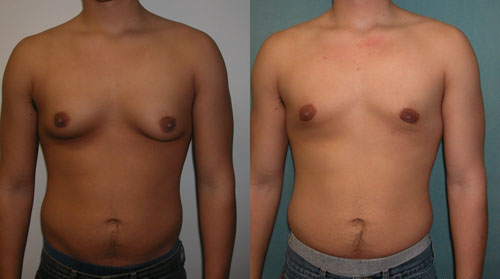
Ginecomastia

Ginecomastia fisiológica en un varón adolescente

Imagen: “Adolescent Gynecomastia corrected by surgery protocol” por David Andrew Copeland, Dr. Mordcai Blau. Licencia: Licencia de Documentación Libre de GNU

Tratamiento

  • Tratamiento de la causa subyacente:
    • Suspender el medicamento inductor
    • Tratar la condición médica subyacente
  • Observación:
    • Indicado en EN Erythema nodosum is an immune-mediated panniculitis (inflammation of the subcutaneous fat) caused by a type IV (delayed-type) hypersensitivity reaction. It commonly manifests in young women as tender, erythematous nodules on the shins. Erythema Nodosum la ginecomastia fisiológica durante todo el periodo de edad
    • Indicado en EN Erythema nodosum is an immune-mediated panniculitis (inflammation of the subcutaneous fat) caused by a type IV (delayed-type) hypersensitivity reaction. It commonly manifests in young women as tender, erythematous nodules on the shins. Erythema Nodosum ginecomastia patológica de < 6 meses de inicio
    • Mamografía y biopsia si hay sospecha clínica de malignidad
  • Tratamiento médico:
    • Reemplazo de testosterona: en EN Erythema nodosum is an immune-mediated panniculitis (inflammation of the subcutaneous fat) caused by a type IV (delayed-type) hypersensitivity reaction. It commonly manifests in young women as tender, erythematous nodules on the shins. Erythema Nodosum pacientes con hipogonadismo
    • Moduladores selectivos de los LOS Neisseria receptores de estrógenos (e.g., tamoxifeno): para la ginecomastia fisiológica grave o idiopática de más de 3 meses de duración
  • Cirugía: la mastectomía subcutánea está indicada por cosmética en EN Erythema nodosum is an immune-mediated panniculitis (inflammation of the subcutaneous fat) caused by a type IV (delayed-type) hypersensitivity reaction. It commonly manifests in young women as tender, erythematous nodules on the shins. Erythema Nodosum la ginecomastia de más de un año de duración.

Diagnóstico Diferencial

Las siguientes condiciones son diagnósticos diferenciales de la ginecomastia:

  • Hipogonadismo: condición caracterizada por la disminución de la producción de esteroides sexuales en EN Erythema nodosum is an immune-mediated panniculitis (inflammation of the subcutaneous fat) caused by a type IV (delayed-type) hypersensitivity reaction. It commonly manifests in young women as tender, erythematous nodules on the shins. Erythema Nodosum las gónadas. En EN Erythema nodosum is an immune-mediated panniculitis (inflammation of the subcutaneous fat) caused by a type IV (delayed-type) hypersensitivity reaction. It commonly manifests in young women as tender, erythematous nodules on the shins. Erythema Nodosum los LOS Neisseria hombres, puede ser el resultado de una insuficiencia testicular primaria o secundaria debida a trastornos hipofisarios o hipotalámicos.
  • Cáncer de mama: una neoplasia que se origina en EN Erythema nodosum is an immune-mediated panniculitis (inflammation of the subcutaneous fat) caused by a type IV (delayed-type) hypersensitivity reaction. It commonly manifests in young women as tender, erythematous nodules on the shins. Erythema Nodosum el tejido mamario; el 1% de los LOS Neisseria casos de cáncer de mama se dan en EN Erythema nodosum is an immune-mediated panniculitis (inflammation of the subcutaneous fat) caused by a type IV (delayed-type) hypersensitivity reaction. It commonly manifests in young women as tender, erythematous nodules on the shins. Erythema Nodosum hombres. Este diagnóstico debe considerarse si la masa es unilateral, dura, fija, asociada a hoyuelos en EN Erythema nodosum is an immune-mediated panniculitis (inflammation of the subcutaneous fat) caused by a type IV (delayed-type) hypersensitivity reaction. It commonly manifests in young women as tender, erythematous nodules on the shins. Erythema Nodosum la piel, ulcerosa, no concéntrica con el pezón, asociada a una secreción sanguinolenta, o si está presente una linfadenopatía axilar.
  • Mastitis Mastitis Mastitis is inflammation of the breast tissue with or without infection. The most common form of mastitis is associated with lactation in the first few weeks after birth. Non-lactational mastitis includes periductal mastitis and idiopathic granulomatous mastitis (IGM). Mastitis: inflamación del tejido de la glándula mamaria, que puede ocurrir por lactancia o no. Afecta sobre todo a las mujeres en EN Erythema nodosum is an immune-mediated panniculitis (inflammation of the subcutaneous fat) caused by a type IV (delayed-type) hypersensitivity reaction. It commonly manifests in young women as tender, erythematous nodules on the shins. Erythema Nodosum edad fértil durante las primeras 6 semanas de lactancia.
  • Lipoma Lipoma A lipoma is a benign neoplasm of fat cells (adipocytes) and the most common soft tissue tumor in adults. The etiology is unknown, but obesity is a predisposing factor; genetics also play a role, with multiple lipomas occurring in various inherited disorders. Lipoma: es un tumor Tumor Inflammation benigno de tejidos blandos que está compuesto por adipocitos maduros. El lipoma Lipoma A lipoma is a benign neoplasm of fat cells (adipocytes) and the most common soft tissue tumor in adults. The etiology is unknown, but obesity is a predisposing factor; genetics also play a role, with multiple lipomas occurring in various inherited disorders. Lipoma suele presentarse como una masa blanda subcutánea, móvil e indolora.
  • Pseudoginecomastia: cuando la zona mamaria masculina presenta un exceso de tejido adiposo (grasa) detrás, alrededor y debajo de los LOS Neisseria pezones. Esta condición suele deberse a la obesidad.

Referencias

  1. Johnson, R. E., y Murad, M. H. (2009). Gynecomastia: pathophysiology, evaluation, and management. Mayo Clinic proceedings, 84(11), 1010-1015. https://doi.org/10.1016/S0025-6196(11)60671-X
  2. Braunstein, G. D., & Anawalt, B. D. (2024). Clinical features, diagnosis, and evaluation of gynecomastia in adults. UpToDate. Retrieved November 19, 2024, from https://www.uptodate.com/contents/clinical-features-diagnosis-and-evaluation-of-gynecomastia-in-adults
  3. Hoda SA, Brogi E, Koerner FC, Rosen PP. Rosen’s Breast Pathology, 4th Edition. Lippincott Williams & Wilkins.
  4. Nuttall, F. Q., Warrier, R. S., & Gannon, M. C. (2015). Gynecomastia and drugs: a critical evaluation of the literature. European journal of clinical pharmacology, 71(5), 569–578. https://doi.org/10.1007/s00228-015-1835-x
  5. Deepinder F, Braunstein G. Drug-induced gynecomastia: An evidence-based review. Expert Opinion on Drug Safety. 2012;11(5):779-95. doi: 10.1517/14740338.2012.712109

¡Crea tu cuenta gratis o inicia una sesión para seguir leyendo!

Regístrate ahora y obtén acceso gratuito a Lecturio con páginas de concepto, videos médicos y cuestionarios para tu educación médica.

User Reviews

Details