Domina Conceptos Médicos

Estudia para la escuela de medicina y tus examenes con Lecturio.

Fibroadenoma

Los LOS Neisseria fibroadenomas son el tumor Tumor Inflammation benigno más frecuente de la mama femenina y el tumor Tumor Inflammation mamario más común en EN Erythema nodosum is an immune-mediated panniculitis (inflammation of the subcutaneous fat) caused by a type IV (delayed-type) hypersensitivity reaction. It commonly manifests in young women as tender, erythematous nodules on the shins. Erythema Nodosum las adolescentes y mujeres jóvenes. Los LOS Neisseria tumores son bien circunscritos, móviles y a menudo encapsulados, con una consistencia gomosa o firme. Los LOS Neisseria fibroadenomas responden a hormonas, por lo que pueden aumentar de tamaño durante el embarazo y suelen remitir tras la menopausia. Histológicamente, los LOS Neisseria fibroadenomas están compuestos por una proliferación bifásica de elementos glandulares y estromales. Los LOS Neisseria fibroadenomas se asocian a un riesgo ligeramente mayor de carcinoma, con un riesgo algo más elevado si se presentan los LOS Neisseria denominados rasgos “complejos”. El diagnóstico se basa en EN Erythema nodosum is an immune-mediated panniculitis (inflammation of the subcutaneous fat) caused by a type IV (delayed-type) hypersensitivity reaction. It commonly manifests in young women as tender, erythematous nodules on the shins. Erythema Nodosum los LOS Neisseria hallazgos físicos y en EN Erythema nodosum is an immune-mediated panniculitis (inflammation of the subcutaneous fat) caused by a type IV (delayed-type) hypersensitivity reaction. It commonly manifests in young women as tender, erythematous nodules on the shins. Erythema Nodosum el ultrasonido. El tratamiento se basa en EN Erythema nodosum is an immune-mediated panniculitis (inflammation of the subcutaneous fat) caused by a type IV (delayed-type) hypersensitivity reaction. It commonly manifests in young women as tender, erythematous nodules on the shins. Erythema Nodosum chequeos periódicos para monitorizar el crecimiento.

Last updated: Dec 15, 2025
Editorial responsibility: Stanley Oiseth, Lindsay Jones, Evelin Maza

Definición, Epidemiología y Etiología

Definición

  • Masas mamarias benignas
  • Compuestas por tejido fibroso y glandular

Epidemiología

  • Más frecuente en EN Erythema nodosum is an immune-mediated panniculitis (inflammation of the subcutaneous fat) caused by a type IV (delayed-type) hypersensitivity reaction. It commonly manifests in young women as tender, erythematous nodules on the shins. Erythema Nodosum mujeres < 35 años (pico de incidencia: 15–35 años)
  • Es el tumor Tumor Inflammation benigno más común de la mama y el más frecuente en EN Erythema nodosum is an immune-mediated panniculitis (inflammation of the subcutaneous fat) caused by a type IV (delayed-type) hypersensitivity reaction. It commonly manifests in young women as tender, erythematous nodules on the shins. Erythema Nodosum mujeres jóvenes
  • Representa la mitad de todas las biopsias mamarias
  • Solo un ligero aumento del riesgo de desarrollar un cáncer de mama maligno, con un riesgo algo mayor si se presentan rasgos “complejos”:

Etiología

  • Desconocida
  • Es poco probable que sea hereditario
  • Correlación negativa con el tabaquismo
  • Se ha HA Hemolytic anemia (HA) is the term given to a large group of anemias that are caused by the premature destruction/hemolysis of circulating red blood cells (RBCs). Hemolysis can occur within (intravascular hemolysis) or outside the blood vessels (extravascular hemolysis). Hemolytic Anemia establecido una relación con el estrógeno:
    • Aumenta de tamaño durante el embarazo, la lactancia, cíclicamente con la menstruación y con el uso de anticonceptivos orales
    • Involuciona después de la menopausia

Presentación Clínica

  • Generalmente asintomático
  • Lesión solitaria en EN Erythema nodosum is an immune-mediated panniculitis (inflammation of the subcutaneous fat) caused by a type IV (delayed-type) hypersensitivity reaction. It commonly manifests in young women as tender, erythematous nodules on the shins. Erythema Nodosum el 80% de casos
  • El 20% de casos consiste en EN Erythema nodosum is an immune-mediated panniculitis (inflammation of the subcutaneous fat) caused by a type IV (delayed-type) hypersensitivity reaction. It commonly manifests in young women as tender, erythematous nodules on the shins. Erythema Nodosum múltiples fibroadenomas que se presentan en EN Erythema nodosum is an immune-mediated panniculitis (inflammation of the subcutaneous fat) caused by a type IV (delayed-type) hypersensitivity reaction. It commonly manifests in young women as tender, erythematous nodules on the shins. Erythema Nodosum la misma mama o de forma bilateral.
  • Masa móvil, pequeña, esférica y bien definida, de consistencia gomosa o firme
  • Diámetro de 3–10 cm que provoca asimetría mamaria (generalmente < 3 cm)
  • Generalmente, se encuentran en EN Erythema nodosum is an immune-mediated panniculitis (inflammation of the subcutaneous fat) caused by a type IV (delayed-type) hypersensitivity reaction. It commonly manifests in young women as tender, erythematous nodules on the shins. Erythema Nodosum el cuadrante superior externo de la mama
  • Cambios cíclicos de tamaño relacionados con el ciclo menstrual debido a la sensibilidad a los LOS Neisseria estrógenos
  • Otros tipos de fibroadenomas:
    • Fibroadenomas juveniles
      • Generalmente ocurren en EN Erythema nodosum is an immune-mediated panniculitis (inflammation of the subcutaneous fat) caused by a type IV (delayed-type) hypersensitivity reaction. It commonly manifests in young women as tender, erythematous nodules on the shins. Erythema Nodosum pacientes afroamericanas de 10–18 años
      • Rápido aumento de tamaño
      • Pueden causar ulceración cutánea
    • Fibroadenomas gigantes
      • Fibroadenomas típicos histológicamente > 10 cm de tamaño
      • Se recomienda la escisión
    • Fibroadenomas complejos
      • Cambios patológicos proliferativos
      • Se asocian con un ligero aumento del riesgo de cáncer
      • El tratamiento es controvertido

Diagnóstico y Tratamiento

Diagnóstico

  • Ultrasonido:
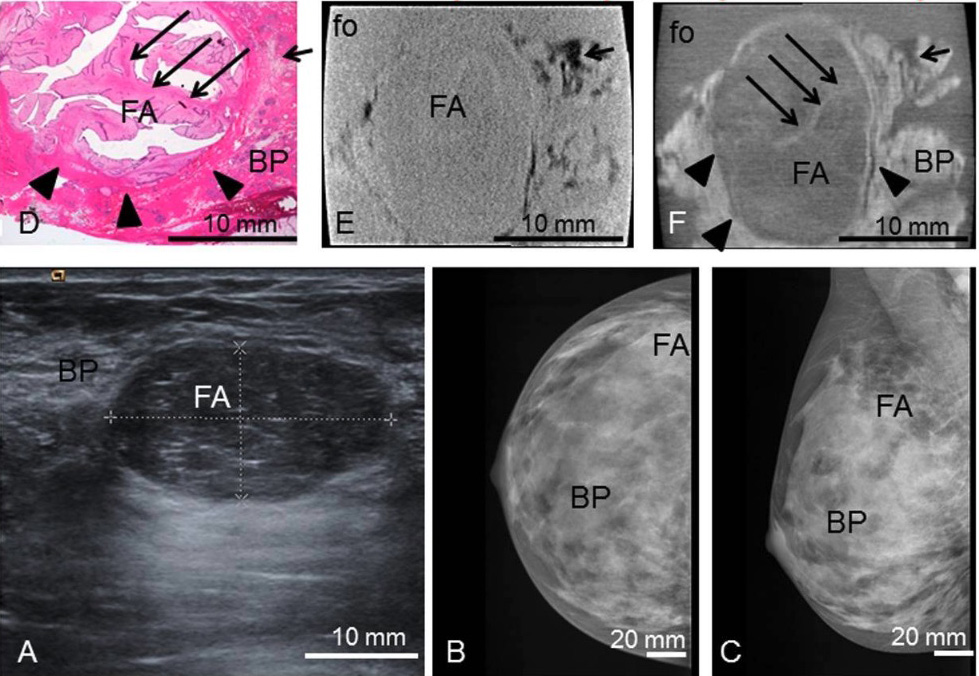
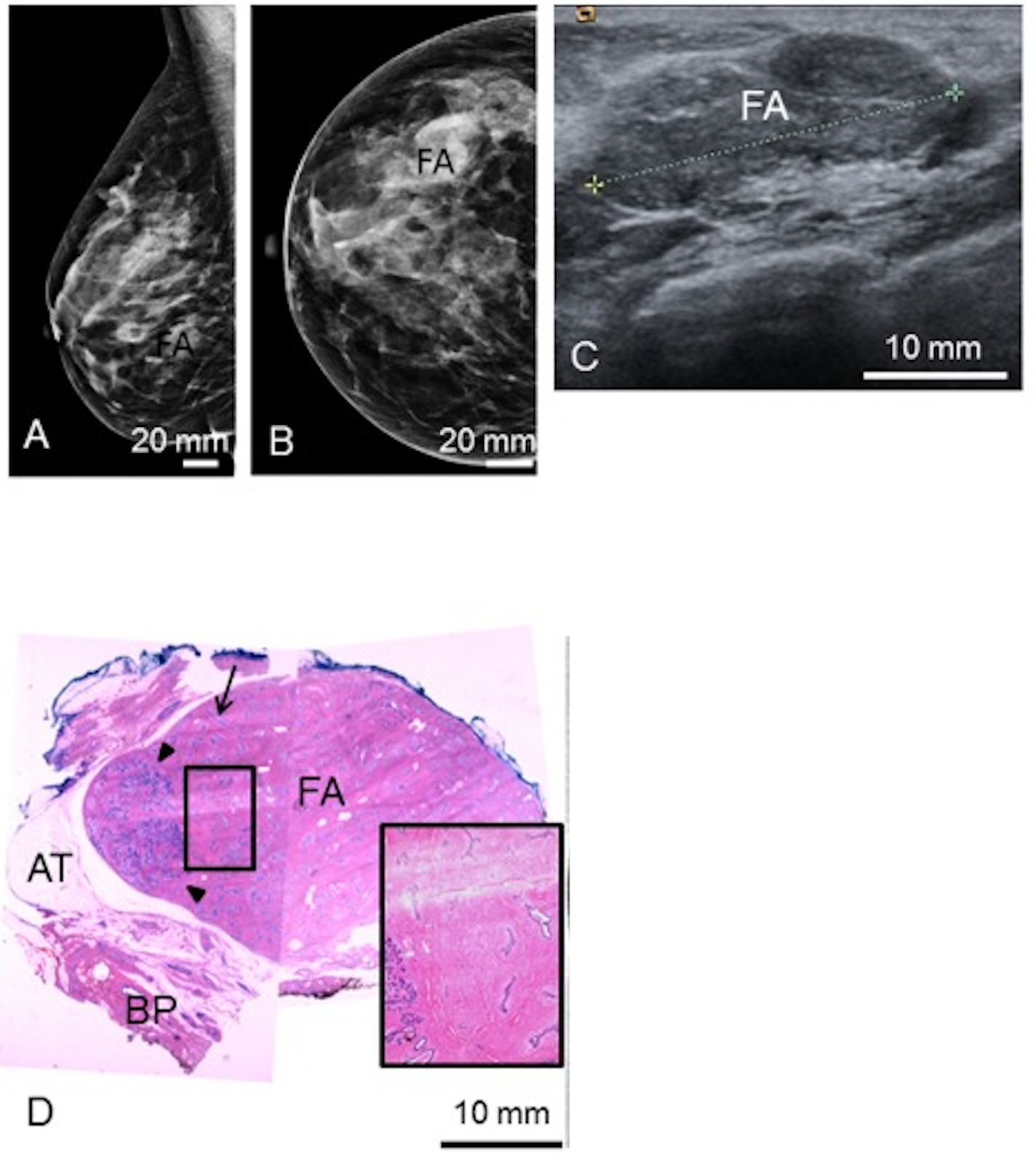
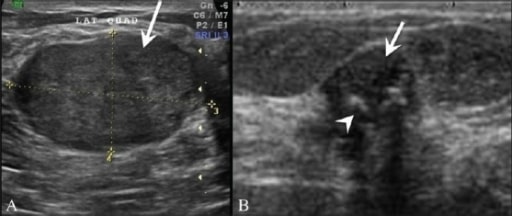
    • Masa bien definida con límites suaves y regulares y una señal débil de eco
    • 25% de los LOS Neisseria casos tiene bordes irregulares → biopsia para confirmar benignidad
  • Mamografía o resonancia magnética (RM): límites regulares y calcificaciones en EN Erythema nodosum is an immune-mediated panniculitis (inflammation of the subcutaneous fat) caused by a type IV (delayed-type) hypersensitivity reaction. It commonly manifests in young women as tender, erythematous nodules on the shins. Erythema Nodosum forma de palomita de maíz
  • Aspiración con aguja fina (método de elección para la biopsia):
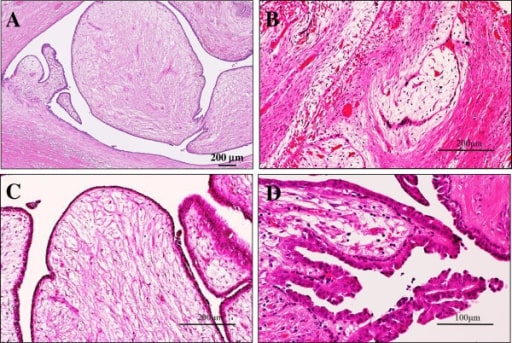
    • Tejido fibroso y glandular con grupos de células fusiformes
    • Grupos en EN Erythema nodosum is an immune-mediated panniculitis (inflammation of the subcutaneous fat) caused by a type IV (delayed-type) hypersensitivity reaction. It commonly manifests in young women as tender, erythematous nodules on the shins. Erythema Nodosum “cuerno de alce”
    • Patrón en “panal de abeja”

Tratamiento

  • Chequeos periódicos en los casos confirmados como benignos (abordaje “expectante”)
  • Crioablación para fibroadenomas pequeños pero sintomáticos
  • Resección quirúrgica para casos de fibroadenomas juveniles y gigantes, límites irregulares y pacientes con antecedentes personales o familiares de cáncer de mama

Diagnóstico Diferencial

Las siguientes afecciones son diagnósticos diferenciales de los LOS Neisseria fibroadenomas:

  • Galactocele Galactocele Benign Breast Conditions: quiste de retención dentro de la glándula mamaria que contiene leche, que se presenta como una masa palpable y firme en EN Erythema nodosum is an immune-mediated panniculitis (inflammation of the subcutaneous fat) caused by a type IV (delayed-type) hypersensitivity reaction. It commonly manifests in young women as tender, erythematous nodules on the shins. Erythema Nodosum la región subareolar.
  • Absceso mamario: acumulación de pus dentro de la glándula mamaria. Generalmente, se asocia con mastitis Mastitis Mastitis is inflammation of the breast tissue with or without infection. The most common form of mastitis is associated with lactation in the first few weeks after birth. Non-lactational mastitis includes periductal mastitis and idiopathic granulomatous mastitis (IGM). Mastitis de la lactancia. Se presenta como una masa unilateral y fluctuante dentro de una mama dolorosa, eritematosa y edematosa.
  • Papiloma intraductal: masa benigna con una configuración papilar de estroma mamario y epitelio dentro de un conducto mamario, que se presenta como una masa solitaria que se encuentra cerca o detrás del pezón, con secreción sanguinolenta del pezón.
  • Tumor Tumor Inflammation filoides: tumor Tumor Inflammation fibroepitelial poco común, similar a un fibroadenoma Fibroadenoma Fibroadenomas are the most common benign tumor of the female breast and the most common breast tumor in adolescent and young women. The tumors are well-circumscribed, mobile, and unencapsulated, with a rubbery or firm consistency. Fibroadenoma, pero que requiere una escisión quirúrgica completa con bordes limpios debido a su potencial maligno. Los LOS Neisseria tumores se clasifican en EN Erythema nodosum is an immune-mediated panniculitis (inflammation of the subcutaneous fat) caused by a type IV (delayed-type) hypersensitivity reaction. It commonly manifests in young women as tender, erythematous nodules on the shins. Erythema Nodosum benignos, limítrofes y malignos. Histológicamente, estos tumores presentan un crecimiento excesivo del estroma con un aumento de la actividad mitótica, y los LOS Neisseria tumores limítrofes y malignos muestran bordes infiltrantes.
  • Cambios fibroquísticos de la mama: se refiere a cambios comunes que se producen en EN Erythema nodosum is an immune-mediated panniculitis (inflammation of the subcutaneous fat) caused by a type IV (delayed-type) hypersensitivity reaction. It commonly manifests in young women as tender, erythematous nodules on the shins. Erythema Nodosum el tejido mamario a medida que la mujer envejece, causando una mama “abultada” en EN Erythema nodosum is an immune-mediated panniculitis (inflammation of the subcutaneous fat) caused by a type IV (delayed-type) hypersensitivity reaction. It commonly manifests in young women as tender, erythematous nodules on the shins. Erythema Nodosum las expresiones más pronunciadas de la afección. Estos cambios pueden ser no proliferativos (quistes, fibrosis Fibrosis Any pathological condition where fibrous connective tissue invades any organ, usually as a consequence of inflammation or other injury. Bronchiolitis Obliterans, adenosis Adenosis Fibrocystic Change) o proliferativos (proliferación epitelial, adenosis Adenosis Fibrocystic Change esclerosante, papiloma), con o sin atipia. La hiperplasia atípica tiene un riesgo moderadamente mayor de carcinoma.
  • Mastitis Mastitis Mastitis is inflammation of the breast tissue with or without infection. The most common form of mastitis is associated with lactation in the first few weeks after birth. Non-lactational mastitis includes periductal mastitis and idiopathic granulomatous mastitis (IGM). Mastitis: inflamación del tejido de la glándula mamaria; puede ser lactante o no lactante. La mastitis Mastitis Mastitis is inflammation of the breast tissue with or without infection. The most common form of mastitis is associated with lactation in the first few weeks after birth. Non-lactational mastitis includes periductal mastitis and idiopathic granulomatous mastitis (IGM). Mastitis es más frecuente en EN Erythema nodosum is an immune-mediated panniculitis (inflammation of the subcutaneous fat) caused by a type IV (delayed-type) hypersensitivity reaction. It commonly manifests in young women as tender, erythematous nodules on the shins. Erythema Nodosum las mujeres en EN Erythema nodosum is an immune-mediated panniculitis (inflammation of the subcutaneous fat) caused by a type IV (delayed-type) hypersensitivity reaction. It commonly manifests in young women as tender, erythematous nodules on the shins. Erythema Nodosum edad fértil.
  • Necrosis Necrosis The death of cells in an organ or tissue due to disease, injury or failure of the blood supply. Ischemic Cell Damage grasa de la mama: generalmente se debe a una lesión mamaria que a menudo pasa desapercibida. A medida que se repara el tejido mamario dañado, se sustituye por tejido cicatricial. Sin embargo, algunas células grasas pueden tener una respuesta diferente y formar lo que se conoce como quistes oleosos.
  • Cáncer de mama: tumor Tumor Inflammation maligno de la glándula mamaria. Los LOS Neisseria 2 tipos histológicos más comunes de cáncer de mama son el carcinoma ductal y el carcinoma lobulillar.

Referencias

  1. Vinay K, Abbas A, Aster J. Robbins & Cotran Pathologic Basis of Disease. 2020, 10th Edition, Elsevier.
  2. Sabel MS. Overview of benign breast disease. UpToDate. Retrieved October 16, 2025, from https://www.uptodate.com/contents/overview-of-benign-breast-disease#H14
  3. Ajmal M, Khan M, Van Fossen K. Breast Fibroadenoma. [Updated 2022 Oct 6]. In: StatPearls [Internet]. Treasure Island (FL): StatPearls Publishing; 2025 Jan-. Available from: https://www.ncbi.nlm.nih.gov/books/NBK535345/

¡Crea tu cuenta gratis o inicia una sesión para seguir leyendo!

Regístrate ahora y obtén acceso gratuito a Lecturio con páginas de concepto, videos médicos y cuestionarios para tu educación médica.

User Reviews

Que tengas una sesión de estudio alegre y navideña 🎁 Ahorra 50% en todos los planes >>

Details