Domina Conceptos Médicos

Estudia para la escuela de medicina y tus examenes con Lecturio.

Esclerodermia

La esclerodermia (esclerosis sistémica) es una enfermedad autoinmune caracterizada por el depósito difuso de colágeno y fibrosis Fibrosis Any pathological condition where fibrous connective tissue invades any organ, usually as a consequence of inflammation or other injury. Bronchiolitis Obliterans. La presentación clínica varía desde una afectación limitada de la piel hasta una afectación difusa de los LOS Neisseria órganos internos. El diagnóstico se establece mediante una combinación de hallazgos físicos y serología. No existe tratamiento curativo. Las opciones de tratamiento son limitadas e incluyen medicamentos inmunosupresores, así como medicamentos dirigidos a órganos específicos o a los LOS Neisseria síntomas. La supervivencia general a 5 años de los LOS Neisseria pacientes con esclerodermia es de alrededor del 80%.

Last updated: Dec 15, 2025

Editorial responsibility: Stanley Oiseth, Lindsay Jones, Evelin Maza

Descripción General

Definición

La esclerodermia, también conocida como esclerosis sistémica, es un trastorno autoinmune en EN Erythema nodosum is an immune-mediated panniculitis (inflammation of the subcutaneous fat) caused by a type IV (delayed-type) hypersensitivity reaction. It commonly manifests in young women as tender, erythematous nodules on the shins. Erythema Nodosum el que hay un depósito progresivo de colágeno en EN Erythema nodosum is an immune-mediated panniculitis (inflammation of the subcutaneous fat) caused by a type IV (delayed-type) hypersensitivity reaction. It commonly manifests in young women as tender, erythematous nodules on the shins. Erythema Nodosum la piel y los LOS Neisseria órganos internos que provoca estiramiento y fibrosis Fibrosis Any pathological condition where fibrous connective tissue invades any organ, usually as a consequence of inflammation or other injury. Bronchiolitis Obliterans.

Epidemiología

  • Las mujeres tienen 5 veces más probabilidades de verse afectadas que los LOS Neisseria hombres.
  • Mujeres más propensas a tener una presentación:
    • Más jóvenes
    • Con enfermedad limitada
    • Con hipertensión pulmonar
  • Edad máxima de presentación: 35–50 años
  • Más grave en EN Erythema nodosum is an immune-mediated panniculitis (inflammation of the subcutaneous fat) caused by a type IV (delayed-type) hypersensitivity reaction. It commonly manifests in young women as tender, erythematous nodules on the shins. Erythema Nodosum pacientes afroamericanos

Etiología

  • Se desconoce la etiología.
  • No hay herencia directa, pero la predisposición genética juega un papel.
  • La desregulación del sistema inmunológico es fundamental para el desarrollo de la enfermedad.
    • Implica autoanticuerpos específicos (ej., anticuerpos anti-topoisomerasa I/anti-Scl-70, anticentrómero)
  • Se sospecha de desencadenantes ambientales como:
    • Infecciosos (citomegalovirus, herpesvirus, parvovirus)
    • Ambiental:
      • Exposición al AL Amyloidosis sílice
      • Disolventes (cloruro de vinilo, benceno)
    • Medicamentos (bleomicina)
    • Exposición a la radiación

Fisiopatología y Presentación Clínica

Fisiopatología

  • No se comprende completamente
  • Tres procesos complejos interrelacionados son la base de la patogénesis:
    • Activación anormal de la inmunidad tanto humoral como celular → trastorno autoinmune
      • Daño endotelial microvascular probablemente causado por anticuerpos antiendoteliales
      • Acumulación perivascular de linfocitos T y B, macrófagos y precursores de fibroblastos
      • Secreción de citoquinas y factores de crecimiento por células inflamatorias
    • Estimulación anormal de la activación y proliferación de fibroblastos dentro de pequeñas arterias y arteriolas
    • Deposición progresiva de colágeno y otras moléculas de la matriz extracelular dentro de la piel y los LOS Neisseria órganos internos

Variantes clínicas

  • Esclerodermia cutánea difusa:
    • Manos edematizadas
    • Afecta la piel proximal a las rodillas y los LOS Neisseria codos (tronco, cuello y cara)
    • Afectación temprana y extensa de órganos internos en EN Erythema nodosum is an immune-mediated panniculitis (inflammation of the subcutaneous fat) caused by a type IV (delayed-type) hypersensitivity reaction. It commonly manifests in young women as tender, erythematous nodules on the shins. Erythema Nodosum el curso de la enfermedad
    • Progresión rápida con engrosamiento difuso de la piel y afectación pulmonar, renal y cardiaca
  • Esclerodermia cutánea limitada:
    • Dedos edematosos distales a las articulaciones metacarpofalángicas
    • Limitado a la piel distal a los LOS Neisseria codos y las rodillas
    • Síntomas vasculares prominentes:
    • También conocido como síndrome CREST ( en EN Erythema nodosum is an immune-mediated panniculitis (inflammation of the subcutaneous fat) caused by a type IV (delayed-type) hypersensitivity reaction. It commonly manifests in young women as tender, erythematous nodules on the shins. Erythema Nodosum inglés):
      • Calcinosis
      • Raynaud´s phenomenon (fenomeno de Raynaud)
      • Esophageal dysmotility (dismotilidad esofagica)
      • Sclerodactyly (esclerodactilia (piel que tira sobre los LOS Neisseria dedos))
      • Telangiectasias
  • Esclerodermia de senos (raro):
    • Sin afectación cutánea detectable
    • Fenómeno de Raynaud, úlceras digitales e hipertensión arterial pulmonar
  • Esclerodermia con síndrome de superposición:
    • Síntomas de cualquiera de las otras variantes
    • Superposición con otras enfermedades reumatológicas:
      • Lupus
      • Artritis reumatoide
      • Polimiositis
      • Síndrome de Sjögren

Síntomas clínicos

Esclerodermia cutánea difusa y limitada:

  • Síntomas constitucionales:
    • Fiebre
    • Fatiga
    • Pérdida de peso
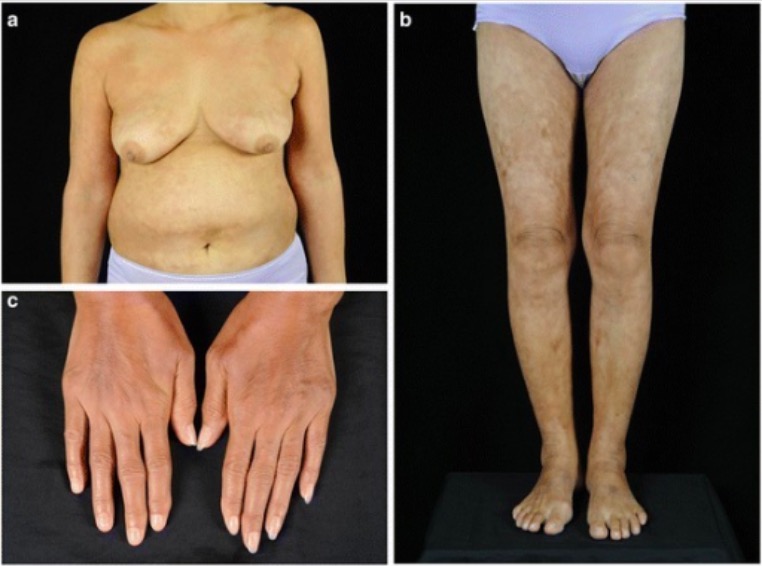
  • Piel:
    • Inflamación con edema Edema Edema is a condition in which excess serous fluid accumulates in the body cavity or interstitial space of connective tissues. Edema is a symptom observed in several medical conditions. It can be categorized into 2 types, namely, peripheral (in the extremities) and internal (in an organ or body cavity). Edema sin fóvea
    • Engrosamiento/estiramiento de la piel:
      • Esclerodactilia
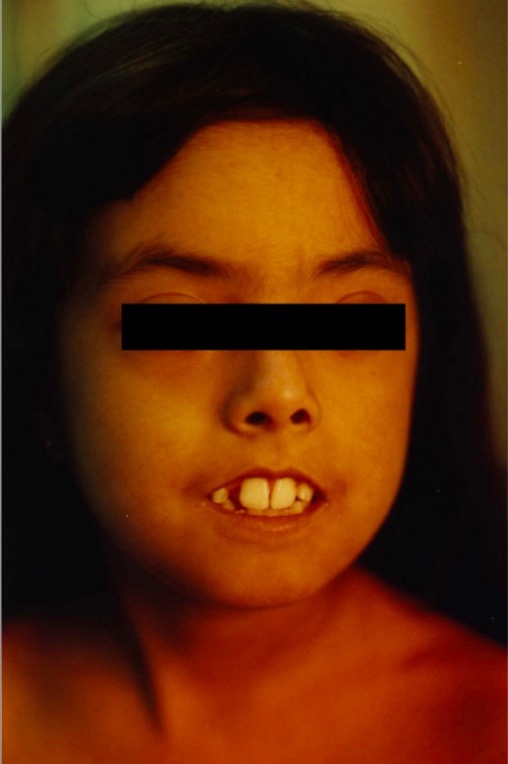
      • Piel perioral → reducción de la apertura de la boca
      • Alrededor de pequeñas articulaciones → contracturas
    • Hiper-/hipopigmentación
    • Prurito
  • Manos:
    • Fenómeno de Raynaud prolongado
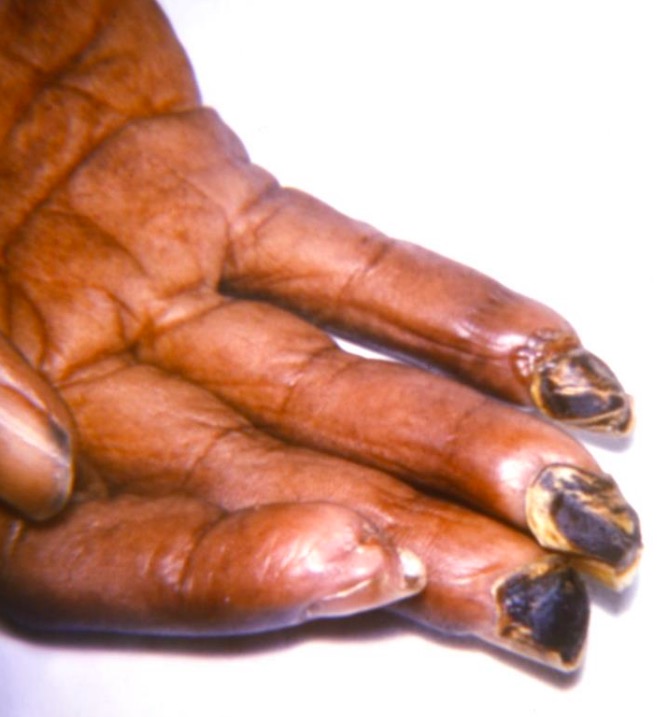
    • Calcinosis Calcinosis Pathologic deposition of calcium salts in tissues. Scleroderma cutánea (depósito de calcio debajo de la piel → protuberancias duras)
    • Ulceración digital
    • Gangrena
    • Telangiectasia Telangiectasia Permanent dilation of preexisting blood vessels creating small focal red lesions, most commonly in the skin or mucous membranes. It is characterized by the prominence of skin blood vessels, such as vascular spiders. Chronic Venous Insufficiency del lecho ungueal

Formas difusas con o sin afectación cutánea:
  • Gastrointestinal (90%):
    • Disfagia
    • Enfermedad por reflujo gastroesofágico
    • Disfonía
    • Malabsorción
    • Ectasia vascular → estómago en EN Erythema nodosum is an immune-mediated panniculitis (inflammation of the subcutaneous fat) caused by a type IV (delayed-type) hypersensitivity reaction. It commonly manifests in young women as tender, erythematous nodules on the shins. Erythema Nodosum sandía
  • Pulmonar (80%):
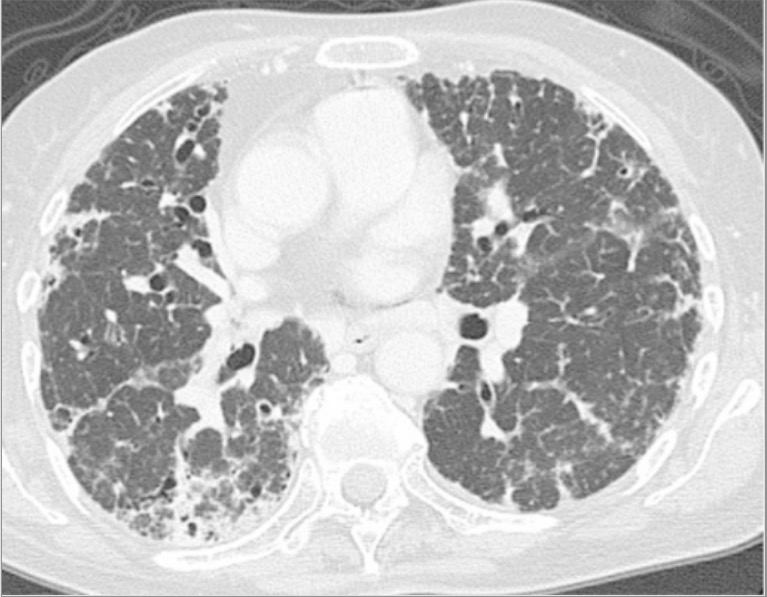
    • Enfermedad pulmonar intersticial → fibrosis Fibrosis Any pathological condition where fibrous connective tissue invades any organ, usually as a consequence of inflammation or other injury. Bronchiolitis Obliterans pulmonar
    • Hipertensión arterial pulmonar
    • Tromboembolismo pulmonar
  • Cardíaca:
    • Miocardiopatía restrictiva
    • Pericarditis Pericarditis Pericarditis is an inflammation of the pericardium, often with fluid accumulation. It can be caused by infection (often viral), myocardial infarction, drugs, malignancies, metabolic disorders, autoimmune disorders, or trauma. Acute, subacute, and chronic forms exist. Pericarditis constrictiva
    • Arritmias
  • Genitourinaria:
    • Dispareunia
    • Disfunción eréctil
  • Renal:
    • Hipertensión
    • Enfermedad renal crónica
    • Crisis renal esclerodérmica:
      • Insuficiencia renal aguda potencialmente mortal
      • Hipertensión maligna
  • Musculoesquelética:
  • Neuromuscular:
    • Atrofia muscular
    • Debilidad
    • Miopatía
    • Neuropatías

Related videos

Diagnóstico

Examen físico

  • 1er paso en EN Erythema nodosum is an immune-mediated panniculitis (inflammation of the subcutaneous fat) caused by a type IV (delayed-type) hypersensitivity reaction. It commonly manifests in young women as tender, erythematous nodules on the shins. Erythema Nodosum la evaluación
  • Se deben buscar cambios característicos en EN Erythema nodosum is an immune-mediated panniculitis (inflammation of the subcutaneous fat) caused by a type IV (delayed-type) hypersensitivity reaction. It commonly manifests in young women as tender, erythematous nodules on the shins. Erythema Nodosum la piel y las manos.

Estudios de laboratorio

  • Generales:
    • Hemograma completo ( anemia Anemia Anemia is a condition in which individuals have low Hb levels, which can arise from various causes. Anemia is accompanied by a reduced number of RBCs and may manifest with fatigue, shortness of breath, pallor, and weakness. Subtypes are classified by the size of RBCs, chronicity, and etiology. Anemia: Overview and Types):
      • Malabsorción
      • Deficiencia de hierro
      • Pérdida de sangre en EN Erythema nodosum is an immune-mediated panniculitis (inflammation of the subcutaneous fat) caused by a type IV (delayed-type) hypersensitivity reaction. It commonly manifests in young women as tender, erythematous nodules on the shins. Erythema Nodosum el tracto gastrointestinal
    • CK: miopatía/miositis
    • Análisis de orina para evaluar la función renal:
    • Creatinina sérica
  • Serología:
    • Anticuerpo antinuclear (ANA): presente en EN Erythema nodosum is an immune-mediated panniculitis (inflammation of the subcutaneous fat) caused by a type IV (delayed-type) hypersensitivity reaction. It commonly manifests in young women as tender, erythematous nodules on the shins. Erythema Nodosum el 95% de los LOS Neisseria pacientes
    • Anticuerpo anticentrómero: específico para esclerodermia limitada
    • Anticuerpo anti-topoisomerasa I (anti-Scl 70):
      • Específico para la esclerodermia difusa
      • Asociada con enfermedad pulmonar intersticial
    • Anti-ARN polimerasa III:
      • Específica para esclerodermia difusa
      • Asociada con afectación de la piel rápidamente progresiva y crisis renal de esclerodermia

Exámenes adicionales

  • Prueba de funcionalismo pulmonar:
    • Defecto ventilatorio restrictivo
    • Disminución de la capacidad de difusión de monóxido de carbono en EN Erythema nodosum is an immune-mediated panniculitis (inflammation of the subcutaneous fat) caused by a type IV (delayed-type) hypersensitivity reaction. It commonly manifests in young women as tender, erythematous nodules on the shins. Erythema Nodosum una sola respiración
  • Tomografía computarizada (TC) de tórax de alta resolución: anomalías pulmonares intersticiales
  • Ecocardiograma: detección de hipertensión arterial pulmonar
  • Otros estudios en EN Erythema nodosum is an immune-mediated panniculitis (inflammation of the subcutaneous fat) caused by a type IV (delayed-type) hypersensitivity reaction. It commonly manifests in young women as tender, erythematous nodules on the shins. Erythema Nodosum función de la afectación de un órgano en EN Erythema nodosum is an immune-mediated panniculitis (inflammation of the subcutaneous fat) caused by a type IV (delayed-type) hypersensitivity reaction. It commonly manifests in young women as tender, erythematous nodules on the shins. Erythema Nodosum particular
TC de esclerodermia

TC de tórax que muestra fibrosis pulmonar en el momento del diagnóstico de esclerosis sistémica progresiva

Imagen: “Chest computed tomography scan” por Division of Respiratory Medicine, Mito Medical Center, University of Tsukuba, Mito, Ibaraki 310-0015, Japan. Licencia: CC BY 3.0

Biopsia de piel

  • Raramente indicada
  • Se puede realizar para diferenciar de otras enfermedades (e.g., fascitis eosinofílica, escleromixedema, amiloidosis)

Tratamiento

No existe un tratamiento curativo para la esclerodermia.

Objetivos del tratamiento

  • Minimizar los LOS Neisseria síntomas.
  • Retrasar la progresión de las complicaciones específicas de los LOS Neisseria órganos.

Piel

  • Prurito:
    • Evitar la sequedad (lociones lubricantes; evitar jabones secantes, calor Calor Inflammation).
    • Antihistamínicos
    • Prednisona en EN Erythema nodosum is an immune-mediated panniculitis (inflammation of the subcutaneous fat) caused by a type IV (delayed-type) hypersensitivity reaction. It commonly manifests in young women as tender, erythematous nodules on the shins. Erythema Nodosum dosis bajas
  • Esclerosis de la piel:
    • 1ra línea: metotrexato o micofenolato mofetilo
    • 2da línea: ciclofosfamida
    • Para casos refractarios: inmunoglobulina o rituximab Rituximab A murine-derived monoclonal antibody and antineoplastic agent that binds specifically to the cd20 antigen and is used in the treatment of leukemia; lymphoma and rheumatoid arthritis. Immunosuppressants
    • La terapia de luz ultravioleta A también es beneficiosa
  • Calcinosis Calcinosis Pathologic deposition of calcium salts in tissues. Scleroderma cutánea:
    • Minociclina oral
    • Extirpación quirúrgica de lesiones en EN Erythema nodosum is an immune-mediated panniculitis (inflammation of the subcutaneous fat) caused by a type IV (delayed-type) hypersensitivity reaction. It commonly manifests in young women as tender, erythematous nodules on the shins. Erythema Nodosum algunos casos.
  • Telangiectasia Telangiectasia Permanent dilation of preexisting blood vessels creating small focal red lesions, most commonly in the skin or mucous membranes. It is characterized by the prominence of skin blood vessels, such as vascular spiders. Chronic Venous Insufficiency: terapia con láser

Otros órganos

  • Riñones:
    • Inhibidores de la enzima convertidora de angiotensina
    • Evitar los LOS Neisseria glucocorticoides.
  • Reflujo esofágico: bloqueadores H2 o inhibidores de la bomba de protones
  • El fenómeno de Raynaud:
    • Evitar el frío.
    • Bloqueadores de los LOS Neisseria canales de calcio
    • Análogos de prostaciclina
  • Hipertensión pulmonar:
    • Antagonista del receptor Receptor Receptors are proteins located either on the surface of or within a cell that can bind to signaling molecules known as ligands (e.g., hormones) and cause some type of response within the cell. Receptors de endotelina ( bosentan Bosentan Pulmonary Hypertension Drugs)
    • Inhibidores de la fosfodiesterasa ( tadalafil Tadalafil A carboline derivative and phosphodiesterase 5 inhibitor that is used primarily to treat erectile dysfunction; benign prostatic hyperplasia and primary pulmonary hypertension. Phosphodiesterase Inhibitors)
    • Agonistas de la vía de la prostaciclina ( epoprostenol Epoprostenol A prostaglandin that is a powerful vasodilator and inhibits platelet aggregation. It is biosynthesized enzymatically from prostaglandin endoperoxides in human vascular tissue. The sodium salt has been also used to treat primary pulmonary hypertension. Hemostasis)
  • Fibrosis Fibrosis Any pathological condition where fibrous connective tissue invades any organ, usually as a consequence of inflammation or other injury. Bronchiolitis Obliterans pulmonar:
    • Micofenolato mofetilo
    • Ciclofosfamida

Pronóstico

  • Pacientes con esclerosis sistémica cutánea difusa (dcSSc):
    • Tasa de supervivencia a 5 años del 84%
    • Tasa de supervivencia a 10 años del 53–62%
  • Pacientes con esclerosis sistémica cutánea limitada (lcSSc):
    • Tasa de supervivencia a 5 años supera el 90%
    • Tasa de supervivencia a 10 años del 75–79%
  • La mortalidad en EN Erythema nodosum is an immune-mediated panniculitis (inflammation of the subcutaneous fat) caused by a type IV (delayed-type) hypersensitivity reaction. It commonly manifests in young women as tender, erythematous nodules on the shins. Erythema Nodosum pacientes con esclerodermia es 4 veces mayor que en EN Erythema nodosum is an immune-mediated panniculitis (inflammation of the subcutaneous fat) caused by a type IV (delayed-type) hypersensitivity reaction. It commonly manifests in young women as tender, erythematous nodules on the shins. Erythema Nodosum los LOS Neisseria controles pareados por sexo y edad.
  • Principales predictores de mortalidad:
    • Afectación extensa de la piel
    • Enfermedad pulmonar o cardiaca
    • Enfermedad renal
    • Edad de inicio más joven
    • Afrodescendientes

Diagnóstico Diferencial

  • Hipotiroidismo: trastorno asociado con la disminución de la producción de hormonas tiroideas. Una manifestación es el mixedema, que produce cambios en EN Erythema nodosum is an immune-mediated panniculitis (inflammation of the subcutaneous fat) caused by a type IV (delayed-type) hypersensitivity reaction. It commonly manifests in young women as tender, erythematous nodules on the shins. Erythema Nodosum la piel similares a la esclerodermia con estiramiento y engrosamiento. Los LOS Neisseria pacientes también se quejan de fatiga. Se diagnostica midiendo los LOS Neisseria niveles de hormona tiroidea y hormona estimulante de la tiroides. El tratamiento se basa en EN Erythema nodosum is an immune-mediated panniculitis (inflammation of the subcutaneous fat) caused by a type IV (delayed-type) hypersensitivity reaction. It commonly manifests in young women as tender, erythematous nodules on the shins. Erythema Nodosum la reposición de hormonas tiroideas.
  • Diabetes Diabetes Diabetes mellitus (DM) is a metabolic disease characterized by hyperglycemia and dysfunction of the regulation of glucose metabolism by insulin. Type 1 DM is diagnosed mostly in children and young adults as the result of autoimmune destruction of β cells in the pancreas and the resulting lack of insulin. Type 2 DM has a significant association with obesity and is characterized by insulin resistance. Diabetes Mellitus: trastorno endocrino causado por deficiencia de insulina o resistencia a la insulina. La diabetes Diabetes Diabetes mellitus (DM) is a metabolic disease characterized by hyperglycemia and dysfunction of the regulation of glucose metabolism by insulin. Type 1 DM is diagnosed mostly in children and young adults as the result of autoimmune destruction of β cells in the pancreas and the resulting lack of insulin. Type 2 DM has a significant association with obesity and is characterized by insulin resistance. Diabetes Mellitus mellitus tipo 1 de larga duración puede estar asociada con cambios en EN Erythema nodosum is an immune-mediated panniculitis (inflammation of the subcutaneous fat) caused by a type IV (delayed-type) hypersensitivity reaction. It commonly manifests in young women as tender, erythematous nodules on the shins. Erythema Nodosum la piel y esclerodactilia. El diagnóstico se establece mediante la medición de los LOS Neisseria niveles de glucosa en EN Erythema nodosum is an immune-mediated panniculitis (inflammation of the subcutaneous fat) caused by a type IV (delayed-type) hypersensitivity reaction. It commonly manifests in young women as tender, erythematous nodules on the shins. Erythema Nodosum sangre. El tratamiento se centra en EN Erythema nodosum is an immune-mediated panniculitis (inflammation of the subcutaneous fat) caused by a type IV (delayed-type) hypersensitivity reaction. It commonly manifests in young women as tender, erythematous nodules on the shins. Erythema Nodosum el reemplazo de insulina y el control de la glucosa en EN Erythema nodosum is an immune-mediated panniculitis (inflammation of the subcutaneous fat) caused by a type IV (delayed-type) hypersensitivity reaction. It commonly manifests in young women as tender, erythematous nodules on the shins. Erythema Nodosum sangre.
  • Amiloidosis: trastorno del depósito de fibrillas en EN Erythema nodosum is an immune-mediated panniculitis (inflammation of the subcutaneous fat) caused by a type IV (delayed-type) hypersensitivity reaction. It commonly manifests in young women as tender, erythematous nodules on the shins. Erythema Nodosum el tejido extracelular. La infiltración de la piel puede causar engrosamiento y el depósito sistémico puede provocar síntomas muy similares a los LOS Neisseria de la esclerodermia difusa. El diagnóstico se establece mediante biopsia de piel. Las modalidades de tratamiento dependen del tipo de amiloidosis.
  • Enfermedad de injerto contra huésped crónica: trastorno que generalmente sigue a un trasplante hematopoyético alogénico. Se puede asociar con cambios en EN Erythema nodosum is an immune-mediated panniculitis (inflammation of the subcutaneous fat) caused by a type IV (delayed-type) hypersensitivity reaction. It commonly manifests in young women as tender, erythematous nodules on the shins. Erythema Nodosum la piel similares a la esclerodermia. El diagnóstico se establece mediante biopsia de piel. El tratamiento consiste en EN Erythema nodosum is an immune-mediated panniculitis (inflammation of the subcutaneous fat) caused by a type IV (delayed-type) hypersensitivity reaction. It commonly manifests in young women as tender, erythematous nodules on the shins. Erythema Nodosum esteroides y medicamentos inmunosupresores.

Referencias

  1. Denton C.P. (2024). Overview of the treatment and prognosis of systemic sclerosis (scleroderma) in adults. UpToDate. Retrieved November 9, 2024, from https://www.uptodate.com/contents/overview-of-the-treatment-and-prognosis-of-systemic-sclerosis-scleroderma-in-adults
  2. Denton C.P. (2024). Pathogenesis of systemic sclerosis (scleroderma). UpToDate. Retrieved November 9, 2024, from https://www.uptodate.com/contents/pathogenesis-of-systemic-sclerosis-scleroderma
  3. Ingegnoli, F., Ughi, N., & Mihai, C. (2018). Update on the epidemiology, risk factors, and disease outcomes of systemic sclerosis. Best practice & research. Clinical rheumatology32(2), 223–240. https://doi.org/10.1016/j.berh.2018.08.005
  4. Jimenez S.A. (2024). Scleroderma. Medscape. Retrieved November 9, 2024, from https://emedicine.medscape.com/article/331864-overview
  5. Varga J. (2024). Clinical manifestations and diagnosis of systemic sclerosis (scleroderma) in adults. UpToDate. Retrieved November 9, 2024, from https://www.uptodate.com/contents/clinical-manifestations-and-diagnosis-of-systemic-sclerosis-scleroderma-in-adults
  6. Cunha J. P. (2023). Systemic Scleroderma Stages and Life Expectancy. eMedicineHealth. Retrieved on November 9, 2024, from https://www.emedicinehealth.com/systemic_scleroderma_stages_and_life_expectancy/article_em.htm

¡Crea tu cuenta gratis o inicia una sesión para seguir leyendo!

Regístrate ahora y obtén acceso gratuito a Lecturio con páginas de concepto, videos médicos y cuestionarios para tu educación médica.

User Reviews

Que tengas una sesión de estudio alegre y navideña 🎁 Ahorra 50% en todos los planes >>

Details