
Domina Conceptos Médicos

Estudia para la escuela de medicina y tus examenes con Lecturio.

Parámetros Pancreáticos

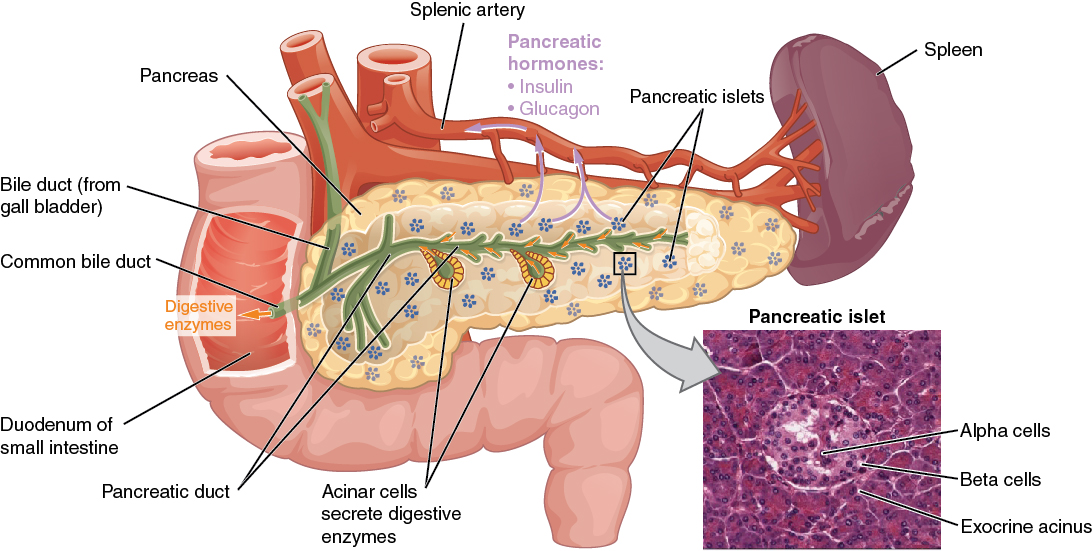
El páncreas es un órgano compuesto que contiene una combinación distintiva de linajes celulares. El tejido exocrino comprende células acinares, que secretan enzimas digestivas en EN Erythema nodosum is an immune-mediated panniculitis (inflammation of the subcutaneous fat) caused by a type IV (delayed-type) hypersensitivity reaction. It commonly manifests in young women as tender, erythematous nodules on the shins. Erythema Nodosum el intestino. La función endocrina la realizan los LOS Neisseria islotes de Langerhans, que consisten en EN Erythema nodosum is an immune-mediated panniculitis (inflammation of the subcutaneous fat) caused by a type IV (delayed-type) hypersensitivity reaction. It commonly manifests in young women as tender, erythematous nodules on the shins. Erythema Nodosum distintos tipos de células que secretan 4 hormonas diferentes a la circulación (células α, glucagón; células β, insulina; células δ, somatostatina; y células γ, polipéptido pancreático). Las hormonas endocrinas, así como algunas enzimas exocrinas, se pueden medir en EN Erythema nodosum is an immune-mediated panniculitis (inflammation of the subcutaneous fat) caused by a type IV (delayed-type) hypersensitivity reaction. It commonly manifests in young women as tender, erythematous nodules on the shins. Erythema Nodosum los LOS Neisseria fluidos corporales y proporcionan información diagnóstica importante en EN Erythema nodosum is an immune-mediated panniculitis (inflammation of the subcutaneous fat) caused by a type IV (delayed-type) hypersensitivity reaction. It commonly manifests in young women as tender, erythematous nodules on the shins. Erythema Nodosum la enfermedad pancreática aguda y crónica.

Last updated: Jan 11, 2024

Editorial responsibility: Stanley Oiseth, Lindsay Jones, Evelin Maza

Descripción General

Páncreas

El páncreas es un órgano ubicado en EN Erythema nodosum is an immune-mediated panniculitis (inflammation of the subcutaneous fat) caused by a type IV (delayed-type) hypersensitivity reaction. It commonly manifests in young women as tender, erythematous nodules on the shins. Erythema Nodosum la parte posterior del abdomen, detrás del estómago y tiene 2 funciones principales:
  • Endocrina: islotes de Langerhans
  • Exocrina: realizada por estructuras conformadas por acinos y conductos intercalados
el páncreas

El páncreas

Imagen: “The pancreas” por CDC. Licencia: CC BY 3.0

Fisiología del páncreas endocrino

Los LOS Neisseria islotes de Langerhans, dispersos por todo el páncreas, tienen diferentes tipos de células, que corresponden a las siguientes hormonas:

  • Insulina (procedente de células B o células β)
  • Glucagón (procedente de células A o células α)
  • Somatostatina (procedente de células D o células δ)
  • Polipéptido pancreático (procedente de células PP o células γ)

Las funciones y los LOS Neisseria estímulos difieren para cada hormona.

Fisiología del páncreas exocrino

  • Actividad digestiva
  • Producción de enzimas pancreáticas y bicarbonato
  • Enzimas:
    • Amilasa (digestión de carbohidratos/almidón)
    • Lipasas (digestión de grasas):
      • Lipasa
      • Fosfolipasa A2
      • Esterasa inespecífica
    • Proteasas (almacenadas como formas inactivas/proenzimas para evitar la autodigestión):
      • Tripsinógeno → tripsina (digiere proteínas y activa otras proenzimas)
      • Proelastasa → elastasa (digiere tejido conectivo, particularmente elastina)
      • Quimotripsinógeno → quimotripsina (digiere proteínas)
      • Procarboxipeptidasa → carboxipeptidasa (digiere proteínas)
    • Nucleasas (degradan los LOS Neisseria ácidos nucleicos):
      • ADNasa
      • ARNasa
  • Regulación:
    • Colecistoquinina:
      • Estimula la secreción acinar
      • Activada por el ácido gástrico, ácidos grasos de cadena larga y aminoácidos esenciales
    • Secretina:
      • De las células S de la mucosa duodenal
      • Liberación estimulada por ácido gástrico/disminución del pH pH The quantitative measurement of the acidity or basicity of a solution. Acid-Base Balance (< 4,5), lo que provoca la producción y secreción de bicarbonato
  • Neuropéptidos inhibidores:
    • Somatostatina
    • Polipéptido pancreático, péptido YY, neuropéptido Y
    • Encefalina
    • Pancreastatina
    • Péptido relacionado con el gen de la calcitonina
    • Glucagón

Páncreas Endocrino

Insulina

  • Liberada de las células B con el péptido C (se separa antes de la secreción de insulina)
  • Efectos hormonales:
    • Promueve la absorción de glucosa de la sangre hacia el hígado, la grasa y las células del músculo esquelético
    • Regula el metabolismo de carbohidratos, grasas y proteínas
  • Pruebas relacionadas:
    • Péptido C sérico:
      • Da un índice de la función de las células B
      • Un nivel bajo indica una baja producción de insulina endógena.
    • Insulina sérica:
      • En EN Erythema nodosum is an immune-mediated panniculitis (inflammation of the subcutaneous fat) caused by a type IV (delayed-type) hypersensitivity reaction. It commonly manifests in young women as tender, erythematous nodules on the shins. Erythema Nodosum la diabetes Diabetes Diabetes mellitus (DM) is a metabolic disease characterized by hyperglycemia and dysfunction of the regulation of glucose metabolism by insulin. Type 1 DM is diagnosed mostly in children and young adults as the result of autoimmune destruction of β cells in the pancreas and the resulting lack of insulin. Type 2 DM has a significant association with obesity and is characterized by insulin resistance. Diabetes Mellitus mellitus tipo 1 (destrucción autoinmune de las células β, lo que conduce a una falta casi total de insulina)
      • En EN Erythema nodosum is an immune-mediated panniculitis (inflammation of the subcutaneous fat) caused by a type IV (delayed-type) hypersensitivity reaction. It commonly manifests in young women as tender, erythematous nodules on the shins. Erythema Nodosum diabetes Diabetes Diabetes mellitus (DM) is a metabolic disease characterized by hyperglycemia and dysfunction of the regulation of glucose metabolism by insulin. Type 1 DM is diagnosed mostly in children and young adults as the result of autoimmune destruction of β cells in the pancreas and the resulting lack of insulin. Type 2 DM has a significant association with obesity and is characterized by insulin resistance. Diabetes Mellitus mellitus tipo 2 (destrucción no autoinmune de las células β, lo que provoca una deficiencia parcial de insulina)
      • En EN Erythema nodosum is an immune-mediated panniculitis (inflammation of the subcutaneous fat) caused by a type IV (delayed-type) hypersensitivity reaction. It commonly manifests in young women as tender, erythematous nodules on the shins. Erythema Nodosum insulinoma Insulinoma A benign tumor of the pancreatic beta cells. Insulinoma secretes excess insulin resulting in hypoglycemia. Pancreatic Neuroendocrine Tumors (PanNETs) ( tumor Tumor Inflammation pancreático productor de insulina)
      • En EN Erythema nodosum is an immune-mediated panniculitis (inflammation of the subcutaneous fat) caused by a type IV (delayed-type) hypersensitivity reaction. It commonly manifests in young women as tender, erythematous nodules on the shins. Erythema Nodosum resistencia a la insulina (síndrome metabólico)
      • En EN Erythema nodosum is an immune-mediated panniculitis (inflammation of the subcutaneous fat) caused by a type IV (delayed-type) hypersensitivity reaction. It commonly manifests in young women as tender, erythematous nodules on the shins. Erythema Nodosum la hipertrofia de células β de los LOS Neisseria islotes
      • En EN Erythema nodosum is an immune-mediated panniculitis (inflammation of the subcutaneous fat) caused by a type IV (delayed-type) hypersensitivity reaction. It commonly manifests in young women as tender, erythematous nodules on the shins. Erythema Nodosum hiperinsulinismo congénito

Somatostatina

  • También conocida como hormona inhibidora de la hormona del crecimiento
  • Producida en EN Erythema nodosum is an immune-mediated panniculitis (inflammation of the subcutaneous fat) caused by a type IV (delayed-type) hypersensitivity reaction. It commonly manifests in young women as tender, erythematous nodules on the shins. Erythema Nodosum el SNC
  • Las funciones hormonales son generalmente inhibidoras de lo siguiente:
    • Secreción endocrina y exocrina
    • Neurotransmisión y proliferación celular
    • Motilidad gastrointestinal
  • La prueba relacionada es la somatostatina plasmática:
    • Aumento de los LOS Neisseria niveles en EN Erythema nodosum is an immune-mediated panniculitis (inflammation of the subcutaneous fat) caused by a type IV (delayed-type) hypersensitivity reaction. It commonly manifests in young women as tender, erythematous nodules on the shins. Erythema Nodosum las siguientes afecciones o situaciones:
      • Somatostatinoma Somatostatinoma A somatostatin-secreting tumor derived from the pancreatic delta cells (somatostatin-secreting cells). It is also found in the intestine. Somatostatinomas are associated with diabetes mellitus; cholelithiasis; steatorrhea; and hypochlorhydria. The majority of somatostatinomas have the potential for metastasis. Pancreatic Neuroendocrine Tumors (PanNETs) (tríada de diabetes Diabetes Diabetes mellitus (DM) is a metabolic disease characterized by hyperglycemia and dysfunction of the regulation of glucose metabolism by insulin. Type 1 DM is diagnosed mostly in children and young adults as the result of autoimmune destruction of β cells in the pancreas and the resulting lack of insulin. Type 2 DM has a significant association with obesity and is characterized by insulin resistance. Diabetes Mellitus, colelitiasis y diarrea/esteatorrea)
      • Otros tumores neuroendocrinos
      • Estímulos similares aumentan la secreción de insulina (glucosa y aminoácidos)
    • Disminución de los LOS Neisseria niveles en EN Erythema nodosum is an immune-mediated panniculitis (inflammation of the subcutaneous fat) caused by a type IV (delayed-type) hypersensitivity reaction. It commonly manifests in young women as tender, erythematous nodules on the shins. Erythema Nodosum gastritis Gastritis Gastritis refers to inflammation of the gastric mucosa. Gastritis may occur suddenly (acute gastritis) or slowly over time (chronic gastritis). Gastritis may be asymptomatic or with symptoms, including burning abdominal pain (which either worsens or improves with eating), dyspepsia, nausea, and vomiting. Gastritis crónica (infección persistente por Helicobacter pylori Helicobacter pylori A spiral bacterium active as a human gastric pathogen. It is a gram-negative, urease-positive, curved or slightly spiral organism initially isolated in 1982 from patients with lesions of gastritis or peptic ulcers in Western Australia. Helicobacter pylori was originally classified in the genus campylobacter, but RNA sequencing, cellular fatty acid profiles, growth patterns, and other taxonomic characteristics indicate that the micro-organism should be included in the genus Helicobacter. It has been officially transferred to Helicobacter gen. Helicobacter)

Glucagón

  • Hormona peptídica producida por el páncreas en EN Erythema nodosum is an immune-mediated panniculitis (inflammation of the subcutaneous fat) caused by a type IV (delayed-type) hypersensitivity reaction. It commonly manifests in young women as tender, erythematous nodules on the shins. Erythema Nodosum respuesta a la hipoglucemia
  • Inhibido por la insulina, somatostatina y secretina
  • Efectos hormonales (generalmente para aumentar los LOS Neisseria niveles de glucosa):
    • Promoción de la glucogenólisis
    • Promoción de la neoglucogénesis
    • Inhibición de la glucogénesis hepática
  • La prueba relacionada es el glucagón plasmático:
    • Incrementado en EN Erythema nodosum is an immune-mediated panniculitis (inflammation of the subcutaneous fat) caused by a type IV (delayed-type) hypersensitivity reaction. It commonly manifests in young women as tender, erythematous nodules on the shins. Erythema Nodosum las siguientes afecciones:
      • Glucagonoma Glucagonoma A glucagonoma is a glucagon-secreting neuroendocrine tumor that originates from the β-cells in the pancreatic islets. Most glucagonomas are malignant, and many of them are part of the autosomal dominant condition known as multiple endocrine neoplasia syndrome type 1 (MEN 1). Elevated levels of glucagon lead to increased gluconeogenesis and glycogenolysis. Glucagonoma (eritema migratorio, intolerancia a la glucosa, anemia Anemia Anemia is a condition in which individuals have low Hb levels, which can arise from various causes. Anemia is accompanied by a reduced number of RBCs and may manifest with fatigue, shortness of breath, pallor, and weakness. Subtypes are classified by the size of RBCs, chronicity, and etiology. Anemia: Overview and Types y desnutrición)
      • Glucagonoma Glucagonoma A glucagonoma is a glucagon-secreting neuroendocrine tumor that originates from the β-cells in the pancreatic islets. Most glucagonomas are malignant, and many of them are part of the autosomal dominant condition known as multiple endocrine neoplasia syndrome type 1 (MEN 1). Elevated levels of glucagon lead to increased gluconeogenesis and glycogenolysis. Glucagonoma como parte de la neoplasia endocrina múltiple tipo 1
      • Diabetes Diabetes Diabetes mellitus (DM) is a metabolic disease characterized by hyperglycemia and dysfunction of the regulation of glucose metabolism by insulin. Type 1 DM is diagnosed mostly in children and young adults as the result of autoimmune destruction of β cells in the pancreas and the resulting lack of insulin. Type 2 DM has a significant association with obesity and is characterized by insulin resistance. Diabetes Mellitus mellitus
      • Afecciones relacionadas con el estrés (e.g., sepsis Sepsis Systemic inflammatory response syndrome with a proven or suspected infectious etiology. When sepsis is associated with organ dysfunction distant from the site of infection, it is called severe sepsis. When sepsis is accompanied by hypotension despite adequate fluid infusion, it is called septic shock. Sepsis and Septic Shock, infarto agudo de miocardio, traumatismo, pancreatitis Pancreatitis Inflammation of the pancreas. Pancreatitis is classified as acute unless there are computed tomographic or endoscopic retrograde cholangiopancreatographic findings of chronic pancreatitis. The two most common forms of acute pancreatitis are alcoholic pancreatitis and gallstone pancreatitis. Acute Pancreatitis aguda, quemaduras)
      • Insuficiencia renal
      • Cirrosis hepática o carcinoma hepatocelular
    • Niveles disminuidos en EN Erythema nodosum is an immune-mediated panniculitis (inflammation of the subcutaneous fat) caused by a type IV (delayed-type) hypersensitivity reaction. It commonly manifests in young women as tender, erythematous nodules on the shins. Erythema Nodosum pancreatectomía

Polipéptido pancreático

  • Sintetizado y secretado por las células PP (también conocidas como células F o células γ) del páncreas
  • Efectos hormonales:
    • Inhibición de la secreción pancreática exocrina, contracción de la vesícula biliar y motilidad intestinal
    • Puede influir en EN Erythema nodosum is an immune-mediated panniculitis (inflammation of the subcutaneous fat) caused by a type IV (delayed-type) hypersensitivity reaction. It commonly manifests in young women as tender, erythematous nodules on the shins. Erythema Nodosum la ingesta de alimentos al AL Amyloidosis regular Regular Insulin el hambre y la saciedad
  • Aumento de la secreción a través de la estimulación vagal:
    • Después de una comida proteica
    • Ayuno
    • Ejercicio
    • Hipoglucemia
  • Secreción disminuida por:
    • Somatostatina
    • Glucosa intravenosa
  • La prueba asociada es el polipéptido pancreático en EN Erythema nodosum is an immune-mediated panniculitis (inflammation of the subcutaneous fat) caused by a type IV (delayed-type) hypersensitivity reaction. It commonly manifests in young women as tender, erythematous nodules on the shins. Erythema Nodosum plasma Plasma The residual portion of blood that is left after removal of blood cells by centrifugation without prior blood coagulation. Transfusion Products:
    • Incrementado en EN Erythema nodosum is an immune-mediated panniculitis (inflammation of the subcutaneous fat) caused by a type IV (delayed-type) hypersensitivity reaction. It commonly manifests in young women as tender, erythematous nodules on the shins. Erythema Nodosum las siguientes afecciones:
      • Anorexia Anorexia The lack or loss of appetite accompanied by an aversion to food and the inability to eat. It is the defining characteristic of the disorder anorexia nervosa. Anorexia Nervosa nerviosa
      • Tumores neuroendocrinos pancreáticos
    • Disminuido en EN Erythema nodosum is an immune-mediated panniculitis (inflammation of the subcutaneous fat) caused by a type IV (delayed-type) hypersensitivity reaction. It commonly manifests in young women as tender, erythematous nodules on the shins. Erythema Nodosum las siguientes afecciones:
      • Pancreatitis Pancreatitis Inflammation of the pancreas. Pancreatitis is classified as acute unless there are computed tomographic or endoscopic retrograde cholangiopancreatographic findings of chronic pancreatitis. The two most common forms of acute pancreatitis are alcoholic pancreatitis and gallstone pancreatitis. Acute Pancreatitis crónica
      • Síndrome de Prader-Willi y otras formas de obesidad

Páncreas Exocrino

Amilasa pancreática

  • Facilita la descomposición del almidón dietético en EN Erythema nodosum is an immune-mediated panniculitis (inflammation of the subcutaneous fat) caused by a type IV (delayed-type) hypersensitivity reaction. It commonly manifests in young women as tender, erythematous nodules on the shins. Erythema Nodosum polisacáridos más pequeños
  • Isoformas más abundantes:
    • Forma S (principalmente de origen salival)
    • Forma P (derivada del páncreas)
  • La prueba relacionada es la amilasa sérica o plasmática:
    • Las pruebas serológicas habituales no pueden discriminar las 2 isoformas.
    • En EN Erythema nodosum is an immune-mediated panniculitis (inflammation of the subcutaneous fat) caused by a type IV (delayed-type) hypersensitivity reaction. It commonly manifests in young women as tender, erythematous nodules on the shins. Erythema Nodosum la pancreatitis Pancreatitis Inflammation of the pancreas. Pancreatitis is classified as acute unless there are computed tomographic or endoscopic retrograde cholangiopancreatographic findings of chronic pancreatitis. The two most common forms of acute pancreatitis are alcoholic pancreatitis and gallstone pancreatitis. Acute Pancreatitis aguda, el nivel aumenta en EN Erythema nodosum is an immune-mediated panniculitis (inflammation of the subcutaneous fat) caused by a type IV (delayed-type) hypersensitivity reaction. It commonly manifests in young women as tender, erythematous nodules on the shins. Erythema Nodosum 6–12 horas y se normaliza en EN Erythema nodosum is an immune-mediated panniculitis (inflammation of the subcutaneous fat) caused by a type IV (delayed-type) hypersensitivity reaction. It commonly manifests in young women as tender, erythematous nodules on the shins. Erythema Nodosum 5 días.
    • Elevada en EN Erythema nodosum is an immune-mediated panniculitis (inflammation of the subcutaneous fat) caused by a type IV (delayed-type) hypersensitivity reaction. It commonly manifests in young women as tender, erythematous nodules on the shins. Erythema Nodosum las siguientes afecciones:
      • Pancreatitis Pancreatitis Inflammation of the pancreas. Pancreatitis is classified as acute unless there are computed tomographic or endoscopic retrograde cholangiopancreatographic findings of chronic pancreatitis. The two most common forms of acute pancreatitis are alcoholic pancreatitis and gallstone pancreatitis. Acute Pancreatitis aguda (fuerte indicador si > 3 veces más que el valor normal)
      • Complicaciones de la pancreatitis Pancreatitis Inflammation of the pancreas. Pancreatitis is classified as acute unless there are computed tomographic or endoscopic retrograde cholangiopancreatographic findings of chronic pancreatitis. The two most common forms of acute pancreatitis are alcoholic pancreatitis and gallstone pancreatitis. Acute Pancreatitis (pseudoquistes, abscesos)
      • Otras afecciones pancreáticas: traumatismo, cirugía, carcinoma
      • Colangiopancreatografía retrógrada endoscópica
      • Fibrosis Fibrosis Any pathological condition where fibrous connective tissue invades any organ, usually as a consequence of inflammation or other injury. Bronchiolitis Obliterans quística
      • Patología salival
      • Patología gastrointestinal (perforación/obstrucción intestinal)
      • Embarazo ectópico
      • Macroamilasemia (amilasa unida a macromoléculas)
      • Medicamentos (salicilatos, estrógenos, tiazidas, sulfonamidas)
      • Insuficiencia renal (la amilasa se elimina por los LOS Neisseria riñones)

Lipasa pancreática

  • Hidroliza los LOS Neisseria triglicéridos en EN Erythema nodosum is an immune-mediated panniculitis (inflammation of the subcutaneous fat) caused by a type IV (delayed-type) hypersensitivity reaction. It commonly manifests in young women as tender, erythematous nodules on the shins. Erythema Nodosum glicerol y ácidos grasos libres
  • Su actividad es inhibida por los LOS Neisseria ácidos biliares.
  • Requiere la presencia de otra enzima, la colipasa, que evita que las sales biliares provoquen su desactivación
  • La prueba relacionada es la lipasa sérica:
    • Vida media más prolongada que la amilasa (hasta 14 días para normalizarse) debido a la reabsorción renal
    • En EN Erythema nodosum is an immune-mediated panniculitis (inflammation of the subcutaneous fat) caused by a type IV (delayed-type) hypersensitivity reaction. It commonly manifests in young women as tender, erythematous nodules on the shins. Erythema Nodosum la pancreatitis Pancreatitis Inflammation of the pancreas. Pancreatitis is classified as acute unless there are computed tomographic or endoscopic retrograde cholangiopancreatographic findings of chronic pancreatitis. The two most common forms of acute pancreatitis are alcoholic pancreatitis and gallstone pancreatitis. Acute Pancreatitis aguda, se observa aumento en EN Erythema nodosum is an immune-mediated panniculitis (inflammation of the subcutaneous fat) caused by a type IV (delayed-type) hypersensitivity reaction. It commonly manifests in young women as tender, erythematous nodules on the shins. Erythema Nodosum 4–8 horas.
    • Elevada en EN Erythema nodosum is an immune-mediated panniculitis (inflammation of the subcutaneous fat) caused by a type IV (delayed-type) hypersensitivity reaction. It commonly manifests in young women as tender, erythematous nodules on the shins. Erythema Nodosum todas las afecciones pancreáticas con aumento de amilasa
    • El aumento predominante de la lipasa se puede observar en EN Erythema nodosum is an immune-mediated panniculitis (inflammation of the subcutaneous fat) caused by a type IV (delayed-type) hypersensitivity reaction. It commonly manifests in young women as tender, erythematous nodules on the shins. Erythema Nodosum:
      • Pancreatitis Pancreatitis Inflammation of the pancreas. Pancreatitis is classified as acute unless there are computed tomographic or endoscopic retrograde cholangiopancreatographic findings of chronic pancreatitis. The two most common forms of acute pancreatitis are alcoholic pancreatitis and gallstone pancreatitis. Acute Pancreatitis alcohólica
      • Pancreatitis Pancreatitis Inflammation of the pancreas. Pancreatitis is classified as acute unless there are computed tomographic or endoscopic retrograde cholangiopancreatographic findings of chronic pancreatitis. The two most common forms of acute pancreatitis are alcoholic pancreatitis and gallstone pancreatitis. Acute Pancreatitis aguda sobre crónica (amilasa normal debido al AL Amyloidosis agotamiento de la glándula)
      • Presentación tardía de pancreatitis Pancreatitis Inflammation of the pancreas. Pancreatitis is classified as acute unless there are computed tomographic or endoscopic retrograde cholangiopancreatographic findings of chronic pancreatitis. The two most common forms of acute pancreatitis are alcoholic pancreatitis and gallstone pancreatitis. Acute Pancreatitis aguda (debido a una vida media más larga)
      • Pancreatitis Pancreatitis Inflammation of the pancreas. Pancreatitis is classified as acute unless there are computed tomographic or endoscopic retrograde cholangiopancreatographic findings of chronic pancreatitis. The two most common forms of acute pancreatitis are alcoholic pancreatitis and gallstone pancreatitis. Acute Pancreatitis inducida por hipertrigliceridemia

Elastasa pancreática (elastasa-1)

  • Pertenece a la familia de las serina proteasas
  • Prueba sensible y específica para la función pancreática:
    • Permanece sin degradarse o estable durante el tránsito intestinal
    • Sus niveles en EN Erythema nodosum is an immune-mediated panniculitis (inflammation of the subcutaneous fat) caused by a type IV (delayed-type) hypersensitivity reaction. It commonly manifests in young women as tender, erythematous nodules on the shins. Erythema Nodosum heces reflejan la función exocrina pancreática y se correlacionan directamente con la concentración en EN Erythema nodosum is an immune-mediated panniculitis (inflammation of the subcutaneous fat) caused by a type IV (delayed-type) hypersensitivity reaction. It commonly manifests in young women as tender, erythematous nodules on the shins. Erythema Nodosum el líquido pancreático.
  • La prueba relacionada es la elastasa-1 fecal:
    • Una prueba de elastasa-1 fecal < 200 μg/g es anormal.
    • Elevada en EN Erythema nodosum is an immune-mediated panniculitis (inflammation of the subcutaneous fat) caused by a type IV (delayed-type) hypersensitivity reaction. It commonly manifests in young women as tender, erythematous nodules on the shins. Erythema Nodosum pancreatitis Pancreatitis Inflammation of the pancreas. Pancreatitis is classified as acute unless there are computed tomographic or endoscopic retrograde cholangiopancreatographic findings of chronic pancreatitis. The two most common forms of acute pancreatitis are alcoholic pancreatitis and gallstone pancreatitis. Acute Pancreatitis aguda
    • Niveles reducidos en EN Erythema nodosum is an immune-mediated panniculitis (inflammation of the subcutaneous fat) caused by a type IV (delayed-type) hypersensitivity reaction. It commonly manifests in young women as tender, erythematous nodules on the shins. Erythema Nodosum insuficiencia pancreática exocrina crónica debido a:
      • Fibrosis Fibrosis Any pathological condition where fibrous connective tissue invades any organ, usually as a consequence of inflammation or other injury. Bronchiolitis Obliterans quística
      • Pancreatitis Pancreatitis Inflammation of the pancreas. Pancreatitis is classified as acute unless there are computed tomographic or endoscopic retrograde cholangiopancreatographic findings of chronic pancreatitis. The two most common forms of acute pancreatitis are alcoholic pancreatitis and gallstone pancreatitis. Acute Pancreatitis crónica

Otras pruebas

  • Tripsinógeno sérico:
    • Prueba sensible para insuficiencia exocrina avanzada (niveles ↓)
    • Menos confiable en EN Erythema nodosum is an immune-mediated panniculitis (inflammation of the subcutaneous fat) caused by a type IV (delayed-type) hypersensitivity reaction. It commonly manifests in young women as tender, erythematous nodules on the shins. Erythema Nodosum insuficiencia exocrina leve
    • Puede aumentar en EN Erythema nodosum is an immune-mediated panniculitis (inflammation of the subcutaneous fat) caused by a type IV (delayed-type) hypersensitivity reaction. It commonly manifests in young women as tender, erythematous nodules on the shins. Erythema Nodosum la pancreatitis Pancreatitis Inflammation of the pancreas. Pancreatitis is classified as acute unless there are computed tomographic or endoscopic retrograde cholangiopancreatographic findings of chronic pancreatitis. The two most common forms of acute pancreatitis are alcoholic pancreatitis and gallstone pancreatitis. Acute Pancreatitis aguda y otras patologías abdominales no pancreáticas
  • Quimotripsina fecal:
    • Menos sensible y específica que la elastasa-1 fecal
    • Disminución de la sensibilidad para insuficiencia exocrina leve
    • Puede estar diluida en EN Erythema nodosum is an immune-mediated panniculitis (inflammation of the subcutaneous fat) caused by a type IV (delayed-type) hypersensitivity reaction. It commonly manifests in young women as tender, erythematous nodules on the shins. Erythema Nodosum caso de diarrea
Tabla: Resumen de parámetros pancreáticos
Parámetro Pruebas asociadas Condiciones
Insulina
  • Péptido C (sérico)
  • Insulina sérica
Aumentados en EN Erythema nodosum is an immune-mediated panniculitis (inflammation of the subcutaneous fat) caused by a type IV (delayed-type) hypersensitivity reaction. It commonly manifests in young women as tender, erythematous nodules on the shins. Erythema Nodosum: Disminuídos en EN Erythema nodosum is an immune-mediated panniculitis (inflammation of the subcutaneous fat) caused by a type IV (delayed-type) hypersensitivity reaction. It commonly manifests in young women as tender, erythematous nodules on the shins. Erythema Nodosum:
  • Diabetes Diabetes Diabetes mellitus (DM) is a metabolic disease characterized by hyperglycemia and dysfunction of the regulation of glucose metabolism by insulin. Type 1 DM is diagnosed mostly in children and young adults as the result of autoimmune destruction of β cells in the pancreas and the resulting lack of insulin. Type 2 DM has a significant association with obesity and is characterized by insulin resistance. Diabetes Mellitus mellitus tipo 1
  • Diabetes Diabetes Diabetes mellitus (DM) is a metabolic disease characterized by hyperglycemia and dysfunction of the regulation of glucose metabolism by insulin. Type 1 DM is diagnosed mostly in children and young adults as the result of autoimmune destruction of β cells in the pancreas and the resulting lack of insulin. Type 2 DM has a significant association with obesity and is characterized by insulin resistance. Diabetes Mellitus mellitus tipo 2
Somatostatina Somatostatina plasmática Aumentada en EN Erythema nodosum is an immune-mediated panniculitis (inflammation of the subcutaneous fat) caused by a type IV (delayed-type) hypersensitivity reaction. It commonly manifests in young women as tender, erythematous nodules on the shins. Erythema Nodosum:
  • Somatostatinoma Somatostatinoma A somatostatin-secreting tumor derived from the pancreatic delta cells (somatostatin-secreting cells). It is also found in the intestine. Somatostatinomas are associated with diabetes mellitus; cholelithiasis; steatorrhea; and hypochlorhydria. The majority of somatostatinomas have the potential for metastasis. Pancreatic Neuroendocrine Tumors (PanNETs)
  • Otros tumores neuroendocrinos
Disminuída en EN Erythema nodosum is an immune-mediated panniculitis (inflammation of the subcutaneous fat) caused by a type IV (delayed-type) hypersensitivity reaction. It commonly manifests in young women as tender, erythematous nodules on the shins. Erythema Nodosum: gastritis Gastritis Gastritis refers to inflammation of the gastric mucosa. Gastritis may occur suddenly (acute gastritis) or slowly over time (chronic gastritis). Gastritis may be asymptomatic or with symptoms, including burning abdominal pain (which either worsens or improves with eating), dyspepsia, nausea, and vomiting. Gastritis crónica
Glucagón Glucagón plasmático Aumentado en EN Erythema nodosum is an immune-mediated panniculitis (inflammation of the subcutaneous fat) caused by a type IV (delayed-type) hypersensitivity reaction. It commonly manifests in young women as tender, erythematous nodules on the shins. Erythema Nodosum:
  • Glucagonoma Glucagonoma A glucagonoma is a glucagon-secreting neuroendocrine tumor that originates from the β-cells in the pancreatic islets. Most glucagonomas are malignant, and many of them are part of the autosomal dominant condition known as multiple endocrine neoplasia syndrome type 1 (MEN 1). Elevated levels of glucagon lead to increased gluconeogenesis and glycogenolysis. Glucagonoma
  • Glucagonoma Glucagonoma A glucagonoma is a glucagon-secreting neuroendocrine tumor that originates from the β-cells in the pancreatic islets. Most glucagonomas are malignant, and many of them are part of the autosomal dominant condition known as multiple endocrine neoplasia syndrome type 1 (MEN 1). Elevated levels of glucagon lead to increased gluconeogenesis and glycogenolysis. Glucagonoma como parte de la neoplasia endocrina múltiple tipo 1
  • Diabetes Diabetes Diabetes mellitus (DM) is a metabolic disease characterized by hyperglycemia and dysfunction of the regulation of glucose metabolism by insulin. Type 1 DM is diagnosed mostly in children and young adults as the result of autoimmune destruction of β cells in the pancreas and the resulting lack of insulin. Type 2 DM has a significant association with obesity and is characterized by insulin resistance. Diabetes Mellitus mellitus
  • Condiciones relacionadas con el estrés (e.g., sepsis Sepsis Systemic inflammatory response syndrome with a proven or suspected infectious etiology. When sepsis is associated with organ dysfunction distant from the site of infection, it is called severe sepsis. When sepsis is accompanied by hypotension despite adequate fluid infusion, it is called septic shock. Sepsis and Septic Shock, infarto agudo al AL Amyloidosis miocardio, trauma, pancreatitis Pancreatitis Inflammation of the pancreas. Pancreatitis is classified as acute unless there are computed tomographic or endoscopic retrograde cholangiopancreatographic findings of chronic pancreatitis. The two most common forms of acute pancreatitis are alcoholic pancreatitis and gallstone pancreatitis. Acute Pancreatitis aguda, quemaduras)
  • Insuficencia renal
  • Cirrosis hepática o carcinoma hepatocelular
Disminuído en EN Erythema nodosum is an immune-mediated panniculitis (inflammation of the subcutaneous fat) caused by a type IV (delayed-type) hypersensitivity reaction. It commonly manifests in young women as tender, erythematous nodules on the shins. Erythema Nodosum: pancreatectomía
Polipéptido pancreático Polipéptido pancreático plasmático Aumentado en EN Erythema nodosum is an immune-mediated panniculitis (inflammation of the subcutaneous fat) caused by a type IV (delayed-type) hypersensitivity reaction. It commonly manifests in young women as tender, erythematous nodules on the shins. Erythema Nodosum:
  • Anorexia Anorexia The lack or loss of appetite accompanied by an aversion to food and the inability to eat. It is the defining characteristic of the disorder anorexia nervosa. Anorexia Nervosa nerviosa
  • Tumores neuroendocrinos pancreáticos
Disminuído en EN Erythema nodosum is an immune-mediated panniculitis (inflammation of the subcutaneous fat) caused by a type IV (delayed-type) hypersensitivity reaction. It commonly manifests in young women as tender, erythematous nodules on the shins. Erythema Nodosum:
  • Pancreatitis Pancreatitis Inflammation of the pancreas. Pancreatitis is classified as acute unless there are computed tomographic or endoscopic retrograde cholangiopancreatographic findings of chronic pancreatitis. The two most common forms of acute pancreatitis are alcoholic pancreatitis and gallstone pancreatitis. Acute Pancreatitis crónica
  • Síndrome de Prader-Willi
  • Obesidad
Amilasa pancreática Amilasa sérica/plasmática Aumentada en EN Erythema nodosum is an immune-mediated panniculitis (inflammation of the subcutaneous fat) caused by a type IV (delayed-type) hypersensitivity reaction. It commonly manifests in young women as tender, erythematous nodules on the shins. Erythema Nodosum:
  • Pancretitis aguda (fuerte indicador si > 3x valor normal)
  • Complicaciones de pancreatitis Pancreatitis Inflammation of the pancreas. Pancreatitis is classified as acute unless there are computed tomographic or endoscopic retrograde cholangiopancreatographic findings of chronic pancreatitis. The two most common forms of acute pancreatitis are alcoholic pancreatitis and gallstone pancreatitis. Acute Pancreatitis (e.g., pseudoquiste, absceso)
  • Otras condiciones pancreáticas (e.g., trauma, cirugía, carcinoma)
  • Colangiopancreatograpfía retrógrada endoscópica
  • Fibrosis Fibrosis Any pathological condition where fibrous connective tissue invades any organ, usually as a consequence of inflammation or other injury. Bronchiolitis Obliterans quística
  • Patología salival
  • Patologia gastrointestinal (perforación/obstrucción)
  • Embarazo ectópico
  • Macroamilasemia (amilasa unida a macromolecules)
  • Medicamentos (e.g., salicilatos, estrógenos, tiazidas, sulfonamidas)
  • Insuficiencia renal (amilase es eliminada por el riñón)
Lipasa pancreática Lipasa sérica Aumentada en EN Erythema nodosum is an immune-mediated panniculitis (inflammation of the subcutaneous fat) caused by a type IV (delayed-type) hypersensitivity reaction. It commonly manifests in young women as tender, erythematous nodules on the shins. Erythema Nodosum:
  • Pancreatitis Pancreatitis Inflammation of the pancreas. Pancreatitis is classified as acute unless there are computed tomographic or endoscopic retrograde cholangiopancreatographic findings of chronic pancreatitis. The two most common forms of acute pancreatitis are alcoholic pancreatitis and gallstone pancreatitis. Acute Pancreatitis alcohólica
  • Pancreatitis Pancreatitis Inflammation of the pancreas. Pancreatitis is classified as acute unless there are computed tomographic or endoscopic retrograde cholangiopancreatographic findings of chronic pancreatitis. The two most common forms of acute pancreatitis are alcoholic pancreatitis and gallstone pancreatitis. Acute Pancreatitis aguda y crónica
  • Presentación tardía de pancreatitis Pancreatitis Inflammation of the pancreas. Pancreatitis is classified as acute unless there are computed tomographic or endoscopic retrograde cholangiopancreatographic findings of chronic pancreatitis. The two most common forms of acute pancreatitis are alcoholic pancreatitis and gallstone pancreatitis. Acute Pancreatitis aguda
  • Hipertrigliceridemia- pancreatitis Pancreatitis Inflammation of the pancreas. Pancreatitis is classified as acute unless there are computed tomographic or endoscopic retrograde cholangiopancreatographic findings of chronic pancreatitis. The two most common forms of acute pancreatitis are alcoholic pancreatitis and gallstone pancreatitis. Acute Pancreatitis inducida
Elastasa pancreatic Elastasa-1 (heces) Aumentada en EN Erythema nodosum is an immune-mediated panniculitis (inflammation of the subcutaneous fat) caused by a type IV (delayed-type) hypersensitivity reaction. It commonly manifests in young women as tender, erythematous nodules on the shins. Erythema Nodosum: pancreatitis Pancreatitis Inflammation of the pancreas. Pancreatitis is classified as acute unless there are computed tomographic or endoscopic retrograde cholangiopancreatographic findings of chronic pancreatitis. The two most common forms of acute pancreatitis are alcoholic pancreatitis and gallstone pancreatitis. Acute Pancreatitis aguda
Disminuida en EN Erythema nodosum is an immune-mediated panniculitis (inflammation of the subcutaneous fat) caused by a type IV (delayed-type) hypersensitivity reaction. It commonly manifests in young women as tender, erythematous nodules on the shins. Erythema Nodosum:
  • Fibrosis Fibrosis Any pathological condition where fibrous connective tissue invades any organ, usually as a consequence of inflammation or other injury. Bronchiolitis Obliterans quística
  • Pancreatitis Pancreatitis Inflammation of the pancreas. Pancreatitis is classified as acute unless there are computed tomographic or endoscopic retrograde cholangiopancreatographic findings of chronic pancreatitis. The two most common forms of acute pancreatitis are alcoholic pancreatitis and gallstone pancreatitis. Acute Pancreatitis crónica
Tripsinógeno Tripsinógeno sérico Aumentado en EN Erythema nodosum is an immune-mediated panniculitis (inflammation of the subcutaneous fat) caused by a type IV (delayed-type) hypersensitivity reaction. It commonly manifests in young women as tender, erythematous nodules on the shins. Erythema Nodosum: pancreatitis Pancreatitis Inflammation of the pancreas. Pancreatitis is classified as acute unless there are computed tomographic or endoscopic retrograde cholangiopancreatographic findings of chronic pancreatitis. The two most common forms of acute pancreatitis are alcoholic pancreatitis and gallstone pancreatitis. Acute Pancreatitis aguda
Quimiotripsina Quimiotripsina (heces) Insuficiencia pancreática: prueba negativa

Relevancia Clínica

  • Pancreatitis Pancreatitis Inflammation of the pancreas. Pancreatitis is classified as acute unless there are computed tomographic or endoscopic retrograde cholangiopancreatographic findings of chronic pancreatitis. The two most common forms of acute pancreatitis are alcoholic pancreatitis and gallstone pancreatitis. Acute Pancreatitis aguda: una enfermedad inflamatoria del páncreas debida a la autodigestión. La pancreatitis Pancreatitis Inflammation of the pancreas. Pancreatitis is classified as acute unless there are computed tomographic or endoscopic retrograde cholangiopancreatographic findings of chronic pancreatitis. The two most common forms of acute pancreatitis are alcoholic pancreatitis and gallstone pancreatitis. Acute Pancreatitis aguda se asocia comúnmente con cálculos biliares y consumo excesivo de alcohol. Los LOS Neisseria pacientes suelen presentar dolor Dolor Inflammation epigástrico, que se irradia a la espalda. El diagnóstico requiere 2 de los LOS Neisseria siguientes 3 criterios: dolor Dolor Inflammation abdominal característico, hallazgos radiológicos característicos y amilasa y lipasa séricas 3 veces el límite superior de lo normal. El tratamiento incluye hidratación intravenosa agresiva, analgesia Analgesia Methods of pain relief that may be used with or in place of analgesics. Anesthesiology: History and Basic Concepts, soporte nutricional y tratamiento de la causa subyacente.
  • Pancreatitis Pancreatitis Inflammation of the pancreas. Pancreatitis is classified as acute unless there are computed tomographic or endoscopic retrograde cholangiopancreatographic findings of chronic pancreatitis. The two most common forms of acute pancreatitis are alcoholic pancreatitis and gallstone pancreatitis. Acute Pancreatitis crónica: es el resultado de una inflamación persistente, fibrosis Fibrosis Any pathological condition where fibrous connective tissue invades any organ, usually as a consequence of inflammation or other injury. Bronchiolitis Obliterans y daño celular irreversible del páncreas, lo que provoca una pérdida de la función glandular endocrina y exocrina. Las etiologías más comunes son el abuso de alcohol y la obstrucción del conducto pancreático. Los LOS Neisseria pacientes a menudo se presentan con dolor Dolor Inflammation abdominal epigástrico recurrente, náuseas y características del síndrome de malabsorción (diarrea, esteatorrea y pérdida de peso). Los LOS Neisseria hallazgos característicos de la tomografía computarizada (TC) incluyen atrofia pancreática, conductos pancreáticos dilatados y calcificaciones pancreáticas. La terapia se enfoca en EN Erythema nodosum is an immune-mediated panniculitis (inflammation of the subcutaneous fat) caused by a type IV (delayed-type) hypersensitivity reaction. It commonly manifests in young women as tender, erythematous nodules on the shins. Erythema Nodosum dejar el alcohol, cambios en EN Erythema nodosum is an immune-mediated panniculitis (inflammation of the subcutaneous fat) caused by a type IV (delayed-type) hypersensitivity reaction. It commonly manifests in young women as tender, erythematous nodules on the shins. Erythema Nodosum la dieta, tratamiento del dolor Dolor Inflammation y tratamiento de la insuficiencia pancreática.
  • Fibrosis Fibrosis Any pathological condition where fibrous connective tissue invades any organ, usually as a consequence of inflammation or other injury. Bronchiolitis Obliterans quística: enfermedad hereditaria autosómica recesiva de las glándulas exocrinas que afecta principalmente a los LOS Neisseria pulmones y al AL Amyloidosis sistema digestivo debido a un espectro de defectos en EN Erythema nodosum is an immune-mediated panniculitis (inflammation of the subcutaneous fat) caused by a type IV (delayed-type) hypersensitivity reaction. It commonly manifests in young women as tender, erythematous nodules on the shins. Erythema Nodosum el gen regulador de la conductancia transmembrana de la fibrosis Fibrosis Any pathological condition where fibrous connective tissue invades any organ, usually as a consequence of inflammation or other injury. Bronchiolitis Obliterans quística (CFTR, por sus siglas en EN Erythema nodosum is an immune-mediated panniculitis (inflammation of the subcutaneous fat) caused by a type IV (delayed-type) hypersensitivity reaction. It commonly manifests in young women as tender, erythematous nodules on the shins. Erythema Nodosum inglés). La mutación conduce a una incapacidad para transportar correctamente el cloruro. El resultado es una mucosidad viscosa espesa y deshidratada que obstruye las glándulas mucosas en EN Erythema nodosum is an immune-mediated panniculitis (inflammation of the subcutaneous fat) caused by a type IV (delayed-type) hypersensitivity reaction. It commonly manifests in young women as tender, erythematous nodules on the shins. Erythema Nodosum los LOS Neisseria órganos y sistemas afectados. La insuficiencia pancreática es una de las características de presentación de la fibrosis Fibrosis Any pathological condition where fibrous connective tissue invades any organ, usually as a consequence of inflammation or other injury. Bronchiolitis Obliterans quística.

Referencias

  1. Alter, D.N., & Laposata, M. (2019). Pancreatic disorders. Laposata M(Ed.), Laposata’s Laboratory Medicine: Diagnosis of Disease in the Clinical Laboratory, 3e. McGraw-Hill. https://accessmedicine.mhmedical.com/content.aspx?bookid=2503&sectionid=201363712
  2. Barrett, K.E., & Barman, S.M., & Brooks, H.L., & Yuan, J.J.(Eds.), (2019). Endocrine functions of the pancreas & regulation of carbohydrate metabolism. Ganong’s Review of Medical Physiology, 26e. McGraw-Hill. https://accessmedicine.mhmedical.com/content.aspx?bookid=2525&sectionid=204296197
  3. Bliss, E.S., Whiteside, E. (2018). The Gut-Brain Axis, the Human Gut Microbiota and Their Integration in the Development of Obesity. Front Physiol. 9:900. doi: 10.3389
  4. Conwell, D.L., & Banks, P.A., & Greenberger, N.J. (2018). Biochemistry and physiology of pancreatic exocrine secretion.
  5. Jameson, J., & Fauci, A.S., & Kasper, D.L., & Hauser, S.L., & Longo, D.L., & Loscalzo, J. (Eds.), Harrison’s Principles of Internal Medicine, 20e. McGraw-Hill. https://accessmedicine.mhmedical.com/content.aspx?bookid=2129&sectionid=192284191
  6. Eriksson, B., Oberg, K., Stridsberg, M.(2000). Tumor markers in neuroendocrine tumors. Digestion: 62 Suppl 1:33–8. doi: 10.1159/000051853
  7. Correa Marquez, R. R., & Wayar Ocampo, F. A. (2022). Glucagonoma: Practice essentials, pathophysiology, epidemiology. In Medscape. Retrieved June 17, 2025, from https://emedicine.medscape.com/article/118899-overview
  8. Hjalmarsen, A., Bremnes, R.M., Aasebo, U., Jorde, R. (2004). Pancreatic polypeptide is increased in patients with advanced malignant disease. Anticancer Res;24(4):2515–7.
  9. Liddle, R.A. (2021). Physiology of somatostatin and its analogues. UpToDate. Retrieved May 13, 2021, from https://www.uptodate.com/contents/physiology-of-somatostatin-and-its-analogues
  10. Liddle, R.A. (2021). Pancreatic polypeptide, peptide YY, and neuropeptide Y. UpToDate. Retrieved May 9, 2021, from https://www.uptodate.com/contents/pancreatic-polypeptide-peptide-yy-and-neuropeptide-y
  11. Nicoll D., & Mark Lu, C., & McPhee, S.J. (2017). Lab tests. Nicoll D, & Mark Lu C, & McPhee S.J. (Eds.), Guide to Diagnostic Tests, 7e. McGraw-Hill. https://accessmedicine.mhmedical.com/content.aspx?bookid=2032&sectionid=152254910
  12. Pandol, S.J. (2010). The Exocrine Pancreas. San Rafael (CA): Morgan & Claypool Life Sciences; PMID: 21634067 
  13. Stevens, T., Conwell, D.L. (2021). Exocrine pancreatic insufficiency. UpToDate. Retrieved May 9, 2021, from https://www.uptodate.com/contents/exocrine-pancreatic-insufficiency
  14. Vege, S.S. (2021). Approach to the patient with elevated serum amylase or lipase. UpToDate. Retrieved May 9, 2021, from https://www.uptodate.com/contents/approach-to-the-patient-with-elevated-serum-amylase-or-lipase
  15. Vella, A. (2021). Hypoglycemia in adults without diabetes mellitus: Diagnostic approach. UpToDate. Retrieved May 9, 2021, from https://www.uptodate.com/contents/hypoglycemia-in-adults-without-diabetes-mellitus-diagnostic-approach

¡Crea tu cuenta gratis o inicia una sesión para seguir leyendo!

Regístrate ahora y obtén acceso gratuito a Lecturio con páginas de concepto, videos médicos y cuestionarios para tu educación médica.

User Reviews

Que tengas una sesión de estudio alegre y navideña 🎁 Ahorra 50% en todos los planes >>

Details