Domina Conceptos Médicos

Estudia para la escuela de medicina y tus examenes con Lecturio.

Examen Neurológico

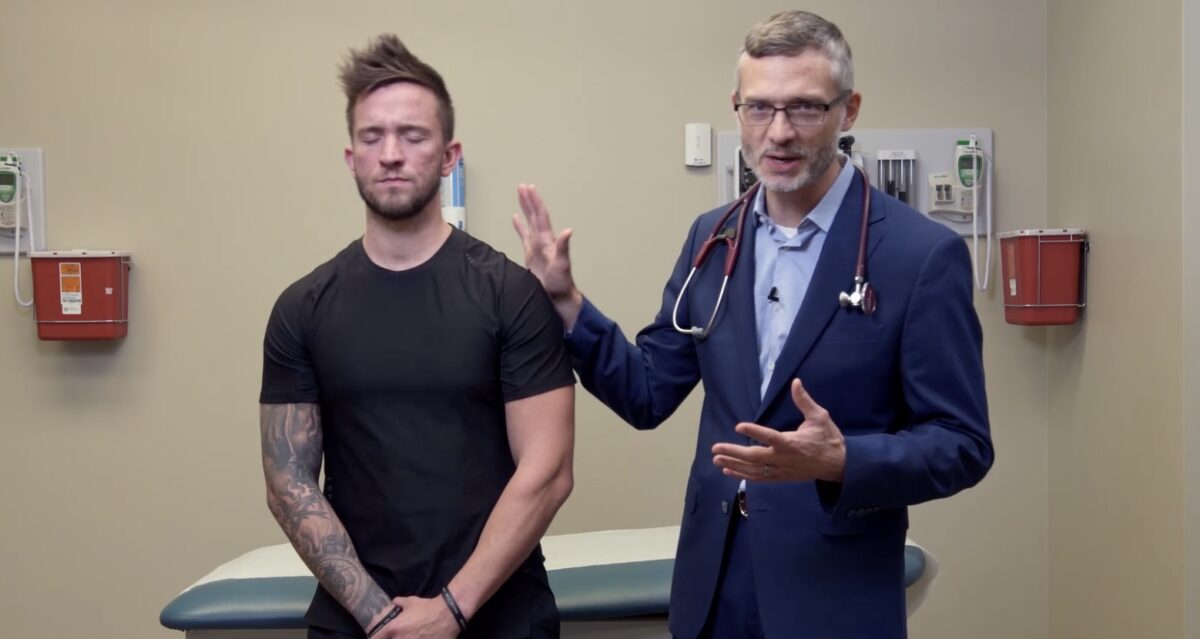
Un examen neurológico es una evaluación sistemática de las respuestas cognitivas, sensoriales y motoras para identificar patologías del sistema nervioso. Un examen neurológico permite la localización de lesiones neurológicas para estrechar el diagnóstico diferencial y centrarse en EN Erythema nodosum is an immune-mediated panniculitis (inflammation of the subcutaneous fat) caused by a type IV (delayed-type) hypersensitivity reaction. It commonly manifests in young women as tender, erythematous nodules on the shins. Erythema Nodosum exámenes de laboratorio e imagenológicos posteriores. El examen debe incluir evaluaciones del estado mental, el habla, los LOS Neisseria pares craneales, el sistema motor Motor Neurons which send impulses peripherally to activate muscles or secretory cells. Nervous System: Histology, los LOS Neisseria reflejos tendinosos profundos, la sensación, el equilibrio y la coordinación del sujeto.

Last updated: Dec 15, 2025

Editorial responsibility: Stanley Oiseth, Lindsay Jones, Evelin Maza

Estado Mental y Habla

El examen del estado mental es una evaluación de la capacidad mental actual de un sujeto basada en EN Erythema nodosum is an immune-mediated panniculitis (inflammation of the subcutaneous fat) caused by a type IV (delayed-type) hypersensitivity reaction. It commonly manifests in young women as tender, erythematous nodules on the shins. Erythema Nodosum los LOS Neisseria siguientes factores:

  • Apariencia:
    • Edad y concordancia de la apariencia con la edad
    • Género (tenga en EN Erythema nodosum is an immune-mediated panniculitis (inflammation of the subcutaneous fat) caused by a type IV (delayed-type) hypersensitivity reaction. It commonly manifests in young women as tender, erythematous nodules on the shins. Erythema Nodosum cuenta la creciente disparidad en EN Erythema nodosum is an immune-mediated panniculitis (inflammation of the subcutaneous fat) caused by a type IV (delayed-type) hypersensitivity reaction. It commonly manifests in young women as tender, erythematous nodules on the shins. Erythema Nodosum la identificación de género)
    • Raza:
      • Sea sensible sobre la suposición de raza basada en EN Erythema nodosum is an immune-mediated panniculitis (inflammation of the subcutaneous fat) caused by a type IV (delayed-type) hypersensitivity reaction. It commonly manifests in young women as tender, erythematous nodules on the shins. Erythema Nodosum el color de la piel.
      • Sea consciente de las diferencias culturales.
    • Constitución corporal
    • Postura
    • Contacto visual
    • Vestimenta
    • Estado de alerta/atención al AL Amyloidosis examinador
    • Características distintivas
    • Características físicas/anomalías
    • Expresión facial emocional
  • Orientación (conciencia) a:
    • Persona
    • Lugar
    • Tiempo
  • Atención y concentración:
    • Capacidad para deletrear una palabra hacia atrás y hacia adelante
    • Capacidad para contar en EN Erythema nodosum is an immune-mediated panniculitis (inflammation of the subcutaneous fat) caused by a type IV (delayed-type) hypersensitivity reaction. It commonly manifests in young women as tender, erythematous nodules on the shins. Erythema Nodosum series de 7
  • Orientación espacial: capacidad de dibujar una casa o la cara de un reloj dentro de un tiempo específico
  • Estado motor Motor Neurons which send impulses peripherally to activate muscles or secretory cells. Nervous System: Histology general:
    • Retraso
    • Agitación
    • Movimientos anormales
    • Marcha
    • Catatonia Catatonia A neuropsychiatric disorder characterized by one or more of the following essential features: immobility, mutism, negativism (active or passive refusal to follow commands), mannerisms, stereotypies, posturing, grimacing, excitement, echolalia, echopraxia, muscular rigidity, and stupor; sometimes punctuated by sudden violent outbursts, panic, or hallucinations. This condition may be associated with psychiatric illnesses (e.g., schizophrenia; mood disorders) or organic disorders (neuroleptic malignant syndrome; encephalitis, etc.). Major Depressive Disorder
  • Habla:
    • Velocidad
    • Ritmo
    • Volumen
    • Articulación
    • Espontaneidad
  • Afecto:
    • Estabilidad
    • Rango
    • Adecuación
    • Intensidad
    • Estado de ánimo
  • Proceso de pensamiento:
    • Asociaciones
    • Coherencia
    • Flujo de lógica
    • Perseveración
    • Neologismo
    • Bloqueo
  • Contenido del pensamiento:
    • Ideación suicida
    • Ideación homicida
    • Cogniciones depresivas
    • Obsesiones
    • Rumiación
    • Fobias
    • Ideas de referencia
    • Ideación paranoica
    • Ideación mágica
    • Delirio
    • Ideas sobrevaloradas
  • Memoria:
    • Capacidad para recordar 3 objetos simples después de 2 y 5 minutos
    • Capaz de proporcionar los LOS Neisseria antecedentes de manera confiable
  • Razonamiento abstracto: capacidad para identificar un tema unificador que conecta de 3–4 objetos
  • Percepción:
  • Intelecto:
  • Vision Vision Ophthalmic Exam Interna ( Insight Insight Psychiatric Assessment): conciencia de la enfermedad y sus implicaciones
  • Juicio: capacidad para resolver satisfactoriamente un escenario hipotético propuesto utilizando un buen juicio

Related videos

Pares Craneales

Se requiere una comprensión básica de la neuroanatomía subyacente de la cabeza y el cuello antes de discutir los LOS Neisseria componentes del examen de los LOS Neisseria pares craneales.

Tabla: Examen de los LOS Neisseria pares craneales
Par PAR The PAR is the attributable risk for an entire population. It represents the fraction of cases that would not occur in a population if the exposure was eliminated. Measures of Risk craneal Examen
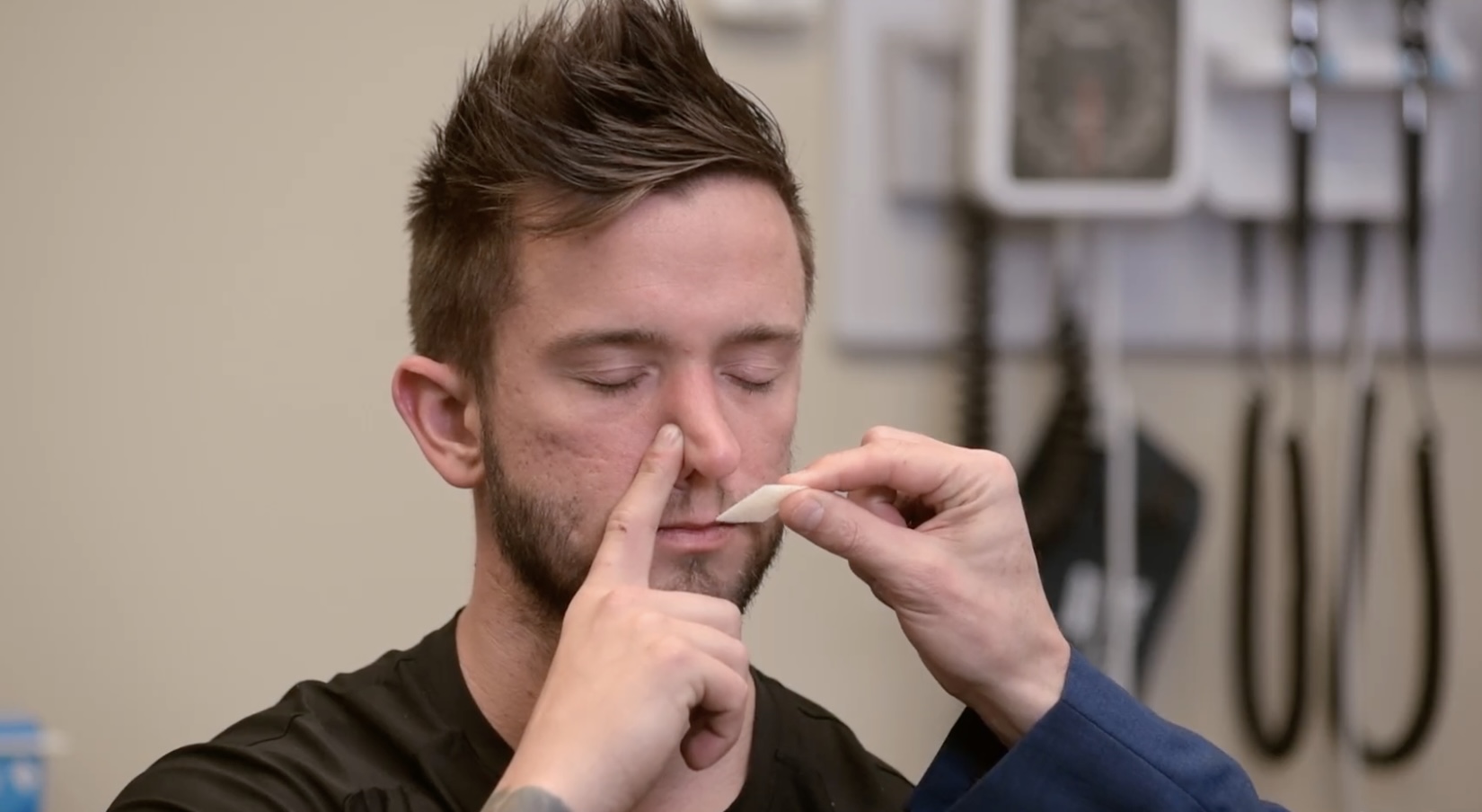
I: nervio olfatorio Probar el olfato del sujeto utilizando sustancias no irritantes.
II: nervio óptico
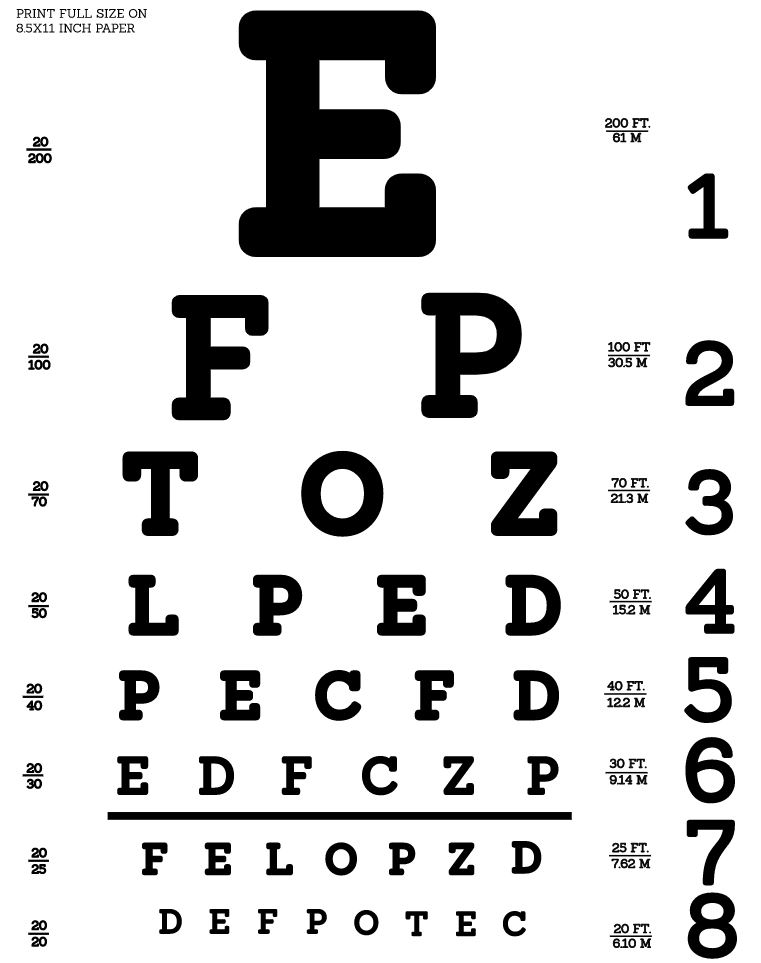
  • Agudeza visual: evaluar utilizando una tabla de Snellen.
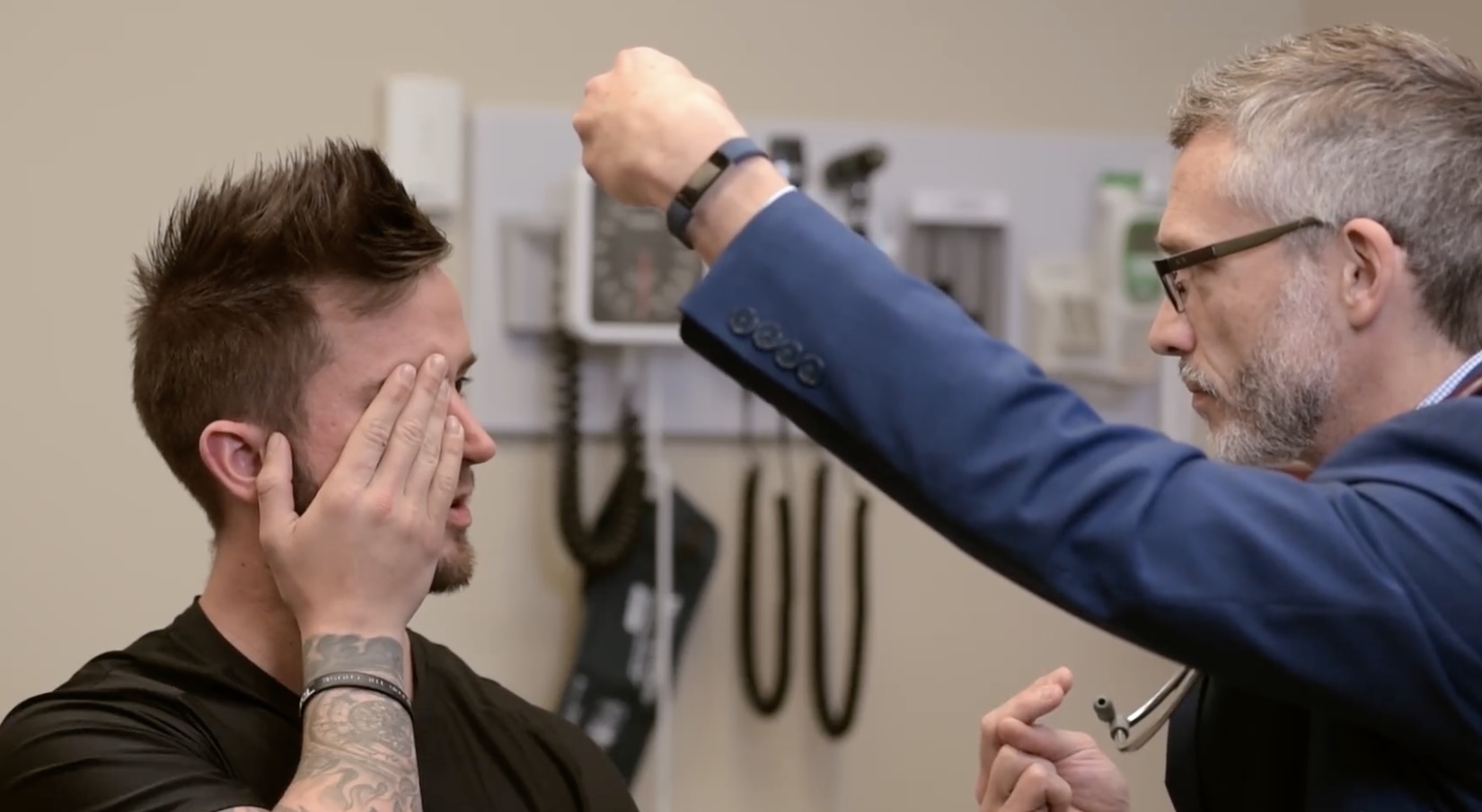
  • Campo visual: evaluar mediante prueba de confrontación.
  • El reflejo fotomotor se prueba iluminando con una luz los LOS Neisseria ojos del sujeto:
    • Hallazgo normal: constricción rápida y consensuada en EN Erythema nodosum is an immune-mediated panniculitis (inflammation of the subcutaneous fat) caused by a type IV (delayed-type) hypersensitivity reaction. It commonly manifests in young women as tender, erythematous nodules on the shins. Erythema Nodosum ambas pupilas
    • Hallazgo anormal: dilatación anisocórica (no igual en EN Erythema nodosum is an immune-mediated panniculitis (inflammation of the subcutaneous fat) caused by a type IV (delayed-type) hypersensitivity reaction. It commonly manifests in young women as tender, erythematous nodules on the shins. Erythema Nodosum ambas pupilas)
  • Examen del fondo de ojo:
    • Hallazgo normal: disco óptico rosa
    • Hallazgos anormales: excavación del disco óptico ( glaucoma Glaucoma Glaucoma is an optic neuropathy characterized by typical visual field defects and optic nerve atrophy seen as optic disc cupping on examination. The acute form of glaucoma is a medical emergency. Glaucoma is often, but not always, caused by increased intraocular pressure (IOP). Glaucoma), papiledema (presión intracraneal elevada), neuritis óptica (infección, esclerosis múltiple)
    • Reflejo rojo a la luz
III: nervio motor Motor Neurons which send impulses peripherally to activate muscles or secretory cells. Nervous System: Histology ocular común; IV: nervio troclear; VI: nervio abducens
  • Responsables del movimiento ocular y la acomodación
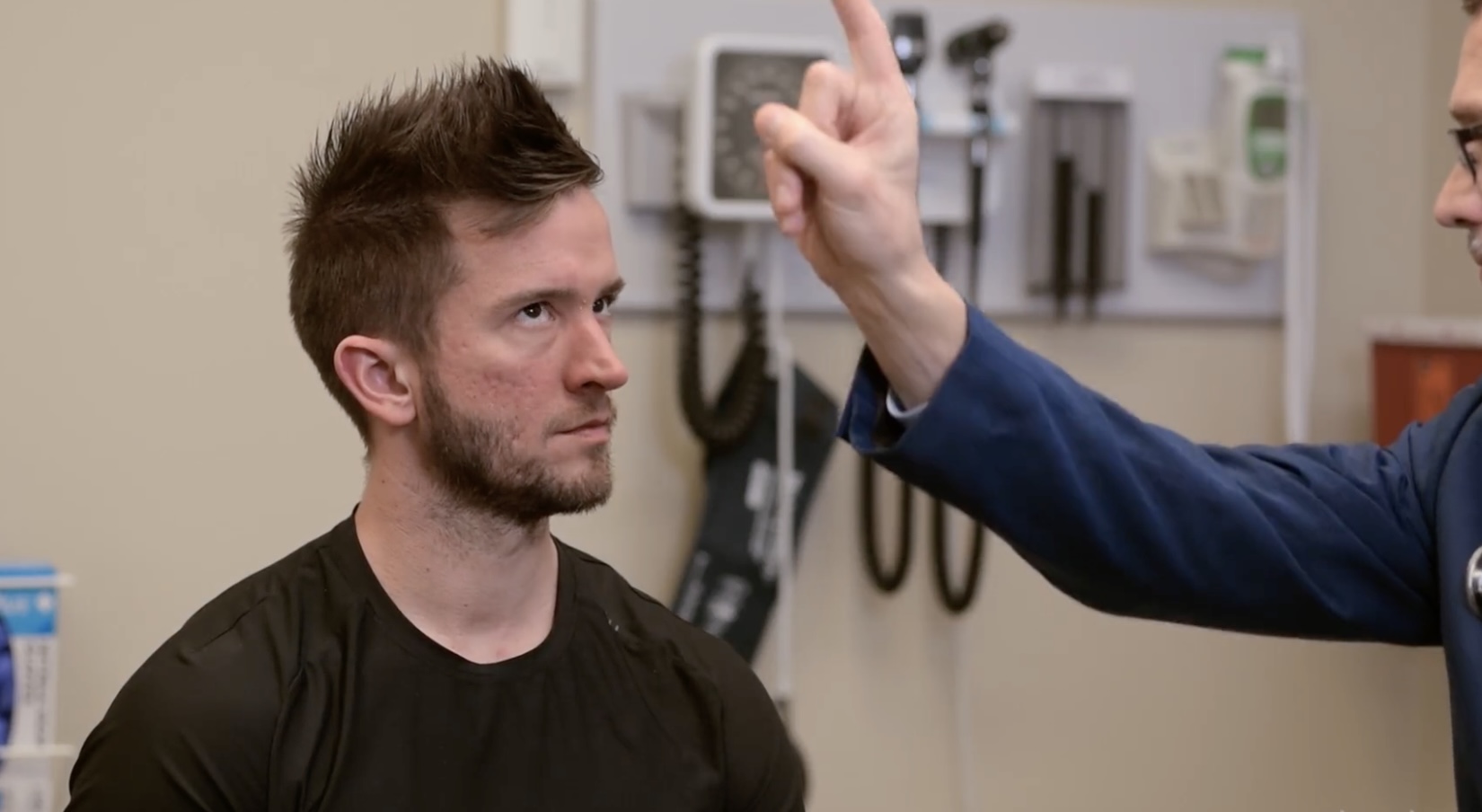
  • Movimiento ocular: probado pidiendo al AL Amyloidosis sujeto que siga el dedo del examinador
  • Acomodación:
    • Probado moviendo un dedo hacia los LOS Neisseria ojos del sujeto
    • La respuesta normal es la constricción de la pupila.
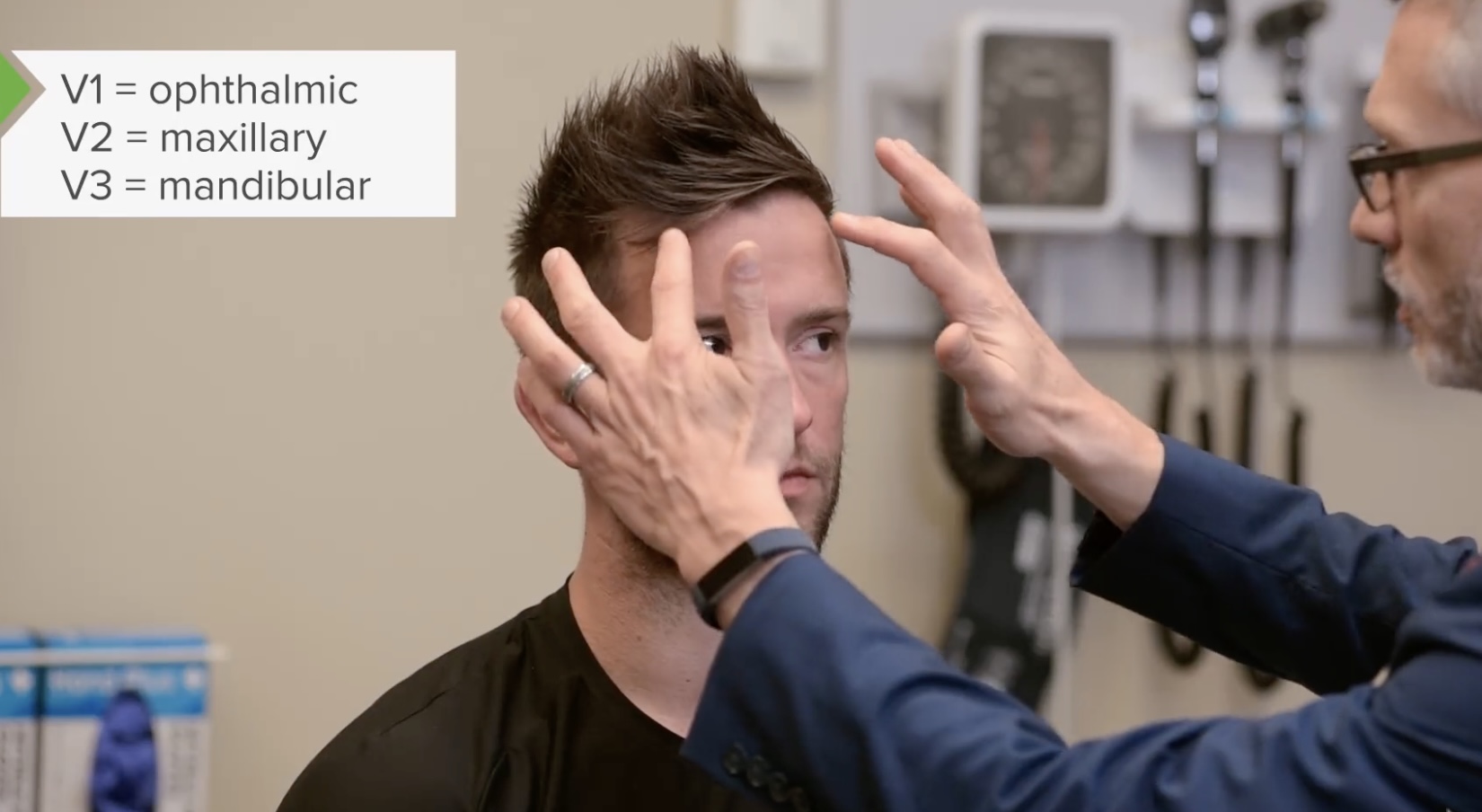
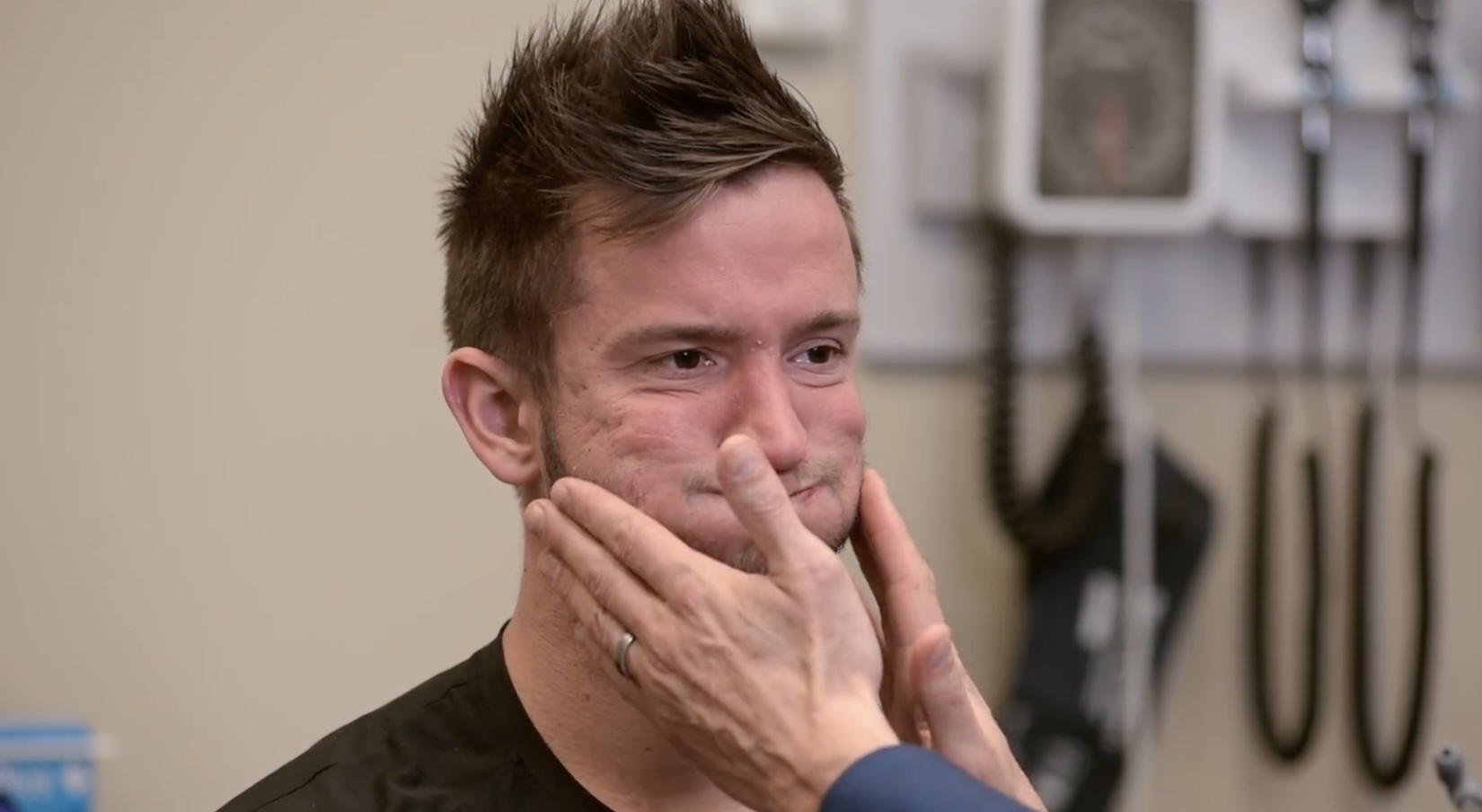
V: nervio trigémino
  • Responsable de la sensación facial; probado al AL Amyloidosis tocar ligeramente diferentes áreas faciales (frente, mejilla, mandíbula) y comparando ambos lados
  • Inerva los LOS Neisseria ⅔ anteriores de la lengua con sensaciones generales ( dolor Dolor Inflammation, temperatura)
  • Inerva los LOS Neisseria músculos de la masticación
  • Reflejos:
    • Reflejo masetero:
      • Golpear el mentón del sujeto con un martillo de reflejos mientras su boca está ligeramente abierta
      • El hallazgo normal es el cierre de la mandíbula.
    • Reflejo corneal:
      • Toque ligeramente la córnea con un hisopo de algodón.
      • El hallazgo normal es el cierre del párpado.
  • En EN Erythema nodosum is an immune-mediated panniculitis (inflammation of the subcutaneous fat) caused by a type IV (delayed-type) hypersensitivity reaction. It commonly manifests in young women as tender, erythematous nodules on the shins. Erythema Nodosum las lesiones del nervio trigémino, la mandíbula se desvía hacia el lado afectado.
VII: nervio facial
  • Inerva los LOS Neisseria músculos responsables de las expresiones faciales
  • Probado pidiendo al AL Amyloidosis sujeto que realice ciertos movimientos (arrugar la frente, cerrar los LOS Neisseria ojos con fuerza, inflar las mejillas, sonreír, silbar)
  • Inerva los LOS Neisseria ⅔ anteriores de la lengua con sensación especial (dulce, salada y ácida)
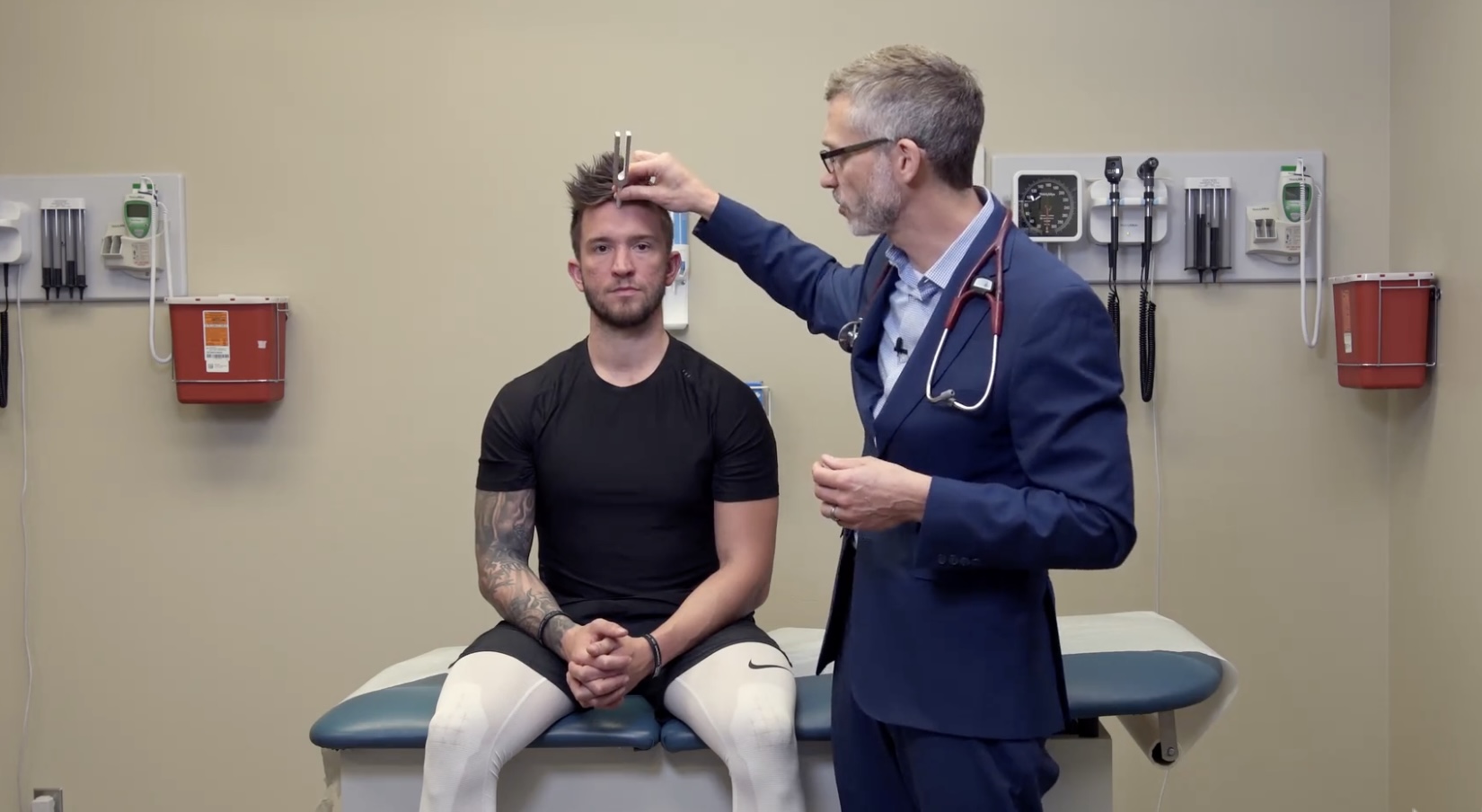
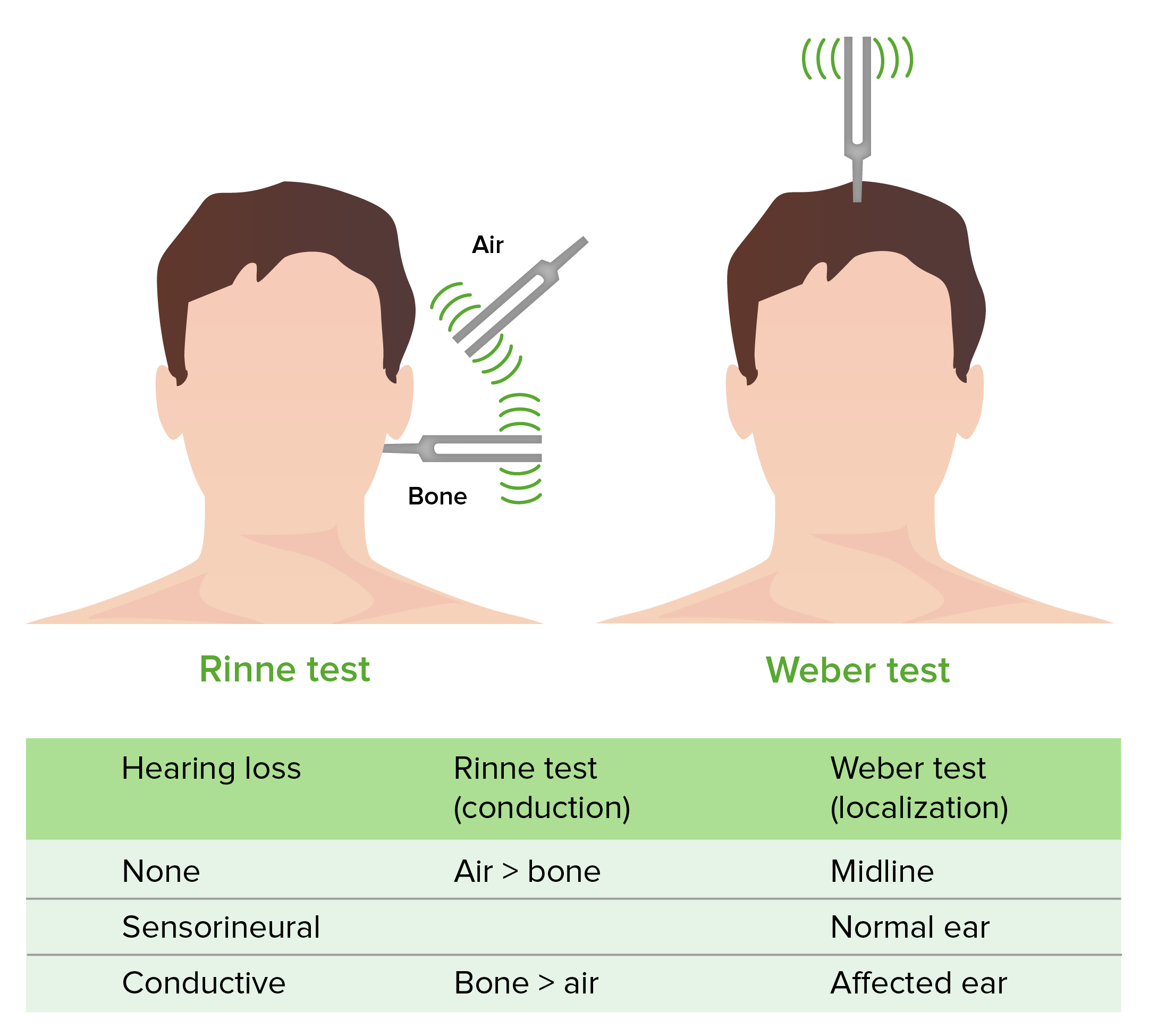
VIII: nervio vestibulococlear
  • Una prueba sencilla para comprobar la audición incluye frotar los LOS Neisseria dedos cerca de los LOS Neisseria oídos del sujeto.
  • Probado con pruebas de Weber y Rinne
IX: nervio glosofaríngeo; X: nervio vago
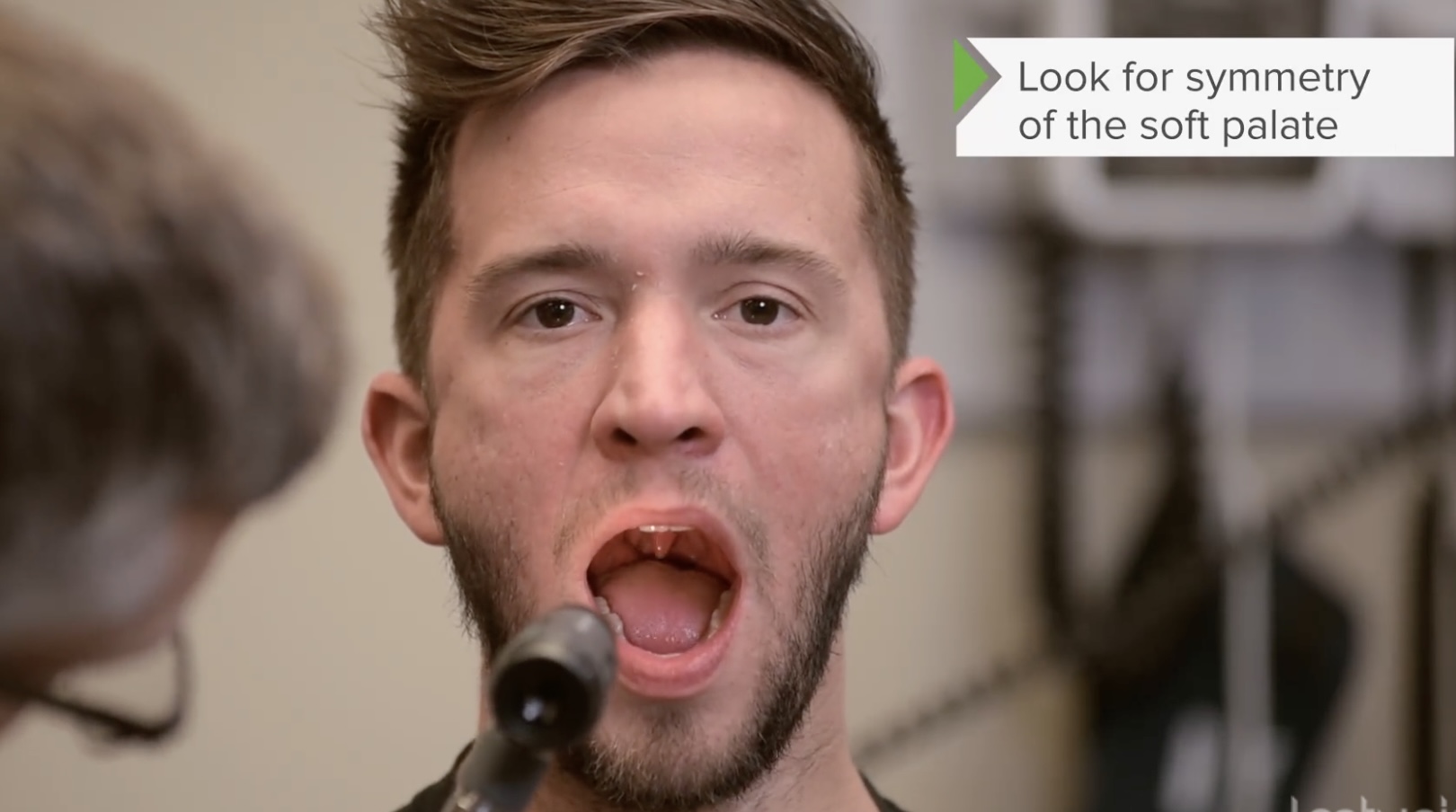
  • Probado evaluando la úvula:
    • Hallazgo normal: localización céntrica
    • Hallazgo anormal: desviación hacia el lado normal
  • Responsable del reflejo nauseoso: probado tocando ligeramente la úvula con un bajalenguas
  • El IX inerva el ⅓ posterior de la lengua con sensaciones generales y especiales.
  • La disfonía o un reflejo de tos TOS Thoracic outlet syndrome (TOS) is a broad term used for a spectrum of syndromes related to the general region of the thoracic outlet, which involves the compression or irritation of elements of the brachial plexus, subclavian artery, or subclavian vein. Thoracic Outlet Syndrome deteriorado indican daño al AL Amyloidosis par PAR The PAR is the attributable risk for an entire population. It represents the fraction of cases that would not occur in a population if the exposure was eliminated. Measures of Risk craneal X.
XI: nervio accesorio
  • Inerva el músculo trapecio: pedir al AL Amyloidosis sujeto que levante los LOS Neisseria hombros contra una resistencia.
  • Inerva el músculo esternocleidomastoideo: pedir al AL Amyloidosis sujeto que gire la cabeza contra una resistencia.
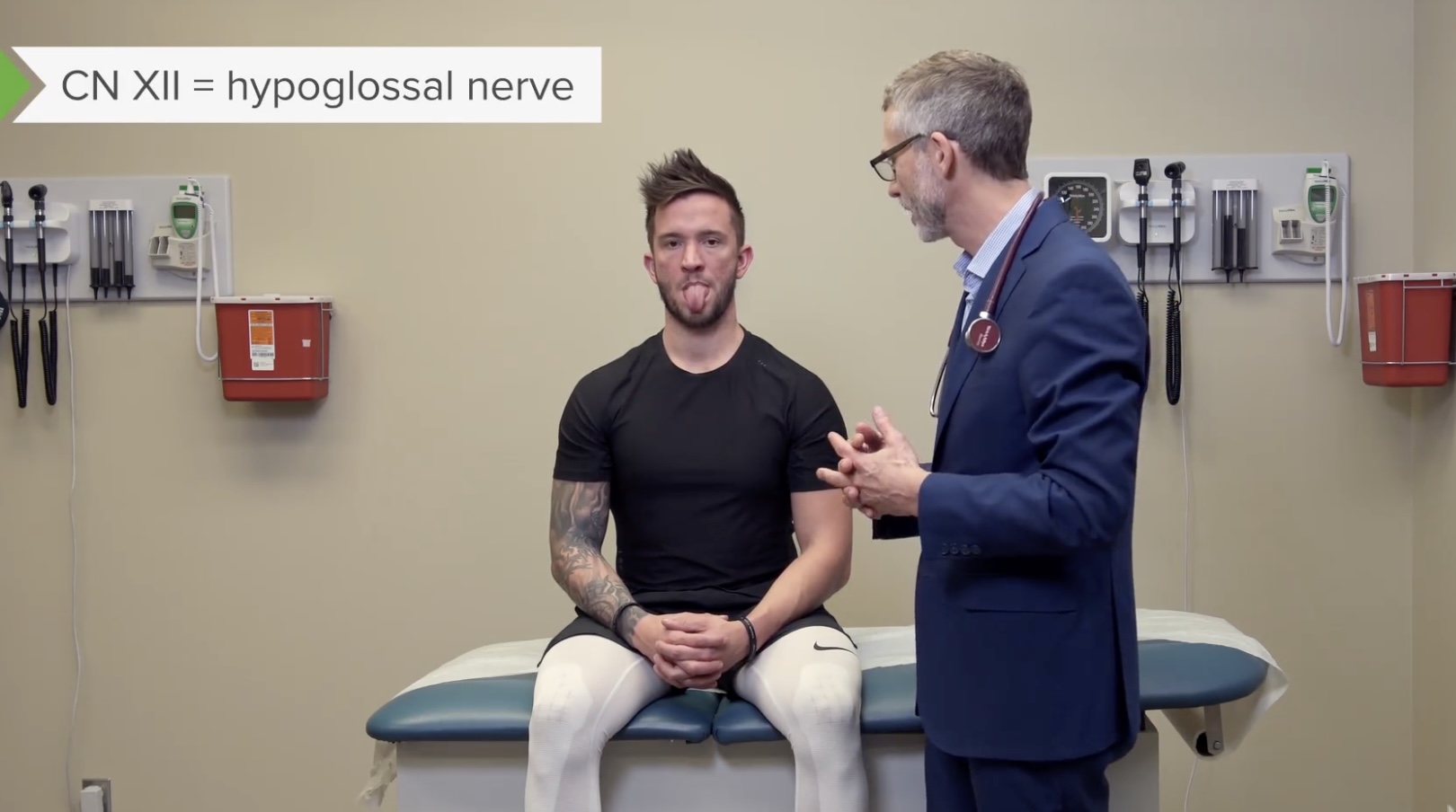
XII: nervio hipogloso
  • Inerva los LOS Neisseria músculos de la lengua: pedir al AL Amyloidosis sujeto que presione contra su mejilla desde el interior, mientras el examinador prueba la fuerza desde el exterior.
  • En EN Erythema nodosum is an immune-mediated panniculitis (inflammation of the subcutaneous fat) caused by a type IV (delayed-type) hypersensitivity reaction. It commonly manifests in young women as tender, erythematous nodules on the shins. Erythema Nodosum la lesión del par PAR The PAR is the attributable risk for an entire population. It represents the fraction of cases that would not occur in a population if the exposure was eliminated. Measures of Risk craneal XII, la lengua se desvía hacia el sitio de la lesión.

Sistema Motor

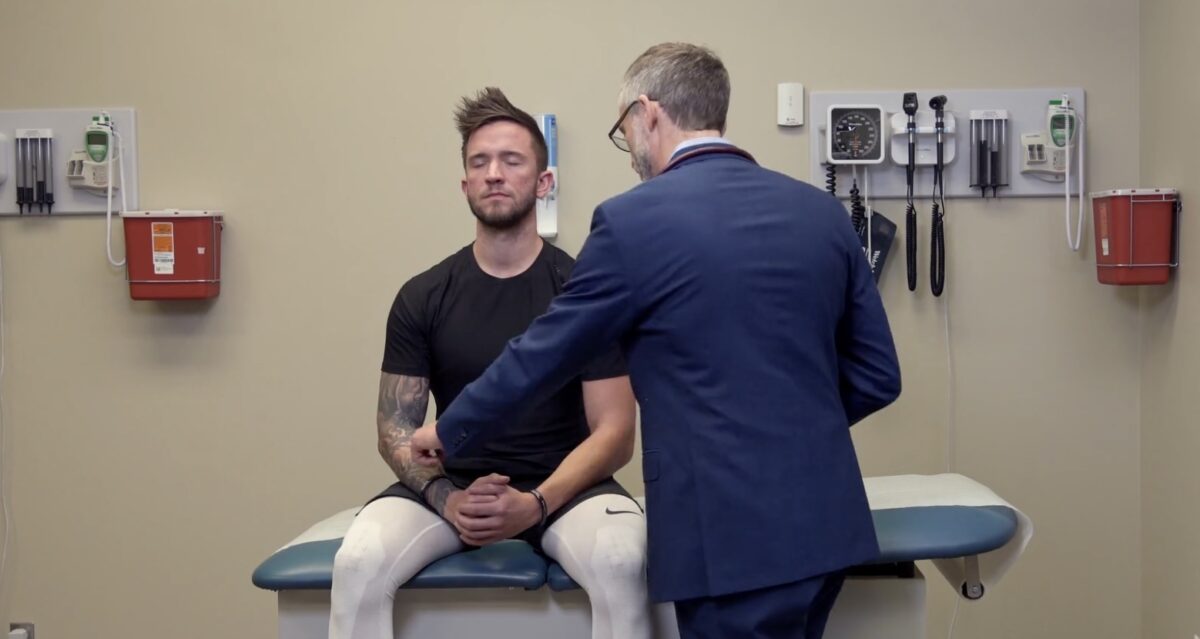
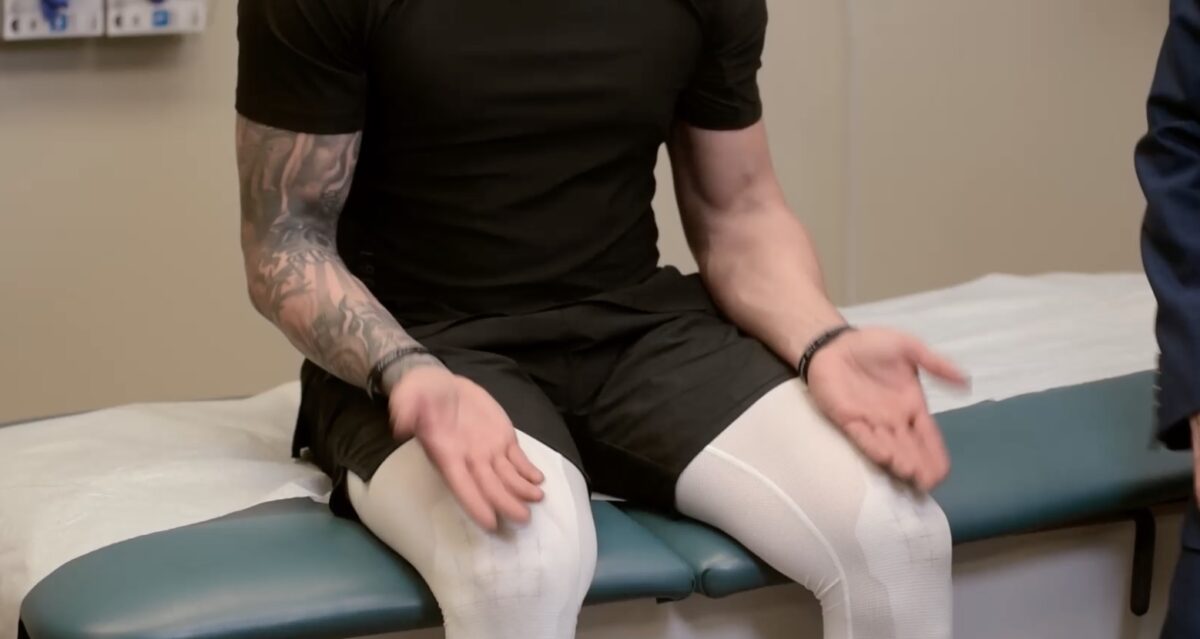
El examen del sistema motor Motor Neurons which send impulses peripherally to activate muscles or secretory cells. Nervous System: Histology incluye lo siguiente:

  • Inspección
  • Movimiento pasivo (tono muscular)
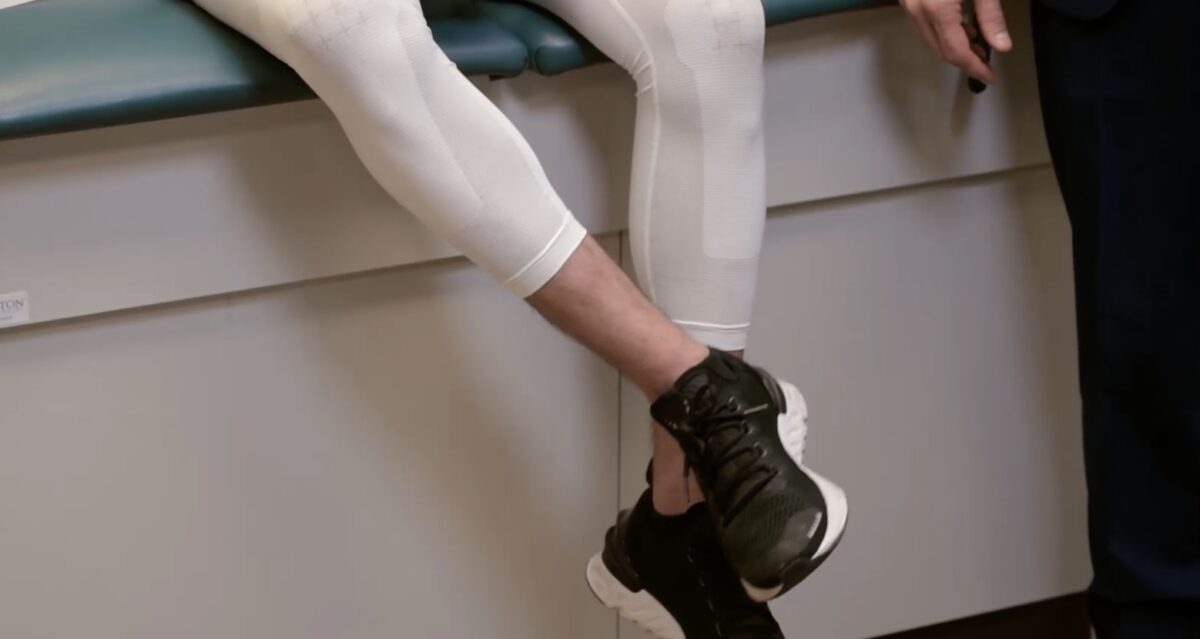
  • Movimiento activo (fuerza muscular)

Inspección

  • Marcha
  • Movimientos gruesos y coordinación
  • Movimientos anormales (e.g., tics Tics Habitual, repeated, rapid contraction of certain muscles, resulting in stereotyped individualized actions that can be voluntarily suppressed for only brief periods. They often involve the face, vocal cords, neck, and less often the extremities. Examples include repetitive throat clearing, vocalizations, sniffing, pursing the lips, and excessive blinking. Tics tend to be aggravated by emotional stress. When frequent they may interfere with speech and interpersonal relations. Conditions which feature frequent and prominent tics as a primary manifestation of disease are referred to as tic disorders. Tics and Tourette Syndrome, temblores, corea, mioclonías, hemibalismo)
  • Postura anormal
  • Atrofia versus hipertrofia
  • Contracturas
  • Temblores
  • Fasciculaciones:
    • Signo de la motoneurona inferior
    • Contracción espontánea que afecta a una pequeña cantidad de fibras musculares
    • Se ve VE Ventilation: Mechanics of Breathing principalmente en EN Erythema nodosum is an immune-mediated panniculitis (inflammation of the subcutaneous fat) caused by a type IV (delayed-type) hypersensitivity reaction. It commonly manifests in young women as tender, erythematous nodules on the shins. Erythema Nodosum los LOS Neisseria músculos de la lengua

Movimiento pasivo

  • Examinado moviendo las extremidades del sujeto y los LOS Neisseria músculos individuales a través de un rango de movimiento
  • Tenga en EN Erythema nodosum is an immune-mediated panniculitis (inflammation of the subcutaneous fat) caused by a type IV (delayed-type) hypersensitivity reaction. It commonly manifests in young women as tender, erythematous nodules on the shins. Erythema Nodosum cuenta las anomalías:
    • Atonía (flacidez, sin resistencia al AL Amyloidosis movimiento pasivo)
    • Hipotonía (debilidad focal o generalizada)
    • Hipertonía (rigidez, resistencia al AL Amyloidosis movimiento pasivo)
    • Contractura (resistencia fija al AL Amyloidosis movimiento pasivo)

Movimiento activo

  • Examinado pidiendo al AL Amyloidosis sujeto que flexione y extienda sus extremidades contra una resistencia
  • La fuerza se califica en EN Erythema nodosum is an immune-mediated panniculitis (inflammation of the subcutaneous fat) caused by a type IV (delayed-type) hypersensitivity reaction. It commonly manifests in young women as tender, erythematous nodules on the shins. Erythema Nodosum una escala de 0–5 según la calidad de la respuesta:
    • 0: sin activación muscular
    • 1: activación muscular menor, como una sacudida, sin lograr un rango de movimiento completo
    • 2: activación muscular con eliminación de la gravedad mientras se logra un rango de movimiento completo
    • 3: activación muscular contra la gravedad, rango de movimiento completo
    • 4: activación muscular contra cierta resistencia, rango de movimiento completo
    • 5: activación muscular contra la resistencia total del examinador, rango de movimiento completo
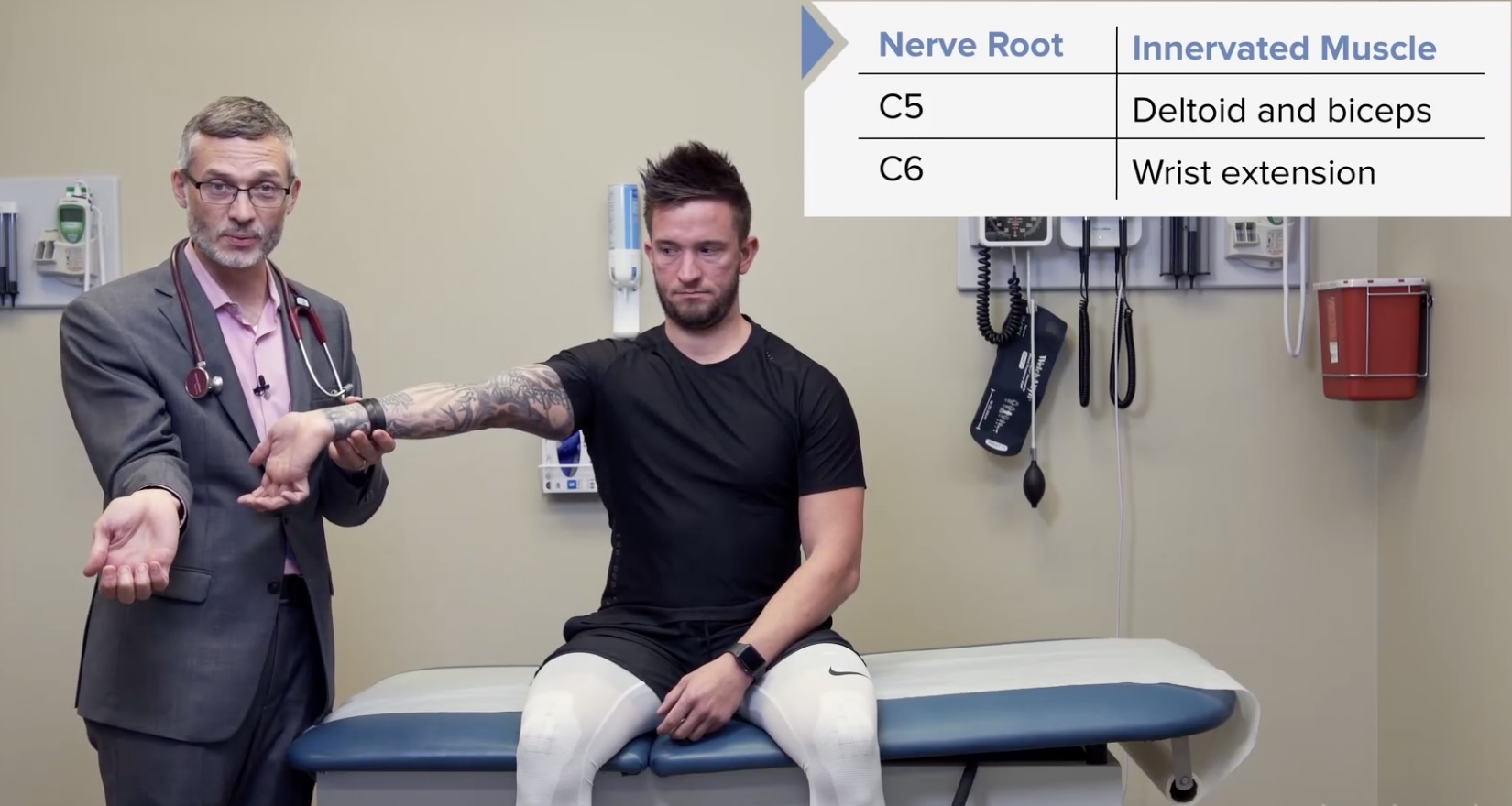
Strength testing the C5 myotome, deltoids and biceps

Prueba de fuerza del miotoma C5: deltoides y bíceps

Imagen por Lecturio.
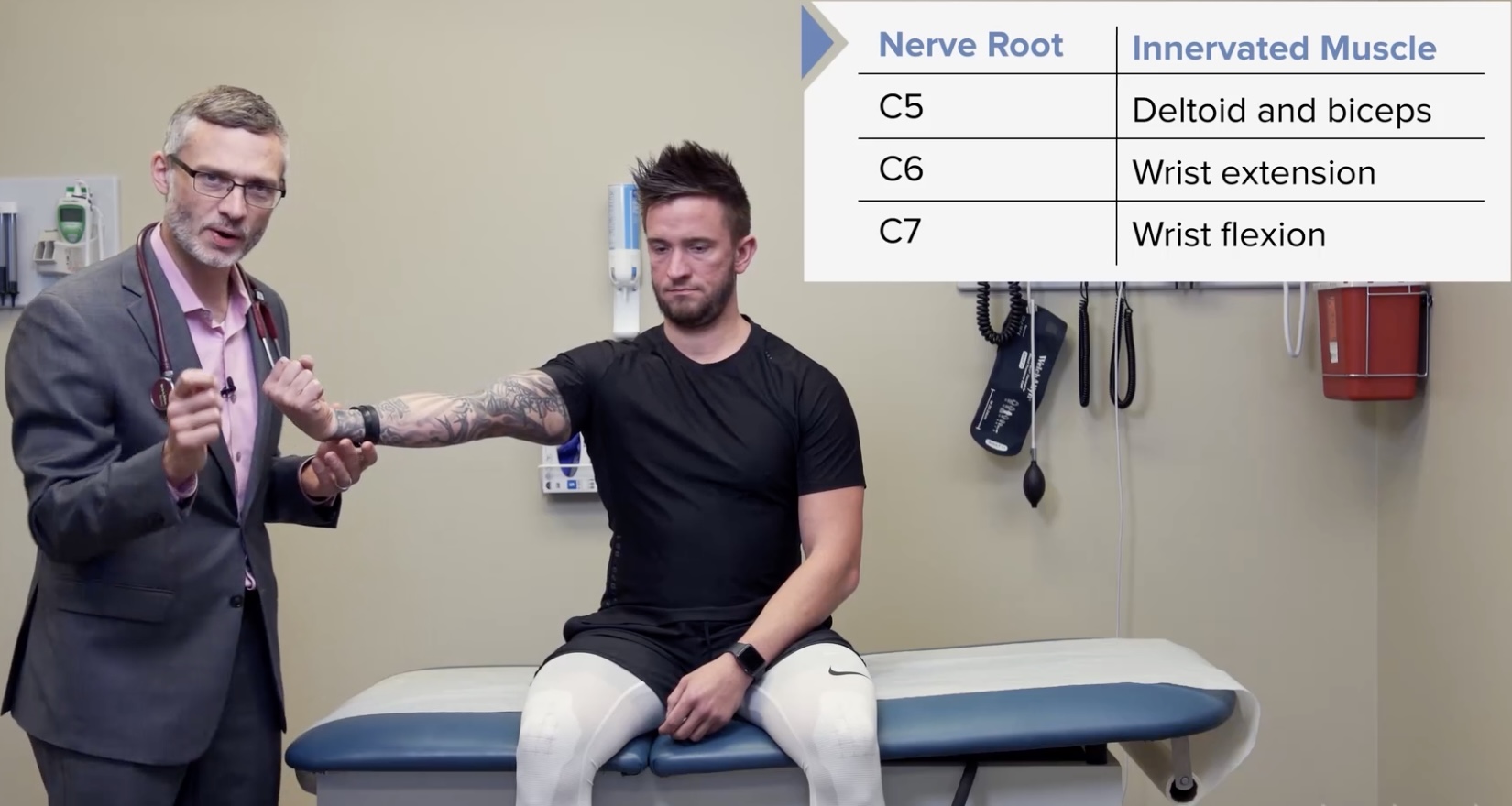
Strength testing the C6 myotome, triceps and wrist extensors

Prueba de fuerza del miotoma C6: tríceps y extensores de muñeca

Imagen por Lecturio.
Strength testing the C7 myotome, wrist flexors

Prueba de fuerza del miotoma C7: flexores de muñeca

Imagen por Lecturio.
Strength testing the C8 and T1 myotomes, interosseous muscles

Prueba de fuerza de los miotomas C8 y T1: músculos interóseos:
Para esta prueba, el sujeto aprieta los dedos del examinador.
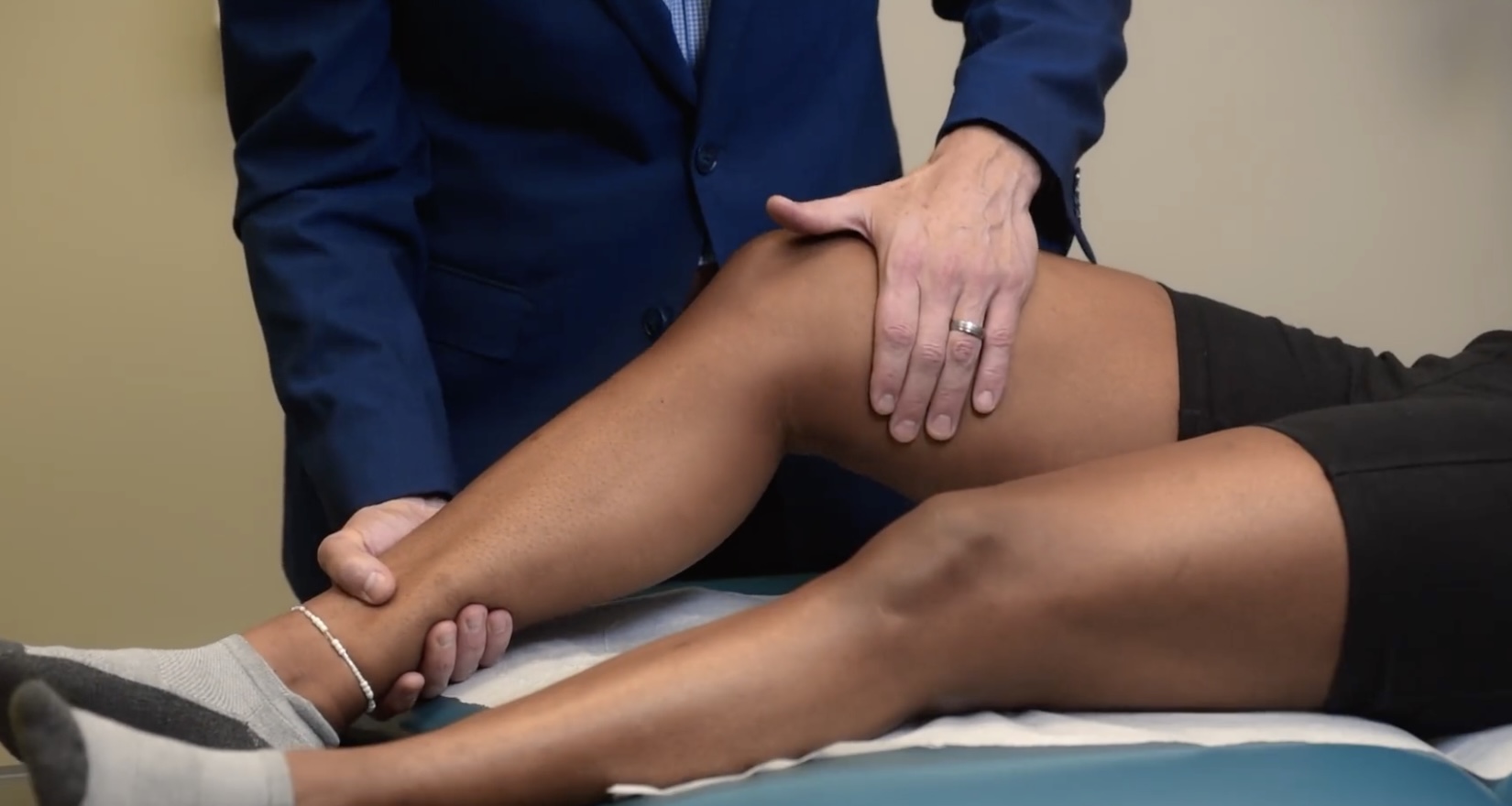
Imagen por Lecturio.
Strength testing the L2 myotome, hip flexors

Prueba de fuerza del miotoma L2: flexores de cadera

Imagen por Lecturio.
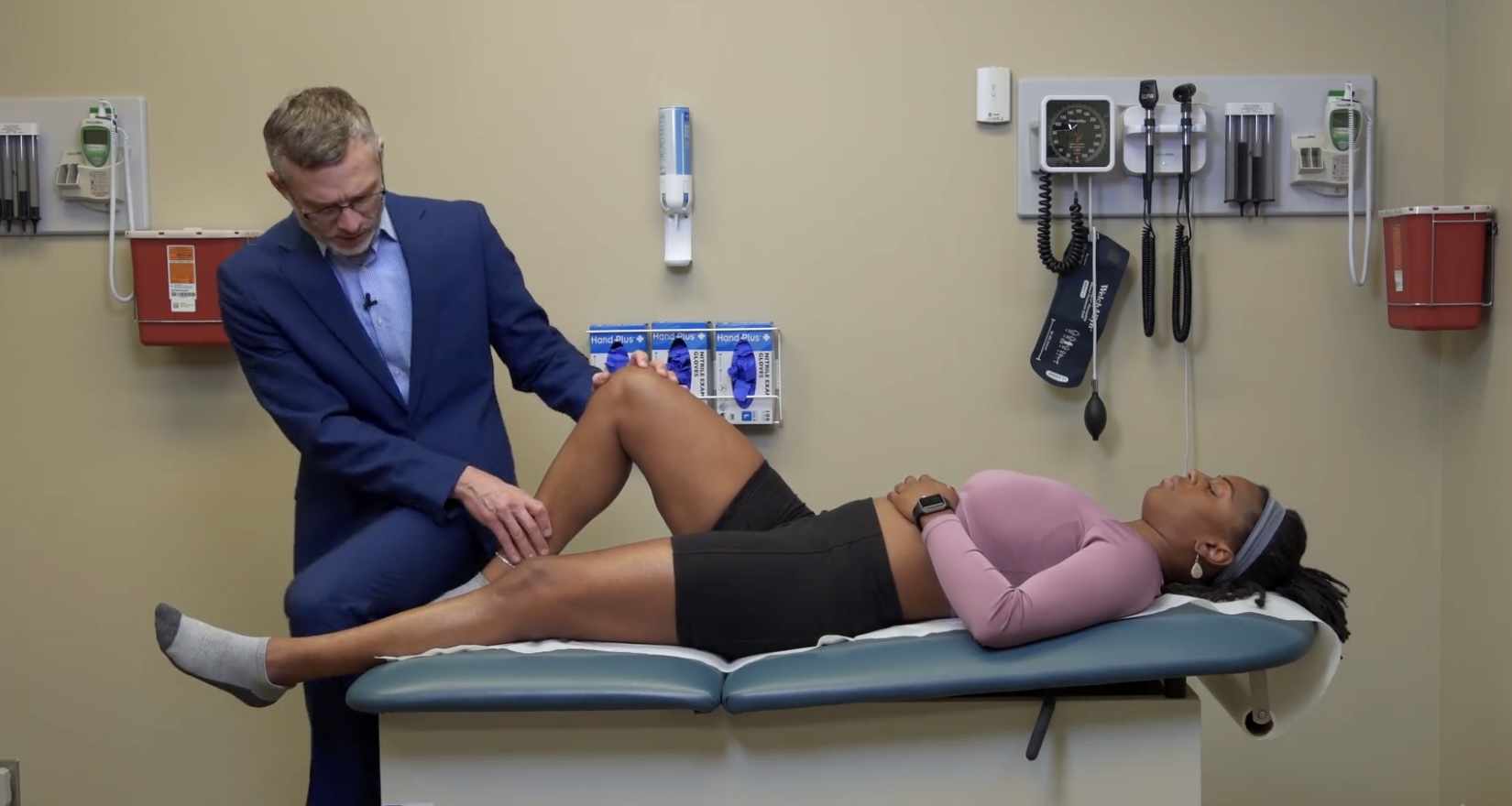
Strength testing the L3 myotome, knee extensors

Prueba de fuerza del miotoma L3: extensores de rodilla

Imagen por Lecturio.
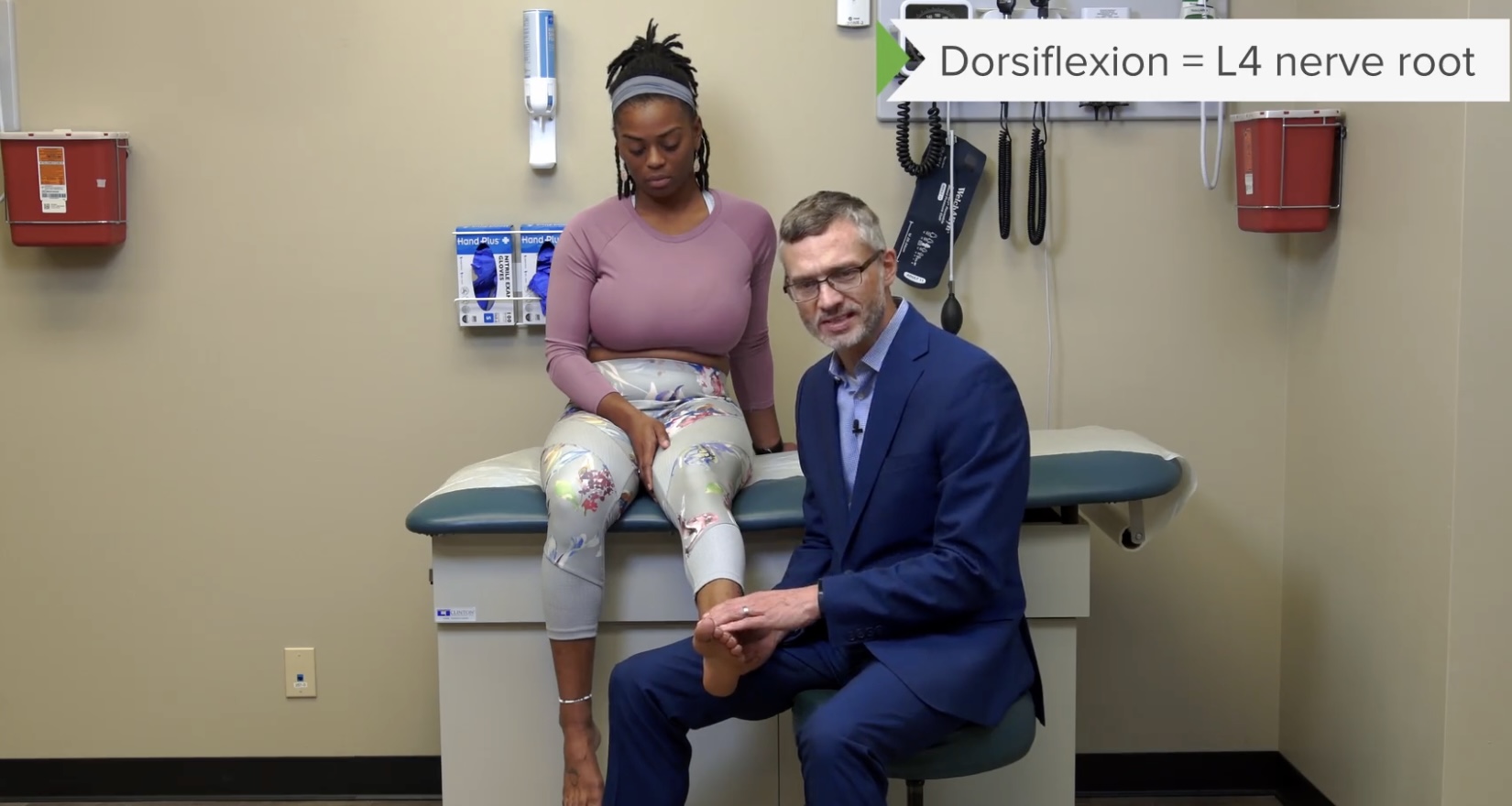
Strength testing the L4 myotome, ankle dorsiflexors

Prueba de fuerza del miotoma L4: flexores dorsales del tobillo

Imagen por Lecturio.
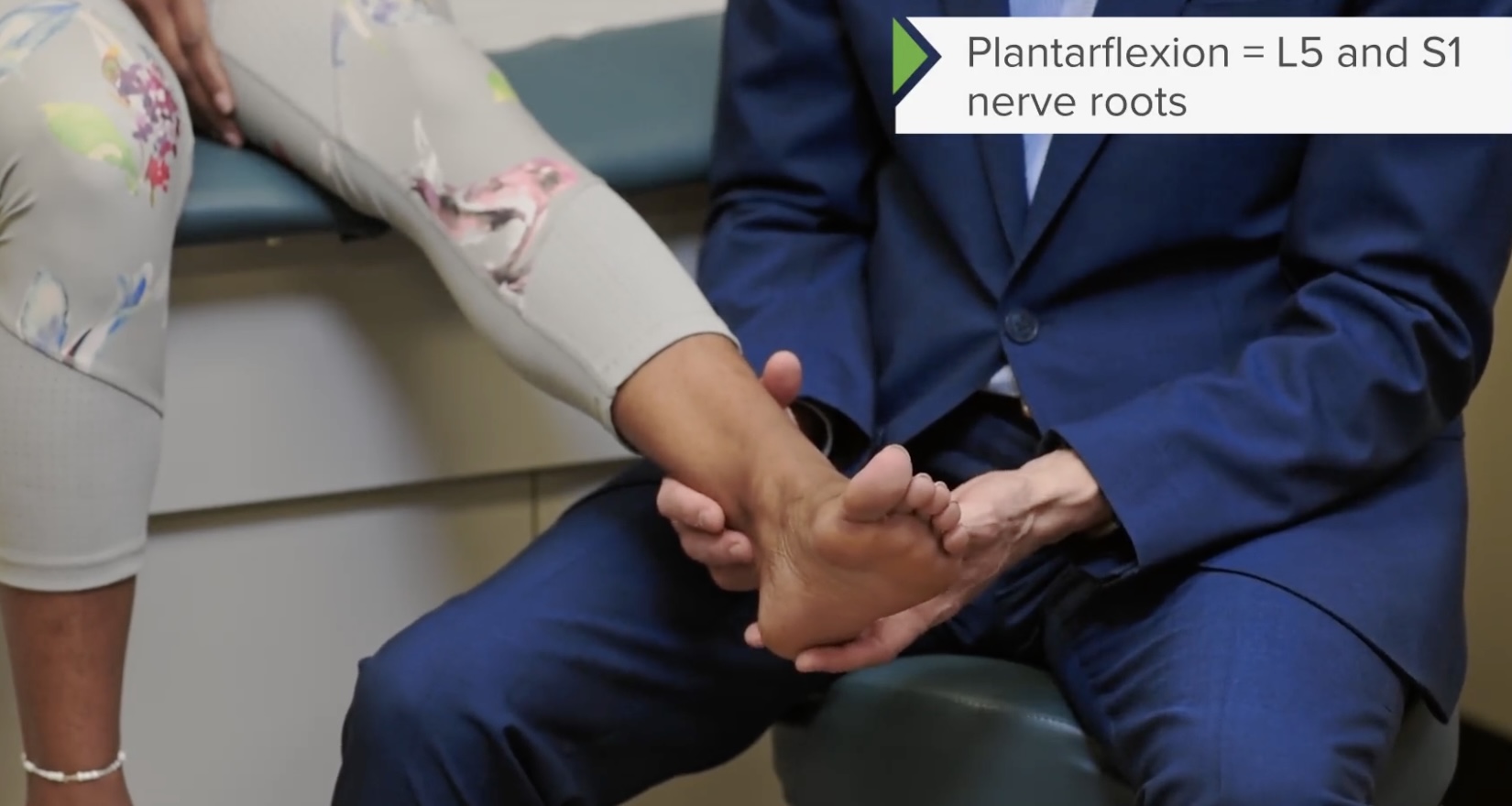
Strength testing the L5 and S1 myotomes, ankle plantar flexors

Prueba de fuerza de los miotomas L5 y S1: flexores plantares del tobillo

Imagen por Lecturio.
Reflejos Tendinosos Profundos

Evaluación y calificación de los LOS Neisseria reflejos

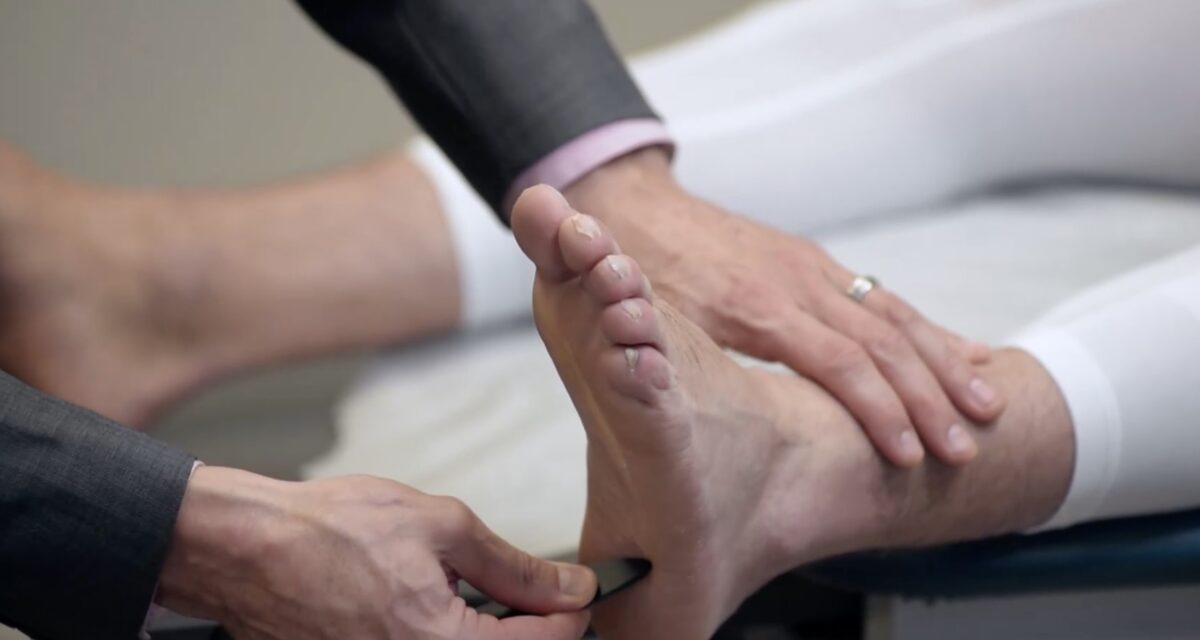
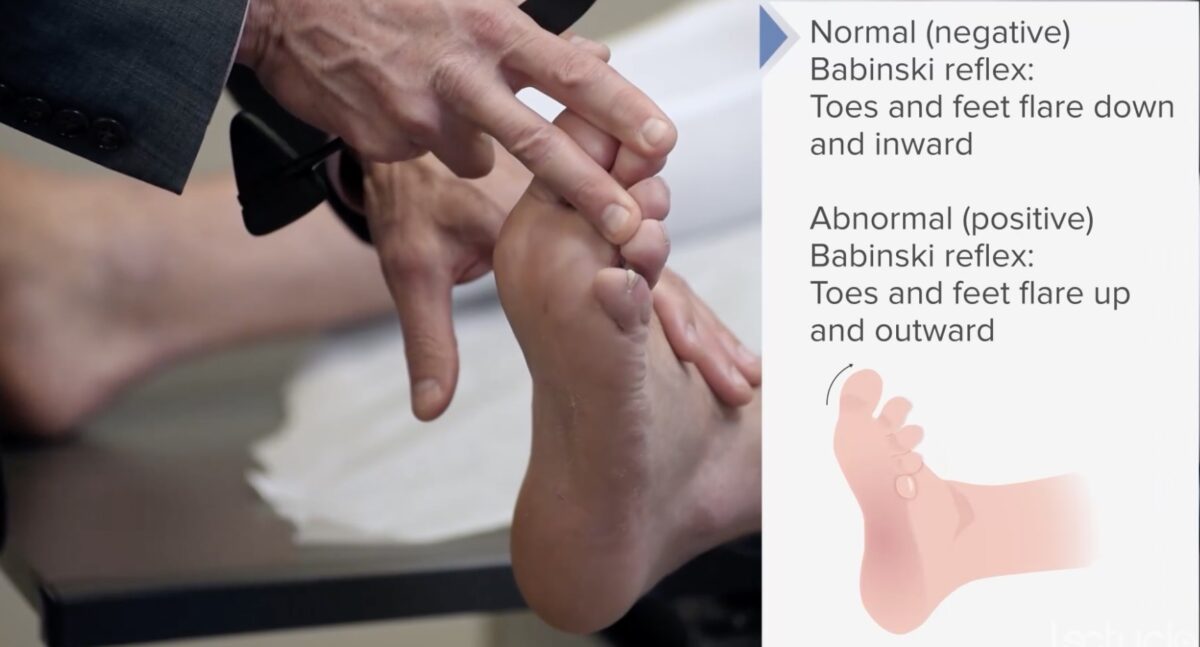
  • En EN Erythema nodosum is an immune-mediated panniculitis (inflammation of the subcutaneous fat) caused by a type IV (delayed-type) hypersensitivity reaction. It commonly manifests in young women as tender, erythematous nodules on the shins. Erythema Nodosum sujetos sanos, golpear enérgicamente un tendón muscular con un martillo de reflejos produce una contracción muscular inmediata.
  • La contracción muscular se debe a un arco reflejo de 2 neuronas que involucra la médula espinal y/o el segmento del tronco encefálico que inerva el músculo o músculos.
  • Una prueba de reflejos es, por lo tanto, una prueba de la función de estas 2 neuronas y del músculo o músculos inervados.
  • La prueba del reflejo tendinoso profundo puede ayudar a distinguir las lesiones de la motoneurona superior de las lesiones de la motoneurona inferior.
  • Los LOS Neisseria reflejos se califican en EN Erythema nodosum is an immune-mediated panniculitis (inflammation of the subcutaneous fat) caused by a type IV (delayed-type) hypersensitivity reaction. It commonly manifests in young women as tender, erythematous nodules on the shins. Erythema Nodosum una escala de 0–4 según la magnitud de la respuesta:
    • 0: sin reflejo
    • 1: hiporreflexia
    • 2: reflejo normal bajo
    • 3: reflejo normal alto
    • 4: hiperreflexia
  • Los LOS Neisseria reflejos disminuidos (0–1) pueden indicar:
    • Lesiones del nervio periférico (motoneurona inferior)
    • Estado hipometabólico (e.g., hipotiroidismo)
    • Hallazgo normal con el envejecimiento avanzado
  • Los LOS Neisseria reflejos exagerados (4) pueden indicar:
    • Lesiones del sistema nervioso central (motoneurona superior)
    • Estado hipermetabólico (e.g., hipertiroidismo)
  • Notas generales sobre la obtención de reflejos tendinosos profundos:
    • La aprensión o la anticipación en EN Erythema nodosum is an immune-mediated panniculitis (inflammation of the subcutaneous fat) caused by a type IV (delayed-type) hypersensitivity reaction. It commonly manifests in young women as tender, erythematous nodules on the shins. Erythema Nodosum el sujeto pueden conducir a hallazgos reflejos engañosos.
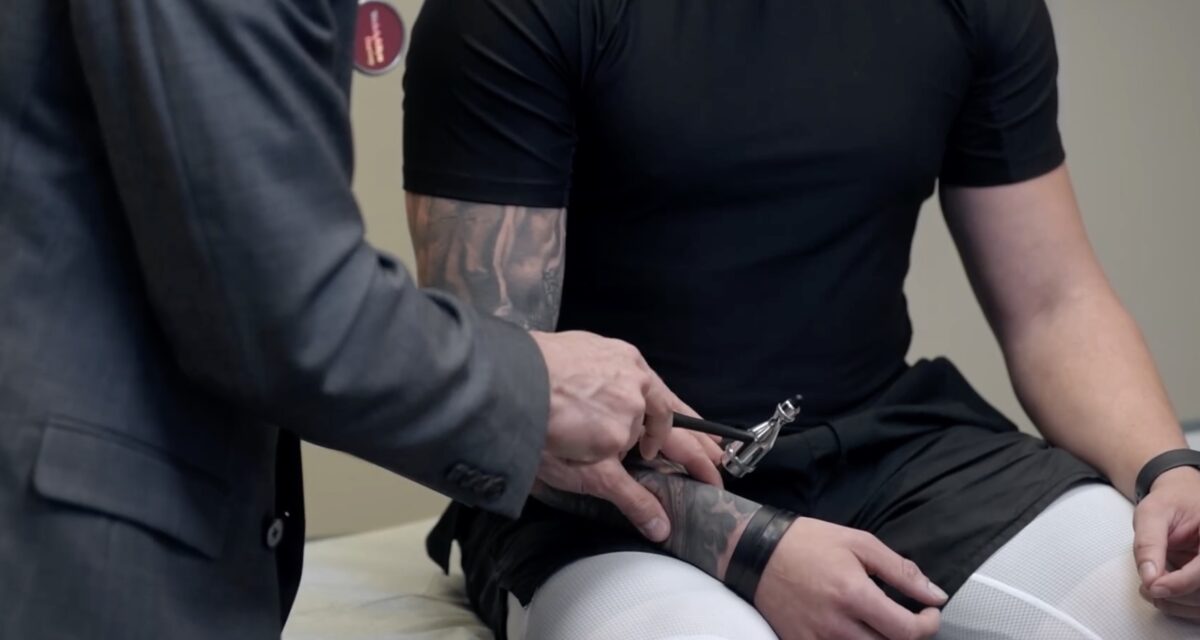
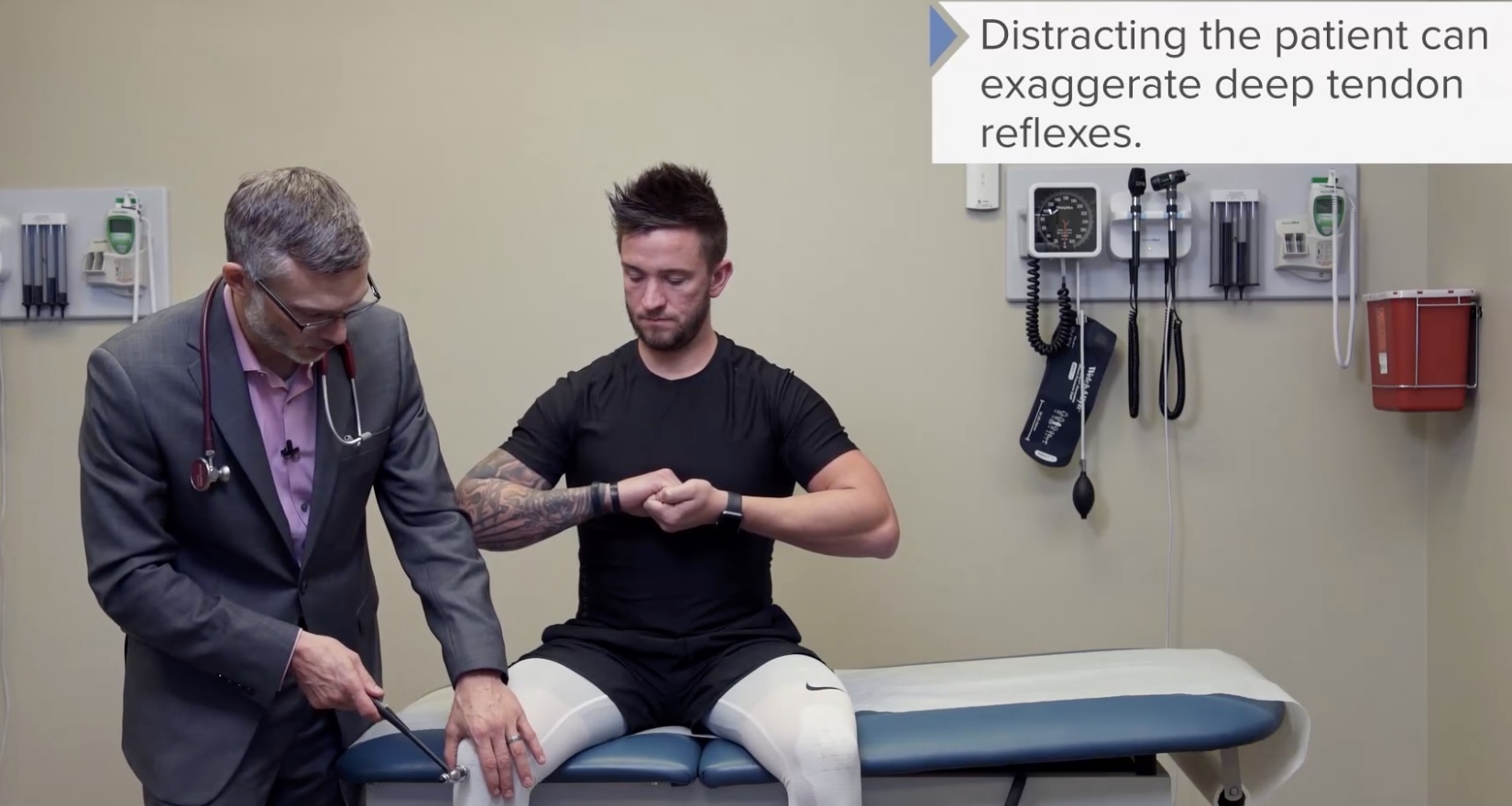
    • Distraiga la atención del sujeto usando la maniobra de Jendrassik o pídale que relaje el grupo de músculos evaluados para obtener una respuesta más confiable.
Distraer al paciente con la maniobra de Jendrassik

Distraer al sujeto usando la maniobra de Jendrassik puede conducir a una prueba de reflejos más confiable.

Imagen por Lecturio.
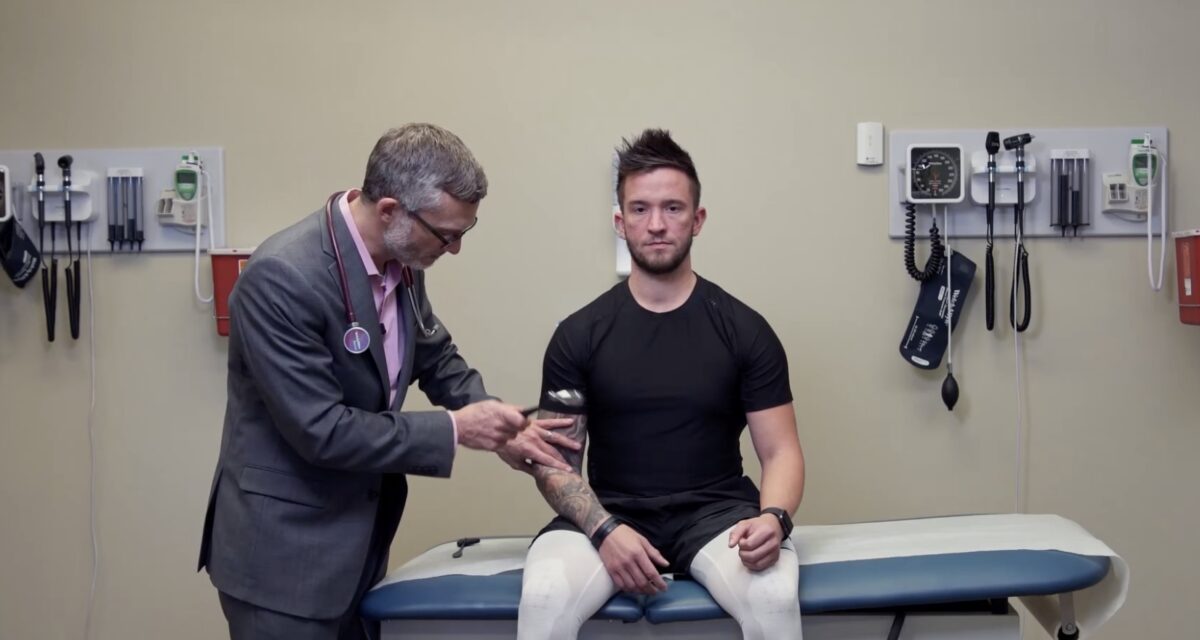
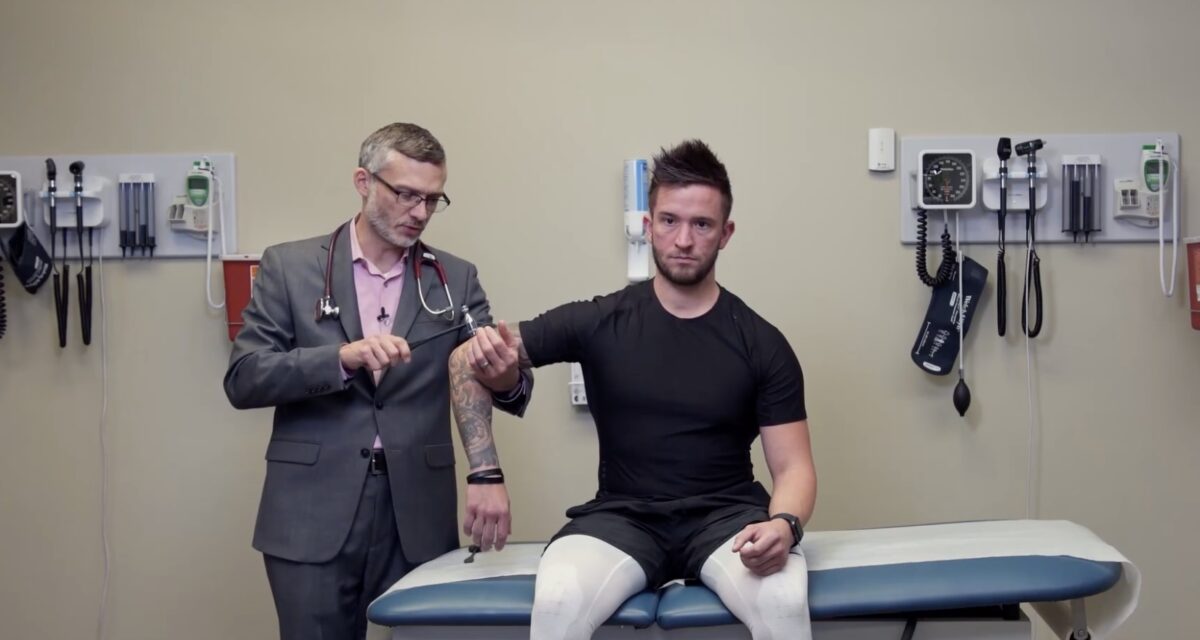
Reflejos de las extremidades superiores clínicamente relevantes

  • Reflejo de bíceps:
    • Raíz nerviosa: C5–C6
    • Coloque el pulgar sobre el tendón del bíceps y golpéelo.
    • Observe la flexión del codo.
  • Reflejo braquiorradial:
    • Raíz nerviosa: C5–C6
    • Golpee el tendón braquiorradial en EN Erythema nodosum is an immune-mediated panniculitis (inflammation of the subcutaneous fat) caused by a type IV (delayed-type) hypersensitivity reaction. It commonly manifests in young women as tender, erythematous nodules on the shins. Erythema Nodosum el extremo distal del radio con la muñeca en EN Erythema nodosum is an immune-mediated panniculitis (inflammation of the subcutaneous fat) caused by a type IV (delayed-type) hypersensitivity reaction. It commonly manifests in young women as tender, erythematous nodules on the shins. Erythema Nodosum una posición flexionada y dependiente.
    • Observe la flexión sutil del codo y la supinación del antebrazo.
  • Reflejo del tríceps:
    • Raíz nerviosa: C7–C8 (predominantemente C7)
    • Golpee el tendón del tríceps debajo del complejo muscular del tríceps en EN Erythema nodosum is an immune-mediated panniculitis (inflammation of the subcutaneous fat) caused by a type IV (delayed-type) hypersensitivity reaction. It commonly manifests in young women as tender, erythematous nodules on the shins. Erythema Nodosum la fosa del olécranon mientras el codo está en EN Erythema nodosum is an immune-mediated panniculitis (inflammation of the subcutaneous fat) caused by a type IV (delayed-type) hypersensitivity reaction. It commonly manifests in young women as tender, erythematous nodules on the shins. Erythema Nodosum una posición flexionada y dependiente.
    • Observe la extensión en EN Erythema nodosum is an immune-mediated panniculitis (inflammation of the subcutaneous fat) caused by a type IV (delayed-type) hypersensitivity reaction. It commonly manifests in young women as tender, erythematous nodules on the shins. Erythema Nodosum la articulación del codo.

Reflejos de las extremidades inferiores clínicamente relevantes

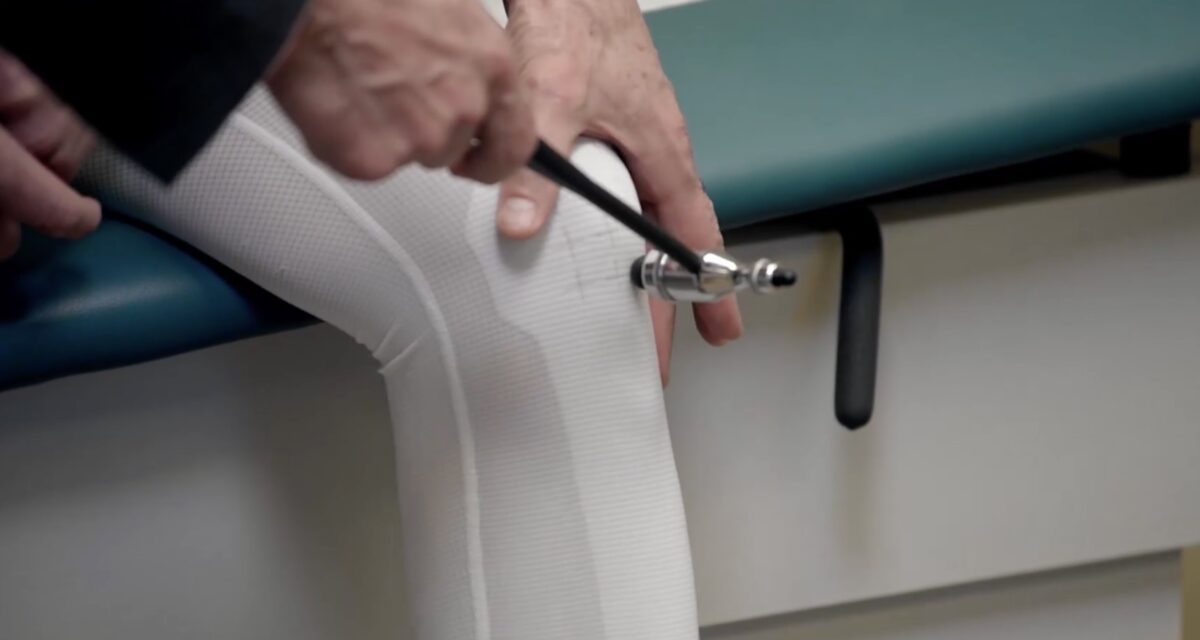
  • Reflejo de la rodilla:
    • Raíz nerviosa: L2–L4 (principalmente L4)
    • Golpee el tendón rotuliano por debajo de la rótula mientras la rodilla está en EN Erythema nodosum is an immune-mediated panniculitis (inflammation of the subcutaneous fat) caused by a type IV (delayed-type) hypersensitivity reaction. It commonly manifests in young women as tender, erythematous nodules on the shins. Erythema Nodosum una posición flexionada y dependiente.
    • Observe la extensión en EN Erythema nodosum is an immune-mediated panniculitis (inflammation of the subcutaneous fat) caused by a type IV (delayed-type) hypersensitivity reaction. It commonly manifests in young women as tender, erythematous nodules on the shins. Erythema Nodosum la articulación de la rodilla.
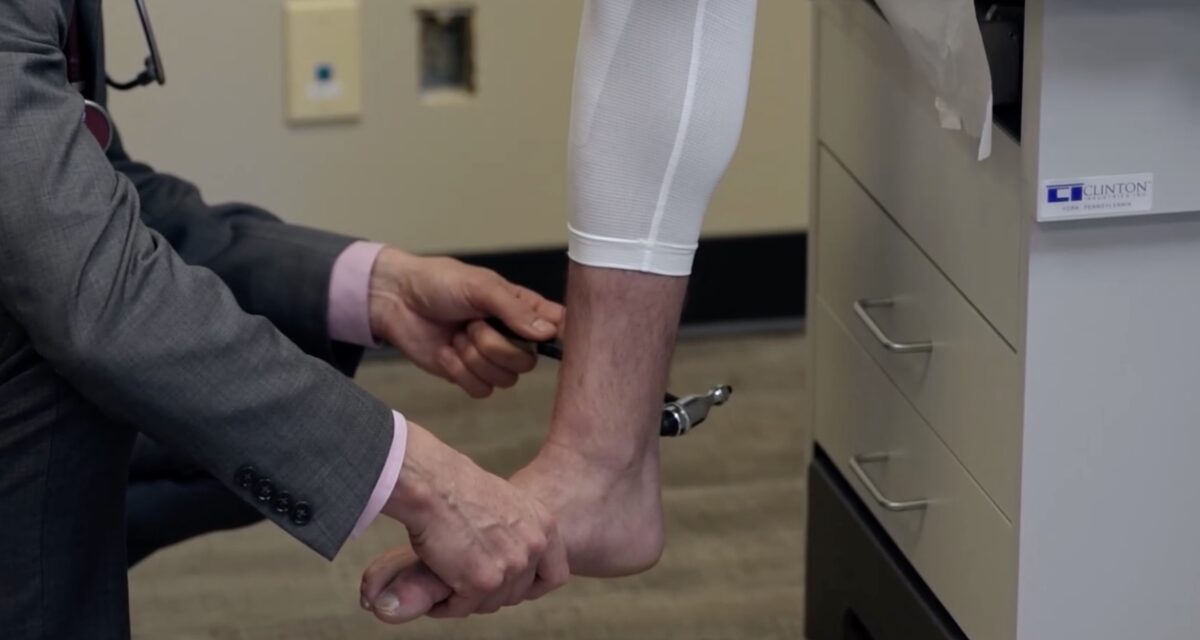
  • Reflejo del tobillo:
    • Raíz nerviosa: S1 S1 Heart Sounds S2 S2 Heart Sounds
    • Golpee el tendón de Aquiles debajo del complejo gastrocnemio/sóleo mientras el examinador sostiene el tobillo en EN Erythema nodosum is an immune-mediated panniculitis (inflammation of the subcutaneous fat) caused by a type IV (delayed-type) hypersensitivity reaction. It commonly manifests in young women as tender, erythematous nodules on the shins. Erythema Nodosum una posición de ligera dorsiflexión.
    • Observe la flexión plantar en EN Erythema nodosum is an immune-mediated panniculitis (inflammation of the subcutaneous fat) caused by a type IV (delayed-type) hypersensitivity reaction. It commonly manifests in young women as tender, erythematous nodules on the shins. Erythema Nodosum la articulación del tobillo.

Lesiones de las Motoneuronas Superiores e Inferiores

La evidencia de lesiones de la motoneurona superior frente a la inferior puede hacerse evidente durante el examen motor Motor Neurons which send impulses peripherally to activate muscles or secretory cells. Nervous System: Histology del sujeto debido a anomalías en EN Erythema nodosum is an immune-mediated panniculitis (inflammation of the subcutaneous fat) caused by a type IV (delayed-type) hypersensitivity reaction. It commonly manifests in young women as tender, erythematous nodules on the shins. Erythema Nodosum:

  • Tono muscular
  • Fuerza muscular
  • Reflejos tendinosos profundos
  • Actividad muscular espontánea
Tabla: Lesiones de la motoneurona superior versus motoneurona inferior
Motoneurona superior Motoneurona inferior
Sitio de la lesión Cerebro, médula espinal Asta anterior, raíz nerviosa, nervio periférico
Fuerza muscular Debilidad Debilidad
Tono muscular Hipertónico Flácido
Fasciculaciones Ausentes Presentes
Reflejos tendinosos profundos Hiperreflexia Hiporreflexia

Sensación

Tabla: Evaluaciones importantes del sistema sensorial
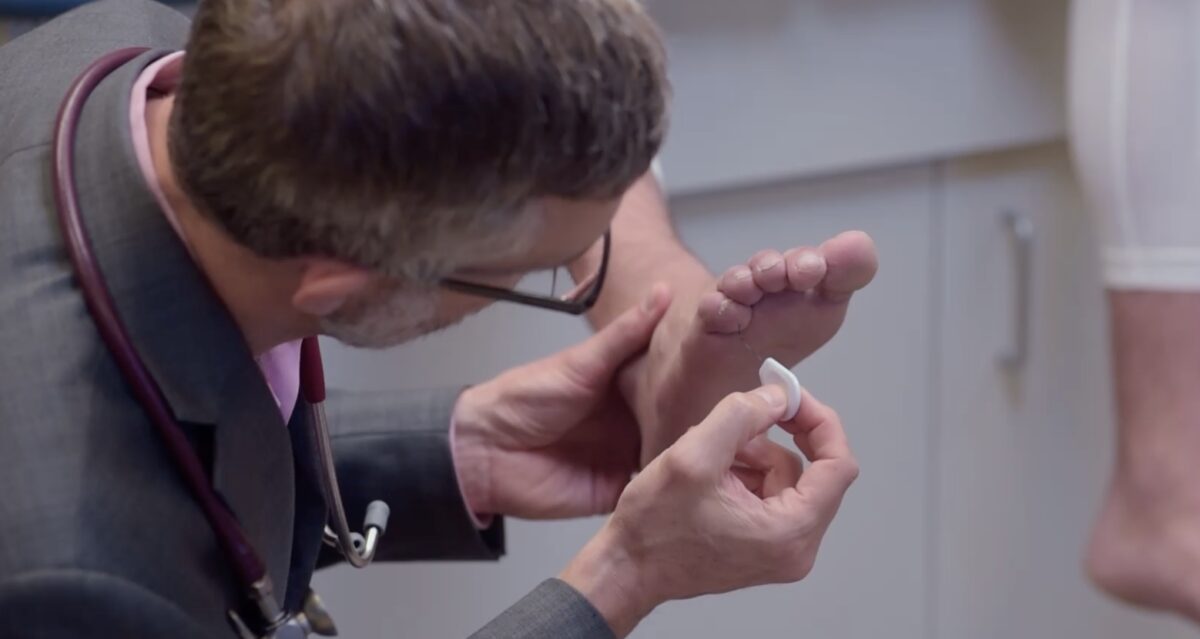
Sensación Vía Evaluación Hallazgos anormales
Toque ligero Tracto espinotalámico Toque el cuerpo del sujeto en EN Erythema nodosum is an immune-mediated panniculitis (inflammation of the subcutaneous fat) caused by a type IV (delayed-type) hypersensitivity reaction. It commonly manifests in young women as tender, erythematous nodules on the shins. Erythema Nodosum diferentes lugares de forma bilateral.
  • Parestesia: sensación anormal (hormigueo, pinchazos, entumecimiento) sin una causa aparente
  • Disestesia: sensación desagradable debido al AL Amyloidosis daño del nervio periférico
  • Alodinia: una sensación dolorosa que sigue a una estimulación normalmente no dolorosa
  • Hiperestesia: sensibilidad reducida al AL Amyloidosis tacto
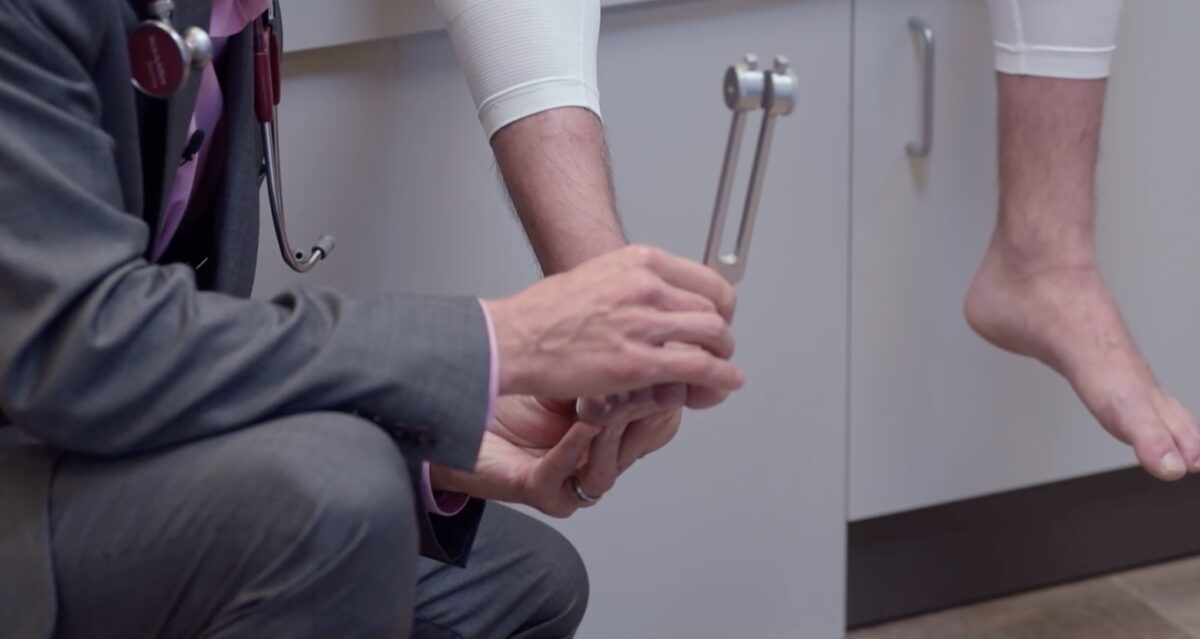
Vibración Columnas dorsales Proyecciones óseas probadas con un diapasón La disminución de la sensación de vibración indica daño de los LOS Neisseria nervios periféricos.
Propiocepción Columnas dorsales Identifique el cambio posicional del hallux mientras lo mueve hacia arriba y abajo. La propiocepción anormal indica daño de los LOS Neisseria nervios periféricos.
Dolor Dolor Inflammation y temperatura Tracto espinotalámico
  • Utilice un objeto puntiagudo para evaluar el dolor Dolor Inflammation.
  • Utilice objetos con diferentes temperaturas para evaluar la percepción de la temperatura.
La percepción anormal del dolor Dolor Inflammation y la temperatura indica daño de los LOS Neisseria nervios periféricos.
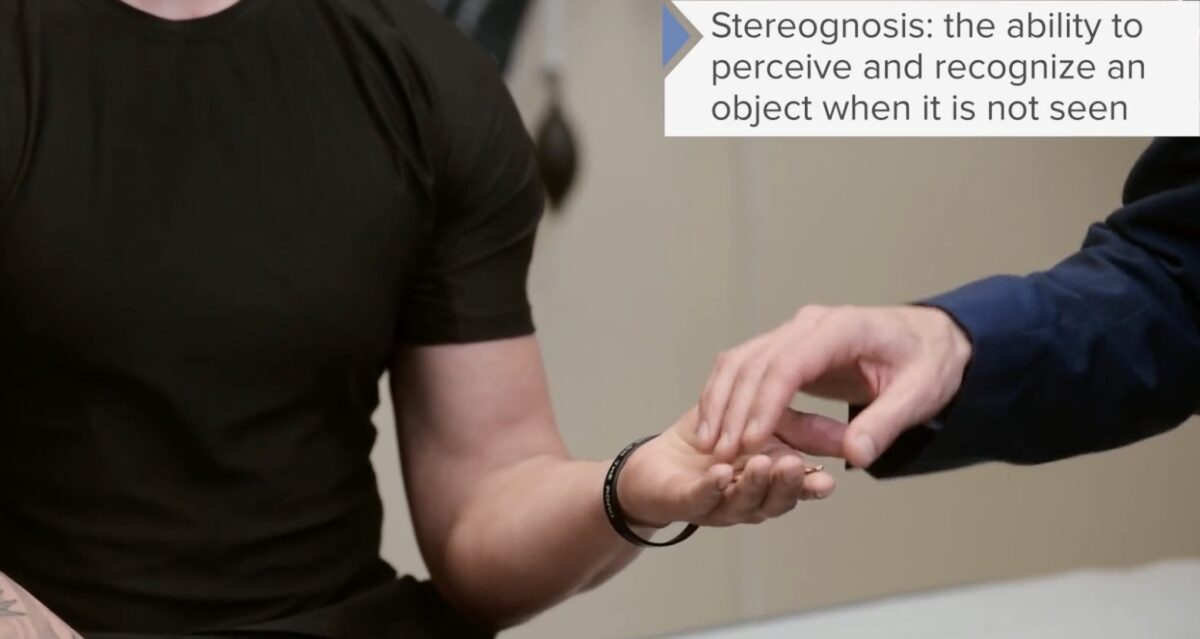
Estereognosis Corteza cerebral Pídale al AL Amyloidosis sujeto que identifique un objeto familiar con los LOS Neisseria ojos cerrados. Incapacidad para identificar un objeto familiar
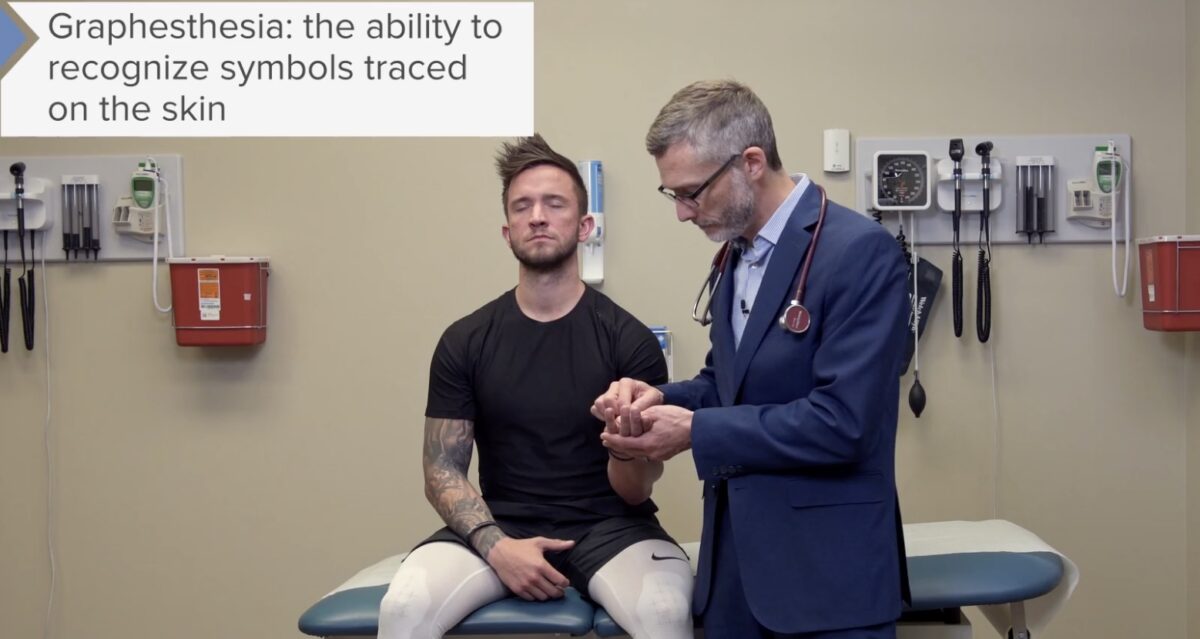
Grafestesia Corteza cerebral Trace un símbolo familiar en EN Erythema nodosum is an immune-mediated panniculitis (inflammation of the subcutaneous fat) caused by a type IV (delayed-type) hypersensitivity reaction. It commonly manifests in young women as tender, erythematous nodules on the shins. Erythema Nodosum la palma del sujeto mientras sus ojos estén cerrados. Incapacidad para identificar el símbolo
Extinción táctil Corteza cerebral Aplique un estímulo táctil en EN Erythema nodosum is an immune-mediated panniculitis (inflammation of the subcutaneous fat) caused by a type IV (delayed-type) hypersensitivity reaction. It commonly manifests in young women as tender, erythematous nodules on the shins. Erythema Nodosum cada lado del cuerpo y luego bilateralmente y compare la percepción. Asimetría de percepción o incapacidad para percibir estímulos en EN Erythema nodosum is an immune-mediated panniculitis (inflammation of the subcutaneous fat) caused by a type IV (delayed-type) hypersensitivity reaction. It commonly manifests in young women as tender, erythematous nodules on the shins. Erythema Nodosum 1 lado del cuerpo

Función Cerebelosa

Se debe realizar un examen del cerebelo en EN Erythema nodosum is an immune-mediated panniculitis (inflammation of the subcutaneous fat) caused by a type IV (delayed-type) hypersensitivity reaction. It commonly manifests in young women as tender, erythematous nodules on the shins. Erythema Nodosum cualquier sujeto que presente signos o síntomas de patología cerebelosa, incluidos:

  • Mareo
  • Pérdida del equilibrio
  • Mala coordinación
  • Ataxia Ataxia Impairment of the ability to perform smoothly coordinated voluntary movements. This condition may affect the limbs, trunk, eyes, pharynx, larynx, and other structures. Ataxia may result from impaired sensory or motor function. Sensory ataxia may result from posterior column injury or peripheral nerve diseases. Motor ataxia may be associated with cerebellar diseases; cerebral cortex diseases; thalamic diseases; basal ganglia diseases; injury to the red nucleus; and other conditions. Ataxia-telangiectasia de la marcha o de las extremidades
  • Temblores
  • Signos piramidales
  • Mioclonías

Hay muchas causas de disfunción cerebelosa, que incluyen:

  • Accidente cerebrovascular
  • Lesiones ocupantes de espacio
  • Esclerosis múltiple
  • Ataxia Ataxia Impairment of the ability to perform smoothly coordinated voluntary movements. This condition may affect the limbs, trunk, eyes, pharynx, larynx, and other structures. Ataxia may result from impaired sensory or motor function. Sensory ataxia may result from posterior column injury or peripheral nerve diseases. Motor ataxia may be associated with cerebellar diseases; cerebral cortex diseases; thalamic diseases; basal ganglia diseases; injury to the red nucleus; and other conditions. Ataxia-telangiectasia de Friedreich

Componentes del examen

El examen del cerebelo incluye lo siguiente:

Coordinación:
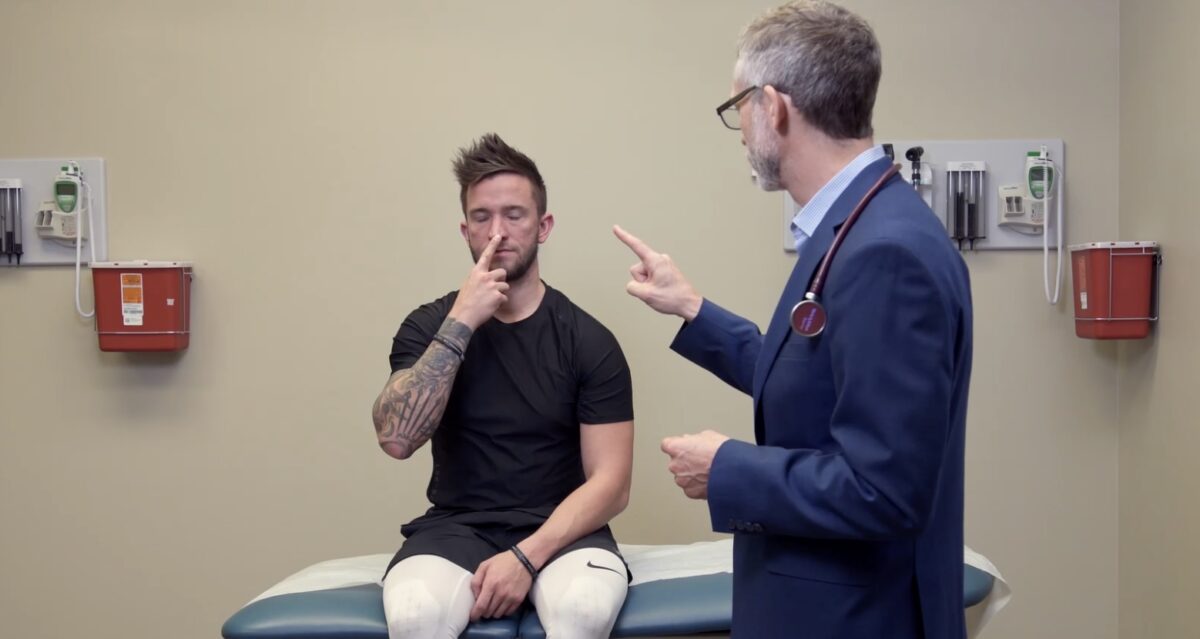
  • Prueba de dedo-nariz
  • Prueba de talón-rodilla-espinilla
  • Prueba de movimiento alterno rápido (disdiadococinesia)

Evaluación de la marcha:

  • Pídale al AL Amyloidosis sujeto que camine unos pasos hacia atrás y hacia adelante.
  • Realice la prueba de Romberg para distinguir entre ataxia Ataxia Impairment of the ability to perform smoothly coordinated voluntary movements. This condition may affect the limbs, trunk, eyes, pharynx, larynx, and other structures. Ataxia may result from impaired sensory or motor function. Sensory ataxia may result from posterior column injury or peripheral nerve diseases. Motor ataxia may be associated with cerebellar diseases; cerebral cortex diseases; thalamic diseases; basal ganglia diseases; injury to the red nucleus; and other conditions. Ataxia-telangiectasia sensorial y cerebelosa:
    • Pídale al AL Amyloidosis sujeto que se pare con los LOS Neisseria pies juntos, levante los LOS Neisseria brazos y cierre los LOS Neisseria ojos.
    • Prueba de Romberg positiva: el sujeto comienza a balancearse después de cerrar los LOS Neisseria ojos, lo que indica ataxia Ataxia Impairment of the ability to perform smoothly coordinated voluntary movements. This condition may affect the limbs, trunk, eyes, pharynx, larynx, and other structures. Ataxia may result from impaired sensory or motor function. Sensory ataxia may result from posterior column injury or peripheral nerve diseases. Motor ataxia may be associated with cerebellar diseases; cerebral cortex diseases; thalamic diseases; basal ganglia diseases; injury to the red nucleus; and other conditions. Ataxia-telangiectasia sensorial.
    • Prueba de Romberg negativa: cerrar los LOS Neisseria ojos del sujeto no resulta en EN Erythema nodosum is an immune-mediated panniculitis (inflammation of the subcutaneous fat) caused by a type IV (delayed-type) hypersensitivity reaction. It commonly manifests in young women as tender, erythematous nodules on the shins. Erythema Nodosum un aumento del balanceo.
    • El balanceo incontrolable incluso cuando los LOS Neisseria ojos están abiertos es indicativo de disfunción en EN Erythema nodosum is an immune-mediated panniculitis (inflammation of the subcutaneous fat) caused by a type IV (delayed-type) hypersensitivity reaction. It commonly manifests in young women as tender, erythematous nodules on the shins. Erythema Nodosum la sensación periférica y/o mala transmisión de las entradas periféricas hacia las columnas dorsales.
    • Las lesiones cerebelosas pueden no manifestarse en EN Erythema nodosum is an immune-mediated panniculitis (inflammation of the subcutaneous fat) caused by a type IV (delayed-type) hypersensitivity reaction. It commonly manifests in young women as tender, erythematous nodules on the shins. Erythema Nodosum la prueba de Romberg a menos que se introduzca externamente una perturbación del equilibrio (e.g., el sujeto no puede mantener el equilibrio si se lo “empuja” suavemente).
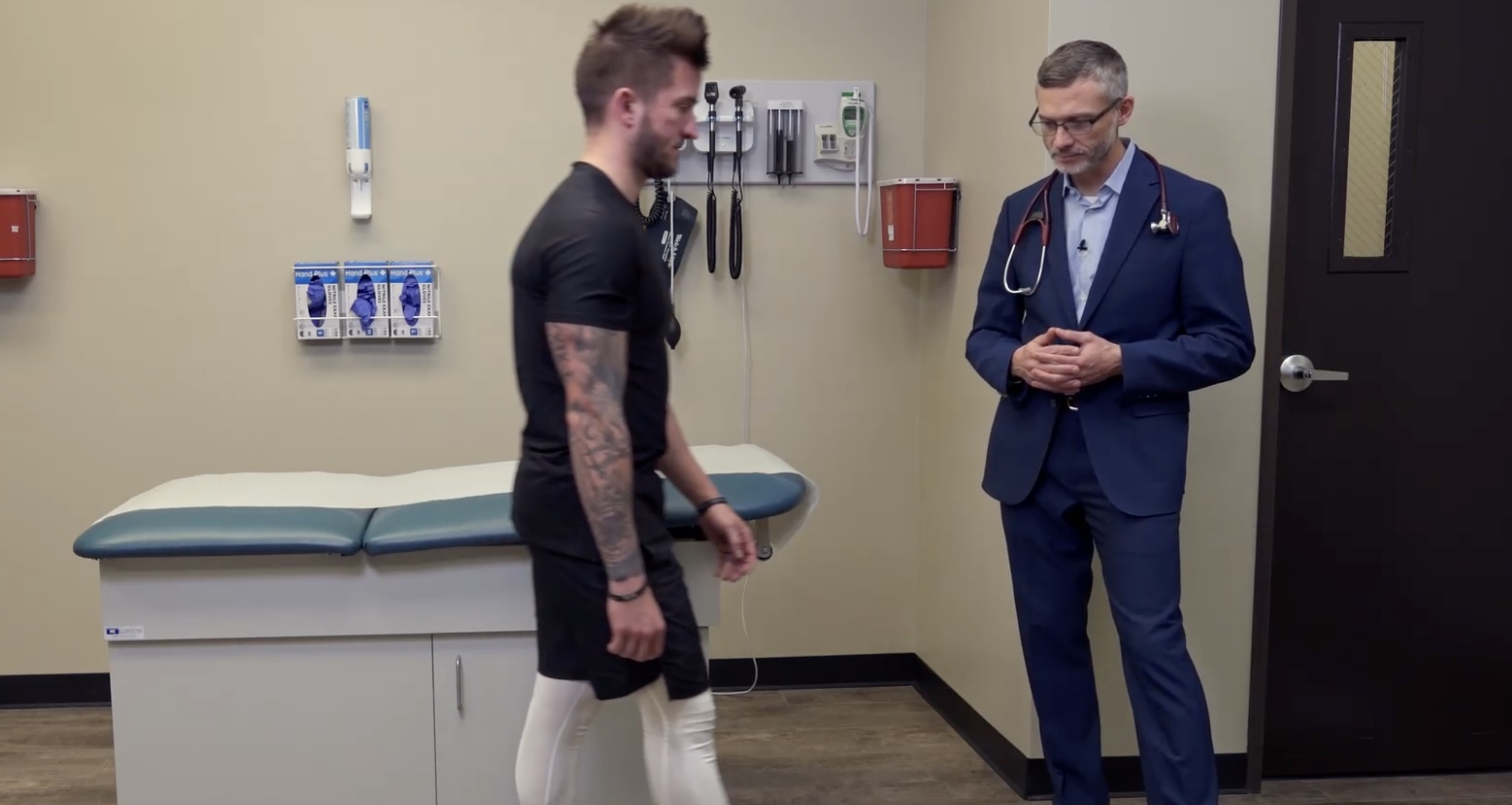
Prueba de ataxia de la marcha

La prueba de ataxia de la marcha a menudo se realiza simplemente haciendo que el sujeto deambule por la habitación.

Imagen por Lecturio.

Anomalías

Muchos síndromes cerebelosos pueden manifestarse con anomalías en EN Erythema nodosum is an immune-mediated panniculitis (inflammation of the subcutaneous fat) caused by a type IV (delayed-type) hypersensitivity reaction. It commonly manifests in young women as tender, erythematous nodules on the shins. Erythema Nodosum la marcha.

Tabla: Anormalías clínicamente significativas de la marcha/ en EN Erythema nodosum is an immune-mediated panniculitis (inflammation of the subcutaneous fat) caused by a type IV (delayed-type) hypersensitivity reaction. It commonly manifests in young women as tender, erythematous nodules on the shins. Erythema Nodosum reposo
Marcha Descripción Signos asociados Causas
Cerebelar
  • Atáxica
  • Tambaleante
  • Base amplia
  • Disdiadococinesia
  • Dismetria
  • Nistagmo
  • Signo de Romberg positivo solo si se introducen impulsos externos
  • Degeneración cerebelosa
  • Accidente cerebrovascular
  • Intoxicación alcohólica
  • Deficiencia de vitamina B12
Sensorial
  • Base amplia
  • Pasos altos
  • Signo de Romberg positivo
  • Ausencia de reflejos tendinosos profundos
  • Propiocepción alterada
  • Daño a los LOS Neisseria nervios periféricos, raíces dorsales o columnas posteriores
  • Vestibular
  • Inestable, cayendo a 1 lado
    • Náuseas, vértigo
    • Sensación normal
    • Reflejos normales
    • Laberintitis aguda
    • Enfermedad de Meniere
    Parkinsoniana
    • Pasos cortos
    • Arrastramiento
    • Base estrecha
    • Bradicinesia
    • Temblor en EN Erythema nodosum is an immune-mediated panniculitis (inflammation of the subcutaneous fat) caused by a type IV (delayed-type) hypersensitivity reaction. It commonly manifests in young women as tender, erythematous nodules on the shins. Erythema Nodosum reposo
    • Inestabilidad postural
    • Balanceo de brazos disminuido
  • Enfermedad de Parkinson
  • Estepaje Pie caído al AL Amyloidosis caminar Pérdida sensorial distal y debilidad Neuropatía motora
    Marcha/signo de Trendelenburg La pelvis Pelvis The pelvis consists of the bony pelvic girdle, the muscular and ligamentous pelvic floor, and the pelvic cavity, which contains viscera, vessels, and multiple nerves and muscles. The pelvic girdle, composed of 2 “hip” bones and the sacrum, is a ring-like bony structure of the axial skeleton that links the vertebral column with the lower extremities. Pelvis: Anatomy desciende hacia el lado no afectado. Debilidad en EN Erythema nodosum is an immune-mediated panniculitis (inflammation of the subcutaneous fat) caused by a type IV (delayed-type) hypersensitivity reaction. It commonly manifests in young women as tender, erythematous nodules on the shins. Erythema Nodosum los LOS Neisseria músculos gluteus medius Gluteus medius Gluteal Region: Anatomy y gluteus minimus Gluteus minimus Gluteal Region: Anatomy Daño al AL Amyloidosis nervio glúteo superior
    Espástica Movimientos lentos, rígidos y laboriosos Tijereteo de piernas
    • Lesiones de la motoneurona superior
    • Parálisis cerebral

    Relevancia Clínica

    Las siguientes afecciones se pueden encontrar durante el examen neurológico:

    • Glaucoma Glaucoma Glaucoma is an optic neuropathy characterized by typical visual field defects and optic nerve atrophy seen as optic disc cupping on examination. The acute form of glaucoma is a medical emergency. Glaucoma is often, but not always, caused by increased intraocular pressure (IOP). Glaucoma: grupo de enfermedades oculares caracterizadas por una presión intraocular elevada y que provocan una neuropatía óptica. El glaucoma Glaucoma Glaucoma is an optic neuropathy characterized by typical visual field defects and optic nerve atrophy seen as optic disc cupping on examination. The acute form of glaucoma is a medical emergency. Glaucoma is often, but not always, caused by increased intraocular pressure (IOP). Glaucoma es una enfermedad progresiva que conduce a la pérdida de los LOS Neisseria axones de las células ganglionares de la retina Retina The ten-layered nervous tissue membrane of the eye. It is continuous with the optic nerve and receives images of external objects and transmits visual impulses to the brain. Its outer surface is in contact with the choroid and the inner surface with the vitreous body. The outermost layer is pigmented, whereas the inner nine layers are transparent. Eye: Anatomy. El glaucoma Glaucoma Glaucoma is an optic neuropathy characterized by typical visual field defects and optic nerve atrophy seen as optic disc cupping on examination. The acute form of glaucoma is a medical emergency. Glaucoma is often, but not always, caused by increased intraocular pressure (IOP). Glaucoma se manifiesta inicialmente como pérdida del campo visual y, en EN Erythema nodosum is an immune-mediated panniculitis (inflammation of the subcutaneous fat) caused by a type IV (delayed-type) hypersensitivity reaction. It commonly manifests in young women as tender, erythematous nodules on the shins. Erythema Nodosum última instancia, puede provocar ceguera irreversible si no se trata.
    • Esclerosis múltiple (encefalitis diseminada): enfermedad autoinmune inflamatoria crónica del sistema nervioso central que afecta principalmente a mujeres jóvenes. Por sus diversos síntomas, la esclerosis múltiple se conoce como una enfermedad con múltiples manifestaciones. En EN Erythema nodosum is an immune-mediated panniculitis (inflammation of the subcutaneous fat) caused by a type IV (delayed-type) hypersensitivity reaction. It commonly manifests in young women as tender, erythematous nodules on the shins. Erythema Nodosum el examen pueden estar presentes varias anomalías neurológicas, que pueden aumentar y disminuir en EN Erythema nodosum is an immune-mediated panniculitis (inflammation of the subcutaneous fat) caused by a type IV (delayed-type) hypersensitivity reaction. It commonly manifests in young women as tender, erythematous nodules on the shins. Erythema Nodosum gravedad y localización con el tiempo.
    • Enfermedad de Parkinson: una enfermedad neurodegenerativa progresiva con diversas características clínicas que incluyen manifestaciones neuropsiquiátricas y otras no motoras, además de su sintomatología motora. Las anomalías neurológicas comunes pueden incluir marcha anormal, temblores, rigidez en EN Erythema nodosum is an immune-mediated panniculitis (inflammation of the subcutaneous fat) caused by a type IV (delayed-type) hypersensitivity reaction. It commonly manifests in young women as tender, erythematous nodules on the shins. Erythema Nodosum rueda dentada y dificultades del habla.

    Referencias

    1. Gelb, D. (2021). The detailed neurologic examination in adults. Retrieved November 18, 2021, from https://www.uptodate.com/contents/the-detailed-neurologic-examination-in-adults
    2. Mendez, M. (2021). The mental status examination in adults. Retrieved November 18, 2021, from https://www.uptodate.com/contents/the-mental-status-examination-in-adults
    3. Shahrokhi M, Asuncion, RM.D. Neurologic Exam. [Updated 2021 Apr 29]. In: StatPearls [Internet]. Treasure Island (FL): StatPearls Publishing; 2021 January. Retrieved November 18, 2021, from https://www.ncbi.nlm.nih.gov/books/NBK557589/
    4. Ooman, K. (2021). Neurological History and Physical Examination. Retrieved November 18, 2021, from https://emedicine.medscape.com/article/1147993-overview

    ¡Crea tu cuenta gratis o inicia una sesión para seguir leyendo!

    Regístrate ahora y obtén acceso gratuito a Lecturio con páginas de concepto, videos médicos y cuestionarios para tu educación médica.

    User Reviews

    Que tengas una sesión de estudio alegre y navideña 🎁 Ahorra 50% en todos los planes >>

    Details