
Domina Conceptos Médicos

Estudia para la escuela de medicina y tus examenes con Lecturio.

Crup

El crup, también conocido como laringotraqueobronquitis, es una enfermedad causada en la mayoría de los casos por una infección viral que provoca una grave inflamación de las vías respiratorias superiores. Suele presentarse en niños < 5 años de edad. Los pacientes desarrollan una tos ronca como "ladrido de foca" y un estridor inspiratorio. Los LOS Neisseria virus Virus Viruses are infectious, obligate intracellular parasites composed of a nucleic acid core surrounded by a protein capsid. Viruses can be either naked (non-enveloped) or enveloped. The classification of viruses is complex and based on many factors, including type and structure of the nucleoid and capsid, the presence of an envelope, the replication cycle, and the host range. Virology de la parainfluenza humana son los LOS Neisseria responsables de la mayoría de los LOS Neisseria casos, seguidos del virus Virus Viruses are infectious, obligate intracellular parasites composed of a nucleic acid core surrounded by a protein capsid. Viruses can be either naked (non-enveloped) or enveloped. The classification of viruses is complex and based on many factors, including type and structure of the nucleoid and capsid, the presence of an envelope, the replication cycle, and the host range. Virology sincitial respiratorio, los LOS Neisseria adenovirus Adenovirus Adenovirus (member of the family Adenoviridae) is a nonenveloped, double-stranded DNA virus. Adenovirus is transmitted in a variety of ways, and it can have various presentations based on the site of entry. Presentation can include febrile pharyngitis, conjunctivitis, acute respiratory disease, atypical pneumonia, and gastroenteritis. Adenovirus, los LOS Neisseria rinovirus y los LOS Neisseria enterovirus Enterovirus A genus of the family picornaviridae whose members preferentially inhabit the intestinal tract of a variety of hosts. The genus contains many species. Newly described members of human enteroviruses are assigned continuous numbers with the species designated 'human enterovirus'. Coxsackievirus. El crup se suele diagnosticar clínicamente o con la ayuda de la radiografía (signo del campanario). El tratamiento consiste en EN Erythema nodosum is an immune-mediated panniculitis (inflammation of the subcutaneous fat) caused by a type IV (delayed-type) hypersensitivity reaction. It commonly manifests in young women as tender, erythematous nodules on the shins. Erythema Nodosum esteroides y epinefrina.

Last updated: May 21, 2025

Editorial responsibility: Stanley Oiseth, Lindsay Jones, Evelin Maza

Epidemiología

  • Afecta principalmente a niños entre 6–36 meses
    • Rango de edad potencialmente afectado: 6 meses a 15 años
  • El 15% de las hospitalizaciones pediátricas de emergencia son causadas por el crup
  • Más frecuente en EN Erythema nodosum is an immune-mediated panniculitis (inflammation of the subcutaneous fat) caused by a type IV (delayed-type) hypersensitivity reaction. It commonly manifests in young women as tender, erythematous nodules on the shins. Erythema Nodosum otoño y principios de invierno
  • Es más común en EN Erythema nodosum is an immune-mediated panniculitis (inflammation of the subcutaneous fat) caused by a type IV (delayed-type) hypersensitivity reaction. It commonly manifests in young women as tender, erythematous nodules on the shins. Erythema Nodosum los LOS Neisseria niños, con una proporción varón:hembra de 1.4:1
  • 5–6 casos por cada 100 niños pequeños en EN Erythema nodosum is an immune-mediated panniculitis (inflammation of the subcutaneous fat) caused by a type IV (delayed-type) hypersensitivity reaction. It commonly manifests in young women as tender, erythematous nodules on the shins. Erythema Nodosum el segundo año de vida en EN Erythema nodosum is an immune-mediated panniculitis (inflammation of the subcutaneous fat) caused by a type IV (delayed-type) hypersensitivity reaction. It commonly manifests in young women as tender, erythematous nodules on the shins. Erythema Nodosum Estados Unidos

Transmisión

  • Contagioso en EN Erythema nodosum is an immune-mediated panniculitis (inflammation of the subcutaneous fat) caused by a type IV (delayed-type) hypersensitivity reaction. It commonly manifests in young women as tender, erythematous nodules on the shins. Erythema Nodosum los LOS Neisseria primeros días, sobre todo el primer o segundo día
  • Se transmite en EN Erythema nodosum is an immune-mediated panniculitis (inflammation of the subcutaneous fat) caused by a type IV (delayed-type) hypersensitivity reaction. It commonly manifests in young women as tender, erythematous nodules on the shins. Erythema Nodosum forma de gotículas liberadas al AL Amyloidosis estornudar y toser

Factores de riesgo

  • Cambio de estación (otoño → invierno, invierno → primavera)
  • Prematuridad
  • Edad de 6 meses a 6 años
  • Asma ASMA Autoimmune Hepatitis

Etiología y Fisiopatología

El crup suele ser causado por un virus Virus Viruses are infectious, obligate intracellular parasites composed of a nucleic acid core surrounded by a protein capsid. Viruses can be either naked (non-enveloped) or enveloped. The classification of viruses is complex and based on many factors, including type and structure of the nucleoid and capsid, the presence of an envelope, the replication cycle, and the host range. Virology (75% de los LOS Neisseria casos) y, con menor frecuencia, por bacterias.
  • Viral:
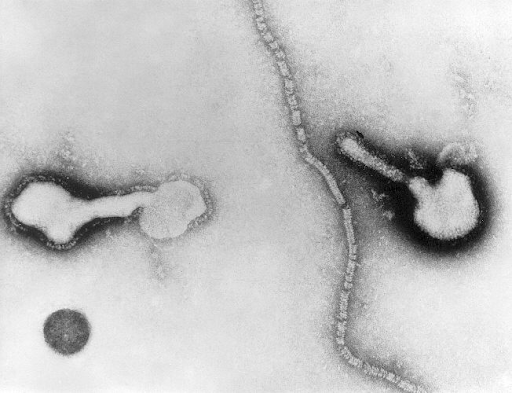
    • Más comunes: virus Virus Viruses are infectious, obligate intracellular parasites composed of a nucleic acid core surrounded by a protein capsid. Viruses can be either naked (non-enveloped) or enveloped. The classification of viruses is complex and based on many factors, including type and structure of the nucleoid and capsid, the presence of an envelope, the replication cycle, and the host range. Virology de la parainfluenza tipos 1 y 2
      • 3 proteínas de virulencia: proteína de fusión, hemaglutinina, neuraminidasa
    • Otros: virus Virus Viruses are infectious, obligate intracellular parasites composed of a nucleic acid core surrounded by a protein capsid. Viruses can be either naked (non-enveloped) or enveloped. The classification of viruses is complex and based on many factors, including type and structure of the nucleoid and capsid, the presence of an envelope, the replication cycle, and the host range. Virology sincitial respiratorio (segunda causa más frecuente), adenovirus Adenovirus Adenovirus (member of the family Adenoviridae) is a nonenveloped, double-stranded DNA virus. Adenovirus is transmitted in a variety of ways, and it can have various presentations based on the site of entry. Presentation can include febrile pharyngitis, conjunctivitis, acute respiratory disease, atypical pneumonia, and gastroenteritis. Adenovirus, coronavirus Coronavirus Coronaviruses are a group of related viruses that contain positive-sense, single-stranded RNA. Coronavirus derives its name from “κορώνη korṓnē” in Greek, which translates as “crown,” after the small club-shaped proteins visible as a ring around the viral envelope in electron micrographs. Coronavirus, sarampión, virus Virus Viruses are infectious, obligate intracellular parasites composed of a nucleic acid core surrounded by a protein capsid. Viruses can be either naked (non-enveloped) or enveloped. The classification of viruses is complex and based on many factors, including type and structure of the nucleoid and capsid, the presence of an envelope, the replication cycle, and the host range. Virology de la influenza Influenza Influenza viruses are members of the Orthomyxoviridae family and the causative organisms of influenza, a highly contagious febrile respiratory disease. There are 3 primary influenza viruses (A, B, and C) and various subtypes, which are classified based on their virulent surface antigens, hemagglutinin (HA) and neuraminidase (NA). Influenza typically presents with a fever, myalgia, headache, and symptoms of an upper respiratory infection. Influenza Viruses/Influenza, rinovirus, enterovirus Enterovirus A genus of the family picornaviridae whose members preferentially inhabit the intestinal tract of a variety of hosts. The genus contains many species. Newly described members of human enteroviruses are assigned continuous numbers with the species designated ‘human enterovirus’. Coxsackievirus, virus Virus Viruses are infectious, obligate intracellular parasites composed of a nucleic acid core surrounded by a protein capsid. Viruses can be either naked (non-enveloped) or enveloped. The classification of viruses is complex and based on many factors, including type and structure of the nucleoid and capsid, the presence of an envelope, the replication cycle, and the host range. Virology del herpes simple, metaneumovirus
  • Bacteriana:
    • Normalmente se divide en EN Erythema nodosum is an immune-mediated panniculitis (inflammation of the subcutaneous fat) caused by a type IV (delayed-type) hypersensitivity reaction. It commonly manifests in young women as tender, erythematous nodules on the shins. Erythema Nodosum:
      • Traqueítis bacteriana
      • Laringotraqueobronquitis
      • Difteria laríngea causada por Corynebacterium diphtheriae Corynebacterium diphtheriae Diphtheria is an infectious disease caused by corynebacterium diphtheriae that most often results in respiratory disease with membranous inflammation of the pharynx, sore throat, fever, swollen glands, and weakness. The hallmark sign is a sheet of thick, gray material covering the back of the throat. Diphtheria
      • Bronconeumonitis laringotraqueal
    • Otros agentes bacterianos:
      • Mycoplasma pneumoniae Mycoplasma pneumoniae Short filamentous organism of the genus mycoplasma, which binds firmly to the cells of the respiratory epithelium. It is one of the etiologic agents of non-viral primary atypical pneumonia in man. Mycoplasma
      • Staphylococcus aureus Staphylococcus aureus Potentially pathogenic bacteria found in nasal membranes, skin, hair follicles, and perineum of warm-blooded animals. They may cause a wide range of infections and intoxications. Brain Abscess
      • Haemophilus influenzae Haemophilus Influenzae A species of Haemophilus found on the mucous membranes of humans and a variety of animals. The species is further divided into biotypes I through viii. Haemophilus
      • Streptococcus Streptococcus Streptococcus is one of the two medically important genera of gram-positive cocci, the other being Staphylococcus. Streptococci are identified as different species on blood agar on the basis of their hemolytic pattern and sensitivity to optochin and bacitracin. There are many pathogenic species of streptococci, including S. pyogenes, S. agalactiae, S. pneumoniae, and the viridans streptococci. Streptococcus pneumonia Pneumonia Pneumonia or pulmonary inflammation is an acute or chronic inflammation of lung tissue. Causes include infection with bacteria, viruses, or fungi. In more rare cases, pneumonia can also be caused through toxic triggers through inhalation of toxic substances, immunological processes, or in the course of radiotherapy. Pneumoniae
      • Moraxella catarrhalis Moraxella catarrhalis Gram-negative aerobic cocci of low virulence that colonize the nasopharynx and occasionally cause meningitis; bacteremia; empyema; pericarditis; and pneumonia. Moraxella
  • Fisiopatología:
    • Los LOS Neisseria virus Virus Viruses are infectious, obligate intracellular parasites composed of a nucleic acid core surrounded by a protein capsid. Viruses can be either naked (non-enveloped) or enveloped. The classification of viruses is complex and based on many factors, including type and structure of the nucleoid and capsid, the presence of an envelope, the replication cycle, and the host range. Virology que causan el crup infectan los LOS Neisseria epitelios de la mucosa nasal y faríngea a través de gotículas.
    • La infección se extiende a la laringe y la tráquea a través del epitelio respiratorio.
    • La infección desencadena la infiltración de leucocitos, especialmente histiocitos, neutrófilos, células plasmáticas y linfocitos.
    • Provoca tumefacción y edema Edema Edema is a condition in which excess serous fluid accumulates in the body cavity or interstitial space of connective tissues. Edema is a symptom observed in several medical conditions. It can be categorized into 2 types, namely, peripheral (in the extremities) and internal (in an organ or body cavity). Edema en EN Erythema nodosum is an immune-mediated panniculitis (inflammation of the subcutaneous fat) caused by a type IV (delayed-type) hypersensitivity reaction. It commonly manifests in young women as tender, erythematous nodules on the shins. Erythema Nodosum el interior de la tráquea, la laringe y los LOS Neisseria grandes bronquios
    • La hinchazón obstruye/estrecha parcialmente las vías respiratorias.
    • La respiración pesada durante el ejercicio y otras actividades físicas vigorosas produce estridor.
Microfotografía electrónica de transmisión de un virus de la parainfluenza

Microfotografía electrónica de transmisión del virus de la parainfluenza

Imagen: “Transmission electron micrograph” por Public Health Image Library. Licencia: CDC/Dominio público

Signos y Síntomas

  • Secreción nasal
  • Congestión
  • Coriza
  • Tos TOS Thoracic outlet syndrome (TOS) is a broad term used for a spectrum of syndromes related to the general region of the thoracic outlet, which involves the compression or irritation of elements of the brachial plexus, subclavian artery, or subclavian vein. Thoracic Outlet Syndrome perruna
  • Estridor inspiratorio
  • Fiebre leve
  • Disfonía
  • Agrandamiento agudo de las amígdalas
  • Dificultad para tragar y comer (disfagia)
  • Signo de Hoover (movimiento hacia adentro de la parte inferior de la caja torácica durante la inspiración)
  • Agitación
  • Pulso paradójico secundario a la obstrucción de las vías respiratorias superiores
  • 2 fases clínicas:
    • Fase prodrómica
      • Secreción nasal, congestión y coriza
    • Fase inflamatoria
      • Leve: tos TOS Thoracic outlet syndrome (TOS) is a broad term used for a spectrum of syndromes related to the general region of the thoracic outlet, which involves the compression or irritation of elements of the brachial plexus, subclavian artery, or subclavian vein. Thoracic Outlet Syndrome perruna, disfonía y estridor inspiratorio leve
      • Moderada: disnea en EN Erythema nodosum is an immune-mediated panniculitis (inflammation of the subcutaneous fat) caused by a type IV (delayed-type) hypersensitivity reaction. It commonly manifests in young women as tender, erythematous nodules on the shins. Erythema Nodosum reposo, retracciones torácicas pronunciadas, palidez, taquicardia
      • Severa: taquidisnea grave en EN Erythema nodosum is an immune-mediated panniculitis (inflammation of the subcutaneous fat) caused by a type IV (delayed-type) hypersensitivity reaction. It commonly manifests in young women as tender, erythematous nodules on the shins. Erythema Nodosum reposo con insuficiencia respiratoria progresiva, cianosis, hipoxemia, bradicardia y alteración del estado mental

Diagnóstico

  • El diagnóstico se basa en la presencia de una tos como “ladrido de foca” y un estridor inspiratorio.
  • No son necesarias ni las radiografías ni las pruebas de laboratorio para hacer el diagnóstico.
  • La gravedad del crup puede detectarse mediante las siguientes pruebas de laboratorio:
    • Radiografía lateral del cuello para descartar cualquier otra causa, como un absceso periamigdalino
    • La radiografía anteroposterior suele mostrar un “signo del campanario”, que representa un estrechamiento subglótico
  • La broncoscopia puede estar indicada en EN Erythema nodosum is an immune-mediated panniculitis (inflammation of the subcutaneous fat) caused by a type IV (delayed-type) hypersensitivity reaction. It commonly manifests in young women as tender, erythematous nodules on the shins. Erythema Nodosum pacientes con episodios recurrentes de crup.
  • La gravedad de la enfermedad puede evaluarse mediante la puntuación de Westley:
Hallazgo Número de puntos asignados para este hallazgo
0 1 2 3 4 5
Retracción de la pared torácica Ausente Leve Moderado Severo
Estridor Ausente Con la agitación En EN Erythema nodosum is an immune-mediated panniculitis (inflammation of the subcutaneous fat) caused by a type IV (delayed-type) hypersensitivity reaction. It commonly manifests in young women as tender, erythematous nodules on the shins. Erythema Nodosum reposo
Cianosis Ausente Con la agitación En EN Erythema nodosum is an immune-mediated panniculitis (inflammation of the subcutaneous fat) caused by a type IV (delayed-type) hypersensitivity reaction. It commonly manifests in young women as tender, erythematous nodules on the shins. Erythema Nodosum reposo
Nivel de conciencia Normal Desorientado
Entrada de aire Normal Disminuida Marcadamente disminuida
  • Leve: puntuación total ≤ 2 = tos TOS Thoracic outlet syndrome (TOS) is a broad term used for a spectrum of syndromes related to the general region of the thoracic outlet, which involves the compression or irritation of elements of the brachial plexus, subclavian artery, or subclavian vein. Thoracic Outlet Syndrome perruna y disfonía, pero sin estridor en EN Erythema nodosum is an immune-mediated panniculitis (inflammation of the subcutaneous fat) caused by a type IV (delayed-type) hypersensitivity reaction. It commonly manifests in young women as tender, erythematous nodules on the shins. Erythema Nodosum reposo
  • Moderado: puntuación total de 3–7
  • Severo: puntuación total de ≥ 8 = estridor evidente y signo de Hoover
  • Insuficiencia respiratoria inminente: puntuación total ≥ 12

Consejo: Aunque una radiografía de tórax mostrará un estrechamiento de la columna de aire en EN Erythema nodosum is an immune-mediated panniculitis (inflammation of the subcutaneous fat) caused by a type IV (delayed-type) hypersensitivity reaction. It commonly manifests in young women as tender, erythematous nodules on the shins. Erythema Nodosum la tráquea (signo del campanario), la radiografía de tórax rara vez se realiza en EN Erythema nodosum is an immune-mediated panniculitis (inflammation of the subcutaneous fat) caused by a type IV (delayed-type) hypersensitivity reaction. It commonly manifests in young women as tender, erythematous nodules on the shins. Erythema Nodosum la práctica y siempre es la respuesta incorrecta cuando se pregunta por el siguiente paso más apropiado en EN Erythema nodosum is an immune-mediated panniculitis (inflammation of the subcutaneous fat) caused by a type IV (delayed-type) hypersensitivity reaction. It commonly manifests in young women as tender, erythematous nodules on the shins. Erythema Nodosum el diagnóstico.
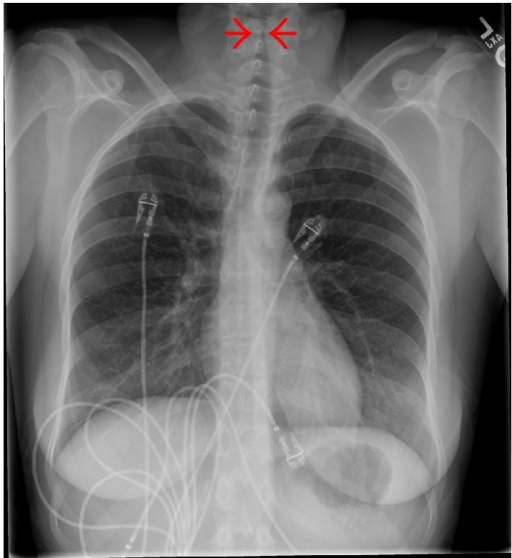
Signo del Campanario

Radiografía de tórax que muestra la estenosis subglótica, conocida como signo del campanario, que se observa comúnmente en la radiografía anteroposterior en pacientes con crup.

Imagen: “Steeple sign” por Jayshil J. Patel, Emily Kitchin y Kurt Pfeifer. Licencia: CC BY 4.0

Tratamiento

  • Cuidados de soporte: oxígeno suplementario, antipiréticos, ingesta de líquidos
  • Se debe proporcionar al AL Amyloidosis paciente oxigenoterapia de forma indirecta sin el uso de tubos ni mascarilla (sosteniendo una fuente de oxígeno cerca de la cara del niño).
    • Para evitar la angustia en EN Erythema nodosum is an immune-mediated panniculitis (inflammation of the subcutaneous fat) caused by a type IV (delayed-type) hypersensitivity reaction. It commonly manifests in young women as tender, erythematous nodules on the shins. Erythema Nodosum los LOS Neisseria niños, no se debe utilizar una máscara o cánula nasal.
    • El uso de vapor caliente o aire humidificado no proporciona un alivio eficaz.
  • La intubación endotraqueal es necesaria en EN Erythema nodosum is an immune-mediated panniculitis (inflammation of the subcutaneous fat) caused by a type IV (delayed-type) hypersensitivity reaction. It commonly manifests in young women as tender, erythematous nodules on the shins. Erythema Nodosum < 3% de los LOS Neisseria casos.
  • Los LOS Neisseria corticosteroides (e.g., dexametasona, budesonida) se administran por vía oral o por inyección; la mejoría de la inflamación/síntomas de las vías respiratorias suele observarse en EN Erythema nodosum is an immune-mediated panniculitis (inflammation of the subcutaneous fat) caused by a type IV (delayed-type) hypersensitivity reaction. It commonly manifests in young women as tender, erythematous nodules on the shins. Erythema Nodosum 6–8 horas.
  • Se puede administrar epinefrina racémica por nebulización para controlar la gravedad de la enfermedad.
  • Observar 3–4 horas después del tratamiento inicial y la intervención farmacológica
  • Deben evitarse los LOS Neisseria medicamentos para la tos TOS Thoracic outlet syndrome (TOS) is a broad term used for a spectrum of syndromes related to the general region of the thoracic outlet, which involves the compression or irritation of elements of the brachial plexus, subclavian artery, or subclavian vein. Thoracic Outlet Syndrome con dextrometorfano o guaifenesina.
  • Los LOS Neisseria inhibidores antivirales de la neuraminidasa deben administrarse a los LOS Neisseria pacientes con crup grave.
  • Los LOS Neisseria antibióticos solo se prescriben en EN Erythema nodosum is an immune-mediated panniculitis (inflammation of the subcutaneous fat) caused by a type IV (delayed-type) hypersensitivity reaction. It commonly manifests in young women as tender, erythematous nodules on the shins. Erythema Nodosum caso de infección bacteriana primaria o secundaria.
    • En EN Erythema nodosum is an immune-mediated panniculitis (inflammation of the subcutaneous fat) caused by a type IV (delayed-type) hypersensitivity reaction. It commonly manifests in young women as tender, erythematous nodules on the shins. Erythema Nodosum estos casos se recomiendan la vancomicina y la cefotaxima.

Pronóstico

  • El crup es una enfermedad autolimitada que suele resolverse en EN Erythema nodosum is an immune-mediated panniculitis (inflammation of the subcutaneous fat) caused by a type IV (delayed-type) hypersensitivity reaction. It commonly manifests in young women as tender, erythematous nodules on the shins. Erythema Nodosum 3 días (80% de los LOS Neisseria casos).
  • La mayoría de los LOS Neisseria casos mejoran en EN Erythema nodosum is an immune-mediated panniculitis (inflammation of the subcutaneous fat) caused by a type IV (delayed-type) hypersensitivity reaction. It commonly manifests in young women as tender, erythematous nodules on the shins. Erythema Nodosum 3–7 días.
  • La hospitalización solo es necesaria en EN Erythema nodosum is an immune-mediated panniculitis (inflammation of the subcutaneous fat) caused by a type IV (delayed-type) hypersensitivity reaction. It commonly manifests in young women as tender, erythematous nodules on the shins. Erythema Nodosum 8%–15% de los LOS Neisseria casos.
  • El crup es una enfermedad que pone en EN Erythema nodosum is an immune-mediated panniculitis (inflammation of the subcutaneous fat) caused by a type IV (delayed-type) hypersensitivity reaction. It commonly manifests in young women as tender, erythematous nodules on the shins. Erythema Nodosum peligro la vida, pero rara vez evoluciona hacia la muerte; la mortalidad se produce en EN Erythema nodosum is an immune-mediated panniculitis (inflammation of the subcutaneous fat) caused by a type IV (delayed-type) hypersensitivity reaction. It commonly manifests in young women as tender, erythematous nodules on the shins. Erythema Nodosum < 1% de los LOS Neisseria pacientes intubados; puede producirse de manera extrahospitalaria una parada cardíaca y la muerte.
  • Complicaciones (poco frecuentes)
    • Neumonía
    • Edema Edema Edema is a condition in which excess serous fluid accumulates in the body cavity or interstitial space of connective tissues. Edema is a symptom observed in several medical conditions. It can be categorized into 2 types, namely, peripheral (in the extremities) and internal (in an organ or body cavity). Edema pulmonar
    • Traqueítis bacteriana secundaria (ver fiebre alta, aspecto tóxico, exudados mucopurulentos en EN Erythema nodosum is an immune-mediated panniculitis (inflammation of the subcutaneous fat) caused by a type IV (delayed-type) hypersensitivity reaction. It commonly manifests in young women as tender, erythematous nodules on the shins. Erythema Nodosum la tráquea)
    • Insuficiencia respiratoria
    • Neumotórax
    • Neumomediastino
    • Recurrencia de los LOS Neisseria síntomas (5% de los LOS Neisseria casos)

Relevancia Clínica

Los LOS Neisseria siguientes son diagnósticos diferenciales del crup:

  • Neumonía: infección que inflama los LOS Neisseria sacos aéreos y que provoca la acumulación de líquido o pus (material purulento). La neumonía se manifiesta clínicamente como una tos TOS Thoracic outlet syndrome (TOS) is a broad term used for a spectrum of syndromes related to the general region of the thoracic outlet, which involves the compression or irritation of elements of the brachial plexus, subclavian artery, or subclavian vein. Thoracic Outlet Syndrome con flema o pus, fiebre, escalofríos y dificultad para respirar.
  • Edema Edema Edema is a condition in which excess serous fluid accumulates in the body cavity or interstitial space of connective tissues. Edema is a symptom observed in several medical conditions. It can be categorized into 2 types, namely, peripheral (in the extremities) and internal (in an organ or body cavity). Edema pulmonar: exceso de líquido en EN Erythema nodosum is an immune-mediated panniculitis (inflammation of the subcutaneous fat) caused by a type IV (delayed-type) hypersensitivity reaction. It commonly manifests in young women as tender, erythematous nodules on the shins. Erythema Nodosum los LOS Neisseria pulmones. Los LOS Neisseria síntomas pueden aparecer de forma aguda o desarrollarse con el tiempo e incluyen dificultad para respirar, tos TOS Thoracic outlet syndrome (TOS) is a broad term used for a spectrum of syndromes related to the general region of the thoracic outlet, which involves the compression or irritation of elements of the brachial plexus, subclavian artery, or subclavian vein. Thoracic Outlet Syndrome, dolor Dolor Inflammation torácico y fatiga
  • Traqueítis bacteriana secundaria: causada por una infección bacteriana secundaria de la tráquea que sustenta el desarrollo de exudados mucopurulentos, los LOS Neisseria cuales causan complicaciones potencialmente mortales debido a la obstrucción de las vías respiratorias superiores
  • Insuficiencia respiratoria: condición en EN Erythema nodosum is an immune-mediated panniculitis (inflammation of the subcutaneous fat) caused by a type IV (delayed-type) hypersensitivity reaction. It commonly manifests in young women as tender, erythematous nodules on the shins. Erythema Nodosum la que el sistema respiratorio no oxigena adecuadamente la sangre o no elimina adecuadamente el dióxido de carbono de la sangre
  • Neumotórax: colapso pulmonar que da lugar a una fuga de aire en EN Erythema nodosum is an immune-mediated panniculitis (inflammation of the subcutaneous fat) caused by a type IV (delayed-type) hypersensitivity reaction. It commonly manifests in young women as tender, erythematous nodules on the shins. Erythema Nodosum el espacio entre los LOS Neisseria pulmones y la pared torácica, lo que provoca una presión positiva importante en EN Erythema nodosum is an immune-mediated panniculitis (inflammation of the subcutaneous fat) caused by a type IV (delayed-type) hypersensitivity reaction. It commonly manifests in young women as tender, erythematous nodules on the shins. Erythema Nodosum la membrana pleural parietal Parietal One of a pair of irregularly shaped quadrilateral bones situated between the frontal bone and occipital bone, which together form the sides of the cranium. Skull: Anatomy y provoca el colapso del pulmón
  • Epiglotitis: inflamación de la epiglotis causada por infecciones por Haemophilus Haemophilus Haemophilus is a genus of Gram-negative coccobacilli, all of whose strains require at least 1 of 2 factors for growth (factor V [NAD] and factor X [heme]); therefore, it is most often isolated on chocolate agar, which can supply both factors. The pathogenic species are H. influenzae and H. ducreyi. Haemophilus, estreptococos o estafilococos, que provoca disnea, estridor y cianosis, y que en EN Erythema nodosum is an immune-mediated panniculitis (inflammation of the subcutaneous fat) caused by a type IV (delayed-type) hypersensitivity reaction. It commonly manifests in young women as tender, erythematous nodules on the shins. Erythema Nodosum última instancia conduce a la muerte por obstrucción de las vías respiratorias.
  • Difteria laríngea: se manifiesta como una inflamación del cuello y la garganta, o “cuello de toro”, acompañada de los siguientes síntomas clínicos: tos “perruna”, estridor, disfonía, dificultad respiratoria y crup diftérico
  • Aspiración de cuerpo extraño: Los LOS Neisseria alimentos aspirados pueden alojarse en EN Erythema nodosum is an immune-mediated panniculitis (inflammation of the subcutaneous fat) caused by a type IV (delayed-type) hypersensitivity reaction. It commonly manifests in young women as tender, erythematous nodules on the shins. Erythema Nodosum la laringe o la tráquea, lo que puede provocar asfixia y potencialmente la muerte.
  • Abscesos periamigdalinos, parafaríngeos o retrofaríngeos: Los abscesos de la faringe se presentan con fiebre, linfadenopatía, dolor de cuello, rigidez de cuello, salivación, desviación de la úvula, voz apagada y áspera de “papa caliente” y dificultad para tragar.

Referências

  1. Woods, C.R. (2025). Croup: Clinical features, evaluation, and diagnosis. In Armsby, C. (Ed.), UpToDate. Retrieved May 5, 2025, from https://www.uptodate.com/contents/croup-clinical-features-evaluation-and-diagnosis
  2. Woods, C. R., Goldman, M., & Tovar Padua, L. (2025). Croup: Management. In S. L. Kaplan, A. H. Messner, & J. Nagler (Eds.), UpToDate. Retrieved May 4, 2025, from https://www.uptodate.com/contents/croup-management
  3. Bhatia, R. (2024). Croup (Laryngotracheobronchitis). [online] MSD Manual Professional Version. Retrieved May 4, 2025, from https://www.msdmanuals.com/professional/pediatrics/respiratory-disorders-in-young-children/croup
  4. Sizar, O., and Carr, B. (2023). Croup. [online] StatPearls. Retrieved May 4, 2025, from https://www.ncbi.nlm.nih.gov/books/NBK431070/

¡Crea tu cuenta gratis o inicia una sesión para seguir leyendo!

Regístrate ahora y obtén acceso gratuito a Lecturio con páginas de concepto, videos médicos y cuestionarios para tu educación médica.

User Reviews

Que tengas una sesión de estudio alegre y navideña 🎁 Ahorra 50% en todos los planes >>

Details