Domina Conceptos Médicos

Estudia para la escuela de medicina y tus examenes con Lecturio.

Burkholderia

Las especies de Burkholderia Burkholderia Burkholderia species are gram-negative bacilli with 2 clinically relevant pathogens: B. pseudomallei (causing melioidosis) and B. cepacia complex (causing opportunistic infections). Melioidosis is commonly seen in Asia and Australia. Infection is transmitted by contact with contaminated soil or water (via skin wounds). Burkholderia son bacilos gramnegativos con 2 patógenos clínicamente relevantes: B. pseudomallei (causante de melioidosis Melioidosis A disease of humans and animals that resembles glanders. It is caused by burkholderia pseudomallei and may range from a dormant infection to a condition that causes multiple abscesses, pneumonia, and bacteremia. Burkholderia) y el complejo B. cepacia (causante de infecciones oportunistas). La melioidosis Melioidosis A disease of humans and animals that resembles glanders. It is caused by burkholderia pseudomallei and may range from a dormant infection to a condition that causes multiple abscesses, pneumonia, and bacteremia. Burkholderia se observa comúnmente en EN Erythema nodosum is an immune-mediated panniculitis (inflammation of the subcutaneous fat) caused by a type IV (delayed-type) hypersensitivity reaction. It commonly manifests in young women as tender, erythematous nodules on the shins. Erythema Nodosum Asia ASIA Spinal Cord Injuries y Australia. La infección se transmite por contacto con suelo o agua contaminada (a través de heridas en EN Erythema nodosum is an immune-mediated panniculitis (inflammation of the subcutaneous fat) caused by a type IV (delayed-type) hypersensitivity reaction. It commonly manifests in young women as tender, erythematous nodules on the shins. Erythema Nodosum la piel). La enfermedad afecta múltiples sistemas y puede presentarse con neumonía, encefalomielitis y abscesos cutáneos. El diagnóstico se realiza mediante cultivo de la muestra (según el órgano afectado). El tratamiento requiere una terapia antibiótica intensiva inicial seguida de una terapia de erradicación prolongada. El complejo Burkholderia Burkholderia Burkholderia species are gram-negative bacilli with 2 clinically relevant pathogens: B. pseudomallei (causing melioidosis) and B. cepacia complex (causing opportunistic infections). Melioidosis is commonly seen in Asia and Australia. Infection is transmitted by contact with contaminated soil or water (via skin wounds). Burkholderia cepacia generalmente afecta a personas inmunocomprometidas, como aquellas con fibrosis Fibrosis Any pathological condition where fibrous connective tissue invades any organ, usually as a consequence of inflammation or other injury. Bronchiolitis Obliterans quística. Puede transmitirse de persona a persona o a través de dispositivos contaminados. Si bien el complejo Burkholderia Burkholderia Burkholderia species are gram-negative bacilli with 2 clinically relevant pathogens: B. pseudomallei (causing melioidosis) and B. cepacia complex (causing opportunistic infections). Melioidosis is commonly seen in Asia and Australia. Infection is transmitted by contact with contaminated soil or water (via skin wounds). Burkholderia cepacia es una infección rara, es importante diagnosticarla, ya que el complejo Burkholderia Burkholderia Burkholderia species are gram-negative bacilli with 2 clinically relevant pathogens: B. pseudomallei (causing melioidosis) and B. cepacia complex (causing opportunistic infections). Melioidosis is commonly seen in Asia and Australia. Infection is transmitted by contact with contaminated soil or water (via skin wounds). Burkholderia cepacia es resistente a múltiples medicamentos y la infección es una contraindicación relativa para el trasplante de pulmón.

Last updated: Dec 15, 2025
Editorial responsibility: Stanley Oiseth, Lindsay Jones, Evelin Maza

Clasificación

Bacterias gramnegativas:

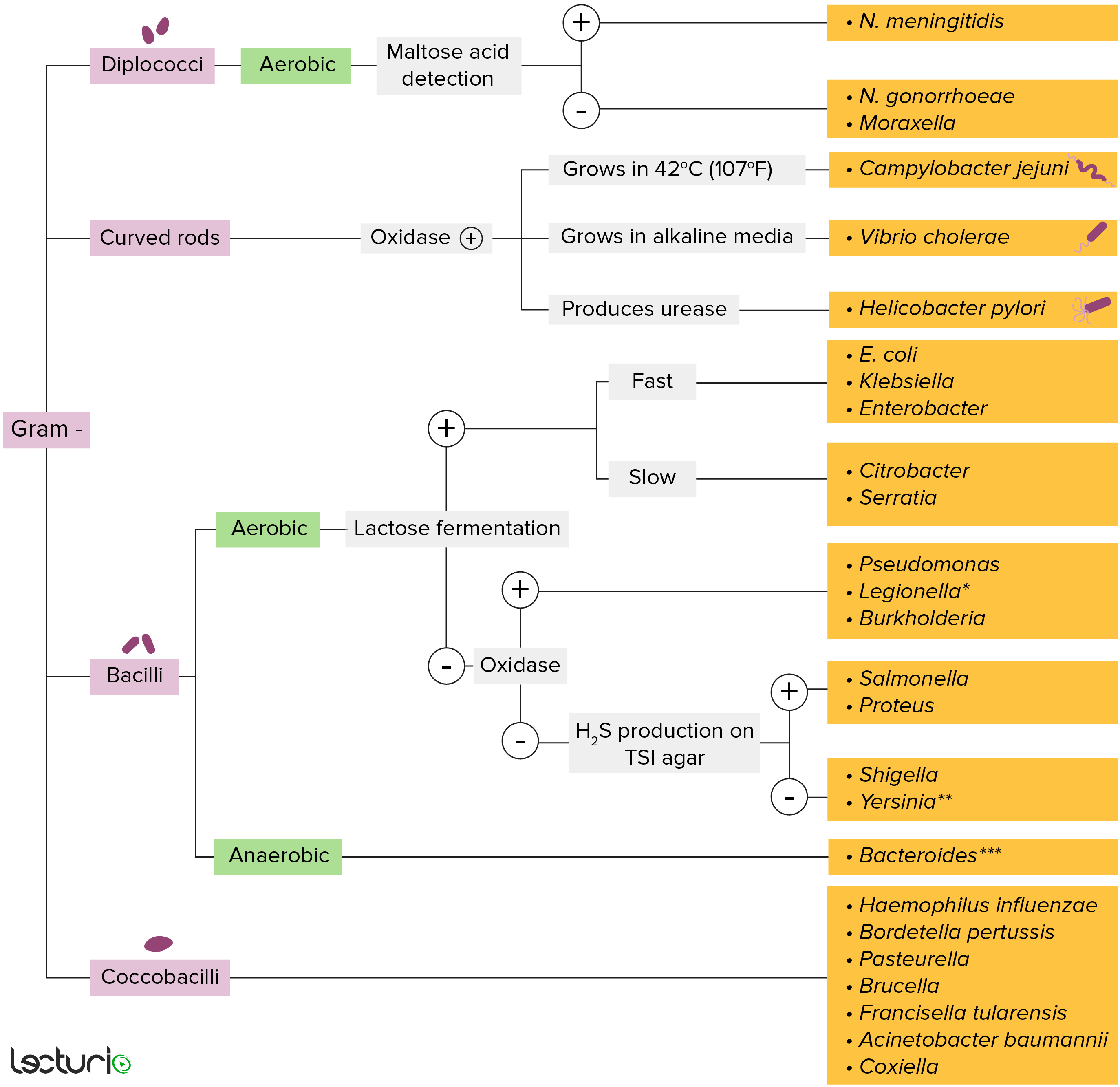
La mayoría de las bacterias se pueden clasificar de acuerdo a un procedimiento de laboratorio llamado tinción de Gram.
Las bacterias con paredes celulares que tienen una capa delgada de peptidoglicano no retienen la tinción de cristal violeta utilizada en la tinción de Gram. Sin embargo, estas bacterias retienen la contratinción de safranina y, por lo tanto, adoptan un color rojo-rosado en la tinción, lo que las hace gramnegativas. Estas bacterias pueden clasificarse además según su morfología (diplococos, bastones curvos, bacilos y cocobacilos) y su capacidad para crecer en presencia de oxígeno (aeróbicos versus anaeróbicos). Las bacterias se pueden identificar de manera más profunda cultivándolas en medios específicos (agar hierro triple azúcar) donde se pueden identificar sus enzimas (ureasa, oxidasa) y se puede probar su capacidad para fermentar lactosa.
* Se tiñe mal en la tinción de Gram
** Bastón pleomórfico/cocobacilo
*** Requiere medios de transporte especiales

Imagen por Lecturio.

Características

Características básicas

Burkholderia Burkholderia Burkholderia species are gram-negative bacilli with 2 clinically relevant pathogens: B. pseudomallei (causing melioidosis) and B. cepacia complex (causing opportunistic infections). Melioidosis is commonly seen in Asia and Australia. Infection is transmitted by contact with contaminated soil or water (via skin wounds). Burkholderia:

  • Bacilo gramnegativo
  • Aerobio obligado
  • Móvil (con flagelos polares)
  • No fermenta lactosa
  • Oxidasa positivo
  • Cultivo: crece en EN Erythema nodosum is an immune-mediated panniculitis (inflammation of the subcutaneous fat) caused by a type IV (delayed-type) hypersensitivity reaction. It commonly manifests in young women as tender, erythematous nodules on the shins. Erythema Nodosum medios bacteriológicos estándar

Especies clínicamente relevantes:

  • Burkholderia pseudomallei Burkholderia pseudomallei A species of gram-negative, aerobic bacteria that causes melioidosis. It has been isolated from soil and water in tropical regions, particularly southeast Asia. Burkholderia:
    • Ampliamente distribuida en EN Erythema nodosum is an immune-mediated panniculitis (inflammation of the subcutaneous fat) caused by a type IV (delayed-type) hypersensitivity reaction. It commonly manifests in young women as tender, erythematous nodules on the shins. Erythema Nodosum el suelo y agua dulce superficial en EN Erythema nodosum is an immune-mediated panniculitis (inflammation of the subcutaneous fat) caused by a type IV (delayed-type) hypersensitivity reaction. It commonly manifests in young women as tender, erythematous nodules on the shins. Erythema Nodosum regiones endémicas
    • Causa de la melioidosis Melioidosis A disease of humans and animals that resembles glanders. It is caused by burkholderia pseudomallei and may range from a dormant infection to a condition that causes multiple abscesses, pneumonia, and bacteremia. Burkholderia
  • Complejo Burkholderia Burkholderia Burkholderia species are gram-negative bacilli with 2 clinically relevant pathogens: B. pseudomallei (causing melioidosis) and B. cepacia complex (causing opportunistic infections). Melioidosis is commonly seen in Asia and Australia. Infection is transmitted by contact with contaminated soil or water (via skin wounds). Burkholderia cepacia: grupo de bacterias que crece en EN Erythema nodosum is an immune-mediated panniculitis (inflammation of the subcutaneous fat) caused by a type IV (delayed-type) hypersensitivity reaction. It commonly manifests in young women as tender, erythematous nodules on the shins. Erythema Nodosum el agua, el suelo, las plantas, los LOS Neisseria animales y los LOS Neisseria materiales vegetales en EN Erythema nodosum is an immune-mediated panniculitis (inflammation of the subcutaneous fat) caused by a type IV (delayed-type) hypersensitivity reaction. It commonly manifests in young women as tender, erythematous nodules on the shins. Erythema Nodosum descomposición
Imagen: “” por . Licencia:

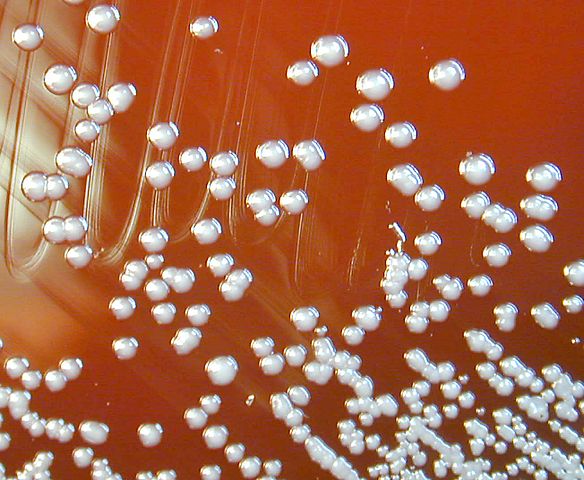
Colonias de Burkholderia pseudomallei en una placa de agar sangre

Imagen: “Burkholderia pseudomallei 01” por CDC. Licencia: Dominio Público

Burkholderia pseudomallei

Etiología y epidemiología

  • Asociado con melioidosis Melioidosis A disease of humans and animals that resembles glanders. It is caused by burkholderia pseudomallei and may range from a dormant infection to a condition that causes multiple abscesses, pneumonia, and bacteremia. Burkholderia (también conocida como enfermedad de Whitmore)
  • Zonas endémicas:
  • Raro en EN Erythema nodosum is an immune-mediated panniculitis (inflammation of the subcutaneous fat) caused by a type IV (delayed-type) hypersensitivity reaction. It commonly manifests in young women as tender, erythematous nodules on the shins. Erythema Nodosum Estados Unidos
    • Se ha HA Hemolytic anemia (HA) is the term given to a large group of anemias that are caused by the premature destruction/hemolysis of circulating red blood cells (RBCs). Hemolysis can occur within (intravascular hemolysis) or outside the blood vessels (extravascular hemolysis). Hemolytic Anemia identificado B. pseudomallei en EN Erythema nodosum is an immune-mediated panniculitis (inflammation of the subcutaneous fat) caused by a type IV (delayed-type) hypersensitivity reaction. It commonly manifests in young women as tender, erythematous nodules on the shins. Erythema Nodosum muestras de suelo y agua a lo largo de la costa del Golfo de Mississippi.
  • Pico estacional en EN Erythema nodosum is an immune-mediated panniculitis (inflammation of the subcutaneous fat) caused by a type IV (delayed-type) hypersensitivity reaction. It commonly manifests in young women as tender, erythematous nodules on the shins. Erythema Nodosum estaciones húmedas (lluviosas)

Fisiopatología

Transmisión:

  • Contacto con agua o suelo contaminados, especialmente a través de heridas en EN Erythema nodosum is an immune-mediated panniculitis (inflammation of the subcutaneous fat) caused by a type IV (delayed-type) hypersensitivity reaction. It commonly manifests in young women as tender, erythematous nodules on the shins. Erythema Nodosum la piel (modo predominante)
  • Inhalación de bacterias en EN Erythema nodosum is an immune-mediated panniculitis (inflammation of the subcutaneous fat) caused by a type IV (delayed-type) hypersensitivity reaction. It commonly manifests in young women as tender, erythematous nodules on the shins. Erythema Nodosum polvo y aerosoles
  • Ingestión de bacterias en EN Erythema nodosum is an immune-mediated panniculitis (inflammation of the subcutaneous fat) caused by a type IV (delayed-type) hypersensitivity reaction. It commonly manifests in young women as tender, erythematous nodules on the shins. Erythema Nodosum alimentos o agua contaminados
  • Las transmisiones de animal a humano y de humano a humano son poco comunes.

Los LOS Neisseria factores de riesgo del huésped incluyen:

  • Diabetes Diabetes Diabetes mellitus (DM) is a metabolic disease characterized by hyperglycemia and dysfunction of the regulation of glucose metabolism by insulin. Type 1 DM is diagnosed mostly in children and young adults as the result of autoimmune destruction of β cells in the pancreas and the resulting lack of insulin. Type 2 DM has a significant association with obesity and is characterized by insulin resistance. Diabetes Mellitus
  • Abuso de alcohol
  • Enfermedad hepática
  • Enfermedad renal
  • Talasemia
  • Consumo de kava Kava Dried rhizome and roots of piper methysticum, a shrub native to oceania and known for its anti-anxiety and sedative properties. Heavy usage results in some adverse effects. It contains alkaloids; lactones; kawain, methysticin, mucilage, starch, and yangonin. Kava is also the name of the pungent beverage prepared from the plant’s roots. Burkholderia
  • Afección inmunosupresora (e.g., cáncer)
  • Enfermedad pulmonar crónica que incluye:
    • Fibrosis Fibrosis Any pathological condition where fibrous connective tissue invades any organ, usually as a consequence of inflammation or other injury. Bronchiolitis Obliterans quística
    • Bronquiectasias
    • Enfermedad pulmonar obstructiva crónica (EPOC)

Presentación clínica

  • Periodo de incubación:
    • 1–21 días
    • Influenciado por:
      • Dosis de inoculación
      • Factores de riesgo del huésped
      • Modo de transmisión
  • La mayoría de los LOS Neisseria individuos son asintomáticos.
  • La presentación puede ser:
    • Aguda:
      • La mayoría de los LOS Neisseria casos
      • Síntomas durante < 2 meses
    • Crónica: síntomas durante > 2 meses

Los LOS Neisseria síntomas pueden presentarse en EN Erythema nodosum is an immune-mediated panniculitis (inflammation of the subcutaneous fat) caused by a type IV (delayed-type) hypersensitivity reaction. It commonly manifests in young women as tender, erythematous nodules on the shins. Erythema Nodosum varios sistemas:

  • Bacteriemia o sepsis Sepsis Systemic inflammatory response syndrome with a proven or suspected infectious etiology. When sepsis is associated with organ dysfunction distant from the site of infection, it is called severe sepsis. When sepsis is accompanied by hypotension despite adequate fluid infusion, it is called septic shock. Sepsis and Septic Shock
  • Absceso focal en EN Erythema nodosum is an immune-mediated panniculitis (inflammation of the subcutaneous fat) caused by a type IV (delayed-type) hypersensitivity reaction. It commonly manifests in young women as tender, erythematous nodules on the shins. Erythema Nodosum órganos (i.e., hígado, riñón, bazo)
  • Respiratorios:
    • Fiebre
    • Tos TOS Thoracic outlet syndrome (TOS) is a broad term used for a spectrum of syndromes related to the general region of the thoracic outlet, which involves the compression or irritation of elements of the brachial plexus, subclavian artery, or subclavian vein. Thoracic Outlet Syndrome
    • Dolor Dolor Inflammation torácico
    • Dificultad respiratoria
    • Síntomas crónicos (similares a la tuberculosis Tuberculosis Tuberculosis (TB) is an infectious disease caused by Mycobacterium tuberculosis complex bacteria. The bacteria usually attack the lungs but can also damage other parts of the body. Approximately 30% of people around the world are infected with this pathogen, with the majority harboring a latent infection. Tuberculosis spreads through the air when a person with active pulmonary infection coughs or sneezes. Tuberculosis):
      • Tos TOS Thoracic outlet syndrome (TOS) is a broad term used for a spectrum of syndromes related to the general region of the thoracic outlet, which involves the compression or irritation of elements of the brachial plexus, subclavian artery, or subclavian vein. Thoracic Outlet Syndrome productiva
      • Hemoptisis
      • Sudores nocturnos
  • Dermatológicos:
    • Cambios en EN Erythema nodosum is an immune-mediated panniculitis (inflammation of the subcutaneous fat) caused by a type IV (delayed-type) hypersensitivity reaction. It commonly manifests in young women as tender, erythematous nodules on the shins. Erythema Nodosum la piel (ulceración, absceso) que no se resuelven con tratamiento antibiótico
    • Raramente se desarrolla celulitis
  • Genitourinarios:
    • Fiebre con disuria
    • Retención urinaria
    • Próstata sensible ( prostatitis Prostatitis Prostatitis is inflammation or an irritative condition of the prostate that presents as different syndromes: acute bacterial, chronic bacterial, chronic prostatitis/chronic pelvic pain, and asymptomatic. Bacterial prostatitis is easier to identify clinically and the management (antibiotics) is better established. Prostatitis)
  • Articulaciones:
    • Artritis séptica
    • Osteomielitis
  • Neurológicos (encefalomielitis):
    • Signos cerebelosos
    • Parálisis de pares craneales
    • Debilidad de motoneurona superior

Diagnóstico

Pruebas diagnósticas:

  • Cultivo de especímenes que puede incluir:
    • Sangre
    • Esputo
    • Orina
    • Hisopos de:
      • Recto
      • Herida de piel/úlcera/absceso
      • Garganta
  • Tinción de Gram de la(s) muestra(s):
    • Bacilos gramnegativos
    • Tinción bipolar con apariencia de “gancho imperdible”
  • Serología: uso limitado
  • Detección de antígenos y ADN: la mayoría aún no están disponibles comercialmente.

Exámenes adicionales:

  • Los LOS Neisseria hallazgos de la radiografía de tórax varían:
    • Infiltrados
    • Derrame pleural
    • Consolidación lobar
    • Cavitación y abscesos con nivel líquido
    • Hallazgos crónicos: fibrosis Fibrosis Any pathological condition where fibrous connective tissue invades any organ, usually as a consequence of inflammation or other injury. Bronchiolitis Obliterans con infiltrados nodulares, cavitantes o estriados
  • TC o RM:
    • Evalúa las infecciones multifocales abdominales
    • Análisis de próstata

Tratamiento

Resistente a:

  • Penicilina/ampicilina
  • Cefalosporinas de 1ra y 2da generación
  • Gentamicina
  • Tobramicina
  • Estreptomicina

Los LOS Neisseria regímenes iniciales dependen de la gravedad de la enfermedad y de los LOS Neisseria sistemas afectados:

  • Estable (no crítico) sin infección del SNC: ceftazidima
  • Enfermedad crítica:
    • Imipenem Imipenem Semisynthetic thienamycin that has a wide spectrum of antibacterial activity against gram-negative and gram-positive aerobic and anaerobic bacteria, including many multiresistant strains. It is stable to beta-lactamases. Clinical studies have demonstrated high efficacy in the treatment of infections of various body systems. Its effectiveness is enhanced when it is administered in combination with cilastatin, a renal dipeptidase inhibitor. Carbapenems and Aztreonam
    • Meropenem Meropenem A thienamycin derivative antibacterial agent that is more stable to renal dehydropeptidase I than imipenem, but does not need to be given with an enzyme inhibitor such as cilastatin. It is used in the treatment of bacterial infections, including infections in immunocompromised patients. Carbapenems and Aztreonam
  • Infección del SNC: meropenem Meropenem A thienamycin derivative antibacterial agent that is more stable to renal dehydropeptidase I than imipenem, but does not need to be given with an enzyme inhibitor such as cilastatin. It is used in the treatment of bacterial infections, including infections in immunocompromised patients. Carbapenems and Aztreonam (dosis más alta)
  • Antibiótico adyuvante: trimetoprim-sulfametoxazol
  • Tratamiento adicional:
    • Drenaje de abscesos
    • Tratamiento de soporte (e.g., tratamiento con líquidos)
    • Factor estimulante de colonias de granulocitos humanos recombinante para personas con shock Shock Shock is a life-threatening condition associated with impaired circulation that results in tissue hypoxia. The different types of shock are based on the underlying cause: distributive (↑ cardiac output (CO), ↓ systemic vascular resistance (SVR)), cardiogenic (↓ CO, ↑ SVR), hypovolemic (↓ CO, ↑ SVR), obstructive (↓ CO), and mixed. Types of Shock séptico

Tratamiento de erradicación:

  • Después de la fase inicial de tratamiento intensivo, se recomienda la toma adicional de antibióticos para reducir las recaídas.
  • En EN Erythema nodosum is an immune-mediated panniculitis (inflammation of the subcutaneous fat) caused by a type IV (delayed-type) hypersensitivity reaction. It commonly manifests in young women as tender, erythematous nodules on the shins. Erythema Nodosum general, la duración es de al AL Amyloidosis menos 3–6 meses (según el tipo de infección).
  • Algunos requieren > 6 meses (i.e., infección arterial, a menudo un aneurisma micótico).
  • Opciones:
    • Trimetoprim-sulfametoxazol oral con ácido fólico
    • Doxiciclina oral (alternativa)

Prevención:

  • Evite la exposición de la piel al AL Amyloidosis suelo y al AL Amyloidosis agua, especialmente en EN Erythema nodosum is an immune-mediated panniculitis (inflammation of the subcutaneous fat) caused by a type IV (delayed-type) hypersensitivity reaction. It commonly manifests in young women as tender, erythematous nodules on the shins. Erythema Nodosum la estación húmeda.
  • Las personas de alto riesgo (e.g., pacientes con fibrosis Fibrosis Any pathological condition where fibrous connective tissue invades any organ, usually as a consequence of inflammation or other injury. Bronchiolitis Obliterans quística) deben evitar viajar a áreas endémicas durante la estación húmeda.
  • En EN Erythema nodosum is an immune-mediated panniculitis (inflammation of the subcutaneous fat) caused by a type IV (delayed-type) hypersensitivity reaction. It commonly manifests in young women as tender, erythematous nodules on the shins. Erythema Nodosum un evento de bioterrorismo o exposición accidental de laboratorio, se recomienda la profilaxis posterior a la exposición con trimetoprim-sulfametoxazol.

Complejo Burkholderia cepacia

Etiología y epidemiología

Complejo Burkholderia Burkholderia Burkholderia species are gram-negative bacilli with 2 clinically relevant pathogens: B. pseudomallei (causing melioidosis) and B. cepacia complex (causing opportunistic infections). Melioidosis is commonly seen in Asia and Australia. Infection is transmitted by contact with contaminated soil or water (via skin wounds). Burkholderia cepacia:

  • Un grupo de diferentes especies que forman el complejo
  • Patógeno humano oportunista
  • Especies comúnmente aisladas en EN Erythema nodosum is an immune-mediated panniculitis (inflammation of the subcutaneous fat) caused by a type IV (delayed-type) hypersensitivity reaction. It commonly manifests in young women as tender, erythematous nodules on the shins. Erythema Nodosum el esputo de pacientes con fibrosis Fibrosis Any pathological condition where fibrous connective tissue invades any organ, usually as a consequence of inflammation or other injury. Bronchiolitis Obliterans quística:
    • B. multivoranos
    • B. cenocepacia

Epidemiología:

  • Infección rara que no se encuentra comúnmente en EN Erythema nodosum is an immune-mediated panniculitis (inflammation of the subcutaneous fat) caused by a type IV (delayed-type) hypersensitivity reaction. It commonly manifests in young women as tender, erythematous nodules on the shins. Erythema Nodosum un entorno ambulatorio
  • En EN Erythema nodosum is an immune-mediated panniculitis (inflammation of the subcutaneous fat) caused by a type IV (delayed-type) hypersensitivity reaction. It commonly manifests in young women as tender, erythematous nodules on the shins. Erythema Nodosum Estados Unidos, los LOS Neisseria reportes de infección y contaminación incluyen:
    • En EN Erythema nodosum is an immune-mediated panniculitis (inflammation of the subcutaneous fat) caused by a type IV (delayed-type) hypersensitivity reaction. It commonly manifests in young women as tender, erythematous nodules on the shins. Erythema Nodosum 2004: infecciones nosocomiales por B. cepacia por sensores sublinguales contaminados
    • En EN Erythema nodosum is an immune-mediated panniculitis (inflammation of the subcutaneous fat) caused by a type IV (delayed-type) hypersensitivity reaction. It commonly manifests in young women as tender, erythematous nodules on the shins. Erythema Nodosum 2004: retiro del mercado de aerosol nasal de venta libre debido a contaminación
    • En EN Erythema nodosum is an immune-mediated panniculitis (inflammation of the subcutaneous fat) caused by a type IV (delayed-type) hypersensitivity reaction. It commonly manifests in young women as tender, erythematous nodules on the shins. Erythema Nodosum 2005: neumonía por enjuague bucal contaminado

Fisiopatología

Transmisión:

  • Contaminación de dispositivos y/o medicamentos
  • Contaminación de fuentes de agua y ambientales
  • Contacto con superficies contaminadas
  • Contacto de persona a persona

Dispositivos médicos que pueden contaminarse y producir infección:

  • Dispositivos de monitorización de presión
  • Catéteres de Foley permanentes, urómetros, líquidos de irrigación
  • Vía intravenosas, catéteres centrales, líquidos intravenosos
  • Equipo respiratorio (condensado de tubos de respirador, nebulizadores ultrasónicos, medicamentos inhalados)

Factores de riesgo del huésped:

  • Generalmente con baja virulencia, presenta un riesgo mínimo para personas sanas
  • Aquellos en EN Erythema nodosum is an immune-mediated panniculitis (inflammation of the subcutaneous fat) caused by a type IV (delayed-type) hypersensitivity reaction. It commonly manifests in young women as tender, erythematous nodules on the shins. Erythema Nodosum riesgo:
    • Individuos con sistemas inmunitarios debilitados
    • Individuos con fibrosis Fibrosis Any pathological condition where fibrous connective tissue invades any organ, usually as a consequence of inflammation or other injury. Bronchiolitis Obliterans quística o enfermedad pulmonar crónica (EPOC, bronquiectasias, enfermedad granulomatosa crónica)

Presentación clínica

La mayoría de las personas infectadas no presentan síntomas. Aquellos con síntomas pueden tener:
  • Fiebre leve
  • Neumonía
  • Infección pulmonar crónica en EN Erythema nodosum is an immune-mediated panniculitis (inflammation of the subcutaneous fat) caused by a type IV (delayed-type) hypersensitivity reaction. It commonly manifests in young women as tender, erythematous nodules on the shins. Erythema Nodosum caso de fibrosis Fibrosis Any pathological condition where fibrous connective tissue invades any organ, usually as a consequence of inflammation or other injury. Bronchiolitis Obliterans quística:
    • Disminuye la supervivencia
    • Relacionado con infecciones graves recurrentes
  • Otras manifestaciones dependen del sistema involucrado.

Diagnóstico

  • Cultivo de fluidos corporales ( en EN Erythema nodosum is an immune-mediated panniculitis (inflammation of the subcutaneous fat) caused by a type IV (delayed-type) hypersensitivity reaction. It commonly manifests in young women as tender, erythematous nodules on the shins. Erythema Nodosum órgano afectado)
    • Medios selectivos que contienen colistina (e.g., agar selectivo de B. cepacia): recomendados para esputo de pacientes con fibrosis Fibrosis Any pathological condition where fibrous connective tissue invades any organ, usually as a consequence of inflammation or other injury. Bronchiolitis Obliterans quística
    • El crecimiento es lento y puede tardar 3 días.
  • Pruebas adicionales (e.g., imagenología) realizadas según el sistema involucrado
Infección por complejo B. cepacia

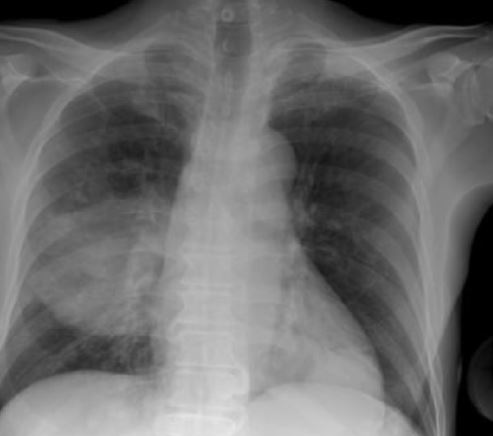
Infección por complejo B. cepacia:
Radiografía de tórax de un paciente que muestra neumonía del lado derecho. En el aspirado traqueal y en los hemocultivos creció B. cepacia.

Imagen:Cepacia Syndrome in a Non-Cystic Fibrosis Patient” por Hauser N, Orsini J. Licencia: CC BY 3.0

Tratamiento

  • Conocido por ser resistente a múltiples medicamentos
  • Opciones de antibióticos (se utilizan múltiples agentes):
    • Trimetropin- Sulfametoxazol
    • Ceftazidima
    • Minociclina
    • Carbapenémicos
  • Examinar a todos los LOS Neisseria pacientes con fibrosis Fibrosis Any pathological condition where fibrous connective tissue invades any organ, usually as a consequence of inflammation or other injury. Bronchiolitis Obliterans quística en EN Erythema nodosum is an immune-mediated panniculitis (inflammation of the subcutaneous fat) caused by a type IV (delayed-type) hypersensitivity reaction. It commonly manifests in young women as tender, erythematous nodules on the shins. Erythema Nodosum busca de B. cenocepacia antes del trasplante, ya que la colonización es una contraindicación relativa para el trasplante de pulmón.

Referencias

  1. Currie, B., Anstey, N. (2024). Melioidosis: Epidemiology, clinical manifestations and diagnosis. UpToDate. Retrieved December 24, 2024, from https://www.uptodate.com/contents/melioidosis-epidemiology-clinical-manifestations-and-diagnosis
  2. Currie, B., Anstey, N. (2023). Melioidosis: Treatment and prevention. UpToDate. Retrieved December 24, 2024, from https://www.uptodate.com/contents/melioidosis-treatment-and-prevention
  3. Currie, B., Ward, L., Cheng, A. (2010). The epidemiology and clinical spectrum of melioidosis: 540 cases from the 20 year Darwin prospective study. PLoS Negl Trop Dis. 4:e900.
  4. Mahmood, S., Ahmed, S. (2023). Burkholderia cepacia. Medscape. Retrieved December 24, 2024, from https://emedicine.medscape.com/article/237122-overview
  5. Riedel, S., et al. (Eds.). (2019). Pseudomonas, acinetobacter, burkholderia, and stenotrophomonas. In Jawetz, Melnick, & Adelberg’s Medical Microbiology (28th ed.) https://accessmedicine.mhmedical.com/content.aspx?bookid=2629&sectionid=217771138 
  6. Torok, E., Moran, E., Cooke, F. (2009). Oxford Handbook of Infectious Diseases and Microbiology. Oxford University Press. 
  7. Zaas, A., Palmer, S., Messina, J. (2024). Bacterial infections following lung transplantation. UpToDate. Retrieved December 24, 2024, from https://www.uptodate.com/contents/bacterial-infections-following-lung-transplantation
  8. Gandhi, R. T. (2023). Melioidosis in Mississippi. NEJM Journal Watch. Retrieved December 24, 2024, from https://www.jwatch.org/na56913/2023/12/20/melioidosis-mississippi

¡Crea tu cuenta gratis o inicia una sesión para seguir leyendo!

Regístrate ahora y obtén acceso gratuito a Lecturio con páginas de concepto, videos médicos y cuestionarios para tu educación médica.

User Reviews

Que tengas una sesión de estudio alegre y navideña 🎁 Ahorra 50% en todos los planes >>

Details