


Neurofibromatose Tipo 1

A neurofibromatose tipo 1 ( NF1 NF1 Neurofibromatosis type 1 (NF1), also known as phakomatosis, is a neurocutaneous disorder that is most commonly of autosomal dominant inheritance due to mutations in the NF1 gene. Neurofibromatosis type 1 presents a range of clinical manifestations with the most prominent features being various pigmented skin lesions called café au lait macules (CALMs), neurofibromas, freckling of the inguinal and axillary regions, and iris hamartomas. Neurofibromatosis Type 1), também conhecida como facomatose, é uma doença neurocutânea que é mais MAIS Androgen Insensitivity Syndrome frequentemente de hereditariedade autossómica dominante devido a mutações no gene Gene A category of nucleic acid sequences that function as units of heredity and which code for the basic instructions for the development, reproduction, and maintenance of organisms. Basic Terms of Genetics NF1 NF1 Neurofibromatosis type 1 (NF1), also known as phakomatosis, is a neurocutaneous disorder that is most commonly of autosomal dominant inheritance due to mutations in the NF1 gene. Neurofibromatosis type 1 presents a range of clinical manifestations with the most prominent features being various pigmented skin lesions called café au lait macules (CALMs), neurofibromas, freckling of the inguinal and axillary regions, and iris hamartomas. Neurofibromatosis Type 1. A neurofibromatose tipo 1 apresenta uma variedade de manifestações clínicas, sendo as características mais MAIS Androgen Insensitivity Syndrome proeminentes as várias lesões cutâneas pigmentadas chamadas máculas de café com leite ( CALMs CALMs Light brown pigmented macules associated with neurofibromatosis and Albright's syndrome. Neurofibromatosis Type 1, pela sigla em inglês), tumores benignos da bainha nervosa chamados neurofibromas, sardas nas regiões inguinal e axilar e hamartomas da íris, referidos como nódulos de Lisch. Pelo menos metade dos indivíduos com NF1 NF1 Neurofibromatosis type 1 (NF1), also known as phakomatosis, is a neurocutaneous disorder that is most commonly of autosomal dominant inheritance due to mutations in the NF1 gene. Neurofibromatosis type 1 presents a range of clinical manifestations with the most prominent features being various pigmented skin lesions called café au lait macules (CALMs), neurofibromas, freckling of the inguinal and axillary regions, and iris hamartomas. Neurofibromatosis Type 1 tem dificuldades de aprendizagem. A neurofibromatose tipo 1 também pode causar osteodisplasia e transformação maligna de tumores. O diagnóstico é baseado na apresentação clínica típica e pode ser confirmado através de testes Testes Gonadal Hormones genéticos. O tratamento depende da apresentação clínica e pode variar desde a remoção cirúrgica até à quimioterapia/radioterapia de tumores, terapia ocupacional e fisioterapia se défices motores, tratamento com hormona do crescimento e órtese no caso de alterações ósseas.

Last updated: Dec 15, 2025
Editorial responsibility: Stanley Oiseth, Lindsay Jones, Evelin Maza

Descrição Geral

Epidemiologia

  • A neurofibromatose tipo 1 ( NF1 NF1 Neurofibromatosis type 1 (NF1), also known as phakomatosis, is a neurocutaneous disorder that is most commonly of autosomal dominant inheritance due to mutations in the NF1 gene. Neurofibromatosis type 1 presents a range of clinical manifestations with the most prominent features being various pigmented skin lesions called café au lait macules (CALMs), neurofibromas, freckling of the inguinal and axillary regions, and iris hamartomas. Neurofibromatosis Type 1) é o tipo mais MAIS Androgen Insensitivity Syndrome comum de neurofibromatose.
  • Incidência: aproximadamente 1 em 2.600–3.000 indivíduos, independentemente de etnia e género
  • Herdado em cerca de metade dos casos
  • Expectativa de vida:
    • A idade média à data da morte é de 54,4 anos.
    • A mediana de idades à data da morte é de 59 anos.

Etiologia

  • Hereditariedade autossómica dominante
  • Menos freqentemente, mutações de novo (principalmente em cromossomas derivados do pai)

Fisiopatologia

  • Mutações no gene Gene A category of nucleic acid sequences that function as units of heredity and which code for the basic instructions for the development, reproduction, and maintenance of organisms. Basic Terms of Genetics NF1 NF1 Neurofibromatosis type 1 (NF1), also known as phakomatosis, is a neurocutaneous disorder that is most commonly of autosomal dominant inheritance due to mutations in the NF1 gene. Neurofibromatosis type 1 presents a range of clinical manifestations with the most prominent features being various pigmented skin lesions called café au lait macules (CALMs), neurofibromas, freckling of the inguinal and axillary regions, and iris hamartomas. Neurofibromatosis Type 1 localizado no cromossomo 17
  • NF1 NF1 Neurofibromatosis type 1 (NF1), also known as phakomatosis, is a neurocutaneous disorder that is most commonly of autosomal dominant inheritance due to mutations in the NF1 gene. Neurofibromatosis type 1 presents a range of clinical manifestations with the most prominent features being various pigmented skin lesions called café au lait macules (CALMs), neurofibromas, freckling of the inguinal and axillary regions, and iris hamartomas. Neurofibromatosis Type 1 codifica a neurofibromina, uma proteína citoplasmática.
    • Predominantemente expressa nos neurónios, células de Schwann, oligodendrócitos, leucócitos
    • Molécula multidomínio que regula vários processos intracelulares importantes:
      • Via do AMP cíclico RAS RAS Renal artery stenosis (RAS) is the narrowing of one or both renal arteries, usually caused by atherosclerotic disease or by fibromuscular dysplasia. If the stenosis is severe enough, the stenosis causes decreased renal blood flow, which activates the renin-angiotensin-aldosterone system (RAAS) and leads to renovascular hypertension (RVH). Renal Artery Stenosis
      • Cascata de cinase regulada por sinais extracelulares (ERK, pela sigla em inglês)/proteína cinase ativada por mitógeno (MAPK, pela sigla em inglês)
      • Adenilil ciclase
      • Montagem do citoesqueleto
    • Também funciona como um supressor tumoral
  • O envolvimento da neurofibromina em várias vias explica a ampla variedade de manifestações clínicas.

Apresentação Clínica

  • Máculas de café com leite ( CALMs CALMs Light brown pigmented macules associated with neurofibromatosis and Albright’s syndrome. Neurofibromatosis Type 1, pela sigla em inglês):
    • Máculas planas e uniformemente hiperpigmentadas
    • Aparecem no 1º ano após o nascimento
    • Aumento durante fase inicial da infância
  • Sardas:
    • Aparecem nas regiões axilares ou inguinais
    • Surgem aos 3-5 anos de idade
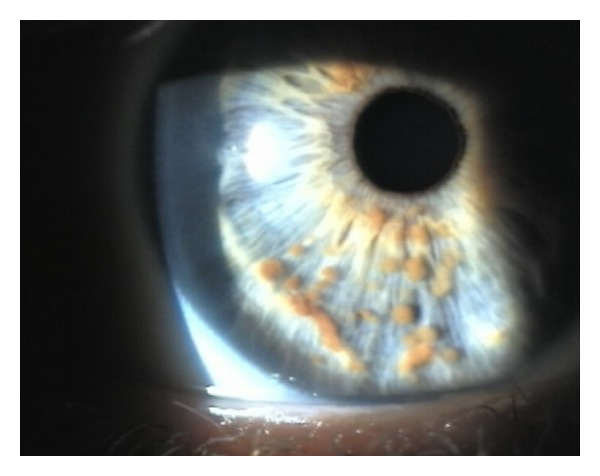
  • Nódulos de Lisch:
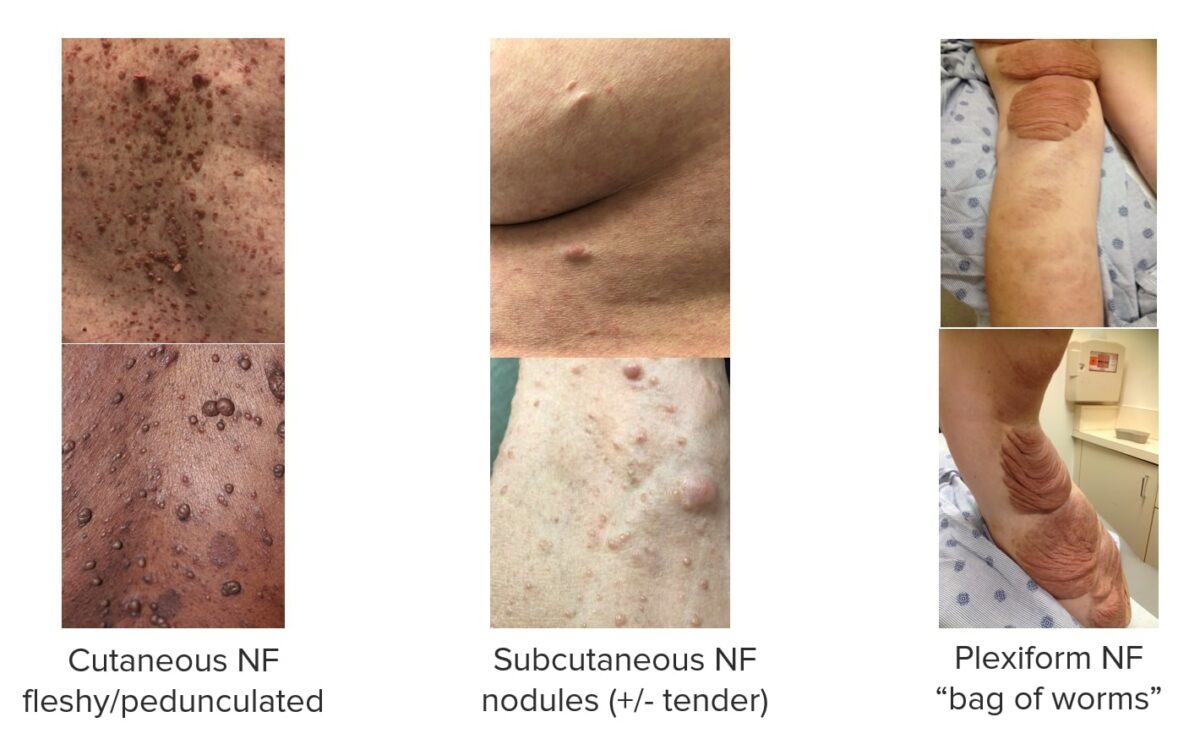
  • Tumores:
    • Neurofibromas periféricos:
      • Cutâneo
      • Plexiforme
      • Nodular
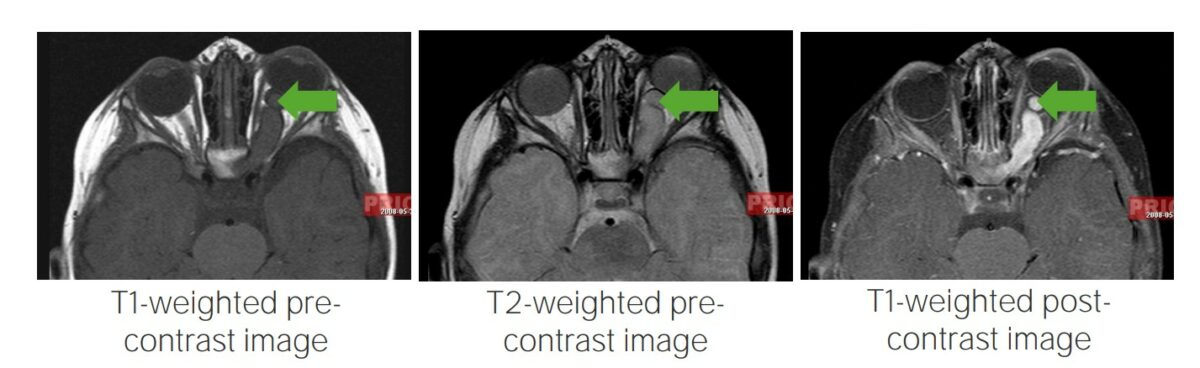
    • Gliomas da via ótica:
      • Astrocitomas pilocíticos de baixo grau
      • Ocorre em crianças < 6 anos de idade
      • Raro em crianças mais MAIS Androgen Insensitivity Syndrome velhas e adultos
      • A maioria das crianças tem uma visão normal.
      • Alguns gliomas podem ser sintomáticos com perda visual progressiva.
    • Outras neoplasias do SNC:
      • Astrocitomas de baixo grau
      • Gliomas do tronco cerebral
    • Sarcomas de tecidos moles Moles Primary Skin Lesions:
      • Tumores malignos da bainha do nervo periférico
      • Rabdomiossarcoma
      • Tumores estromais gastrointestinais
      • Tumores glómicos
    • Outros tumores:
      • Leucemia mielomonocítica juvenil
      • Feocromocitoma
      • Cancro da mama
  • Alterações ósseas:
    • Displasia de ossos longos e pseudoartrose
    • Outras lesões ósseas:
    • Baixa estatura
    • Escoliose
    • Osteoporose
  • Alterações neurológicas:
    • Défices cognitivos e dificuldades de aprendizagem
    • Convulsões
    • Macrocefalia
    • Neuropatia periférica
  • Doença cardíaca congénita
  • Hipertensão arterial
  • Vasculopatia
  • Outras manifestações:
    • Obstipação
    • Síndrome do intestino irritável
    • Hipertensão pulmonar
    • Estenose da artéria pulmonar
    • Doença pulmonar intersticial
    • Doença pulmonar bolhosa
    • Dissecção arterial (raro)
Máculas café com leite (CALMs)

Máculas de café com leite (CALMs, pela sigla em inglês):
Imagem a demostrar CALMs bem circunscritos, castanho-claro e pigmentados que são frequentemente encontrados na população em geral. As máculas podem ter alguns milímetros a vários centímetros (> 20 cm) de tamanho e podem aparecer ao nascimento ou no início da vida. O desenvolvimento de múltiplos CALMs pode estar associado a síndromes genéticas como o neurofibroma tipo 1. As máculas podem ser tratadas com terapêutica com laser para fins estéticos.
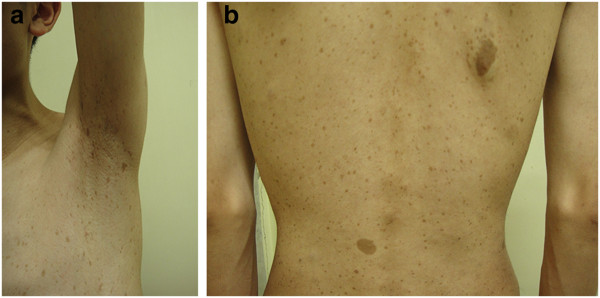
Imagem: “Case one: photograph of café-au-lait spots.” por Khalil J. et al.  Licença: CC BY 4.0

Diagnóstico

O diagnóstico de NF1 NF1 Neurofibromatosis type 1 (NF1), also known as phakomatosis, is a neurocutaneous disorder that is most commonly of autosomal dominant inheritance due to mutations in the NF1 gene. Neurofibromatosis type 1 presents a range of clinical manifestations with the most prominent features being various pigmented skin lesions called café au lait macules (CALMs), neurofibromas, freckling of the inguinal and axillary regions, and iris hamartomas. Neurofibromatosis Type 1 geralmente é feito clinicamente com base na apresentação clínica típica e confirmado por testes Testes Gonadal Hormones genéticos.

  • Critérios de diagnóstico: Pelo menos 2 características devem estar presentes:
    • ≥ 6 CALMs CALMs Light brown pigmented macules associated with neurofibromatosis and Albright’s syndrome. Neurofibromatosis Type 1:
      • > 5 mm de diâmetro em indivíduos pré-púberes
      • > 15 mm de diâmetro em indivíduos pós-púberes
      • Medir o maior diâmetro.
      • Usar a luz normal da sala.
    • ≥ 2 neurofibromas de qualquer tipo ou 1 neurofibroma Neurofibroma A moderately firm, benign, encapsulated tumor resulting from proliferation of schwann cells and fibroblasts that includes portions of nerve fibers. The tumors usually develop along peripheral or cranial nerves and are a central feature of neurofibromatosis 1, where they may occur intracranially or involve spinal roots. Pathologic features include fusiform enlargement of the involved nerve. Microscopic examination reveals a disorganized and loose cellular pattern with elongated nuclei intermixed with fibrous strands. Neurofibromatosis Type 1 plexiforme
    • Sardas nas regiões axilares ou inguinais
    • Glioma ótico
    • ≥ 2 nódulos de Lisch
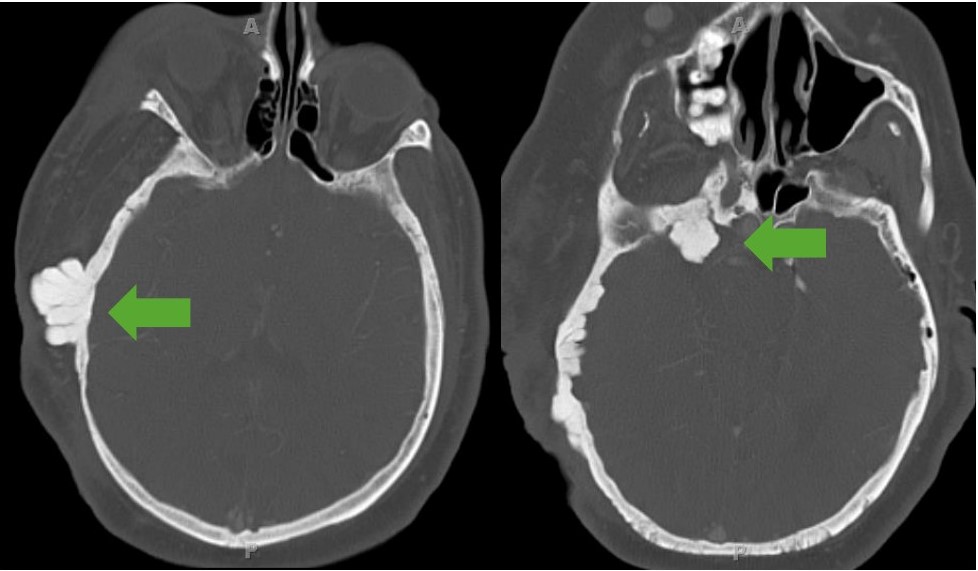
    • Uma lesão óssea distintiva (e.g., displasia esfenoidal, espessamento do córtex de ossos longos com ou sem pseudoartrose)
    • Um familiar de 1º grau ( pais PAIS Androgen Insensitivity Syndrome, irmãos ou filhos) com NF1 NF1 Neurofibromatosis type 1 (NF1), also known as phakomatosis, is a neurocutaneous disorder that is most commonly of autosomal dominant inheritance due to mutations in the NF1 gene. Neurofibromatosis type 1 presents a range of clinical manifestations with the most prominent features being various pigmented skin lesions called café au lait macules (CALMs), neurofibromas, freckling of the inguinal and axillary regions, and iris hamartomas. Neurofibromatosis Type 1 definida pelos critérios acima
  • Testes Testes Gonadal Hormones genéticos
  • Rastreio de familiares
  • Testes Testes Gonadal Hormones pré-natais
  • Neuroimagem (RMN ou TAC), potenciais achados:
    • Pontos brilhantes focais em imagens ponderadas em T2 (desaparecem com a idade)
    • Aumento do volume cerebral
    • Vasculatura cerebral alterada

Tratamento

Tumores

  • Neurofibromas cutâneos e subcutâneos
    • Remoção por cirurgia, laser ou eletrodissecação
    • As indicações para remoção incluem:
      • Dor
      • Hemorragia
      • Interferência com a função
      • Desfiguração
    • Gabapentina (para oprurido)
  • Neurofibromas plexiformes:
    • Selumetinib (para regressão tumoral)
    • Resseção cirúrgica (debulking)
    • Imatinib Imatinib A tyrosine kinase inhibitor and antineoplastic agent that inhibits the bcr-abl kinase created by chromosome rearrangements in chronic myeloid leukemia and acute lymphoblastic leukemia, as well as pdg-derived tyrosine kinases that are overexpressed in gastrointestinal stromal tumors. Targeted and Other Nontraditional Antineoplastic Therapy ou interferon peguilado (encolhimento)
  • Gliomas da via ótica e outros gliomas de baixo grau:
    • Quimioterapia:
      • Carboplatina
      • Vincristina
      • Vimblastina
    • Radiação (evitada em indivíduos pediátricos)
  • Gliomas de alto grau:
    • Ressecção cirúrgica
    • Radiação convencional + temozolomida
  • Tumores malignos da bainha do nervo periférico:
    • Ressecção cirúrgica
    • Radioterapia adjuvante
  • Rabdomiossarcoma:
    • Quimioterapia
    • Cirurgia, se possível
    • Radioterapia
  • Tumores estromais gastrointestinais: pouco responsivos ao imatinib Imatinib A tyrosine kinase inhibitor and antineoplastic agent that inhibits the bcr-abl kinase created by chromosome rearrangements in chronic myeloid leukemia and acute lymphoblastic leukemia, as well as pdg-derived tyrosine kinases that are overexpressed in gastrointestinal stromal tumors. Targeted and Other Nontraditional Antineoplastic Therapy

Alterações neurológicas

  • Défices cognitivos e de aprendizagem:
    • Dificuldades de aprendizagem: apoio académico
    • Défices da fala: fonoaudiologia
    • Comprometimento motor Motor Neurons which send impulses peripherally to activate muscles or secretory cells. Nervous System: Histology: terapia ocupacional e fisioterapia
  • Convulsões: anticonvulsivantes
  • Neuropatia periférica: Tratar a causa subjacente e aliviar os sintomas.

Outros

  • Questões psicossociais: aconselhamento
  • Hipertensão: anti-hipertensivos
  • Aconselhamento genético para indivíduos afetados e para as suas famílias

Diagnóstico Diferencial

  • Neurofibromatose tipo 2: distúrbio neurocutâneo que pode surgir de mutações no gene Gene A category of nucleic acid sequences that function as units of heredity and which code for the basic instructions for the development, reproduction, and maintenance of organisms. Basic Terms of Genetics NF2 NF2 Neurofibromatosis type 2 is a neurocutaneous disorder that can arise from mutations in the NF2 gene located in chromosome 22 and may be inherited in an autosomal dominant fashion or occur from de novo mutations. The main clinical features are bilateral vestibular schwannomas, intracranial/spinal meningioma, and intramedullary and extramedullary spinal tumors. Neurofibromatosis Type 2. As principais características clínicas são schwannomas vestibulares bilaterais e meningiomas intracranianos/espinhais. O diagnóstico é feito clinicamente e confirmado com base em testes Testes Gonadal Hormones genéticos, RMN e histopatologia. Recomenda-se a vigilância de tumores, o acompanhamento e o rastreio de familiares em risco. O tratamento inclui intervenção cirúrgica, radioterapia e/ou terapêutica com anticorpos monoclonais com bevacizumab Bevacizumab An anti-vegf humanized murine monoclonal antibody. It inhibits vegf receptors and helps to prevent pathologic angiogenesis. Targeted and Other Nontraditional Antineoplastic Therapy.
  • Síndrome de Noonan: distúrbio genético que ocorre após uma mutação num dos vários genes Genes A category of nucleic acid sequences that function as units of heredity and which code for the basic instructions for the development, reproduction, and maintenance of organisms. DNA Types and Structure envolvidos na via de sinalização do RAS RAS Renal artery stenosis (RAS) is the narrowing of one or both renal arteries, usually caused by atherosclerotic disease or by fibromuscular dysplasia. If the stenosis is severe enough, the stenosis causes decreased renal blood flow, which activates the renin-angiotensin-aldosterone system (RAAS) and leads to renovascular hypertension (RVH). Renal Artery Stenosis, especialmente proteína-tirosina fosfatase, tipo não recetor. As características clínicas incluem baixa estatura, pescoço alado, hipertelorismo, inclinação do olhar para baixo, pavilhões auditivos de implantação baixa, estenose pulmonar e CALMs CALMs Light brown pigmented macules associated with neurofibromatosis and Albright’s syndrome. Neurofibromatosis Type 1. O tratamento envolve a identificação e monitorização atempada das várias apresentações clínicas.
  • Esclerose tuberosa: doença autossómica dominante que se apresenta principalmente com sintomas neurocutâneos. A mutação no gene Gene A category of nucleic acid sequences that function as units of heredity and which code for the basic instructions for the development, reproduction, and maintenance of organisms. Basic Terms of Genetics TSC TSC Tuberous sclerosis or tuberous sclerosis complex (TSC) is an autosomal dominant disorder with mainly neurocutaneous symptoms. Mutation in the tsc genes causes excessive tumor-like growths in the brain, eyes, heart, kidney, and lungs. Cutaneous manifestations include hypopigmentation (i.e., ash leaf spots, confetti lesions) or excessive growth (i.e., angiofibroma, shagreen patch). Tuberous Sclerosis causa um crescimento tumoral excessivo no cérebro, olhos, coração, rim e pulmões. As manifestações cutâneas incluem hipopigmentação (ou seja, manchas em formato de folha (ash-leaf)) ou crescimento excessivo (ou seja, angiofibroma Angiofibroma A benign neoplasm of fibrous tissue in which there are numerous small and large, frequently dilated, vascular channels. Tuberous Sclerosis). O diagnóstico é feito clinicamente e confirmado por testes Testes Gonadal Hormones genéticos. O tratamento envolve uma abordagem multidisciplinar que visa a monitorização e tratamento das várias manifestações da doença.
  • Síndrome da deficiência do mismatch repair Mismatch repair A DNA repair pathway involved in correction of errors introduced during DNA replication when an incorrect base, which cannot form hydrogen bonds with the corresponding base in the parent strand, is incorporated into the daughter strand. Exonucleases recognize the base pair mismatch and cause a segment of polynucleotide chain to be excised from the daughter strand, thereby removing the mismatched base. Lynch syndrome: distúrbio autossómico recessivo raro resultante da herança de mutações deletérias em ambas as cópias de 1 dos 4 genes Genes A category of nucleic acid sequences that function as units of heredity and which code for the basic instructions for the development, reproduction, and maintenance of organisms. DNA Types and Structure de reparação de incompatibilidade. A síndrome da deficiência do mismatch repair Mismatch repair A DNA repair pathway involved in correction of errors introduced during DNA replication when an incorrect base, which cannot form hydrogen bonds with the corresponding base in the parent strand, is incorporated into the daughter strand. Exonucleases recognize the base pair mismatch and cause a segment of polynucleotide chain to be excised from the daughter strand, thereby removing the mismatched base. Lynch syndrome resulta no início precoce (< 18 anos de idade) de cancros hematológicos, cerebrais ou do cólon e podem apresentar pigmentação cutânea semelhante à da NF1 NF1 Neurofibromatosis type 1 (NF1), also known as phakomatosis, is a neurocutaneous disorder that is most commonly of autosomal dominant inheritance due to mutations in the NF1 gene. Neurofibromatosis type 1 presents a range of clinical manifestations with the most prominent features being various pigmented skin lesions called café au lait macules (CALMs), neurofibromas, freckling of the inguinal and axillary regions, and iris hamartomas. Neurofibromatosis Type 1. O diagnóstico é clínico. A gestão destes doentes é centrada no rastreio precoce de tumores e aconselhamento genético para as famílias dos indivíduos afetados.

Referências

  1. Chong, S. (2025). Lifelong management of neurofibromatosis 1 patients. Journal of Korean Neurosurgical Society, 68(3), 261–271. https://doi.org/10.3340/jkns.2025.0057
  2. Korf, B.R., et al. (2025). Neurofibromatosis type 1 (NF1): Pathogenesis, clinical features, and diagnosis. In Patterson, M.C. et al. (Ed.), UpToDate. Retrieved June 19, 2025, from https://www.uptodate.com/contents/neurofibromatosis-type-1-nf1-pathogenesis-clinical-features-and-diagnosis
  3. Korf, B.R., et al. (2025). Neurofibromatosis type 1 (NF1): Management and prognosis. In Patterson, M.C. et al. (Ed.), UpToDate. Retrieved June 19, 2025, from https://www.uptodate.com/contents/neurofibromatosis-type-1-nf1-management-and-prognosis
  4. Victorio, M.C. (2023). Neurofibromatosis. [Online] MSD Manual Professional Version. Retrieved June 19, 2025, from https://www.msdmanuals.com/professional/pediatrics/neurocutaneous-syndromes/neurofibromatosis
  5. Hsieh, D.T. (2025). Neurofibromatosis type 1. In Kao, A., et al. (Ed.), Medscape. Retrieved June 19, 2025, from https://emedicine.medscape.com/article/1177266
  6. Friedman, J.M. (2025). Neurofibromatosis 1. In: Adam, M.P., Ardinger, H.H., Pagon, R.A., et al. (Eds.), GeneReviews. Seattle (WA): University of Washington, Seattle; 1993–2021. Retrieved June 19, 2025, from https://www.ncbi.nlm.nih.gov/books/NBK1109/
  7. Williams, V.C., et al. (2009). Neurofibromatosis type 1 revisited. Pediatrics, 123, pp. 124–133. Retrieved June 19, 2025, from https://doi.org/10.1542/peds.2007-3204
  8. Jha, S.K., Mendez, M.D. (2023). Cafe Au Lait Macules. In StatPearls [Internet]. StatPearls Publishing. Retrieved June 19, 2025, from https://www.ncbi.nlm.nih.gov/books/NBK557492/
  9. Friedman, J.M. (2025). Neurofibromatosis. In Adam, M.P., Ardinger, H.H., Pagon, R.A., et al. (Eds.), GeneReviews. Seattle (WA): University of Washington, Seattle; 1993–2021. Retrieved June 19, 2025, from https://www.ncbi.nlm.nih.gov/books/NBK1109/
  10. OMIM (2020). Neurofibromin 1 (NF1). Retrieved June 19, 2025, from https://www.omim.org/entry/613113?search=nf1&highlight=nf1#description

Crie sua conta gratuita ou faça login para continuar lendo!

Cadastre-se agora e tenha acesso grátis ao Lecturio, com páginas de conceitos, vídeos de medicina e questões para sua educação médica.

Aprende mais com a Lecturio:

Multiple devices displaying human anatomy and health education content.

Complementa o teu estudo da faculdade com o companheiro de estudo tudo-em-um da Lecturio, através de métodos de ensino baseados em evidência.

Estuda onde quiseres

Two iPhones display medical education apps, one showing anatomy, the other Bookmatcher.

A Lecturio Medical complementa o teu estudo através de métodos de ensino baseados em evidência, vídeos de palestras, perguntas e muito mais – tudo combinado num só lugar e fácil de usar.

User Reviews

Details