



Imunodeficiência Combinada Severa

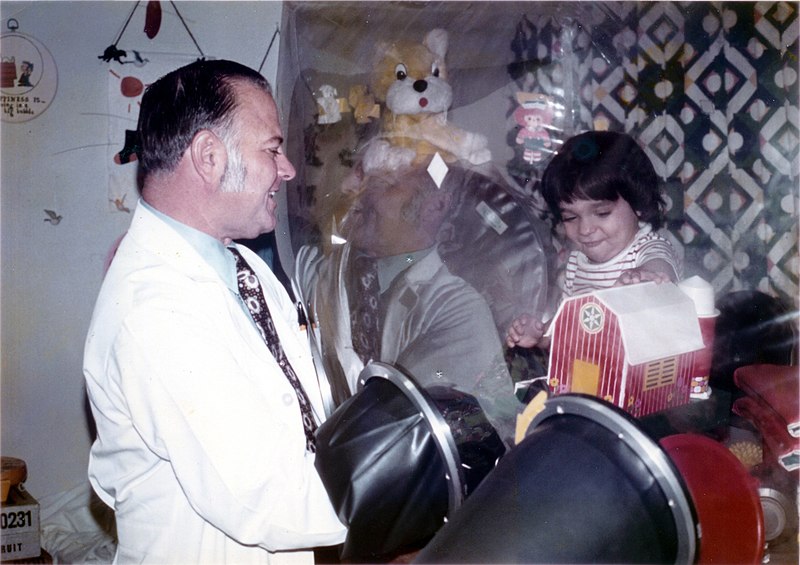
A imunodeficiência combinada severa ( SCID SCID Severe combined immunodeficiency (SCID), also called "bubble boy disease," is a rare genetic disorder in which the development of functional B and T cells is disturbed due to several genetic mutations that result in reduced or absent immune function. Severe Combined Immunodeficiency (SCID), pela sigla em inglês), também denominada “doença do menino da bolha”, é um distúrbio genético raro no qual o desenvolvimento de células B e T funcionais é perturbado devido a várias mutações genéticas, que resultam na redução ou usência da função imunológica. É a forma mais MAIS Androgen Insensitivity Syndrome grave de imunodeficiência primária e é caracterizada por disfunção nas resposta imune humoral e mediada por células. Múltiplas mutações podem resultar em tipos heterogéneos de SCID SCID Severe combined immunodeficiency (SCID), also called "bubble boy disease," is a rare genetic disorder in which the development of functional B and T cells is disturbed due to several genetic mutations that result in reduced or absent immune function. Severe Combined Immunodeficiency (SCID). Os doentes apresentam infeções graves e recorrentes nos primeiros meses de vida. O tratamento inclui imunoglobulinas IV e transplante de medula óssea. Se não for tratada, a SCID SCID Severe combined immunodeficiency (SCID), also called "bubble boy disease," is a rare genetic disorder in which the development of functional B and T cells is disturbed due to several genetic mutations that result in reduced or absent immune function. Severe Combined Immunodeficiency (SCID) geralmente é fatal no primeiro ano de vida.

Last updated: Dec 15, 2025

Editorial responsibility: Stanley Oiseth, Lindsay Jones, Evelin Maza

Epidemiologia e Etiologia

Epidemiologia

  • Prevalência: < 1 em 100.000 nados vivos
  • São encontradas taxas de prevalência mais MAIS Androgen Insensitivity Syndrome altas em áreas e culturas nas quais o casamento consanguíneo é comum.
  • Incidência de 1 em 2.500 entre crianças Navajo e Apache

Etiologia

Pelo menos 12 genes Genes A category of nucleic acid sequences that function as units of heredity and which code for the basic instructions for the development, reproduction, and maintenance of organisms. DNA Types and Structure são conhecidos por causar imunodeficiência combinada grave ( SCID SCID Severe combined immunodeficiency (SCID), also called “bubble boy disease,” is a rare genetic disorder in which the development of functional B and T cells is disturbed due to several genetic mutations that result in reduced or absent immune function. Severe Combined Immunodeficiency (SCID), pela sigla em inglês) se mutados, incluindo aqueles que codificam para o seguinte:

  • A cadeia γ comum compartilhada pelos recetores das citocinas:
    • IL-2, IL-4, IL-7 IL-7 A proinflammatory cytokine produced primarily by T-lymphocytes or their precursors. Several subtypes of interleukin-17 have been identified, each of which is a product of a unique gene. Severe Combined Immunodeficiency (SCID), IL-9 e IL-15
    • IL-7 IL-7 A proinflammatory cytokine produced primarily by T-lymphocytes or their precursors. Several subtypes of interleukin-17 have been identified, each of which is a product of a unique gene. Severe Combined Immunodeficiency (SCID) é a citocina mais MAIS Androgen Insensitivity Syndrome importante porque estimula a sobrevivência e a expansão de precursores de células B e T imaturas.
  • Adenosina desaminase ( ADA ADA An enzyme that catalyzes the hydrolysis of adenosine to inosine with the elimination of ammonia. Purine and Pyrimidine Metabolism)
  • Purina nucleosídeo fosforilase
  • Adenilato cinase mitocondrial 2
  • Janus cinase-3 ( JAK3 JAK3 A janus kinase subtype that is predominantly expressed in hematopoietic cells. It is involved in signaling from a broad variety of cytokine receptors including ones that utilize the interleukin receptor common gamma subunit. Severe Combined Immunodeficiency (SCID))
  • Genes Genes A category of nucleic acid sequences that function as units of heredity and which code for the basic instructions for the development, reproduction, and maintenance of organisms. DNA Types and Structure RAG-1 e RAG-2

O padrão de hereditariedade depende do tipo de mutação genética envolvida:

  • Aproximadamente 50% dos casos seguem um padrão de hereditariedade recessivo ligado ao X e estão associados a mutações da cadeia γ comum.
  • Aproximadamente 40%50% dos casos seguem um padrão de hereditariedade autossómica recessiva e são frequentemente (50%) associados a mutações da ADA ADA An enzyme that catalyzes the hydrolysis of adenosine to inosine with the elimination of ammonia. Purine and Pyrimidine Metabolism.

Fisiopatologia

  • O gene Gene A category of nucleic acid sequences that function as units of heredity and which code for the basic instructions for the development, reproduction, and maintenance of organisms. Basic Terms of Genetics afetado determinará qual o tipo de célula que está ausente ou em défice, sendo as células T, as células B e as células NK as mais MAIS Androgen Insensitivity Syndrome frequentemente afetadas.
  • Todos os tipos de SCID SCID Severe combined immunodeficiency (SCID), also called “bubble boy disease,” is a rare genetic disorder in which the development of functional B and T cells is disturbed due to several genetic mutations that result in reduced or absent immune function. Severe Combined Immunodeficiency (SCID) são caracterizados por um nível baixo ou ausência de células T.
  • Recetores com cadeia γ comum estão localizados na superfície de células imaturas na medula óssea, que:
    • Auxiliam na formação de linfócitos
    • Regulam o crescimento e a maturação de vários subtipos de células T, células B e células natural killer
    • Regulam todo o sistema imunológico.
  • Mutações que afetam esses recetores levam a atrofia ou hipoplasia dos órgãos linfoides e linfopenia.
  • Assim, os doentes com SCID SCID Severe combined immunodeficiency (SCID), also called “bubble boy disease,” is a rare genetic disorder in which the development of functional B and T cells is disturbed due to several genetic mutations that result in reduced or absent immune function. Severe Combined Immunodeficiency (SCID) têm uma suscetibilidade extrema à infeção na infância.
Tabela: Possíveis fenótipos SCID SCID Severe combined immunodeficiency (SCID), also called “bubble boy disease,” is a rare genetic disorder in which the development of functional B and T cells is disturbed due to several genetic mutations that result in reduced or absent immune function. Severe Combined Immunodeficiency (SCID)
Fenótipo Defeito genético
TB+NK γC, JAK3 JAK3 A janus kinase subtype that is predominantly expressed in hematopoietic cells. It is involved in signaling from a broad variety of cytokine receptors including ones that utilize the interleukin receptor common gamma subunit. Severe Combined Immunodeficiency (SCID)
TBNK+ RAG-1, RAG-2, Artemis, DNA DNA A deoxyribonucleotide polymer that is the primary genetic material of all cells. Eukaryotic and prokaryotic organisms normally contain DNA in a double-stranded state, yet several important biological processes transiently involve single-stranded regions. DNA, which consists of a polysugar-phosphate backbone possessing projections of purines (adenine and guanine) and pyrimidines (thymine and cytosine), forms a double helix that is held together by hydrogen bonds between these purines and pyrimidines (adenine to thymine and guanine to cytosine). DNA Types and Structure ligase IV, Cernunnos, DNA DNA A deoxyribonucleotide polymer that is the primary genetic material of all cells. Eukaryotic and prokaryotic organisms normally contain DNA in a double-stranded state, yet several important biological processes transiently involve single-stranded regions. DNA, which consists of a polysugar-phosphate backbone possessing projections of purines (adenine and guanine) and pyrimidines (thymine and cytosine), forms a double helix that is held together by hydrogen bonds between these purines and pyrimidines (adenine to thymine and guanine to cytosine). DNA Types and Structure PKcs
TB+NK+ IL-7Rα, CD3δ, CD3ζ, Coronin-1A, ZAP-70, CD45
TBNK ADA ADA An enzyme that catalyzes the hydrolysis of adenosine to inosine with the elimination of ammonia. Purine and Pyrimidine Metabolism, AK2
Tabela: Tipos de SCID SCID Severe combined immunodeficiency (SCID), also called “bubble boy disease,” is a rare genetic disorder in which the development of functional B and T cells is disturbed due to several genetic mutations that result in reduced or absent immune function. Severe Combined Immunodeficiency (SCID)
Síndrome Defeito
Imunodeficiência Combinada Severa Ligada ao X Mutações no gene Gene A category of nucleic acid sequences that function as units of heredity and which code for the basic instructions for the development, reproduction, and maintenance of organisms. Basic Terms of Genetics que codifica a cadeia γ comum, uma proteína que é compartilhada pelos recetores das interleucinas IL-2, IL-4, IL-7 IL-7 A proinflammatory cytokine produced primarily by T-lymphocytes or their precursors. Several subtypes of interleukin-17 have been identified, each of which is a product of a unique gene. Severe Combined Immunodeficiency (SCID), IL-9, IL-15 e IL-21
Deficiência da adenosina desaminase
  • Causada por uma enzima defeituosa, ADA ADA An enzyme that catalyzes the hydrolysis of adenosine to inosine with the elimination of ammonia. Purine and Pyrimidine Metabolism, que é necessária para a quebra de purinas
  • Leva à acumulação de dATP, que inibe a atividade da ribonucleotídeo redutase (enzima que gera desoxirribonucleotídeos)
Deficiência de nucleosídeo fosforilase de purina ( PNP PNP An enzyme that catalyzes the reaction between a purine nucleoside and orthophosphate to form a free purine plus ribose-5-phosphate. Purine and Pyrimidine Metabolism, pela sigla em inglês) Doença autossómica recessiva que envolve mutações do gene Gene A category of nucleic acid sequences that function as units of heredity and which code for the basic instructions for the development, reproduction, and maintenance of organisms. Basic Terms of Genetics PNP PNP An enzyme that catalyzes the reaction between a purine nucleoside and orthophosphate to form a free purine plus ribose-5-phosphate. Purine and Pyrimidine Metabolism
Disgenesia reticular Incapacidade dos precursores de granulócitos formarem grânulos secundários devido ao mau funcionamento da adenilato cinase 2 mitocondrial
Síndrome de Omenn
  • Causada por uma perda parcial da função do gene Gene A category of nucleic acid sequences that function as units of heredity and which code for the basic instructions for the development, reproduction, and maintenance of organisms. Basic Terms of Genetics RAG
  • Leva à perda ou recombinação genética defeituosa dos recetores de células T e B, o que resulta em alteração do reconhecimento do agente patogénico
Síndrome do linfócito nu
  • Condição autossómica recessiva na qual as moléculas de MHC são afetadas
  • Este tipo é notável por ter níveis normais de células B e T; a sua funcionalidade está prejudicada, mas o seu desenvolvimento não.
JAK3 JAK3 A janus kinase subtype that is predominantly expressed in hematopoietic cells. It is involved in signaling from a broad variety of cytokine receptors including ones that utilize the interleukin receptor common gamma subunit. Severe Combined Immunodeficiency (SCID) JAK3 JAK3 A janus kinase subtype that is predominantly expressed in hematopoietic cells. It is involved in signaling from a broad variety of cytokine receptors including ones that utilize the interleukin receptor common gamma subunit. Severe Combined Immunodeficiency (SCID) é uma enzima que medeia a transdução a jusante dos sinais γc.

Apresentação Clínica

A doença geralmente apresenta-se na primeira infância (2-6 meses). Nos indivíduos afetados observam-se infeções oportunistas graves e recorrentes.
  • Diarreia crónica
  • Dermatite
  • Infeções virais (e.g., citomegalovírus [CMV], rotavírus, varicela)
  • Meningite
  • Candidíase
  • Infeção pelo complexo Mycobacterium avium Mycobacterium avium A bacterium causing tuberculosis in domestic fowl and other birds. In pigs, it may cause localized and sometimes disseminated disease. The organism occurs occasionally in sheep and cattle. It should be distinguished from the m. avium complex, which infects primarily humans. Mycobacterium (MAC, pela sigla em inglês)
  • Pneumonia Pneumonia Pneumonia or pulmonary inflammation is an acute or chronic inflammation of lung tissue. Causes include infection with bacteria, viruses, or fungi. In more rare cases, pneumonia can also be caused through toxic triggers through inhalation of toxic substances, immunological processes, or in the course of radiotherapy. Pneumonia por Pneumocystis (apresentação comum em doentes sem células T)
  • Os gânglios, o timo e as amígdalas geralmente são hipoplásicos ou estão ausentes nestes doentes.
  • Falha no crescimento devido a infeções recorrentes e desnutrição

Diagnóstico

  • O diagnóstico precoce é possível através do rastreio neonatal da SCID SCID Severe combined immunodeficiency (SCID), also called “bubble boy disease,” is a rare genetic disorder in which the development of functional B and T cells is disturbed due to several genetic mutations that result in reduced or absent immune function. Severe Combined Immunodeficiency (SCID):
    • Embora o rastreio não esteja disponível e não seja usado globalmente, todos os recém-nascidos nos Estados Unidos são rastreados para a SCID SCID Severe combined immunodeficiency (SCID), also called “bubble boy disease,” is a rare genetic disorder in which the development of functional B and T cells is disturbed due to several genetic mutations that result in reduced or absent immune function. Severe Combined Immunodeficiency (SCID).
    • Sem rastreioneonatal, o diagnóstico é difícil e agrava o prognóstico.
    • O teste de rastreio neonatal da SCID SCID Severe combined immunodeficiency (SCID), also called “bubble boy disease,” is a rare genetic disorder in which the development of functional B and T cells is disturbed due to several genetic mutations that result in reduced or absent immune function. Severe Combined Immunodeficiency (SCID) mede os círculos de excisão do recetor de células T ( TRECs TRECs Severe Combined Immunodeficiency (SCID), pela sigla em inglês), um subproduto do desenvolvimento de células T. A falta de TRECs TRECs Severe Combined Immunodeficiency (SCID) confirma a presença de SCID SCID Severe combined immunodeficiency (SCID), also called “bubble boy disease,” is a rare genetic disorder in which the development of functional B and T cells is disturbed due to several genetic mutations that result in reduced or absent immune function. Severe Combined Immunodeficiency (SCID).
  • Sintomas que criam a suspeita ou suportam o diagnóstico de SCID SCID Severe combined immunodeficiency (SCID), also called “bubble boy disease,” is a rare genetic disorder in which the development of functional B and T cells is disturbed due to several genetic mutations that result in reduced or absent immune function. Severe Combined Immunodeficiency (SCID):
    • História familiar de óbitos infantis
    • Presença de tosse crónica
    • Presença de pulmões hiperinsuflados
    • Infeções recorrentes e persistentes
  • Para confirmar o diagnóstico:
    • Hemograma completo: níveis reduzidos de células T e células B ou células NK (ou ambas)
    • Citometria de fluxo: défice da subpopulação de células T (diagnóstico definitivo)
  • Exames auxiliares em doentes com SCID SCID Severe combined immunodeficiency (SCID), also called “bubble boy disease,” is a rare genetic disorder in which the development of functional B and T cells is disturbed due to several genetic mutations that result in reduced or absent immune function. Severe Combined Immunodeficiency (SCID) (se necessário):
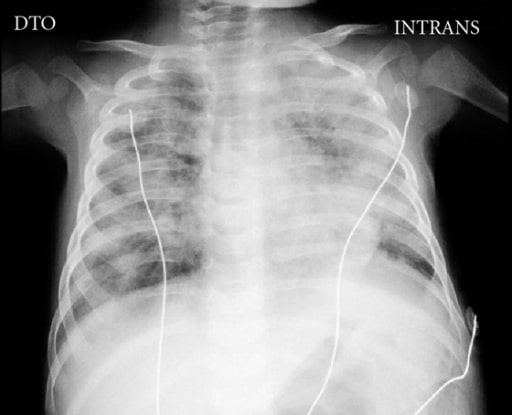
    • Radiografia de tórax: ausência de timo
    • Biópsia de gânglio linfático: ausência de centros germinativos
Raio-X SCID

Radiografia de tórax de um menino de 5 meses com SCID complicada por doença disseminada pelo bacilo Calmette-Guérin (BCG) a demostrar a ausência de timo e áreas bilaterais de opacidades

Imagem: “Chest X-ray” por Pediatric Intensive Care Unit, Hospital Dona Estefânia, 1169-045 Lisboa, Portugal. Licença: CC BY 3.0
Tratamento e Prognóstico

  • Transplante de células estaminais hematopoiéticas (HSCT, pela sigla em inglês) antes dos 3 meses de idade:
    • Evitar a exposição pública antes do transplante.
    • O melhor dador é, idealmente, um irmão com uma correspondência tecidual próxima.
  • Infusão intravenosa de imunoglobulina ( IVIG IVIG Dermatomyositis):
    • Substitui a imunoglobulina ausente na disfunção das células B devido à falta de células T
    • Os resultados da IVIG IVIG Dermatomyositis duram aproximadamente 3 semanas.
  • Profilaxia da pneumonia Pneumonia Pneumonia or pulmonary inflammation is an acute or chronic inflammation of lung tissue. Causes include infection with bacteria, viruses, or fungi. In more rare cases, pneumonia can also be caused through toxic triggers through inhalation of toxic substances, immunological processes, or in the course of radiotherapy. Pneumonia por Pneumocystis ( PCP PCP Pneumocystis jiroveci is a yeast-like fungus causing pneumocystis pneumonia (PCP) in immunocompromised patients. Pneumocystis pneumonia is spread through airborne transmission and classically affects patients with AIDS, functioning as an AIDS-defining illness. Patients may present with insidious onset of fever, chills, dry cough, chest pain, and shortness of breath. Pneumocystis jirovecii/Pneumocystis Pneumonia (PCP), pela sigla em inglês) com trimetoprim-sulfametoxazol (TMP/SMX) a partir do 1º mês de idade
  • Isolamento reverso
  • Reposição enzimática se deficiência de ADA ADA An enzyme that catalyzes the hydrolysis of adenosine to inosine with the elimination of ammonia. Purine and Pyrimidine Metabolism
  • Terapêuticas em investigação incluem a terapia genética:
    • A SCID SCID Severe combined immunodeficiency (SCID), also called “bubble boy disease,” is a rare genetic disorder in which the development of functional B and T cells is disturbed due to several genetic mutations that result in reduced or absent immune function. Severe Combined Immunodeficiency (SCID) é a primeira doença em que a terapia genética substituiu com sucesso o gene Gene A category of nucleic acid sequences that function as units of heredity and which code for the basic instructions for the development, reproduction, and maintenance of organisms. Basic Terms of Genetics mutado.
    • Ainda considerado experimental ou investigacional porque alguns dos doentes que receberam o tratamento desenvolveram posteriormente leucemia
  • Prognóstico:
    • Altamente fatal
    • A morte resulta de infeções repetidas antes dos 2 anos de idade

Diagnóstico Diferencial

As seguintes condições são diagnósticos diferenciais de SCID SCID Severe combined immunodeficiency (SCID), also called “bubble boy disease,” is a rare genetic disorder in which the development of functional B and T cells is disturbed due to several genetic mutations that result in reduced or absent immune function. Severe Combined Immunodeficiency (SCID):

  • Síndrome de DiGeorge: condição causada por uma microdeleção num local designado q11.2 do cromossoma 22, devido ao desenvolvimento defeituoso da 3ª e 4ª bolsa faríngea, levando à hipoplasia do timo e da paratiroide (causando imunodeficiência de células T e hipocalcemia, respetivamente). Outras manifestações incluem características faciais distintivas, defeitos cardíacos congénitos, infeções frequentes e distúrbios neuropsiquiátricos.
  • Síndrome de CHARGE: distúrbio genético, raro, em crianças, que afeta quase todos os sistemas do corpo devido à disrupção da expressão génica resultado de mutações herdadas em genes Genes A category of nucleic acid sequences that function as units of heredity and which code for the basic instructions for the development, reproduction, and maintenance of organisms. DNA Types and Structure específicos. CHARGE significa Coloboma, Heart defects, Atresia choanae, Growth retardation, Genital abnormalities, and E ar AR Aortic regurgitation (AR) is a cardiac condition characterized by the backflow of blood from the aorta to the left ventricle during diastole. Aortic regurgitation is associated with an abnormal aortic valve and/or aortic root stemming from multiple causes, commonly rheumatic heart disease as well as congenital and degenerative valvular disorders. Aortic Regurgitation abnormalities ( coloboma Coloboma Congenital anomaly in which some of the structures of the eye are absent due to incomplete fusion of the fetal intraocular fissure during gestation. Esophageal Atresia and Tracheoesophageal Fistula, defeitos cardíacos, atrésia das coanas, atrasos do crescimento, alterações genitais e do ouvido). A síndrome está, geralmente, associada a hipoplasia ou aplasia Aplasia Cranial Nerve Palsies do timo, levando à imunodeficiência.
  • Síndrome de Wiskott-Aldrich: distúrbio, ligado ao X, misto de deficiência de células B e T. A síndrome de Wiskott-Aldrich é causada por uma mutação no gene Gene A category of nucleic acid sequences that function as units of heredity and which code for the basic instructions for the development, reproduction, and maintenance of organisms. Basic Terms of Genetics WAS que leva ao comprometimento do citoesqueleto de actina, fagocitose e quimiotaxia, comprometimento do desenvolvimento plaquetário e, em geral, perda das respostas humorais e celulares. A síndrome apresenta-se com eczema Eczema Atopic dermatitis, also known as eczema, is a chronic, relapsing, pruritic, inflammatory skin disease that occurs more frequently in children, although adults can also be affected. The condition is often associated with elevated serum levels of IgE and a personal or family history of atopy. Skin dryness, erythema, oozing, crusting, and lichenification are present. Atopic Dermatitis (Eczema), distúrbios hemorrágicos, infeções oportunistas recorrentes e autoimunidade.
  • Infeção por VIH e SIDA: causada por um vírus de RNA RNA A polynucleotide consisting essentially of chains with a repeating backbone of phosphate and ribose units to which nitrogenous bases are attached. RNA is unique among biological macromolecules in that it can encode genetic information, serve as an abundant structural component of cells, and also possesses catalytic activity. RNA Types and Structure de cadeia simples da família Retroviridae Retroviridae The human immunodeficiency virus (HIV) is a species of Lentivirus, a genus of the family Retroviridae, which causes HIV infections and acquired immunodeficiency syndrome (AIDS). The virus has high genetic variability and is divided into 2 major types, HIV type 1 (HIV-1) and HIV type 2 (HIV-2). The human immunodeficiency virus is a single-stranded, positive-sense, enveloped RNA virus, which targets and destroys WBCs, leading to frequent opportunistic infections and, eventually, death. Human Immunodeficiency Virus (HIV); transmitida através da troca de fluidos corporais, como sémen e sangue. A apresentação é marcada por uma deterioração do sistema imunológico, começando com sintomas constitucionais, como linfadenopatia, e progredindo para doenças definidoras de SIDA, como as infeções oportunistas.
  • Imunodeficiência comum variável (IDCV): tipo de imunodeficiência primária caracterizada por níveis séricos reduzidos de imunoglobulinas G, A e M. As causas subjacentes são desconhecidas. Doentes com esta condição são propensos a infeções no trato gastrointestinal e nos tratos respiratórios superior e inferior e têm maior risco de desenvolver doenças autoimunes, granulomatosas e neoplásicas.

Referências

  1. National Institute of Allergy and Infectious Diseases (2019. https://www.niaid.nih.gov/diseases-conditions/severe-combined-immunodeficiency-scid
  2. American Academy of Allergy, Asthma, & Immunology. (2024). *Severe combined immunodeficiency (SCID)*. https://www.aaaai.org/conditions-treatments/primary-immunodeficiency-disease/severe-combined-immunodeficiency
  3. Boyer, D. E., & Puck, J. M. (2023). The Importance of Newborn Screening for SCID: Implications for Early Diagnosis and Management. Pediatrics, 151(5), e2022059871.
  4. Cohen, J. I., et al. (2023). Outcomes of hematopoietic stem cell transplantation for SCID: A single-center experience. Blood Advances, 7(1), 45-55.
  5. Fischer, A., et al. (2024). Immunological and genetic aspects of severe combined immunodeficiency: A review. Nature Reviews Immunology, 24(1), 12-28.
  6. Gershwin, M. E., & Arumugham, R. (2023). Primary Immunodeficiency: Understanding SCID and Its Treatment. The Journal of Clinical Investigation, 133(3), e165236.
  7. Kohn, D. B., et al. (2024). ADA-SCID Gene Therapy Update. Immune Deficiency Foundation.
  8. Meyer, S. A., et al. (2023). New insights into the genetics and diagnosis of severe combined immunodeficiency. Nature Reviews Genetics, 25(2), 67-82.
  9. Puck, J. M., & Fleisher, T. A. (2021). Severe Combined Immunodeficiency: New Insights and Challenges in Diagnosis and Management. In Primary Immunodeficiency: Diseases of Children and Adults.
  10. Rochman, Y., et al. (2020). SCID: Insights into Pathogenesis and Therapy. In The Journal of Clinical Investigation, 130(8), 4217-4227.
  11. Wang, K., & Zhou, L. (2023). Gene therapy for SCID: Current status and future perspectives. Frontiers in Immunology, 14, 1084541.
  12. Wahlstrom, J. T., Dvorak, C. C., & Cowan, M. J. (2015). Hematopoietic stem cell transplantation for severe combined immunodeficiency. Current Pediatric Reports, 3(1), 1–10. https://doi.org/10.1007/s40124-014-0071-7

Crie sua conta gratuita ou faça login para continuar lendo!

Cadastre-se agora e tenha acesso grátis ao Lecturio, com páginas de conceitos, vídeos de medicina e questões para sua educação médica.

Aprende mais com a Lecturio:

Multiple devices displaying human anatomy and health education content.

Complementa o teu estudo da faculdade com o companheiro de estudo tudo-em-um da Lecturio, através de métodos de ensino baseados em evidência.

Estuda onde quiseres

Two iPhones display medical education apps, one showing anatomy, the other Bookmatcher.

A Lecturio Medical complementa o teu estudo através de métodos de ensino baseados em evidência, vídeos de palestras, perguntas e muito mais – tudo combinado num só lugar e fácil de usar.

User Reviews

Have a holly, jolly study session 🎁 Save 50% on all plans now >>

Que tengas una sesión de estudio alegre y navideña 🎁 Ahorra 50% en todos los planes >>

Details