Domina Conceptos Médicos

Estudia para la escuela de medicina y tus examenes con Lecturio.

Ultrasonido (Ecografía)

El ultrasonido es una técnica de imagenología que se utiliza en EN Erythema nodosum is an immune-mediated panniculitis (inflammation of the subcutaneous fat) caused by a type IV (delayed-type) hypersensitivity reaction. It commonly manifests in young women as tender, erythematous nodules on the shins. Erythema Nodosum medicina para obtener imágenes de las estructuras corporales subcutáneas, los LOS Neisseria vasos sanguíneos, las articulaciones y los LOS Neisseria órganos internos para excluir patologías estructurales. Esta técnica se basa en EN Erythema nodosum is an immune-mediated panniculitis (inflammation of the subcutaneous fat) caused by a type IV (delayed-type) hypersensitivity reaction. It commonly manifests in young women as tender, erythematous nodules on the shins. Erythema Nodosum la utilización de ultrasonido (u ondas sonoras inaudibles de alta frecuencia). En EN Erythema nodosum is an immune-mediated panniculitis (inflammation of the subcutaneous fat) caused by a type IV (delayed-type) hypersensitivity reaction. It commonly manifests in young women as tender, erythematous nodules on the shins. Erythema Nodosum la imagenología médica, las ondas sonoras tienen una frecuencia de 2–18 megahertz (MHz). El equipo utiliza un transductor que actúa como emisor y receptor Receptor Receptors are proteins located either on the surface of or within a cell that can bind to signaling molecules known as ligands (e.g., hormones) and cause some type of response within the cell. Receptors de ondas sonoras, y un ordenador central procesa las señales eléctricas para generar la imagen. Las ventajas generales de este tipo de imagenología son su bajo costo, su disponibilidad y su seguridad. Algunas de las especialidades que dependen en EN Erythema nodosum is an immune-mediated panniculitis (inflammation of the subcutaneous fat) caused by a type IV (delayed-type) hypersensitivity reaction. It commonly manifests in young women as tender, erythematous nodules on the shins. Erythema Nodosum gran medida del ultrasonido son cardiología, nefrología, cirugía general, gastroenterología, medicina de emergencias y obstetricia.

Last updated: Dec 15, 2025

Editorial responsibility: Stanley Oiseth, Lindsay Jones, Evelin Maza

Terminología y Aspectos Técnicos

Definiciones

  • Ultrasonido: ondas sonoras inaudibles con una frecuencia de 2–18 megahertz (MHz) cuando se utilizan para la obtención de imagenología médica
  • Imagenología por ultrasonido: uso del ultrasonido para generar imágenes anatómicas

Componentes principales de un equipo de ultrasonido

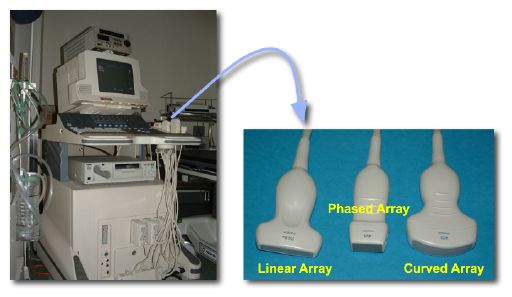
  • Transductor (o sonda):
    • Dispositivo que se coloca en EN Erythema nodosum is an immune-mediated panniculitis (inflammation of the subcutaneous fat) caused by a type IV (delayed-type) hypersensitivity reaction. It commonly manifests in young women as tender, erythematous nodules on the shins. Erythema Nodosum el cuerpo del paciente para visualizar un objetivo
    • Actúa como emisor y receptor Receptor Receptors are proteins located either on the surface of or within a cell that can bind to signaling molecules known as ligands (e.g., hormones) and cause some type of response within the cell. Receptors de ondas sonoras
    • Contiene cristales piezoeléctricos que convierten las señales eléctricas en EN Erythema nodosum is an immune-mediated panniculitis (inflammation of the subcutaneous fat) caused by a type IV (delayed-type) hypersensitivity reaction. It commonly manifests in young women as tender, erythematous nodules on the shins. Erythema Nodosum ondas sonoras
    • Las ondas sonoras reflejadas (ecos) vuelven al AL Amyloidosis transductor y se convierten en EN Erythema nodosum is an immune-mediated panniculitis (inflammation of the subcutaneous fat) caused by a type IV (delayed-type) hypersensitivity reaction. It commonly manifests in young women as tender, erythematous nodules on the shins. Erythema Nodosum señales eléctricas.
    • Tipos:
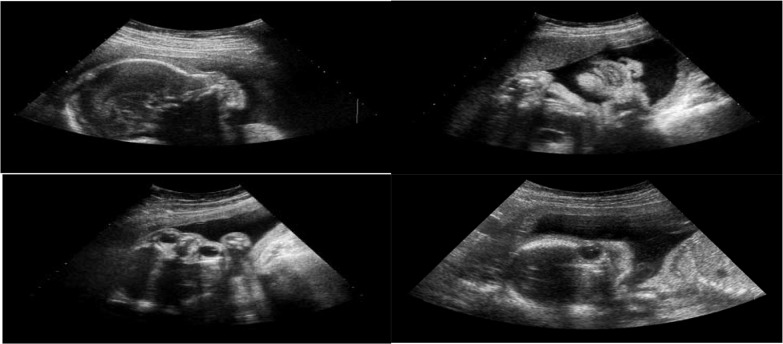
      • Convexo (utilizado en EN Erythema nodosum is an immune-mediated panniculitis (inflammation of the subcutaneous fat) caused by a type IV (delayed-type) hypersensitivity reaction. It commonly manifests in young women as tender, erythematous nodules on the shins. Erythema Nodosum la imagenología fetal)
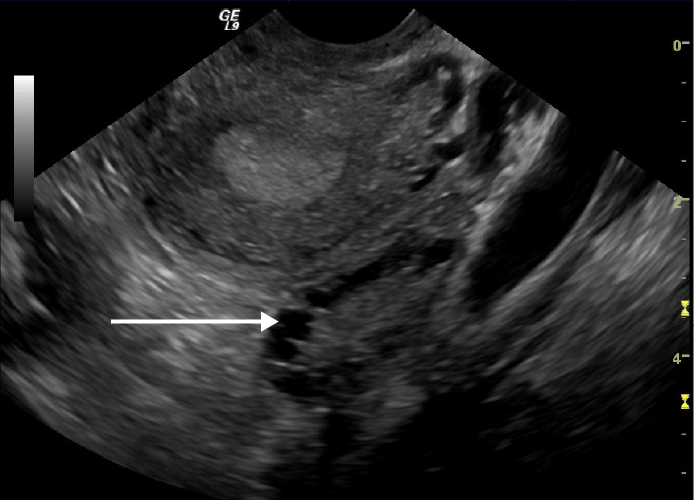
      • Microconvexo (utilizado en EN Erythema nodosum is an immune-mediated panniculitis (inflammation of the subcutaneous fat) caused by a type IV (delayed-type) hypersensitivity reaction. It commonly manifests in young women as tender, erythematous nodules on the shins. Erythema Nodosum la imagenología ginecológica)
      • Lineal (utilizado en EN Erythema nodosum is an immune-mediated panniculitis (inflammation of the subcutaneous fat) caused by a type IV (delayed-type) hypersensitivity reaction. It commonly manifests in young women as tender, erythematous nodules on the shins. Erythema Nodosum la imagenología vascular)
      • Antenas en EN Erythema nodosum is an immune-mediated panniculitis (inflammation of the subcutaneous fat) caused by a type IV (delayed-type) hypersensitivity reaction. It commonly manifests in young women as tender, erythematous nodules on the shins. Erythema Nodosum fase (utilizado en EN Erythema nodosum is an immune-mediated panniculitis (inflammation of the subcutaneous fat) caused by a type IV (delayed-type) hypersensitivity reaction. It commonly manifests in young women as tender, erythematous nodules on the shins. Erythema Nodosum la imagenología torácica)
    • La frecuencia está inversamente relacionada con la longitud de onda y la profundidad de penetración en EN Erythema nodosum is an immune-mediated panniculitis (inflammation of the subcutaneous fat) caused by a type IV (delayed-type) hypersensitivity reaction. It commonly manifests in young women as tender, erythematous nodules on the shins. Erythema Nodosum los LOS Neisseria tejidos.
    • Frecuencias más altas → imagen detallada
  • Unidad central de procesamiento: procesa las señales eléctricas para generar una imagen
  • Consola:
    • Permite manipular las imágenes procedentes del transductor
    • Activación del modo M y Doppler Doppler Ultrasonography applying the doppler effect, with frequency-shifted ultrasound reflections produced by moving targets (usually red blood cells) in the bloodstream along the ultrasound axis in direct proportion to the velocity of movement of the targets, to determine both direction and velocity of blood flow. Ultrasound (Sonography)

Generación de imágenes con ultrasonido

El principio fundamental del ultrasonido es la transmisión y reflexión de las ondas sonoras a través de los LOS Neisseria tejidos.
  1. Las ondas sonoras son emitidas por el transductor.
  2. Las ondas sonoras penetran en EN Erythema nodosum is an immune-mediated panniculitis (inflammation of the subcutaneous fat) caused by a type IV (delayed-type) hypersensitivity reaction. It commonly manifests in young women as tender, erythematous nodules on the shins. Erythema Nodosum los LOS Neisseria tejidos en EN Erythema nodosum is an immune-mediated panniculitis (inflammation of the subcutaneous fat) caused by a type IV (delayed-type) hypersensitivity reaction. It commonly manifests in young women as tender, erythematous nodules on the shins. Erythema Nodosum forma de haz.
  3. A medida que el haz se desplaza, es reflejado por las estructuras de los LOS Neisseria tejidos (o se hace HACE Altitude Sickness eco) de vuelta al AL Amyloidosis transductor, y parte de la energía es absorbida por los LOS Neisseria tejidos.
    • La amplitud de los LOS Neisseria ecos depende del grado de absorción de energía del haz emitido.
    • La energía absorbida por el haz se libera posteriormente en EN Erythema nodosum is an immune-mediated panniculitis (inflammation of the subcutaneous fat) caused by a type IV (delayed-type) hypersensitivity reaction. It commonly manifests in young women as tender, erythematous nodules on the shins. Erythema Nodosum forma de calor Calor Inflammation.
  4. Los LOS Neisseria ecos vuelven al AL Amyloidosis transductor.
  5. Las ondas sonoras se convierten en EN Erythema nodosum is an immune-mediated panniculitis (inflammation of the subcutaneous fat) caused by a type IV (delayed-type) hypersensitivity reaction. It commonly manifests in young women as tender, erythematous nodules on the shins. Erythema Nodosum señales eléctricas y se amplifican en EN Erythema nodosum is an immune-mediated panniculitis (inflammation of the subcutaneous fat) caused by a type IV (delayed-type) hypersensitivity reaction. It commonly manifests in young women as tender, erythematous nodules on the shins. Erythema Nodosum la consola. A las señales se les asigna un tono de gris en EN Erythema nodosum is an immune-mediated panniculitis (inflammation of the subcutaneous fat) caused by a type IV (delayed-type) hypersensitivity reaction. It commonly manifests in young women as tender, erythematous nodules on the shins. Erythema Nodosum función de la amplitud del eco producido por el tejido tras interactuar con los LOS Neisseria cristales piezoeléctricos.
    • A las amplitudes más altas se les asignan tonos más cercanos al AL Amyloidosis blanco.
    • A las amplitudes más bajas se les asignan tonos más cercanos al AL Amyloidosis negro.
  6. La unidad central de procesamiento procesa las señales eléctricas y las convierte en EN Erythema nodosum is an immune-mediated panniculitis (inflammation of the subcutaneous fat) caused by a type IV (delayed-type) hypersensitivity reaction. It commonly manifests in young women as tender, erythematous nodules on the shins. Erythema Nodosum imágenes que pueden verse en EN Erythema nodosum is an immune-mediated panniculitis (inflammation of the subcutaneous fat) caused by a type IV (delayed-type) hypersensitivity reaction. It commonly manifests in young women as tender, erythematous nodules on the shins. Erythema Nodosum el monitor.
Interacción entre las ondas de ultrasonido y los tejidos (Ecografía)

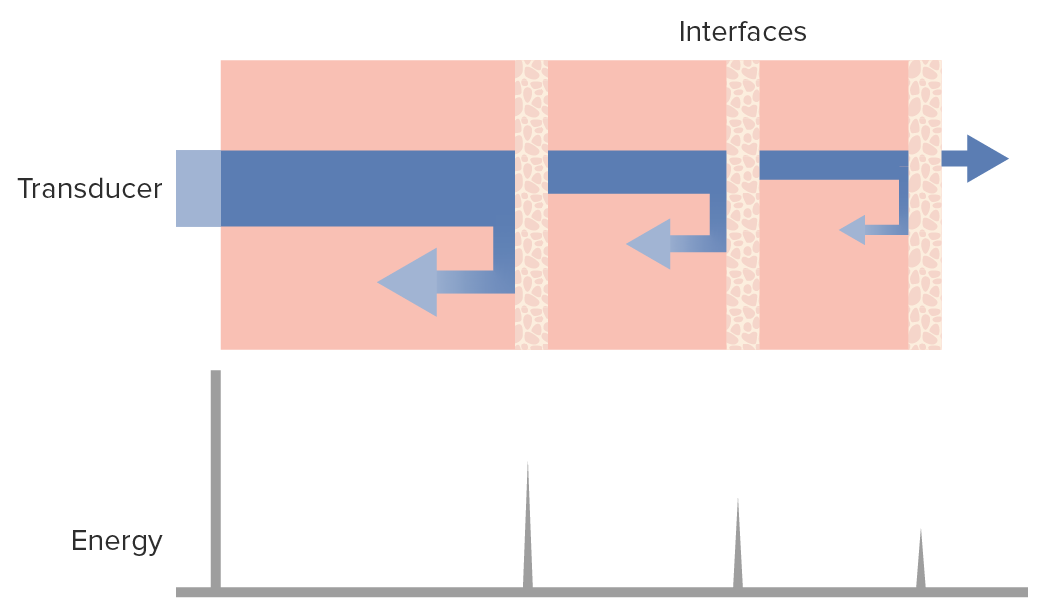
Las ondas de ultrasonido y los tejidos:
El diagrama muestra que, a medida que el haz de ondas de ultrasonido (barra horizontal azul) penetra en los tejidos, un porcentaje se refleja de vuelta (flechas a la izquierda) hacia el transductor, mientras que otro continúa adentrándose en los tejidos (flecha a la derecha), perdiendo algo de energía en el parénquima a su paso.

Imagen por Lecturio.

Imágenes

Planos imagenológicos:

  • Sagital (o longitudinal): a lo largo del eje longitudinal de la estructura evaluada
  • Transversal: perpendicular al AL Amyloidosis plano sagital

Tipos de imágenes:

  • Imágenes estáticas (fotografías)
  • Imágenes de cine: capturadas durante la exploración en EN Erythema nodosum is an immune-mediated panniculitis (inflammation of the subcutaneous fat) caused by a type IV (delayed-type) hypersensitivity reaction. It commonly manifests in young women as tender, erythematous nodules on the shins. Erythema Nodosum tiempo real

La definición o nitidez de la imagen generada puede caracterizarse en EN Erythema nodosum is an immune-mediated panniculitis (inflammation of the subcutaneous fat) caused by a type IV (delayed-type) hypersensitivity reaction. It commonly manifests in young women as tender, erythematous nodules on the shins. Erythema Nodosum términos de:

  • Definición axial Axial Computed Tomography (CT):
  • Definición lateral:
    • Diferenciación de 2 objetos en EN Erythema nodosum is an immune-mediated panniculitis (inflammation of the subcutaneous fat) caused by a type IV (delayed-type) hypersensitivity reaction. It commonly manifests in young women as tender, erythematous nodules on the shins. Erythema Nodosum un plano perpendicular al AL Amyloidosis haz
    • Determina la capacidad del transductor para distinguir estructuras perpendiculares al AL Amyloidosis haz
    • Determinado principalmente por el ancho del haz

La definición de la imagen también viene determinada por la proximidad de los objetos al transductor; según sus frecuencias, los transductores tienen un campo de “visión” cercano y otro lejano:
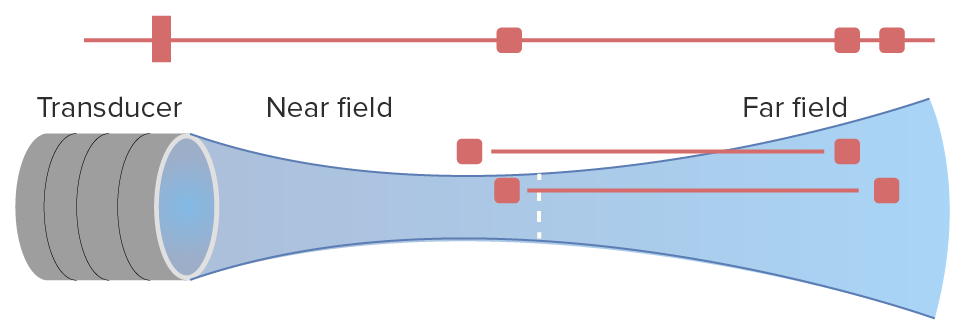
  • Campo cercano: el punto focal del transductor con mayor definición lateral
  • Campo lejano: mayor definición axial Axial Computed Tomography (CT) a costa de la definición lateral

Ultrasonido Doppler Doppler Ultrasonography applying the doppler effect, with frequency-shifted ultrasound reflections produced by moving targets (usually red blood cells) in the bloodstream along the ultrasound axis in direct proportion to the velocity of movement of the targets, to determine both direction and velocity of blood flow. Ultrasound (Sonography)

El ultrasonido Doppler (o simplemente “Doppler”) es un método de ultrasonido muy utilizado que se basa en EN Erythema nodosum is an immune-mediated panniculitis (inflammation of the subcutaneous fat) caused by a type IV (delayed-type) hypersensitivity reaction. It commonly manifests in young women as tender, erythematous nodules on the shins. Erythema Nodosum el principio de la compresión y dilatación de las ondas sonoras con respecto al AL Amyloidosis receptor Receptor Receptors are proteins located either on the surface of or within a cell that can bind to signaling molecules known as ligands (e.g., hormones) and cause some type of response within the cell. Receptors. El ultrasonido Doppler Doppler Ultrasonography applying the doppler effect, with frequency-shifted ultrasound reflections produced by moving targets (usually red blood cells) in the bloodstream along the ultrasound axis in direct proportion to the velocity of movement of the targets, to determine both direction and velocity of blood flow. Ultrasound (Sonography) es el más utilizado para visualizar el flujo sanguíneo.

  • Cuando el haz de ultrasonido entra en EN Erythema nodosum is an immune-mediated panniculitis (inflammation of the subcutaneous fat) caused by a type IV (delayed-type) hypersensitivity reaction. It commonly manifests in young women as tender, erythematous nodules on the shins. Erythema Nodosum contacto con la sangre, su frecuencia se desplaza, volviéndose:
    • Comprimido (la frecuencia aumenta) por un flujo que viene hacia el transductor
    • Dilatado (la frecuencia disminuye) por un flujo que se aleja del transductor
  • Existen diferentes métodos Doppler Doppler Ultrasonography applying the doppler effect, with frequency-shifted ultrasound reflections produced by moving targets (usually red blood cells) in the bloodstream along the ultrasound axis in direct proportion to the velocity of movement of the targets, to determine both direction and velocity of blood flow. Ultrasound (Sonography):
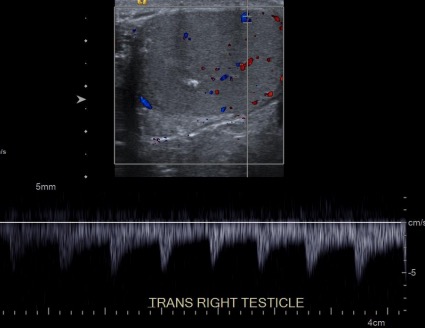
    • Doppler Doppler Ultrasonography applying the doppler effect, with frequency-shifted ultrasound reflections produced by moving targets (usually red blood cells) in the bloodstream along the ultrasound axis in direct proportion to the velocity of movement of the targets, to determine both direction and velocity of blood flow. Ultrasound (Sonography) espectral: demuestra la dirección y la forma de onda del flujo
    • Doppler Doppler Ultrasonography applying the doppler effect, with frequency-shifted ultrasound reflections produced by moving targets (usually red blood cells) in the bloodstream along the ultrasound axis in direct proportion to the velocity of movement of the targets, to determine both direction and velocity of blood flow. Ultrasound (Sonography) poder: se asigna un solo color a todas las áreas de flujo, lo que ha HA Hemolytic anemia (HA) is the term given to a large group of anemias that are caused by the premature destruction/hemolysis of circulating red blood cells (RBCs). Hemolysis can occur within (intravascular hemolysis) or outside the blood vessels (extravascular hemolysis). Hemolytic Anemia aumentado la sensibilidad para detectar el flujo lento/bajo
    • Doppler Doppler Ultrasonography applying the doppler effect, with frequency-shifted ultrasound reflections produced by moving targets (usually red blood cells) in the bloodstream along the ultrasound axis in direct proportion to the velocity of movement of the targets, to determine both direction and velocity of blood flow. Ultrasound (Sonography) continuo: se utiliza para medir el flujo de alta velocidad
    • Doppler Doppler Ultrasonography applying the doppler effect, with frequency-shifted ultrasound reflections produced by moving targets (usually red blood cells) in the bloodstream along the ultrasound axis in direct proportion to the velocity of movement of the targets, to determine both direction and velocity of blood flow. Ultrasound (Sonography) pulsado: realiza mediciones en EN Erythema nodosum is an immune-mediated panniculitis (inflammation of the subcutaneous fat) caused by a type IV (delayed-type) hypersensitivity reaction. It commonly manifests in young women as tender, erythematous nodules on the shins. Erythema Nodosum un pequeño segmento del haz de ultrasonido

Interpretación

La interpretación de las imágenes de ultrasonido se realiza en EN Erythema nodosum is an immune-mediated panniculitis (inflammation of the subcutaneous fat) caused by a type IV (delayed-type) hypersensitivity reaction. It commonly manifests in young women as tender, erythematous nodules on the shins. Erythema Nodosum tiempo real, mientras se realiza el examen.
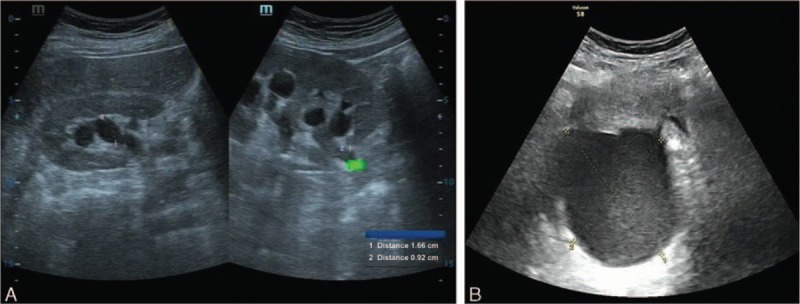
Evaluación por ultrasonido

  • El ultrasonografista debe estar bien familiarizado con la presentación de la anatomía en EN Erythema nodosum is an immune-mediated panniculitis (inflammation of the subcutaneous fat) caused by a type IV (delayed-type) hypersensitivity reaction. It commonly manifests in young women as tender, erythematous nodules on the shins. Erythema Nodosum el método de ultrasonido concreto que emplea.
  • La secuencia de la evaluación también depende de su finalidad, por ejemplo:
    • El FAST sigue una secuencia específica de puntos de referencia anatómicos dentro del abdomen y el tórax con gran rapidez en EN Erythema nodosum is an immune-mediated panniculitis (inflammation of the subcutaneous fat) caused by a type IV (delayed-type) hypersensitivity reaction. It commonly manifests in young women as tender, erythematous nodules on the shins. Erythema Nodosum el entorno de emergencias.
    • Se realiza un perfil biofísico en EN Erythema nodosum is an immune-mediated panniculitis (inflammation of the subcutaneous fat) caused by a type IV (delayed-type) hypersensitivity reaction. It commonly manifests in young women as tender, erythematous nodules on the shins. Erythema Nodosum los LOS Neisseria fetos con sospecha de restricción del crecimiento, midiendo sus parámetros biométricos y comprobando en EN Erythema nodosum is an immune-mediated panniculitis (inflammation of the subcutaneous fat) caused by a type IV (delayed-type) hypersensitivity reaction. It commonly manifests in young women as tender, erythematous nodules on the shins. Erythema Nodosum qué punto de las curvas de crecimiento se encuentran.

Terminología

  • Hiperecoico (e.g., superficie de huesos, cálculos del tracto urinario, lesiones que contienen grasa): una estructura que produce un eco de gran amplitud (grises más claros y blancos)
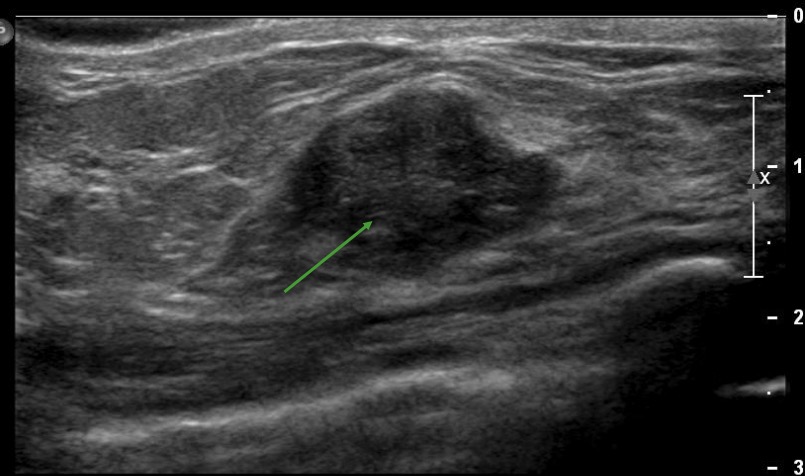
  • Hipoecoico (e.g., abscesos sin gas, tumores sólidos sin calcificaciones ni grasa): estructura que produce un eco de baja amplitud (grises más oscuros)
  • Anecoico (e.g., quistes simples): una estructura que no produce ningún eco (parece completamente negra)
  • Isoecoico: estructura que produce un eco de amplitud muy similar al AL Amyloidosis de su entorno y es muy difícil de distinguir

Ultrasonido Doppler Doppler Ultrasonography applying the doppler effect, with frequency-shifted ultrasound reflections produced by moving targets (usually red blood cells) in the bloodstream along the ultrasound axis in direct proportion to the velocity of movement of the targets, to determine both direction and velocity of blood flow. Ultrasound (Sonography)

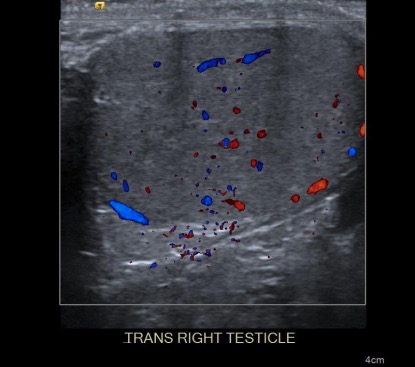
Por convención, en EN Erythema nodosum is an immune-mediated panniculitis (inflammation of the subcutaneous fat) caused by a type IV (delayed-type) hypersensitivity reaction. It commonly manifests in young women as tender, erythematous nodules on the shins. Erythema Nodosum el Doppler Doppler Ultrasonography applying the doppler effect, with frequency-shifted ultrasound reflections produced by moving targets (usually red blood cells) in the bloodstream along the ultrasound axis in direct proportion to the velocity of movement of the targets, to determine both direction and velocity of blood flow. Ultrasound (Sonography) color:
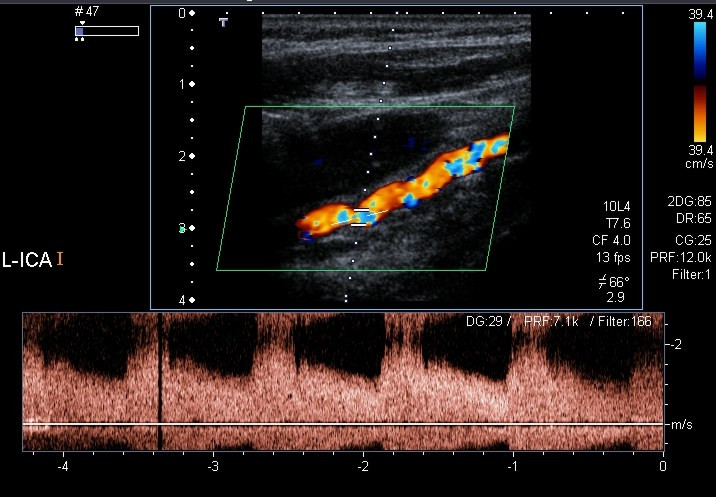
  • El flujo sanguíneo que viene hacia el transductor (ondas sonoras comprimidas) se representa en EN Erythema nodosum is an immune-mediated panniculitis (inflammation of the subcutaneous fat) caused by a type IV (delayed-type) hypersensitivity reaction. It commonly manifests in young women as tender, erythematous nodules on the shins. Erythema Nodosum rojo.
  • El flujo sanguíneo que se aleja del transductor (ondas sonoras dilatadas) se representa en EN Erythema nodosum is an immune-mediated panniculitis (inflammation of the subcutaneous fat) caused by a type IV (delayed-type) hypersensitivity reaction. It commonly manifests in young women as tender, erythematous nodules on the shins. Erythema Nodosum azul.

Artefactos

Los LOS Neisseria artefactos son objetos artificiales producidos por la mala interpretación que hace HACE Altitude Sickness el equipo de los LOS Neisseria datos de las ondas sonoras procedentes de los LOS Neisseria tejidos y que no representan estructuras reales.

Algunos ejemplos de artefactos son:
  • Realce: los LOS Neisseria ecos de las estructuras situadas detrás de los LOS Neisseria objetos hipoecoicos/anecoicos aparecen más brillantes.
  • Sombras: los LOS Neisseria ecos de las estructuras situadas detrás de objetos más densos aparecen más oscuros o no se visualizan en EN Erythema nodosum is an immune-mediated panniculitis (inflammation of the subcutaneous fat) caused by a type IV (delayed-type) hypersensitivity reaction. It commonly manifests in young women as tender, erythematous nodules on the shins. Erythema Nodosum absoluto.
  • Reverberación: los LOS Neisseria ecos quedan atrapados entre dos objetos hiperecoicos y rebotan varias veces.
Ultrasonido de la colecistitis aguda

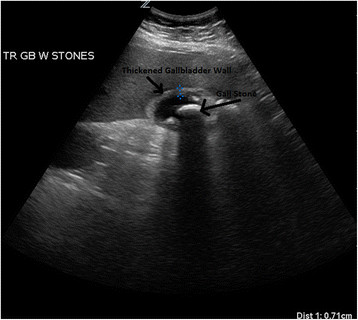
Ultrasonido de un paciente con colecistitis aguda:
Se visualizan múltiples cálculos biliares dentro de la luz de la vesícula biliar con engrosamiento de la pared de la vesícula y líquido pericolecístico. Se puede ver una sombra detrás del cálculo biliar.

Imagen: “Ultrasound of a patient with acute cholecystitis” por Spangler R et al. Licencia: CC BY 4.0

Aplicaciones del Ultrasonido

Ventajas y desventajas del ultrasonido

Tabla: Ventajas y desventajas del ultrasonido
Ventajas Desventajas
  • No hay radiación (método de imagenología más seguro)
  • Portabilidad
  • Puede utilizarse en EN Erythema nodosum is an immune-mediated panniculitis (inflammation of the subcutaneous fat) caused by a type IV (delayed-type) hypersensitivity reaction. It commonly manifests in young women as tender, erythematous nodules on the shins. Erythema Nodosum múltiples entornos
  • Costo relativamente bajo
  • Visualización de los LOS Neisseria tejidos blandos
  • Puede diferenciar las lesiones quísticas de las sólidas
  • Puede evaluar estructuras en EN Erythema nodosum is an immune-mediated panniculitis (inflammation of the subcutaneous fat) caused by a type IV (delayed-type) hypersensitivity reaction. It commonly manifests in young women as tender, erythematous nodules on the shins. Erythema Nodosum movimiento (e.g., el corazón)
  • Comodidad del paciente durante la prueba
  • Depende del entrenamiento del operador
  • Dificultad para evaluar los LOS Neisseria tejidos profundos (e.g., los LOS Neisseria vasos retroperitoneales)
  • Acumulaciones de gas (e.g., en EN Erythema nodosum is an immune-mediated panniculitis (inflammation of the subcutaneous fat) caused by a type IV (delayed-type) hypersensitivity reaction. It commonly manifests in young women as tender, erythematous nodules on the shins. Erythema Nodosum los LOS Neisseria intestinos) interfieren con la visualización.
  • Las ondas sonoras no pueden penetrar en EN Erythema nodosum is an immune-mediated panniculitis (inflammation of the subcutaneous fat) caused by a type IV (delayed-type) hypersensitivity reaction. It commonly manifests in young women as tender, erythematous nodules on the shins. Erythema Nodosum los LOS Neisseria huesos ni en EN Erythema nodosum is an immune-mediated panniculitis (inflammation of the subcutaneous fat) caused by a type IV (delayed-type) hypersensitivity reaction. It commonly manifests in young women as tender, erythematous nodules on the shins. Erythema Nodosum el metal.

Indicaciones y contraindicaciones

Indicaciones:

  • Pacientes traumatizados:
    • FAST
    • Point-of-care ultrasound Point-Of-Care Ultrasound Focused Assessment with Sonography for Trauma (FAST) ( POCUS POCUS Focused Assessment with Sonography for Trauma (FAST))
    • Rapid ultrasound in shock Shock Shock is a life-threatening condition associated with impaired circulation that results in tissue hypoxia. The different types of shock are based on the underlying cause: distributive (↑ cardiac output (CO), ↓ systemic vascular resistance (SVR)), cardiogenic (↓ CO, ↑ SVR), hypovolemic (↓ CO, ↑ SVR), obstructive (↓ CO), and mixed. Types of Shock ( RUSH RUSH Abdominal and cardiac evaluation with sonography in shock (ACES) and rapid ultrasound for shock and hypotension (RUSH) are point-of-care ultrasound (POCUS) examinations indicated in cases of nontraumatic, undifferentiated hypotension, or shock. ACES and RUSH: Resuscitation Ultrasound Protocols)
    • Abdominal and cardiac evaluation with sonography Sonography The visualization of deep structures of the body by recording the reflections or echoes of ultrasonic pulses directed into the tissues. Use of ultrasound for imaging or diagnostic purposes employs frequencies ranging from 1. 6 to 10 megahertz. Diagnostic Procedures in Gynecology in shock Shock Shock is a life-threatening condition associated with impaired circulation that results in tissue hypoxia. The different types of shock are based on the underlying cause: distributive (↑ cardiac output (CO), ↓ systemic vascular resistance (SVR)), cardiogenic (↓ CO, ↑ SVR), hypovolemic (↓ CO, ↑ SVR), obstructive (↓ CO), and mixed. Types of Shock ( ACES ACES Abdominal and cardiac evaluation with sonography in shock (ACES) and rapid ultrasound for shock and hypotension (RUSH) are point-of-care ultrasound (POCUS) examinations indicated in cases of nontraumatic, undifferentiated hypotension, or shock. ACES and RUSH: Resuscitation Ultrasound Protocols)
  • Vesícula biliar y sistema biliar:
    • Colecistitis aguda
    • Colelitiasis
  • Sistema gastrointestinal: apendicitis
  • Riñón: hidronefrosis
  • Escroto:
    • Torsión testicular
    • Cáncer testicular
  • Imagenología ginecológica:
    • Embarazo ectópico
    • Síndrome de ovario poliquístico
  • Evaluación del embarazo:
    • Diagnóstico
    • Monitorización del crecimiento fetal
    • Placenta previa Placenta Previa Abnormal placentation in which the placenta implants in the lower segment of the uterus (the zone of dilation) and may cover part or all of the opening of the cervix. It is often associated with serious antepartum bleeding and premature labor. Placental Abnormalities
  • Cardíaca y pulmonar:
    • Insuficiencia cardíaca
    • Derrame pleural
  • Vasos sanguíneos:
    • Estenosis de la arteria carótida
    • Trombosis venosa profunda

No hay contraindicaciones para el ultrasonido.

Otros Métodos de Imagenología

Comparación con otros métodos de imagenología

Tabla: Comparación de los LOS Neisseria métodos de imagenología
Radiografía TC Ultrasonido RM
Mecanismo de adquisición Radiación ionizante Radiación ionizante Energía acústica Pulsos ferromagnéticos
Costo relativo Bajo costo Costoso Bajo costo Muy costoso
Portátil No No
Duración del examen Segundos < 1 minuto Segundos Aproximadamente 1 hora
Contraste No Puede ser necesario Puede ser necesario Puede ser necesario

Opciones de métodos de imagenología por sistema

  • Imagenología del SNC (cerebro, médula espinal y columna vertebral):
    • La radiografía se utiliza a menudo para evaluar las fracturas de la columna vertebral.
    • La TC es una buena opción para los LOS Neisseria traumatismos craneales y para descartar hemorragia intracraneal.
    • La RM proporciona imágenes más detalladas del cerebro y la médula espinal, lo que permite identificar infartos, tumores, hernias discales y enfermedades desmielinizantes.
  • Radiología pulmonar e imagenología del mediastino:
    • La radiografía es la imagenología inicial preferida para evaluar la patología pulmonar.
    • La TC proporciona vistas más detalladas del parénquima pulmonar, las estructuras mediastínicas y la vasculatura.
    • La RM no se utiliza con frecuencia, pero puede emplearse para evaluar enfermedades malignas y cardíacas.
    • El ultrasonido puede utilizarse para una evaluación rápida del traumatismo a la cabecera del paciente y para guiar los LOS Neisseria procedimientos como la toracocentesis.
  • Imagenología de la mama:
    • La mamografía suele ser la opción inicial para el tamizaje del cáncer de mama.
    • La RM puede utilizarse para evaluar y estadificar el cáncer de mama.
    • El ultrasonido es útil para evaluar los LOS Neisseria ganglios linfáticos y para guiar la biopsia.
  • Imagenología del abdomen e imagenología renal:
    • La radiografía se utiliza a menudo para evaluar los LOS Neisseria cálculos renales, la obstrucción intestinal y el neumoperitoneo. Además, se puede utilizar bario para evaluar la deglución y la función intestinal.
    • La TC y la RM proporcionan evaluaciones más detalladas de las vísceras abdominales y la vasculatura.
    • La medicina nuclear puede utilizarse para evaluar la función de la vesícula biliar y el vaciado gástrico, así como para la hemorragia digestiva.
  • Imagenología del útero y los LOS Neisseria ovarios:
    • El ultrasonido es el método más utilizado para evaluar los LOS Neisseria ovarios y el útero, incluida la evaluación de los LOS Neisseria embarazos y las causas de las hemorragias uterinas anormales.
    • La TC y la RM proporcionan vistas más detalladas y suelen ser útiles para evaluar quistes, tumores malignos y masas benignas.
  • Imagenología del sistema musculoesquelético:
    • La radiografía se utiliza a menudo para excluir fracturas.
    • La TC es más sensible para patología ósea, incluida la osteomielitis.
    • Se prefiere la RM para una evaluación de los LOS Neisseria tejidos blandos, como la evaluación por malignidad y la miositis.
    • La gammagrafía ósea puede ser útil para encontrar fracturas ocultas, osteomielitis y enfermedades óseas metabólicas.

Referencias

  1. Chen MM, Whitlow CT. (2011). Chapter 1. Scope of diagnostic imaging. In Chen MM, Pope TL, Ott DJ (Eds.). Basic Radiology, 2nd ed., Chapter 1. McGraw-Hill. https://accessmedicine-mhmedical-com.ezproxy.unbosque.edu.co/content.aspx?bookid=360&sectionid=39669007
  2. Zaer NF, Amini B, Elsayes KM. (2014). Overview of diagnostic modalities and contrast agents. In Elsayes KM, Oldham SA (Eds.). Introduction to Diagnostic Radiology. McGraw-Hill. https://accessmedicine-mhmedical-com.ezproxy.unbosque.edu.co/content.aspx?bookid=1562&sectionid=95875179

¡Crea tu cuenta gratis o inicia una sesión para seguir leyendo!

Regístrate ahora y obtén acceso gratuito a Lecturio con páginas de concepto, videos médicos y cuestionarios para tu educación médica.

User Reviews

Details