Domina Conceptos Médicos

Estudia para la escuela de medicina y tus examenes con Lecturio.

Parálisis Cerebral

La parálisis cerebral se refiere a un grupo de afecciones que resultan en EN Erythema nodosum is an immune-mediated panniculitis (inflammation of the subcutaneous fat) caused by a type IV (delayed-type) hypersensitivity reaction. It commonly manifests in young women as tender, erythematous nodules on the shins. Erythema Nodosum un deterioro motor Motor Neurons which send impulses peripherally to activate muscles or secretory cells. Nervous System: Histology que afecta al AL Amyloidosis tono y la postura y limita la actividad física. La parálisis cerebral es la causa más común de discapacidad infantil. Es causada por una lesión no progresiva del SNC en EN Erythema nodosum is an immune-mediated panniculitis (inflammation of the subcutaneous fat) caused by a type IV (delayed-type) hypersensitivity reaction. It commonly manifests in young women as tender, erythematous nodules on the shins. Erythema Nodosum el cerebro del feto o el lactante. Se clasifica según el tono muscular, su distribución y el momento en EN Erythema nodosum is an immune-mediated panniculitis (inflammation of the subcutaneous fat) caused by a type IV (delayed-type) hypersensitivity reaction. It commonly manifests in young women as tender, erythematous nodules on the shins. Erythema Nodosum que se presume que se produjo la lesión (la diplejía espástica es la más común), y está presente en EN Erythema nodosum is an immune-mediated panniculitis (inflammation of the subcutaneous fat) caused by a type IV (delayed-type) hypersensitivity reaction. It commonly manifests in young women as tender, erythematous nodules on the shins. Erythema Nodosum alrededor de 3 de cada 1 000 nacidos vivos. El diagnóstico se realiza mediante una toma completa de los LOS Neisseria antecedentes y un examen físico con una RM que confirme la lesión del SNC. Las intervenciones son multidisciplinarias y el pronóstico depende del grado de discapacidad.

Last updated: Dec 15, 2025

Editorial responsibility: Stanley Oiseth, Lindsay Jones, Evelin Maza

Descripción General

Definición

La parálisis cerebral es un síndrome de discapacidad motora permanente (postura y movimiento) que resulta de lesiones no progresivas en EN Erythema nodosum is an immune-mediated panniculitis (inflammation of the subcutaneous fat) caused by a type IV (delayed-type) hypersensitivity reaction. It commonly manifests in young women as tender, erythematous nodules on the shins. Erythema Nodosum el cerebro en EN Erythema nodosum is an immune-mediated panniculitis (inflammation of the subcutaneous fat) caused by a type IV (delayed-type) hypersensitivity reaction. It commonly manifests in young women as tender, erythematous nodules on the shins. Erythema Nodosum desarrollo.

Epidemiología

  • 2,0–3,5 por cada 1 000 nacidos vivos
  • Proporción niño:niña de 1,4:1
  • Los LOS Neisseria eventos prenatales son la causa de la mayoría de los LOS Neisseria casos.
  • La prevalencia es inversamente proporcional a la edad gestacional y al AL Amyloidosis peso al AL Amyloidosis nacer:
    • La prevalencia es mayor en EN Erythema nodosum is an immune-mediated panniculitis (inflammation of the subcutaneous fat) caused by a type IV (delayed-type) hypersensitivity reaction. It commonly manifests in young women as tender, erythematous nodules on the shins. Erythema Nodosum niños pretérminos.
    • Los LOS Neisseria lactantes con < 28 semanas tienen mayor riesgo
    • Los LOS Neisseria lactantes con < 1 500 gramos tienen 5–15% de riesgo.
  • La forma más común es la diplejía espástica (35%), una forma de parálisis que afecta a partes simétricas del cuerpo (i.e., ambas piernas o ambos brazos).
  • Factores de riesgo de la parálisis cerebral:
    • Prematuridad
    • Anomalías de la placenta Placenta A highly vascularized mammalian fetal-maternal organ and major site of transport of oxygen, nutrients, and fetal waste products. It includes a fetal portion (chorionic villi) derived from trophoblasts and a maternal portion (decidua) derived from the uterine endometrium. The placenta produces an array of steroid, protein and peptide hormones (placental hormones). Placenta, Umbilical Cord, and Amniotic Cavity
    • Defectos congénitos mayores y menores
    • Aspiración de meconio
    • Cesárea de emergencia
    • Asfixia perinatal
    • Convulsiones neonatales
    • Síndrome de dificultad respiratoria
    • Infecciones intrauterinas y neonatales
    • Nacimientos de gestación múltiple (gemelos, trillizos, etc ETC The electron transport chain (ETC) sends electrons through a series of proteins, which generate an electrochemical proton gradient that produces energy in the form of adenosine triphosphate (ATP). Electron Transport Chain (ETC).)
    • Restricción del crecimiento intrauterino/bajo peso al AL Amyloidosis nacer
    • Abuso de sustancias por la madre
    • Preeclampsia Preeclampsia A complication of pregnancy, characterized by a complex of symptoms including maternal hypertension and proteinuria with or without pathological edema. Symptoms may range between mild and severe. Pre-eclampsia usually occurs after the 20th week of gestation, but may develop before this time in the presence of trophoblastic disease. Hypertensive Pregnancy Disorders
    • Hipoglucemia perinatal
    • Susceptibilidad genética

Etiología

  • Muchos tipos de lesiones del SNC pueden provocar parálisis cerebral.
  • La parálisis cerebral no es progresiva.
  • Puede ocurrir en EN Erythema nodosum is an immune-mediated panniculitis (inflammation of the subcutaneous fat) caused by a type IV (delayed-type) hypersensitivity reaction. It commonly manifests in young women as tender, erythematous nodules on the shins. Erythema Nodosum cualquiera de los LOS Neisseria siguientes períodos de desarrollo:
    • Prenatales:
      • Malformaciones cerebrales congénitas
      • Infecciones intrauterinas
      • Accidente cerebrovascular intrauterino
      • Anomalías cromosómicas
    • Perinatales:
      • Eventos hipóxico-isquémicos
      • Infecciones del SNC
      • Accidente cerebrovascular
      • Kernicterus Kernicterus A term used pathologically to describe bilirubin staining of the basal ganglia; brain stem; and cerebellum and clinically to describe a syndrome associated with hyperbilirubinemia. Clinical features include athetosis, muscle spasticity or hypotonia, impaired vertical gaze, and deafness. Nonconjugated bilirubin enters the brain and acts as a neurotoxin, often in association with conditions that impair the blood-brain barrier (e.g., sepsis). This condition occurs primarily in neonates, but may rarely occur in adults. Hyperbilirubinemia of the Newborn
    • Postnatales:
      • Traumatismo craneoencefálico
      • Infecciones del SNC
      • Accidente cerebrovascular
      • Eventos anóxicos
      • Puede ir acompañado de:
        • Alteraciones sensoriales, cognitivas, de comunicación y de comportamiento
        • Epilepsia
        • Deterioro musculoesquelético

Clasificación

  • Según el tono muscular:
    • Espástica (hipertónica)
    • Flácida (hipotónica)
    • Ataxia Ataxia Impairment of the ability to perform smoothly coordinated voluntary movements. This condition may affect the limbs, trunk, eyes, pharynx, larynx, and other structures. Ataxia may result from impaired sensory or motor function. Sensory ataxia may result from posterior column injury or peripheral nerve diseases. Motor ataxia may be associated with cerebellar diseases; cerebral cortex diseases; thalamic diseases; basal ganglia diseases; injury to the red nucleus; and other conditions. Ataxia-telangiectasia
    • Distónica (atetoide)
    • Mixto
  • Según la distribución:
    • Diplejía (parálisis de ambas piernas o ambos brazos)
    • Hemiplejia (1 lado del cuerpo afectado)
    • Tetraplejia (todas las extremidades están afectadas)
  • Según el presunto momento de la lesión:
    • Preparto
    • Intraparto
    • Postneonatal

Fisiopatología

La causa definitiva de la parálisis cerebral es una lesión en EN Erythema nodosum is an immune-mediated panniculitis (inflammation of the subcutaneous fat) caused by a type IV (delayed-type) hypersensitivity reaction. It commonly manifests in young women as tender, erythematous nodules on the shins. Erythema Nodosum el SNC del niño durante su desarrollo embriológico o perinatal. La fisiopatología de esta lesión varía en EN Erythema nodosum is an immune-mediated panniculitis (inflammation of the subcutaneous fat) caused by a type IV (delayed-type) hypersensitivity reaction. It commonly manifests in young women as tender, erythematous nodules on the shins. Erythema Nodosum función de su etiología.

Tabla: Subtipos de parálisis cerebral, etiologías y hallazgos de la RM
Subtipo de parálisis cerebral Etiologías Hallazgos de la RM
Hemiplejia (25%)
  • Trastornos trombofílicos
  • Infección
  • Genética/del desarrollo
  • Infarto hemorrágico periventricular
  • Accidente cerebrovascular: in utero o neonatal
  • Infarto focal, o daño cortical o subcortical
  • Malformaciones corticales
Tetraplejia espástica (20%)
  • Isquemia, infección
  • Endocrina/metabólica, genética/del desarrollo
  • Leucomalacia periventricular
  • Encefalomalacia multiquística
  • Malformaciones corticales
Diplejía espástica (35%)
  • Prematuridad
  • Isquemia
  • Infección
  • Endocrina/metabólica (e.g., tiroides)
  • Leucomalacia periventricular
  • Quistes periventriculares o cicatrices en EN Erythema nodosum is an immune-mediated panniculitis (inflammation of the subcutaneous fat) caused by a type IV (delayed-type) hypersensitivity reaction. It commonly manifests in young women as tender, erythematous nodules on the shins. Erythema Nodosum la sustancia blanca, ventrículos agrandados, ventrículos posteriores cuadrados
Extrapiramidal (atetoide, discinética) (15%)
  • Asfixia
  • Kernicterus Kernicterus A term used pathologically to describe bilirubin staining of the basal ganglia; brain stem; and cerebellum and clinically to describe a syndrome associated with hyperbilirubinemia. Clinical features include athetosis, muscle spasticity or hypotonia, impaired vertical gaze, and deafness. Nonconjugated bilirubin enters the brain and acts as a neurotoxin, often in association with conditions that impair the blood-brain barrier (e.g., sepsis). This condition occurs primarily in neonates, but may rarely occur in adults. Hyperbilirubinemia of the Newborn
  • Mitocondrial
  • Genética/metabólica
  • Asfixia: cicatrices simétricas en EN Erythema nodosum is an immune-mediated panniculitis (inflammation of the subcutaneous fat) caused by a type IV (delayed-type) hypersensitivity reaction. It commonly manifests in young women as tender, erythematous nodules on the shins. Erythema Nodosum el putamen y el tálamo
  • Kernicterus Kernicterus A term used pathologically to describe bilirubin staining of the basal ganglia; brain stem; and cerebellum and clinically to describe a syndrome associated with hyperbilirubinemia. Clinical features include athetosis, muscle spasticity or hypotonia, impaired vertical gaze, and deafness. Nonconjugated bilirubin enters the brain and acts as a neurotoxin, often in association with conditions that impair the blood-brain barrier (e.g., sepsis). This condition occurs primarily in neonates, but may rarely occur in adults. Hyperbilirubinemia of the Newborn: cicatrices en EN Erythema nodosum is an immune-mediated panniculitis (inflammation of the subcutaneous fat) caused by a type IV (delayed-type) hypersensitivity reaction. It commonly manifests in young women as tender, erythematous nodules on the shins. Erythema Nodosum el globo pálido, hipocampo
  • Mitocondrial: cicatrización del globo pálido, núcleo caudado, putamen, tronco encefálico
  • Sin lesiones: distonía que responde a la dopa

Presentación Clínica

Antecedentes

  • Perinatales:
    • Nacimiento pretérmino
    • Bajo peso al AL Amyloidosis nacer
    • Complicaciones durante el embarazo
    • Infecciones o exposición a infecciones durante el embarazo
  • Del desarrollo/cognitivos:
    • Deterioro cognitivo (observado en EN Erythema nodosum is an immune-mediated panniculitis (inflammation of the subcutaneous fat) caused by a type IV (delayed-type) hypersensitivity reaction. It commonly manifests in young women as tender, erythematous nodules on the shins. Erythema Nodosum aproximadamente el 50%): el grado de discapacidad se correlaciona con la gravedad de la discapacidad motora
    • Retraso en EN Erythema nodosum is an immune-mediated panniculitis (inflammation of the subcutaneous fat) caused by a type IV (delayed-type) hypersensitivity reaction. It commonly manifests in young women as tender, erythematous nodules on the shins. Erythema Nodosum el desarrollo: retraso en EN Erythema nodosum is an immune-mediated panniculitis (inflammation of the subcutaneous fat) caused by a type IV (delayed-type) hypersensitivity reaction. It commonly manifests in young women as tender, erythematous nodules on the shins. Erythema Nodosum los LOS Neisseria hitos de la motricidad gruesa (lo más frecuente es que no se siente a los LOS Neisseria 8 meses y no camine a los LOS Neisseria 16 meses)
    • Anomalías del comportamiento:
      • Excesiva irritabilidad o docilidad
      • Trastorno del espectro autista
      • Comportamiento obsesivo-compulsivo
      • TDAH
  • Neurológicos:
    • La discapacidad es estática (deben excluirse las lesiones progresivas del SNC).
    • Discapacidad visual y/o auditiva
    • El 35% tiene un problema visual.
    • Retraso en EN Erythema nodosum is an immune-mediated panniculitis (inflammation of the subcutaneous fat) caused by a type IV (delayed-type) hypersensitivity reaction. It commonly manifests in young women as tender, erythematous nodules on the shins. Erythema Nodosum la desaparición de los LOS Neisseria reflejos primitivos
    • Epilepsia
    • Dolor Dolor Inflammation crónico
    • Disfunción del sueño
  • Pulmonares:
    • Infecciones pulmonares frecuentes (neumonía por aspiración)
    • Enfermedad pulmonar restrictiva por falta de tono y escoliosis
  • Gastrointestinales:
    • Intolerancia a la alimentación (a menudo conduce a la falta de crecimiento)
    • Estreñimiento crónico
    • Reflujo gastroesofágico
  • Urológicos:
    • Dificultad para la micción debido a la espasticidad o hipotonía de los LOS Neisseria músculos de la vejiga
    • Infecciones del tracto urinario (ITU) frecuentes
  • Ortopédicos:

Examen físico

Neurológico:

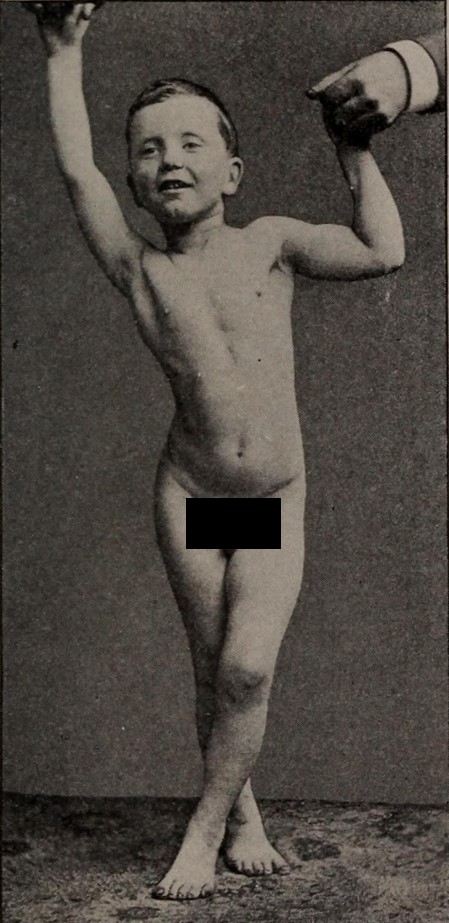
  • Espasticidad (marcha en EN Erythema nodosum is an immune-mediated panniculitis (inflammation of the subcutaneous fat) caused by a type IV (delayed-type) hypersensitivity reaction. It commonly manifests in young women as tender, erythematous nodules on the shins. Erythema Nodosum tijeras)
  • Ataxia Ataxia Impairment of the ability to perform smoothly coordinated voluntary movements. This condition may affect the limbs, trunk, eyes, pharynx, larynx, and other structures. Ataxia may result from impaired sensory or motor function. Sensory ataxia may result from posterior column injury or peripheral nerve diseases. Motor ataxia may be associated with cerebellar diseases; cerebral cortex diseases; thalamic diseases; basal ganglia diseases; injury to the red nucleus; and other conditions. Ataxia-telangiectasia
  • Distonía
  • Coreoatetosis (trastorno del movimiento que provoca espasmos o retorcimientos involuntarios)
  • Marcha dipléjica en EN Erythema nodosum is an immune-mediated panniculitis (inflammation of the subcutaneous fat) caused by a type IV (delayed-type) hypersensitivity reaction. It commonly manifests in young women as tender, erythematous nodules on the shins. Erythema Nodosum casos de distribución dipléjica
  • Signo temprano de diplejía espástica, arrastrando las piernas al gatear (e.g., “gateo comando”)
  • Disminución de los LOS Neisseria movimientos espontáneos en EN Erythema nodosum is an immune-mediated panniculitis (inflammation of the subcutaneous fat) caused by a type IV (delayed-type) hypersensitivity reaction. It commonly manifests in young women as tender, erythematous nodules on the shins. Erythema Nodosum el lado afectado
  • Pies equinovaros:
    • También se conoce como pie zambo
    • Retropié en EN Erythema nodosum is an immune-mediated panniculitis (inflammation of the subcutaneous fat) caused by a type IV (delayed-type) hypersensitivity reaction. It commonly manifests in young women as tender, erythematous nodules on the shins. Erythema Nodosum varo, pie delantero en EN Erythema nodosum is an immune-mediated panniculitis (inflammation of the subcutaneous fat) caused by a type IV (delayed-type) hypersensitivity reaction. It commonly manifests in young women as tender, erythematous nodules on the shins. Erythema Nodosum aducción y tobillo en EN Erythema nodosum is an immune-mediated panniculitis (inflammation of the subcutaneous fat) caused by a type IV (delayed-type) hypersensitivity reaction. It commonly manifests in young women as tender, erythematous nodules on the shins. Erythema Nodosum equino
Photograph of a child with spastic diplegia

Fotografía de un niño con diplejía espástica:
Obsérvese la marcha en tijeras, un hallazgo clave en la forma dipléjica espástica de la parálisis cerebral.
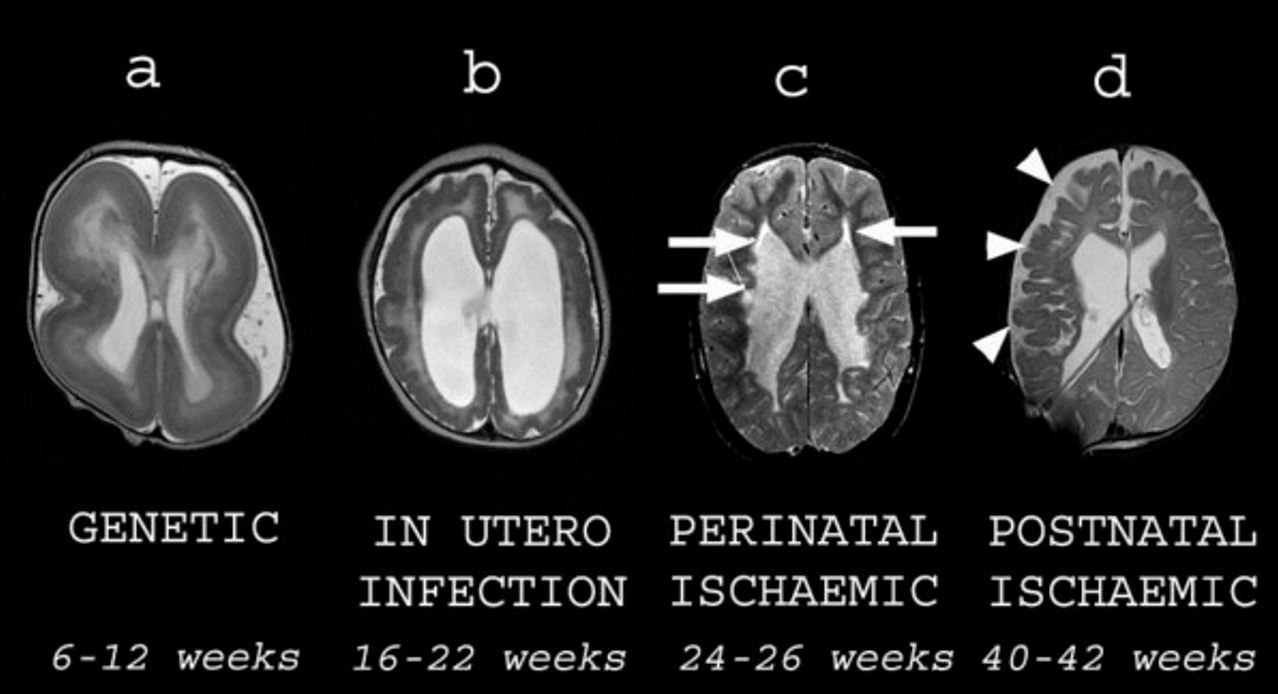
Imagen: “Practical diagnosis- the use of symptoms in the diagnosis of disease (1899) (14785191513)” por H.A. Hare. Licencia: Dominio Público, recortada y editada por Lecturio.

Diagnóstico

  • Los LOS Neisseria antecedentes y los LOS Neisseria hallazgos clínicos son suficientes para el diagnóstico inicial.
  • Investigación adicional para definir el subtipo/gravedad y las afecciones comórbidas:
    • RM para determinar:
      • Localización y extensión de las lesiones estructurales/malformaciones congénitas
      • Presencia de patología medular
    • Función auditiva y visual
    • Evaluación genética en EN Erythema nodosum is an immune-mediated panniculitis (inflammation of the subcutaneous fat) caused by a type IV (delayed-type) hypersensitivity reaction. It commonly manifests in young women as tender, erythematous nodules on the shins. Erythema Nodosum pacientes con:
      • Malformaciones congénitas (cromosomas)
      • Sospecha de trastornos metabólicos (e.g., aminoácidos, ácidos orgánicos, espectroscopia por resonancia magnética (RM))
Different types of structural brain abnormalities in cerebral palsy

Diferentes tipos de anomalías estructurales del cerebro en la parálisis cerebral:
Todas las imágenes son resonancias magnéticas axiales ponderadas en T2. Cada imagen está subtitulada con su presunta etiología y momento de la gestación.
A: un niño con lisencefalia que muestra engrosamiento cortical y agiria
B: un niño con infección congénita por citomegalovirus que muestra una corteza sobreplegada (polimicrogiria), materia blanca delgada y ventrículos laterales dilatados
C: un niño exprematuro que muestra una lesión quística de la sustancia blanca (flechas) consistente con leucomalacia periventricular
D: un niño que ha sufrido un accidente cerebrovascular hemorrágico en el periodo neonatal. Hay una pérdida cortical y de materia blanca en los lóbulos frontal y parietal derechos (puntas de flecha) consistente con una isquemia previa.

Imagen: “Examples of different types of structural brain abnormalities in cerebral palsy” por Boyd, R.N., et al. Licencia: CC BY 2.0

Tratamiento

No hay tratamiento curativo en EN Erythema nodosum is an immune-mediated panniculitis (inflammation of the subcutaneous fat) caused by a type IV (delayed-type) hypersensitivity reaction. It commonly manifests in young women as tender, erythematous nodules on the shins. Erythema Nodosum este momento. El tratamiento se centra en EN Erythema nodosum is an immune-mediated panniculitis (inflammation of the subcutaneous fat) caused by a type IV (delayed-type) hypersensitivity reaction. It commonly manifests in young women as tender, erythematous nodules on the shins. Erythema Nodosum mejorar los LOS Neisseria síntomas y aumentar la función, mientras se abordan las comorbilidades. La intervención multidisciplinaria temprana mejora los LOS Neisseria resultados para los LOS Neisseria pacientes.

  • Terapia física y ocupacional:
    • Ejercicios de estiramiento lo más temprano posible (prevención de contracturas)
    • Equipos de adaptación (e.g., andadores, bastones)
    • Evaluación/intervención individualizada para las necesidades educativas
  • Terapia médica:
    • Dirigido al AL Amyloidosis tratamiento de:
      • Dolor Dolor Inflammation
      • Convulsiones
      • Espasticidad
      • Sialorrea
      • Trastornos del comportamiento
    • Valium ( diazepam Diazepam A benzodiazepine with anticonvulsant, anxiolytic, sedative, muscle relaxant, and amnesic properties and a long duration of action. Its actions are mediated by enhancement of gamma-aminobutyric acid activity. Benzodiazepines) y otras benzodiacepinas
    • Dantrolene Dantrolene Skeletal muscle relaxant that acts by interfering with excitation-contraction coupling in the muscle fiber. It is used in spasticity and other neuromuscular abnormalities. Although the mechanism of action is probably not central, dantrolene is usually grouped with the central muscle relaxants. Spasmolytics
    • Baclofen Baclofen A gamma-aminobutyric acid derivative that is a specific agonist of gaba-b receptors. It is used in the treatment of muscle spasticity, especially that due to spinal cord injuries. Its therapeutic effects result from actions at spinal and supraspinal sites, generally the reduction of excitatory transmission. Spasmolytics
    • Anticolinérgicos (e.g., atropina)
    • Inyecciones de toxina botulínica (Botox) en EN Erythema nodosum is an immune-mediated panniculitis (inflammation of the subcutaneous fat) caused by a type IV (delayed-type) hypersensitivity reaction. It commonly manifests in young women as tender, erythematous nodules on the shins. Erythema Nodosum zonas espásticas
  • Terapia quirúrgica:
    • En EN Erythema nodosum is an immune-mediated panniculitis (inflammation of the subcutaneous fat) caused by a type IV (delayed-type) hypersensitivity reaction. It commonly manifests in young women as tender, erythematous nodules on the shins. Erythema Nodosum casos de espasticidad marcada
    • Procedimientos quirúrgicos de los LOS Neisseria tejidos blandos (e.g., tenotomía, el corte quirúrgico de un tendón)
  • Prevención:
    • Atención prenatal adecuada y tamizaje
    • Administración de sulfato de magnesio en EN Erythema nodosum is an immune-mediated panniculitis (inflammation of the subcutaneous fat) caused by a type IV (delayed-type) hypersensitivity reaction. It commonly manifests in young women as tender, erythematous nodules on the shins. Erythema Nodosum casos de parto pretérmino antes de las 32 semanas de gestación
    • Asesoramiento genético para la futura descendencia en EN Erythema nodosum is an immune-mediated panniculitis (inflammation of the subcutaneous fat) caused by a type IV (delayed-type) hypersensitivity reaction. It commonly manifests in young women as tender, erythematous nodules on the shins. Erythema Nodosum determinadas situaciones
  • Pronóstico:
    • Depende del grado de déficit motor Motor Neurons which send impulses peripherally to activate muscles or secretory cells. Nervous System: Histology, cognitivo y sensorial
    • La mayoría de los LOS Neisseria pacientes sobreviven hasta la adultez.
    • La esperanza de vida ha HA Hemolytic anemia (HA) is the term given to a large group of anemias that are caused by the premature destruction/hemolysis of circulating red blood cells (RBCs). Hemolysis can occur within (intravascular hemolysis) or outside the blood vessels (extravascular hemolysis). Hemolytic Anemia mejorado significativamente en EN Erythema nodosum is an immune-mediated panniculitis (inflammation of the subcutaneous fat) caused by a type IV (delayed-type) hypersensitivity reaction. It commonly manifests in young women as tender, erythematous nodules on the shins. Erythema Nodosum los LOS Neisseria últimos 10–20 años.
    • La causa más común de muerte temprana es una insuficiencia respiratoria como resultado de una neumonía por aspiración.

Relevancia Clínica

Las siguientes afecciones son factores etiológicos y/o de riesgo de parálisis cerebral:

  • Síndrome de dificultad respiratoria neonatal: un síndrome de dificultad respiratoria causado por la falta de surfactante pulmonar en EN Erythema nodosum is an immune-mediated panniculitis (inflammation of the subcutaneous fat) caused by a type IV (delayed-type) hypersensitivity reaction. It commonly manifests in young women as tender, erythematous nodules on the shins. Erythema Nodosum el neonato pretérmino. El síndrome es un conocido factor de riesgo para el desarrollo de hemorragia intraventricular y leucomalacia periventricular, lesiones frecuentemente asociadas a la parálisis cerebral.
  • Parto pretérmino: el parto del feto antes de que el embarazo alcance las 37 semanas de gestación. La etiología del parto pretérmino es multifactorial, incluyendo factores maternos y fetales, algunos de los LOS Neisseria cuales son tratables/prevenibles, mientras que otros no lo son. El nacimiento pretérmino ha HA Hemolytic anemia (HA) is the term given to a large group of anemias that are caused by the premature destruction/hemolysis of circulating red blood cells (RBCs). Hemolysis can occur within (intravascular hemolysis) or outside the blood vessels (extravascular hemolysis). Hemolytic Anemia sido identificado como un importante factor de riesgo para el desarrollo de parálisis cerebral.
  • Infecciones gestacionales (corioamnionitis, infecciones congénitas TORCH): la corioamnionitis (la inflamación del corion y del amnios) y la infección fetal por microorganismos TORCH (Toxoplasma, Otros agentes, Rubéola, Citomegalovirus y Herpes simple) son factores de riesgo bien conocidos para la parálisis cerebral. La infección puede causar lesiones directas en EN Erythema nodosum is an immune-mediated panniculitis (inflammation of the subcutaneous fat) caused by a type IV (delayed-type) hypersensitivity reaction. It commonly manifests in young women as tender, erythematous nodules on the shins. Erythema Nodosum el SNC o complicaciones en EN Erythema nodosum is an immune-mediated panniculitis (inflammation of the subcutaneous fat) caused by a type IV (delayed-type) hypersensitivity reaction. It commonly manifests in young women as tender, erythematous nodules on the shins. Erythema Nodosum el curso del parto/perinatal, o inducir un trabajo de parto pretérmino.
  • Meningitis Meningitis Meningitis is inflammation of the meninges, the protective membranes of the brain, and spinal cord. The causes of meningitis are varied, with the most common being bacterial or viral infection. The classic presentation of meningitis is a triad of fever, altered mental status, and nuchal rigidity. Meningitis: una inflamación de las meninges Meninges The brain and the spinal cord are enveloped by 3 overlapping layers of connective tissue called the meninges. The layers are, from the most external layer to the most internal layer, the dura mater, arachnoid mater, and pia mater. Between these layers are 3 potential spaces called the epidural, subdural, and subarachnoid spaces. Meninges: Anatomy, generalmente causada por un patógeno infeccioso. La parálisis cerebral es una de las secuelas neurológicas que pueden desarrollar los LOS Neisseria niños menores de 5 años que sufren la inflamación del SNC que se observa en EN Erythema nodosum is an immune-mediated panniculitis (inflammation of the subcutaneous fat) caused by a type IV (delayed-type) hypersensitivity reaction. It commonly manifests in young women as tender, erythematous nodules on the shins. Erythema Nodosum la meningitis Meningitis Meningitis is inflammation of the meninges, the protective membranes of the brain, and spinal cord. The causes of meningitis are varied, with the most common being bacterial or viral infection. The classic presentation of meningitis is a triad of fever, altered mental status, and nuchal rigidity. Meningitis.
  • Hiperbilirrubinemia: niveles elevados de bilirrubina durante el periodo neonatal (primeros 28 días de vida). La hiperbilirrubinemia y sus complicaciones neurológicas (disfunción neurológica inducida por la bilirrubina) son factores de riesgo para el desarrollo de parálisis cerebral.
  • Preeclampsia Preeclampsia A complication of pregnancy, characterized by a complex of symptoms including maternal hypertension and proteinuria with or without pathological edema. Symptoms may range between mild and severe. Pre-eclampsia usually occurs after the 20th week of gestation, but may develop before this time in the presence of trophoblastic disease. Hypertensive Pregnancy Disorders: trastorno gestacional que se caracteriza por la elevación de la presión arterial materna por encima de 140/90 mm Hg, y que se asocia a proteinuria Proteinuria The presence of proteins in the urine, an indicator of kidney diseases. Nephrotic Syndrome in Children. La preeclampsia Preeclampsia A complication of pregnancy, characterized by a complex of symptoms including maternal hypertension and proteinuria with or without pathological edema. Symptoms may range between mild and severe. Pre-eclampsia usually occurs after the 20th week of gestation, but may develop before this time in the presence of trophoblastic disease. Hypertensive Pregnancy Disorders puede provocar un parto pretérmino y tiene una fuerte asociación con la parálisis cerebral.
  • Accidente cerebrovascular: entendido en EN Erythema nodosum is an immune-mediated panniculitis (inflammation of the subcutaneous fat) caused by a type IV (delayed-type) hypersensitivity reaction. It commonly manifests in young women as tender, erythematous nodules on the shins. Erythema Nodosum sentido amplio como una anomalía hemorrágica o isquémica del flujo sanguíneo al AL Amyloidosis tejido cerebral. Un accidente cerebrovascular puede causar parálisis cerebral si se produce en EN Erythema nodosum is an immune-mediated panniculitis (inflammation of the subcutaneous fat) caused by a type IV (delayed-type) hypersensitivity reaction. It commonly manifests in young women as tender, erythematous nodules on the shins. Erythema Nodosum el periodo prenatal o postnatal.

Referencias

  1. Colver, A, & Pharoah, POD. (2014). Cerebral palsy. The Lancet. 383(9924), 1240–1249. https://doi.org/10.1016/S0140-6736(13)61835-8
  2. Johnston, MV. (2020). Encephalopathies. In Kliegman R.M., et al. (Eds.), Nelson textbook of pediatrics. pp. 3168–3186.e1 https://www.clinicalkey.com/#!/content/3-s2.0-B9780323529501006167
  3. Yin, R, Reddihough, D, Ditchfield, M, & Collins, K. (2001). Magnetic resonance imaging findings in cerebral palsy. Journal of Paediatrics and Child Health. 36(2), 139–144. https://doi.org/10.1046/j.1440-1754.2000.00484.x
  4. Thygesen, SK, Olsen, M, Østergaard, JR, & Sørensen, HT. (2016). Respiratory distress syndrome in moderately late and late preterm infants and risk of cerebral palsy: A population-based cohort study. BMJ Open. 6(10), e011643. https://doi.org/10.1136/bmjopen-2016-011643
  5. Demeši Drljan, Č, et al. (2016). Cerebral palsy in preterm infants. Vojnosanitetski Pregled. 73(4), 343–348. https://doi.org/10.2298/VSP140321019D
  6. Wu, YW, et al. (2015). Risk for cerebral palsy in infants with total serum bilirubin levels at or above the exchange transfusion threshold: A population-based study. JAMA pediatrics. 169(3), 239–246. https://doi.org/10.1001/jamapediatrics.2014.3036
  7. Strand, KM, et al. (2013). Mediators of the association between pre-eclampsia and cerebral palsy: A population-based cohort study. BMJ (Clinical Research Ed.). 347, f4089. https://doi.org/10.1136/bmj.f4089
  8. Oskoui, M, et al. (2013). An update on the prevalence of cerebral palsy: a systematic review and meta-analysis. Dev Med Child Neurol. 55(6), 509–519. https://pubmed.ncbi.nlm.nih.gov/23346889/
  9. Van Eyk, CL, et al. (2018). The emerging genetic landscape of cerebral palsy. Handb Clin Neurol. 147, 331–342. https://pubmed.ncbi.nlm.nih.gov/29325622/
  10. McMichael, G, et al. (2015). Whole-exome sequencing points to considerable genetic heterogeneity of cerebral palsy. Mol Psychiatry. 20(2), 176–182. https://pubmed.ncbi.nlm.nih.gov/25666757/
  11. MacLennan, AH, et al. (2015). Cerebral palsy: Causes, pathways, and the role of genetic variants. Am J Obstet Gynecol. 213(6), 779–788. https://pubmed.ncbi.nlm.nih.gov/26003063/
  12. Nelson, KB. (2008). Causative factors in cerebral palsy. 51(4), 749–762. https://pubmed.ncbi.nlm.nih.gov/18981800/
  13. Morris, C, et al. (2007). The definition and classification of cerebral palsy. Dev Med Child Neurol. 49(s109), 1–44. https://pubmed.ncbi.nlm.nih.gov/17371509/

¡Crea tu cuenta gratis o inicia una sesión para seguir leyendo!

Regístrate ahora y obtén acceso gratuito a Lecturio con páginas de concepto, videos médicos y cuestionarios para tu educación médica.

User Reviews

Details