Domina Conceptos Médicos

Estudia para la escuela de medicina y tus examenes con Lecturio.

Neurofibromatosis Tipo 1

La neurofibromatosis tipo 1 ( NF1 NF1 Neurofibromatosis type 1 (NF1), also known as phakomatosis, is a neurocutaneous disorder that is most commonly of autosomal dominant inheritance due to mutations in the NF1 gene. Neurofibromatosis type 1 presents a range of clinical manifestations with the most prominent features being various pigmented skin lesions called café au lait macules (CALMs), neurofibromas, freckling of the inguinal and axillary regions, and iris hamartomas. Neurofibromatosis Type 1), también conocida como facomatosis, es un trastorno neurocutáneo que es más comúnmente de herencia autosómica dominante debido a mutaciones en EN Erythema nodosum is an immune-mediated panniculitis (inflammation of the subcutaneous fat) caused by a type IV (delayed-type) hypersensitivity reaction. It commonly manifests in young women as tender, erythematous nodules on the shins. Erythema Nodosum el gen NF1 NF1 Neurofibromatosis type 1 (NF1), also known as phakomatosis, is a neurocutaneous disorder that is most commonly of autosomal dominant inheritance due to mutations in the NF1 gene. Neurofibromatosis type 1 presents a range of clinical manifestations with the most prominent features being various pigmented skin lesions called café au lait macules (CALMs), neurofibromas, freckling of the inguinal and axillary regions, and iris hamartomas. Neurofibromatosis Type 1. La neurofibromatosis tipo 1 presenta una serie de manifestaciones clínicas, siendo las características más destacadas diversas lesiones cutáneas pigmentadas denominadas máculas café con leche, tumores benignos de la vaina nerviosa denominados neurofibromas, pecas en EN Erythema nodosum is an immune-mediated panniculitis (inflammation of the subcutaneous fat) caused by a type IV (delayed-type) hypersensitivity reaction. It commonly manifests in young women as tender, erythematous nodules on the shins. Erythema Nodosum las regiones inguinales y axilares y hamartomas del iris, denominados como nódulos de Lisch. Al AL Amyloidosis menos la mitad de los LOS Neisseria pacientes con NF1 NF1 Neurofibromatosis type 1 (NF1), also known as phakomatosis, is a neurocutaneous disorder that is most commonly of autosomal dominant inheritance due to mutations in the NF1 gene. Neurofibromatosis type 1 presents a range of clinical manifestations with the most prominent features being various pigmented skin lesions called café au lait macules (CALMs), neurofibromas, freckling of the inguinal and axillary regions, and iris hamartomas. Neurofibromatosis Type 1 tienen problemas del aprendizaje. La neurofibromatosis tipo 1 también puede causar osteodisplasia y transformación maligna de tumores. El diagnóstico se basa en EN Erythema nodosum is an immune-mediated panniculitis (inflammation of the subcutaneous fat) caused by a type IV (delayed-type) hypersensitivity reaction. It commonly manifests in young women as tender, erythematous nodules on the shins. Erythema Nodosum la presentación clínica típica y se puede confirmar mediante pruebas genéticas. El tratamiento depende de la presentación clínica y puede variar desde la extirpación quirúrgica hasta la quimioterapia/radioterapia para tumores, terapia ocupacional y fisioterapia para alteraciones motoras, tratamiento con hormona del crecimiento y ortesis en EN Erythema nodosum is an immune-mediated panniculitis (inflammation of the subcutaneous fat) caused by a type IV (delayed-type) hypersensitivity reaction. It commonly manifests in young women as tender, erythematous nodules on the shins. Erythema Nodosum el caso de anomalías óseas.

Last updated: Dec 15, 2025
Editorial responsibility: Stanley Oiseth, Lindsay Jones, Evelin Maza

Descripción General

Epidemiología

  • La neurofibromatosis tipo 1 ( NF1 NF1 Neurofibromatosis type 1 (NF1), also known as phakomatosis, is a neurocutaneous disorder that is most commonly of autosomal dominant inheritance due to mutations in the NF1 gene. Neurofibromatosis type 1 presents a range of clinical manifestations with the most prominent features being various pigmented skin lesions called café au lait macules (CALMs), neurofibromas, freckling of the inguinal and axillary regions, and iris hamartomas. Neurofibromatosis Type 1) es el tipo más común de la neurofibromatosis.
  • Incidencia: aproximadamente 1 de cada 2 600 a 3 000 personas, independientemente de la etnia y el sexo
  • Es heredada en EN Erythema nodosum is an immune-mediated panniculitis (inflammation of the subcutaneous fat) caused by a type IV (delayed-type) hypersensitivity reaction. It commonly manifests in young women as tender, erythematous nodules on the shins. Erythema Nodosum aproximadamente la mitad de los LOS Neisseria casos
  • La esperanza de vida se reduce entre 8 y 15 años en EN Erythema nodosum is an immune-mediated panniculitis (inflammation of the subcutaneous fat) caused by a type IV (delayed-type) hypersensitivity reaction. It commonly manifests in young women as tender, erythematous nodules on the shins. Erythema Nodosum comparación con la población general.

Etiología

  • Herencia autosómica dominante
  • Con menor frecuencia, mutaciones de novo (principalmente en EN Erythema nodosum is an immune-mediated panniculitis (inflammation of the subcutaneous fat) caused by a type IV (delayed-type) hypersensitivity reaction. It commonly manifests in young women as tender, erythematous nodules on the shins. Erythema Nodosum cromosomas derivados del padre)

Fisiopatología

  • Mutaciones en EN Erythema nodosum is an immune-mediated panniculitis (inflammation of the subcutaneous fat) caused by a type IV (delayed-type) hypersensitivity reaction. It commonly manifests in young women as tender, erythematous nodules on the shins. Erythema Nodosum el gen NF1 NF1 Neurofibromatosis type 1 (NF1), also known as phakomatosis, is a neurocutaneous disorder that is most commonly of autosomal dominant inheritance due to mutations in the NF1 gene. Neurofibromatosis type 1 presents a range of clinical manifestations with the most prominent features being various pigmented skin lesions called café au lait macules (CALMs), neurofibromas, freckling of the inguinal and axillary regions, and iris hamartomas. Neurofibromatosis Type 1 ubicado en EN Erythema nodosum is an immune-mediated panniculitis (inflammation of the subcutaneous fat) caused by a type IV (delayed-type) hypersensitivity reaction. It commonly manifests in young women as tender, erythematous nodules on the shins. Erythema Nodosum el cromosoma 17
  • El gen NF1 NF1 Neurofibromatosis type 1 (NF1), also known as phakomatosis, is a neurocutaneous disorder that is most commonly of autosomal dominant inheritance due to mutations in the NF1 gene. Neurofibromatosis type 1 presents a range of clinical manifestations with the most prominent features being various pigmented skin lesions called café au lait macules (CALMs), neurofibromas, freckling of the inguinal and axillary regions, and iris hamartomas. Neurofibromatosis Type 1 codifica neurofibromina, una proteína citoplasmática.
    • Expresado predominantemente en EN Erythema nodosum is an immune-mediated panniculitis (inflammation of the subcutaneous fat) caused by a type IV (delayed-type) hypersensitivity reaction. It commonly manifests in young women as tender, erythematous nodules on the shins. Erythema Nodosum neuronas, células de Schwann, oligodendrocitos, leucocitos
    • Molécula multidominio que regula varios procesos intracelulares importantes:
      • Vía RAS-AMP cíclico
      • Cascada de quinasa regulada por señales extracelulares (ERK, por sus siglas en EN Erythema nodosum is an immune-mediated panniculitis (inflammation of the subcutaneous fat) caused by a type IV (delayed-type) hypersensitivity reaction. It commonly manifests in young women as tender, erythematous nodules on the shins. Erythema Nodosum inglés)/proteína quinasa activada por mitógeno (MAPK, por sus siglas en EN Erythema nodosum is an immune-mediated panniculitis (inflammation of the subcutaneous fat) caused by a type IV (delayed-type) hypersensitivity reaction. It commonly manifests in young women as tender, erythematous nodules on the shins. Erythema Nodosum inglés)
      • Adenilil ciclasa
      • Ensamblaje del citoesqueleto
    • También funciona como un supresor tumoral
  • La participación de la neurofibromina en EN Erythema nodosum is an immune-mediated panniculitis (inflammation of the subcutaneous fat) caused by a type IV (delayed-type) hypersensitivity reaction. It commonly manifests in young women as tender, erythematous nodules on the shins. Erythema Nodosum varias vías explica la amplia gama de manifestaciones clínicas.

Presentación Clínica

  • Máculas café con leche:
    • Máculas planas uniformemente hiperpigmentadas
    • Aparecen en EN Erythema nodosum is an immune-mediated panniculitis (inflammation of the subcutaneous fat) caused by a type IV (delayed-type) hypersensitivity reaction. It commonly manifests in young women as tender, erythematous nodules on the shins. Erythema Nodosum el 1er año después del nacimiento
    • Aumentan durante la infancia temprana
  • Pecas:
    • Aparecen en EN Erythema nodosum is an immune-mediated panniculitis (inflammation of the subcutaneous fat) caused by a type IV (delayed-type) hypersensitivity reaction. It commonly manifests in young women as tender, erythematous nodules on the shins. Erythema Nodosum las regiones axilares o inguinales
    • Aparentemente a los LOS Neisseria 3–5 años de edad
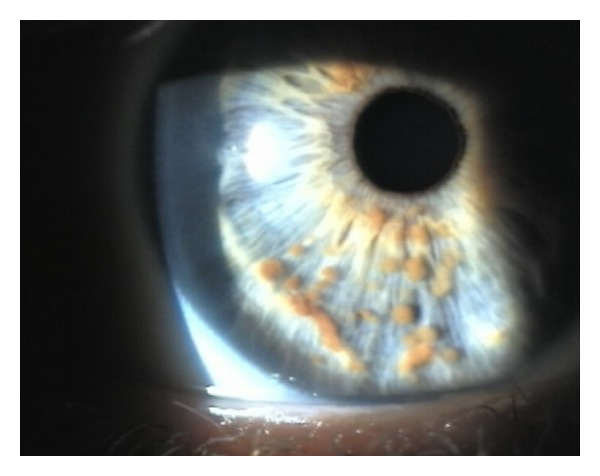
  • Nódulos de Lisch:
    • Hamartomas elevados del iris de color canela
    • Más comunes en EN Erythema nodosum is an immune-mediated panniculitis (inflammation of the subcutaneous fat) caused by a type IV (delayed-type) hypersensitivity reaction. It commonly manifests in young women as tender, erythematous nodules on the shins. Erythema Nodosum adultos que en EN Erythema nodosum is an immune-mediated panniculitis (inflammation of the subcutaneous fat) caused by a type IV (delayed-type) hypersensitivity reaction. It commonly manifests in young women as tender, erythematous nodules on the shins. Erythema Nodosum niños
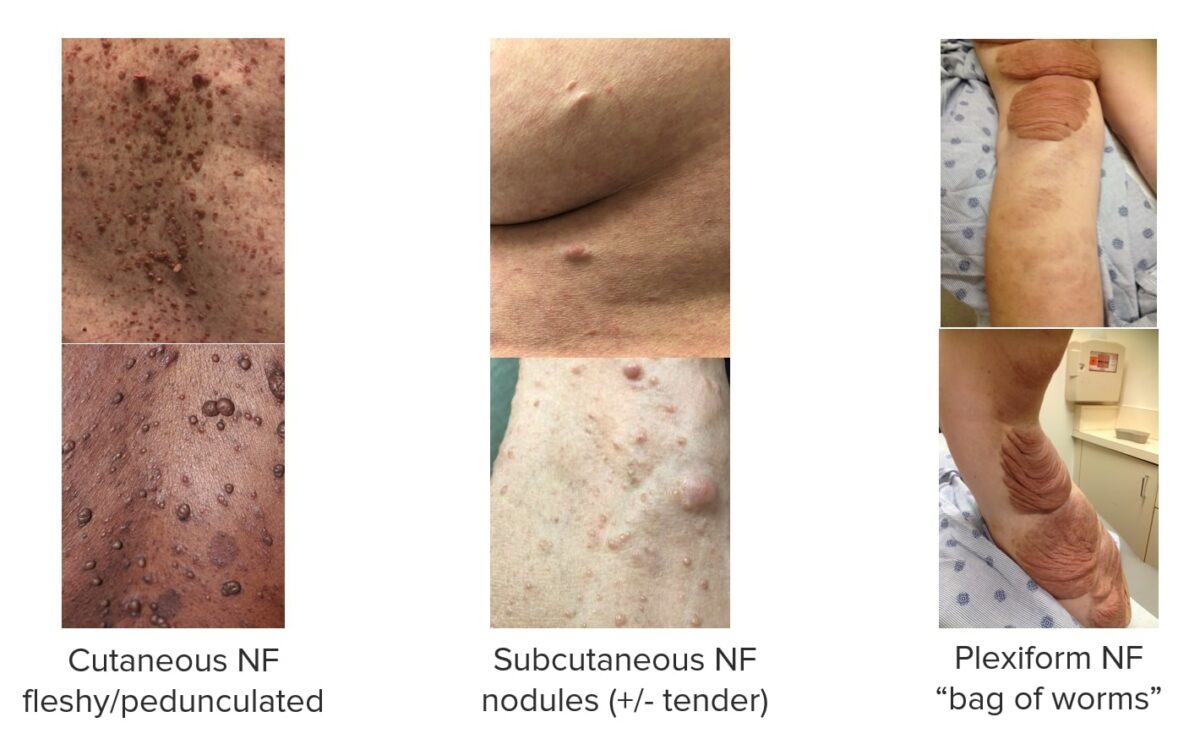
  • Tumores:
    • Neurofibromas periféricos:
      • Cutáneos
      • Plexiformes
      • Nodulares
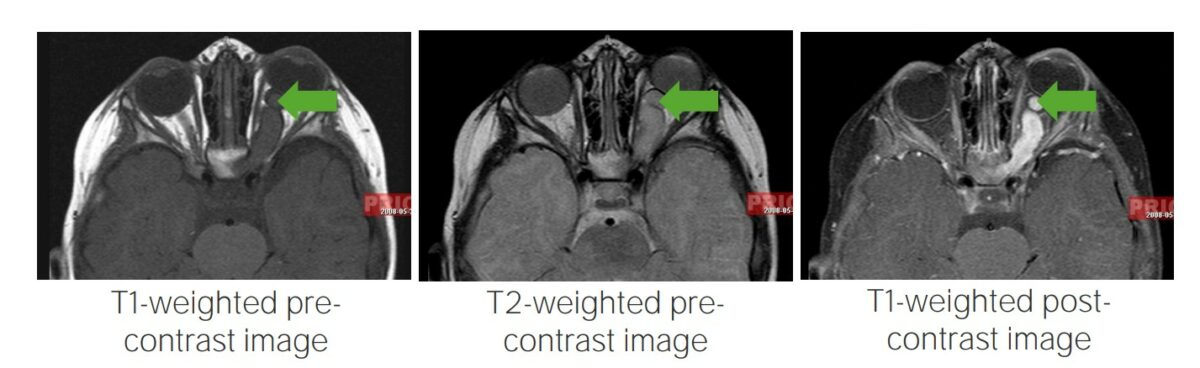
    • Gliomas de la vía óptica:
      • Astrocitomas pilocíticos de bajo grado
      • Ocurren en EN Erythema nodosum is an immune-mediated panniculitis (inflammation of the subcutaneous fat) caused by a type IV (delayed-type) hypersensitivity reaction. It commonly manifests in young women as tender, erythematous nodules on the shins. Erythema Nodosum niños < 6 años de edad
      • Raros en EN Erythema nodosum is an immune-mediated panniculitis (inflammation of the subcutaneous fat) caused by a type IV (delayed-type) hypersensitivity reaction. It commonly manifests in young women as tender, erythematous nodules on the shins. Erythema Nodosum niños mayores y adultos
      • La mayoría de los LOS Neisseria niños tienen una visión normal.
      • Algunos gliomas pueden ser sintomáticos con pérdida visual progresiva.
    • Otras neoplasias del SNC:
      • Astrocitomas de bajo grado
      • Gliomas del tronco encefálico
    • Sarcomas de tejidos blandos:
      • Tumores malignos de la vaina de los LOS Neisseria nervios periféricos
      • Rabdomiosarcoma
      • Tumores del estroma gastrointestinal
      • Tumores glómicos
    • Otros tumores:
      • Leucemia mielomonocítica juvenil
      • Feocromocitoma
      • Cáncer de mama
  • Anomalías óseas:
    • Displasia de huesos largos y pseudoartrosis
    • Otras lesiones óseas:
      • Defectos vertebrales
      • Fibromas no osificantes dentro de los LOS Neisseria huesos largos
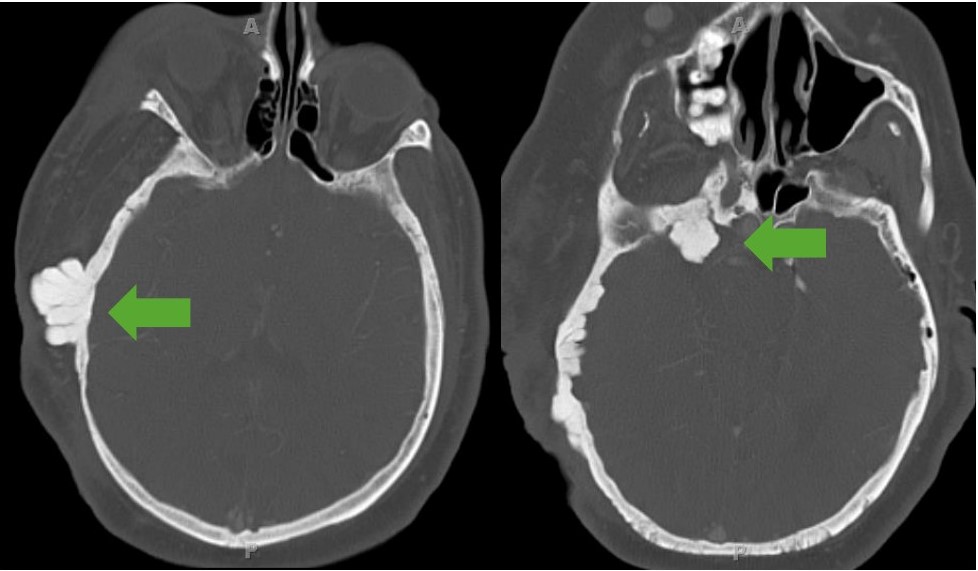
      • Displasia del ala esfenoidal
    • Talla baja
    • Escoliosis
    • Osteoporosis Osteoporosis Osteoporosis refers to a decrease in bone mass and density leading to an increased number of fractures. There are 2 forms of osteoporosis: primary, which is commonly postmenopausal or senile; and secondary, which is a manifestation of immobilization, underlying medical disorders, or long-term use of certain medications. Osteoporosis
  • Anomalías neurológicas:
    • Déficits cognitivos y problemas de aprendizaje
    • Convulsiones
    • Macrocefalia
    • Neuropatía periférica
  • Cardiopatía congénita
  • Hipertensión
  • Vasculopatía
  • Otras manifestaciones:
    • Estreñimiento
    • Síndrome de intestino irritable
    • Hipertensión pulmonar
    • Estenosis de la arteria pulmonar
    • Enfermedad pulmonar intersticial
    • Enfermedad pulmonar ampollosa
    • Disección arterial (rara)
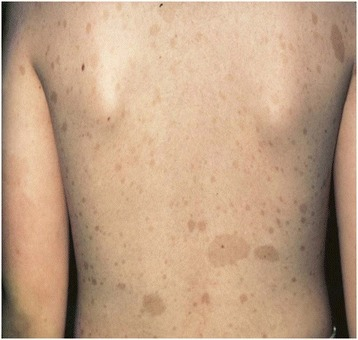
Máculas café con leche (CALM)

Máculas café con leche:
Imagen que muestra máculas café con leche bien delimitadas, de color marrón claro y pigmentadas que se encuentran comúnmente en la población general. Las máculas pueden ser de unos pocos milímetros a varios centímetros (> 20 cm) de tamaño y pueden aparecer al nacer o en los primeros años de vida. El desarrollo de múltiples máculas café con leche puede estar asociado con síndromes genéticos como el neurofibroma tipo 1. Las máculas se pueden tratar con terapia láser con fines cosméticos.
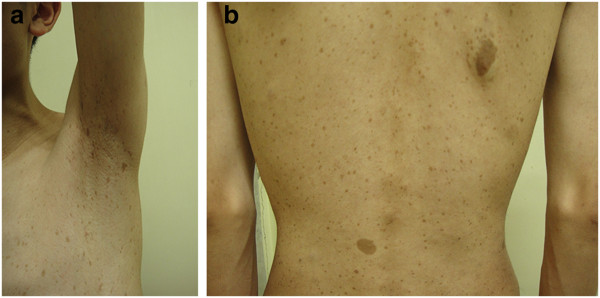
Imagen: “Case one: photograph of café-au-lait spots.” by Khalil J. et al. Licencia: CC BY 4.0

Diagnóstico

El diagnóstico de la NF1 NF1 Neurofibromatosis type 1 (NF1), also known as phakomatosis, is a neurocutaneous disorder that is most commonly of autosomal dominant inheritance due to mutations in the NF1 gene. Neurofibromatosis type 1 presents a range of clinical manifestations with the most prominent features being various pigmented skin lesions called café au lait macules (CALMs), neurofibromas, freckling of the inguinal and axillary regions, and iris hamartomas. Neurofibromatosis Type 1 generalmente se realiza de forma clínica en EN Erythema nodosum is an immune-mediated panniculitis (inflammation of the subcutaneous fat) caused by a type IV (delayed-type) hypersensitivity reaction. It commonly manifests in young women as tender, erythematous nodules on the shins. Erythema Nodosum función de la presentación clínica típica y se confirma mediante pruebas genéticas.

  • Criterios de diagnóstico: Al AL Amyloidosis menos 2 características deben estar presentes:
    • ≥ 6 Máculas café con leche:
      • > 5 mm de diámetro en EN Erythema nodosum is an immune-mediated panniculitis (inflammation of the subcutaneous fat) caused by a type IV (delayed-type) hypersensitivity reaction. It commonly manifests in young women as tender, erythematous nodules on the shins. Erythema Nodosum pacientes prepuberales
      • > 15 mm de diámetro en EN Erythema nodosum is an immune-mediated panniculitis (inflammation of the subcutaneous fat) caused by a type IV (delayed-type) hypersensitivity reaction. It commonly manifests in young women as tender, erythematous nodules on the shins. Erythema Nodosum pacientes pospuberales
      • Se mide el diámetro mayor.
      • Se utiliza la luz ordinaria de la habitación.
    • ≥ 2 neurofibromas de cualquier tipo o 1 neurofibroma Neurofibroma A moderately firm, benign, encapsulated tumor resulting from proliferation of schwann cells and fibroblasts that includes portions of nerve fibers. The tumors usually develop along peripheral or cranial nerves and are a central feature of neurofibromatosis 1, where they may occur intracranially or involve spinal roots. Pathologic features include fusiform enlargement of the involved nerve. Microscopic examination reveals a disorganized and loose cellular pattern with elongated nuclei intermixed with fibrous strands. Neurofibromatosis Type 1 plexiforme
    • Pecas en EN Erythema nodosum is an immune-mediated panniculitis (inflammation of the subcutaneous fat) caused by a type IV (delayed-type) hypersensitivity reaction. It commonly manifests in young women as tender, erythematous nodules on the shins. Erythema Nodosum las regiones axilares o inguinales
    • Glioma óptico
    • ≥ 2 Nódulos de Lisch
    • Una lesión ósea distintiva (e.g., displasia del esfenoides, engrosamiento de la corteza de los LOS Neisseria huesos largos con o sin seudoartrosis)
    • Un familiar de primer grado (padre, hermano o hijo) con NF1 NF1 Neurofibromatosis type 1 (NF1), also known as phakomatosis, is a neurocutaneous disorder that is most commonly of autosomal dominant inheritance due to mutations in the NF1 gene. Neurofibromatosis type 1 presents a range of clinical manifestations with the most prominent features being various pigmented skin lesions called café au lait macules (CALMs), neurofibromas, freckling of the inguinal and axillary regions, and iris hamartomas. Neurofibromatosis Type 1 definido por los LOS Neisseria criterios anteriores
  • Pruebas genéticas
  • Detección de familiares
  • Pruebas prenatales
  • Neuroimagenología (RM o TC), hallazgos potenciales:
    • Puntos brillantes focales en EN Erythema nodosum is an immune-mediated panniculitis (inflammation of the subcutaneous fat) caused by a type IV (delayed-type) hypersensitivity reaction. It commonly manifests in young women as tender, erythematous nodules on the shins. Erythema Nodosum imágenes ponderadas en EN Erythema nodosum is an immune-mediated panniculitis (inflammation of the subcutaneous fat) caused by a type IV (delayed-type) hypersensitivity reaction. It commonly manifests in young women as tender, erythematous nodules on the shins. Erythema Nodosum T2 (desaparecen con la edad)
    • Aumento del volumen cerebral
    • Vasculatura cerebral anormal

Tratamiento

Tumores

  • Neurofibromas cutáneos y subcutáneos
    • Eliminación mediante cirugía, láser o electrodesecación
    • Las indicaciones para la eliminación incluyen:
    • Gabapentina (para el prurito)
  • Neurofibromas plexiformes:
    • Selumetinib (para la regresión del tumor Tumor Inflammation)
    • Resección quirúrgica (reducción de volumen)
    • Imatinib Imatinib A tyrosine kinase inhibitor and antineoplastic agent that inhibits the bcr-abl kinase created by chromosome rearrangements in chronic myeloid leukemia and acute lymphoblastic leukemia, as well as pdg-derived tyrosine kinases that are overexpressed in gastrointestinal stromal tumors. Targeted and Other Nontraditional Antineoplastic Therapy o interferón pegilado (contracción)
  • Gliomas de la vía óptica y otros gliomas de bajo grado:
    • Quimioterapia:
      • Carboplatino
      • Vincristina
      • Vinblastina
    • Radiación (se debe evitar en EN Erythema nodosum is an immune-mediated panniculitis (inflammation of the subcutaneous fat) caused by a type IV (delayed-type) hypersensitivity reaction. It commonly manifests in young women as tender, erythematous nodules on the shins. Erythema Nodosum pacientes pediátricos)
  • Gliomas de alto grado:
    • Resección quirúrgica
    • Radiación convencional + temozolomida
  • Tumores malignos de la vaina del nervio periférico:
    • Resección quirúrgica
    • Radioterapia adyuvante
  • Rabdomiosarcoma:
    • Quimioterapia
    • Cirugía, si es posible
    • Radioterapia
  • Tumores del estroma gastrointestinal: poca respuesta al AL Amyloidosis imatinib Imatinib A tyrosine kinase inhibitor and antineoplastic agent that inhibits the bcr-abl kinase created by chromosome rearrangements in chronic myeloid leukemia and acute lymphoblastic leukemia, as well as pdg-derived tyrosine kinases that are overexpressed in gastrointestinal stromal tumors. Targeted and Other Nontraditional Antineoplastic Therapy

Anomalías neurológicas

  • Déficits cognitivos y del aprendizaje:
    • Dificultades en EN Erythema nodosum is an immune-mediated panniculitis (inflammation of the subcutaneous fat) caused by a type IV (delayed-type) hypersensitivity reaction. It commonly manifests in young women as tender, erythematous nodules on the shins. Erythema Nodosum el aprendizaje: apoyo académico
    • Déficits del habla: terapia del habla
    • Deterioro motor Motor Neurons which send impulses peripherally to activate muscles or secretory cells. Nervous System: Histology: terapia ocupacional y fisioterapia
  • Convulsiones: medicamentos anticonvulsivantes
  • Neuropatía periférica: tratar la causa subyacente y aliviar los LOS Neisseria síntomas.

Otros

  • Problemas psicosociales: asesoramiento
  • Hipertensión: antihipertensivos
  • Asesoramiento genético para los LOS Neisseria pacientes afectados y sus familias

Diagnóstico Diferencial

  • Neurofibromatosis tipo 2: Trastorno neurocutáneo que puede surgir por mutaciones en EN Erythema nodosum is an immune-mediated panniculitis (inflammation of the subcutaneous fat) caused by a type IV (delayed-type) hypersensitivity reaction. It commonly manifests in young women as tender, erythematous nodules on the shins. Erythema Nodosum el gen NF2 NF2 Neurofibromatosis type 2 is a neurocutaneous disorder that can arise from mutations in the NF2 gene located in chromosome 22 and may be inherited in an autosomal dominant fashion or occur from de novo mutations. The main clinical features are bilateral vestibular schwannomas, intracranial/spinal meningioma, and intramedullary and extramedullary spinal tumors. Neurofibromatosis Type 2. Las características clínicas principales son los LOS Neisseria schwannomas vestibulares bilaterales y los LOS Neisseria meningiomas intracraneales/espinales. El diagnóstico se realiza clínicamente y se confirma con base en EN Erythema nodosum is an immune-mediated panniculitis (inflammation of the subcutaneous fat) caused by a type IV (delayed-type) hypersensitivity reaction. It commonly manifests in young women as tender, erythematous nodules on the shins. Erythema Nodosum pruebas genéticas, RM e histopatología. Se recomienda la vigilancia del tumor Tumor Inflammation, el seguimiento y la detección de los LOS Neisseria miembros de la familia en EN Erythema nodosum is an immune-mediated panniculitis (inflammation of the subcutaneous fat) caused by a type IV (delayed-type) hypersensitivity reaction. It commonly manifests in young women as tender, erythematous nodules on the shins. Erythema Nodosum riesgo. El tratamiento incluye intervención quirúrgica, radioterapia y/o terapia de anticuerpos monoclonales con bevacizumab Bevacizumab An anti-vegf humanized murine monoclonal antibody. It inhibits vegf receptors and helps to prevent pathologic angiogenesis. Targeted and Other Nontraditional Antineoplastic Therapy.
  • Síndrome de Noonan: Un trastorno genético que ocurre después de una mutación en EN Erythema nodosum is an immune-mediated panniculitis (inflammation of the subcutaneous fat) caused by a type IV (delayed-type) hypersensitivity reaction. It commonly manifests in young women as tender, erythematous nodules on the shins. Erythema Nodosum uno de los LOS Neisseria varios genes Genes A category of nucleic acid sequences that function as units of heredity and which code for the basic instructions for the development, reproduction, and maintenance of organisms. DNA Types and Structure involucrados en EN Erythema nodosum is an immune-mediated panniculitis (inflammation of the subcutaneous fat) caused by a type IV (delayed-type) hypersensitivity reaction. It commonly manifests in young women as tender, erythematous nodules on the shins. Erythema Nodosum la vía de señalización de RAS RAS Renal artery stenosis (RAS) is the narrowing of one or both renal arteries, usually caused by atherosclerotic disease or by fibromuscular dysplasia. If the stenosis is severe enough, the stenosis causes decreased renal blood flow, which activates the renin-angiotensin-aldosterone system (RAAS) and leads to renovascular hypertension (RVH). Renal Artery Stenosis, especialmente la proteína-tirosina fosfatasa, tipo no receptor Receptor Receptors are proteins located either on the surface of or within a cell that can bind to signaling molecules known as ligands (e.g., hormones) and cause some type of response within the cell. Receptors. Las características clínicas incluyen talla baja, cuello palmeado, hipertelorismo, ojos inclinados hacia abajo, orejas de implantación baja, estenosis pulmonar y máculas café con leche. El tratamiento implica la identificación y el seguimiento oportuno de diversas presentaciones clínicas.
  • Esclerosis tuberosa: Trastorno autosómico dominante que se presenta principalmente con síntomas neurocutáneos. La mutación en EN Erythema nodosum is an immune-mediated panniculitis (inflammation of the subcutaneous fat) caused by a type IV (delayed-type) hypersensitivity reaction. It commonly manifests in young women as tender, erythematous nodules on the shins. Erythema Nodosum el gen TSC TSC Tuberous sclerosis or tuberous sclerosis complex (TSC) is an autosomal dominant disorder with mainly neurocutaneous symptoms. Mutation in the tsc genes causes excessive tumor-like growths in the brain, eyes, heart, kidney, and lungs. Cutaneous manifestations include hypopigmentation (i.e., ash leaf spots, confetti lesions) or excessive growth (i.e., angiofibroma, shagreen patch). Tuberous Sclerosis provoca un crecimiento excesivo similar a un tumor Tumor Inflammation en EN Erythema nodosum is an immune-mediated panniculitis (inflammation of the subcutaneous fat) caused by a type IV (delayed-type) hypersensitivity reaction. It commonly manifests in young women as tender, erythematous nodules on the shins. Erythema Nodosum el cerebro, los LOS Neisseria ojos, el corazón, los LOS Neisseria riñones y los LOS Neisseria pulmones. Las manifestaciones cutáneas incluyen hipopigmentación (i.e., máculas en EN Erythema nodosum is an immune-mediated panniculitis (inflammation of the subcutaneous fat) caused by a type IV (delayed-type) hypersensitivity reaction. It commonly manifests in young women as tender, erythematous nodules on the shins. Erythema Nodosum hojas de fresno) o crecimiento excesivo (i.e., angiofibroma Angiofibroma A benign neoplasm of fibrous tissue in which there are numerous small and large, frequently dilated, vascular channels. Tuberous Sclerosis). El diagnóstico se realiza clínicamente y se confirma mediante pruebas genéticas. El tratamiento implica un enfoque multidisciplinario que se enfoca en EN Erythema nodosum is an immune-mediated panniculitis (inflammation of the subcutaneous fat) caused by a type IV (delayed-type) hypersensitivity reaction. It commonly manifests in young women as tender, erythematous nodules on the shins. Erythema Nodosum el seguimiento y tratamiento de diversas manifestaciones del trastorno.
  • Síndrome constitutivo de deficiencia de reparación de emparejamientos erróneos: Un trastorno autosómico recesivo raro que resulta de la herencia de mutaciones perjudiciales en EN Erythema nodosum is an immune-mediated panniculitis (inflammation of the subcutaneous fat) caused by a type IV (delayed-type) hypersensitivity reaction. It commonly manifests in young women as tender, erythematous nodules on the shins. Erythema Nodosum ambas copias de 1 de los LOS Neisseria 4 genes Genes A category of nucleic acid sequences that function as units of heredity and which code for the basic instructions for the development, reproduction, and maintenance of organisms. DNA Types and Structure de reparación de emparejamientos erróneos. El síndrome constitutivo de deficiencia de reparación de emparejamientos erróneos da como resultado un inicio temprano (< 18 años de edad) de cánceres hematológicos, cerebrales o de colon Colon The large intestines constitute the last portion of the digestive system. The large intestine consists of the cecum, appendix, colon (with ascending, transverse, descending, and sigmoid segments), rectum, and anal canal. The primary function of the colon is to remove water and compact the stool prior to expulsion from the body via the rectum and anal canal. Colon, Cecum, and Appendix: Anatomy y pueden presentarse con pigmentaciones de la piel similares a las de la NF1 NF1 Neurofibromatosis type 1 (NF1), also known as phakomatosis, is a neurocutaneous disorder that is most commonly of autosomal dominant inheritance due to mutations in the NF1 gene. Neurofibromatosis type 1 presents a range of clinical manifestations with the most prominent features being various pigmented skin lesions called café au lait macules (CALMs), neurofibromas, freckling of the inguinal and axillary regions, and iris hamartomas. Neurofibromatosis Type 1. El diagnóstico se realiza clínicamente. El tratamiento se centra en EN Erythema nodosum is an immune-mediated panniculitis (inflammation of the subcutaneous fat) caused by a type IV (delayed-type) hypersensitivity reaction. It commonly manifests in young women as tender, erythematous nodules on the shins. Erythema Nodosum la detección temprana de los LOS Neisseria tumores y el asesoramiento genético para las familias de los LOS Neisseria pacientes afectados.

Referencias

  1. Chong, S. (2025). Lifelong management of neurofibromatosis 1 patients. Journal of Korean Neurosurgical Society, 68(3), 261–271. https://doi.org/10.3340/jkns.2025.0057
  2. Korf, B.R., et al. (2025). Neurofibromatosis type 1 (NF1): Pathogenesis, clinical features, and diagnosis. In Patterson, M.C. et al. (Ed.), UpToDate. Retrieved June 19, 2025, from https://www.uptodate.com/contents/neurofibromatosis-type-1-nf1-pathogenesis-clinical-features-and-diagnosis
  3. Korf, B.R., et al. (2025). Neurofibromatosis type 1 (NF1): Management and prognosis. In Patterson, M.C. et al. (Ed.), UpToDate. Retrieved June 19, 2025, from https://www.uptodate.com/contents/neurofibromatosis-type-1-nf1-management-and-prognosis
  4. Victorio, M.C. (2023). Neurofibromatosis. [Online] MSD Manual Professional Version. Retrieved June 19, 2025, from https://www.msdmanuals.com/professional/pediatrics/neurocutaneous-syndromes/neurofibromatosis
  5. Hsieh, D.T. (2025). Neurofibromatosis type 1. In Kao, A., et al. (Ed.), Medscape. Retrieved June 19, 2025, from https://emedicine.medscape.com/article/1177266
  6. Friedman, J.M. (2025). Neurofibromatosis 1. In: Adam, M.P., Ardinger, H.H., Pagon, R.A., et al. (Eds.), GeneReviews. Seattle (WA): University of Washington, Seattle; 1993–2021. Retrieved June 19, 2025, from https://www.ncbi.nlm.nih.gov/books/NBK1109/
  7. Williams, V.C., et al. (2009). Neurofibromatosis type 1 revisited. Pediatrics, 123, pp. 124–133. Retrieved June 19, 2025, from https://doi.org/10.1542/peds.2007-3204
  8. Jha, S.K., Mendez, M.D. (2023). Cafe Au Lait Macules. In StatPearls [Internet]. StatPearls Publishing. Retrieved June 19, 2025, from https://www.ncbi.nlm.nih.gov/books/NBK557492/
  9. Friedman, J.M. (2025). Neurofibromatosis. In Adam, M.P., Ardinger, H.H., Pagon, R.A., et al. (Eds.), GeneReviews. Seattle (WA): University of Washington, Seattle; 1993–2021. Retrieved June 19, 2025, from https://www.ncbi.nlm.nih.gov/books/NBK1109/
  10. OMIM (2020). Neurofibromin 1 (NF1). Retrieved June 19, 2025, from https://www.omim.org/entry/613113?search=nf1&highlight=nf1#description

¡Crea tu cuenta gratis o inicia una sesión para seguir leyendo!

Regístrate ahora y obtén acceso gratuito a Lecturio con páginas de concepto, videos médicos y cuestionarios para tu educación médica.

User Reviews

Que tengas una sesión de estudio alegre y navideña 🎁 Ahorra 50% en todos los planes >>

Details