Domina Conceptos Médicos

Estudia para la escuela de medicina y tus examenes con Lecturio.

Corynebacterium

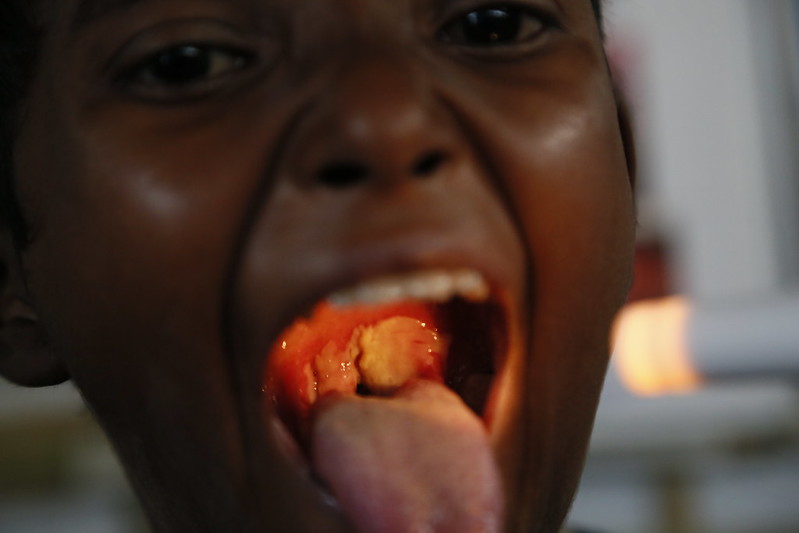
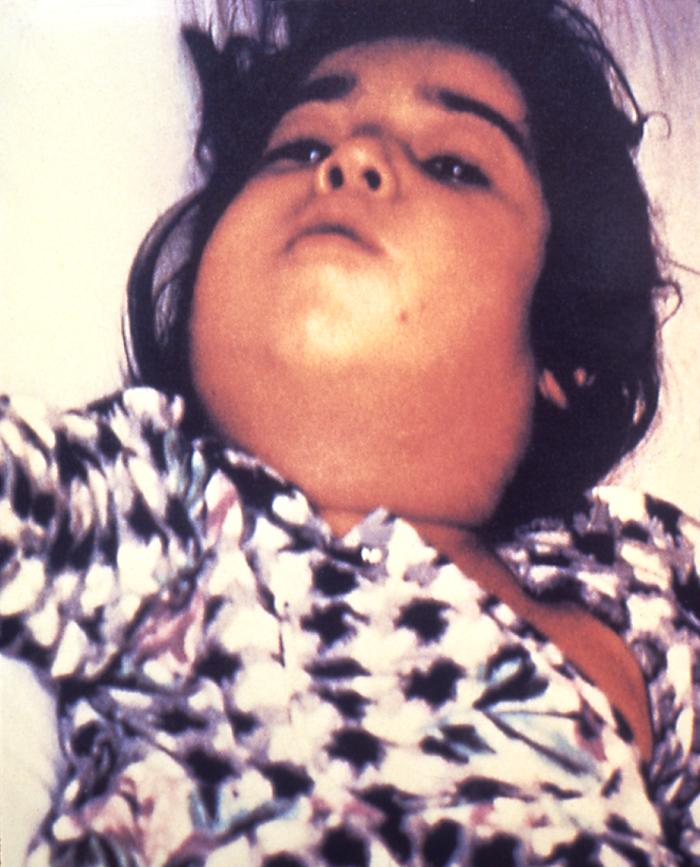
Las Corynebacteria son bacilos gram-positivos con forma de maza. Las Corynebacteria se aíslan comúnmente en EN Erythema nodosum is an immune-mediated panniculitis (inflammation of the subcutaneous fat) caused by a type IV (delayed-type) hypersensitivity reaction. It commonly manifests in young women as tender, erythematous nodules on the shins. Erythema Nodosum medios de telurito o Loeffler y tienen gránulos metacromáticos característicos. La principal especie patógena es Corynebacterium diphtheriae Corynebacterium diphtheriae Diphtheria is an infectious disease caused by corynebacterium diphtheriae that most often results in respiratory disease with membranous inflammation of the pharynx, sore throat, fever, swollen glands, and weakness. The hallmark sign is a sheet of thick, gray material covering the back of the throat. Diphtheria, que causa la difteria, una infección grave de las vías respiratorias superiores. Los LOS Neisseria hallazgos característicos de la difteria incluyen pseudomembranas faríngeas (exudados amigdalinos grisáceos), faringitis grave y linfadenopatía en EN Erythema nodosum is an immune-mediated panniculitis (inflammation of the subcutaneous fat) caused by a type IV (delayed-type) hypersensitivity reaction. It commonly manifests in young women as tender, erythematous nodules on the shins. Erythema Nodosum “cuello de toro”. El tratamiento es principalmente a través de la inmunización pasiva con antitoxina y antibióticos. La prevención es a través de la vacuna con toxoide diftérico.

Last updated: Dec 15, 2025
Editorial responsibility: Stanley Oiseth, Lindsay Jones, Evelin Maza

Clasificación

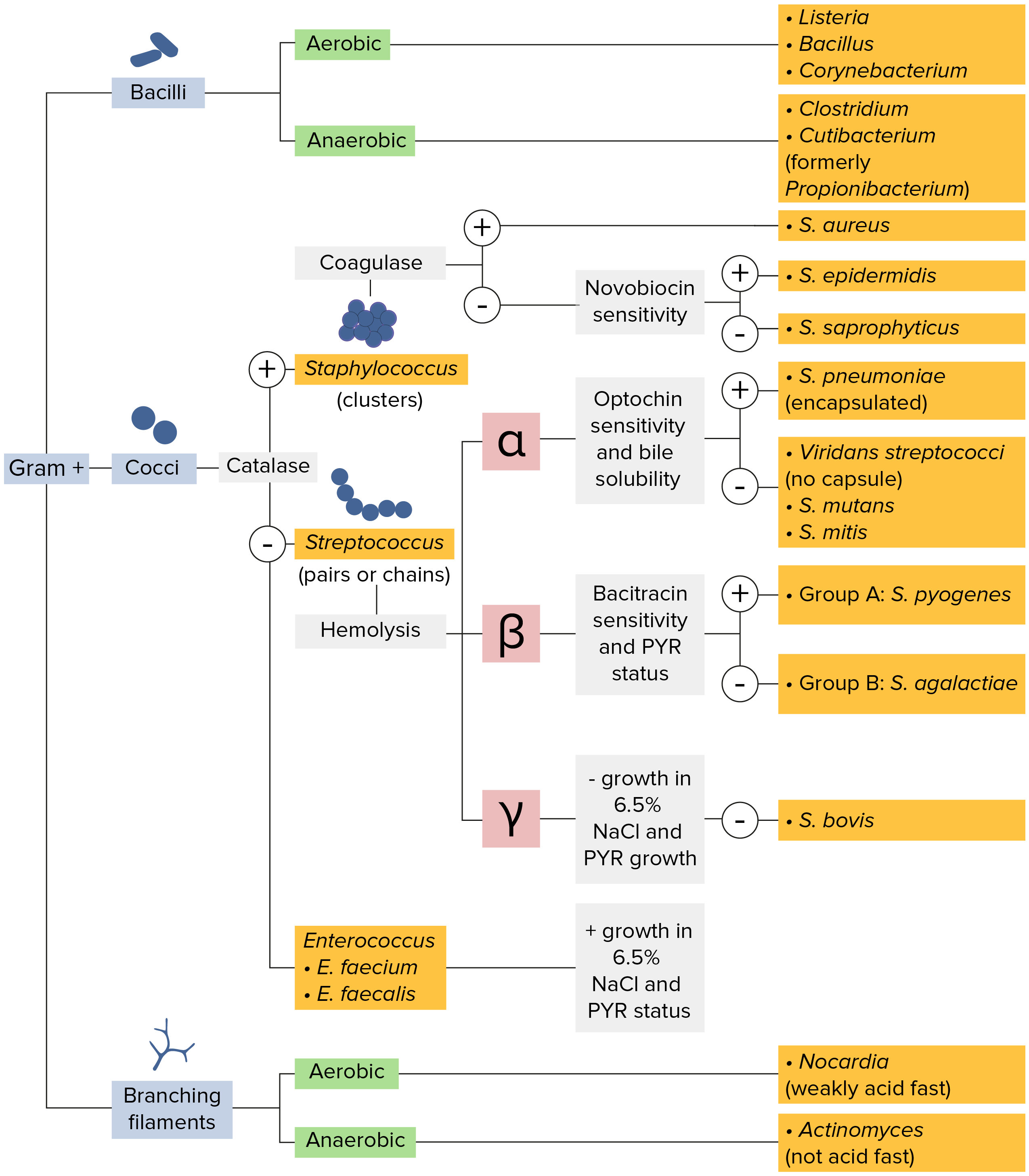
Diagrama de flujo de microbiología clasificación de bacterias grampositivas

Bacterias gram-positivas:
La mayoría de las bacterias se pueden clasificar de acuerdo con un procedimiento de laboratorio llamado tinción de Gram.
Las bacterias con paredes celulares que tienen una capa gruesa de peptidoglicano retienen la tinción cristal violeta utilizada en la tinción de Gram, pero no se ven afectadas por la contratinción de safranina. Estas bacterias aparecen como azul púrpura en la tinción, lo que indica que son gram-positivas. Las bacterias pueden clasificarse además según su morfología (filamentos ramificados, bacilos y cocos en grupos o cadenas) y su capacidad para crecer en presencia de oxígeno (aeróbicos versus anaeróbicos). Los cocos también pueden identificarse con mayor profundidad. Los estafilococos pueden reducirse en función de la presencia de la enzima coagulasa y de su sensibilidad al antibiótico novobiocina. Los estreptococos se cultivan en agar sangre y se clasifican según la forma de hemólisis que emplean (α, β o γ). Los estreptococos se reducen aún más en función de su respuesta a la prueba de pirrolidonil-β-naftilamida, su sensibilidad a antimicrobianos específicos (optoquina y bacitracina) y su capacidad para crecer en medios de cloruro de sodio (NaCl).

Imagen por Lecturio. Licencia: CC BY-NC-SA 4.0

Características Generales

Características básicas

Las características generales de las especies de Corynebacterium Corynebacterium Corynebacteria are gram-positive, club-shaped bacilli. Corynebacteria are commonly isolated on tellurite or Loeffler’s media and have characteristic metachromatic granules. The major pathogenic species is Corynebacterium diphtheriae, which causes a severe respiratory infection called diphtheria. Corynebacterium incluyen:
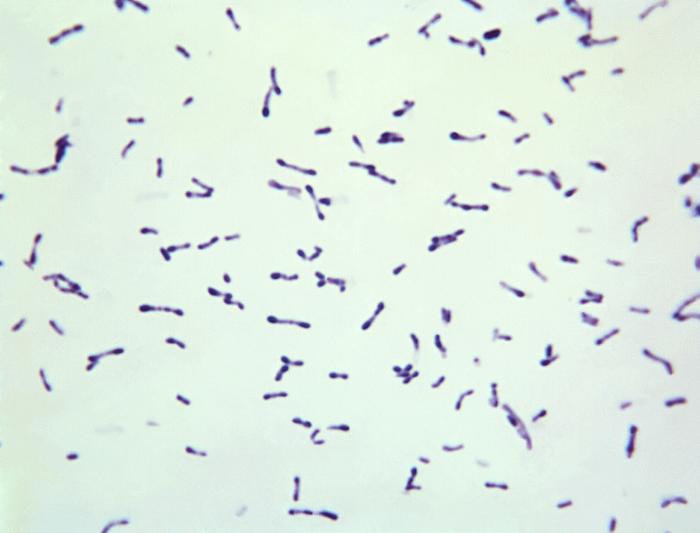
  • Bacilos gram-positivos en EN Erythema nodosum is an immune-mediated panniculitis (inflammation of the subcutaneous fat) caused by a type IV (delayed-type) hypersensitivity reaction. It commonly manifests in young women as tender, erythematous nodules on the shins. Erythema Nodosum forma de maza (coryne = forma de maza)
  • No móviles
  • No forman esporas
  • No encapsulados
  • Aeróbicos o facultativamente anaeróbico
  • Contienen gránulos metacromáticos (volutina)
Micrografía de Corynebacterium diphtheriae

Micrografía de Corynebacterium diphtheriae

Imagen: “12163” por CDC/Graham Heid. Licencia: Dominio Público.
Crecimiento y propiedades bioquímicas

  • Catalasa positivo (divide peróxido de hidrógeno en EN Erythema nodosum is an immune-mediated panniculitis (inflammation of the subcutaneous fat) caused by a type IV (delayed-type) hypersensitivity reaction. It commonly manifests in young women as tender, erythematous nodules on the shins. Erythema Nodosum agua y oxígeno)
  • Oxidasa negativo, indol negativo
  • Fermenta glucosa, almidón y glucógeno
  • Crece bien a 37 °C (98,6 °F) en EN Erythema nodosum is an immune-mediated panniculitis (inflammation of the subcutaneous fat) caused by a type IV (delayed-type) hypersensitivity reaction. It commonly manifests in young women as tender, erythematous nodules on the shins. Erythema Nodosum medios que contienen sangre o suero:
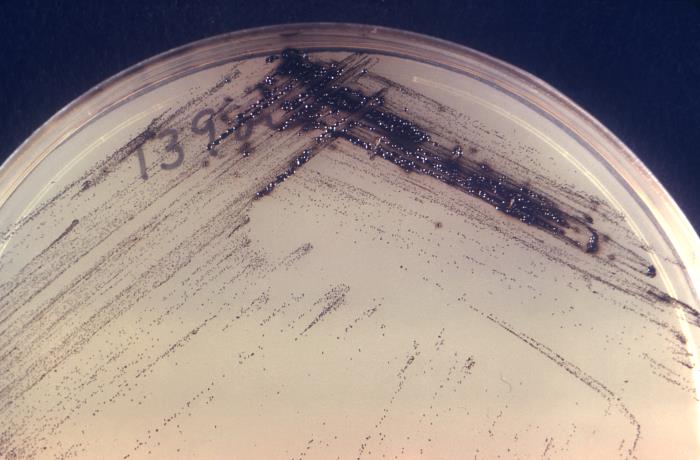
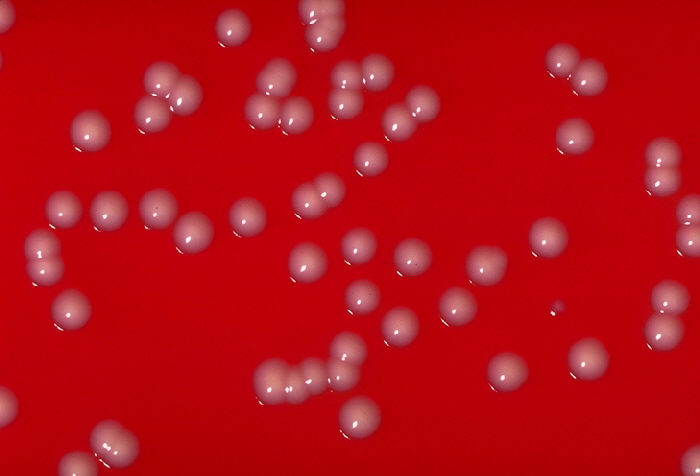
    • Agar de Hoyle/Tinsdale (medio de telurita; C. diphtheriae forma colonias negras)
    • Medio de Loeffler (mejora el desarrollo de gránulos metacromáticos)

Especies clínicamente relevantes

  • C. difteriae:
    • Especie patógena principal
    • Causa difteria (faringitis y formas cutáneas)
  • Corynebacterium Corynebacterium Corynebacteria are gram-positive, club-shaped bacilli. Corynebacteria are commonly isolated on tellurite or Loeffler’s media and have characteristic metachromatic granules. The major pathogenic species is Corynebacterium diphtheriae, which causes a severe respiratory infection called diphtheria. Corynebacterium no diftérico (difteroides):
    • En EN Erythema nodosum is an immune-mediated panniculitis (inflammation of the subcutaneous fat) caused by a type IV (delayed-type) hypersensitivity reaction. It commonly manifests in young women as tender, erythematous nodules on the shins. Erythema Nodosum su mayoría contaminantes
    • Puede ser patógeno, especialmente en EN Erythema nodosum is an immune-mediated panniculitis (inflammation of the subcutaneous fat) caused by a type IV (delayed-type) hypersensitivity reaction. It commonly manifests in young women as tender, erythematous nodules on the shins. Erythema Nodosum huéspedes inmunocomprometidos
    • C. minutissimum:
      • Habitante normal de la piel
      • Puede causar eritrasma: infección superficial de áreas intertriginosas
    • Muchas especies causan enfermedades en EN Erythema nodosum is an immune-mediated panniculitis (inflammation of the subcutaneous fat) caused by a type IV (delayed-type) hypersensitivity reaction. It commonly manifests in young women as tender, erythematous nodules on the shins. Erythema Nodosum los LOS Neisseria animales domésticos.

Corynebacterium diphtheriae

Epidemiología

  • En EN Erythema nodosum is an immune-mediated panniculitis (inflammation of the subcutaneous fat) caused by a type IV (delayed-type) hypersensitivity reaction. It commonly manifests in young women as tender, erythematous nodules on the shins. Erythema Nodosum individuos inmunizados, la tasa es baja: < 5 por 100 000.
  • Sigue siendo endémica en EN Erythema nodosum is an immune-mediated panniculitis (inflammation of the subcutaneous fat) caused by a type IV (delayed-type) hypersensitivity reaction. It commonly manifests in young women as tender, erythematous nodules on the shins. Erythema Nodosum ciertas partes del mundo (Brasil, Nigeria, India, ciertas partes de la antigua Unión Soviética)
  • Sin predilección racial o sexual
  • Puede afectar a niños y adultos

Transmisión

  • Los LOS Neisseria humanos son el único reservorio conocido.
  • Gotículas en EN Erythema nodosum is an immune-mediated panniculitis (inflammation of the subcutaneous fat) caused by a type IV (delayed-type) hypersensitivity reaction. It commonly manifests in young women as tender, erythematous nodules on the shins. Erythema Nodosum el aire
  • Contacto directo con secreciones respiratorias
  • Contacto con lesiones cutáneas
  • Puede ser transmitida por portadores inmunizados y asintomáticos

Factores de virulencia

  • No es un organismo invasivo
  • La patogenicidad se basa en EN Erythema nodosum is an immune-mediated panniculitis (inflammation of the subcutaneous fat) caused by a type IV (delayed-type) hypersensitivity reaction. It commonly manifests in young women as tender, erythematous nodules on the shins. Erythema Nodosum la toxina diftérica (exotoxina):
    • Solo se produce si es lisogenizada por un bacteriófago β
    • Tiene 2 subunidades:
      • A-activo
      • B-ligando
    • B se une a la membrana celular y A entra en EN Erythema nodosum is an immune-mediated panniculitis (inflammation of the subcutaneous fat) caused by a type IV (delayed-type) hypersensitivity reaction. It commonly manifests in young women as tender, erythematous nodules on the shins. Erythema Nodosum la célula.
    • Ribosilación del factor de elongación
    • Inhibe la síntesis de proteínas
    • Causa muerte celular

Presentación clínica

Difteria (respiratoria):

  • Dolor Dolor Inflammation de garganta, malestar general, linfadenopatía cervical, fiebre baja
  • Eritema faríngeo con manchas de exudado blanco y gris
  • También puede tener formas nasales, laríngeas y traqueobronquiales
  • Pseudomembranas:
    • Presentes en EN Erythema nodosum is an immune-mediated panniculitis (inflammation of the subcutaneous fat) caused by a type IV (delayed-type) hypersensitivity reaction. It commonly manifests in young women as tender, erythematous nodules on the shins. Erythema Nodosum ⅓ de los LOS Neisseria casos
    • Compuestas por fibrina, restos necróticos, células inflamatorias y organismos
    • Estrechamente adherido al AL Amyloidosis tejido subyacente; sangra con el raspado
    • Puede extenderse a cualquier parte del tracto respiratorio
  • “Difteria maligna”:
    • Asociada con pseudomembranas extensas (“faringitis pseudomembranosa”)
    • Linfadenopatía severa en EN Erythema nodosum is an immune-mediated panniculitis (inflammation of the subcutaneous fat) caused by a type IV (delayed-type) hypersensitivity reaction. It commonly manifests in young women as tender, erythematous nodules on the shins. Erythema Nodosum “cuello de toro”
    • Inflamación severa de las amígdalas y la úvula
    • Puede provocar obstrucción de las vías respiratorias, estridor respiratorio y, finalmente, la muerte
  • Consejo para el examen: una pregunta común puede incluir a un inmigrante con dolor Dolor Inflammation de garganta; el examen físico revela amígdalas con exudado grisáceo.

Complicaciones/toxemia sistémica:

  • Cardíacas:
    • Miocarditis
    • Arritmias
  • Neurológicas:
    • Neuropatías locales
    • Neuropatías craneales
    • Neuritis periférica
  • Renal: insuficiencia renal por hipertensión o efectos directos de exotoxinas

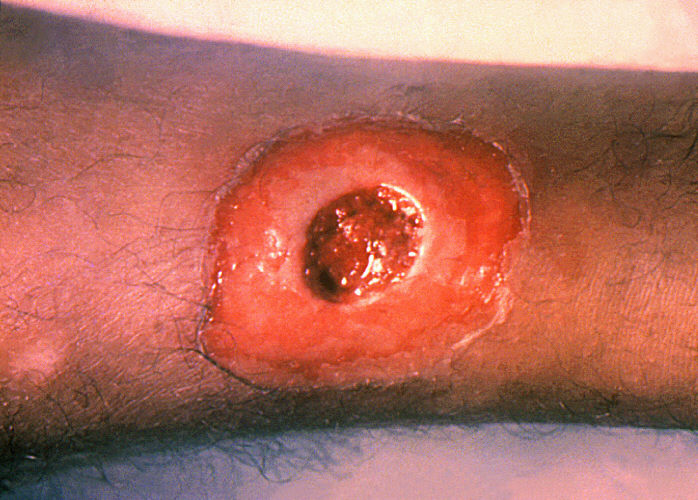
Difteria cutánea (herida):

  • Pápula inicial que se convierte en EN Erythema nodosum is an immune-mediated panniculitis (inflammation of the subcutaneous fat) caused by a type IV (delayed-type) hypersensitivity reaction. It commonly manifests in young women as tender, erythematous nodules on the shins. Erythema Nodosum una úlcera crónica que no cicatriza
  • La úlcera generalmente está cubierta con una membrana gris.
  • Puede ser causada por cepas productoras de toxinas o cepas no productoras de toxinas
  • En EN Erythema nodosum is an immune-mediated panniculitis (inflammation of the subcutaneous fat) caused by a type IV (delayed-type) hypersensitivity reaction. It commonly manifests in young women as tender, erythematous nodules on the shins. Erythema Nodosum Estados Unidos, más común entre hombres alcohólicos sin hogar o consumidores de drogas

Identificación

  • Cultivos:
    • Debe obtenerse de la garganta o la nariz, incluida una porción de la membrana
    • Cultivado en EN Erythema nodosum is an immune-mediated panniculitis (inflammation of the subcutaneous fat) caused by a type IV (delayed-type) hypersensitivity reaction. It commonly manifests in young women as tender, erythematous nodules on the shins. Erythema Nodosum medios de Loeffler o telurito
  • Detección de toxinas:
    • Prueba de Elek: aísla bacterias productoras de toxinas de la pseudomembrana
    • Inmunoensayo enzimático

Prevención

  • Vacuna toxoide
  • Los LOS Neisseria lactantes están protegidos por anticuerpos maternos.

Tratamiento

  • Inmunización pasiva o anti-toxina: 1ra línea
  • Antibióticos: la eritromicina o la penicilina son las 1ras opciones durante 14 días.
  • Medidas de soporte:
    • Protección de las vía aérea
    • Reposo en EN Erythema nodosum is an immune-mediated panniculitis (inflammation of the subcutaneous fat) caused by a type IV (delayed-type) hypersensitivity reaction. It commonly manifests in young women as tender, erythematous nodules on the shins. Erythema Nodosum cama

Mnemotecnia

“’ABCDEFG‘ de Corynebacterium diphtheriae Corynebacterium diphtheriae Diphtheria is an infectious disease caused by corynebacterium diphtheriae that most often results in respiratory disease with membranous inflammation of the pharynx, sore throat, fever, swollen glands, and weakness. The hallmark sign is a sheet of thick, gray material covering the back of the throat. Diphtheria:

  • ADP-ribosilación
  • β-bacteriófago
  • Corynebacterium
  • Difteria
  • EF EF Cardiac Cycle-2 (factor de elongación 2, por sus siglas en EN Erythema nodosum is an immune-mediated panniculitis (inflammation of the subcutaneous fat) caused by a type IV (delayed-type) hypersensitivity reaction. It commonly manifests in young women as tender, erythematous nodules on the shins. Erythema Nodosum inglés)
  • Gránulos

Referencias

  1. Barroso L.F., & Pegram P.S. (2024). Clinical manifestations, diagnosis, and treatment of diphtheria. UpToDate. Retrieved January 26, 2025, from https://www.uptodate.com/contents/clinical-manifestations-diagnosis-and-treatment-of-diphtheria
  2. Barroso L.F., & Pegram P.S. (2024). Epidemiology and pathophysiology of diphtheria. UpToDate. Retrieved January 26, 2025, from https://www.uptodate.com/contents/epidemiology-and-pathophysiology-of-diphtheria
  3. Frassetto, L.A. (2024). Corynebacterium infections treatment & management. Medscape. Retrieved January 26, 2025, from https://emedicine.medscape.com/article/215100-treatment
  4. Nisha, R. (n.d.). Corynebacterium diphtheriae: Properties, pathogenesis, and lab diagnosis. Microbe Online. Retrieved January 26, 2025, from https://microbeonline.com/corynebacterium-diphtheriae-properties-pathogenesis-diagnosis/

¡Crea tu cuenta gratis o inicia una sesión para seguir leyendo!

Regístrate ahora y obtén acceso gratuito a Lecturio con páginas de concepto, videos médicos y cuestionarios para tu educación médica.

User Reviews

Que tengas una sesión de estudio alegre y navideña 🎁 Ahorra 50% en todos los planes >>

Details