Domina Conceptos Médicos

Estudia para la escuela de medicina y tus examenes con Lecturio.

Clamidia

Chlamydiae son bacterias gram-negativas intracelulares obligadas. Carecen de una capa de peptidoglucana y se visualizan mejor con la tinción de Giemsa. Las especies de Chlamydiae tienen un ciclo de replicación complejo que consta de 2 formas morfológicas: cuerpos elementales y cuerpos reticulados. La familia Chlamydiaceae comprende 3 patógenos que pueden infectar a los LOS Neisseria humanos: Chlamydia Chlamydia Chlamydiae are obligate intracellular gram-negative bacteria. They lack a peptidoglycan layer and are best visualized using Giemsa stain. The family of Chlamydiaceae comprises 3 pathogens that can infect humans: Chlamydia trachomatis, Chlamydia psittaci, and Chlamydia pneumoniae. Chlamydia trachomatis, Chlamydia psittaci Chlamydia psittaci A genus of chlamydophila infecting primarily birds. It contains eight known serovars, some of which infect more than one type of host, including humans. Chlamydia y Chlamydia pneumoniae Chlamydia pneumoniae A species of chlamydophila that causes acute respiratory infection, especially atypical pneumonia, in humans, horses, and koalas. Chlamydia. C. trachomatis es la bacteria Bacteria Bacteria are prokaryotic single-celled microorganisms that are metabolically active and divide by binary fission. Some of these organisms play a significant role in the pathogenesis of diseases. Bacteriology más común responsable de causar enfermedades de transmisión sexual en EN Erythema nodosum is an immune-mediated panniculitis (inflammation of the subcutaneous fat) caused by a type IV (delayed-type) hypersensitivity reaction. It commonly manifests in young women as tender, erythematous nodules on the shins. Erythema Nodosum Estados Unidos y está asociada con infecciones urogenitales, linfogranuloma venéreo, conjuntivitis neonatal y tracoma. C. psittaci causa psitacosis (fiebre del loro), mientras que C. pneumoniae causa neumonía atípica.

Last updated: Dec 15, 2025

Editorial responsibility: Stanley Oiseth, Lindsay Jones, Evelin Maza

Características Generales

Características generales

  • Bacterias intracelulares obligadas:
    • No pueden producir su propio trifosfato de adenosina (ATP, por sus siglas en EN Erythema nodosum is an immune-mediated panniculitis (inflammation of the subcutaneous fat) caused by a type IV (delayed-type) hypersensitivity reaction. It commonly manifests in young women as tender, erythematous nodules on the shins. Erythema Nodosum inglés).
    • Capaces de sintetizar sus propias macromoléculas
  • Tinción:
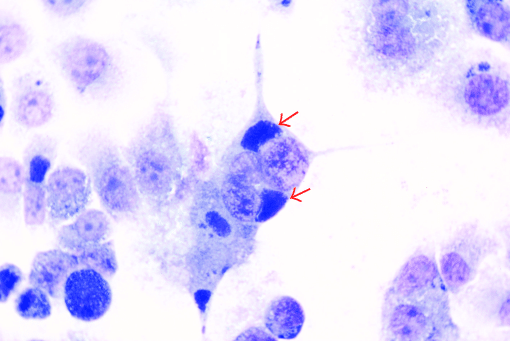
    • Visualizadas usando tinción de Giemsa: tinción de ácido nucleico
    • Clasificadas como bacterias gram-negativas, pero muestran una tinción de Gram deficiente.
    • La pared celular muestra algunas características de las bacterias gram-negativas, pero carece de peptidoglucanos.
    • La falta de peptidoglucanos los LOS Neisseria hace HACE Altitude Sickness insensibles a los LOS Neisseria antibióticos lactámicos β.
    • Tinción de yodo: para visualizar cuerpos de inclusión (replicación de formas intracelulares)
  • Ciclo de vida:
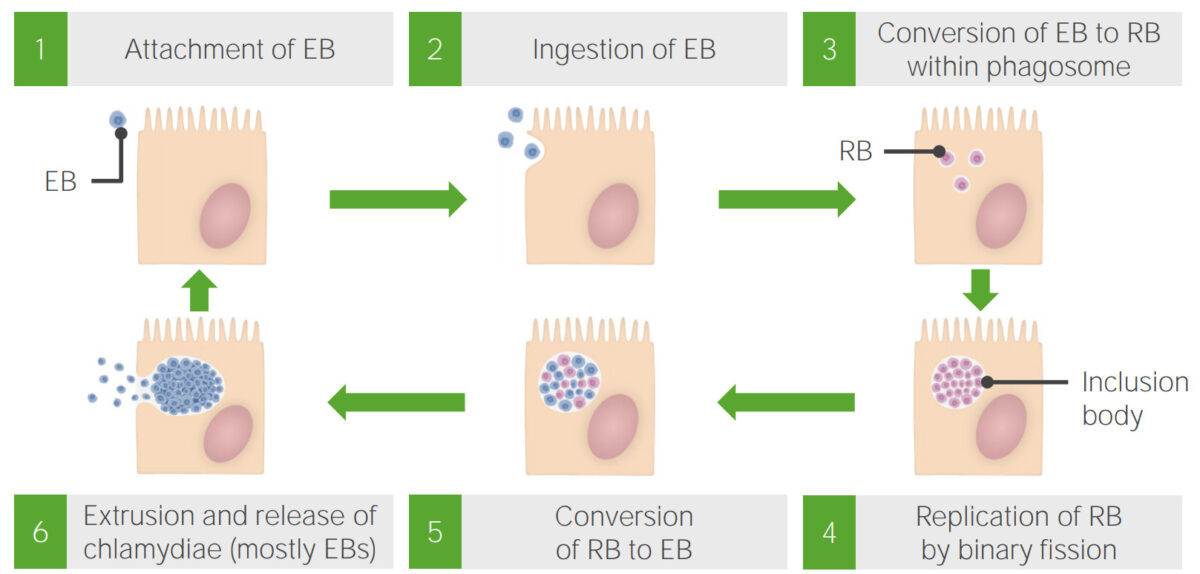
    • Cuerpo elemental ( EB EB Chlamydia, por sus siglas en EN Erythema nodosum is an immune-mediated panniculitis (inflammation of the subcutaneous fat) caused by a type IV (delayed-type) hypersensitivity reaction. It commonly manifests in young women as tender, erythematous nodules on the shins. Erythema Nodosum inglés): infeccioso, metabólicamente inactivo, similar a una espora
    • Cuerpo reticulado ( RB RB Chlamydia, por sus siglas en EN Erythema nodosum is an immune-mediated panniculitis (inflammation of the subcutaneous fat) caused by a type IV (delayed-type) hypersensitivity reaction. It commonly manifests in young women as tender, erythematous nodules on the shins. Erythema Nodosum inglés): forma replicativa no infecciosa, metabólicamente activa (visto solo dentro de las células huésped)
  • Especies patógenas:
    • C. trachomatis
    • C. psittaci
    • C. pneumoniae

Mnemotécnia

Para ayudar a recordar las características del ciclo de vida, recordar las 3 es y las 2 eres:
  • Elementary bodies Enter the cells and are the “Enfectious” form: Los LOS Neisseria cuerpos Elementales Entran en EN Erythema nodosum is an immune-mediated panniculitis (inflammation of the subcutaneous fat) caused by a type IV (delayed-type) hypersensitivity reaction. It commonly manifests in young women as tender, erythematous nodules on the shins. Erythema Nodosum las células y son la forma Infecciosa.
  • Reticular bodies Replicate: Los LOS Neisseria cuerpos Reticulares se Replican.

Reservorios, transmisión y factores de riesgo

Tabla: Reservorios, transmisión y factores de riesgo
C. trachomatis C. psittaci C. pneumoniae
Rango de huéspedes Principalmente humanos
  • principalmente animales
  • Ocasionalmente humanos
Solo humanos
Transmisión
  • Contacto sexual
  • Autoinoculación
  • Contacto oculo-genital
  • Paso a través del canal de parto
Inhalación de heces de aves secas y contaminadas Gotitas en EN Erythema nodosum is an immune-mediated panniculitis (inflammation of the subcutaneous fat) caused by a type IV (delayed-type) hypersensitivity reaction. It commonly manifests in young women as tender, erythematous nodules on the shins. Erythema Nodosum aerosol
Factores de riesgo
  • Edad < 25 años
  • Reportes de nuevas parejas sexuales en EN Erythema nodosum is an immune-mediated panniculitis (inflammation of the subcutaneous fat) caused by a type IV (delayed-type) hypersensitivity reaction. It commonly manifests in young women as tender, erythematous nodules on the shins. Erythema Nodosum los LOS Neisseria últimos 3 meses
  • Antecedentes de infección previa por C. trachomatis
  • Uso inconsistente del condón
Exposición a las aves Entornos concurridos (escuelas, hogares de ancianos); los LOS Neisseria ancianos tienen un mayor riesgo de enfermedad grave.

Related videos

Relevancia Clínica (C. trachomatis)

Epidemiología

  • Causa bacteriana más común de infecciones genitales de transmisión sexual en EN Erythema nodosum is an immune-mediated panniculitis (inflammation of the subcutaneous fat) caused by a type IV (delayed-type) hypersensitivity reaction. It commonly manifests in young women as tender, erythematous nodules on the shins. Erythema Nodosum Estados Unidos
  • Mayor prevalencia en EN Erythema nodosum is an immune-mediated panniculitis (inflammation of the subcutaneous fat) caused by a type IV (delayed-type) hypersensitivity reaction. It commonly manifests in young women as tender, erythematous nodules on the shins. Erythema Nodosum adultos jóvenes (< 26 años)
  • Mayor incidencia en EN Erythema nodosum is an immune-mediated panniculitis (inflammation of the subcutaneous fat) caused by a type IV (delayed-type) hypersensitivity reaction. It commonly manifests in young women as tender, erythematous nodules on the shins. Erythema Nodosum afroamericanos, habitantes de Alaska y nativos americanos
  • La coinfección con otros patógenos de transmisión sexual es común.
  • El tracoma (infección ocular) es endémico en EN Erythema nodosum is an immune-mediated panniculitis (inflammation of the subcutaneous fat) caused by a type IV (delayed-type) hypersensitivity reaction. It commonly manifests in young women as tender, erythematous nodules on the shins. Erythema Nodosum algunas áreas de África, Asia ASIA Spinal Cord Injuries, América Latina, Medio Oriente y la cuenca del Pacífico.
  • Principal causa infecciosa de ceguera en EN Erythema nodosum is an immune-mediated panniculitis (inflammation of the subcutaneous fat) caused by a type IV (delayed-type) hypersensitivity reaction. It commonly manifests in young women as tender, erythematous nodules on the shins. Erythema Nodosum todo el mundo

Transmisión

  • 1 de cada 20 mujeres jóvenes sexualmente activas de 14 a 24 años tiene clamidia.
  • Muchas infecciones son asintomáticas, especialmente en EN Erythema nodosum is an immune-mediated panniculitis (inflammation of the subcutaneous fat) caused by a type IV (delayed-type) hypersensitivity reaction. It commonly manifests in young women as tender, erythematous nodules on the shins. Erythema Nodosum las mujeres.
  • Se desconocen las tasas de transmisión entre individuos sintomáticos y asintomáticos.
  • Tracoma:
    • De persona a persona a través de secreciones oculares y nasales
    • Moscas que buscan los LOS Neisseria ojos

Patogénesis

  • Los LOS Neisseria EB EB Chlamydia invaden la célula huésped mediante endocitosis.
  • Dentro de la célula, se convierten en EN Erythema nodosum is an immune-mediated panniculitis (inflammation of the subcutaneous fat) caused by a type IV (delayed-type) hypersensitivity reaction. It commonly manifests in young women as tender, erythematous nodules on the shins. Erythema Nodosum RB RB Chlamydia metabólicamente activos.
  • Los LOS Neisseria RB RB Chlamydia se replican dentro de la célula huésped por fisión.
  • Luego se reorganizan en EN Erythema nodosum is an immune-mediated panniculitis (inflammation of the subcutaneous fat) caused by a type IV (delayed-type) hypersensitivity reaction. It commonly manifests in young women as tender, erythematous nodules on the shins. Erythema Nodosum EB EB Chlamydia que son liberados de la célula.
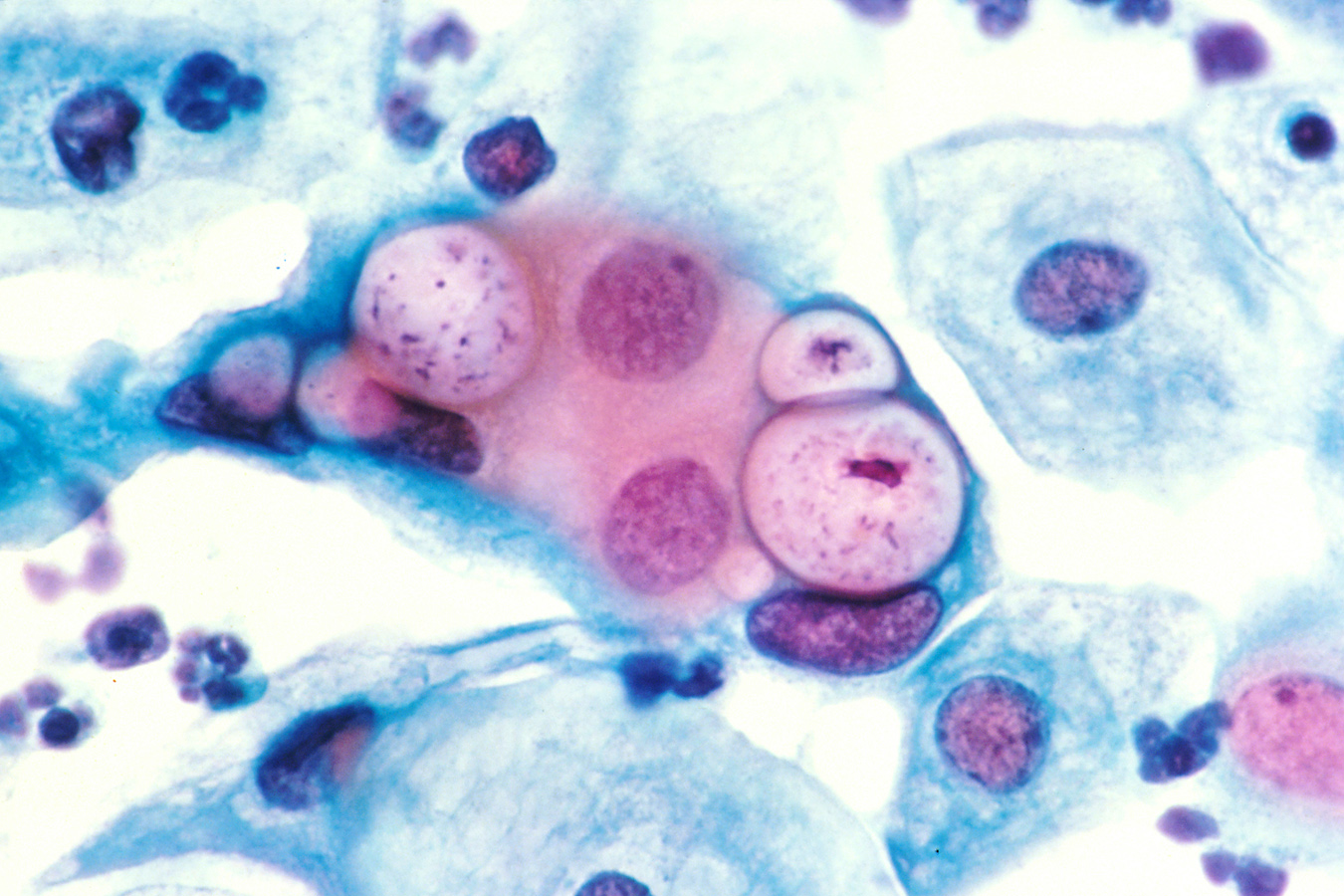
  • Los LOS Neisseria grupos de RB RB Chlamydia en EN Erythema nodosum is an immune-mediated panniculitis (inflammation of the subcutaneous fat) caused by a type IV (delayed-type) hypersensitivity reaction. It commonly manifests in young women as tender, erythematous nodules on the shins. Erythema Nodosum replicación se conocen como cuerpos de inclusión y se pueden visualizar mediante tinción con Giemsa, Papanicolaou o yodo.
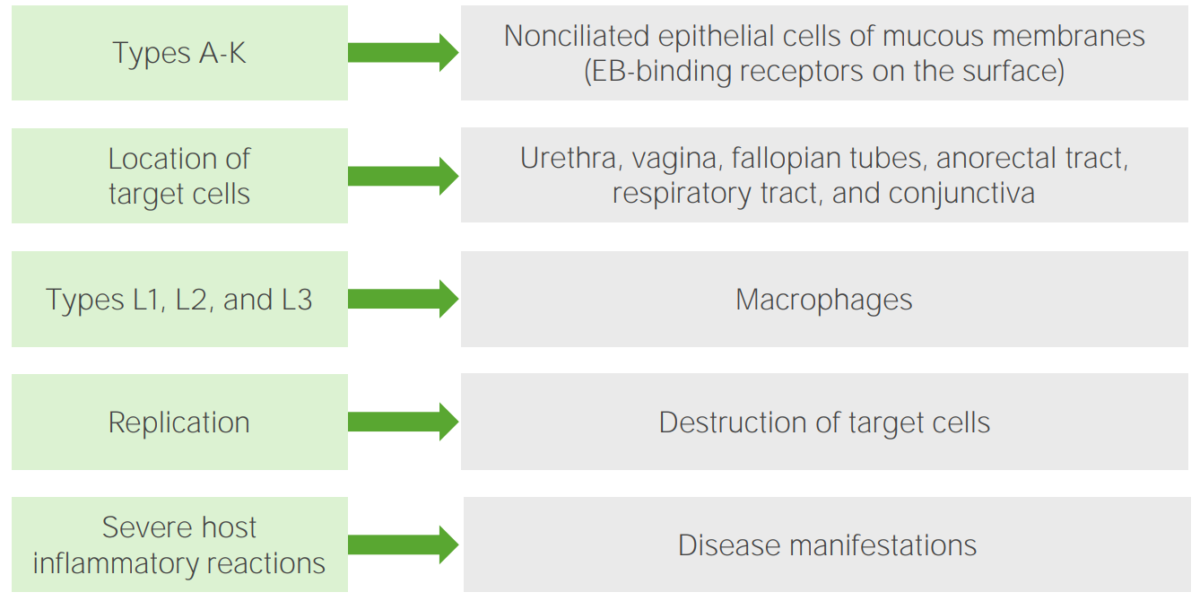
  • Hay múltiples serovares de C. trachomatis:
    • Serovares A–C: causan tracoma
    • Serovares D–K:
      • Infección de transmisión sexual más común en EN Erythema nodosum is an immune-mediated panniculitis (inflammation of the subcutaneous fat) caused by a type IV (delayed-type) hypersensitivity reaction. It commonly manifests in young women as tender, erythematous nodules on the shins. Erythema Nodosum Estados Unidos
      • También asociados con conjuntivitis neonatal y neumonía (adquirida durante el paso por el canal de parto)
    • Serovares L1–L3:
      • También de transmisión sexual
      • Causan linfogranuloma venéreo

Presentación clínica

Transmisión sexual:

  • Infecciones urogenitales (serovares D–K):
    • En EN Erythema nodosum is an immune-mediated panniculitis (inflammation of the subcutaneous fat) caused by a type IV (delayed-type) hypersensitivity reaction. It commonly manifests in young women as tender, erythematous nodules on the shins. Erythema Nodosum mujeres:
      • A menudo asintomáticas
      • Cervicitis Cervicitis Inflammation of the uterine cervix. Gonorrhea
      • Uretritis
      • Salpingitis
      • Enfermedad pélvica inflamatoria
      • Los LOS Neisseria síntomas incluyen secreción mucopurulenta, disuria y piuria.
    • En EN Erythema nodosum is an immune-mediated panniculitis (inflammation of the subcutaneous fat) caused by a type IV (delayed-type) hypersensitivity reaction. It commonly manifests in young women as tender, erythematous nodules on the shins. Erythema Nodosum hombres:
  • Enfermedad sistémica:
    • Por lo general, sigue a una infección de transmisión sexual.
    • Artritis
    • Dermatitis Dermatitis Any inflammation of the skin. Atopic Dermatitis (Eczema)
    • Artritis reactiva; tríada de artritis reactiva (RAT, por sus siglas en EN Erythema nodosum is an immune-mediated panniculitis (inflammation of the subcutaneous fat) caused by a type IV (delayed-type) hypersensitivity reaction. It commonly manifests in young women as tender, erythematous nodules on the shins. Erythema Nodosum inglés):
      • Artritis, uretritis y uveítis
      • Más común en EN Erythema nodosum is an immune-mediated panniculitis (inflammation of the subcutaneous fat) caused by a type IV (delayed-type) hypersensitivity reaction. It commonly manifests in young women as tender, erythematous nodules on the shins. Erythema Nodosum hombres
  • Linfogranuloma venéreo (serovares L1–L3):
    • Infección primaria: úlcera genital, generalmente pequeña e indolora
    • Infección secundaria:
      • Afectación de los LOS Neisseria ganglios linfáticos regionales (inguinal, perianal)
      • Se presenta con inflamación severa y cicatrización.

Infecciones neonatales (serovares D–K):

  • Conjuntivitis neonatal:
    • Ocurre 2–30 días después del nacimiento.
    • Causa inflamación de los LOS Neisseria párpados, hiperemia y secreción purulenta.
    • Puede provocar cicatrización conjuntival y vascularización de la córnea.
    • Prevención: eritromicina tópica de rutina después del nacimiento
  • Neumonía infantil:
    • Ocurre 2–3 semanas después del nacimiento.
    • Causa neumonía intersticial difusa si no se trata.

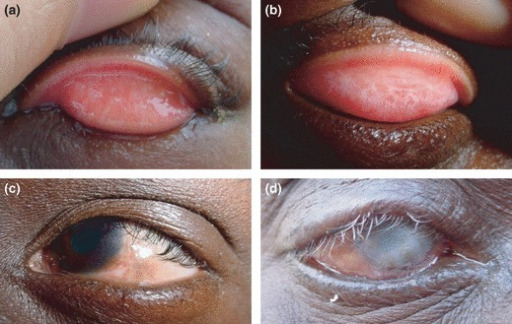
Tracoma (serovares A–C):

  • Etapa temprana (tracoma activo):
    • Conjuntivitis
    • Enrojecimiento, sensibilidad a la luz, secreción mucopurulenta
  • Etapa tardía (tracoma cicatricial):
    • Cicatrización conjuntival
    • Las infecciones repetidas provocan cicatrices en EN Erythema nodosum is an immune-mediated panniculitis (inflammation of the subcutaneous fat) caused by a type IV (delayed-type) hypersensitivity reaction. It commonly manifests in young women as tender, erythematous nodules on the shins. Erythema Nodosum los LOS Neisseria párpados, entropión y finalmente, daños en EN Erythema nodosum is an immune-mediated panniculitis (inflammation of the subcutaneous fat) caused by a type IV (delayed-type) hypersensitivity reaction. It commonly manifests in young women as tender, erythematous nodules on the shins. Erythema Nodosum la córnea y ceguera.

Identificación

  • Prueba de amplificación de ácidos nucleicos (NAAT, por sus siglas en EN Erythema nodosum is an immune-mediated panniculitis (inflammation of the subcutaneous fat) caused by a type IV (delayed-type) hypersensitivity reaction. It commonly manifests in young women as tender, erythematous nodules on the shins. Erythema Nodosum inglés): estándar de oro
  • Otras pruebas utilizadas principalmente con fines de investigación:
    • Serología
    • Cultivo (necesita crecer en EN Erythema nodosum is an immune-mediated panniculitis (inflammation of the subcutaneous fat) caused by a type IV (delayed-type) hypersensitivity reaction. It commonly manifests in young women as tender, erythematous nodules on the shins. Erythema Nodosum cultivo de tejidos)
    • Detección de antígeno
    • Métodos de sonda genética

Relevancia clínica (C. psittaci y C. pneumoniae)

C. psittaci

  • Causa alrededor del 1% de las neumonías adquiridas en comunidad (psitacosis o “fiebre del loro”).
  • Transmitida por las aves, generalmente por inhalación de heces secas
  • La transmisión de persona a persona es posible.
  • Período de incubación: 5–14 días
  • Síntomas sistémicos (pueden ser más prominentes que los LOS Neisseria respiratorios):
    • Fiebre, mialgias, sudores, escalofríos
    • Cefalea (puede ser intenso), fotofobia
  • Síntomas respiratorios: tos TOS Thoracic outlet syndrome (TOS) is a broad term used for a spectrum of syndromes related to the general region of the thoracic outlet, which involves the compression or irritation of elements of the brachial plexus, subclavian artery, or subclavian vein. Thoracic Outlet Syndrome, disnea, dolor Dolor Inflammation torácico, hemoptisis
  • Las complicaciones (renales, neurológicas, hematológicas) son poco comunes, pero pueden ocurrir.

C. pneumoniae

  • Responsable de 1%–20% casos de neumonía adquirida en EN Erythema nodosum is an immune-mediated panniculitis (inflammation of the subcutaneous fat) caused by a type IV (delayed-type) hypersensitivity reaction. It commonly manifests in young women as tender, erythematous nodules on the shins. Erythema Nodosum comunidad
  • Transmisión de persona a persona a través de gotitas respiratorias o contacto
  • Se presenta con fiebre, tos TOS Thoracic outlet syndrome (TOS) is a broad term used for a spectrum of syndromes related to the general region of the thoracic outlet, which involves the compression or irritation of elements of the brachial plexus, subclavian artery, or subclavian vein. Thoracic Outlet Syndrome, dificultad para respirar.
  • Varía en EN Erythema nodosum is an immune-mediated panniculitis (inflammation of the subcutaneous fat) caused by a type IV (delayed-type) hypersensitivity reaction. It commonly manifests in young women as tender, erythematous nodules on the shins. Erythema Nodosum severidad de leve a letal.
  • Puede causar faringitis y síntomas respiratorios superiores.
  • La infección crónica puede contribuir a la patogénesis de la aterosclerosis (también se han encontrado ácidos nucleicos de otras bacterias y virus Virus Viruses are infectious, obligate intracellular parasites composed of a nucleic acid core surrounded by a protein capsid. Viruses can be either naked (non-enveloped) or enveloped. The classification of viruses is complex and based on many factors, including type and structure of the nucleoid and capsid, the presence of an envelope, the replication cycle, and the host range. Virology en EN Erythema nodosum is an immune-mediated panniculitis (inflammation of the subcutaneous fat) caused by a type IV (delayed-type) hypersensitivity reaction. It commonly manifests in young women as tender, erythematous nodules on the shins. Erythema Nodosum las placas ateroscleróticas).

Referencias

  1. Hammerschlag M. R. (2024). Pneumonia caused by Chlamydia pneumoniae in adults. Retrieved January 31, 2025, from https://www.uptodate.com/contents/pneumonia-caused-by-chlamydia-pneumoniae-in-adults
  2. Hsu K. (2024). Clinical manifestations and diagnosis of Chlamydia trachomatis infections. Retrieved January 31, 2025, from https://www.uptodate.com/contents/clinical-manifestations-and-diagnosis-of-chlamydia-trachomatis-infections
  3. Hsu K. (2024). Epidemiology of Chlamydia trachomatis infections. Retrieved January 31, 2025, from https://www.uptodate.com/contents/epidemiology-of-chlamydia-trachomatis-infections
  4. Richards M. R. (2024). Psittacosis. Retrieved January 31, 2025, from https://www.uptodate.com/contents/psittacosissearch=chlamydia%20psittaci
  5. Zhao, Xue-Qiao. (2024). Pathogenesis of atherosclerosis. Retrieved January 31, 2025, from https://www.uptodate.com/contents/pathogenesis-of-atherosclerosis

¡Crea tu cuenta gratis o inicia una sesión para seguir leyendo!

Regístrate ahora y obtén acceso gratuito a Lecturio con páginas de concepto, videos médicos y cuestionarios para tu educación médica.

User Reviews

Que tengas una sesión de estudio alegre y navideña 🎁 Ahorra 50% en todos los planes >>

Details