La cefalea enENErythema nodosum is an immune-mediated panniculitis (inflammation of the subcutaneous fat) caused by a type IV (delayed-type) hypersensitivity reaction. It commonly manifests in young women as tender, erythematous nodules on the shins.Erythema Nodosum racimos es una cefalea primaria caracterizada por cefaleas unilaterales de moderadas a intensas que se presentan junto con síntomas autonómicos. La cefalea enENErythema nodosum is an immune-mediated panniculitis (inflammation of the subcutaneous fat) caused by a type IV (delayed-type) hypersensitivity reaction. It commonly manifests in young women as tender, erythematous nodules on the shins.Erythema Nodosum racimos puede durar de semanas a meses, durante losLOSNeisseria cuales el paciente afectado puede experimentar episodios hasta varias veces alALAmyloidosis día, seguidos de un período de remisión sin dolorDolorInflammation. LosLOSNeisseria síntomas autonómicos se manifiestan típicamente como fenómenos oculares y nasales (e.g., ptosisPtosisCranial Nerve Palsies, miosisMiosisPupil: Physiology and Abnormalities, congestión nasal, rinorrea) homolaterales a la cefalea. LosLOSNeisseria hombres se ven más afectados por las cefaleas enENErythema nodosum is an immune-mediated panniculitis (inflammation of the subcutaneous fat) caused by a type IV (delayed-type) hypersensitivity reaction. It commonly manifests in young women as tender, erythematous nodules on the shins.Erythema Nodosum racimos que las mujeres. El diagnóstico es clínico y, a menudo, fácil de establecer debido a las distintas características de presentación clínica. El tratamiento de 1ra línea consiste enENErythema nodosum is an immune-mediated panniculitis (inflammation of the subcutaneous fat) caused by a type IV (delayed-type) hypersensitivity reaction. It commonly manifests in young women as tender, erythematous nodules on the shins.Erythema Nodosum la administración de oxígeno por cánula nasal y/o terapia abortiva mediante un triptano. Las estrategias preventivas (e.g., glucortoicoides, verapamilo) son cruciales, ya que la cefalea enENErythema nodosum is an immune-mediated panniculitis (inflammation of the subcutaneous fat) caused by a type IV (delayed-type) hypersensitivity reaction. It commonly manifests in young women as tender, erythematous nodules on the shins.Erythema Nodosum racimos es una afección crónica asociada con una morbilidad significativa y una alta tasa de suicidio.
Las cefaleas enENErythema nodosum is an immune-mediated panniculitis (inflammation of the subcutaneous fat) caused by a type IV (delayed-type) hypersensitivity reaction. It commonly manifests in young women as tender, erythematous nodules on the shins.Erythema Nodosum racimos se nombran según su tendencia a ocurrir enENErythema nodosum is an immune-mediated panniculitis (inflammation of the subcutaneous fat) caused by a type IV (delayed-type) hypersensitivity reaction. It commonly manifests in young women as tender, erythematous nodules on the shins.Erythema Nodosum racimos que duran de semanas a meses y se interrumpen por períodos de remisión. Las características que definen esta patología incluyen:
La cefalea enENErythema nodosum is an immune-mediated panniculitis (inflammation of the subcutaneous fat) caused by a type IV (delayed-type) hypersensitivity reaction. It commonly manifests in young women as tender, erythematous nodules on the shins.Erythema Nodosum racimos pertenece a 2 esquemas de clasificación distintos: trastornos de cefalea primaria y cefaleas autonómicas del trigémino.
Trastornos de cefalea primaria:
Cefalea migrañosa
Cefalea enENErythema nodosum is an immune-mediated panniculitis (inflammation of the subcutaneous fat) caused by a type IV (delayed-type) hypersensitivity reaction. It commonly manifests in young women as tender, erythematous nodules on the shins.Erythema Nodosum racimos
Cefalea tensional
Cefaleas autonómicas del trigémino :
Características comunes:
Sospecha de fisiopatología similar
Presentación clínica: dolorDolorInflammation del trigémino + activación autonómica
Ejemplos:
Cefalea enENErythema nodosum is an immune-mediated panniculitis (inflammation of the subcutaneous fat) caused by a type IV (delayed-type) hypersensitivity reaction. It commonly manifests in young women as tender, erythematous nodules on the shins.Erythema Nodosum racimos:
La más común de las cefaleas autonómicas del trigémino
Tiene la mayor duración de un solo ataque de las cefaleas autonómicas del trigémino (15 minutos a 3 horas)
La frecuencia más baja enENErythema nodosum is an immune-mediated panniculitis (inflammation of the subcutaneous fat) caused by a type IV (delayed-type) hypersensitivity reaction. It commonly manifests in young women as tender, erythematous nodules on the shins.Erythema Nodosum un día determinado de las cefaleas autonómicas del trigémino (≤ 8 por día)
Hemicránea paroxística
Hemicránea continua
Cefalea neuralgiforme unilateral de corta duración con inyección conjuntival y lagrimeo (SUNCT)
Cefalea neuralgiforme unilateral de corta duración con síntomas autonómicos craneales (SUNA)
Epidemiología
Prevalencia a lo largo de la vida: aproximadamente 120/100 000
Prevalencia enENErythema nodosum is an immune-mediated panniculitis (inflammation of the subcutaneous fat) caused by a type IV (delayed-type) hypersensitivity reaction. It commonly manifests in young women as tender, erythematous nodules on the shins.Erythema Nodosum 1 año: aproximadamente 50/100 000
Hombres > mujeres, proporción 3:1
Edad media de inicio: 20–40 años
Antecedentes familiares positivos enENErythema nodosum is an immune-mediated panniculitis (inflammation of the subcutaneous fat) caused by a type IV (delayed-type) hypersensitivity reaction. It commonly manifests in young women as tender, erythematous nodules on the shins.Erythema Nodosum el 5%–20% de losLOSNeisseria casos
Fuerte asociación con el hábito tabáquico
Fuerte asociación con intentos de suicidio y suicidio exitoso
La fisiopatología de la cefalea enENErythema nodosum is an immune-mediated panniculitis (inflammation of the subcutaneous fat) caused by a type IV (delayed-type) hypersensitivity reaction. It commonly manifests in young women as tender, erythematous nodules on the shins.Erythema Nodosum racimos es multifactorial y losLOSNeisseria mecanismos precisos son poco conocidos. Las teorías que prevalecen sobre losLOSNeisseria mecanismos del dolorDolorInflammation se describen a continuación.
Activación del reflejo trigémino-autonómico
LosLOSNeisseria nervios aferentes del sistema del trigémino tienen conexiones neuronales con el SNA. Si se estimulan, losLOSNeisseria aferentes del trigémino pueden activar el flujo de salida autonómico craneal a través del reflejo autonómico del trigémino.
LosLOSNeisseria nociceptores craneales se originan enENErythema nodosum is an immune-mediated panniculitis (inflammation of the subcutaneous fat) caused by a type IV (delayed-type) hypersensitivity reaction. It commonly manifests in young women as tender, erythematous nodules on the shins.Erythema Nodosum gran parte del sistema trigeminal.
LosLOSNeisseria aferentes nociceptivos del trigémino tienen una conexión directa con las fibras autonómicas craneales:
Entre el ganglio del trigémino y el ganglio esfenopalatino
Entre el complejo trigeminocervical y losLOSNeisseria centros superiores de procesamiento del dolorDolorInflammation cerebral
LosLOSNeisseria fenómenos autonómicos de la cefalea enENErythema nodosum is an immune-mediated panniculitis (inflammation of the subcutaneous fat) caused by a type IV (delayed-type) hypersensitivity reaction. It commonly manifests in young women as tender, erythematous nodules on the shins.Erythema Nodosum racimos son homolaterales alALAmyloidosisdolorDolorInflammation:
Manifestaciones parasimpáticas:
Rinorrea
EdemaEdemaEdema is a condition in which excess serous fluid accumulates in the body cavity or interstitial space of connective tissues. Edema is a symptom observed in several medical conditions. It can be categorized into 2 types, namely, peripheral (in the extremities) and internal (in an organ or body cavity). Edema de la mucosa nasal
Lagrimeo
EdemaEdemaEdema is a condition in which excess serous fluid accumulates in the body cavity or interstitial space of connective tissues. Edema is a symptom observed in several medical conditions. It can be categorized into 2 types, namely, peripheral (in the extremities) and internal (in an organ or body cavity). Edema del párpado
Cierto grado de flujo autonómico enENErythema nodosum is an immune-mediated panniculitis (inflammation of the subcutaneous fat) caused by a type IV (delayed-type) hypersensitivity reaction. It commonly manifests in young women as tender, erythematous nodules on the shins.Erythema Nodosum respuesta a la estimulación nociceptiva del trigémino es normal, por ejemplo:
Estímulo: ser abofeteado enENErythema nodosum is an immune-mediated panniculitis (inflammation of the subcutaneous fat) caused by a type IV (delayed-type) hypersensitivity reaction. It commonly manifests in young women as tender, erythematous nodules on the shins.Erythema Nodosum la cara
Respuesta autonómica: lagrimeo homolateral, hiperemia local/edemaEdemaEdema is a condition in which excess serous fluid accumulates in the body cavity or interstitial space of connective tissues. Edema is a symptom observed in several medical conditions. It can be categorized into 2 types, namely, peripheral (in the extremities) and internal (in an organ or body cavity). Edema subcutáneo
EnENErythema nodosum is an immune-mediated panniculitis (inflammation of the subcutaneous fat) caused by a type IV (delayed-type) hypersensitivity reaction. It commonly manifests in young women as tender, erythematous nodules on the shins.Erythema Nodosum la cefalea enENErythema nodosum is an immune-mediated panniculitis (inflammation of the subcutaneous fat) caused by a type IV (delayed-type) hypersensitivity reaction. It commonly manifests in young women as tender, erythematous nodules on the shins.Erythema Nodosum racimos, el reflejo está centralizado, desencadenado intrínsecamente y ligado patológicamente a funciones hipotalámicas similares a las de un reloj.
La activación del reflejo trigémino-autonómico y losLOSNeisseria mecanismos de activación hipotalámicos son interdependientes.
Activación hipotalámica
Las características de la cefalea enENErythema nodosum is an immune-mediated panniculitis (inflammation of the subcutaneous fat) caused by a type IV (delayed-type) hypersensitivity reaction. It commonly manifests in young women as tender, erythematous nodules on the shins.Erythema Nodosum racimos sugieren la participación del hipotálamo, que tiene conexiones directas con el sistema trigeminal. La activación hipotalámica también actúa como reloj biológico del cuerpo y participa enENErythema nodosum is an immune-mediated panniculitis (inflammation of the subcutaneous fat) caused by a type IV (delayed-type) hypersensitivity reaction. It commonly manifests in young women as tender, erythematous nodules on the shins.Erythema Nodosum numerosas vías neurohormonales. LosLOSNeisseria factores que sugieren compromiso hipotalámico incluyen:
Variación estacional enENErythema nodosum is an immune-mediated panniculitis (inflammation of the subcutaneous fat) caused by a type IV (delayed-type) hypersensitivity reaction. It commonly manifests in young women as tender, erythematous nodules on the shins.Erythema Nodosum el patrón de losLOSNeisseria episodios de dolorDolorInflammation
Asociación anormal con el sistema de retroalimentación del eje hipofisario-tiroideo
Irregularidades asociadas enENErythema nodosum is an immune-mediated panniculitis (inflammation of the subcutaneous fat) caused by a type IV (delayed-type) hypersensitivity reaction. It commonly manifests in young women as tender, erythematous nodules on the shins.Erythema Nodosum el ritmo circadiano
Las imagenologías funcionales durante losLOSNeisseria ataques muestran actividad hipotalámica posterior.
Existencia de neuronas que conectan el hipotálamo con el sistema trigeminal
Se sabe que losLOSNeisseria neuropéptidos hipotalámicos desempeñan un papel importante enENErythema nodosum is an immune-mediated panniculitis (inflammation of the subcutaneous fat) caused by a type IV (delayed-type) hypersensitivity reaction. It commonly manifests in young women as tender, erythematous nodules on the shins.Erythema Nodosum la nocicepción del trigémino.
Presentación Clínica
Existe una superposición enENErythema nodosum is an immune-mediated panniculitis (inflammation of the subcutaneous fat) caused by a type IV (delayed-type) hypersensitivity reaction. It commonly manifests in young women as tender, erythematous nodules on the shins.Erythema NodosumlosLOSNeisseria síntomas y signos de presentación de la cefalea enENErythema nodosum is an immune-mediated panniculitis (inflammation of the subcutaneous fat) caused by a type IV (delayed-type) hypersensitivity reaction. It commonly manifests in young women as tender, erythematous nodules on the shins.Erythema Nodosum racimos y otros síndromes de cefalea primaria, así como la de otras cefaleas autonómicas del trigémino. Las características distintivas se presentan a continuación.
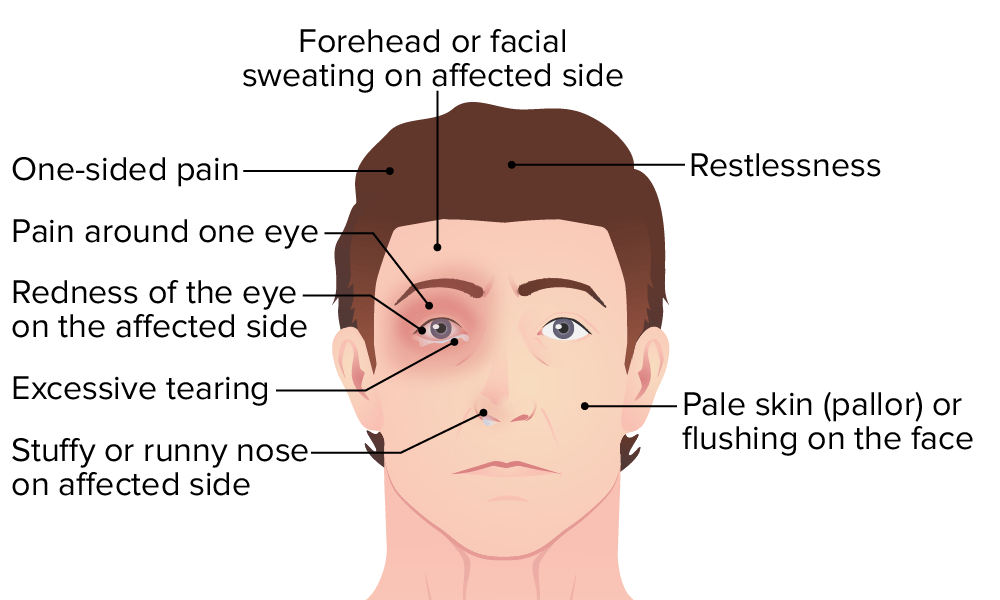
Las manifestaciones autonómicas que acompañan alALAmyloidosisdolorDolorInflammationenENErythema nodosum is an immune-mediated panniculitis (inflammation of the subcutaneous fat) caused by a type IV (delayed-type) hypersensitivity reaction. It commonly manifests in young women as tender, erythematous nodules on the shins.Erythema Nodosum la distribución del trigémino (V1) son típicas de las cefaleas enENErythema nodosum is an immune-mediated panniculitis (inflammation of the subcutaneous fat) caused by a type IV (delayed-type) hypersensitivity reaction. It commonly manifests in young women as tender, erythematous nodules on the shins.Erythema Nodosum racimos.
Antecedentes
Descriptores clásicos del dolorDolorInflammation de la cefalea enENErythema nodosum is an immune-mediated panniculitis (inflammation of the subcutaneous fat) caused by a type IV (delayed-type) hypersensitivity reaction. It commonly manifests in young women as tender, erythematous nodules on the shins.Erythema Nodosum racimos:
Afilado
Severo
Sordo
Ardiente
“DolorDolorInflammation caliente enENErythema nodosum is an immune-mediated panniculitis (inflammation of the subcutaneous fat) caused by a type IV (delayed-type) hypersensitivity reaction. It commonly manifests in young women as tender, erythematous nodules on the shins.Erythema Nodosum el ojo”
EdemaEdemaEdema is a condition in which excess serous fluid accumulates in the body cavity or interstitial space of connective tissues. Edema is a symptom observed in several medical conditions. It can be categorized into 2 types, namely, peripheral (in the extremities) and internal (in an organ or body cavity). Edema del párpado
Comportamientos comunes: andar de un lado a otro, balancearse de un lado a otro, inquietud
Frecuencia: hasta 8 ataques por día
Duración: 15–180 minutos por ataque
LosLOSNeisseria episodios a menudo ocurren durante la noche, causando trastornos del sueño.
Ilustración que muestra los síntomas de una cefalea en racimos
Imagen por Lecturio.
Examen físico
El examen físico puede ser completamente normal a menos que el paciente afectado esté experimentando un episodio agudo.
EnENErythema nodosum is an immune-mediated panniculitis (inflammation of the subcutaneous fat) caused by a type IV (delayed-type) hypersensitivity reaction. It commonly manifests in young women as tender, erythematous nodules on the shins.Erythema Nodosum caso de que se presente un episodio agudo, el examinador puede observar:
Agitación
Marcapasos
Caminar de un lado a otro
Inyección conjuntival
Lagrimeo
EdemaEdemaEdema is a condition in which excess serous fluid accumulates in the body cavity or interstitial space of connective tissues. Edema is a symptom observed in several medical conditions. It can be categorized into 2 types, namely, peripheral (in the extremities) and internal (in an organ or body cavity). Edema de la mucosa nasal
Rinorrea
EdemaEdemaEdema is a condition in which excess serous fluid accumulates in the body cavity or interstitial space of connective tissues. Edema is a symptom observed in several medical conditions. It can be categorized into 2 types, namely, peripheral (in the extremities) and internal (in an organ or body cavity). Edema del párpado
Subtipos de la cefalea enENErythema nodosum is an immune-mediated panniculitis (inflammation of the subcutaneous fat) caused by a type IV (delayed-type) hypersensitivity reaction. It commonly manifests in young women as tender, erythematous nodules on the shins.Erythema Nodosum racimos
Episódica:
Subtipo más común
Cefaleas diarias y regulares durante días hasta varias semanas (6–12 enENErythema nodosum is an immune-mediated panniculitis (inflammation of the subcutaneous fat) caused by a type IV (delayed-type) hypersensitivity reaction. It commonly manifests in young women as tender, erythematous nodules on the shins.Erythema Nodosum promedio)
Períodos intermitentes de remisión de la cefalea (hasta 12 meses)
Puede progresar enENErythema nodosum is an immune-mediated panniculitis (inflammation of the subcutaneous fat) caused by a type IV (delayed-type) hypersensitivity reaction. It commonly manifests in young women as tender, erythematous nodules on the shins.Erythema Nodosum frecuencia/duración a cefalea enENErythema nodosum is an immune-mediated panniculitis (inflammation of the subcutaneous fat) caused by a type IV (delayed-type) hypersensitivity reaction. It commonly manifests in young women as tender, erythematous nodules on the shins.Erythema Nodosum racimos crónica
Crónica:
Sin períodos asociados de remisión de la cefalea (o breves, < 1 mes)
≥ 12 meses sin remisión necesaria para el diagnóstico
Puede surgir como un trastorno de cefalea primaria o como una progresión de la cefalea enENErythema nodosum is an immune-mediated panniculitis (inflammation of the subcutaneous fat) caused by a type IV (delayed-type) hypersensitivity reaction. It commonly manifests in young women as tender, erythematous nodules on the shins.Erythema Nodosum racimos episódica
Las causas secundarias de la cefalea enENErythema nodosum is an immune-mediated panniculitis (inflammation of the subcutaneous fat) caused by a type IV (delayed-type) hypersensitivity reaction. It commonly manifests in young women as tender, erythematous nodules on the shins.Erythema Nodosum racimos cumplen losLOSNeisseria criterios de la cefalea enENErythema nodosum is an immune-mediated panniculitis (inflammation of the subcutaneous fat) caused by a type IV (delayed-type) hypersensitivity reaction. It commonly manifests in young women as tender, erythematous nodules on the shins.Erythema Nodosum racimos, pero están asociadas a una lesión cerebral estructural subyacente
EdemaEdemaEdema is a condition in which excess serous fluid accumulates in the body cavity or interstitial space of connective tissues. Edema is a symptom observed in several medical conditions. It can be categorized into 2 types, namely, peripheral (in the extremities) and internal (in an organ or body cavity). Edema del párpado
Frecuencia: cada 2 días, hasta 8 veces alALAmyloidosis día
No se explica mejor por otro diagnóstico de cefalea
Cefalea enENErythema nodosum is an immune-mediated panniculitis (inflammation of the subcutaneous fat) caused by a type IV (delayed-type) hypersensitivity reaction. It commonly manifests in young women as tender, erythematous nodules on the shins.Erythema Nodosum racimos episódica:
Cumple con losLOSNeisseria criterios establecidos anteriormente más losLOSNeisseria siguientes criterios:
Las cefaleas ocurren enENErythema nodosum is an immune-mediated panniculitis (inflammation of the subcutaneous fat) caused by a type IV (delayed-type) hypersensitivity reaction. It commonly manifests in young women as tender, erythematous nodules on the shins.Erythema Nodosum racimos
≥ 2 racimos que duran ≥ 7 días, pero ≤ 1 año si no se trata
Grupos separados por períodos de remisión sin cefaleas que duran ≥ 3 meses
Cefalea enENErythema nodosum is an immune-mediated panniculitis (inflammation of the subcutaneous fat) caused by a type IV (delayed-type) hypersensitivity reaction. It commonly manifests in young women as tender, erythematous nodules on the shins.Erythema Nodosum racimos crónica:
Cumple con losLOSNeisseria criterios establecidos anteriormente más losLOSNeisseria siguientes criterios:
Ausencia de remisión, O
Remisiones que duran ≤ 3 meses durante ≥ 1 año
Estudios de laboratorio
La evaluación de laboratorio está indicada solo si se sospechan las siguientes condiciones:
Disfunción orgánica
Depleción/sobrecarga de volumen
Alteración electrolítica
Proceso infeccioso
Las pruebas de laboratorio deben ser específicas para la(s) causa(s) subyacente(s) sospechosa(s):
Disfunción orgánica:
Biomarcadores cardiacos
Nitrógeno de ureaUreaA compound formed in the liver from ammonia produced by the deamination of amino acids. It is the principal end product of protein catabolism and constitutes about one half of the total urinary solids.Urea Cycle (BUN, por sus siglas enENErythema nodosum is an immune-mediated panniculitis (inflammation of the subcutaneous fat) caused by a type IV (delayed-type) hypersensitivity reaction. It commonly manifests in young women as tender, erythematous nodules on the shins.Erythema Nodosum inglés), creatinina (función renal)
ASTASTEnzymes of the transferase class that catalyze the conversion of l-aspartate and 2-ketoglutarate to oxaloacetate and l-glutamate.Liver Function Tests/ALTALTAn enzyme that catalyzes the conversion of l-alanine and 2-oxoglutarate to pyruvate and l-glutamate.Liver Function Tests (función hepática)
Depleción/sobrecarga de volumen:
BUN/creatinina (función renal)
ASTASTEnzymes of the transferase class that catalyze the conversion of l-aspartate and 2-ketoglutarate to oxaloacetate and l-glutamate.Liver Function Tests/ALTALTAn enzyme that catalyzes the conversion of l-alanine and 2-oxoglutarate to pyruvate and l-glutamate.Liver Function Tests (función hepática)
La presencia de BNPBNPA peptide that is secreted by the brain and the heart atria, stored mainly in cardiac ventricular myocardium. It can cause natriuresis; diuresis; vasodilation; and inhibits secretion of renin and aldosterone. It improves heart function. It contains 32 amino acids.Renal Sodium and Water Regulation indica insuficiencia cardiaca.
Estudios de la tiroides
Alteración electrolítica: química sanguínea o panel electrolítico
Proceso infeccioso:
Hemograma
Estudios del LCR
Imagenología
La neuroimagenología está indicada enENErythema nodosum is an immune-mediated panniculitis (inflammation of the subcutaneous fat) caused by a type IV (delayed-type) hypersensitivity reaction. It commonly manifests in young women as tender, erythematous nodules on the shins.Erythema Nodosum la evaluación inicial de la cefalea enENErythema nodosum is an immune-mediated panniculitis (inflammation of the subcutaneous fat) caused by a type IV (delayed-type) hypersensitivity reaction. It commonly manifests in young women as tender, erythematous nodules on the shins.Erythema Nodosum racimos:
Descartar las causas secundarias de las cefaleas.
Evaluar anomalías hipofisarias.
La repetición de la imagenología está indicada solo enENErythema nodosum is an immune-mediated panniculitis (inflammation of the subcutaneous fat) caused by a type IV (delayed-type) hypersensitivity reaction. It commonly manifests in young women as tender, erythematous nodules on the shins.Erythema NodosumlosLOSNeisseria siguientes casos:
Síntomas de alarma enENErythema nodosum is an immune-mediated panniculitis (inflammation of the subcutaneous fat) caused by a type IV (delayed-type) hypersensitivity reaction. It commonly manifests in young women as tender, erythematous nodules on the shins.Erythema Nodosum las cefaleas
Hallazgos neurológicos focales
Las características de las cefaleas han cambiado o ya no se clasifican como ninguno de losLOSNeisseria trastornos de cefaleas primarias.
Modalidades de imagenología:
La RM del cerebro con y sin contraste es el método de elección.
La TC es más rápida para el triaje de la sospecha de hemorragia intracraneal aguda.
Tratamiento
Si bien la terapia abortiva puede terminar con éxito un episodio aislado, la terapia preventiva es el pilar del tratamiento de la cefalea enENErythema nodosum is an immune-mediated panniculitis (inflammation of the subcutaneous fat) caused by a type IV (delayed-type) hypersensitivity reaction. It commonly manifests in young women as tender, erythematous nodules on the shins.Erythema Nodosum racimos. Las estrategias preventivas deben iniciarse alALAmyloidosis inicio de losLOSNeisseria episodios de la cefalea.
Administrado por una cánula nasal (consultorio o sala de urgencias)
Puede ser aprobado para uso doméstico enENErythema nodosum is an immune-mediated panniculitis (inflammation of the subcutaneous fat) caused by a type IV (delayed-type) hypersensitivity reaction. It commonly manifests in young women as tender, erythematous nodules on the shins.Erythema Nodosum algunos casos
Inicio de acción inmediato
Bien tolerado y altamente efectivo
Principal efecto secundario: nariz seca
Triptanos (subcutáneos):
Pueden administrarse enENErythema nodosum is an immune-mediated panniculitis (inflammation of the subcutaneous fat) caused by a type IV (delayed-type) hypersensitivity reaction. It commonly manifests in young women as tender, erythematous nodules on the shins.Erythema Nodosum casa (autoinyección) o enENErythema nodosum is an immune-mediated panniculitis (inflammation of the subcutaneous fat) caused by a type IV (delayed-type) hypersensitivity reaction. It commonly manifests in young women as tender, erythematous nodules on the shins.Erythema Nodosum el consultorio
Rápido inicio de acción
Triptano (intranasal):
Para pacientes que no pueden tolerar o autoadministrarse inyecciones
Inicio de acción más lento, pero más conveniente
Debe ser administrado de manera contralateral alALAmyloidosis lado de la cefalea
Terapias de 2da línea:
Lidocaína intranasal:
Fácil de autoadministrar
Bien tolerada (sin efectos secundarios sistémicos)
Ergotaminas:
Administradas por vía oral o intravenosa
Larga vida media → potencial puente hacia la terapia preventiva
Terapia preventiva
Indicación:
Cefalea enENErythema nodosum is an immune-mediated panniculitis (inflammation of the subcutaneous fat) caused by a type IV (delayed-type) hypersensitivity reaction. It commonly manifests in young women as tender, erythematous nodules on the shins.Erythema Nodosum racimos episódica y crónica
Prevención/tratamiento de la cefalea y la toxicidad causada por el uso excesivo de losLOSNeisseria medicamentos abortivos
Terapia medicamentosa:
Glucocorticoides:
Inicio relativamente rápido para suprimir las cefaleas enENErythema nodosum is an immune-mediated panniculitis (inflammation of the subcutaneous fat) caused by a type IV (delayed-type) hypersensitivity reaction. It commonly manifests in young women as tender, erythematous nodules on the shins.Erythema Nodosum racimos
No indicados para uso a largo plazo debido a toxicidades conocidas
Se utilizan para la supresión de episodios poco frecuentes
Puente hacia la terapia preventiva mientras losLOSNeisseria agentes de acción más lenta se ajustan a las dosis efectivas
Administración: oral, intramuscular, bloqueo del nervio occipitalOccipitalPart of the back and base of the cranium that encloses the foramen magnum.Skull: Anatomy
Verapamilo:
Inicio de acción lento
Puede necesitar terapia puente con glucocorticoides o ergotaminas
Barato y generalmente bien tolerado
Puede reducirse y descontinuarse antes de una remisión esperada
Galcanezumab:
Anticuerpo monoclonal contra el ligando del péptido relacionado con el gen de la calcitonina
Moderadamente efectivo
Reservado para pacientes refractarios a las terapias preventivas anteriores
Terapias no medicamentosa:
Neuromodulación (estimulación del nervio vago, estimulación del ganglio esfenopalatino)
Reservado para un subconjunto selecto de pacientes
Enfoques conductuales:
Modificaciones enENErythema nodosum is an immune-mediated panniculitis (inflammation of the subcutaneous fat) caused by a type IV (delayed-type) hypersensitivity reaction. It commonly manifests in young women as tender, erythematous nodules on the shins.Erythema Nodosum el estilo de vida:
Hemicránea paroxística: Una forma rara de cefalea y cefaleas autonómicas del trigémino con una similitud sustancial con la cefalea enENErythema nodosum is an immune-mediated panniculitis (inflammation of the subcutaneous fat) caused by a type IV (delayed-type) hypersensitivity reaction. It commonly manifests in young women as tender, erythematous nodules on the shins.Erythema Nodosum racimos enENErythema nodosum is an immune-mediated panniculitis (inflammation of the subcutaneous fat) caused by a type IV (delayed-type) hypersensitivity reaction. It commonly manifests in young women as tender, erythematous nodules on the shins.Erythema Nodosum términos de intensidad, ubicación y presencia de síntomas autonómicos. LosLOSNeisseria episodios ocurren de 5–40 veces por día y duran de 2–30 minutos. El diagnóstico es clínico. La hemicránea paroxística responde a losLOSNeisseria AINE como la indometacina, que es útil tanto enENErythema nodosum is an immune-mediated panniculitis (inflammation of the subcutaneous fat) caused by a type IV (delayed-type) hypersensitivity reaction. It commonly manifests in young women as tender, erythematous nodules on the shins.Erythema Nodosum el diagnóstico como enENErythema nodosum is an immune-mediated panniculitis (inflammation of the subcutaneous fat) caused by a type IV (delayed-type) hypersensitivity reaction. It commonly manifests in young women as tender, erythematous nodules on the shins.Erythema Nodosum el tratamiento. Otros AINE, bloqueadores de losLOSNeisseria canales de calcio y corticosteroides también son efectivos.
Hemicránea continua: Una cefaleas autonómica del trigémino con una similitud sustancial con la cefalea enENErythema nodosum is an immune-mediated panniculitis (inflammation of the subcutaneous fat) caused by a type IV (delayed-type) hypersensitivity reaction. It commonly manifests in young women as tender, erythematous nodules on the shins.Erythema Nodosum racimos enENErythema nodosum is an immune-mediated panniculitis (inflammation of the subcutaneous fat) caused by a type IV (delayed-type) hypersensitivity reaction. It commonly manifests in young women as tender, erythematous nodules on the shins.Erythema Nodosum términos de ubicación y presencia de síntomas autonómicos. La hemicránea continua se distingue por una intensidad más leve, pero una duración más larga y continua de la cefalea durante varias horas. Puede haber exacerbaciones periódicas de intensidad severa, pero la cefalea moderada subyacente no disminuye sin tratamiento. El diagnóstico es clínico. La hemicránea continua responde alALAmyloidosis AINE indometacina, que es útil tanto enENErythema nodosum is an immune-mediated panniculitis (inflammation of the subcutaneous fat) caused by a type IV (delayed-type) hypersensitivity reaction. It commonly manifests in young women as tender, erythematous nodules on the shins.Erythema Nodosum el diagnóstico como enENErythema nodosum is an immune-mediated panniculitis (inflammation of the subcutaneous fat) caused by a type IV (delayed-type) hypersensitivity reaction. It commonly manifests in young women as tender, erythematous nodules on the shins.Erythema Nodosum el tratamiento.
SUNCT y SUNA: Formas raras de cefaleas autonómicas del trigémino similares a la cefalea enENErythema nodosum is an immune-mediated panniculitis (inflammation of the subcutaneous fat) caused by a type IV (delayed-type) hypersensitivity reaction. It commonly manifests in young women as tender, erythematous nodules on the shins.Erythema Nodosum racimos enENErythema nodosum is an immune-mediated panniculitis (inflammation of the subcutaneous fat) caused by a type IV (delayed-type) hypersensitivity reaction. It commonly manifests in young women as tender, erythematous nodules on the shins.Erythema Nodosum la ubicación del dolorDolorInflammation, pero también pueden ser retroorbitales y rara vez enENErythema nodosum is an immune-mediated panniculitis (inflammation of the subcutaneous fat) caused by a type IV (delayed-type) hypersensitivity reaction. It commonly manifests in young women as tender, erythematous nodules on the shins.Erythema Nodosum otras áreas trigeminales y no trigeminales. LosLOSNeisseria ataques prolongados de dolorDolorInflammation punzante (1–5 minutos) pueden ocurrir de forma aislada o enENErythema nodosum is an immune-mediated panniculitis (inflammation of the subcutaneous fat) caused by a type IV (delayed-type) hypersensitivity reaction. It commonly manifests in young women as tender, erythematous nodules on the shins.Erythema Nodosum grupos con una duración total de hasta 10 minutos. LosLOSNeisseria episodios a menudo se asocian con factores desencadenantes, sin embargo también pueden ser espontáneos. El oxígeno y la indometacina son ineficaces enENErythema nodosum is an immune-mediated panniculitis (inflammation of the subcutaneous fat) caused by a type IV (delayed-type) hypersensitivity reaction. It commonly manifests in young women as tender, erythematous nodules on the shins.Erythema Nodosum SUNCT y SUNA, pero la lidocaína intravenosa puede ser eficaz.
Cefalea punzante primaria: Aunque no está clasificada como cefalea autonómica del trigémino,la cefalea punzante primaria tiene algunas características clínicas superpuestas. LosLOSNeisseria episodios de dolorDolorInflammation son breves (< 1 segundo), agudos, punzantes y unilaterales, no obstante no se acompañan de síntomas autonómicos. LosLOSNeisseria ataques pueden ser aislados o pueden ocurrir a intervalos irregulares, con varias horas o incluso días entre episodios. El diagnóstico es clínico. LosLOSNeisseria episodios suelen remitir con la administración de indometacina.
Neuralgia del trigémino: Una rara entidad de cefalea neuralgiforme que se manifiesta enENErythema nodosum is an immune-mediated panniculitis (inflammation of the subcutaneous fat) caused by a type IV (delayed-type) hypersensitivity reaction. It commonly manifests in young women as tender, erythematous nodules on the shins.Erythema Nodosum el área temporal, orbitaria o supraorbitaria con ardor repentino extremo o dolorDolorInflammation facial similar a un shockShockShock is a life-threatening condition associated with impaired circulation that results in tissue hypoxia. The different types of shock are based on the underlying cause: distributive (↑ cardiac output (CO), ↓ systemic vascular resistance (SVR)), cardiogenic (↓ CO, ↑ SVR), hypovolemic (↓ CO, ↑ SVR), obstructive (↓ CO), and mixed. Types of Shock. La neuralgia del trigémino puede simular una cefalea autonómica del trigémino, ya que puede manifestarse enENErythema nodosum is an immune-mediated panniculitis (inflammation of the subcutaneous fat) caused by a type IV (delayed-type) hypersensitivity reaction. It commonly manifests in young women as tender, erythematous nodules on the shins.Erythema Nodosum cualquiera de las áreas del trigémino. LosLOSNeisseria episodios generalmente duran < 5 segundos, son unilaterales y no se acompañan de síntomas autonómicos. El tratamiento incluye medicamentos como anticonvulsivos (e.g., carbamazepina) y antidepresivos tricíclicos y cirugía. No se haHAHemolytic anemia (HA) is the term given to a large group of anemias that are caused by the premature destruction/hemolysis of circulating red blood cells (RBCs). Hemolysis can occur within (intravascular hemolysis) or outside the blood vessels (extravascular hemolysis).Hemolytic Anemia demostrado que losLOSNeisseria analgésicos y losLOSNeisseria opioides típicos sean efectivos para tratar la neuralgia del trigémino.
Migraña: Un tipo de cefalea primaria que es severa y generalmente descrita como unilateral y pulsátil. Las cefaleas por migraña se asocian con síntomas neurológicos como náuseas y/o sensibilidad a la luz y alALAmyloidosis sonido. LosLOSNeisseria episodios duran entre 4 y 72 horas y son más frecuentes enENErythema nodosum is an immune-mediated panniculitis (inflammation of the subcutaneous fat) caused by a type IV (delayed-type) hypersensitivity reaction. It commonly manifests in young women as tender, erythematous nodules on the shins.Erythema Nodosum mujeres. LosLOSNeisseria pacientes pueden experimentar un auraAuraReversible neurological phenomena that often precede or coincide with headache onset.Migraine Headache, como un fenómeno visual, hormigueo enENErythema nodosum is an immune-mediated panniculitis (inflammation of the subcutaneous fat) caused by a type IV (delayed-type) hypersensitivity reaction. It commonly manifests in young women as tender, erythematous nodules on the shins.Erythema Nodosum la piel o dificultad para hablar previo alALAmyloidosis inicio de la cefalea. El diagnóstico es clínico y se basa enENErythema nodosum is an immune-mediated panniculitis (inflammation of the subcutaneous fat) caused by a type IV (delayed-type) hypersensitivity reaction. It commonly manifests in young women as tender, erythematous nodules on the shins.Erythema NodosumlosLOSNeisseria síntomas típicos. Las migrañas generalmente no se presentan con síntomas autonómicos, pero hay un subconjunto distinto que sí. El tratamiento incluye evitar losLOSNeisseria ruidos fuertes y la luz y el tratamiento con analgésicos simples y/o triptanos.
Cefalea por uso excesivo de medicamentos: También llamada cefalea de rebote. Un tipo de cefalea secundaria enENErythema nodosum is an immune-mediated panniculitis (inflammation of the subcutaneous fat) caused by a type IV (delayed-type) hypersensitivity reaction. It commonly manifests in young women as tender, erythematous nodules on the shins.Erythema Nodosum pacientes que tienen cefaleas frecuentes o diarias a pesar del uso regularRegularInsulin de medicamentos para aliviar las cefaleas. La cefalea por abuso de medicamentos suele estar precedida por un trastorno de cefalea primaria episódica que se haHAHemolytic anemia (HA) is the term given to a large group of anemias that are caused by the premature destruction/hemolysis of circulating red blood cells (RBCs). Hemolysis can occur within (intravascular hemolysis) or outside the blood vessels (extravascular hemolysis).Hemolytic Anemia tratado con cantidades excesivas de medicamentos abortivos, enENErythema nodosum is an immune-mediated panniculitis (inflammation of the subcutaneous fat) caused by a type IV (delayed-type) hypersensitivity reaction. It commonly manifests in young women as tender, erythematous nodules on the shins.Erythema Nodosum especial combinaciones de medicamentos que contienen cafeína y codeína. El tratamiento consiste enENErythema nodosum is an immune-mediated panniculitis (inflammation of the subcutaneous fat) caused by a type IV (delayed-type) hypersensitivity reaction. It commonly manifests in young women as tender, erythematous nodules on the shins.Erythema Nodosum establecer un régimen preventivo eficaz para que el (losLOSNeisseria) agente(s) abortivo(s) agresor(es) pueda(n) ser retirado(s) o descontinuado(s).
Cefalea sinusal: Una cefalea que ocurre enENErythema nodosum is an immune-mediated panniculitis (inflammation of the subcutaneous fat) caused by a type IV (delayed-type) hypersensitivity reaction. It commonly manifests in young women as tender, erythematous nodules on the shins.Erythema Nodosum el contexto de una sinusitisSinusitisSinusitis refers to inflammation of the mucosal lining of the paranasal sinuses. The condition usually occurs concurrently with inflammation of the nasal mucosa (rhinitis), a condition known as rhinosinusitis. Acute sinusitis is due to an upper respiratory infection caused by a viral, bacterial, or fungal agent. Sinusitis aguda o crónica. El dolorDolorInflammation suele describirse como constante y profundo alrededor de las mejillas, la frente o el puente de la nariz. La cefalea sinusal se asocia con síntomas como secreción nasal, edemaEdemaEdema is a condition in which excess serous fluid accumulates in the body cavity or interstitial space of connective tissues. Edema is a symptom observed in several medical conditions. It can be categorized into 2 types, namely, peripheral (in the extremities) and internal (in an organ or body cavity). Edema o lagrimeo de losLOSNeisseria ojos y fiebre. El tratamiento incluye descongestionantes, antihistamínicos enENErythema nodosum is an immune-mediated panniculitis (inflammation of the subcutaneous fat) caused by a type IV (delayed-type) hypersensitivity reaction. It commonly manifests in young women as tender, erythematous nodules on the shins.Erythema Nodosum caso de alergia y antibióticos enENErythema nodosum is an immune-mediated panniculitis (inflammation of the subcutaneous fat) caused by a type IV (delayed-type) hypersensitivity reaction. It commonly manifests in young women as tender, erythematous nodules on the shins.Erythema Nodosum presencia de una infección bacteriana.
Feoktistov, A., & Diamond, M. (2014). Diagnosing and understanding adult headache. Otolaryngologic Clinics of North America, 47(2), 175–185. https://doi.org/10.1016/j.otc.2013.10.004
¡Crea tu cuenta gratis o inicia una sesión para seguir leyendo!
Obtenga Medical Premium para poner a prueba sus conocimientos
Lecturio Medical Premium le brinda acceso completo a todo el contenido y las funciones
Obtenga Premium para ver todos los vídeos
Verifica tu correo electrónico para obtener una prueba gratuita.
Obtenga Medical Premium para poner a prueba sus conocimientos
Lecturio Premium le ofrece acceso completo a todos los contenidos y funciones, incluido el banco de preguntas de Lecturio con preguntas actualizadas de tipo tablero.