Domina Conceptos Médicos

Estudia para la escuela de medicina y tus examenes con Lecturio.

Atelectasia

La atelectasia es el colapso parcial o total de una parte del pulmón. La atelectasia es casi siempre un fenómeno secundario de condiciones que causan obstrucción bronquial, compresión externa, deficiencia de surfactante o cicatrización. La hipoxemia puede ocurrir como resultado de la sangre que fluye a través de segmentos pulmonares no ventilados. Los LOS Neisseria pacientes suelen ser asintomáticos. Sin embargo, también pueden aparecer disnea, tos TOS Thoracic outlet syndrome (TOS) is a broad term used for a spectrum of syndromes related to the general region of the thoracic outlet, which involves the compression or irritation of elements of the brachial plexus, subclavian artery, or subclavian vein. Thoracic Outlet Syndrome, dolor Dolor Inflammation torácico y fiebre. El diagnóstico se realiza por imagenología. El manejo incluye el tratamiento de la etiología subyacente, ejercicios de expansión pulmonar, fisioterapia torácica, broncodilatadores y broncoscopia en EN Erythema nodosum is an immune-mediated panniculitis (inflammation of the subcutaneous fat) caused by a type IV (delayed-type) hypersensitivity reaction. It commonly manifests in young women as tender, erythematous nodules on the shins. Erythema Nodosum casos seleccionados.

Last updated: Dec 15, 2025

Editorial responsibility: Stanley Oiseth, Lindsay Jones, Evelin Maza

Definición y Epidemiología

Definición

La atelectasia es el colapso parcial o total del tejido pulmonar.

Epidemiología

  • La incidencia y la prevalencia no son bien conocidas.
  • No hay predilección por raza o sexo.

Factores de riesgo

  • Nacimiento prematuro
  • Obesidad
  • Embarazo
  • Anestesia general
  • Ventilación mecánica
  • Reposo prolongado en EN Erythema nodosum is an immune-mediated panniculitis (inflammation of the subcutaneous fat) caused by a type IV (delayed-type) hypersensitivity reaction. It commonly manifests in young women as tender, erythematous nodules on the shins. Erythema Nodosum cama
  • Músculos respiratorios debilitados
  • Restricción del movimiento del pecho

Related videos

Etiología y Fisiopatología

Clasificación

La atelectasia se clasifica en EN Erythema nodosum is an immune-mediated panniculitis (inflammation of the subcutaneous fat) caused by a type IV (delayed-type) hypersensitivity reaction. It commonly manifests in young women as tender, erythematous nodules on the shins. Erythema Nodosum función de la fisiopatología subyacente.

  • Atelectasia obstructiva (más común)
  • Atelectasia no obstructiva
    • Por relajación
    • Por compresión
    • Adhesiva
    • Por cicatrización
    • De sustitución
    • Redonda

Atelectasia obstructiva

Etiología:

Fisiopatología:

  • Obstrucción de un bronquio → reabsorción de gas de los LOS Neisseria alvéolos → colapso pulmonar
  • Una gran pérdida de volumen pulmonar → desplazamiento traqueal y mediastínico hacia la atelectasia
  • La sangre perfunde el pulmón no ventilado → hipoxemia

Atelectasia no obstructiva

Atelectasia por relajación:

  • Etiología:
  • Fisiopatología:
    • Pérdida de contacto entre las pleuras parietal Parietal One of a pair of irregularly shaped quadrilateral bones situated between the frontal bone and occipital bone, which together form the sides of the cranium. Skull: Anatomy y visceral → pérdida de presión negativa en EN Erythema nodosum is an immune-mediated panniculitis (inflammation of the subcutaneous fat) caused by a type IV (delayed-type) hypersensitivity reaction. It commonly manifests in young women as tender, erythematous nodules on the shins. Erythema Nodosum el espacio pleural
    • El pulmón no presiona la pared torácica → retrocede debido a su elasticidad → atelectasia

Atelectasia compresiva:

  • Etiología:
    • Masas en EN Erythema nodosum is an immune-mediated panniculitis (inflammation of the subcutaneous fat) caused by a type IV (delayed-type) hypersensitivity reaction. It commonly manifests in young women as tender, erythematous nodules on the shins. Erythema Nodosum la pared torácica, pleurales o intraparenquimatosas
    • Colecciones de líquido pleural
    • Hemidiafragma elevado
  • Fisiopatología:
    • La lesión que ocupa el espacio del tórax comprime el pulmón y expulsa el aire de los LOS Neisseria alvéolos.

Atelectasia adhesiva:

  • Etiología:
    • Enfermedad de la membrana hialina
    • SDRA
    • Inhalación de humo
    • Uremia Uremia A clinical syndrome associated with the retention of renal waste products or uremic toxins in the blood. It is usually the result of renal insufficiency. Most uremic toxins are end products of protein or nitrogen catabolism, such as urea or creatinine. Severe uremia can lead to multiple organ dysfunctions with a constellation of symptoms. Acute Kidney Injury
    • Respiración superficial prolongada
  • Fisiopatología:
    • Surfactante → ↓ tensión superficial → previene el colapso pulmonar
    • Disfunción o deficiencia de surfactante → inestabilidad y colapso alveolar

Atelectasia cicatricial:

  • Etiología:
    • Tuberculosis Tuberculosis Tuberculosis (TB) is an infectious disease caused by Mycobacterium tuberculosis complex bacteria. The bacteria usually attack the lungs but can also damage other parts of the body. Approximately 30% of people around the world are infected with this pathogen, with the majority harboring a latent infection. Tuberculosis spreads through the air when a person with active pulmonary infection coughs or sneezes. Tuberculosis crónica
    • Infección micótica
    • Fibrosis Fibrosis Any pathological condition where fibrous connective tissue invades any organ, usually as a consequence of inflammation or other injury. Bronchiolitis Obliterans por radiación
    • Fibrosis Fibrosis Any pathological condition where fibrous connective tissue invades any organ, usually as a consequence of inflammation or other injury. Bronchiolitis Obliterans pulmonar idiopática
    • Neumonía necrosante
  • Fisiopatología: cicatrización parenquimatosa grave → contracción pulmonar

Atelectasia de reemplazo:

  • Etiología: carcinoma de células bronquioloalveolares
  • Fisiopatología: los LOS Neisseria alvéolos están llenos de tumores.

Atelectasia redonda:

  • Etiología:
    • Asbestosis Asbestosis A form of pneumoconiosis caused by inhalation of asbestos fibers which elicit potent inflammatory responses in the parenchyma of the lung. The disease is characterized by interstitial fibrosis of the lung, varying from scattered sites to extensive scarring of the alveolar interstitium. Pneumoconiosis
    • Neumoconiosis
  • Fisiopatología: el pulmón está atrapado por una enfermedad pleural.

Presentación Clínica

Síntomas

  • Generalmente asintomático
  • Causa importante de fiebre en EN Erythema nodosum is an immune-mediated panniculitis (inflammation of the subcutaneous fat) caused by a type IV (delayed-type) hypersensitivity reaction. It commonly manifests in young women as tender, erythematous nodules on the shins. Erythema Nodosum el período postoperatorio.
  • La mayoría de los LOS Neisseria síntomas y signos están determinados por:
    • Agudeza con la que se produce la atelectasia
    • Tamaño del área afectada
    • Presencia o ausencia de una infección complicada.
  • La atelectasia rápida y extensa puede provocar:
    • Disnea de aparición repentina
    • Tos TOS Thoracic outlet syndrome (TOS) is a broad term used for a spectrum of syndromes related to the general region of the thoracic outlet, which involves the compression or irritation of elements of the brachial plexus, subclavian artery, or subclavian vein. Thoracic Outlet Syndrome
    • Dolor Dolor Inflammation torácico en EN Erythema nodosum is an immune-mediated panniculitis (inflammation of the subcutaneous fat) caused by a type IV (delayed-type) hypersensitivity reaction. It commonly manifests in young women as tender, erythematous nodules on the shins. Erythema Nodosum el lado afectado.
  • Atelectasia de desarrollo lento:
    • Asintomática
    • Síntomas menores

Examen físico

  • Signos vitales:
    • Taquipnea
    • Taquicardia
    • Hipoxia
  • Pulmones:
    • Sonidos respiratorios disminuidos en EN Erythema nodosum is an immune-mediated panniculitis (inflammation of the subcutaneous fat) caused by a type IV (delayed-type) hypersensitivity reaction. It commonly manifests in young women as tender, erythematous nodules on the shins. Erythema Nodosum el lado afectado
    • Es posible encontrar matidez a la percusión (si es que está involucrado un segmento grande).
    • Disminución de la expansión torácica
    • Crepitantes o sibilancias
    • Desviación traqueal → pérdida extensa de volumen pulmonar
  • Piel: cianosis

Complicaciones

  • Neumonía
  • Bronquiectasia
  • Insuficiencia respiratoria

Diagnóstico

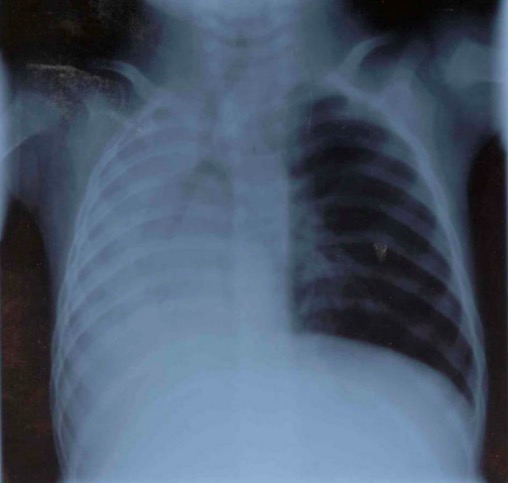
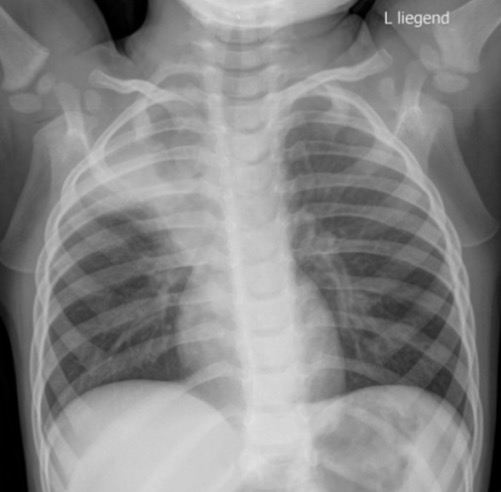
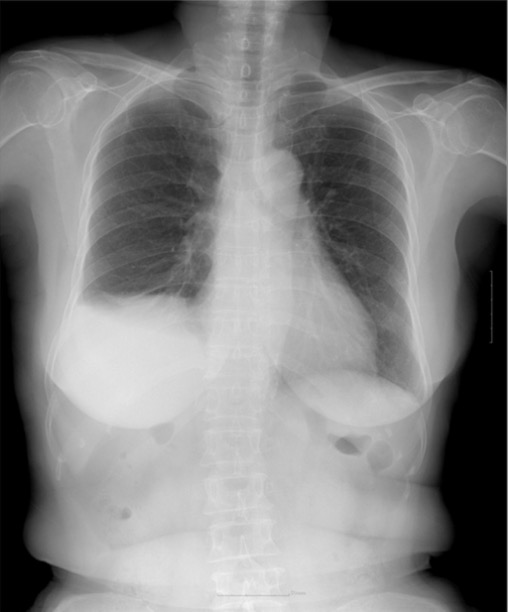
Radiografía de tórax

Hallazgos:

  • Opacificación pulmonar:
    • Sin broncogramas aéreos (notados con obstrucción)
    • Vasos oscurecidos
  • Pérdida de volumen pulmonar:
    • La fisura interlobar puede estar desplazada.
    • Si está afectado un segmento grande del pulmón:
      • Desplazamiento de mediastino y traquea hacia el lado afectado.
      • Diafragma ipsilateral elevado
      • Puede observarse hiperinflación compensatoria en EN Erythema nodosum is an immune-mediated panniculitis (inflammation of the subcutaneous fat) caused by a type IV (delayed-type) hypersensitivity reaction. It commonly manifests in young women as tender, erythematous nodules on the shins. Erythema Nodosum el lado contralateral.
  • Identificación de cuerpos extraños

Tomografía computarizada (TC)

Los LOS Neisseria hallazgos son similares a la radiografía de tórax, pero la TC puede ser más sensible para determinar una etiología:
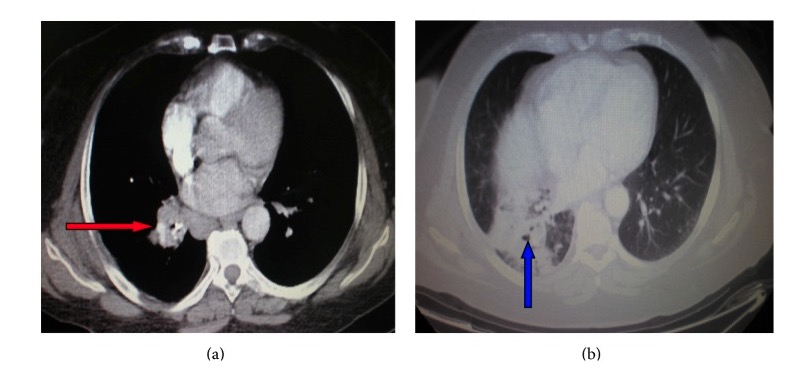
  • Puede observarse un estrechamiento bronquial debido a una obstrucción.
  • Consolidación
  • Derrame pleural
  • Masa pulmonar
  • Cicatrización parenquimatosa
Atelectasia del lóbulo en la TC

TC de tórax que muestra una masa hiliar derecha (flecha roja) que comprime el bronquio y conduce a atelectasia del lóbulo inferior derecho (flecha azul)

Imagen : “Atelectasia” por el Departamento de Neumonología, Hospital General del Ejército de Atenas, 138 Mesogion & Katehaki Avenue, 115 25 Atenas, Grecia. Licencia: CC BY 3.0

Gasometría arterial

  • ↓ Presión parcial de O₂ (PO₂)
  • Presión parcial de CO₂ (PCO₂) normal o ↓

Related videos

Tratamiento

Medidas generales

Además de tratar la etiología subyacente de la atelectasia, se pueden utilizar las siguientes opciones para la prevención y el tratamiento:
  • Fisioterapia torácica:
    • Dar soporte para eliminar las secreciones.
    • Soporte para mantener la ventilación.
  • Técnicas de expansión pulmonar:
    • Espirometría incentivada
    • Tos TOS Thoracic outlet syndrome (TOS) is a broad term used for a spectrum of syndromes related to the general region of the thoracic outlet, which involves the compression or irritation of elements of the brachial plexus, subclavian artery, or subclavian vein. Thoracic Outlet Syndrome dirigida
    • Respiración profunda
    • Deambulación temprana
  • Presión positiva continua en EN Erythema nodosum is an immune-mediated panniculitis (inflammation of the subcutaneous fat) caused by a type IV (delayed-type) hypersensitivity reaction. It commonly manifests in young women as tender, erythematous nodules on the shins. Erythema Nodosum las vías respiratorias ( CPAP CPAP A technique of respiratory therapy, in either spontaneously breathing or mechanically ventilated patients, in which airway pressure is maintained above atmospheric pressure throughout the respiratory cycle by pressurization of the ventilatory circuit. Noninvasive Ventilation, por sus siglas en EN Erythema nodosum is an immune-mediated panniculitis (inflammation of the subcutaneous fat) caused by a type IV (delayed-type) hypersensitivity reaction. It commonly manifests in young women as tender, erythematous nodules on the shins. Erythema Nodosum inglés):
    • Útil en EN Erythema nodosum is an immune-mediated panniculitis (inflammation of the subcutaneous fat) caused by a type IV (delayed-type) hypersensitivity reaction. It commonly manifests in young women as tender, erythematous nodules on the shins. Erythema Nodosum pacientes que presentan hipoxemia o aumento del esfuerzo respiratorio en EN Erythema nodosum is an immune-mediated panniculitis (inflammation of the subcutaneous fat) caused by a type IV (delayed-type) hypersensitivity reaction. It commonly manifests in young women as tender, erythematous nodules on the shins. Erythema Nodosum el postoperatorio
    • No debe utilizarse en EN Erythema nodosum is an immune-mediated panniculitis (inflammation of the subcutaneous fat) caused by a type IV (delayed-type) hypersensitivity reaction. It commonly manifests in young women as tender, erythematous nodules on the shins. Erythema Nodosum pacientes con abundantes secreciones respiratorias.
  • Para los LOS Neisseria pacientes que están ventilados mecánicamente, aplique presión espiratoria final positiva ( PEEP PEEP Pressure remaining in the distal airways of the patient at the end of expiration Invasive Mechanical Ventilation, por sus siglas en EN Erythema nodosum is an immune-mediated panniculitis (inflammation of the subcutaneous fat) caused by a type IV (delayed-type) hypersensitivity reaction. It commonly manifests in young women as tender, erythematous nodules on the shins. Erythema Nodosum inglés) para prevenir atelectasias o reabrir los LOS Neisseria alvéolos colapsados.

Terapia médica

  • Broncodilatadores
  • Dornasa alfa:
    • ADNasa humana recombinante
    • Útil para taponamientos mucosos persistentes
  • Analgésicos:
    • Para un adecuado control del dolor Dolor Inflammation en EN Erythema nodosum is an immune-mediated panniculitis (inflammation of the subcutaneous fat) caused by a type IV (delayed-type) hypersensitivity reaction. It commonly manifests in young women as tender, erythematous nodules on the shins. Erythema Nodosum el postoperatorio
    • Evite la sedación excesiva.

Broncoscopia

  • Puede considerarse si fallan otras medidas
  • Diagnóstica y terapéutica para posibles causas obstructivas (e.g., un tumor Tumor Inflammation)
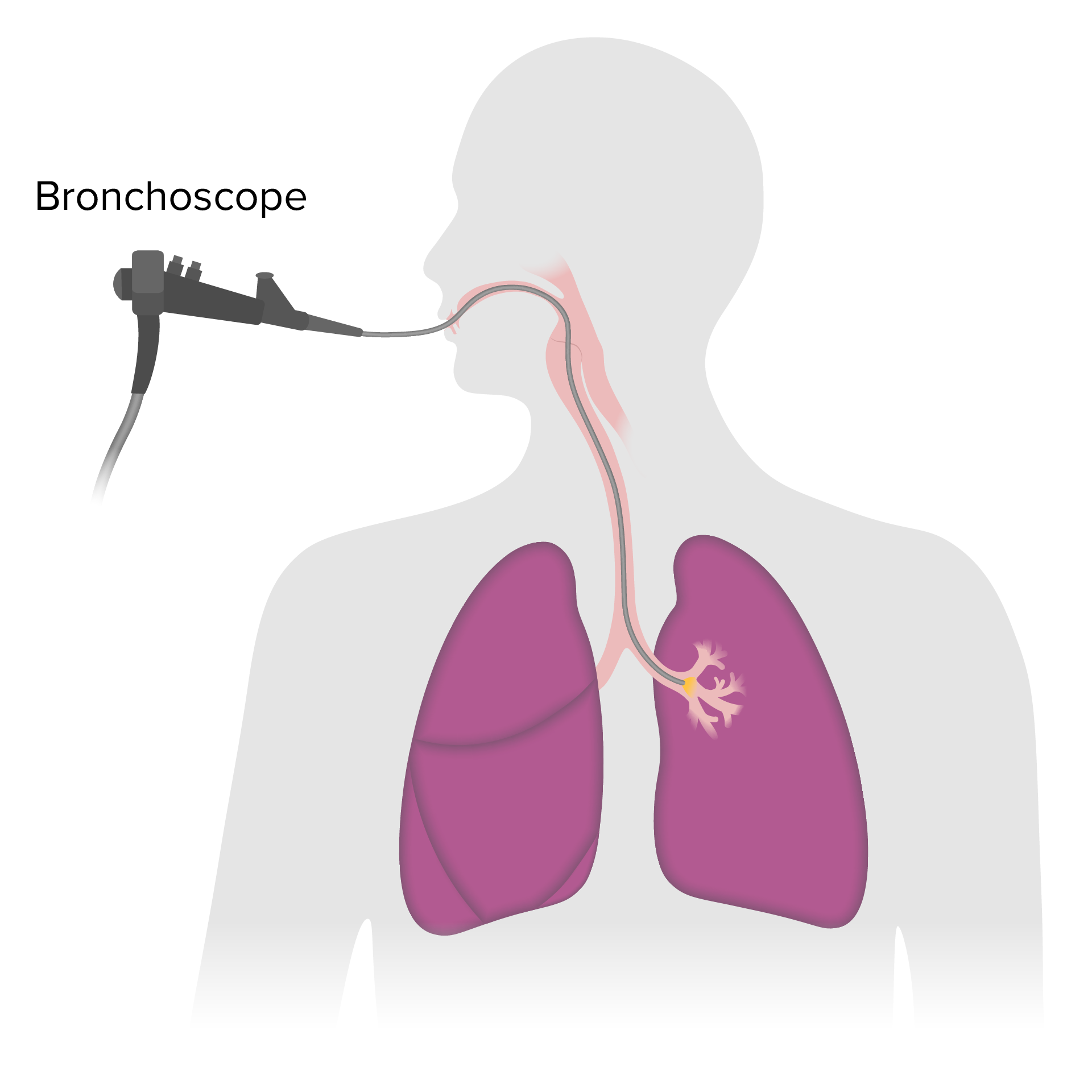
Broncoscopia

La broncoscopia es un procedimiento que permite la visualización de las vías respiratorias mediante un broncoscopio.

Imagen por Lecturio.

Diagnóstico Diferencial

  • Neumonitis por aspiración: inhalación de contenido orofaríngeo o gástrico en EN Erythema nodosum is an immune-mediated panniculitis (inflammation of the subcutaneous fat) caused by a type IV (delayed-type) hypersensitivity reaction. It commonly manifests in young women as tender, erythematous nodules on the shins. Erythema Nodosum las vías respiratorias inferiores: esta inhalación estimula una respuesta inflamatoria, lo que resulta en EN Erythema nodosum is an immune-mediated panniculitis (inflammation of the subcutaneous fat) caused by a type IV (delayed-type) hypersensitivity reaction. It commonly manifests in young women as tender, erythematous nodules on the shins. Erythema Nodosum tos TOS Thoracic outlet syndrome (TOS) is a broad term used for a spectrum of syndromes related to the general region of the thoracic outlet, which involves the compression or irritation of elements of the brachial plexus, subclavian artery, or subclavian vein. Thoracic Outlet Syndrome, disnea, malestar en EN Erythema nodosum is an immune-mediated panniculitis (inflammation of the subcutaneous fat) caused by a type IV (delayed-type) hypersensitivity reaction. It commonly manifests in young women as tender, erythematous nodules on the shins. Erythema Nodosum el pecho y fiebre. El diagnóstico a menudo es clínico y se apoya con hallazgos radiográficos de tórax de opacidades en EN Erythema nodosum is an immune-mediated panniculitis (inflammation of the subcutaneous fat) caused by a type IV (delayed-type) hypersensitivity reaction. It commonly manifests in young women as tender, erythematous nodules on the shins. Erythema Nodosum vidrio deslustrado en EN Erythema nodosum is an immune-mediated panniculitis (inflammation of the subcutaneous fat) caused by a type IV (delayed-type) hypersensitivity reaction. It commonly manifests in young women as tender, erythematous nodules on the shins. Erythema Nodosum regiones dependientes. El tratamiento es de soporte y se debe vigilar a los LOS Neisseria pacientes para detectar el desarrollo de neumonía.
  • Neumonía: infección del parénquima pulmonar causada con mayor frecuencia por bacterias o virus Virus Viruses are infectious, obligate intracellular parasites composed of a nucleic acid core surrounded by a protein capsid. Viruses can be either naked (non-enveloped) or enveloped. The classification of viruses is complex and based on many factors, including type and structure of the nucleoid and capsid, the presence of an envelope, the replication cycle, and the host range. Virology: los LOS Neisseria pacientes presentan fiebre, disnea y tos TOS Thoracic outlet syndrome (TOS) is a broad term used for a spectrum of syndromes related to the general region of the thoracic outlet, which involves the compression or irritation of elements of the brachial plexus, subclavian artery, or subclavian vein. Thoracic Outlet Syndrome productiva. Los LOS Neisseria hallazgos de la radiografía de tórax suelen incluir consolidación lobular. El tratamiento suele incluir antibióticos empíricos, que pueden adaptarse si se identifica el organismo causante. Los LOS Neisseria antivirales se utilizan en EN Erythema nodosum is an immune-mediated panniculitis (inflammation of the subcutaneous fat) caused by a type IV (delayed-type) hypersensitivity reaction. It commonly manifests in young women as tender, erythematous nodules on the shins. Erythema Nodosum los LOS Neisseria casos en EN Erythema nodosum is an immune-mediated panniculitis (inflammation of the subcutaneous fat) caused by a type IV (delayed-type) hypersensitivity reaction. It commonly manifests in young women as tender, erythematous nodules on the shins. Erythema Nodosum que se sospecha una causa viral.
  • Derrame pleural: acumulación de líquido entre las capas de la pleura Pleura The pleura is a serous membrane that lines the walls of the thoracic cavity and the surface of the lungs. This structure of mesodermal origin covers both lungs, the mediastinum, the thoracic surface of the diaphragm, and the inner part of the thoracic cage. The pleura is divided into a visceral pleura and parietal pleura. Pleura: Anatomy parietal Parietal One of a pair of irregularly shaped quadrilateral bones situated between the frontal bone and occipital bone, which together form the sides of the cranium. Skull: Anatomy y visceral: los LOS Neisseria síntomas del derrame pleural incluyen dolor Dolor Inflammation torácico, tos TOS Thoracic outlet syndrome (TOS) is a broad term used for a spectrum of syndromes related to the general region of the thoracic outlet, which involves the compression or irritation of elements of the brachial plexus, subclavian artery, or subclavian vein. Thoracic Outlet Syndrome y disnea, y las imágenes pueden confirmar su presencia. La atelectasia con pérdida de volumen significativa puede parecer similar a un derrame pleural masivo; sin embargo, el desplazamiento del mediastino y la tráquea se alejará del derrame. El tratamiento depende de la afección subyacente y de si el derrame está causando dificultad respiratoria.
  • Parálisis unilateral del diafragma: afección en EN Erythema nodosum is an immune-mediated panniculitis (inflammation of the subcutaneous fat) caused by a type IV (delayed-type) hypersensitivity reaction. It commonly manifests in young women as tender, erythematous nodules on the shins. Erythema Nodosum la que el diafragma pierde la capacidad de contraerse y permitir la inspiración: los LOS Neisseria pacientes pueden estar asintomáticos o tener disnea. Una radiografía de tórax mostrará elevación hemidiafragmática. Las pruebas de función pulmonar mostrarán una disminución de la capacidad vital forzada. El manejo puede no ser necesario para los LOS Neisseria casos asintomáticos. Los LOS Neisseria pacientes con síntomas más importantes pueden necesitar soporte ventilatorio no invasivo, plicatura quirúrgica, estimulación del nervio frénico y tratamiento de la causa subyacente.
  • Embolia pulmonar: obstrucción de las arterias pulmonares, con mayor frecuencia debido a la migración del trombo desde el sistema venoso profundo: los LOS Neisseria signos y síntomas incluyen dolor Dolor Inflammation torácico pleurítico, disnea, taquipnea y taquicardia. Los LOS Neisseria casos severos pueden resultar en EN Erythema nodosum is an immune-mediated panniculitis (inflammation of the subcutaneous fat) caused by a type IV (delayed-type) hypersensitivity reaction. It commonly manifests in young women as tender, erythematous nodules on the shins. Erythema Nodosum inestabilidad hemodinámica o paro cardiopulmonar. Una tomografía computarizada de tórax con angiografía es el método principal de diagnóstico. El manejo incluye oxigenación, anticoagulación y terapia trombolítica para pacientes inestables.

Referencias

  1. Madappa, T., Sharma, S. (2024). Atelectasis. In Kamangar, N. (Ed.), Medscape. Retrieved March 25, 2025, from https://emedicine.medscape.com/article/296468-overview
  2. Stark, P. (2025). Atelectasis: Types and pathogenesis in adults. In Finlay, G. (Ed.), UpToDate. Retrieved March 25, 2025, from https://www.uptodate.com/contents/atelectasis-types-and-pathogenesis-in-adults
  3. Finder, J. D. (2025). Atelectasis in children. In Hoppin, A. G. (Ed.), UpToDate. Retrieved March 25, 2025, from https://www.uptodate.com/contents/atelectasis-in-children
  4. Coruh, B., Niven, A. S. (2023). Atelectasis. MSD Manual Professional Version. Retrieved March 25, 2025, from https://www.msdmanuals.com/professional/pulmonary-disorders/bronchiectasis-and-atelectasis/atelectasis
  5. Grott, K., Dunlap, J. D. (2024). Atelectasis. StatPearls. Retrieved March 25, 2025, from https://www.ncbi.nlm.nih.gov/books/NBK545316/

¡Crea tu cuenta gratis o inicia una sesión para seguir leyendo!

Regístrate ahora y obtén acceso gratuito a Lecturio con páginas de concepto, videos médicos y cuestionarios para tu educación médica.

User Reviews

Que tengas una sesión de estudio alegre y navideña 🎁 Ahorra 50% en todos los planes >>

Details