


Infeção pelo Vírus Zika

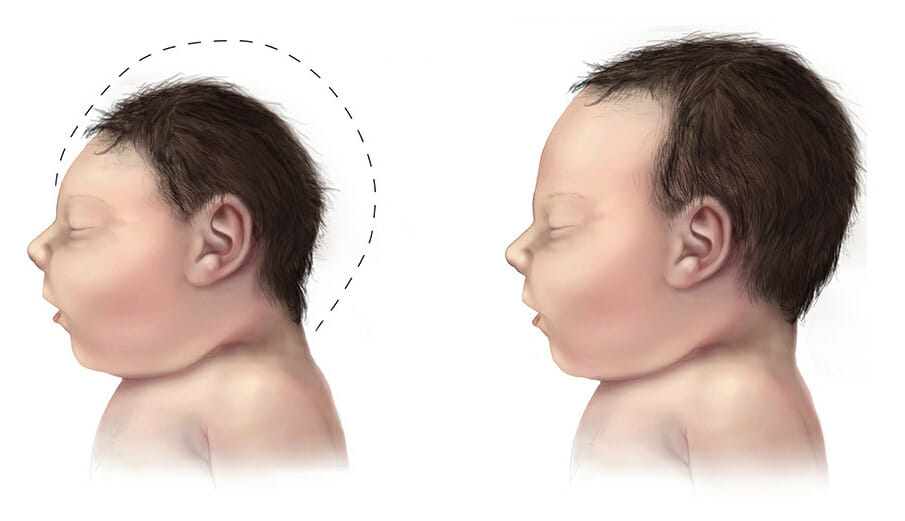
O vírus Zika Zika Zika virus belongs to the genus Flavivirus and is primarily transmitted by Aedes aegypti mosquitoes, but can also be transmitted sexually and transplacentally. Although most infected patients are asymptomatic, some may present with low-grade fever, pruritic rash, and conjunctivitis. Zika Virus Infection pertence ao género Flavivirus Flavivirus A genus of flaviviridae containing several subgroups and many species. Most are arboviruses transmitted by mosquitoes or ticks. The type species is yellow fever virus. Tick-borne Encephalitis Virus e é transmitido principalmente por mosquitos da espécie Aedes aegypti, podendo também ser transmitido sexualmente e por via transplacentária. Embora a maioria dos doentes infetados seja assintomática, alguns podem apresentar febre baixa, um exantema cutâneo pruriginoso e conjuntivite. A síndrome congénita do vírus Zika Zika Zika virus belongs to the genus Flavivirus and is primarily transmitted by Aedes aegypti mosquitoes, but can also be transmitted sexually and transplacentally. Although most infected patients are asymptomatic, some may present with low-grade fever, pruritic rash, and conjunctivitis. Zika Virus Infection é a complicação mais MAIS Androgen Insensitivity Syndrome grave da infeção por este vírus, na qual a infeção fetal transplacentária se manifesta por defeitos oculares, microcefalia, espasticidade e convulsões. O diagnóstico é feito por RT-PCR RT-PCR A variation of the pcr technique in which cDNA is made from RNA via reverse transcription. The resultant cDNA is then amplified using standard pcr protocols. Polymerase Chain Reaction (PCR) ou serologia. Como não existe um tratamento definitivo para a infeção pelo vírus Zika Zika Zika virus belongs to the genus Flavivirus and is primarily transmitted by Aedes aegypti mosquitoes, but can also be transmitted sexually and transplacentally. Although most infected patients are asymptomatic, some may present with low-grade fever, pruritic rash, and conjunctivitis. Zika Virus Infection, o tratamento é principalmente de suporte. A prevenção inclui o controlo da população de mosquitos, utilizar repelentes de insetos, bem como roupas protetoras.

Last updated: Mar 21, 2025
Editorial responsibility: Stanley Oiseth, Lindsay Jones, Evelin Maza

Classificação

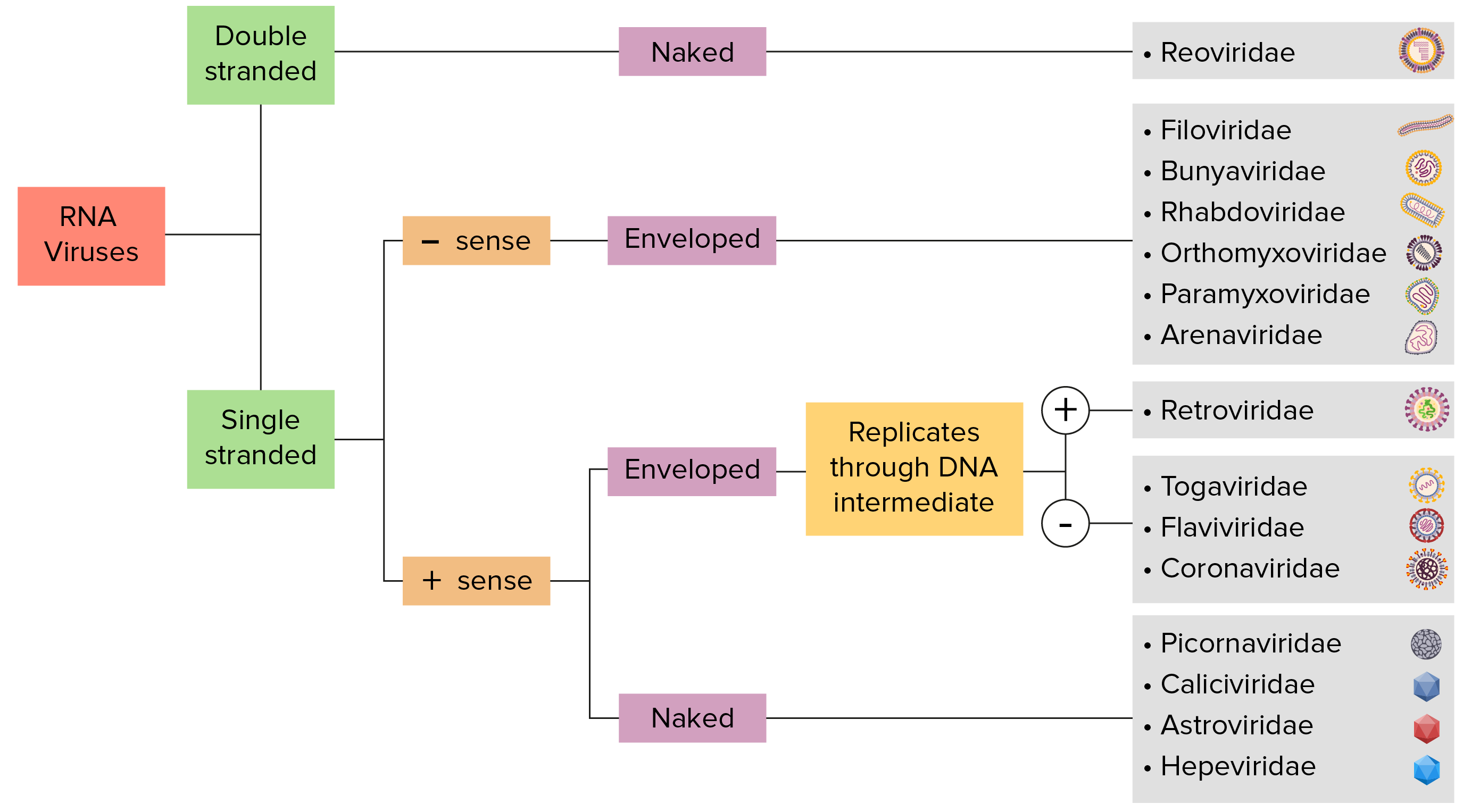
Classificação do fluxograma de vírus de RNA

Identificação dos vírus de RNA:
Os vírus podem ser classificados de várias formas. A maioria dos vírus terá, no entanto, um genoma formado por DNA ou por RNA. Os vírus com um genoma de RNA podem ser melhor caracterizados por um RNA de cadeia simples ou dupla. Os vírus com invólucro são cobertos por uma fina camada de membrana celular (geralmente retirada da célula hospedeira). Se o invólucro estiver ausente, os vírus são chamados de vírus “nus”. Os vírus com genomas de cadeia simples são considerados vírus de “sentido positivo” se o genoma for usado diretamente como RNA mensageiro (mRNA), que é traduzido para proteínas. Os vírus de “sentido negativo” de cadeia simples usam a RNA polimerase dependente de RNA, uma enzima vírica, para transcrever o seu genoma em RNA mensageiro.
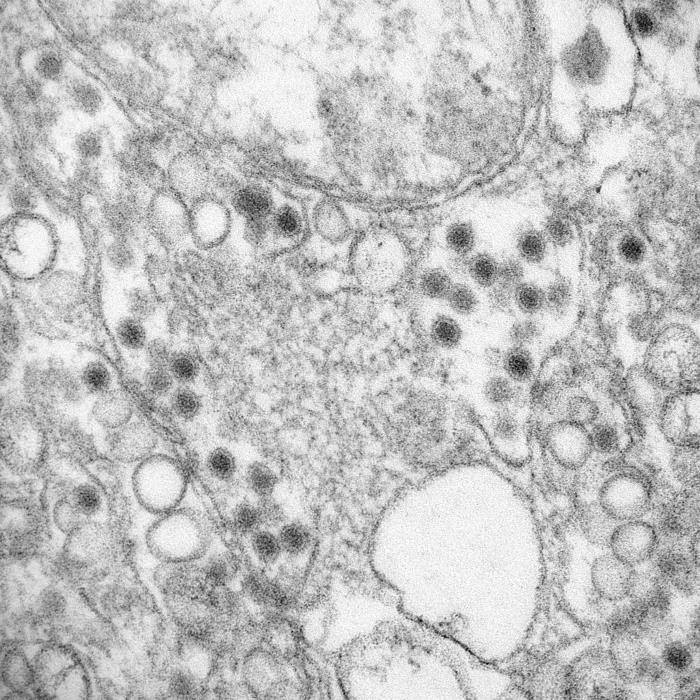
Imagem de Lecturio. Licença: CC BY-NC-SA 4.0

Características Gerais e Epidemiologia

Características Gerais

  • Género: Flavivirus Flavivirus A genus of flaviviridae containing several subgroups and many species. Most are arboviruses transmitted by mosquitoes or ticks. The type species is yellow fever virus. Tick-borne Encephalitis Virus
  • Também classificado como um arbovírus porque é transmitido por um artrópode.
  • Estrutura:
    • Sentido positivo
    • RNA RNA A polynucleotide consisting essentially of chains with a repeating backbone of phosphate and ribose units to which nitrogenous bases are attached. RNA is unique among biological macromolecules in that it can encode genetic information, serve as an abundant structural component of cells, and also possesses catalytic activity. RNA Types and Structure de cadeia simples linear
    • Com invólucro
    • Cápside icosaédrica
Imagem microscópica eletrônica de transmissão do vírus Zika

Imagem de microscopia eletrónica de transmissão do vírus Zika:
Um membro da família Flaviviridae, cultivado em células de cultura LLC-MK2. As partículas víricas têm 40nm de diâmetro e apresentam um invólucro externo e um núcleo interno denso. Notar também as vesículas com uma membrana lisa, reconhecidas como o complexo de replicação desta família de vírus.
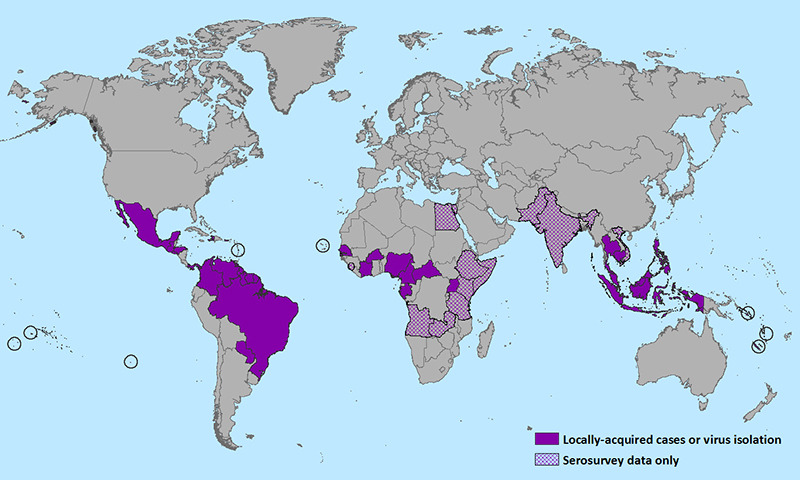
Imagem: “22059” do CDC. Licença: Domínio Público

Epidemiologia

  • Identificado pela primeira vez no Uganda em 1947
  • Agora encontra-se amplamente distribuído nas regiões tropicais e subtropicais da:
    • Ásia
    • África
    • Micronésia
    • América Central e do Sul
  • Foram recentemente reportados surtos locais nos Estados Unidos.
  • Os casos de zika Zika Zika virus belongs to the genus Flavivirus and is primarily transmitted by Aedes aegypti mosquitoes, but can also be transmitted sexually and transplacentally. Although most infected patients are asymptomatic, some may present with low-grade fever, pruritic rash, and conjunctivitis. Zika Virus Infection nas Américas diminuíram de 40.000 em 2022 para 8.750 em meados de 2023, uma redução de 59%.
Mapa mundial do risco do vírus Zika (2016)

Mapa-múndi da distribuição do vírus Zika (2016)

Imagem: “CDC map of Zika virus distribution as of 15 January 2016” do CDC. Licença: Domínio Público
Related videos

Patogénese

Reservatórios

  • Humanos
  • Primatas não humanos

Transmissão

  • Transmitido habitualmente pelos mosquitos Aedes aegypti
  • Pode ocorrer transmissão transplacentária se as grávidas forem infetadas.
  • A transmissão sexual é possível
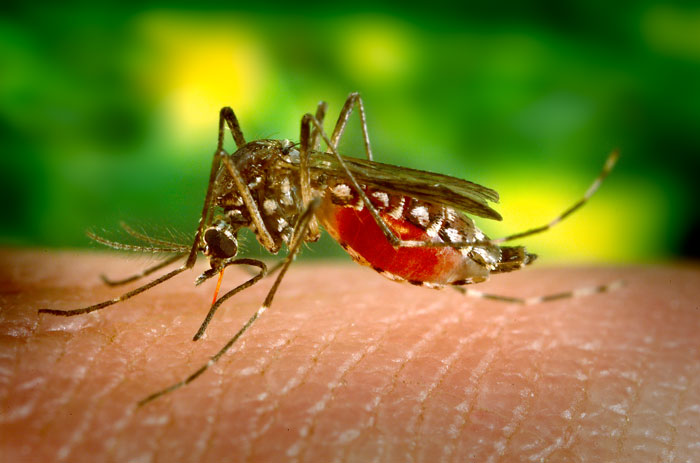
Alimentação do Aedes aegypti

Aedes aegypti a alimentar-se da pele humana

Imagem: “Aedes aegypti bloodfeeding CDC Gathany” de James Gathany. Licença: Domínio Público
Fatores de risco do hospedeiro

  • Viagem recente para áreas endémicas (áreas tropicais e subtropicais)
  • Relação sexual com um indivíduo atualmente ou recentemente infetado

Fisiopatologia

  • O mosquito A. aegypti funciona como vetor:
    • O vírus Zika Zika Zika virus belongs to the genus Flavivirus and is primarily transmitted by Aedes aegypti mosquitoes, but can also be transmitted sexually and transplacentally. Although most infected patients are asymptomatic, some may present with low-grade fever, pruritic rash, and conjunctivitis. Zika Virus Infection replica-se no intestino médio do mosquito.
    • Após a replicação, o vírus aloja-se nas glândulas salivares do mosquito.
  • O mosquito pica Pica Pica is an eating disorder characterized by a desire or recurrent compulsion to eat substances that are nonnutritive and not food. These compulsions and ingested substances are inappropriate for age or culture. Pica um hospedeiro humano, inoculando o vírus nos queratinócitos.
  • O vírus desloca-se para os gânglios linfáticos antes de ocorrer disseminação sistémica.
  • Na síndrome congénita do vírus Zika Zika Zika virus belongs to the genus Flavivirus and is primarily transmitted by Aedes aegypti mosquitoes, but can also be transmitted sexually and transplacentally. Although most infected patients are asymptomatic, some may present with low-grade fever, pruritic rash, and conjunctivitis. Zika Virus Infection, este infeta as células progenitoras neurais do feto.

Apresentação Clínica

Infeção pelo vírus Zika Zika Zika virus belongs to the genus Flavivirus and is primarily transmitted by Aedes aegypti mosquitoes, but can also be transmitted sexually and transplacentally. Although most infected patients are asymptomatic, some may present with low-grade fever, pruritic rash, and conjunctivitis. Zika Virus Infection em adultos

  • Período de incubação: 3-14 dias
  • A maioria dos doentes permanece assintomático após o período de incubação.
  • Se sintomáticos, os achados são inespecíficos:
    • Cefaleias
    • Artralgias
    • Mialgias
    • Febre
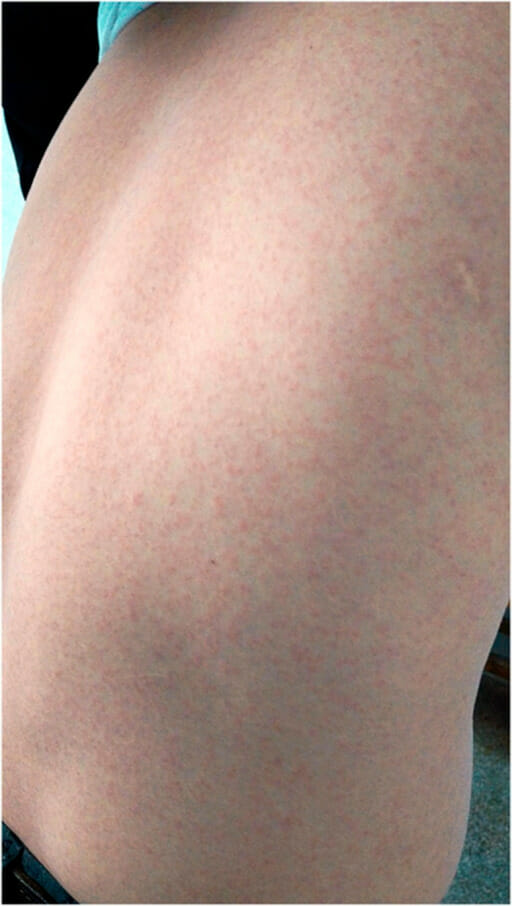
    • Exantema pruriginoso
    • Conjuntivite não exsudativa
  • Potenciais complicações:
    • Síndrome de Guillain-Barré
    • Meningoencefalite
    • Mielite transversa

Síndrome congénita do vírus Zika Zika Zika virus belongs to the genus Flavivirus and is primarily transmitted by Aedes aegypti mosquitoes, but can also be transmitted sexually and transplacentally. Although most infected patients are asymptomatic, some may present with low-grade fever, pruritic rash, and conjunctivitis. Zika Virus Infection

  • É a complicação mais MAIS Androgen Insensitivity Syndrome preocupante da infeção pelo vírus Zika Zika Zika virus belongs to the genus Flavivirus and is primarily transmitted by Aedes aegypti mosquitoes, but can also be transmitted sexually and transplacentally. Although most infected patients are asymptomatic, some may present with low-grade fever, pruritic rash, and conjunctivitis. Zika Virus Infection
  • O vírus Zika Zika Zika virus belongs to the genus Flavivirus and is primarily transmitted by Aedes aegypti mosquitoes, but can also be transmitted sexually and transplacentally. Although most infected patients are asymptomatic, some may present with low-grade fever, pruritic rash, and conjunctivitis. Zika Virus Infection infeta as células neuroprogenitoras do SNC.
  • Os achados incluem:
    • Calcificações subcorticais
    • Microcefalia
    • Ventriculomegalia
    • Defeitos oculares
    • Espasticidade
    • Convulsões

Diagnóstico e Tratamento

Diagnóstico

  • Estudos diagnósticos específicos consoante o tempo desde a infeção:
    • 0 a 14 dias após a infeção: RT-PCR RT-PCR A variation of the pcr technique in which cDNA is made from RNA via reverse transcription. The resultant cDNA is then amplified using standard pcr protocols. Polymerase Chain Reaction (PCR) de amostras de sangue ou de urina para detetar o RNA RNA A polynucleotide consisting essentially of chains with a repeating backbone of phosphate and ribose units to which nitrogenous bases are attached. RNA is unique among biological macromolecules in that it can encode genetic information, serve as an abundant structural component of cells, and also possesses catalytic activity. RNA Types and Structure do vírus Zika Zika Zika virus belongs to the genus Flavivirus and is primarily transmitted by Aedes aegypti mosquitoes, but can also be transmitted sexually and transplacentally. Although most infected patients are asymptomatic, some may present with low-grade fever, pruritic rash, and conjunctivitis. Zika Virus Infection
    • > 14 dias após a infeção: serologia (para anticorpos contra Zika Zika Zika virus belongs to the genus Flavivirus and is primarily transmitted by Aedes aegypti mosquitoes, but can also be transmitted sexually and transplacentally. Although most infected patients are asymptomatic, some may present with low-grade fever, pruritic rash, and conjunctivitis. Zika Virus Infection)
  • Alterações laboratoriais inespecíficas:
    • Leucopenia
    • Trombocitopenia
    • PCR PCR Polymerase chain reaction (PCR) is a technique that amplifies DNA fragments exponentially for analysis. The process is highly specific, allowing for the targeting of specific genomic sequences, even with minuscule sample amounts. The PCR cycles multiple times through 3 phases: denaturation of the template DNA, annealing of a specific primer to the individual DNA strands, and synthesis/elongation of new DNA molecules. Polymerase Chain Reaction (PCR) e velocidade de sedimentação (VS) elevadas
  • Realizar PCR PCR Polymerase chain reaction (PCR) is a technique that amplifies DNA fragments exponentially for analysis. The process is highly specific, allowing for the targeting of specific genomic sequences, even with minuscule sample amounts. The PCR cycles multiple times through 3 phases: denaturation of the template DNA, annealing of a specific primer to the individual DNA strands, and synthesis/elongation of new DNA molecules. Polymerase Chain Reaction (PCR) ou serologias para descartar coinfeção pelo vírus da dengue Dengue An acute febrile disease transmitted by the bite of aedes mosquitoes infected with dengue virus. It is self-limiting and characterized by fever, myalgia, headache, and rash. Severe dengue is a more virulent form of dengue. Dengue Virus ou da febre amarela.

Tratamento

  • Não há tratamentos curativos disponíveis.
  • Tratamento sintomático:
    • Fluidoterapia oral ou IV para manter uma hidratação adequada
    • Paracetamol paracetamol Acetaminophen is an over-the-counter nonopioid analgesic and antipyretic medication and the most commonly used analgesic worldwide. Despite the widespread use of acetaminophen, its mechanism of action is not entirely understood. Acetaminophen para diminuir a febre e as artralgias
  • Notificação obrigatória.

Comparação entre Espécies

Tabela: Comparação entre espécies
Vírus Zika Zika Zika virus belongs to the genus Flavivirus and is primarily transmitted by Aedes aegypti mosquitoes, but can also be transmitted sexually and transplacentally. Although most infected patients are asymptomatic, some may present with low-grade fever, pruritic rash, and conjunctivitis. Zika Virus Infection Vírus do Nilo Ocidental Vírus da dengue Dengue An acute febrile disease transmitted by the bite of aedes mosquitoes infected with dengue virus. It is self-limiting and characterized by fever, myalgia, headache, and rash. Severe dengue is a more virulent form of dengue. Dengue Virus
Características
  • Com invólucro
  • Icosaédrico
  • (+) ssRNA
  • Com invólucro
  • Icosaédrico
  • (+) ssRNA
  • Com invólucro
  • Icosaédrico
  • (+) ssRNA
  • 4 serotipos diferentes
Transmissão
  • Mosquitos Aedes
  • Transplacentária
  • Sexual
Mosquitos Culex Mosquitos Aedes
Clínica
  • Febre
  • Cefaleias
  • Exantema
  • Mialgias
  • Conjuntivite
  • Febre
  • Cefaleias
  • Exantema
  • Mialgias
  • Encefalite
  • Meningite
  • Febre
  • Cefaleias
  • Dor “quebra-ossos”
  • Exantema
  • Hemorragia
  • Choque
Diagnóstico
  • Clínica
  • História de viagens
  • Serologia
  • PCR PCR Polymerase chain reaction (PCR) is a technique that amplifies DNA fragments exponentially for analysis. The process is highly specific, allowing for the targeting of specific genomic sequences, even with minuscule sample amounts. The PCR cycles multiple times through 3 phases: denaturation of the template DNA, annealing of a specific primer to the individual DNA strands, and synthesis/elongation of new DNA molecules. Polymerase Chain Reaction (PCR) – reação em cadeia da polimerase
  • Clínica
  • História de viagens
  • Serologia
  • PCR PCR Polymerase chain reaction (PCR) is a technique that amplifies DNA fragments exponentially for analysis. The process is highly specific, allowing for the targeting of specific genomic sequences, even with minuscule sample amounts. The PCR cycles multiple times through 3 phases: denaturation of the template DNA, annealing of a specific primer to the individual DNA strands, and synthesis/elongation of new DNA molecules. Polymerase Chain Reaction (PCR)
  • Clínica
  • História de viagens
  • Culturas de células
  • ELISA ELISA An immunoassay utilizing an antibody labeled with an enzyme marker such as horseradish peroxidase. While either the enzyme or the antibody is bound to an immunosorbent substrate, they both retain their biologic activity; the change in enzyme activity as a result of the enzyme-antibody-antigen reaction is proportional to the concentration of the antigen and can be measured spectrophotometrically or with the naked eye. Many variations of the method have been developed. St. Louis Encephalitis Virus
  • RT-PCR RT-PCR A variation of the pcr technique in which cDNA is made from RNA via reverse transcription. The resultant cDNA is then amplified using standard pcr protocols. Polymerase Chain Reaction (PCR)
  • Serologia
Tratamento Tratamento sintomático
Prevenção
  • Controlo de mosquitos
  • Proteção pessoal com repelentes de insetos e roupa protetora
  • Controlo de mosquitos
  • Proteção pessoal com repelentes de insetos e roupa protetora
  • Controlo de mosquitos
  • Vacina

Diagnóstico Diferencial

As seguintes doenças constituem diagnósticos diferenciais da síndrome congénita do vírus Zika Zika Zika virus belongs to the genus Flavivirus and is primarily transmitted by Aedes aegypti mosquitoes, but can also be transmitted sexually and transplacentally. Although most infected patients are asymptomatic, some may present with low-grade fever, pruritic rash, and conjunctivitis. Zika Virus Infection:

  • Toxoplasmose congénita: infeção congénita do grupo TORCHES causada pelo protozoário Toxoplasma Toxoplasma Toxoplasmosis is an infectious disease caused by Toxoplasma gondii, an obligate intracellular protozoan parasite. Felines are the definitive host, but transmission to humans can occur through contact with cat feces or the consumption of contaminated foods. The clinical presentation and complications depend on the host’s immune status. Toxoplasma/Toxoplasmosis gondii. A toxoplasmose é habitualmente transmitida pela ingestão de carne de porco mal cozinhada, mas também pode ser transmitida pelo contato com fezes de gato. A toxoplasmose congénita apresenta-se com a tríade de coriorretinite, hidrocefalia e calcificações intracranianas difusas (em vez de subcorticais). O diagnóstico é feito através da serologia. O tratamento faz-se com pirimetamina-sulfadiazina.
  • Infeção congénita por citomegalovírus: infecção congénita do grupo TORCHES causada pelo citomegalovírus, também conhecido como herpesvírus humano 5 (HHV-5). O citomegalovírus pode ser transmitido pela urina, sangue, saliva, relação sexual e transplante de órgãos. O citomegalovírus congénito manifesta-se por hipoacúsia, convulsões, exantema cutâneo em “muffin de mirtilo” e calcificações periventriculares (em vez de subcorticais). O diagnóstico é feito por serologia ou PCR PCR Polymerase chain reaction (PCR) is a technique that amplifies DNA fragments exponentially for analysis. The process is highly specific, allowing for the targeting of specific genomic sequences, even with minuscule sample amounts. The PCR cycles multiple times through 3 phases: denaturation of the template DNA, annealing of a specific primer to the individual DNA strands, and synthesis/elongation of new DNA molecules. Polymerase Chain Reaction (PCR). Para o tratamento utiliza-se ganciclovir Ganciclovir An acyclovir analog that is a potent inhibitor of the herpesvirus family including cytomegalovirus. Ganciclovir is used to treat complications from aids-associated cytomegalovirus infections. Antivirals for Herpes Virus ou valganciclovir.
  • Infeção congénita por herpes: infeção congénita do grupo TORCHES causada pelo vírus herpes simplex Herpes Simplex A group of acute infections caused by herpes simplex virus type 1 or type 2 that is characterized by the development of one or more small fluid-filled vesicles with a raised erythematous base on the skin or mucous membrane. It occurs as a primary infection or recurs due to a reactivation of a latent infection. Congenital TORCH Infections ( HSV HSV Herpes simplex virus (HSV) is a double-stranded DNA virus belonging to the family Herpesviridae. Herpes simplex virus commonly causes recurrent infections involving the skin and mucosal surfaces, including the mouth, lips, eyes, and genitals. Herpes Simplex Virus 1 and 2) 2. O vírus do herpes simples é transmitido por via transvaginal da mãe infetada para o feto quando este contacta com lesões no canal do parto. A infeção congénita por herpes manifesta-se por vesículas na pele e mucosas semelhantes às observadas nos adultos. Porém, também pode ser disseminada e envolver múltiplos órgãos. O diagnóstico é confirmado por PCR PCR Polymerase chain reaction (PCR) is a technique that amplifies DNA fragments exponentially for analysis. The process is highly specific, allowing for the targeting of specific genomic sequences, even with minuscule sample amounts. The PCR cycles multiple times through 3 phases: denaturation of the template DNA, annealing of a specific primer to the individual DNA strands, and synthesis/elongation of new DNA molecules. Polymerase Chain Reaction (PCR) e o tratamento faz-se com aciclovir.

Referências

  1. LaBeaud, A.D. (2024). Zika virus infection: An overview. UpToDate. Retrieved January 9, 2025, from https://www.uptodate.com/contents/zika-virus-infection-an-overview
  2. Nielsen-Saines, K. (2024). Congenital Zika virus infection: Clinical features, evaluation, and management of the neonate. UpToDate. Retrieved January 9, 2025, from https://www.uptodate.com/contents/congenital-zika-virus-infection-clinical-features-evaluation-and-management-of-the-neonate
  3. Navalkele, B.D. (2021). Zika virus: Background, pathophysiology, epidemiology. Medscape. Retrieved January 9, 2025, from https://emedicine.medscape.com/article/2500035-overview
  4. Vouga M, et al. (2018). Updated Zika virus recommendations are needed. Lancet. 392(10150), 818–819. https://pubmed.ncbi.nlm.nih.gov/30146329/
  5. Moreira-Soto, A., et al. (2018). Exhaustive TORCH pathogen diagnostics corroborate Zika virus etiology of congenital malformations in Northeastern Brazil. mSphere, 3(4) https://pubmed.ncbi.nlm.nih.gov/30089647/
  6. Shehu, N.Y., et al. (2018). Pathogenesis, diagnostic challenges and treatment of Zika virus disease in resource-limited settings. Niger Postgrad Med J. 25(2), 67–72. https://pubmed.ncbi.nlm.nih.gov/30027916/
  7. Pan American Health Organization / World Health Organization. (2023, June 10). Epidemiological update: Dengue, chikungunya, and Zika. Washington, D.C.: PAHO/WHO.
  8. ARUP Laboratories. (2021). Zika Virus Detection by RT-PCR: Instructions for use. [Emergency Use Authorization]. Retrieved January 8, 2025, from https://www.fda.gov/media/100192/download
  9. Burciaga-Flores, M., Reyes-Galeana, M., Camacho-Villegas, T. A., Gutiérrez-Ortega, A., & Elizondo-Quiroga, D. E. (2020). Updating Zika diagnostic methods: The point-of-care approach. Revista de investigación clínica, 72(6). https://doi.org/10.24875/ric.20000160

Crie sua conta gratuita ou faça login para continuar lendo!

Cadastre-se agora e tenha acesso grátis ao Lecturio, com páginas de conceitos, vídeos de medicina e questões para sua educação médica.

Aprende mais com a Lecturio:

Multiple devices displaying human anatomy and health education content.

Complementa o teu estudo da faculdade com o companheiro de estudo tudo-em-um da Lecturio, através de métodos de ensino baseados em evidência.

Estuda onde quiseres

Two iPhones display medical education apps, one showing anatomy, the other Bookmatcher.

A Lecturio Medical complementa o teu estudo através de métodos de ensino baseados em evidência, vídeos de palestras, perguntas e muito mais – tudo combinado num só lugar e fácil de usar.

User Reviews

Have a holly, jolly study session 🎁 Save 50% on all plans now >>

Que tengas una sesión de estudio alegre y navideña 🎁 Ahorra 50% en todos los planes >>

Details