


Antivirais no Tratamento da Hepatite B

Os antivirais para o tratamento da hepatite B incluem os análogos de nucleosídeos/nucleótidos, também conhecidos como inibidores nucleosídeos/nucleótidos da transcriptase reversa (NRTIs). Devido à sua estrutura química semelhante entre nucleosídeos e nucleótidos, os NRTIs são capazes de se integrar no DNA DNA A deoxyribonucleotide polymer that is the primary genetic material of all cells. Eukaryotic and prokaryotic organisms normally contain DNA in a double-stranded state, yet several important biological processes transiently involve single-stranded regions. DNA, which consists of a polysugar-phosphate backbone possessing projections of purines (adenine and guanine) and pyrimidines (thymine and cytosine), forms a double helix that is held together by hydrogen bonds between these purines and pyrimidines (adenine to thymine and guanine to cytosine). DNA Types and Structure viral durante o processo de replicação. Este processo inibe a função da DNA DNA A deoxyribonucleotide polymer that is the primary genetic material of all cells. Eukaryotic and prokaryotic organisms normally contain DNA in a double-stranded state, yet several important biological processes transiently involve single-stranded regions. DNA, which consists of a polysugar-phosphate backbone possessing projections of purines (adenine and guanine) and pyrimidines (thymine and cytosine), forms a double helix that is held together by hydrogen bonds between these purines and pyrimidines (adenine to thymine and guanine to cytosine). DNA Types and Structure polimerase dependente de RNA RNA A polynucleotide consisting essentially of chains with a repeating backbone of phosphate and ribose units to which nitrogenous bases are attached. RNA is unique among biological macromolecules in that it can encode genetic information, serve as an abundant structural component of cells, and also possesses catalytic activity. RNA Types and Structure viral, resultando na terminação da cadeia. Estes fármacos são administrados por via oral e excretados pelos rins. Estão indicados no tratamento da infeção crónica por hepatite B, e alguns (como a lamivudina) estão também indicados no VIH. Os efeitos adversos incluem sintomas gastrointestinais, evidência de toxicidade mitocondrial (como acidose lática) e recorrência da infeção após a descontinuação do tratamento.

Last updated: Dec 15, 2025

Editorial responsibility: Stanley Oiseth, Lindsay Jones, Evelin Maza

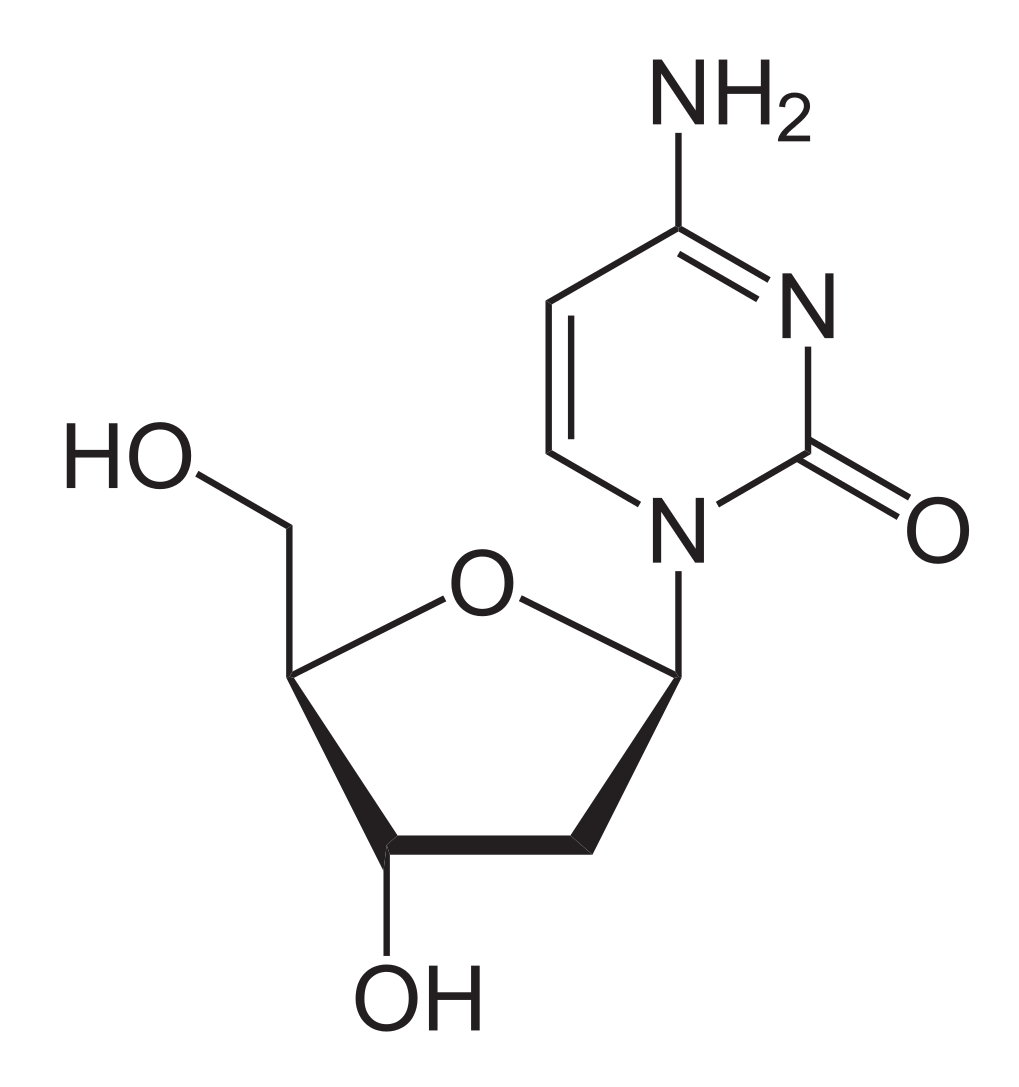
Estrutura Química e Farmacodinâmica

Estrutura química

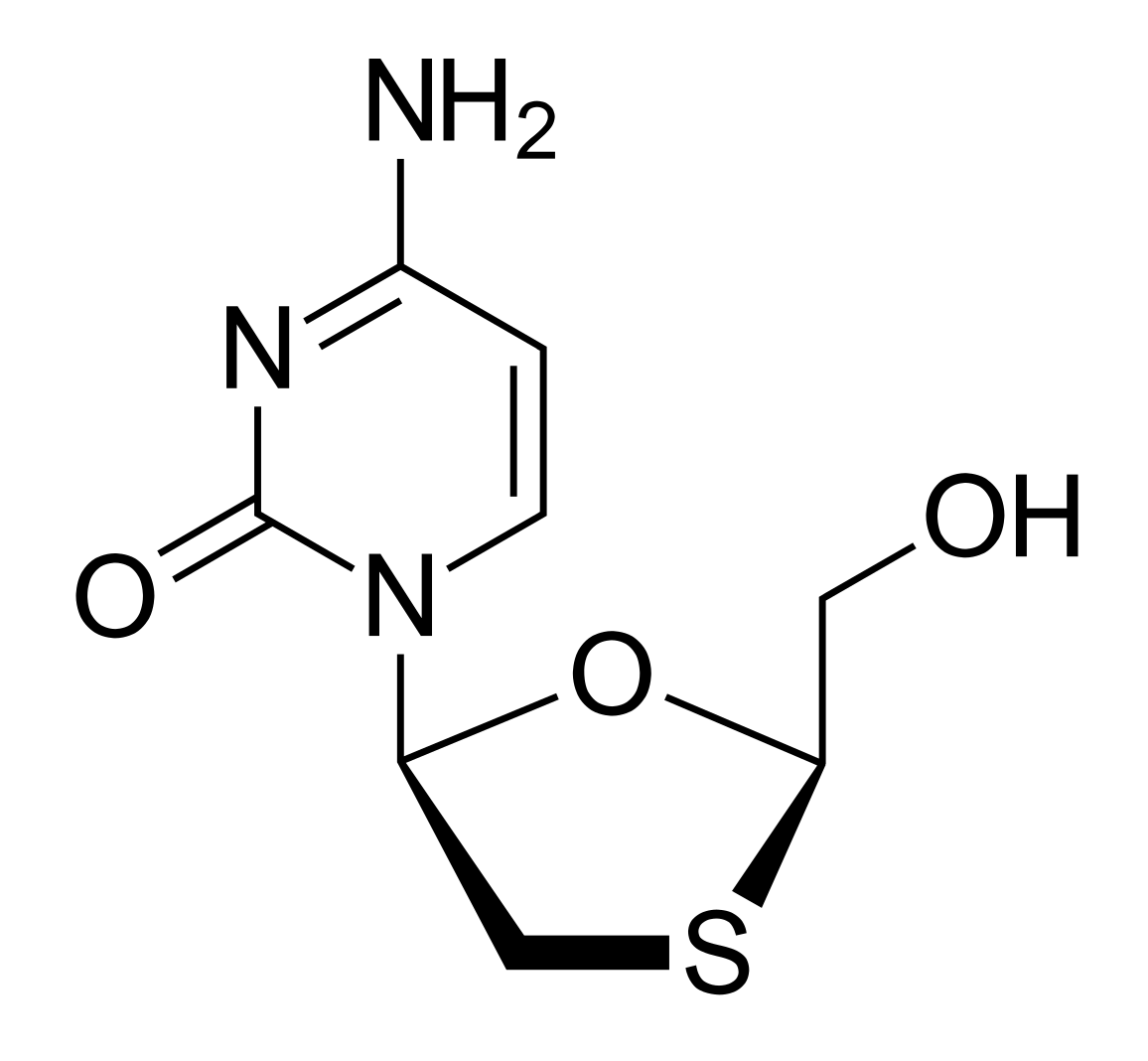
Os antivirais para a hepatite B possuem estruturas semelhantes às dos nucleótidos e nucleosídeos, por isso são classificados como análogos de nucleosídeos/nucleótidos (também conhecidos com inibidores nucleosídeos/nucleótidos da transcriptase reversa (NRTIs)).
  • Análogos de nucleótidos (ácido nucleico + açúcar + grupo fosfato) da adenosina:
    • Adefovir Adefovir Antivirals for Hepatitis B
    • Tenofovir Tenofovir An adenine analog reverse transcriptase inhibitor with antiviral activity against HIV-1 and hepatitis b. It is used to treat HIV infections and chronic hepatitis b, in combination with other antiviral agents, due to the emergence of antiviral drug resistance when it is used alone. Anti-HIV Drugs
  • Análogos de nucleosídeos (ácido nucleico + açúcar):

Mecanismo de ação

  • Impede a replicação do DNA DNA A deoxyribonucleotide polymer that is the primary genetic material of all cells. Eukaryotic and prokaryotic organisms normally contain DNA in a double-stranded state, yet several important biological processes transiently involve single-stranded regions. DNA, which consists of a polysugar-phosphate backbone possessing projections of purines (adenine and guanine) and pyrimidines (thymine and cytosine), forms a double helix that is held together by hydrogen bonds between these purines and pyrimidines (adenine to thymine and guanine to cytosine). DNA Types and Structure viral
  • Inibe competitivamente a DNA DNA A deoxyribonucleotide polymer that is the primary genetic material of all cells. Eukaryotic and prokaryotic organisms normally contain DNA in a double-stranded state, yet several important biological processes transiently involve single-stranded regions. DNA, which consists of a polysugar-phosphate backbone possessing projections of purines (adenine and guanine) and pyrimidines (thymine and cytosine), forms a double helix that is held together by hydrogen bonds between these purines and pyrimidines (adenine to thymine and guanine to cytosine). DNA Types and Structure polimerase dependente de RNA RNA A polynucleotide consisting essentially of chains with a repeating backbone of phosphate and ribose units to which nitrogenous bases are attached. RNA is unique among biological macromolecules in that it can encode genetic information, serve as an abundant structural component of cells, and also possesses catalytic activity. RNA Types and Structure viral (também conhecida como transcriptase reversa)
  • O fármaco é fosforilado intracelularmente → incorporado com o DNA DNA A deoxyribonucleotide polymer that is the primary genetic material of all cells. Eukaryotic and prokaryotic organisms normally contain DNA in a double-stranded state, yet several important biological processes transiently involve single-stranded regions. DNA, which consists of a polysugar-phosphate backbone possessing projections of purines (adenine and guanine) and pyrimidines (thymine and cytosine), forms a double helix that is held together by hydrogen bonds between these purines and pyrimidines (adenine to thymine and guanine to cytosine). DNA Types and Structure viral
  • A polimerização do DNA DNA A deoxyribonucleotide polymer that is the primary genetic material of all cells. Eukaryotic and prokaryotic organisms normally contain DNA in a double-stranded state, yet several important biological processes transiently involve single-stranded regions. DNA, which consists of a polysugar-phosphate backbone possessing projections of purines (adenine and guanine) and pyrimidines (thymine and cytosine), forms a double helix that is held together by hydrogen bonds between these purines and pyrimidines (adenine to thymine and guanine to cytosine). DNA Types and Structure é bloqueada → terminação da cadeia

Farmacocinética

Absorção

  • Absorvida por via oral
  • Tenofovir Tenofovir An adenine analog reverse transcriptase inhibitor with antiviral activity against HIV-1 and hepatitis b. It is used to treat HIV infections and chronic hepatitis b, in combination with other antiviral agents, due to the emergence of antiviral drug resistance when it is used alone. Anti-HIV Drugs:↑ absorção com refeições ricas em gordura
  • Entecavir Entecavir Anti-HIV Drugs: absorção retardada com os alimentos

Distribuição e metabolismo

  • Geralmente baixa ligação a proteínas
  • Metabolismo menor
  • Fosforilado intracelularmente em formas ativas

Excreção

Todos os fármacos são excretados pelos rins.

Indicações

Hepatite B crónica

Indicações de tratamento:

  • Sem cirrose:
    • Carga viral alta
    • Transaminases Transaminases A subclass of enzymes of the transferase class that catalyze the transfer of an amino group from a donor (generally an amino acid) to an acceptor (generally a 2-keto acid). Most of these enzymes are pyridoxyl phosphate proteins. Autoimmune Hepatitis elevadas
  • Com cirrose:
    • Descompensação ou insuficiência hepática aguda
    • Compensada com uma carga viral alta
    • Considerar na cirrose compensada com transaminases Transaminases A subclass of enzymes of the transferase class that catalyze the transfer of an amino group from a donor (generally an amino acid) to an acceptor (generally a 2-keto acid). Most of these enzymes are pyridoxyl phosphate proteins. Autoimmune Hepatitis elevadas
  • Também indicado se associada a:
    • Carcinoma hepatocelular
    • Infeção por hepatite C
    • Necessidade de terapêutica imunossupressora

Diferenças entre os fármacos:

  • Adefovir Adefovir Antivirals for Hepatitis B:
    • Útil em infeções resistentes à lamivudina
    • De preferência administrado em combinação com outro agente
  • Tenofovir Tenofovir An adenine analog reverse transcriptase inhibitor with antiviral activity against HIV-1 and hepatitis b. It is used to treat HIV infections and chronic hepatitis b, in combination with other antiviral agents, due to the emergence of antiviral drug resistance when it is used alone. Anti-HIV Drugs:
    • Pode ser utilizado como 1ª linha em indivíduos a iniciar tratamento pela primeira vez
    • Eficaz em monoterapia
    • Útil em infeções resistentes à lamivudina
  • Lamivudina:
    • Barata
    • Já não é 1ª linha devido às altas taxas de resistência
    • Opção para os indivíduos com VIH concomitante
  • Entecavir Entecavir Anti-HIV Drugs:
    • Pode ser utilizado como 1ª linha em indivíduos a iniciar tratamento pela primeira vez
    • Eficaz em monoterapia
    • Baixas taxas de resistência; no entanto, apresenta alguma resistência cruzada com infeções resistentes à lamivudina
  • Telbivudina:
    • Indisponível nos Estados Unidos
    • Altas taxas de resistência
    • Perfil de efeitos colaterais desfavorável

VIH

  • A maioria dos agentes também atua contra o VIH (exceção: telbivudina)
  • Deste grupo de fármacos, a lamivudina é o fármaco mais MAIS Androgen Insensitivity Syndrome utilizado:
    • Pode ser administrada tanto em tratamento como profilaxia
    • Utilizada em algumas terapêuticas antirretrovirais combinadas

Efeitos Adversos e Contraindicações

Efeitos adversos

  • Sistema nervoso:
    • Cefaleia
    • Fadiga
    • Neuropatia periférica (telbivudina)
  • Sintomas gastrointestinais:
    • Náuseas
    • Dor abdominal
    • Diarreia
  • Musculoesquelético (em particular telbivudina):
    • Artralgias
    • Mialgias
    • Miopatia
  • Hepático:
    • Acidose lática (devido à toxicidade mitocondrial)
    • Hepatomegalia com esteatose
    • Exacerbação da hepatite com a suspensão terapêutica
  • Outros:

Contraindicações

  • Utilizar com precaução na insuficiência renal
  • O entecavir Entecavir Anti-HIV Drugs não deve ser usado em infeções resistentes à lamivudina.

Interações farmacológicas

  • Telbivudina: ↑ toxicidade do interferon alfa Interferon Alfa Antivirals for Hepatitis C
  • Fármacos que ↑ concentrações de tenofovir Tenofovir An adenine analog reverse transcriptase inhibitor with antiviral activity against HIV-1 and hepatitis b. It is used to treat HIV infections and chronic hepatitis b, in combination with other antiviral agents, due to the emergence of antiviral drug resistance when it is used alone. Anti-HIV Drugs:
    • Antivirais (por exemplo, aciclovir, ganciclovir Ganciclovir An acyclovir analog that is a potent inhibitor of the herpesvirus family including cytomegalovirus. Ganciclovir is used to treat complications from aids-associated cytomegalovirus infections. Antivirals for Herpes Virus, cidofovir Cidofovir An acyclic nucleoside phosphonate that acts as a competitive inhibitor of viral DNA polymerases. It is used in the treatment of retinitis caused by cytomegalovirus infections and may also be useful for treating herpesvirus infections. Antivirals for Herpes Virus)
    • Aminoglicosídeos

Mecanismos de Resistência

  • As resistências aumentam ao longo do tempo com a terapêutica de longo prazo.
  • A resistência ao tratamento com NRTI pode ocorrer através de:
    • Mutações genéticas na DNA DNA A deoxyribonucleotide polymer that is the primary genetic material of all cells. Eukaryotic and prokaryotic organisms normally contain DNA in a double-stranded state, yet several important biological processes transiently involve single-stranded regions. DNA, which consists of a polysugar-phosphate backbone possessing projections of purines (adenine and guanine) and pyrimidines (thymine and cytosine), forms a double helix that is held together by hydrogen bonds between these purines and pyrimidines (adenine to thymine and guanine to cytosine). DNA Types and Structure polimerase viral → alteração conformacional → ↓ incorporação do fármaco no DNA DNA A deoxyribonucleotide polymer that is the primary genetic material of all cells. Eukaryotic and prokaryotic organisms normally contain DNA in a double-stranded state, yet several important biological processes transiently involve single-stranded regions. DNA, which consists of a polysugar-phosphate backbone possessing projections of purines (adenine and guanine) and pyrimidines (thymine and cytosine), forms a double helix that is held together by hydrogen bonds between these purines and pyrimidines (adenine to thymine and guanine to cytosine). DNA Types and Structure
    • Mutações que permitem um ↑ compensatório da replicação viral
  • Esta resistência é devido à hepatite B:
    • ↑ Taxa de replicação
    • Ausência de função de correção
  • Nota: Muitas vezes, pode ser usado um análogo de nucleosídeo nos casos de resistência a um análogo de nucleótido (e vice-versa).

Referências

  1. Safrin, S. (2018). Antiviral agents. In Katzung, B.G., et al. (Ed.), Basic and Clinical Pharmacology, 14th ed., vol. 1. pp. 870–876 and pp. 885–887. McGraw Hill.
  2. Lok, A.S.F. (2025). Hepatitis B virus: overview of management. UpToDate. Retrieved February 7, 2025, from https://www.uptodate.com/contents/hepatitis-b-virus-overview-of-management
  3. Pyrsopoulos, N.T. (2025). Hepatitis B Treatment & Management. In Anand, B.S. et al. (Ed.), Medscape. Retrieved February 7, 2025, from https://emedicine.medscape.com/article/177632-treatment#showall
  4. Rajbhandari, R., Chung, R.T. (2016). Treatment of hepatitis B: a concise review. ResearchGate. Retrieved February 7, 2025, from https://www.researchgate.net/publication/308172277_Treatment_of_Hepatitis_B_A_Concise_Review
  5. Tripathi, N., Mousa, O.Y. (2023). Hepatitis B. StatPearls. Retrieved February 7, 2025, from https://www.ncbi.nlm.nih.gov/books/NBK555945/
  6. Taylor, K., Fritz, K., & Parmar M. (2024). Lamivudine. In StatPearls. StatPearls Publishing. Retrieved February 7, 2025, from https://www.ncbi.nlm.nih.gov/books/NBK559252/
  7. Muller, J.T., Al Khalili, Y. (2023). Emtricitabine. StatPearls. Retrieved February 7, 2025, from https://www.ncbi.nlm.nih.gov/books/NBK539853/
  8. Warner, N., Locarnini, S. (2014). Mechanisms of hepatitis B virus resistance development. Intervirology 57:218–224. https://www.karger.com/Article/Fulltext/360940

Crie sua conta gratuita ou faça login para continuar lendo!

Cadastre-se agora e tenha acesso grátis ao Lecturio, com páginas de conceitos, vídeos de medicina e questões para sua educação médica.

Aprende mais com a Lecturio:

Multiple devices displaying human anatomy and health education content.

Complementa o teu estudo da faculdade com o companheiro de estudo tudo-em-um da Lecturio, através de métodos de ensino baseados em evidência.

Estuda onde quiseres

Two iPhones display medical education apps, one showing anatomy, the other Bookmatcher.

A Lecturio Medical complementa o teu estudo através de métodos de ensino baseados em evidência, vídeos de palestras, perguntas e muito mais – tudo combinado num só lugar e fácil de usar.

User Reviews

Have a holly, jolly study session 🎁 Save 50% on all plans now >>

Que tengas una sesión de estudio alegre y navideña 🎁 Ahorra 50% en todos los planes >>

Details