
Domina Conceptos Médicos

Estudia para la escuela de medicina y tus examenes con Lecturio.

Evento Breve Resuelto Inexplicable

Un evento breve resuelto inexplicable se define como un evento reportado, repentino y breve (< 1 minuto) en EN Erythema nodosum is an immune-mediated panniculitis (inflammation of the subcutaneous fat) caused by a type IV (delayed-type) hypersensitivity reaction. It commonly manifests in young women as tender, erythematous nodules on the shins. Erythema Nodosum un niño < 1 año de edad, que se resuelve en EN Erythema nodosum is an immune-mediated panniculitis (inflammation of the subcutaneous fat) caused by a type IV (delayed-type) hypersensitivity reaction. It commonly manifests in young women as tender, erythematous nodules on the shins. Erythema Nodosum el momento de la presentación. La definición incluye ≥ 1 hallazgo de cambio de color (cianosis o palidez), patrón respiratorio (ausente, disminuido o irregular), tono muscular (hipertonía o hipotonía) o nivel de conciencia. Los LOS Neisseria resultados se basan en EN Erythema nodosum is an immune-mediated panniculitis (inflammation of the subcutaneous fat) caused by a type IV (delayed-type) hypersensitivity reaction. It commonly manifests in young women as tender, erythematous nodules on the shins. Erythema Nodosum el informe de un padre o cuidador. Adoptado por la American Academy of Pediatrics en EN Erythema nodosum is an immune-mediated panniculitis (inflammation of the subcutaneous fat) caused by a type IV (delayed-type) hypersensitivity reaction. It commonly manifests in young women as tender, erythematous nodules on the shins. Erythema Nodosum 2016, el nuevo término va VA Ventilation: Mechanics of Breathing a sustituir a los LOS Neisseria anteriormente utilizados “evento aparentemente mortal” y “síndrome de muerte casi súbita del lactante”. El cambio de terminología tiene como objetivo definir mejor un evento inexplicable después de una evaluación exhaustiva, estratificar los LOS Neisseria grupos de alto y bajo riesgo, identificar a los LOS Neisseria que necesitan una evaluación adicional y evitar pruebas e ingresos innecesarios. Es importante destacar que el evento breve resuelto inexplicable solo puede diagnosticarse si no hay ninguna otra explicación para el episodio tras una toma de antecedentes clínicos y una exploración física cuidadosa.

Last updated: Mar 28, 2025

Editorial responsibility: Stanley Oiseth, Lindsay Jones, Evelin Maza

Descripción General

Definición

Un evento breve resuelto inexplicable se define como un cambio repentino e inexplicable en EN Erythema nodosum is an immune-mediated panniculitis (inflammation of the subcutaneous fat) caused by a type IV (delayed-type) hypersensitivity reaction. It commonly manifests in young women as tender, erythematous nodules on the shins. Erythema Nodosum la respiración, la apariencia o el comportamiento de un bebé que fue breve (< 1 minuto, con una media de 20–30 segundos) y que se resuelve por completo.

  • Los LOS Neisseria antecedentes y el examen físico exhaustivos no identifican otra causa que explique el suceso.
  • Otros criterios para cumplir el diagnóstico son:
    • El niño es < 1 año de edad.
    • Se describen 1 o más de los LOS Neisseria siguientes aspectos:
      • Cianosis o palidez (pero sin enrojecimiento o rubor Rubor Inflammation, que puede ser normal)
      • Respiración ausente, disminuida o irregular durante el evento breve
      • Un cambio marcado en EN Erythema nodosum is an immune-mediated panniculitis (inflammation of the subcutaneous fat) caused by a type IV (delayed-type) hypersensitivity reaction. It commonly manifests in young women as tender, erythematous nodules on the shins. Erythema Nodosum el tono (hiper o hipotonía)
      • Un nivel de respuesta alterado

Cambio en EN Erythema nodosum is an immune-mediated panniculitis (inflammation of the subcutaneous fat) caused by a type IV (delayed-type) hypersensitivity reaction. It commonly manifests in young women as tender, erythematous nodules on the shins. Erythema Nodosum la terminología

Un “evento aparentemente mortal” ya no es actual, pero se definía como:

  • “Un episodio que asusta al AL Amyloidosis observador y que se caracteriza por alguna combinación de apnea, cambio de color, un marcado cambio en EN Erythema nodosum is an immune-mediated panniculitis (inflammation of the subcutaneous fat) caused by a type IV (delayed-type) hypersensitivity reaction. It commonly manifests in young women as tender, erythematous nodules on the shins. Erythema Nodosum el tono muscular y asfixia o arcadas”
  • El término “potencialmente mortal” se eliminó debido a la falta de relación causal entre el evento aparentemente mortal y síndrome de muerte súbita del lactante:
    • La mayoría de las muertes por síndrome de muerte súbita del lactante se producen de 12 AM-6 AM; la mayoría de los LOS Neisseria episodios de evento aparentemente mortal se producen de 8 AM-8 PM.
    • El pico de incidencia del síndrome de muerte súbita del lactante está entre los LOS Neisseria 2–4 meses de edad; los LOS Neisseria eventos de evento aparentemente mortal son < 2 meses de edad.
    • Las iniciativas de “volver a dormir” para dormir en EN Erythema nodosum is an immune-mediated panniculitis (inflammation of the subcutaneous fat) caused by a type IV (delayed-type) hypersensitivity reaction. It commonly manifests in young women as tender, erythematous nodules on the shins. Erythema Nodosum posición supina, que condujeron a una disminución drástica de la incidencia del síndrome de muerte súbita del lactante, no han cambiado la incidencia de los LOS Neisseria eventos evento aparentemente mortal.

El evento breve resuelto inexplicable especifica que no hay otra explicación en una toma de antecedentes y una exploración física completas” y elimina el atragantamiento o las arcadas”.

Epidemiología

  • Los LOS Neisseria datos aún no se conocen del todo, es en EN Erythema nodosum is an immune-mediated panniculitis (inflammation of the subcutaneous fat) caused by a type IV (delayed-type) hypersensitivity reaction. It commonly manifests in young women as tender, erythematous nodules on the shins. Erythema Nodosum parte debido a un cambio en EN Erythema nodosum is an immune-mediated panniculitis (inflammation of the subcutaneous fat) caused by a type IV (delayed-type) hypersensitivity reaction. It commonly manifests in young women as tender, erythematous nodules on the shins. Erythema Nodosum los LOS Neisseria términos y la definición.
  • Incidencia: ~4/1000 nacidos vivos
  • 0,5 % de las visitas a urgencias en EN Erythema nodosum is an immune-mediated panniculitis (inflammation of the subcutaneous fat) caused by a type IV (delayed-type) hypersensitivity reaction. It commonly manifests in young women as tender, erythematous nodules on the shins. Erythema Nodosum niños menores de 1 año.
  • Puede reportarse más en EN Erythema nodosum is an immune-mediated panniculitis (inflammation of the subcutaneous fat) caused by a type IV (delayed-type) hypersensitivity reaction. It commonly manifests in young women as tender, erythematous nodules on the shins. Erythema Nodosum lactantes con:
    • Dificultades de alimentación
    • Infección respiratoria superior reciente
    • < 2 meses de edad
    • Antecedentes de prematuridad
    • Bajo peso al AL Amyloidosis nacer
    • Consumo de tabaco por parte de la madre
    • Primogénito

Etiología

Por definición, no existe una explicación o causa para el evento breve resuelto inexplicable, pero es necesario identificar las causas comunes e importantes de no evento breve resuelto inexplicable.

Condiciones comunes que conducen a un evento y excluyen un evento breve resuelto inexplicable:

  • Reflujo gastroesofágico neonatal
  • Dificultad para alimentarse o para tragar, lo que provoca laringoespasmo o aspiración
  • Neurológico:
    • Tumor Tumor Inflammation cerebral
    • Convulsión
    • Comportamiento de retención de la respiración
  • Condiciones que afectan a la regulación respiratoria del tronco cerebral:
    • Hidrocefalia
    • Malformaciones cerebrales
  • Infecciones respiratorias:
    • Virus Virus Viruses are infectious, obligate intracellular parasites composed of a nucleic acid core surrounded by a protein capsid. Viruses can be either naked (non-enveloped) or enveloped. The classification of viruses is complex and based on many factors, including type and structure of the nucleoid and capsid, the presence of an envelope, the replication cycle, and the host range. Virology sincitial respiratorio ( RSV RSV Respiratory syncytial virus (RSV) is an enveloped, single-stranded, linear, negative-sense RNA virus of the family Paramyxoviridae and the genus Orthopneumovirus. Two subtypes (A and B) are present in outbreaks, but type A causes more severe disease. Respiratory syncytial virus causes infections of the lungs and respiratory tract. Respiratory Syncytial Virus, por sus siglas en EN Erythema nodosum is an immune-mediated panniculitis (inflammation of the subcutaneous fat) caused by a type IV (delayed-type) hypersensitivity reaction. It commonly manifests in young women as tender, erythematous nodules on the shins. Erythema Nodosum inglés)
    • Influenza Influenza Influenza viruses are members of the Orthomyxoviridae family and the causative organisms of influenza, a highly contagious febrile respiratory disease. There are 3 primary influenza viruses (A, B, and C) and various subtypes, which are classified based on their virulent surface antigens, hemagglutinin (HA) and neuraminidase (NA). Influenza typically presents with a fever, myalgia, headache, and symptoms of an upper respiratory infection. Influenza Viruses/Influenza
    • Tosferina
  • Otras infecciones:
    • Meningitis Meningitis Meningitis is inflammation of the meninges, the protective membranes of the brain, and spinal cord. The causes of meningitis are varied, with the most common being bacterial or viral infection. The classic presentation of meningitis is a triad of fever, altered mental status, and nuchal rigidity. Meningitis
    • Sepsis Sepsis Systemic inflammatory response syndrome with a proven or suspected infectious etiology. When sepsis is associated with organ dysfunction distant from the site of infection, it is called severe sepsis. When sepsis is accompanied by hypotension despite adequate fluid infusion, it is called septic shock. Sepsis and Septic Shock

Condiciones menos comunes que conducen a un evento y excluyen un evento breve resuelto inexplicable:

  • Cardíacos:
    • La cardiopatía ciánotica crítica se suele detectar en EN Erythema nodosum is an immune-mediated panniculitis (inflammation of the subcutaneous fat) caused by a type IV (delayed-type) hypersensitivity reaction. It commonly manifests in young women as tender, erythematous nodules on the shins. Erythema Nodosum el cunero
    • Lesión dependiente del conducto no diagnosticada cuando se cierra el conducto arterioso persistente (CAP)
    • Arritmia
  • Desórdenes metabólicos:
    • Enfermedades detectadas mediante el tamizaje metabólico neonatal (varía según los LOS Neisseria estados)
    • Puede presentarse con hipoglucemia, alteraciones electrolíticas o efecto tóxico por acumulación de metabolitos
  • Obstrucción de las vías respiratorias superiores:
    • Apnea obstructiva del sueño
    • Anomalías anatómicas de la cabeza o de las vías respiratorias
  • Traumatismos no accidentales (maltrato infantil)
  • Otros:
    • Toxinas, incluidas las ingestas involuntarias y los LOS Neisseria medicamentos para el resfriado
    • Anafilaxia

Fisiopatología

El evento breve resuelto inexplicable es “inexplicable”, por lo que se desconoce el mecanismo que produce el evento. Sin embargo, los LOS Neisseria hallazgos bien definidos en EN Erythema nodosum is an immune-mediated panniculitis (inflammation of the subcutaneous fat) caused by a type IV (delayed-type) hypersensitivity reaction. It commonly manifests in young women as tender, erythematous nodules on the shins. Erythema Nodosum los LOS Neisseria lactantes ayudan a determinar si un evento tiene una patología subyacente.
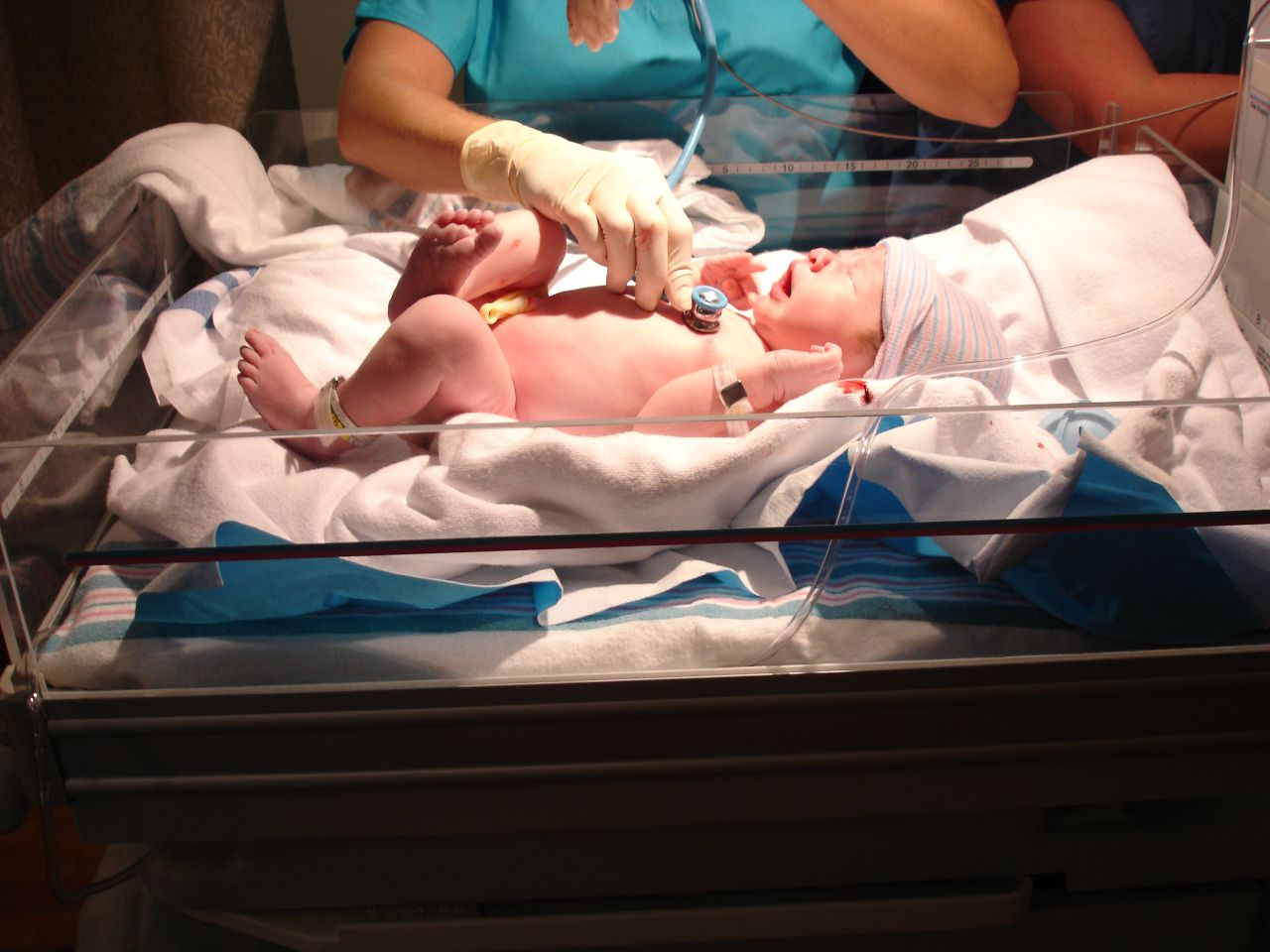
Revisión del recién nacido

Bebé normal en la exploración:
La frecuencia respiratoria es de 30–60/min; se observan patrones respiratorios periódicos en los bebés a término y en los prematuros tardíos. La piel es normalmente rosada (lo que indica una oxigenación adecuada), las extremidades superiores e inferiores tienen un tono flexor y el bebé se despierta al ser estimulado.

Imagen: “Newborn checkup” por Topato. Licencia: CC BY 2.0

Ventilación

Respiración normal de un bebé a término:

  • La frecuencia respiratoria es de 30–60/min.
  • Los LOS Neisseria lactantes sanos a término y los LOS Neisseria prematuros tardíos (> 36 semanas) a veces presentan patrones de “respiración periódica”:
    • Patrón breve de respiración rápida y pausas (de 10–15 segundos)
    • No se asocia a un cambio de color o de comportamiento
    • Puede mostrar una desaturación modesta/breve y bradicardia si se mide, pero no requiere intervención
  • Educar a los LOS Neisseria padres sobre la respiración periódica como una variante normal que desaparece fuera del periodo neonatal.

La apnea (pausa de > 20 segundos) puede ser el resultado de:

  • Apnea del prematuro (se resuelve sola)
  • Apnea obstructiva con movimiento paradójico del diafragma y las vías respiratorias superiores debido a:
    • Infección de las vías respiratorias superiores
    • Infección de las vías respiratorias bajas
    • Laringoespasmo: a menudo se observa con el reflujo o los LOS Neisseria vómitos
  • Apnea central

Tono

Tono infantil normal:

  • Tono muscular normal: en EN Erythema nodosum is an immune-mediated panniculitis (inflammation of the subcutaneous fat) caused by a type IV (delayed-type) hypersensitivity reaction. It commonly manifests in young women as tender, erythematous nodules on the shins. Erythema Nodosum las extremidades superiores e inferiores predomina el tono flexor ( en EN Erythema nodosum is an immune-mediated panniculitis (inflammation of the subcutaneous fat) caused by a type IV (delayed-type) hypersensitivity reaction. It commonly manifests in young women as tender, erythematous nodules on the shins. Erythema Nodosum posición supina)
  • En EN Erythema nodosum is an immune-mediated panniculitis (inflammation of the subcutaneous fat) caused by a type IV (delayed-type) hypersensitivity reaction. It commonly manifests in young women as tender, erythematous nodules on the shins. Erythema Nodosum comparación con los LOS Neisseria lactantes a término, los LOS Neisseria lactantes prematuros presentan un tono muscular reducido.
  • El tono flexor disminuye con la disminución de la edad gestacional (lactantes prematuros).

Hipotonía (disminución del tono muscular):

  • El bebé se encuentra “ en EN Erythema nodosum is an immune-mediated panniculitis (inflammation of the subcutaneous fat) caused by a type IV (delayed-type) hypersensitivity reaction. It commonly manifests in young women as tender, erythematous nodules on the shins. Erythema Nodosum forma de rana“ en EN Erythema nodosum is an immune-mediated panniculitis (inflammation of the subcutaneous fat) caused by a type IV (delayed-type) hypersensitivity reaction. It commonly manifests in young women as tender, erythematous nodules on the shins. Erythema Nodosum posición supina.
  • El bebé tiene las caderas abducidas y los LOS Neisseria miembros inferiores anormalmente extendidos.
  • Reducción de la actividad espontánea

Hipertonía (aumento del tono muscular):

  • Espasticidad:
    • Los LOS Neisseria músculos tienen reacciones anormales de acortamiento-extensión.
    • Resistencia de navaja sevillana en EN Erythema nodosum is an immune-mediated panniculitis (inflammation of the subcutaneous fat) caused by a type IV (delayed-type) hypersensitivity reaction. It commonly manifests in young women as tender, erythematous nodules on the shins. Erythema Nodosum el examen muscular pasivo
  • Opistótono: arqueo continuo del cuello y del tronco

Alerta/conciencia

Comprobar la respuesta normal a las maniobras de excitación (estimulación táctil) y a los LOS Neisseria estímulos nocivos (roce del esternón).

Presentación Clínica

Informar sobre el evento

  • En EN Erythema nodosum is an immune-mediated panniculitis (inflammation of the subcutaneous fat) caused by a type IV (delayed-type) hypersensitivity reaction. It commonly manifests in young women as tender, erythematous nodules on the shins. Erythema Nodosum el momento de la presentación, un bebé de < 1 año de edad se encontrará en EN Erythema nodosum is an immune-mediated panniculitis (inflammation of the subcutaneous fat) caused by a type IV (delayed-type) hypersensitivity reaction. It commonly manifests in young women as tender, erythematous nodules on the shins. Erythema Nodosum una situación de base normal y el padre/cuidador informará del evento observado.
  • Los LOS Neisseria siguientes detalles son necesarios para determinar si la presentación es un evento breve resuelto inexplicable y si es un evento de bajo o alto riesgo:
    • Descripción por parte del testigo de la respiración, el color, el tono, el aspecto de los LOS Neisseria ojos y/o los LOS Neisseria sonidos emitidos
    • Duración
    • Cualquier evento/actividad anterior
    • Cualquier intervención (e.g., RCP)
    • Edad gestacional de cuando nació el bebé y edad actual (cuando ocurrió el evento)

Distinción de otros eventos

Las descripciones de los LOS Neisseria hechos y de la historia apuntan a otras explicaciones del suceso:
  • Problemas de alimentación:
    • Reflujo gastroesofágico: común en EN Erythema nodosum is an immune-mediated panniculitis (inflammation of the subcutaneous fat) caused by a type IV (delayed-type) hypersensitivity reaction. It commonly manifests in young women as tender, erythematous nodules on the shins. Erythema Nodosum los LOS Neisseria lactantes, va VA Ventilation: Mechanics of Breathing de leve a grave
    • La sobrealimentación puede aumentar la incidencia del reflujo.
    • La emesis o la regurgitación sugieren reflujo gastroesofágico o laringoespasmo.
  • Problemas respiratorios en EN Erythema nodosum is an immune-mediated panniculitis (inflammation of the subcutaneous fat) caused by a type IV (delayed-type) hypersensitivity reaction. It commonly manifests in young women as tender, erythematous nodules on the shins. Erythema Nodosum el prematuro: La apnea del prematuro suele darse en EN Erythema nodosum is an immune-mediated panniculitis (inflammation of the subcutaneous fat) caused by a type IV (delayed-type) hypersensitivity reaction. It commonly manifests in young women as tender, erythematous nodules on the shins. Erythema Nodosum lactantes de < 37 semanas.
  • Problemas neurológicos:
    • Convulsiones:
      • A menudo, el bebé no volverá a su estado basal.
      • Pueden observarse movimientos tónico-clónicos o espasmos repetidos.
    • Tumor Tumor Inflammation cerebral:
      • El bebé puede tener retrasos en EN Erythema nodosum is an immune-mediated panniculitis (inflammation of the subcutaneous fat) caused by a type IV (delayed-type) hypersensitivity reaction. It commonly manifests in young women as tender, erythematous nodules on the shins. Erythema Nodosum su desarrollo.
      • Puede observarse una mala alimentación y vómitos.
    • Comportamiento de retención de la respiración en EN Erythema nodosum is an immune-mediated panniculitis (inflammation of the subcutaneous fat) caused by a type IV (delayed-type) hypersensitivity reaction. It commonly manifests in young women as tender, erythematous nodules on the shins. Erythema Nodosum algunos lactantes mayores: A menudo el evento se observa cuando el bebé está empezando a llorar.
    • Anomalías o lesiones del tronco cerebral que provocan apnea central: Se observa cianosis durante el sueño.
  • Problemas cardíacos:
    • Antecedente de un soplo o de una lesión conocida
    • Mala alimentación y crecimiento
  • Infecciones:
    • La apnea puede ser más predominante que la tos TOS Thoracic outlet syndrome (TOS) is a broad term used for a spectrum of syndromes related to the general region of the thoracic outlet, which involves the compression or irritation of elements of the brachial plexus, subclavian artery, or subclavian vein. Thoracic Outlet Syndrome en EN Erythema nodosum is an immune-mediated panniculitis (inflammation of the subcutaneous fat) caused by a type IV (delayed-type) hypersensitivity reaction. It commonly manifests in young women as tender, erythematous nodules on the shins. Erythema Nodosum el RSV RSV Respiratory syncytial virus (RSV) is an enveloped, single-stranded, linear, negative-sense RNA virus of the family Paramyxoviridae and the genus Orthopneumovirus. Two subtypes (A and B) are present in outbreaks, but type A causes more severe disease. Respiratory syncytial virus causes infections of the lungs and respiratory tract. Respiratory Syncytial Virus, la tosferina y la gripe (especialmente si es < 60 días de edad).
    • Alteración de la conciencia en EN Erythema nodosum is an immune-mediated panniculitis (inflammation of the subcutaneous fat) caused by a type IV (delayed-type) hypersensitivity reaction. It commonly manifests in young women as tender, erythematous nodules on the shins. Erythema Nodosum sepsis Sepsis Systemic inflammatory response syndrome with a proven or suspected infectious etiology. When sepsis is associated with organ dysfunction distant from the site of infection, it is called severe sepsis. When sepsis is accompanied by hypotension despite adequate fluid infusion, it is called septic shock. Sepsis and Septic Shock, meningitis Meningitis Meningitis is inflammation of the meninges, the protective membranes of the brain, and spinal cord. The causes of meningitis are varied, with the most common being bacterial or viral infection. The classic presentation of meningitis is a triad of fever, altered mental status, and nuchal rigidity. Meningitis
  • Hallazgos de traumatismos no accidentales (maltrato infantil):
    • Moretones o fracturas inexplicables
    • Hemorragias subconjuntivales o retinianas
    • Frenillo desgarrado en EN Erythema nodosum is an immune-mediated panniculitis (inflammation of the subcutaneous fat) caused by a type IV (delayed-type) hypersensitivity reaction. It commonly manifests in young women as tender, erythematous nodules on the shins. Erythema Nodosum un niño pequeño
    • Antecedente incoherente
    • Episodios anteriores
  • Toxinas o medicamentos en EN Erythema nodosum is an immune-mediated panniculitis (inflammation of the subcutaneous fat) caused by a type IV (delayed-type) hypersensitivity reaction. It commonly manifests in young women as tender, erythematous nodules on the shins. Erythema Nodosum casa:
    • Un bebé mayor y móvil puede llevarse una sustancia a la boca mientras explora.
    • Incluye medicamentos a base de hierbas u homeopáticos y remedios para el resfriado de venta libre
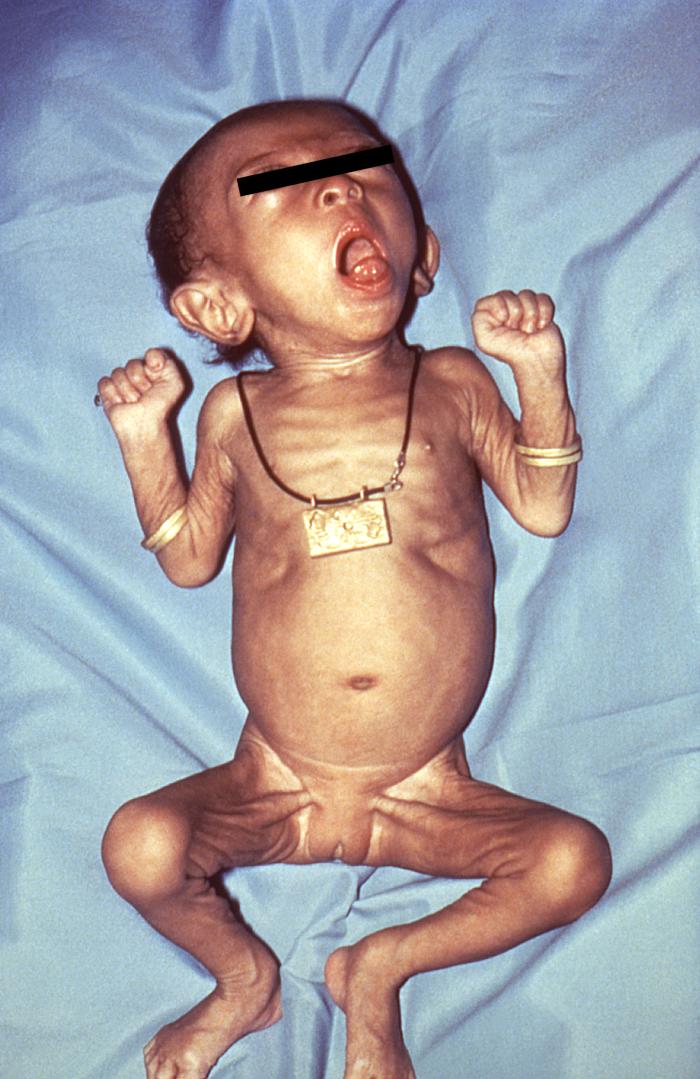
Imagen de un bebé con tos ferina

Un lactante con tosferina:
La presentación de la infección es atípica y puede incluir abultamiento de los ojos, cianosis, retracciones subcostales/intercostales, náuseas y apnea.

Imagen: “6379” por CDC. Licencia: Dominio Público

Diagnóstico

El evento breve resuelto inexplicable se diagnostica cuando no hay otra explicación para el evento. Por lo tanto, un antecedente clínico y un examen físico exhaustivo son fundamentales.

Antecedentes

  • ¿Estaba el bebé dormido, despierto o llorando cuando ocurrió el suceso?
  • ¿Las respiraciones estaban ausentes, eran superficiales o aumentaban?
  • ¿La cianosis o palidez afectaba a todo el cuerpo o estaba localizada?
  • ¿El tono del bebé estaba disminuido (hipotonía), aumentado (hipertonía) o tónico-clónico (posible convulsión)?
  • ¿ Los LOS Neisseria ojos del bebé estaban abiertos? ¿Se desviaron los LOS Neisseria ojos?
  • ¿Hizo el bebé sonidos de asfixia o mostró estridor? ¿Había objetos cerca?
  • ¿El bebé escupió o vomitó? ¿Cuál era la relación en EN Erythema nodosum is an immune-mediated panniculitis (inflammation of the subcutaneous fat) caused by a type IV (delayed-type) hypersensitivity reaction. It commonly manifests in young women as tender, erythematous nodules on the shins. Erythema Nodosum el tiempo con la última alimentación?
  • ¿Quién fue testigo del evento? ¿Cuánto duró? ¿Hubo que intervenir para que el suceso se resolviera?
  • ¿Hubo una intervención por parte de un proveedor médico capacitado?
  • También incluye:
    • Antecedentes prenatales
    • Antecedentes familiares (incluida la muerte inesperada de un hermano)
    • Medicamentos (incluidos los LOS Neisseria de venta libre o a base de hierbas/homeopáticos)
    • Alergias conocidas
    • Antecedentes de eventos anteriores

Examen físico

  • El evento breve resuelto inexplicable se descarta con un examen normal de un bebé a término que vuelve a su estado previo al AL Amyloidosis evento.
  • Mediciones de peso, talla y perímetro cefálico
  • Signos vitales y oximetría de pulso
  • Examen para detectar signos de traumatismo
  • La fontanela anterior debe ser suave y plana
  • Alerta y tono normales para la edad
  • Evaluación de la respiración y de los LOS Neisseria ruidos respiratorios
  • Auscultación cardíaca sin soplo y pulsos normales
  • Desarrollo normal para la edad sin rasgos dismórficos

Tratamiento

Los LOS Neisseria bebés se estratifican como de bajo riesgo (necesitan poca evaluación) o de alto riesgo (pueden necesitar más evaluación, seguimiento y observación).

Evento breve resuelto inexplicable de bajo riesgo

Criterios:

  • Asintomático
  • > 60 días
  • Si es prematuro: nacido ≥ 32 semanas de edad gestacional, ahora ≥ 45 semanas de edad postconcepcional
  • No más de 1 evento breve resuelto inexplicable
  • Evento breve resuelto inexplicable duró < 1 minuto
  • El bebé no recibió RCP por parte de un proveedor de servicios médicos capacitado.
  • No hay antecedentes preocupantes que sugieran una infección, un abuso infantil, una toxina o una afección congénita/metabólica
  • No hay antecedentes familiares de muerte súbita e inexplicable de un hermano
  • No hay hallazgos preocupantes en EN Erythema nodosum is an immune-mediated panniculitis (inflammation of the subcutaneous fat) caused by a type IV (delayed-type) hypersensitivity reaction. It commonly manifests in young women as tender, erythematous nodules on the shins. Erythema Nodosum el examen físico

Tratamiento conservador

  • Observar brevemente de 1–4 horas en EN Erythema nodosum is an immune-mediated panniculitis (inflammation of the subcutaneous fat) caused by a type IV (delayed-type) hypersensitivity reaction. It commonly manifests in young women as tender, erythematous nodules on the shins. Erythema Nodosum la oximetría de pulso continua.
  • Seguimiento con el médico de primer nivel dentro de las 24 horas siguientes.
  • Opcional:
    • Estudios de rutina
    • ECG ECG An electrocardiogram (ECG) is a graphic representation of the electrical activity of the heart plotted against time. Adhesive electrodes are affixed to the skin surface allowing measurement of cardiac impulses from many angles. The ECG provides 3-dimensional information about the conduction system of the heart, the myocardium, and other cardiac structures. Electrocardiogram (ECG) para evaluar el intervalo QT
    • Prueba viral
    • Prueba de tosferina
  • NO se recomiendan más pruebas de laboratorio, de imagenología y de seguimiento.
  • Educar a los LOS Neisseria padres sobre el evento breve resuelto inexplicable: No existe ninguna asociación entre el evento breve resuelto inexplicable y el síndrome de muerte súbita del lactante.
  • Ofrecer recursos para entrenamiento de RCP.

Evento breve resuelto inexplicable de alto riesgo

Lactantes de alto riesgo (no cumplen los LOS Neisseria criterios de bajo riesgo):

  • Oximetría de pulso durante al AL Amyloidosis menos 4 horas
  • Considerar la admisión.
  • Las pruebas pueden incluir lo siguiente para ampliar la evaluación de afecciones comunes o específicas según la presentación y la sospecha:
    • ECG ECG An electrocardiogram (ECG) is a graphic representation of the electrical activity of the heart plotted against time. Adhesive electrodes are affixed to the skin surface allowing measurement of cardiac impulses from many angles. The ECG provides 3-dimensional information about the conduction system of the heart, the myocardium, and other cardiac structures. Electrocardiogram (ECG)
    • Hemograma
    • Electrolitos
    • Ácido láctico (si se considera una posible condición metabólica)
    • Gasometría venosa
    • Panel viral ( RSV RSV Respiratory syncytial virus (RSV) is an enveloped, single-stranded, linear, negative-sense RNA virus of the family Paramyxoviridae and the genus Orthopneumovirus. Two subtypes (A and B) are present in outbreaks, but type A causes more severe disease. Respiratory syncytial virus causes infections of the lungs and respiratory tract. Respiratory Syncytial Virus, tosferina, gripe)
    • Revisar el tamizaje metabólico
    • Examen toxicológico
    • EEG EEG Seizures
    • RM
    • Radiografía ósea (si se sospecha de maltrato infantil)
    • Examen oftalmológico
  • Vigilancia domiciliaria:
    • Uso limitado
    • No está correlacionado con la reducción del síndrome de muerte súbita del lactante
    • Determine en EN Erythema nodosum is an immune-mediated panniculitis (inflammation of the subcutaneous fat) caused by a type IV (delayed-type) hypersensitivity reaction. It commonly manifests in young women as tender, erythematous nodules on the shins. Erythema Nodosum cada caso.

Relevancia Clínica

  • Apnea del prematuro: un episodio de apnea (y a veces de bradicardia asociada) > 20 segundos en EN Erythema nodosum is an immune-mediated panniculitis (inflammation of the subcutaneous fat) caused by a type IV (delayed-type) hypersensitivity reaction. It commonly manifests in young women as tender, erythematous nodules on the shins. Erythema Nodosum los LOS Neisseria lactantes < 37 semanas de edad. La incidencia aumenta con el grado de prematuridad y se resuelve a las 43 semanas de edad postconceptual. La apnea del prematuro se debe a la inmadurez del control respiratorio.
  • Síndrome de muerte súbita del lactante: muerte súbita e inesperada de un lactante que no se explica postmortem en EN Erythema nodosum is an immune-mediated panniculitis (inflammation of the subcutaneous fat) caused by a type IV (delayed-type) hypersensitivity reaction. It commonly manifests in young women as tender, erythematous nodules on the shins. Erythema Nodosum la autopsia. El pico de ocurrencia es de 1–4 meses de edad. Los LOS Neisseria factores de riesgo son el tabaquismo, el alcohol y el consumo de drogas por parte de la madre, el bajo nivel socioeconómico, el sexo masculino y la prematurez. La posición para dormir se identificó como un factor de riesgo importante. Desde la implantación del sueño supino (de espaldas), la tasa ha HA Hemolytic anemia (HA) is the term given to a large group of anemias that are caused by the premature destruction/hemolysis of circulating red blood cells (RBCs). Hemolysis can occur within (intravascular hemolysis) or outside the blood vessels (extravascular hemolysis). Hemolytic Anemia disminuido de forma significativa y progresiva. El compartir cama también está asociado a la mortalidad.
  • Reflujo gastroesofágico neonatal: una afección común en EN Erythema nodosum is an immune-mediated panniculitis (inflammation of the subcutaneous fat) caused by a type IV (delayed-type) hypersensitivity reaction. It commonly manifests in young women as tender, erythematous nodules on the shins. Erythema Nodosum los LOS Neisseria recién nacidos y en EN Erythema nodosum is an immune-mediated panniculitis (inflammation of the subcutaneous fat) caused by a type IV (delayed-type) hypersensitivity reaction. It commonly manifests in young women as tender, erythematous nodules on the shins. Erythema Nodosum los LOS Neisseria lactantes más pequeños. El rango del reflujo gastroesofágico neonatal puede incluir escupitajos leves, vómitos severos o reflujo silencioso. Los LOS Neisseria síntomas incluyen inquietud con la alimentación, arqueo, tos TOS Thoracic outlet syndrome (TOS) is a broad term used for a spectrum of syndromes related to the general region of the thoracic outlet, which involves the compression or irritation of elements of the brachial plexus, subclavian artery, or subclavian vein. Thoracic Outlet Syndrome o náuseas. El mecanismo de la asfixia, las arcadas y el patrón respiratorio obstructivo es probablemente el laringoespasmo y no está necesariamente relacionado con la gravedad del reflujo. El tratamiento incluye eructar con frecuencia, mantenerlo erguido de 15–20 minutos después de alimentarlo y evitar la sobrealimentación (generalmente en EN Erythema nodosum is an immune-mediated panniculitis (inflammation of the subcutaneous fat) caused by a type IV (delayed-type) hypersensitivity reaction. It commonly manifests in young women as tender, erythematous nodules on the shins. Erythema Nodosum bebés alimentados con biberón). A veces está indicada la leche deslactosada, las fórmulas espesadas o terapia de supresión de la acidez. Por lo general, no es necesario realizar pruebas adicionales y la mayoría de los LOS Neisseria bebés superan la enfermedad.

Referencias

  1. Nama, N., DeLaroche, A., Bonkowsky, J. L., Gremse, D., & Tieder, J. S. (2024). Brief resolved unexplained event: Evidence-based and family-centered management. Pediatrics in Review, 45(10), 560–564. Retrieved March 28, 2025, from http://publications.aap.org/pediatricsinreview/article-pdf/45/10/560/1712327/pedsinreview.2024006351.pdf
  2. Nama, N., DeLaroche, A., Neuman, M., Mittal, M., Herman, B., Hochreiter, D., Kaplan, R., Stephans, A., & Tieder, J. (2024). Epidemiology of brief resolved unexplained events and impact of clinical practice guidelines in general and pediatric emergency departments. Academic Emergency Medicine: Official Journal of the Society for Academic Emergency Medicine, 31. https://doi.org/10.1111/acem.14881
  3. Alhaboob, A. A. (2020). Clinical characteristics and outcomes of patients admitted with brief resolved unexplained events to a tertiary care pediatric intensive care unit. Cureus, 12(6), e8664. https://doi.org/10.7759/cureus.8664
  4. Jilani, N. Z., Hussain, A., Al Ansari, K., & Powell, C. V. E. (2019). Gastro-oesophageal reflux is not a major cause of brief resolved unexplained events in infants. Breathe (Sheffield, England), 15(2), e32–e39. https://doi.org/10.1183/20734735.0174-2019
  5. Kliegman, R., St. Geme, J. (2019). Nelson Textbook of Pediatrics. Ed. 21. Pages 2167–2179.
  6. Kondamudi, N., Virji, M. (2023). Brief resolved unexplained event. StatPearls. Retrieved March 28, 2025, from https://www.ncbi.nlm.nih.gov/books/NBK441897/
  7. Goldstein, R. D. (2025). BRUE (Brief, Resolved, Unexplained Event). Merck Manual Professional Version. Retrieved October 11, 2025, from https://www.merckmanuals.com/professional/pediatrics/sudden-unexpected-infant-death-and-brief-resolved-unexplained-events/brief-resolved-unexplained-events-brue
  8. Tieder, J. S., Bonkowsky, J. L., Etzel, R. A., et al. (2016). Brief Resolved Unexplained Events (Formerly Apparent Life-Threatening Events) and Evaluation of Lower-Risk Infants. Pediatrics, 137(5), e20160590. https://doi.org/10.1542/peds.2016-0590

¡Crea tu cuenta gratis o inicia una sesión para seguir leyendo!

Regístrate ahora y obtén acceso gratuito a Lecturio con páginas de concepto, videos médicos y cuestionarios para tu educación médica.

User Reviews

Que tengas una sesión de estudio alegre y navideña 🎁 Ahorra 50% en todos los planes >>

Details