Domina Conceptos Médicos

Estudia para la escuela de medicina y tus examenes con Lecturio.

Enfermedad Ósea de Paget

La enfermedad ósea de Paget, también conocida históricamente como osteítis deformante, es un trastorno focal del metabolismo óseo que afecta entre el 2%–9% de las personas. Las zonas más afectadas son el cráneo, la columna vertebral, la pelvis Pelvis The pelvis consists of the bony pelvic girdle, the muscular and ligamentous pelvic floor, and the pelvic cavity, which contains viscera, vessels, and multiple nerves and muscles. The pelvic girdle, composed of 2 "hip" bones and the sacrum, is a ring-like bony structure of the axial skeleton that links the vertebral column with the lower extremities. Pelvis: Anatomy y los LOS Neisseria huesos largos de las extremidades inferiores. Las dos principales manifestaciones clínicas de la enfermedad de Paget son el dolor Dolor Inflammation óseo y las consecuencias de las deformidades óseas, así como fracturas, artrosis o pinzamiento nervioso. El tratamiento incluye bifosfonatos, calcitonina y cirugía para el tratamiento de fracturas, deformidades y complicaciones. El pronóstico de la enfermedad ósea de Paget es bueno, especialmente si el tratamiento se inicia antes de que se produzcan cambios importantes en EN Erythema nodosum is an immune-mediated panniculitis (inflammation of the subcutaneous fat) caused by a type IV (delayed-type) hypersensitivity reaction. It commonly manifests in young women as tender, erythematous nodules on the shins. Erythema Nodosum los LOS Neisseria huesos.

Last updated: Dec 15, 2025

Editorial responsibility: Stanley Oiseth, Lindsay Jones, Evelin Maza

Descripción General

Definición

La enfermedad ósea de Paget, también conocida como osteítis deformante es un trastorno del metabolismo óseo que afecta al AL Amyloidosis envejecimiento del esqueleto.
Epidemiología

  • Es el segundo trastorno metabólico óseo más frecuente, después de la osteoporosis Osteoporosis Osteoporosis refers to a decrease in bone mass and density leading to an increased number of fractures. There are 2 forms of osteoporosis: primary, which is commonly postmenopausal or senile; and secondary, which is a manifestation of immobilization, underlying medical disorders, or long-term use of certain medications. Osteoporosis
  • Más común después de los LOS Neisseria 55 años de edad
  • Predominio masculino 3:2
  • Variaciones geográficas de la prevalencia:
    • Estados Unidos: 1% de la población > 40 años
    • Más común en EN Erythema nodosum is an immune-mediated panniculitis (inflammation of the subcutaneous fat) caused by a type IV (delayed-type) hypersensitivity reaction. It commonly manifests in young women as tender, erythematous nodules on the shins. Erythema Nodosum Europa (excepto en EN Erythema nodosum is an immune-mediated panniculitis (inflammation of the subcutaneous fat) caused by a type IV (delayed-type) hypersensitivity reaction. It commonly manifests in young women as tender, erythematous nodules on the shins. Erythema Nodosum Escandinavia), Australia y Nueva Zelanda, con un promedio del 3%–4%, y con un rango de hasta 2%–9%.
    • Poco frecuente en EN Erythema nodosum is an immune-mediated panniculitis (inflammation of the subcutaneous fat) caused by a type IV (delayed-type) hypersensitivity reaction. It commonly manifests in young women as tender, erythematous nodules on the shins. Erythema Nodosum Asia ASIA Spinal Cord Injuries
  • Antecedentes familiares: en EN Erythema nodosum is an immune-mediated panniculitis (inflammation of the subcutaneous fat) caused by a type IV (delayed-type) hypersensitivity reaction. It commonly manifests in young women as tender, erythematous nodules on the shins. Erythema Nodosum el 12%-40% de los LOS Neisseria pacientes
  • Asintomática en EN Erythema nodosum is an immune-mediated panniculitis (inflammation of the subcutaneous fat) caused by a type IV (delayed-type) hypersensitivity reaction. It commonly manifests in young women as tender, erythematous nodules on the shins. Erythema Nodosum el 70% de los LOS Neisseria casos
  • En EN Erythema nodosum is an immune-mediated panniculitis (inflammation of the subcutaneous fat) caused by a type IV (delayed-type) hypersensitivity reaction. It commonly manifests in young women as tender, erythematous nodules on the shins. Erythema Nodosum general, la incidencia está disminuyendo.

Etiología

  • Incierta: etiologías genéticas e infecciosas implicadas y probablemente aditivas
  • Genética:
    • Herencia autosómica dominante con penetración variable Variable Variables represent information about something that can change. The design of the measurement scales, or of the methods for obtaining information, will determine the data gathered and the characteristics of that data. As a result, a variable can be qualitative or quantitative, and may be further classified into subgroups. Types of Variables
    • Las mutaciones de los LOS Neisseria genes Genes A category of nucleic acid sequences that function as units of heredity and which code for the basic instructions for the development, reproduction, and maintenance of organisms. DNA Types and Structure SQSTM1, RANK y las regiones de los LOS Neisseria cromosomas 5 y 6 están implicadas en EN Erythema nodosum is an immune-mediated panniculitis (inflammation of the subcutaneous fat) caused by a type IV (delayed-type) hypersensitivity reaction. It commonly manifests in young women as tender, erythematous nodules on the shins. Erythema Nodosum el metabolismo óseo.
    • Mutaciones en EN Erythema nodosum is an immune-mediated panniculitis (inflammation of the subcutaneous fat) caused by a type IV (delayed-type) hypersensitivity reaction. It commonly manifests in young women as tender, erythematous nodules on the shins. Erythema Nodosum la línea germinal de SQSTM1:
      • Aproximadamente el 40% de los LOS Neisseria casos familiares de enfermedad ósea de Paget
      • Aproximadamente el 10% de los LOS Neisseria casos son esporádicos
  • Infecciones víricas:
    • Menos establecidas que las etiologías genéticas
    • Pruebas sustanciales de una posible infección de sarampión en EN Erythema nodosum is an immune-mediated panniculitis (inflammation of the subcutaneous fat) caused by a type IV (delayed-type) hypersensitivity reaction. It commonly manifests in young women as tender, erythematous nodules on the shins. Erythema Nodosum los LOS Neisseria osteoclastos
    • La vacunación contra el sarampión puede explicar el descenso de la incidencia de la enfermedad ósea de Paget.

Fisiopatología

Patogénesis

  • Es una enfermedad de los LOS Neisseria osteoclastos
  • La actividad de los LOS Neisseria osteoclastos acelera el ritmo de la remodelación ósea, provocando un crecimiento excesivo y un deterioro de la integridad estructural del hueso afectado.
  • Esto es seguido por un aumento de la actividad de los LOS Neisseria osteoblastos.
  • Dando como resultado un hueso agrandado y engrosado, pero deforme y debilitado.
  • Se desconoce por qué solo algunas zonas del hueso se ven afectadas.
  • 3 fases de la enfermedad ósea de Paget:
    1. Fase osteolítica inicial: actividad osteoclástica predominante
    2. Fase mixta osteoclástica-osteoblástica
    3. Fase osteoesclerótica quiescente: Predomina la actividad de los LOS Neisseria osteoblastos.

Osteoclastos de la enfermedad ósea de Paget

  • Poseen características únicas:
    • Número notablemente mayor durante la fase osteolítica activa
    • Aspecto atípico/extraño, con muchos núcleos (hasta 100 en EN Erythema nodosum is an immune-mediated panniculitis (inflammation of the subcutaneous fat) caused by a type IV (delayed-type) hypersensitivity reaction. It commonly manifests in young women as tender, erythematous nodules on the shins. Erythema Nodosum comparación con los LOS Neisseria 10-12 que hay normalmente)
    • Inclusiones intranucleares presentes en EN Erythema nodosum is an immune-mediated panniculitis (inflammation of the subcutaneous fat) caused by a type IV (delayed-type) hypersensitivity reaction. It commonly manifests in young women as tender, erythematous nodules on the shins. Erythema Nodosum algunos núcleos
    • Hipersensibilidad a la vitamina D
  • 2 citoquinas esenciales necesarias para la diferenciación de los LOS Neisseria osteoclastos:
    • Factor estimulante de colonias de macrófagos ( GM-CSF GM-CSF An acidic glycoprotein of mw 23 kda with internal disulfide bonds. The protein is produced in response to a number of inflammatory mediators by mesenchymal cells present in the hemopoietic environment and at peripheral sites of inflammation. GM-CSF is able to stimulate the production of neutrophilic granulocytes, macrophages, and mixed granulocyte-macrophage colonies from bone marrow cells and can stimulate the formation of eosinophil colonies from fetal liver progenitor cells. GM-CSF can also stimulate some functional activities in mature granulocytes and macrophages. White Myeloid Cells: Histology, por sus siglas en EN Erythema nodosum is an immune-mediated panniculitis (inflammation of the subcutaneous fat) caused by a type IV (delayed-type) hypersensitivity reaction. It commonly manifests in young women as tender, erythematous nodules on the shins. Erythema Nodosum inglés)
    • Receptor Receptor Receptors are proteins located either on the surface of or within a cell that can bind to signaling molecules known as ligands (e.g., hormones) and cause some type of response within the cell. Receptors activador del ligando del factor nuclear-κB ( RANKL RANKL A tumor necrosis factor receptor family member that is specific for rank ligand and plays a role in bone homeostasis by regulating osteoclastogenesis. It is also expressed on dendritic cells where it plays a role in regulating dendritic cell survival. Signaling by the activated receptor occurs through its association with tnf receptor-associated factors. Paget Disease of Bone, por sus siglas en EN Erythema nodosum is an immune-mediated panniculitis (inflammation of the subcutaneous fat) caused by a type IV (delayed-type) hypersensitivity reaction. It commonly manifests in young women as tender, erythematous nodules on the shins. Erythema Nodosum inglés)
  • La diferenciación es inhibida por la osteoprotegerina (OPG; un receptor Receptor Receptors are proteins located either on the surface of or within a cell that can bind to signaling molecules known as ligands (e.g., hormones) and cause some type of response within the cell. Receptors señuelo soluble para el RANKL RANKL A tumor necrosis factor receptor family member that is specific for rank ligand and plays a role in bone homeostasis by regulating osteoclastogenesis. It is also expressed on dendritic cells where it plays a role in regulating dendritic cell survival. Signaling by the activated receptor occurs through its association with tnf receptor-associated factors. Paget Disease of Bone) y modulada por otras citoquinas y hormonas.
  • Las anomalías de estas vías constituyen la base de la etiología genética de la enfermedad ósea de Paget.

Patología macroscópica

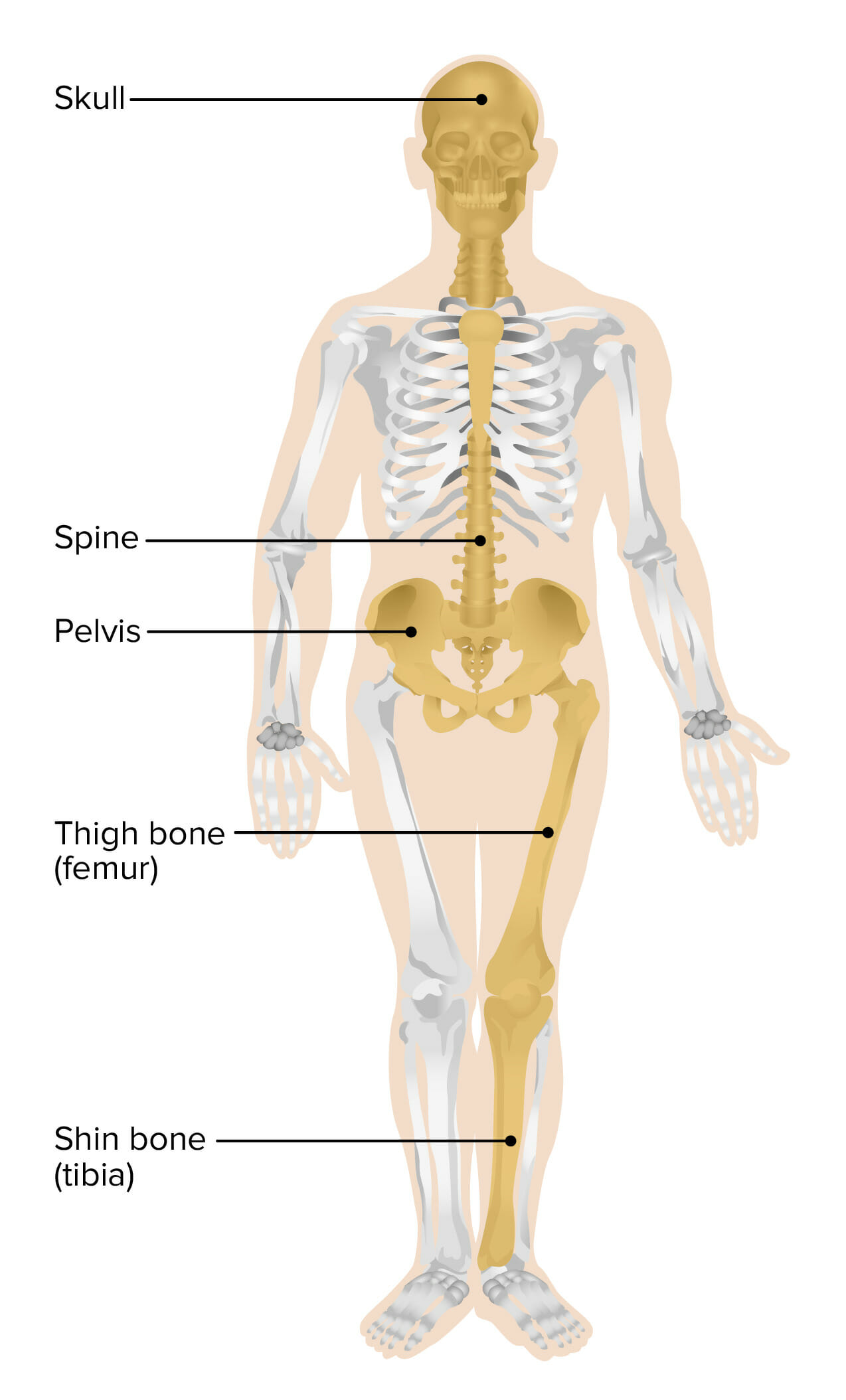
  • Los LOS Neisseria sitios más comunes:
    • Cráneo
    • Columna toracolumbar
    • Pelvis Pelvis The pelvis consists of the bony pelvic girdle, the muscular and ligamentous pelvic floor, and the pelvic cavity, which contains viscera, vessels, and multiple nerves and muscles. The pelvic girdle, composed of 2 “hip” bones and the sacrum, is a ring-like bony structure of the axial skeleton that links the vertebral column with the lower extremities. Pelvis: Anatomy
    • Huesos largos de las extremidades inferiores
    • El esqueleto axial Axial Computed Tomography (CT) o el fémur proximal se ven afectados en EN Erythema nodosum is an immune-mediated panniculitis (inflammation of the subcutaneous fat) caused by a type IV (delayed-type) hypersensitivity reaction. It commonly manifests in young women as tender, erythematous nodules on the shins. Erythema Nodosum el 80% de los LOS Neisseria casos.
  • Monostótica en EN Erythema nodosum is an immune-mediated panniculitis (inflammation of the subcutaneous fat) caused by a type IV (delayed-type) hypersensitivity reaction. It commonly manifests in young women as tender, erythematous nodules on the shins. Erythema Nodosum el 15% de los LOS Neisseria casos; poliostótica en EN Erythema nodosum is an immune-mediated panniculitis (inflammation of the subcutaneous fat) caused by a type IV (delayed-type) hypersensitivity reaction. It commonly manifests in young women as tender, erythematous nodules on the shins. Erythema Nodosum el 85%.
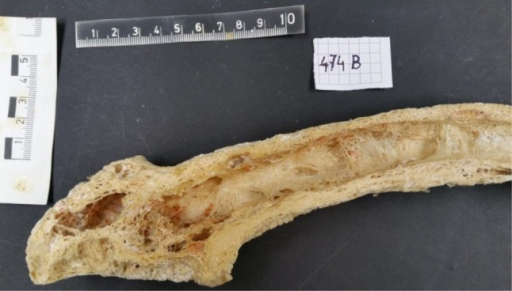
  • Hueso focalmente aumentado de tamaño y deformado
  • Engrosamiento irregular del hueso cortical y esponjoso

Patología microscópica

  • Fase osteolítica:
    • Numerosas fosas de reabsorción
    • Aumento del número y forma de los LOS Neisseria osteoclastos
  • Fase mixta:
    • Muchas superficies óseas revestidas por osteoblastos engrosados
    • Tejido conectivo laxo, células osteoprogenitoras y numerosos vasos sanguíneos adyacentes al AL Amyloidosis hueso nuevo
    • El hueso tejido se convierte en EN Erythema nodosum is an immune-mediated panniculitis (inflammation of the subcutaneous fat) caused by a type IV (delayed-type) hypersensitivity reaction. It commonly manifests in young women as tender, erythematous nodules on the shins. Erythema Nodosum laminar con un patrón en EN Erythema nodosum is an immune-mediated panniculitis (inflammation of the subcutaneous fat) caused by a type IV (delayed-type) hypersensitivity reaction. It commonly manifests in young women as tender, erythematous nodules on the shins. Erythema Nodosum mosaico.
    • Corteza porosa
    • Estructura trabecular engrosada, pero estructuralmente poco sólida
    • Evoluciona hacia una fase osteoesclerótica, con algunos osteoblastos y pocos osteoclastos que permanecen en EN Erythema nodosum is an immune-mediated panniculitis (inflammation of the subcutaneous fat) caused by a type IV (delayed-type) hypersensitivity reaction. It commonly manifests in young women as tender, erythematous nodules on the shins. Erythema Nodosum el hueso con patrón de mosaico.
  • Fase esclerótica (patognomónica de la enfermedad ósea de Paget):
    • Patrón en EN Erythema nodosum is an immune-mediated panniculitis (inflammation of the subcutaneous fat) caused by a type IV (delayed-type) hypersensitivity reaction. It commonly manifests in young women as tender, erythematous nodules on the shins. Erythema Nodosum mosaico del hueso laminar
    • Parece un rompecabezas
    • Líneas de cemento prominentes que juntan unidades de hueso laminar orientadas al AL Amyloidosis azar

Presentación Clínica

Más del 70% de los LOS Neisseria casos son asintomáticos.

Dolor Dolor Inflammation

  • Se transmite por los LOS Neisseria nervios del periostio y se debe a:
    • Sobrecrecimiento óseo
    • Hiperemia
    • Microfracturas
  • Dolor Dolor Inflammation sordo, de tipo punzante
  • Constante, día y noche
  • Peor en EN Erythema nodosum is an immune-mediated panniculitis (inflammation of the subcutaneous fat) caused by a type IV (delayed-type) hypersensitivity reaction. It commonly manifests in young women as tender, erythematous nodules on the shins. Erythema Nodosum los LOS Neisseria huesos que soportan peso

Deformidades y fracturas óseas

Los LOS Neisseria lugares implicados rara vez cambian a lo largo de la vida del paciente.
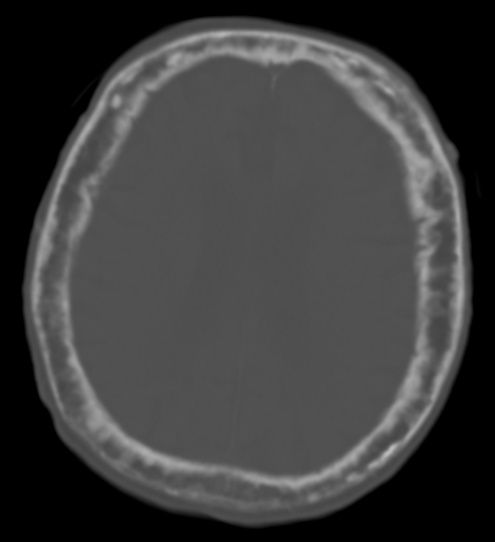
  • La cabeza:
    • Aumento de tamaño del cráneo con protuberancia frontal Frontal The bone that forms the frontal aspect of the skull. Its flat part forms the forehead, articulating inferiorly with the nasal bone and the cheek bone on each side of the face. Skull: Anatomy
    • Venas del cuero cabelludo dilatadas
    • Invaginación basilar (i.e., la punta de la apófisis odontoides está por encima del foramen magnum)
    • Deformación de la mandíbula, maloclusión y enfermedad periodontal
    • Estrías angioides (grietas en EN Erythema nodosum is an immune-mediated panniculitis (inflammation of the subcutaneous fat) caused by a type IV (delayed-type) hypersensitivity reaction. It commonly manifests in young women as tender, erythematous nodules on the shins. Erythema Nodosum las membranas de Bruch de los LOS Neisseria ojos, pueden causar neovascularización coroidea)
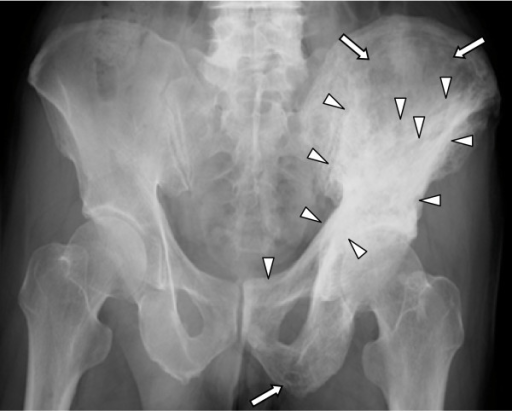
  • Columna vertebral y pelvis Pelvis The pelvis consists of the bony pelvic girdle, the muscular and ligamentous pelvic floor, and the pelvic cavity, which contains viscera, vessels, and multiple nerves and muscles. The pelvic girdle, composed of 2 “hip” bones and the sacrum, is a ring-like bony structure of the axial skeleton that links the vertebral column with the lower extremities. Pelvis: Anatomy:
    • Fracturas por compresión
    • Pelvis Pelvis The pelvis consists of the bony pelvic girdle, the muscular and ligamentous pelvic floor, and the pelvic cavity, which contains viscera, vessels, and multiple nerves and muscles. The pelvic girdle, composed of 2 “hip” bones and the sacrum, is a ring-like bony structure of the axial skeleton that links the vertebral column with the lower extremities. Pelvis: Anatomy:
      • Dolor Dolor Inflammation
      • Artritis
      • Protrusión acetabular (la cabeza del fémur se proyecta medialmente hacia la línea ilioisquiática)
  • Huesos largos:
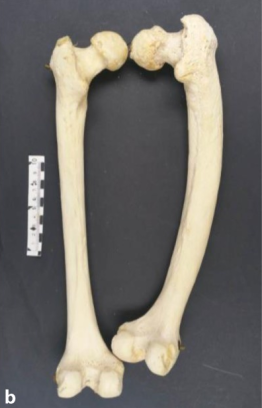
    • Deformidades en EN Erythema nodosum is an immune-mediated panniculitis (inflammation of the subcutaneous fat) caused by a type IV (delayed-type) hypersensitivity reaction. It commonly manifests in young women as tender, erythematous nodules on the shins. Erythema Nodosum arco, con artritis de las articulaciones adyacentes
    • Fracturas:
      • La fractura transversal en EN Erythema nodosum is an immune-mediated panniculitis (inflammation of the subcutaneous fat) caused by a type IV (delayed-type) hypersensitivity reaction. It commonly manifests in young women as tender, erythematous nodules on the shins. Erythema Nodosum el trocánter menor del fémur es la más común
      • Es la complicación más común en EN Erythema nodosum is an immune-mediated panniculitis (inflammation of the subcutaneous fat) caused by a type IV (delayed-type) hypersensitivity reaction. It commonly manifests in young women as tender, erythematous nodules on the shins. Erythema Nodosum los LOS Neisseria huesos largos
      • La pérdida de sangre aumenta debido a la mayor vascularidad
      • El yeso o la inmovilización pueden provocar una osteopenia Osteopenia Osteoporosis grave.
    • La piel que cubre los LOS Neisseria huesos está caliente debido al AL Amyloidosis aumento en EN Erythema nodosum is an immune-mediated panniculitis (inflammation of the subcutaneous fat) caused by a type IV (delayed-type) hypersensitivity reaction. It commonly manifests in young women as tender, erythematous nodules on the shins. Erythema Nodosum la vascularidad del hueso

Complicaciones del sobrecrecimiento óseo

  • Neurológicas:
    • Pérdida de la audición y vértigo (por afectación del nervio vestibulococlear e involucramiento de la cóclea)
    • Hidrocefalia
    • Inestabilidad de la marcha
    • Demencia por secuestro vascular debido a la vascularidad ósea
    • Estenosis espinal
    • Isquemia medular: por secuestro vascular
    • Radiculopatías (compresión nerviosa)
  • Metabólicas:
    • Más común en EN Erythema nodosum is an immune-mediated panniculitis (inflammation of the subcutaneous fat) caused by a type IV (delayed-type) hypersensitivity reaction. It commonly manifests in young women as tender, erythematous nodules on the shins. Erythema Nodosum pacientes no tratados con enfermedad poliostótica
    • Insuficiencia cardíaca de alto gasto
    • Hipercalcemia durante la inmovilización o la fractura:
      • Hipercalciuria
      • Mayor riesgo de desarrollar cálculos renales
  • Neoplásicas:
    • Ocurren en EN Erythema nodosum is an immune-mediated panniculitis (inflammation of the subcutaneous fat) caused by a type IV (delayed-type) hypersensitivity reaction. It commonly manifests in young women as tender, erythematous nodules on the shins. Erythema Nodosum < 1% de casos de la enfermedad ósea de Paget
    • El riesgo es mayor en EN Erythema nodosum is an immune-mediated panniculitis (inflammation of the subcutaneous fat) caused by a type IV (delayed-type) hypersensitivity reaction. It commonly manifests in young women as tender, erythematous nodules on the shins. Erythema Nodosum la enfermedad poliostótica y la de larga duración.
    • El osteosarcoma Osteosarcoma Osteosarcoma is a primary malignant tumor of the bone characterized by the production of osteoid or immature bone by the tumor cells. The disease is most common in children and young adults and most frequently affects growth plates of the long bones, although it can involve any bone. Osteosarcoma es el más común
    • Fibrosarcoma
    • Tumores de células gigantes:
      • Normalmente benignos
      • Causan destrucción local
      • Raramente hacen metástasis

Diagnóstico

Antecedentes

  • Pacientes de edad avanzada
  • Fracturas patológicas
  • Hipercalcemia tras el reposo en EN Erythema nodosum is an immune-mediated panniculitis (inflammation of the subcutaneous fat) caused by a type IV (delayed-type) hypersensitivity reaction. It commonly manifests in young women as tender, erythematous nodules on the shins. Erythema Nodosum cama

Hallazgos en EN Erythema nodosum is an immune-mediated panniculitis (inflammation of the subcutaneous fat) caused by a type IV (delayed-type) hypersensitivity reaction. It commonly manifests in young women as tender, erythematous nodules on the shins. Erythema Nodosum laboratorios

  • Fosfatasa alcalina sérica:
    • A menudo elevada, con gamma-glutamil-transpeptidasa normal (a diferencia de la enfermedad hepática)
    • Elevación de la fosfatasa alcalina osea (FAO)
  • Otros marcadores de recambio óseo:
    • Enlace cruzado de telopéptido N en EN Erythema nodosum is an immune-mediated panniculitis (inflammation of the subcutaneous fat) caused by a type IV (delayed-type) hypersensitivity reaction. It commonly manifests in young women as tender, erythematous nodules on the shins. Erythema Nodosum orina
    • Enlace cruzado de telopéptido C en EN Erythema nodosum is an immune-mediated panniculitis (inflammation of the subcutaneous fat) caused by a type IV (delayed-type) hypersensitivity reaction. It commonly manifests in young women as tender, erythematous nodules on the shins. Erythema Nodosum suero
    • Propéptido aminoterminal del procolágeno tipo I
  • Calcio y fósforo séricos:
    • Normal en EN Erythema nodosum is an immune-mediated panniculitis (inflammation of the subcutaneous fat) caused by a type IV (delayed-type) hypersensitivity reaction. It commonly manifests in young women as tender, erythematous nodules on the shins. Erythema Nodosum la mayoría de los LOS Neisseria pacientes
    • Pueden estar elevados en EN Erythema nodosum is an immune-mediated panniculitis (inflammation of the subcutaneous fat) caused by a type IV (delayed-type) hypersensitivity reaction. It commonly manifests in young women as tender, erythematous nodules on the shins. Erythema Nodosum casos de fractura o inmovilización
    • Si están elevados en EN Erythema nodosum is an immune-mediated panniculitis (inflammation of the subcutaneous fat) caused by a type IV (delayed-type) hypersensitivity reaction. It commonly manifests in young women as tender, erythematous nodules on the shins. Erythema Nodosum un paciente ambulatorio sin fractura, puede indicar otra patología (i.e., hiperparatiroidismo primario)

Imagenología

  • La herramienta diagnóstica más importante
  • Radiografías simples:
    • Lesiones osteolíticas en la enfermedad ósea de Paget temprana: “osteoporosis circumscripta” en EN Erythema nodosum is an immune-mediated panniculitis (inflammation of the subcutaneous fat) caused by a type IV (delayed-type) hypersensitivity reaction. It commonly manifests in young women as tender, erythematous nodules on the shins. Erythema Nodosum el cráneo
    • Hueso engrosado, más denso y agrandado al AL Amyloidosis aumentar la actividad de los LOS Neisseria osteoblastos
    • Lesiones mixtas líticas/escleróticas, con una lesión lítica en EN Erythema nodosum is an immune-mediated panniculitis (inflammation of the subcutaneous fat) caused by a type IV (delayed-type) hypersensitivity reaction. It commonly manifests in young women as tender, erythematous nodules on the shins. Erythema Nodosum forma de flama que progresa por delante de la corteza y del hueso trabecular engrosados
    • Deformación de la forma del hueso
    • Pseudofracturas (Looser’s lines): pequeñas fisuras en EN Erythema nodosum is an immune-mediated panniculitis (inflammation of the subcutaneous fat) caused by a type IV (delayed-type) hypersensitivity reaction. It commonly manifests in young women as tender, erythematous nodules on the shins. Erythema Nodosum la superficie convexa de los LOS Neisseria huesos largos
    • Protrusión acetabular y afectación de la línea iliopectínea
    • “Vértebra de marfil”: vértebras engrosadas y agrandadas
  • Gammagrafía ósea:
    • Se obtiene como base de referencia en EN Erythema nodosum is an immune-mediated panniculitis (inflammation of the subcutaneous fat) caused by a type IV (delayed-type) hypersensitivity reaction. It commonly manifests in young women as tender, erythematous nodules on the shins. Erythema Nodosum todos los LOS Neisseria casos.
    • Se aumenta la captación en EN Erythema nodosum is an immune-mediated panniculitis (inflammation of the subcutaneous fat) caused by a type IV (delayed-type) hypersensitivity reaction. It commonly manifests in young women as tender, erythematous nodules on the shins. Erythema Nodosum los LOS Neisseria lugares de las lesiones activas
    • Puede ser el primer cambio que sea visto en EN Erythema nodosum is an immune-mediated panniculitis (inflammation of the subcutaneous fat) caused by a type IV (delayed-type) hypersensitivity reaction. It commonly manifests in young women as tender, erythematous nodules on the shins. Erythema Nodosum estudios de imagen
  • Otros estudios:
    • Tomografía computarizada (TC) o resonancia magnética (RM)
    • Puede ser útil si se sospecha de malignidad
    • Evaluar las fracturas en EN Erythema nodosum is an immune-mediated panniculitis (inflammation of the subcutaneous fat) caused by a type IV (delayed-type) hypersensitivity reaction. It commonly manifests in young women as tender, erythematous nodules on the shins. Erythema Nodosum casos específicos.

Biopsia ósea

  • Rara vez se requiere
  • Para descartar malignidad
  • Situación clínica inusual (adulto joven, etnia asiática)

Tratamiento

Indicaciones para el tratamiento

  • Enfermedad sintomática
  • Anomalías radiológicas significativas
  • Anomalías bioquímicas significativas

Objetivos

Tratamiento farmacológico

  • Bifosfonatos (1ra línea— ácido zoledrónico):
    • Inhibe la actividad de los LOS Neisseria osteoclastos
    • Efectos adversos:
      • Molestias gastrointestinales (GI)
      • Síntomas gripales
      • Dolor Dolor Inflammation músculo esquelético
      • Osteonecrosis de la mandíbula (especialmente si se han hecho trabajos dentales invasivos en EN Erythema nodosum is an immune-mediated panniculitis (inflammation of the subcutaneous fat) caused by a type IV (delayed-type) hypersensitivity reaction. It commonly manifests in young women as tender, erythematous nodules on the shins. Erythema Nodosum los LOS Neisseria últimos 6 meses anteriores al AL Amyloidosis tratamiento)
      • Hipocalcemia
  • Calcitonina (si los LOS Neisseria bifosfonatos no son tolerados)

Intervenciones quirúrgicas

  • Fijación de la fractura
  • Resección de tumores óseos
  • Corrección no urgente de la deformidad ósea
  • Artroplastia articular
  • Descompresión vertebral: después del tratamiento con bifosfonatos

Tratamiento complementario

  • Aparatos para ayuda de la marcha
  • Analgésicos
  • Fisioterapia
  • Aparatos auditivos (si está asociada la pérdida de audición)

Diagnóstico Diferencial

  • Enfermedad metastásica: los LOS Neisseria 5 tumores malignos más comunes que hacen metástasis en EN Erythema nodosum is an immune-mediated panniculitis (inflammation of the subcutaneous fat) caused by a type IV (delayed-type) hypersensitivity reaction. It commonly manifests in young women as tender, erythematous nodules on the shins. Erythema Nodosum el hueso son los LOS Neisseria de tiroides, pulmón, mama, riñón y próstata. El diagnóstico se establece mediante los LOS Neisseria antecedentes, la TC, la RM y la biopsia.
  • Osteomalacia Osteomalacia Disorder caused by an interruption of the mineralization of organic bone matrix leading to bone softening, bone pain, and weakness. It is the adult form of rickets resulting from disruption of vitamin d; phosphorus; or calcium homeostasis. Osteomalacia and Rickets: reblandecimiento y debilitamiento de los LOS Neisseria huesos debido a un deterioro de la mineralización y, en EN Erythema nodosum is an immune-mediated panniculitis (inflammation of the subcutaneous fat) caused by a type IV (delayed-type) hypersensitivity reaction. It commonly manifests in young women as tender, erythematous nodules on the shins. Erythema Nodosum la mayoría de los LOS Neisseria casos, causado por una grave deficiencia de vitamina D. Es similar a la enfermedad ósea de Paget por el dolor Dolor Inflammation y la elevación de la fosfatasa alcalina, pero no se observan los LOS Neisseria patrones radiográficos típicos de la enfermedad. Las pseudofracturas (Looser’s lines) de la osteomalacia Osteomalacia Disorder caused by an interruption of the mineralization of organic bone matrix leading to bone softening, bone pain, and weakness. It is the adult form of rickets resulting from disruption of vitamin d; phosphorus; or calcium homeostasis. Osteomalacia and Rickets se producen en EN Erythema nodosum is an immune-mediated panniculitis (inflammation of the subcutaneous fat) caused by a type IV (delayed-type) hypersensitivity reaction. It commonly manifests in young women as tender, erythematous nodules on the shins. Erythema Nodosum el lado cóncavo, no convexo, del hueso.
  • Osteosarcoma Osteosarcoma Osteosarcoma is a primary malignant tumor of the bone characterized by the production of osteoid or immature bone by the tumor cells. The disease is most common in children and young adults and most frequently affects growth plates of the long bones, although it can involve any bone. Osteosarcoma: una neoplasia ósea primaria. Ocasionalmente, se asocia a la enfermedad ósea de Paget; el dolor Dolor Inflammation y la inflamación de los LOS Neisseria tejidos blandos, deben dirigir los LOS Neisseria estudios hacia la realización de una RM para ayudar al AL Amyloidosis diagnóstico. Biopsia ósea para confirmar.
  • Tumor Tumor Inflammation óseo de células gigantes: tumores óseos benignos que pueden ser localmente agresivos. Asociados a un aumento del dolor Dolor Inflammation e inflamación. Puede ocurrir en EN Erythema nodosum is an immune-mediated panniculitis (inflammation of the subcutaneous fat) caused by a type IV (delayed-type) hypersensitivity reaction. It commonly manifests in young women as tender, erythematous nodules on the shins. Erythema Nodosum asociación con la enfermedad ósea de Paget (generalmente en EN Erythema nodosum is an immune-mediated panniculitis (inflammation of the subcutaneous fat) caused by a type IV (delayed-type) hypersensitivity reaction. It commonly manifests in young women as tender, erythematous nodules on the shins. Erythema Nodosum el cráneo o la pelvis Pelvis The pelvis consists of the bony pelvic girdle, the muscular and ligamentous pelvic floor, and the pelvic cavity, which contains viscera, vessels, and multiple nerves and muscles. The pelvic girdle, composed of 2 “hip” bones and the sacrum, is a ring-like bony structure of the axial skeleton that links the vertebral column with the lower extremities. Pelvis: Anatomy de pacientes con enfermedad poliostótica); también pueden desarrollarse en EN Erythema nodosum is an immune-mediated panniculitis (inflammation of the subcutaneous fat) caused by a type IV (delayed-type) hypersensitivity reaction. It commonly manifests in young women as tender, erythematous nodules on the shins. Erythema Nodosum tejidos no óseos. El diagnóstico se confirma con una RM y una biopsia.

Referencias

  1. Charles, J.F. (2025). Clinical manifestations and diagnosis of Paget disease of bone. Uptodate. Retrieved April 27, 2025, from   https://www.uptodate.com/contents/clinical-manifestations-and-diagnosis-of-paget-disease-of-bone#H22844044
  2. Paget disease. (2020). In V. Kumar, A. K. Abbas, & J. C. Aster (Eds.), Robbins & Cotran Pathologic Basis of Disease (10th ed., pp. 1182–1183). Elsevier.
  3. Charles, J.F. (2023). Paget’s Disease of Bone; Osteitis Deformans. MSD Manual Professional Edition. Retrieved April 27, 2025, from https://www.msdmanuals.com/professional/musculoskeletal-and-connective-tissue-disorders/paget-disease-of-bone/paget-disease-of-bonef-bone
  4. Alonso, N., Calero-Paniagua, I., & del Pino-Montes, J. (2016). Clinical and genetic advances in Paget’s disease of bone: A review. Clinical Reviews in Bone and Mineral Metabolism, 15(1), 37–48. https://doi.org/10.1007/s12018-016-9226-0
  5. Oiseth, S. J. (2015). Beethoven’s autopsy revisited: A pathologist sounds a final note. Journal of medical biography, 25(3), 139–147. https://doi.org/10.1177%2F0967772015575883

¡Crea tu cuenta gratis o inicia una sesión para seguir leyendo!

Regístrate ahora y obtén acceso gratuito a Lecturio con páginas de concepto, videos médicos y cuestionarios para tu educación médica.

User Reviews

Que tengas una sesión de estudio alegre y navideña 🎁 Ahorra 50% en todos los planes >>

Details