Domina Conceptos Médicos

Estudia para la escuela de medicina y tus examenes con Lecturio.

Enfermedad de Von Hippel-Lindau

La enfermedad de Von Hippel-Lindau es una condición genética autosómica dominante que resulta de una deleción o mutación en el gen VHL. Los pacientes diagnosticados con la enfermedad de Von Hippel-Lindau tienen tumores y quistes en varias partes de sus cuerpos y pueden presentar hemangioblastomas, carcinoma de células renales, feocromocitomas, tumores del saco endolinfático del oído medio, tumores pancreáticos y cistadenomas papilares del epidídimo o del ligamento ancho. El diagnóstico se realiza mediante pruebas genéticas, pruebas de laboratorio del nitrogeno de urea (BUN, por sus siglas en inglés), pruebas de laboratorio para detectar la presencia de catecolaminas en la sangre o en la orina, examen de fondo de ojo para detectar hemangioblastoma de la retina y TC/RM para detectar cualquier otro tumor. El tratamiento de la enfermedad incluye la extirpación quirúrgica de los tumores.

Last updated: Dec 15, 2025

Editorial responsibility: Stanley Oiseth, Lindsay Jones, Evelin Maza

Descripción General

Definición

La enfermedad de Von Hippel-Lindau es un trastorno autosómico dominante caracterizado por hemangioblastomas Hemangioblastomas A benign tumor of the nervous system that may occur sporadically or in association with von Hippel-Lindau disease. It accounts for approximately 2% of intracranial tumors, arising most frequently in the cerebellar hemispheres and vermis. Histologically, the tumors are composed of multiple capillary and sinusoidal channels lined with endothelial cells and clusters of lipid-laden pseudoxanthoma cells. Usually solitary, these tumors can be multiple and may also occur in the brain stem, spinal cord, retina, and supratentorial compartment. Cerebellar hemangioblastomas usually present in the third decade with intracranial hypertension, and ataxia. Von Hippel-Lindau Disease de la retina Retina The ten-layered nervous tissue membrane of the eye. It is continuous with the optic nerve and receives images of external objects and transmits visual impulses to the brain. Its outer surface is in contact with the choroid and the inner surface with the vitreous body. The outermost layer is pigmented, whereas the inner nine layers are transparent. Eye: Anatomy y el SNC; quistes que afectan los LOS Neisseria riñones, el páncreas y el epidídimo; carcinoma de células renales; feocromocitomas; y tumores de células de los LOS Neisseria islotes pancreáticos.

Etiología

  • La mutación en EN Erythema nodosum is an immune-mediated panniculitis (inflammation of the subcutaneous fat) caused by a type IV (delayed-type) hypersensitivity reaction. It commonly manifests in young women as tender, erythematous nodules on the shins. Erythema Nodosum el gen supresor de tumores VHL ubicado en EN Erythema nodosum is an immune-mediated panniculitis (inflammation of the subcutaneous fat) caused by a type IV (delayed-type) hypersensitivity reaction. It commonly manifests in young women as tender, erythematous nodules on the shins. Erythema Nodosum el cromosoma 3 causa la enfermedad de VHL.
  • La mutación puede ser de novo o puede ocurrir a través de herencia autosómica dominante.
  • El 80% de los LOS Neisseria casos se heredan genéticamente.
  • El 20% de los LOS Neisseria casos son mutaciones nuevas.

Epidemiología

  • Se estima que la prevalencia es de 1 en EN Erythema nodosum is an immune-mediated panniculitis (inflammation of the subcutaneous fat) caused by a type IV (delayed-type) hypersensitivity reaction. It commonly manifests in young women as tender, erythematous nodules on the shins. Erythema Nodosum 30 000 a 1 en EN Erythema nodosum is an immune-mediated panniculitis (inflammation of the subcutaneous fat) caused by a type IV (delayed-type) hypersensitivity reaction. It commonly manifests in young women as tender, erythematous nodules on the shins. Erythema Nodosum cada 50 000 nacidos vivos.
  • Los LOS Neisseria hombres y las mujeres se afectan de igual manera.
  • La edad promedio de diagnóstico es de 26 años; sin embargo, los LOS Neisseria pacientes son diagnosticados en EN Erythema nodosum is an immune-mediated panniculitis (inflammation of the subcutaneous fat) caused by a type IV (delayed-type) hypersensitivity reaction. It commonly manifests in young women as tender, erythematous nodules on the shins. Erythema Nodosum cualquier momento desde el nacimiento hasta la muerte.
  • La enfermedad de Von Hippel-Lindau es la causa más frecuente de cáncer renal hereditario.
  • La incidencia de feocromocitoma es de hasta 20% en EN Erythema nodosum is an immune-mediated panniculitis (inflammation of the subcutaneous fat) caused by a type IV (delayed-type) hypersensitivity reaction. It commonly manifests in young women as tender, erythematous nodules on the shins. Erythema Nodosum pacientes con enfermedad de Von Hippel-Lindau.

Clasificación

  • Tipo 1, sin feocromocitoma
  • Tipo 2, con feocromocitoma:
    • Tipo 2A: el feocromocitoma está presente junto con una baja incidencia de carcinoma de células renales.
    • Tipo 2B: el feocromocitoma está presente junto con una alta incidencia de carcinoma de células renales.
    • Tipo 2C: el feocromocitoma está presente sin hemangioblastoma Hemangioblastoma Hemangioblastomas are vascular neoplasms of the CNS. Hemangioblastomas are rare and are often associated with von Hippel-Lindau disease (VHL). The most common presentation is a headache and, depending on the size and location of the tumor, patients may present with sensory deficits and motor weakness. Hemangioblastoma ni carcinoma de células renales.

Fisiopatología

  • La mutación autosómica dominante del gen supresor de tumores VHL en EN Erythema nodosum is an immune-mediated panniculitis (inflammation of the subcutaneous fat) caused by a type IV (delayed-type) hypersensitivity reaction. It commonly manifests in young women as tender, erythematous nodules on the shins. Erythema Nodosum el cromosoma 3 conduce a la formación de proteína VHL anormal ( pVHL pVHL A ubiquitin-protein ligase that mediates oxygen-dependent polyubiquitination of hypoxia-inducible factor 1, alpha subunit. It is inactivated in von Hippel-Lindau syndrome. Von Hippel-Lindau Disease).
  • Una pVHL pVHL A ubiquitin-protein ligase that mediates oxygen-dependent polyubiquitination of hypoxia-inducible factor 1, alpha subunit. It is inactivated in von Hippel-Lindau syndrome. Von Hippel-Lindau Disease anormal o ausente da como resultado una inhibición en EN Erythema nodosum is an immune-mediated panniculitis (inflammation of the subcutaneous fat) caused by a type IV (delayed-type) hypersensitivity reaction. It commonly manifests in young women as tender, erythematous nodules on the shins. Erythema Nodosum la regulación positiva del factor inducible por hipoxia (FIH).
  • Factores de crecimiento regulados positivamente (e.g., factor de crecimiento endotelial vascular, eritropoyetina)
  • Los LOS Neisseria factores anteriores conducen a la formación de quistes y tumores hipervasculares que son característicos de la enfermedad de VHL.

Presentación Clínica

La presentación varía según el tamaño y la ubicación del tumor Tumor Inflammation. Los LOS Neisseria antecedentes familiares son una pieza clave de información, ya que la mayoría de los LOS Neisseria casos son hereditarios. El examen físico por lo general no revela gran información, con la excepción de los LOS Neisseria pacientes afectados que presentan anomalías neurológicas en EN Erythema nodosum is an immune-mediated panniculitis (inflammation of the subcutaneous fat) caused by a type IV (delayed-type) hypersensitivity reaction. It commonly manifests in young women as tender, erythematous nodules on the shins. Erythema Nodosum el contexto de los LOS Neisseria hemangioblastomas Hemangioblastomas A benign tumor of the nervous system that may occur sporadically or in association with von Hippel-Lindau disease. It accounts for approximately 2% of intracranial tumors, arising most frequently in the cerebellar hemispheres and vermis. Histologically, the tumors are composed of multiple capillary and sinusoidal channels lined with endothelial cells and clusters of lipid-laden pseudoxanthoma cells. Usually solitary, these tumors can be multiple and may also occur in the brain stem, spinal cord, retina, and supratentorial compartment. Cerebellar hemangioblastomas usually present in the third decade with intracranial hypertension, and ataxia. Von Hippel-Lindau Disease.

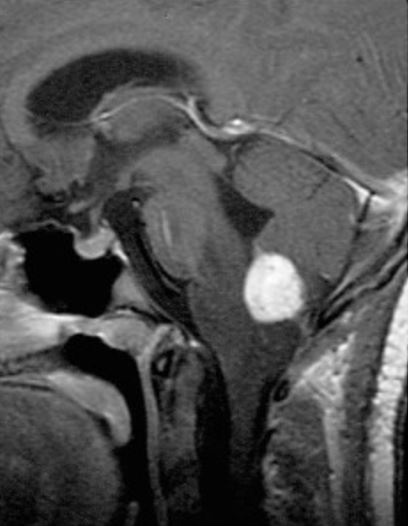
  • Hemangioblastomas Hemangioblastomas A benign tumor of the nervous system that may occur sporadically or in association with von Hippel-Lindau disease. It accounts for approximately 2% of intracranial tumors, arising most frequently in the cerebellar hemispheres and vermis. Histologically, the tumors are composed of multiple capillary and sinusoidal channels lined with endothelial cells and clusters of lipid-laden pseudoxanthoma cells. Usually solitary, these tumors can be multiple and may also occur in the brain stem, spinal cord, retina, and supratentorial compartment. Cerebellar hemangioblastomas usually present in the third decade with intracranial hypertension, and ataxia. Von Hippel-Lindau Disease:
    • Neoplasias bien delimitadas con abundantes vasos capilares
    • Benignos, no invaden localmente ni hacen metástasis
    • Ocurren en EN Erythema nodosum is an immune-mediated panniculitis (inflammation of the subcutaneous fat) caused by a type IV (delayed-type) hypersensitivity reaction. It commonly manifests in young women as tender, erythematous nodules on the shins. Erythema Nodosum 60%–84% de los LOS Neisseria pacientes con enfermedad de Von Hippel-Lindau
    • Frecuentes en EN Erythema nodosum is an immune-mediated panniculitis (inflammation of the subcutaneous fat) caused by a type IV (delayed-type) hypersensitivity reaction. It commonly manifests in young women as tender, erythematous nodules on the shins. Erythema Nodosum la retina Retina The ten-layered nervous tissue membrane of the eye. It is continuous with the optic nerve and receives images of external objects and transmits visual impulses to the brain. Its outer surface is in contact with the choroid and the inner surface with the vitreous body. The outermost layer is pigmented, whereas the inner nine layers are transparent. Eye: Anatomy, el cerebelo y la médula espinal
    • Pueden causar déficits visuales si están presentes en EN Erythema nodosum is an immune-mediated panniculitis (inflammation of the subcutaneous fat) caused by a type IV (delayed-type) hypersensitivity reaction. It commonly manifests in young women as tender, erythematous nodules on the shins. Erythema Nodosum la retina Retina The ten-layered nervous tissue membrane of the eye. It is continuous with the optic nerve and receives images of external objects and transmits visual impulses to the brain. Its outer surface is in contact with the choroid and the inner surface with the vitreous body. The outermost layer is pigmented, whereas the inner nine layers are transparent. Eye: Anatomy
    • Pueden causar déficits neurológicos focales si están presentes en EN Erythema nodosum is an immune-mediated panniculitis (inflammation of the subcutaneous fat) caused by a type IV (delayed-type) hypersensitivity reaction. It commonly manifests in young women as tender, erythematous nodules on the shins. Erythema Nodosum el cerebelo o la médula espinal
  • Carcinoma de células renales:
    • Ocurre en EN Erythema nodosum is an immune-mediated panniculitis (inflammation of the subcutaneous fat) caused by a type IV (delayed-type) hypersensitivity reaction. It commonly manifests in young women as tender, erythematous nodules on the shins. Erythema Nodosum ⅔ de los LOS Neisseria pacientes afectados
    • Los LOS Neisseria tumores de células claras son la variante más común del CCR que se observa en EN Erythema nodosum is an immune-mediated panniculitis (inflammation of the subcutaneous fat) caused by a type IV (delayed-type) hypersensitivity reaction. It commonly manifests in young women as tender, erythematous nodules on the shins. Erythema Nodosum pacientes con enfermedad de VHL.
    • La mayoría de las veces es multicéntrico y bilateral.
    • Puede surgir junto con quistes o de novo a partir de parénquima renal no quístico.
    • Los LOS Neisseria pacientes afectados presentan dolor Dolor Inflammation en EN Erythema nodosum is an immune-mediated panniculitis (inflammation of the subcutaneous fat) caused by a type IV (delayed-type) hypersensitivity reaction. It commonly manifests in young women as tender, erythematous nodules on the shins. Erythema Nodosum el flanco, hematuria Hematuria Presence of blood in the urine. Renal Cell Carcinoma y disfunción renal.
  • Feocromocitoma:
    • Presente en EN Erythema nodosum is an immune-mediated panniculitis (inflammation of the subcutaneous fat) caused by a type IV (delayed-type) hypersensitivity reaction. It commonly manifests in young women as tender, erythematous nodules on the shins. Erythema Nodosum hasta el 16% de los LOS Neisseria pacientes con enfermedad de VHL
    • Generalmente se presenta en EN Erythema nodosum is an immune-mediated panniculitis (inflammation of the subcutaneous fat) caused by a type IV (delayed-type) hypersensitivity reaction. It commonly manifests in young women as tender, erythematous nodules on the shins. Erythema Nodosum la 2da década de la vida
    • Puede causar hipertensión episódica con palpitaciones, ataques de pánico, diaforesis y cambios de humor Humor Defense Mechanisms
  • Tumores del saco endolinfático del oído medio:
    • Lesiones altamente vasculares que surgen dentro de la porción posterior del hueso temporal
    • Las manifestaciones clínicas incluyen pérdida de audición, tinnitus Tinnitus A nonspecific symptom of hearing disorder characterized by the sensation of buzzing, ringing, clicking, pulsations, and other noises in the ear. Objective tinnitus refers to noises generated from within the ear or adjacent structures that can be heard by other individuals. The term subjective tinnitus is used when the sound is audible only to the affected individual. Tinnitus may occur as a manifestation of cochlear diseases; vestibulocochlear nerve diseases; intracranial hypertension; craniocerebral trauma; and other conditions. Cranial Nerve Palsies, vértigo y debilidad de los LOS Neisseria músculos faciales.
    • A menudo bilaterales
    • Más comúnmente observados en EN Erythema nodosum is an immune-mediated panniculitis (inflammation of the subcutaneous fat) caused by a type IV (delayed-type) hypersensitivity reaction. It commonly manifests in young women as tender, erythematous nodules on the shins. Erythema Nodosum los LOS Neisseria grupos de edad más joven.
  • Tumores pancreáticos:
    • Generalmente asintomáticos
    • Pueden presentarse con dolor Dolor Inflammation epigástrico y malestar abdominal.
  • Cistoadenoma papilar del epidídimo o ligamento ancho:
    • Los LOS Neisseria cistoadenomas papilares bilaterales son casi patognomónicos de la enfermedad de VHL.
    • Benigno y generalmente asintomático; por lo tanto, no se requiere tratamiento

Mnemotécnia

Se puede recordar el cuadro clínico usando el acrónimo “HIPPEL” ( en EN Erythema nodosum is an immune-mediated panniculitis (inflammation of the subcutaneous fat) caused by a type IV (delayed-type) hypersensitivity reaction. It commonly manifests in young women as tender, erythematous nodules on the shins. Erythema Nodosum inglés) es:
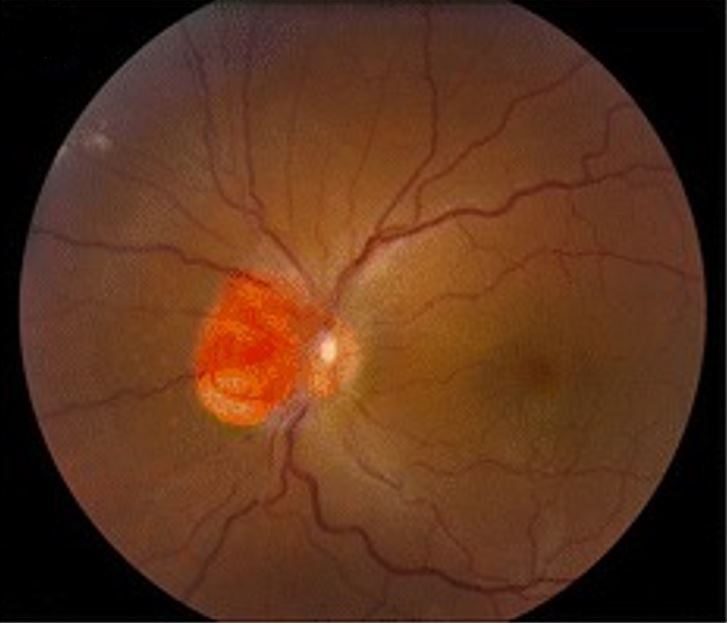
  • Hemangioblastoma ( hemangioblastoma Hemangioblastoma Hemangioblastomas are vascular neoplasms of the CNS. Hemangioblastomas are rare and are often associated with von Hippel-Lindau disease (VHL). The most common presentation is a headache and, depending on the size and location of the tumor, patients may present with sensory deficits and motor weakness. Hemangioblastoma)
  • Increased risk of RCC RCC Renal cell carcinoma (RCC) is a tumor that arises from the lining of the renal tubular system within the renal cortex. Renal cell carcinoma is responsible for 80%-85% of all primary renal neoplasms. Most RCCs arise sporadically, but smoking, hypertension, and obesity are linked to its development. Renal Cell Carcinoma (aumento del riesgo de CCR)
  • Pheochromocytoma (feocromocitoma)
  • Pancreatic lesions (lesiones pancreáticas) (quistes, cistoadenomas y tumores neuroendocrinos)
  • Eye Lesions (lesiones oculares) (angiomas retinales o hemangioblastoma Hemangioblastoma Hemangioblastomas are vascular neoplasms of the CNS. Hemangioblastomas are rare and are often associated with von Hippel-Lindau disease (VHL). The most common presentation is a headache and, depending on the size and location of the tumor, patients may present with sensory deficits and motor weakness. Hemangioblastoma)

Diagnóstico

  • Criterios clínicos utilizados para diagnosticar la enfermedad de Von Hippel-Lindau:
    • > 1 hemangioblastoma Hemangioblastoma Hemangioblastomas are vascular neoplasms of the CNS. Hemangioblastomas are rare and are often associated with von Hippel-Lindau disease (VHL). The most common presentation is a headache and, depending on the size and location of the tumor, patients may present with sensory deficits and motor weakness. Hemangioblastoma del SNC
    • Manifestación visceral de la enfermedad de Von Hippel-Lindau
    • Manifestación de Von Hippel-Lindau además de antecedentes familiares significativos para la enfermedad de Von Hippel-Lindau
  • Pruebas genéticas:
    • La variante patógena heterocigota del gen VHL confirma el diagnóstico de enfermedad Von Hippel-Lindau hereditaria.
    • Las variantes patogénicas pueden surgir de mutaciones de novo.
    • Los LOS Neisseria casos raros exhiben características clínicas de la enfermedad de Von Hippel-Lindau, pero no hay mutaciones detectables.
  • Examen oftalmológico/fundoscópico de la vista:
    • Para detectar hemangioblastoma Hemangioblastoma Hemangioblastomas are vascular neoplasms of the CNS. Hemangioblastomas are rare and are often associated with von Hippel-Lindau disease (VHL). The most common presentation is a headache and, depending on the size and location of the tumor, patients may present with sensory deficits and motor weakness. Hemangioblastoma del ojo
    • Para detectar desprendimiento de retina Retina The ten-layered nervous tissue membrane of the eye. It is continuous with the optic nerve and receives images of external objects and transmits visual impulses to the brain. Its outer surface is in contact with the choroid and the inner surface with the vitreous body. The outermost layer is pigmented, whereas the inner nine layers are transparent. Eye: Anatomy
    • Para comprobar si hay cataratas
  • Pruebas audiométricas: pueden mostrar pérdida auditiva secundaria a un tumor Tumor Inflammation del saco endolinfático
  • Pruebas de laboratorio:
    • Niveles de BUN y creatinina para determinar afectación renal
    • Presencia de catecolaminas y/o sus metabolitos en EN Erythema nodosum is an immune-mediated panniculitis (inflammation of the subcutaneous fat) caused by a type IV (delayed-type) hypersensitivity reaction. It commonly manifests in young women as tender, erythematous nodules on the shins. Erythema Nodosum sangre y/u orina para detectar feocromocitoma
  • Imagenología por TC/RM para detectar:
    • Carcinoma de células renales
    • Feocromocitoma
    • Hemangioblastoma Hemangioblastoma Hemangioblastomas are vascular neoplasms of the CNS. Hemangioblastomas are rare and are often associated with von Hippel-Lindau disease (VHL). The most common presentation is a headache and, depending on the size and location of the tumor, patients may present with sensory deficits and motor weakness. Hemangioblastoma
    • Tumores del saco endolinfático del oído medio

Tratamiento

El tratamiento de la enfermedad de Von Hippel-Lindau se adapta según la ubicación y el tamaño de las lesiones, los LOS Neisseria síntomas del paciente y la extensión de la enfermedad.
  • Los LOS Neisseria hemangiomas del SNC se extirpan quirúrgicamente:
    • La recurrencia es posible después de la extirpación quirúrgica.
    • La radiocirugía con bisturí de rayos gamma es un tratamiento alternativo.
  • Los LOS Neisseria hemangiomas capilares de la retina Retina The ten-layered nervous tissue membrane of the eye. It is continuous with the optic nerve and receives images of external objects and transmits visual impulses to the brain. Its outer surface is in contact with the choroid and the inner surface with the vitreous body. The outermost layer is pigmented, whereas the inner nine layers are transparent. Eye: Anatomy generalmente se tratan con diatermia, fotocoagulación con láser, crioterapia, terapia anti-VEGF y radioterapia externa:
    • Se pueden observar pequeños hemangiomas que no interfieren con la visión.
    • La fotocoagulación con láser es el tratamiento de elección para las lesiones pequeñas.
    • La crioterapia es el tratamiento de elección cuando hay líquido debajo de la retina Retina The ten-layered nervous tissue membrane of the eye. It is continuous with the optic nerve and receives images of external objects and transmits visual impulses to the brain. Its outer surface is in contact with the choroid and the inner surface with the vitreous body. The outermost layer is pigmented, whereas the inner nine layers are transparent. Eye: Anatomy.
  • Nefrectomía:
    • El tratamiento de elección en EN Erythema nodosum is an immune-mediated panniculitis (inflammation of the subcutaneous fat) caused by a type IV (delayed-type) hypersensitivity reaction. It commonly manifests in young women as tender, erythematous nodules on the shins. Erythema Nodosum casos de CCR asociado a enfermedad de VHL
    • Se prefiere la crioablación y la ablación por radiofrecuencia para los LOS Neisseria tumores pequeños.
  • El tratamiento de elección para el feocromocitoma sintomático es la extirpación quirúrgica posterior a una terapia de soporte adecuada:
    • Se prescriben bloqueadores preoperatorios de adrenoceptores alfa y beta para evitar el exceso de catecolaminas.
    • La suprarrenalectomía laparoscópica es el tratamiento quirúrgico de elección, excepto en EN Erythema nodosum is an immune-mediated panniculitis (inflammation of the subcutaneous fat) caused by a type IV (delayed-type) hypersensitivity reaction. It commonly manifests in young women as tender, erythematous nodules on the shins. Erythema Nodosum los LOS Neisseria casos en EN Erythema nodosum is an immune-mediated panniculitis (inflammation of the subcutaneous fat) caused by a type IV (delayed-type) hypersensitivity reaction. It commonly manifests in young women as tender, erythematous nodules on the shins. Erythema Nodosum que el tumor Tumor Inflammation es invasivo o > 6,0 cm.
  • El tratamiento de los LOS Neisseria tumores del saco endolinfático del oído medio consiste principalmente en EN Erythema nodosum is an immune-mediated panniculitis (inflammation of the subcutaneous fat) caused by a type IV (delayed-type) hypersensitivity reaction. It commonly manifests in young women as tender, erythematous nodules on the shins. Erythema Nodosum la extirpación quirúrgica para prevenir la pérdida de la audición.
  • Se prefiere la resección quirúrgica para los LOS Neisseria tumores neuroendocrinos pancreáticos:
    • Indicada para tumores > 3 cm
    • Indicada si la tasa de duplicación del tumor Tumor Inflammation es < 500 días
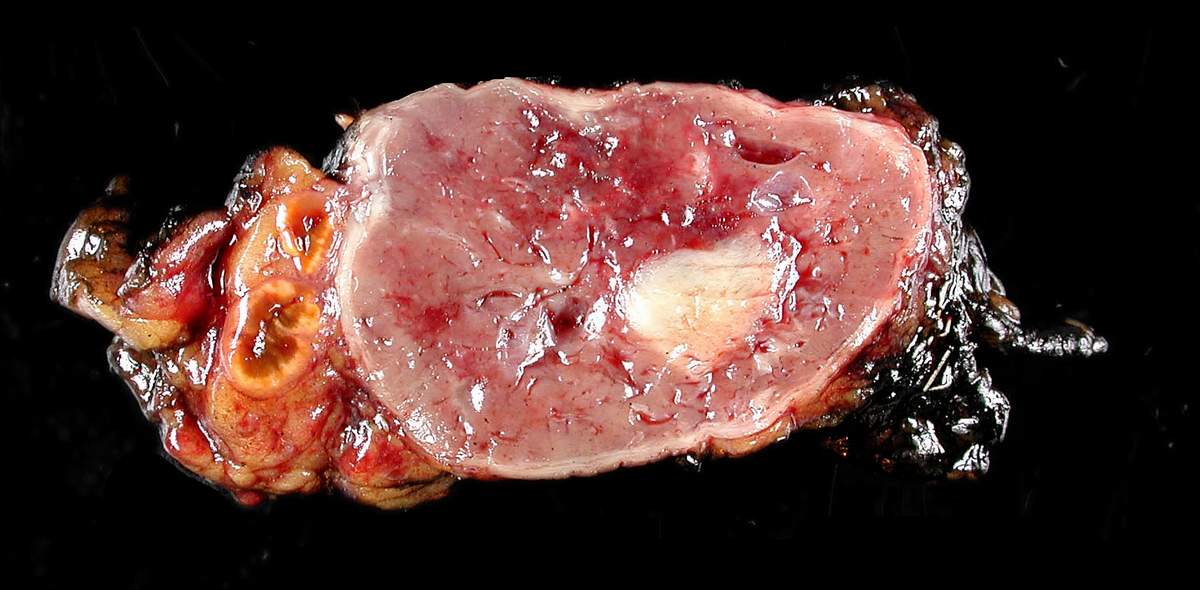
Feocromocitoma extirpado quirúrgicamente

Feocromocitoma extirpado quirúrgicamente

Imagen: “Adrenal paraganglioma clinical Pheochromocytoma” por Michael Feldman. Licencia: CC BY 2.0

Diagnóstico Diferencial

  • Neoplasia endocrina múltiple 2 (NEM2): Una condición hereditaria autosómica dominante caracterizada por un tumor Tumor Inflammation productor de hormonas. La variante NEM2A se asocia con hiperparatiroidismo primario, mientras que NEM2B se asocia con neuromas y hábito marfanoide. Los LOS Neisseria síntomas de presentación son masa en EN Erythema nodosum is an immune-mediated panniculitis (inflammation of the subcutaneous fat) caused by a type IV (delayed-type) hypersensitivity reaction. It commonly manifests in young women as tender, erythematous nodules on the shins. Erythema Nodosum el cuello, agrandamiento de los LOS Neisseria ganglios linfáticos, hipertensión, taquicardia, cefalea y feocromocitoma. El diagnóstico se basa en EN Erythema nodosum is an immune-mediated panniculitis (inflammation of the subcutaneous fat) caused by a type IV (delayed-type) hypersensitivity reaction. It commonly manifests in young women as tender, erythematous nodules on the shins. Erythema Nodosum estudios de laboratorio, TC y análisis de mutación del gen RET. La extirpación quirúrgica del tumor Tumor Inflammation es la modalidad de tratamiento principal.
  • Feocromocitoma: Tumor Tumor Inflammation secretor de catecolaminas derivado de las células cromafines. Los LOS Neisseria síntomas resultan de la producción excesiva de catecolaminas e incluyen hipertensión, taquicardia, cefalea y sudoración. El diagnóstico se realiza sobre la base del examen clínico, estudios de laboratorio y TC. Aproximadamente el 90% de los LOS Neisseria feocromocitomas son benignos y la resección quirúrgica es el único tratamiento curativo. Los LOS Neisseria feocromocitomas se asocian con la enfermedad de Von Hippel-Lindau, pero algunos casos se presentan de forma aislada sin otros hallazgos de la enfermedad de Von Hippel-Lindau.
  • Neurofibromatosis tipo 1 ( NF1 NF1 Neurofibromatosis type 1 (NF1), also known as phakomatosis, is a neurocutaneous disorder that is most commonly of autosomal dominant inheritance due to mutations in the NF1 gene. Neurofibromatosis type 1 presents a range of clinical manifestations with the most prominent features being various pigmented skin lesions called café au lait macules (CALMs), neurofibromas, freckling of the inguinal and axillary regions, and iris hamartomas. Neurofibromatosis Type 1): Una afección hereditaria autosómica dominante caracterizada por una anomalía en EN Erythema nodosum is an immune-mediated panniculitis (inflammation of the subcutaneous fat) caused by a type IV (delayed-type) hypersensitivity reaction. It commonly manifests in young women as tender, erythematous nodules on the shins. Erythema Nodosum el gen supresor de tumores, que da lugar a tumores nerviosos. Los LOS Neisseria pacientes afectados presentan manchas café con leche, neurofibroma Neurofibroma A moderately firm, benign, encapsulated tumor resulting from proliferation of schwann cells and fibroblasts that includes portions of nerve fibers. The tumors usually develop along peripheral or cranial nerves and are a central feature of neurofibromatosis 1, where they may occur intracranially or involve spinal roots. Pathologic features include fusiform enlargement of the involved nerve. Microscopic examination reveals a disorganized and loose cellular pattern with elongated nuclei intermixed with fibrous strands. Neurofibromatosis Type 1, pecas en EN Erythema nodosum is an immune-mediated panniculitis (inflammation of the subcutaneous fat) caused by a type IV (delayed-type) hypersensitivity reaction. It commonly manifests in young women as tender, erythematous nodules on the shins. Erythema Nodosum los LOS Neisseria pliegues cutáneos, gliomas de las vías ópticas y nódulos de Lisch. El diagnóstico se basa en EN Erythema nodosum is an immune-mediated panniculitis (inflammation of the subcutaneous fat) caused by a type IV (delayed-type) hypersensitivity reaction. It commonly manifests in young women as tender, erythematous nodules on the shins. Erythema Nodosum los LOS Neisseria criterios clínicos del National Institute of Health (NIH, instituto nacional de salud, por sus siglas en EN Erythema nodosum is an immune-mediated panniculitis (inflammation of the subcutaneous fat) caused by a type IV (delayed-type) hypersensitivity reaction. It commonly manifests in young women as tender, erythematous nodules on the shins. Erythema Nodosum inglés) e imagenología. El selumetinib y la cirugía son las modalidades de tratamiento.
  • Carcinoma de células renales: El cáncer más común del riñón. Los LOS Neisseria carcinomas de células renales a menudo son asintomáticos y pueden presentarse con hematuria Hematuria Presence of blood in the urine. Renal Cell Carcinoma, dolor Dolor Inflammation en EN Erythema nodosum is an immune-mediated panniculitis (inflammation of the subcutaneous fat) caused by a type IV (delayed-type) hypersensitivity reaction. It commonly manifests in young women as tender, erythematous nodules on the shins. Erythema Nodosum flanco y una masa abdominal. El diagnóstico se basa en EN Erythema nodosum is an immune-mediated panniculitis (inflammation of the subcutaneous fat) caused by a type IV (delayed-type) hypersensitivity reaction. It commonly manifests in young women as tender, erythematous nodules on the shins. Erythema Nodosum imagenología y biopsia. El tratamiento consiste en EN Erythema nodosum is an immune-mediated panniculitis (inflammation of the subcutaneous fat) caused by a type IV (delayed-type) hypersensitivity reaction. It commonly manifests in young women as tender, erythematous nodules on the shins. Erythema Nodosum extirpar el riñón en EN Erythema nodosum is an immune-mediated panniculitis (inflammation of the subcutaneous fat) caused by a type IV (delayed-type) hypersensitivity reaction. It commonly manifests in young women as tender, erythematous nodules on the shins. Erythema Nodosum parte o en EN Erythema nodosum is an immune-mediated panniculitis (inflammation of the subcutaneous fat) caused by a type IV (delayed-type) hypersensitivity reaction. It commonly manifests in young women as tender, erythematous nodules on the shins. Erythema Nodosum su totalidad. Además de estar asociado con la enfermedad de Von Hippel-Lindau, el carcinoma de células renales también se encuentra en EN Erythema nodosum is an immune-mediated panniculitis (inflammation of the subcutaneous fat) caused by a type IV (delayed-type) hypersensitivity reaction. It commonly manifests in young women as tender, erythematous nodules on the shins. Erythema Nodosum varios síndromes paraneoplásicos que causan hipercalcemia, anemia Anemia Anemia is a condition in which individuals have low Hb levels, which can arise from various causes. Anemia is accompanied by a reduced number of RBCs and may manifest with fatigue, shortness of breath, pallor, and weakness. Subtypes are classified by the size of RBCs, chronicity, and etiology. Anemia: Overview and Types y amiloidosis.

Referencias

  1. Plon, S. E., & Jonasch, E. (2025). Clinical presentation and diagnosis of von Hippel-Lindau disease. In M. B. Atkins, H. V. Firth, R. D. Perrone, A. Gajjar, & M. E. Geffner (Eds.), UpToDate. Wolters Kluwer. Retrieved May 13, 2025, from https://www.uptodate.com/contents/clinical-presentation-and-diagnosis-of-von-hippel-lindau-disease
  2. Plon, E.S., Jonasch, E. (2025). Molecular biology and pathogenesis of von Hippel-Lindau disease. UpToDate. Retrieved May 13, 2025, from https://www.uptodate.com/contents/molecular-biology-and-pathogenesis-of-von-hippel-lindau-disease
  3. Mikhail, M.I., Singh, A.K. (2023). Von Hippel Lindau Syndrome. NCBI. Retrieved May 13, 2025, from https://www.ncbi.nlm.nih.gov/books/NBK459242/
  4. Leeuwaarde, R.S., Ahmad, S., Links, T.P., Giles, R.H. (2025). Von Hippel-Lindau Syndrome. NCBI. Retrieved May 13, 2025, from https://www.ncbi.nlm.nih.gov/books/NBK1463/
  5. Chittiboina, P., Lonser, R.R. (2016). Von Hippel–Lindau disease. NCBI. Retrieved May 13, 2025, from https://www.ncbi.nlm.nih.gov/pmc/articles/PMC5121930/
  6. Gulani, A.C., Defendi, G.L. (2022). von Hippel-Lindau Disease. MedScape. Retrieved May 13, 2025, from https://emedicine.medscape.com/article/1219430

¡Crea tu cuenta gratis o inicia una sesión para seguir leyendo!

Regístrate ahora y obtén acceso gratuito a Lecturio con páginas de concepto, videos médicos y cuestionarios para tu educación médica.

User Reviews

Que tengas una sesión de estudio alegre y navideña 🎁 Ahorra 50% en todos los planes >>

Details