Domina Conceptos Médicos

Estudia para la escuela de medicina y tus examenes con Lecturio.

Dolor de Pie y Tobillo

El dolor Dolor Inflammation de tobillo representa hasta el 20% de los LOS Neisseria casos de dolencias musculoesqueléticas en EN Erythema nodosum is an immune-mediated panniculitis (inflammation of the subcutaneous fat) caused by a type IV (delayed-type) hypersensitivity reaction. It commonly manifests in young women as tender, erythematous nodules on the shins. Erythema Nodosum las consultas externas. Las etiologías más comunes del dolor Dolor Inflammation de pies y tobillos pueden clasificarse en EN Erythema nodosum is an immune-mediated panniculitis (inflammation of the subcutaneous fat) caused by a type IV (delayed-type) hypersensitivity reaction. It commonly manifests in young women as tender, erythematous nodules on the shins. Erythema Nodosum artritis, traumatismos, esguinces y causas sistémicas. El diagnóstico es clínico con estudios de imagen y/o de laboratorio para confirmar la sospecha diagnóstica. El tratamiento consiste en EN Erythema nodosum is an immune-mediated panniculitis (inflammation of the subcutaneous fat) caused by a type IV (delayed-type) hypersensitivity reaction. It commonly manifests in young women as tender, erythematous nodules on the shins. Erythema Nodosum reposo, bolsas de hielo, compresión, elevación y antiinflamatorios no esteroideos (AINE). La intervención quirúrgica rara vez es necesaria.

Last updated: Dec 15, 2025

Editorial responsibility: Stanley Oiseth, Lindsay Jones, Evelin Maza

Descripción General

Epidemiología

El dolor Dolor Inflammation de pie es más frecuente en EN Erythema nodosum is an immune-mediated panniculitis (inflammation of the subcutaneous fat) caused by a type IV (delayed-type) hypersensitivity reaction. It commonly manifests in young women as tender, erythematous nodules on the shins. Erythema Nodosum mujeres, en EN Erythema nodosum is an immune-mediated panniculitis (inflammation of the subcutaneous fat) caused by a type IV (delayed-type) hypersensitivity reaction. It commonly manifests in young women as tender, erythematous nodules on the shins. Erythema Nodosum parte asociado con calzado de tacón alto o mal ajustado.

Clasificación

  • Aguda: dura < 6 semanas
  • Subagudo: dura de 6 a 12 semanas
  • Crónica: dura > 12 semanas

Historia clínica

  • Antecedentes de dolor Dolor Inflammation (localización, tipo, tiempo, factores que alivian/exacerban el dolor Dolor Inflammation)
  • Preste atención a los LOS Neisseria síntomas de alarma:
    • Dolor Dolor Inflammation intenso, fiebre, calor Calor Inflammation y enrojecimiento de la piel pueden indicar una artritis séptica.
    • Incapacidad para caminar 4 pasos inmediatamente después de la lesión → probable fractura
    • Entumecimiento o debilidad → probable fractura con nervio comprimido o lesionado

Examen físico

Reglas de Ottawa para tobillos y pies:
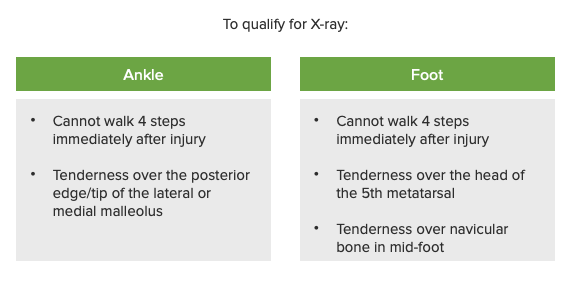
  • Alta sensibilidad, poca especificidad para las fracturas
  • Más útil cuando es negativo → no es necesario hacer una radiografía
La radiografía califica el dolor de pies

Normas de Ottawa para tobillos y pies

Imagen por Lecturio.

Related videos

Diagnóstico Diferencial

La etiología del dolor Dolor Inflammation de tobillo o pie puede determinarse a partir de la localización anatómica del punto máximo de dolor Dolor Inflammation.

Causas comunes del dolor Dolor Inflammation de tobillo
Localización Entidad Características
Cara lateral Esguince de tobillo ( dolor Dolor Inflammation agudo)
  • La causa más común del dolor Dolor Inflammation lateral del tobillo
  • El ligamento más comúnmente implicado es el ligamento talofibular anterior
  • El mecanismo es la inversión del pie con flexión plantar
  • El paciente puede caminar, pero con dolor Dolor Inflammation
  • Si el paciente no puede caminar en EN Erythema nodosum is an immune-mediated panniculitis (inflammation of the subcutaneous fat) caused by a type IV (delayed-type) hypersensitivity reaction. It commonly manifests in young women as tender, erythematous nodules on the shins. Erythema Nodosum absoluto, considere la posibilidad de una fractura de tibia Tibia The second longest bone of the skeleton. It is located on the medial side of the lower leg, articulating with the fibula laterally, the talus distally, and the femur proximally. Knee Joint: Anatomy o de peroné.
Cara medial
  • La causa más común del dolor Dolor Inflammation de tobillo medial
  • El ligamento más comúnmente afectado es el ligamento deltoideo.
  • El mecanismo es la eversión forzada del pie
  • El paciente puede caminar, pero con dolor Dolor Inflammation
  • Si el paciente no puede caminar en EN Erythema nodosum is an immune-mediated panniculitis (inflammation of the subcutaneous fat) caused by a type IV (delayed-type) hypersensitivity reaction. It commonly manifests in young women as tender, erythematous nodules on the shins. Erythema Nodosum absoluto, considere la posibilidad de una fractura de tibia Tibia The second longest bone of the skeleton. It is located on the medial side of the lower leg, articulating with the fibula laterally, the talus distally, and the femur proximally. Knee Joint: Anatomy o de peroné.
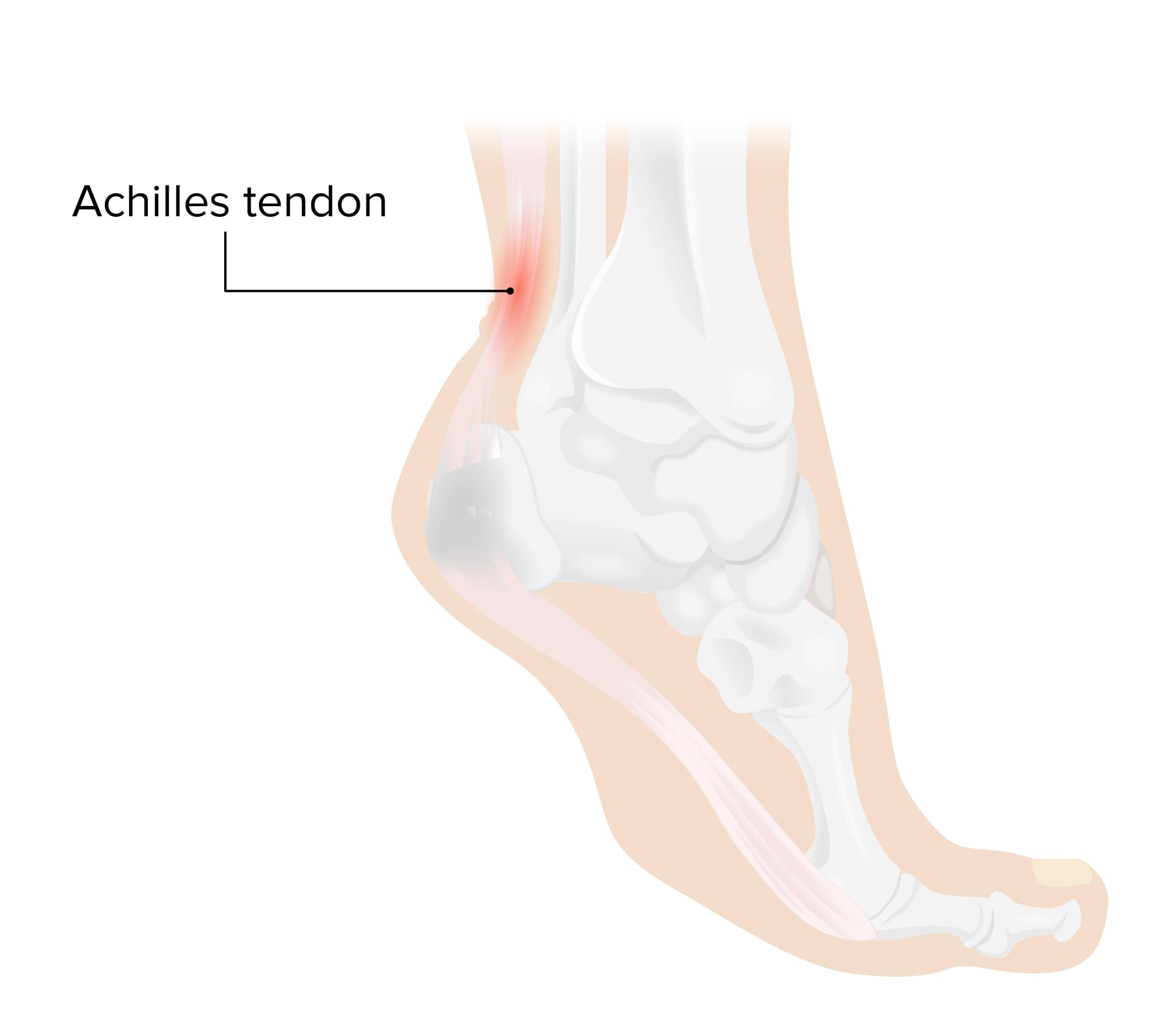
Cara posterior Tendinitis Tendinitis Ankylosing Spondylitis de Aquiles ( dolor Dolor Inflammation agudo)
  • Dolor Dolor Inflammation ardiente, rigidez e hinchazón sobre el tendón, a menudo 3–5 cm por encima de la inserción del calcáneo
  • Asociado a un cambio en EN Erythema nodosum is an immune-mediated panniculitis (inflammation of the subcutaneous fat) caused by a type IV (delayed-type) hypersensitivity reaction. It commonly manifests in young women as tender, erythematous nodules on the shins. Erythema Nodosum la intensidad del entrenamiento
  • Sonido o sensación similar a un “pop” antes de la aparición repentina del dolor Dolor Inflammation
Ubicaciones variables Trastornos infecciosos e inflamatorios
  • Dolor Dolor Inflammation agudo (< 2 semanas):
    • Artritis séptica
    • Celulitis
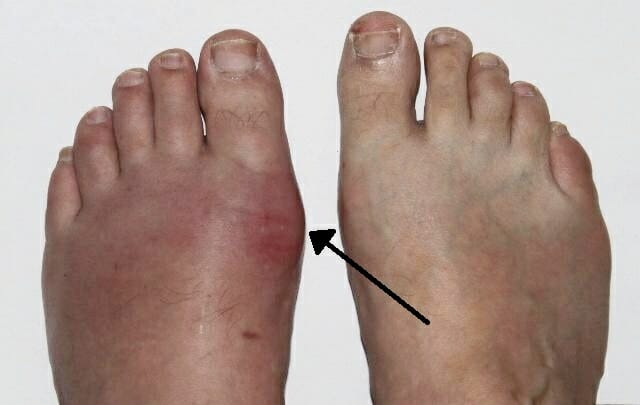
    • Artritis gotosa aguda
    • Infección gonocócica diseminada
  • Dolor Dolor Inflammation crónico (>2 semanas):
    • Artritis reumatoide
    • Artritis reactiva
Causas comunes del dolor Dolor Inflammation de pies
Localización Entidad Características
Antepié (dedos + metatarsos distales) Juanetes (hallux valgus)
  • La causa más común de dolor Dolor Inflammation en EN Erythema nodosum is an immune-mediated panniculitis (inflammation of the subcutaneous fat) caused by a type IV (delayed-type) hypersensitivity reaction. It commonly manifests in young women as tender, erythematous nodules on the shins. Erythema Nodosum el antepié
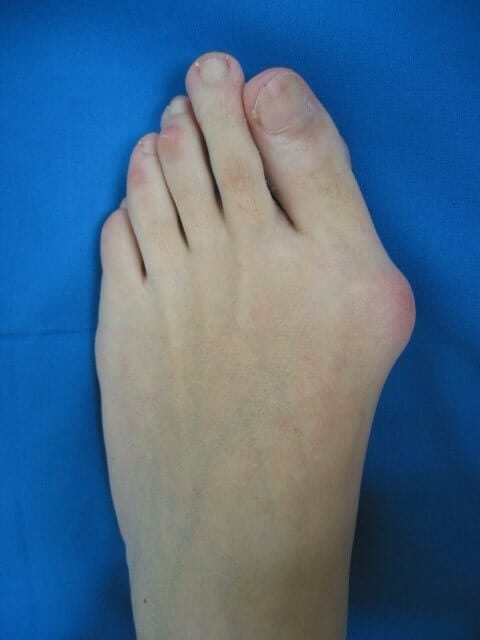
  • El dolor Dolor Inflammation se agrava al AL Amyloidosis usar zapatos.
  • El diagnóstico se realiza clínicamente con la historia de dolor Dolor Inflammation en EN Erythema nodosum is an immune-mediated panniculitis (inflammation of the subcutaneous fat) caused by a type IV (delayed-type) hypersensitivity reaction. It commonly manifests in young women as tender, erythematous nodules on the shins. Erythema Nodosum el dedo gordo del pie y el aumento de la deformidad en EN Erythema nodosum is an immune-mediated panniculitis (inflammation of the subcutaneous fat) caused by a type IV (delayed-type) hypersensitivity reaction. It commonly manifests in young women as tender, erythematous nodules on the shins. Erythema Nodosum valgo.
Uñas encarnadas
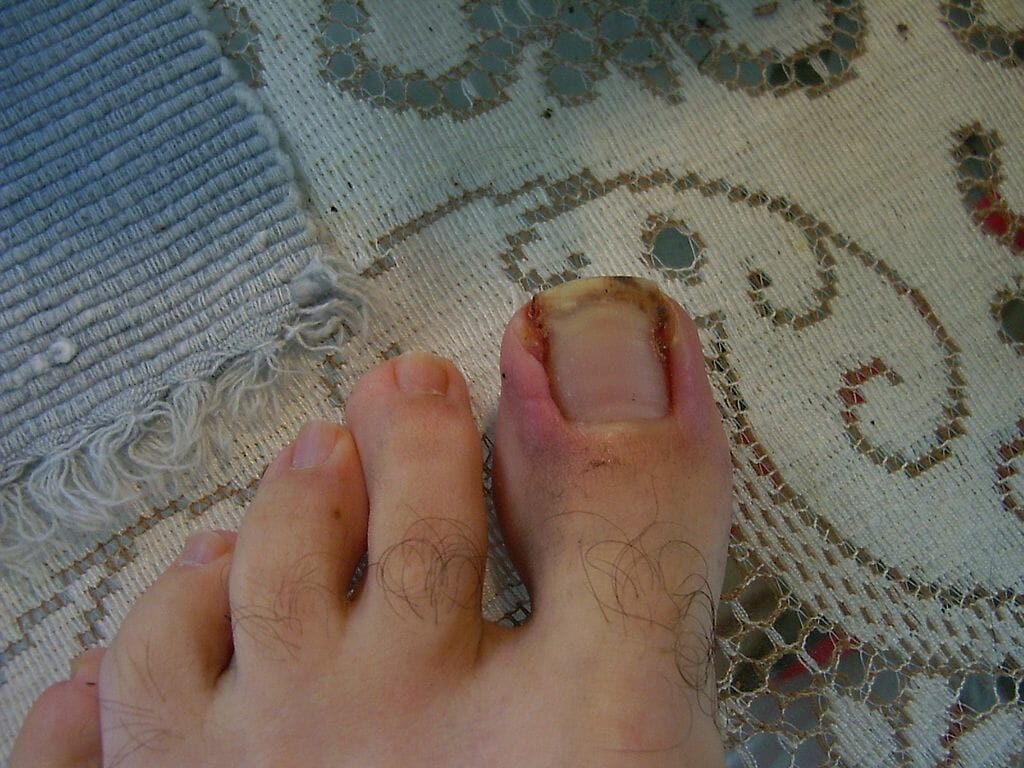
  • Se desarrolla cuando una espícula de la placa ungueal lateral perfora el pliegue ungueal lateral y la piel provocando una reacción inflamatoria
  • Alto riesgo de infección
Neuroma de Morton
  • Ocurre comúnmente en EN Erythema nodosum is an immune-mediated panniculitis (inflammation of the subcutaneous fat) caused by a type IV (delayed-type) hypersensitivity reaction. It commonly manifests in young women as tender, erythematous nodules on the shins. Erythema Nodosum los LOS Neisseria corredores
  • El mecanismo implica una degeneración neuropática y la formación de un neuroma de los LOS Neisseria nervios interdigitales.
  • El paciente presenta dolor Dolor Inflammation ardiente y entumecimiento en EN Erythema nodosum is an immune-mediated panniculitis (inflammation of the subcutaneous fat) caused by a type IV (delayed-type) hypersensitivity reaction. It commonly manifests in young women as tender, erythematous nodules on the shins. Erythema Nodosum el tercer espacio intermetatarsal.
  • Sensación de chasquido, sensibilidad y crepitación durante la palpación
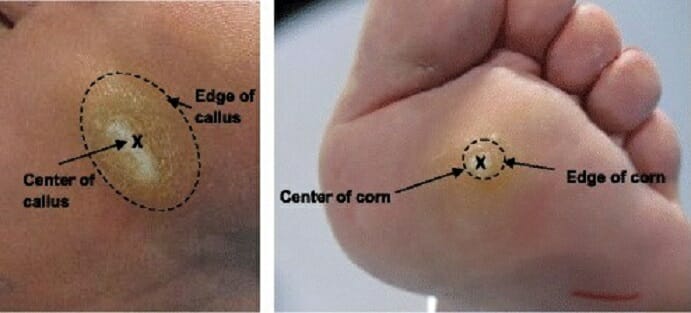
Callos y callosidades
  • Surgen por una presión anormal sobre la piel y las prominencias óseas por el calzado o la rotura del pie
  • Los LOS Neisseria callos representan un engrosamiento difuso de la capa córnea.
  • Los callos se desarrollan de forma similar, pero se diferencian por tener un “núcleo” central que es hiperqueratósico y a menudo doloroso.
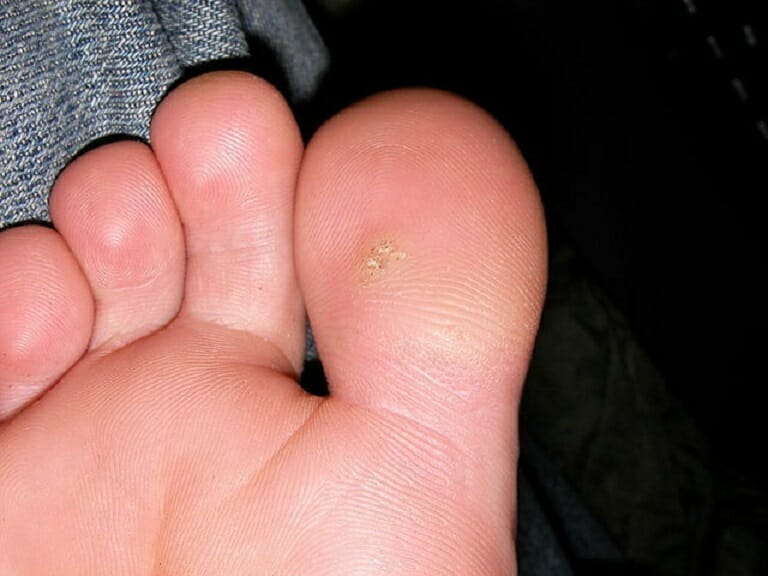
Verrugas plantares
  • Manifestación cutánea del virus Virus Viruses are infectious, obligate intracellular parasites composed of a nucleic acid core surrounded by a protein capsid. Viruses can be either naked (non-enveloped) or enveloped. The classification of viruses is complex and based on many factors, including type and structure of the nucleoid and capsid, the presence of an envelope, the replication cycle, and the host range. Virology del papiloma humano tipo 1
  • Asociado a dolor Dolor Inflammation, malestar o deterioro funcional
  • Se diferencian de los LOS Neisseria callos y las callosidades por:
    • Ausencia de líneas cutáneas
    • Capilares trombosados que aparecen tras el raspado de la superficie hiperqueratósica
Fracturas metatarsales por estrés
  • Inicio insidioso con antecedentes de uso excesivo
  • El paciente se queja de dolor Dolor Inflammation focal en EN Erythema nodosum is an immune-mediated panniculitis (inflammation of the subcutaneous fat) caused by a type IV (delayed-type) hypersensitivity reaction. It commonly manifests in young women as tender, erythematous nodules on the shins. Erythema Nodosum los LOS Neisseria huesos metatarsianos
  • Posible radiografía negativa en EN Erythema nodosum is an immune-mediated panniculitis (inflammation of the subcutaneous fat) caused by a type IV (delayed-type) hypersensitivity reaction. It commonly manifests in young women as tender, erythematous nodules on the shins. Erythema Nodosum las primeras 6 semanas
  • Los LOS Neisseria factores de riesgo son:
    • Aumento brusco de la intensidad del entrenamiento
    • Mala mecánica al AL Amyloidosis correr
    • Mujer con trastorno alimentario restrictivo (pérdida de estrógenos que provoca una reducción de la masa ósea)
    • Ingesta inadecuada de calcio y vitamina D
    • Disminución de la ingesta calórica
Mediopié (huesos del tarso, arcos y ligamentos) Osteoartritis
  • La forma más común de artritis
  • Dolor Dolor Inflammation y rigidez articular de progresión lenta (durante años)
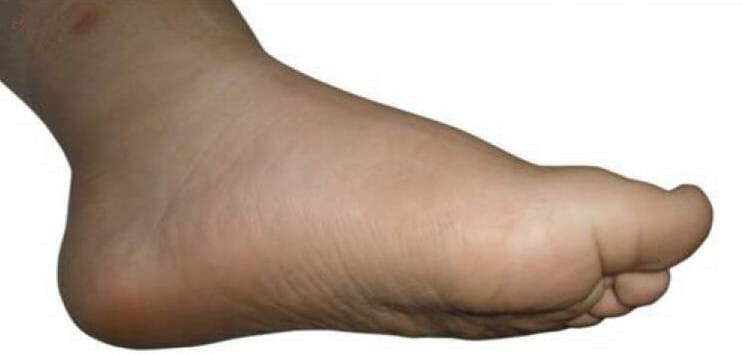
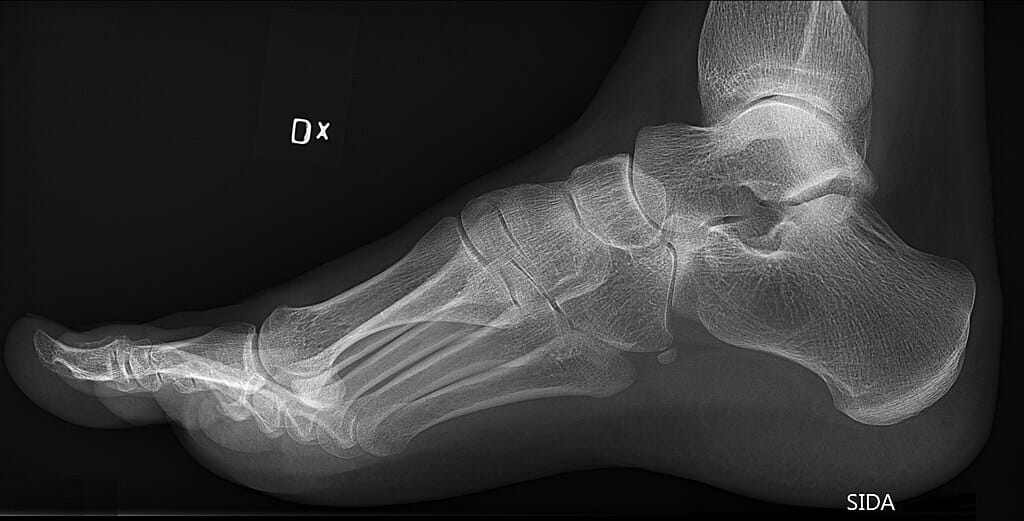
Pies elevados (pies cavos) y pies planos (pies planos)
  • Los LOS Neisseria estudios epidemiológicos sugieren un mayor riesgo de dolor Dolor Inflammation en EN Erythema nodosum is an immune-mediated panniculitis (inflammation of the subcutaneous fat) caused by a type IV (delayed-type) hypersensitivity reaction. It commonly manifests in young women as tender, erythematous nodules on the shins. Erythema Nodosum el mediopié en EN Erythema nodosum is an immune-mediated panniculitis (inflammation of the subcutaneous fat) caused by a type IV (delayed-type) hypersensitivity reaction. It commonly manifests in young women as tender, erythematous nodules on the shins. Erythema Nodosum individuos con estas condiciones.
  • El pie plano es normal en EN Erythema nodosum is an immune-mediated panniculitis (inflammation of the subcutaneous fat) caused by a type IV (delayed-type) hypersensitivity reaction. It commonly manifests in young women as tender, erythematous nodules on the shins. Erythema Nodosum bebés y niños pequeños debido a la laxitud ligamentosa.
  • El hecho de tener un pie plano en EN Erythema nodosum is an immune-mediated panniculitis (inflammation of the subcutaneous fat) caused by a type IV (delayed-type) hypersensitivity reaction. It commonly manifests in young women as tender, erythematous nodules on the shins. Erythema Nodosum la adultez puede deberse a una ruptura de las estructuras de soporte (tendón tibial posterior y ligamento de resorte).
Fractura navicular Navicular Foot: Anatomy por estrés
  • En EN Erythema nodosum is an immune-mediated panniculitis (inflammation of the subcutaneous fat) caused by a type IV (delayed-type) hypersensitivity reaction. It commonly manifests in young women as tender, erythematous nodules on the shins. Erythema Nodosum la fractura del navicular Navicular Foot: Anatomy, los LOS Neisseria pacientes localizan el dolor Dolor Inflammation en EN Erythema nodosum is an immune-mediated panniculitis (inflammation of the subcutaneous fat) caused by a type IV (delayed-type) hypersensitivity reaction. It commonly manifests in young women as tender, erythematous nodules on the shins. Erythema Nodosum un punto focal sobre el en EN Erythema nodosum is an immune-mediated panniculitis (inflammation of the subcutaneous fat) caused by a type IV (delayed-type) hypersensitivity reaction. It commonly manifests in young women as tender, erythematous nodules on the shins. Erythema Nodosum aspecto dorsomedial del mediopié.
  • El dolor Dolor Inflammation persistente en EN Erythema nodosum is an immune-mediated panniculitis (inflammation of the subcutaneous fat) caused by a type IV (delayed-type) hypersensitivity reaction. It commonly manifests in young women as tender, erythematous nodules on the shins. Erythema Nodosum el arco medial, incluido el que se produce durante el sueño, es altamente sugestivo de una fractura navicular Navicular Foot: Anatomy por estrés.
Retropié (astrágalo + calcáneo) Fascitis plantar
  • Dolor Dolor Inflammation con los LOS Neisseria primeros pasos de la mañana o después de estar sentado durante mucho tiempo
  • El dolor Dolor Inflammation se localiza más medialmente en EN Erythema nodosum is an immune-mediated panniculitis (inflammation of the subcutaneous fat) caused by a type IV (delayed-type) hypersensitivity reaction. It commonly manifests in young women as tender, erythematous nodules on the shins. Erythema Nodosum la superficie plantar.
  • La sensibilidad se obtiene palpando la fascia Fascia Layers of connective tissue of variable thickness. The superficial fascia is found immediately below the skin; the deep fascia invests muscles, nerves, and other organs. Cellulitis desde el talón hasta el antepié mientras se dorsiflexionan los LOS Neisseria dedos del paciente.
Síndrome del túnel tarsiano
  • Debido a la compresión del nervio tibial a su paso por el tobillo
  • Suele producirse tras la fractura de los LOS Neisseria huesos del tobillo
  • Los LOS Neisseria pacientes desarrollan ardor, entumecimiento y dolor Dolor Inflammation en EN Erythema nodosum is an immune-mediated panniculitis (inflammation of the subcutaneous fat) caused by a type IV (delayed-type) hypersensitivity reaction. It commonly manifests in young women as tender, erythematous nodules on the shins. Erythema Nodosum la superficie plantar distal del pie.
  • El dolor Dolor Inflammation a veces se irradia hasta la pantorrilla.
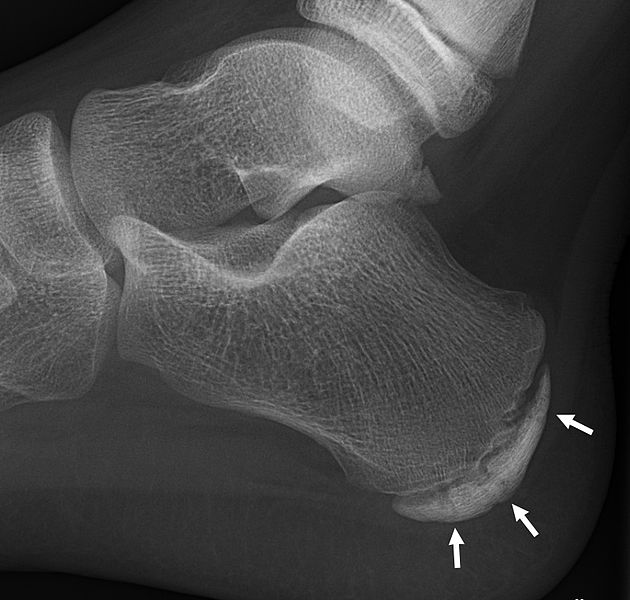
Fracturas de estrés del calcáneo y del astrágalo
  • El paciente presenta un dolor Dolor Inflammation persistente en EN Erythema nodosum is an immune-mediated panniculitis (inflammation of the subcutaneous fat) caused by a type IV (delayed-type) hypersensitivity reaction. It commonly manifests in young women as tender, erythematous nodules on the shins. Erythema Nodosum el talón que sigue causando molestias por la noche.
  • Antecedentes de actividades de alta intensidad
Apofisitis calcánea (enfermedad de Sever)
  • Una de las causas más comunes de dolor Dolor Inflammation de talón en EN Erythema nodosum is an immune-mediated panniculitis (inflammation of the subcutaneous fat) caused by a type IV (delayed-type) hypersensitivity reaction. It commonly manifests in young women as tender, erythematous nodules on the shins. Erythema Nodosum niños y adolescentes
  • Los LOS Neisseria factores de riesgo incluyen la participación en EN Erythema nodosum is an immune-mediated panniculitis (inflammation of the subcutaneous fat) caused by a type IV (delayed-type) hypersensitivity reaction. It commonly manifests in young women as tender, erythematous nodules on the shins. Erythema Nodosum deportes u otras actividades que impliquen correr o saltar.
  • El paciente presenta un dolor Dolor Inflammation crónico en EN Erythema nodosum is an immune-mediated panniculitis (inflammation of the subcutaneous fat) caused by a type IV (delayed-type) hypersensitivity reaction. It commonly manifests in young women as tender, erythematous nodules on the shins. Erythema Nodosum el talón que se relaciona con la actividad y tiene un inicio insidioso.
  • La sensibilidad al AL Amyloidosis dolor Dolor Inflammation en EN Erythema nodosum is an immune-mediated panniculitis (inflammation of the subcutaneous fat) caused by a type IV (delayed-type) hypersensitivity reaction. It commonly manifests in young women as tender, erythematous nodules on the shins. Erythema Nodosum el talón se obtiene mediante la palpación directa sobre la apófisis o mediante la prueba de compresión del calcáneo.
  • El diagnóstico se realiza clínicamente, sin necesidad de realizar radiografías ya que éstas tienen una baja sensibilidad y especificidad para esta enfermedad.

Estudio de diagnóstico:

  • Investigaciones de laboratorio generales (hemograma, velocidad de eritrosedimentación [VES], proteína C reactiva [CRP]) para excluir causas infecciosas y condiciones autoinmunes
  • Imágenes diagnósticas:
    • Radiografía en EN Erythema nodosum is an immune-mediated panniculitis (inflammation of the subcutaneous fat) caused by a type IV (delayed-type) hypersensitivity reaction. It commonly manifests in young women as tender, erythematous nodules on the shins. Erythema Nodosum busca de fracturas
    • Imágenes por resonancia magnética (RM) para evaluar los LOS Neisseria tejidos blandos
    • Gammagrafía ósea para evaluar la osteoporosis Osteoporosis Osteoporosis refers to a decrease in bone mass and density leading to an increased number of fractures. There are 2 forms of osteoporosis: primary, which is commonly postmenopausal or senile; and secondary, which is a manifestation of immobilization, underlying medical disorders, or long-term use of certain medications. Osteoporosis en EN Erythema nodosum is an immune-mediated panniculitis (inflammation of the subcutaneous fat) caused by a type IV (delayed-type) hypersensitivity reaction. It commonly manifests in young women as tender, erythematous nodules on the shins. Erythema Nodosum pacientes de edad avanzada
    • Absorciometría de rayos X de energía dual (DXA) para evaluar la osteoporosis Osteoporosis Osteoporosis refers to a decrease in bone mass and density leading to an increased number of fractures. There are 2 forms of osteoporosis: primary, which is commonly postmenopausal or senile; and secondary, which is a manifestation of immobilization, underlying medical disorders, or long-term use of certain medications. Osteoporosis en EN Erythema nodosum is an immune-mediated panniculitis (inflammation of the subcutaneous fat) caused by a type IV (delayed-type) hypersensitivity reaction. It commonly manifests in young women as tender, erythematous nodules on the shins. Erythema Nodosum adultos mayores.
    • La gammagrafía ósea se reserva para la sospecha de fracturas por estrés ocultas cuando no se dispone de resonancia magnética.

Tratamiento

  • Fractura por estrés:
    • El pilar del tratamiento es no sobrellevar peso sobre la extremidad e inmovilización durante 4–6 semanas.
    • Remisión a un cirujano ortopédico si hay una fractura con alto riesgo de mal unión:
      • Corteza tibial anterior
      • 5º metatarsiano
  • Esguince de tobillo: RICE (rest/reposo, ice/hielo, compression Compression Blunt Chest Trauma/compresión, elevation/elevación) es la terapia habitualmente prescrita para los LOS Neisseria primeros 2–3 días, pero no hay buena evidencia sobre su eficacia como única terapia.
    • Movilización temprana con ejercicios de rango de movimiento.
    • Hielo
    • Compresión
    • Acetaminofén/medicamentos antiinflamatorios no esteroideos (AINE)
    • Considerar la fisioterapia, especialmente para los LOS Neisseria pacientes con riesgo de recurrencia
  • Uñas encarnadas:
    • Las uñas encarnadas de leves a moderadas se tratan con métodos conservadores, como yeso de algodón, vendaje o aparatos ortopédicos.
    • Los LOS Neisseria casos graves o que no responden a la terapia pueden requerir tratamiento quirúrgico, incluida la extracción parcial de la uña con un tratamiento químico con fenol.
  • Neuroma de Morton:
    • Ejercicios de fortalecimiento de la musculatura intrínseca del pie (soporte metatarsal)
    • Barras o plantillas acolchadas para disminuir la presión sobre las cabezas de los LOS Neisseria metatarsos
    • Una única inyección de un glucocorticoide y un anestésico local si es persistente
    • La cirugía suele reservarse para los LOS Neisseria pacientes a los LOS Neisseria que no responden al AL Amyloidosis tratamiento conservador.
    • En EN Erythema nodosum is an immune-mediated panniculitis (inflammation of the subcutaneous fat) caused by a type IV (delayed-type) hypersensitivity reaction. It commonly manifests in young women as tender, erythematous nodules on the shins. Erythema Nodosum raras ocasiones, un neuroma puede reaparecer después de la cirugía.
  • Callos:
    • Aplicación de emplastos de ácido salicílico
    • Se debe aconsejar a los LOS Neisseria pacientes que eviten los LOS Neisseria zapatos mal ajustados.
  • Verrugas plantares:
    • Ácido salicílico tópico y crioterapia con nitrógeno líquido
    • Puede requerir múltiples tratamientos para prevenir recurrencias
  • Pies elevados (pies cavos) y pies planos (pies planos):
    • Dispositivos ortopédicos
    • Modificaciones en EN Erythema nodosum is an immune-mediated panniculitis (inflammation of the subcutaneous fat) caused by a type IV (delayed-type) hypersensitivity reaction. It commonly manifests in young women as tender, erythematous nodules on the shins. Erythema Nodosum el calzado
    • Correctores ortopédicos
  • Fascitis plantar:
    • Ejercicios de estiramiento para la fascia Fascia Layers of connective tissue of variable thickness. The superficial fascia is found immediately below the skin; the deep fascia invests muscles, nerves, and other organs. Cellulitis plantar y los LOS Neisseria músculos de la pantorrilla
    • Evitar el uso de zapatos planos y caminar descalzo.
    • Utilizar soportes para el arco del pie y/o taloneras.
    • Disminuir las actividades físicas (e.g., correr, bailar o saltar en EN Erythema nodosum is an immune-mediated panniculitis (inflammation of the subcutaneous fat) caused by a type IV (delayed-type) hypersensitivity reaction. It commonly manifests in young women as tender, erythematous nodules on the shins. Erythema Nodosum exceso).
    • Prueba a corto plazo (2–3 semanas) de AINE
    • Si todas las medidas anteriores fallan, considere la posibilidad de inyectar las zonas sensibles de la región plantar con glucocorticoides y un anestésico local.
  • Apofisitis calcánea (enfermedad de Sever):
    • Uso bilateral de una talonera o elevador
    • Disminución del nivel de participación en EN Erythema nodosum is an immune-mediated panniculitis (inflammation of the subcutaneous fat) caused by a type IV (delayed-type) hypersensitivity reaction. It commonly manifests in young women as tender, erythematous nodules on the shins. Erythema Nodosum actividades dolorosas
    • Compresas de hielo diarias en EN Erythema nodosum is an immune-mediated panniculitis (inflammation of the subcutaneous fat) caused by a type IV (delayed-type) hypersensitivity reaction. It commonly manifests in young women as tender, erythematous nodules on the shins. Erythema Nodosum la zona durante 20 minutos junto con estiramientos y fortalecimiento de los LOS Neisseria músculos de la pantorrilla
    • AINE según sea necesario para el dolor Dolor Inflammation durante la etapa inicial del tratamiento
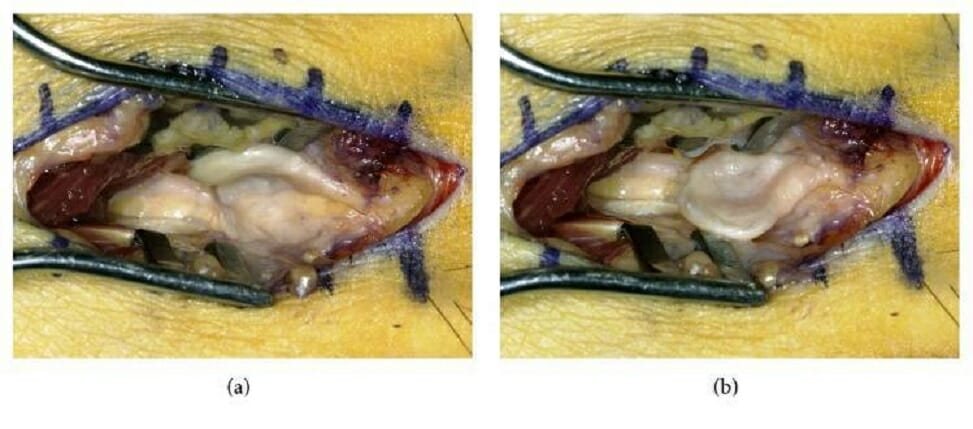
Intraoperative photographs showing a Morton neuroma

Fotografías intraoperatorias que muestran un neuroma de Morton (un neuroma interdigital del pie):
(a): Curso desviado en sentido dorsal del nervio interdigital y del neuroma
(b): Neuroma reclinado transversalmente mostrando la impresión en su centro (supuestamente realizada por las cabezas metatarsales adyacentes)

Imagen: “Intraoperative photograph” por Takumi Matsumoto. Licencia: CC BY 4.0

Relevancia Clínica

Las siguientes son afecciones comunes asociadas al AL Amyloidosis dolor Dolor Inflammation de tobillos y pies:

  • Articulación del tobillo: también llamada articulación talocrural, la articulación del tobillo es una articulación en EN Erythema nodosum is an immune-mediated panniculitis (inflammation of the subcutaneous fat) caused by a type IV (delayed-type) hypersensitivity reaction. It commonly manifests in young women as tender, erythematous nodules on the shins. Erythema Nodosum bisagra formada entre las superficies articulares de la tibia Tibia The second longest bone of the skeleton. It is located on the medial side of the lower leg, articulating with the fibula laterally, the talus distally, and the femur proximally. Knee Joint: Anatomy distal, el peroné distal y el astrágalo. La articulación del tobillo funciona como una articulación de bisagra que permite la flexión plantar, la dorsiflexión y un pequeño grado de abducción, aducción y rotación.
  • Infección gonocócica diseminada: una infección que suele darse en EN Erythema nodosum is an immune-mediated panniculitis (inflammation of the subcutaneous fat) caused by a type IV (delayed-type) hypersensitivity reaction. It commonly manifests in young women as tender, erythematous nodules on the shins. Erythema Nodosum pacientes jóvenes sexualmente activos. Esta puede presentarse con poliartralgia asimétrica (a menudo, pero no siempre, asociada a tenosinovitis y erupción cutánea) o una monoartritis u oligoartritis séptica aislada. El diagnóstico requiere la aspiración y el análisis de las articulaciones y se confirma mediante la tinción de Gram del líquido sinovial, los LOS Neisseria hemocultivos y las pruebas de amplificación del ácido nucleico genital/faríngeo para Neisseria gonorrhoeae Neisseria gonorrhoeae A species of gram-negative, aerobic bacteria primarily found in purulent venereal discharges. It is the causative agent of gonorrhea. Neisseria.
  • Artritis reumatoide: enfermedad sistémica inflamatoria crónica que progresa por etapas. La base de la enfermedad es una inflamación de la membrana sinovial, es decir, la capa interna de la cápsula articular. Atribuida a la sinovitis, puede dar lugar a enfermedades secundarias como artritis, bursitis o tenosinovitis.
  • Osteoartritis: trastorno degenerativo del cartílago articular, junto con los LOS Neisseria huesos subcondrales y otras estructuras articulares. La artrosis es el tipo más común de enfermedad articular y la principal causa de discapacidad en EN Erythema nodosum is an immune-mediated panniculitis (inflammation of the subcutaneous fat) caused by a type IV (delayed-type) hypersensitivity reaction. It commonly manifests in young women as tender, erythematous nodules on the shins. Erythema Nodosum los LOS Neisseria adultos mayores. Los LOS Neisseria principales factores de riesgo de la artrosis son los LOS Neisseria antecedentes familiares de la enfermedad, el sexo femenino, los LOS Neisseria traumatismos anteriores en EN Erythema nodosum is an immune-mediated panniculitis (inflammation of the subcutaneous fat) caused by a type IV (delayed-type) hypersensitivity reaction. It commonly manifests in young women as tender, erythematous nodules on the shins. Erythema Nodosum la articulación afectada, el envejecimiento y la obesidad.
  • Gota: se define por la precipitación de ácido úrico en EN Erythema nodosum is an immune-mediated panniculitis (inflammation of the subcutaneous fat) caused by a type IV (delayed-type) hypersensitivity reaction. It commonly manifests in young women as tender, erythematous nodules on the shins. Erythema Nodosum los LOS Neisseria tejidos (articulaciones, tofos y riñones). Un ataque agudo de gota se debe a una hiperuricemia exacerbada. El ataque de gota suele producirse por la noche con la monoartritis. En EN Erythema nodosum is an immune-mediated panniculitis (inflammation of the subcutaneous fat) caused by a type IV (delayed-type) hypersensitivity reaction. It commonly manifests in young women as tender, erythematous nodules on the shins. Erythema Nodosum el 90% de los LOS Neisseria casos, el ataque de gota afecta a la primera articulación metatarsofalángica (podagra). Los LOS Neisseria signos de la gota articular aguda son el enrojecimiento, la hinchazón y el dolor Dolor Inflammation de contacto extremo. También se puede encontrar fiebre debido a la producción de citoquinas y al AL Amyloidosis desarrollo de una inflamación sistémica.
  • Pseudogota: deposición de cristales de pirofosfato cálcico dihidratado en EN Erythema nodosum is an immune-mediated panniculitis (inflammation of the subcutaneous fat) caused by a type IV (delayed-type) hypersensitivity reaction. It commonly manifests in young women as tender, erythematous nodules on the shins. Erythema Nodosum los LOS Neisseria tejidos periarticulares y tejidos blandos. La seudogota puede inducir daños notables en EN Erythema nodosum is an immune-mediated panniculitis (inflammation of the subcutaneous fat) caused by a type IV (delayed-type) hypersensitivity reaction. It commonly manifests in young women as tender, erythematous nodules on the shins. Erythema Nodosum las articulaciones afectadas. Los LOS Neisseria síntomas incluyen dolor Dolor Inflammation, hinchazón y calor Calor Inflammation en EN Erythema nodosum is an immune-mediated panniculitis (inflammation of the subcutaneous fat) caused by a type IV (delayed-type) hypersensitivity reaction. It commonly manifests in young women as tender, erythematous nodules on the shins. Erythema Nodosum la articulación afectada. El diagnóstico se realiza mediante la identificación de cristales de CPP CPP Increased Intracranial Pressure (ICP) positivamente birrefringentes mediante microscopía de luz polarizada compensada en EN Erythema nodosum is an immune-mediated panniculitis (inflammation of the subcutaneous fat) caused by a type IV (delayed-type) hypersensitivity reaction. It commonly manifests in young women as tender, erythematous nodules on the shins. Erythema Nodosum el líquido articular aspirado.
  • Anorexia Anorexia The lack or loss of appetite accompanied by an aversion to food and the inability to eat. It is the defining characteristic of the disorder anorexia nervosa. Anorexia Nervosa nerviosa: trastorno alimentario caracterizado por la inanición autoimpuesta y los LOS Neisseria hábitos alimentarios inadecuados debido a un miedo mórbido al AL Amyloidosis aumento de peso y a una percepción alterada de la forma y el peso del cuerpo. Los LOS Neisseria pacientes tienen un peso corporal llamativamente bajo (IMC < 18,5) y diversas complicaciones fisiológicas y psicológicas. Una de las complicaciones habituales de la anorexia Anorexia The lack or loss of appetite accompanied by an aversion to food and the inability to eat. It is the defining characteristic of the disorder anorexia nervosa. Anorexia Nervosa nerviosa son las fracturas por estrés.

Referencias

  1. Cooper, M. T. (2023). Common painful foot and ankle conditions: A review. JAMA, 330(23), 2285–2294. https://doi.org/10.1001/jama.2023.23906
  2. Beckenkamp, P. R., Lin, C.-W. C., Macaskill, P., Michaleff, Z. A., Maher, C. G., & Moseley, A. M. (2017). Diagnostic accuracy of the Ottawa Ankle and Midfoot Rules: A systematic review with meta-analysis. British Journal of Sports Medicine, 51(6), 504–510. https://doi.org/10.1136/bjsports-2016-096858
  3. Tiemstra, J. D. (2012). Update on acute ankle sprains. American Family Physician, 85(12), 1170–1176. https://pubmed.ncbi.nlm.nih.gov/22962897/
  4. Trojian, T., & Tucker, A. K. (2019). Plantar fasciitis. American Family Physician, 99(12), 744–750. https://pubmed.ncbi.nlm.nih.gov/31194492/
    Patel, D. S., Roth, M., & Kapil, N. (2011). Stress fractures: Diagnosis, treatment, and prevention. American Family Physician, 83(1), 39–46. https://pubmed.ncbi.nlm.nih.gov/21888126/
  5. Thomson, L., Aujla, R. S., Divall, P., & Bhatia, M. (2020). Non-surgical treatments for Morton’s neuroma: A systematic review. Foot and Ankle Surgery, 26(7), 736–743. https://doi.org/10.1016/j.fas.2019.09.009 
  6. Sha, I. (2024). Tarsal tunnel syndrome—A comprehensive review. Iowa Orthopaedic Journal, 44(2), 32–36. https://pubmed.ncbi.nlm.nih.gov/39811161/

¡Crea tu cuenta gratis o inicia una sesión para seguir leyendo!

Regístrate ahora y obtén acceso gratuito a Lecturio con páginas de concepto, videos médicos y cuestionarios para tu educación médica.

User Reviews

¡Flash Sale Doble! ⚡ Ahorra 30% en todos planes y cursos acreditados!

Details