Domina Conceptos Médicos

Estudia para la escuela de medicina y tus examenes con Lecturio.

Tráquea: Anatomía

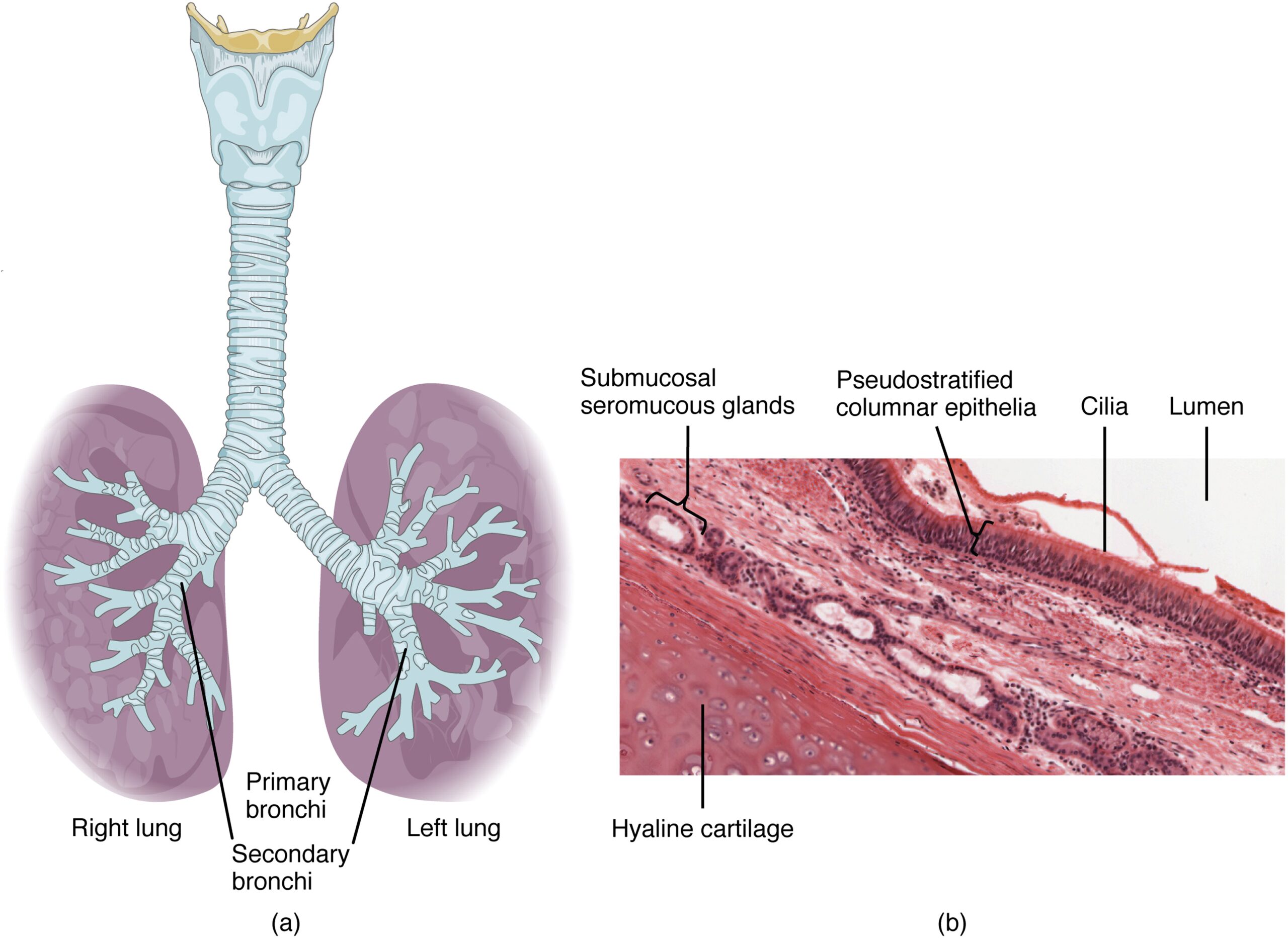
La tráquea es una estructura tubular que forma parte del tracto respiratorio inferior. La tráquea se continúa superiormente con la laringe e inferiormente se convierte en EN Erythema nodosum is an immune-mediated panniculitis (inflammation of the subcutaneous fat) caused by a type IV (delayed-type) hypersensitivity reaction. It commonly manifests in young women as tender, erythematous nodules on the shins. Erythema Nodosum el árbol bronquial dentro de los LOS Neisseria pulmones. La tráquea está formada por un armazón de soporte de 16–20 anillos semicirculares, o en EN Erythema nodosum is an immune-mediated panniculitis (inflammation of the subcutaneous fat) caused by a type IV (delayed-type) hypersensitivity reaction. It commonly manifests in young women as tender, erythematous nodules on the shins. Erythema Nodosum forma de C, hechos de cartílago hialino y reforzados por tejido conectivo colagenoso. La pared posterior de la tráquea está libre de cartílago. En EN Erythema nodosum is an immune-mediated panniculitis (inflammation of the subcutaneous fat) caused by a type IV (delayed-type) hypersensitivity reaction. It commonly manifests in young women as tender, erythematous nodules on the shins. Erythema Nodosum esta zona, la paries membranaceus Paries membranaceus Trachea: Anatomy forma una placa de músculo traqueal liso y tejido conectivo, y constituye el límite con el esófago que discurre dorsalmente.

Last updated: Dec 15, 2025

Editorial responsibility: Stanley Oiseth, Lindsay Jones, Evelin Maza

Desarrollo

La tráquea se desarrolla como parte del árbol traqueobronquial al AL Amyloidosis brotar del intestino anterior del tubo intestinal embrionario.
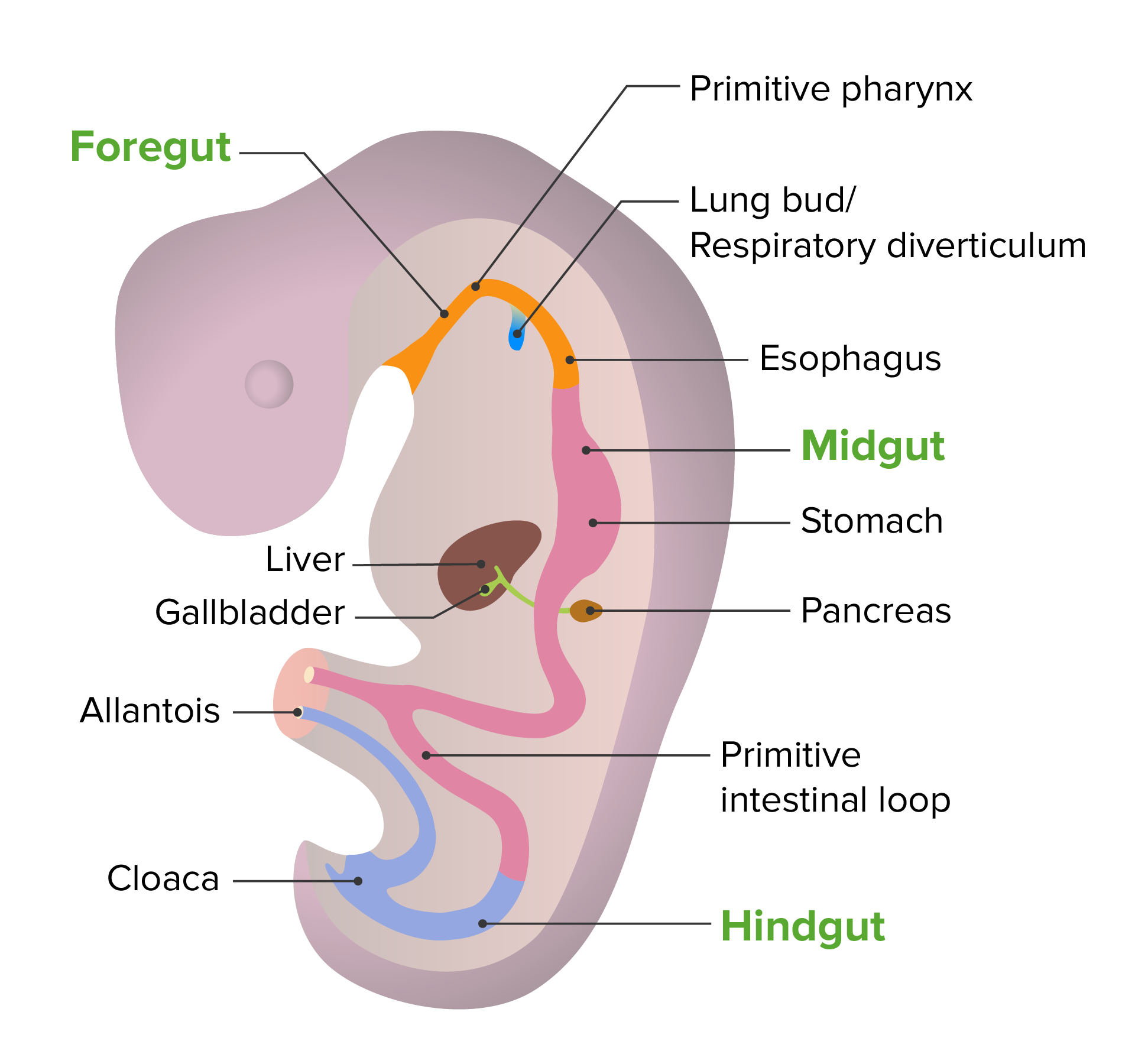
  • Se produce entre 4–7 semanas después de la concepción
  • Tubo intestinal embrionario:
    • Se forma a partir de la capa de endodermo plegada lateralmente
    • Rodeado de mesodermo
    • Tiene 3 secciones:
      • Intestino anterior
      • Intestino medio
      • Intestino posterior
  • Brote pulmonar (divertículo respiratorio):
    • Brota de la parte ventral del intestino anterior alrededor de la cuarta semana
    • Crece simultáneamente hacia afuera (ventralmente) y hacia abajo (caudalmente)
    • Incluye tanto el endodermo como el mesodermo esplacnopleural circundante
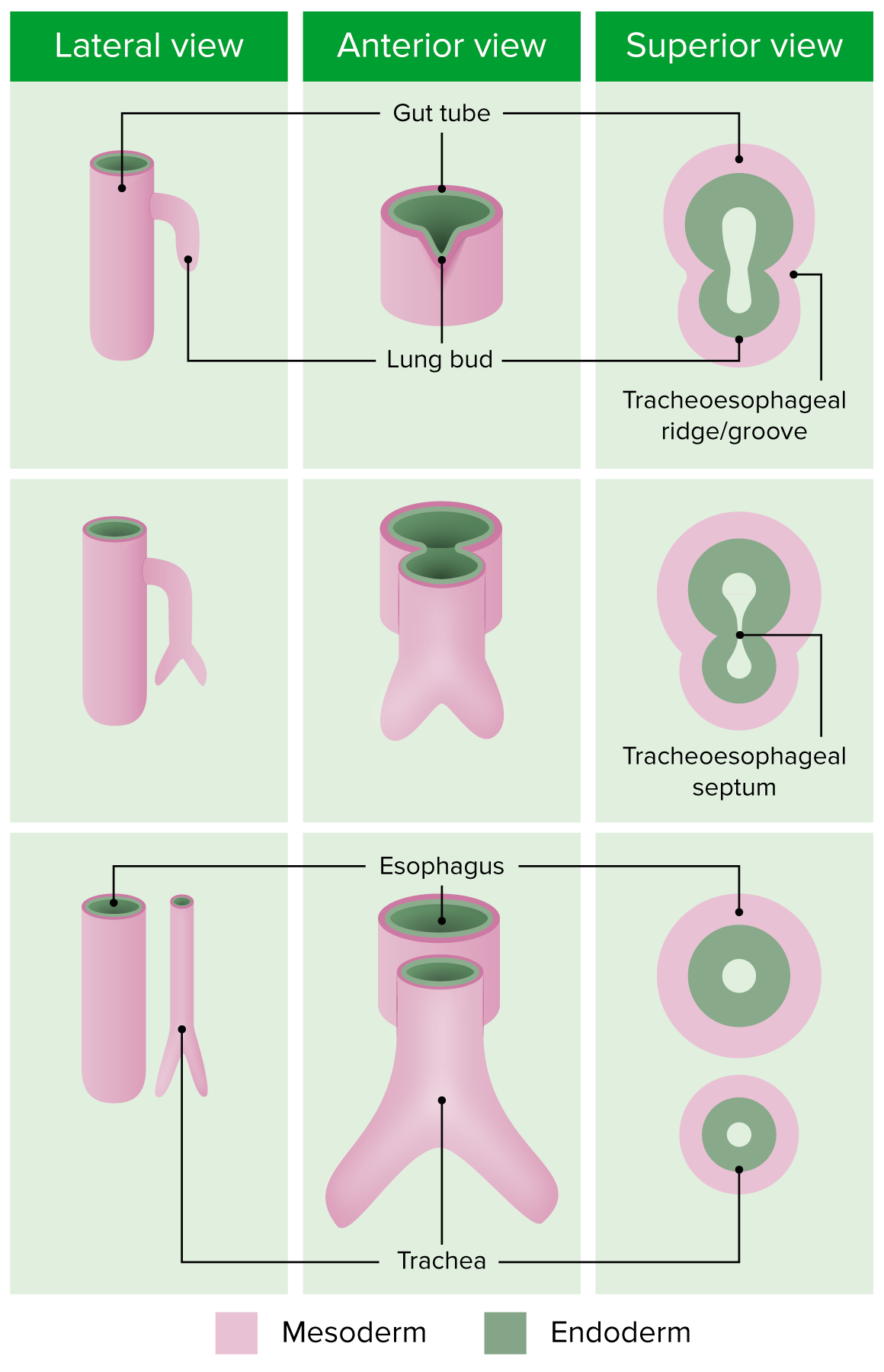
  • Surco traqueoesofágico (o cresta):
    • A medida que el brote pulmonar crece hacia afuera y hacia abajo, el surco traqueoesofágico aparece como hendiduras laterales entre el nuevo brote pulmonar y el intestino anterior.
    • Los LOS Neisseria surcos/crestas se desplazan medialmente, pellizcando el brote pulmonar, y formando el tabique traqueoesofágico.
    • El tabique traqueoesofágico crea 2 tubos separados:
      • Esófago (posteriormente, desde el intestino anterior original)
      • Tráquea (anteriormente, desde el brote pulmonar)
  • Brotes bronquiales primarios: La tráquea se bifurca en EN Erythema nodosum is an immune-mediated panniculitis (inflammation of the subcutaneous fat) caused by a type IV (delayed-type) hypersensitivity reaction. It commonly manifests in young women as tender, erythematous nodules on the shins. Erythema Nodosum los LOS Neisseria brotes bronquiales derecho e izquierdo.
    • Los LOS Neisseria brotes bronquiales primarios continúan desarrollándose posteriormente en EN Erythema nodosum is an immune-mediated panniculitis (inflammation of the subcutaneous fat) caused by a type IV (delayed-type) hypersensitivity reaction. It commonly manifests in young women as tender, erythematous nodules on the shins. Erythema Nodosum el árbol bronquial y los LOS Neisseria pulmones a través de las etapas pseudoglandular, canalicular, sacular y alveolar.

Related videos

Anatomía

Características generales

  • Localización:
    • Situado en EN Erythema nodosum is an immune-mediated panniculitis (inflammation of the subcutaneous fat) caused by a type IV (delayed-type) hypersensitivity reaction. It commonly manifests in young women as tender, erythematous nodules on the shins. Erythema Nodosum la parte inferior del cuello y el tórax, dentro del mediastino superior
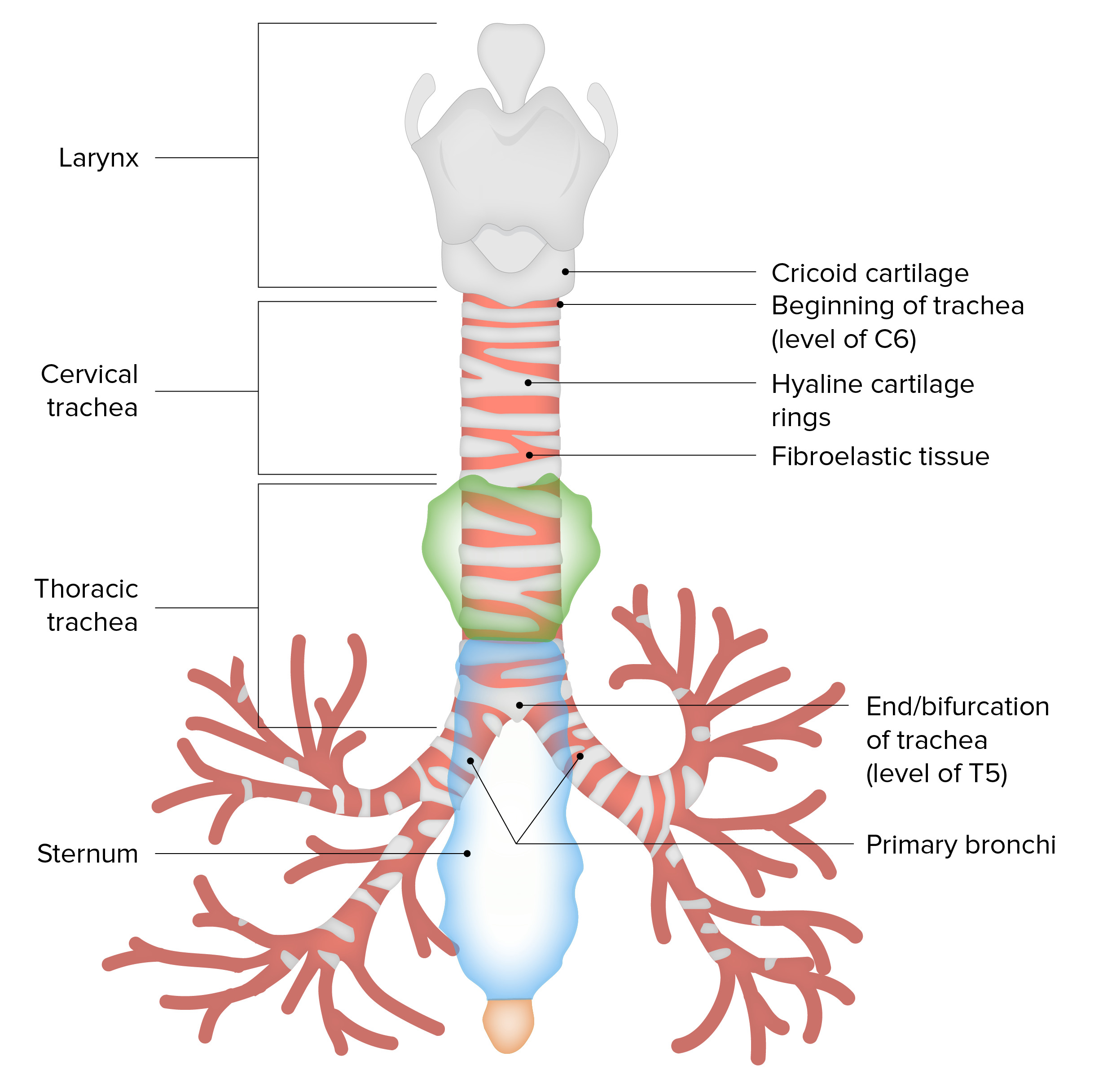
    • Continúa superiormente con la laringe a nivel de C6
    • Termina inferiormente a nivel de T5 y continúa como los LOS Neisseria bronquios primarios y el resto del árbol bronquial en EN Erythema nodosum is an immune-mediated panniculitis (inflammation of the subcutaneous fat) caused by a type IV (delayed-type) hypersensitivity reaction. It commonly manifests in young women as tender, erythematous nodules on the shins. Erythema Nodosum los LOS Neisseria pulmones
  • Forma y estructura:
    • La tráquea es una estructura tubular en EN Erythema nodosum is an immune-mediated panniculitis (inflammation of the subcutaneous fat) caused by a type IV (delayed-type) hypersensitivity reaction. It commonly manifests in young women as tender, erythematous nodules on the shins. Erythema Nodosum forma de D del tracto respiratorio inferior.
    • Aproximadamente 10–11 cm (3,9–4,3 pulgadas) de longitud, con un diámetro interior de 1,5–2 cm (0,59–0,79 pulgadas)
    • Consiste en EN Erythema nodosum is an immune-mediated panniculitis (inflammation of the subcutaneous fat) caused by a type IV (delayed-type) hypersensitivity reaction. It commonly manifests in young women as tender, erythematous nodules on the shins. Erythema Nodosum 16–20 anillos semicirculares, o en EN Erythema nodosum is an immune-mediated panniculitis (inflammation of the subcutaneous fat) caused by a type IV (delayed-type) hypersensitivity reaction. It commonly manifests in young women as tender, erythematous nodules on the shins. Erythema Nodosum forma de C, formados por cartílago hialino reforzado por tejido conectivo colagenoso
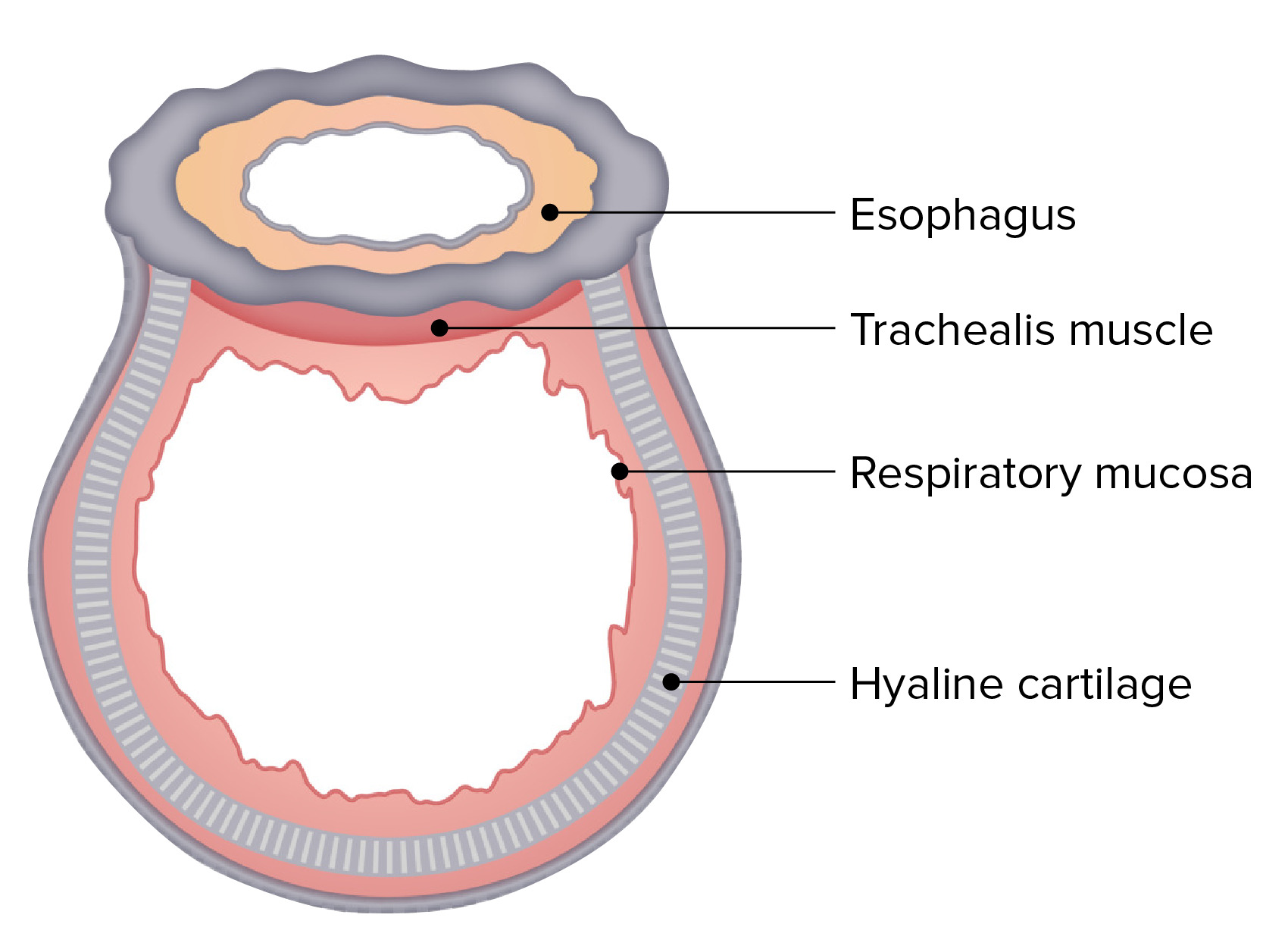
    • Tiene una pared posterior plana, sin cartílago y membranosa que contiene un músculo liso llamado músculo traqueal (conocido como paries membranaceus Paries membranaceus Trachea: Anatomy)
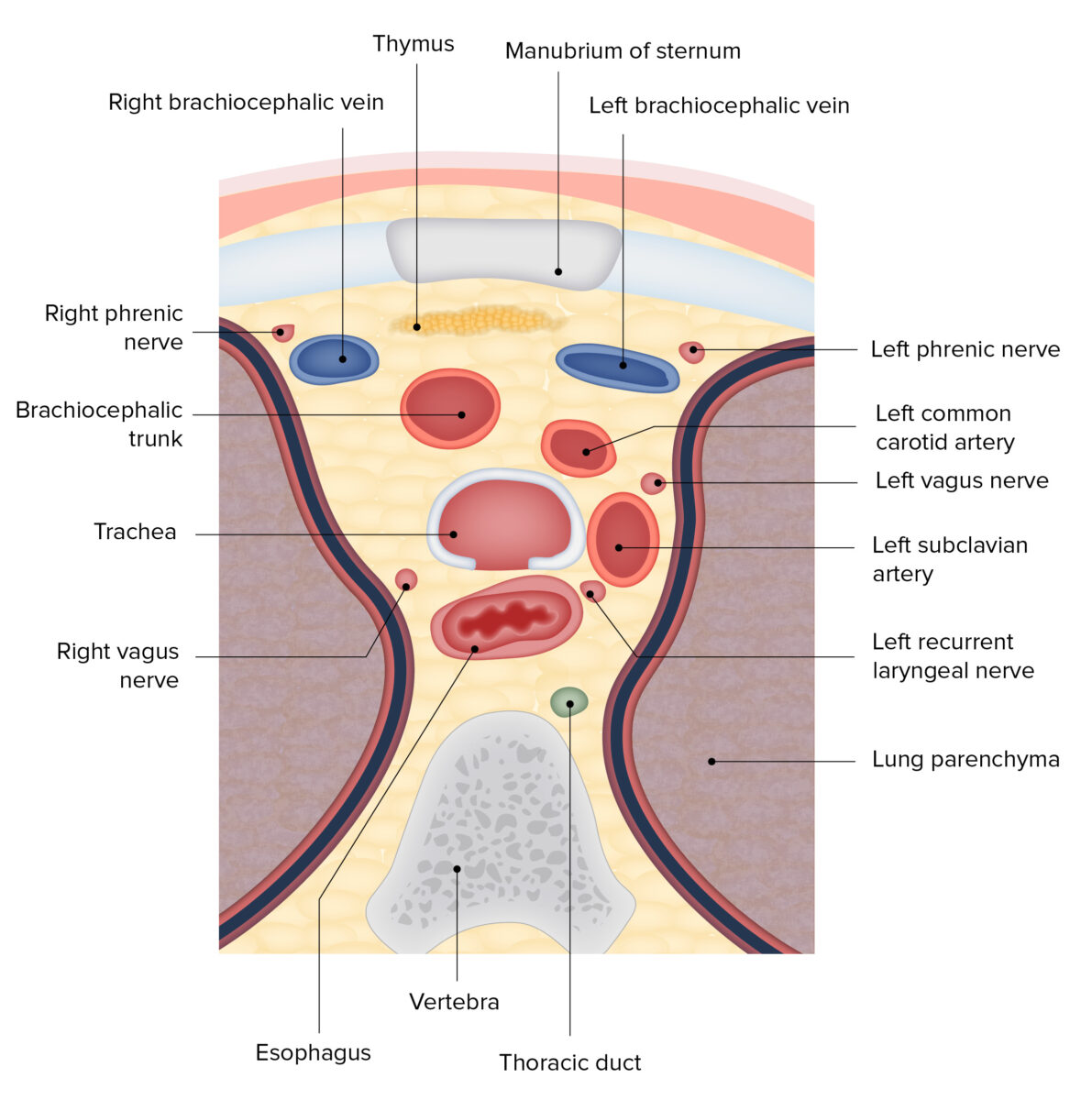
Estructura transversal Tráquea

La estructura transversal de la tráquea:
Obsérvese la estructura tubular en forma de D y la proximidad al esófago.

Imagen por Lecturio. Licencia: CC BY-NC-SA 4.0
  • Funciones:
    • Transporta el aire dentro y fuera de los LOS Neisseria pulmones durante la ventilación
    • Calienta y humedece el aire inhalado para proteger las vías respiratorias
    • Ayuda en EN Erythema nodosum is an immune-mediated panniculitis (inflammation of the subcutaneous fat) caused by a type IV (delayed-type) hypersensitivity reaction. It commonly manifests in young women as tender, erythematous nodules on the shins. Erythema Nodosum el acto de toser a través del músculo traqueal
  • Porciones:
    • Porción cervical:
      • Continuación directa de la laringe por debajo del cartílago cricoides
      • Comienza aproximadamente a nivel de C6
      • Termina a nivel de la escotadura yugular del esternón
    • Porción torácica:
      • Continuación directa de la tráquea cervical
      • Comienza en EN Erythema nodosum is an immune-mediated panniculitis (inflammation of the subcutaneous fat) caused by a type IV (delayed-type) hypersensitivity reaction. It commonly manifests in young women as tender, erythematous nodules on the shins. Erythema Nodosum el borde superior del mediastino superior (escotadura yugular del esternón)
      • Termina en EN Erythema nodosum is an immune-mediated panniculitis (inflammation of the subcutaneous fat) caused by a type IV (delayed-type) hypersensitivity reaction. It commonly manifests in young women as tender, erythematous nodules on the shins. Erythema Nodosum la bifurcación de la tráquea en EN Erythema nodosum is an immune-mediated panniculitis (inflammation of the subcutaneous fat) caused by a type IV (delayed-type) hypersensitivity reaction. It commonly manifests in young women as tender, erythematous nodules on the shins. Erythema Nodosum los LOS Neisseria bronquios principales, a nivel de T4 T4 The major hormone derived from the thyroid gland. Thyroxine is synthesized via the iodination of tyrosines (monoiodotyrosine) and the coupling of iodotyrosines (diiodotyrosine) in the thyroglobulin. Thyroxine is released from thyroglobulin by proteolysis and secreted into the blood. Thyroxine is peripherally deiodinated to form triiodothyronine which exerts a broad spectrum of stimulatory effects on cell metabolism. Thyroid Hormones–T7 (más comúnmente T5)
Estructura principal y porciones de la tráquea

La estructura principal y porciones de la tráquea

Imagen por Lecturio. Licencia: CC BY-NC-SA 4.0
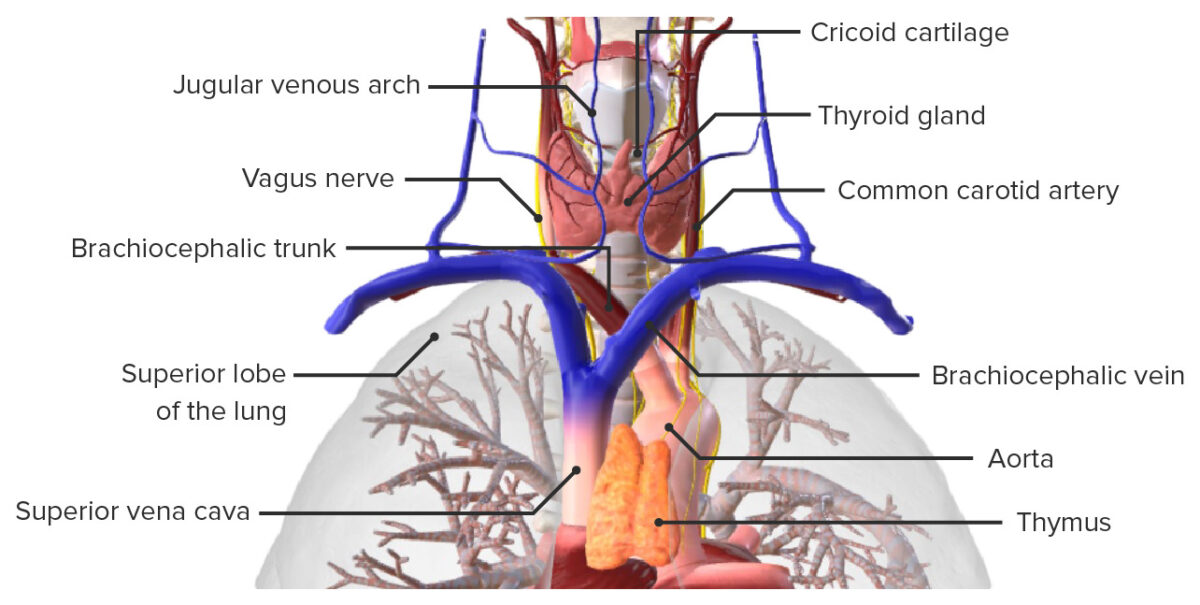
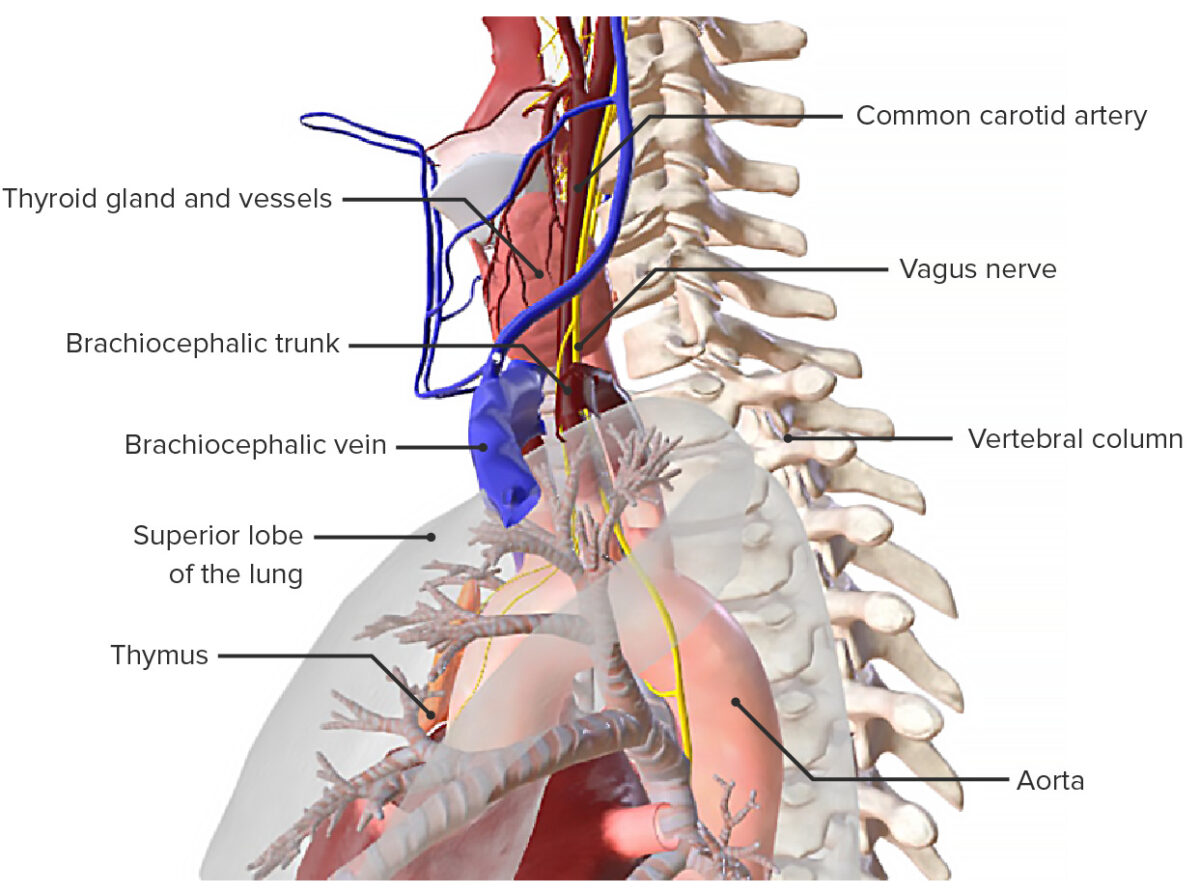
Relaciones anatómicas

  • Posterior:
  • Anterior:
    • Piel y fascia Fascia Layers of connective tissue of variable thickness. The superficial fascia is found immediately below the skin; the deep fascia invests muscles, nerves, and other organs. Cellulitis cervical
    • Arco venoso yugular
    • Aorta Aorta The main trunk of the systemic arteries. Mediastinum and Great Vessels: Anatomy ascendente
    • Tronco braquiocefálico
    • Vena cava superior
    • Glándula tiroidea y vasos sanguíneos
    • Glándula del timo o sus restos
  • Lateral:
    • Arterias carótidas
    • Arterias tiroideas inferiores
    • Nervios laríngeos recurrentes
    • Nervios vagos
    • Pulmones y pleura Pleura The pleura is a serous membrane that lines the walls of the thoracic cavity and the surface of the lungs. This structure of mesodermal origin covers both lungs, the mediastinum, the thoracic surface of the diaphragm, and the inner part of the thoracic cage. The pleura is divided into a visceral pleura and parietal pleura. Pleura: Anatomy

Anatomía Microscópica

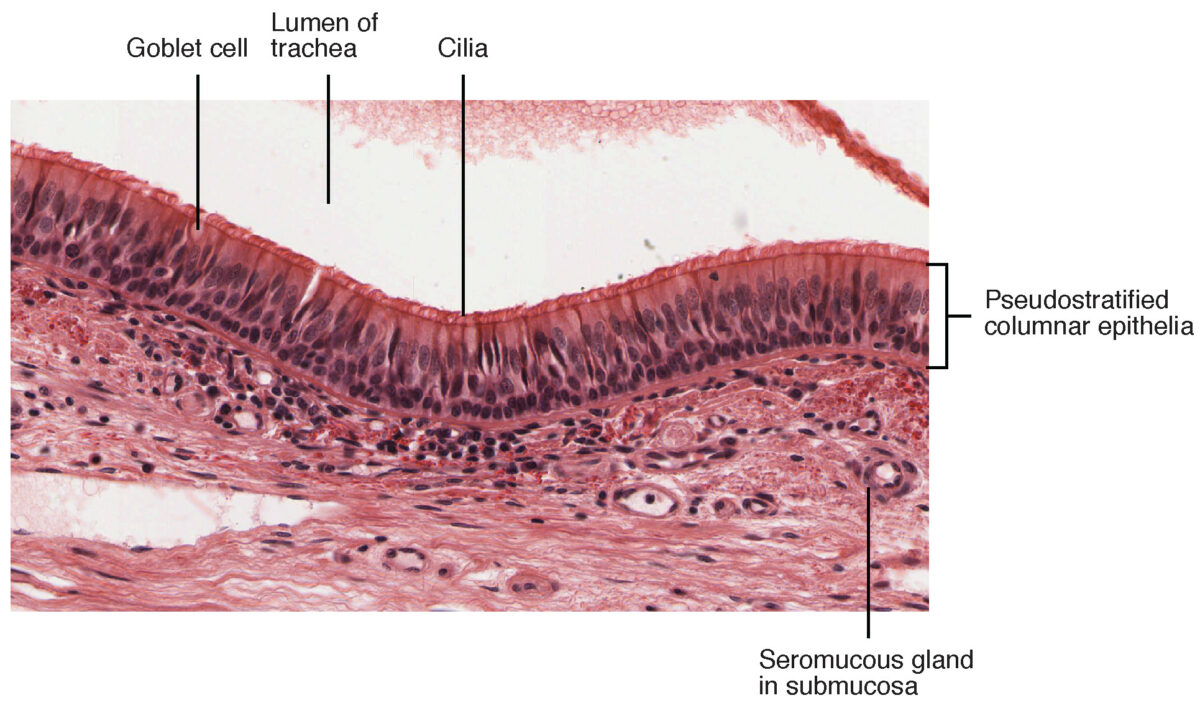
La pared traqueal consta de 4 capas:

  1. Mucosa: alta, columnar, pseudoestratificada con cilios y células caliciformes productoras de mucina
  2. Submucosa:
    • El tejido conectivo proporciona soporte y elasticidad
    • Contiene fibras de elastina, glándulas mucosas, músculo liso, vasos sanguíneos y linfáticos, y nervios
  3. Capa músculo-cartilaginosa: contiene el cartílago hialino de los LOS Neisseria anillos en EN Erythema nodosum is an immune-mediated panniculitis (inflammation of the subcutaneous fat) caused by a type IV (delayed-type) hypersensitivity reaction. It commonly manifests in young women as tender, erythematous nodules on the shins. Erythema Nodosum forma de C y el músculo liso intermedio
    • El músculo traqueal:
      • Puede alterar las dimensiones de la tráquea
      • Regula la cantidad de aire que entra o sale de los LOS Neisseria pulmones
  4. Adventicia: compuesta por tejido conectivo fibroelástico y laxo
Varias capas de tejido Tráquea y Laringe

Las distintas capas de tejido que componen la tráquea

Imagen: “Layers of tissue: trachea and larynx” por Phil Schatz. Licencia: CC BY 4.0, editado por Lecturio.
Related videos

Irrigación e Inervación

Irrigación

  • Irrigación arterial:
    • La tráquea está alimentada principalmente por ramas de las arterias tiroideas inferiores, ramas del tronco tirocervical.
    • También apoyan la irrigación las ramas ascendentes de las arterias bronquiales.
    • Estos dos conjuntos de arterias se anastomosan a lo largo de la estructura de la tráquea.
  • Drenaje venoso:
    • Las venas análogas drenan en EN Erythema nodosum is an immune-mediated panniculitis (inflammation of the subcutaneous fat) caused by a type IV (delayed-type) hypersensitivity reaction. It commonly manifests in young women as tender, erythematous nodules on the shins. Erythema Nodosum el plexo venoso tiroideo inferior.
    • Las venas tiroideas inferiores drenan en EN Erythema nodosum is an immune-mediated panniculitis (inflammation of the subcutaneous fat) caused by a type IV (delayed-type) hypersensitivity reaction. It commonly manifests in young women as tender, erythematous nodules on the shins. Erythema Nodosum las venas braquiocefálicas.

Inervación

  • La tráquea es inervada por el plexo pulmonar.
    • Inervación parasimpática: nervios laríngeos recurrentes, ramas del nervio vago
    • Inervación simpática: troncos simpáticos
  • Dentro de las paredes del árbol traqueobronquial, los LOS Neisseria axones preganglionares eferentes de los LOS Neisseria nervios vagos hacen sinapsis en EN Erythema nodosum is an immune-mediated panniculitis (inflammation of the subcutaneous fat) caused by a type IV (delayed-type) hypersensitivity reaction. It commonly manifests in young women as tender, erythematous nodules on the shins. Erythema Nodosum los LOS Neisseria pequeños ganglios → regulación de los LOS Neisseria reflejos locales y del control de las vías respiratorias

Relevancia Clínica

Los LOS Neisseria siguientes trastornos de diversas etiologías pueden afectar a la tráquea:

  • Infecciosos:
    • La laringitis es una inflamación de la laringe que puede producirse tras una infección de la cavidad nasal y la región faríngea debida a virus Virus Viruses are infectious, obligate intracellular parasites composed of a nucleic acid core surrounded by a protein capsid. Viruses can be either naked (non-enveloped) or enveloped. The classification of viruses is complex and based on many factors, including type and structure of the nucleoid and capsid, the presence of an envelope, the replication cycle, and the host range. Virology o bacterias, que pueden llegar a la tráquea. Además, el uso excesivo de la voz en EN Erythema nodosum is an immune-mediated panniculitis (inflammation of the subcutaneous fat) caused by a type IV (delayed-type) hypersensitivity reaction. It commonly manifests in young women as tender, erythematous nodules on the shins. Erythema Nodosum un entorno de aire seco puede provocar síntomas de laringitis: enrojecimiento de la mucosa faríngea, dolor Dolor Inflammation de garganta y ronquera o pérdida de la voz.
  • Congénitos:
    • Fístula traqueoesofágica: es una conexión anormal entre el esófago y la tráquea: La fístula traqueoesofágica es una anomalía congénita común, pero cuando se produce en EN Erythema nodosum is an immune-mediated panniculitis (inflammation of the subcutaneous fat) caused by a type IV (delayed-type) hypersensitivity reaction. It commonly manifests in young women as tender, erythematous nodules on the shins. Erythema Nodosum una etapa tardía de la vida, suele ser una secuela de una intervención quirúrgica.
    • Traqueomalacia: es un colapso anormal de las paredes de la tráquea: La traqueomalacia se debe a un trastorno del cartílago o puede ser causada por una fuente externa (anillos vasculares, masas, etc ETC The electron transport chain (ETC) sends electrons through a series of proteins, which generate an electrochemical proton gradient that produces energy in the form of adenosine triphosphate (ATP). Electron Transport Chain (ETC).). Los LOS Neisseria síntomas son similares a los LOS Neisseria de la obstrucción de vías respiratorias e incluyen estridor y sibilancias.

Referencias

  1. Moore, K. L., et al. Clinically oriented anatomy. Lippincott Williams & Wilkins, 2017.
  2. Drake, R., et al. Gray’s anatomy for students E-Book. Elsevier Health Sciences, 2014.
  3. Standring, S. Gray’s anatomy: The anatomical basis of clinical practice, 41st ed. Edinburgh: Churchill Livingstone/Elsevier, 2016.

¡Crea tu cuenta gratis o inicia una sesión para seguir leyendo!

Regístrate ahora y obtén acceso gratuito a Lecturio con páginas de concepto, videos médicos y cuestionarios para tu educación médica.

User Reviews

Que tengas una sesión de estudio alegre y navideña 🎁 Ahorra 50% en todos los planes >>

Details