Domina Conceptos Médicos

Estudia para la escuela de medicina y tus examenes con Lecturio.

Miopatías Mitocondriales

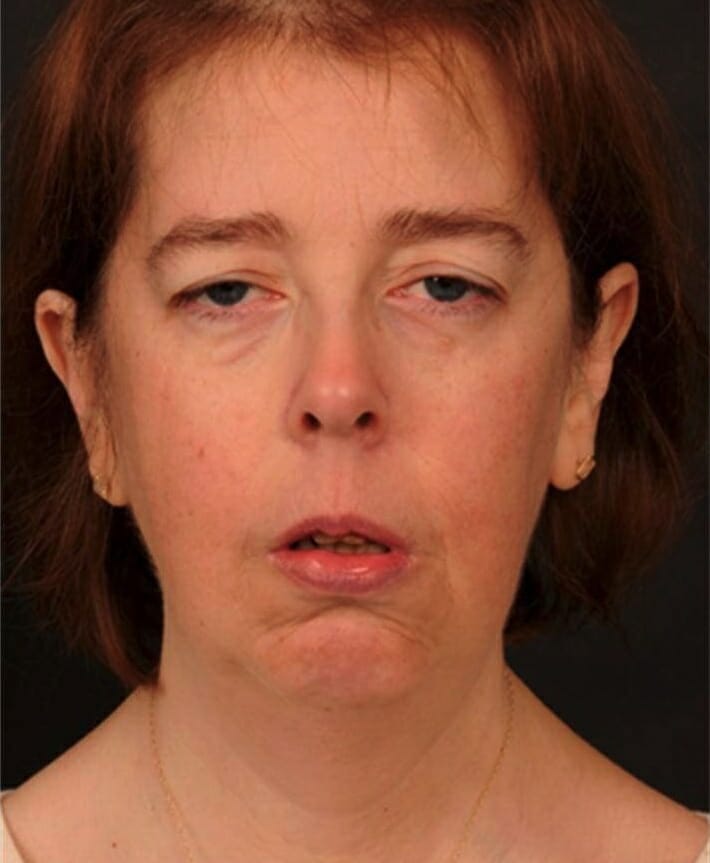
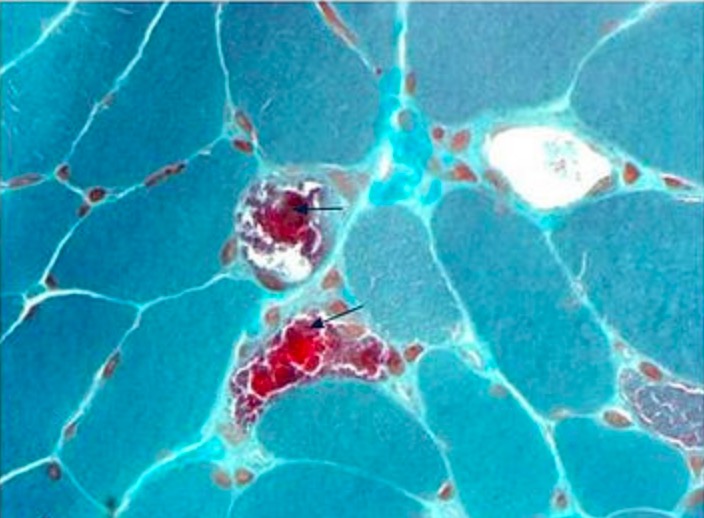
Las miopatías mitocondriales son afecciones que surgen de la disfunción de las mitocondrias ( los LOS Neisseria organelos productores de energía) y se caracterizan por síntomas musculares prominentes y se acompañan de varios síntomas causados por órganos con altos requerimientos de energía. Los LOS Neisseria órganos desproporcionadamente afectados incluyen los LOS Neisseria músculos esqueléticos, el cerebro y el corazón. Las miopatías mitocondriales son causadas por mutaciones en EN Erythema nodosum is an immune-mediated panniculitis (inflammation of the subcutaneous fat) caused by a type IV (delayed-type) hypersensitivity reaction. It commonly manifests in young women as tender, erythematous nodules on the shins. Erythema Nodosum el ADN nuclear o en EN Erythema nodosum is an immune-mediated panniculitis (inflammation of the subcutaneous fat) caused by a type IV (delayed-type) hypersensitivity reaction. It commonly manifests in young women as tender, erythematous nodules on the shins. Erythema Nodosum el ADN mitocondrial, que generalmente resultan en EN Erythema nodosum is an immune-mediated panniculitis (inflammation of the subcutaneous fat) caused by a type IV (delayed-type) hypersensitivity reaction. It commonly manifests in young women as tender, erythematous nodules on the shins. Erythema Nodosum una producción reducida de la energía que necesitan las células. La presentación puede ser una miopatía aislada, encefalomiopatía, oftalmoplejías o una enfermedad multisistémica. El diagnóstico implica antecedentes médicos y familiares detallados, junto con estudios genéticos y de laboratorio. En EN Erythema nodosum is an immune-mediated panniculitis (inflammation of the subcutaneous fat) caused by a type IV (delayed-type) hypersensitivity reaction. It commonly manifests in young women as tender, erythematous nodules on the shins. Erythema Nodosum la biopsia, existe proliferación subsarcolémica e intermiofibrilar de mitocondrias que se observan como “fibras rojas rasgadas”. Esta afección indica una respuesta compensatoria a la falta de energía. No existe un tratamiento definitivo. El tratamiento consiste en EN Erythema nodosum is an immune-mediated panniculitis (inflammation of the subcutaneous fat) caused by a type IV (delayed-type) hypersensitivity reaction. It commonly manifests in young women as tender, erythematous nodules on the shins. Erythema Nodosum fisioterapia y un enfoque multidisciplinario para abordar los LOS Neisseria síntomas acompañantes.

Last updated: Apr 24, 2025

Editorial responsibility: Stanley Oiseth, Lindsay Jones, Evelin Maza

Descripción General

Definición

Las miopatías mitocondriales son enfermedades que surgen de la disfunción mitocondrial ( los LOS Neisseria organelos productores de energía). Estas enfermedades se caracterizan por síntomas musculares prominentes (como debilidad muscular) y se acompañan de varios síntomas causados por órganos con altos requerimientos de energía.
Etiología

  • Mutaciones que involucran el ADN nuclear (ADNn) o el ADN mitocondrial (ADNmt) con un resultado final general de alteración de la fosforilación oxidativa.
    • Mutación relacionada con el ADNmt heredada por vía materna
    • También ocurren esporádicamente
  • Los LOS Neisseria defectos implican:
    • Genes Genes A category of nucleic acid sequences that function as units of heredity and which code for the basic instructions for the development, reproduction, and maintenance of organisms. DNA Types and Structure que codifican proteínas de la cadena respiratoria
    • Genes Genes A category of nucleic acid sequences that function as units of heredity and which code for the basic instructions for the development, reproduction, and maintenance of organisms. DNA Types and Structure que codifican proteínas auxiliares de la cadena respiratoria (e.g., necesarias para el ensamblaje)
    • Traducción de ARN mitocondrial
    • Medio lipídico de la membrana interna mitocondrial
    • Agotamiento del ADNmt (defecto en EN Erythema nodosum is an immune-mediated panniculitis (inflammation of the subcutaneous fat) caused by a type IV (delayed-type) hypersensitivity reaction. It commonly manifests in young women as tender, erythematous nodules on the shins. Erythema Nodosum el mantenimiento del ADNmt)
    • Dinámica mitocondrial (fusión/fisión)

Epidemiología

  • En EN Erythema nodosum is an immune-mediated panniculitis (inflammation of the subcutaneous fat) caused by a type IV (delayed-type) hypersensitivity reaction. It commonly manifests in young women as tender, erythematous nodules on the shins. Erythema Nodosum los LOS Neisseria Estados Unidos: estimado de 1 000–4 000 nacimientos con trastornos mitocondriales cada año
  • A nivel mundial, es difícil determinar la prevalencia exacta debido a que:
    • Los LOS Neisseria datos en EN Erythema nodosum is an immune-mediated panniculitis (inflammation of the subcutaneous fat) caused by a type IV (delayed-type) hypersensitivity reaction. It commonly manifests in young women as tender, erythematous nodules on the shins. Erythema Nodosum ciertas regiones están menos disponibles
    • Los LOS Neisseria síntomas menos graves pasan desapercibidos y, por lo tanto, no se informan.
  • A partir de datos extrapolados en EN Erythema nodosum is an immune-mediated panniculitis (inflammation of the subcutaneous fat) caused by a type IV (delayed-type) hypersensitivity reaction. It commonly manifests in young women as tender, erythematous nodules on the shins. Erythema Nodosum estudios realizados en EN Erythema nodosum is an immune-mediated panniculitis (inflammation of the subcutaneous fat) caused by a type IV (delayed-type) hypersensitivity reaction. It commonly manifests in young women as tender, erythematous nodules on the shins. Erythema Nodosum el noreste de Inglaterra y Australia, la prevalencia estimada de la enfermedad mitocondrial es de 13 en EN Erythema nodosum is an immune-mediated panniculitis (inflammation of the subcutaneous fat) caused by a type IV (delayed-type) hypersensitivity reaction. It commonly manifests in young women as tender, erythematous nodules on the shins. Erythema Nodosum 200 000.

Fisiopatología

Mitocondrias

  • Organelos con múltiples funciones:
    • Producen energía (ATP) a través de la fosforilación oxidativa
    • Participan en EN Erythema nodosum is an immune-mediated panniculitis (inflammation of the subcutaneous fat) caused by a type IV (delayed-type) hypersensitivity reaction. It commonly manifests in young women as tender, erythematous nodules on the shins. Erythema Nodosum la apoptosis Apoptosis A regulated cell death mechanism characterized by distinctive morphologic changes in the nucleus and cytoplasm, including the endonucleolytic cleavage of genomic DNA, at regularly spaced, internucleosomal sites, I.e., DNA fragmentation. It is genetically-programmed and serves as a balance to mitosis in regulating the size of animal tissues and in mediating pathologic processes associated with tumor growth. Ischemic Cell Damage, la homeostasis Homeostasis The processes whereby the internal environment of an organism tends to remain balanced and stable. Cell Injury and Death del calcio y la producción de especies reactivas de oxígeno
    • Mantienen la membrana de fosfolípidos que sirve como límite al AL Amyloidosis citosol y el sitio donde se lleva a cabo la cadena respiratoria.
    • Replican, transcriben su propio ADN y traducen el ARN mensajero (ARNm) en EN Erythema nodosum is an immune-mediated panniculitis (inflammation of the subcutaneous fat) caused by a type IV (delayed-type) hypersensitivity reaction. It commonly manifests in young women as tender, erythematous nodules on the shins. Erythema Nodosum proteína(s)
  • Si bien la mitocondria tiene su propio ADN, la mayoría de las proteínas necesarias están codificadas por el ADNn y se transportan al AL Amyloidosis organelo.
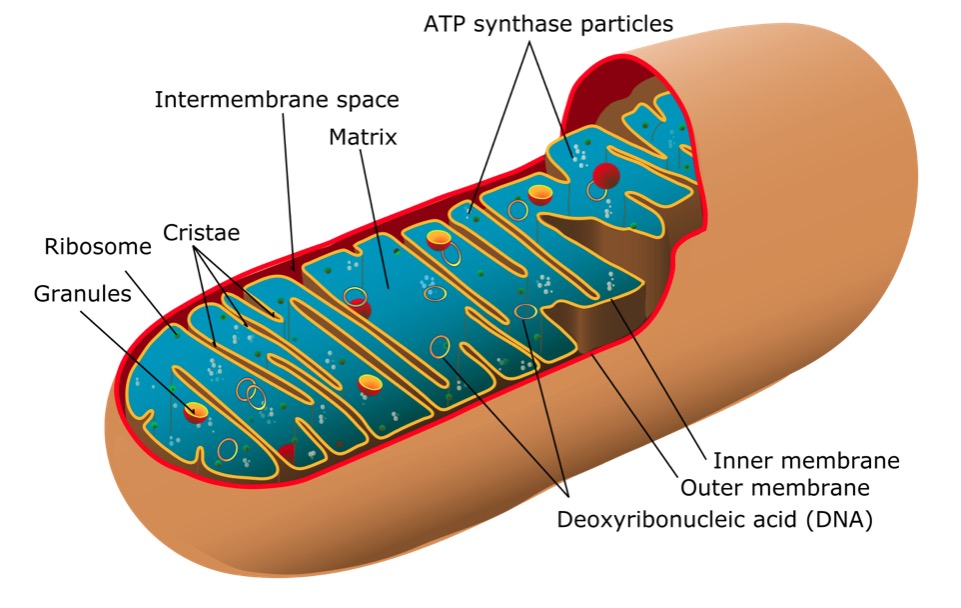
Mitocondria de la célula eucariota

Estructura de una mitocondria

Imagen: “Mitochondrion of the eukaryotic cell” por Mariana Ruiz Villarreal. Licencia: Dominio Público

Enfermedad mitocondrial

  • Tanto los LOS Neisseria genes Genes A category of nucleic acid sequences that function as units of heredity and which code for the basic instructions for the development, reproduction, and maintenance of organisms. DNA Types and Structure nucleares como los LOS Neisseria mitocondriales producen las proteínas necesarias para que las mitocondrias realicen sus diversas funciones.
  • Las mutaciones en EN Erythema nodosum is an immune-mediated panniculitis (inflammation of the subcutaneous fat) caused by a type IV (delayed-type) hypersensitivity reaction. It commonly manifests in young women as tender, erythematous nodules on the shins. Erythema Nodosum el ADNn o el ADNmt afectan las funciones mitocondriales y, en EN Erythema nodosum is an immune-mediated panniculitis (inflammation of the subcutaneous fat) caused by a type IV (delayed-type) hypersensitivity reaction. It commonly manifests in young women as tender, erythematous nodules on the shins. Erythema Nodosum última instancia, provocan una producción reducida de energía y un mayor riesgo de daño por los LOS Neisseria radicales de oxígeno.
  • ADNn:
    • Las mutaciones pueden ser autosómicas recesivas, autosómicas dominantes o ligadas al AL Amyloidosis cromosoma X.
    • También se producen mutaciones de novo.
  • ADNmt:
    • Un óvulo fertilizado transporta mitocondrias predominantemente de la madre; así, el genotipo mitocondrial se transmite por vía materna.
    • Pueden ocurrir mutaciones esporádicas, lo que indica que la descendencia puede tener un ADNmt diferente al AL Amyloidosis de la madre.
    • Cada célula tiene varias mitocondrias y cada mitocondria tiene varias moléculas de ADN.
      • Homoplasmia: los LOS Neisseria ADNmt son todos idénticos.
      • Heteroplasmia: la mutación está presente en EN Erythema nodosum is an immune-mediated panniculitis (inflammation of the subcutaneous fat) caused by a type IV (delayed-type) hypersensitivity reaction. It commonly manifests in young women as tender, erythematous nodules on the shins. Erythema Nodosum algunas de las copias de ADNmt.
    • La expresión clínica de la(s) mutación(es) es variable Variable Variables represent information about something that can change. The design of the measurement scales, or of the methods for obtaining information, will determine the data gathered and the characteristics of that data. As a result, a variable can be qualitative or quantitative, and may be further classified into subgroups. Types of Variables debido a la heteroplasmia.
  • El cerebro, el corazón y los LOS Neisseria músculos generalmente requieren mucha energía, por lo que los LOS Neisseria defectos en EN Erythema nodosum is an immune-mediated panniculitis (inflammation of the subcutaneous fat) caused by a type IV (delayed-type) hypersensitivity reaction. It commonly manifests in young women as tender, erythematous nodules on the shins. Erythema Nodosum la función mitocondrial afectan de manera desproporcionada a estos órganos.
    • La enfermedad muscular (miopatía) puede ser la manifestación más predominante.
    • Otras afecciones tienen multitud de manifestaciones dependiendo de los LOS Neisseria órganos afectados.

Presentación Clínica

Hallazgos generales

Los LOS Neisseria signos y síntomas se correlacionan con los LOS Neisseria órganos o tejidos afectados:

  • Músculos esqueléticos:
    • Debilidad
    • Fatiga
    • Intolerancia al AL Amyloidosis ejercicio
    • Retrasos del desarrollo
    • Retraso en EN Erythema nodosum is an immune-mediated panniculitis (inflammation of the subcutaneous fat) caused by a type IV (delayed-type) hypersensitivity reaction. It commonly manifests in young women as tender, erythematous nodules on the shins. Erythema Nodosum el crecimiento
  • Sistema nervioso:
    • Convulsiones
    • Equilibrio y coordinación ( ataxia Ataxia Impairment of the ability to perform smoothly coordinated voluntary movements. This condition may affect the limbs, trunk, eyes, pharynx, larynx, and other structures. Ataxia may result from impaired sensory or motor function. Sensory ataxia may result from posterior column injury or peripheral nerve diseases. Motor ataxia may be associated with cerebellar diseases; cerebral cortex diseases; thalamic diseases; basal ganglia diseases; injury to the red nucleus; and other conditions. Ataxia-telangiectasia)
    • Déficits de aprendizaje
    • Pérdida de la audición
  • Corazón:
    • Cardiomiopatía
    • Alteraciones de la conducción
  • Ojos:
  • Trastornos gastrointestinales (motilidad alterada), enfermedad hepática, disfunción pancreática ( diabetes Diabetes Diabetes mellitus (DM) is a metabolic disease characterized by hyperglycemia and dysfunction of the regulation of glucose metabolism by insulin. Type 1 DM is diagnosed mostly in children and young adults as the result of autoimmune destruction of β cells in the pancreas and the resulting lack of insulin. Type 2 DM has a significant association with obesity and is characterized by insulin resistance. Diabetes Mellitus) y problemas renales (glomerulopatía)

Trastornos específicos

  • Miopatía aislada (solo síntomas musculares):
    • Debilidad, fatiga, poca tolerancia al AL Amyloidosis ejercicio.
    • Suele afectar a las extremidades proximales.
  • Oftalmoplejía externa progresiva crónica:
  • Síndrome de Kearns-Sayre (SKS):
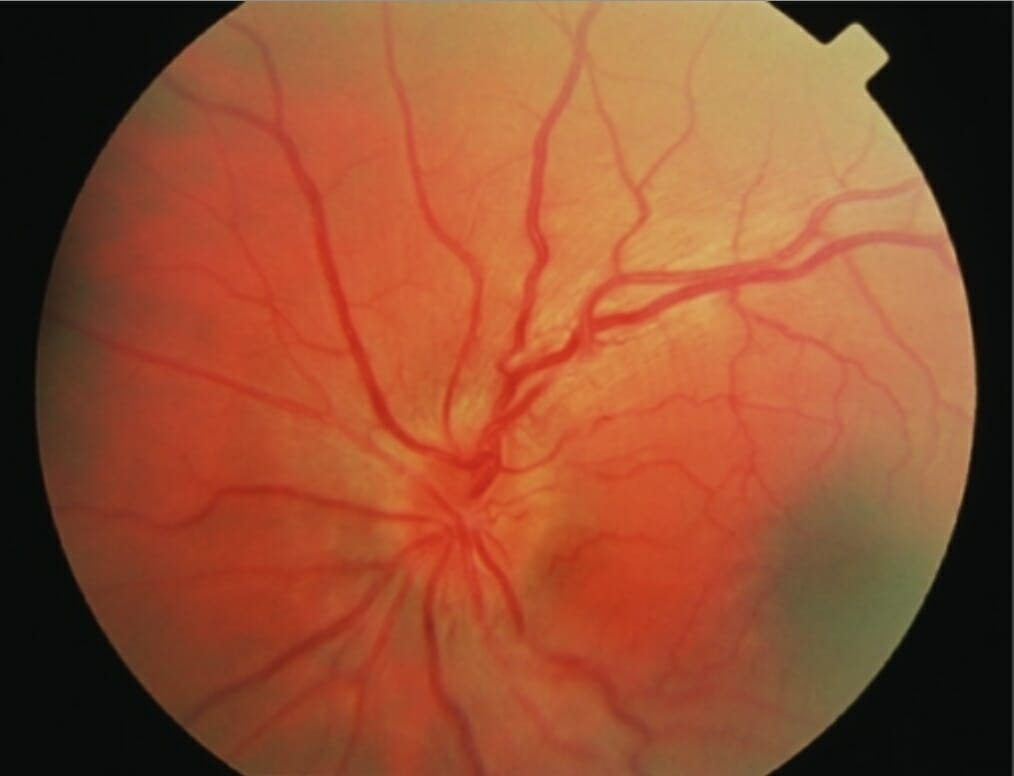
    • Oftalmoplejía externa progresiva crónica, retinopatía pigmentaria antes de los LOS Neisseria 20 años
    • También asociado con:
      • Defectos de la conducción cardiaca
      • Pérdida auditiva neurosensorial
      • Anemia Anemia Anemia is a condition in which individuals have low Hb levels, which can arise from various causes. Anemia is accompanied by a reduced number of RBCs and may manifest with fatigue, shortness of breath, pallor, and weakness. Subtypes are classified by the size of RBCs, chronicity, and etiology. Anemia: Overview and Types
      • Diabetes Diabetes Diabetes mellitus (DM) is a metabolic disease characterized by hyperglycemia and dysfunction of the regulation of glucose metabolism by insulin. Type 1 DM is diagnosed mostly in children and young adults as the result of autoimmune destruction of β cells in the pancreas and the resulting lack of insulin. Type 2 DM has a significant association with obesity and is characterized by insulin resistance. Diabetes Mellitus
      • Defectos cognitivos
  • Neuropatía óptica hereditaria de Leber:
    • Generalmente, se presenta con neuropatía óptica bilateral (pérdida visual permanente predominantemente en EN Erythema nodosum is an immune-mediated panniculitis (inflammation of the subcutaneous fat) caused by a type IV (delayed-type) hypersensitivity reaction. It commonly manifests in young women as tender, erythematous nodules on the shins. Erythema Nodosum hombres jóvenes)
    • Heredada de la madre (asociada con mutación puntual del ADNmt)
    • Otras características pueden incluir:
      • Convulsiones
      • Síndrome extrapiramidal
      • Ataxia Ataxia Impairment of the ability to perform smoothly coordinated voluntary movements. This condition may affect the limbs, trunk, eyes, pharynx, larynx, and other structures. Ataxia may result from impaired sensory or motor function. Sensory ataxia may result from posterior column injury or peripheral nerve diseases. Motor ataxia may be associated with cerebellar diseases; cerebral cortex diseases; thalamic diseases; basal ganglia diseases; injury to the red nucleus; and other conditions. Ataxia-telangiectasia
      • Discapacidad intelectual
      • Neuropatía periférica
      • Defectos de la conducción cardiaca
  • Encefalomiopatía grave de la infancia o la niñez:
    • Se presenta en EN Erythema nodosum is an immune-mediated panniculitis (inflammation of the subcutaneous fat) caused by a type IV (delayed-type) hypersensitivity reaction. It commonly manifests in young women as tender, erythematous nodules on the shins. Erythema Nodosum la infancia o en EN Erythema nodosum is an immune-mediated panniculitis (inflammation of the subcutaneous fat) caused by a type IV (delayed-type) hypersensitivity reaction. It commonly manifests in young women as tender, erythematous nodules on the shins. Erythema Nodosum la infancia temprana
    • Comúnmente se presenta con encefalomiopatía: hipotonía, encefalopatía, convulsiones y/u oftalmopatía
    • Mal pronóstico
  • Enfermedad multisistémica (combinación variable Variable Variables represent information about something that can change. The design of the measurement scales, or of the methods for obtaining information, will determine the data gathered and the characteristics of that data. As a result, a variable can be qualitative or quantitative, and may be further classified into subgroups. Types of Variables de manifestaciones, con síndrome de Leigh y encefalomiopatía mitocondrial, acidosis Acidosis A pathologic condition of acid accumulation or depletion of base in the body. The two main types are respiratory acidosis and metabolic acidosis, due to metabolic acid build up. Respiratory Acidosis láctica y episodios similares a accidentes cerebrovasculares (MELAS) como los LOS Neisseria más comunes):
    • Síndrome de Leigh:
      • Encefalomielopatía necrosante subaguda, a menudo en EN Erythema nodosum is an immune-mediated panniculitis (inflammation of the subcutaneous fat) caused by a type IV (delayed-type) hypersensitivity reaction. It commonly manifests in young women as tender, erythematous nodules on the shins. Erythema Nodosum la infancia y la infancia temprana
      • Patología: lesiones necrotizantes simétricas bilaterales con cambios esponjosos en EN Erythema nodosum is an immune-mediated panniculitis (inflammation of the subcutaneous fat) caused by a type IV (delayed-type) hypersensitivity reaction. It commonly manifests in young women as tender, erythematous nodules on the shins. Erythema Nodosum los LOS Neisseria ganglios basales, el tálamo, el tronco encefálico y la médula espinal
    • MELAS:
      • Diversos grados de deterioro cognitivo y demencia
      • Acidosis Acidosis A pathologic condition of acid accumulation or depletion of base in the body. The two main types are respiratory acidosis and metabolic acidosis, due to metabolic acid build up. Respiratory Acidosis láctica
      • Episodios similares a un accidente cerebrovascular (hemiparesia, hemianopsia o ceguera cortical)
      • Pérdida de la audición
      • Talla baja
    • Epilepsia mioclónica con fibras rojas rasgadas:
      • Mioclonías
      • Epilepsia
      • Miopatía
      • Ataxia Ataxia Impairment of the ability to perform smoothly coordinated voluntary movements. This condition may affect the limbs, trunk, eyes, pharynx, larynx, and other structures. Ataxia may result from impaired sensory or motor function. Sensory ataxia may result from posterior column injury or peripheral nerve diseases. Motor ataxia may be associated with cerebellar diseases; cerebral cortex diseases; thalamic diseases; basal ganglia diseases; injury to the red nucleus; and other conditions. Ataxia-telangiectasia
      • Baja estatura
    • Neuropatía óptica hereditaria de Leber
    • Sordera y diabetes Diabetes Diabetes mellitus (DM) is a metabolic disease characterized by hyperglycemia and dysfunction of the regulation of glucose metabolism by insulin. Type 1 DM is diagnosed mostly in children and young adults as the result of autoimmune destruction of β cells in the pancreas and the resulting lack of insulin. Type 2 DM has a significant association with obesity and is characterized by insulin resistance. Diabetes Mellitus hereditarias maternas
    • Neuropatía, ataxia Ataxia Impairment of the ability to perform smoothly coordinated voluntary movements. This condition may affect the limbs, trunk, eyes, pharynx, larynx, and other structures. Ataxia may result from impaired sensory or motor function. Sensory ataxia may result from posterior column injury or peripheral nerve diseases. Motor ataxia may be associated with cerebellar diseases; cerebral cortex diseases; thalamic diseases; basal ganglia diseases; injury to the red nucleus; and other conditions. Ataxia-telangiectasia y retinosis pigmentaria
    • Síndrome de Pearson ( anemia Anemia Anemia is a condition in which individuals have low Hb levels, which can arise from various causes. Anemia is accompanied by a reduced number of RBCs and may manifest with fatigue, shortness of breath, pallor, and weakness. Subtypes are classified by the size of RBCs, chronicity, and etiology. Anemia: Overview and Types sideroblástica y disfunción pancreática)
  • Deficiencia de la coenzima Q10 (CoQ10):
    • La coenzima Q10 es un importante transportador de electrones, antioxidante y factor importante en EN Erythema nodosum is an immune-mediated panniculitis (inflammation of the subcutaneous fat) caused by a type IV (delayed-type) hypersensitivity reaction. It commonly manifests in young women as tender, erythematous nodules on the shins. Erythema Nodosum la reparación del ADN y la regulación de la membrana celular.
    • El trastorno mitocondrial conduce a niveles reducidos de CoQ10.
    • Puede presentarse solo con debilidad muscular proximal (miopatía aislada)
    • También puede tener ataxia Ataxia Impairment of the ability to perform smoothly coordinated voluntary movements. This condition may affect the limbs, trunk, eyes, pharynx, larynx, and other structures. Ataxia may result from impaired sensory or motor function. Sensory ataxia may result from posterior column injury or peripheral nerve diseases. Motor ataxia may be associated with cerebellar diseases; cerebral cortex diseases; thalamic diseases; basal ganglia diseases; injury to the red nucleus; and other conditions. Ataxia-telangiectasia, encefalomiopatía y síndrome nefrótico.

Diagnóstico

  • Antecedentes y examen físico:
    • Antecedentes familiares hasta 3 generaciones, incluidas las muertes neonatales o infantiles
    • Condiciones familiares de herencia materna (transmitidas solo por mujeres)
  • Laboratorios:
    • Los LOS Neisseria análisis de sangre incluyen hemograma, panel metabólico, creatina quinasa, ácido láctico, ácido úrico y aminoácidos.
    • Los LOS Neisseria estudios del LCR incluyen lactato, piruvato, aminoácidos y 5-metiltetrahidrofolato.
    • Ácidos orgánicos cuantitativos y cualitativos en EN Erythema nodosum is an immune-mediated panniculitis (inflammation of the subcutaneous fat) caused by a type IV (delayed-type) hypersensitivity reaction. It commonly manifests in young women as tender, erythematous nodules on the shins. Erythema Nodosum orina
  • Estudios genéticos: en EN Erythema nodosum is an immune-mediated panniculitis (inflammation of the subcutaneous fat) caused by a type IV (delayed-type) hypersensitivity reaction. It commonly manifests in young women as tender, erythematous nodules on the shins. Erythema Nodosum los LOS Neisseria casos de presentación clásica (e.g., neuropatía óptica hereditaria de Leber), inicialmente se pueden realizar estudios genéticos.
  • Biopsia muscular:
    • Sello distintivo:
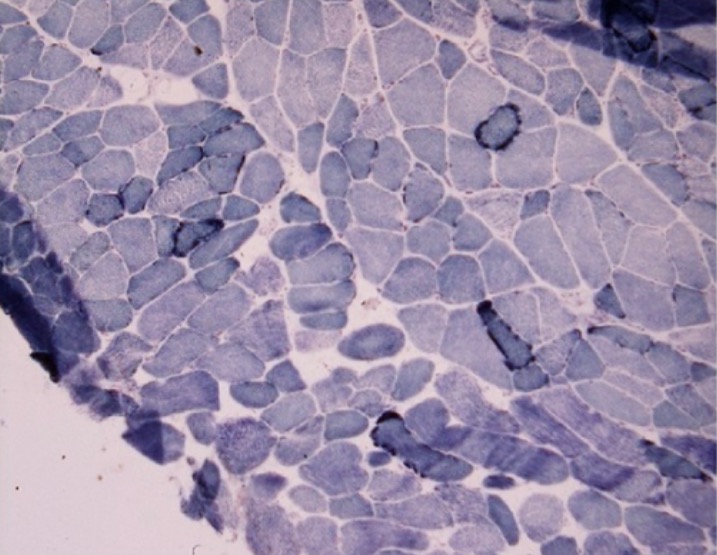
      • Acumulación mitocondrial en EN Erythema nodosum is an immune-mediated panniculitis (inflammation of the subcutaneous fat) caused by a type IV (delayed-type) hypersensitivity reaction. It commonly manifests in young women as tender, erythematous nodules on the shins. Erythema Nodosum la región subsarcolémica e intermiofibrilar de las fibras musculares
      • Las mitocondrias proliferan para compensar la falta de producción de energía.
    • En EN Erythema nodosum is an immune-mediated panniculitis (inflammation of the subcutaneous fat) caused by a type IV (delayed-type) hypersensitivity reaction. It commonly manifests in young women as tender, erythematous nodules on the shins. Erythema Nodosum las tinciones de tricrómicas de Gomori: las mitocondrias se observan como masas rojas sobre un fondo azul (fibras rojas rasgadas).
    • En EN Erythema nodosum is an immune-mediated panniculitis (inflammation of the subcutaneous fat) caused by a type IV (delayed-type) hypersensitivity reaction. It commonly manifests in young women as tender, erythematous nodules on the shins. Erythema Nodosum las tinciones que reaccionan con succinato deshidrogenasa ( SDH SDH Subdural hemorrhage (SDH) is bleeding into the space between the dural and arachnoid meningeal layers surrounding the brain. The most common mechanism triggering the bleeding event is trauma (e.g., closed head injury) causing a tearing injury to the extracerebral “bridging” veins. Subdural Hemorrhage), la proliferación mitocondrial se observa como fibras irregulares de color azul.
  • Pruebas adicionales dependiendo de las características que lo acompañen:
    • Electrocardiografía, ecocardiografía
    • Electromiografía
    • Neuroimagenología

Tratamiento

  • Tratamiento general:
    • Principalmente de soporte
    • Ejercicio regular Regular Insulin (si es posible)
    • Fisioterapia y terapia ocupacional
    • Asesoramiento genético
  • Dependiendo de las características que lo acompañan:
    • Soporte respiratorio:
      • Para aquellos con dificultad respiratoria asociada
      • Medidas no invasivas (e.g., presión de aire positiva continua ( CPAP CPAP A technique of respiratory therapy, in either spontaneously breathing or mechanically ventilated patients, in which airway pressure is maintained above atmospheric pressure throughout the respiratory cycle by pressurization of the ventilatory circuit. Noninvasive Ventilation, por sus siglas en EN Erythema nodosum is an immune-mediated panniculitis (inflammation of the subcutaneous fat) caused by a type IV (delayed-type) hypersensitivity reaction. It commonly manifests in young women as tender, erythematous nodules on the shins. Erythema Nodosum inglés))
      • En EN Erythema nodosum is an immune-mediated panniculitis (inflammation of the subcutaneous fat) caused by a type IV (delayed-type) hypersensitivity reaction. It commonly manifests in young women as tender, erythematous nodules on the shins. Erythema Nodosum algunos casos, la traqueotomía es necesaria.
    • Evaluación oftalmológica y audiológica
    • Evaluación cardiológica
    • Control de las convulsiones
  • Farmacológico:
    • Sin tratamiento probado
    • En EN Erythema nodosum is an immune-mediated panniculitis (inflammation of the subcutaneous fat) caused by a type IV (delayed-type) hypersensitivity reaction. It commonly manifests in young women as tender, erythematous nodules on the shins. Erythema Nodosum casos seleccionados, se administran CoQ10, creatina y L-carnitina.
    • Evitar ciertos medicamentos que interfieren con la función de la cadena respiratoria (e.g., carbamazepina, ácido valproico, fenitoína, barbitúricos, tetraciclinas).
  • La terapia génica es una posible opción futura.

Diagnóstico Diferencial

  • Convulsiones en EN Erythema nodosum is an immune-mediated panniculitis (inflammation of the subcutaneous fat) caused by a type IV (delayed-type) hypersensitivity reaction. It commonly manifests in young women as tender, erythematous nodules on the shins. Erythema Nodosum niños: ocurren cuando hay una actividad neuronal sincrónica excesiva e incontrolada en EN Erythema nodosum is an immune-mediated panniculitis (inflammation of the subcutaneous fat) caused by a type IV (delayed-type) hypersensitivity reaction. It commonly manifests in young women as tender, erythematous nodules on the shins. Erythema Nodosum el cerebro que causa cambios transitorios repentinos en EN Erythema nodosum is an immune-mediated panniculitis (inflammation of the subcutaneous fat) caused by a type IV (delayed-type) hypersensitivity reaction. It commonly manifests in young women as tender, erythematous nodules on the shins. Erythema Nodosum la función motora, la sensación, el comportamiento o el estado mental. El diagnóstico depende de la anamnesis completa, el examen físico y los LOS Neisseria hallazgos del EEG EEG Seizures. La mayoría de los LOS Neisseria niños que tienen una convulsión se recuperan sin secuelas. Se ven diferentes tipos, incluidas las convulsiones tónicas, mioclónicas y atónicas. El pronóstico depende de la causa inicial y de la presencia de patología neurológica subyacente.
  • Ataxia Ataxia Impairment of the ability to perform smoothly coordinated voluntary movements. This condition may affect the limbs, trunk, eyes, pharynx, larynx, and other structures. Ataxia may result from impaired sensory or motor function. Sensory ataxia may result from posterior column injury or peripheral nerve diseases. Motor ataxia may be associated with cerebellar diseases; cerebral cortex diseases; thalamic diseases; basal ganglia diseases; injury to the red nucleus; and other conditions. Ataxia-telangiectasia de Friedreich: trastorno autosómico recesivo caracterizado por degeneración espinocerebelosa progresiva. La ataxia Ataxia Impairment of the ability to perform smoothly coordinated voluntary movements. This condition may affect the limbs, trunk, eyes, pharynx, larynx, and other structures. Ataxia may result from impaired sensory or motor function. Sensory ataxia may result from posterior column injury or peripheral nerve diseases. Motor ataxia may be associated with cerebellar diseases; cerebral cortex diseases; thalamic diseases; basal ganglia diseases; injury to the red nucleus; and other conditions. Ataxia-telangiectasia de Friedreich se presenta en EN Erythema nodosum is an immune-mediated panniculitis (inflammation of the subcutaneous fat) caused by a type IV (delayed-type) hypersensitivity reaction. It commonly manifests in young women as tender, erythematous nodules on the shins. Erythema Nodosum la 1ra o 2da década de la vida con ataxia Ataxia Impairment of the ability to perform smoothly coordinated voluntary movements. This condition may affect the limbs, trunk, eyes, pharynx, larynx, and other structures. Ataxia may result from impaired sensory or motor function. Sensory ataxia may result from posterior column injury or peripheral nerve diseases. Motor ataxia may be associated with cerebellar diseases; cerebral cortex diseases; thalamic diseases; basal ganglia diseases; injury to the red nucleus; and other conditions. Ataxia-telangiectasia progresiva de la marcha, debilidad, temblor, disartria, disfagia, miocardiopatía hipertrófica y/o diabetes Diabetes Diabetes mellitus (DM) is a metabolic disease characterized by hyperglycemia and dysfunction of the regulation of glucose metabolism by insulin. Type 1 DM is diagnosed mostly in children and young adults as the result of autoimmune destruction of β cells in the pancreas and the resulting lack of insulin. Type 2 DM has a significant association with obesity and is characterized by insulin resistance. Diabetes Mellitus. El paciente eventualmente queda postrado en EN Erythema nodosum is an immune-mediated panniculitis (inflammation of the subcutaneous fat) caused by a type IV (delayed-type) hypersensitivity reaction. It commonly manifests in young women as tender, erythematous nodules on the shins. Erythema Nodosum cama. El diagnóstico se confirma mediante pruebas genéticas que muestran la expansión de la repetición de trinucleótidos en EN Erythema nodosum is an immune-mediated panniculitis (inflammation of the subcutaneous fat) caused by a type IV (delayed-type) hypersensitivity reaction. It commonly manifests in young women as tender, erythematous nodules on the shins. Erythema Nodosum el gen FXN. El tratamiento es de soporte y la mayoría de los LOS Neisseria pacientes mueren de enfermedades cardiacas en EN Erythema nodosum is an immune-mediated panniculitis (inflammation of the subcutaneous fat) caused by a type IV (delayed-type) hypersensitivity reaction. It commonly manifests in young women as tender, erythematous nodules on the shins. Erythema Nodosum la 4ta o 5ta década de la vida.
  • Síndromes miotónicos: grupo de trastornos hereditarios heterogéneos que afectan principalmente a los LOS Neisseria músculos. La distrofia miotónica, un trastorno de expansión de repetición de trinucleótidos/tetranucleótidos, es el trastorno más importante de este grupo. Varios tipos pueden presentarse con debilidad muscular, miotonía y mialgias. Los LOS Neisseria pacientes afectados también pueden manifestar cataratas, anomalías en EN Erythema nodosum is an immune-mediated panniculitis (inflammation of the subcutaneous fat) caused by a type IV (delayed-type) hypersensitivity reaction. It commonly manifests in young women as tender, erythematous nodules on the shins. Erythema Nodosum la conducción cardiaca y resistencia a la insulina. La biopsia muscular y los LOS Neisseria estudios genéticos ayudan a diferenciar esta afección.

Referencias

  1. Chin, H.-L., Patel, K., & Wang, Y. (2024). A clinical approach to diagnosis and management of mitochondrial myopathies. Neurotherapeutics, 21(1), e00304. https://doi.org/10.1016/j.neurot.2023.11.001
  2. Chinnery, P. F. (2023). Mitochondrial disease in neurology—Past, present, and future. In R. Horvath, M. Hirano, & P. F. Chinnery (Eds.), Mitochondrial diseases (Vol. 194, pp. 3–6). Elsevier. https://doi.org/10.1016/B978-0-12-821751-1.00001-4
  3. Chinnery, P. F., & Turnbull, D. M. (2023). Mitochondrial diseases: From molecular mechanisms to therapeutic advances. Signal Transduction and Targeted Therapy, 8(1), 345. https://doi.org/10.1038/s41392-024-02044-3
  4. Horvath, R., Hirano, M., & Chinnery, P. F. (Eds.). (2023). Mitochondrial diseases (1st ed., Vol. 194). Elsevier.
  5. Rautela, E., Singh, M., & Mishra, A. (2025). Are patients with mitochondrial diseases prone to inflammatory and immune dysfunction: A scoping review and retrospective chart analysis. Mitochondrial Communications, 3, 16–25. https://doi.org/10.1016/j.mitoco.2025.03.003
  6. Sharma, R., Khan, M. S., & Taylor, R. W. (2025). MSTO1-related autosomal recessive mitochondrial myopathy and ataxia syndrome: A case series and description of phenotypes (P2-6.012). Neurology, 104(7_Supplement_1), 3325. https://doi.org/10.1212/WNL.0000000000210943
  7. Skolka, M. P., Liewluck, T., & Selcen, D. (2025). Emerging atypical clinicopathological manifestations of immune-mediated necrotizing myopathy (IMNM). Neuromuscular Disorders, 50, 105363. https://doi.org/10.1016/j.nmd.2025.105363
  8. UpToDate. (2025, May 20). Mitochondrial myopathies: Clinical features and diagnosis. https://www.uptodate.com/contents/mitochondrial-myopathies-clinical-features-and-diagnosis
  9. UpToDate. (2025, May 20). Mitochondrial myopathies: Treatment. https://www.uptodate.com/contents/mitochondrial-myopathies-treatment#H4170180927
  10. Wen, H., Zhou, T., & Lin, Y. (2025). Mitochondrial diseases: From molecular mechanisms to therapeutic advances. Signal Transduction and Targeted Therapy, 10(1), 1–54. https://doi.org/10.1038/s41392-024-02044-3

¡Crea tu cuenta gratis o inicia una sesión para seguir leyendo!

Regístrate ahora y obtén acceso gratuito a Lecturio con páginas de concepto, videos médicos y cuestionarios para tu educación médica.

User Reviews

Que tengas una sesión de estudio alegre y navideña 🎁 Ahorra 50% en todos los planes >>

Details