Domina Conceptos Médicos

Estudia para la escuela de medicina y tus examenes con Lecturio.

Legionella/Legionelosis

Legionella Legionella Legionella is a facultative intracellular, gram-negative bacilli. Legionella does not grow on common culture media because it requires certain supplementation (cysteine and iron). Legionella pneumophila (L. pneumophila) accounts for the majority of human infections. Legionella/Legionellosis es un bacilo gramnegativo intracelular facultativo. Legionella Legionella Legionella is a facultative intracellular, gram-negative bacilli. Legionella does not grow on common culture media because it requires certain supplementation (cysteine and iron). Legionella pneumophila (L. pneumophila) accounts for the majority of human infections. Legionella/Legionellosis no crece en EN Erythema nodosum is an immune-mediated panniculitis (inflammation of the subcutaneous fat) caused by a type IV (delayed-type) hypersensitivity reaction. It commonly manifests in young women as tender, erythematous nodules on the shins. Erythema Nodosum medios de cultivo comunes porque requiere cierta suplementación (cisteína y hierro). Legionella Legionella Legionella is a facultative intracellular, gram-negative bacilli. Legionella does not grow on common culture media because it requires certain supplementation (cysteine and iron). Legionella pneumophila (L. pneumophila) accounts for the majority of human infections. Legionella/Legionellosis puede ser aislada en EN Erythema nodosum is an immune-mediated panniculitis (inflammation of the subcutaneous fat) caused by a type IV (delayed-type) hypersensitivity reaction. It commonly manifests in young women as tender, erythematous nodules on the shins. Erythema Nodosum un medio de extracto de levadura de carbón tamponado. El hábitat de Legionella Legionella Legionella is a facultative intracellular, gram-negative bacilli. Legionella does not grow on common culture media because it requires certain supplementation (cysteine and iron). Legionella pneumophila (L. pneumophila) accounts for the majority of human infections. Legionella/Legionellosis son sistemas acuáticos, incluidos los LOS Neisseria reservorios construidos por el hombre, como las torres de refrigeración y los LOS Neisseria tanques de agua caliente. La transmisión se produce principalmente a través de la inhalación de gotículas de agua en EN Erythema nodosum is an immune-mediated panniculitis (inflammation of the subcutaneous fat) caused by a type IV (delayed-type) hypersensitivity reaction. It commonly manifests in young women as tender, erythematous nodules on the shins. Erythema Nodosum aerosol, lo que provoca una infección pulmonar. Legionella pneumophila Legionella pneumophila A species of gram-negative, aerobic bacteria that is the causative agent of legionnaires' disease. It has been isolated from numerous environmental sites as well as from human lung tissue, respiratory secretions, and blood. Legionella/Legionellosis (L. pneumophila) representa la mayoría de las infecciones humanas. La presentación clínica incluye la enfermedad del legionario, neumonía atípica y fiebre de Pontiac. El diagnóstico se realiza mediante cultivo, prueba de antígenos en EN Erythema nodosum is an immune-mediated panniculitis (inflammation of the subcutaneous fat) caused by a type IV (delayed-type) hypersensitivity reaction. It commonly manifests in young women as tender, erythematous nodules on the shins. Erythema Nodosum orina y/o reacción en EN Erythema nodosum is an immune-mediated panniculitis (inflammation of the subcutaneous fat) caused by a type IV (delayed-type) hypersensitivity reaction. It commonly manifests in young women as tender, erythematous nodules on the shins. Erythema Nodosum cadena de la polimerasa. Las fluoroquinolonas y los LOS Neisseria macrólidos son los LOS Neisseria principales tratamientos.

Last updated: Dec 15, 2025
Editorial responsibility: Stanley Oiseth, Lindsay Jones, Evelin Maza

Clasificación

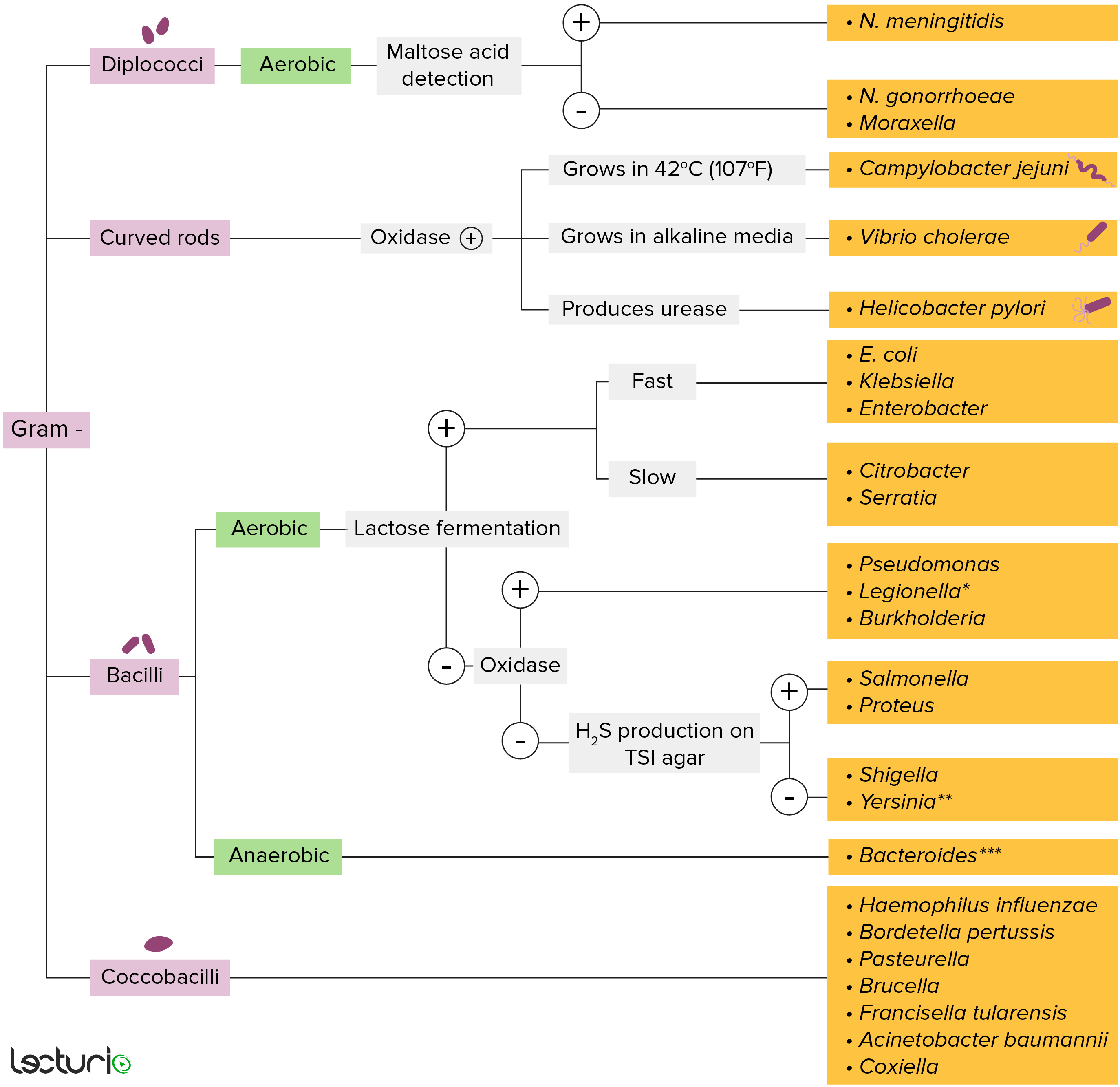
Diagrama de flujo de clasificación de bacterias gram negativas

Bacterias gramnegativas:
La mayoría de las bacterias se pueden clasificar de acuerdo con un procedimiento de laboratorio llamado tinción de Gram.
Las bacterias con paredes celulares que tienen una capa delgada de peptidoglicano no retienen la tinción de cristal violeta utilizada en la tinción de Gram. Sin embargo, estas bacterias retienen la contratinción de safranina y, por lo tanto, adoptan un color rojo-rosado en la tinción, lo que las hace gramnegativas. Estas bacterias pueden clasificarse además según su morfología (diplococos, bastones curvos, bacilos y cocobacilos) y su capacidad para crecer en presencia de oxígeno (aeróbicas versus anaeróbicas). Las bacterias se pueden identificar de manera más profunda cultivándolas en medios específicos (agar hierro triple azúcar) donde se pueden identificar sus enzimas (ureasa, oxidasa) y se puede probar su capacidad para fermentar lactosa.
* Se tiñe mal en la tinción de Gram
** Bastón pleomórfico/cocobacilo
*** Requiere medios de transporte especiales
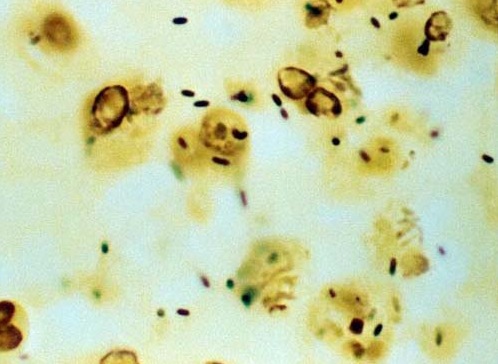
Imagen por Lecturio.

Características Generales

Legionella Legionella Legionella is a facultative intracellular, gram-negative bacilli. Legionella does not grow on common culture media because it requires certain supplementation (cysteine and iron). Legionella pneumophila (L. pneumophila) accounts for the majority of human infections. Legionella/Legionellosis

  • Características generales:
    • Estructura: bastones/bacilos delgados y pleomórficos
    • Tinción de Gram: gramnegativa (mala tinción de Gram)
    • Otra(s) tinción(es): generalmente con tinción de plata
    • Necesidad de oxígeno: aeróbico
    • Invasión y replicación en EN Erythema nodosum is an immune-mediated panniculitis (inflammation of the subcutaneous fat) caused by a type IV (delayed-type) hypersensitivity reaction. It commonly manifests in young women as tender, erythematous nodules on the shins. Erythema Nodosum relación con la(s) célula(s) huésped(es): intracelular facultativo
    • Enzima(s):
      • Catalasa positiva
      • Oxidasa positiva ( Legionella pneumophila Legionella pneumophila A species of gram-negative, aerobic bacteria that is the causative agent of legionnaires’ disease. It has been isolated from numerous environmental sites as well as from human lung tissue, respiratory secretions, and blood. Legionella/Legionellosis (L. pneumophila))
  • Medio de cultivo: cultivado en EN Erythema nodosum is an immune-mediated panniculitis (inflammation of the subcutaneous fat) caused by a type IV (delayed-type) hypersensitivity reaction. It commonly manifests in young women as tender, erythematous nodules on the shins. Erythema Nodosum medio de extracto de levadura de carbón tamponado con suplementos de hierro y cisteína
  • Legionelosis (enfermedad causada por Legionella Legionella Legionella is a facultative intracellular, gram-negative bacilli. Legionella does not grow on common culture media because it requires certain supplementation (cysteine and iron). Legionella pneumophila (L. pneumophila) accounts for the majority of human infections. Legionella/Legionellosis):
    • Enfermedad del legionario: neumonía atípica
    • Fiebre de Pontiac: fiebre y mialgias

Especies clínicamente relevantes

Tinción plateada de legionela

Una tinción de plata de L. pneumophila

Imagen: “Legionella Silver Stain” por William Cherry. Licencia: Dominio Público.
Patogénesis

Epidemiología

  • Incidencia: 8 000–18 000 casos de enfermedad del legionario por año en EN Erythema nodosum is an immune-mediated panniculitis (inflammation of the subcutaneous fat) caused by a type IV (delayed-type) hypersensitivity reaction. It commonly manifests in young women as tender, erythematous nodules on the shins. Erythema Nodosum Estados Unidos
  • Más común y más grave en EN Erythema nodosum is an immune-mediated panniculitis (inflammation of the subcutaneous fat) caused by a type IV (delayed-type) hypersensitivity reaction. It commonly manifests in young women as tender, erythematous nodules on the shins. Erythema Nodosum adultos mayores

Reservorio

  • Hábitat natural:
    • Sistemas acuáticos (e.g., lagos, arroyos)
    • Suelo
  • En EN Erythema nodosum is an immune-mediated panniculitis (inflammation of the subcutaneous fat) caused by a type IV (delayed-type) hypersensitivity reaction. It commonly manifests in young women as tender, erythematous nodules on the shins. Erythema Nodosum reservorios acuáticos construidos por humanos:
    • Tanques de agua caliente
    • Equipo dental
    • Sistemas de agua potable
    • Torres de refrigeramiento
    • Piscinas/jacuzzis
  • En EN Erythema nodosum is an immune-mediated panniculitis (inflammation of the subcutaneous fat) caused by a type IV (delayed-type) hypersensitivity reaction. It commonly manifests in young women as tender, erythematous nodules on the shins. Erythema Nodosum el agua, Legionella Legionella Legionella is a facultative intracellular, gram-negative bacilli. Legionella does not grow on common culture media because it requires certain supplementation (cysteine and iron). Legionella pneumophila (L. pneumophila) accounts for the majority of human infections. Legionella/Legionellosis existe dentro de biopelículas o como parásitos intracelulares en EN Erythema nodosum is an immune-mediated panniculitis (inflammation of the subcutaneous fat) caused by a type IV (delayed-type) hypersensitivity reaction. It commonly manifests in young women as tender, erythematous nodules on the shins. Erythema Nodosum protozoos.
  • Las temperaturas cálidas (25°C–42°C (77°F–107°F)) mejoran el crecimiento.

Transmisión

  • Inhalación de gotículas en EN Erythema nodosum is an immune-mediated panniculitis (inflammation of the subcutaneous fat) caused by a type IV (delayed-type) hypersensitivity reaction. It commonly manifests in young women as tender, erythematous nodules on the shins. Erythema Nodosum aerosol (vía principal)
  • Aspiración
  • Sin transmisión de persona a persona

Factores de virulencia

  • Característica principal de la patogenicidad de Legionella Legionella Legionella is a facultative intracellular, gram-negative bacilli. Legionella does not grow on common culture media because it requires certain supplementation (cysteine and iron). Legionella pneumophila (L. pneumophila) accounts for the majority of human infections. Legionella/Legionellosis: capacidad de multiplicación intracelular
  • Adherencia y fagocitosis de Legionella Legionella Legionella is a facultative intracellular, gram-negative bacilli. Legionella does not grow on common culture media because it requires certain supplementation (cysteine and iron). Legionella pneumophila (L. pneumophila) accounts for the majority of human infections. Legionella/Legionellosis:
    • Las bacterias se adhieren a la célula huésped (macrófagos alveolares y monocitos) promovidas por factores que incluyen:
      • Pili Pili Filamentous or elongated proteinaceous structures which extend from the cell surface in gram-negative bacteria that contain certain types of conjugative plasmid. These pili are the organs associated with genetic transfer and have essential roles in conjugation. Normally, only one or a few pili occur on a given donor cell. This preferred use of ‘pili’ refers to the sexual appendage, to be distinguished from bacterial fimbriae, also known as common pili, which are usually concerned with adhesion. Salmonella
      • Lipopolisacárido
      • Proteínas de la membrana externa
    • Fagocitosis facilitada por:
      • Complemento humano 3 (C3)
      • Proteína potenciadora de la infectividad a macrófagos
  • Supervivencia y replicación de Legionella Legionella Legionella is a facultative intracellular, gram-negative bacilli. Legionella does not grow on common culture media because it requires certain supplementation (cysteine and iron). Legionella pneumophila (L. pneumophila) accounts for the majority of human infections. Legionella/Legionellosis mediante la formación de vacuolas que contienen Legionella Legionella Legionella is a facultative intracellular, gram-negative bacilli. Legionella does not grow on common culture media because it requires certain supplementation (cysteine and iron). Legionella pneumophila (L. pneumophila) accounts for the majority of human infections. Legionella/Legionellosis facilitada por:
    • Tráfico de organelos defectuoso/multiplicación intracelular del sistema de secreción tipo IV:
      • Recluta el retículo endoplásmico para la vacuola bacteriana
      • Transloca proteínas efectoras para evitar la fusión fagolisosomal
    • Sistema de secreción tipo II:
      • Amortigua la respuesta de citoquinas de las células infectadas
      • Libera enzimas degradantes y toxinas

Proceso de enfermedad

  1. Las bacterias se multiplican dentro de las vacuolas, secretando sideróforos, lo que permite la absorción del hierro necesario para el crecimiento de Legionella Legionella Legionella is a facultative intracellular, gram-negative bacilli. Legionella does not grow on common culture media because it requires certain supplementation (cysteine and iron). Legionella pneumophila (L. pneumophila) accounts for the majority of human infections. Legionella/Legionellosis.
  2. Eventualmente, se desarrollan flagelos, lo que desencadena la caspasa-1 y conduce a la apoptosis Apoptosis A regulated cell death mechanism characterized by distinctive morphologic changes in the nucleus and cytoplasm, including the endonucleolytic cleavage of genomic DNA, at regularly spaced, internucleosomal sites, I.e., DNA fragmentation. It is genetically-programmed and serves as a balance to mitosis in regulating the size of animal tissues and in mediating pathologic processes associated with tumor growth. Ischemic Cell Damage.
  3. La célula es destruida, liberando las bacterias y permitiendo la infección de otras células.
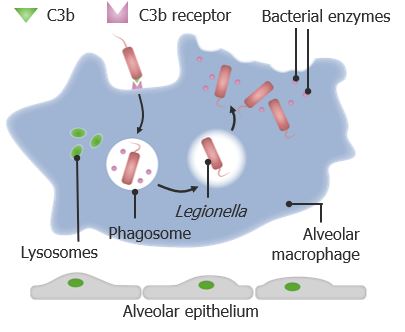
Patogenia de la infección por Legionella

Patogénesis de la infección por Legionella
Las bacterias son opsonizadas por C3b (un componente escindido de C3) y se incorporan a los macrófagos. Una vez dentro del fagosoma, Legionella inhibe la fusión fagolisosomal, lo que permite el crecimiento de las bacterias, produciendo enzimas degradantes y toxinas, lo que finalmente conduce a la apoptosis de la célula infectada. La célula destruida libera las bacterias, propagando la infección a otras células.

Imagen por Lecturio.

Factor de riesgo del huésped

  • Edad > 50 años
  • Estado inmunocomprometido:
    • Diabetes Diabetes Diabetes mellitus (DM) is a metabolic disease characterized by hyperglycemia and dysfunction of the regulation of glucose metabolism by insulin. Type 1 DM is diagnosed mostly in children and young adults as the result of autoimmune destruction of β cells in the pancreas and the resulting lack of insulin. Type 2 DM has a significant association with obesity and is characterized by insulin resistance. Diabetes Mellitus
    • Síndrome de inmunodeficiencia adquirida (SIDA)
    • Malignidad hematológica
    • Receptores de trasplantes de órganos sólidos
    • Pacientes en EN Erythema nodosum is an immune-mediated panniculitis (inflammation of the subcutaneous fat) caused by a type IV (delayed-type) hypersensitivity reaction. It commonly manifests in young women as tender, erythematous nodules on the shins. Erythema Nodosum tratamiento inmunosupresor
  • Enfermedad pulmonar crónica
  • Enfermedad renal en EN Erythema nodosum is an immune-mediated panniculitis (inflammation of the subcutaneous fat) caused by a type IV (delayed-type) hypersensitivity reaction. It commonly manifests in young women as tender, erythematous nodules on the shins. Erythema Nodosum estadio terminal
  • Tabaquismo (perjudica la acción mucociliar que elimina la Legionella Legionella Legionella is a facultative intracellular, gram-negative bacilli. Legionella does not grow on common culture media because it requires certain supplementation (cysteine and iron). Legionella pneumophila (L. pneumophila) accounts for the majority of human infections. Legionella/Legionellosis)
  • Consumo de alcohol

Presentación Clínica

La infección por Legionella Legionella Legionella is a facultative intracellular, gram-negative bacilli. Legionella does not grow on common culture media because it requires certain supplementation (cysteine and iron). Legionella pneumophila (L. pneumophila) accounts for the majority of human infections. Legionella/Legionellosis se conoce como legionelosis.

Fiebre de Pontiac

  • Muy común
  • Síndrome leve y autolimitante similar a la gripe
  • Se resuelve espontáneamente (no se necesitan antibióticos) y, a menudo, no se diagnostica

Enfermedad del legionario

  • Se presenta como neumonía atípica:
    • Tos TOS Thoracic outlet syndrome (TOS) is a broad term used for a spectrum of syndromes related to the general region of the thoracic outlet, which involves the compression or irritation of elements of the brachial plexus, subclavian artery, or subclavian vein. Thoracic Outlet Syndrome, fiebre, disnea
    • Síntomas gastrointestinales: diarrea, vómitos
    • Síntomas neurológicos: cefalea y confusión
  • Asociado con hiponatremia
  • La enfermedad ocurre en EN Erythema nodosum is an immune-mediated panniculitis (inflammation of the subcutaneous fat) caused by a type IV (delayed-type) hypersensitivity reaction. It commonly manifests in young women as tender, erythematous nodules on the shins. Erythema Nodosum ciertos entornos:
    • Viajes: cruceros, centros turísticos, hoteles
    • Centros de salud: hospitales, hogares de ancianos/centros de cuidado a largo plazo
  • Infección esporádica, pero también puede estar asociada con brotes epidémicos
Tabla: Comparación de las presentaciones clínicas de la infección por Legionella Legionella Legionella is a facultative intracellular, gram-negative bacilli. Legionella does not grow on common culture media because it requires certain supplementation (cysteine and iron). Legionella pneumophila (L. pneumophila) accounts for the majority of human infections. Legionella/Legionellosis
Fiebre de Pontiac Enfermedad del legionario
Tasa de infección > 90% < 5%
Tiempo de inicio Durante todo el año Casos esporádicos o brotes a finales de verano y principios de otoño
Periodo de incubación 1–2 días 2–10 días
Manifestaciones
  • Enfermedad leve similar a la gripe (cefalea, fiebre, escalofríos, dolores musculares)
  • Sin neumonía
  • Neumonía lobar unilateral o neumonía atípica (fiebre, escalofríos, disnea, tos TOS Thoracic outlet syndrome (TOS) is a broad term used for a spectrum of syndromes related to the general region of the thoracic outlet, which involves the compression or irritation of elements of the brachial plexus, subclavian artery, or subclavian vein. Thoracic Outlet Syndrome seca o productiva)
  • GI: náuseas, vómitos, diarrea (50%)
  • SNC: confusión, estupor, ataxia Ataxia Impairment of the ability to perform smoothly coordinated voluntary movements. This condition may affect the limbs, trunk, eyes, pharynx, larynx, and other structures. Ataxia may result from impaired sensory or motor function. Sensory ataxia may result from posterior column injury or peripheral nerve diseases. Motor ataxia may be associated with cerebellar diseases; cerebral cortex diseases; thalamic diseases; basal ganglia diseases; injury to the red nucleus; and other conditions. Ataxia-telangiectasia (50%)
  • Cardíaco: bradicardia relativa (raro)
Resolución
  • Autolimitada
  • Requiere terapia antibiótica
  • Puede presentarse con falta de respuesta a la monoterapia con betalactámicos
Tasa de mortalidad < 1% 15%–20% (si no se trata)
GI: gastrointestinal
SNC: sistema nervioso central

Diagnóstico

Examen clínico

  • Neumonía lobar unilateral:
    • Crepitantes, ruidos respiratorios disminuidos, broncofonía aumentada en EN Erythema nodosum is an immune-mediated panniculitis (inflammation of the subcutaneous fat) caused by a type IV (delayed-type) hypersensitivity reaction. It commonly manifests in young women as tender, erythematous nodules on the shins. Erythema Nodosum la auscultación
    • Frémito táctil a la palpación
    • Matidez a la percusión (representa consolidación localizada)
  • Neumonía atípica: crepitantes bilaterales o hallazgos poco relevantes

Pruebas diagnósticas

  • Antígeno urinario de Legionella Legionella Legionella is a facultative intracellular, gram-negative bacilli. Legionella does not grow on common culture media because it requires certain supplementation (cysteine and iron). Legionella pneumophila (L. pneumophila) accounts for the majority of human infections. Legionella/Legionellosis: método rápido (detecta L. pneumophila serogrupo 1)
  • Reacción en EN Erythema nodosum is an immune-mediated panniculitis (inflammation of the subcutaneous fat) caused by a type IV (delayed-type) hypersensitivity reaction. It commonly manifests in young women as tender, erythematous nodules on the shins. Erythema Nodosum cadena de la polimerasa (e.g., muestra de esputo o lavado broncoalveolar)
  • Cultivo:
    • Medio extracto de levadura de carbón tamponado con hierro y cisteína
    • Legionella Legionella Legionella is a facultative intracellular, gram-negative bacilli. Legionella does not grow on common culture media because it requires certain supplementation (cysteine and iron). Legionella pneumophila (L. pneumophila) accounts for the majority of human infections. Legionella/Legionellosis spp. crece lentamente; generalmente, las colonias visibles están presentes después de 3 días de incubación.
    • Espécimen(es):
      • Secreciones respiratorias bajas
      • Tejido pulmonar
      • Líquido pleural
  • Frotis de muestras clínicas:
    • Organismo no demostrado claramente en EN Erythema nodosum is an immune-mediated panniculitis (inflammation of the subcutaneous fat) caused by a type IV (delayed-type) hypersensitivity reaction. It commonly manifests in young women as tender, erythematous nodules on the shins. Erythema Nodosum una tinción de Gram
    • Tinción de plata (Warthin-Starry y Dieterle)
    • Tinción directa de anticuerpos fluorescentes (rápida pero menos sensible que un cultivo)
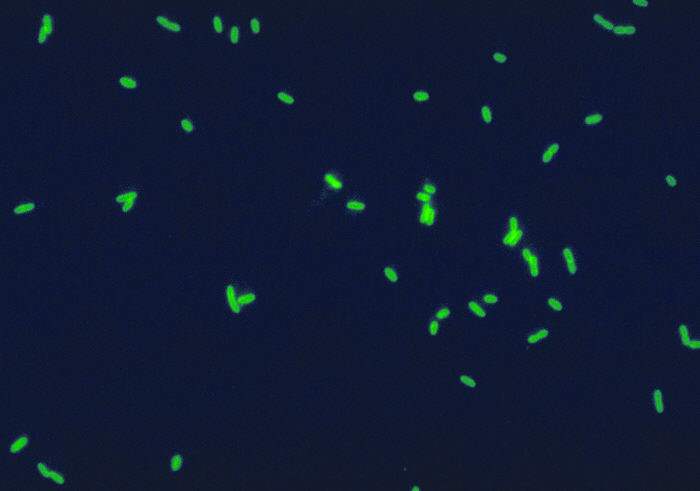
Legionella Pneumophila Immunfluoreszenz-Färbung

Legionella pneumophila: tinción de inmunofluorescencia directa con anticuerpos marcados con fluorescencia

Imagen: “Legionella Pneumophila IF” por CDC-PHIL. Licencia: Dominio Público.
Análisis de sangre

  • Hiponatremia (rara en EN Erythema nodosum is an immune-mediated panniculitis (inflammation of the subcutaneous fat) caused by a type IV (delayed-type) hypersensitivity reaction. It commonly manifests in young women as tender, erythematous nodules on the shins. Erythema Nodosum otros tipos de neumonía)
  • Leucocitosis
  • ↑ Velocidad de eritrosedimentación (VES)
  • ↑ Proteína C reactiva
  • ↑ Procalcitonina (puede no ocurrir en EN Erythema nodosum is an immune-mediated panniculitis (inflammation of the subcutaneous fat) caused by a type IV (delayed-type) hypersensitivity reaction. It commonly manifests in young women as tender, erythematous nodules on the shins. Erythema Nodosum la neumonía atípica)

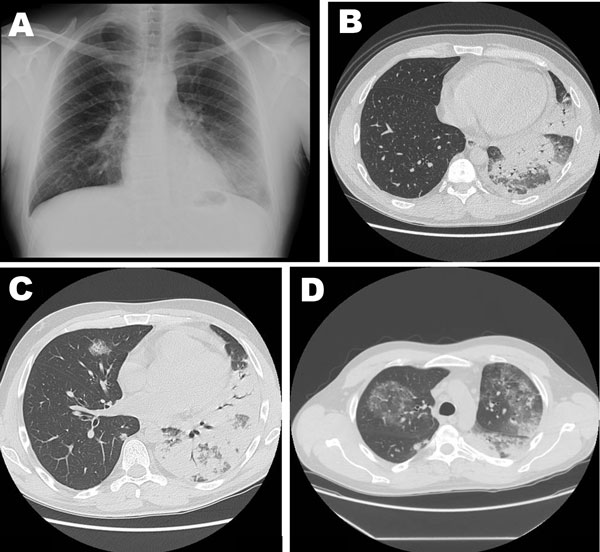
Imagenología de tórax

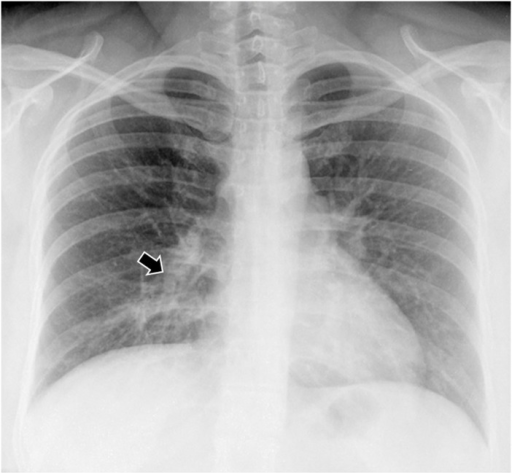
  • Radiografía de tórax y tomografía computarizada (TC) de tórax
  • Cambios compatibles con neumonía atípica: opacidad reticular difusa con consolidación ausente o mínima
  • Puede incluir infiltrados unilaterales, derrame pleural

Tratamiento

  • El tratamiento empírico sigue las pautas para la neumonía adquirida en EN Erythema nodosum is an immune-mediated panniculitis (inflammation of the subcutaneous fat) caused by a type IV (delayed-type) hypersensitivity reaction. It commonly manifests in young women as tender, erythematous nodules on the shins. Erythema Nodosum comunidad.
  • El tratamiento dirigido utiliza los LOS Neisseria siguientes antibióticos:
    • Fluoroquinolonas: se prefiere levofloxacino
    • Macrólidos: se prefiere azitromicina; medicamento de elección para niños
  • Opciones alternativas de antibióticos:
    • Doxiciclina
    • Trimetoprim-sulfametoxazol
    • Terapia combinada (algunos regímenes incluyen rifampicina)
  • Legionella Legionella Legionella is a facultative intracellular, gram-negative bacilli. Legionella does not grow on common culture media because it requires certain supplementation (cysteine and iron). Legionella pneumophila (L. pneumophila) accounts for the majority of human infections. Legionella/Legionellosis es resistente a los LOS Neisseria antibióticos betalactámicos.
  • La enfermedad del legionario es una enfermedad de notificación obligatoria.

Diagnóstico Diferencial

  • Neumonía atípica (otra etiología): infección pulmonar que se presenta típicamente en EN Erythema nodosum is an immune-mediated panniculitis (inflammation of the subcutaneous fat) caused by a type IV (delayed-type) hypersensitivity reaction. It commonly manifests in young women as tender, erythematous nodules on the shins. Erythema Nodosum pacientes ancianos o inmunocomprometidos con disnea, tos TOS Thoracic outlet syndrome (TOS) is a broad term used for a spectrum of syndromes related to the general region of the thoracic outlet, which involves the compression or irritation of elements of the brachial plexus, subclavian artery, or subclavian vein. Thoracic Outlet Syndrome seca no productiva y síntomas extrapulmonares. Otras causas incluyen: Mycoplasma pneumoniae Mycoplasma pneumoniae Short filamentous organism of the genus mycoplasma, which binds firmly to the cells of the respiratory epithelium. It is one of the etiologic agents of non-viral primary atypical pneumonia in man. Mycoplasma y Chlamydophila pneumoniae.
  • Influenza Influenza Influenza viruses are members of the Orthomyxoviridae family and the causative organisms of influenza, a highly contagious febrile respiratory disease. There are 3 primary influenza viruses (A, B, and C) and various subtypes, which are classified based on their virulent surface antigens, hemagglutinin (HA) and neuraminidase (NA). Influenza typically presents with a fever, myalgia, headache, and symptoms of an upper respiratory infection. Influenza Viruses/Influenza: una infección viral altamente contagiosa causada por un virus Virus Viruses are infectious, obligate intracellular parasites composed of a nucleic acid core surrounded by a protein capsid. Viruses can be either naked (non-enveloped) or enveloped. The classification of viruses is complex and based on many factors, including type and structure of the nucleoid and capsid, the presence of an envelope, the replication cycle, and the host range. Virology de ARN. La influenza Influenza Influenza viruses are members of the Orthomyxoviridae family and the causative organisms of influenza, a highly contagious febrile respiratory disease. There are 3 primary influenza viruses (A, B, and C) and various subtypes, which are classified based on their virulent surface antigens, hemagglutinin (HA) and neuraminidase (NA). Influenza typically presents with a fever, myalgia, headache, and symptoms of an upper respiratory infection. Influenza Viruses/Influenza se presenta con fiebre alta de inicio súbito, cefalea, rinorrea, tos TOS Thoracic outlet syndrome (TOS) is a broad term used for a spectrum of syndromes related to the general region of the thoracic outlet, which involves the compression or irritation of elements of the brachial plexus, subclavian artery, or subclavian vein. Thoracic Outlet Syndrome no productiva, malestar general y mialgia. Las pruebas de diagnóstico rápido de la influenza Influenza Influenza viruses are members of the Orthomyxoviridae family and the causative organisms of influenza, a highly contagious febrile respiratory disease. There are 3 primary influenza viruses (A, B, and C) and various subtypes, which are classified based on their virulent surface antigens, hemagglutinin (HA) and neuraminidase (NA). Influenza typically presents with a fever, myalgia, headache, and symptoms of an upper respiratory infection. Influenza Viruses/Influenza detectan antígenos virales.
  • Síndrome de dificultad respiratoria aguda: reacción inflamatoria grave caracterizada por edema Edema Edema is a condition in which excess serous fluid accumulates in the body cavity or interstitial space of connective tissues. Edema is a symptom observed in several medical conditions. It can be categorized into 2 types, namely, peripheral (in the extremities) and internal (in an organ or body cavity). Edema pulmonar no cardiogénico. La afección se debe a una lesión en EN Erythema nodosum is an immune-mediated panniculitis (inflammation of the subcutaneous fat) caused by a type IV (delayed-type) hypersensitivity reaction. It commonly manifests in young women as tender, erythematous nodules on the shins. Erythema Nodosum la membrana alvéolo-capilar, lo que hace HACE Altitude Sickness que el líquido inunde los LOS Neisseria pulmones. Múltiples causas posibles incluyen traumatismo, sepsis Sepsis Systemic inflammatory response syndrome with a proven or suspected infectious etiology. When sepsis is associated with organ dysfunction distant from the site of infection, it is called severe sepsis. When sepsis is accompanied by hypotension despite adequate fluid infusion, it is called septic shock. Sepsis and Septic Shock, neumonitis, infarto pulmonar y lesión aguda relacionada con la transfusión.
  • Bronquitis: una infección del tracto respiratorio inferior que causa inflamación de los LOS Neisseria bronquios. La bronquitis es causada con mayor frecuencia por una infección viral y se presenta con tos TOS Thoracic outlet syndrome (TOS) is a broad term used for a spectrum of syndromes related to the general region of the thoracic outlet, which involves the compression or irritation of elements of the brachial plexus, subclavian artery, or subclavian vein. Thoracic Outlet Syndrome autolimitante.
  • Insuficiencia cardíaca: una afección en EN Erythema nodosum is an immune-mediated panniculitis (inflammation of the subcutaneous fat) caused by a type IV (delayed-type) hypersensitivity reaction. It commonly manifests in young women as tender, erythematous nodules on the shins. Erythema Nodosum la que el corazón no puede bombear suficiente sangre para satisfacer las necesidades metabólicas del cuerpo. La insuficiencia cardíaca puede presentarse con edema Edema Edema is a condition in which excess serous fluid accumulates in the body cavity or interstitial space of connective tissues. Edema is a symptom observed in several medical conditions. It can be categorized into 2 types, namely, peripheral (in the extremities) and internal (in an organ or body cavity). Edema pulmonar, causando disnea y tos TOS Thoracic outlet syndrome (TOS) is a broad term used for a spectrum of syndromes related to the general region of the thoracic outlet, which involves the compression or irritation of elements of the brachial plexus, subclavian artery, or subclavian vein. Thoracic Outlet Syndrome.

Referencias

  1. Centers for Disease Control and Prevention. (2025). Legionella (Legionnaires’ disease and Pontiac fever). https://www.cdc.gov/legionella/index.html
  2. Murdoch, D., Chambers, S. Priest, P., Ramirez, J., & Bond, S. (Eds.) (2025). Microbiology, epidemiology and pathogenesis of Legionella infection. UpToDate. Retrieved June 26, 2025, from https://www.uptodate.com/contents/microbiology-epidemiology-and-pathogenesis-of-legionella-infection
  3. Rathore, M., & Bragg, L. (2023). Legionella infection. Medscape. Retrieved June 26, 2025, from https://emedicine.medscape.com/article/965492-overview
  4. Riedel S, Hobden J.A., et al. (Eds.) (2019). Legionella, bartonella, and unusual bacterial pathogens. In Jawetz, Melnick, & Adelberg’s Medical Microbiology, 28th ed. McGraw-Hill.
  5. White, R., & Cianciotto, N. (2019). Assessing the impact, genomics and evolution of type II secretion across a large, medically important genus: The Legionella type II secretion paradigm. Microbial Genomics, 5(6),e000273. https://doi.org/10.1099/mgen.0.000273
  6. Yu V.L., Pedro-Botet M, & Lin Y.E. (2018). Legionella infections. In Jameson J.L., et al. (Eds), Harrison’s Principles of Internal Medicine, 20th ed. McGraw-Hill.
  7. Zhan, X., Hu, C., & Zhu, Q. (2015). Legionella pathogenesis and virulence factors. Annals of Clinical and Laboratory Research, 3(2),15. https://www.aclr.com.es/clinical-research/legionella-pathogenesis-and-virulence-factors.pdf

¡Crea tu cuenta gratis o inicia una sesión para seguir leyendo!

Regístrate ahora y obtén acceso gratuito a Lecturio con páginas de concepto, videos médicos y cuestionarios para tu educación médica.

User Reviews

Que tengas una sesión de estudio alegre y navideña 🎁 Ahorra 50% en todos los planes >>

Details