Domina Conceptos Médicos

Estudia para la escuela de medicina y tus examenes con Lecturio.

Epitelio de Superficie: Histología

El epitelio es un complejo de organizaciones celulares especializadas dispuestas en EN Erythema nodosum is an immune-mediated panniculitis (inflammation of the subcutaneous fat) caused by a type IV (delayed-type) hypersensitivity reaction. It commonly manifests in young women as tender, erythematous nodules on the shins. Erythema Nodosum láminas y que recubren las cavidades y cubren las superficies del cuerpo. Las células exhiben polaridad, teniendo un polo apical y uno basal. Las estructuras importantes para la integridad y función del epitelio involucran la membrana basal, la lámina semipermeable sobre la que descansan las células y las interdigitaciones, así como las uniones celulares. El epitelio se clasifica según las células (escamosas, cúbicas, columnares), el número de capas y otras características únicas, ya sea por función (epitelio de transición que permite la distensión) o apariencia (epitelio pseudoestratificado que da una falsa impresión de múltiples capas). El epitelio de superficie tiene múltiples funciones, que incluyen protección, secreción, filtración y recepción sensorial.

Last updated: Dec 15, 2025

Editorial responsibility: Stanley Oiseth, Lindsay Jones, Evelin Maza

Tejido Epitelial

Epitelio de superficie

Un complejo de organizaciones celulares especializadas dispuestas en EN Erythema nodosum is an immune-mediated panniculitis (inflammation of the subcutaneous fat) caused by a type IV (delayed-type) hypersensitivity reaction. It commonly manifests in young women as tender, erythematous nodules on the shins. Erythema Nodosum láminas y que recubren las cavidades y cubren las superficies del cuerpo:

  • Derivado de las 3 capas germinales:
    • Ectodermo (e.g., epidermis Epidermis The external, nonvascular layer of the skin. It is made up, from within outward, of five layers of epithelium: (1) basal layer (stratum basale epidermidis); (2) spinous layer (stratum spinosum epidermidis); (3) granular layer (stratum granulosum epidermidis); (4) clear layer (stratum lucidum epidermidis); and (5) horny layer (stratum corneum epidermidis). Skin: Structure and Functions)
    • Mesodermo (e.g., revestimiento del tracto gastrointestinal)
    • Endodermo (e.g., revestimientos de cavidades corporales)
  • Uno de los LOS Neisseria 4 tipos principales de tejidos básicos ( los LOS Neisseria otros 3 incluyen los LOS Neisseria tejidos nervioso, muscular y conectivo)

Estas células exhiben polaridad:

  • Polo apical/luminal: derivado del ápice, se enfrenta a la superficie/lumen
  • Polo basal: derivado de la base, unido al AL Amyloidosis tejido conectivo ubicado debajo del epitelio

El epitelio de superficie no posee vasos sanguíneos; por lo tanto, los LOS Neisseria nutrientes y el oxígeno se reciben del tejido conectivo adyacente.
Funciones

  • Protección (proporciona superficie de cobertura o revestimiento)
  • Secreción (liberación de hormonas, sudor, moco y enzimas) como ocurre en EN Erythema nodosum is an immune-mediated panniculitis (inflammation of the subcutaneous fat) caused by a type IV (delayed-type) hypersensitivity reaction. It commonly manifests in young women as tender, erythematous nodules on the shins. Erythema Nodosum las glándulas
  • Absorción (ingesta de sustancias como ocurre en EN Erythema nodosum is an immune-mediated panniculitis (inflammation of the subcutaneous fat) caused by a type IV (delayed-type) hypersensitivity reaction. It commonly manifests in young women as tender, erythematous nodules on the shins. Erythema Nodosum el revestimiento intestinal)
  • Excreción y filtración de sustancias
  • Recepción sensitiva (detección de sensación) como ocurre en EN Erythema nodosum is an immune-mediated panniculitis (inflammation of the subcutaneous fat) caused by a type IV (delayed-type) hypersensitivity reaction. It commonly manifests in young women as tender, erythematous nodules on the shins. Erythema Nodosum el epitelio olfatorio

Estructuras relacionadas

  • Uniones intercelulares:
    • La adhesión de las células se ve VE Ventilation: Mechanics of Breathing facilitada por las cadherinas (moléculas de adhesión dependientes del calcio).
    • En EN Erythema nodosum is an immune-mediated panniculitis (inflammation of the subcutaneous fat) caused by a type IV (delayed-type) hypersensitivity reaction. It commonly manifests in young women as tender, erythematous nodules on the shins. Erythema Nodosum el extremo apical, las estructuras rodean el área (como una banda alrededor de la célula):
      • Uniones estrechas u ocluyentes (zonulae occludens): tienen crestas estrechas que evitan el flujo pasivo de sustancias entre las células
      • Uniones adherentes (zonulae adherens Adherens Anchoring points where the cytoskeleton of neighboring cells are connected to each other. They are composed of specialized areas of the plasma membrane where bundles of the actin cytoskeleton attach to the membrane through the transmembrane linkers, cadherins, which in turn attach through their extracellular domains to cadherins in the neighboring cell membranes. In sheets of cells, they form into adhesion belts (zonula adherens) that go all the way around a cell. The Cell: Cell Junctions): ayudan a estabilizar ambas uniones y mantienen unidas las células.
    • Desmosomas ( macula Macula An oval area in the retina, 3 to 5 mm in diameter, usually located temporal to the posterior pole of the eye and slightly below the level of the optic disk. It is characterized by the presence of a yellow pigment diffusely permeating the inner layers, contains the fovea centralis in its center, and provides the best phototropic visual acuity. It is devoid of retinal blood vessels, except in its periphery, and receives nourishment from the choriocapillaris of the choroid. Eye: Anatomy adherens Adherens Anchoring points where the cytoskeleton of neighboring cells are connected to each other. They are composed of specialized areas of the plasma membrane where bundles of the actin cytoskeleton attach to the membrane through the transmembrane linkers, cadherins, which in turn attach through their extracellular domains to cadherins in the neighboring cell membranes. In sheets of cells, they form into adhesion belts (zonula adherens) that go all the way around a cell. The Cell: Cell Junctions) y uniones tipo hendidura (uniones comunicantes):
      • Estructuras unidas a filamentos intermedios intracelulares, ayudando a la zonulae adherens Adherens Anchoring points where the cytoskeleton of neighboring cells are connected to each other. They are composed of specialized areas of the plasma membrane where bundles of the actin cytoskeleton attach to the membrane through the transmembrane linkers, cadherins, which in turn attach through their extracellular domains to cadherins in the neighboring cell membranes. In sheets of cells, they form into adhesion belts (zonula adherens) that go all the way around a cell. The Cell: Cell Junctions
      • Además, las uniones tipo hendidura permiten el flujo de moléculas.
    • Hemidesmosomas: anclan las células epiteliales a la lámina basal (de la membrana basal)
  • Interdigitaciones: pliegues de la membrana celular que aumentan el área de superficie (e.g., para transporte de iones o agua)
  • Membrana basal:
    • Lámina delgada semipermeable sobre la que descansa la superficie basal del epitelio
    • La adhesión celular se logra con laminina e integrina
    • Partes:
      • Lámina basal: capa delgada en EN Erythema nodosum is an immune-mediated panniculitis (inflammation of the subcutaneous fat) caused by a type IV (delayed-type) hypersensitivity reaction. It commonly manifests in young women as tender, erythematous nodules on the shins. Erythema Nodosum forma de hoja de finas fibrillas que se encuentra más cerca de las células epiteliales
      • Lámina reticular: más gruesa y fibrosa
    • Función:
      • Adhesión al AL Amyloidosis tejido subyacente
      • Separación de tejidos
      • Filtración
      • Andamio y guía (reparación)
      • Señalización celular
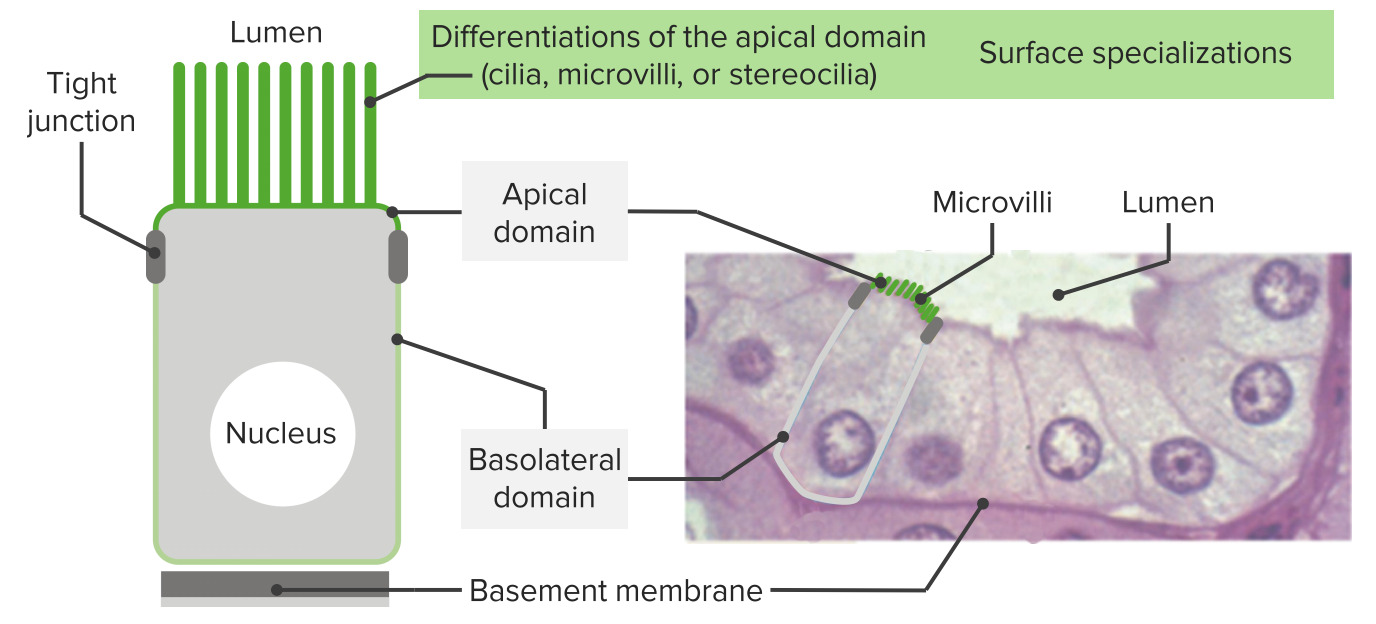
Características del epitelio.

Los epitelios tienen un ápice, bordes laterales y una superficie asentada sobre una membrana basal: Como se ve en la imagen, estas células exhiben polaridad (tienen dominios apicales y dominios basal/basolateral). En el extremo apical, las estructuras rodean el área (como una banda alrededor de la célula) facilitando la adhesión de célula a célula (uniones estrechas y uniones adherentes). Cerca de la membrana basal, los hemidesmosomas anclan el epitelio a la lámina basal. A la derecha se muestra la histología del revestimiento epitelial intestinal con las estructuras correspondientes. En el dominio apical, se ven microvellosidades.

Imagen por Lecturio.

Clasificación

Según número de capas

  • Epitelio simple:
    • Consta de una sola capa
    • Se encuentra típicamente donde ocurren la absorción, secreción y filtración
  • Epitelio estratificado:
    • Compuesto por ≥ 2 capas
    • Se encuentra en EN Erythema nodosum is an immune-mediated panniculitis (inflammation of the subcutaneous fat) caused by a type IV (delayed-type) hypersensitivity reaction. It commonly manifests in young women as tender, erythematous nodules on the shins. Erythema Nodosum áreas de alta abrasión (piel y mucosa de la boca)
    • Nombre de las células en EN Erythema nodosum is an immune-mediated panniculitis (inflammation of the subcutaneous fat) caused by a type IV (delayed-type) hypersensitivity reaction. It commonly manifests in young women as tender, erythematous nodules on the shins. Erythema Nodosum el epitelio estratificado según la forma de las células en EN Erythema nodosum is an immune-mediated panniculitis (inflammation of the subcutaneous fat) caused by a type IV (delayed-type) hypersensitivity reaction. It commonly manifests in young women as tender, erythematous nodules on the shins. Erythema Nodosum la capa apical
  • Epitelio pseudoestratificado:
    • Todas las células están unidas a la membrana basal, pero no todas las células se extienden hasta la superficie libre.
    • Los LOS Neisseria núcleos, al AL Amyloidosis estar en EN Erythema nodosum is an immune-mediated panniculitis (inflammation of the subcutaneous fat) caused by a type IV (delayed-type) hypersensitivity reaction. It commonly manifests in young women as tender, erythematous nodules on the shins. Erythema Nodosum diferentes niveles, dan al AL Amyloidosis epitelio un aspecto estratificado.

Según forma de las células

  • Células escamosas: células delgadas o aplanadas
  • Células cúbicas: ancho y grosor de las células generalmente es similar ( en EN Erythema nodosum is an immune-mediated panniculitis (inflammation of the subcutaneous fat) caused by a type IV (delayed-type) hypersensitivity reaction. It commonly manifests in young women as tender, erythematous nodules on the shins. Erythema Nodosum forma de cubo)
  • Células columnares: las células son más altas que anchas ( en EN Erythema nodosum is an immune-mediated panniculitis (inflammation of the subcutaneous fat) caused by a type IV (delayed-type) hypersensitivity reaction. It commonly manifests in young women as tender, erythematous nodules on the shins. Erythema Nodosum forma de columna).
  • Transicional: la forma de las células “pasa por una transición”:
    • Cuando el órgano (e.g., vejiga) está relajado, las células parecen cúbicas.
    • Cuando el órgano se distiende, las células se aplanan.

Según función

Tenga en EN Erythema nodosum is an immune-mediated panniculitis (inflammation of the subcutaneous fat) caused by a type IV (delayed-type) hypersensitivity reaction. It commonly manifests in young women as tender, erythematous nodules on the shins. Erythema Nodosum cuenta que hay tejidos que tienen ambas:
  • Epitelio de revestimiento: recubre las cavidades u órganos
  • Epitelio glandular: secretor
Tipos de Epitelio

Los tipos de epitelio:
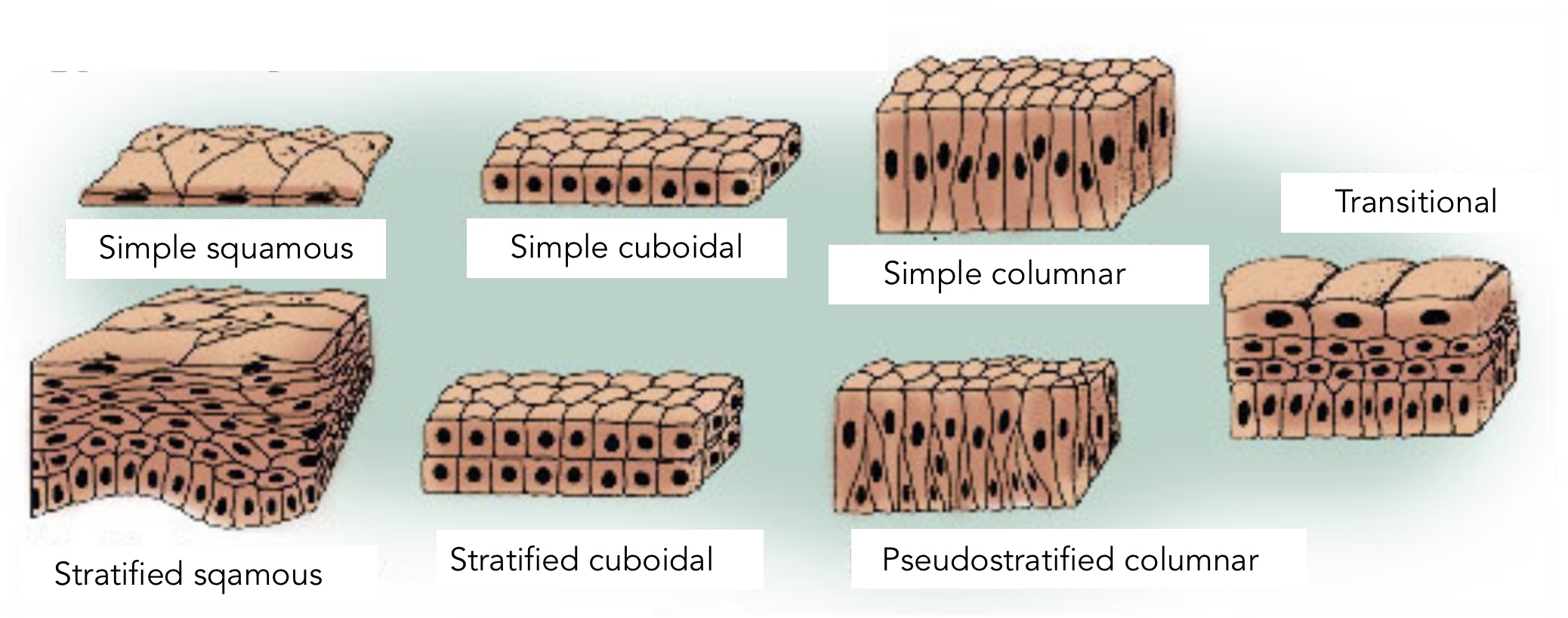
La diferenciación y clasificación de los tipos se basan en la forma de la célula y las capas. El epitelio simple indica 1 capa de células. El epitelio estratificado indica múltiples capas. El epitelio pseudoestratificado da una falsa impresión de > 1 capa debido a los núcleos en diferentes niveles. El epitelio de transición es un tipo en el que la forma de las células “transiciona” dependiendo de la función del órgano (distensión versus relajación, como ocurre en la vejiga urinaria).
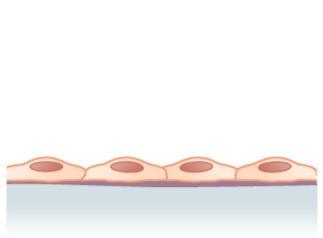
Imagen: “Types of epithelium” por U.S. National Cancer Institute’s Surveillance. Licencia: Dominio Público, editado por Lecturio.

Epitelio Simple

Epitelio escamoso simple

  • Características:
    • Capa única de células aplanadas
    • Núcleos en EN Erythema nodosum is an immune-mediated panniculitis (inflammation of the subcutaneous fat) caused by a type IV (delayed-type) hypersensitivity reaction. It commonly manifests in young women as tender, erythematous nodules on the shins. Erythema Nodosum forma de disco (estructura más prominente)
    • Citoplasma escaso
  • Se encuentra típicamente en EN Erythema nodosum is an immune-mediated panniculitis (inflammation of the subcutaneous fat) caused by a type IV (delayed-type) hypersensitivity reaction. It commonly manifests in young women as tender, erythematous nodules on the shins. Erythema Nodosum el revestimiento de los LOS Neisseria vasos, regulando el paso de sustancias a los LOS Neisseria tejidos
  • Localizado en EN Erythema nodosum is an immune-mediated panniculitis (inflammation of the subcutaneous fat) caused by a type IV (delayed-type) hypersensitivity reaction. It commonly manifests in young women as tender, erythematous nodules on the shins. Erythema Nodosum:
    • Sacos de aire/alvéolos pulmonares
    • Revestimiento del corazón
    • Vasos sanguíneos y vasos linfáticos
    • Asas renales de Henle
    • Córnea
  • Nomenclatura especial:
    • Endotelio: epitelio escamoso simple que recubre los LOS Neisseria vasos sanguíneos y linfáticos
    • Mesotelio: epitelio escamoso simple que se encuentra en EN Erythema nodosum is an immune-mediated panniculitis (inflammation of the subcutaneous fat) caused by a type IV (delayed-type) hypersensitivity reaction. It commonly manifests in young women as tender, erythematous nodules on the shins. Erythema Nodosum grandes cavidades corporales (que secreta líquido seroso)
Epitelio Escamoso Simple

Estructura observada en un epitelio escamoso simple (capa única de células aplanadas)

Imagen: “Simple squamous epithelium” por Phil Schatz. Licencia: CC BY 4.0
Tejidos Epiteliales Epitelio Escamoso simple

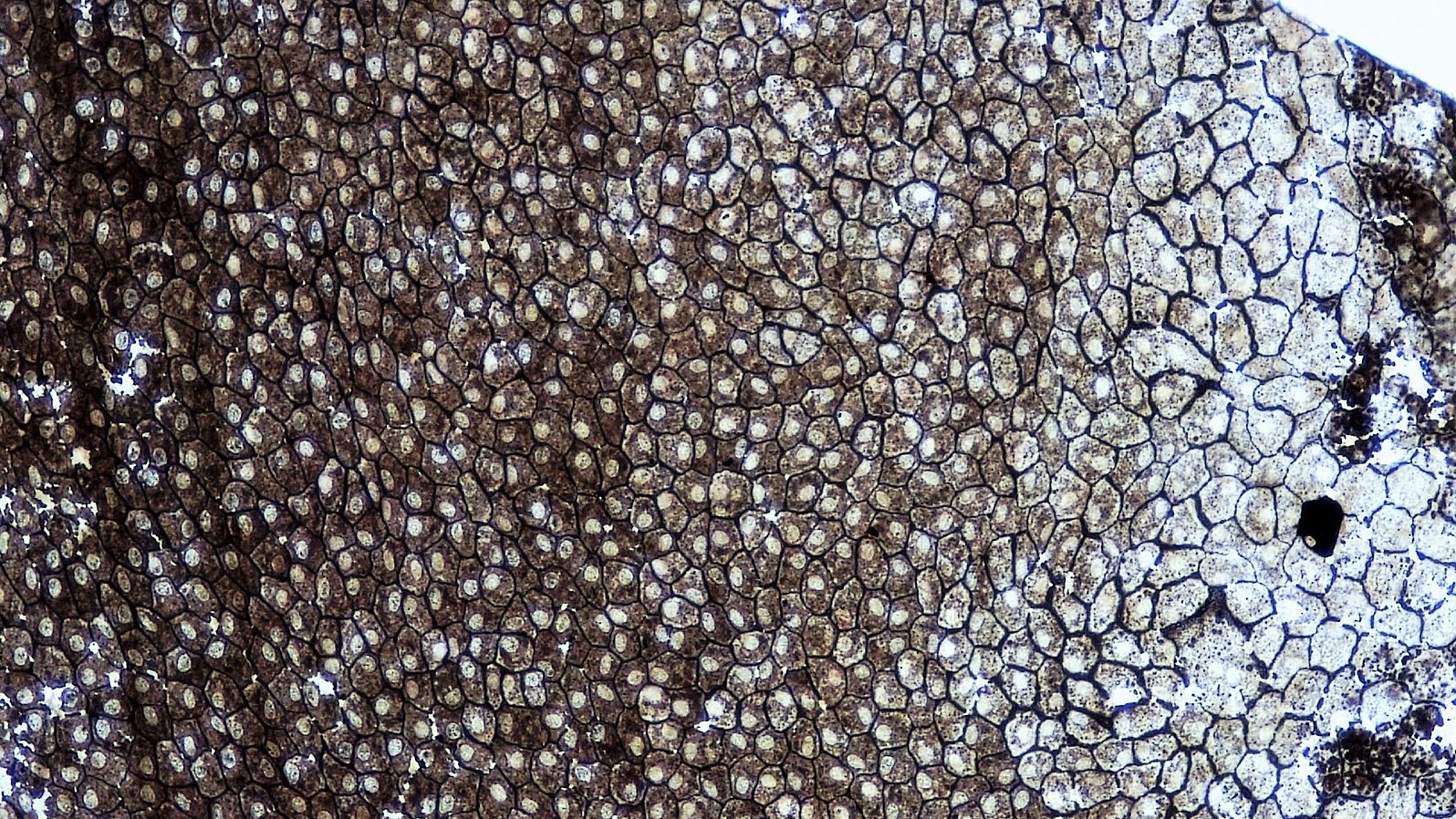
Un montaje completo de epitelio escamoso simple.

Imagen: “Epithelial Tissues Simple Squamous Epithelium” por Berkshire Community College Bioscience Image Library. Licencia: CC0 1.0
Epitelio cúbico simple

  • Capa única de células en EN Erythema nodosum is an immune-mediated panniculitis (inflammation of the subcutaneous fat) caused by a type IV (delayed-type) hypersensitivity reaction. It commonly manifests in young women as tender, erythematous nodules on the shins. Erythema Nodosum forma de cubo
  • La forma cúbica permite un aumento de las mitocondrias y otros organelos necesarios para funciones como el transporte activo, secreción y absorción.
  • Encontrado en EN Erythema nodosum is an immune-mediated panniculitis (inflammation of the subcutaneous fat) caused by a type IV (delayed-type) hypersensitivity reaction. It commonly manifests in young women as tender, erythematous nodules on the shins. Erythema Nodosum:
    • Conductos y porciones secretoras de glándulas
    • Túbulos renales
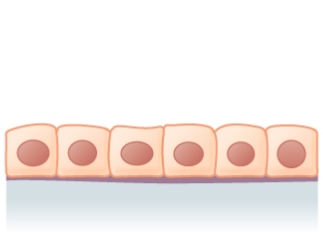
Epitelio cuboidal simple

Epitelio cúbico simple: 1 capa de células cúbicas

Imagen: “Simple cuboidal epithelium” por Phil Schatz. Licencia: CC BY 4.0
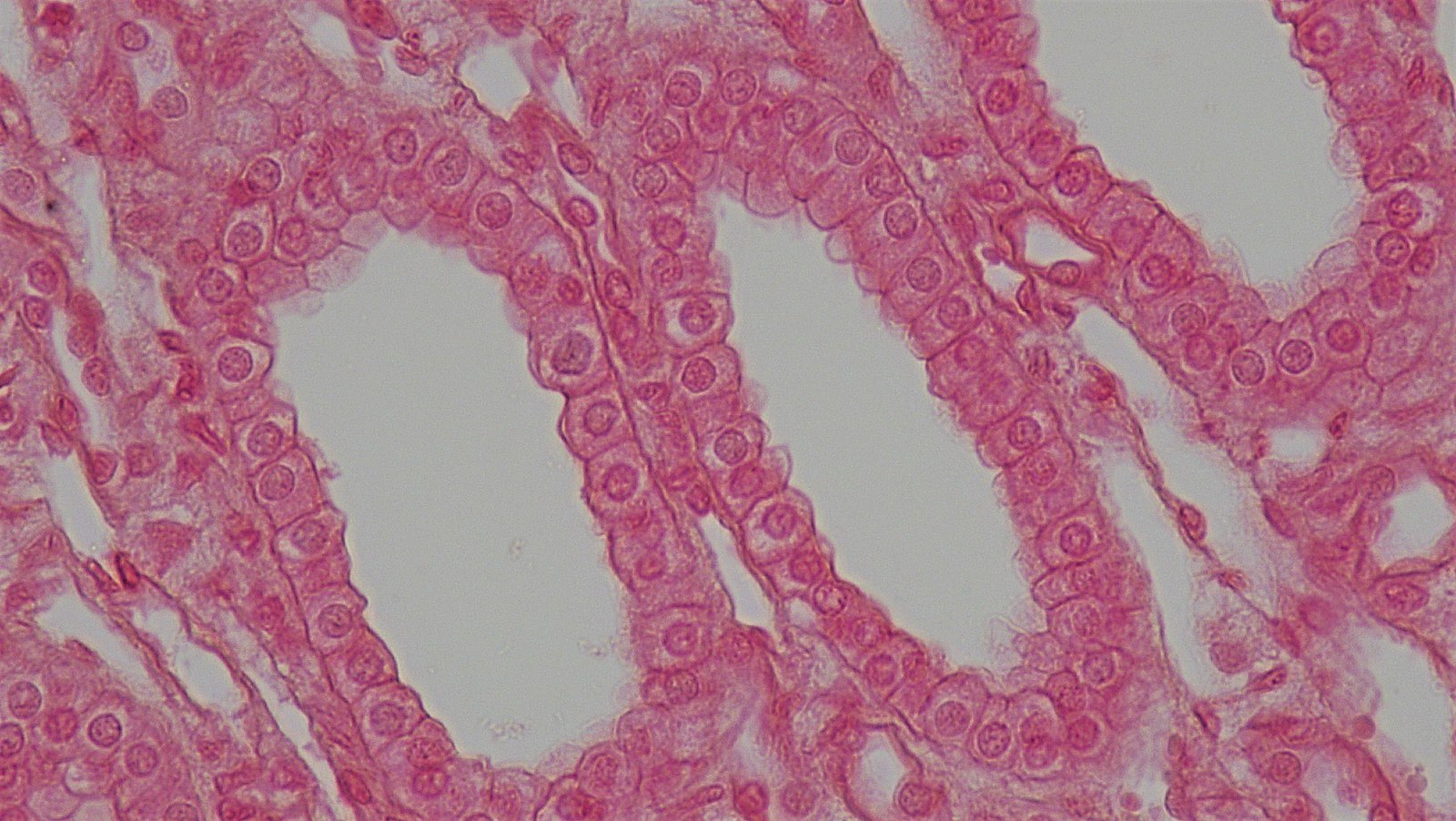
Epitelio cuboidal simple

Sección transversal de un túbulo renal que muestra una capa de células cúbicas

Imagen: “Epithelial Tissues Simple Cuboidal Epithelium” por Berkshire Community College Bioscience Image Library. Licencia: CC0 1.0
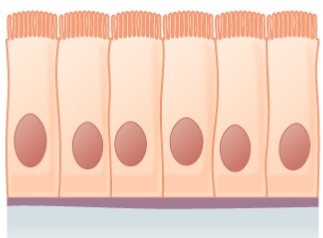
Epitelio columnar simple

  • Una sola capa de células altas
  • A menudo con cilios o microvellosidades
  • Principalmente involucrado en EN Erythema nodosum is an immune-mediated panniculitis (inflammation of the subcutaneous fat) caused by a type IV (delayed-type) hypersensitivity reaction. It commonly manifests in young women as tender, erythematous nodules on the shins. Erythema Nodosum la absorción y secreción
  • Encontrado en EN Erythema nodosum is an immune-mediated panniculitis (inflammation of the subcutaneous fat) caused by a type IV (delayed-type) hypersensitivity reaction. It commonly manifests in young women as tender, erythematous nodules on the shins. Erythema Nodosum:
    • Epitelio ciliado en EN Erythema nodosum is an immune-mediated panniculitis (inflammation of the subcutaneous fat) caused by a type IV (delayed-type) hypersensitivity reaction. It commonly manifests in young women as tender, erythematous nodules on the shins. Erythema Nodosum los LOS Neisseria bronquios, las trompas de Falopio y el útero
    • Epitelio liso (no ciliado) en EN Erythema nodosum is an immune-mediated panniculitis (inflammation of the subcutaneous fat) caused by a type IV (delayed-type) hypersensitivity reaction. It commonly manifests in young women as tender, erythematous nodules on the shins. Erythema Nodosum el tracto digestivo
    • Revestimiento de la vesícula biliar
Epitelio columnar simple

Epitelio columnar simple:
Se muestra una capa de células columnares con cilios
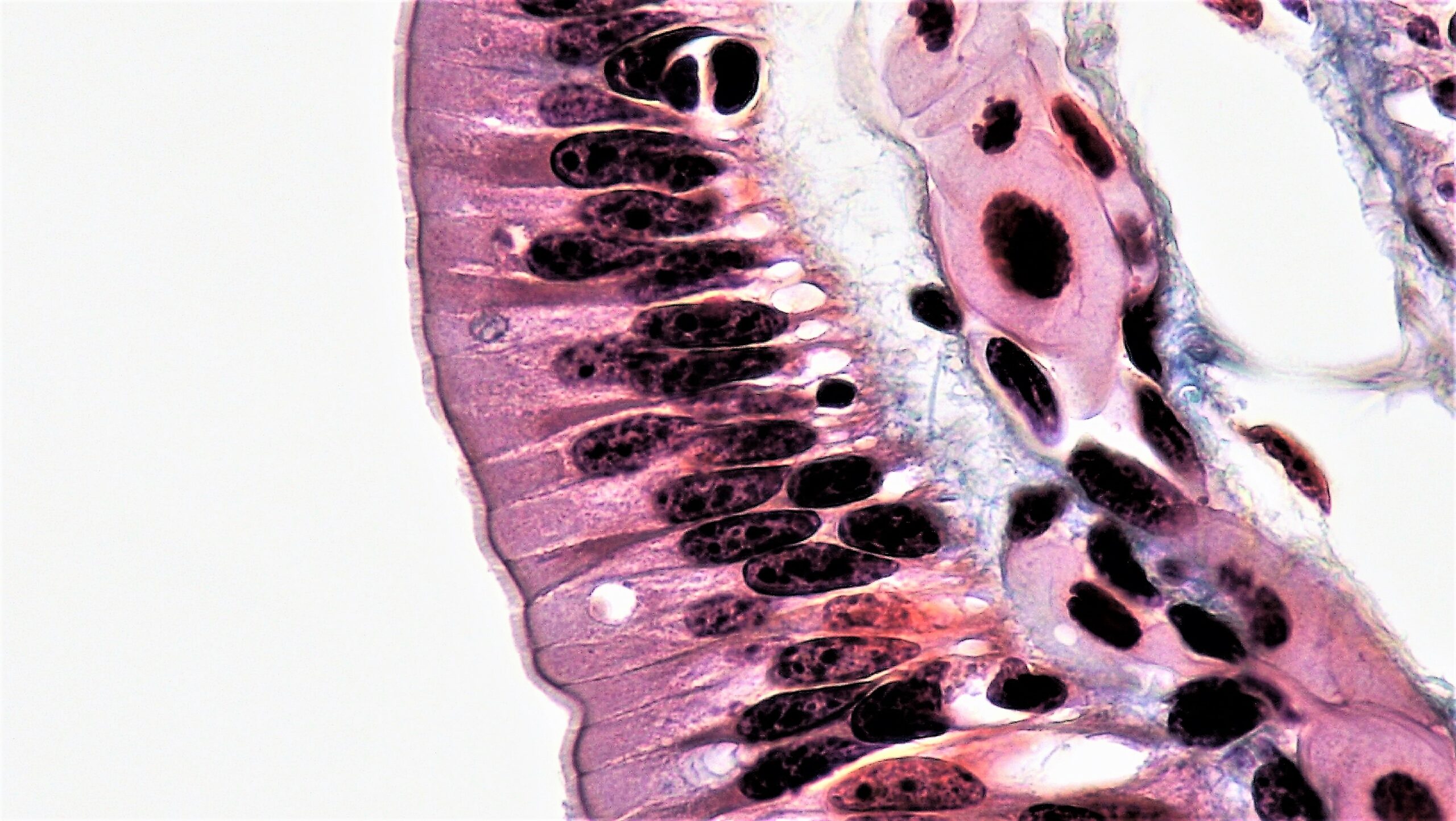
Imagen: “Simple columnar epithelium” por Phil Schatz. Licencia: CC BY 4.0
Epitelio columnar simple

Epitelio columnar simple que recubre el tracto intestinal

Imagen: “Epithelial Tissues Simple Columnar Epithelium” por Epithelial Tissues: Simple Columnar Epithelium. Licencia: CC0 1.0
Epitelios Pseudoestratificados, Estratificados y de Transición

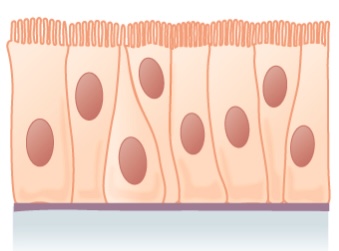
Epitelio columnar pseudoestratificado

  • Características:
    • Las células varían en EN Erythema nodosum is an immune-mediated panniculitis (inflammation of the subcutaneous fat) caused by a type IV (delayed-type) hypersensitivity reaction. It commonly manifests in young women as tender, erythematous nodules on the shins. Erythema Nodosum altura, y todas descansan sobre la membrana basal, pero solo algunas llegan hasta la superficie apical.
    • Núcleos localizados a diferentes alturas
    • Algunos tienen cilios.
  • Funciones en EN Erythema nodosum is an immune-mediated panniculitis (inflammation of the subcutaneous fat) caused by a type IV (delayed-type) hypersensitivity reaction. It commonly manifests in young women as tender, erythematous nodules on the shins. Erythema Nodosum la secreción y absorción
  • Encontrado en EN Erythema nodosum is an immune-mediated panniculitis (inflammation of the subcutaneous fat) caused by a type IV (delayed-type) hypersensitivity reaction. It commonly manifests in young women as tender, erythematous nodules on the shins. Erythema Nodosum:
    • Epitelio ciliado de la tráquea
    • Parte del tracto digestivo superior
Epitelio pseudoestratificado

Epitelio pseudoestratificado:
Se muestra una capa única de células columnares, con núcleos en diferentes niveles
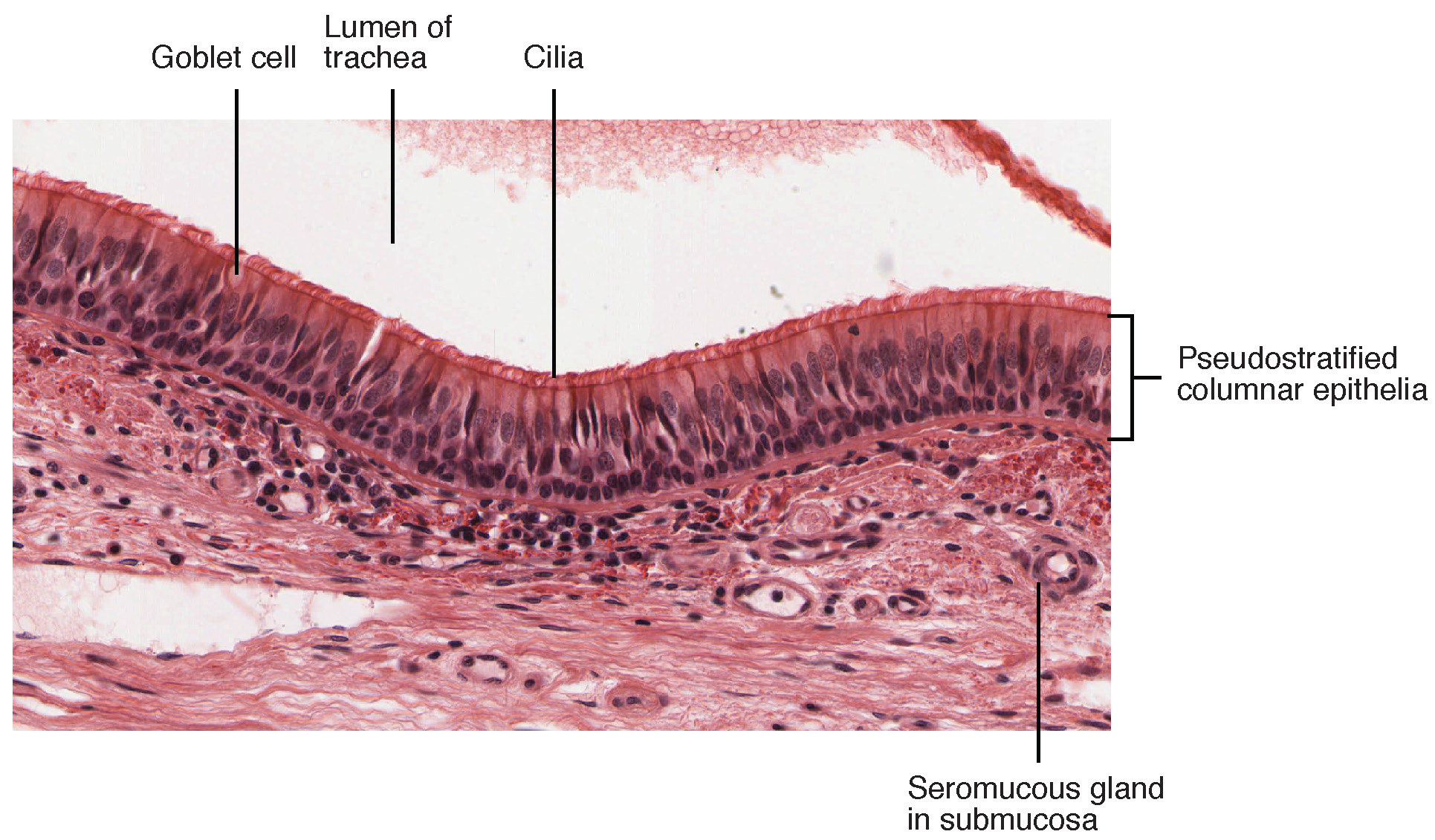
Imagen: “Pseudostratified epithelium” por Phil Schatz. Licencia: CC BY 4.0
Sección transversal del epitelio columnar pseudoestratificado

Epitelio columnar pseudoestratificado encontrado en la tráquea

Imagen: “Cross-section of pseudostratified columnar epithelium” por OpenStax College. Licencia: CC BY 3.0
Epitelio escamoso estratificado

  • El más extendido de los LOS Neisseria epitelios estratificados
  • Compuesto por varias capas, proporcionando función protectora
  • Las células de la superficie libre son escamosas.
  • Las células de la capa más profunda son cúbicas o columnares.
  • Se encuentra en EN Erythema nodosum is an immune-mediated panniculitis (inflammation of the subcutaneous fat) caused by a type IV (delayed-type) hypersensitivity reaction. It commonly manifests in young women as tender, erythematous nodules on the shins. Erythema Nodosum áreas sujetas a desgaste y roturas
  • Encontrado en EN Erythema nodosum is an immune-mediated panniculitis (inflammation of the subcutaneous fat) caused by a type IV (delayed-type) hypersensitivity reaction. It commonly manifests in young women as tender, erythematous nodules on the shins. Erythema Nodosum:
    • Piel queratinizada o rellena de queratina:
      • Estas células perderán los LOS Neisseria organelos y núcleos a medida que se aplanan y acumulan queratina.
      • Las células se mueven hacia la superficie, se vuelven metabólicamente inactivas y se desprenden.
    • Esófago, boca, vagina Vagina The vagina is the female genital canal, extending from the vulva externally to the cervix uteri internally. The structures have sexual, reproductive, and urinary functions and a rich blood supply, mainly arising from the internal iliac artery. Vagina, Vulva, and Pelvic Floor: Anatomy, que tienen células no queratinizadas (retienen los LOS Neisseria núcleos)
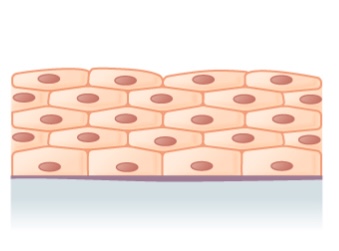
Epitelio escamoso estratificado

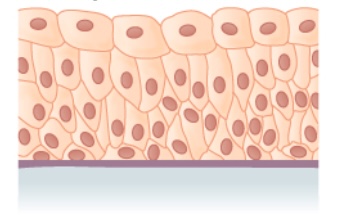
Ilustración del epitelio escamoso estratificado (múltiples capas)

Imagen: “Stratified squamous epithelium” por Phil Schatz. Licencia: CC BY 4.0
Tejidos epiteliales Epitelio escamoso estratificado

Imagen histológica del epitelio escamoso estratificado

Imagen: “Epithelial Tissues Stratified Squamous Epithelium” por Berkshire Community College Bioscience Image Library. Licencia: CC0 1.0
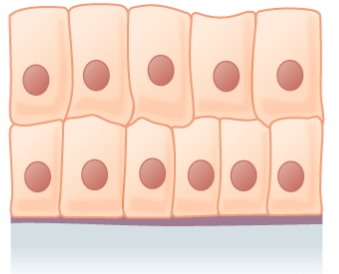
Epitelio columnar estratificado y epitelio cúbico estratificado

  • Ambos son raros y tienen una distribución limitada.
  • Epitelio columnar estratificado:
    • Función secretora y protectora
    • Encontrado en EN Erythema nodosum is an immune-mediated panniculitis (inflammation of the subcutaneous fat) caused by a type IV (delayed-type) hypersensitivity reaction. It commonly manifests in young women as tender, erythematous nodules on the shins. Erythema Nodosum:
      • Uretra masculina
      • Algunos conductos glandulares
  • El epitelio cúbico estratificado se encuentra en EN Erythema nodosum is an immune-mediated panniculitis (inflammation of the subcutaneous fat) caused by a type IV (delayed-type) hypersensitivity reaction. It commonly manifests in young women as tender, erythematous nodules on the shins. Erythema Nodosum los LOS Neisseria conductos de las glándulas grandes (e.g., glándulas sudoríparas, glándulas mamarias).
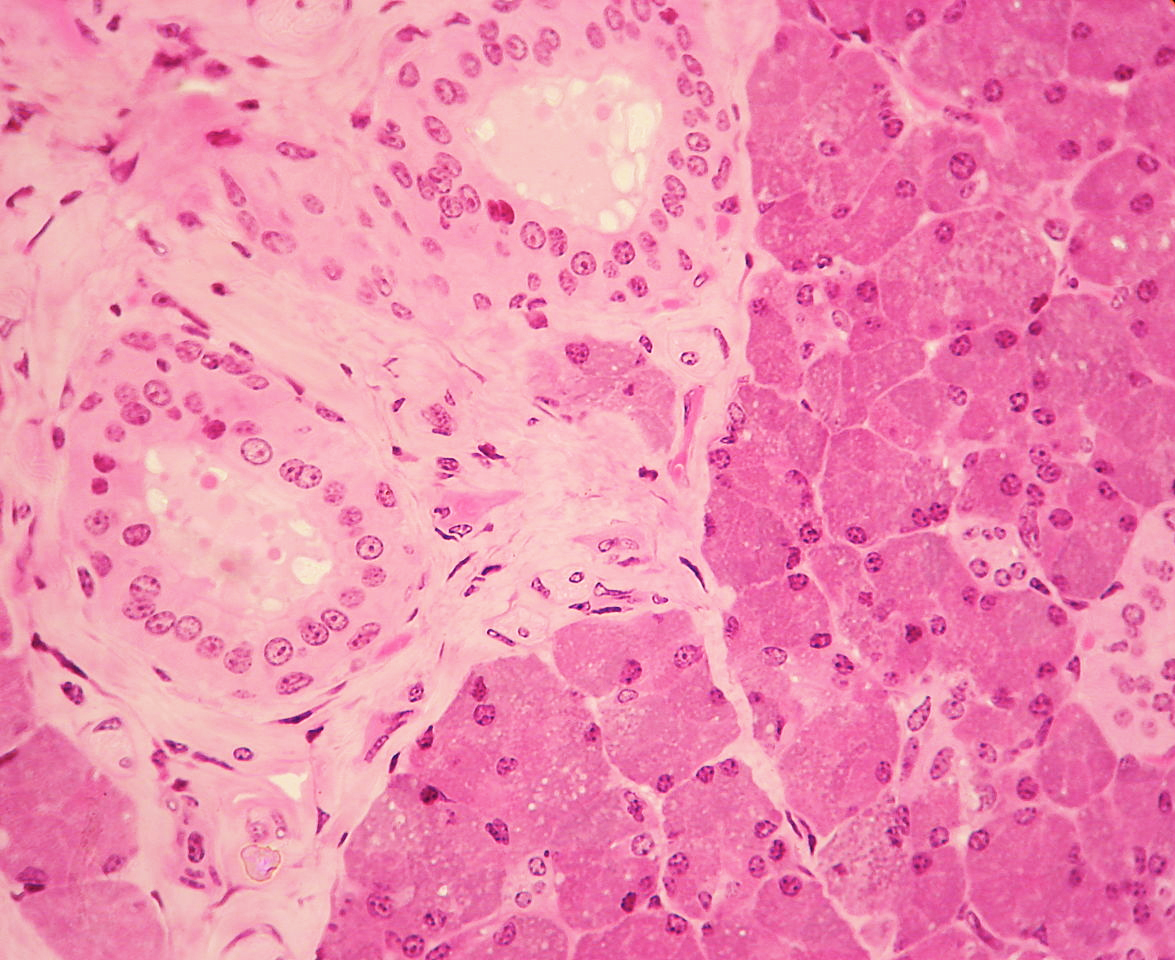
Glándula parótida

El epitelio cúbico estratificado (visto a la izquierda) es visible en un conducto rodeado por tejido conectivo en la glándula parótida.

Imagen: “WVSOM Parotid Gland1” por Wbensmith. Licencia: CC BY 3.0

Epitelio transicional

  • Características:
    • Capa superficial de células en EN Erythema nodosum is an immune-mediated panniculitis (inflammation of the subcutaneous fat) caused by a type IV (delayed-type) hypersensitivity reaction. It commonly manifests in young women as tender, erythematous nodules on the shins. Erythema Nodosum paraguas (células en EN Erythema nodosum is an immune-mediated panniculitis (inflammation of the subcutaneous fat) caused by a type IV (delayed-type) hypersensitivity reaction. It commonly manifests in young women as tender, erythematous nodules on the shins. Erythema Nodosum forma de domo)
    • Permite el estiramiento de los LOS Neisseria órganos a medida que se distienden
    • Urotelio: epitelio de transición en EN Erythema nodosum is an immune-mediated panniculitis (inflammation of the subcutaneous fat) caused by a type IV (delayed-type) hypersensitivity reaction. It commonly manifests in young women as tender, erythematous nodules on the shins. Erythema Nodosum el tracto urinario
  • Encontrado en EN Erythema nodosum is an immune-mediated panniculitis (inflammation of the subcutaneous fat) caused by a type IV (delayed-type) hypersensitivity reaction. It commonly manifests in young women as tender, erythematous nodules on the shins. Erythema Nodosum:
    • Vejiga urinaria
    • Uretra
    • Uréteres
Epitelio transicional

Epitelio transicional

Imagen: “Transitional epithelium” por Phil Schatz. Licencia: CC BY 4.0
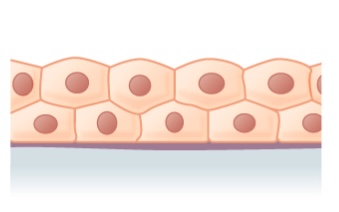
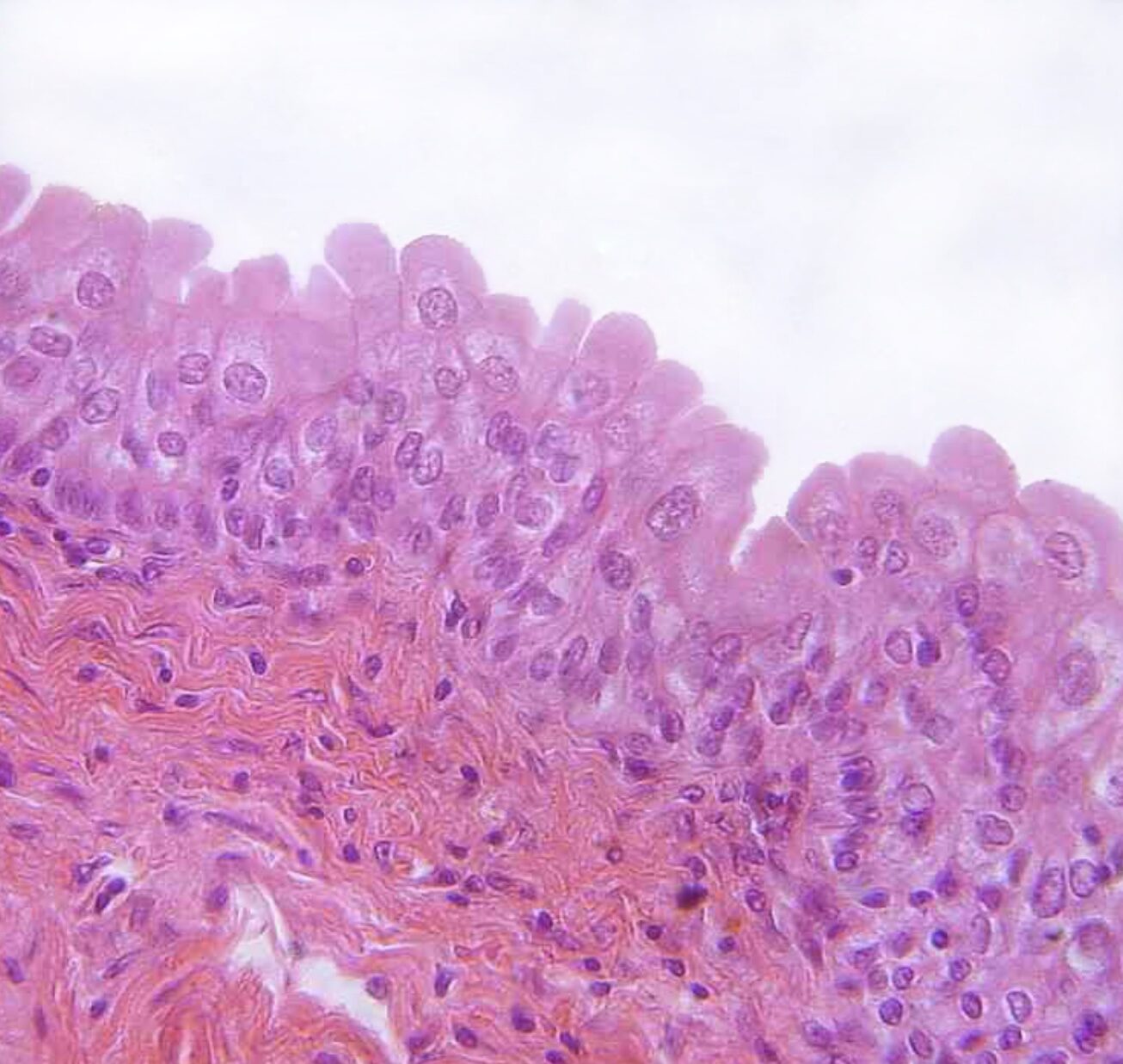
Epitelio transicional

Epitelio de transición encontrado en la vejiga urinaria

Imagen: “urinary bladder, urothelium, haemalum-eosin stain” por Polarlys. Licencia: CC BY 2.5

Relevancia Clínica

  • Ictiosis: enfermedad dermatológica en EN Erythema nodosum is an immune-mediated panniculitis (inflammation of the subcutaneous fat) caused by a type IV (delayed-type) hypersensitivity reaction. It commonly manifests in young women as tender, erythematous nodules on the shins. Erythema Nodosum la que se produce una queratinización anormal. La ictiosis es causada por una mutación autosómica dominante en EN Erythema nodosum is an immune-mediated panniculitis (inflammation of the subcutaneous fat) caused by a type IV (delayed-type) hypersensitivity reaction. It commonly manifests in young women as tender, erythematous nodules on the shins. Erythema Nodosum el gen de la filagrina, que da como resultado una disfunción de la barrera cutánea. Clínicamente se presenta con piel áspera, seca y escamosa, y los LOS Neisseria síntomas empeoran durante los LOS Neisseria meses fríos y secos. El diagnóstico suele ser clínico, pero a menudo respaldado con una biopsia de piel que muestra hiperqueratosis y un estrato granuloso disminuido.
  • Carcinoma de células transicionales: neoplasia que afecta a la vejiga urinaria. El carcinoma de células transicionales es el cáncer más común que afecta el sistema urinario. El tipo histológico predominante es el carcinoma urotelial (de células de transición) en EN Erythema nodosum is an immune-mediated panniculitis (inflammation of the subcutaneous fat) caused by a type IV (delayed-type) hypersensitivity reaction. It commonly manifests in young women as tender, erythematous nodules on the shins. Erythema Nodosum Estados Unidos y Europa. Los LOS Neisseria factores de riesgo incluyen la genética, el tabaquismo, el uso de opio y la exposición a carcinógenos ocupacionales. La presentación suele ser con hematuria Hematuria Presence of blood in the urine. Renal Cell Carcinoma indolora y el abordaje diagnóstico incluye cistoscopia, citología de orina y biopsias. La resección transuretral del tumor Tumor Inflammation vesical, la cistectomía radical y la quimioterapia se encuentran entre las opciones de tratamiento, que dependen del estadio.
  • Esófago de Barrett: reemplazo del epitelio escamoso estratificado con epitelio columnar gástrico en EN Erythema nodosum is an immune-mediated panniculitis (inflammation of the subcutaneous fat) caused by a type IV (delayed-type) hypersensitivity reaction. It commonly manifests in young women as tender, erythematous nodules on the shins. Erythema Nodosum el esófago causado por la enfermedad por reflujo gastroesofágico (ERGE) crónica. Esto se asocia con un mayor riesgo de adenocarcinoma de esófago. La esofagogastroduodenoscopia mostraría un desplazamiento proximal de la unión escamoso-cilíndrica (línea Z) desde la unión gastroesofágica. Las biopsias revelan epitelio columnar y células caliciformes en EN Erythema nodosum is an immune-mediated panniculitis (inflammation of the subcutaneous fat) caused by a type IV (delayed-type) hypersensitivity reaction. It commonly manifests in young women as tender, erythematous nodules on the shins. Erythema Nodosum el esófago distal. El tratamiento consiste en EN Erythema nodosum is an immune-mediated panniculitis (inflammation of the subcutaneous fat) caused by a type IV (delayed-type) hypersensitivity reaction. It commonly manifests in young women as tender, erythematous nodules on the shins. Erythema Nodosum inhibidores de la bomba de protones y modificaciones en EN Erythema nodosum is an immune-mediated panniculitis (inflammation of the subcutaneous fat) caused by a type IV (delayed-type) hypersensitivity reaction. It commonly manifests in young women as tender, erythematous nodules on the shins. Erythema Nodosum el estilo de vida.
  • Cáncer cervicouterino: cáncer muy común que afecta a las mujeres. La mayoría de los LOS Neisseria casos de cáncer cervicouterino se deben al AL Amyloidosis virus Virus Viruses are infectious, obligate intracellular parasites composed of a nucleic acid core surrounded by a protein capsid. Viruses can be either naked (non-enveloped) or enveloped. The classification of viruses is complex and based on many factors, including type and structure of the nucleoid and capsid, the presence of an envelope, the replication cycle, and the host range. Virology del papiloma huano (VPH). La región alrededor del orificio externo está revestida por un epitelio escamoso estratificado no queratinizado que se continúa con el de la vagina Vagina The vagina is the female genital canal, extending from the vulva externally to the cervix uteri internally. The structures have sexual, reproductive, and urinary functions and a rich blood supply, mainly arising from the internal iliac artery. Vagina, Vulva, and Pelvic Floor: Anatomy. Esta área se encuentra con el epitelio columnar secretor de moco del endocérvix en EN Erythema nodosum is an immune-mediated panniculitis (inflammation of the subcutaneous fat) caused by a type IV (delayed-type) hypersensitivity reaction. It commonly manifests in young women as tender, erythematous nodules on the shins. Erythema Nodosum la zona de transformación. La exposición de la zona de transformación al AL Amyloidosis VPH puede conducir a una diferenciación escamosa en EN Erythema nodosum is an immune-mediated panniculitis (inflammation of the subcutaneous fat) caused by a type IV (delayed-type) hypersensitivity reaction. It commonly manifests in young women as tender, erythematous nodules on the shins. Erythema Nodosum una lesión intraepitelial escamosa (que conduce al AL Amyloidosis carcinoma de células escamosas). El epitelio columnar endocervical puede convertirse en EN Erythema nodosum is an immune-mediated panniculitis (inflammation of the subcutaneous fat) caused by a type IV (delayed-type) hypersensitivity reaction. It commonly manifests in young women as tender, erythematous nodules on the shins. Erythema Nodosum lesiones intraepiteliales glandulares (que pueden progresar a adenocarcinoma).

Referencias

  1. Abrahamsohn, P. A., & Cimarosti, H. (2023). Structure and function of epithelial tissues. In Modern Cell Biology (pp. 127-156). Springer Nature.
  2. Camacho-Bragado, G. A., Valles-Sanchez, A., & Rosas-Arellano, A. (2024). Cellular junctions and epithelial polarity maintenance: Recent advances in intercellular communication. Journal of Cell Science, 137(3), 1-15. https://doi.org/10.1242/jcs.260788
  3. Dai, P., & Chen, Y. (2025). Basement membrane remodeling in epithelial-to-mesenchymal transition: Implications for cancer progression. Trends in Cell Biology, 35(1), 42-59.
  4. Green, K. J., & Odland, G. F. (2024). Desmosomes and hemidesmosomes: Structure, function, and dynamics in health and disease. Annual Review of Cell and Developmental Biology, 40, 321-348.
  5. Kierszenbaum, A., & Tres, L. (2022). Histology and Cell Biology: An Introduction to Pathology (6th ed.). Elsevier.
  6. Kumar, V., Abbas, A. K., & Aster, J. C. (2023). Robbins and Cotran Pathologic Basis of Disease (10th ed.). Elsevier.
  7. Mescher, A. L. (2023). Junqueira’s Basic Histology Text and Atlas (17th ed.). McGraw-Hill.
  8. Ross, M. H., & Pawlina, W. (2024). Histology: A Text and Atlas with Correlated Cell and Molecular Biology (9th ed.). Wolters Kluwer.
  9. Sasano, H., Suzuki, T., & Nakanishi, Y. (2024). Diagnostic approaches to epithelial neoplasms: From morphology to molecular markers. Histopathology, 84(2), 168-192.
  10. Zachara, B. A., & Kulesza, P. (2024). Barrett’s esophagus and the epithelial transformation zone: Current concepts and clinical implications. Gastroenterology Research and Practice, 2024, Article 6128459. https://doi.org/10.1155/2024/6128459

¡Crea tu cuenta gratis o inicia una sesión para seguir leyendo!

Regístrate ahora y obtén acceso gratuito a Lecturio con páginas de concepto, videos médicos y cuestionarios para tu educación médica.

User Reviews

Que tengas una sesión de estudio alegre y navideña 🎁 Ahorra 50% en todos los planes >>

Details