Domina Conceptos Médicos

Estudia para la escuela de medicina y tus examenes con Lecturio.

Desgarro de Menisco

Los LOS Neisseria meniscos son estructuras fibrocartilaginosas en EN Erythema nodosum is an immune-mediated panniculitis (inflammation of the subcutaneous fat) caused by a type IV (delayed-type) hypersensitivity reaction. It commonly manifests in young women as tender, erythematous nodules on the shins. Erythema Nodosum forma de cuña entre el fémur distal y la tibia Tibia The second longest bone of the skeleton. It is located on the medial side of the lower leg, articulating with the fibula laterally, the talus distally, and the femur proximally. Knee Joint: Anatomy proximal que estabilizan y disipan las fuerzas que soportan peso en EN Erythema nodosum is an immune-mediated panniculitis (inflammation of the subcutaneous fat) caused by a type IV (delayed-type) hypersensitivity reaction. It commonly manifests in young women as tender, erythematous nodules on the shins. Erythema Nodosum la articulación de la rodilla. Un desgarro de menisco es una lesión en EN Erythema nodosum is an immune-mediated panniculitis (inflammation of the subcutaneous fat) caused by a type IV (delayed-type) hypersensitivity reaction. It commonly manifests in young women as tender, erythematous nodules on the shins. Erythema Nodosum el menisco causada por fuerzas de rotación o cizallamiento en EN Erythema nodosum is an immune-mediated panniculitis (inflammation of the subcutaneous fat) caused by a type IV (delayed-type) hypersensitivity reaction. It commonly manifests in young women as tender, erythematous nodules on the shins. Erythema Nodosum la articulación tibiofemoral. La presentación clínica en EN Erythema nodosum is an immune-mediated panniculitis (inflammation of the subcutaneous fat) caused by a type IV (delayed-type) hypersensitivity reaction. It commonly manifests in young women as tender, erythematous nodules on the shins. Erythema Nodosum un paciente joven con un desgarro traumático incluye antecedentes de una lesión por torsión o rotación seguida de dolor Dolor Inflammation en EN Erythema nodosum is an immune-mediated panniculitis (inflammation of the subcutaneous fat) caused by a type IV (delayed-type) hypersensitivity reaction. It commonly manifests in young women as tender, erythematous nodules on the shins. Erythema Nodosum la línea articular con un pequeño derrame. La presentación clínica en EN Erythema nodosum is an immune-mediated panniculitis (inflammation of the subcutaneous fat) caused by a type IV (delayed-type) hypersensitivity reaction. It commonly manifests in young women as tender, erythematous nodules on the shins. Erythema Nodosum un paciente mayor incluye dolor Dolor Inflammation al AL Amyloidosis soportar peso en EN Erythema nodosum is an immune-mediated panniculitis (inflammation of the subcutaneous fat) caused by a type IV (delayed-type) hypersensitivity reaction. It commonly manifests in young women as tender, erythematous nodules on the shins. Erythema Nodosum la línea articular que imita y acompaña al AL Amyloidosis dolor Dolor Inflammation progresivo debido a los LOS Neisseria cambios degenerativos de la osteoartritis. Las quejas mecánicas (e.g., bloqueo, enganche o chasquido de las articulaciones) también son comunes. El diagnóstico puede ser un desafío clínico y, a menudo, se confirma mediante imagenología diagnóstica o visualización directa (artroscopia). El tratamiento puede ser conservador o quirúrgico, dependiendo de la situación individual.

Last updated: Dec 15, 2025
Editorial responsibility: Stanley Oiseth, Lindsay Jones, Evelin Maza

Descripción General

Definición

  • Los LOS Neisseria meniscos son estructuras fibrocartilaginosas en EN Erythema nodosum is an immune-mediated panniculitis (inflammation of the subcutaneous fat) caused by a type IV (delayed-type) hypersensitivity reaction. It commonly manifests in young women as tender, erythematous nodules on the shins. Erythema Nodosum forma de cuña que se encuentran en EN Erythema nodosum is an immune-mediated panniculitis (inflammation of the subcutaneous fat) caused by a type IV (delayed-type) hypersensitivity reaction. It commonly manifests in young women as tender, erythematous nodules on the shins. Erythema Nodosum la articulación de la rodilla.
  • Cubren la superficie articular de la meseta tibial.
  • Son esenciales para el funcionamiento normal de la rodilla:
    • Absorben el impacto
    • Distribuyen la carga
    • Aumentan la estabilidad
    • Proporcionan lubricación
  • En EN Erythema nodosum is an immune-mediated panniculitis (inflammation of the subcutaneous fat) caused by a type IV (delayed-type) hypersensitivity reaction. It commonly manifests in young women as tender, erythematous nodules on the shins. Erythema Nodosum los LOS Neisseria pacientes más jóvenes, los LOS Neisseria desgarros suelen ser lesiones traumáticas agudas (e.g., lesiones deportivas, lesiones laborales).
  • En EN Erythema nodosum is an immune-mediated panniculitis (inflammation of the subcutaneous fat) caused by a type IV (delayed-type) hypersensitivity reaction. It commonly manifests in young women as tender, erythematous nodules on the shins. Erythema Nodosum pacientes mayores, los LOS Neisseria desgarros son más comúnmente degenerativos (acompañados de artrosis degenerativa).
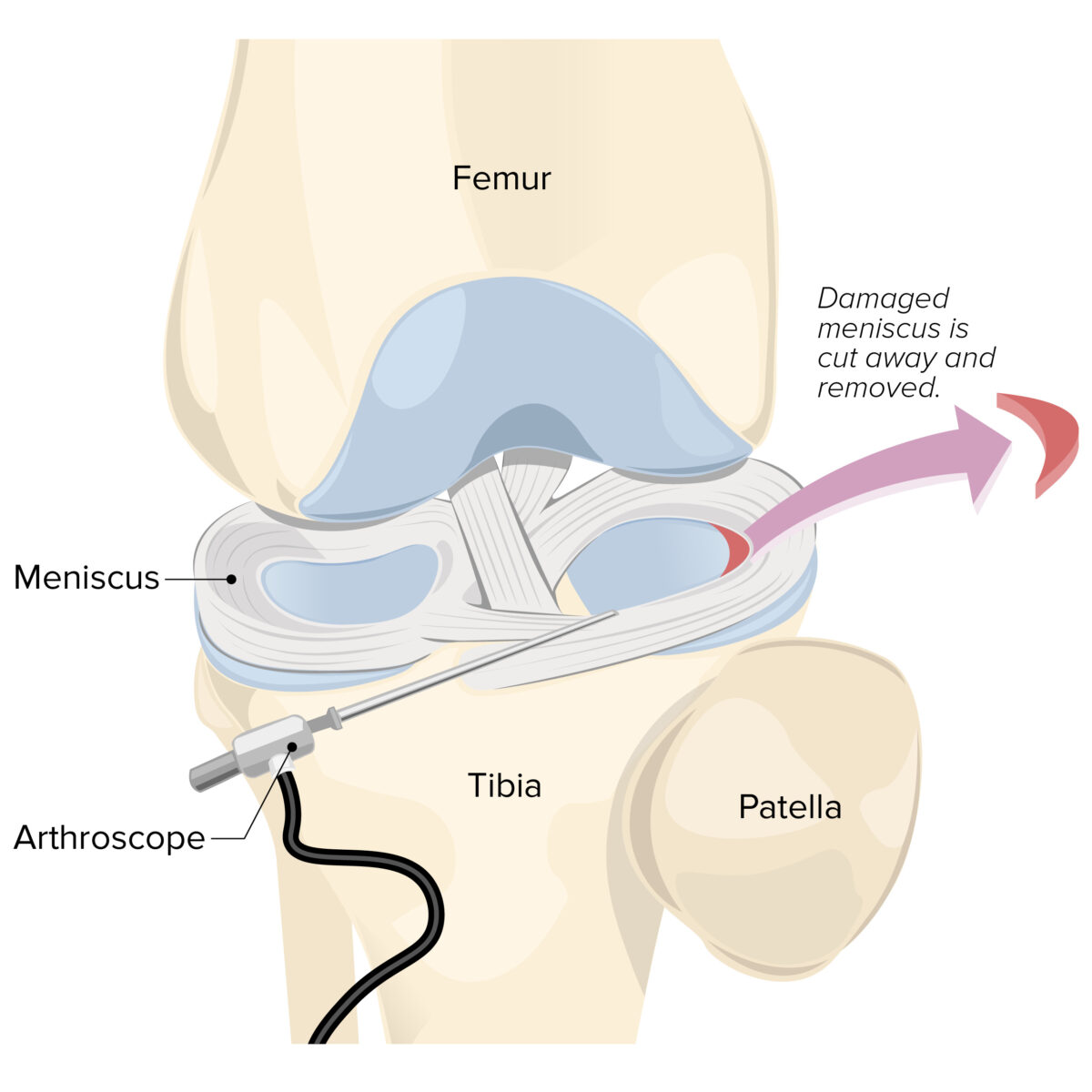
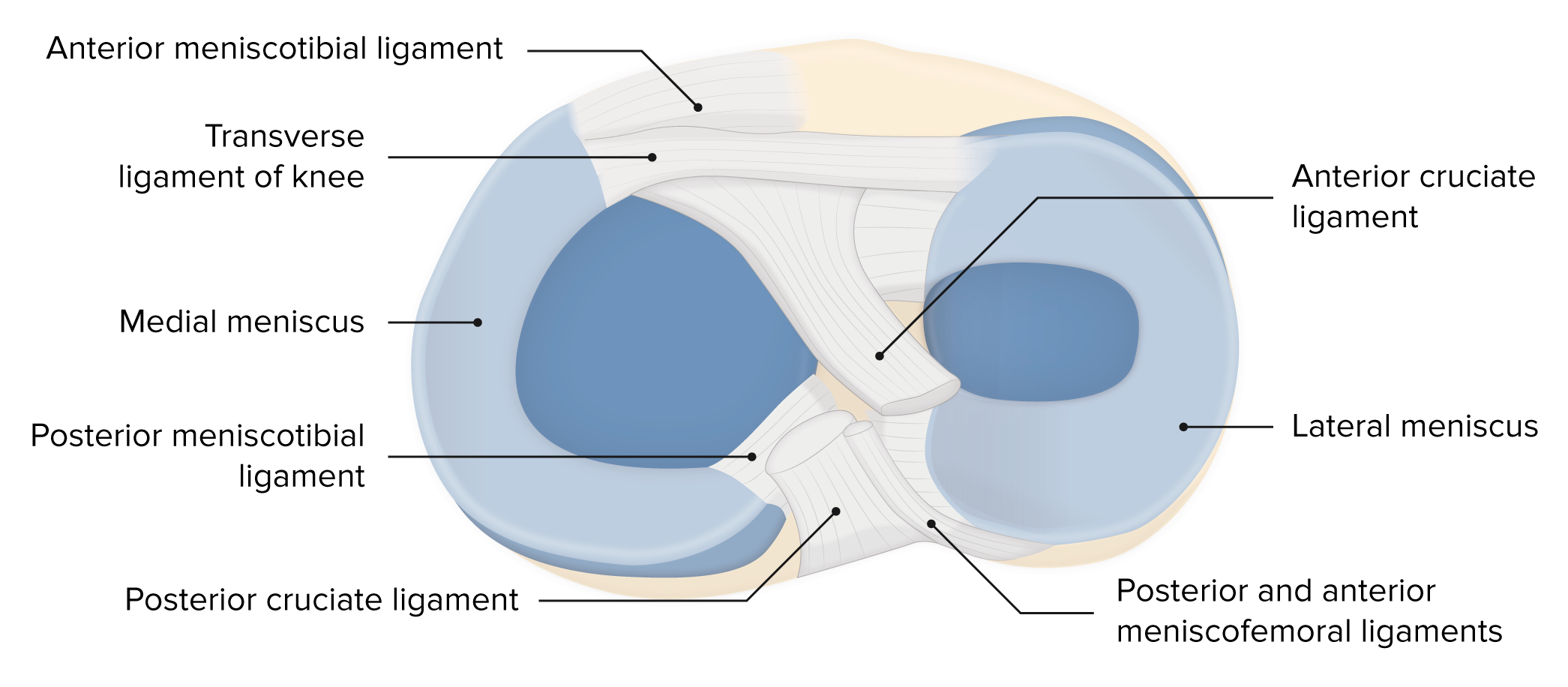
meniscos de la rodilla

Meniscos de la rodilla

Imagen por Lecturio. Licencia: CC BY-NC-SA 4.0

Epidemiología

  • Se desconoce la incidencia exacta, pero el desgarro de menisco es una lesión bastante común, especialmente con actividades deportivas.
  • Los LOS Neisseria desgarros del menisco medial son más frecuentes (debido a la unión al AL Amyloidosis ligamento colateral medial).
  • Los LOS Neisseria desgarros del ligamento cruzado anterior a menudo tienen un desgarro de menisco medial asociado.
  • Los LOS Neisseria hombres tienen un mayor riesgo en EN Erythema nodosum is an immune-mediated panniculitis (inflammation of the subcutaneous fat) caused by a type IV (delayed-type) hypersensitivity reaction. It commonly manifests in young women as tender, erythematous nodules on the shins. Erythema Nodosum comparación con las mujeres.
  • Distribución bimodal:
    • Común en EN Erythema nodosum is an immune-mediated panniculitis (inflammation of the subcutaneous fat) caused by a type IV (delayed-type) hypersensitivity reaction. It commonly manifests in young women as tender, erythematous nodules on the shins. Erythema Nodosum hombres jóvenes: asociado con lesiones deportivas
    • Común en EN Erythema nodosum is an immune-mediated panniculitis (inflammation of the subcutaneous fat) caused by a type IV (delayed-type) hypersensitivity reaction. It commonly manifests in young women as tender, erythematous nodules on the shins. Erythema Nodosum adultos mayores: asociado con cambios degenerativos del menisco

Etiología

  • Fuerzas de rotación o cizallamiento aplicadas a través de la articulación tibiofemoral (actividades que requieren cambios repentinos de dirección y velocidad)
  • Traumatismo directo en EN Erythema nodosum is an immune-mediated panniculitis (inflammation of the subcutaneous fat) caused by a type IV (delayed-type) hypersensitivity reaction. It commonly manifests in young women as tender, erythematous nodules on the shins. Erythema Nodosum la rodilla (a menudo con lesión concomitante de ligamentos de la rodilla)
  • Lesiones de baja energía en EN Erythema nodosum is an immune-mediated panniculitis (inflammation of the subcutaneous fat) caused by a type IV (delayed-type) hypersensitivity reaction. It commonly manifests in young women as tender, erythematous nodules on the shins. Erythema Nodosum pacientes mayores de 40 años, a menudo con cambios degenerativos relacionados (osteoartritis)

Tipos de desgarro de menisco

Hay varios tipos de patrones de ruptura en EN Erythema nodosum is an immune-mediated panniculitis (inflammation of the subcutaneous fat) caused by a type IV (delayed-type) hypersensitivity reaction. It commonly manifests in young women as tender, erythematous nodules on the shins. Erythema Nodosum los LOS Neisseria desgarros de menisco:

Tipos de roturas de menisco

Tipos de desgarro de menisco

Imagen por Lecturio.

Fisiopatología

Anatomía clínica:

  • Cuñas en EN Erythema nodosum is an immune-mediated panniculitis (inflammation of the subcutaneous fat) caused by a type IV (delayed-type) hypersensitivity reaction. It commonly manifests in young women as tender, erythematous nodules on the shins. Erythema Nodosum forma de C de fibrocartílago entre el fémur distal y la tibia Tibia The second longest bone of the skeleton. It is located on the medial side of the lower leg, articulating with the fibula laterally, the talus distally, and the femur proximally. Knee Joint: Anatomy proximal:
    • El menisco medial tiene forma semilunar.
    • El menisco lateral tiene una forma más circular.
  • 70% colágeno tipo I
  • Varios ligamentos y la cápsula articular se unen al AL Amyloidosis menisco para mejorar la estabilidad.
  • La irrigación sanguínea es periférica:

Mecanismos traumáticos de los LOS Neisseria desgarros:
  • Fuerzas de rotación o cizallamiento aplicadas a través de la articulación tibiofemoral, observadas en EN Erythema nodosum is an immune-mediated panniculitis (inflammation of the subcutaneous fat) caused by a type IV (delayed-type) hypersensitivity reaction. It commonly manifests in young women as tender, erythematous nodules on the shins. Erythema Nodosum actividades como:
    • Sentadillas
    • Levantamiento de pesos pesados
    • Actividades relacionadas con el ejército
    • Deportes (fútbol, rugby, fútbol americano, baloncesto, béisbol, esquí y lucha libre)
  • Traumatismo directo en EN Erythema nodosum is an immune-mediated panniculitis (inflammation of the subcutaneous fat) caused by a type IV (delayed-type) hypersensitivity reaction. It commonly manifests in young women as tender, erythematous nodules on the shins. Erythema Nodosum la rodilla con lesión concomitante de ligamentos de la rodilla
  • Lesiones de baja energía en EN Erythema nodosum is an immune-mediated panniculitis (inflammation of the subcutaneous fat) caused by a type IV (delayed-type) hypersensitivity reaction. It commonly manifests in young women as tender, erythematous nodules on the shins. Erythema Nodosum paciente anciano con cambios degenerativos subyacentes del menisco

Presentación Clínica

Antecedentes

  • A menudo, un diagnóstico desafiante con síntomas variables.
  • Los LOS Neisseria pacientes a menudo continúan participando en EN Erythema nodosum is an immune-mediated panniculitis (inflammation of the subcutaneous fat) caused by a type IV (delayed-type) hypersensitivity reaction. It commonly manifests in young women as tender, erythematous nodules on the shins. Erythema Nodosum la actividad inicial.
  • Evaluar el mecanismo de la lesión:
    • Torsión
    • Detención abrupta del movimiento
    • Sentadillas
    • Traumatismo directo
  • Los LOS Neisseria pacientes a menudo informan haber escuchado un chasquido en EN Erythema nodosum is an immune-mediated panniculitis (inflammation of the subcutaneous fat) caused by a type IV (delayed-type) hypersensitivity reaction. It commonly manifests in young women as tender, erythematous nodules on the shins. Erythema Nodosum el momento de la lesión seguido de dolor Dolor Inflammation localizado.
  • Los LOS Neisseria síntomas mecánicos son comunes:
    • Enganche
    • Bloqueo
    • Deformación
    • Sensación de ceder
  • La gravedad de los LOS Neisseria síntomas a menudo se relaciona con el tipo de desgarro del menisco:
    • Un desgarro en EN Erythema nodosum is an immune-mediated panniculitis (inflammation of the subcutaneous fat) caused by a type IV (delayed-type) hypersensitivity reaction. It commonly manifests in young women as tender, erythematous nodules on the shins. Erythema Nodosum asa ASA Anterior Cord Syndrome de balde puede causar un bloqueo significativo y dolor Dolor Inflammation asociado.
    • Un pequeño desgarro vertical puede causar solo síntomas vagos intermitentes.
  • El derrame articular puede desarrollarse en EN Erythema nodosum is an immune-mediated panniculitis (inflammation of the subcutaneous fat) caused by a type IV (delayed-type) hypersensitivity reaction. It commonly manifests in young women as tender, erythematous nodules on the shins. Erythema Nodosum unas pocas horas (más rápidamente con otras lesiones asociadas).

Examen físico

  • Inspección:
    • Marcha antálgica
    • Incapacidad para ponerse en EN Erythema nodosum is an immune-mediated panniculitis (inflammation of the subcutaneous fat) caused by a type IV (delayed-type) hypersensitivity reaction. It commonly manifests in young women as tender, erythematous nodules on the shins. Erythema Nodosum cuclillas
    • Derrame (ocurre más rápidamente con desgarros periféricos; puede tomar hasta 24 horas para hacerse evidente)
  • Palpación:
    • Sensibilidad en EN Erythema nodosum is an immune-mediated panniculitis (inflammation of the subcutaneous fat) caused by a type IV (delayed-type) hypersensitivity reaction. It commonly manifests in young women as tender, erythematous nodules on the shins. Erythema Nodosum la línea articular
    • Evaluar por derrame: prueba de cambio de líquido
  • Rango de movimiento: ¿El paciente tiene flexión y extensión completa?
  • Estabilidad ligamentosa:
    • Ligamentos cruzados:
      • Cajón anterior/posterior
      • Prueba de Lachman
    • Ligamentos colaterales:
      • Prueba de esfuerzo en EN Erythema nodosum is an immune-mediated panniculitis (inflammation of the subcutaneous fat) caused by a type IV (delayed-type) hypersensitivity reaction. It commonly manifests in young women as tender, erythematous nodules on the shins. Erythema Nodosum varo
      • Prueba de esfuerzo en EN Erythema nodosum is an immune-mediated panniculitis (inflammation of the subcutaneous fat) caused by a type IV (delayed-type) hypersensitivity reaction. It commonly manifests in young women as tender, erythematous nodules on the shins. Erythema Nodosum valgo
  • Pruebas meniscales: se han descrito múltiples pruebas, con sensibilidad y especificidad variable Variable Variables represent information about something that can change. The design of the measurement scales, or of the methods for obtaining information, will determine the data gathered and the characteristics of that data. As a result, a variable can be qualitative or quantitative, and may be further classified into subgroups. Types of Variables:
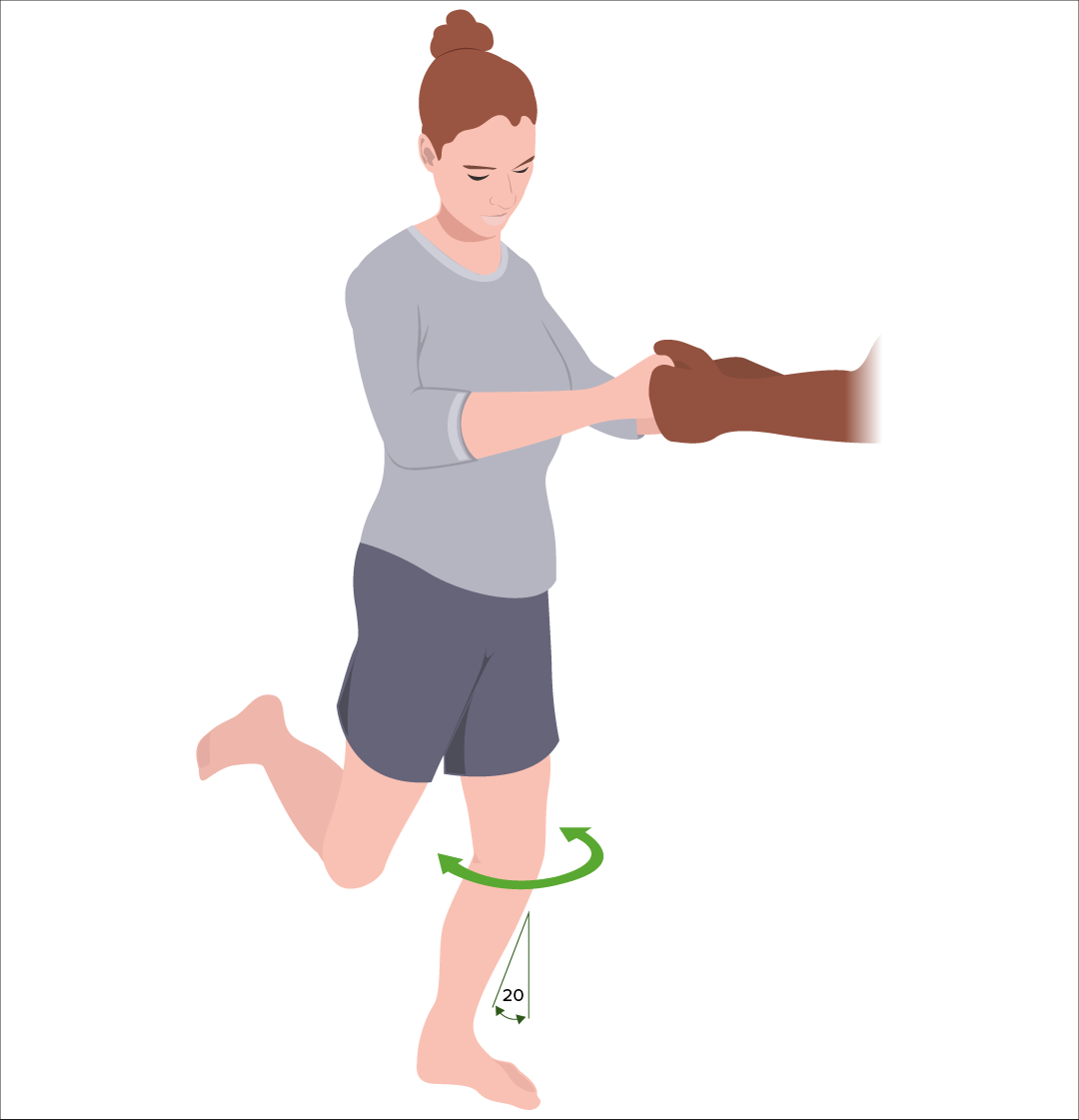
    • Prueba de Tesalia:
      • El paciente soporta peso (pie plano) sobre una pierna flexionada a 20 grados y se le pide que inicie la rotación interna y externa.
      • Una prueba positiva es la incomodidad de la línea articular o las quejas de bloqueo o enganche.
    • Prueba de McMurray:
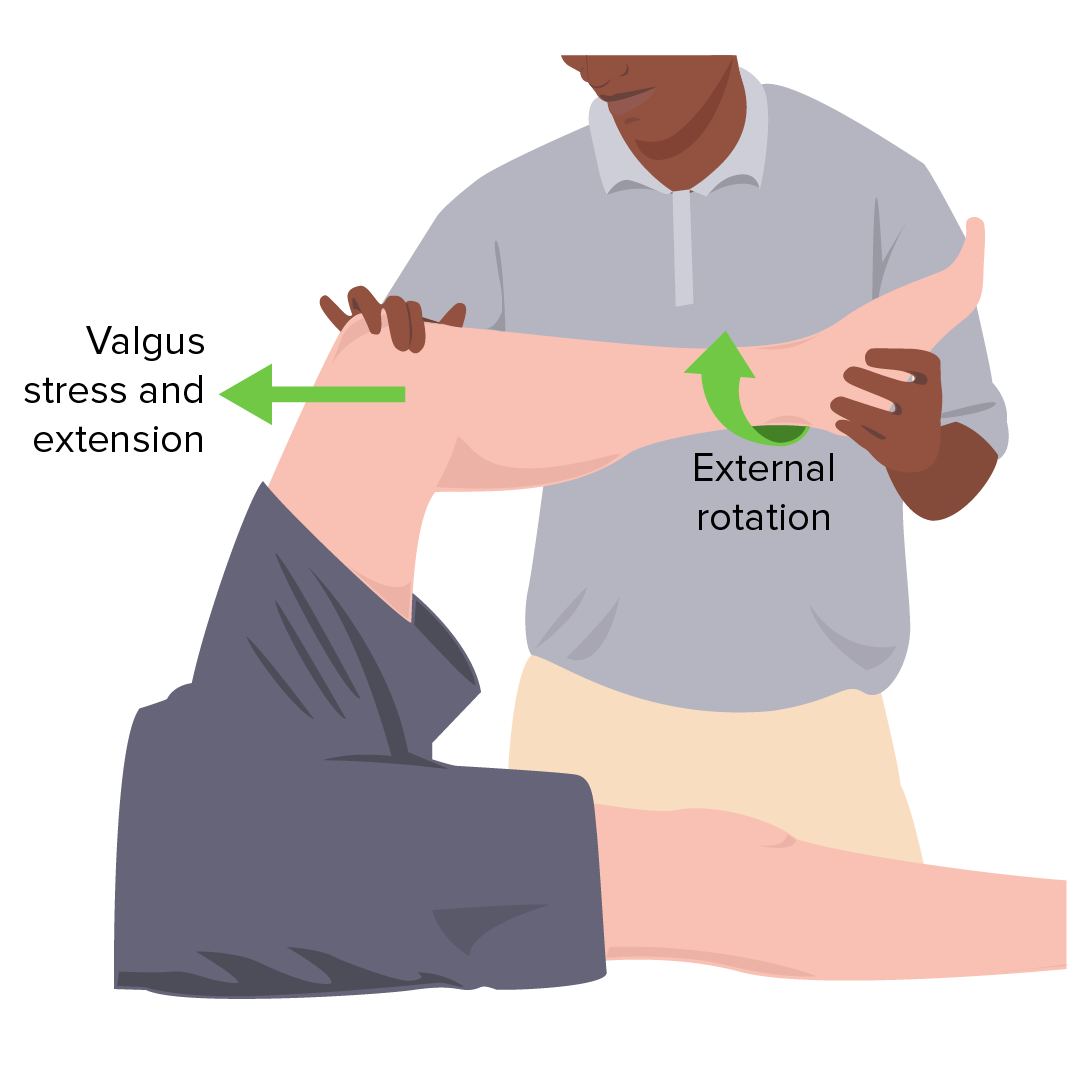
      • El paciente está en EN Erythema nodosum is an immune-mediated panniculitis (inflammation of the subcutaneous fat) caused by a type IV (delayed-type) hypersensitivity reaction. It commonly manifests in young women as tender, erythematous nodules on the shins. Erythema Nodosum decúbito supino y se moviliza la rodilla a través de su rango de movimiento con una fuerza en EN Erythema nodosum is an immune-mediated panniculitis (inflammation of the subcutaneous fat) caused by a type IV (delayed-type) hypersensitivity reaction. It commonly manifests in young women as tender, erythematous nodules on the shins. Erythema Nodosum varo o valgo asociada con rotación interna y externa del pie.
      • Una prueba positiva incluye enganches o bloqueos de la rodilla con dolor Dolor Inflammation asociado.
    • Prueba de rebote a casa:
      • El paciente está en EN Erythema nodosum is an immune-mediated panniculitis (inflammation of the subcutaneous fat) caused by a type IV (delayed-type) hypersensitivity reaction. It commonly manifests in young women as tender, erythematous nodules on the shins. Erythema Nodosum decúbito supino y su talón está apoyado mientras el examinador flexiona pasivamente la rodilla. Luego se permite que la rodilla se extienda pasivamente bajo la influencia de la gravedad.
      • La rodilla normalmente debe extenderse por completo, o “rebotar a casa”, con un final marcado.
      • Positivo si la extensión de la rodilla es incompleta o tiene una sensación de goma al AL Amyloidosis finalizar el movimiento
    • Prueba de Childress:
      • El paciente se pone en EN Erythema nodosum is an immune-mediated panniculitis (inflammation of the subcutaneous fat) caused by a type IV (delayed-type) hypersensitivity reaction. It commonly manifests in young women as tender, erythematous nodules on the shins. Erythema Nodosum cuclillas y camina como un pato.
      • La prueba es positiva si hay flexión incompleta limitada por dolor Dolor Inflammation o si se escucha un chasquido.
    • Prueba de compresión y distracción de Apley:
      • El paciente está en EN Erythema nodosum is an immune-mediated panniculitis (inflammation of the subcutaneous fat) caused by a type IV (delayed-type) hypersensitivity reaction. It commonly manifests in young women as tender, erythematous nodules on the shins. Erythema Nodosum decúbito prono, con la rodilla flexionada a 90 grados.
      • El examinador rota interna y externamente la tibia Tibia The second longest bone of the skeleton. It is located on the medial side of the lower leg, articulating with the fibula laterally, the talus distally, and the femur proximally. Knee Joint: Anatomy mientras aplica compresión y luego distracción.
      • Positivo para lesión de ligamentos si la rotación más distracción es más dolorosa o aumenta la rotación en EN Erythema nodosum is an immune-mediated panniculitis (inflammation of the subcutaneous fat) caused by a type IV (delayed-type) hypersensitivity reaction. It commonly manifests in young women as tender, erythematous nodules on the shins. Erythema Nodosum comparación con el lado normal
      • Positivo para lesión meniscal si la rotación más compresión es más dolorosa o disminución de la rotación en EN Erythema nodosum is an immune-mediated panniculitis (inflammation of the subcutaneous fat) caused by a type IV (delayed-type) hypersensitivity reaction. It commonly manifests in young women as tender, erythematous nodules on the shins. Erythema Nodosum comparación con el lado normal

Diagnóstico

Por lo general, el diagnóstico se sospecha con los LOS Neisseria antecedentes y un examen físico completo y, a menudo, se confirma con imagenología (e.g., RM) o mediante visualización directa (e.g., artroscopia).

Estudios de laboratorio

  • Solo indicados si se evalúan otros posibles diagnósticos:
    • Infección
    • Enfermedad reumatológica
  • Artrocentesis generalmente no indicada:
    • Puede estar indicada en EN Erythema nodosum is an immune-mediated panniculitis (inflammation of the subcutaneous fat) caused by a type IV (delayed-type) hypersensitivity reaction. It commonly manifests in young women as tender, erythematous nodules on the shins. Erythema Nodosum la evaluación para otros diagnósticos
    • Puede proporcionar alivio sintomático cuando hay un gran derrame

Imagenología

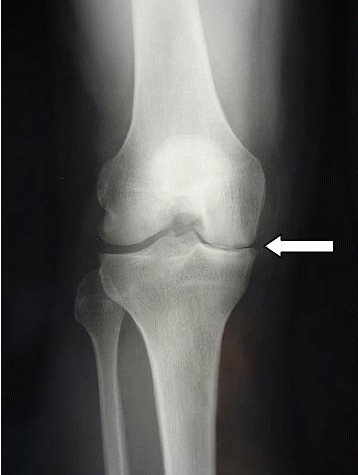
Radiografía:

  • Indicada para evaluar lesiones óseas agudas asociadas o cambios osteoartrósicos subyacentes
  • Las proyecciones de la rodilla anteroposterior, lateral, oblicua, en EN Erythema nodosum is an immune-mediated panniculitis (inflammation of the subcutaneous fat) caused by a type IV (delayed-type) hypersensitivity reaction. It commonly manifests in young women as tender, erythematous nodules on the shins. Erythema Nodosum amanecer y con soporte de peso son ideales.
Radiografía que demuestra el estrechamiento del espacio articular medial

Radiografía que demuestra el estrechamiento del espacio articular medial

Imagen: “Postoperative radiography at 3 month follow-up” por Steinmetz S, Bonnomet F, Rahme M, Adam P, Ehlinger M. Licencia: CC BY 4.0

Ultrasonido:

  • Seguro y económico
  • Capaz de visualizar desgarros de menisco periférico
  • Capacidad limitada para visualizar estructuras profundas de la rodilla.

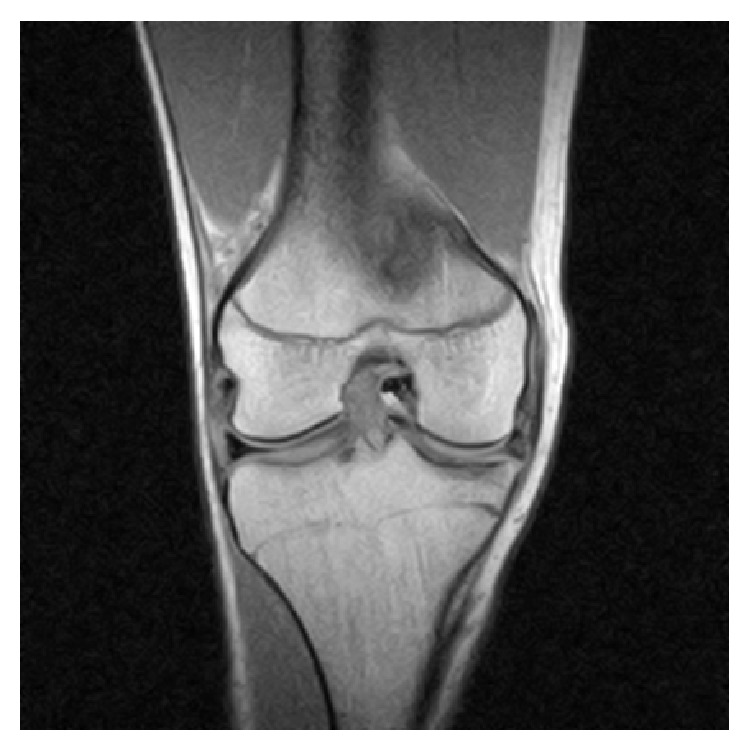
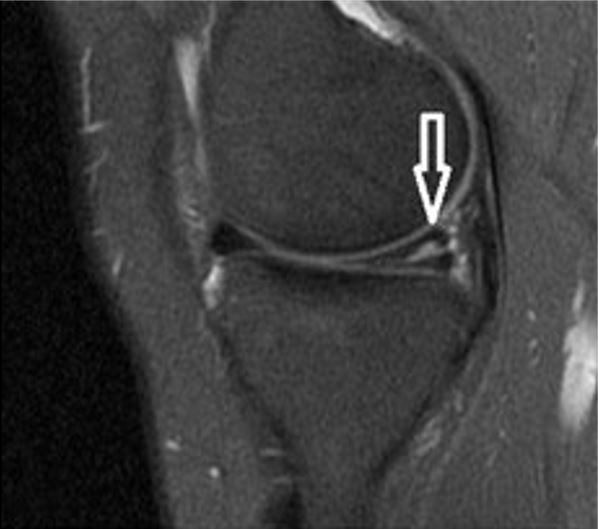
RM:

  • Modalidad de imagenología de elección para el diagnóstico y caracterización de las roturas de menisco
  • Precisión superior al AL Amyloidosis 90%
  • No siempre indicado antes de la artroscopia: puede dar información adicional sobre lesiones de ligamentos y cartílagos asociados

Artroscopia:

  • Estándar de oro para el diagnóstico del desgarro de menisco
  • Proporciona visualización directa del menisco y otros tejidos asociados.
  • Una artroscopia diagnóstica se puede convertir en EN Erythema nodosum is an immune-mediated panniculitis (inflammation of the subcutaneous fat) caused by a type IV (delayed-type) hypersensitivity reaction. It commonly manifests in young women as tender, erythematous nodules on the shins. Erythema Nodosum una artroscopia terapéutica si hay hallazgos patológicos.
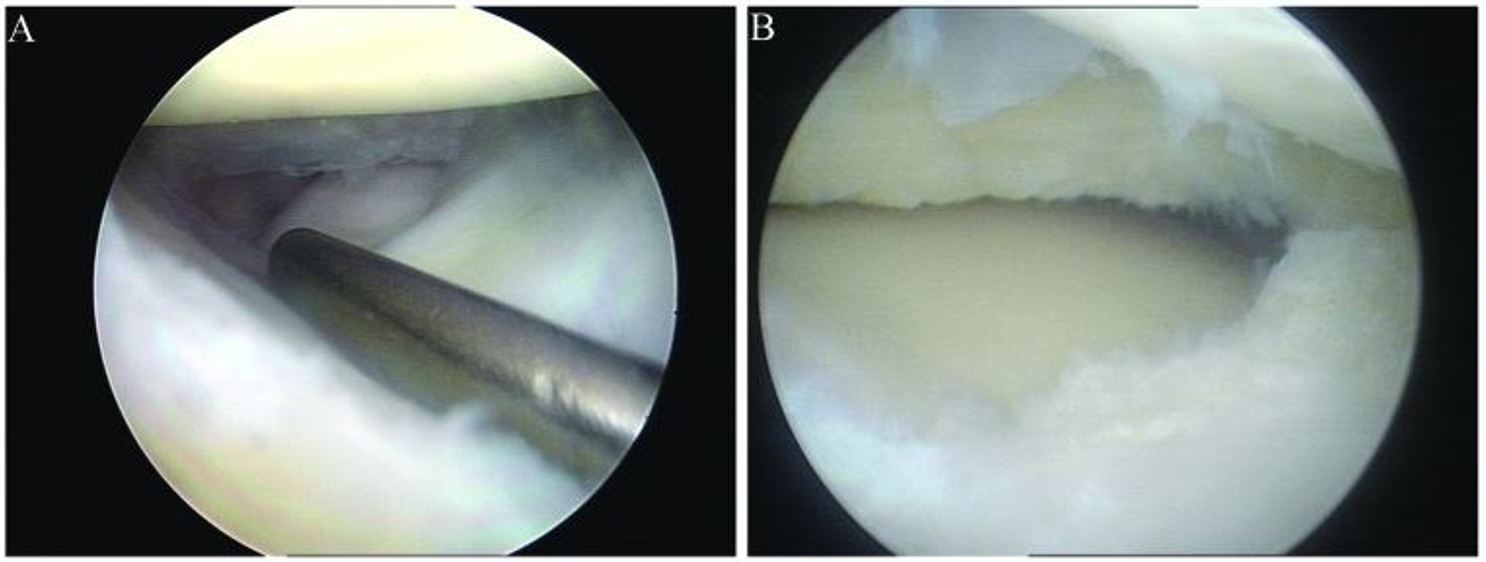
Artroscopia con reparación de menisco

Artroscopia con reparación artroscópica de menisco:
A: menisco lateral discoideo con desgarro longitudinal
B: menisco lateral discoideo tras resección parcial

Imagen: “Discoid lateral meniscus with longitudinal tear” por Cao H, Zhang Y, Qian W, Cheng XH, Ke Y, Guo XP. Licencia: CC BY 3.0

Tratamiento

El tratamiento de los LOS Neisseria desgarros de menisco depende del tipo de desgarro, la edad del paciente, la ocupación del paciente, los LOS Neisseria síntomas mecánicos asociados y otras lesiones asociadas (e.g., desgarro del ligamento cruzado anterior).

  • Los LOS Neisseria pacientes más jóvenes con desgarros meniscales inestables y dolorosos o síntomas mecánicos asociados se beneficiarán del tratamiento quirúrgico artroscópico.
  • Los LOS Neisseria pacientes mayores con desgarros meniscales degenerativos pueden beneficiarse de unas sesiones de fisioterapia.
  • Factores que indican artroscopia:
    • Pérdida de movimiento o una rodilla “bloqueada”
    • Lesión ligamentosa asociada (e.g., desgarro del ligamento cruzado anterior)
    • Sin mejoría con tratamientos conservadores

Tratamiento conservador

Tratamiento conservador indicado como tratamiento inicial en EN Erythema nodosum is an immune-mediated panniculitis (inflammation of the subcutaneous fat) caused by a type IV (delayed-type) hypersensitivity reaction. It commonly manifests in young women as tender, erythematous nodules on the shins. Erythema Nodosum desgarros degenerativos en EN Erythema nodosum is an immune-mediated panniculitis (inflammation of the subcutaneous fat) caused by a type IV (delayed-type) hypersensitivity reaction. It commonly manifests in young women as tender, erythematous nodules on the shins. Erythema Nodosum pacientes mayores o previo a la artroscopia en EN Erythema nodosum is an immune-mediated panniculitis (inflammation of the subcutaneous fat) caused by a type IV (delayed-type) hypersensitivity reaction. It commonly manifests in young women as tender, erythematous nodules on the shins. Erythema Nodosum pacientes más jóvenes:
  • RICE (Rest, Ice, Compression, and Elevation) (reposo, hielo, compresión y elevación, en EN Erythema nodosum is an immune-mediated panniculitis (inflammation of the subcutaneous fat) caused by a type IV (delayed-type) hypersensitivity reaction. It commonly manifests in young women as tender, erythematous nodules on the shins. Erythema Nodosum inglés)
  • Analgésicos orales según sea necesario
  • Se pueden usar aparatos ortopédicos, rodilleras y muletas durante un breve período para el alivio sintomático.
  • Fisioterapia:
    • Comenzar con rango de movimiento y fortalecimiento de cuádriceps
    • Avance basado en EN Erythema nodosum is an immune-mediated panniculitis (inflammation of the subcutaneous fat) caused by a type IV (delayed-type) hypersensitivity reaction. It commonly manifests in young women as tender, erythematous nodules on the shins. Erythema Nodosum los LOS Neisseria síntomas
    • Entrenamiento cruzado para ejercicios específicos si corresponde (e.g., natación, ciclismo)

Tratamiento quirúrgico

  • Indicaciones de la artroscopia:
    • Síntomas mecánicos
    • Dolor Dolor Inflammation persistente y derrame
    • Lesiones ligamentosas asociadas
    • Falta de respuesta al AL Amyloidosis tratamiento conservador inicial
  • La artroscopia se utiliza con fines diagnósticos y terapéuticos.
  • Se prefiere la reparación meniscal a la meniscectomía parcial:
    • Para desgarros grandes
    • Desgarros de menisco en EN Erythema nodosum is an immune-mediated panniculitis (inflammation of the subcutaneous fat) caused by a type IV (delayed-type) hypersensitivity reaction. It commonly manifests in young women as tender, erythematous nodules on the shins. Erythema Nodosum pacientes jóvenes
  • Se ha HA Hemolytic anemia (HA) is the term given to a large group of anemias that are caused by the premature destruction/hemolysis of circulating red blood cells (RBCs). Hemolysis can occur within (intravascular hemolysis) or outside the blood vessels (extravascular hemolysis). Hemolytic Anemia demostrado que la meniscectomía total acelera la osteoartritis por lo que se evita.
  • El trasplante de menisco con un aloinjerto de cadáver se usa ocasionalmente en EN Erythema nodosum is an immune-mediated panniculitis (inflammation of the subcutaneous fat) caused by a type IV (delayed-type) hypersensitivity reaction. It commonly manifests in young women as tender, erythematous nodules on the shins. Erythema Nodosum pacientes jóvenes con trauma meniscal importante.

Rehabilitación

  • La rehabilitación depende de:
    • Edad del paciente
    • Ocupación/práctica de algún deporte
    • Tipo de lesión meniscal
    • Tipo de tratamiento del desgarro de menisco (conservador vs quirúrgico)
  • Objetivos de la rehabilitación:
    • Mejoría progresiva del rango de movimiento
    • Acondicionamiento aeróbico y entrenamiento de fuerza
    • Volver a los LOS Neisseria niveles normales de actividad
  • La rehabilitación después de la reparación de meniscos o el trasplante de meniscos es similar, excepto por las restricciones en EN Erythema nodosum is an immune-mediated panniculitis (inflammation of the subcutaneous fat) caused by a type IV (delayed-type) hypersensitivity reaction. It commonly manifests in young women as tender, erythematous nodules on the shins. Erythema Nodosum el rango de movimiento y el estado de soporte de peso.

Complicaciones

  • Lesión recurrente de menisco observada con el tratamiento quirúrgico y no quirúrgico
  • Artrosis prematura secundaria a pérdida de menisco

Pronóstico

Los LOS Neisseria resultados a largo plazo dependen de:

  • Tipo de desgarro
  • Tipo de reparación
  • Cantidad de menisco extraído durante los LOS Neisseria procedimientos quirúrgicos
  • Edad del paciente
  • Condición subyacente de la rodilla

Relevancia Clínica

Diagnóstico diferencial

  • Síndrome de la banda iliotibial: causa de dolor Dolor Inflammation lateral de rodilla, atribuido a la fricción repetitiva entre la banda iliotibial y el cóndilo femoral lateral (lesión por uso excesivo). El síndrome de la banda iliotibial se observa con frecuencia en EN Erythema nodosum is an immune-mediated panniculitis (inflammation of the subcutaneous fat) caused by a type IV (delayed-type) hypersensitivity reaction. It commonly manifests in young women as tender, erythematous nodules on the shins. Erythema Nodosum atletas y personal militar. El diagnóstico es clínico. El tratamiento conservador incluye RICE y fisioterapia. Las inyecciones de corticosteroides se pueden utilizar en EN Erythema nodosum is an immune-mediated panniculitis (inflammation of the subcutaneous fat) caused by a type IV (delayed-type) hypersensitivity reaction. It commonly manifests in young women as tender, erythematous nodules on the shins. Erythema Nodosum casos refractarios.
  • Osteocondritis disecante de rodilla: trastorno ortopédico caracterizado por el desprendimiento de un segmento de hueso y cartílago subcondral debido a una necrosis Necrosis The death of cells in an organ or tissue due to disease, injury or failure of the blood supply. Ischemic Cell Damage aséptica focal. El trastorno puede ocurrir a cualquier edad, pero se observa con mayor frecuencia en EN Erythema nodosum is an immune-mediated panniculitis (inflammation of the subcutaneous fat) caused by a type IV (delayed-type) hypersensitivity reaction. It commonly manifests in young women as tender, erythematous nodules on the shins. Erythema Nodosum adolescentes que participan en EN Erythema nodosum is an immune-mediated panniculitis (inflammation of the subcutaneous fat) caused by a type IV (delayed-type) hypersensitivity reaction. It commonly manifests in young women as tender, erythematous nodules on the shins. Erythema Nodosum deportes competitivos. El diagnóstico es por rayos X. El tratamiento conservador incluye RICE y fisioterapia. La intervención artroscópica puede ser necesaria en EN Erythema nodosum is an immune-mediated panniculitis (inflammation of the subcutaneous fat) caused by a type IV (delayed-type) hypersensitivity reaction. It commonly manifests in young women as tender, erythematous nodules on the shins. Erythema Nodosum casos refractarios.
  • Radiculopatía lumbosacra: dolor Dolor Inflammation causado por irritación o compresión de la raíz nerviosa lumbar. La radiculopatía lumbosacra se suele atribuir a hernia Hernia Protrusion of tissue, structure, or part of an organ through the bone, muscular tissue, or the membrane by which it is normally contained. Hernia may involve tissues such as the abdominal wall or the respiratory diaphragm. Hernias may be internal, external, congenital, or acquired. Abdominal Hernias discal, degeneración vertebral y estrechamiento neuroforaminal. La presentación incluye lumbalgia con irradiación dermatomal Dermatomal Dermatologic Examination a miembros inferiores, acompañada de parestesias, debilidad muscular miotomal e hiporreflexia. El diagnóstico es clínico y se confirma por resonancia magnética. El tratamiento conservador incluye RICE y fisioterapia. Los LOS Neisseria casos refractarios pueden requerir inyección epidural de esteroides o descompresión quirúrgica.

Condiciones/lesiones asociadas

  • Lesión del ligamento cruzado anterior y posterior: las lesiones del ligamento cruzado anterior ocurren con mayor frecuencia secundarias a lesiones por desaceleración sin contacto, y también se observan en EN Erythema nodosum is an immune-mediated panniculitis (inflammation of the subcutaneous fat) caused by a type IV (delayed-type) hypersensitivity reaction. It commonly manifests in young women as tender, erythematous nodules on the shins. Erythema Nodosum deportes de contacto secundarias a traumatismos. Las lesiones del cruzado posterior se observan en EN Erythema nodosum is an immune-mediated panniculitis (inflammation of the subcutaneous fat) caused by a type IV (delayed-type) hypersensitivity reaction. It commonly manifests in young women as tender, erythematous nodules on the shins. Erythema Nodosum los LOS Neisseria deportes de contacto y en EN Erythema nodosum is an immune-mediated panniculitis (inflammation of the subcutaneous fat) caused by a type IV (delayed-type) hypersensitivity reaction. It commonly manifests in young women as tender, erythematous nodules on the shins. Erythema Nodosum los LOS Neisseria traumatismos de alta energía, como los LOS Neisseria accidentes automovilísticos. Ambas lesiones pueden tener un trauma meniscal asociado.
  • Síndrome de dolor Dolor Inflammation patelofemoral: presencia de dolor Dolor Inflammation vago en EN Erythema nodosum is an immune-mediated panniculitis (inflammation of the subcutaneous fat) caused by a type IV (delayed-type) hypersensitivity reaction. It commonly manifests in young women as tender, erythematous nodules on the shins. Erythema Nodosum la parte anterior de la rodilla, generalmente sin cambios estructurales en EN Erythema nodosum is an immune-mediated panniculitis (inflammation of the subcutaneous fat) caused by a type IV (delayed-type) hypersensitivity reaction. It commonly manifests in young women as tender, erythematous nodules on the shins. Erythema Nodosum el cartílago articular que se consideren patológicos. Se puede sospechar el síndrome de dolor Dolor Inflammation patelofemoral en EN Erythema nodosum is an immune-mediated panniculitis (inflammation of the subcutaneous fat) caused by a type IV (delayed-type) hypersensitivity reaction. It commonly manifests in young women as tender, erythematous nodules on the shins. Erythema Nodosum un paciente con síntomas meniscales.
  • Fracturas de tibia Tibia The second longest bone of the skeleton. It is located on the medial side of the lower leg, articulating with the fibula laterally, the talus distally, and the femur proximally. Knee Joint: Anatomy y peroné: las fracturas intraarticulares del fémur distal o de la tibia Tibia The second longest bone of the skeleton. It is located on the medial side of the lower leg, articulating with the fibula laterally, the talus distally, and the femur proximally. Knee Joint: Anatomy proximal pueden tener lesiones meniscales asociadas.
  • Osteoartritis: la forma más común de artritis. La osteoartritis se debe a la destrucción del cartílago y cambios en EN Erythema nodosum is an immune-mediated panniculitis (inflammation of the subcutaneous fat) caused by a type IV (delayed-type) hypersensitivity reaction. It commonly manifests in young women as tender, erythematous nodules on the shins. Erythema Nodosum el hueso subcondral en EN Erythema nodosum is an immune-mediated panniculitis (inflammation of the subcutaneous fat) caused by a type IV (delayed-type) hypersensitivity reaction. It commonly manifests in young women as tender, erythematous nodules on the shins. Erythema Nodosum las articulaciones que soportan peso. El riesgo de desarrollar este trastorno aumenta con la edad, la obesidad y los LOS Neisseria traumatismos. Los LOS Neisseria cambios degenerativos también están comúnmente presentes y las lesiones meniscales predisponen al AL Amyloidosis paciente al AL Amyloidosis desarrollo de osteoartritis prematura.

Referencias

  1. Lafferty, PM, & Cole, PA. (2025). In Browner, BD, et al. (Eds.), Tibial Plateau Fractures. pp. 2181–2276. https://pubmed.ncbi.nlm.nih.gov/29261932/
  2. Hansen, JT. (2019). Lower limb. In Netter’s Clinical Anatomy. pp. 291–366. https://www.worldcat.org/title/netters-clinical-anatomy/oclc/1017817783
  3. Raj, MA, & Bubnis, MA. (2023). Knee meniscal tears. StatPearls. Treasure Island (FL): StatPearls Publishing. http://www.ncbi.nlm.nih.gov/books/NBK431067/
  4. Cardone, D. A., & Jacobs, B. C. (2024). Meniscus injury of the knee. UpToDate. Retrieved May 20, 2025, from https://www.uptodate.com/contents/meniscus-injury-of-the-knee
  5. Lento, P, Marshall, B, & Akuthota, V. (2020). Chapter 72: Meniscal injuries. In Frontera, W.R., et al. (Eds.). pp. 403–409. Elsevier.

¡Crea tu cuenta gratis o inicia una sesión para seguir leyendo!

Regístrate ahora y obtén acceso gratuito a Lecturio con páginas de concepto, videos médicos y cuestionarios para tu educación médica.

User Reviews

Que tengas una sesión de estudio alegre y navideña 🎁 Ahorra 50% en todos los planes >>

Details