Domina Conceptos Médicos

Estudia para la escuela de medicina y tus examenes con Lecturio.

Colestasis en Neonatos y Lactantes Pequeños

La colestasis en neonatos y lactantes pequeños es una hiperbilirrubinemia conjugada en los 1ros 3 meses de vida debido a una excreción de bilis alterada. Las malformaciones de las vías biliares que involucran la vesícula biliar y el conducto biliar se agrupan en colangiopatías obliterantes quísticas y no quísticas, la más común de las cuales es la atresia biliar. Las causas menos comunes incluyen el síndrome genético de Alagille, causas infecciosas y trastornos metabólicos. La presentación clínica es con ictericia obstructiva. El ultrasonido y la colangiopancreatografía con resonancia magnética son herramientas de diagnóstico útiles y, a veces, se realiza un diagnóstico prenatal con ultrasonido. Las causas quísticas frecuentemente requieren cirugía para corregir el defecto y permitir el crecimiento normal del niño. El trasplante de hígado puede ser necesario en casos de atresia biliar con hipertensión portal.

Last updated: Dec 15, 2025

Editorial responsibility: Stanley Oiseth, Lindsay Jones, Evelin Maza

Descripción General

Definición

La colestasis en EN Erythema nodosum is an immune-mediated panniculitis (inflammation of the subcutaneous fat) caused by a type IV (delayed-type) hypersensitivity reaction. It commonly manifests in young women as tender, erythematous nodules on the shins. Erythema Nodosum recién nacidos y lactantes pequeños es una hiperbilirrubinemia conjugada en EN Erythema nodosum is an immune-mediated panniculitis (inflammation of the subcutaneous fat) caused by a type IV (delayed-type) hypersensitivity reaction. It commonly manifests in young women as tender, erythematous nodules on the shins. Erythema Nodosum los LOS Neisseria 1ros 3 meses de vida debido a una excreción de bilis alterada.

Etiología

Las malformaciones de las vías biliares que involucran la vesícula biliar y el conducto biliar se agrupan en EN Erythema nodosum is an immune-mediated panniculitis (inflammation of the subcutaneous fat) caused by a type IV (delayed-type) hypersensitivity reaction. It commonly manifests in young women as tender, erythematous nodules on the shins. Erythema Nodosum colangiopatías obliterantes quísticas y no quísticas, la más común de las cuales es la atresia Atresia Hypoplastic Left Heart Syndrome (HLHS) biliar. Las causas menos comunes incluyen el síndrome genético de Alagille, causas infecciosas y trastornos metabólicos.
  • Causas obstructivas:
  • Causas infecciosas:
    • Infecciones TORCH:
      • T Toxoplasmosis Toxoplasmosis Toxoplasmosis is an infectious disease caused by Toxoplasma gondii, an obligate intracellular protozoan parasite. Felines are the definitive host, but transmission to humans can occur through contact with cat feces or the consumption of contaminated foods. The clinical presentation and complications depend on the host’s immune status. Toxoplasma/Toxoplasmosis
      • O – Otras (sífilis)
      • R – Rubéola
      • C – Citomegalovirus (CMV)
      • H Herpes simplex Herpes Simplex A group of acute infections caused by herpes simplex virus type 1 or type 2 that is characterized by the development of one or more small fluid-filled vesicles with a raised erythematous base on the skin or mucous membrane. It occurs as a primary infection or recurs due to a reactivation of a latent infection. Congenital TORCH Infections virus Virus Viruses are infectious, obligate intracellular parasites composed of a nucleic acid core surrounded by a protein capsid. Viruses can be either naked (non-enveloped) or enveloped. The classification of viruses is complex and based on many factors, including type and structure of the nucleoid and capsid, the presence of an envelope, the replication cycle, and the host range. Virology ( virus Virus Viruses are infectious, obligate intracellular parasites composed of a nucleic acid core surrounded by a protein capsid. Viruses can be either naked (non-enveloped) or enveloped. The classification of viruses is complex and based on many factors, including type and structure of the nucleoid and capsid, the presence of an envelope, the replication cycle, and the host range. Virology herpes simple ( HSV HSV Herpes simplex virus (HSV) is a double-stranded DNA virus belonging to the family Herpesviridae. Herpes simplex virus commonly causes recurrent infections involving the skin and mucosal surfaces, including the mouth, lips, eyes, and genitals. Herpes Simplex Virus 1 and 2, por sus siglas en EN Erythema nodosum is an immune-mediated panniculitis (inflammation of the subcutaneous fat) caused by a type IV (delayed-type) hypersensitivity reaction. It commonly manifests in young women as tender, erythematous nodules on the shins. Erythema Nodosum inglés))
    • Infecciones virales:
      • Echovirus Echovirus Echoviruses are single-stranded positive-sense RNA viruses belonging to the genus Enterovirus. Transmission is most commonly through the fecal-oral route. The majority of patients are asymptomatic. Patients who are symptomatic can exhibit a wide range of illnesses ranging from nonspecific URIs and exanthems to severe and life-threatening illnesses. Echovirus
      • Adenovirus Adenovirus Adenovirus (member of the family Adenoviridae) is a nonenveloped, double-stranded DNA virus. Adenovirus is transmitted in a variety of ways, and it can have various presentations based on the site of entry. Presentation can include febrile pharyngitis, conjunctivitis, acute respiratory disease, atypical pneumonia, and gastroenteritis. Adenovirus
      • Parvovirus B19 Parvovirus B19 Primate erythroparvovirus 1 (generally referred to as parvovirus B19, B19 virus, or sometimes erythrovirus B19) ranks among the smallest DNA viruses. Parvovirus B19 is of the family Parvoviridae and genus Erythrovirus. In immunocompetent humans, parvovirus B19 classically results in erythema infectiosum (5th disease) or “slapped cheek syndrome.” Parvovirus B19
    • Infección neonatal del tracto urinario
  • Causas genéticas:
    • Síndrome de Alagille (escasez sindrómica de los LOS Neisseria conductos biliares interlobulillares)
    • Deficiencia de alfa-1 antitripsina
    • Colestasis intrahepática familiar progresiva
    • Fibrosis Fibrosis Any pathological condition where fibrous connective tissue invades any organ, usually as a consequence of inflammation or other injury. Bronchiolitis Obliterans quística
  • Trastornos metabólicos/errores innatos del metabolismo:
    • Metabolismo de los LOS Neisseria carbohidratos: galactosemia Galactosemia Galactosemia is a disorder caused by defects in galactose metabolism. Galactosemia is an inherited, autosomal-recessive condition, which results in inadequate galactose processing and high blood levels of monosaccharide. The rare disorder often presents in infants with symptoms of lethargy, nausea, vomiting, diarrhea, and jaundice. Galactosemia
    • Aminoácidos: tirosinemia
    • Lípidos:
      • Niemann-Pick tipo C
      • Enfermedad de Gaucher tipo 2
    • Trastornos del metabolismo de los LOS Neisseria ácidos biliares
  • Tóxicas
    • Enfermedad hepática asociada a insuficiencia intestinal (nutrición parenteral)
    • Medicamentos
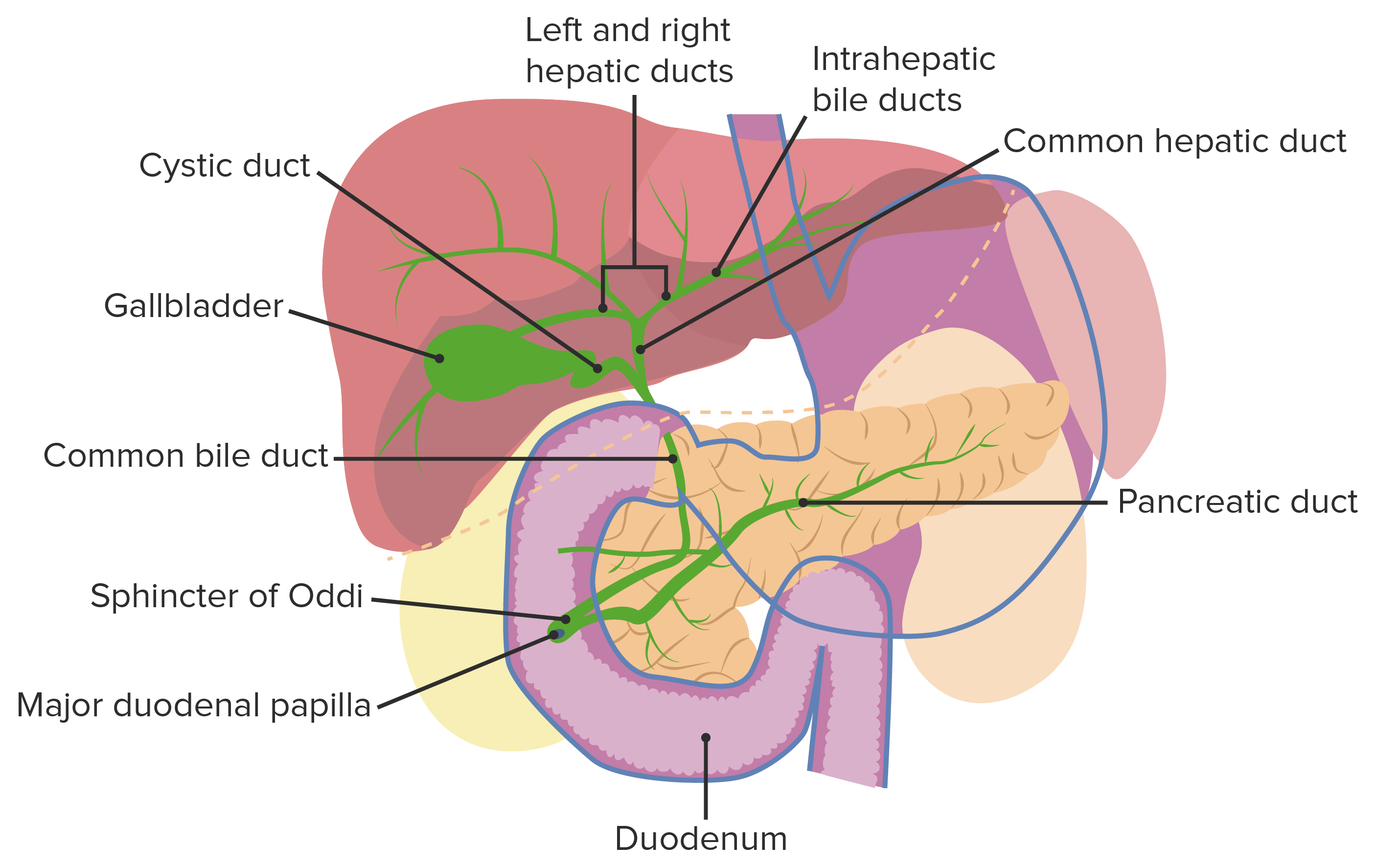
Vesícula biliar y vías biliares

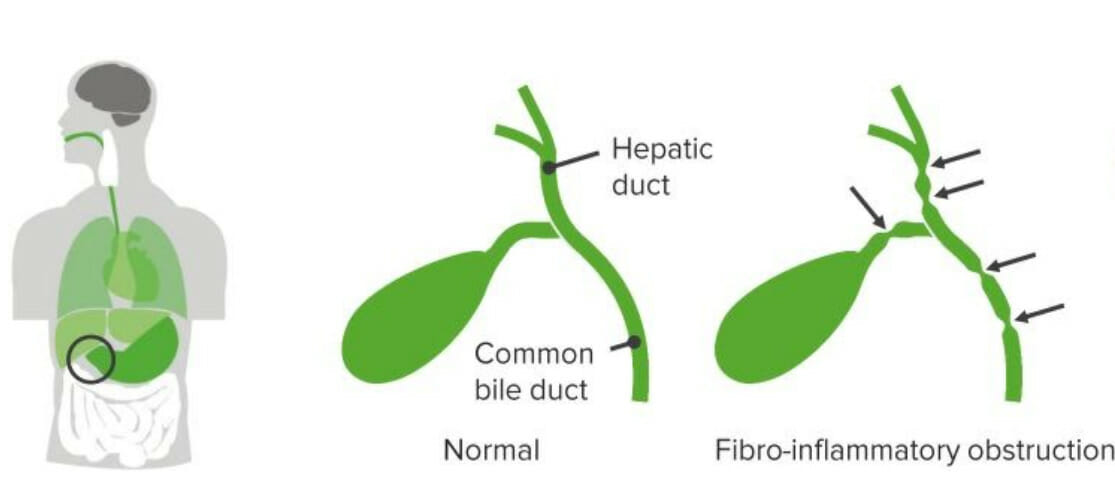
Anatomía normal del tracto biliar

Imagen por Lecturio.

Atresia Biliar

La atresia Atresia Hypoplastic Left Heart Syndrome (HLHS) biliar es una obliteración idiopática, progresiva y fibrótica del árbol biliar extrahepático que se presenta con obstrucción biliar dentro de los LOS Neisseria 1ros 3 meses de vida.
  • Clasificación:
    • Forma neonatal (80%–90% de los LOS Neisseria pacientes):
      • Atresia Atresia Hypoplastic Left Heart Syndrome (HLHS) biliar aislada
      • El neonato es normal al AL Amyloidosis nacer; la obliteración progresiva de los LOS Neisseria conductos biliares extrahepáticos se desarrolla en EN Erythema nodosum is an immune-mediated panniculitis (inflammation of the subcutaneous fat) caused by a type IV (delayed-type) hypersensitivity reaction. It commonly manifests in young women as tender, erythematous nodules on the shins. Erythema Nodosum cuestión de semanas.
    • Forma embrionaria o fetal:
      • Presente al AL Amyloidosis nacer
      • Asociada con otras anomalías congénitas (situs inversus, poliesplenia, malrotación intestinal, cardiopatía)
    • Gravedad de la obstrucción:
      • No corregible: la obliteración de todo el árbol biliar extrahepático se observa en EN Erythema nodosum is an immune-mediated panniculitis (inflammation of the subcutaneous fat) caused by a type IV (delayed-type) hypersensitivity reaction. It commonly manifests in young women as tender, erythematous nodules on the shins. Erythema Nodosum aproximadamente el 85% de los LOS Neisseria casos
      • Forma corregible quirúrgicamente (menos común): obliteración del conducto biliar segmentario distal con conductos extrahepáticos permeables
  • Epidemiología:
    • 1 en EN Erythema nodosum is an immune-mediated panniculitis (inflammation of the subcutaneous fat) caused by a type IV (delayed-type) hypersensitivity reaction. It commonly manifests in young women as tender, erythematous nodules on the shins. Erythema Nodosum 10 000–15 000 nacidos vivos
    • Más común en EN Erythema nodosum is an immune-mediated panniculitis (inflammation of the subcutaneous fat) caused by a type IV (delayed-type) hypersensitivity reaction. It commonly manifests in young women as tender, erythematous nodules on the shins. Erythema Nodosum la población de Asia ASIA Spinal Cord Injuries oriental
    • Es poco probable que ocurra dentro de la misma familia
  • Etiología: se desconoce la patogenia, pero se han implicado varios mecanismos:
    • Viral
    • Respuesta inflamatoria mediada por toxinas
    • Factores genéticos
    • Etiologías inmunitarias
  • Fisiopatología:
    • La afección perinatal (posible infección viral) causa lesión del conducto biliar.
    • Respuesta inmunológica → infiltración inflamatoria y obstrucción
    • Proliferación epitelial → esclerosis progresiva → obliteración de vías biliares extrahepáticas y atresia Atresia Hypoplastic Left Heart Syndrome (HLHS) en EN Erythema nodosum is an immune-mediated panniculitis (inflammation of the subcutaneous fat) caused by a type IV (delayed-type) hypersensitivity reaction. It commonly manifests in young women as tender, erythematous nodules on the shins. Erythema Nodosum los LOS Neisseria 1ros meses de vida
    • Colestasis → lesión hepatocelular con cirrosis secundaria
  • Presentación clínica:
    • Puede no estar presente al AL Amyloidosis nacer y puede aparecer durante las 1ras 2 semanas
    • Puede mostrar apetito y crecimiento normales durante las primeras semanas
    • Grados variables de:
      • Ictericia, ictericia escleral
      • Orina oscura (bilirrubinuria)
      • Heces acólicas (pálidas)
      • Hepatomegalia
      • Puede desarrollarse esplenomegalia gradualmente debido a hipertensión portal.
    • La ictericia fisiológica (hiperbilirrubinemia indirecta; se resuelve en EN Erythema nodosum is an immune-mediated panniculitis (inflammation of the subcutaneous fat) caused by a type IV (delayed-type) hypersensitivity reaction. It commonly manifests in young women as tender, erythematous nodules on the shins. Erythema Nodosum 2 semanas) regresa después de 8 semanas (hiperbilirrubinemia directa, patológica)
    • Los LOS Neisseria soplos cardíacos pueden sugerir anomalías asociadas.
  • Diagnóstico:
    • Tamizaje en EN Erythema nodosum is an immune-mediated panniculitis (inflammation of the subcutaneous fat) caused by a type IV (delayed-type) hypersensitivity reaction. It commonly manifests in young women as tender, erythematous nodules on the shins. Erythema Nodosum poblaciones de alto riesgo: tarjeta colorimétrica visual para las heces
    • Laboratorios:
      • Bilirrubina total y directa (conjugada): ambas elevadas
      • Patrón obstructivo de enzimas hepáticas: elevación significativa de la fosfatasa alcalina, elevación leve de alanina aminotransferasa ( ALT ALT An enzyme that catalyzes the conversion of l-alanine and 2-oxoglutarate to pyruvate and l-glutamate. Liver Function Tests) y aspartato aminotransferasa ( AST AST Enzymes of the transferase class that catalyze the conversion of l-aspartate and 2-ketoglutarate to oxaloacetate and l-glutamate. Liver Function Tests)
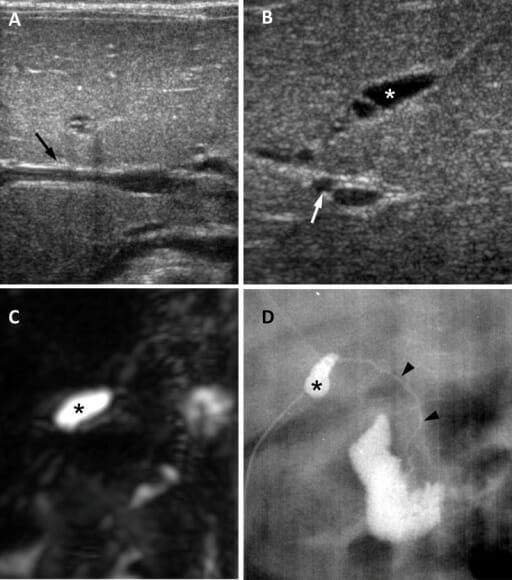
    • El ultrasonido abdominal puede identificar:
      • Otras causas de colestasis neonatal
      • Anomalías asociadas como poliesplenia
      • Vesícula biliar hipoplásica o ausente
      • Signo del cordón triangular: representa el remanente ductal fibroso del conducto biliar extrahepático en EN Erythema nodosum is an immune-mediated panniculitis (inflammation of the subcutaneous fat) caused by a type IV (delayed-type) hypersensitivity reaction. It commonly manifests in young women as tender, erythematous nodules on the shins. Erythema Nodosum la atresia Atresia Hypoplastic Left Heart Syndrome (HLHS) biliar
    • La colangiopancreatografía por resonancia magnética puede estar indicada para la evaluación preoperatoria.
    • Biopsia hepática percutánea:
      • Prueba más valiosa
      • Muestra proliferación y taponamiento de conductos biliares con estructura lobulillar relativamente intacta
  • Tratamiento:
    • Laparotomía exploratoria + colangiografía directa (preferiblemente antes de las 8 semanas de vida)
    • Se corrigen las lesiones quirúrgicamente corregibles.
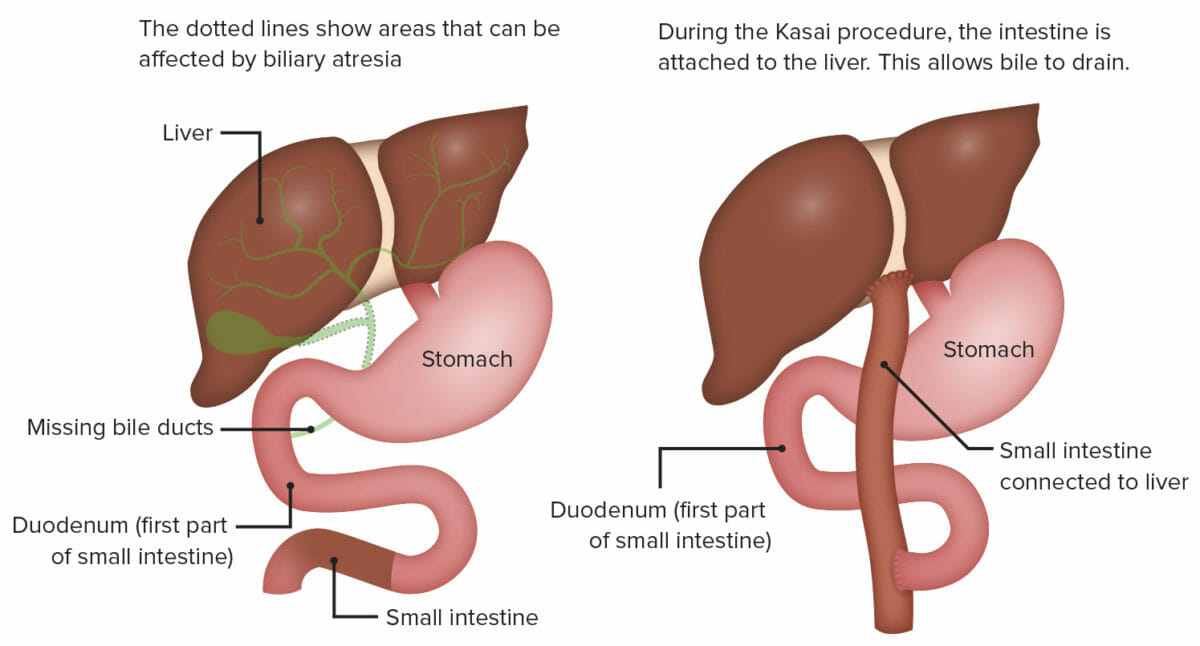
    • Lesiones no corregibles: tratadas a corto plazo con una portoenterostomía (procedimiento de Kasai)
      • El hígado se anastomosa a una porción de intestino, lo que permite que múltiples restos de conductos biliares pequeños se vacíen en EN Erythema nodosum is an immune-mediated panniculitis (inflammation of the subcutaneous fat) caused by a type IV (delayed-type) hypersensitivity reaction. It commonly manifests in young women as tender, erythematous nodules on the shins. Erythema Nodosum el intestino.
      • Este procedimiento retrasa la aparición de la cirrosis y permite un crecimiento normal.
      • La mayoría de los LOS Neisseria individuos con lesiones no corregibles eventualmente desarrollan hipertensión portal y disfunción hepática recurrente.
      • El trasplante de hígado realizado más tarde es curativo.

Related videos

Síndrome de Alagille

El síndrome de Alagille es un trastorno genético caracterizado por una escasez de conductos biliares en EN Erythema nodosum is an immune-mediated panniculitis (inflammation of the subcutaneous fat) caused by a type IV (delayed-type) hypersensitivity reaction. It commonly manifests in young women as tender, erythematous nodules on the shins. Erythema Nodosum el hígado, lo que lleva a la colestasis. Este síndrome también afecta a otros órganos.
  • Etiología:
    • Mutaciones autosómicas dominantes en EN Erythema nodosum is an immune-mediated panniculitis (inflammation of the subcutaneous fat) caused by a type IV (delayed-type) hypersensitivity reaction. It commonly manifests in young women as tender, erythematous nodules on the shins. Erythema Nodosum el gen JAG1 en EN Erythema nodosum is an immune-mediated panniculitis (inflammation of the subcutaneous fat) caused by a type IV (delayed-type) hypersensitivity reaction. It commonly manifests in young women as tender, erythematous nodules on the shins. Erythema Nodosum > 90% de los LOS Neisseria pacientes
    • Otros tienen mutaciones en EN Erythema nodosum is an immune-mediated panniculitis (inflammation of the subcutaneous fat) caused by a type IV (delayed-type) hypersensitivity reaction. It commonly manifests in young women as tender, erythematous nodules on the shins. Erythema Nodosum el gen NOTCH2.
  • Presentación clínica:
    • Manifestaciones hepáticas:
      • Escasez de conductos biliares interlobulillares
      • Colestasis crónica ( en EN Erythema nodosum is an immune-mediated panniculitis (inflammation of the subcutaneous fat) caused by a type IV (delayed-type) hypersensitivity reaction. It commonly manifests in young women as tender, erythematous nodules on the shins. Erythema Nodosum 90%)
      • Ictericia
      • Cirrosis
      • Prurito (80%)
      • Xantomas
    • Soplo o anomalías cardíacas en EN Erythema nodosum is an immune-mediated panniculitis (inflammation of the subcutaneous fat) caused by a type IV (delayed-type) hypersensitivity reaction. It commonly manifests in young women as tender, erythematous nodules on the shins. Erythema Nodosum 85%–91%, más comúnmente estenosis pulmonar
    • Displasia renal
    • Vértebras en EN Erythema nodosum is an immune-mediated panniculitis (inflammation of the subcutaneous fat) caused by a type IV (delayed-type) hypersensitivity reaction. It commonly manifests in young women as tender, erythematous nodules on the shins. Erythema Nodosum mariposa
    • Rasgos faciales típicos:
      • Facies “triangular” con frente prominente, puente nasal ancho y mentón puntiagudo
      • Ojos hundidos
    • Anormalidades menores en EN Erythema nodosum is an immune-mediated panniculitis (inflammation of the subcutaneous fat) caused by a type IV (delayed-type) hypersensitivity reaction. It commonly manifests in young women as tender, erythematous nodules on the shins. Erythema Nodosum el crecimiento y discapacidad intelectual
  • Diagnóstico:
    • Hallazgos de laboratorio:
      • Hiperbilirrubinemia conjugada
      • Enzimas hepáticas elevadas (aminotransferasas) y aumento desproporcionado de gamma-glutamil transpeptidasa
    • Biopsia hepática: número reducido de conductos biliares interlobulillares
    • Pruebas genéticas para confirmar la mutación genética
  • Tratamiento:
    • La enfermedad hepática colestásica es de gravedad variable Variable Variables represent information about something that can change. The design of the measurement scales, or of the methods for obtaining information, will determine the data gathered and the characteristics of that data. As a result, a variable can be qualitative or quantitative, and may be further classified into subgroups. Types of Variables; puede estabilizarse para la edad escolar.
    • Tratamiento médico del prurito para mejorar la calidad de vida:
      • Ácido ursodesoxicólico
      • Secuestradores de ácidos biliares (colestiramina, colesevelam Colesevelam An allylamine derivative that binds bile acids in the intestine and is used as an anticholesteremic agent in the treatment of hypercholesterolemia and hyperlipidemias. Lipid Control Drugs)
      • Refractario al AL Amyloidosis tratamiento médico en EN Erythema nodosum is an immune-mediated panniculitis (inflammation of the subcutaneous fat) caused by a type IV (delayed-type) hypersensitivity reaction. It commonly manifests in young women as tender, erythematous nodules on the shins. Erythema Nodosum aproximadamente el 40% de los LOS Neisseria pacientes; puede estar indicada la cirugía con derivación biliar o trasplante hepático.
    • Complicación: hipertensión portal más tarde en EN Erythema nodosum is an immune-mediated panniculitis (inflammation of the subcutaneous fat) caused by a type IV (delayed-type) hypersensitivity reaction. It commonly manifests in young women as tender, erythematous nodules on the shins. Erythema Nodosum la niñez
    • Pronóstico: en EN Erythema nodosum is an immune-mediated panniculitis (inflammation of the subcutaneous fat) caused by a type IV (delayed-type) hypersensitivity reaction. It commonly manifests in young women as tender, erythematous nodules on the shins. Erythema Nodosum un estudio de 293 individuos, la supervivencia sin trasplante fue del 24 % hasta los LOS Neisseria 18 años.
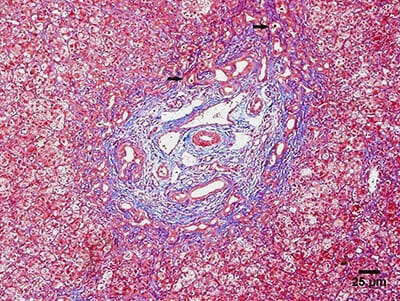
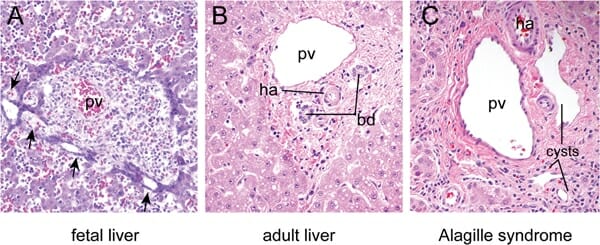
Histología_de_los_ductos_biliares_intrahepáticos_normales_y_defectuosos.

A: Hígado fetal a las 16 semanas de desarrollo que muestra dilataciones focales (flechas) en los precursores de células epiteliales biliares que rodean la vena porta (pv, por sus siglas en inglés).
B: Hígado maduro que muestra los conductos biliares (bd, por sus siglas en inglés) y la arteria hepática (ha, por sus siglas en inglés) incluidos en el mesénquima periportal en una disposición característica conocida como “tríada portal”. Hepatocitos dispuestos en cuerdas rodean la tríada portal.
C: La región de la tríada portal de un individuo con síndrome de Alagille muestra quistes ductales en lugar de conductos biliares normales debido a defectos en la remodelación de la placa ductal.

Imagen: “Histology of normal and defective intrahepatic bile ducts” por Smallbot. Licencia: CC BY 3.0

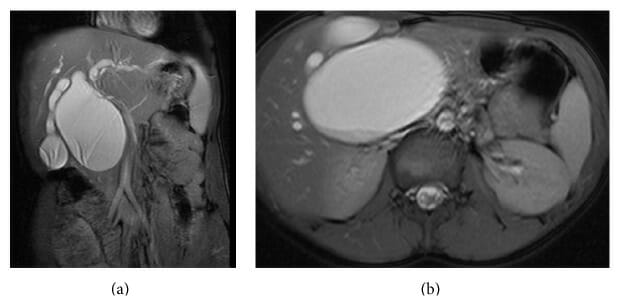
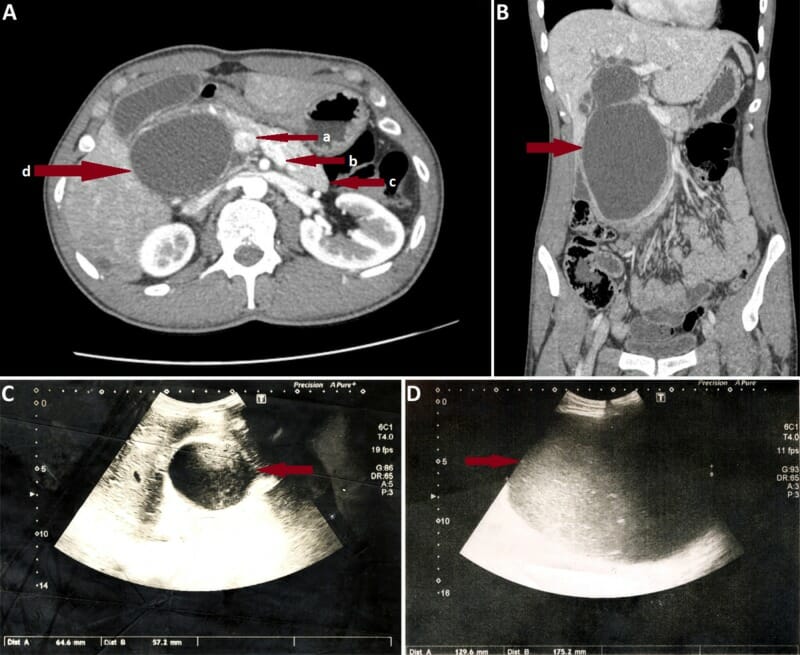
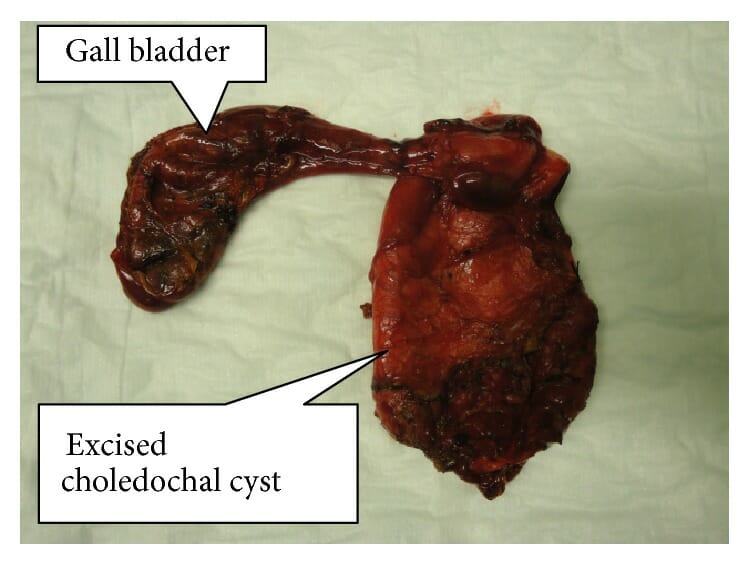
Quistes de Colédoco

Los LOS Neisseria quistes de colédoco son anomalías congénitas de los LOS Neisseria conductos biliares que causan agrandamiento anormal y obstrucción de los LOS Neisseria conductos biliares intrahepáticos y/o extrahepáticos.
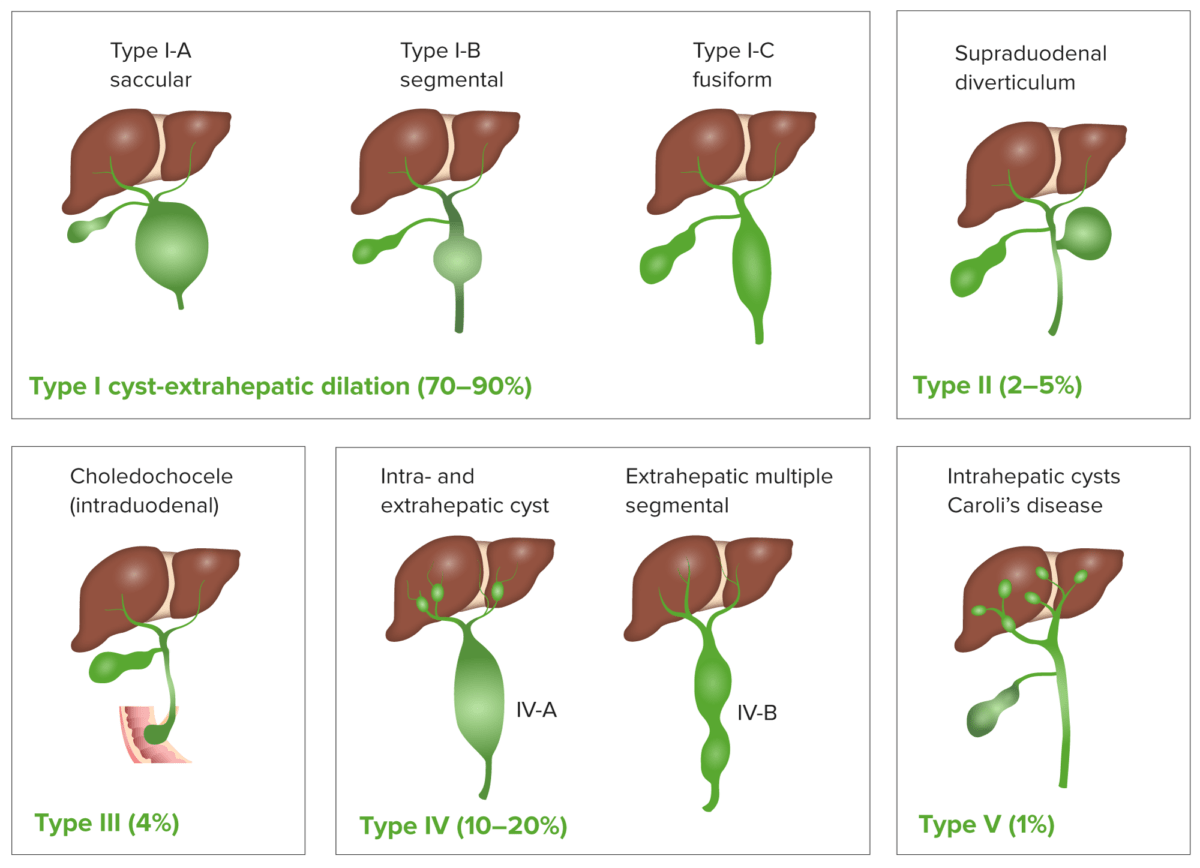
  • Clasificación:
    • Tipo I (90%–95% de los LOS Neisseria casos): una dilatación quística sacular o fusiforme del conducto biliar extrahepático
    • Tipo II: un divertículo del conducto biliar común
    • Tipo III (coledococele): un quiste en EN Erythema nodosum is an immune-mediated panniculitis (inflammation of the subcutaneous fat) caused by a type IV (delayed-type) hypersensitivity reaction. It commonly manifests in young women as tender, erythematous nodules on the shins. Erythema Nodosum el conducto biliar común en EN Erythema nodosum is an immune-mediated panniculitis (inflammation of the subcutaneous fat) caused by a type IV (delayed-type) hypersensitivity reaction. It commonly manifests in young women as tender, erythematous nodules on the shins. Erythema Nodosum la pared duodenal
    • Tipo IV: implica la dilatación de los LOS Neisseria conductos intrahepáticos y extrahepáticos
    • Tipo V (menos común): múltiples dilataciones quísticas de los LOS Neisseria conductos intrahepáticos
  • Etiología:
    • Desconocida, probablemente > 1 mecanismo
    • Pueden ser congénitos (más común) o adquiridos (raro) después de la colecistectomía
    • Asociados con una variedad de otras anomalías anatómicas:
  • Epidemiología:
    • Incidencia en EN Erythema nodosum is an immune-mediated panniculitis (inflammation of the subcutaneous fat) caused by a type IV (delayed-type) hypersensitivity reaction. It commonly manifests in young women as tender, erythematous nodules on the shins. Erythema Nodosum países occidentales: 1 en EN Erythema nodosum is an immune-mediated panniculitis (inflammation of the subcutaneous fat) caused by a type IV (delayed-type) hypersensitivity reaction. It commonly manifests in young women as tender, erythematous nodules on the shins. Erythema Nodosum 100 000–150 000
    • Mayor incidencia en EN Erythema nodosum is an immune-mediated panniculitis (inflammation of the subcutaneous fat) caused by a type IV (delayed-type) hypersensitivity reaction. It commonly manifests in young women as tender, erythematous nodules on the shins. Erythema Nodosum Japón: alrededor de 1 en EN Erythema nodosum is an immune-mediated panniculitis (inflammation of the subcutaneous fat) caused by a type IV (delayed-type) hypersensitivity reaction. It commonly manifests in young women as tender, erythematous nodules on the shins. Erythema Nodosum 1 000
    • La proporción de mujeres a hombres es de 3–4: 1
    • La mayoría de las veces se diagnostican en EN Erythema nodosum is an immune-mediated panniculitis (inflammation of the subcutaneous fat) caused by a type IV (delayed-type) hypersensitivity reaction. It commonly manifests in young women as tender, erythematous nodules on the shins. Erythema Nodosum la infancia o la niñez, pero a veces en EN Erythema nodosum is an immune-mediated panniculitis (inflammation of the subcutaneous fat) caused by a type IV (delayed-type) hypersensitivity reaction. It commonly manifests in young women as tender, erythematous nodules on the shins. Erythema Nodosum la adultez
  • Presentación clínica:
    • Lactantes:
      • Ictericia obstructiva
      • Masa palpable
      • Heces acólicas
      • Hepatomegalia
      • Los LOS Neisseria quistes pueden ser un hallazgo incidental en EN Erythema nodosum is an immune-mediated panniculitis (inflammation of the subcutaneous fat) caused by a type IV (delayed-type) hypersensitivity reaction. It commonly manifests in young women as tender, erythematous nodules on the shins. Erythema Nodosum el ultrasonido prenatal
    • Niños (la mayoría se presenta con < 10 años):
      • Dolor Dolor Inflammation abdominal
      • Ictericia
      • Masa palpable
      • Náuseas y vómitos
      • Fiebre
      • Prurito
      • Pérdida de peso
      • Episodios de pancreatitis Pancreatitis Inflammation of the pancreas. Pancreatitis is classified as acute unless there are computed tomographic or endoscopic retrograde cholangiopancreatographic findings of chronic pancreatitis. The two most common forms of acute pancreatitis are alcoholic pancreatitis and gallstone pancreatitis. Acute Pancreatitis aguda; ocasionalmente colangitis aguda
  • Diagnóstico:
    • Estudios de laboratorio:
      • Hiperbilirrubinemia directa (conjugada)
      • Patrón obstructivo de enzimas hepáticas: elevación significativa de fosfatasa alcalina, elevación leve de ALT ALT An enzyme that catalyzes the conversion of l-alanine and 2-oxoglutarate to pyruvate and l-glutamate. Liver Function Tests y AST AST Enzymes of the transferase class that catalyze the conversion of l-aspartate and 2-ketoglutarate to oxaloacetate and l-glutamate. Liver Function Tests
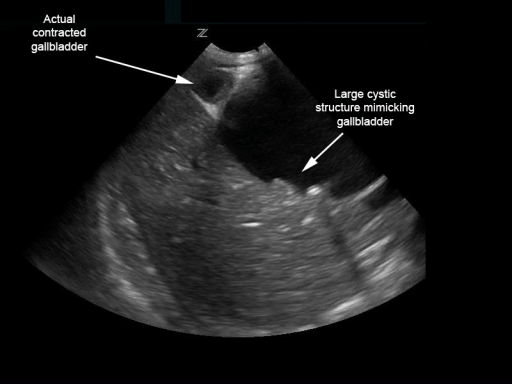
    • Ultrasonido
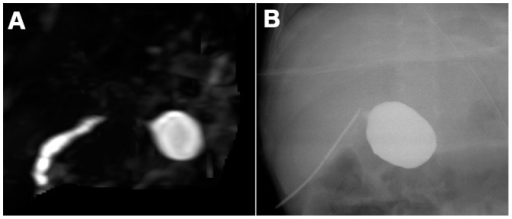
    • Colangiopancreatografía con resonancia magnética para la evaluación preoperatoria
  • Tratamiento: escisión primaria del quiste + anastomosis biliar entérica (Y de Roux)
  • Complicaciones:
    • Si la obstrucción no se alivia (especialmente en EN Erythema nodosum is an immune-mediated panniculitis (inflammation of the subcutaneous fat) caused by a type IV (delayed-type) hypersensitivity reaction. It commonly manifests in young women as tender, erythematous nodules on the shins. Erythema Nodosum la infancia), puede sobrevenir rápidamente una disfunción hepática grave y coagulopatía.
    • Mayor riesgo de colangiocarcinoma si no se realiza una resección adecuada
Classification of choledochal cyst

Clasificación de los quistes de colédoco

Imagen por Lecturio.
Referencias

  1. Wildhaber, B.E. (2012). Biliary atresia: 50 years after the first Kasai. ISRN Surg. DOI: 10.5402/2012/132089
  2. Erlichman, J., Loomes, K.M. (2021). Causes of cholestasis in neonates and young infants. UpToDate. Retrieved December 15, 2021, from https://www.uptodate.com/contents/causes-of-cholestasis-in-neonates-and-young-infants
  3. Kamath, B.M., Ye, W., et al. (2020). Outcomes of childhood cholestasis in Alagille syndrome: results of a multicenter observational study. Hepatology Commun 4:387–398. DOI: 10.1002/hep4.1468
  4. Erlichman, J., Loomes, K.M. (2021). Biliary atresia. UpToDate. Retrieved December 15, 2021, from https://www.uptodate.com/contents/biliary-atresia
  5. Topazian, M. (2021). Biliary cysts. UpToDate. Retrieved December 15, 2021, from https://www.uptodate.com/contents/biliary-cysts

¡Crea tu cuenta gratis o inicia una sesión para seguir leyendo!

Regístrate ahora y obtén acceso gratuito a Lecturio con páginas de concepto, videos médicos y cuestionarios para tu educación médica.

User Reviews

Details