Domina Conceptos Médicos

Estudia para la escuela de medicina y tus examenes con Lecturio.

Antivirales para la Influenza

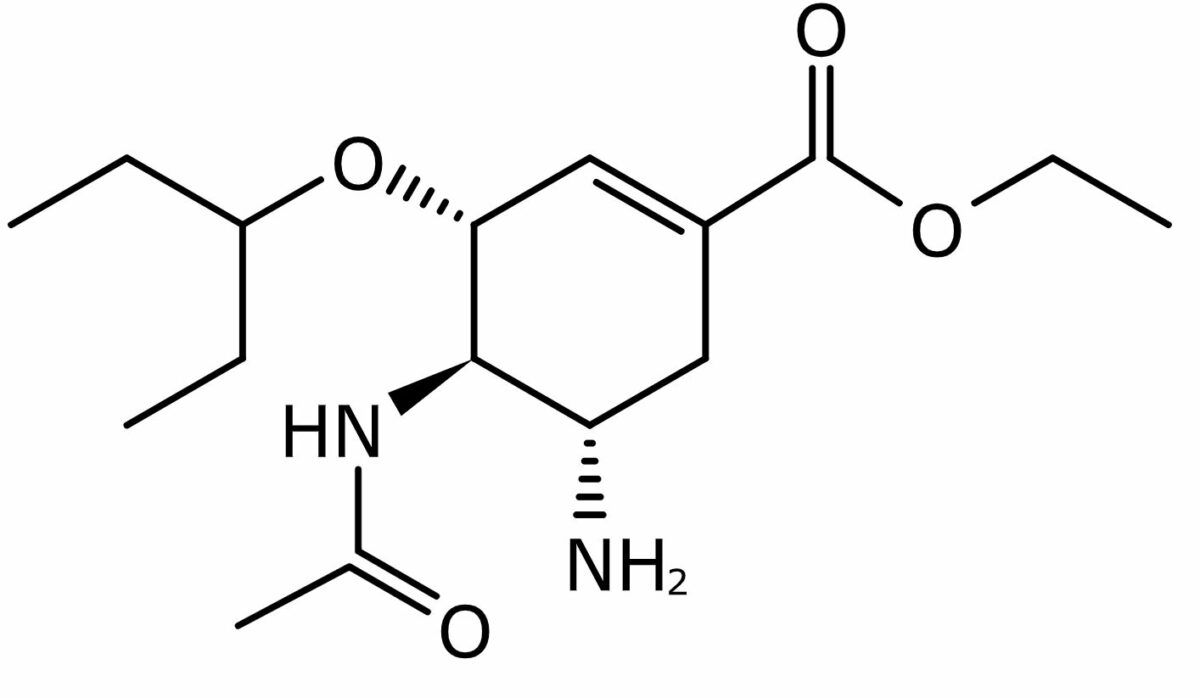
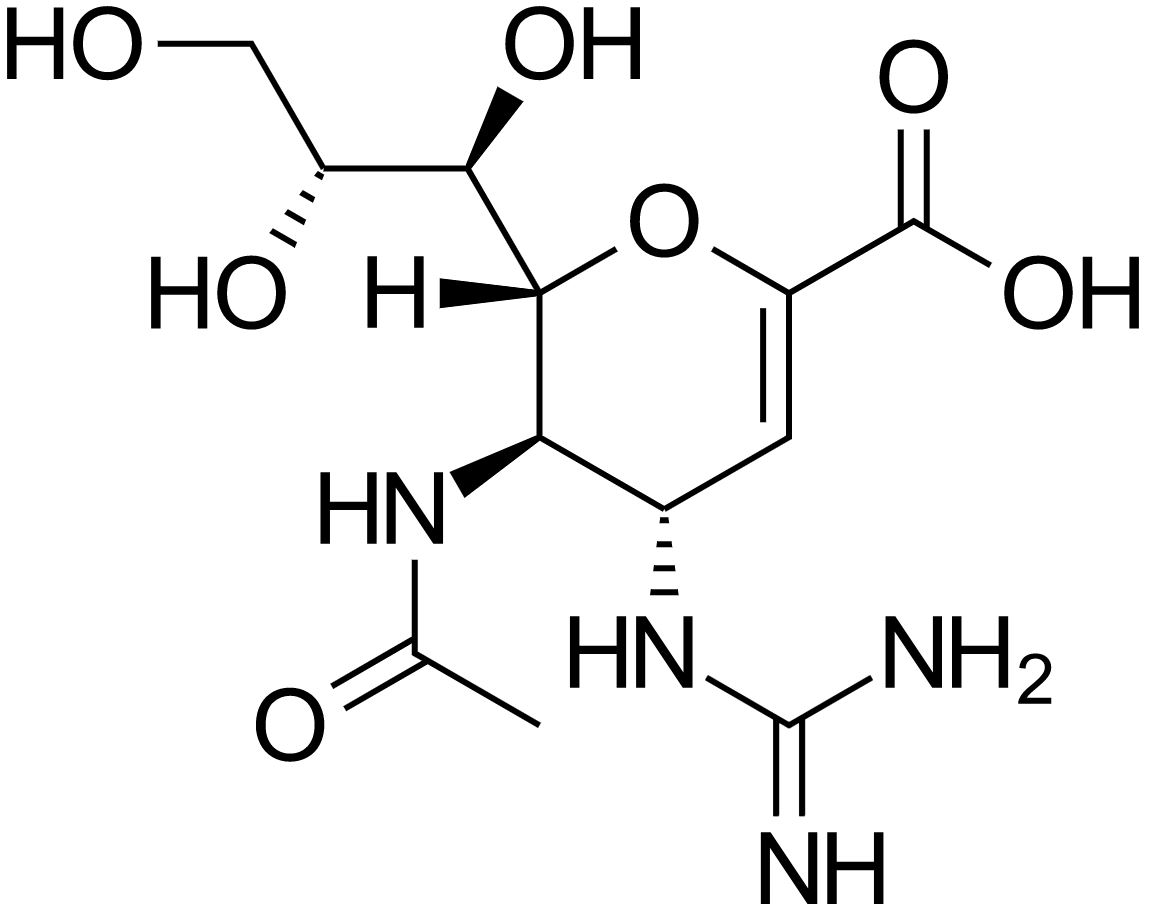
Los LOS Neisseria agentes antivirales contra la influenza Influenza Influenza viruses are members of the Orthomyxoviridae family and the causative organisms of influenza, a highly contagious febrile respiratory disease. There are 3 primary influenza viruses (A, B, and C) and various subtypes, which are classified based on their virulent surface antigens, hemagglutinin (HA) and neuraminidase (NA). Influenza typically presents with a fever, myalgia, headache, and symptoms of an upper respiratory infection. Influenza Viruses/Influenza son importantes para prevenir y tratar la infección por influenza Influenza Influenza viruses are members of the Orthomyxoviridae family and the causative organisms of influenza, a highly contagious febrile respiratory disease. There are 3 primary influenza viruses (A, B, and C) and various subtypes, which are classified based on their virulent surface antigens, hemagglutinin (HA) and neuraminidase (NA). Influenza typically presents with a fever, myalgia, headache, and symptoms of an upper respiratory infection. Influenza Viruses/Influenza. La influenza a Influenza A Antivirals for Influenza menudo es autolimitada, pero las poblaciones de alto riesgo sufren una morbilidad y mortalidad significativas a causa de la enfermedad. Distintas clases de medicamentos actúan sobre el virus Virus Viruses are infectious, obligate intracellular parasites composed of a nucleic acid core surrounded by a protein capsid. Viruses can be either naked (non-enveloped) or enveloped. The classification of viruses is complex and based on many factors, including type and structure of the nucleoid and capsid, the presence of an envelope, the replication cycle, and the host range. Virology de la influenza Influenza Influenza viruses are members of the Orthomyxoviridae family and the causative organisms of influenza, a highly contagious febrile respiratory disease. There are 3 primary influenza viruses (A, B, and C) and various subtypes, which are classified based on their virulent surface antigens, hemagglutinin (HA) and neuraminidase (NA). Influenza typically presents with a fever, myalgia, headache, and symptoms of an upper respiratory infection. Influenza Viruses/Influenza. Los LOS Neisseria inhibidores de la neuraminidasa incluyen oseltamivir Oseltamivir An acetamido cyclohexene that is a structural homolog of sialic acid and inhibits neuraminidase. Antivirals for Influenza (oral), zanamivir Zanamivir A guanido-neuraminic acid that is used to inhibit neuraminidase. Antivirals for Influenza (inhalación) y peramivir Peramivir Antivirals for Influenza (intravenoso); estos medicamentos actúan inhibiendo la neuraminidasa, la enzima que escinde la nueva partícula viral. Al AL Amyloidosis bloquear el efecto enzimático, se reduce la liberación adicional de la descendencia del virus Virus Viruses are infectious, obligate intracellular parasites composed of a nucleic acid core surrounded by a protein capsid. Viruses can be either naked (non-enveloped) or enveloped. The classification of viruses is complex and based on many factors, including type and structure of the nucleoid and capsid, the presence of an envelope, the replication cycle, and the host range. Virology a las células respiratorias cercanas. El baloxavir Baloxavir Antivirals for Influenza, un inhibidor selectivo de la endonucleasa cap-dependiente de la influenza Influenza Influenza viruses are members of the Orthomyxoviridae family and the causative organisms of influenza, a highly contagious febrile respiratory disease. There are 3 primary influenza viruses (A, B, and C) and various subtypes, which are classified based on their virulent surface antigens, hemagglutinin (HA) and neuraminidase (NA). Influenza typically presents with a fever, myalgia, headache, and symptoms of an upper respiratory infection. Influenza Viruses/Influenza, inhibe la síntesis de ARNm viral. Tanto los LOS Neisseria inhibidores de la neuraminidasa como el baloxavir Baloxavir Antivirals for Influenza tienen actividad contra las los LOS Neisseria virus Virus Viruses are infectious, obligate intracellular parasites composed of a nucleic acid core surrounded by a protein capsid. Viruses can be either naked (non-enveloped) or enveloped. The classification of viruses is complex and based on many factors, including type and structure of the nucleoid and capsid, the presence of an envelope, the replication cycle, and the host range. Virology de la influenza A Influenza A Antivirals for Influenza y B. Los LOS Neisseria adamantanos, o inhibidores de M2, incluyen amantadina y rimantadina, que son activos contra la influenza A Influenza A Antivirals for Influenza pero no se usan con frecuencia debido a la resistencia.

Last updated: Dec 15, 2025
Editorial responsibility: Stanley Oiseth, Lindsay Jones, Evelin Maza

Descripción General

Influenza Influenza Influenza viruses are members of the Orthomyxoviridae family and the causative organisms of influenza, a highly contagious febrile respiratory disease. There are 3 primary influenza viruses (A, B, and C) and various subtypes, which are classified based on their virulent surface antigens, hemagglutinin (HA) and neuraminidase (NA). Influenza typically presents with a fever, myalgia, headache, and symptoms of an upper respiratory infection. Influenza Viruses/Influenza

  • Las cepas de virus Virus Viruses are infectious, obligate intracellular parasites composed of a nucleic acid core surrounded by a protein capsid. Viruses can be either naked (non-enveloped) or enveloped. The classification of viruses is complex and based on many factors, including type and structure of the nucleoid and capsid, the presence of an envelope, the replication cycle, and the host range. Virology se clasifican según sus proteínas nucleares (A, B, C).
  • La influenza Influenza Influenza viruses are members of the Orthomyxoviridae family and the causative organisms of influenza, a highly contagious febrile respiratory disease. There are 3 primary influenza viruses (A, B, and C) and various subtypes, which are classified based on their virulent surface antigens, hemagglutinin (HA) and neuraminidase (NA). Influenza typically presents with a fever, myalgia, headache, and symptoms of an upper respiratory infection. Influenza Viruses/Influenza estacional es una enfermedad causada por el virus Virus Viruses are infectious, obligate intracellular parasites composed of a nucleic acid core surrounded by a protein capsid. Viruses can be either naked (non-enveloped) or enveloped. The classification of viruses is complex and based on many factors, including type and structure of the nucleoid and capsid, the presence of an envelope, the replication cycle, and the host range. Virology de la influenza A Influenza A Antivirals for Influenza o B.
  • La influenza Influenza Influenza viruses are members of the Orthomyxoviridae family and the causative organisms of influenza, a highly contagious febrile respiratory disease. There are 3 primary influenza viruses (A, B, and C) and various subtypes, which are classified based on their virulent surface antigens, hemagglutinin (HA) and neuraminidase (NA). Influenza typically presents with a fever, myalgia, headache, and symptoms of an upper respiratory infection. Influenza Viruses/Influenza es a menudo una infección autolimitada, pero aquellos en EN Erythema nodosum is an immune-mediated panniculitis (inflammation of the subcutaneous fat) caused by a type IV (delayed-type) hypersensitivity reaction. It commonly manifests in young women as tender, erythematous nodules on the shins. Erythema Nodosum riesgo de complicaciones pueden tener una morbilidad y mortalidad significativas.
  • Los LOS Neisseria medicamentos antivirales están disponibles para la prevención y el tratamiento de la influenza Influenza Influenza viruses are members of the Orthomyxoviridae family and the causative organisms of influenza, a highly contagious febrile respiratory disease. There are 3 primary influenza viruses (A, B, and C) and various subtypes, which are classified based on their virulent surface antigens, hemagglutinin (HA) and neuraminidase (NA). Influenza typically presents with a fever, myalgia, headache, and symptoms of an upper respiratory infection. Influenza Viruses/Influenza.

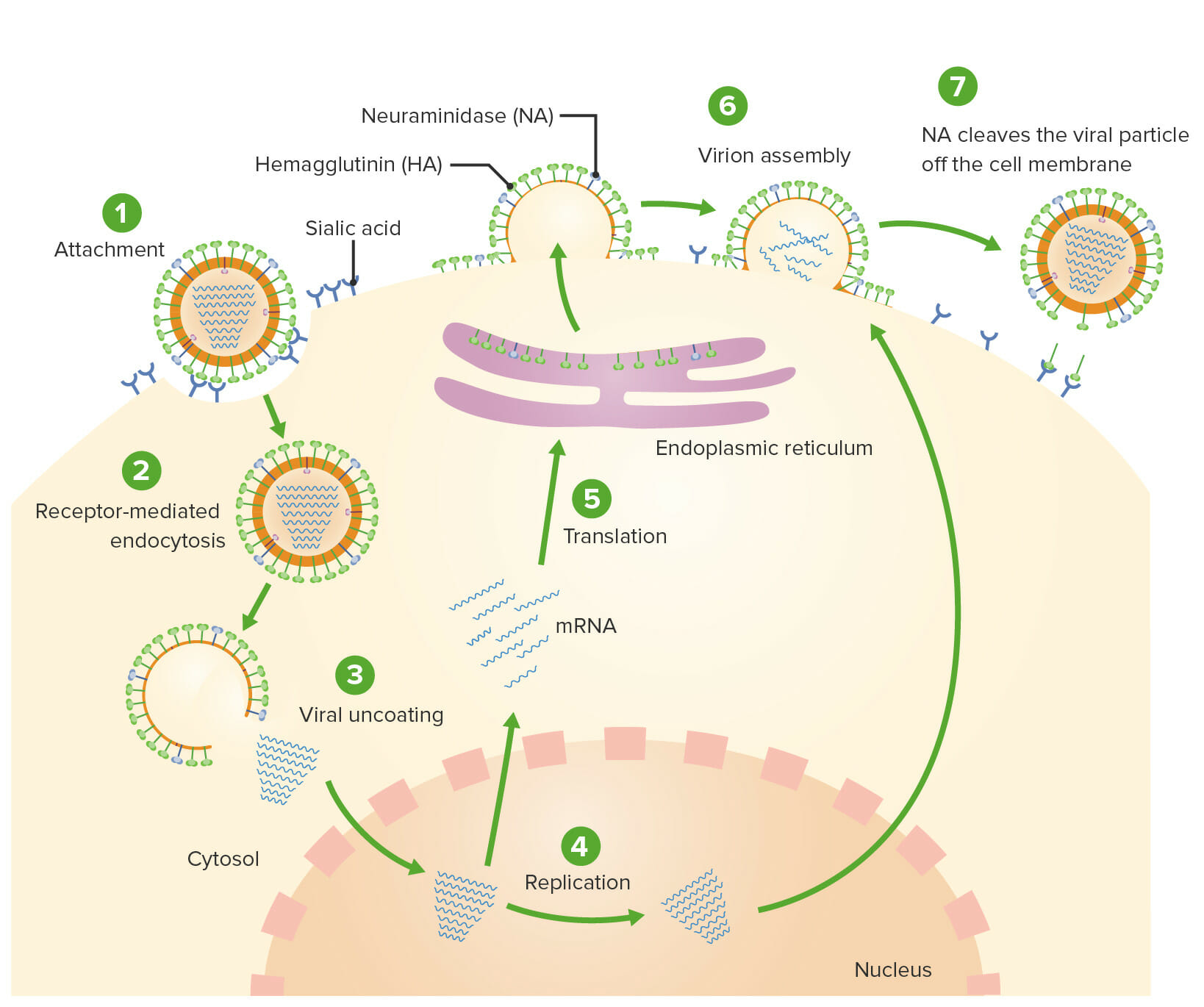
Mecanismo de invasión

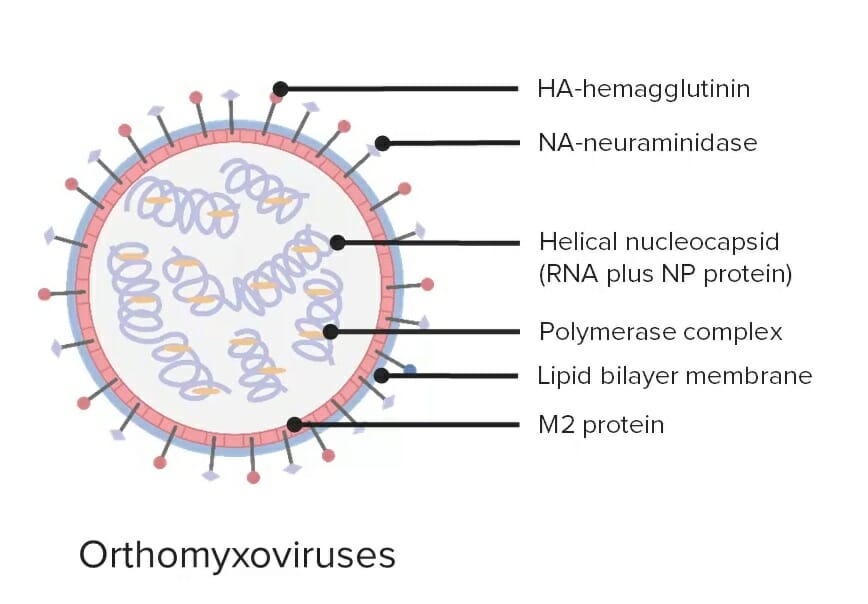
  • Una partícula viral une sus espículas de hemaglutinina a los LOS Neisseria receptores que contienen ácido siálico en EN Erythema nodosum is an immune-mediated panniculitis (inflammation of the subcutaneous fat) caused by a type IV (delayed-type) hypersensitivity reaction. It commonly manifests in young women as tender, erythematous nodules on the shins. Erythema Nodosum la superficie de las células epiteliales respiratorias.
    • La partícula viral se internaliza a través de endocitosis mediada por receptor Receptor Receptors are proteins located either on the surface of or within a cell that can bind to signaling molecules known as ligands (e.g., hormones) and cause some type of response within the cell. Receptors.
    • El virus Virus Viruses are infectious, obligate intracellular parasites composed of a nucleic acid core surrounded by a protein capsid. Viruses can be either naked (non-enveloped) or enveloped. The classification of viruses is complex and based on many factors, including type and structure of the nucleoid and capsid, the presence of an envelope, the replication cycle, and the host range. Virology se desenvuelve a través de la acción de la proteína M2, lo que permite la entrada de partículas de hidrógeno.
    • El ARN viral luego se mueve hacia el núcleo de la célula → replicación → ARN mensajero → traducción en EN Erythema nodosum is an immune-mediated panniculitis (inflammation of the subcutaneous fat) caused by a type IV (delayed-type) hypersensitivity reaction. It commonly manifests in young women as tender, erythematous nodules on the shins. Erythema Nodosum nuevas proteínas virales.
  • Las partículas virales se llevan a la superficie de la célula y se ensamblan en EN Erythema nodosum is an immune-mediated panniculitis (inflammation of the subcutaneous fat) caused by a type IV (delayed-type) hypersensitivity reaction. It commonly manifests in young women as tender, erythematous nodules on the shins. Erythema Nodosum viriones.
  • La hemaglutinina se une nuevamente a los LOS Neisseria receptores que contienen ácido siálico.
  • La neuraminidasa luego escinde la nueva partícula viral de la célula epitelial respiratoria → infección de las células cercanas.

Clases de agentes antiinfluenza

Inhibidores de la Neuraminidasa

Estructura química y farmacodinamia

  • Análogos del ácido siálico
  • Mecanismo de acción:
    • Inhibe la neuraminidasa viral al AL Amyloidosis causar un cambio conformacional en EN Erythema nodosum is an immune-mediated panniculitis (inflammation of the subcutaneous fat) caused by a type IV (delayed-type) hypersensitivity reaction. It commonly manifests in young women as tender, erythematous nodules on the shins. Erythema Nodosum la enzima
    • La neuraminidasa escinde el virión del receptor Receptor Receptors are proteins located either on the surface of or within a cell that can bind to signaling molecules known as ligands (e.g., hormones) and cause some type of response within the cell. Receptors que contiene ácido siálico:
      • Este acto es importante para liberar el virión de las células infectadas.
      • Sin el paso enzimático, la agregación viral ocurre en EN Erythema nodosum is an immune-mediated panniculitis (inflammation of the subcutaneous fat) caused by a type IV (delayed-type) hypersensitivity reaction. It commonly manifests in young women as tender, erythematous nodules on the shins. Erythema Nodosum la superficie celular.
    • Inhibición de la neuraminidasa → ↓ propagación viral en EN Erythema nodosum is an immune-mediated panniculitis (inflammation of the subcutaneous fat) caused by a type IV (delayed-type) hypersensitivity reaction. It commonly manifests in young women as tender, erythematous nodules on the shins. Erythema Nodosum el tracto respiratorio
  • Mecanismo de resistencia:
    • Mutaciones en EN Erythema nodosum is an immune-mediated panniculitis (inflammation of the subcutaneous fat) caused by a type IV (delayed-type) hypersensitivity reaction. It commonly manifests in young women as tender, erythematous nodules on the shins. Erythema Nodosum la neuraminidasa
    • Mutaciones en EN Erythema nodosum is an immune-mediated panniculitis (inflammation of the subcutaneous fat) caused by a type IV (delayed-type) hypersensitivity reaction. It commonly manifests in young women as tender, erythematous nodules on the shins. Erythema Nodosum la hemaglutinina

Farmacocinética

Tabla: Farmacocinética de los LOS Neisseria inhibidores de la neuraminidasa
Categoría Oseltamivir Oseltamivir An acetamido cyclohexene that is a structural homolog of sialic acid and inhibits neuraminidase. Antivirals for Influenza Peramivir Peramivir Antivirals for Influenza Zanamivir Zanamivir A guanido-neuraminic acid that is used to inhibit neuraminidase. Antivirals for Influenza
Absorción
  • Oral
  • Absorbido rápidamente
  • Biodisponibilidad no disminuida por los LOS Neisseria alimentos
  • Intravenoso
  • Dosis única de 600 mg
  • Inhalación
Distribución
  • Baja unión a proteínas plasmáticas
  • Vida media: 6–10 horas
  • 30% unido a proteínas
  • Vida media: 20 horas
  • Por inhalación, el medicamento alcanza la orofaringe y los LOS Neisseria pulmones.
  • Vida media: 2–3 horas
Metabolismo Sin metabolismo significativo
Excreción
  • Renal
  • Sin cambios en EN Erythema nodosum is an immune-mediated panniculitis (inflammation of the subcutaneous fat) caused by a type IV (delayed-type) hypersensitivity reaction. It commonly manifests in young women as tender, erythematous nodules on the shins. Erythema Nodosum la orina
  • Requiere ajuste de dosis en EN Erythema nodosum is an immune-mediated panniculitis (inflammation of the subcutaneous fat) caused by a type IV (delayed-type) hypersensitivity reaction. It commonly manifests in young women as tender, erythematous nodules on the shins. Erythema Nodosum insuficiencia renal
  • Renal
  • Sin cambios en EN Erythema nodosum is an immune-mediated panniculitis (inflammation of the subcutaneous fat) caused by a type IV (delayed-type) hypersensitivity reaction. It commonly manifests in young women as tender, erythematous nodules on the shins. Erythema Nodosum la orina
  • Requiere ajuste de dosis en EN Erythema nodosum is an immune-mediated panniculitis (inflammation of the subcutaneous fat) caused by a type IV (delayed-type) hypersensitivity reaction. It commonly manifests in young women as tender, erythematous nodules on the shins. Erythema Nodosum insuficiencia renal
  • Hasta un 15% absorbido y excretado en EN Erythema nodosum is an immune-mediated panniculitis (inflammation of the subcutaneous fat) caused by a type IV (delayed-type) hypersensitivity reaction. It commonly manifests in young women as tender, erythematous nodules on the shins. Erythema Nodosum la orina

Indicaciones

  • Profilaxis contra la influenza Influenza Influenza viruses are members of the Orthomyxoviridae family and the causative organisms of influenza, a highly contagious febrile respiratory disease. There are 3 primary influenza viruses (A, B, and C) and various subtypes, which are classified based on their virulent surface antigens, hemagglutinin (HA) and neuraminidase (NA). Influenza typically presents with a fever, myalgia, headache, and symptoms of an upper respiratory infection. Influenza Viruses/Influenza estacional: oseltamivir Oseltamivir An acetamido cyclohexene that is a structural homolog of sialic acid and inhibits neuraminidase. Antivirals for Influenza, zanamivir Zanamivir A guanido-neuraminic acid that is used to inhibit neuraminidase. Antivirals for Influenza
  • Tratamiento de la influenza Influenza Influenza viruses are members of the Orthomyxoviridae family and the causative organisms of influenza, a highly contagious febrile respiratory disease. There are 3 primary influenza viruses (A, B, and C) and various subtypes, which are classified based on their virulent surface antigens, hemagglutinin (HA) and neuraminidase (NA). Influenza typically presents with a fever, myalgia, headache, and symptoms of an upper respiratory infection. Influenza Viruses/Influenza (≤ 48 horas después del inicio de los LOS Neisseria síntomas)

Efectos secundarios y contraindicaciones

Tabla: Efectos secundarios y contraindicaciones de los LOS Neisseria inhibidores de la neuraminidasa
Oseltamivir Oseltamivir An acetamido cyclohexene that is a structural homolog of sialic acid and inhibits neuraminidase. Antivirals for Influenza Peramivir Peramivir Antivirals for Influenza Zanamivir Zanamivir A guanido-neuraminic acid that is used to inhibit neuraminidase. Antivirals for Influenza
Efectos secundarios
  • Náuseas, vómitos
  • Cefalea
  • Alucinación, delirium Delirium Delirium is a medical condition characterized by acute disturbances in attention and awareness. Symptoms may fluctuate during the course of a day and involve memory deficits and disorientation. Delirium, confusión
  • Reacciones de hipersensibilidad (SSJ, EM)
  • Alteraciones de la función renal y hepática
  • Diarrea
  • Reacciones de hipersensibilidad (SSJ, EM)
  • Alucinaciones, delirium Delirium Delirium is a medical condition characterized by acute disturbances in attention and awareness. Symptoms may fluctuate during the course of a day and involve memory deficits and disorientation. Delirium
  • Dolor Dolor Inflammation de garganta
  • Tos TOS Thoracic outlet syndrome (TOS) is a broad term used for a spectrum of syndromes related to the general region of the thoracic outlet, which involves the compression or irritation of elements of the brachial plexus, subclavian artery, or subclavian vein. Thoracic Outlet Syndrome, broncoespasmo
Contraindicaciones
  • Hipersensibilidad al AL Amyloidosis oseltamivir Oseltamivir An acetamido cyclohexene that is a structural homolog of sialic acid and inhibits neuraminidase. Antivirals for Influenza
  • Precaución con enfermedades cardiovasculares, hepáticas y renales
EPOC: enfermedad pulmonar obstructiva crónica
EM: eritema multiforme
SSJ: síndrome de Stevens-Johnson

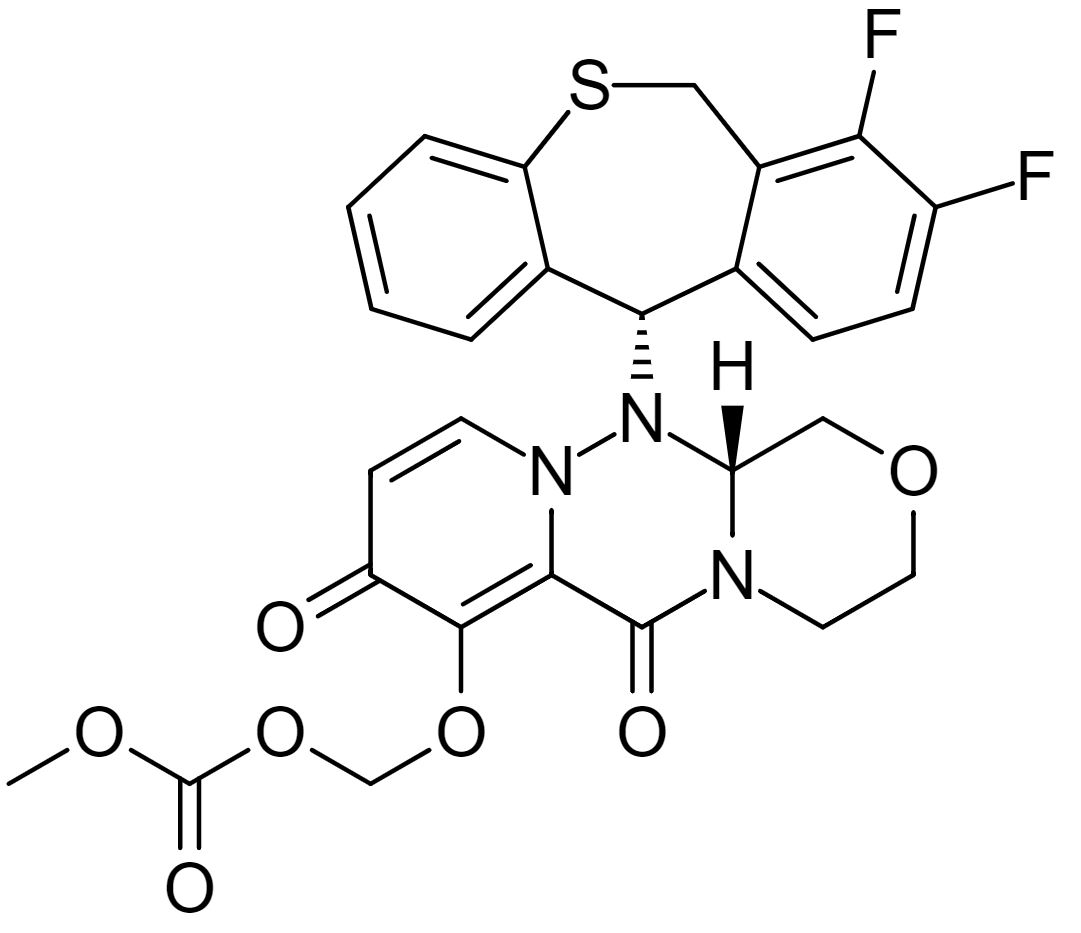
Inhibidor Selectivo de la Endonucleasa Cap-Dependiente

Estructura química y farmacodinamia

  • Baloxavir marboxil Baloxavir Marboxil Antivirals for Influenza: promedicamento que sufre hidrólisis para convertirse en EN Erythema nodosum is an immune-mediated panniculitis (inflammation of the subcutaneous fat) caused by a type IV (delayed-type) hypersensitivity reaction. It commonly manifests in young women as tender, erythematous nodules on the shins. Erythema Nodosum ácido baloxavir Baloxavir Antivirals for Influenza, la forma activa.
  • Mecanismo de acción:
    • Actividad contra una parte temprana de la replicación viral ( en EN Erythema nodosum is an immune-mediated panniculitis (inflammation of the subcutaneous fat) caused by a type IV (delayed-type) hypersensitivity reaction. It commonly manifests in young women as tender, erythematous nodules on the shins. Erythema Nodosum comparación con los LOS Neisseria inhibidores de la neuraminidasa)
    • Inhibe la enzima endonucleasa cap-dependiente viral:
      • Una enzima en la polimerasa del virus de la influenza, la endonucleasa cap-dependiente facilita el proceso de “robo de la caperuza” durante la síntesis de ARNm viral.
      • Inhibición de la endonucleasa cap-dependiente → ↓ transcripción
    • Por lo tanto, inhibe la replicación viral

Farmacocinética

  • Absorción:
    • Disponible en EN Erythema nodosum is an immune-mediated panniculitis (inflammation of the subcutaneous fat) caused by a type IV (delayed-type) hypersensitivity reaction. It commonly manifests in young women as tender, erythematous nodules on the shins. Erythema Nodosum forma oral
    • Evitar la ingesta con productos lácteos, bebidas fortificadas con calcio y antiácidos.
  • Distribución:
    • Unión a proteínas: 94%
    • Vida media prolongada: 80 horas
  • Metabolismo: metabolizado por UGT1A3 y CYP3A4 CYP3A4 Class 3 Antiarrhythmic Drugs (Potassium Channel Blockers)
  • Excreción: excreción biliar

Indicaciones

  • Influenza Influenza Influenza viruses are members of the Orthomyxoviridae family and the causative organisms of influenza, a highly contagious febrile respiratory disease. There are 3 primary influenza viruses (A, B, and C) and various subtypes, which are classified based on their virulent surface antigens, hemagglutinin (HA) and neuraminidase (NA). Influenza typically presents with a fever, myalgia, headache, and symptoms of an upper respiratory infection. Influenza Viruses/Influenza aguda no complicada (≤ 48 horas después del inicio de los LOS Neisseria síntomas)
  • Profilaxis posterior a la exposición para la influenza Influenza Influenza viruses are members of the Orthomyxoviridae family and the causative organisms of influenza, a highly contagious febrile respiratory disease. There are 3 primary influenza viruses (A, B, and C) and various subtypes, which are classified based on their virulent surface antigens, hemagglutinin (HA) and neuraminidase (NA). Influenza typically presents with a fever, myalgia, headache, and symptoms of an upper respiratory infection. Influenza Viruses/Influenza

Efectos secundarios y contraindicaciones

  • Efectos secundarios:
    • Diarrea
    • Erupción
    • Reacciones de hipersensibilidad
    • Delirium Delirium Delirium is a medical condition characterized by acute disturbances in attention and awareness. Symptoms may fluctuate during the course of a day and involve memory deficits and disorientation. Delirium, alucinación
  • Contraindicaciones: hipersensibilidad al AL Amyloidosis baloxavir Baloxavir Antivirals for Influenza

Adamantanos

Estructura química y farmacodinamia

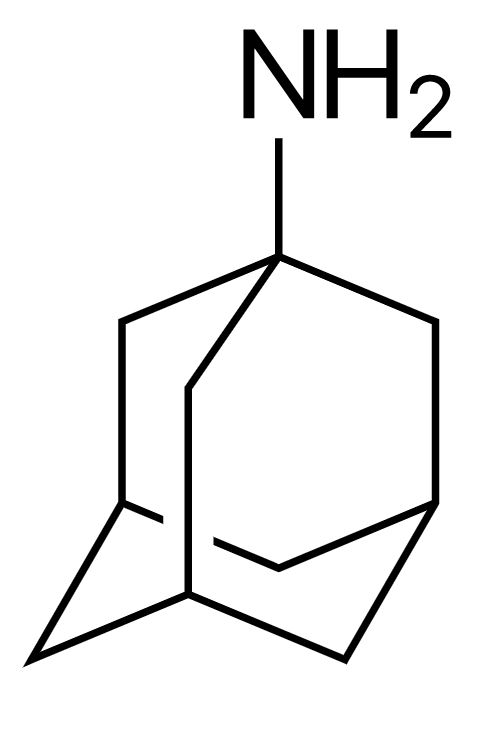
  • Amantadina (clorhidrato de 1-aminoadamantano) y rimantadina (derivado de amantadina): aminas tricíclicas
  • Mecanismo de acción (inhibidor de M2):
    • Se dirige a la proteína del canal de iones M2, que permite la entrada de iones de hidrógeno y facilita la pérdida de la envoltura viral
    • En EN Erythema nodosum is an immune-mediated panniculitis (inflammation of the subcutaneous fat) caused by a type IV (delayed-type) hypersensitivity reaction. It commonly manifests in young women as tender, erythematous nodules on the shins. Erythema Nodosum efecto, previene la replicación viral
  • Mecanismo de resistencia: mutación que involucra la secuencia de ARN que codifica la proteína M2 (dominio transmembrana)

Farmacocinética

Tabla: Farmacocinética de los LOS Neisseria adamantanos
Categoría Amantadina Rimantadina
Absorción Buena biodisponibilidad oral Buena biodisponibilidad oral
Distribución
  • Vida media: 12–18 horas
  • 67% de unión a proteínas
  • Vida media: 24–36 horas
  • 40% de unión a proteínas
Metabolismo Sin metabolismo significativo Experimenta metabolismo hepático
Excreción Renal (excretada sin cambios) Renal

Indicaciones

  • Influenza A Influenza A Antivirals for Influenza (pero papel limitado debido a la resistencia generalizada)
  • Síndromes de parkinsonismo inducido por medicamentos
  • Enfermedad de Parkinson

Efectos secundarios y contraindicaciones

  • Efectos secundarios:
  • Contraindicaciones:
    • Hipersensibilidad a los LOS Neisseria adamantanos
    • La amantadina está contraindicada en EN Erythema nodosum is an immune-mediated panniculitis (inflammation of the subcutaneous fat) caused by a type IV (delayed-type) hypersensitivity reaction. It commonly manifests in young women as tender, erythematous nodules on the shins. Erythema Nodosum el glaucoma Glaucoma Glaucoma is an optic neuropathy characterized by typical visual field defects and optic nerve atrophy seen as optic disc cupping on examination. The acute form of glaucoma is a medical emergency. Glaucoma is often, but not always, caused by increased intraocular pressure (IOP). Glaucoma de ángulo cerrado (efecto anticolinérgico).
  • Precauciones en EN Erythema nodosum is an immune-mediated panniculitis (inflammation of the subcutaneous fat) caused by a type IV (delayed-type) hypersensitivity reaction. It commonly manifests in young women as tender, erythematous nodules on the shins. Erythema Nodosum casos de psicosis, convulsiones, insuficiencia hepática y renal

Comparación de Agentes Antivirales para la Influenza

Tabla: Comparación de agentes antivirales para la influenza Influenza Influenza viruses are members of the Orthomyxoviridae family and the causative organisms of influenza, a highly contagious febrile respiratory disease. There are 3 primary influenza viruses (A, B, and C) and various subtypes, which are classified based on their virulent surface antigens, hemagglutinin (HA) and neuraminidase (NA). Influenza typically presents with a fever, myalgia, headache, and symptoms of an upper respiratory infection. Influenza Viruses/Influenza
Inhibidores de la neuraminidasa Baloxavir Baloxavir Antivirals for Influenza Amantadina
Mecanismo de acción Inhibe la neuraminidasa, evitando la propagación a células no infectadas Inhibidor de la endonucleasa, evitando la síntesis de ARNm Previene la actividad del canal M2, inhibiendo la eliminación viral
Absorción
  • Oral
  • Intravenoso
  • Inhalación
Oral Oral
Eliminación Renal Excreción biliar Renal
Indicaciones Prevención y tratamiento de la influenza A Influenza A Antivirals for Influenza y B Prevención y tratamiento de la influenza A Influenza A Antivirals for Influenza y B Tratamiento y profilaxis de la influenza A Influenza A Antivirals for Influenza (uso limitado por resistencia)
Efectos secundarios notables Diarrea Efectos secundarios del SNC

Referencias

  1. Mayo Clinic. (2025). Zanamivir (inhalation route) – Side effects & dosage. Mayo Clinic. https://www.mayoclinic.org/drugs-supplements/zanamivir-inhalation-route/description/drg-20066752
  2. Acosta, E.P. (2017). Antiviral agents (nonretroviral). Chapter 62 of Brunton, L.L., Hilal-Dandan, R., Knollmann, B.C. (Eds.), Goodman & Gilman’s: The Pharmacological Basis of Therapeutics, 13th ed. McGraw-Hill. https://accessmedicine.mhmedical.com/content.aspx?bookid=2189&sectionid=172486085
  3. ​​Safrin, S. (2021). Antiviral agents. Chapter 49 of Katzung, B.G., & Vanderah, T.W. (Eds.), Basic & Clinical Pharmacology, 15th ed. McGraw-Hill. https://accessmedicine.mhmedical.com/content.aspx?bookid=2988&sectionid=250602382
  4. Zachary, K. C., & Boivin, G. (2024). Antiviral drugs for influenza: Pharmacology and resistance. UpToDate. Retrieved November 19, 2025, from https://www.uptodate.com/contents/antiviral-drugs-for-influenza-pharmacology-and-resistance
  5. Zachary, K. C. (2025). Seasonal influenza in nonpregnant adults: Treatment. UpToDate. Retrieved November 19, 2025, from https://www.uptodate.com/contents/seasonal-influenza-in-nonpregnant-adults-treatment

¡Crea tu cuenta gratis o inicia una sesión para seguir leyendo!

Regístrate ahora y obtén acceso gratuito a Lecturio con páginas de concepto, videos médicos y cuestionarios para tu educación médica.

User Reviews

Que tengas una sesión de estudio alegre y navideña 🎁 Ahorra 50% en todos los planes >>

Details