Domina Conceptos Médicos

Estudia para la escuela de medicina y tus examenes con Lecturio.

Abuso Infantil

El abuso infantil es un acto o falta de acción que da como resultado un daño a la salud o el desarrollo de un niño. El abuso abarca tanto la negligencia como el daño físico, sexual y emocional. Visto en EN Erythema nodosum is an immune-mediated panniculitis (inflammation of the subcutaneous fat) caused by a type IV (delayed-type) hypersensitivity reaction. It commonly manifests in young women as tender, erythematous nodules on the shins. Erythema Nodosum todos los LOS Neisseria subconjuntos de la sociedad, el abuso infantil es una causa de morbilidad y mortalidad significativas en EN Erythema nodosum is an immune-mediated panniculitis (inflammation of the subcutaneous fat) caused by a type IV (delayed-type) hypersensitivity reaction. It commonly manifests in young women as tender, erythematous nodules on the shins. Erythema Nodosum la población pediátrica. El diagnóstico se realiza mediante un minucioso interrogatorio de los LOS Neisseria hechos y un examen físico y el tratamiento es multidisciplinario y de largo plazo. Los LOS Neisseria médicos tienen la obligación legal de informar todos los LOS Neisseria casos de abuso.

Last updated: Dec 15, 2025

Editorial responsibility: Stanley Oiseth, Lindsay Jones, Evelin Maza

Descripción General

Definición

El abuso infantil se refiere a un acto o falta de acción que resulta en EN Erythema nodosum is an immune-mediated panniculitis (inflammation of the subcutaneous fat) caused by a type IV (delayed-type) hypersensitivity reaction. It commonly manifests in young women as tender, erythematous nodules on the shins. Erythema Nodosum un daño real o potencial a la salud, el desarrollo o la dignidad de un menor por parte del padre o cuidador responsable del bienestar del niño. En EN Erythema nodosum is an immune-mediated panniculitis (inflammation of the subcutaneous fat) caused by a type IV (delayed-type) hypersensitivity reaction. It commonly manifests in young women as tender, erythematous nodules on the shins. Erythema Nodosum la mayoría de los LOS Neisseria Estados Unidos, un menor se define como un niño menor de 18 años, a menos que esté emancipado por ley.

Clasificación

Hay 4 tipos principales de abuso infantil:

  • Negligencia:
    • Incapacidad para cumplir con los LOS Neisseria requisitos físicos, médicos o educativos de un niño
    • El tipo más común de abuso infantil
  • Físico (síndrome del niño maltratado):
    • Lesión intencional que causa dolor Dolor Inflammation severo
      • Daña el funcionamiento físico.
      • Puede dejar una marca física.
    • Ejemplos: quemaduras, golpes, sacudidas, mordeduras
    • Síndrome del bebé sacudido:
      • Lesión cerebral traumática secundaria a fuerzas de cizallamiento cuando se sacude a un lactante
      • Resulta en EN Erythema nodosum is an immune-mediated panniculitis (inflammation of the subcutaneous fat) caused by a type IV (delayed-type) hypersensitivity reaction. It commonly manifests in young women as tender, erythematous nodules on the shins. Erythema Nodosum hematoma Hematoma A collection of blood outside the blood vessels. Hematoma can be localized in an organ, space, or tissue. Intussusception subdural o lesión axonal difusa.
    • Médico:
      • También conocido como trastorno facticio por poder
      • Un cuidador presenta falsamente a un niño para recibir atención médica inventando antecedentes o causando directamente la enfermedad del niño al AL Amyloidosis exponerlo a una toxina, medicamento o agente infeccioso.
  • Sexual:
    • La participación de un niño (< 16 en EN Erythema nodosum is an immune-mediated panniculitis (inflammation of the subcutaneous fat) caused by a type IV (delayed-type) hypersensitivity reaction. It commonly manifests in young women as tender, erythematous nodules on the shins. Erythema Nodosum muchos estados) en EN Erythema nodosum is an immune-mediated panniculitis (inflammation of the subcutaneous fat) caused by a type IV (delayed-type) hypersensitivity reaction. It commonly manifests in young women as tender, erythematous nodules on the shins. Erythema Nodosum actividades sexuales que no puede comprender o consentir
    • Incluye actividad sexual, caricias y contacto de las regiones anal, genital u oral.
  • Emocional:
    • Un acto que aterrorizaría a un niño y provocaría un afecto negativo y una futura enfermedad psicológica.
    • Incluye abuso verbal, humillación, amenazas de violencia, rechazo
    • Menos reportado porque es difícil de documentar

Epidemiología

  • Las estimaciones de la OMS (2014):
    • El 23% de los LOS Neisseria niños en EN Erythema nodosum is an immune-mediated panniculitis (inflammation of the subcutaneous fat) caused by a type IV (delayed-type) hypersensitivity reaction. It commonly manifests in young women as tender, erythematous nodules on the shins. Erythema Nodosum todo el mundo informa haber sido abusados físicamente.
    • El 18% de las niñas y el 8% de los LOS Neisseria niños en EN Erythema nodosum is an immune-mediated panniculitis (inflammation of the subcutaneous fat) caused by a type IV (delayed-type) hypersensitivity reaction. It commonly manifests in young women as tender, erythematous nodules on the shins. Erythema Nodosum todo el mundo sufren de abuso sexual.
    • Infanticidio: 2 veces mayor en EN Erythema nodosum is an immune-mediated panniculitis (inflammation of the subcutaneous fat) caused by a type IV (delayed-type) hypersensitivity reaction. It commonly manifests in young women as tender, erythematous nodules on the shins. Erythema Nodosum países de bajos recursos en EN Erythema nodosum is an immune-mediated panniculitis (inflammation of the subcutaneous fat) caused by a type IV (delayed-type) hypersensitivity reaction. It commonly manifests in young women as tender, erythematous nodules on the shins. Erythema Nodosum comparación con países de mayores recursos
  • Mayor incidencia en EN Erythema nodosum is an immune-mediated panniculitis (inflammation of the subcutaneous fat) caused by a type IV (delayed-type) hypersensitivity reaction. It commonly manifests in young women as tender, erythematous nodules on the shins. Erythema Nodosum grupos socioeconómicos más bajos, pero afecta a todas las razas, etnias y grupos socioeconómicos
  • Negligencia: la forma más común de abuso
  • Físico:
    • Generalmente lo realiza el cuidador principal.
    • Mayor causa de mortalidad: el 70% de las víctimas tienen menos de 3 años.
    • El síndrome del bebé sacudido conlleva una morbilidad significativa.
  • Sexual:
    • Picos en EN Erythema nodosum is an immune-mediated panniculitis (inflammation of the subcutaneous fat) caused by a type IV (delayed-type) hypersensitivity reaction. It commonly manifests in young women as tender, erythematous nodules on the shins. Erythema Nodosum niñas de 9 a 12 años
    • Perpetrador generalmente conocido por la víctima
  • Emocional:
    • El 80% de las víctimas desarrollan una enfermedad psiquiátrica en EN Erythema nodosum is an immune-mediated panniculitis (inflammation of the subcutaneous fat) caused by a type IV (delayed-type) hypersensitivity reaction. It commonly manifests in young women as tender, erythematous nodules on the shins. Erythema Nodosum la edad adulta.
    • Rara vez informado en EN Erythema nodosum is an immune-mediated panniculitis (inflammation of the subcutaneous fat) caused by a type IV (delayed-type) hypersensitivity reaction. It commonly manifests in young women as tender, erythematous nodules on the shins. Erythema Nodosum la infancia

Factores de riesgo

  • Factores del cuidador:
    • Antecedentes de abuso durante la niñez
    • Abuso de sustancias
    • Enfermedad mental
    • Violencia doméstica en EN Erythema nodosum is an immune-mediated panniculitis (inflammation of the subcutaneous fat) caused by a type IV (delayed-type) hypersensitivity reaction. It commonly manifests in young women as tender, erythematous nodules on the shins. Erythema Nodosum la relación parental
    • Crisis vital repentina importante (e.g., pérdida del trabajo o de la seguridad financiera, pérdida del hogar, pérdida del cónyuge)
    • Aislamiento emocional y social
  • Factores de la víctima:
    • Menores de 3 años
    • Separado de la madre al AL Amyloidosis nacer (deterioro de la vinculación)
    • Tiene una discapacidad, anomalía congénita o es un lactante con cólicos
    • Niño en EN Erythema nodosum is an immune-mediated panniculitis (inflammation of the subcutaneous fat) caused by a type IV (delayed-type) hypersensitivity reaction. It commonly manifests in young women as tender, erythematous nodules on the shins. Erythema Nodosum orfanatos
    • Percibido como desafiante u opositor
    • Problemas emocionales
    • TDAH
  • Factores sociales:
    • Pobreza
    • Incapacidad para pagar productos y servicios de cuidado infantil buenos y de alta calidad
    • Falta de apoyo gubernamental para programas de bienestar social, atención médica
    • Barrios peligrosos
    • Falta de instalaciones recreativas y actividad comunitaria para los LOS Neisseria niños

Related videos

Presentación Clínica

La incapacidad para desarrollarse es la presentación más común de abuso infantil. Las visitas frecuentes a la sala de emergencias o un retraso en EN Erythema nodosum is an immune-mediated panniculitis (inflammation of the subcutaneous fat) caused by a type IV (delayed-type) hypersensitivity reaction. It commonly manifests in young women as tender, erythematous nodules on the shins. Erythema Nodosum la presentación con lesiones que no concuerdan con los LOS Neisseria antecedentes son señales de alerta. Las siguientes características en EN Erythema nodosum is an immune-mediated panniculitis (inflammation of the subcutaneous fat) caused by a type IV (delayed-type) hypersensitivity reaction. It commonly manifests in young women as tender, erythematous nodules on the shins. Erythema Nodosum los LOS Neisseria antecedentes clínicos y el examen físico aumentan la probabilidad de abuso:

Abuso físico

Antecedentes clínicos:

  • Eventos cambiantes o inconsistentes que conducen a una lesión, con relatos contradictorios por parte de los cuidadores
  • “Accidentes” recurrentes o lesiones y hospitalizaciones
  • Retraso en EN Erythema nodosum is an immune-mediated panniculitis (inflammation of the subcutaneous fat) caused by a type IV (delayed-type) hypersensitivity reaction. It commonly manifests in young women as tender, erythematous nodules on the shins. Erythema Nodosum la búsqueda o prestación de atención médica
  • Lesión incompatible con los LOS Neisseria antecedentes (e.g., hematomas en EN Erythema nodosum is an immune-mediated panniculitis (inflammation of the subcutaneous fat) caused by a type IV (delayed-type) hypersensitivity reaction. It commonly manifests in young women as tender, erythematous nodules on the shins. Erythema Nodosum cualquier parte de un niño que no gatea ni camina)

Examen físico:

  • Observación de la interacción entre el niño y el cuidador que demuestra la falta de contacto visual y la apatía
  • Hematomas extensos, antiguos y recientes:
    • En EN Erythema nodosum is an immune-mediated panniculitis (inflammation of the subcutaneous fat) caused by a type IV (delayed-type) hypersensitivity reaction. It commonly manifests in young women as tender, erythematous nodules on the shins. Erythema Nodosum áreas no expuestas o inusuales (e.g., nalgas, genitales, superficies flexoras, orejas)
    • Hematomas generalmente con la forma de un objeto (e.g., mano, nudillos, cinturones, cordones, calzado)
  • Los LOS Neisseria siguientes sitios de fractura son muy sugerentes de abuso:
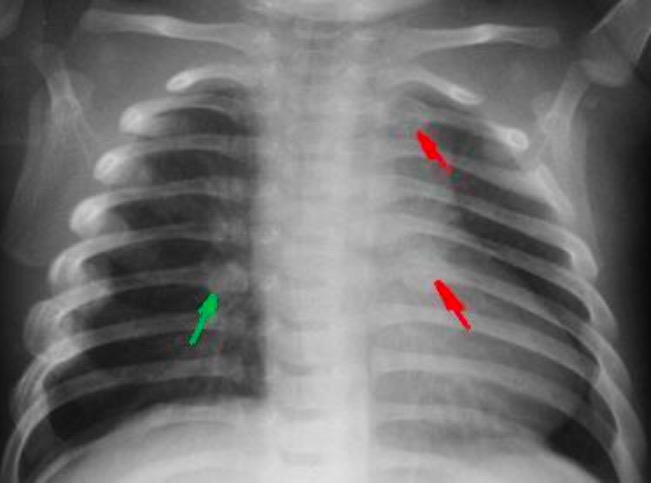
    • Cara posterior de las costillas
    • Escápula
    • Procesos espinosos
    • Esternón
  • Marcas de mordidas (1 o 2 arcos opuestos)
  • Quemaduras:
    • Forma del objeto causante (e.g., plancha de vapor, rizador, placa calefactora, quemaduras de cigarrillos (marcas redondas))
    • Patrón simétrico con igual profundidad de quemado
    • Debido a la inmersión en EN Erythema nodosum is an immune-mediated panniculitis (inflammation of the subcutaneous fat) caused by a type IV (delayed-type) hypersensitivity reaction. It commonly manifests in young women as tender, erythematous nodules on the shins. Erythema Nodosum líquidos calientes (sin arrugas) con una clara demarcación
  • Dolor Dolor Inflammation abdominal
  • Lesiones orales (e.g., frenillo desgarrado, hematomas, piezas dentales fracturadas)

Síndrome del bebé sacudido:

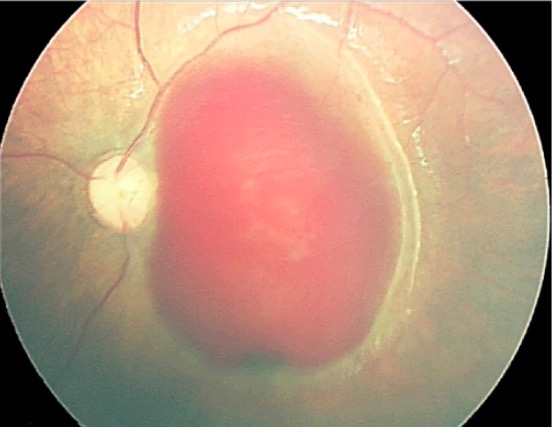
  • Hemorragia retiniana
  • Letárgico
  • Fontanela tensa
  • Convulsiones
Diagnóstico de retinografía del síndrome del bebé sacudido

Retinografía realizada por RetCam del polo posterior del ojo izquierdo de un niño maltratado:
Obsérvese la extensa hemorragia de la membrana limitante subinternal.

Imagen: “Retinography made by RetCam of the posterior pole of the left eye of an abused child” por Department of Ophthalmology, University of São Paulo, Clínicas Hospital, 05403-000 São Paulo, SP, Brazil. Licencia: CC BY 3.0

Abuso sexual

Antecedentes clínicos:

  • La declaración de hechos del niño es la característica más importante.
  • Conocimiento del comportamiento sexual explícito
  • Comportamiento sexual inapropiado para la edad, como desvestirse o tocar los LOS Neisseria genitales de otras personas
  • Infecciones recurrentes del tracto urinario
  • Presencia de infecciones de transmisión sexual

Examen físico (siempre realizado con un acompañante):
  • La mayoría (96%) de los LOS Neisseria casos tienen un examen anogenital normal.
  • El examen debe realizarse dentro de las 24–72 horas posteriores al AL Amyloidosis evento (recolección de la muestra).
  • Fisuras o desgarros en EN Erythema nodosum is an immune-mediated panniculitis (inflammation of the subcutaneous fat) caused by a type IV (delayed-type) hypersensitivity reaction. It commonly manifests in young women as tender, erythematous nodules on the shins. Erythema Nodosum la comisura de la boca
  • Contusiones gingivales y palatinas
  • Contusiones, eritema, desgarros, abrasiones o laceraciones de genitales y/o esfínter anal
  • La secreción vaginal puede ser:
    • Secreción seminal
    • Indicativo de una infección de transmisión sexual.
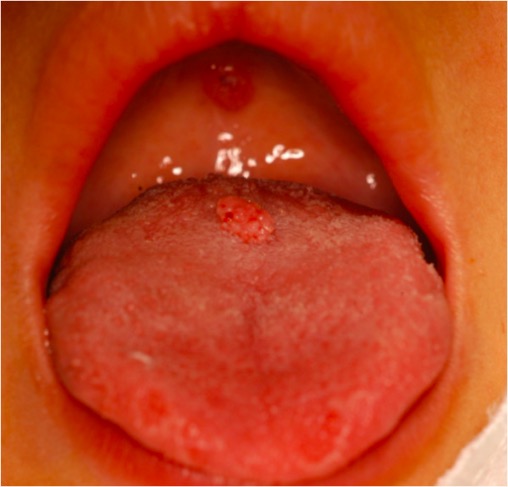
  • Condilomas acuminados ( CA CA Condylomata acuminata are a clinical manifestation of genital HPV infection. Condylomata acuminata are described as raised, pearly, flesh-colored, papular, cauliflower-like lesions seen in the anogenital region that may cause itching, pain, or bleeding. Condylomata Acuminata (Genital Warts)) (infección por VPH)
Lesión en la boca de un niño abusado sexualmente

Condiloma acuminado en la lengua de un niño abusado sexualmente

Imagen: “Lesion located on the tongue with a pedicled base” por Araçatuba Dental School, Univ, Estadual Paulista (UNESP), Rua José Bonifácio 1193, 16015-050 Araçatuba, SP, Brazil. Licencia: CC BY 2.0

Abuso emocional

Antecedentes clínicos:

  • Bajo rendimiento escolar
  • Comportamiento agresivo y desafiante
  • Quejas físicas frecuentes

Examen físico:

  • Separado del cuidador principal
  • Muestra signos de baja autoestima, ansiedad o depresión.

Negligencia

Antecedentes clínicos:

  • El cuidador desconoce los LOS Neisseria antecedentes médicos o hay falta de seguimiento.
  • El niño suele estar al AL Amyloidosis cuidado de adultos sin parientes consanguíneos.

Examen físico:

  • Niño descuidado
  • Retraso en EN Erythema nodosum is an immune-mediated panniculitis (inflammation of the subcutaneous fat) caused by a type IV (delayed-type) hypersensitivity reaction. It commonly manifests in young women as tender, erythematous nodules on the shins. Erythema Nodosum el crecimiento
  • Caries dentales
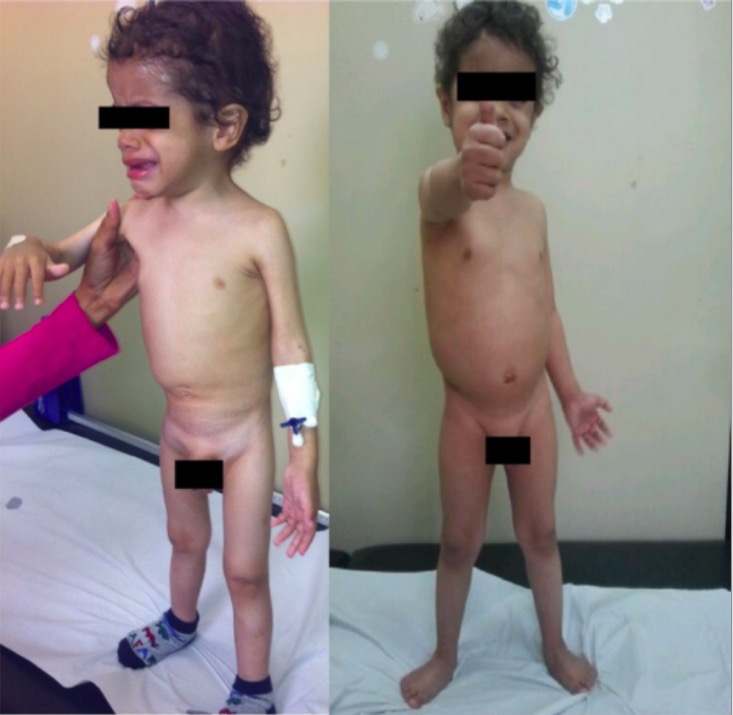
  • Deshidratado y desnutrido
  • Erupción extensa del pañal
  • Heridas sin limpiar
Niño descuidado y desnutrido

Desnutrición proteicocalórica grave debido al abuso por inanición

Imagen: “Patient 2” por Marcela Montenegro Braga Barroso et al. Licencia: CC BY 4.0

Mnemotecnia

Las señales de alerta que especifican un trauma no accidental pueden recordarse mejor con la mnemotecnia TEN-4 y FACES P:

  • Moretones: en EN Erythema nodosum is an immune-mediated panniculitis (inflammation of the subcutaneous fat) caused by a type IV (delayed-type) hypersensitivity reaction. It commonly manifests in young women as tender, erythematous nodules on the shins. Erythema Nodosum Torso, Ears (orejas, en EN Erythema nodosum is an immune-mediated panniculitis (inflammation of the subcutaneous fat) caused by a type IV (delayed-type) hypersensitivity reaction. It commonly manifests in young women as tender, erythematous nodules on the shins. Erythema Nodosum inglés), Neck (cuello, en EN Erythema nodosum is an immune-mediated panniculitis (inflammation of the subcutaneous fat) caused by a type IV (delayed-type) hypersensitivity reaction. It commonly manifests in young women as tender, erythematous nodules on the shins. Erythema Nodosum inglés) en EN Erythema nodosum is an immune-mediated panniculitis (inflammation of the subcutaneous fat) caused by a type IV (delayed-type) hypersensitivity reaction. It commonly manifests in young women as tender, erythematous nodules on the shins. Erythema Nodosum niños de 4 años o menos y cualquier hematoma Hematoma A collection of blood outside the blood vessels. Hematoma can be localized in an organ, space, or tissue. Intussusception en EN Erythema nodosum is an immune-mediated panniculitis (inflammation of the subcutaneous fat) caused by a type IV (delayed-type) hypersensitivity reaction. It commonly manifests in young women as tender, erythematous nodules on the shins. Erythema Nodosum un lactante < de 4 meses de edad
  • En EN Erythema nodosum is an immune-mediated panniculitis (inflammation of the subcutaneous fat) caused by a type IV (delayed-type) hypersensitivity reaction. It commonly manifests in young women as tender, erythematous nodules on the shins. Erythema Nodosum caso de sospecha de maltrato, deben examinarse los LOS Neisseria hematomas en EN Erythema nodosum is an immune-mediated panniculitis (inflammation of the subcutaneous fat) caused by a type IV (delayed-type) hypersensitivity reaction. It commonly manifests in young women as tender, erythematous nodules on the shins. Erythema Nodosum el Frenulum (frenillo, en EN Erythema nodosum is an immune-mediated panniculitis (inflammation of the subcutaneous fat) caused by a type IV (delayed-type) hypersensitivity reaction. It commonly manifests in young women as tender, erythematous nodules on the shins. Erythema Nodosum inglés), Auricular area (zona auricular, en EN Erythema nodosum is an immune-mediated panniculitis (inflammation of the subcutaneous fat) caused by a type IV (delayed-type) hypersensitivity reaction. It commonly manifests in young women as tender, erythematous nodules on the shins. Erythema Nodosum inglés), Cheeks (cachetes, en EN Erythema nodosum is an immune-mediated panniculitis (inflammation of the subcutaneous fat) caused by a type IV (delayed-type) hypersensitivity reaction. It commonly manifests in young women as tender, erythematous nodules on the shins. Erythema Nodosum ingés), Eyes (ojos, en EN Erythema nodosum is an immune-mediated panniculitis (inflammation of the subcutaneous fat) caused by a type IV (delayed-type) hypersensitivity reaction. It commonly manifests in young women as tender, erythematous nodules on the shins. Erythema Nodosum inglés), Sclera (esclera, en EN Erythema nodosum is an immune-mediated panniculitis (inflammation of the subcutaneous fat) caused by a type IV (delayed-type) hypersensitivity reaction. It commonly manifests in young women as tender, erythematous nodules on the shins. Erythema Nodosum inglés) y Patterned ( en EN Erythema nodosum is an immune-mediated panniculitis (inflammation of the subcutaneous fat) caused by a type IV (delayed-type) hypersensitivity reaction. It commonly manifests in young women as tender, erythematous nodules on the shins. Erythema Nodosum patrón, en EN Erythema nodosum is an immune-mediated panniculitis (inflammation of the subcutaneous fat) caused by a type IV (delayed-type) hypersensitivity reaction. It commonly manifests in young women as tender, erythematous nodules on the shins. Erythema Nodosum inglés).

Diagnóstico

Los LOS Neisseria médicos deben tener un alto índice de sospecha en EN Erythema nodosum is an immune-mediated panniculitis (inflammation of the subcutaneous fat) caused by a type IV (delayed-type) hypersensitivity reaction. It commonly manifests in young women as tender, erythematous nodules on the shins. Erythema Nodosum pacientes con factores de riesgo y señales de alerta según lo determinado por los LOS Neisseria antecedentes clínicos y el examen físico. Para confirmar la sospecha, se debe realizar un examen físico completo, incluido un examen oftalmológico y neurológico.

Para recopilar la mayor cantidad de información posible, el médico debe:

  • Tener un enfoque sin prejuicios
  • Obtener una secuencia organizada de los LOS Neisseria eventos
  • Permitir que el niño recuerde por sí solo para evitar la implantación de ideas y la revictimización
  • Dirigir con preguntas abiertas que le den al AL Amyloidosis niño la libertad de volver a contar los LOS Neisseria eventos como una historia a su propio ritmo.

La investigación incluye:

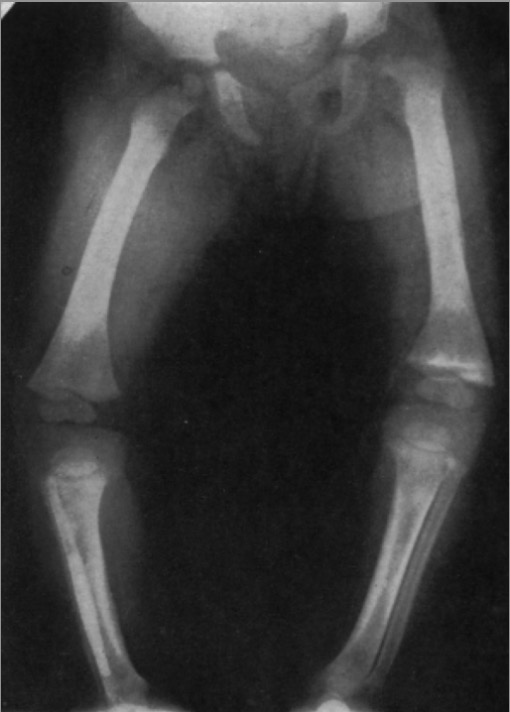
  • Un estudio esquelético:
    • 21 proyecciones dedicadas → cara anteroposterior (AP) y lateral del cráneo; columna lateral; AP de oblicuo posterior derecho, oblicuo posterior izquierdo del tórax, AP de pelvis Pelvis The pelvis consists of the bony pelvic girdle, the muscular and ligamentous pelvic floor, and the pelvic cavity, which contains viscera, vessels, and multiple nerves and muscles. The pelvic girdle, composed of 2 “hip” bones and the sacrum, is a ring-like bony structure of the axial skeleton that links the vertebral column with the lower extremities. Pelvis: Anatomy; AP de cada fémur; AP de cada pierna; AP de cada húmero; AP de cada antebrazo; vistas anterior y posterior de cada mano; AP (dorsoventral) de cada pie
    • Las fracturas en EN Erythema nodosum is an immune-mediated panniculitis (inflammation of the subcutaneous fat) caused by a type IV (delayed-type) hypersensitivity reaction. It commonly manifests in young women as tender, erythematous nodules on the shins. Erythema Nodosum múltiples sitios y múltiples etapas de curación sugieren abuso físico.
  • TC de la cabeza sin contraste hematoma Hematoma A collection of blood outside the blood vessels. Hematoma can be localized in an organ, space, or tissue. Intussusception intracraneal/subdural (síndrome del bebé sacudido)
  • Estudios de coagulación para descartar un trastorno hemorrágico por hematomas extensos
  • En EN Erythema nodosum is an immune-mediated panniculitis (inflammation of the subcutaneous fat) caused by a type IV (delayed-type) hypersensitivity reaction. It commonly manifests in young women as tender, erythematous nodules on the shins. Erythema Nodosum casos de abuso sexual:
    • Análisis de orina
    • Beta-hCG (b-hCG) para el embarazo
    • Panel ITS

En EN Erythema nodosum is an immune-mediated panniculitis (inflammation of the subcutaneous fat) caused by a type IV (delayed-type) hypersensitivity reaction. It commonly manifests in young women as tender, erythematous nodules on the shins. Erythema Nodosum casos de abuso sexual:

  • El niño puede tener dificultades para transmitir la información verbalmente.
  • Considere hacer que el niño dibuje lo que sucedió, demuestre eventos con muñecos anatómicamente correctos o escriba acerca de los LOS Neisseria eventos.
  • La recolección de muestras debe realizarse:
    • Kits de violación de uso común en EN Erythema nodosum is an immune-mediated panniculitis (inflammation of the subcutaneous fat) caused by a type IV (delayed-type) hypersensitivity reaction. It commonly manifests in young women as tender, erythematous nodules on the shins. Erythema Nodosum las salas de emergencias
    • Secreciones vaginales o peneanas
    • Ropa sucia usada después de los LOS Neisseria eventos
    • Raspaduras de uñas
    • Muestras de cabello
    • Muestra de sangre
    • Muestra de saliva Saliva The clear, viscous fluid secreted by the salivary glands and mucous glands of the mouth. It contains mucins, water, organic salts, and ptyalin. Salivary Glands: Anatomy
    • Documente con fotos y videos tanto como sea posible.
    • Cualquier elemento encontrado en EN Erythema nodosum is an immune-mediated panniculitis (inflammation of the subcutaneous fat) caused by a type IV (delayed-type) hypersensitivity reaction. It commonly manifests in young women as tender, erythematous nodules on the shins. Erythema Nodosum la víctima, o proporcionado por ella, debe ser empaquetado y etiquetado en EN Erythema nodosum is an immune-mediated panniculitis (inflammation of the subcutaneous fat) caused by a type IV (delayed-type) hypersensitivity reaction. It commonly manifests in young women as tender, erythematous nodules on the shins. Erythema Nodosum la recolección e introducido en EN Erythema nodosum is an immune-mediated panniculitis (inflammation of the subcutaneous fat) caused by a type IV (delayed-type) hypersensitivity reaction. It commonly manifests in young women as tender, erythematous nodules on the shins. Erythema Nodosum la cadena de evidencia.

Tratamiento

Los LOS Neisseria médicos tienen la obligación legal de informar todos los LOS Neisseria casos a los LOS Neisseria servicios de protección infantil. La documentación en EN Erythema nodosum is an immune-mediated panniculitis (inflammation of the subcutaneous fat) caused by a type IV (delayed-type) hypersensitivity reaction. It commonly manifests in young women as tender, erythematous nodules on the shins. Erythema Nodosum cada paso y visita es esencial para respaldar las sospechas.

Tratamiento

  • Objetivo: alejar al AL Amyloidosis niño de cualquier daño y peligro.
  • Asegúrese de que el paciente esté estable y de que se controlen todas las lesiones potencialmente mortales.
  • En EN Erythema nodosum is an immune-mediated panniculitis (inflammation of the subcutaneous fat) caused by a type IV (delayed-type) hypersensitivity reaction. It commonly manifests in young women as tender, erythematous nodules on the shins. Erythema Nodosum casos de abuso sexual, profilaxis para ITS, incluido el VIH, dentro de las 72 horas posteriores al AL Amyloidosis incidente
  • Enfoque de equipo multidisciplinario que incluya médicos, pediatras, enfermeras, psicólogos, psiquiatras y trabajadores sociales
  • Se requiere un seguimiento a largo plazo para garantizar que el niño alcance todos los LOS Neisseria hitos del desarrollo y no sufra ninguna enfermedad psiquiátrica.

Prevención

  • Los LOS Neisseria médicos pueden usar el modelo SEEK (entorno seguro para todos los LOS Neisseria niños) para evaluar a los LOS Neisseria cuidadores con un cuestionario y guiar a aquellos con factores de alto riesgo de abuso hacia los LOS Neisseria recursos adecuados, como folletos y programas comunitarios y hospitalarios.
  • Los LOS Neisseria cuidadores de niños con una enfermedad médica crónica o discapacidad del desarrollo se beneficiarían de una guía anticipada y un seguimiento más cercano.

Relevancia Clínica

Las siguientes condiciones son parte del diagnóstico diferencial de abuso infantil y deben tenerse en EN Erythema nodosum is an immune-mediated panniculitis (inflammation of the subcutaneous fat) caused by a type IV (delayed-type) hypersensitivity reaction. It commonly manifests in young women as tender, erythematous nodules on the shins. Erythema Nodosum cuenta al AL Amyloidosis documentar para informar:

  • Retraso en EN Erythema nodosum is an immune-mediated panniculitis (inflammation of the subcutaneous fat) caused by a type IV (delayed-type) hypersensitivity reaction. It commonly manifests in young women as tender, erythematous nodules on the shins. Erythema Nodosum el crecimiento: Aumento de peso y crecimiento subóptimos en EN Erythema nodosum is an immune-mediated panniculitis (inflammation of the subcutaneous fat) caused by a type IV (delayed-type) hypersensitivity reaction. It commonly manifests in young women as tender, erythematous nodules on the shins. Erythema Nodosum lactantes y niños pequeños en EN Erythema nodosum is an immune-mediated panniculitis (inflammation of the subcutaneous fat) caused by a type IV (delayed-type) hypersensitivity reaction. It commonly manifests in young women as tender, erythematous nodules on the shins. Erythema Nodosum las tablas de crecimiento estandarizadas. Aunque la negligencia es una de las principales causas, los LOS Neisseria médicos deben buscar causas orgánicas de la falta de aumento de peso.
  • Osteogénesis imperfecta (OI) o enfermedad de los LOS Neisseria huesos quebradizos: Un espectro de trastornos del tejido conectivo que se caracterizan por una formación de hueso alterada y una fragilidad ósea severa. Los LOS Neisseria niños con OI clásicamente tienen antecedentes de fracturas durante actividades de bajo impacto (e.g., cambio de pañal) desde el nacimiento.
  • Síndrome de Ehlers-Danlos: Un trastorno del tejido conectivo que causa hematomas fáciles debido a la producción defectuosa de colágeno. La presencia de piel hiperextensible y articulaciones hipermóviles, junto con una prueba genética, confirma este síndrome.
  • Hemofilia: Una deficiencia hereditaria de factor 8, 9 u 11 que provoca hemorragia en EN Erythema nodosum is an immune-mediated panniculitis (inflammation of the subcutaneous fat) caused by a type IV (delayed-type) hypersensitivity reaction. It commonly manifests in young women as tender, erythematous nodules on the shins. Erythema Nodosum tejidos profundos que pueden simular hematomas extensos. Por lo general, no hay antecedentes de traumatismos menores. Análisis de sangre en EN Erythema nodosum is an immune-mediated panniculitis (inflammation of the subcutaneous fat) caused by a type IV (delayed-type) hypersensitivity reaction. It commonly manifests in young women as tender, erythematous nodules on the shins. Erythema Nodosum busca del factor específico que diagnostica la hemofilia.
  • Mancha mongólica: Una marca de nacimiento congénita que se ve VE Ventilation: Mechanics of Breathing con mayor frecuencia en EN Erythema nodosum is an immune-mediated panniculitis (inflammation of the subcutaneous fat) caused by a type IV (delayed-type) hypersensitivity reaction. It commonly manifests in young women as tender, erythematous nodules on the shins. Erythema Nodosum el área lumbosacra. Las manchas mongólicas imitan los LOS Neisseria hematomas, ya que son de color verde azulado a negro y, por lo general, tienen una forma irregular. Los LOS Neisseria antecedentes y el seguimiento de la mancha pueden diferenciarla de un hematoma Hematoma A collection of blood outside the blood vessels. Hematoma can be localized in an organ, space, or tissue. Intussusception no accidental.
  • Xeroderma pigmentoso: Un trastorno genético ligado al AL Amyloidosis cromosoma X que causa quemaduras extensas en EN Erythema nodosum is an immune-mediated panniculitis (inflammation of the subcutaneous fat) caused by a type IV (delayed-type) hypersensitivity reaction. It commonly manifests in young women as tender, erythematous nodules on the shins. Erythema Nodosum la piel expuesta a la luz ultravioleta debido a la falta de un mecanismo de reparación del ADN. Los LOS Neisseria pacientes suelen sufrir quemaduras solares extensas, pecas y excoriaciones.
  • Variantes anatómicas normales de los LOS Neisseria genitales masculinos y femeninos y del esfínter anal en EN Erythema nodosum is an immune-mediated panniculitis (inflammation of the subcutaneous fat) caused by a type IV (delayed-type) hypersensitivity reaction. It commonly manifests in young women as tender, erythematous nodules on the shins. Erythema Nodosum niños pequeños: Incluyen variantes de configuración himenal, restos de tabique, crestas intravaginales, fisuras anales y papilomas cutáneos perianales (estreñimiento), que pueden simular signos de abuso sexual.

Referencias

  1. Carrasco, MM, & Wolford, JE. (2018). Child abuse and neglect. In B. J. Zitelli MD, S. C. McIntire MD & Nowalk, Andrew J., MD, Ph.D. (Eds.), Zitelli and Davis’ Atlas of Pediatric Physical Diagnosis (pp. 171–235). https://www.clinicalkey.es/#!/content/3-s2.0-B9780323393034000062
  2. Dubowitz, H, & Lane, WG. (2020). Abused and neglected children. In R. M. Kliegman MD, J. W. St Geme MD, N. J. Blum MD, Shah, Samir S., MD, MSCE, Tasker, Robert C., MBBS, MD & Wilson, Karen M., MD, MPH (Eds.), Nelson Textbook of Pediatrics (pp. 98–111.e1). https://www.clinicalkey.es/#!/content/3-s2.0-B978032352950100016X
  3. Lane WG. (2014). Prevention of child maltreatment. Pediatric Clinics of North America, 61(5), 873–888. https://doi.org/10.1016/j.pcl.2014.06.002

¡Crea tu cuenta gratis o inicia una sesión para seguir leyendo!

Regístrate ahora y obtén acceso gratuito a Lecturio con páginas de concepto, videos médicos y cuestionarios para tu educación médica.

User Reviews

Que tengas una sesión de estudio alegre y navideña 🎁 Ahorra 50% en todos los planes >>

Details