


Defeitos do Tubo Neural

Os defeitos do tubo neural ( NTDs NTDs Neural tube defects (NTDs) are the 2nd-most common type of congenital birth defects. Neural tube defects can range from asymptomatic (closed ntd) to very severe malformations of the spine or brain (open ntd). Neural tube defects are caused by the failure of the neural tube to close properly during the 3rd and 4th week of embryological development. Neural Tube Defects, pela sigla em inglês) são o segundo tipo mais MAIS Androgen Insensitivity Syndrome comum de defeitos congénitos ao nascimento. Os defeitos do tubo neural podem variar de assintomáticos (NTD fechado) a malformações muito graves da coluna ou do cérebro (NTD aberto). Os defeitos do tubo neural são causados pela falha no encerramento adequado do tubo neural durante a 3ª e 4ª semana de desenvolvimento embriológico. O tipo mais MAIS Androgen Insensitivity Syndrome comum de NTD aberto é o meningomielocelo, que envolve tanto as meninges Meninges The brain and the spinal cord are enveloped by 3 overlapping layers of connective tissue called the meninges. The layers are, from the most external layer to the most internal layer, the dura mater, arachnoid mater, and pia mater. Between these layers are 3 potential spaces called the epidural, subdural, and subarachnoid spaces. Meninges: Anatomy como o tecido neural. As etiologias dos NTD são multifatoriais, variando desde a nutrição materna até aos determinantes genéticos. É comum o diagnóstico pré-natal por ecografia e níveis de α-fetoproteína materna. O tratamento dos NTDs NTDs Neural tube defects (NTDs) are the 2nd-most common type of congenital birth defects. Neural tube defects can range from asymptomatic (closed ntd) to very severe malformations of the spine or brain (open ntd). Neural tube defects are caused by the failure of the neural tube to close properly during the 3rd and 4th week of embryological development. Neural Tube Defects abertos é principalmente cirúrgico.

Last updated: Dec 17, 2025

Editorial responsibility: Stanley Oiseth, Lindsay Jones, Evelin Maza

Descrição Geral

Definição

Um defeito do tubo neural (NTD, pela sigla em inglês; disrafismo espinhal) é um defeito congénito no revestimento do sistema nervoso central, resultante de uma falha no encerramento espontâneo do tubo neural durante a 3ª ou 4ª semana de desenvolvimento embrionário.
Classificação

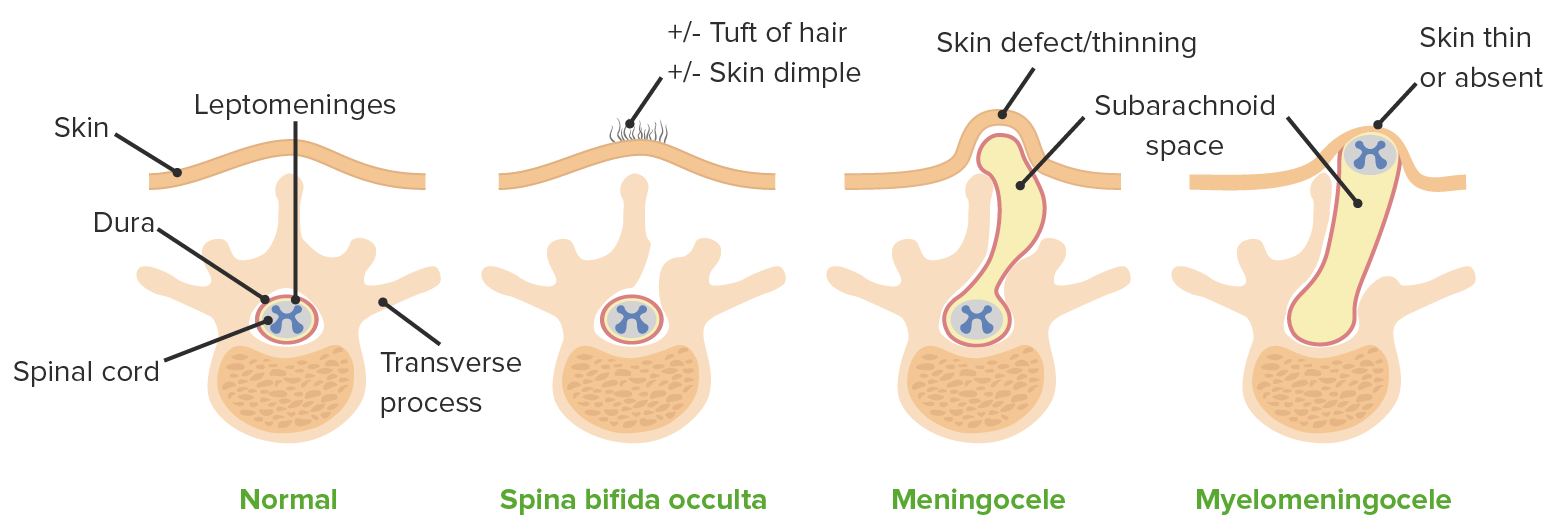
  • NTD aberto (80% dos casos): defeito na linha média dos corpos vertebrais com diferentes graus de protrusão das meninges Meninges The brain and the spinal cord are enveloped by 3 overlapping layers of connective tissue called the meninges. The layers are, from the most external layer to the most internal layer, the dura mater, arachnoid mater, and pia mater. Between these layers are 3 potential spaces called the epidural, subdural, and subarachnoid spaces. Meninges: Anatomy e do sistema nervoso central (SNC)
    • Defeito ao longo da medula espinhal:
      • Meningocelo: Apenas com protrusão das meninges Meninges The brain and the spinal cord are enveloped by 3 overlapping layers of connective tissue called the meninges. The layers are, from the most external layer to the most internal layer, the dura mater, arachnoid mater, and pia mater. Between these layers are 3 potential spaces called the epidural, subdural, and subarachnoid spaces. Meninges: Anatomy.
      • Meningomielocelo: Protrusão das meninges Meninges The brain and the spinal cord are enveloped by 3 overlapping layers of connective tissue called the meninges. The layers are, from the most external layer to the most internal layer, the dura mater, arachnoid mater, and pia mater. Between these layers are 3 potential spaces called the epidural, subdural, and subarachnoid spaces. Meninges: Anatomy e medula espinhal (NTD mais MAIS Androgen Insensitivity Syndrome comum).
    • Defeito do crânio:
      • Meningocelo craniano: Protrusão das meninges Meninges The brain and the spinal cord are enveloped by 3 overlapping layers of connective tissue called the meninges. The layers are, from the most external layer to the most internal layer, the dura mater, arachnoid mater, and pia mater. Between these layers are 3 potential spaces called the epidural, subdural, and subarachnoid spaces. Meninges: Anatomy.
      • Encefalocelo craniana: Protrusão tanto as meninges Meninges The brain and the spinal cord are enveloped by 3 overlapping layers of connective tissue called the meninges. The layers are, from the most external layer to the most internal layer, the dura mater, arachnoid mater, and pia mater. Between these layers are 3 potential spaces called the epidural, subdural, and subarachnoid spaces. Meninges: Anatomy como do tronco cerebral/cerebelo/córtex cerebral.
      • Anencefalia: falha completa no encerramento do tubo neural cefálico, o que resulta num cérebro fetal totalmente exposto (não compatível com a vida)
  • NTD fechado: defeito na linha média dos corpos vertebrais sem protrusão das meninges Meninges The brain and the spinal cord are enveloped by 3 overlapping layers of connective tissue called the meninges. The layers are, from the most external layer to the most internal layer, the dura mater, arachnoid mater, and pia mater. Between these layers are 3 potential spaces called the epidural, subdural, and subarachnoid spaces. Meninges: Anatomy ou tecido neural
    • Sem massa subcutânea: espinha bífida oculta
    • Com massa subcutânea:
      • Lipomielomeningocelo
      • Lipomeningocelo

Epidemiologia

  • 1 em 1.500 nascimentos nos Estados Unidos
  • 2ª anomalia congénita mais MAIS Androgen Insensitivity Syndrome comum ( mais MAIS Androgen Insensitivity Syndrome comum são as anomalias cardíacas)
  • Incidência:
    • Tem diminuído com o rastreio e a suplementação pré-natal de ácido fólico
    • Varia com etnia e região geográfica
  • Recém-nascidos do sexo feminino são mais MAIS Androgen Insensitivity Syndrome frequentemente afetados.
  • Fatores de risco maternos durante a gravidez:
    • Deficiência de folato
    • História de NTD em crianças de partos anteriores (5% 10% de recorrência com 1 2 irmãos afetados)
    • Fármacos que causam depleção de ácido fólico (ácido valproico, triantereno, trimetoprim, sulfassalazina)
    • Diabetes Diabetes Diabetes mellitus (DM) is a metabolic disease characterized by hyperglycemia and dysfunction of the regulation of glucose metabolism by insulin. Type 1 DM is diagnosed mostly in children and young adults as the result of autoimmune destruction of β cells in the pancreas and the resulting lack of insulin. Type 2 DM has a significant association with obesity and is characterized by insulin resistance. Diabetes Mellitus materno mal controlada
    • Obesidade materna

Embriologia

  • Conceção até a 3ª semana de gestação (gastrulação):
    • Célula única → blástula de camada única → gástrula de 3 camadas: ectoderme, endoderme e mesoderme
  • 4ª semana:
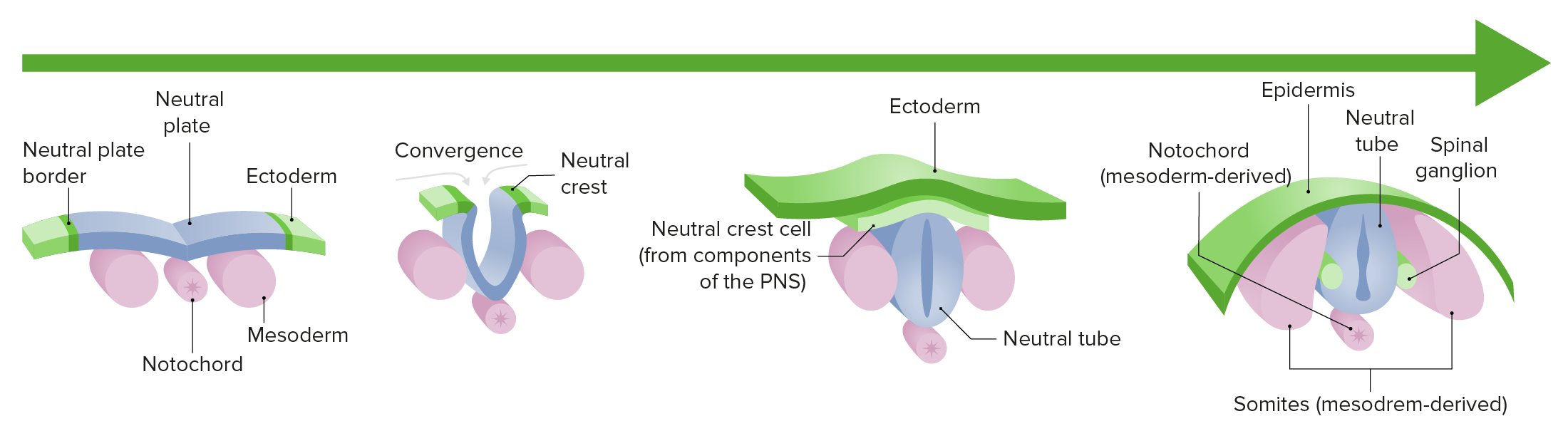
    • Ectoderme → diferencia-se em neuroectoderm Neuroectoderm Development of the Nervous System and Facee (criando a placa neural ) → replicação celular na placa neural → cristas neurais + prega neural
    • Mesoderme → diferencia-se em notocórdio sinaliza a prega neural para ampliar/fundir → tubo neural (neurulação)
    • O tubo neural “fecha-se” do meio para fora → as aberturas cranial (cabeça) e caudal (cauda) fecham-se aproximadamente nos dias 24 e 28
Neurulação da linha do tempo

Neurulação: diferenciação e crescimento da placa neural no tubo neural durante o primeiro trimestre de gestação.
SNP: Sistema nervoso periférico

Imagem por Lecturio.

Apresentação Clínica

A maioria dos NTDs NTDs Neural tube defects (NTDs) are the 2nd-most common type of congenital birth defects. Neural tube defects can range from asymptomatic (closed ntd) to very severe malformations of the spine or brain (open ntd). Neural tube defects are caused by the failure of the neural tube to close properly during the 3rd and 4th week of embryological development. Neural Tube Defects são descobertos durante o rastreio pré-natal. Os NTDs NTDs Neural tube defects (NTDs) are the 2nd-most common type of congenital birth defects. Neural tube defects can range from asymptomatic (closed ntd) to very severe malformations of the spine or brain (open ntd). Neural tube defects are caused by the failure of the neural tube to close properly during the 3rd and 4th week of embryological development. Neural Tube Defects abertos são evidentes ao nascimento, mas os NTDs NTDs Neural tube defects (NTDs) are the 2nd-most common type of congenital birth defects. Neural tube defects can range from asymptomatic (closed ntd) to very severe malformations of the spine or brain (open ntd). Neural tube defects are caused by the failure of the neural tube to close properly during the 3rd and 4th week of embryological development. Neural Tube Defects fechados podem ter apresentações mais MAIS Androgen Insensitivity Syndrome subtis.

Tabela: Características clínicas dos principais defeitos do tubo neural
Nome Descrição Características clínicas
Mielomeningocelo Herniação meníngea e da medula espinhal Quanto mais MAIS Androgen Insensitivity Syndrome alta a lesão na coluna, mais MAIS Androgen Insensitivity Syndrome grave são os sintomas:
  • Tronco cerebral: malformação de Chiari tipo 2 (hérnia cerebelar tonsilar) com hidrocefalia
  • Pescoço: quadriplegia Quadriplegia Severe or complete loss of motor function in all four limbs which may result from brain diseases; spinal cord diseases; peripheral nervous system diseases; neuromuscular diseases; or rarely muscular diseases. The locked-in syndrome is characterized by quadriplegia in combination with cranial muscle paralysis. Consciousness is spared and the only retained voluntary motor activity may be limited eye movements. This condition is usually caused by a lesion in the upper brain stem which injures the descending corticospinal and corticobulbar tracts. Locked-in Syndrome
  • Defeito lombossacral:
    • Paraplegia/paralisia flácida
    • Perda da sensação de toque e dor nos membros inferiores
    • Anestesia na região perianal
    • Incontinência intestinal + urinária
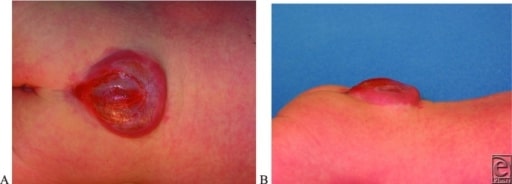
Meningocelo Herniação meníngea sem envolvimento da medula espinhal
  • Massa flutuante
  • Transluminescência
  • Revestido por pele
Encefalocelo Meninges Meninges The brain and the spinal cord are enveloped by 3 overlapping layers of connective tissue called the meninges. The layers are, from the most external layer to the most internal layer, the dura mater, arachnoid mater, and pia mater. Between these layers are 3 potential spaces called the epidural, subdural, and subarachnoid spaces. Meninges: Anatomy ± protrusão de tecido cerebral do defeito craniano
  • Hidrocefalia
  • Espasticidade
  • Paralisia
  • Convulsões
  • Microcefalia
  • Atraso no desenvolvimento
  • Problemas de visão
  • Défices de desenvolvimento e crescimento
Anencefalia Ausência da componente principal do cérebro e do crânio.
  • Nado morto/morte precoce
  • Espasticidade com surdez/cegueira
Espinha bífida oculta Defeito de fusão do corpo vertebral na linha média sem protrusão da dura-máter ou tecido neural
  • Geralmente assintomática
  • Se envolvimento da medula espinhal (“síndrome do cordão amarrado”), pode desenvolver-se incontinência, obstipação ou ataxia Ataxia Impairment of the ability to perform smoothly coordinated voluntary movements. This condition may affect the limbs, trunk, eyes, pharynx, larynx, and other structures. Ataxia may result from impaired sensory or motor function. Sensory ataxia may result from posterior column injury or peripheral nerve diseases. Motor ataxia may be associated with cerebellar diseases; cerebral cortex diseases; thalamic diseases; basal ganglia diseases; injury to the red nucleus; and other conditions. Ataxia-telangiectasia
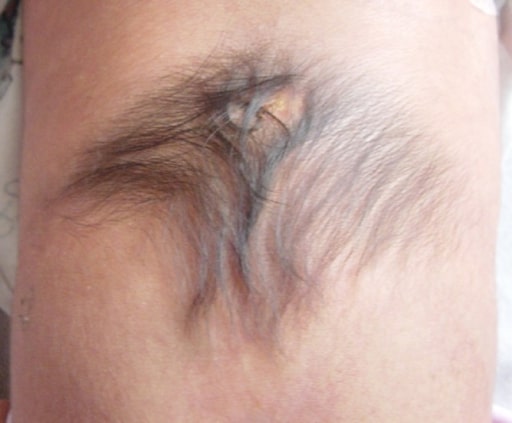
  • Pode ser acompanhada por revestimento de pele anormal com hemangioma Hemangioma A vascular anomaly due to proliferation of blood vessels that forms a tumor-like mass. The common types involve capillaries and veins. It can occur anywhere in the body but is most frequently noticed in the skin and subcutaneous tissue. Imaging of the Liver and Biliary Tract, descoloração, fossa, caroço, seio dérmico ou mancha pilosa
Tipos de NTD e seus respectivos defeitos

Tipos de NTD e os seus respetivos defeitos

Imagem por Lecturio.
Diagnóstico

Rastreio pré-natal

  • α-fetoproteína sérica/amniótica (α-fetoproteína sérica materna; MSAFP, pela sigla em inglês): níveis elevados às 15-20 semanas de gestação sugestivos de NTD, mas não diagnósticos
  • Ecografia: Especificidade de 98% para visualização do defeito e pode ser usada para confirmar o diagnóstico (o NTD fechado pode não ser detetado).

Imagiologia pós-natal

  • NTD aberto: ecografia frequentemente usada; ressonância magnética (MRI, pela sigla em inglês) pode ser usada se for necessário mais MAIS Androgen Insensitivity Syndrome detalhe
  • NTD fechado: ecografia indicada com os seguintes sinais cutâneos:
    • Massa subcutânea palpável
    • Mancha peluda sobre a coluna vertebral
    • Seio dérmico
    • Covinhas > 5 mm de profundidade ou > 25 mm da borda anal
    • Marcas de pele ou apêndices em forma de cauda
    • Manchas hiperpigmentadas ou desvio da fenda glútea

Tratamento

Pré-natal

  • Prevenção com suplementação de ácido fólico (vitamina B 9 ):
    • Diminui a incidência de NTD em cerca de 70%
    • Dose pré-conceção: 0,4 mg/dia de ácido fólico durante pelo menos 1 mês antes da conceção e durante a gravidez
    • Uma dose mais MAIS Androgen Insensitivity Syndrome alta (geralmente 4 mg/dia) é indicada para nos seguintes casos:
      • Uma gravidez anterior afetada por NTD
      • Uma história familiar positiva para NTD
      • Uso de fármacos depletores de ácido fólico
      • Diabetes Diabetes Diabetes mellitus (DM) is a metabolic disease characterized by hyperglycemia and dysfunction of the regulation of glucose metabolism by insulin. Type 1 DM is diagnosed mostly in children and young adults as the result of autoimmune destruction of β cells in the pancreas and the resulting lack of insulin. Type 2 DM has a significant association with obesity and is characterized by insulin resistance. Diabetes Mellitus pré-gestacional
  • Parto: a cesariana é recomendada
  • Cirurgia fetal

Pós-natal

  • NTD fechado:
    • Pode não requerer nenhuma intervenção
    • Acompanhamento contínuo para sintomas neurológicos mais MAIS Androgen Insensitivity Syndrome baixos (incontinência, obstipação, dificuldade de deambulação)
  • NTD aberto:
    • Manter-se aquecido e em decúbito ventral.
    • Revestir o NTD com curativo húmido estéril.
  • Tratamento cirúrgico:
    • Intervenção neurocirúrgica para todos os NTDs NTDs Neural tube defects (NTDs) are the 2nd-most common type of congenital birth defects. Neural tube defects can range from asymptomatic (closed ntd) to very severe malformations of the spine or brain (open ntd). Neural tube defects are caused by the failure of the neural tube to close properly during the 3rd and 4th week of embryological development. Neural Tube Defects abertos
    • O NTD fechado normalmente não requer cirurgia

Referências

  1. Boon, R. L. (2010). Textbooks of Paediatrics.
  2. Winn, H. R. (2011). Youmans Neurological Surgery E-Book. Elsevier Health Sciences.
  3. Goetzl, L. M. (2024). Folic acid supplementation in pregnancy. UpToDate. Retrieved February 7, 2025, from https://www.uptodate.com/contents/preconception-and-prenatal-folic-acid-supplementation
  4. Dukhovny, S., & Wilkins-Haug, L. (2024). Open neural tube defects: Risk factors, prenatal screening and diagnosis, and pregnancy management. UpToDate. Retrieved February 7, 2025, from https://www.uptodate.com/contents/neural-tube-defects-overview-of-prenatal-screening-evaluation-and-pregnancy-management
  5. Lee, S. Y., Papanna, R., Farmer, D., & Tsao, K. (2022). Fetal repair of neural tube defects. Clinics in Perinatology, 49(4), 835-848. https://doi.org/10.1016/j.clp.2022.06.004

Crie sua conta gratuita ou faça login para continuar lendo!

Cadastre-se agora e tenha acesso grátis ao Lecturio, com páginas de conceitos, vídeos de medicina e questões para sua educação médica.

Aprende mais com a Lecturio:

Multiple devices displaying human anatomy and health education content.

Complementa o teu estudo da faculdade com o companheiro de estudo tudo-em-um da Lecturio, através de métodos de ensino baseados em evidência.

Estuda onde quiseres

Two iPhones display medical education apps, one showing anatomy, the other Bookmatcher.

A Lecturio Medical complementa o teu estudo através de métodos de ensino baseados em evidência, vídeos de palestras, perguntas e muito mais – tudo combinado num só lugar e fácil de usar.

User Reviews

Have a holly, jolly study session 🎁 Save 50% on all plans now >>

Que tengas una sesión de estudio alegre y navideña 🎁 Ahorra 50% en todos los planes >>

Details