Domina Conceptos Médicos

Estudia para la escuela de medicina y tus examenes con Lecturio.

Virus de la Parainfluenza

Los LOS Neisseria virus Virus Viruses are infectious, obligate intracellular parasites composed of a nucleic acid core surrounded by a protein capsid. Viruses can be either naked (non-enveloped) or enveloped. The classification of viruses is complex and based on many factors, including type and structure of the nucleoid and capsid, the presence of an envelope, the replication cycle, and the host range. Virology de la parainfluenza humana (HPIV, por sus siglas en EN Erythema nodosum is an immune-mediated panniculitis (inflammation of the subcutaneous fat) caused by a type IV (delayed-type) hypersensitivity reaction. It commonly manifests in young women as tender, erythematous nodules on the shins. Erythema Nodosum inglés) son virus Virus Viruses are infectious, obligate intracellular parasites composed of a nucleic acid core surrounded by a protein capsid. Viruses can be either naked (non-enveloped) or enveloped. The classification of viruses is complex and based on many factors, including type and structure of the nucleoid and capsid, the presence of an envelope, the replication cycle, and the host range. Virology de ácido ribonucleico (ARN) monocatenario, lineal y de sentido negativo de la familia Paramyxoviridae Paramyxoviridae A family of spherical viruses, of the order mononegavirales, somewhat larger than the orthomyxoviruses, and containing single-stranded RNA. Subfamilies include paramyxoviridae and pneumovirinae. Respiratory Syncytial Virus y de los LOS Neisseria géneros Respirovirus Respirovirus A genus of the family paramyxoviridae (subfamily paramyxovirinae) where all the virions have both hemagglutinin and neuraminidase activities and encode a non-structural c protein. Sendai virus is the type species. Parainfluenza Virus y Orthorubulavirus Los LOS Neisseria virus Virus Viruses are infectious, obligate intracellular parasites composed of a nucleic acid core surrounded by a protein capsid. Viruses can be either naked (non-enveloped) or enveloped. The classification of viruses is complex and based on many factors, including type and structure of the nucleoid and capsid, the presence of an envelope, the replication cycle, and the host range. Virology de la parainfluenza humana son la segunda causa más común de enfermedades respiratorias bajas en EN Erythema nodosum is an immune-mediated panniculitis (inflammation of the subcutaneous fat) caused by a type IV (delayed-type) hypersensitivity reaction. It commonly manifests in young women as tender, erythematous nodules on the shins. Erythema Nodosum los LOS Neisseria niños, después del virus Virus Viruses are infectious, obligate intracellular parasites composed of a nucleic acid core surrounded by a protein capsid. Viruses can be either naked (non-enveloped) or enveloped. The classification of viruses is complex and based on many factors, including type and structure of the nucleoid and capsid, the presence of an envelope, the replication cycle, and the host range. Virology sincitial respiratorio. Las infecciones de las vías respiratorias superiores, incluido el crup, también están causadas por los LOS Neisseria HPIV, pero en EN Erythema nodosum is an immune-mediated panniculitis (inflammation of the subcutaneous fat) caused by a type IV (delayed-type) hypersensitivity reaction. It commonly manifests in young women as tender, erythematous nodules on the shins. Erythema Nodosum menor medida. El tratamiento de las infecciones por el virus Virus Viruses are infectious, obligate intracellular parasites composed of a nucleic acid core surrounded by a protein capsid. Viruses can be either naked (non-enveloped) or enveloped. The classification of viruses is complex and based on many factors, including type and structure of the nucleoid and capsid, the presence of an envelope, the replication cycle, and the host range. Virology de la parainfluenza se basa en EN Erythema nodosum is an immune-mediated panniculitis (inflammation of the subcutaneous fat) caused by a type IV (delayed-type) hypersensitivity reaction. It commonly manifests in young women as tender, erythematous nodules on the shins. Erythema Nodosum cuidados de soporte, epinefrina racémica y esteroides.

Last updated: Jan 29, 2026
Editorial responsibility: Stanley Oiseth, Lindsay Jones, Evelin Maza

Clasificación

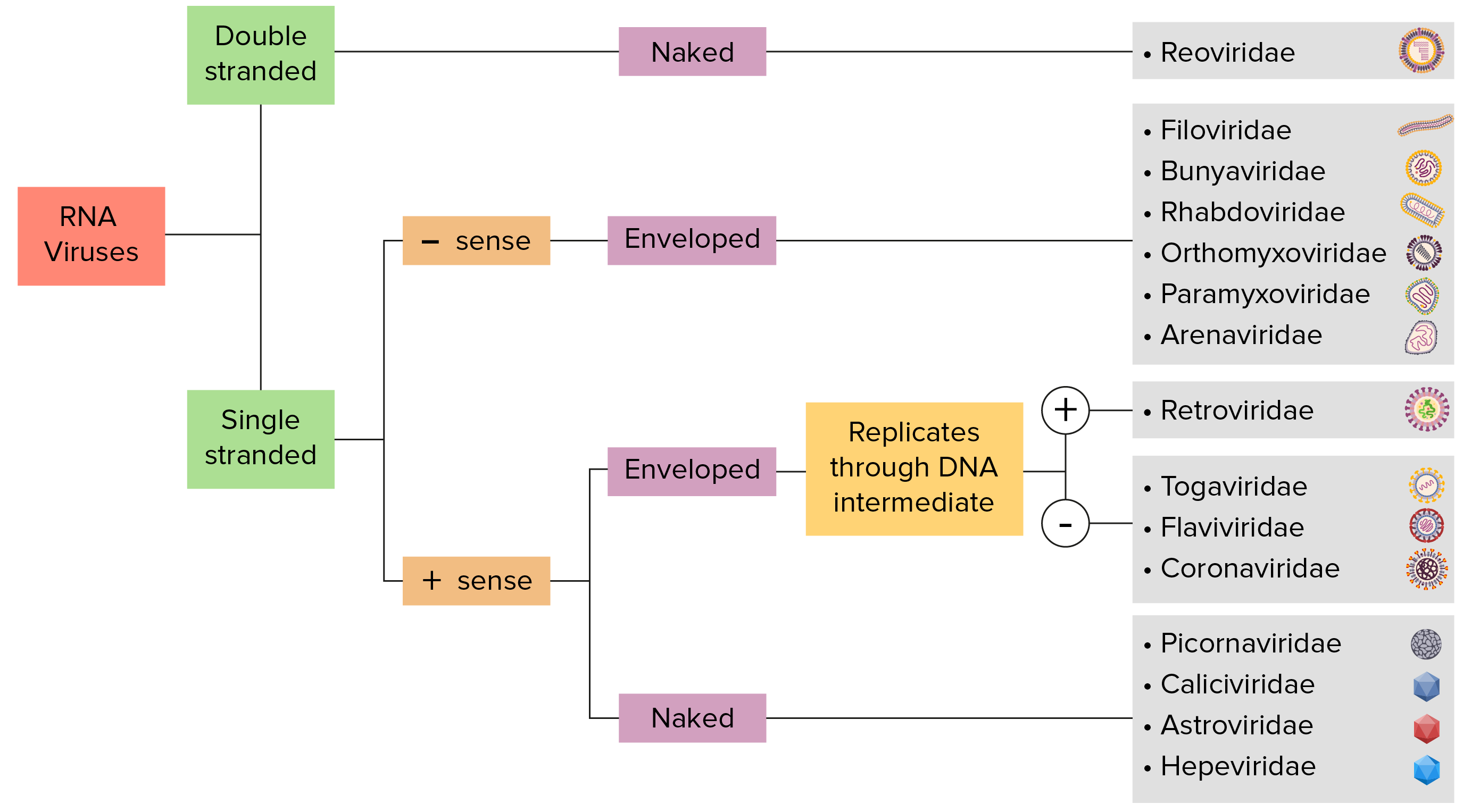
Diagrama de flujo de la clasificación de los virus de ARN

Identificación de los virus ARN:
Los virus pueden clasificarse de muchas maneras. Sin embargo, la mayoría de los virus tienen un genoma formado por ácido desoxirribonucleico (ADN) o ARN. Los virus con genoma ARN pueden caracterizarse además por tener ARN monocatenario o bicatenario. Los virus “envueltos” están cubiertos por una fina capa de membrana celular (normalmente tomada de la célula huésped). Si la capa está ausente, los virus se denominan “desnudos”. Los virus con genomas monocatenarios son de “sentido positivo” si el genoma se emplea directamente como ARN mensajero (ARNm), que se traduce en proteínas. Los virus monocatenarios de “sentido negativo” emplean la ARN polimerasa dependiente de ARN, una enzima viral, para transcribir su genoma en ARN mensajero.
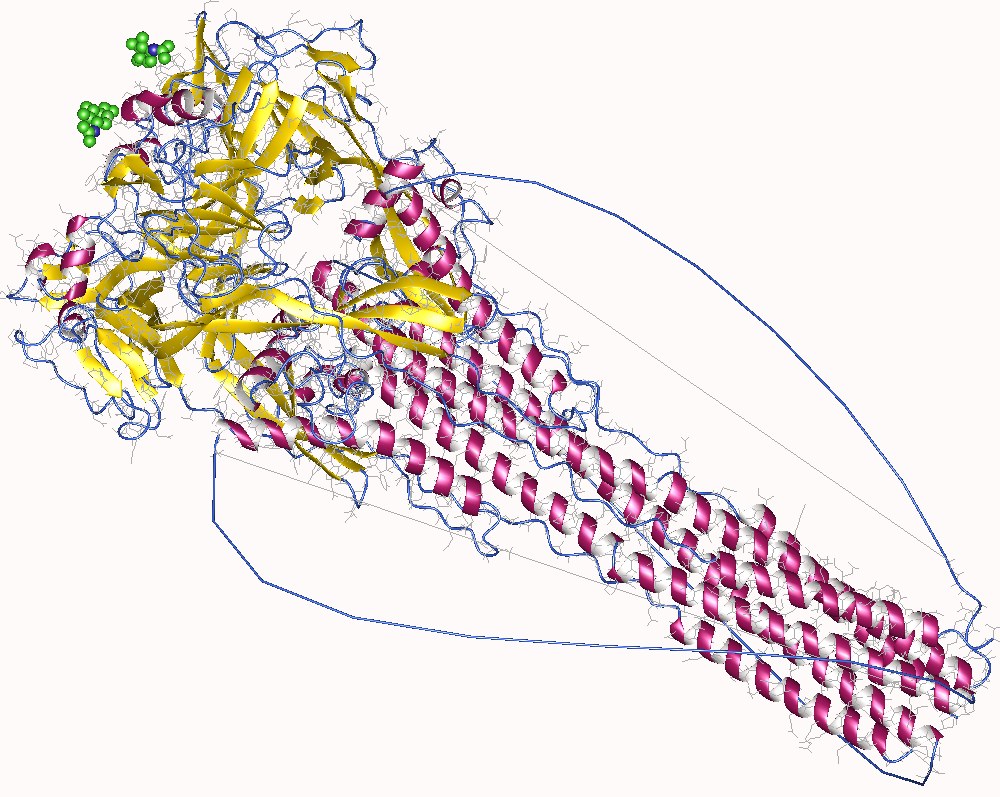
Imagen por Lecturio. Licencia: CC BY-NC-SA 4.0

Características Generales

Estructura

  • Géneros Respirovirus Respirovirus A genus of the family paramyxoviridae (subfamily paramyxovirinae) where all the virions have both hemagglutinin and neuraminidase activities and encode a non-structural c protein. Sendai virus is the type species. Parainfluenza Virus y Orthorubulavirus
  • Subfamilia Paramyxovirinae
  • Familia Paramyxoviridae Paramyxoviridae A family of spherical viruses, of the order mononegavirales, somewhat larger than the orthomyxoviruses, and containing single-stranded RNA. Subfamilies include paramyxoviridae and pneumovirinae. Respiratory Syncytial Virus
  • ARN monocatenario, lineal y de sentido negativo
  • Virus Virus Viruses are infectious, obligate intracellular parasites composed of a nucleic acid core surrounded by a protein capsid. Viruses can be either naked (non-enveloped) or enveloped. The classification of viruses is complex and based on many factors, including type and structure of the nucleoid and capsid, the presence of an envelope, the replication cycle, and the host range. Virology envuelto
  • Cápside grande y helicoidal que transporta la ARN polimerasa dependiente del ARN dentro de los LOS Neisseria viriones

Especies clínicamente relevantes

  • La familia Paramyxoviridae Paramyxoviridae A family of spherical viruses, of the order mononegavirales, somewhat larger than the orthomyxoviruses, and containing single-stranded RNA. Subfamilies include paramyxoviridae and pneumovirinae. Respiratory Syncytial Virus consta de 3 géneros:
    • Paramixovirus: incluye los LOS Neisseria virus Virus Viruses are infectious, obligate intracellular parasites composed of a nucleic acid core surrounded by a protein capsid. Viruses can be either naked (non-enveloped) or enveloped. The classification of viruses is complex and based on many factors, including type and structure of the nucleoid and capsid, the presence of an envelope, the replication cycle, and the host range. Virology de la parainfluenza ( Respirovirus Respirovirus A genus of the family paramyxoviridae (subfamily paramyxovirinae) where all the virions have both hemagglutinin and neuraminidase activities and encode a non-structural c protein. Sendai virus is the type species. Parainfluenza Virus) y de las paperas ( Rubulavirus Rubulavirus A genus of the family paramyxoviridae (subfamily paramyxovirinae) where all the species have hemagglutinin and neuraminidase activities but lack a c protein. Mumps virus is the type species. Parainfluenza Virus)
    • Pneumovirus Pneumovirus A genus of the family paramyxoviridae (subfamily pneumovirinae) where the human and bovine virions have neither hemagglutinin nor neuraminidase activity. Respiratory syncytial virus, human is the type species. Respiratory Syncytial Virus: incluye el virus Virus Viruses are infectious, obligate intracellular parasites composed of a nucleic acid core surrounded by a protein capsid. Viruses can be either naked (non-enveloped) or enveloped. The classification of viruses is complex and based on many factors, including type and structure of the nucleoid and capsid, the presence of an envelope, the replication cycle, and the host range. Virology sincitial respiratorio ( RSV RSV Respiratory syncytial virus (RSV) is an enveloped, single-stranded, linear, negative-sense RNA virus of the family Paramyxoviridae and the genus Orthopneumovirus. Two subtypes (A and B) are present in outbreaks, but type A causes more severe disease. Respiratory syncytial virus causes infections of the lungs and respiratory tract. Respiratory Syncytial Virus, por sus siglas en EN Erythema nodosum is an immune-mediated panniculitis (inflammation of the subcutaneous fat) caused by a type IV (delayed-type) hypersensitivity reaction. It commonly manifests in young women as tender, erythematous nodules on the shins. Erythema Nodosum inglés)
    • Morbillivirus Morbillivirus A genus of the family paramyxoviridae (subfamily paramyxovirinae) where the virions of most members have hemagglutinin but not neuraminidase activity. All members produce both cytoplasmic and intranuclear inclusion bodies. Measles virus is the type species. Measles Virus: incluye el virus Virus Viruses are infectious, obligate intracellular parasites composed of a nucleic acid core surrounded by a protein capsid. Viruses can be either naked (non-enveloped) or enveloped. The classification of viruses is complex and based on many factors, including type and structure of the nucleoid and capsid, the presence of an envelope, the replication cycle, and the host range. Virology del sarampión
  • La familia Paramyxoviridae Paramyxoviridae A family of spherical viruses, of the order mononegavirales, somewhat larger than the orthomyxoviruses, and containing single-stranded RNA. Subfamilies include paramyxoviridae and pneumovirinae. Respiratory Syncytial Virus causa el 30%–40% de todas las infecciones respiratorias agudas en EN Erythema nodosum is an immune-mediated panniculitis (inflammation of the subcutaneous fat) caused by a type IV (delayed-type) hypersensitivity reaction. It commonly manifests in young women as tender, erythematous nodules on the shins. Erythema Nodosum lactantes y niños.
  • Los LOS Neisseria virus Virus Viruses are infectious, obligate intracellular parasites composed of a nucleic acid core surrounded by a protein capsid. Viruses can be either naked (non-enveloped) or enveloped. The classification of viruses is complex and based on many factors, including type and structure of the nucleoid and capsid, the presence of an envelope, the replication cycle, and the host range. Virology de la parainfluenza humana se dividen actualmente en EN Erythema nodosum is an immune-mediated panniculitis (inflammation of the subcutaneous fat) caused by a type IV (delayed-type) hypersensitivity reaction. It commonly manifests in young women as tender, erythematous nodules on the shins. Erythema Nodosum 5 serotipos en EN Erythema nodosum is an immune-mediated panniculitis (inflammation of the subcutaneous fat) caused by a type IV (delayed-type) hypersensitivity reaction. It commonly manifests in young women as tender, erythematous nodules on the shins. Erythema Nodosum función de sus características antigénicas y genéticas:
    • HPIV-1
    • HPIV-2
    • HPIV-3
    • HPIV-4a
    • HPIV-4b
  • Los LOS Neisseria serotipos se clasifican en EN Erythema nodosum is an immune-mediated panniculitis (inflammation of the subcutaneous fat) caused by a type IV (delayed-type) hypersensitivity reaction. It commonly manifests in young women as tender, erythematous nodules on the shins. Erythema Nodosum 2 géneros diferentes:
    • Respirovirus Respirovirus A genus of the family paramyxoviridae (subfamily paramyxovirinae) where all the virions have both hemagglutinin and neuraminidase activities and encode a non-structural c protein. Sendai virus is the type species. Parainfluenza Virus (HPIV-1 y HPIV-3)
    • Orthorubulavirus (HPIV-2 y HPIV-4)
Estructura del virus de la parainfluenza

La estructura terciaria del virus de la parainfluenza humana tipo 3

Imagen: “Fusion glycoprotein trimer, Human parainfluenza virus 3 (hPIV3)”, por Yin et al. Licencia: CC BY 4.0

Patogénesis

Transmisión

  • Los LOS Neisseria humanos son el único reservorio.
  • La transmisión se produce principalmente a través de gotas respiratorias que entran en EN Erythema nodosum is an immune-mediated panniculitis (inflammation of the subcutaneous fat) caused by a type IV (delayed-type) hypersensitivity reaction. It commonly manifests in young women as tender, erythematous nodules on the shins. Erythema Nodosum contacto con las membranas mucosas de los LOS Neisseria ojos, boca o nariz.
  • El contacto directo con fómites infectados es también una vía de transmisión frecuente.
  • Periodo de incubación: 2–4 días

Factores de virulencia

HPIV tienen 6 proteínas principales:

  • Hemaglutinina-neuraminidasa: localizada en EN Erythema nodosum is an immune-mediated panniculitis (inflammation of the subcutaneous fat) caused by a type IV (delayed-type) hypersensitivity reaction. It commonly manifests in young women as tender, erythematous nodules on the shins. Erythema Nodosum la superficie viral, responsable de la adhesión viral y de la entrada en EN Erythema nodosum is an immune-mediated panniculitis (inflammation of the subcutaneous fat) caused by a type IV (delayed-type) hypersensitivity reaction. It commonly manifests in young women as tender, erythematous nodules on the shins. Erythema Nodosum las células
  • Proteína de fusión: localizada en EN Erythema nodosum is an immune-mediated panniculitis (inflammation of the subcutaneous fat) caused by a type IV (delayed-type) hypersensitivity reaction. It commonly manifests in young women as tender, erythematous nodules on the shins. Erythema Nodosum la superficie viral, responsable de la fusión con la célula huésped y de la entrada en EN Erythema nodosum is an immune-mediated panniculitis (inflammation of the subcutaneous fat) caused by a type IV (delayed-type) hypersensitivity reaction. It commonly manifests in young women as tender, erythematous nodules on the shins. Erythema Nodosum la célula
  • Proteína de matriz: localizada en EN Erythema nodosum is an immune-mediated panniculitis (inflammation of the subcutaneous fat) caused by a type IV (delayed-type) hypersensitivity reaction. It commonly manifests in young women as tender, erythematous nodules on the shins. Erythema Nodosum la envoltura viral, responsable del ensamblaje viral
  • Nucleoproteína: localizada en EN Erythema nodosum is an immune-mediated panniculitis (inflammation of the subcutaneous fat) caused by a type IV (delayed-type) hypersensitivity reaction. It commonly manifests in young women as tender, erythematous nodules on the shins. Erythema Nodosum la nucleocápside, forma parte del complejo del genoma del ARN
  • Fosfoproteína: localizada en EN Erythema nodosum is an immune-mediated panniculitis (inflammation of the subcutaneous fat) caused by a type IV (delayed-type) hypersensitivity reaction. It commonly manifests in young women as tender, erythematous nodules on the shins. Erythema Nodosum la nucleocápside, forma parte del complejo de la ARN polimerasa
  • Proteína grande: localizada en EN Erythema nodosum is an immune-mediated panniculitis (inflammation of the subcutaneous fat) caused by a type IV (delayed-type) hypersensitivity reaction. It commonly manifests in young women as tender, erythematous nodules on the shins. Erythema Nodosum la nucleocápside, forma parte del complejo de la ARN polimerasa

Ciclo de replicación

  1. La replicación viral se produce tras la entrada en EN Erythema nodosum is an immune-mediated panniculitis (inflammation of the subcutaneous fat) caused by a type IV (delayed-type) hypersensitivity reaction. It commonly manifests in young women as tender, erythematous nodules on the shins. Erythema Nodosum una célula huésped mediante la adhesión y fusión con la membrana celular del huésped, y es ayudada por la hemaglutinina-neuraminidasa y la proteína de fusión.
  2. La nucleocápside viral entra en EN Erythema nodosum is an immune-mediated panniculitis (inflammation of the subcutaneous fat) caused by a type IV (delayed-type) hypersensitivity reaction. It commonly manifests in young women as tender, erythematous nodules on the shins. Erythema Nodosum el citoplasma de la célula huésped.
  3. La transcripción genómica se produce en EN Erythema nodosum is an immune-mediated panniculitis (inflammation of the subcutaneous fat) caused by a type IV (delayed-type) hypersensitivity reaction. It commonly manifests in young women as tender, erythematous nodules on the shins. Erythema Nodosum el citoplasma a través de la ARN polimerasa dependiente de ARN (proteína grande).
  4. La traducción y síntesis de las proteínas virales son realizadas por los LOS Neisseria ribosomas del huésped.
  5. La ARN polimerasa sintetiza un antigenoma de sentido positivo, una cadena plantilla complementaria que se utiliza para construir el ARN de sentido negativo, que luego se asocia a la nucleoproteína.
  6. El ARN viral se empaqueta en EN Erythema nodosum is an immune-mediated panniculitis (inflammation of the subcutaneous fat) caused by a type IV (delayed-type) hypersensitivity reaction. It commonly manifests in young women as tender, erythematous nodules on the shins. Erythema Nodosum nucleocápsidas y se transporta a la membrana plasmática para su ensamblaje y gemación.
  7. Alternativamente, el ARN también puede utilizarse para rondas posteriores de transcripción y replicación.

Fisiopatología

HPIV provocan inflamación de las vías respiratorias a través de la regulación al AL Amyloidosis alza de las citoquinas inflamatorias, incluyendo:

  • Interferón α (IFN-α)
  • Interleucinas (IL-2, IL-6)
  • Factor de necrosis Necrosis The death of cells in an organ or tissue due to disease, injury or failure of the blood supply. Ischemic Cell Damage tumoral α (TNF-α, por sus siglas en EN Erythema nodosum is an immune-mediated panniculitis (inflammation of the subcutaneous fat) caused by a type IV (delayed-type) hypersensitivity reaction. It commonly manifests in young women as tender, erythematous nodules on the shins. Erythema Nodosum inglés)

Los LOS Neisseria anticuerpos inmunoglobulina E ( IgE IgE An immunoglobulin associated with mast cells. Overexpression has been associated with allergic hypersensitivity. Immunoglobulins: Types and Functions) específicos del virus Virus Viruses are infectious, obligate intracellular parasites composed of a nucleic acid core surrounded by a protein capsid. Viruses can be either naked (non-enveloped) or enveloped. The classification of viruses is complex and based on many factors, including type and structure of the nucleoid and capsid, the presence of an envelope, the replication cycle, and the host range. Virology median la liberación de histamina en EN Erythema nodosum is an immune-mediated panniculitis (inflammation of the subcutaneous fat) caused by a type IV (delayed-type) hypersensitivity reaction. It commonly manifests in young women as tender, erythematous nodules on the shins. Erythema Nodosum las vías respiratorias, contribuyendo a los LOS Neisseria síntomas y a la patogénesis del crup.

Factores de riesgo

  • Estado inmunocomprometido
  • Malnutrición
  • Hacinamiento, como en EN Erythema nodosum is an immune-mediated panniculitis (inflammation of the subcutaneous fat) caused by a type IV (delayed-type) hypersensitivity reaction. It commonly manifests in young women as tender, erythematous nodules on the shins. Erythema Nodosum los LOS Neisseria centros de cuidados por enfermería y las guarderías
  • Deficiencia de vitamina A
  • Ausencia de lactancia materna

Enfermedades Causadas por los Virus de la Parainfluenza Humana

Los LOS Neisseria virus Virus Viruses are infectious, obligate intracellular parasites composed of a nucleic acid core surrounded by a protein capsid. Viruses can be either naked (non-enveloped) or enveloped. The classification of viruses is complex and based on many factors, including type and structure of the nucleoid and capsid, the presence of an envelope, the replication cycle, and the host range. Virology de la parainfluenza humana se limitan principalmente al AL Amyloidosis tracto respiratorio. Estos virus Virus Viruses are infectious, obligate intracellular parasites composed of a nucleic acid core surrounded by a protein capsid. Viruses can be either naked (non-enveloped) or enveloped. The classification of viruses is complex and based on many factors, including type and structure of the nucleoid and capsid, the presence of an envelope, the replication cycle, and the host range. Virology se han asociado a todo tipo de enfermedades del tracto respiratorio superior e inferior. Los LOS Neisseria serotipos pueden causar enfermedades que varían en EN Erythema nodosum is an immune-mediated panniculitis (inflammation of the subcutaneous fat) caused by a type IV (delayed-type) hypersensitivity reaction. It commonly manifests in young women as tender, erythematous nodules on the shins. Erythema Nodosum gravedad.

  • Serotipos 1 y 2: crup (laringotraqueobronquitis)
  • Serotipo 3: bronquiolitis aguda y neumonía
  • Serotipo 4: síndrome gripal leve
  • En EN Erythema nodosum is an immune-mediated panniculitis (inflammation of the subcutaneous fat) caused by a type IV (delayed-type) hypersensitivity reaction. It commonly manifests in young women as tender, erythematous nodules on the shins. Erythema Nodosum raras ocasiones, HPIV se han asociado a convulsiones febriles, meningitis Meningitis Meningitis is inflammation of the meninges, the protective membranes of the brain, and spinal cord. The causes of meningitis are varied, with the most common being bacterial or viral infection. The classic presentation of meningitis is a triad of fever, altered mental status, and nuchal rigidity. Meningitis viral y síndrome de Guillain-Barré.
Tabla: Enfermedades causadas por HPIV
Serotipo Enfermedades causadas Principales características clínicas
HPIV-1 y 2 Crup (laringotraqueobronquitis)
  • Infección de las vías respiratorias inferiores
  • Afecta principalmente a los LOS Neisseria niños de 2–5 años de edad
  • Presentación clínica:
    • Fiebre
    • Coriza
    • Retracciones intercostales y subcostales
    • Taquipnea
    • Irritabilidad
    • Tos TOS Thoracic outlet syndrome (TOS) is a broad term used for a spectrum of syndromes related to the general region of the thoracic outlet, which involves the compression or irritation of elements of the brachial plexus, subclavian artery, or subclavian vein. Thoracic Outlet Syndrome de foca”
    • Estridor inspiratorio
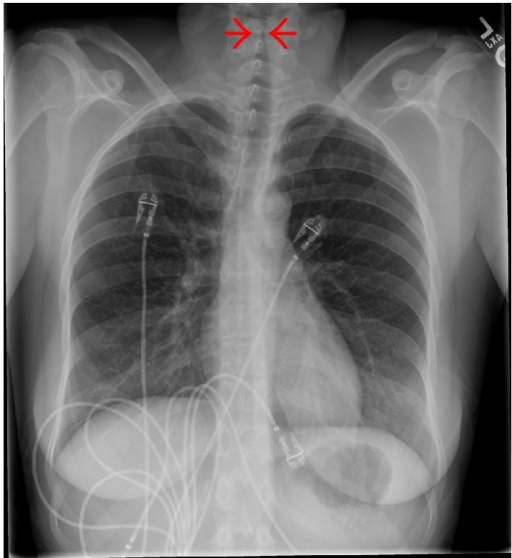
    • Inflamación de la tráquea con el “signo del campanario” en EN Erythema nodosum is an immune-mediated panniculitis (inflammation of the subcutaneous fat) caused by a type IV (delayed-type) hypersensitivity reaction. It commonly manifests in young women as tender, erythematous nodules on the shins. Erythema Nodosum la radiografía de tórax
HPIV-3 Bronquiolitis aguda y neumonía
  • Afecta principalmente a lactantes o a pacientes inmunocomprometidos o de edad avanzada
  • Presentación clínica:
    • Fiebre
    • Coriza
    • Taquipnea
    • Tos TOS Thoracic outlet syndrome (TOS) is a broad term used for a spectrum of syndromes related to the general region of the thoracic outlet, which involves the compression or irritation of elements of the brachial plexus, subclavian artery, or subclavian vein. Thoracic Outlet Syndrome
    • Sibilancias
HPIV-4a y 4b Síndrome gripal leve
  • Puede ser asintomático
  • Presentación clínica:
    • Coriza
    • Congestión nasal
    • Tos TOS Thoracic outlet syndrome (TOS) is a broad term used for a spectrum of syndromes related to the general region of the thoracic outlet, which involves the compression or irritation of elements of the brachial plexus, subclavian artery, or subclavian vein. Thoracic Outlet Syndrome leve

Epidemiología

  1. En EN Erythema nodosum is an immune-mediated panniculitis (inflammation of the subcutaneous fat) caused by a type IV (delayed-type) hypersensitivity reaction. It commonly manifests in young women as tender, erythematous nodules on the shins. Erythema Nodosum Estados Unidos, el 50% de los LOS Neisseria niños han sido infectados por el HPIV-3 al AL Amyloidosis momento de cumplir 1 año de edad, alcanzando casi la totalidad a los LOS Neisseria 6 años.
  2. El 80% de los LOS Neisseria niños tienen anticuerpos contra HPIV-1 y HPIV-2 a los LOS Neisseria 10 años.
  3. Aunque HPIV-4 causa pocas enfermedades clínicas, el 70%–80% de los LOS Neisseria niños tienen anticuerpos a los LOS Neisseria 10 años.
  4. Las tasas de morbilidad y mortalidad son más altas en EN Erythema nodosum is an immune-mediated panniculitis (inflammation of the subcutaneous fat) caused by a type IV (delayed-type) hypersensitivity reaction. It commonly manifests in young women as tender, erythematous nodules on the shins. Erythema Nodosum los LOS Neisseria países en EN Erythema nodosum is an immune-mediated panniculitis (inflammation of the subcutaneous fat) caused by a type IV (delayed-type) hypersensitivity reaction. It commonly manifests in young women as tender, erythematous nodules on the shins. Erythema Nodosum desarrollo.

Diagnóstico

  • Aislamiento e identificación del virus Virus Viruses are infectious, obligate intracellular parasites composed of a nucleic acid core surrounded by a protein capsid. Viruses can be either naked (non-enveloped) or enveloped. The classification of viruses is complex and based on many factors, including type and structure of the nucleoid and capsid, the presence of an envelope, the replication cycle, and the host range. Virology en EN Erythema nodosum is an immune-mediated panniculitis (inflammation of the subcutaneous fat) caused by a type IV (delayed-type) hypersensitivity reaction. It commonly manifests in young women as tender, erythematous nodules on the shins. Erythema Nodosum cultivo celular
  • Detección directa del virus Virus Viruses are infectious, obligate intracellular parasites composed of a nucleic acid core surrounded by a protein capsid. Viruses can be either naked (non-enveloped) or enveloped. The classification of viruses is complex and based on many factors, including type and structure of the nucleoid and capsid, the presence of an envelope, the replication cycle, and the host range. Virology en EN Erythema nodosum is an immune-mediated panniculitis (inflammation of the subcutaneous fat) caused by a type IV (delayed-type) hypersensitivity reaction. It commonly manifests in young women as tender, erythematous nodules on the shins. Erythema Nodosum las secreciones respiratorias mediante ensayo inmunoabsorbente ligado a enzimas ( ELISA ELISA An immunoassay utilizing an antibody labeled with an enzyme marker such as horseradish peroxidase. While either the enzyme or the antibody is bound to an immunosorbent substrate, they both retain their biologic activity; the change in enzyme activity as a result of the enzyme-antibody-antigen reaction is proportional to the concentration of the antigen and can be measured spectrophotometrically or with the naked eye. Many variations of the method have been developed. St. Louis Encephalitis Virus, por sus siglas en EN Erythema nodosum is an immune-mediated panniculitis (inflammation of the subcutaneous fat) caused by a type IV (delayed-type) hypersensitivity reaction. It commonly manifests in young women as tender, erythematous nodules on the shins. Erythema Nodosum inglés) o reacción en EN Erythema nodosum is an immune-mediated panniculitis (inflammation of the subcutaneous fat) caused by a type IV (delayed-type) hypersensitivity reaction. It commonly manifests in young women as tender, erythematous nodules on the shins. Erythema Nodosum cadena de polimerasa ( PCR PCR Polymerase chain reaction (PCR) is a technique that amplifies DNA fragments exponentially for analysis. The process is highly specific, allowing for the targeting of specific genomic sequences, even with minuscule sample amounts. The PCR cycles multiple times through 3 phases: denaturation of the template DNA, annealing of a specific primer to the individual DNA strands, and synthesis/elongation of new DNA molecules. Polymerase Chain Reaction (PCR), por sus siglas en EN Erythema nodosum is an immune-mediated panniculitis (inflammation of the subcutaneous fat) caused by a type IV (delayed-type) hypersensitivity reaction. It commonly manifests in young women as tender, erythematous nodules on the shins. Erythema Nodosum inglés)
  • Anticuerpos inmunoglobulina M ( IgM IgM A class of immunoglobulin bearing mu chains (immunoglobulin mu-chains). Igm can fix complement. The name comes from its high molecular weight and originally being called a macroglobulin. Immunoglobulins: Types and Functions)
  • Un aumento significativo de los LOS Neisseria anticuerpos inmunoglobulina G ( IgG IgG The major immunoglobulin isotype class in normal human serum. There are several isotype subclasses of igg, for example, igg1, igg2a, and igg2b. Hypersensitivity Pneumonitis) entre las muestras seriadas de suero recogidas
  • Las radiografías del cuello o tórax son importantes si se sospecha de epiglotitis, crup o neumonía.
    • En EN Erythema nodosum is an immune-mediated panniculitis (inflammation of the subcutaneous fat) caused by a type IV (delayed-type) hypersensitivity reaction. It commonly manifests in young women as tender, erythematous nodules on the shins. Erythema Nodosum el crup, el “signo del campanario” se observa en EN Erythema nodosum is an immune-mediated panniculitis (inflammation of the subcutaneous fat) caused by a type IV (delayed-type) hypersensitivity reaction. It commonly manifests in young women as tender, erythematous nodules on the shins. Erythema Nodosum una radiografía de tórax; esta formación está causada por la inflamación subglótica con estrechamiento de la tráquea.
    • En EN Erythema nodosum is an immune-mediated panniculitis (inflammation of the subcutaneous fat) caused by a type IV (delayed-type) hypersensitivity reaction. It commonly manifests in young women as tender, erythematous nodules on the shins. Erythema Nodosum la epiglotitis, el “signo del pulgar” se observa en EN Erythema nodosum is an immune-mediated panniculitis (inflammation of the subcutaneous fat) caused by a type IV (delayed-type) hypersensitivity reaction. It commonly manifests in young women as tender, erythematous nodules on the shins. Erythema Nodosum las vistas laterales del cuello; la afección se debe al AL Amyloidosis agrandamiento de la epiglotis y al AL Amyloidosis abombamiento de la hipofaringe.
Signo de Campanario

Radiografía de tórax que muestra la estenosis subglótica, conocida como signo del campanario (entre las flechas rojas)

Imagen: “Steeple sign” por Jayshil J. Patel, Emily Kitchin and Kurt Pfeifer. Licencia: CC BY 4.0

Tratamiento

El tratamiento depende de la gravedad de la enfermedad.

Crup leve:

  • Cuidados de soporte
  • Nebulización fría de oxígeno
  • Control de la fiebre

Crup moderado:

  • Nebulización de oxígeno frío
  • Corticosteroides para la inflamación de las vías respiratorias
  • Epinefrina racémica con nebulizador
  • Líquidos intravenosos para hidratación

Crup severo:

  • Observar al AL Amyloidosis paciente en EN Erythema nodosum is an immune-mediated panniculitis (inflammation of the subcutaneous fat) caused by a type IV (delayed-type) hypersensitivity reaction. It commonly manifests in young women as tender, erythematous nodules on the shins. Erythema Nodosum busca de signos de insuficiencia respiratoria inminente (e.g., retracciones, taquipnea, alteración del estado mental).
  • Repetir la nebulización de epinefrina racémica.
  • Monitorear cuidados intensivos
  • Puede ser necesaria la intubación endotraqueal en EN Erythema nodosum is an immune-mediated panniculitis (inflammation of the subcutaneous fat) caused by a type IV (delayed-type) hypersensitivity reaction. It commonly manifests in young women as tender, erythematous nodules on the shins. Erythema Nodosum pacientes con obstrucción respiratoria grave por inflamación.
  • Indicaciones para hospitalización:
    • Dificultad respiratoria
    • Deshidratación
    • Hipoxia
    • Estridor en EN Erythema nodosum is an immune-mediated panniculitis (inflammation of the subcutaneous fat) caused by a type IV (delayed-type) hypersensitivity reaction. It commonly manifests in young women as tender, erythematous nodules on the shins. Erythema Nodosum reposo, después de recibir la terapia
    • Necesidad de dosis repetidas de epinefrina racémica
    • Laringoespasmo de rebote en EN Erythema nodosum is an immune-mediated panniculitis (inflammation of the subcutaneous fat) caused by a type IV (delayed-type) hypersensitivity reaction. It commonly manifests in young women as tender, erythematous nodules on the shins. Erythema Nodosum pacientes que reciben epinefrina racémica

Relevancia Clínica

  • Crup: también conocido como laringotraqueobronquitis: el crup es una enfermedad que provoca una inflamación grave de las vías respiratorias superiores y suele presentarse en EN Erythema nodosum is an immune-mediated panniculitis (inflammation of the subcutaneous fat) caused by a type IV (delayed-type) hypersensitivity reaction. It commonly manifests in young women as tender, erythematous nodules on the shins. Erythema Nodosum niños < 5 años de edad. Los LOS Neisseria pacientes desarrollan una tos TOS Thoracic outlet syndrome (TOS) is a broad term used for a spectrum of syndromes related to the general region of the thoracic outlet, which involves the compression or irritation of elements of the brachial plexus, subclavian artery, or subclavian vein. Thoracic Outlet Syndrome ronca, “como de foca”, y estridor inspiratorio. Los LOS Neisseria virus Virus Viruses are infectious, obligate intracellular parasites composed of a nucleic acid core surrounded by a protein capsid. Viruses can be either naked (non-enveloped) or enveloped. The classification of viruses is complex and based on many factors, including type and structure of the nucleoid and capsid, the presence of an envelope, the replication cycle, and the host range. Virology de la parainfluenza humana representan la mayoría de los LOS Neisseria casos, seguidos por el RSV RSV Respiratory syncytial virus (RSV) is an enveloped, single-stranded, linear, negative-sense RNA virus of the family Paramyxoviridae and the genus Orthopneumovirus. Two subtypes (A and B) are present in outbreaks, but type A causes more severe disease. Respiratory syncytial virus causes infections of the lungs and respiratory tract. Respiratory Syncytial Virus, adenovirus Adenovirus Adenovirus (member of the family Adenoviridae) is a nonenveloped, double-stranded DNA virus. Adenovirus is transmitted in a variety of ways, and it can have various presentations based on the site of entry. Presentation can include febrile pharyngitis, conjunctivitis, acute respiratory disease, atypical pneumonia, and gastroenteritis. Adenovirus, rinovirus y los LOS Neisseria enterovirus Enterovirus A genus of the family picornaviridae whose members preferentially inhabit the intestinal tract of a variety of hosts. The genus contains many species. Newly described members of human enteroviruses are assigned continuous numbers with the species designated ‘human enterovirus’. Coxsackievirus. El crup se suele diagnosticar clínicamente o por medio de imagenología de rayos X (signo de campanario). El tratamiento consiste en EN Erythema nodosum is an immune-mediated panniculitis (inflammation of the subcutaneous fat) caused by a type IV (delayed-type) hypersensitivity reaction. It commonly manifests in young women as tender, erythematous nodules on the shins. Erythema Nodosum esteroides y epinefrina.
  • Bronquiolitis aguda: afección respiratoria causada por la inflamación de los LOS Neisseria bronquiolos. La mayoría de los LOS Neisseria casos de bronquiolitis aguda están causados por el RSV RSV Respiratory syncytial virus (RSV) is an enveloped, single-stranded, linear, negative-sense RNA virus of the family Paramyxoviridae and the genus Orthopneumovirus. Two subtypes (A and B) are present in outbreaks, but type A causes more severe disease. Respiratory syncytial virus causes infections of the lungs and respiratory tract. Respiratory Syncytial Virus. Los LOS Neisseria pacientes suelen presentar síntomas respiratorios superiores, como tos TOS Thoracic outlet syndrome (TOS) is a broad term used for a spectrum of syndromes related to the general region of the thoracic outlet, which involves the compression or irritation of elements of the brachial plexus, subclavian artery, or subclavian vein. Thoracic Outlet Syndrome y congestión, y posteriormente desarrollan signos respiratorios inferiores, como disnea, sibilancias, crepitaciones e hipoxia. El diagnóstico es clínico y el tratamiento se dirige a mejorar la oxigenación y la hidratación. La enfermedad es autolimitada y tiene un buen pronóstico con un tratamiento adecuado.
  • Neumonía: infección del tracto respiratorio inferior que provoca que los LOS Neisseria sacos de aire se llenen de líquido o pus. Los LOS Neisseria síntomas de neumonía incluyen tos TOS Thoracic outlet syndrome (TOS) is a broad term used for a spectrum of syndromes related to the general region of the thoracic outlet, which involves the compression or irritation of elements of the brachial plexus, subclavian artery, or subclavian vein. Thoracic Outlet Syndrome con flema, fiebre, escalofríos y dificultad para respirar. Para el tratamiento de las causas bacterianas, están indicados los LOS Neisseria antibióticos. Algunas formas de neumonía pueden prevenirse con vacunas.

Referencias

  1. Ison, M. (2025). Parainfluenza viruses in adults. UpToDate. Retrieved January 29, 2025, from: https://www.uptodate.com/contents/parainfluenza-viruses-in-adults
  2. Munoz, F. (2025). Parainfluenza viruses in children. UpToDate. Retrieved January 29, 2025, from: https://www.uptodate.com/contents/parainfluenza-viruses-in-children#H14
  3. Parijua, S. (2022). Human parainfluenza viruses (HPIV) and other parainfluenza viruses treatment & management. Emedicine. Retrieved January 29, 2025, from: https://emedicine.medscape.com/article/224708-treatment#d9

¡Crea tu cuenta gratis o inicia una sesión para seguir leyendo!

Regístrate ahora y obtén acceso gratuito a Lecturio con páginas de concepto, videos médicos y cuestionarios para tu educación médica.

User Reviews

Details