Domina Conceptos Médicos

Estudia para la escuela de medicina y tus examenes con Lecturio.

Traumatismo Craneoencefálico

El traumatismo craneoencefálico se produce cuando se dirigen fuerzas externas al AL Amyloidosis cráneo y las estructuras cerebrales, lo que provoca daños en EN Erythema nodosum is an immune-mediated panniculitis (inflammation of the subcutaneous fat) caused by a type IV (delayed-type) hypersensitivity reaction. It commonly manifests in young women as tender, erythematous nodules on the shins. Erythema Nodosum el cráneo, el cerebro y las estructuras intracraneales. Los LOS Neisseria traumatismos craneoencefálicos se pueden clasificar como abiertos (penetrantes) o cerrados (contusos) y primarios (del traumatismo inicial) o secundarios (traumatismo craneoencefálico indirecto) y varían de leves a graves y potencialmente mortales. La mayoría de los LOS Neisseria casos son leves, pero la presentación puede variar desde una conmoción cerebral leve hasta un estado de coma Coma Coma is defined as a deep state of unarousable unresponsiveness, characterized by a score of 3 points on the GCS. A comatose state can be caused by a multitude of conditions, making the precise epidemiology and prognosis of coma difficult to determine. Coma, según la gravedad de la lesión. El tratamiento abarca desde la observación hasta la monitorización en EN Erythema nodosum is an immune-mediated panniculitis (inflammation of the subcutaneous fat) caused by a type IV (delayed-type) hypersensitivity reaction. It commonly manifests in young women as tender, erythematous nodules on the shins. Erythema Nodosum cuidados intensivos y las intervenciones neuroquirúrgicas. El pronóstico es bueno para las lesiones leves, pero los LOS Neisseria traumatismos graves pueden provocar la muerte o daños permanentes.

Last updated: Dec 15, 2025

Editorial responsibility: Stanley Oiseth, Lindsay Jones, Evelin Maza

Descripción General

Definición

El traumatismo craneoencefálico es una lesión en EN Erythema nodosum is an immune-mediated panniculitis (inflammation of the subcutaneous fat) caused by a type IV (delayed-type) hypersensitivity reaction. It commonly manifests in young women as tender, erythematous nodules on the shins. Erythema Nodosum el cráneo, el cerebro y/o las estructuras intracraneales.

Epidemiología

  • 2,8 millones de personas sufren traumatismos craneoencefálicos cada año en EN Erythema nodosum is an immune-mediated panniculitis (inflammation of the subcutaneous fat) caused by a type IV (delayed-type) hypersensitivity reaction. It commonly manifests in young women as tender, erythematous nodules on the shins. Erythema Nodosum los LOS Neisseria Estados Unidos.
  • El 75% de los LOS Neisseria casos se consideran leves.
  • Es la lesión más común que da como resultado la muerte.
  • Distribución de edad bimodal, con niños, adultos jóvenes y ancianos con una mayor incidencia
  • Más común en EN Erythema nodosum is an immune-mediated panniculitis (inflammation of the subcutaneous fat) caused by a type IV (delayed-type) hypersensitivity reaction. It commonly manifests in young women as tender, erythematous nodules on the shins. Erythema Nodosum hombres que en EN Erythema nodosum is an immune-mediated panniculitis (inflammation of the subcutaneous fat) caused by a type IV (delayed-type) hypersensitivity reaction. It commonly manifests in young women as tender, erythematous nodules on the shins. Erythema Nodosum mujeres

Etiología

  • Caídas (causa más común en EN Erythema nodosum is an immune-mediated panniculitis (inflammation of the subcutaneous fat) caused by a type IV (delayed-type) hypersensitivity reaction. It commonly manifests in young women as tender, erythematous nodules on the shins. Erythema Nodosum los LOS Neisseria ancianos)
  • Accidentes de vehículos motorizados
  • Accidentes de trabajo
  • Deportes
  • Agresión física

Clasificación de la Gravedad

Escala de coma Coma Coma is defined as a deep state of unarousable unresponsiveness, characterized by a score of 3 points on the GCS. A comatose state can be caused by a multitude of conditions, making the precise epidemiology and prognosis of coma difficult to determine. Coma de Glasgow ( GCS GCS A scale that assesses the response to stimuli in patients with craniocerebral injuries. The parameters are eye opening, motor response, and verbal response. Coma, por sus siglas en EN Erythema nodosum is an immune-mediated panniculitis (inflammation of the subcutaneous fat) caused by a type IV (delayed-type) hypersensitivity reaction. It commonly manifests in young women as tender, erythematous nodules on the shins. Erythema Nodosum inglés)

  • El examen de GCS GCS A scale that assesses the response to stimuli in patients with craniocerebral injuries. The parameters are eye opening, motor response, and verbal response. Coma aborda el nivel de conciencia después de un traumatismo craneoencefálico
  • Los LOS Neisseria pacientes reciben una puntuación por la mejor respuesta en EN Erythema nodosum is an immune-mediated panniculitis (inflammation of the subcutaneous fat) caused by a type IV (delayed-type) hypersensitivity reaction. It commonly manifests in young women as tender, erythematous nodules on the shins. Erythema Nodosum cada área.
  • Las puntuaciones en EN Erythema nodosum is an immune-mediated panniculitis (inflammation of the subcutaneous fat) caused by a type IV (delayed-type) hypersensitivity reaction. It commonly manifests in young women as tender, erythematous nodules on the shins. Erythema Nodosum cada área se combinan para alcanzar una puntuación total de 3–15.
  • ↑ Puntuación → mejor pronóstico
  • Puntuación ≤ 9:
    • Indica coma Coma Coma is defined as a deep state of unarousable unresponsiveness, characterized by a score of 3 points on the GCS. A comatose state can be caused by a multitude of conditions, making the precise epidemiology and prognosis of coma difficult to determine. Coma
    • El paciente necesita intubación endotraqueal para la protección de las vías respiratorias
Tabla: Escala de Coma Coma Coma is defined as a deep state of unarousable unresponsiveness, characterized by a score of 3 points on the GCS. A comatose state can be caused by a multitude of conditions, making the precise epidemiology and prognosis of coma difficult to determine. Coma de Glasgow
Características Respuesta Puntuación
Apertura ocular Apertura espontánea 4
Apertura órdenes verbales 3
Apertura al AL Amyloidosis dolor Dolor Inflammation 2
Sin apertura 1
Respuesta verbal Orientado y apropiado 5
Desorientado pero habla 4
Palabras sin sentido 3
Quejidos 2
Silencio 1
Respuesta motora Sigue comandos 6
Localiza el dolor Dolor Inflammation 5
Se retira del dolor Dolor Inflammation 4
Postura flexora 3
Postura extensora 2
Flacidez 1

Escala de gravedad del traumatismo craneoencefálico

  • Traumatismo craneoencefálico leve:
    • GCS GCS A scale that assesses the response to stimuli in patients with craniocerebral injuries. The parameters are eye opening, motor response, and verbal response. Coma de 13–15
    • Mecanismo no severo
    • Pérdida del conocimiento de 0–30 minutos
    • Amnesia breve < 24 horas
  • Traumatismo craneoencefálico moderado:
    • GCS GCS A scale that assesses the response to stimuli in patients with craniocerebral injuries. The parameters are eye opening, motor response, and verbal response. Coma de 9–12
    • Pérdida del conocimiento durante > 30 minutos y < 24 horas
    • Cefalea
    • Vómitos
    • Amnesia > 24 horas y < 7 días
    • Alteración del estado mental en EN Erythema nodosum is an immune-mediated panniculitis (inflammation of the subcutaneous fat) caused by a type IV (delayed-type) hypersensitivity reaction. It commonly manifests in young women as tender, erythematous nodules on the shins. Erythema Nodosum el momento de la lesión
  • Traumatismo craneoencefálico severo:
    • GCS GCS A scale that assesses the response to stimuli in patients with craniocerebral injuries. The parameters are eye opening, motor response, and verbal response. Coma < 9
    • Pérdida prolongada del conocimiento (> 24 horas)
    • Déficits neurológicos
    • Amnesia > 7 días
Tabla: Clasificación de la gravedad del traumatismo craneoencefálico
Criterios Leve Moderado Severo
Imagenología estructural Normal Normal o anormal Normal o anormal
Pérdida del conocimiento (LOC) 0-30 minutos > 30 minutos y < 24 horas > 24 horas
Alteración de la conciencia/estado mental (AOC) Por un momento, hasta 24 horas > 24 horas significa severidad basada en EN Erythema nodosum is an immune-mediated panniculitis (inflammation of the subcutaneous fat) caused by a type IV (delayed-type) hypersensitivity reaction. It commonly manifests in young women as tender, erythematous nodules on the shins. Erythema Nodosum otros criterios
Amnesia postraumática ( PTA PTA A peritonsillar abscess (PTA), also called quinsy, is a collection of pus between the capsule of the palatine tonsil and the pharyngeal muscles. A pta is usually a complication of acute tonsillitis, an infection caused by group a streptococci. Patients often present with a sore throat, trismus, and a muffled voice. Peritonsillar Abscess) 0–1 día > 1 y < 7 días > 7 días
GCS GCS A scale that assesses the response to stimuli in patients with craniocerebral injuries. The parameters are eye opening, motor response, and verbal response. Coma 13–15 9–12 < 9
LOC, por sus siglas en inglés: pérdida de conciencia
AOC, por sus siglas en inglés: alteración de la conciencia/estado mental
PTA, por sus siglas en inglés: amnesia postraumática
GSC: escala de coma de Glasgow (mejor puntuación obtenida en las primeras 24 horas)

Fisiopatología

Tiempo

  • Primario:
    • Ocurre en EN Erythema nodosum is an immune-mediated panniculitis (inflammation of the subcutaneous fat) caused by a type IV (delayed-type) hypersensitivity reaction. It commonly manifests in young women as tender, erythematous nodules on the shins. Erythema Nodosum el momento de la lesión.
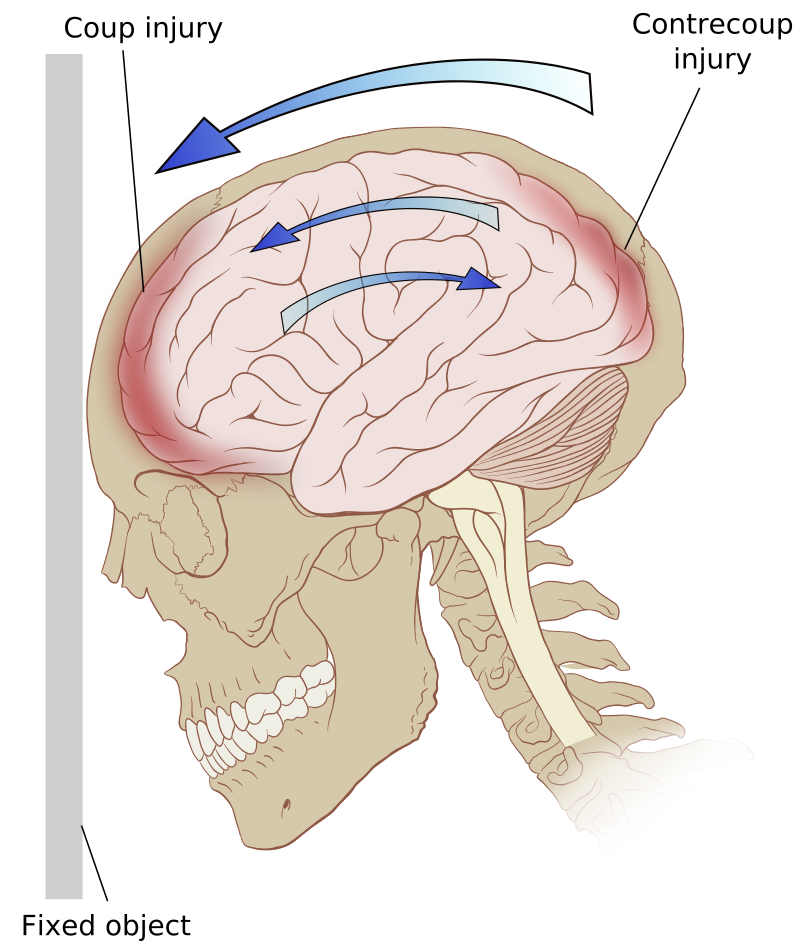
    • Lesiones por golpe ( en EN Erythema nodosum is an immune-mediated panniculitis (inflammation of the subcutaneous fat) caused by a type IV (delayed-type) hypersensitivity reaction. It commonly manifests in young women as tender, erythematous nodules on the shins. Erythema Nodosum el lado del impacto) y por contragolpe ( en EN Erythema nodosum is an immune-mediated panniculitis (inflammation of the subcutaneous fat) caused by a type IV (delayed-type) hypersensitivity reaction. It commonly manifests in young women as tender, erythematous nodules on the shins. Erythema Nodosum el lado opuesto)
    • Lesiones por aceleración-desaceleración (movimiento cerebral abrupto y deformación dentro de la cavidad craneal; común en EN Erythema nodosum is an immune-mediated panniculitis (inflammation of the subcutaneous fat) caused by a type IV (delayed-type) hypersensitivity reaction. It commonly manifests in young women as tender, erythematous nodules on the shins. Erythema Nodosum colisiones de vehículos motorizados)
  • Secundario:
    • Lesiones que ocurren horas/días/semanas después del traumatismo
    • Resultado de la respuesta del organismo al AL Amyloidosis traumatismo original
    • Mecanismos de lesión molecular (inflamación, apoptosis Apoptosis A regulated cell death mechanism characterized by distinctive morphologic changes in the nucleus and cytoplasm, including the endonucleolytic cleavage of genomic DNA, at regularly spaced, internucleosomal sites, I.e., DNA fragmentation. It is genetically-programmed and serves as a balance to mitosis in regulating the size of animal tissues and in mediating pathologic processes associated with tumor growth. Ischemic Cell Damage, isquemia secundaria)
    • Puede resultar en EN Erythema nodosum is an immune-mediated panniculitis (inflammation of the subcutaneous fat) caused by a type IV (delayed-type) hypersensitivity reaction. It commonly manifests in young women as tender, erythematous nodules on the shins. Erythema Nodosum edema Edema Edema is a condition in which excess serous fluid accumulates in the body cavity or interstitial space of connective tissues. Edema is a symptom observed in several medical conditions. It can be categorized into 2 types, namely, peripheral (in the extremities) and internal (in an organ or body cavity). Edema cerebral local o difuso, hemorragia o ↑ presión intracraneal (PIC), alteración electrolítica
    • Eventualmente puede conducir al AL Amyloidosis coma Coma Coma is defined as a deep state of unarousable unresponsiveness, characterized by a score of 3 points on the GCS. A comatose state can be caused by a multitude of conditions, making the precise epidemiology and prognosis of coma difficult to determine. Coma y la muerte

Tipos

  • Abierto (penetrante):
    • Lesión que implica la penetración del cráneo, la duramadre y la fractura de la bóveda craneal
    • El tejido cerebral se lesiona directamente por fragmentos de hueso u otros objetos como balas, cuchillos, etc ETC The electron transport chain (ETC) sends electrons through a series of proteins, which generate an electrochemical proton gradient that produces energy in the form of adenosine triphosphate (ATP). Electron Transport Chain (ETC).
  • Cerrado:
    • Más común que las lesiones abiertas
    • Cráneo y duramadre intactos
    • El cerebro está dañado debido a la aceleración-desaceleración.
    • Puede ser focal o difuso
Lesión en la cabeza por golpe y contragolpe

Traumatismo craneoencefálico por golpe y contragolpe

Imagen: “Contrecoup” por Patrick J. Lynch.  Licencia: CC BY 2.5

Tipos de Lesiones

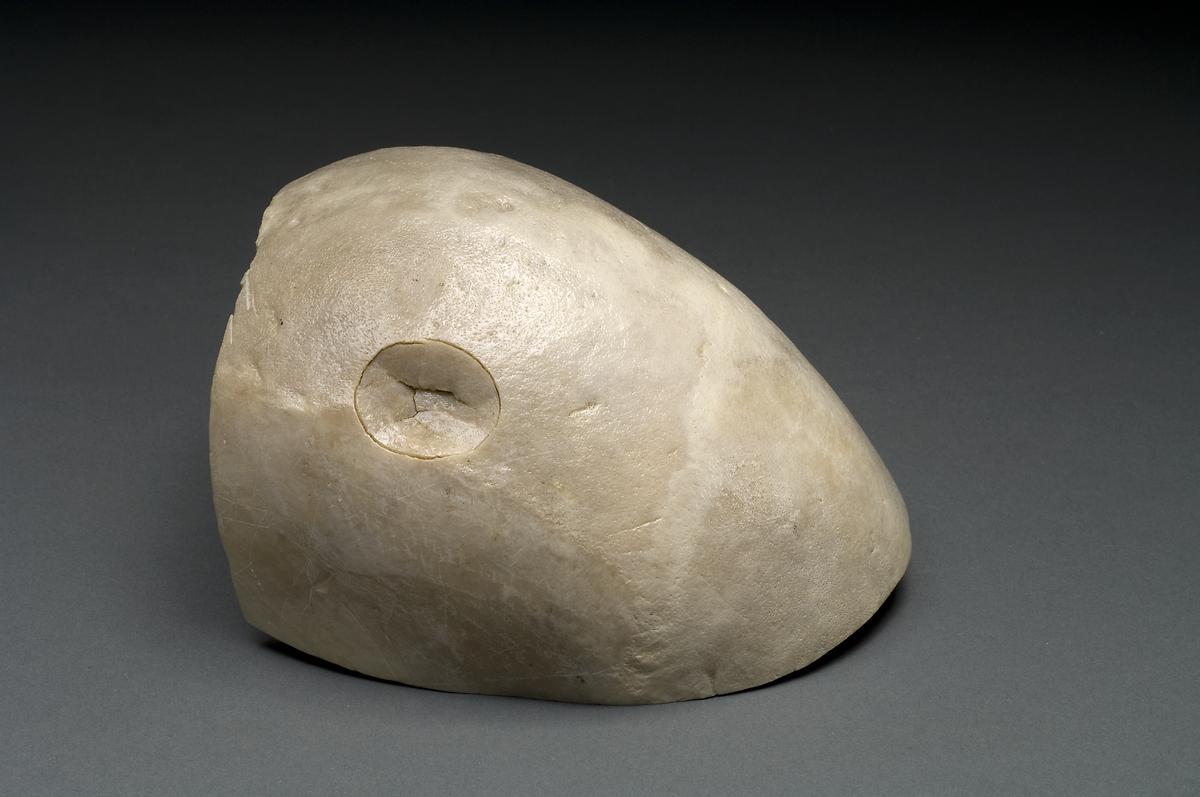
Fracturas de cráneo

  • Ocurren cuando la fuerza mecánica excede la integridad del cráneo
  • A menudo asociadas con lesiones intra y extracraneales
  • El hueso parietal Parietal One of a pair of irregularly shaped quadrilateral bones situated between the frontal bone and occipital bone, which together form the sides of the cranium. Skull: Anatomy se fractura con mayor frecuencia.

Fracturas lineales:

  • Fracturas de cráneo más comunes
  • El paciente presenta edema Edema Edema is a condition in which excess serous fluid accumulates in the body cavity or interstitial space of connective tissues. Edema is a symptom observed in several medical conditions. It can be categorized into 2 types, namely, peripheral (in the extremities) and internal (in an organ or body cavity). Edema sobre el sitio de la fractura.
  • Los LOS Neisseria síntomas neurológicos o la hemorragia intracraneal son poco frecuentes.
  • Por lo general, no se necesita intervención quirúrgica

Fracturas conminutas:

  • Complejas, con múltiples fragmentos óseos
  • Asociadas con una fuerza de impacto significativamente mayor
  • A menudo se convierten en EN Erythema nodosum is an immune-mediated panniculitis (inflammation of the subcutaneous fat) caused by a type IV (delayed-type) hypersensitivity reaction. It commonly manifests in young women as tender, erythematous nodules on the shins. Erythema Nodosum fracturas deprimidas

Fracturas deprimidas:

  • Una fuerza significativa da como resultado el desplazamiento hacia adentro de una parte del cráneo.
  • Pueden ser cerradas o abiertas (con laceración del cráneo)
  • Pueden observarse en EN Erythema nodosum is an immune-mediated panniculitis (inflammation of the subcutaneous fat) caused by a type IV (delayed-type) hypersensitivity reaction. It commonly manifests in young women as tender, erythematous nodules on the shins. Erythema Nodosum el examen físico como un área claramente deprimida
  • Pueden lacerar la duramadre, crear un punto de entrada al AL Amyloidosis líquido cefalorraquídeo e introducir una infección
  • La presentación clínica depende de la lesión cerebral subyacente.

Fracturas elevadas:

  • Elevación de un fragmento óseo por encima de la calvaria
  • Poco frecuentes, por lo general afectan a los LOS Neisseria huesos frontales
  • Asociadas con un impacto tangencial
  • Por lo general, tienen una lesión cerebral subyacente significativamente importante

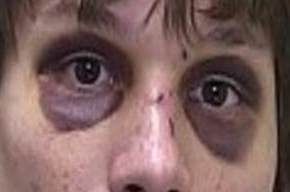
Fracturas de cráneo basilar:

  • Incluye fracturas de:
    • Placa cribosa del hueso etmoides
    • Placa orbitaria del hueso frontal Frontal The bone that forms the frontal aspect of the skull. Its flat part forms the forehead, articulating inferiorly with the nasal bone and the cheek bone on each side of the face. Skull: Anatomy
    • Hueso temporal
    • Hueso esfenoides
    • Hueso occipital Occipital Part of the back and base of the cranium that encloses the foramen magnum. Skull: Anatomy
  • Más comunes a través del hueso temporal
  • Hematomas epidurales frecuentes (lesión de la arteria y la vena meníngea media)
  • La presentación depende del grado de lesión cerebral, de los LOS Neisseria nervios craneales y de los LOS Neisseria vasos sanguíneos:
    • Rinorrea u otorrea (fuga de líquido cefalorraquídeo (LCR))
    • Hemotímpano (sangre detrás de la membrana timpánica)
    • Ojos de mapache (equimosis periorbitaria)
    • Signo de Battle (equimosis retroauricular o mastoidea)
    • Hemorragia subconjuntival
    • Náuseas y vómitos
    • Parálisis de nervios craneales

Hemorragia intracraneal

Contusiones cerebrales focales:

  • Lesiones hemorrágicas más comunes
  • Por lo general, en EN Erythema nodosum is an immune-mediated panniculitis (inflammation of the subcutaneous fat) caused by a type IV (delayed-type) hypersensitivity reaction. It commonly manifests in young women as tender, erythematous nodules on the shins. Erythema Nodosum la región basal frontal Frontal The bone that forms the frontal aspect of the skull. Its flat part forms the forehead, articulating inferiorly with the nasal bone and the cheek bone on each side of the face. Skull: Anatomy y temporal.
  • La rotura de los LOS Neisseria vasos intraparenquimatosos puede dar lugar a hematomas intracerebrales de mayor tamaño.

Hemorragia extraaxial:

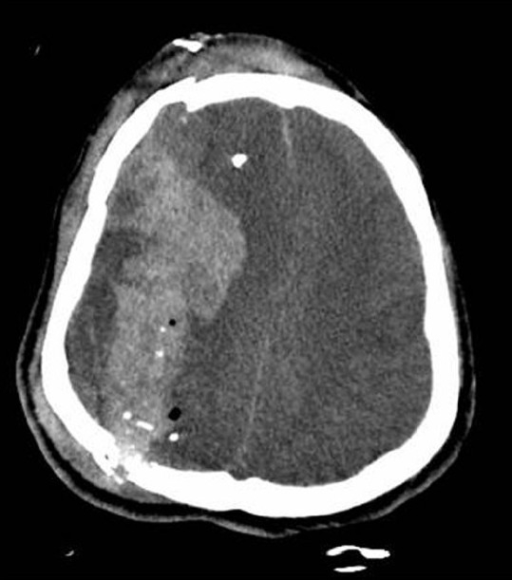
  • Hematoma Hematoma A collection of blood outside the blood vessels. Hematoma can be localized in an organ, space, or tissue. Intussusception epidural:
    • Resulta de la ruptura de la arteria meníngea media
    • Condición potencialmente mortal
    • Recolección de sangre en EN Erythema nodosum is an immune-mediated panniculitis (inflammation of the subcutaneous fat) caused by a type IV (delayed-type) hypersensitivity reaction. It commonly manifests in young women as tender, erythematous nodules on the shins. Erythema Nodosum rápida expansión en EN Erythema nodosum is an immune-mediated panniculitis (inflammation of the subcutaneous fat) caused by a type IV (delayed-type) hypersensitivity reaction. It commonly manifests in young women as tender, erythematous nodules on the shins. Erythema Nodosum el espacio potencial entre el cráneo y la duramadre
    • Pérdida inicial de la conciencia marcada por un intervalo lúcido (recuperación neurológica temporal)
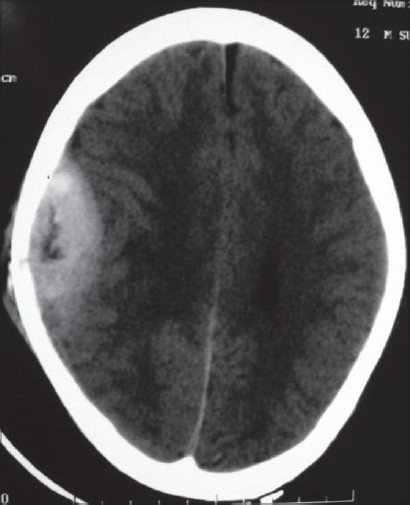
    • La tomografía computarizada (TC) muestra una colección de sangre hiperdensa biconvexa que no cruza las líneas de sutura.
    • Por lo general, requiere cirugía de emergencia
  • Hematoma Hematoma A collection of blood outside the blood vessels. Hematoma can be localized in an organ, space, or tissue. Intussusception subdural:
    • Colección de sangre entre la duramadre y la membrana aracnoidea debido a la ruptura de las venas puente
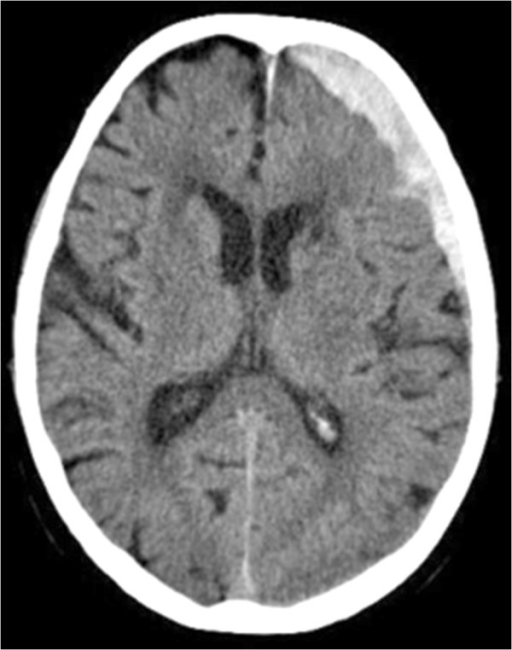
    • La TC muestra una colección de sangre en EN Erythema nodosum is an immune-mediated panniculitis (inflammation of the subcutaneous fat) caused by a type IV (delayed-type) hypersensitivity reaction. It commonly manifests in young women as tender, erythematous nodules on the shins. Erythema Nodosum forma de media luna que cruza las líneas de sutura .
  • Hemorragia subaracnoidea:
    • Resulta del desgarro de pequeños vasos piales
    • Generalmente en EN Erythema nodosum is an immune-mediated panniculitis (inflammation of the subcutaneous fat) caused by a type IV (delayed-type) hypersensitivity reaction. It commonly manifests in young women as tender, erythematous nodules on the shins. Erythema Nodosum fisuras de Silvio y cisternas interpedunculares.
    • Puede extenderse a hemorragia intraventricular

Lesión axonal difusa

  • Asociada con lesiones por aceleración-desaceleración con movimientos de cabeza sin restricciones
  • Las fuerzas de rotación afectan las áreas del cerebro con diferente densidad (unión de sustancia gris-blanca).
  • Los LOS Neisseria síntomas pueden ser leves, pero por lo general son graves.
  • Los LOS Neisseria pacientes con lesión axonal difusa grave tienen pérdida del conocimiento, que persiste hasta un estado vegetativo (90% de los LOS Neisseria casos).
  • La TC o la RM muestran numerosas hemorragias puntiformes diminutas con una interfase gris-blanca borrosa.
  • Causa más significativa de morbilidad en EN Erythema nodosum is an immune-mediated panniculitis (inflammation of the subcutaneous fat) caused by a type IV (delayed-type) hypersensitivity reaction. It commonly manifests in young women as tender, erythematous nodules on the shins. Erythema Nodosum pacientes con traumatismo craneoencefálico, ya que da como resultado estado vegetativo

Conmoción

  • Traumatismo craneoencefálico leve
  • Puntaje GCS GCS A scale that assesses the response to stimuli in patients with craniocerebral injuries. The parameters are eye opening, motor response, and verbal response. Coma 13–15
  • Por lo general, no existen anomalías visibles en EN Erythema nodosum is an immune-mediated panniculitis (inflammation of the subcutaneous fat) caused by a type IV (delayed-type) hypersensitivity reaction. It commonly manifests in young women as tender, erythematous nodules on the shins. Erythema Nodosum la tomografía computarizada
  • Se cree que es una alteración funcional más que anatómica
  • Resulta de contusiones corticales leves en EN Erythema nodosum is an immune-mediated panniculitis (inflammation of the subcutaneous fat) caused by a type IV (delayed-type) hypersensitivity reaction. It commonly manifests in young women as tender, erythematous nodules on the shins. Erythema Nodosum los LOS Neisseria lados del golpe o contragolpe
  • Lesión axonal leve
  • Los LOS Neisseria primeros síntomas de una conmoción cerebral incluyen:
    • Cefalea
    • Mareo
    • Desorientación
    • Amnesia postraumática
    • Náuseas y vómitos
  • Síndrome postconmocional
    • Los LOS Neisseria síntomas persisten semanas o meses después de la lesión.
    • Cefalea, mareos, deterioro cognitivo y síntomas psicológicos
    • Puede ser el resultado de una lesión secundaria:
      • Liberación de neurotransmisores excitatorios
      • Generación de radicales libres.

Diagnóstico

Antecedentes y examen físico

  • Pérdida del conocimiento informada y por cuánto tiempo
  • Estado mental (evaluación GCS GCS A scale that assesses the response to stimuli in patients with craniocerebral injuries. The parameters are eye opening, motor response, and verbal response. Coma)
  • Laceraciones del cuero cabelludo, fracturas palpables
  • Signos de fracturas basilares del cráneo:
    • Oto-/rinorrea
    • Equimosis (periorbitaria, periauricular)
    • Hemorragia conjuntival, sangre detrás de las membranas timpánicas
  • Examen neurológico

Reglas Canadienses de TC de Cabeza (CCHR, por sus siglas en EN Erythema nodosum is an immune-mediated panniculitis (inflammation of the subcutaneous fat) caused by a type IV (delayed-type) hypersensitivity reaction. It commonly manifests in young women as tender, erythematous nodules on the shins. Erythema Nodosum inglés)

El CCHR se utiliza para determinar la necesidad de TC en EN Erythema nodosum is an immune-mediated panniculitis (inflammation of the subcutaneous fat) caused by a type IV (delayed-type) hypersensitivity reaction. It commonly manifests in young women as tender, erythematous nodules on the shins. Erythema Nodosum pacientes adultos del departamento de emergencias con lesiones menores en EN Erythema nodosum is an immune-mediated panniculitis (inflammation of the subcutaneous fat) caused by a type IV (delayed-type) hypersensitivity reaction. It commonly manifests in young women as tender, erythematous nodules on the shins. Erythema Nodosum la cabeza. Su sensibilidad es cercana al AL Amyloidosis 100 % para identificar traumatismos cerebrales clínicamente significativos (i.e., traumatismos que requieren intervención neuroquirúrgica).

Requisitos:

Criterios de inclusión:

  • Pérdida del conocimiento
  • Amnesia al AL Amyloidosis evento del traumatismo craneoencefálico
  • Desorientación presenciada
  • GSC 13–15

Criterios de exclusión:

  • Edad < 16 años
  • Anticoagulantes
  • Convulsión después de una lesión

Factores de alto riesgo:

  • GCS GCS A scale that assesses the response to stimuli in patients with craniocerebral injuries. The parameters are eye opening, motor response, and verbal response. Coma < 15 2 horas después de la lesión
  • Sospecha de fractura abierta de cráneo
  • Signos de fractura de la base del cráneo
  • Vomitar más de dos veces
  • Edad > 65 años

​Factores de riesgo intermedio:

  • Amnesia postraumática > 30 minutos
  • Peligroso mecanismo de lesión.
  • Peatón atropellado por vehículo motorizado
  • Pasajero o conductor expulsado del vehículo motorizado
  • Caída desde > 3 pies (1 metro) o por 5 escalones

Interpretación:

  • Si no existen factores de riesgo, la TC de la cabeza es innecesaria.
  • Si se identifica cualquiera de los LOS Neisseria factores de riesgo anteriores, se debe obtener una TC de la cabeza.

Imagenología

  • TC sin contraste (1ra línea ):
    • Fracturas de cráneo
    • Lesión de la duramadre
    • Cambios de línea media
    • Hemorragias (epidural, subdural, subaracnoideo, intracerebral)
    • Lesión axonal difusa
  • Angiografía por TC: si se sospecha lesión vascular
  • RM:
    • Para diagnóstico tardío (> 48 horas después del traumatismo)
    • Puede evaluar la contusión y la conmoción cerebral mejor que la TC

Tratamiento

Tratamiento inicial

  • Protección de la vía aérea: generalmente se requiere intubación para GCS GCS A scale that assesses the response to stimuli in patients with craniocerebral injuries. The parameters are eye opening, motor response, and verbal response. Coma < 9
  • Reanimación con líquidos, oxigenación
  • Evaluación y tratamiento de las lesiones asociadas
  • Terapia antifibrinolítica:
    • Para traumatismo craneoencefálico moderado ( GCS GCS A scale that assesses the response to stimuli in patients with craniocerebral injuries. The parameters are eye opening, motor response, and verbal response. Coma 9-12)
    • Dentro de las 3 horas de la lesión
    • Reduce la mortalidad

Conmoción cerebral (traumatismo craneoencefálico leve)

  • Sin tratamiento específico
  • Observación durante 4–6 horas o TC sin contraste
  • Evitar estupefacientes o cualquier cosa que pueda alterar el estado mental del paciente.
  • Controlar el dolor Dolor Inflammation con medicamentos de venta libre, como paracetamol paracetamol Acetaminophen is an over-the-counter nonopioid analgesic and antipyretic medication and the most commonly used analgesic worldwide. Despite the widespread use of acetaminophen, its mechanism of action is not entirely understood. Acetaminophen o ibuprofeno.
  • Los LOS Neisseria atletas deben abstenerse de deportes de contacto hasta que un médico lo autorice.

Traumatismo craneoencefálico moderado o severo

Tratamiento en EN Erythema nodosum is an immune-mediated panniculitis (inflammation of the subcutaneous fat) caused by a type IV (delayed-type) hypersensitivity reaction. It commonly manifests in young women as tender, erythematous nodules on the shins. Erythema Nodosum cuidados intensivos (generalmente requerido):

  • Mantener la euvolemia Euvolemia Volume Depletion and Dehydration (líquidos intravenosos isotónicos).
  • Mantener la presión de perfusión cerebral:
    • Evitar la hipotensión.
    • Vigilar la PIC (si GCS GCS A scale that assesses the response to stimuli in patients with craniocerebral injuries. The parameters are eye opening, motor response, and verbal response. Coma < 9 o evidencia de hemorragia).
  • Ventilación mecánica
  • Corregir la coagulopatía
  • Mantener la temperatura corporal y los LOS Neisseria niveles de glucosa óptimos
  • Profilaxis de convulsiones

Control de la PIC:

  • Elevación de la cabeza
  • Hiperventilación
  • Sedación y analgesia Analgesia Methods of pain relief that may be used with or in place of analgesics. Anesthesiology: History and Basic Concepts
  • Drenaje de LCR: a través de ventriculostomía
  • Terapia osmótica:
    • Solución salina hipertónica
    • Manitol

Cirugía:

  • Craniectomía descompresiva para elevación de la PIC refractaria
  • Evacuación de hematoma Hematoma A collection of blood outside the blood vessels. Hematoma can be localized in an organ, space, or tissue. Intussusception:
    • Epidural: si > 30 cc de sangre
    • Subdural: si > 10 mm MM Multiple myeloma (MM) is a malignant condition of plasma cells (activated B lymphocytes) primarily seen in the elderly. Monoclonal proliferation of plasma cells results in cytokine-driven osteoclastic activity and excessive secretion of IgG antibodies. Multiple Myeloma o > 5 mm MM Multiple myeloma (MM) is a malignant condition of plasma cells (activated B lymphocytes) primarily seen in the elderly. Monoclonal proliferation of plasma cells results in cytokine-driven osteoclastic activity and excessive secretion of IgG antibodies. Multiple Myeloma de desplazamiento de la línea media en EN Erythema nodosum is an immune-mediated panniculitis (inflammation of the subcutaneous fat) caused by a type IV (delayed-type) hypersensitivity reaction. It commonly manifests in young women as tender, erythematous nodules on the shins. Erythema Nodosum la TC
    • Intracerebral: si existe un efecto de masa significativo
  • Cierre de duramadre, desbridamiento, elevación:
    • Para fracturas de cráneo deprimidas
    • Para heridas penetrantes

Referencias

  1. Ian Stiell. Canadian CT Head Injury/Trauma Rule. Retrieved January 12, 2021, from https://www.mdcalc.com/canadian-ct-head-injury-trauma-rule
  2. Evans, R. (2018). Postconcussion syndrome. UpToDate. Retrieved January 12, 2021, from https://www.uptodate.com/contents/postconcussion-syndrome
  3. Evans R.W., Whitlow C.T. (2019). Acute mild traumatic brain injury (concussion) in adults. UpToDate. Retrieved January 12, 2021, from https://www.uptodate.com/contents/acute-mild-traumatic-brain-injury-concussion-in-adults
  4. Healy, Ellen & Walter, Kristen & Chard, Kathleen. (2015). Effectiveness of Cognitive Processing Therapy for PTSD Across Various Populations, Traumatic Events, and Co-occurring Conditions. https://doi.org/10.1007/978-3-319-08613-2_114-1 
  5. Heegard W. (2019). Skull fractures in adults. UpToDate. Retrieved January 12, 2021, from https://www.uptodate.com/contents/skull-fractures-in-adults
  6. Rajajee, V. (2019). Management of acute moderate and severe traumatic brain injury. UpToDate. Retrieved January 12, 2021, from https://www.uptodate.com/contents/management-of-acute-moderate-and-severe-traumatic-brain-injury
  7. Rajajee, V. (2020). Traumatic brain injury: Epidemiology, classification, and pathophysiology. UpToDate. Retrieved December 24, 2020, from https://www.uptodate.com/contents/traumatic-brain-injury-epidemiology-classification-and-pathophysiology#H4 

¡Crea tu cuenta gratis o inicia una sesión para seguir leyendo!

Regístrate ahora y obtén acceso gratuito a Lecturio con páginas de concepto, videos médicos y cuestionarios para tu educación médica.

User Reviews

Que tengas una sesión de estudio alegre y navideña 🎁 Ahorra 50% en todos los planes >>

Details