Domina Conceptos Médicos

Estudia para la escuela de medicina y tus examenes con Lecturio.

Trastornos de los Lípidos

Una cantidad anormal de lípidos en EN Erythema nodosum is an immune-mediated panniculitis (inflammation of the subcutaneous fat) caused by a type IV (delayed-type) hypersensitivity reaction. It commonly manifests in young women as tender, erythematous nodules on the shins. Erythema Nodosum la sangre se denomina dislipidemia, que incluye niveles anormales de colesterol, triglicéridos y/o lipoproteínas. La dislipidemia puede ser primaria (familiar) o secundaria (adquirida). Tanto las causas primarias como las secundarias pueden conducir al AL Amyloidosis desarrollo de una enfermedad cardiovascular prematura (aterosclerosis). Las causas familiares se clasifican según el sistema de Fredrickson, que analiza la patología y los LOS Neisseria lípidos que se encuentran elevados. Ciertos tipos no aumentan el riesgo de enfermedad aterosclerótica prematura, pero aún afectan el riesgo cardíaco general y la posibilidad de eventos cardiovasculares en EN Erythema nodosum is an immune-mediated panniculitis (inflammation of the subcutaneous fat) caused by a type IV (delayed-type) hypersensitivity reaction. It commonly manifests in young women as tender, erythematous nodules on the shins. Erythema Nodosum el futuro. El tamizaje, diagnóstico precoz y control y tratamiento estrictos son las claves para la prevención de eventos cardiovasculares.

Last updated: Apr 25, 2025

Editorial responsibility: Stanley Oiseth, Lindsay Jones, Evelin Maza

Descripción General

Definición

Dislipidemia: cantidades anormales de lípidos en EN Erythema nodosum is an immune-mediated panniculitis (inflammation of the subcutaneous fat) caused by a type IV (delayed-type) hypersensitivity reaction. It commonly manifests in young women as tender, erythematous nodules on the shins. Erythema Nodosum la sangre

  • Hiperlipidemia: lípidos elevados en EN Erythema nodosum is an immune-mediated panniculitis (inflammation of the subcutaneous fat) caused by a type IV (delayed-type) hypersensitivity reaction. It commonly manifests in young women as tender, erythematous nodules on the shins. Erythema Nodosum la sangre (colesterol, triglicéridos y/o lipoproteínas elevados)
  • Hiperlipoproteinemia: niveles elevados de lipoproteína de baja densidad (LDL, por sus siglas en EN Erythema nodosum is an immune-mediated panniculitis (inflammation of the subcutaneous fat) caused by a type IV (delayed-type) hypersensitivity reaction. It commonly manifests in young women as tender, erythematous nodules on the shins. Erythema Nodosum inglés), lipoproteína de muy baja densidad (VLDL, por sus siglas en EN Erythema nodosum is an immune-mediated panniculitis (inflammation of the subcutaneous fat) caused by a type IV (delayed-type) hypersensitivity reaction. It commonly manifests in young women as tender, erythematous nodules on the shins. Erythema Nodosum inglés)
  • Hipercolesterolemia: colesterol total elevado (> 200 mg/dL)
  • Hipertrigliceridemia: niveles elevados de triglicéridos (> 150 mg/dL)

Epidemiología

  • La prevalencia aumenta con la edad.
  • El 50% de los LOS Neisseria estadounidenses tienen un recuento alto de LDL.
  • Solo el 35% de los LOS Neisseria pacientes son tratados adecuadamente.
  • El 54% de los LOS Neisseria pacientes con hiperlipidemia tienen antecedentes familiares de enfermedad arterial coronaria aterosclerótica.
  • Hombres > mujeres
  • Blancos > gente de color

Fisiopatología

  • Las formas familiares de dislipidemia generalmente resultan de mutaciones que causan:
    • Disminución de la captación de lipoproteínas por el hígado (pérdida de mediadores de receptores)
    • Eliminación reducida de triglicéridos de los LOS Neisseria quilomicrones (pérdida de lipoproteína lipasa)
  • La mutación en EN Erythema nodosum is an immune-mediated panniculitis (inflammation of the subcutaneous fat) caused by a type IV (delayed-type) hypersensitivity reaction. It commonly manifests in young women as tender, erythematous nodules on the shins. Erythema Nodosum la proproteína subtilisina/kexina convertasa tipo 9 (una serina proteasa) provoca una disminución de los LOS Neisseria receptores de LDL en EN Erythema nodosum is an immune-mediated panniculitis (inflammation of the subcutaneous fat) caused by a type IV (delayed-type) hypersensitivity reaction. It commonly manifests in young women as tender, erythematous nodules on the shins. Erythema Nodosum los LOS Neisseria hepatocitos → disminución de la eliminación de LDL por parte del hígado → hipercolesterolemia
  • La dislipidemia es un factor de riesgo importante para la enfermedad arterial coronaria aterosclerótica.
  • La hiperlipidemia crónica (hipercolesterolemia) afecta directamente la función endotelial debido al AL Amyloidosis aumento de la producción local de radicales libres.
  • La acumulación de lipoproteínas dentro de la íntima vascular (arterial, arteriolar) estimula la inflamación a través de cristales de LDL y colesterol oxidados (células espumosas).
  • Ambos procesos son etapas patogénicas en EN Erythema nodosum is an immune-mediated panniculitis (inflammation of the subcutaneous fat) caused by a type IV (delayed-type) hypersensitivity reaction. It commonly manifests in young women as tender, erythematous nodules on the shins. Erythema Nodosum el desarrollo de la aterosclerosis.

Etiología y Clasificación

Etiología

Las causas de la dislipidemia se pueden dividir en EN Erythema nodosum is an immune-mediated panniculitis (inflammation of the subcutaneous fat) caused by a type IV (delayed-type) hypersensitivity reaction. It commonly manifests in young women as tender, erythematous nodules on the shins. Erythema Nodosum causas primarias (familiares) y secundarias (adquiridas).

Causas primarias:

  • Herencia poligénica
  • 5 subtipos de dislipidemias clasificados según el fenotipo de Fredrickson

Causas secundarias (adquiridas):

  • Estilo de vida:
    • Obesidad
    • Tabaquismo
    • Consumo excesivo de alcohol
  • Enfermedad sistémica:
    • Diabetes Diabetes Diabetes mellitus (DM) is a metabolic disease characterized by hyperglycemia and dysfunction of the regulation of glucose metabolism by insulin. Type 1 DM is diagnosed mostly in children and young adults as the result of autoimmune destruction of β cells in the pancreas and the resulting lack of insulin. Type 2 DM has a significant association with obesity and is characterized by insulin resistance. Diabetes Mellitus mellitus:
      • La hiperlipidemia está asociada con la resistencia a la insulina.
      • Hipertrigliceridemia, lipoproteína de alta densidad (HDL, por sus siglas en EN Erythema nodosum is an immune-mediated panniculitis (inflammation of the subcutaneous fat) caused by a type IV (delayed-type) hypersensitivity reaction. It commonly manifests in young women as tender, erythematous nodules on the shins. Erythema Nodosum inglés) bajo y LDL alto
    • Enfermedad colestásica del hígado
    • Síndrome nefrótico:
      • Disminución de la presión oncótica del plasma Plasma The residual portion of blood that is left after removal of blood cells by centrifugation without prior blood coagulation. Transfusion Products
      • Inducción de la producción hepática de lipoproteínas
      • Colesterol total y LDL elevado
    • Enfermedad crónica del hígado
    • Hipotiroidismo
    • Depresión
    • Psoriasis Psoriasis Psoriasis is a common T-cell-mediated inflammatory skin condition. The etiology is unknown, but is thought to be due to genetic inheritance and environmental triggers. There are 4 major subtypes, with the most common form being chronic plaque psoriasis. Psoriasis
  • Medicamentos:
    • Diuréticos tiazídicos
    • Betabloqueadores
    • Estrógenos orales
    • Inhibidores de la proteasa

Clasificación de Fredrickson para la dislipoproteinemia hereditaria

Tabla: Clasificación de Fredrickson para la dislipoproteinemia hereditaria
Tipo Condición, modo de herencia (autosómica dominante ( AD AD The term advance directive (AD) refers to treatment preferences and/or the designation of a surrogate decision-maker in the event that a person becomes unable to make medical decisions on their own behalf. Advance directives represent the ethical principle of autonomy and may take the form of a living will, health care proxy, durable power of attorney for health care, and/or a physician’s order for life-sustaining treatment. Advance Directives), autosómica recesiva ( AR AR Aortic regurgitation (AR) is a cardiac condition characterized by the backflow of blood from the aorta to the left ventricle during diastole. Aortic regurgitation is associated with an abnormal aortic valve and/or aortic root stemming from multiple causes, commonly rheumatic heart disease as well as congenital and degenerative valvular disorders. Aortic Regurgitation)), anomalía lipídica Patología Hallazgos
I Hiperquilomicronemia familiar ( AR AR Aortic regurgitation (AR) is a cardiac condition characterized by the backflow of blood from the aorta to the left ventricle during diastole. Aortic regurgitation is associated with an abnormal aortic valve and/or aortic root stemming from multiple causes, commonly rheumatic heart disease as well as congenital and degenerative valvular disorders. Aortic Regurgitation)
Quilomicrones elevados
Deficiencia en EN Erythema nodosum is an immune-mediated panniculitis (inflammation of the subcutaneous fat) caused by a type IV (delayed-type) hypersensitivity reaction. It commonly manifests in young women as tender, erythematous nodules on the shins. Erythema Nodosum lipoproteinlipasa o apolipoproteína C-II (ApoC-II)
  • Niveles de triglicéridos muy altos (> 1 000 mg/dL)
  • No aumenta el riesgo de aterosclerosis
IIa Hipercolesterolemia familiar ( AD AD The term advance directive (AD) refers to treatment preferences and/or the designation of a surrogate decision-maker in the event that a person becomes unable to make medical decisions on their own behalf. Advance directives represent the ethical principle of autonomy and may take the form of a living will, health care proxy, durable power of attorney for health care, and/or a physician’s order for life-sustaining treatment. Advance Directives)
LDL elevado
Mutación en EN Erythema nodosum is an immune-mediated panniculitis (inflammation of the subcutaneous fat) caused by a type IV (delayed-type) hypersensitivity reaction. It commonly manifests in young women as tender, erythematous nodules on the shins. Erythema Nodosum proproteína subtilisina/kexina convertasa tipo 9, receptores LDL defectuosos o apolipoproteína B-100 (ApoB-100)
  • Colesterol total alto
  • Niveles normales de triglicéridos
  • Responsable de enfermedad arterial coronaria aterosclerótica prematura
IIb Hipercolesterolemia familiar combinada ( AD AD The term advance directive (AD) refers to treatment preferences and/or the designation of a surrogate decision-maker in the event that a person becomes unable to make medical decisions on their own behalf. Advance directives represent the ethical principle of autonomy and may take the form of a living will, health care proxy, durable power of attorney for health care, and/or a physician’s order for life-sustaining treatment. Advance Directives)
VLDL y LDL elevados
  • Colesterol total masivamente elevado
  • Responsable de enfermedad arterial coronaria aterosclerótica prematura
III Hiperlipoproteinemia familiar ( AR AR Aortic regurgitation (AR) is a cardiac condition characterized by the backflow of blood from the aorta to the left ventricle during diastole. Aortic regurgitation is associated with an abnormal aortic valve and/or aortic root stemming from multiple causes, commonly rheumatic heart disease as well as congenital and degenerative valvular disorders. Aortic Regurgitation)
Restos de VLDL y quilomicrones
Apolipoproteína E (ApoE) defectuosa
  • Niveles elevados de triglicéridos y colesterol
  • Responsable de enfermedad arterial coronaria aterosclerótica prematura
IV Hipertrigliceridemia familiar ( AD AD The term advance directive (AD) refers to treatment preferences and/or the designation of a surrogate decision-maker in the event that a person becomes unable to make medical decisions on their own behalf. Advance directives represent the ethical principle of autonomy and may take the form of a living will, health care proxy, durable power of attorney for health care, and/or a physician’s order for life-sustaining treatment. Advance Directives)
VLDL elevado
Producción excesiva de VLDL por el hígado
  • Aumento masivo de los LOS Neisseria niveles de triglicéridos
  • Responsable de enfermedad arterial coronaria aterosclerótica prematura
V Hiperlipidemia mixta ( AR AR Aortic regurgitation (AR) is a cardiac condition characterized by the backflow of blood from the aorta to the left ventricle during diastole. Aortic regurgitation is associated with an abnormal aortic valve and/or aortic root stemming from multiple causes, commonly rheumatic heart disease as well as congenital and degenerative valvular disorders. Aortic Regurgitation)
Quilomicrones elevados y VLDL
Apolipoproteína A5 (ApoA5) defectuosa
  • Niveles de triglicéridos masivamente elevados
  • No aumenta el riesgo de aterosclerosis
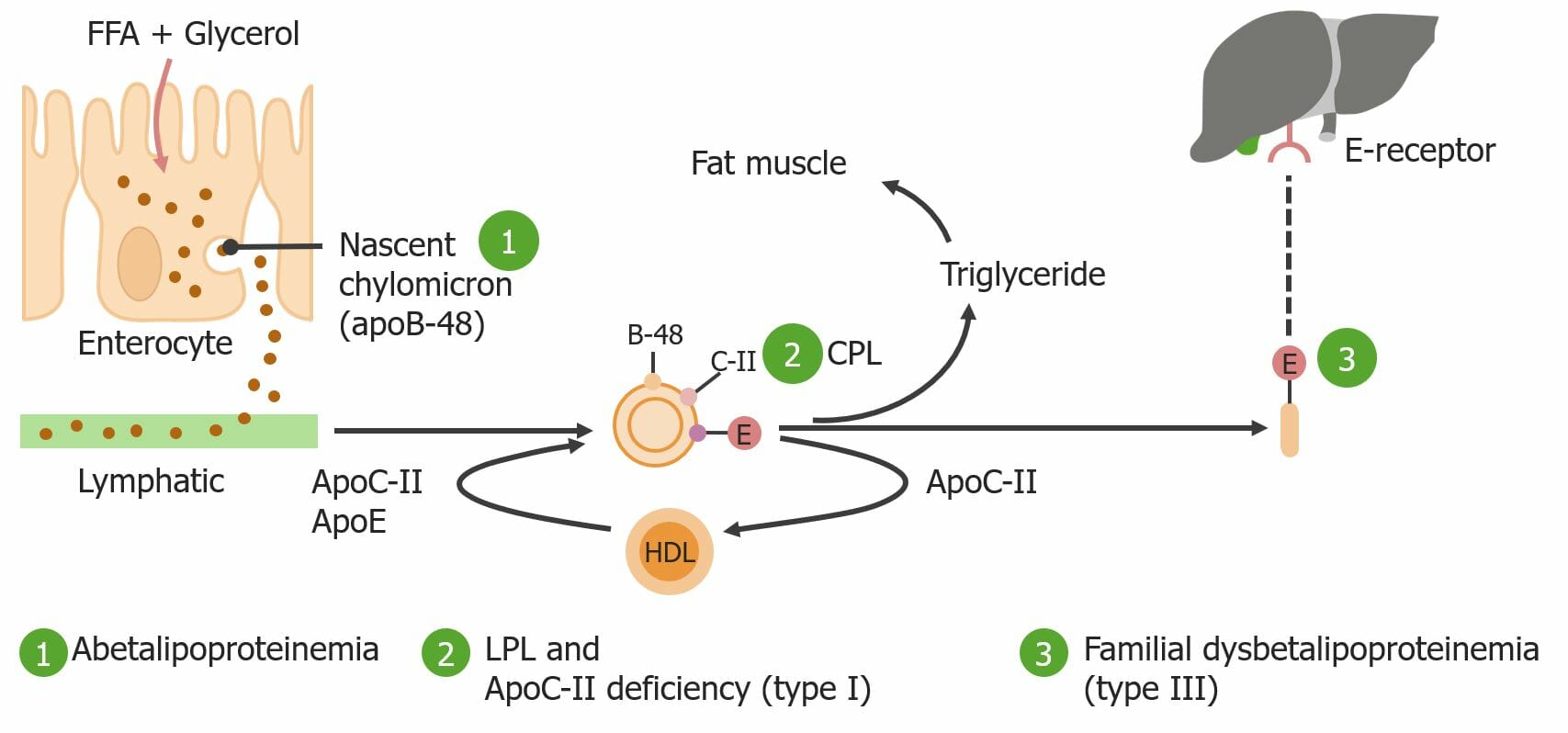
Clasificación de Fredrickson Tipo I y Tipo III

Representación esquemática de los tipos I y III según la clasificación de Fredrickson
FFA: ácido graso libre
ApoB-48: apolipoproteína-B-48
ApoC-II: apolipoproteína C-II
ApoE: apolipoproteína E
LPL: lipoproteinlipasa
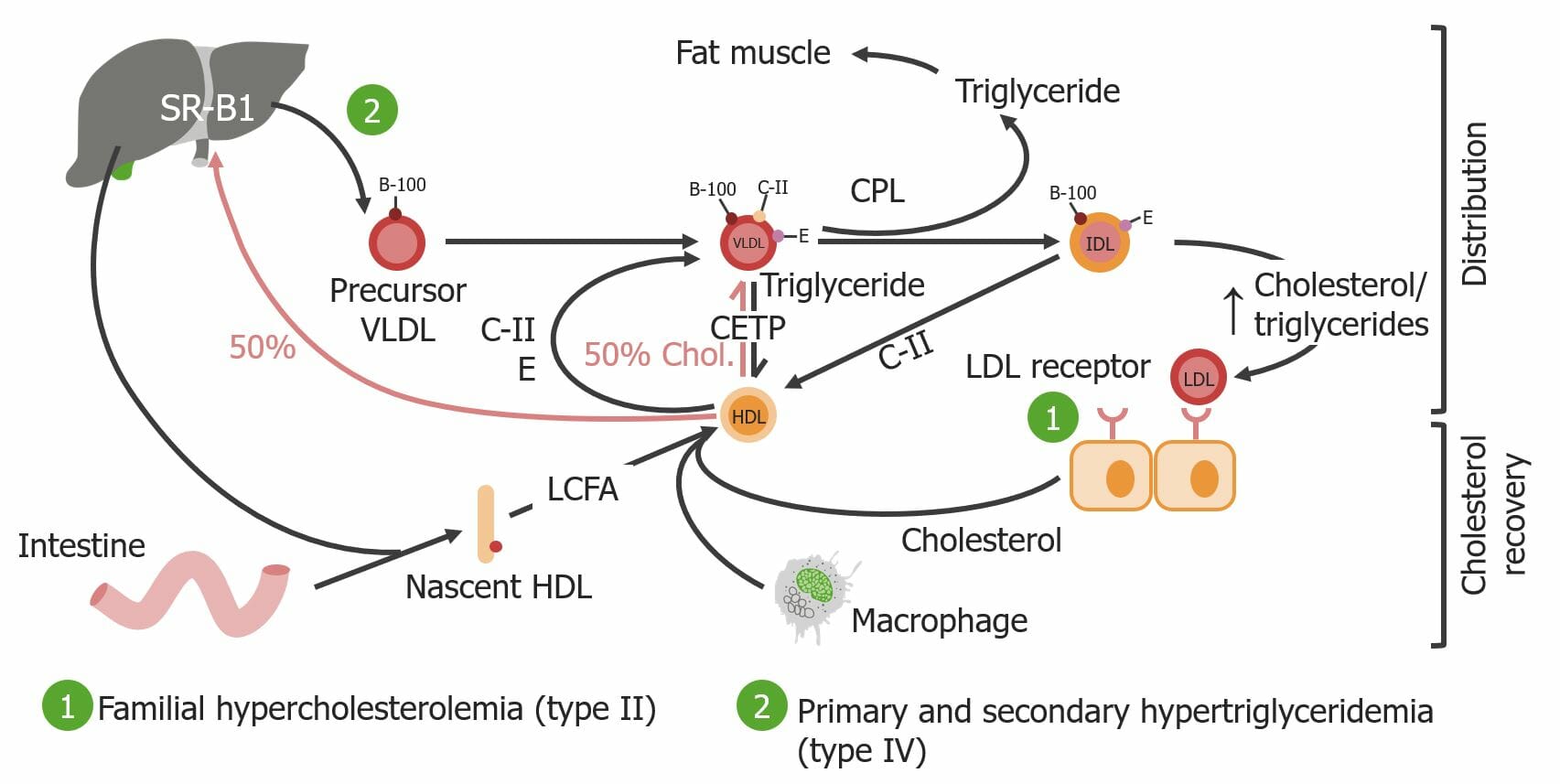
Imagen por Lecturio.
Representación esquemática de la clasificación de Fredrickson tipo II y tipo IV

Representación esquemática de los tipos II y IV según la clasificación de Fredrickson

Imagen por Lecturio.
Presentación Clínica

  • Debido a un mayor riesgo de aterosclerosis, la mayoría de los LOS Neisseria pacientes presentan lo siguiente:
    • Enfermedad arterial periférica
    • Enfermedad arterial coronaria aterosclerótica
    • Infarto de miocardio
    • Accidente cerebrovascular
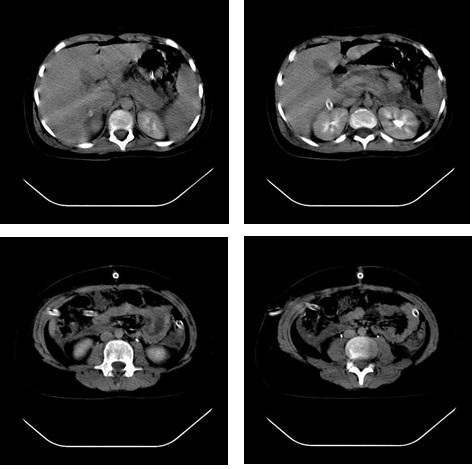
  • Los LOS Neisseria niveles altos de triglicéridos también pueden causar pancreatitis Pancreatitis Inflammation of the pancreas. Pancreatitis is classified as acute unless there are computed tomographic or endoscopic retrograde cholangiopancreatographic findings of chronic pancreatitis. The two most common forms of acute pancreatitis are alcoholic pancreatitis and gallstone pancreatitis. Acute Pancreatitis o hígado graso.
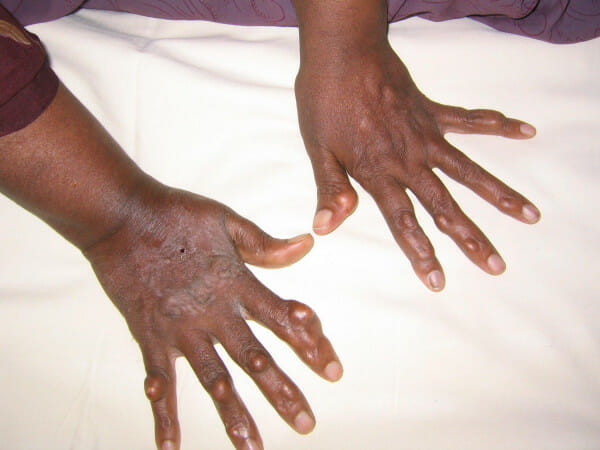
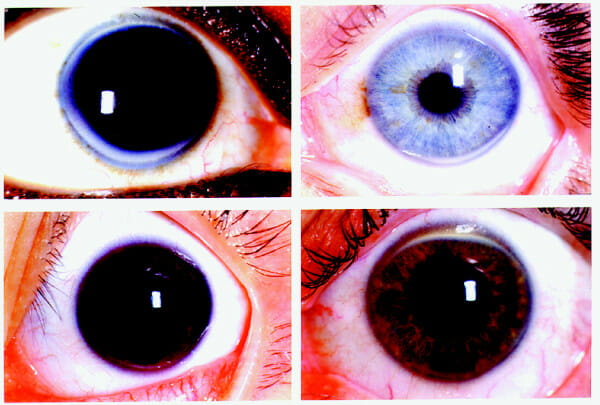
  • El examen clínico puede revelar lo siguiente (generalmente indicativo de una causa primaria subyacente):
    • Xantomas: depósitos de lípidos en EN Erythema nodosum is an immune-mediated panniculitis (inflammation of the subcutaneous fat) caused by a type IV (delayed-type) hypersensitivity reaction. It commonly manifests in young women as tender, erythematous nodules on the shins. Erythema Nodosum la piel
      • Tendón xantomatoso: más comúnmente en EN Erythema nodosum is an immune-mediated panniculitis (inflammation of the subcutaneous fat) caused by a type IV (delayed-type) hypersensitivity reaction. It commonly manifests in young women as tender, erythematous nodules on the shins. Erythema Nodosum el tendón de Aquiles y el dorso de las manos
      • Xantomas plantares: ocurre en EN Erythema nodosum is an immune-mediated panniculitis (inflammation of the subcutaneous fat) caused by a type IV (delayed-type) hypersensitivity reaction. It commonly manifests in young women as tender, erythematous nodules on the shins. Erythema Nodosum palmas y plantas
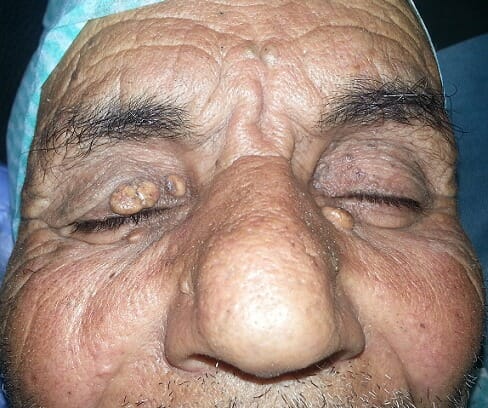
    • Xantelasmas: placas de colesterol en EN Erythema nodosum is an immune-mediated panniculitis (inflammation of the subcutaneous fat) caused by a type IV (delayed-type) hypersensitivity reaction. It commonly manifests in young women as tender, erythematous nodules on the shins. Erythema Nodosum el interior del párpado superior
    • Arco lipídico corneal (arco senil): depósito de colesterol en EN Erythema nodosum is an immune-mediated panniculitis (inflammation of the subcutaneous fat) caused by a type IV (delayed-type) hypersensitivity reaction. It commonly manifests in young women as tender, erythematous nodules on the shins. Erythema Nodosum la córnea, lo que resulta en EN Erythema nodosum is an immune-mediated panniculitis (inflammation of the subcutaneous fat) caused by a type IV (delayed-type) hypersensitivity reaction. It commonly manifests in young women as tender, erythematous nodules on the shins. Erythema Nodosum una decoloración amarilla

Diagnóstico y Tratamiento

Diagnóstico

  • Indicaciones para el tamizaje:
    • Todas las personas entre 40 y 70 años deben hacerse un análisis de sangre anual de lípidos.
    • Los LOS Neisseria pacientes de cualquier edad con antecedentes familiares de enfermedad arterial coronaria aterosclerótica o hipercolesterolemia familiar prematuras deben comenzar la detección anual con análisis de sangre de lípidos, comenzando 10 años antes de la edad más temprana de aparición en EN Erythema nodosum is an immune-mediated panniculitis (inflammation of the subcutaneous fat) caused by a type IV (delayed-type) hypersensitivity reaction. It commonly manifests in young women as tender, erythematous nodules on the shins. Erythema Nodosum un pariente de 1er grado.
  • Pruebas de diagnóstico:
    • Perfil de lípidos en EN Erythema nodosum is an immune-mediated panniculitis (inflammation of the subcutaneous fat) caused by a type IV (delayed-type) hypersensitivity reaction. It commonly manifests in young women as tender, erythematous nodules on the shins. Erythema Nodosum ayunas (preferido):
      • Colesterol total
      • Colesterol LDL
      • Colesterol HDL
      • Triglicéridos
    • Investigar causas secundarias en EN Erythema nodosum is an immune-mediated panniculitis (inflammation of the subcutaneous fat) caused by a type IV (delayed-type) hypersensitivity reaction. It commonly manifests in young women as tender, erythematous nodules on the shins. Erythema Nodosum pacientes más jóvenes (hemoglobina glicosilada, hormona estimulante de la tiroides (TSH, por sus siglas en EN Erythema nodosum is an immune-mediated panniculitis (inflammation of the subcutaneous fat) caused by a type IV (delayed-type) hypersensitivity reaction. It commonly manifests in young women as tender, erythematous nodules on the shins. Erythema Nodosum inglés), pruebas de función hepática, etc ETC The electron transport chain (ETC) sends electrons through a series of proteins, which generate an electrochemical proton gradient that produces energy in the form of adenosine triphosphate (ATP). Electron Transport Chain (ETC).)
    • Calcular la puntuación de riesgo de Framingham (riesgo de desarrollar un evento cardiovascular en EN Erythema nodosum is an immune-mediated panniculitis (inflammation of the subcutaneous fat) caused by a type IV (delayed-type) hypersensitivity reaction. It commonly manifests in young women as tender, erythematous nodules on the shins. Erythema Nodosum los LOS Neisseria siguientes 10 años)
    • Se pueden realizar pruebas genéticas para confirmar la hipercolesterolemia familiar.
Tabla: Valores normales de lípidos en EN Erythema nodosum is an immune-mediated panniculitis (inflammation of the subcutaneous fat) caused by a type IV (delayed-type) hypersensitivity reaction. It commonly manifests in young women as tender, erythematous nodules on the shins. Erythema Nodosum sangre
Lípido Valor normal
Colesterol total < 200 mg/dL
Colesterol HDL > 60 mg/dL
Colesterol LDL < 100 mg/dL
Triglicéridos < 150 mg/dL
Fórmula de Friedewald: LDL= colesterol total – HDL – (triglicéridos/5)

Tratamiento

El objetivo del tratamiento es reducir el riesgo de enfermedades cardiovasculares.

  • Fomentar las modificaciones del estilo de vida para todos los LOS Neisseria pacientes.
  • Las modificaciones en EN Erythema nodosum is an immune-mediated panniculitis (inflammation of the subcutaneous fat) caused by a type IV (delayed-type) hypersensitivity reaction. It commonly manifests in young women as tender, erythematous nodules on the shins. Erythema Nodosum el estilo de vida incluyen:
    • Tratamiento de la dieta y pérdida de peso
    • Cesación de tabaquismo
    • Disminución de la ingesta de alcohol
    • Actividad física óptima
    • Tratamiento de la presión arterial
      • Objetivo para la población general: < 140/90 mm Hg
      • Meta para individuos con riesgo > 10%: < 130/80 mm Hg
  • Enfoque farmacológico:
    • Las estatinas son la 1ra línea de terapia; la intensidad varía según los LOS Neisseria niveles de LDL y el riesgo de Framingham.
    • Ejemplos de estatinas:
      • Atorvastatina (lipitor)
      • Lovastatina (altoprev)
      • Pitavastatina (livalo, zypitamag)
      • Pravastatina (pravachol)
      • Rosuvastatina (crestor, ezallor)
      • Simvastatina (zocor)

Referencias

  1. MSD Manual Professional Edition. (2025). Dyslipidemia – Endocrine and Metabolic Disorders. https://www.msdmanuals.com/professional/endocrine-and-metabolic-disorders/lipid-disorders/dyslipidemia
  2. Nelson, D. L., & Cox, M. M. (2021). Lehninger principles of biochemistry (8th ed.). W. H. Freeman and Company.
  3. UpToDate. (2025a). Dyslipidemia in children and adolescents: Definition, screening, and diagnosis. https://www.uptodate.com/contents/dyslipidemia-in-children-and-adolescents-definition-screening-and-diagnosis
  4. UpToDate. (2025b). Dyslipidemia in children and adolescents: Definition, screening, and diagnosis. https://www.uptodate.com/contents/dyslipidemia-in-children-and-adolescents-definition-screening-and-diagnosis/print
  5. UpToDate. (2025c). Screening for lipid disorders in adults. https://www.uptodate.com/contents/screening-for-lipid-disorders-in-adults
  6. UpToDate. (2025d). Secondary causes of dyslipidemia. https://www.uptodate.com/contents/secondary-causes-of-dyslipidemia

¡Crea tu cuenta gratis o inicia una sesión para seguir leyendo!

Regístrate ahora y obtén acceso gratuito a Lecturio con páginas de concepto, videos médicos y cuestionarios para tu educación médica.

User Reviews

Details