Domina Conceptos Médicos

Estudia para la escuela de medicina y tus examenes con Lecturio.

Gastrinoma

Un gastrinoma Gastrinoma A gastrinoma is a tumor that secretes excessive levels of the hormone gastrin and is responsible for Zollinger-Ellison syndrome (ZES). Gastrinomas are frequently associated with multiple endocrine neoplasia 1 (MEN 1) and can arise from the pancreas, stomach, duodenum, jejunum, and/or even from the lymph nodes. Gastrinoma es un tumor Tumor Inflammation que segrega niveles excesivos de la hormona gastrina y es responsable del síndrome de Zollinger-Ellison. Los LOS Neisseria gastrinomas se asocian con frecuencia a la neoplasia endocrina múltiple 1  y pueden surgir del páncreas, el estómago, el duodeno, el yeyuno y/o incluso de los LOS Neisseria ganglios linfáticos. Los LOS Neisseria gastrinomas suelen ser malignos y con frecuencia hacen metástasis en EN Erythema nodosum is an immune-mediated panniculitis (inflammation of the subcutaneous fat) caused by a type IV (delayed-type) hypersensitivity reaction. It commonly manifests in young women as tender, erythematous nodules on the shins. Erythema Nodosum el hígado, los LOS Neisseria ganglios linfáticos y el hueso. El síndrome de Zollinger-Ellison se caracteriza por niveles elevados de gastrina, producción elevada de ácido gástrico, úlceras pépticas, reflujo gastroesofágico y diarrea. El diagnóstico se basa en EN Erythema nodosum is an immune-mediated panniculitis (inflammation of the subcutaneous fat) caused by a type IV (delayed-type) hypersensitivity reaction. It commonly manifests in young women as tender, erythematous nodules on the shins. Erythema Nodosum los LOS Neisseria niveles de gastrina sérica en EN Erythema nodosum is an immune-mediated panniculitis (inflammation of the subcutaneous fat) caused by a type IV (delayed-type) hypersensitivity reaction. It commonly manifests in young women as tender, erythematous nodules on the shins. Erythema Nodosum ayunas. El tratamiento consiste en EN Erythema nodosum is an immune-mediated panniculitis (inflammation of the subcutaneous fat) caused by a type IV (delayed-type) hypersensitivity reaction. It commonly manifests in young women as tender, erythematous nodules on the shins. Erythema Nodosum la resección quirúrgica del gastrinoma Gastrinoma A gastrinoma is a tumor that secretes excessive levels of the hormone gastrin and is responsible for Zollinger-Ellison syndrome (ZES). Gastrinomas are frequently associated with multiple endocrine neoplasia 1 (MEN 1) and can arise from the pancreas, stomach, duodenum, jejunum, and/or even from the lymph nodes. Gastrinoma y/o el tratamiento sintomático de la enfermedad no resecable.

Last updated: Dec 15, 2025

Editorial responsibility: Stanley Oiseth, Lindsay Jones, Evelin Maza

Descripción General

Definición

Un gastrinoma Gastrinoma A gastrinoma is a tumor that secretes excessive levels of the hormone gastrin and is responsible for Zollinger-Ellison syndrome (ZES). Gastrinomas are frequently associated with multiple endocrine neoplasia 1 (MEN 1) and can arise from the pancreas, stomach, duodenum, jejunum, and/or even from the lymph nodes. Gastrinoma es un tumor Tumor Inflammation neuroendocrino asociado al AL Amyloidosis síndrome de Zollinger-Ellison, que segrega grandes cantidades de gastrina y sobre estimula la producción de ácido gástrico, causando graves úlceras pépticas.

Epidemiología

  • Incidencia anual 0,5–2 por millón
  • Es más común en EN Erythema nodosum is an immune-mediated panniculitis (inflammation of the subcutaneous fat) caused by a type IV (delayed-type) hypersensitivity reaction. It commonly manifests in young women as tender, erythematous nodules on the shins. Erythema Nodosum los LOS Neisseria hombres.
  • Se observa en EN Erythema nodosum is an immune-mediated panniculitis (inflammation of the subcutaneous fat) caused by a type IV (delayed-type) hypersensitivity reaction. It commonly manifests in young women as tender, erythematous nodules on the shins. Erythema Nodosum pacientes de 30–50 años
  • El duodeno es la localización más común (70%)
  • Los LOS Neisseria gastrinomas pancreáticos suelen localizarse en EN Erythema nodosum is an immune-mediated panniculitis (inflammation of the subcutaneous fat) caused by a type IV (delayed-type) hypersensitivity reaction. It commonly manifests in young women as tender, erythematous nodules on the shins. Erythema Nodosum la cabeza del páncreas.

Etiología

  • Hasta el 80% surgen esporádicamente
  • Genética:
  • Síndrome de Zollinger-Ellison: causada por una producción excesiva de gastrina

Fisiopatología

Gastrinoma Gastrinoma A gastrinoma is a tumor that secretes excessive levels of the hormone gastrin and is responsible for Zollinger-Ellison syndrome (ZES). Gastrinomas are frequently associated with multiple endocrine neoplasia 1 (MEN 1) and can arise from the pancreas, stomach, duodenum, jejunum, and/or even from the lymph nodes. Gastrinoma

Los LOS Neisseria gastrinomas son tumores neuroendocrinos que surgen en EN Erythema nodosum is an immune-mediated panniculitis (inflammation of the subcutaneous fat) caused by a type IV (delayed-type) hypersensitivity reaction. It commonly manifests in young women as tender, erythematous nodules on the shins. Erythema Nodosum el tubo digestivo.
  • Ubicación:
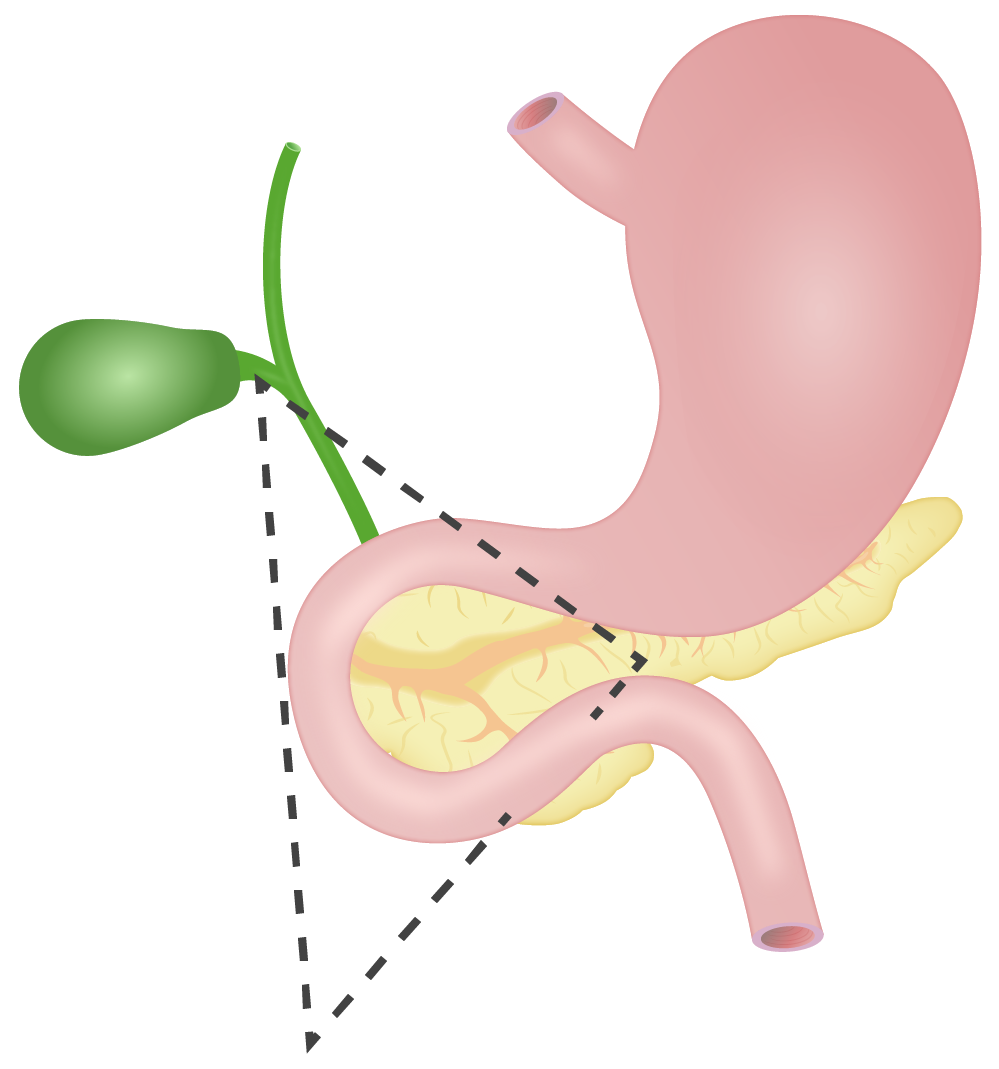
    • 70%–90% es encontrado en EN Erythema nodosum is an immune-mediated panniculitis (inflammation of the subcutaneous fat) caused by a type IV (delayed-type) hypersensitivity reaction. It commonly manifests in young women as tender, erythematous nodules on the shins. Erythema Nodosum el triángulo de Passaro:
      • Unión de los LOS Neisseria conductos biliares císticos y comunes
      • 2da y 3ra porción del duodeno
      • Cuello y cuerpo del páncreas
    • Originado de:
      • Duodeno (más común)
      • Yeyuno
      • Estómago
      • Páncreas
      • Ganglios linfáticos
  • Histología:
    • Bien diferenciado
    • El grado de malignidad no se determina solo por el aspecto morfológico/histológico
    • Células tumorales:
      • Dispuestas en EN Erythema nodosum is an immune-mediated panniculitis (inflammation of the subcutaneous fat) caused by a type IV (delayed-type) hypersensitivity reaction. It commonly manifests in young women as tender, erythematous nodules on the shins. Erythema Nodosum patrón sólido, trabecular, giriforme o glandular
      • Los LOS Neisseria gránulos neurosecretores pueden contener otras hormonas además de la gastrina (péptido intestinal vasoactivo, glucagón).
      • Secretan sinaptofisina y cromogranina
    • Los LOS Neisseria tumores pueden producir una hormona ectópica, pero esta no se procesa hasta alcanzar una forma biológicamente activa.
    • Solo se considera gastrinoma Gastrinoma A gastrinoma is a tumor that secretes excessive levels of the hormone gastrin and is responsible for Zollinger-Ellison syndrome (ZES). Gastrinomas are frequently associated with multiple endocrine neoplasia 1 (MEN 1) and can arise from the pancreas, stomach, duodenum, jejunum, and/or even from the lymph nodes. Gastrinoma si se asocia clínicamente con síndrome de Zollinger-Ellison
El triángulo de Passaro

El triángulo de Passaro:
Aproximadamente 70%–90% de los gastrinomas se encuentran en el espacio anatómico conocido como “triángulo de Passaro”. La zona está delimitada por la unión de los conductos biliares cístico y común, las porciones 2da y 3ra del duodeno y el cuello y cuerpo del páncreas.
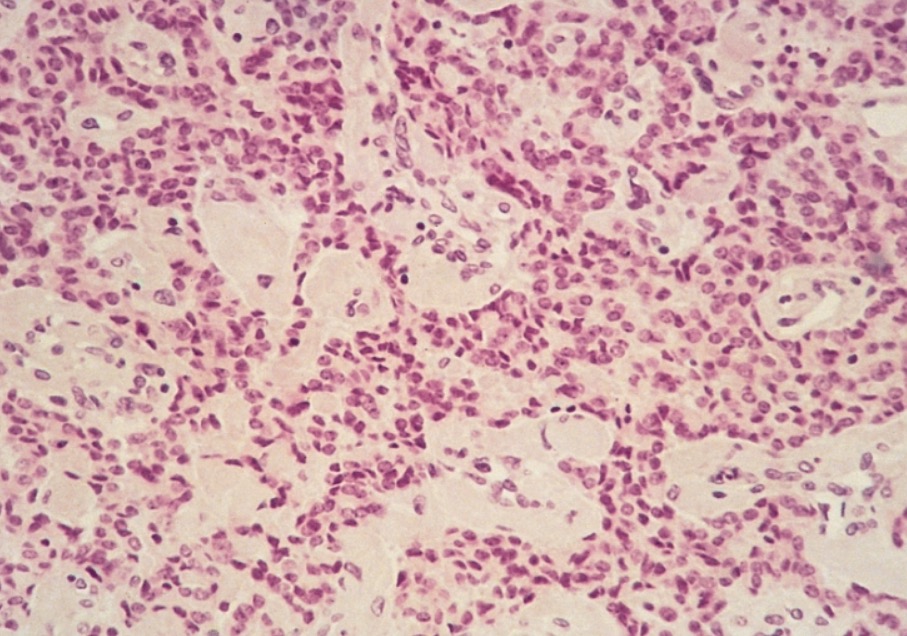
Imagen por Lecturio.

Síndrome de Zollinger-Ellison

Los LOS Neisseria gastrinomas segregan un exceso de gastrina:

  • Estimula las células parietales y secretoras de histamina similares a las enterocromafines
  • Da lugar a niveles elevados (de 4 a 10 veces) de ácido gástrico

El exceso de ácido gástrico provoca:

  • Enfermedad de úlcera péptica:
    • Presente en EN Erythema nodosum is an immune-mediated panniculitis (inflammation of the subcutaneous fat) caused by a type IV (delayed-type) hypersensitivity reaction. It commonly manifests in young women as tender, erythematous nodules on the shins. Erythema Nodosum > 90% de los LOS Neisseria pacientes con síndrome de Zollinger-Ellison
    • 75% en EN Erythema nodosum is an immune-mediated panniculitis (inflammation of the subcutaneous fat) caused by a type IV (delayed-type) hypersensitivity reaction. It commonly manifests in young women as tender, erythematous nodules on the shins. Erythema Nodosum la primera porción del duodeno
    • A menudo son múltiples, recurrentes y refractarios a los LOS Neisseria inhibidores de la bomba de protones (IBP)
    • A veces se encuentran en EN Erythema nodosum is an immune-mediated panniculitis (inflammation of the subcutaneous fat) caused by a type IV (delayed-type) hypersensitivity reaction. It commonly manifests in young women as tender, erythematous nodules on the shins. Erythema Nodosum localizaciones inusuales (más allá del 1er o 2do pliegue del duodeno)
  • Diarrea crónica:
    • El bajo pH pH The quantitative measurement of the acidity or basicity of a solution. Acid-Base Balance del contenido intestinal inactiva las enzimas digestivas pancreáticas → malabsorción y esteatorrea
    • La gastrina inhibe la absorción de sodio y agua por los LOS Neisseria intestinos → diarrea secretora

Diagnóstico

Antecedentes clínicos

  • Enfermedad por úlcera péptica:
  • Complicaciones gastrointestinales de la enfermedad por úlcera péptica:
    • Hemorragia
    • Estenosis
    • Perforaciones
  • Reflujo gastroesofágico/acidez estomacal
  • Diarrea/esteatorrea
  • Pérdida de peso (por mala absorción)
  • Historial médico previo:
    • Úlceras pépticas múltiples, refractarias, recurrentes o inusuales
    • Diarrea que responde a los LOS Neisseria IBP
    • Antecedentes personales o familiares de neoplasia endocrina multiple 1

Estudios de laboratorio

  • Nivel de gastrina en EN Erythema nodosum is an immune-mediated panniculitis (inflammation of the subcutaneous fat) caused by a type IV (delayed-type) hypersensitivity reaction. It commonly manifests in young women as tender, erythematous nodules on the shins. Erythema Nodosum ayunas:
    • ≥ 10 veces lo normal con un pH pH The quantitative measurement of the acidity or basicity of a solution. Acid-Base Balance estomacal < 2 es diagnóstico de síndrome Zollinger-Ellison.
    • < 10 veces lo normal es inespecífico; puede estar asociado a otras causas de hipergastrinemia.
  • Prueba de estimulación de la secretina:
    • Se utiliza si los LOS Neisseria niveles de gastrina son < 10 veces elevados
    • Realizar sin tratamiento con IBP
    • No debe realizarse en EN Erythema nodosum is an immune-mediated panniculitis (inflammation of the subcutaneous fat) caused by a type IV (delayed-type) hypersensitivity reaction. It commonly manifests in young women as tender, erythematous nodules on the shins. Erythema Nodosum pacientes con síndrome Zollinger-Ellison severa y activa (puede causar complicaciones mortales)
    • La gastrina sérica alcanza su máximo 10 minutos después de la administración de secretina
    • Criterios para una prueba positiva:
      • Aumento de la gastrina > 120 pg/mL sobre el nivel basal en EN Erythema nodosum is an immune-mediated panniculitis (inflammation of the subcutaneous fat) caused by a type IV (delayed-type) hypersensitivity reaction. It commonly manifests in young women as tender, erythematous nodules on the shins. Erythema Nodosum ayunas
      • Aumento del 50% del nivel de gastrina

Localización del tumor Tumor Inflammation

Si el síndrome Zollinger-Ellison se diagnostica médicamente, debe identificarse un gastrinoma Gastrinoma A gastrinoma is a tumor that secretes excessive levels of the hormone gastrin and is responsible for Zollinger-Ellison syndrome (ZES). Gastrinomas are frequently associated with multiple endocrine neoplasia 1 (MEN 1) and can arise from the pancreas, stomach, duodenum, jejunum, and/or even from the lymph nodes. Gastrinoma.
  • Imagenologia:
    • Tomografía computarizada (TC) abdominal
    • Resonancia magnética (RM)
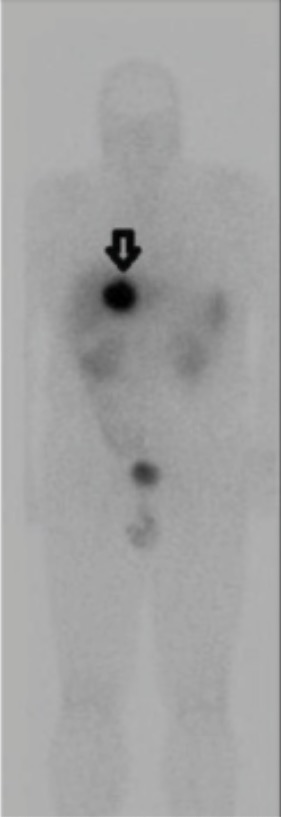
    • Gamagrafía de receptores de somatostatina: utilizando octreotide Octreotide A potent, long-acting synthetic somatostatin octapeptide analog that inhibits secretion of growth hormone and is used to treat hormone-secreting tumors; diabetes mellitus; hypotension, orthostatic; hyperinsulinism; hypergastrinemia; and small bowel fistula. Antidiarrheal Drugs marcado radioactivamente
    • Angiografía o estimulación arterial selectiva: si no se puede localizar con TC, RM o gamagrafía de receptores de somatostatina
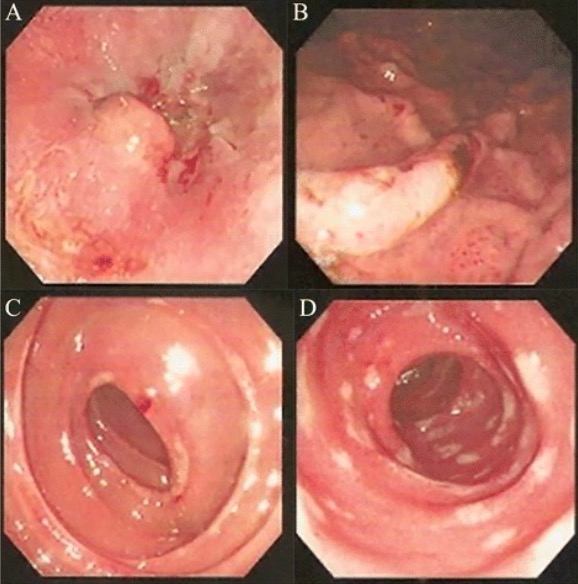
  • Endoscopia:
    • Muestra las úlceras pépticas
    • Pliegues gástricos engrosados
    • Puede mostrar un tumor Tumor Inflammation duodenal
  • Exploración quirúrgica: a veces es la única forma de localizar el tumor Tumor Inflammation

Tratamiento

Tratamiento médico

  • IBP: Empezar con una dosis alta y reducirla según sea necesario.
  • Análogos de la somatostatina ( octreotide Octreotide A potent, long-acting synthetic somatostatin octapeptide analog that inhibits secretion of growth hormone and is used to treat hormone-secreting tumors; diabetes mellitus; hypotension, orthostatic; hyperinsulinism; hypergastrinemia; and small bowel fistula. Antidiarrheal Drugs, lanreotida):
    • Si los LOS Neisseria IBP no son efectivos
    • La respuesta es poco predecible.

Cirugía

  • Curación definitiva de tumores resecables:
    • Gastrinomas esporádicos sin diseminación metastásica
    • No para los LOS Neisseria gastrinomas que forman parte de la neoplasia endocrina múltiple 1, ya que suelen ser multifocales
  • La enucleación es la modalidad preferida.
  • A veces se requiere una pancreatectomía distal o una resección parcial de la cabeza del páncreas.

Enfermedad metastásica

  • 60%–90% de los LOS Neisseria gastrinomas son malignos.
  • Las metástasis son una fuente importante de morbilidad y mortalidad.
  • El sitio más común de metástasis es el hígado, seguido del hueso.
  • Tratamiento:
    • Análogos de la somatostatina
    • Quimioterapia (estreptozocina, doxorrubicina)
    • Terapias dirigidas al AL Amyloidosis hígado:
      • Resección
      • Embolización de la arteria hepática
      • Terapias de ablación

Pronóstico

  • Metástasis en EN Erythema nodosum is an immune-mediated panniculitis (inflammation of the subcutaneous fat) caused by a type IV (delayed-type) hypersensitivity reaction. It commonly manifests in young women as tender, erythematous nodules on the shins. Erythema Nodosum el hígado: La supervivencia a 10 años es del 30%.
  • Los LOS Neisseria pacientes con neoplasia endocrina múltiple 1 tienen una tasa significativamente menor de enfermedad metastásica y una mayor supervivencia global (100% a los LOS Neisseria 20 años).
  • Gastrina sérica más baja se correlaciona con un mejor pronóstico.

Related videos

Diagnóstico Diferencial

  • Enfermedad por úlcera péptica: ulceración de la mucosa del estómago o del duodeno; suele deberse a una infección por Helicobacter pylori Helicobacter pylori A spiral bacterium active as a human gastric pathogen. It is a gram-negative, urease-positive, curved or slightly spiral organism initially isolated in 1982 from patients with lesions of gastritis or peptic ulcers in Western Australia. Helicobacter pylori was originally classified in the genus campylobacter, but RNA sequencing, cellular fatty acid profiles, growth patterns, and other taxonomic characteristics indicate that the micro-organism should be included in the genus Helicobacter. It has been officially transferred to Helicobacter gen. Helicobacter o al AL Amyloidosis uso de antiinflamatorios no esteroideos (AINE). El síntoma más común de las úlceras duodenales y gástricas es el dolor Dolor Inflammation epigástrico. El diagnóstico se confirma mediante endoscopia. Las úlceras pépticas esporádicas suelen responder bien a los LOS Neisseria regímenes de tratamiento con antibióticos e IBP.
  • Malabsorción: mal funcionamiento de la pared intestinal que provoca una absorción insuficiente de los LOS Neisseria productos de descomposición. La malabsorción puede presentarse como diarrea, esteatorrea, distensión abdominal, flatulencia, pérdida de peso, anemia Anemia Anemia is a condition in which individuals have low Hb levels, which can arise from various causes. Anemia is accompanied by a reduced number of RBCs and may manifest with fatigue, shortness of breath, pallor, and weakness. Subtypes are classified by the size of RBCs, chronicity, and etiology. Anemia: Overview and Types, deficiencias vitamínicas y/o retraso en EN Erythema nodosum is an immune-mediated panniculitis (inflammation of the subcutaneous fat) caused by a type IV (delayed-type) hypersensitivity reaction. It commonly manifests in young women as tender, erythematous nodules on the shins. Erythema Nodosum el crecimiento. El diagnóstico se establece mediante una combinación de estudios de heces, análisis de sangre y, a veces, endoscopia e imagenología. El tratamiento suele ser de soporte.
  • VIPoma VIPoma A VIPoma is a rare neuroendocrine tumor arising primarily in the pancreas that releases large amounts of vasoactive intestinal polypeptide (VIP). This process leads to chronic watery diarrhea with concomitant hypokalemia and dehydration, as well as wheezing and flushing (known as Verner-Morrison or WDHA syndrome). VIPoma: un tumor Tumor Inflammation neuroendocrino, asociado a la neoplasia endocrina múltiple 1 que segrega polipéptido intestinal vasoactivo. La presentación incluye diarrea crónica, enrojecimiento y sibilancias. El diagnóstico se establece midiendo los LOS Neisseria niveles de polipéptido intestinal vasoactivo en EN Erythema nodosum is an immune-mediated panniculitis (inflammation of the subcutaneous fat) caused by a type IV (delayed-type) hypersensitivity reaction. It commonly manifests in young women as tender, erythematous nodules on the shins. Erythema Nodosum sangre y orina. El tratamiento consiste en EN Erythema nodosum is an immune-mediated panniculitis (inflammation of the subcutaneous fat) caused by a type IV (delayed-type) hypersensitivity reaction. It commonly manifests in young women as tender, erythematous nodules on the shins. Erythema Nodosum la extirpación quirúrgica del tumor Tumor Inflammation y el control de los LOS Neisseria síntomas.
  • Síndrome carcinoide: conjunto de síntomas asociados a la producción de serotonina y otras sustancias por parte del tumor Tumor Inflammation carcinoide. La presentación incluye diarrea, enrojecimiento y sibilancias. El diagnóstico se establece mediante la medición de los LOS Neisseria metabolitos de la serotonina y la obtención de imagenología para confirmar la presencia del tumor Tumor Inflammation. El tratamiento incluye la resección quirúrgica y el tratamiento sintomático.

Referencias

  1. Cameron, J. L. (2004). Current surgical therapy (8th ed.). W.B. Saunders Company.
  2. Aerts, M., & Reynaert, H. (2017). Disease Control on Lanreotide Autogel® 120 mg in a Patient with Metastatic Gastrinoma: A Case Report. Case reports in gastroenterology11(3), 616–623. https://doi.org/10.1159/000485025
  3. Norton, J. A., Fraker, D. L., Alexander, H. R., Gibril, F., Liewehr, D. J., Venzon, D. J., & Jensen, R. T. (2006). Surgery increases survival in patients with gastrinoma. Annals of surgery244(3), 410–419. https://doi.org/10.1097/01.sla.0000234802.44320.a5
  4. Kulke, M. H., Anthony, L. B., Bushnell, D. L., de Herder, W. W., Goldsmith, S. J., Klimstra, D. S., Marx, S. J., Pasieka, J. L., Pommier, R. F., Yao, J. C., Jensen, R. T., & North American Neuroendocrine Tumor Society (NANETS) (2010). NANETS treatment guidelines: well-differentiated neuroendocrine tumors of the stomach and pancreas. Pancreas39(6), 735–752. https://doi.org/10.1097/MPA.0b013e3181ebb168
  5. Oberg K. (2010). Pancreatic endocrine tumors. Seminars in oncology37(6), 594–618. https://doi.org/10.1053/j.seminoncol.2010.10.014
  6. Norton, J. A., Foster, D. S., Ito, T., & Jensen, R. T. (2018). Gastrinomas: Medical or Surgical Treatment. Endocrinology and metabolism clinics of North America47(3), 577–601. https://doi.org/10.1016/j.ecl.2018.04.009

¡Crea tu cuenta gratis o inicia una sesión para seguir leyendo!

Regístrate ahora y obtén acceso gratuito a Lecturio con páginas de concepto, videos médicos y cuestionarios para tu educación médica.

User Reviews

Details