Domina Conceptos Médicos

Estudia para la escuela de medicina y tus examenes con Lecturio.

Examen Abdominal

El examen abdominal es la parte del examen físico que evalúa el abdomen en EN Erythema nodosum is an immune-mediated panniculitis (inflammation of the subcutaneous fat) caused by a type IV (delayed-type) hypersensitivity reaction. It commonly manifests in young women as tender, erythematous nodules on the shins. Erythema Nodosum busca de signos de enfermedad. El examen abdominal consiste en EN Erythema nodosum is an immune-mediated panniculitis (inflammation of the subcutaneous fat) caused by a type IV (delayed-type) hypersensitivity reaction. It commonly manifests in young women as tender, erythematous nodules on the shins. Erythema Nodosum la inspección, auscultación, percusión y palpación. Junto con la información de los LOS Neisseria antecedentes, el médico utiliza la información obtenida en EN Erythema nodosum is an immune-mediated panniculitis (inflammation of the subcutaneous fat) caused by a type IV (delayed-type) hypersensitivity reaction. It commonly manifests in young women as tender, erythematous nodules on the shins. Erythema Nodosum la exploración física del abdomen para elaborar un diagnóstico diferencial y un plan de tratamiento para el paciente.

Last updated: Dec 15, 2025

Editorial responsibility: Stanley Oiseth, Lindsay Jones, Evelin Maza

Introducción

1eros pasos:

  • Explique los LOS Neisseria pasos al AL Amyloidosis paciente y obtenga su consentimiento.
  • Coloque al AL Amyloidosis paciente en EN Erythema nodosum is an immune-mediated panniculitis (inflammation of the subcutaneous fat) caused by a type IV (delayed-type) hypersensitivity reaction. It commonly manifests in young women as tender, erythematous nodules on the shins. Erythema Nodosum posición supina, con los LOS Neisseria brazos a los LOS Neisseria lados, con el abdomen expuesto.
  • Garantice una buena iluminación, privacidad e higiene.
  • Cubra al AL Amyloidosis paciente con una sábana para conservar el calor Calor Inflammation.
  • Convencionalmente, el examen físico se realiza con el proveedor de pie al AL Amyloidosis lado derecho del paciente.

Los LOS Neisseria componentes del examen abdominal:

  • Inspección
  • Auscultación
  • Percusión
  • Palpación

En EN Erythema nodosum is an immune-mediated panniculitis (inflammation of the subcutaneous fat) caused by a type IV (delayed-type) hypersensitivity reaction. It commonly manifests in young women as tender, erythematous nodules on the shins. Erythema Nodosum un orden diferente (auscultación antes de percusión), los LOS Neisseria mismos elementos componen las otras secciones del examen físico, pero tienen diferentes grados de importancia.

El examen pélvico, genital y rectal deben complementar al AL Amyloidosis examen abdominal para un diagnóstico completo de la patología abdominal.

Anatomía:

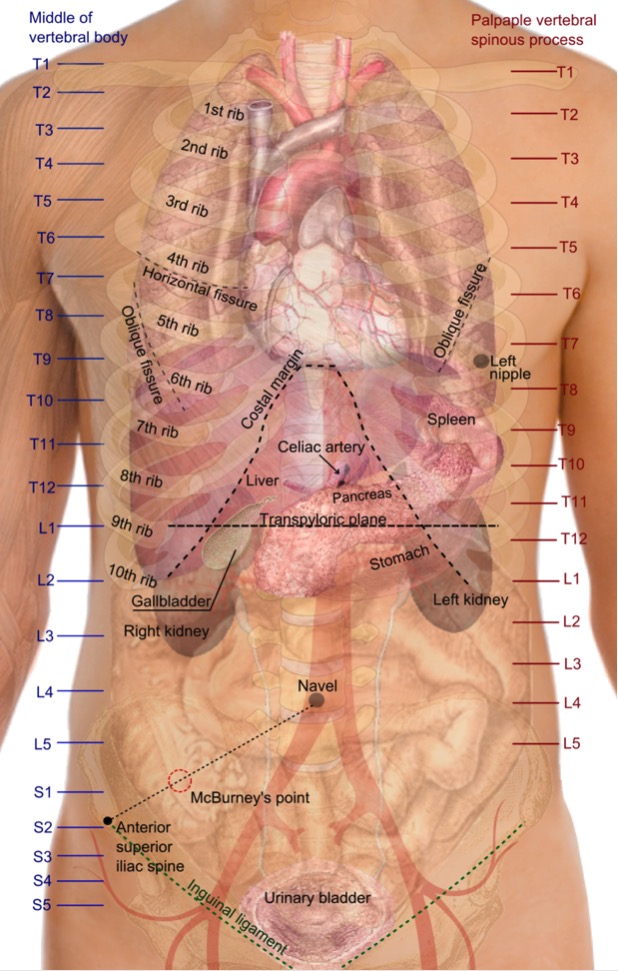
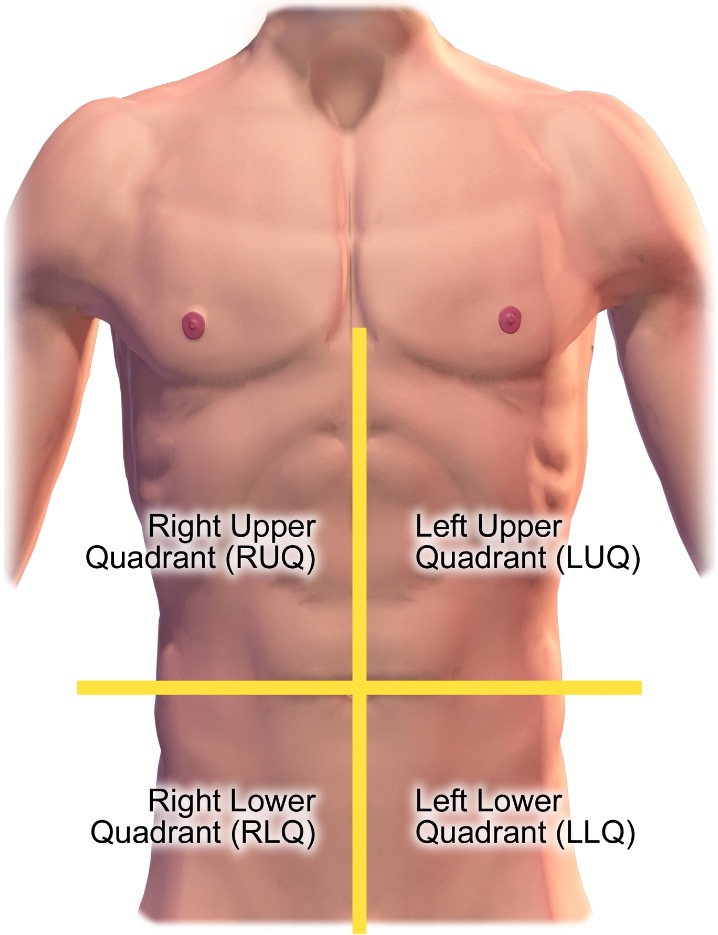
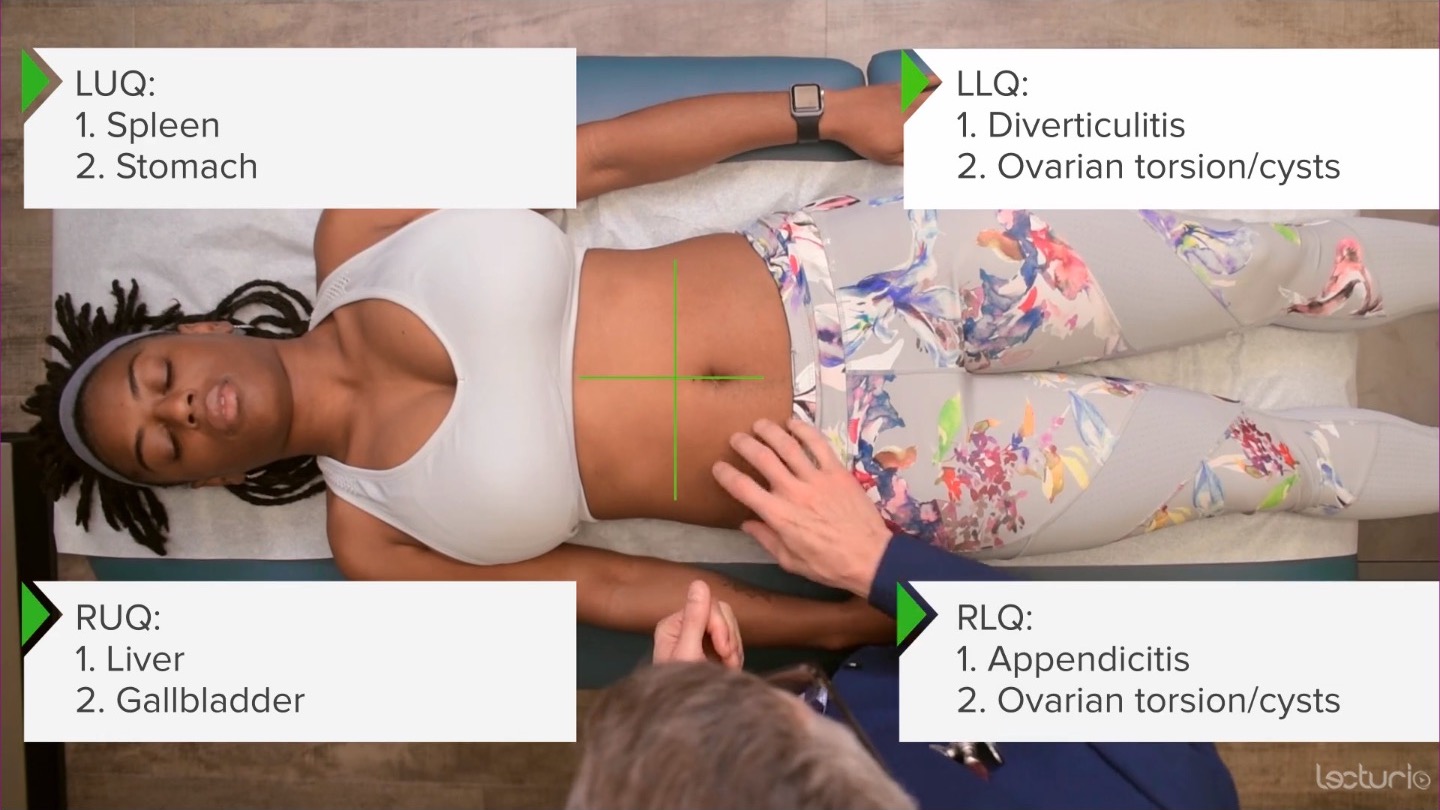
El abdomen se divide en EN Erythema nodosum is an immune-mediated panniculitis (inflammation of the subcutaneous fat) caused by a type IV (delayed-type) hypersensitivity reaction. It commonly manifests in young women as tender, erythematous nodules on the shins. Erythema Nodosum 4 cuadrantes: superior derecho, inferior derecho, superior izquierdo e inferior izquierdo. Los LOS Neisseria cuadrantes se relacionan a órganos y estructuras específicas.

Alternativamente, el abdomen también puede dividirse en EN Erythema nodosum is an immune-mediated panniculitis (inflammation of the subcutaneous fat) caused by a type IV (delayed-type) hypersensitivity reaction. It commonly manifests in young women as tender, erythematous nodules on the shins. Erythema Nodosum 9 regiones: hipocondríaco derecho, epigástrico, hipocondríaco izquierdo, lumbar derecho, umbilical, lumbar izquierdo, ilíaco derecho, hipogástrico e ilíaco izquierdo. Estas 9 regiones se utilizan a menudo para una localización más precisa.
Inspección

  • Observe el nivel de distrés del paciente:
    • Está inmóvil: puede ser un signo de peritonitis Peritonitis Inflammation of the peritoneum lining the abdominal cavity as the result of infectious, autoimmune, or chemical processes. Primary peritonitis is due to infection of the peritoneal cavity via hematogenous or lymphatic spread and without intra-abdominal source. Secondary peritonitis arises from the abdominal cavity itself through rupture or abscess of intra-abdominal organs. Penetrating Abdominal Injury
    • Inquietud: puede ser un signo de cólico renal
  • Compruebe la superficie, el contorno y los LOS Neisseria movimientos del abdomen.
  • Hallazgos:
    • Cicatrices quirúrgicas previas u otras anomalías de la piel:
      • Ictericia en EN Erythema nodosum is an immune-mediated panniculitis (inflammation of the subcutaneous fat) caused by a type IV (delayed-type) hypersensitivity reaction. It commonly manifests in young women as tender, erythematous nodules on the shins. Erythema Nodosum la insuficiencia hepática
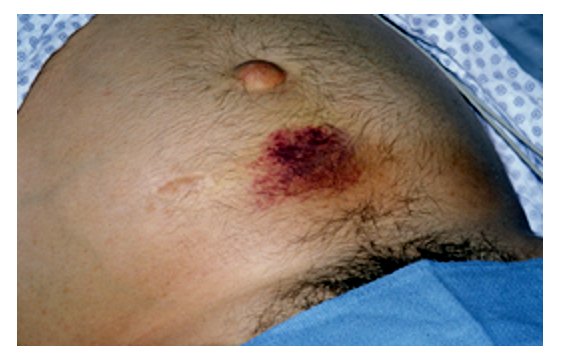
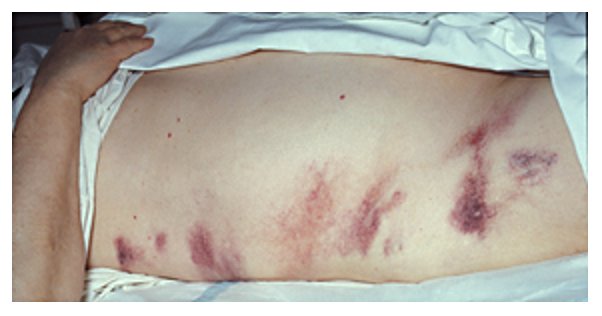
      • Signo de Grey Turner: equimosis en EN Erythema nodosum is an immune-mediated panniculitis (inflammation of the subcutaneous fat) caused by a type IV (delayed-type) hypersensitivity reaction. It commonly manifests in young women as tender, erythematous nodules on the shins. Erythema Nodosum los LOS Neisseria flancos (signo de hemorragia retroperitoneal Retroperitoneal Peritoneum: Anatomy), o hemorragia detrás del peritoneo
      • Signo de Cullen: edema Edema Edema is a condition in which excess serous fluid accumulates in the body cavity or interstitial space of connective tissues. Edema is a symptom observed in several medical conditions. It can be categorized into 2 types, namely, peripheral (in the extremities) and internal (in an organ or body cavity). Edema superficial y equimosis en EN Erythema nodosum is an immune-mediated panniculitis (inflammation of the subcutaneous fat) caused by a type IV (delayed-type) hypersensitivity reaction. It commonly manifests in young women as tender, erythematous nodules on the shins. Erythema Nodosum el tejido graso subcutáneo alrededor del ombligo, que es indicativo de pancreatitis Pancreatitis Inflammation of the pancreas. Pancreatitis is classified as acute unless there are computed tomographic or endoscopic retrograde cholangiopancreatographic findings of chronic pancreatitis. The two most common forms of acute pancreatitis are alcoholic pancreatitis and gallstone pancreatitis. Acute Pancreatitis aguda, hemorragia por traumatismo abdominal cerrado, hemorragia por rotura aórtica o hemorragia por rotura de embarazo ectópico
    • Observe la forma del abdomen: plano, redondo, distendido, simétrico o asimétrico
    • Estrías abdominales, vistas en EN Erythema nodosum is an immune-mediated panniculitis (inflammation of the subcutaneous fat) caused by a type IV (delayed-type) hypersensitivity reaction. It commonly manifests in young women as tender, erythematous nodules on the shins. Erythema Nodosum:
      • Síndrome de Cushing
      • Embarazo
      • Aumento de peso
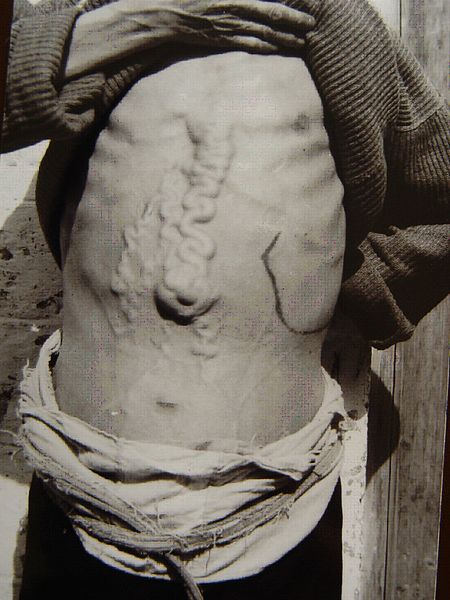
    • Cambios vasculares:
      • Cabeza de medusa (signo de hipertensión portal)
      • Angiomas de cereza (angiomas seniles):
        • Tumor Tumor Inflammation benigno inofensivo
        • Contiene una proliferación anormal de vasos sanguíneos
        • Común en EN Erythema nodosum is an immune-mediated panniculitis (inflammation of the subcutaneous fat) caused by a type IV (delayed-type) hypersensitivity reaction. It commonly manifests in young women as tender, erythematous nodules on the shins. Erythema Nodosum pacientes de edad avanzada
    • Distribución del pelo (puede ser indicativo de la irrigación vascular)
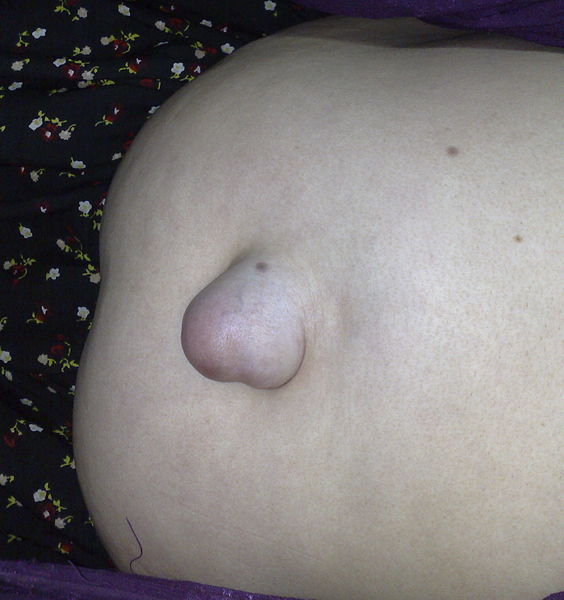
    • Protuberancias (masas, hernias)

Auscultación

Dado que las manipulaciones mecánicas del abdomen pueden alterar la regularidad de los LOS Neisseria sonidos intestinales, la auscultación se realiza antes de la percusión o la palpación.

Pasos:

  • Escuche durante 2 minutos.
  • Ausculte los LOS Neisseria 4 cuadrantes.

Hallazgos:

  • Soplos:
    • Un sonido anormal generado por el flujo sanguíneo turbulento en EN Erythema nodosum is an immune-mediated panniculitis (inflammation of the subcutaneous fat) caused by a type IV (delayed-type) hypersensitivity reaction. It commonly manifests in young women as tender, erythematous nodules on the shins. Erythema Nodosum una arteria debido a una obstrucción parcial
    • Puede ser indicativo de aterosclerosis o aneurismas
    • Escuche sobre la aorta Aorta The main trunk of the systemic arteries. Mediastinum and Great Vessels: Anatomy, las arterias renales y las arterias ilíacas.
  • Ruidos intestinales:
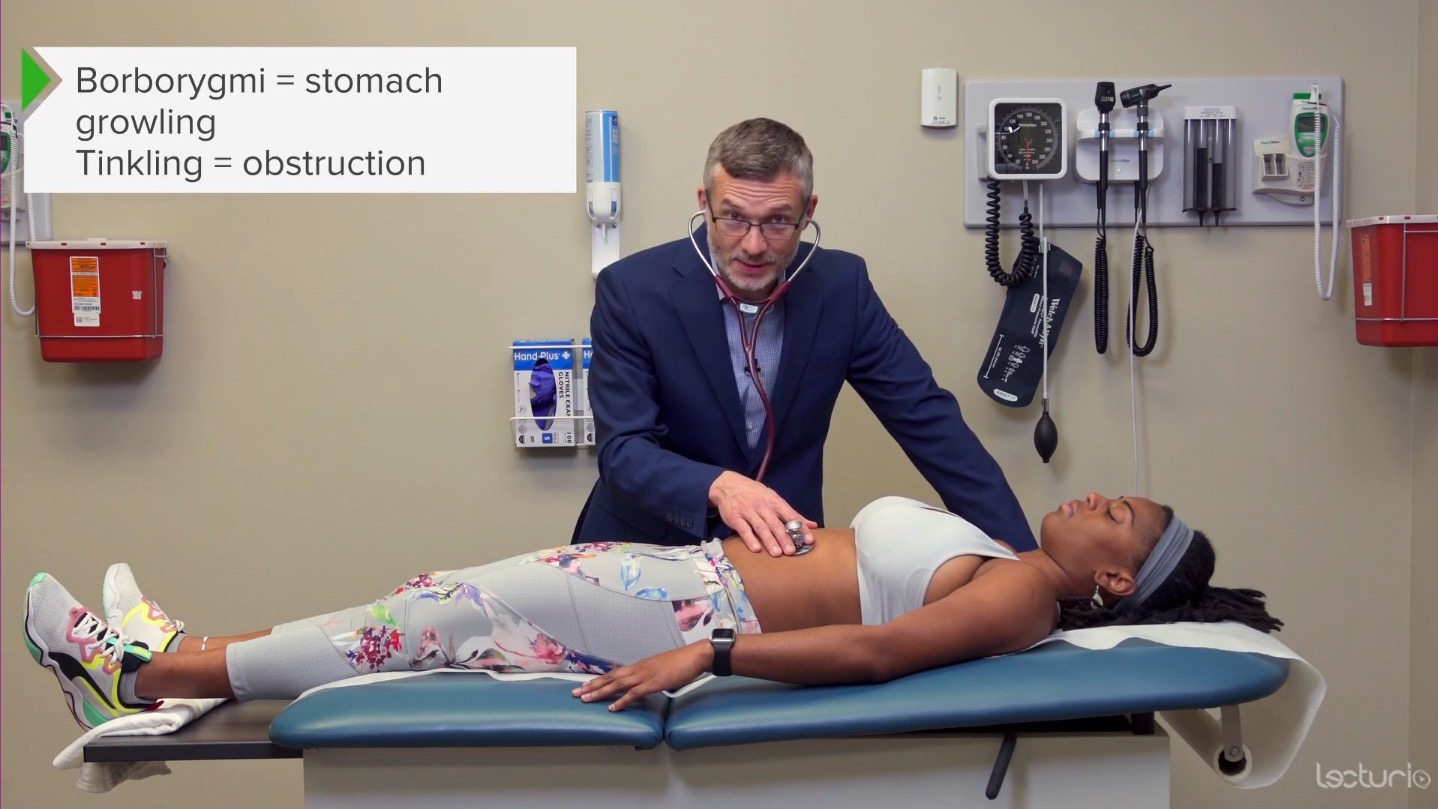
    • Los LOS Neisseria ruidos intestinales de tono bajo a medio, con gorgoteos cada 5–15 segundos, indican un peristaltismo normal.
    • Borborigmo: gorgoteo estomacal (normal)
    • Ruidos intestinales hiperactivos:
      • Tono alto (tintineo): obstrucción intestinal
      • Gastroenteritis Gastroenteritis Gastroenteritis is inflammation of the stomach and intestines, commonly caused by infections from bacteria, viruses, or parasites. Transmission may be foodborne, fecal-oral, or through animal contact. Common clinical features include abdominal pain, diarrhea, vomiting, fever, and dehydration. Gastroenteritis, enfermedad de intestino irritable, uso de laxantes, diarrea y hemorragia digestiva
    • Ruidos intestinales ausentes/hipoactivos:
      • Peritonitis Peritonitis Inflammation of the peritoneum lining the abdominal cavity as the result of infectious, autoimmune, or chemical processes. Primary peritonitis is due to infection of the peritoneal cavity via hematogenous or lymphatic spread and without intra-abdominal source. Secondary peritonitis arises from the abdominal cavity itself through rupture or abscess of intra-abdominal organs. Penetrating Abdominal Injury
      • Obstrucción intestinal tardía
      • Isquemia intestinal
      • Íleo
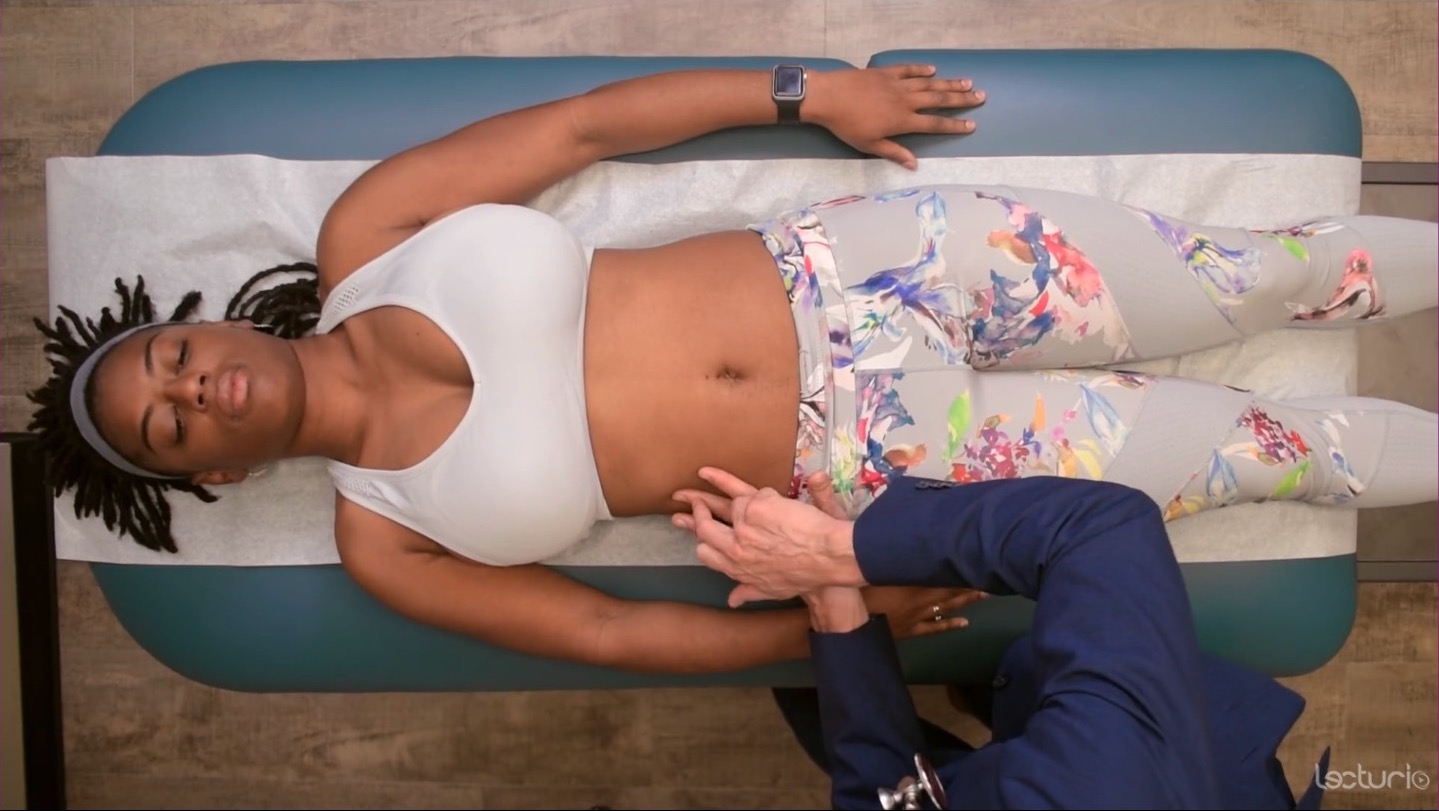
Auscultación del abdomen: escuchar los ruidos intestinales

Auscultación del abdomen: se escucha en busca de ruidos intestinales

Imagen por Lecturio. Licencia: CC BY-NC-SA 4.0
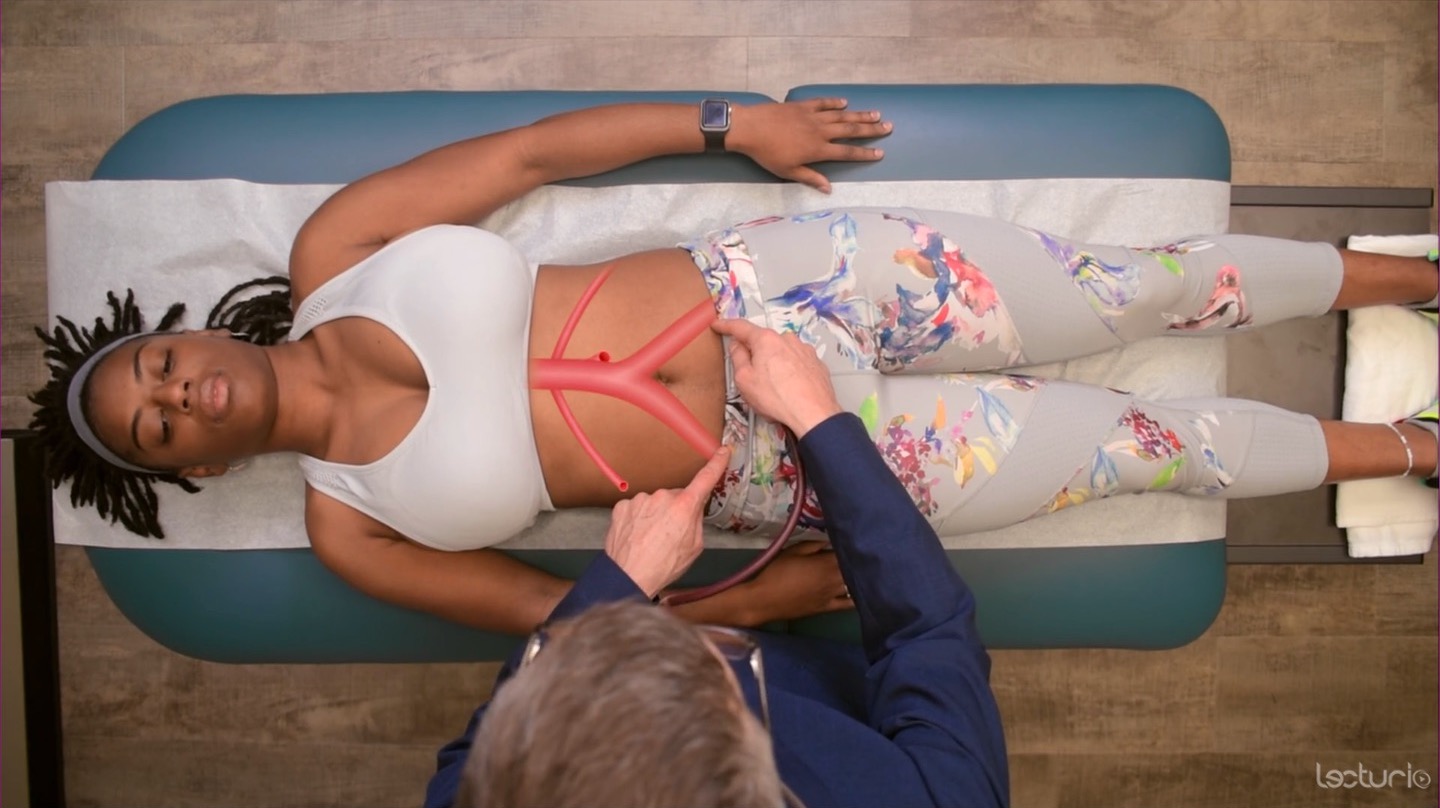
Auscultación del abdomen - escuchar los soplos sobre las arterias aorta, ilíaca y renal

Auscultación del abdomen: se escucha en busca de soplos sobre las arterias aorta, ilíacas y renales

Imagen por Lecturio. Licencia: CC BY-NC-SA 4.0
Percusión

  • Percute los LOS Neisseria 4 cuadrantes.
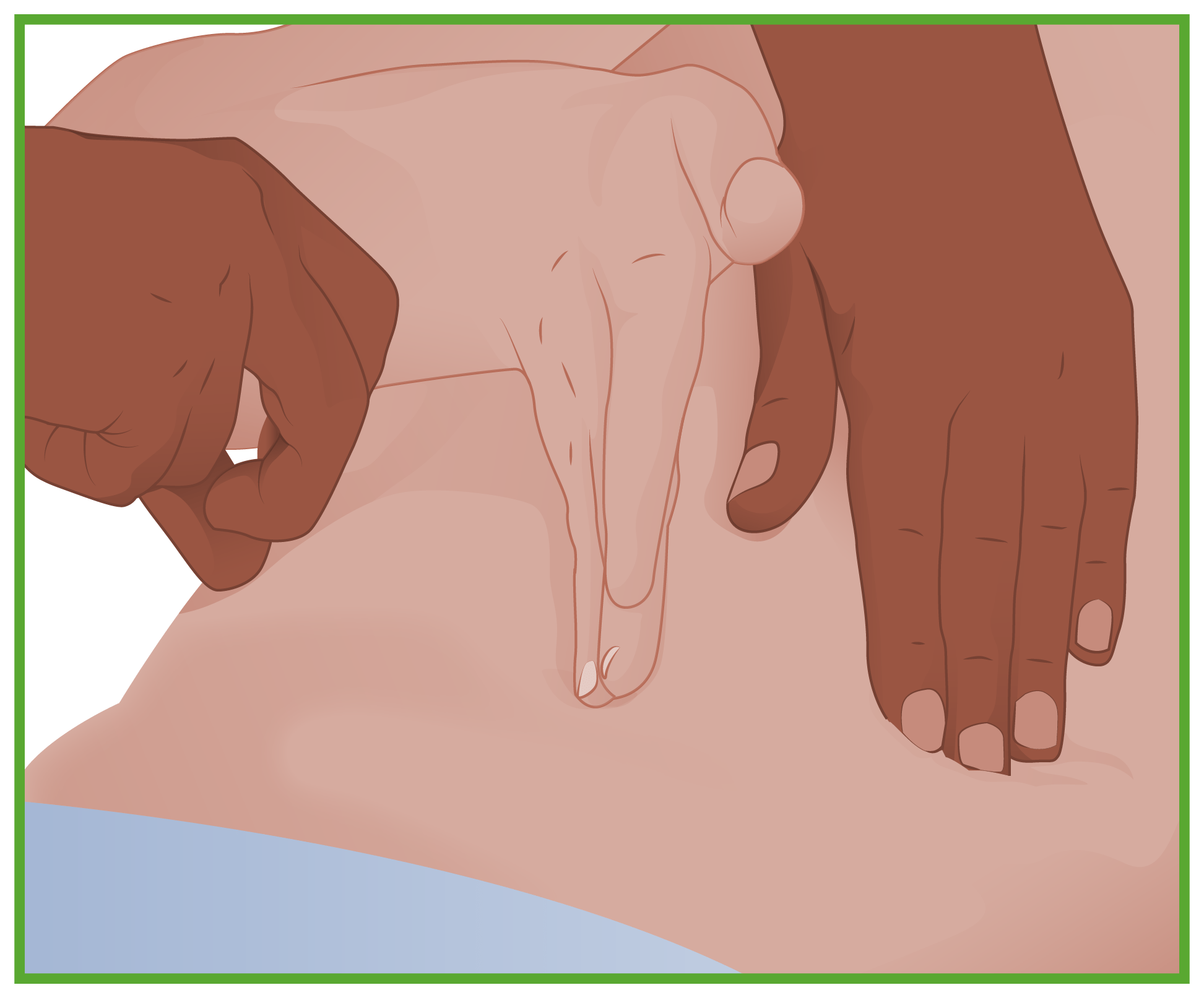
  • La técnica de la percusión abdominal es la misma que la del examen pulmonar:
    • Coloque la mano izquierda firmemente contra la pared abdominal con solo el dedo medio apoyado en EN Erythema nodosum is an immune-mediated panniculitis (inflammation of the subcutaneous fat) caused by a type IV (delayed-type) hypersensitivity reaction. It commonly manifests in young women as tender, erythematous nodules on the shins. Erythema Nodosum la piel.
    • Golpee la articulación interfalángica distal del dedo medio izquierdo 2–3 veces con la punta del dedo medio derecho.
  • Hallazgos normales:
    • Sonido timpánico sobre el estómago y los LOS Neisseria intestinos llenos de aire
    • Sonidos apagados y sordos sobre órganos llenos de líquido o sólidos (hígado, bazo)
  • Determinación del tamaño del hígado:
    • Comenzar justo por encima de la mama derecha (~ 3er espacio intercostal) en EN Erythema nodosum is an immune-mediated panniculitis (inflammation of the subcutaneous fat) caused by a type IV (delayed-type) hypersensitivity reaction. It commonly manifests in young women as tender, erythematous nodules on the shins. Erythema Nodosum la línea medio clavicular para producir un sonido resonante.
    • Baje la mano unos centímetros y repita.
    • Después de varias veces, al AL Amyloidosis percutir se producirá un sonido sordo debido a que se encuentra sobre el hígado → recordar el lugar (considerar marcar al AL Amyloidosis paciente)
    • Continúe hacia abajo hasta que el sonido cambie de nuevo al AL Amyloidosis llegar al AL Amyloidosis margen inferior del hígado → marcar el punto
    • Utilice una regla para medir entre los LOS Neisseria puntos.
    • La extensión total del hígado normal es de 6–12 cm.
  • Evaluar la presencia de ascitis:
    • Prueba de la onda de líquido (signo de la ola):
      • Indique al AL Amyloidosis paciente que presione con la mano en EN Erythema nodosum is an immune-mediated panniculitis (inflammation of the subcutaneous fat) caused by a type IV (delayed-type) hypersensitivity reaction. It commonly manifests in young women as tender, erythematous nodules on the shins. Erythema Nodosum la línea media del abdomen.
      • El resultado es positivo si el golpe se puede sentir en EN Erythema nodosum is an immune-mediated panniculitis (inflammation of the subcutaneous fat) caused by a type IV (delayed-type) hypersensitivity reaction. It commonly manifests in young women as tender, erythematous nodules on the shins. Erythema Nodosum el otro lado.
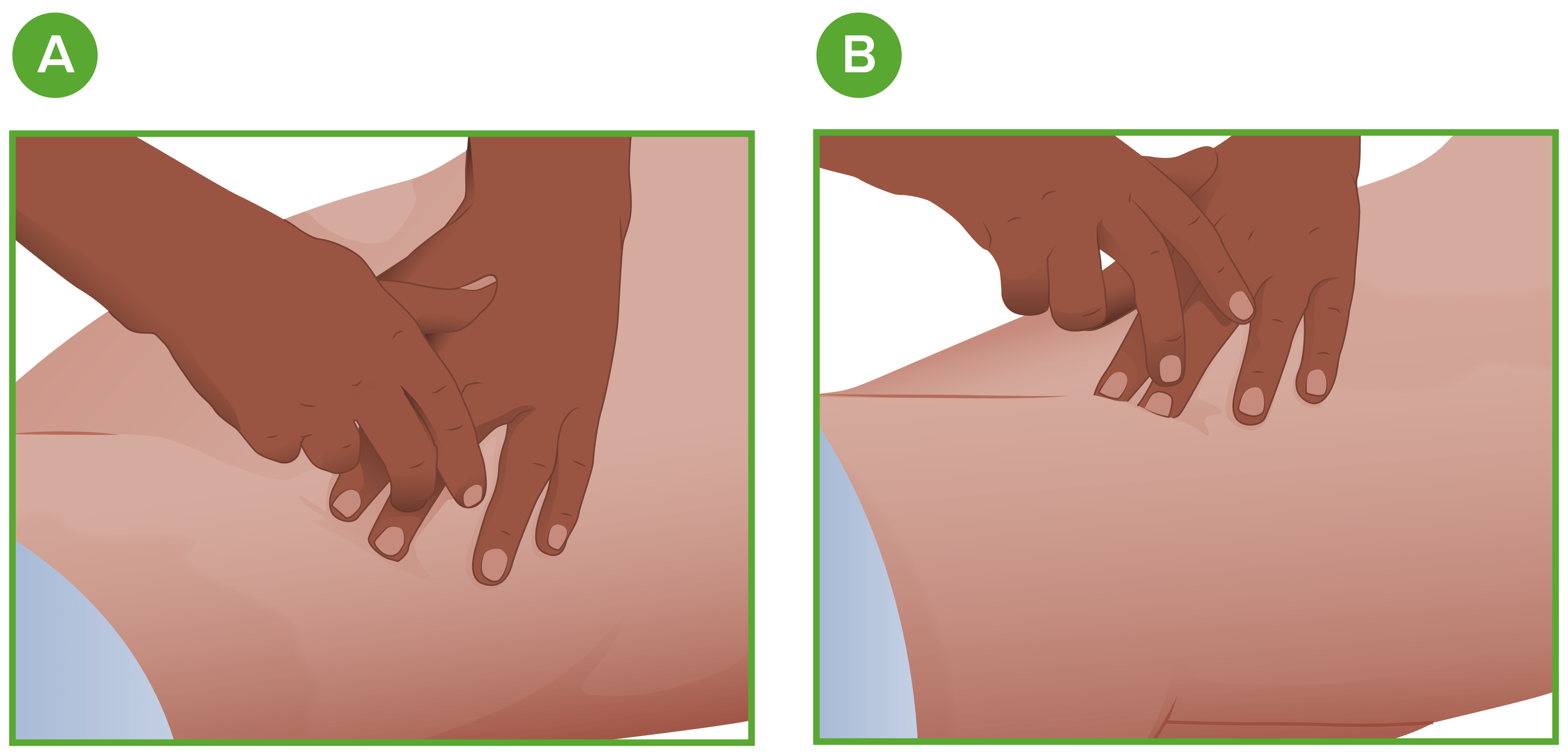
    • Prueba de la matidez cambiante:
      • Percuta la línea media del abdomen para obtener una zona de alta resonancia.
      • Percuta lateralmente (lejos del examinador).
      • Indique al AL Amyloidosis paciente que se apoye en EN Erythema nodosum is an immune-mediated panniculitis (inflammation of the subcutaneous fat) caused by a type IV (delayed-type) hypersensitivity reaction. It commonly manifests in young women as tender, erythematous nodules on the shins. Erythema Nodosum el lado lateral derecho.
      • Espere 30 segundos para que el líquido se desplace.
      • La prueba es positiva si la matidez se vuelve resonante.
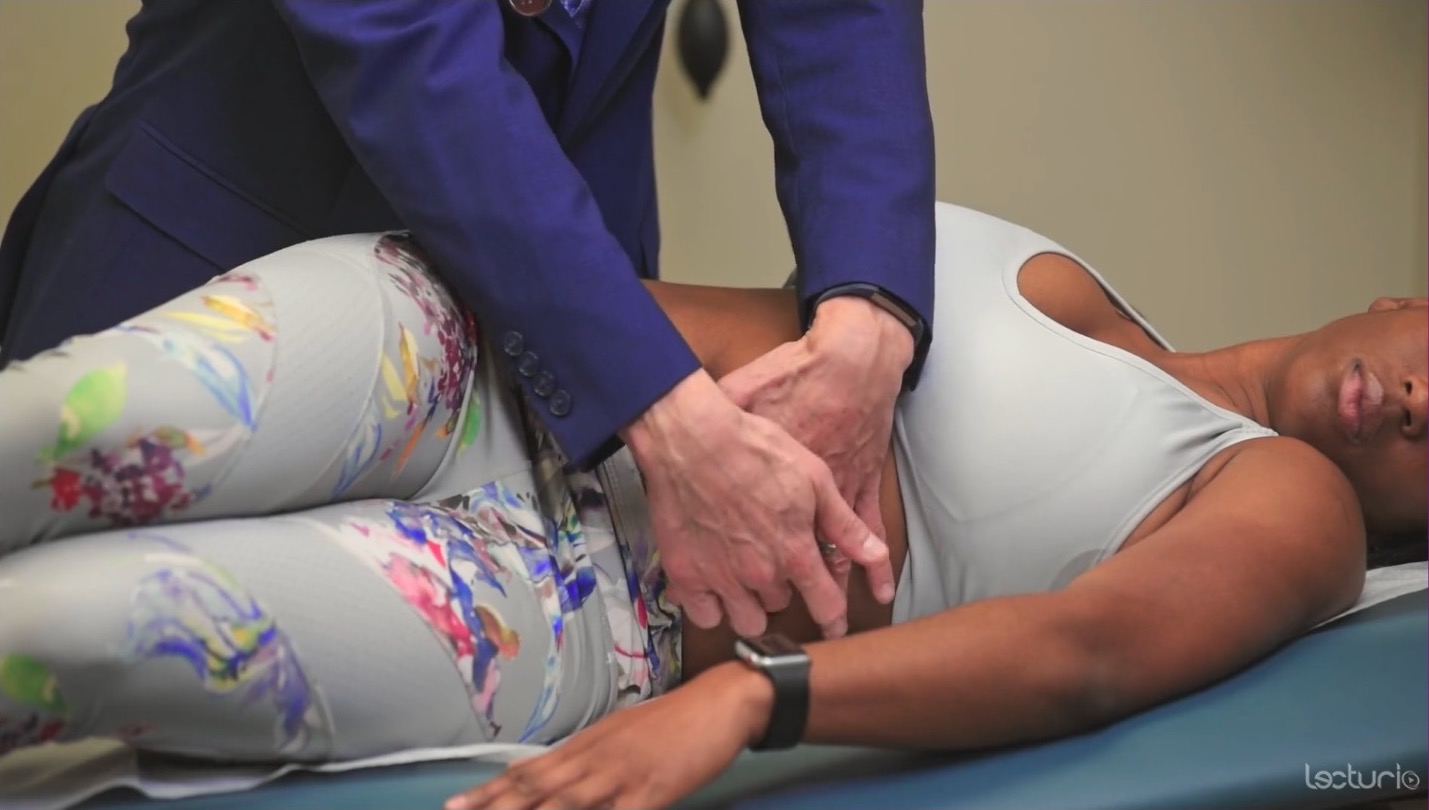
Evaluación de la matidez

Evaluación de la matidez cambiante

Imagen por Lecturio. Licencia: CC BY-NC-SA 4.0
Palpación

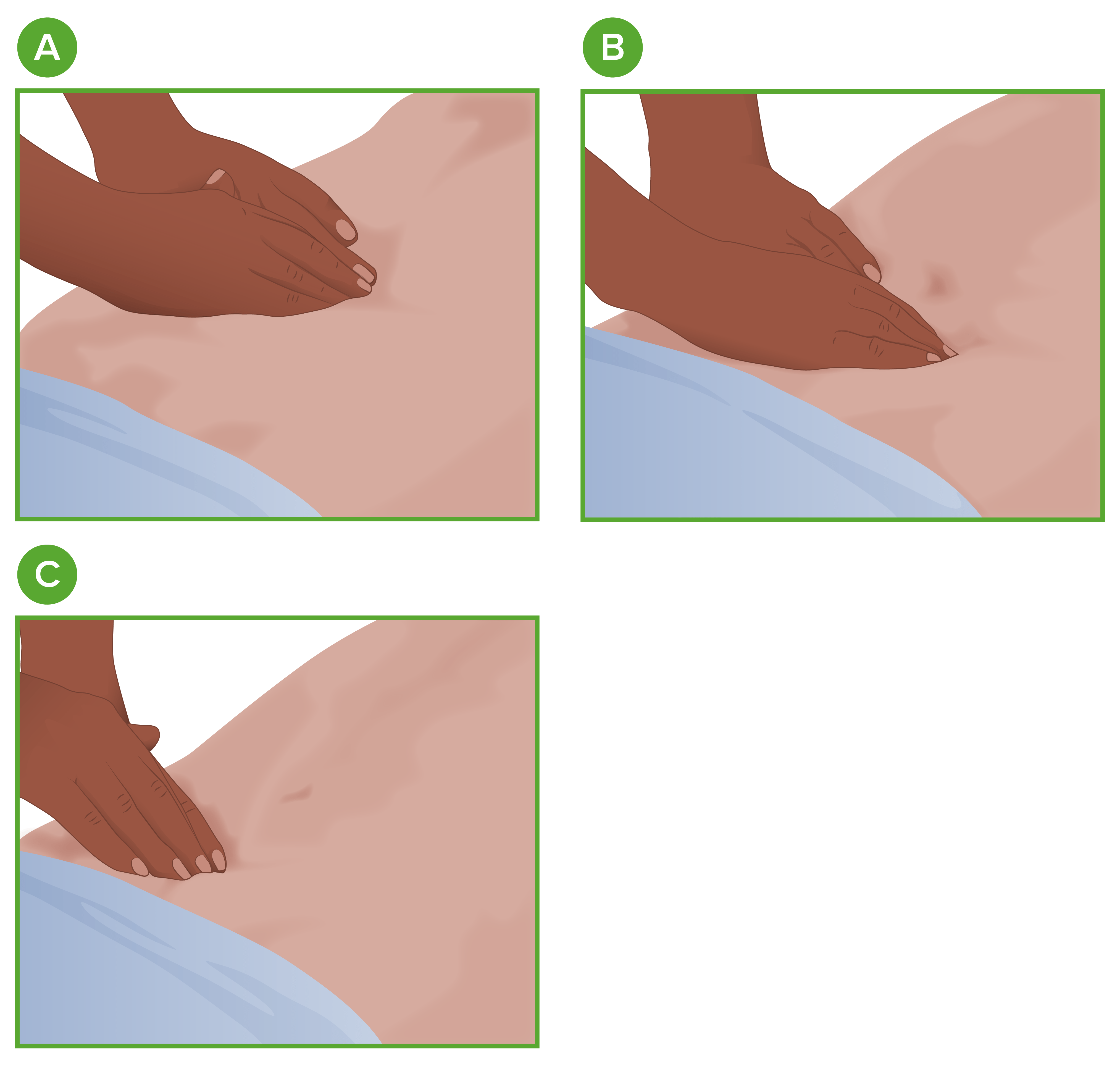
  • Pregunte al AL Amyloidosis paciente dónde le duele más; evalúe lejos del dolor Dolor Inflammation inicialmente.
  • Mantenga el contacto visual durante la palpación (principal indicador de dolor Dolor Inflammation o molestia).
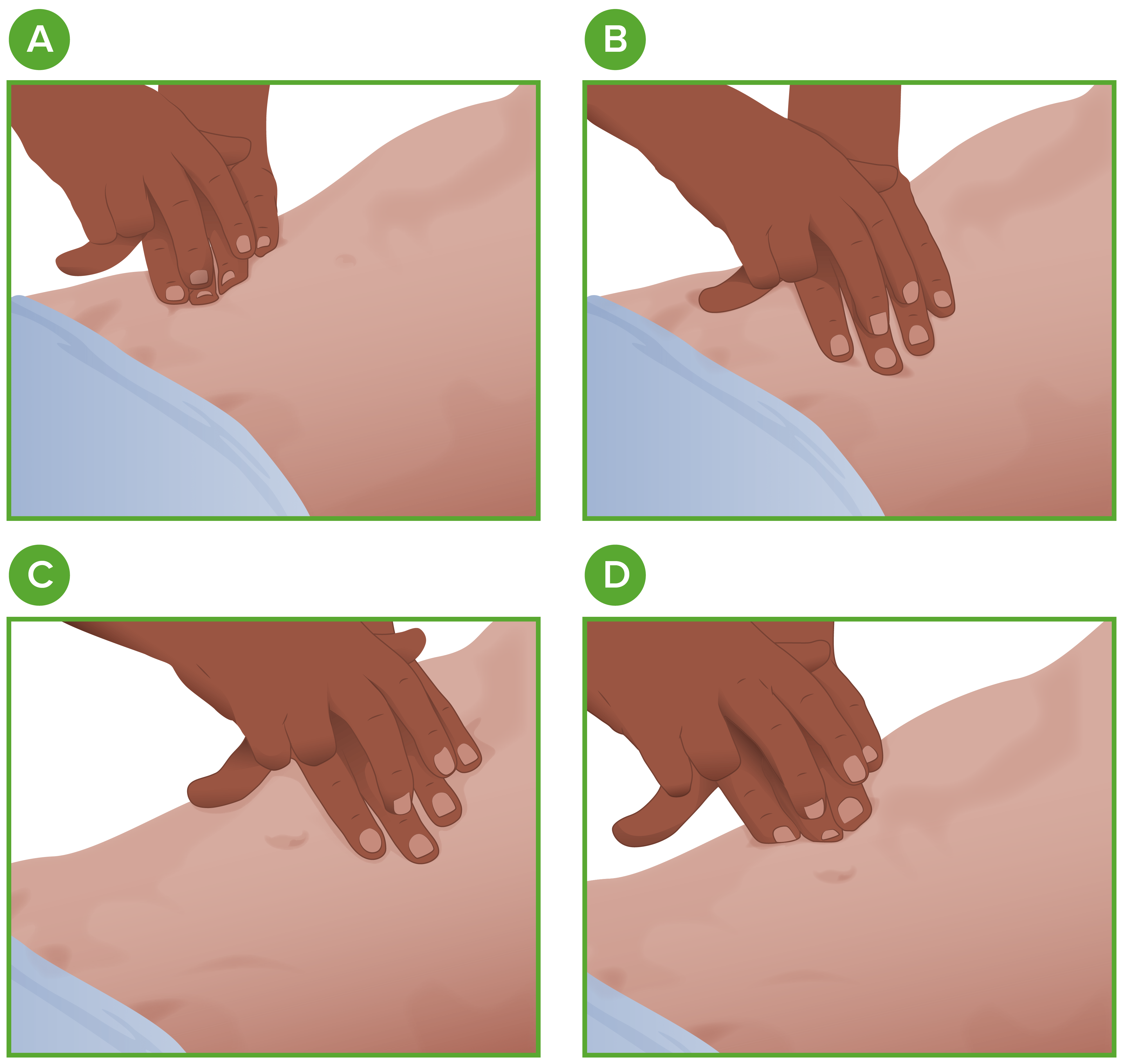
  • Comience con la palpación superficial para evaluar:
    • Tono muscular
    • Sensibilidad superficial
  • Palpación profunda para evaluar:
    • Sensibilidad profunda
    • Masas abdominales incluyendo un aneurisma aórtico (pulsátil)
    • Defensa voluntaria o involuntaria (contracción muscular al AL Amyloidosis aplicar presión)
    • Rigidez (espasmos involuntarios, signo de peritonitis Peritonitis Inflammation of the peritoneum lining the abdominal cavity as the result of infectious, autoimmune, or chemical processes. Primary peritonitis is due to infection of the peritoneal cavity via hematogenous or lymphatic spread and without intra-abdominal source. Secondary peritonitis arises from the abdominal cavity itself through rupture or abscess of intra-abdominal organs. Penetrating Abdominal Injury)
    • Sensibilidad al AL Amyloidosis rebote:
      • El dolor Dolor Inflammation se produce cuando el examinador libera repentinamente la compresión de la pared abdominal.
      • Signo de peritonitis Peritonitis Inflammation of the peritoneum lining the abdominal cavity as the result of infectious, autoimmune, or chemical processes. Primary peritonitis is due to infection of the peritoneal cavity via hematogenous or lymphatic spread and without intra-abdominal source. Secondary peritonitis arises from the abdominal cavity itself through rupture or abscess of intra-abdominal organs. Penetrating Abdominal Injury
  • Palpación de órganos:
    • Hígado:
      • Palpe desde el cuadrante inferior derecho hacia el cuadrante superior derecho.
      • Pida al AL Amyloidosis paciente que respire profundamente para facilitar la palpación del hígado.
    • Bazo:
      • Palpe desde el cuadrante inferior izquierdo hacia el cuadrante superior izquierdo.
      • Pida al AL Amyloidosis paciente que respire profundamente para facilitar la palpación del bazo.
    • Riñones:
      • Coloque 1 mano bajo el flanco del paciente; presione con el pulpejo de los LOS Neisseria dedos de la otra mano en EN Erythema nodosum is an immune-mediated panniculitis (inflammation of the subcutaneous fat) caused by a type IV (delayed-type) hypersensitivity reaction. It commonly manifests in young women as tender, erythematous nodules on the shins. Erythema Nodosum el mismo flanco desde arriba.
      • Intente palpar un riñón agrandado entre los LOS Neisseria dedos.
  • Estructuras normalmente palpables:
    • Borde del hígado (especialmente en EN Erythema nodosum is an immune-mediated panniculitis (inflammation of the subcutaneous fat) caused by a type IV (delayed-type) hypersensitivity reaction. It commonly manifests in young women as tender, erythematous nodules on the shins. Erythema Nodosum pacientes delgados y en EN Erythema nodosum is an immune-mediated panniculitis (inflammation of the subcutaneous fat) caused by a type IV (delayed-type) hypersensitivity reaction. It commonly manifests in young women as tender, erythematous nodules on the shins. Erythema Nodosum el grupo de edad pediátrica)
    • Lóbulo inferior del riñón derecho
    • Aorta Aorta The main trunk of the systemic arteries. Mediastinum and Great Vessels: Anatomy ( en EN Erythema nodosum is an immune-mediated panniculitis (inflammation of the subcutaneous fat) caused by a type IV (delayed-type) hypersensitivity reaction. It commonly manifests in young women as tender, erythematous nodules on the shins. Erythema Nodosum personas delgadas)
    • Vejiga
    • Ganglios linfáticos inguinales
    • Heces en EN Erythema nodosum is an immune-mediated panniculitis (inflammation of the subcutaneous fat) caused by a type IV (delayed-type) hypersensitivity reaction. It commonly manifests in young women as tender, erythematous nodules on the shins. Erythema Nodosum el colon Colon The large intestines constitute the last portion of the digestive system. The large intestine consists of the cecum, appendix, colon (with ascending, transverse, descending, and sigmoid segments), rectum, and anal canal. The primary function of the colon is to remove water and compact the stool prior to expulsion from the body via the rectum and anal canal. Colon, Cecum, and Appendix: Anatomy descendente
Palpación de la sensibilidad abdominal en 4 cuadrantes

Palpación de la sensibilidad abdominal en los 4 cuadrantes

Imagen por Lecturio. Licencia: CC BY-NC-SA 4.0
Pruebas Especiales

  • Signo de Murphy:
    • Se obtiene pidiendo al AL Amyloidosis paciente que inspire y contenga la respiración mientras se palpa el cuadrante superior derecho
    • Si el dolor Dolor Inflammation se produce en EN Erythema nodosum is an immune-mediated panniculitis (inflammation of the subcutaneous fat) caused by a type IV (delayed-type) hypersensitivity reaction. It commonly manifests in young women as tender, erythematous nodules on the shins. Erythema Nodosum la inspiración, el signo de Murphy es positivo.
    • Indica inflamación de la vesícula biliar (colecistitis)
  • Sensibilidad del ángulo costovertebral: golpear suavemente sobre el ángulo costovertebral para evaluar la presencia de patología renal.
  • Signos de apendicitis:
    • Sensibilidad del punto McBurney: sensibilidad máxima a 3–4 cm de la espina ilíaca anterior en EN Erythema nodosum is an immune-mediated panniculitis (inflammation of the subcutaneous fat) caused by a type IV (delayed-type) hypersensitivity reaction. It commonly manifests in young women as tender, erythematous nodules on the shins. Erythema Nodosum línea recta hacia el ombligo
    • Signo de Rovsing: dolor Dolor Inflammation en EN Erythema nodosum is an immune-mediated panniculitis (inflammation of the subcutaneous fat) caused by a type IV (delayed-type) hypersensitivity reaction. It commonly manifests in young women as tender, erythematous nodules on the shins. Erythema Nodosum el cuadrante inferior derecho con la palpación del cuadrante inferior izquierdo
    • Signo del psoas: dolor Dolor Inflammation en EN Erythema nodosum is an immune-mediated panniculitis (inflammation of the subcutaneous fat) caused by a type IV (delayed-type) hypersensitivity reaction. It commonly manifests in young women as tender, erythematous nodules on the shins. Erythema Nodosum el cuadrante inferior derecho con la extensión pasiva de la cadera (característico del apéndice retrocecal)
    • Signo del obturador: dolor Dolor Inflammation en EN Erythema nodosum is an immune-mediated panniculitis (inflammation of the subcutaneous fat) caused by a type IV (delayed-type) hypersensitivity reaction. It commonly manifests in young women as tender, erythematous nodules on the shins. Erythema Nodosum el cuadrante inferior derecho con rotación interna de la cadera y rodilla flexionada (apéndice pélvico)
  • Complete el examen abdominal realizando lo siguiente:
    • Examen genitourinario:
      • Examen testicular
      • Examen pélvico
    • Tacto rectal:
      • Evalúe la presencia de hemorragia rectal.
      • Evalúe la presencia de masas rectales.
      • Evalúe la próstata.

Referencias

  1. Rabinowitz, S. (2020). Abdominal Examination. Emedicine. Retrieved April 16, 2021, from https://emedicine.medscape.com/article/1909183-overview
  2. Kiev J, Eckhardt A, Kerstein MD. (1993). Reliability and accuracy of physical examination in detection of abdominal aortic aneurysms. Vascular Surgery 31: 143–46.
  3. McClouglin MJ, Colapinto RF, Hobbs BB. Abdominal bruits: Clinical and angiographic correlation. JAMA 1975; 232: 1238–42.
  4. Naylor CD. (1994). Physical examination of the liver. JAMA. 271: 1859–65.
  5. Sapira JD. (1990). The Art and Science of Bedside Diagnosis. 1st edition, Baltimore; Williams and Wilkins. 371–90.

¡Crea tu cuenta gratis o inicia una sesión para seguir leyendo!

Regístrate ahora y obtén acceso gratuito a Lecturio con páginas de concepto, videos médicos y cuestionarios para tu educación médica.

User Reviews

Que tengas una sesión de estudio alegre y navideña 🎁 Ahorra 50% en todos los planes >>

Details