Domina Conceptos Médicos

Estudia para la escuela de medicina y tus examenes con Lecturio.

Cataratas en Adultos

La catarata es una enfermedad que se define como una opacidad indolora del cristalino. Provoca una alteración visual, ya que el cristalino proporciona una parte del poder de refracción del ojo. Aunque todos los LOS Neisseria grupos de edad pueden verse afectados, el tipo de catarata senil o relacionada con la edad es la más común. Además de la edad, existen múltiples factores de riesgo, como las enfermedades sistémicas, los LOS Neisseria medicamentos o los LOS Neisseria traumatismos. Los LOS Neisseria pacientes presentan visión borrosa, sensibilidad al AL Amyloidosis deslumbramiento y cambios en EN Erythema nodosum is an immune-mediated panniculitis (inflammation of the subcutaneous fat) caused by a type IV (delayed-type) hypersensitivity reaction. It commonly manifests in young women as tender, erythematous nodules on the shins. Erythema Nodosum la visión de color. La inspección oftalmológica suele mostrar oscurecimiento u opacidades en EN Erythema nodosum is an immune-mediated panniculitis (inflammation of the subcutaneous fat) caused by a type IV (delayed-type) hypersensitivity reaction. It commonly manifests in young women as tender, erythematous nodules on the shins. Erythema Nodosum el reflejo rojo. El examen con lámpara de hendidura mostrará la extensión y la localización de la catarata. El tratamiento es la cirugía, que está indicada cuando la pérdida de la función visual interfiere con la función diaria.

Last updated: Jul 6, 2022

Editorial responsibility: Stanley Oiseth, Lindsay Jones, Evelin Maza

Descripción General

Definición

La catarata es una opacidad indolora del cristalino que interrumpe la luz que se proyecta sobre la retina Retina The ten-layered nervous tissue membrane of the eye. It is continuous with the optic nerve and receives images of external objects and transmits visual impulses to the brain. Its outer surface is in contact with the choroid and the inner surface with the vitreous body. The outermost layer is pigmented, whereas the inner nine layers are transparent. Eye: Anatomy, lo que provoca una opacidad en EN Erythema nodosum is an immune-mediated panniculitis (inflammation of the subcutaneous fat) caused by a type IV (delayed-type) hypersensitivity reaction. It commonly manifests in young women as tender, erythematous nodules on the shins. Erythema Nodosum la visión. Puede causar ceguera parcial o total.
Epidemiología

  • Principal causa de ceguera a nivel mundial
  • Afecta a todos los LOS Neisseria grupos de edad
  • Cataratas relacionadas con la edad: el tipo más común
  • Prevalencia en EN Erythema nodosum is an immune-mediated panniculitis (inflammation of the subcutaneous fat) caused by a type IV (delayed-type) hypersensitivity reaction. It commonly manifests in young women as tender, erythematous nodules on the shins. Erythema Nodosum personas de > 80 años: aproximadamente el 70%.
  • Más frecuente en EN Erythema nodosum is an immune-mediated panniculitis (inflammation of the subcutaneous fat) caused by a type IV (delayed-type) hypersensitivity reaction. It commonly manifests in young women as tender, erythematous nodules on the shins. Erythema Nodosum mujeres que en EN Erythema nodosum is an immune-mediated panniculitis (inflammation of the subcutaneous fat) caused by a type IV (delayed-type) hypersensitivity reaction. It commonly manifests in young women as tender, erythematous nodules on the shins. Erythema Nodosum hombres

Anatomía

  • El cristalino forma parte de los LOS Neisseria medios de refracción del ojo.
  • Es una estructura transparente hecha de fibras.
    • Fibras del cristalino:
      • Corteza: parte exterior; formada por fibras más jóvenes
      • Núcleo: parte profunda; formado por fibras más antiguas
    • Epitelio del cristalino: entre las fibras y la cápsula anterior
    • Cápsula del cristalino: capa más externa (anterior y posterior)
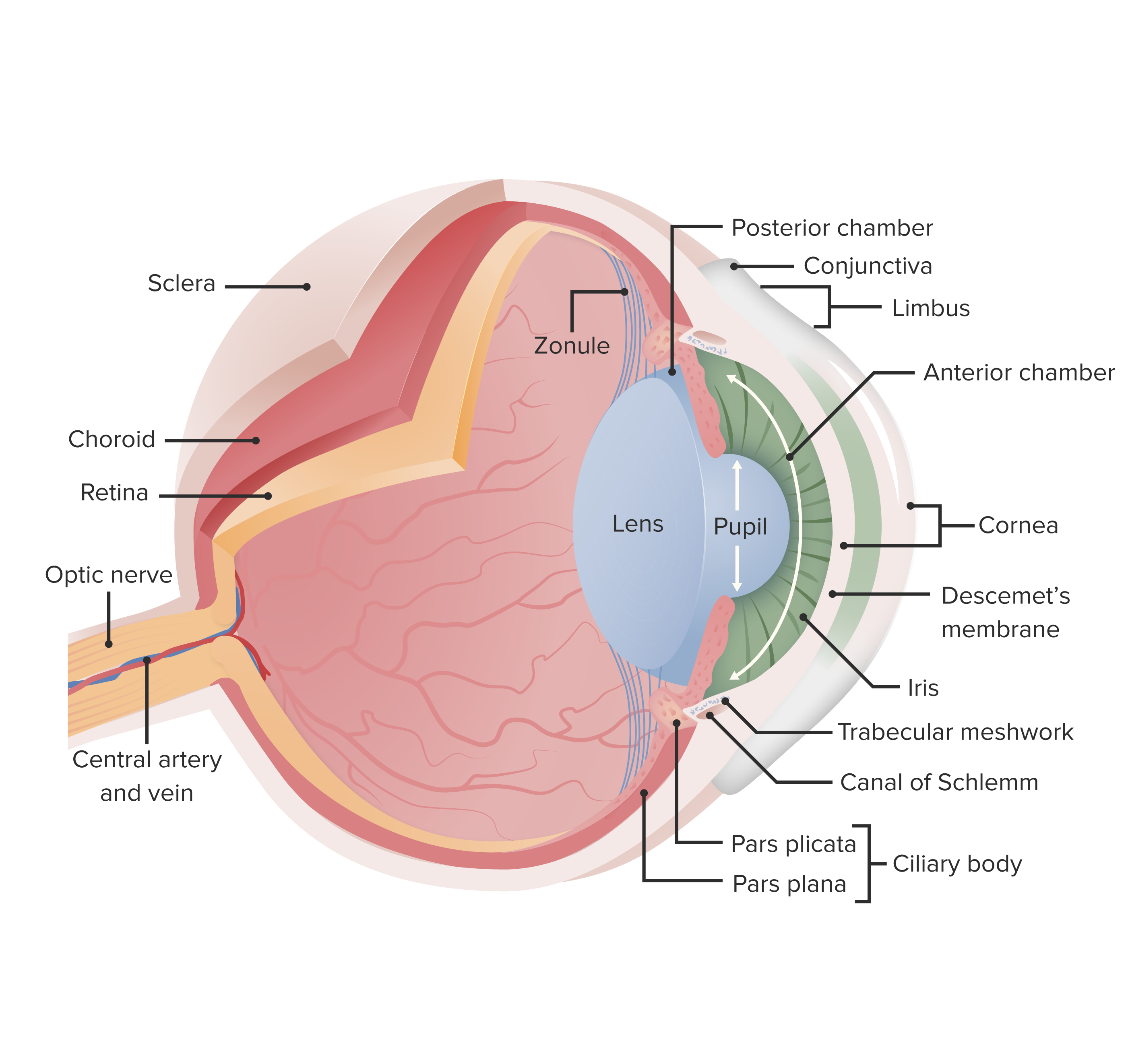
Esquema de la anatomía esencial del ojo

Esta imagen muestra la anatomía esencial del ojo. En las cataratas, se produce una opacidad del cristalino, que opacifica la luz cuando se proyecta a la retina; esto provoca una reducción de la visión, sobre todo por la noche, cuando los niveles de luz son bajos.

Imagen por Lecturio.

Related videos

Etiología y Fisiopatología

  • Edad:
    • El principal factor de riesgo
    • El envejecimiento aumenta el grosor del cristalino.
    • Se añaden capas corticales → las células se comprimen en el centro → pérdida de transparencia + rigidez del cristalino
    • Los cambios en las células epiteliales provocan una alteración en la formación de las fibras del cristalino y en la homeostasis → afecta al transporte de nutrientes y antioxidantes
    • El daño oxidativo contribuye a la formación de cataratas.
  • Otros factores de riesgo:
    • Toxinas
      • Hábito tabáquico
      • Consumo excesivo de alcohol
    • Exposición a la luz ultravioleta
    • Radiación infrarroja (especialmente común en los trabajadores del vidrio)
    • Descarga eléctrica (exposición a corrientes de alto voltaje)
    • Trauma
      • Perforación ocular
      • Lesiones contusas (golpes directos al ojo)
    • Medicamentos
      • Corticoesteroides
      • Mióticos (inhibidores de la colinesterasa)
    • Otras condiciones médicas
      • Infecciones oculares
      • Diálisis crónica en pacientes con insuficiencia renal
      • Enfermedad de Wilson
        • Error en el metabolismo del cobre causando su acumulación en la córnea
        • “Catarata en girasol”: disco central verdoso con opacidades radiales.
      • Diabetes Diabetes Diabetes mellitus (DM) is a metabolic disease characterized by hyperglycemia and dysfunction of the regulation of glucose metabolism by insulin. Type 1 DM is diagnosed mostly in children and young adults as the result of autoimmune destruction of β cells in the pancreas and the resulting lack of insulin. Type 2 DM has a significant association with obesity and is characterized by insulin resistance. Diabetes Mellitus
        • La glucosa es convertida, por la aldosa reductasa, en EN Erythema nodosum is an immune-mediated panniculitis (inflammation of the subcutaneous fat) caused by a type IV (delayed-type) hypersensitivity reaction. It commonly manifests in young women as tender, erythematous nodules on the shins. Erythema Nodosum sorbitol Sorbitol A polyhydric alcohol with about half the sweetness of sucrose. Sorbitol occurs naturally and is also produced synthetically from glucose. It was formerly used as a diuretic and may still be used as a laxative and in irrigating solutions for some surgical procedures. It is also used in many manufacturing processes, as a pharmaceutical aid, and in several research applications. Laxatives en EN Erythema nodosum is an immune-mediated panniculitis (inflammation of the subcutaneous fat) caused by a type IV (delayed-type) hypersensitivity reaction. It commonly manifests in young women as tender, erythematous nodules on the shins. Erythema Nodosum el cristalino
        • ↑ glucosa → ↑ sorbitol Sorbitol A polyhydric alcohol with about half the sweetness of sucrose. Sorbitol occurs naturally and is also produced synthetically from glucose. It was formerly used as a diuretic and may still be used as a laxative and in irrigating solutions for some surgical procedures. It is also used in many manufacturing processes, as a pharmaceutical aid, and in several research applications. Laxatives → ↑ osmolaridad y acumulación de fluidos en EN Erythema nodosum is an immune-mediated panniculitis (inflammation of the subcutaneous fat) caused by a type IV (delayed-type) hypersensitivity reaction. It commonly manifests in young women as tender, erythematous nodules on the shins. Erythema Nodosum el cristalino → cataratas
      • VIH/SIDA: los LOS Neisseria pacientes deben ser sometidos a cirugía de cataratas más temprano en EN Erythema nodosum is an immune-mediated panniculitis (inflammation of the subcutaneous fat) caused by a type IV (delayed-type) hypersensitivity reaction. It commonly manifests in young women as tender, erythematous nodules on the shins. Erythema Nodosum la vida de lo usual.

Presentación Clínica

Síntomas

  • Disminución de la visión o visión borrosa:
    • Puede ser unilateral o bilateral
    • A menudo es gradual e indolora
  • Diplopía o poliopía: las cataratas crean refracciones múltiples (a través de zonas claras y opacidades).
  • Sensibilidad al AL Amyloidosis deslumbramiento: a la luz del sol o a los LOS Neisseria faros (de noche)
  • Cambio en EN Erythema nodosum is an immune-mediated panniculitis (inflammation of the subcutaneous fat) caused by a type IV (delayed-type) hypersensitivity reaction. It commonly manifests in young women as tender, erythematous nodules on the shins. Erythema Nodosum la visión de color: desvanecimiento de los LOS Neisseria objetos
  • Halos de colores alrededor de la luz: dispersión de la luz por acumulación de gotas de agua en EN Erythema nodosum is an immune-mediated panniculitis (inflammation of the subcutaneous fat) caused by a type IV (delayed-type) hypersensitivity reaction. It commonly manifests in young women as tender, erythematous nodules on the shins. Erythema Nodosum el cristalino
  • Cambios en EN Erythema nodosum is an immune-mediated panniculitis (inflammation of the subcutaneous fat) caused by a type IV (delayed-type) hypersensitivity reaction. It commonly manifests in young women as tender, erythematous nodules on the shins. Erythema Nodosum las gafas de refracción
    • Desplazamiento temporal de la miopía: aumento de la visión de cerca
    • Cambios frecuentes en EN Erythema nodosum is an immune-mediated panniculitis (inflammation of the subcutaneous fat) caused by a type IV (delayed-type) hypersensitivity reaction. It commonly manifests in young women as tender, erythematous nodules on the shins. Erythema Nodosum la visión de cerca y/o de lejos

Signos

  • Agudeza visual disminuida unilateral o bilateralmente
  • Examen funduscópico no dilatado
    • Oscurecimiento del reflejo rojo
    • Opacidades dentro del reflejo rojo
    • Fondo de ojo oscurecido

Diagnóstico

Examen oftalmológico

  • Examen con lámpara de hendidura: examina la extensión y el tipo de opacidad del cristalino y otras estructuras oculares
  • Examen funduscópico dilatado: examina el polo posterior, para descartar otra patología

Clasificación de los LOS Neisseria hallazgos diagnósticos

  • Tipos de cataratas según la madurez
    • Inmadura:
      • Cantidad variable Variable Variables represent information about something that can change. The design of the measurement scales, or of the methods for obtaining information, will determine the data gathered and the characteristics of that data. As a result, a variable can be qualitative or quantitative, and may be further classified into subgroups. Types of Variables de opacificación
      • Todavía permite la visualización de la retina Retina The ten-layered nervous tissue membrane of the eye. It is continuous with the optic nerve and receives images of external objects and transmits visual impulses to the brain. Its outer surface is in contact with the choroid and the inner surface with the vitreous body. The outermost layer is pigmented, whereas the inner nine layers are transparent. Eye: Anatomy y tiene reflejo rojo
    • Madura: la catarata es opaca y no hay reflejo rojo
    • Hipermadura:
      • La opacidad densa oscurece el reflejo rojo y la corteza se ha HA Hemolytic anemia (HA) is the term given to a large group of anemias that are caused by the premature destruction/hemolysis of circulating red blood cells (RBCs). Hemolysis can occur within (intravascular hemolysis) or outside the blood vessels (extravascular hemolysis). Hemolytic Anemia licuado
      • Catarata de Morgagnian: catarata hipermadura con núcleo que se hunde inferiormente
  • Tipos de cataratas según la porción del cristalino afectada (a menudo se superponen)
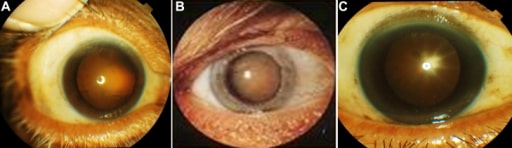
    • Subcapsular posterior
      • Parte posterior del cristalino
      • Más común en EN Erythema nodosum is an immune-mediated panniculitis (inflammation of the subcutaneous fat) caused by a type IV (delayed-type) hypersensitivity reaction. It commonly manifests in young women as tender, erythematous nodules on the shins. Erythema Nodosum los LOS Neisseria trastornos metabólicos ( diabetes Diabetes Diabetes mellitus (DM) is a metabolic disease characterized by hyperglycemia and dysfunction of the regulation of glucose metabolism by insulin. Type 1 DM is diagnosed mostly in children and young adults as the result of autoimmune destruction of β cells in the pancreas and the resulting lack of insulin. Type 2 DM has a significant association with obesity and is characterized by insulin resistance. Diabetes Mellitus y galactosemia Galactosemia Galactosemia is a disorder caused by defects in galactose metabolism. Galactosemia is an inherited, autosomal-recessive condition, which results in inadequate galactose processing and high blood levels of monosaccharide. The rare disorder often presents in infants with symptoms of lethargy, nausea, vomiting, diarrhea, and jaundice. Galactosemia)
    • Nuclear
      • Núcleo o porción central del cristalino
    • Cortical
      • Corteza del cristalino (fibras del cristalino que rodean el núcleo)
      • El tipo más común de cataratas adquiridas
Cataratas subcapsulares posteriores Cataratas nucleares Cataratas corticales
Causas
  • Envejecimiento
  • Esteroides
    • Dosis elevadas
    • Uso crónico
  • Inflamación intraocular crónica
  • Traumatismos (exposición a los LOS Neisseria rayos ultravioleta)
  • Condiciones metabólicas
    • Diabetes Diabetes Diabetes mellitus (DM) is a metabolic disease characterized by hyperglycemia and dysfunction of the regulation of glucose metabolism by insulin. Type 1 DM is diagnosed mostly in children and young adults as the result of autoimmune destruction of β cells in the pancreas and the resulting lack of insulin. Type 2 DM has a significant association with obesity and is characterized by insulin resistance. Diabetes Mellitus
    • Galactosemia Galactosemia Galactosemia is a disorder caused by defects in galactose metabolism. Galactosemia is an inherited, autosomal-recessive condition, which results in inadequate galactose processing and high blood levels of monosaccharide. The rare disorder often presents in infants with symptoms of lethargy, nausea, vomiting, diarrhea, and jaundice. Galactosemia
Envejecimiento
  • Envejecimiento: el tipo más común de cataratas seniles
  • Diabetes Diabetes Diabetes mellitus (DM) is a metabolic disease characterized by hyperglycemia and dysfunction of the regulation of glucose metabolism by insulin. Type 1 DM is diagnosed mostly in children and young adults as the result of autoimmune destruction of β cells in the pancreas and the resulting lack of insulin. Type 2 DM has a significant association with obesity and is characterized by insulin resistance. Diabetes Mellitus
Síntomas
  • Inicio rápido (meses)
  • Deslumbramiento
  • Disminución de la visión de lejos y de cerca (más pronunciada con luz brillante)
  • Inicio gradual
  • Disminución de la visión de lejos
  • Colores menos vibrantes
  • Inicio variable Variable Variables represent information about something that can change. The design of the measurement scales, or of the methods for obtaining information, will determine the data gathered and the characteristics of that data. As a result, a variable can be qualitative or quantitative, and may be further classified into subgroups. Types of Variables
  • Deslumbramiento (más común)
  • Disminución de la visión de cerca y de lejos
  • Ceguera nocturna
  • Problemas de percepción de la profundidad
  • Diplopía
Diagnóstico Opacidad granular en EN Erythema nodosum is an immune-mediated panniculitis (inflammation of the subcutaneous fat) caused by a type IV (delayed-type) hypersensitivity reaction. It commonly manifests in young women as tender, erythematous nodules on the shins. Erythema Nodosum el polo posterior de la corteza adyacente a la cápsula posterior
  • Opacificación del núcleo central
  • Esclerosis y coloración amarillenta del núcleo del cristalino
  • Opacidades en EN Erythema nodosum is an immune-mediated panniculitis (inflammation of the subcutaneous fat) caused by a type IV (delayed-type) hypersensitivity reaction. It commonly manifests in young women as tender, erythematous nodules on the shins. Erythema Nodosum la capa cortical
  • Opacidades periféricas en EN Erythema nodosum is an immune-mediated panniculitis (inflammation of the subcutaneous fat) caused by a type IV (delayed-type) hypersensitivity reaction. It commonly manifests in young women as tender, erythematous nodules on the shins. Erythema Nodosum forma de aspa que progresan circunferencialmente

Tratamiento

  • Cirugía:
    • Indicada cuando las alteraciones visuales graves interfieren en EN Erythema nodosum is an immune-mediated panniculitis (inflammation of the subcutaneous fat) caused by a type IV (delayed-type) hypersensitivity reaction. It commonly manifests in young women as tender, erythematous nodules on the shins. Erythema Nodosum la vida diaria
    • Procedimiento ambulatorio, a menudo con anestesia local
  • Técnicas quirúrgicas:
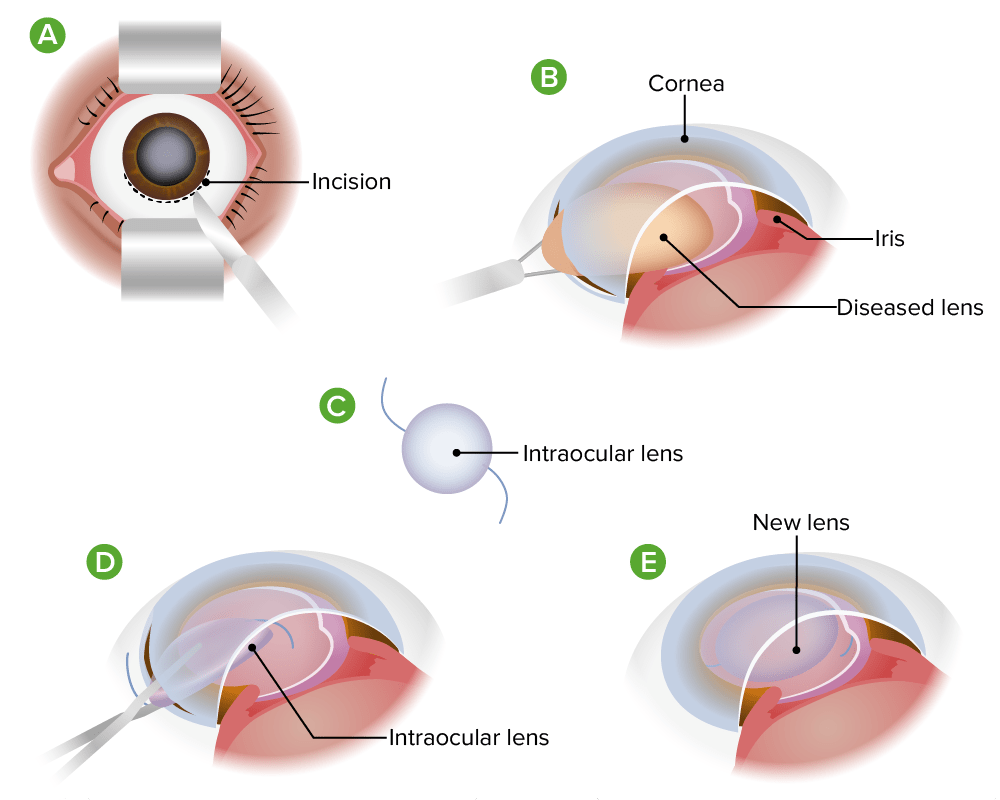
    • Extracción estándar de cataratas extracapsulares:
      • Para la eliminación de cataratas avanzadas
      • Extracción del núcleo del cristalino en EN Erythema nodosum is an immune-mediated panniculitis (inflammation of the subcutaneous fat) caused by a type IV (delayed-type) hypersensitivity reaction. It commonly manifests in young women as tender, erythematous nodules on the shins. Erythema Nodosum una sola pieza, dejando la cápsula
      • Lente intraocular colocada en EN Erythema nodosum is an immune-mediated panniculitis (inflammation of the subcutaneous fat) caused by a type IV (delayed-type) hypersensitivity reaction. It commonly manifests in young women as tender, erythematous nodules on the shins. Erythema Nodosum el saco capsular
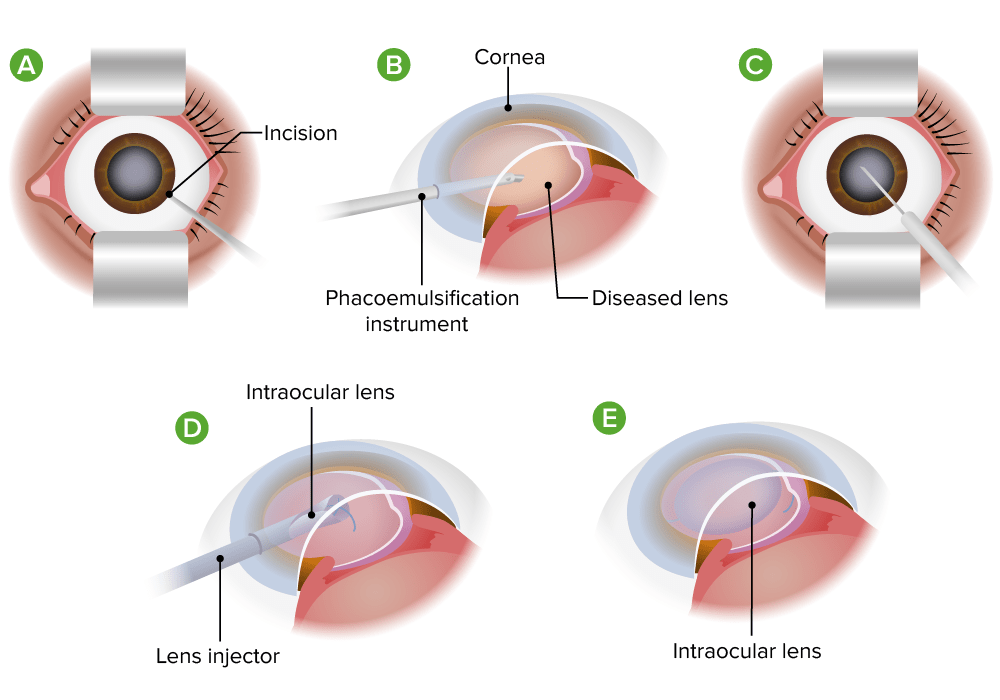
    • Facoemulsificación:
      • La cirugía más común en EN Erythema nodosum is an immune-mediated panniculitis (inflammation of the subcutaneous fat) caused by a type IV (delayed-type) hypersensitivity reaction. It commonly manifests in young women as tender, erythematous nodules on the shins. Erythema Nodosum los LOS Neisseria países desarrollados
      • Cirugía de pequeña incisión
      • La sonda de faco fragmenta la parte central dura del cristalino (con energía ultrasónica)
      • Lente intraocular colocada en EN Erythema nodosum is an immune-mediated panniculitis (inflammation of the subcutaneous fat) caused by a type IV (delayed-type) hypersensitivity reaction. It commonly manifests in young women as tender, erythematous nodules on the shins. Erythema Nodosum la cápsula del cristalino
    • Extracción de cataratas intracapsulares
      • Técnica más antigua y poco utilizada
      • Aumento de las complicaciones
  • Complicaciones:
    • Endoftalmitis (infección dentro del ojo)
    • Malposición intraocular
    • Desprendimiento de retina Retina The ten-layered nervous tissue membrane of the eye. It is continuous with the optic nerve and receives images of external objects and transmits visual impulses to the brain. Its outer surface is in contact with the choroid and the inner surface with the vitreous body. The outermost layer is pigmented, whereas the inner nine layers are transparent. Eye: Anatomy
    • Degeneración macular

Diagnóstico Diferencial

  • Diabetes Diabetes Diabetes mellitus (DM) is a metabolic disease characterized by hyperglycemia and dysfunction of the regulation of glucose metabolism by insulin. Type 1 DM is diagnosed mostly in children and young adults as the result of autoimmune destruction of β cells in the pancreas and the resulting lack of insulin. Type 2 DM has a significant association with obesity and is characterized by insulin resistance. Diabetes Mellitus mellitus: grupo heterogéneo de enfermedades metabólicas caracterizadas por la hiperglucemia resultante de la resistencia y la deficiencia de insulina. La diabetes Diabetes Diabetes mellitus (DM) is a metabolic disease characterized by hyperglycemia and dysfunction of the regulation of glucose metabolism by insulin. Type 1 DM is diagnosed mostly in children and young adults as the result of autoimmune destruction of β cells in the pancreas and the resulting lack of insulin. Type 2 DM has a significant association with obesity and is characterized by insulin resistance. Diabetes Mellitus mellitus puede provocar una serie de complicaciones, como el error Error Refers to any act of commission (doing something wrong) or omission (failing to do something right) that exposes patients to potentially hazardous situations. Disclosure of Information transitorio de refracción (por la fluctuación de los LOS Neisseria niveles de glucosa) y la retinopatía crónica, que se manifiesta con moscas volantes y visión borrosa.
  • Glaucoma Glaucoma Glaucoma is an optic neuropathy characterized by typical visual field defects and optic nerve atrophy seen as optic disc cupping on examination. The acute form of glaucoma is a medical emergency. Glaucoma is often, but not always, caused by increased intraocular pressure (IOP). Glaucoma: una neuropatía óptica con cambios distintivos en EN Erythema nodosum is an immune-mediated panniculitis (inflammation of the subcutaneous fat) caused by a type IV (delayed-type) hypersensitivity reaction. It commonly manifests in young women as tender, erythematous nodules on the shins. Erythema Nodosum la copa óptica y defecto del campo visual. El glaucoma Glaucoma Glaucoma is an optic neuropathy characterized by typical visual field defects and optic nerve atrophy seen as optic disc cupping on examination. The acute form of glaucoma is a medical emergency. Glaucoma is often, but not always, caused by increased intraocular pressure (IOP). Glaucoma suele estar asociado a un aumento de la presión en EN Erythema nodosum is an immune-mediated panniculitis (inflammation of the subcutaneous fat) caused by a type IV (delayed-type) hypersensitivity reaction. It commonly manifests in young women as tender, erythematous nodules on the shins. Erythema Nodosum el interior del globo ocular (normalmente en EN Erythema nodosum is an immune-mediated panniculitis (inflammation of the subcutaneous fat) caused by a type IV (delayed-type) hypersensitivity reaction. It commonly manifests in young women as tender, erythematous nodules on the shins. Erythema Nodosum las cámaras anterior y posterior), lo que provoca una pérdida gradual de la visión. Esta pérdida de visión puede producirse de forma aguda debido a una obstrucción del drenaje del humor Humor Defense Mechanisms acuoso ( glaucoma Glaucoma Glaucoma is an optic neuropathy characterized by typical visual field defects and optic nerve atrophy seen as optic disc cupping on examination. The acute form of glaucoma is a medical emergency. Glaucoma is often, but not always, caused by increased intraocular pressure (IOP). Glaucoma agudo de ángulo cerrado), que es una urgencia médica. La mayoría de los LOS Neisseria casos se deben a un glaucoma Glaucoma Glaucoma is an optic neuropathy characterized by typical visual field defects and optic nerve atrophy seen as optic disc cupping on examination. The acute form of glaucoma is a medical emergency. Glaucoma is often, but not always, caused by increased intraocular pressure (IOP). Glaucoma de ángulo abierto.
  • Degeneración macular: trastorno degenerativo de la parte central de la retina Retina The ten-layered nervous tissue membrane of the eye. It is continuous with the optic nerve and receives images of external objects and transmits visual impulses to the brain. Its outer surface is in contact with the choroid and the inner surface with the vitreous body. The outermost layer is pigmented, whereas the inner nine layers are transparent. Eye: Anatomy. Se presenta principalmente con pérdida de la visión central. Los LOS Neisseria pacientes rara vez pierden la visión periférica. El diagnóstico se realiza por los LOS Neisseria hallazgos característicos en EN Erythema nodosum is an immune-mediated panniculitis (inflammation of the subcutaneous fat) caused by a type IV (delayed-type) hypersensitivity reaction. It commonly manifests in young women as tender, erythematous nodules on the shins. Erythema Nodosum el examen con lámpara de hendidura (drusas, hemorragia subretiniana).
  • Errores de refracción: se producen cuando el ojo es incapaz de enfocar la luz en EN Erythema nodosum is an immune-mediated panniculitis (inflammation of the subcutaneous fat) caused by a type IV (delayed-type) hypersensitivity reaction. It commonly manifests in young women as tender, erythematous nodules on the shins. Erythema Nodosum la retina Retina The ten-layered nervous tissue membrane of the eye. It is continuous with the optic nerve and receives images of external objects and transmits visual impulses to the brain. Its outer surface is in contact with the choroid and the inner surface with the vitreous body. The outermost layer is pigmented, whereas the inner nine layers are transparent. Eye: Anatomy. Los LOS Neisseria factores que influyen son el tamaño del ojo y la forma de la córnea. Los LOS Neisseria principales tipos de errores de refracción son la miopía, la hipermetropía y el astigmatismo.
  • Uveítis: inflamación aguda de la úvea (capa media del globo ocular) y del cuerpo ciliar. La uveítis puede estar causada por infecciones (herpes, sífilis) o puede estar relacionada con una enfermedad inflamatoria sistémica (enfermedad inflamatoria intestinal, artritis reumatoide). Los LOS Neisseria síntomas incluyen visión borrosa, ojos rojos con dolor Dolor Inflammation (uveítis anterior) o sin dolor Dolor Inflammation (uveítis intermedia y posterior) y moscas volantes (uveítis intermedia).

Referencias

  1. Folberg, R.(2020). The Eye in Kumar, V., Abbas, A., Aster, J. (Eds.), Robbins and Cotran Pathologic Basis of Disease (10th ed., pp. 1305-1328). Elsevier, Inc.
  2. Jacobs, D., Gardiner, M.; Givens, J. (2020). Cataract in adults. UpToDate. Retrieved September 12, 2020, from https://www.uptodate.com/contents/cataract-in-adults
  3. Nizami, A., Gulani, A. (2020) Cataract. Retrieved September 12, 2020, from https://www.ncbi.nlm.nih.gov/books/NBK539699/
  4. Ocampo, V., Foster, C.S., Dahl, A. (Ed.). (2018).Senile cataract. Medscape. Retrieved September 12, 2020, from https://emedicine.medscape.com/article/1210914-overview
  5. Pollreisz, A., Schmidth-Erfurth, U. (2010). Diabetic Cataract-Pathogenesis, Epidemiology and Treatment. J Ophthalmol. https://pubmed.ncbi.nlm.nih.gov/20634936/

¡Crea tu cuenta gratis o inicia una sesión para seguir leyendo!

Regístrate ahora y obtén acceso gratuito a Lecturio con páginas de concepto, videos médicos y cuestionarios para tu educación médica.

User Reviews

Que tengas una sesión de estudio alegre y navideña 🎁 Ahorra 50% en todos los planes >>

Details