Domina Conceptos Médicos

Estudia para la escuela de medicina y tus examenes con Lecturio.

Antivirales para la Hepatitis B

Los LOS Neisseria antivirales para la hepatitis B Hepatitis B Hepatitis B virus (HBV) is a partially double-stranded DNA virus, which belongs to the Orthohepadnavirus genus and the Hepadnaviridae family. Most individuals with acute HBV infection are asymptomatic or have mild, self-limiting symptoms. Chronic infection can be asymptomatic or create hepatic inflammation, leading to liver cirrhosis and hepatocellular carcinoma (HCC). Hepatitis B Virus incluyen los LOS Neisseria análogos de nucleósidos/nucleótidos, también conocidos como inhibidores nucleósidos/nucleótidos de la transcriptasa inversa. Debido a su estructura química similar a los LOS Neisseria nucleósidos y nucleótidos, los LOS Neisseria inhibidores nucleósidos/nucleótidos de la transcriptasa inversa, pueden integrarse en EN Erythema nodosum is an immune-mediated panniculitis (inflammation of the subcutaneous fat) caused by a type IV (delayed-type) hypersensitivity reaction. It commonly manifests in young women as tender, erythematous nodules on the shins. Erythema Nodosum el ADN viral durante el proceso de replicación. Este proceso inhibe la función de la ADN polimerasa dependiente del ARN viral, lo que resulta en EN Erythema nodosum is an immune-mediated panniculitis (inflammation of the subcutaneous fat) caused by a type IV (delayed-type) hypersensitivity reaction. It commonly manifests in young women as tender, erythematous nodules on the shins. Erythema Nodosum la terminación de la cadena. Todos estos medicamentos se administran por vía oral y se excretan por los LOS Neisseria riñones. Las indicaciones incluyen infección crónica por hepatitis B Hepatitis B Hepatitis B virus (HBV) is a partially double-stranded DNA virus, which belongs to the Orthohepadnavirus genus and the Hepadnaviridae family. Most individuals with acute HBV infection are asymptomatic or have mild, self-limiting symptoms. Chronic infection can be asymptomatic or create hepatic inflammation, leading to liver cirrhosis and hepatocellular carcinoma (HCC). Hepatitis B Virus y algunas (como la lamivudina) también se utilizan para el VIH. Los LOS Neisseria efectos secundarios incluyen síntomas gastrointestinales, evidencia de toxicidad mitocondrial (como acidosis Acidosis A pathologic condition of acid accumulation or depletion of base in the body. The two main types are respiratory acidosis and metabolic acidosis, due to metabolic acid build up. Respiratory Acidosis láctica) e infección de rebote al AL Amyloidosis suspender el tratamiento.

Last updated: Dec 15, 2025

Editorial responsibility: Stanley Oiseth, Lindsay Jones, Evelin Maza

Estructura Química y Farmacodinamia

Estructura química

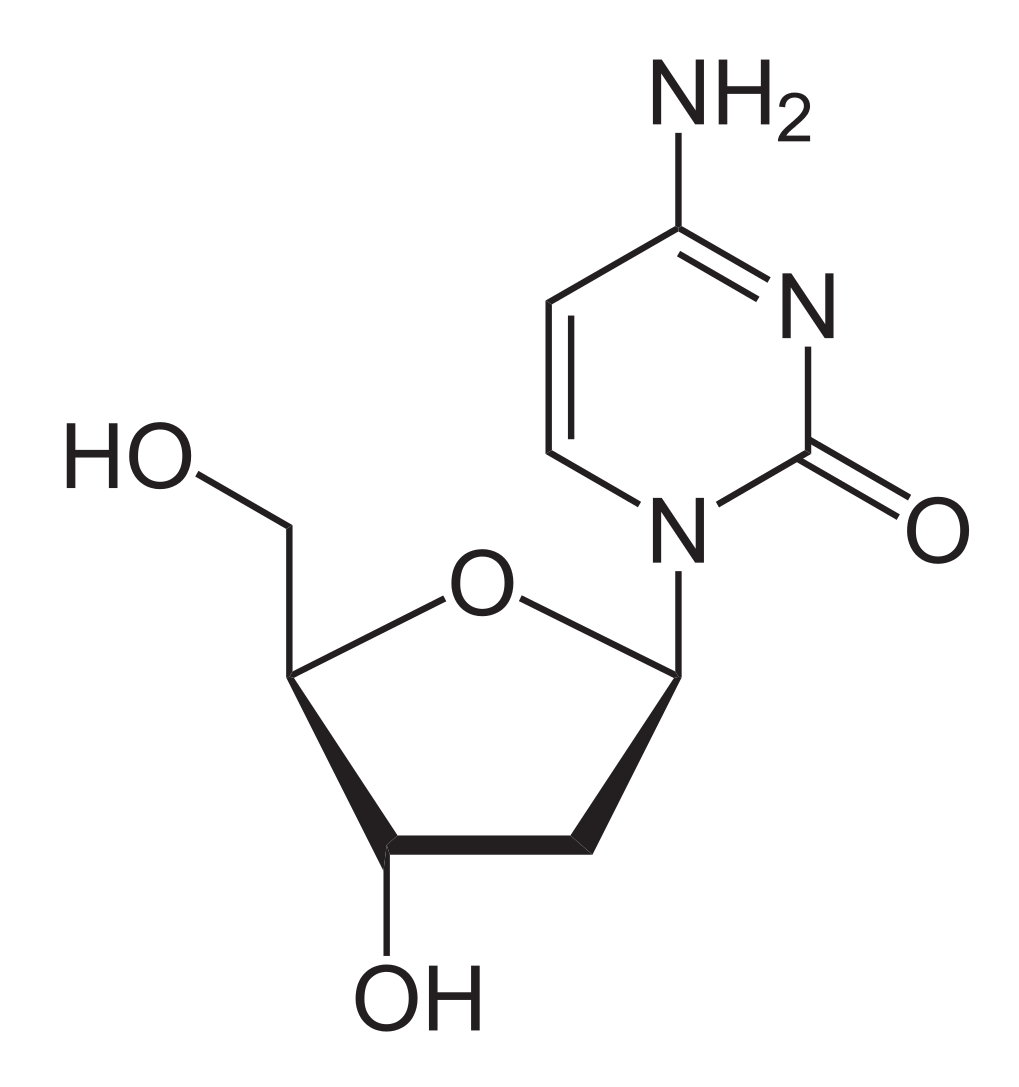
Los LOS Neisseria antivirales para la hepatitis B Hepatitis B Hepatitis B virus (HBV) is a partially double-stranded DNA virus, which belongs to the Orthohepadnavirus genus and the Hepadnaviridae family. Most individuals with acute HBV infection are asymptomatic or have mild, self-limiting symptoms. Chronic infection can be asymptomatic or create hepatic inflammation, leading to liver cirrhosis and hepatocellular carcinoma (HCC). Hepatitis B Virus tienen estructuras similares a las de los LOS Neisseria nucleótidos y nucleósidos, por lo que se clasifican como análogos de nucleósidos/nucleótidos (también conocidos como inhibidores nucleósidos/nucleótidos de la transcriptasa inversa).
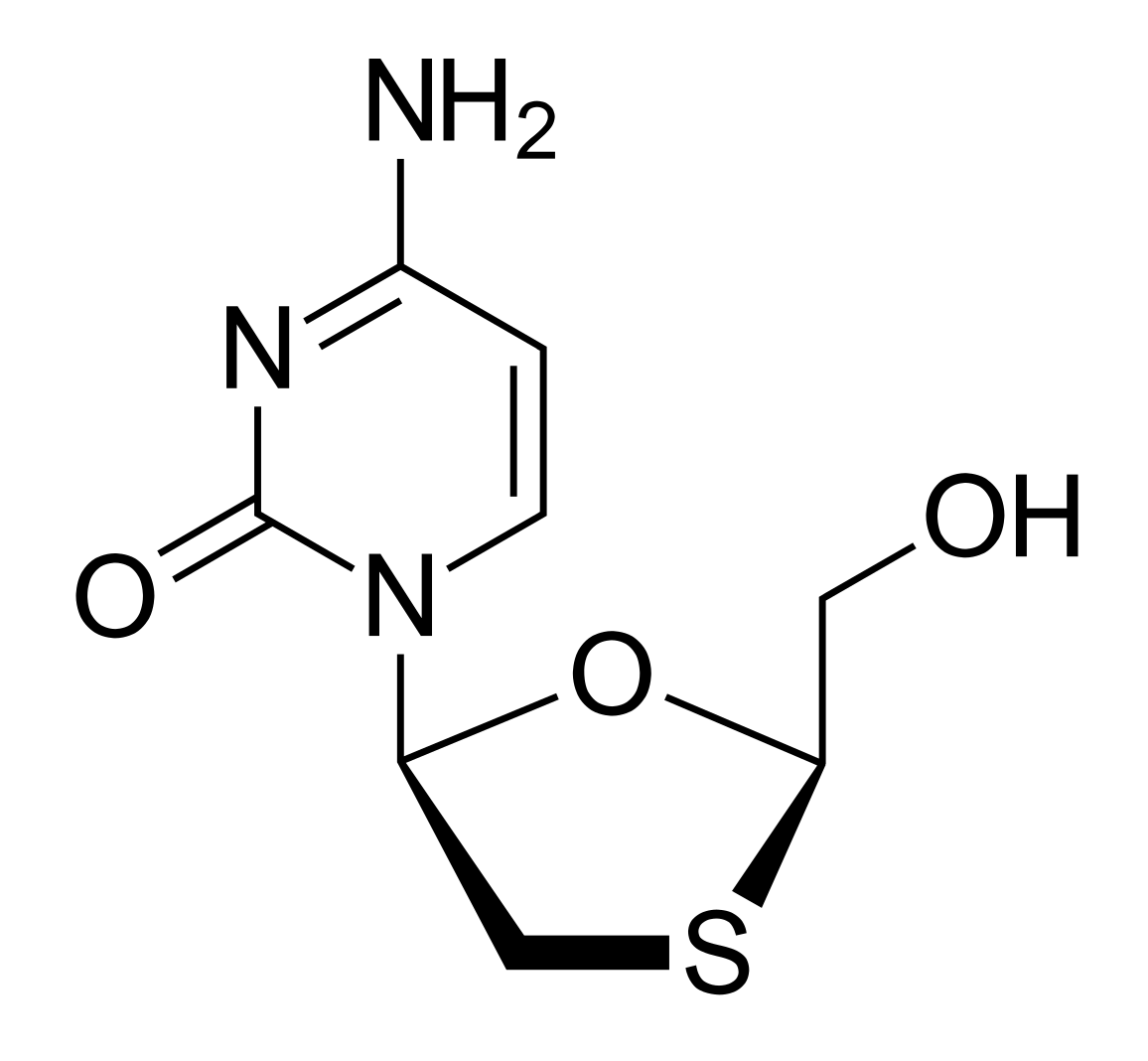
  • Análogos de nucleótidos (ácido nucleico + azúcar + grupo fosfato) de la adenosina:
    • Adefovir Adefovir Antivirals for Hepatitis B
    • Tenofovir Tenofovir An adenine analog reverse transcriptase inhibitor with antiviral activity against HIV-1 and hepatitis b. It is used to treat HIV infections and chronic hepatitis b, in combination with other antiviral agents, due to the emergence of antiviral drug resistance when it is used alone. Anti-HIV Drugs
  • Análogos de nucleósidos (ácido nucleico + azúcar) de:

Mecanismo de acción

  • Interrumpen la replicación del ADN viral
  • Inhiben competitivamente la ADN polimerasa dependiente de ARN viral (también conocida como transcriptasa inversa)
  • El medicamento se fosforila intracelularmente → se incorpora al AL Amyloidosis ADN viral
  • Se bloquea la polimerización del ADN → terminación de la cadena

Farmacocinética

Absorción

  • Absorbidos por vía oral
  • Tenofovir Tenofovir An adenine analog reverse transcriptase inhibitor with antiviral activity against HIV-1 and hepatitis b. It is used to treat HIV infections and chronic hepatitis b, in combination with other antiviral agents, due to the emergence of antiviral drug resistance when it is used alone. Anti-HIV Drugs: ↑ absorción con comidas altas en EN Erythema nodosum is an immune-mediated panniculitis (inflammation of the subcutaneous fat) caused by a type IV (delayed-type) hypersensitivity reaction. It commonly manifests in young women as tender, erythematous nodules on the shins. Erythema Nodosum grasas
  • Entecavir Entecavir Anti-HIV Drugs: absorción retardada con alimentos

Distribución y metabolismo

  • Generalmente baja unión a proteínas
  • Metabolismo escaso
  • Fosforilados intracelularmente a formas activas

Excreción

Todos estos medicamentos se excretan por los LOS Neisseria riñones.

Indicaciones

Hepatitis B Hepatitis B Hepatitis B virus (HBV) is a partially double-stranded DNA virus, which belongs to the Orthohepadnavirus genus and the Hepadnaviridae family. Most individuals with acute HBV infection are asymptomatic or have mild, self-limiting symptoms. Chronic infection can be asymptomatic or create hepatic inflammation, leading to liver cirrhosis and hepatocellular carcinoma (HCC). Hepatitis B Virus crónica

Indicaciones de tratamiento:

  • Sin cirrosis:
  • Con cirrosis:
    • Descompensación o insuficiencia hepática aguda
    • Compensada con una carga viral alta
    • Considerar en EN Erythema nodosum is an immune-mediated panniculitis (inflammation of the subcutaneous fat) caused by a type IV (delayed-type) hypersensitivity reaction. It commonly manifests in young women as tender, erythematous nodules on the shins. Erythema Nodosum cirrosis compensada con transaminasas elevadas
  • También indicado para condiciones concurrentes:
    • Carcinoma hepatocelular
    • Infección de hepatitis C Hepatitis C Hepatitis C is an infection of the liver caused by the hepatitis C virus (HCV). The infection can be transmitted through infectious blood or body fluids and may be transmitted during childbirth or through IV drug use or sexual intercourse. Hepatitis C virus can cause both acute and chronic hepatitis, ranging from a mild to a serious, lifelong illness including liver cirrhosis and hepatocellular carcinoma (HCC). Hepatitis C Virus
    • Necesidad de terapia inmunosupresora

Diferencias entre medicamentos:

  • Adefovir Adefovir Antivirals for Hepatitis B:
    • Útil en EN Erythema nodosum is an immune-mediated panniculitis (inflammation of the subcutaneous fat) caused by a type IV (delayed-type) hypersensitivity reaction. It commonly manifests in young women as tender, erythematous nodules on the shins. Erythema Nodosum infecciones resistentes a lamivudina
    • Se emplea referiblemente en EN Erythema nodosum is an immune-mediated panniculitis (inflammation of the subcutaneous fat) caused by a type IV (delayed-type) hypersensitivity reaction. It commonly manifests in young women as tender, erythematous nodules on the shins. Erythema Nodosum combinación con otro agente
  • Tenofovir Tenofovir An adenine analog reverse transcriptase inhibitor with antiviral activity against HIV-1 and hepatitis b. It is used to treat HIV infections and chronic hepatitis b, in combination with other antiviral agents, due to the emergence of antiviral drug resistance when it is used alone. Anti-HIV Drugs:
    • Puede usarse como 1ra línea para personas sin tratamiento previo
    • Efectivo como monoterapia
    • Útil en EN Erythema nodosum is an immune-mediated panniculitis (inflammation of the subcutaneous fat) caused by a type IV (delayed-type) hypersensitivity reaction. It commonly manifests in young women as tender, erythematous nodules on the shins. Erythema Nodosum infecciones resistentes a lamivudina
  • Lamivudina:
    • Bajo costo
    • Ya no es la 1ra línea debido a las altas tasas de resistencia
    • Una opción para personas con VIH concomitante
  • Entecavir Entecavir Anti-HIV Drugs:
    • Puede usarse como 1ra línea para personas sin tratamiento previo
    • Efectivo como monoterapia
    • Tasas de resistencia bajas; sin embargo, existe cierta resistencia cruzada con infecciones resistentes a lamivudina
  • Telbivudina:
    • No disponible en EN Erythema nodosum is an immune-mediated panniculitis (inflammation of the subcutaneous fat) caused by a type IV (delayed-type) hypersensitivity reaction. It commonly manifests in young women as tender, erythematous nodules on the shins. Erythema Nodosum Estados Unidos
    • Altas tasas de resistencia
    • Perfil de efectos secundarios desfavorable

VIH

  • La mayoría de los LOS Neisseria agentes también son activos contra el VIH (excepción: telbivudina)
  • De este grupo de medicamentos, es más probable que se use lamivudina:
    • Puede usarse para tratamiento o profilaxis
    • Se utiliza en EN Erythema nodosum is an immune-mediated panniculitis (inflammation of the subcutaneous fat) caused by a type IV (delayed-type) hypersensitivity reaction. It commonly manifests in young women as tender, erythematous nodules on the shins. Erythema Nodosum algunas terapias antirretrovirales combinadas

Efectos Secundarios y Contraindicaciones

Efectos secundarios

  • Sistema nervioso:
    • Cefalea
    • Fatiga
    • Neuropatía periférica (telbivudina)
  • Síntomas gastrointestinales:
  • Musculoesquelético (particularmente telbivudina):
    • Artralgia
    • Mialgia
    • Miopatía
  • Hepático:
    • Acidosis Acidosis A pathologic condition of acid accumulation or depletion of base in the body. The two main types are respiratory acidosis and metabolic acidosis, due to metabolic acid build up. Respiratory Acidosis láctica (debido a toxicidad mitocondrial)
    • Hepatomegalia con esteatosis
    • Exacerbación de la hepatitis con la interrupción
  • Otros:

Contraindicaciones

  • Usar con precaución en EN Erythema nodosum is an immune-mediated panniculitis (inflammation of the subcutaneous fat) caused by a type IV (delayed-type) hypersensitivity reaction. It commonly manifests in young women as tender, erythematous nodules on the shins. Erythema Nodosum la insuficiencia renal
  • Entecavir Entecavir Anti-HIV Drugs no debe usarse en EN Erythema nodosum is an immune-mediated panniculitis (inflammation of the subcutaneous fat) caused by a type IV (delayed-type) hypersensitivity reaction. It commonly manifests in young women as tender, erythematous nodules on the shins. Erythema Nodosum infecciones resistentes a lamivudina.

Interacciones medicamentosas

  • Telbivudina: ↑ toxicidad del interferón alfa
  • Medicamentos que ↑ las concentraciones de tenofovir Tenofovir An adenine analog reverse transcriptase inhibitor with antiviral activity against HIV-1 and hepatitis b. It is used to treat HIV infections and chronic hepatitis b, in combination with other antiviral agents, due to the emergence of antiviral drug resistance when it is used alone. Anti-HIV Drugs:
    • Antivirales (e.g., aciclovir, ganciclovir Ganciclovir An acyclovir analog that is a potent inhibitor of the herpesvirus family including cytomegalovirus. Ganciclovir is used to treat complications from aids-associated cytomegalovirus infections. Antivirals for Herpes Virus, cidofovir Cidofovir An acyclic nucleoside phosphonate that acts as a competitive inhibitor of viral DNA polymerases. It is used in the treatment of retinitis caused by cytomegalovirus infections and may also be useful for treating herpesvirus infections. Antivirals for Herpes Virus)
    • Aminoglucósidos

Mecanismos de Resistencia

  • La resistencia tiende a ocurrir con el tiempo cuando la terapia es a largo plazo.
  • La resistencia a la terapia con inhibidores nucleósidos/nucleótidos de la transcriptasa inversa puede ocurrir a través de:
    • Mutaciones genéticas en EN Erythema nodosum is an immune-mediated panniculitis (inflammation of the subcutaneous fat) caused by a type IV (delayed-type) hypersensitivity reaction. It commonly manifests in young women as tender, erythematous nodules on the shins. Erythema Nodosum la ADN polimerasa viral → cambio conformacional → ↓ incorporación del medicamento al AL Amyloidosis ADN
    • Mutaciones que permiten un ↑ compensatorio en EN Erythema nodosum is an immune-mediated panniculitis (inflammation of the subcutaneous fat) caused by a type IV (delayed-type) hypersensitivity reaction. It commonly manifests in young women as tender, erythematous nodules on the shins. Erythema Nodosum la replicación viral
  • Esta resistencia se debe a las siguientes características de la hepatitis B Hepatitis B Hepatitis B virus (HBV) is a partially double-stranded DNA virus, which belongs to the Orthohepadnavirus genus and the Hepadnaviridae family. Most individuals with acute HBV infection are asymptomatic or have mild, self-limiting symptoms. Chronic infection can be asymptomatic or create hepatic inflammation, leading to liver cirrhosis and hepatocellular carcinoma (HCC). Hepatitis B Virus:
    • ↑ Tasa de replicación
    • Falta de función de corrección de errores
  • Nota: muchas veces, se puede usar un análogo de nucleósido para la resistencia a análogos de nucleótidos (y viceversa).

Referencias

  1. Safrin, S. (2018). Antiviral agents. In Katzung, B.G., et al. (Ed.), Basic and Clinical Pharmacology, 14th ed., vol. 1. pp. 870–876 and pp. 885–887. McGraw Hill.
  2. Lok, A.S.F. (2025). Hepatitis B virus: overview of management. UpToDate. Retrieved February 7, 2025, from https://www.uptodate.com/contents/hepatitis-b-virus-overview-of-management
  3. Pyrsopoulos, N.T. (2025). Hepatitis B Treatment & Management. In Anand, B.S. et al. (Ed.), Medscape. Retrieved February 7, 2025, from https://emedicine.medscape.com/article/177632-treatment#showall
  4. Rajbhandari, R., Chung, R.T. (2016). Treatment of hepatitis B: a concise review. ResearchGate. Retrieved February 7, 2025, from https://www.researchgate.net/publication/308172277_Treatment_of_Hepatitis_B_A_Concise_Review
  5. Tripathi, N., Mousa, O.Y. (2023). Hepatitis B. StatPearls. Retrieved February 7, 2025, from https://www.ncbi.nlm.nih.gov/books/NBK555945/
  6. Taylor, K., Fritz, K., & Parmar M. (2024). Lamivudine. In StatPearls. StatPearls Publishing. Retrieved February 7, 2025, from https://www.ncbi.nlm.nih.gov/books/NBK559252/
  7. Muller, J.T., Al Khalili, Y. (2023). Emtricitabine. StatPearls. Retrieved February 7, 2025, from https://www.ncbi.nlm.nih.gov/books/NBK539853/
  8. Warner, N., Locarnini, S. (2014). Mechanisms of hepatitis B virus resistance development. Intervirology 57:218–224. https://www.karger.com/Article/Fulltext/360940

¡Crea tu cuenta gratis o inicia una sesión para seguir leyendo!

Regístrate ahora y obtén acceso gratuito a Lecturio con páginas de concepto, videos médicos y cuestionarios para tu educación médica.

User Reviews

Que tengas una sesión de estudio alegre y navideña 🎁 Ahorra 50% en todos los planes >>

Details