Domina Conceptos Médicos

Estudia para la escuela de medicina y tus examenes con Lecturio.

Acromegalia y Gigantismo

La acromegalia y el gigantismo son causados por una producción excesiva de la hormona de crecimiento (GH, por sus siglas en EN Erythema nodosum is an immune-mediated panniculitis (inflammation of the subcutaneous fat) caused by a type IV (delayed-type) hypersensitivity reaction. It commonly manifests in young women as tender, erythematous nodules on the shins. Erythema Nodosum inglés) por parte de la hipófisis. El gigantismo suele ser el resultado de un exceso de GH antes del cierre de la placa de crecimiento en EN Erythema nodosum is an immune-mediated panniculitis (inflammation of the subcutaneous fat) caused by a type IV (delayed-type) hypersensitivity reaction. It commonly manifests in young women as tender, erythematous nodules on the shins. Erythema Nodosum los LOS Neisseria niños. La acromegalia suele ser el resultado de un exceso de GH después del cierre de la placa de crecimiento. La estatura alta es un signo clínico observado en EN Erythema nodosum is an immune-mediated panniculitis (inflammation of the subcutaneous fat) caused by a type IV (delayed-type) hypersensitivity reaction. It commonly manifests in young women as tender, erythematous nodules on the shins. Erythema Nodosum algunos pacientes con gigantismo. El aumento de la GH y el factor de crecimiento similar a la insulina-1 (IGF-1, por sus siglas en EN Erythema nodosum is an immune-mediated panniculitis (inflammation of the subcutaneous fat) caused by a type IV (delayed-type) hypersensitivity reaction. It commonly manifests in young women as tender, erythematous nodules on the shins. Erythema Nodosum inglés) son responsables de inducir el hipersomatotropismo. La acromegalia suele ser producida por tumores hipofisarios secretores de GH o, con menor frecuencia, por trastornos extrahipofisarios. El diagnóstico implica la imagenología neurológica de la hipófisis y pruebas de laboratorio para evaluar el eje hipotálamo-hipofisario. El tratamiento depende del estado quirúrgico del tumor Tumor Inflammation (si está presente), o se puede utilizar una estrategia terapéutica no quirúrgica.

Last updated: Dec 15, 2025

Editorial responsibility: Stanley Oiseth, Lindsay Jones, Evelin Maza

Epidemiología y Etiología

Epidemiología

  • Acromegalia:
    • Incidencia en EN Erythema nodosum is an immune-mediated panniculitis (inflammation of the subcutaneous fat) caused by a type IV (delayed-type) hypersensitivity reaction. It commonly manifests in young women as tender, erythematous nodules on the shins. Erythema Nodosum los LOS Neisseria Estados Unidos: aproximadamente 3-4 casos nuevos anuales por millón de habitantes
    • No hay predominio de género
    • La edad media de diagnóstico es de 40 años, con un desfase de 10 años desde el inicio hasta el diagnóstico.
    • La enfermedad es más grave en EN Erythema nodosum is an immune-mediated panniculitis (inflammation of the subcutaneous fat) caused by a type IV (delayed-type) hypersensitivity reaction. It commonly manifests in young women as tender, erythematous nodules on the shins. Erythema Nodosum los LOS Neisseria individuos diagnosticados a una edad más temprana.
    • La esperanza de vida se acorta aproximadamente 10 años.
    • Los LOS Neisseria niños tratados a tiempo pueden tener una esperanza de vida normal.
  • Gigantismo:
    • Extremadamente raro (sólo unos 100 casos reportados en EN Erythema nodosum is an immune-mediated panniculitis (inflammation of the subcutaneous fat) caused by a type IV (delayed-type) hypersensitivity reaction. It commonly manifests in young women as tender, erythematous nodules on the shins. Erythema Nodosum la literatura)
    • Se observa en EN Erythema nodosum is an immune-mediated panniculitis (inflammation of the subcutaneous fat) caused by a type IV (delayed-type) hypersensitivity reaction. It commonly manifests in young women as tender, erythematous nodules on the shins. Erythema Nodosum todas las edades de la vida
    • Predomina en EN Erythema nodosum is an immune-mediated panniculitis (inflammation of the subcutaneous fat) caused by a type IV (delayed-type) hypersensitivity reaction. It commonly manifests in young women as tender, erythematous nodules on the shins. Erythema Nodosum los LOS Neisseria hombres

Etiología

Tanto para la acromegalia como para el gigantismo, las etiologías pueden dividirse en EN Erythema nodosum is an immune-mediated panniculitis (inflammation of the subcutaneous fat) caused by a type IV (delayed-type) hypersensitivity reaction. It commonly manifests in young women as tender, erythematous nodules on the shins. Erythema Nodosum 3 categorías conceptuales:

  • Sobreproducción de GH debida a un trastorno hipofisario primario:
    • Adenoma hipofisario benigno productor de GH (> 95% de los LOS Neisseria casos)
    • Adenoma hipofisario plurihormonal
    • Síndromes familiares como MEN-1, síndrome de McCune-Albright y acromegalia familiar
  • Producción ectópica de la hormona del crecimiento
    • Tumores del páncreas, los LOS Neisseria pulmones y las glándulas suprarrenales que segregan GH y la hormona liberadora de la hormona del crecimiento ( GHRH GHRH A peptide of 44 amino acids in most species that stimulates the release and synthesis of growth hormone. GHRF (or GRF) is synthesized by neurons in the arcuate nucleus of the hypothalamus. After being released into the pituitary portal circulation, GHRF stimulates gh release by the somatotrophs in the pituitary gland. Hypothalamic and Pituitary Hormones) (poco frecuente)
  • Sobreproducción de GHRH GHRH A peptide of 44 amino acids in most species that stimulates the release and synthesis of growth hormone. GHRF (or GRF) is synthesized by neurons in the arcuate nucleus of the hypothalamus. After being released into the pituitary portal circulation, GHRF stimulates gh release by the somatotrophs in the pituitary gland. Hypothalamic and Pituitary Hormones que induce una sobreproducción hipofisaria de GH:
    • Producción ectópica central:
      • Hamartoma Hamartoma A focal malformation resembling a neoplasm, composed of an overgrowth of mature cells and tissues that normally occur in the affected area. Colorectal Cancer hipotalámico
      • Ganglioneuroma
    • Producción ectópica periférica:
      • Pulmones: carcinoide bronquial, cáncer de pulmón de células pequeñas
      • Páncreas: tumor Tumor Inflammation de células de los LOS Neisseria islotes
      • Suprarrenales: adenoma, feocromocitoma

Fisiopatología

Fisiopatología

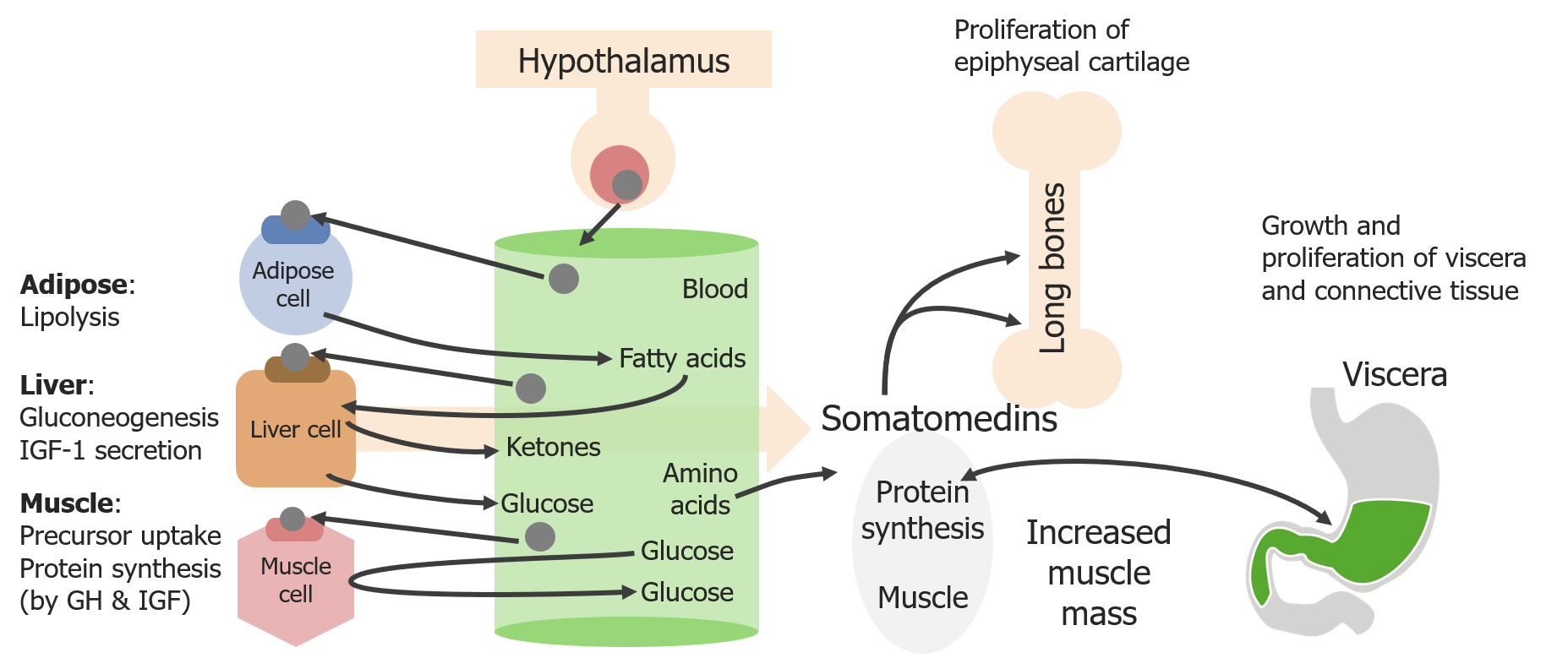
  • La acromegalia y el gigantismo resultan del exceso de GH:
    • La GH, también conocida como somatotropina, es secretada por la hipófisis anterior.
    • Media el crecimiento y las funciones metabólicas.
    • Interactúa con la insulina para controlar el metabolismo de las grasas, la glucosa y las proteínas durante los LOS Neisseria estados de ayuno y alimentación.
  • Efectos principales:
    • Lipólisis en EN Erythema nodosum is an immune-mediated panniculitis (inflammation of the subcutaneous fat) caused by a type IV (delayed-type) hypersensitivity reaction. It commonly manifests in young women as tender, erythematous nodules on the shins. Erythema Nodosum tejido adiposo
    • Promueve la gluconeogénesis ( en EN Erythema nodosum is an immune-mediated panniculitis (inflammation of the subcutaneous fat) caused by a type IV (delayed-type) hypersensitivity reaction. It commonly manifests in young women as tender, erythematous nodules on the shins. Erythema Nodosum el hígado) y estimula la secreción del factor de crecimiento similar a la insulina-1 (IGF-1, por sus siglas en EN Erythema nodosum is an immune-mediated panniculitis (inflammation of the subcutaneous fat) caused by a type IV (delayed-type) hypersensitivity reaction. It commonly manifests in young women as tender, erythematous nodules on the shins. Erythema Nodosum inglés), lo que resulta en EN Erythema nodosum is an immune-mediated panniculitis (inflammation of the subcutaneous fat) caused by a type IV (delayed-type) hypersensitivity reaction. It commonly manifests in young women as tender, erythematous nodules on the shins. Erythema Nodosum un aumento de los LOS Neisseria niveles de glucosa
    • El músculo aumenta la absorción de aminoácidos y la síntesis de proteínas.
    • Los LOS Neisseria huesos promueven el crecimiento lineal por la proliferación del cartílago epifisario en EN Erythema nodosum is an immune-mediated panniculitis (inflammation of the subcutaneous fat) caused by a type IV (delayed-type) hypersensitivity reaction. It commonly manifests in young women as tender, erythematous nodules on the shins. Erythema Nodosum los LOS Neisseria niños (gigantismo).

Regulación

La regulación es un proceso gradual:

  1. El hipotálamo secreta GHRH GHRH A peptide of 44 amino acids in most species that stimulates the release and synthesis of growth hormone. GHRF (or GRF) is synthesized by neurons in the arcuate nucleus of the hypothalamus. After being released into the pituitary portal circulation, GHRF stimulates gh release by the somatotrophs in the pituitary gland. Hypothalamic and Pituitary Hormones para promover la producción de GH y somatostatina (hormona inhibidora del crecimiento) para inhibir la producción de GH.
  2. La adenohipófisis responde a la GHRH GHRH A peptide of 44 amino acids in most species that stimulates the release and synthesis of growth hormone. GHRF (or GRF) is synthesized by neurons in the arcuate nucleus of the hypothalamus. After being released into the pituitary portal circulation, GHRF stimulates gh release by the somatotrophs in the pituitary gland. Hypothalamic and Pituitary Hormones segregando GH.
  3. El hígado produce IGF-1.
  4. Efectos proliferativos en EN Erythema nodosum is an immune-mediated panniculitis (inflammation of the subcutaneous fat) caused by a type IV (delayed-type) hypersensitivity reaction. It commonly manifests in young women as tender, erythematous nodules on the shins. Erythema Nodosum hueso, cartílago, músculo esquelético, piel, tejidos blandos, órganos y tolerancia a la glucosa:
    • Estimulación: hipoglucemia, estrés, tensión física, sueño profundo, pubertad
    • Inhibición: glucosa, somatostatina, somatomedina (del hígado)
Diagrama esquemático de los efectos directos e indirectos de la hormona del crecimiento.

Diagrama esquemático de los efectos directos e indirectos de la hormona del crecimiento (GH)

Imagen por Lecturio. Licencia: CC BY-NC-SA 4.0
Presentación Clínica

Hallazgos clínicos

  • En EN Erythema nodosum is an immune-mediated panniculitis (inflammation of the subcutaneous fat) caused by a type IV (delayed-type) hypersensitivity reaction. It commonly manifests in young women as tender, erythematous nodules on the shins. Erythema Nodosum los LOS Neisseria niños, las placas de crecimiento aún no se han fusionado, lo que lleva al AL Amyloidosis gigantismo:
    • Caracterizado por el agrandamiento simétrico de los LOS Neisseria tejidos del cuerpo, lo que conduce a un crecimiento excesivo de los LOS Neisseria huesos largos.
    • Los LOS Neisseria pacientes comúnmente miden más de 1.98 m (6’6”) de altura.
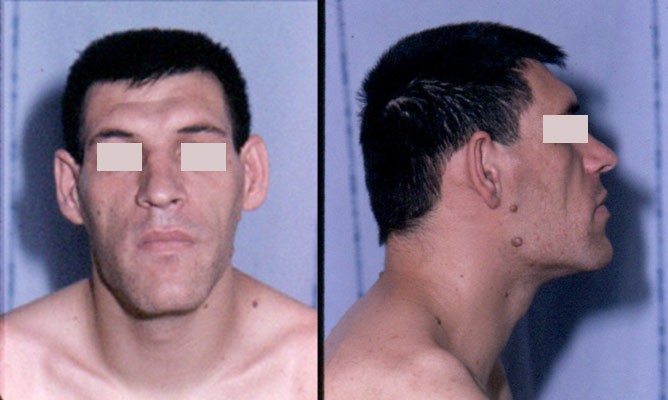
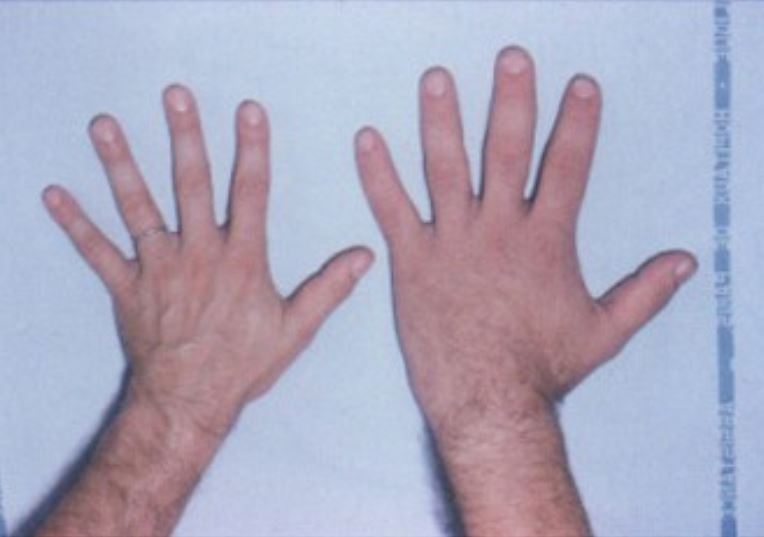
  • En EN Erythema nodosum is an immune-mediated panniculitis (inflammation of the subcutaneous fat) caused by a type IV (delayed-type) hypersensitivity reaction. It commonly manifests in young women as tender, erythematous nodules on the shins. Erythema Nodosum los LOS Neisseria adultos, las placas de crecimiento se han fusionado, lo que lleva a la acromegalia con un crecimiento excesivo de áreas características:
    • Nariz
    • Protuberancias supraorbitales
    • Mandíbula
    • Manos
    • Cráneo
  • Visceromegalia:
    • Bocio
    • Cardiomiopatía
    • Pólipos en EN Erythema nodosum is an immune-mediated panniculitis (inflammation of the subcutaneous fat) caused by a type IV (delayed-type) hypersensitivity reaction. It commonly manifests in young women as tender, erythematous nodules on the shins. Erythema Nodosum el colon Colon The large intestines constitute the last portion of the digestive system. The large intestine consists of the cecum, appendix, colon (with ascending, transverse, descending, and sigmoid segments), rectum, and anal canal. The primary function of the colon is to remove water and compact the stool prior to expulsion from the body via the rectum and anal canal. Colon, Cecum, and Appendix: Anatomy
  • Voz profunda
  • Engrosamiento de la dermis Dermis A layer of vascularized connective tissue underneath the epidermis. The surface of the dermis contains innervated papillae. Embedded in or beneath the dermis are sweat glands; hair follicles; and sebaceous glands. Skin: Structure and Functions (paquidermia)
  • Hipoestesia o parestesia
  • Macroglosia
  • Separación de los LOS Neisseria dientes y surcos interdentales ensanchados
  • Prognatismo
  • Cefalea
  • Fatiga
  • Transpiración
  • Dolor Dolor Inflammation óseo
  • Defectos del campo visual

Complicaciones

  • Alteraciones en EN Erythema nodosum is an immune-mediated panniculitis (inflammation of the subcutaneous fat) caused by a type IV (delayed-type) hypersensitivity reaction. It commonly manifests in young women as tender, erythematous nodules on the shins. Erythema Nodosum el campo visual
  • Parálisis de los LOS Neisseria nervios craneales
  • Alteraciones del ciclo menstrual
  • Galactorrea
  • Disfunción eréctil
  • Disminución de la libido
  • Osteoartritis
  • Síndrome del túnel carpiano
  • Apnea del sueño
  • Diabetes Diabetes Diabetes mellitus (DM) is a metabolic disease characterized by hyperglycemia and dysfunction of the regulation of glucose metabolism by insulin. Type 1 DM is diagnosed mostly in children and young adults as the result of autoimmune destruction of β cells in the pancreas and the resulting lack of insulin. Type 2 DM has a significant association with obesity and is characterized by insulin resistance. Diabetes Mellitus mellitus
  • Hipertensión
  • Cardiomiopatía e insuficiencia cardíaca
  • Hipogonadismo secundario
  • Mayor incidencia de cáncer colorrectal

Diagnóstico

La presentación clínica suele ser el aspecto más importante del diagnóstico.
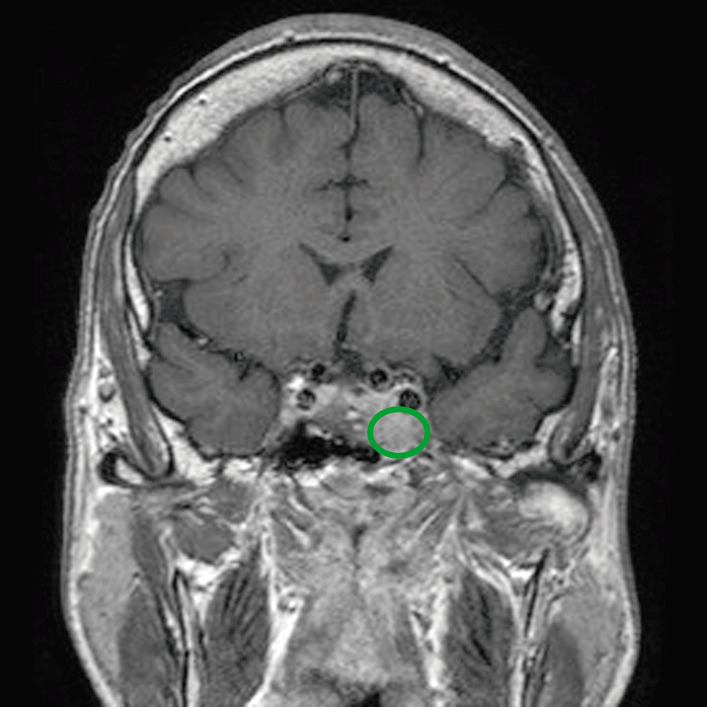
  • Laboratorios: Punto bajo de GH superior a 0.4 µg/L o 1 µg/L (dependiendo de los LOS Neisseria estándares de GH) durante la prueba de tolerancia oral a la glucosa y nivel elevado de IGF-1 ajustado según la edad
  • Imagenología:
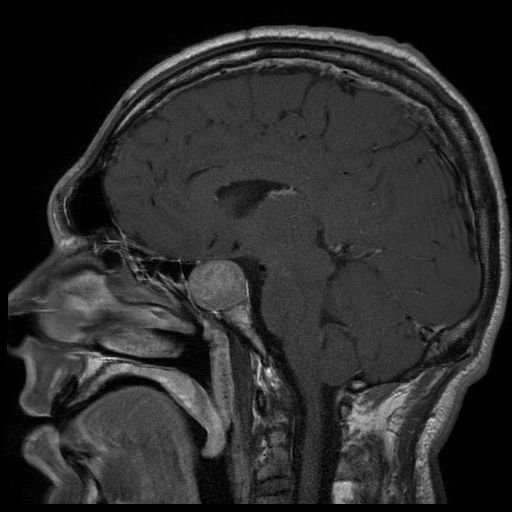
    • RM:
      • Puede mostrar una masa hipofisaria
      • Si no hay adenoma hipofisario, se pueden buscar otros tumores en EN Erythema nodosum is an immune-mediated panniculitis (inflammation of the subcutaneous fat) caused by a type IV (delayed-type) hypersensitivity reaction. It commonly manifests in young women as tender, erythematous nodules on the shins. Erythema Nodosum el tórax y el abdomen.
    • TC:
      • Abdomen y pelvis Pelvis The pelvis consists of the bony pelvic girdle, the muscular and ligamentous pelvic floor, and the pelvic cavity, which contains viscera, vessels, and multiple nerves and muscles. The pelvic girdle, composed of 2 “hip” bones and the sacrum, is a ring-like bony structure of the axial skeleton that links the vertebral column with the lower extremities. Pelvis: Anatomy: evaluar la presencia de tumores pancreáticos, suprarrenales y ováricos secretores de GH/ GHRH GHRH A peptide of 44 amino acids in most species that stimulates the release and synthesis of growth hormone. GHRF (or GRF) is synthesized by neurons in the arcuate nucleus of the hypothalamus. After being released into the pituitary portal circulation, GHRF stimulates gh release by the somatotrophs in the pituitary gland. Hypothalamic and Pituitary Hormones.
      • Tórax: evaluar la presencia de carcinoma broncogénico secretor de GH/ GHRH GHRH A peptide of 44 amino acids in most species that stimulates the release and synthesis of growth hormone. GHRF (or GRF) is synthesized by neurons in the arcuate nucleus of the hypothalamus. After being released into the pituitary portal circulation, GHRF stimulates gh release by the somatotrophs in the pituitary gland. Hypothalamic and Pituitary Hormones.

Tratamiento

  • Tratamiento quirúrgico: adenomectomía transesfenoidal vía endonasal (adenomas hipofisarios)
  • Tratamientos no quirúrgicos:
    • No farmacológicos:
      • Radiocirugía estereotáctica
      • Terapia de protones
      • Radioterapia convencional
    • Farmacológicos:
      • Los LOS Neisseria agonistas D2-dopaminérgicos (p. ej., cabergolina, bromocriptina) inhiben la producción de GH por el adenoma hipofisario.
      • Los LOS Neisseria antagonistas de los LOS Neisseria receptores de GH (pegvisomant) normalizan los LOS Neisseria niveles elevados de IGF-1.
      • Los LOS Neisseria análogos de la somatostatina (p. ej., octreótido, lanreotido, pasireotido) disminuyen el tamaño del adenoma y normalizan los LOS Neisseria niveles de GH.

Diagnóstico Diferencial

  • Síndrome de McCune-Albright: un síndrome hipersecretor raro que consiste en EN Erythema nodosum is an immune-mediated panniculitis (inflammation of the subcutaneous fat) caused by a type IV (delayed-type) hypersensitivity reaction. It commonly manifests in young women as tender, erythematous nodules on the shins. Erythema Nodosum una displasia fibrosa poliostótica, pigmentación cutánea, pubertad precoz, hipertiroidismo, hipercortisolismo, hiperprolactinemia y acromegalia debido a una hiperplasia somatotropa. Los LOS Neisseria pacientes se diferencian por constelaciones adicionales de signos y síntomas.
  • Neoplasia endocrina múltiple: el adenoma hipofisario de células GH es un componente del síndrome autosómico dominante de neoplasia endocrina múltiple (MEN, por sus siglas en EN Erythema nodosum is an immune-mediated panniculitis (inflammation of the subcutaneous fat) caused by a type IV (delayed-type) hypersensitivity reaction. It commonly manifests in young women as tender, erythematous nodules on the shins. Erythema Nodosum inglés) tipo 1, que también incluye tumores paratiroideos y pancreáticos. Además de encontrar un exceso de GH, el paciente presenta otras anomalías endocrinas.
  • Acromegaloidismo: cambios en EN Erythema nodosum is an immune-mediated panniculitis (inflammation of the subcutaneous fat) caused by a type IV (delayed-type) hypersensitivity reaction. It commonly manifests in young women as tender, erythematous nodules on the shins. Erythema Nodosum los LOS Neisseria tejidos blandos y la piel generalmente asociados con acromegalia, una línea basal normal, GH/IGF-1 dinámico y sin tumor Tumor Inflammation hipofisario o extrahipofisario demostrable. El acromegaloidismo es raro.
  • Paquidermoperiostosis: los LOS Neisseria pacientes presentan agrandamiento de los LOS Neisseria dedos de manos y pies, hinchazón o dolor Dolor Inflammation en EN Erythema nodosum is an immune-mediated panniculitis (inflammation of the subcutaneous fat) caused by a type IV (delayed-type) hypersensitivity reaction. It commonly manifests in young women as tender, erythematous nodules on the shins. Erythema Nodosum las articulaciones grandes, rasgos faciales más toscos y surcos/depresiones en EN Erythema nodosum is an immune-mediated panniculitis (inflammation of the subcutaneous fat) caused by a type IV (delayed-type) hypersensitivity reaction. It commonly manifests in young women as tender, erythematous nodules on the shins. Erythema Nodosum el cuero cabelludo. La paquidermoperiostosis es causada por mutaciones en EN Erythema nodosum is an immune-mediated panniculitis (inflammation of the subcutaneous fat) caused by a type IV (delayed-type) hypersensitivity reaction. It commonly manifests in young women as tender, erythematous nodules on the shins. Erythema Nodosum HPGD, que codifica la 15-hidroxiprostaglandina deshidrogenasa, la enzima clave de la degradación de las prostaglandinas. Los LOS Neisseria surcos/depresiones del cuero cabelludo ayudan a diferenciar la paquidermoperiostosis de la acromegalia.

Referencias

  1. Rosendal, T., Kromann, C. B., Pedersen, L., Dekkers, O. M., Jørgensen, J. O. L., Sørensen, H. T., & Stochholm, K. (2024). Changes in acromegaly comorbidities, treatment, and outcome over three decades: A nationwide cohort study. European Journal of Endocrinology, 190(2), e230418. https://doi.org/10.1093/ejendo/lvae007
  2. Melmed, S. (2025). Treatment of acromegaly. In Snyder, P.J. (Ed.), UpToDate. Retrieved April 15, 2025, from https://www.uptodate.com/contents/treatment-of-acromegaly
  3. Melmed, S. et al. (2018). Primary Immune Deficiency Diseases. In Jameson J., et al. (Ed.), Harrison’s Principles of Internal Medicine (20th ed. Chapter 373). McGraw-Hill.
  4. Oakley, A. (2023). Acromegaly. DermNet NZ. https://dermnetnz.org/topics/acromegaly
  5. Schwartz, R. A. (2025). Gigantism and acromegaly. In S. A. Bowden (Ed.), Medscape. Retrieved April 15, 2025, https://emedicine.medscape.com/article/925446-overview

¡Crea tu cuenta gratis o inicia una sesión para seguir leyendo!

Regístrate ahora y obtén acceso gratuito a Lecturio con páginas de concepto, videos médicos y cuestionarios para tu educación médica.

User Reviews

Que tengas una sesión de estudio alegre y navideña 🎁 Ahorra 50% en todos los planes >>

Details