Domina Conceptos Médicos

Estudia para la escuela de medicina y tus examenes con Lecturio.

Vibrio

Vibrio Vibrio Vibrio is a genus of comma-shaped, gram-negative bacilli. It is halophilic, acid labile, and commonly isolated on thiosulfate-citrate-bile-sucrose (TCBS) agar. There are 3 clinically relevant species: Vibrio cholerae (V. cholerae), Vibrio vulnificus (V. vulnificus), and Vibrio parahaemolyticus (V. parahaemolyticus). Vibrio es un género de bacilos gramnegativos en EN Erythema nodosum is an immune-mediated panniculitis (inflammation of the subcutaneous fat) caused by a type IV (delayed-type) hypersensitivity reaction. It commonly manifests in young women as tender, erythematous nodules on the shins. Erythema Nodosum forma de coma Coma Coma is defined as a deep state of unarousable unresponsiveness, characterized by a score of 3 points on the GCS. A comatose state can be caused by a multitude of conditions, making the precise epidemiology and prognosis of coma difficult to determine. Coma. Es halófilo, lábil en EN Erythema nodosum is an immune-mediated panniculitis (inflammation of the subcutaneous fat) caused by a type IV (delayed-type) hypersensitivity reaction. It commonly manifests in young women as tender, erythematous nodules on the shins. Erythema Nodosum medio ácido y comúnmente aislado en EN Erythema nodosum is an immune-mediated panniculitis (inflammation of the subcutaneous fat) caused by a type IV (delayed-type) hypersensitivity reaction. It commonly manifests in young women as tender, erythematous nodules on the shins. Erythema Nodosum agar tiosulfato-citrato-bilis-sacarosa. Hay 3 especies clínicamente relevantes. Vibrio cholerae Vibrio cholerae The etiologic agent of cholera. Vibrio (V. cholerae) se encuentra en EN Erythema nodosum is an immune-mediated panniculitis (inflammation of the subcutaneous fat) caused by a type IV (delayed-type) hypersensitivity reaction. It commonly manifests in young women as tender, erythematous nodules on the shins. Erythema Nodosum aguas salobres y marinas. Vibrio cholerae Vibrio cholerae The etiologic agent of cholera. Vibrio está asociado con el cólera, que causa diarrea severa secretora  en EN Erythema nodosum is an immune-mediated panniculitis (inflammation of the subcutaneous fat) caused by a type IV (delayed-type) hypersensitivity reaction. It commonly manifests in young women as tender, erythematous nodules on the shins. Erythema Nodosum “agua de arroz”. Las otras 2 especies son Vibrio vulnificus Vibrio vulnificus A species of halophilic bacteria in the genus vibrio, which lives in warm seawater. It can cause infections in those who eat raw contaminated seafood or have open wounds exposed to seawater. Vibrio ( V. vulnificus V. vulnificus A species of halophilic bacteria in the genus vibrio, which lives in warm seawater. It can cause infections in those who eat raw contaminated seafood or have open wounds exposed to seawater. Vibrio) y Vibrio parahaemolyticus Vibrio parahaemolyticus A species of bacteria found in the marine environment, sea foods, and the feces of patients with acute enteritis. Vibrio (V. parahaemolyticus), que se transmiten a través de mariscos crudos o poco cocidos y se asocian con infecciones de heridas, septicemia y diarrea.

Last updated: Jun 27, 2025
Editorial responsibility: Stanley Oiseth, Lindsay Jones, Evelin Maza

Clasificación

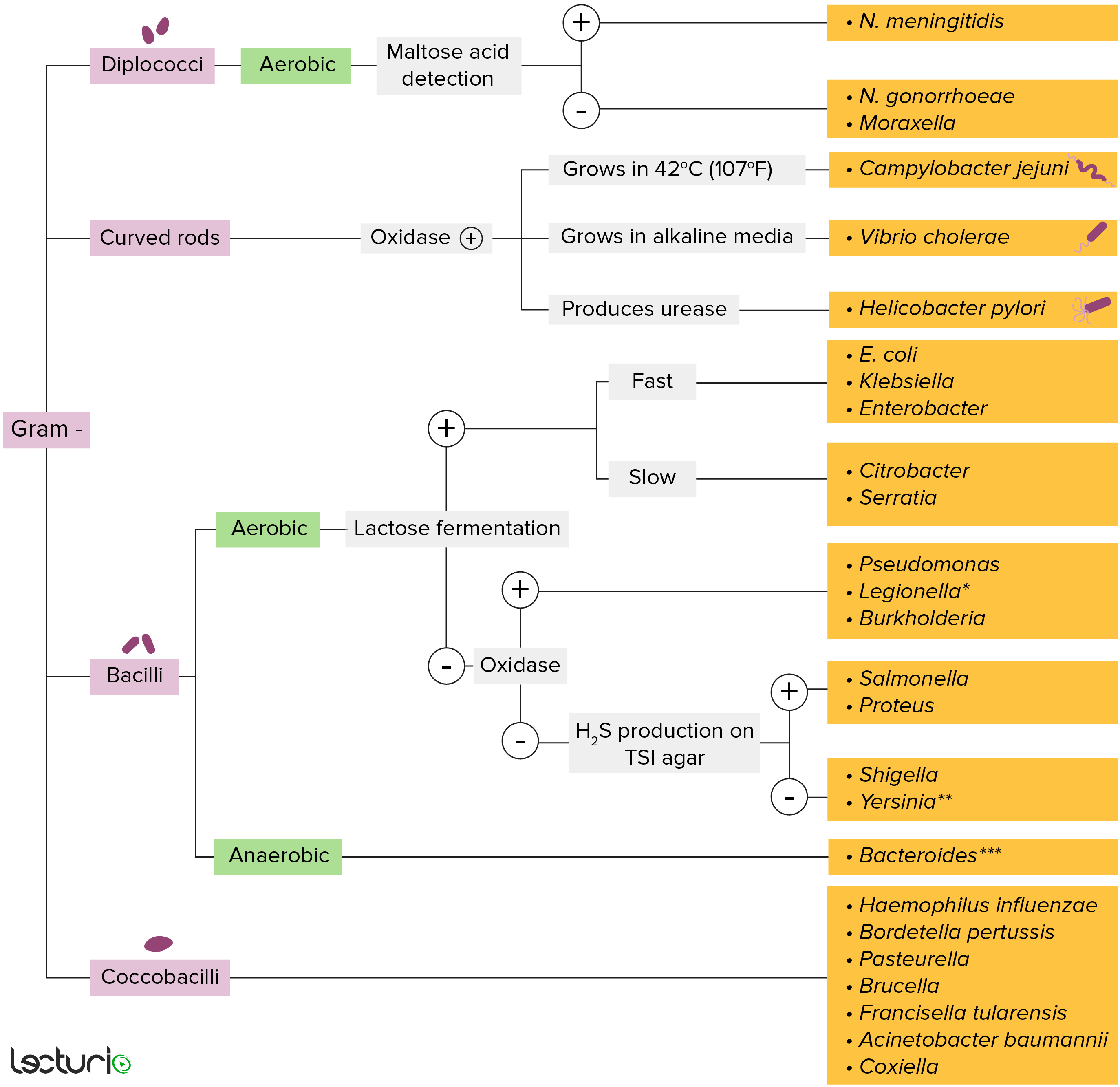
Diagrama de flujo de clasificación de bacterias gram negativas

Bacterias gramnegativas:
La mayoría de las bacterias se pueden clasificar de acuerdo a un procedimiento de laboratorio llamado tinción de Gram.
Las bacterias con paredes celulares que tienen una capa delgada de peptidoglicano no retienen la tinción de cristal violeta utilizada en la tinción de Gram. Sin embargo, estas bacterias retienen la contratinción de safranina y, por lo tanto, adoptan un color rojo-rosado en la tinción, lo que las hace gramnegativas. Estas bacterias pueden clasificarse además según su morfología (diplococos, bastones curvos, bacilos y cocobacilos) y su capacidad para crecer en presencia de oxígeno (aeróbicos versus anaeróbicos). Las bacterias se pueden identificar de manera más profunda cultivándolas en medios específicos (agar hierro triple azúcar) donde se pueden identificar sus enzimas (ureasa, oxidasa) y se puede probar su capacidad para fermentar lactosa.
* Se tiñe mal en la tinción de Gram
** Bastón pleomórfico/cocobacilo
*** Requiere medios de transporte especiales
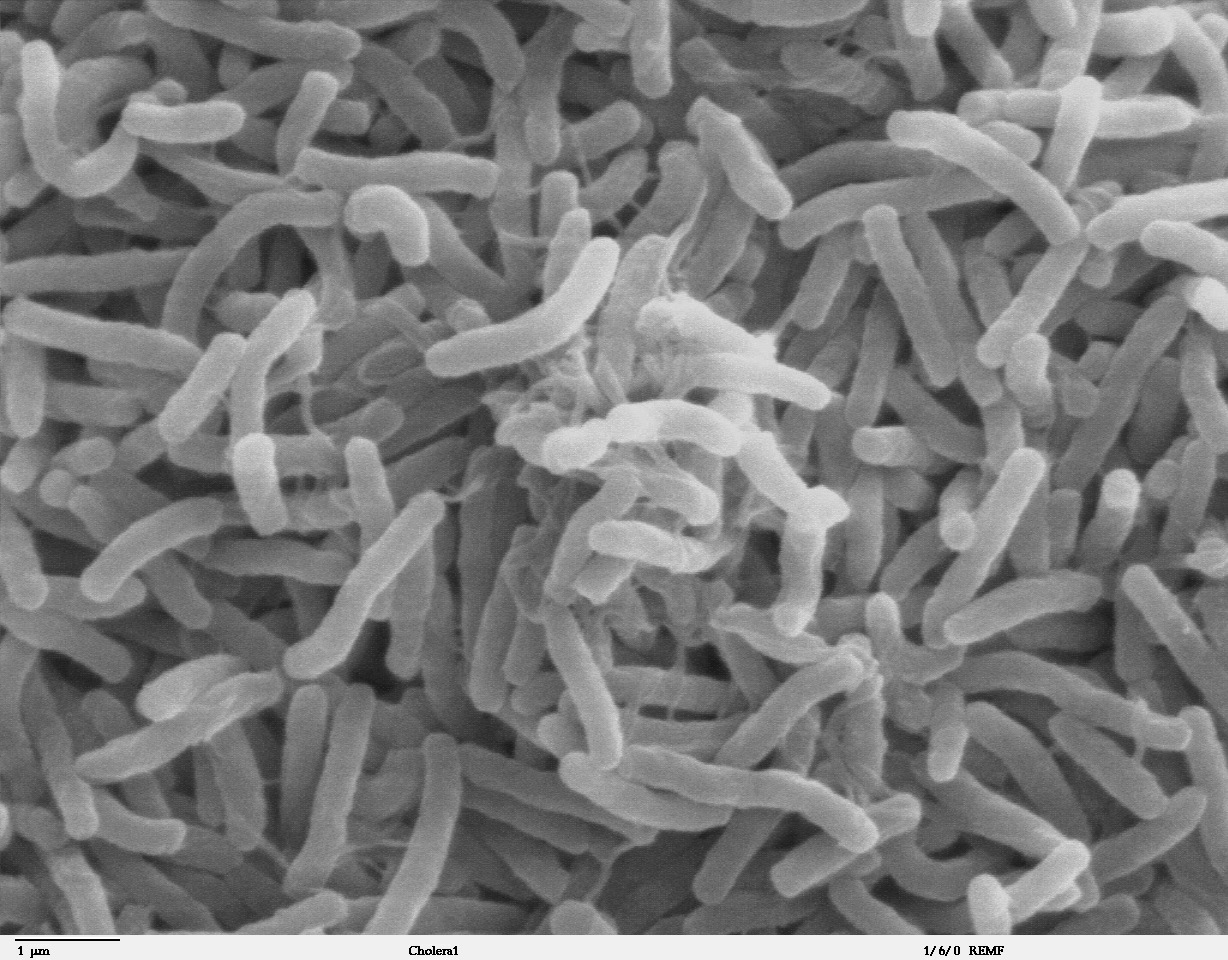
Imagen por Lecturio.

Características Generales

Características básicas de Vibrio Vibrio Vibrio is a genus of comma-shaped, gram-negative bacilli. It is halophilic, acid labile, and commonly isolated on thiosulfate-citrate-bile-sucrose (TCBS) agar. There are 3 clinically relevant species: Vibrio cholerae (V. cholerae), Vibrio vulnificus (V. vulnificus), and Vibrio parahaemolyticus (V. parahaemolyticus). Vibrio

  • Bacilos gramnegativos curvos
  • Anaerobios facultativos
  • Altamente móvil: 1–3 flagelos polares
  • No forma esporas
  • Oxidasa positiva

Principales especies patógenas

  • Vibrio cholerae Vibrio cholerae The etiologic agent of cholera. Vibrio (V. cholerae)
  • V. vulnificus V. vulnificus A species of halophilic bacteria in the genus vibrio, which lives in warm seawater. It can cause infections in those who eat raw contaminated seafood or have open wounds exposed to seawater. Vibrio
  • V. parahaemolyticus

Bioquímica y características de crecimiento

  • Halófilo: requiere cloruro de sodio (NaCl) para su crecimiento
  • Lábil en EN Erythema nodosum is an immune-mediated panniculitis (inflammation of the subcutaneous fat) caused by a type IV (delayed-type) hypersensitivity reaction. It commonly manifests in young women as tender, erythematous nodules on the shins. Erythema Nodosum medio ácido: crece bien en EN Erythema nodosum is an immune-mediated panniculitis (inflammation of the subcutaneous fat) caused by a type IV (delayed-type) hypersensitivity reaction. It commonly manifests in young women as tender, erythematous nodules on the shins. Erythema Nodosum medios alcalinos
  • Agar tiosulfato-citrato-bilis-sacarosa:
    • V. cholerae fermenta sacarosa → forma colonias amarillas
    • V. parahaemolyticus y V. vulnificus V. vulnificus A species of halophilic bacteria in the genus vibrio, which lives in warm seawater. It can cause infections in those who eat raw contaminated seafood or have open wounds exposed to seawater. Vibrio no fermentan sacarosa → forman colonias verdes
  • V. parahaemolyticus exhibe el fenómeno de Kanagawa:
    • Beta-hemolítico en EN Erythema nodosum is an immune-mediated panniculitis (inflammation of the subcutaneous fat) caused by a type IV (delayed-type) hypersensitivity reaction. It commonly manifests in young women as tender, erythematous nodules on the shins. Erythema Nodosum agar sangre si se aísla de un huésped humano
    • No hemolítico si procede de fuentes no humanas

Reservorios

  • V. cholerae: se encuentra en EN Erythema nodosum is an immune-mediated panniculitis (inflammation of the subcutaneous fat) caused by a type IV (delayed-type) hypersensitivity reaction. It commonly manifests in young women as tender, erythematous nodules on the shins. Erythema Nodosum aguas salobres y marinas
  • V. vulnificus V. vulnificus A species of halophilic bacteria in the genus vibrio, which lives in warm seawater. It can cause infections in those who eat raw contaminated seafood or have open wounds exposed to seawater. Vibrio y V. parahaemolyticus: mariscos

Importancia Clínica de Vibrio cholerae

Epidemiología

  • Ocurre principalmente en EN Erythema nodosum is an immune-mediated panniculitis (inflammation of the subcutaneous fat) caused by a type IV (delayed-type) hypersensitivity reaction. It commonly manifests in young women as tender, erythematous nodules on the shins. Erythema Nodosum áreas con acceso limitado a agua limpia
  • Endémica en EN Erythema nodosum is an immune-mediated panniculitis (inflammation of the subcutaneous fat) caused by a type IV (delayed-type) hypersensitivity reaction. It commonly manifests in young women as tender, erythematous nodules on the shins. Erythema Nodosum algunos países de África y Asia ASIA Spinal Cord Injuries
  • El cólera afecta solo a los LOS Neisseria humanos.

Transmisión

  • A través de alimentos o agua contaminados
  • Vía fecal-oral (persona a persona)

Patogénesis

  • No todas las cepas son patógenas.
  • La patogénesis está determinada por la producción de la toxina del cólera:
    • Transportado por un bacteriófago lisogénico (CTXΦ)
    • Enterotoxina termolábil: compuesta por 1 subunidad A (dominio tóxico) y 5 subunidades B (dominio de unión al AL Amyloidosis receptor Receptor Receptors are proteins located either on the surface of or within a cell that can bind to signaling molecules known as ligands (e.g., hormones) and cause some type of response within the cell. Receptors)
    • La subunidad B se une al AL Amyloidosis receptor Receptor Receptors are proteins located either on the surface of or within a cell that can bind to signaling molecules known as ligands (e.g., hormones) and cause some type of response within the cell. Receptors de la mucosa gangliósido monosialotetrahexosilgangliósido (GM1).
    • La toxina del cólera se internaliza por endocitosis: la subunidad A1 de la toxina activa la adenilil ciclasa, que convierte el adenosín trifosfato (ATP) en EN Erythema nodosum is an immune-mediated panniculitis (inflammation of the subcutaneous fat) caused by a type IV (delayed-type) hypersensitivity reaction. It commonly manifests in young women as tender, erythematous nodules on the shins. Erythema Nodosum monofosfato de adenosina cíclico (AMPc).
    • El AMPc provoca la secreción de cloruro en EN Erythema nodosum is an immune-mediated panniculitis (inflammation of the subcutaneous fat) caused by a type IV (delayed-type) hypersensitivity reaction. It commonly manifests in young women as tender, erythematous nodules on the shins. Erythema Nodosum el lumen y la inhibición de la absorción de sodio.
    • El agua sigue el gradiente osmótico y se mueve hacia el lumen, lo que produce diarrea acuosa con concentraciones de electrolitos isotónicas en EN Erythema nodosum is an immune-mediated panniculitis (inflammation of the subcutaneous fat) caused by a type IV (delayed-type) hypersensitivity reaction. It commonly manifests in young women as tender, erythematous nodules on the shins. Erythema Nodosum relación con las del plasma Plasma The residual portion of blood that is left after removal of blood cells by centrifugation without prior blood coagulation. Transfusion Products.
    • Las heces contienen grandes cantidades de sodio, cloruro, bicarbonato y potasio con pocas células.
  • Antígenos O lipopolisacáridos:
    • Confieren especificidad serológica; > 200 serotipos
    • Solo las cepas de los LOS Neisseria serogrupos O1 (biotipos clásico y El Tor) y O139 causan cólera epidémico y pandémico (son los LOS Neisseria más virulentos).
  • Fimbrias ( pili Pili Filamentous or elongated proteinaceous structures which extend from the cell surface in gram-negative bacteria that contain certain types of conjugative plasmid. These pili are the organs associated with genetic transfer and have essential roles in conjugation. Normally, only one or a few pili occur on a given donor cell. This preferred use of ‘pili’ refers to the sexual appendage, to be distinguished from bacterial fimbriae, also known as common pili, which are usually concerned with adhesion. Salmonella):
    • Ayudan en EN Erythema nodosum is an immune-mediated panniculitis (inflammation of the subcutaneous fat) caused by a type IV (delayed-type) hypersensitivity reaction. It commonly manifests in young women as tender, erythematous nodules on the shins. Erythema Nodosum la unión a la mucosa intestinal
    • V. cholerae NO invade la mucosa intestinal.
    • Coexpresado (corregulado) con la toxina del cólera y necesario para la adherencia, la formación de biopelículas, la colonización y como receptores del bacteriófago que porta los LOS Neisseria genes Genes A category of nucleic acid sequences that function as units of heredity and which code for the basic instructions for the development, reproduction, and maintenance of organisms. DNA Types and Structure de la toxina del cólera
  • Debido a que V.cholerae es lábil al AL Amyloidosis ácido, se requiere un inóculo alto para superar la acidez de la mucosa gástrica. La dosis infecciosa se reduce:
    • En EN Erythema nodosum is an immune-mediated panniculitis (inflammation of the subcutaneous fat) caused by a type IV (delayed-type) hypersensitivity reaction. It commonly manifests in young women as tender, erythematous nodules on the shins. Erythema Nodosum personas hipoclorhídricas
    • En EN Erythema nodosum is an immune-mediated panniculitis (inflammation of the subcutaneous fat) caused by a type IV (delayed-type) hypersensitivity reaction. It commonly manifests in young women as tender, erythematous nodules on the shins. Erythema Nodosum aquellos que usan antiácidos
    • Cuando la acidez gástrica se amortigua con una comida
  • Cuanto mayor sea el número de bacterias, más graves serán los LOS Neisseria síntomas.
  • Período de incubación: 1–2 días
  • La pérdida de líquidos se origina en EN Erythema nodosum is an immune-mediated panniculitis (inflammation of the subcutaneous fat) caused by a type IV (delayed-type) hypersensitivity reaction. It commonly manifests in young women as tender, erythematous nodules on the shins. Erythema Nodosum el duodeno y el yeyuno superior; el íleon se ve VE Ventilation: Mechanics of Breathing menos afectado.
  • El colon Colon The large intestines constitute the last portion of the digestive system. The large intestine consists of the cecum, appendix, colon (with ascending, transverse, descending, and sigmoid segments), rectum, and anal canal. The primary function of the colon is to remove water and compact the stool prior to expulsion from the body via the rectum and anal canal. Colon, Cecum, and Appendix: Anatomy es relativamente insensible a la toxina, pero el gran volumen de líquido supera su capacidad de absorción.

Presentación clínica

Alrededor del 50% de las infecciones por V. cholerae clásica son asintomáticas y el 75% de las infecciones por el biotipo El Tor de V. cholerae son asintomáticas.

Diarrea:

  • Puede ser leve, moderada o severa
  • Presentación clínica de la diarrea secretora severa:
    • Típicamente indolora, sin tenesmo
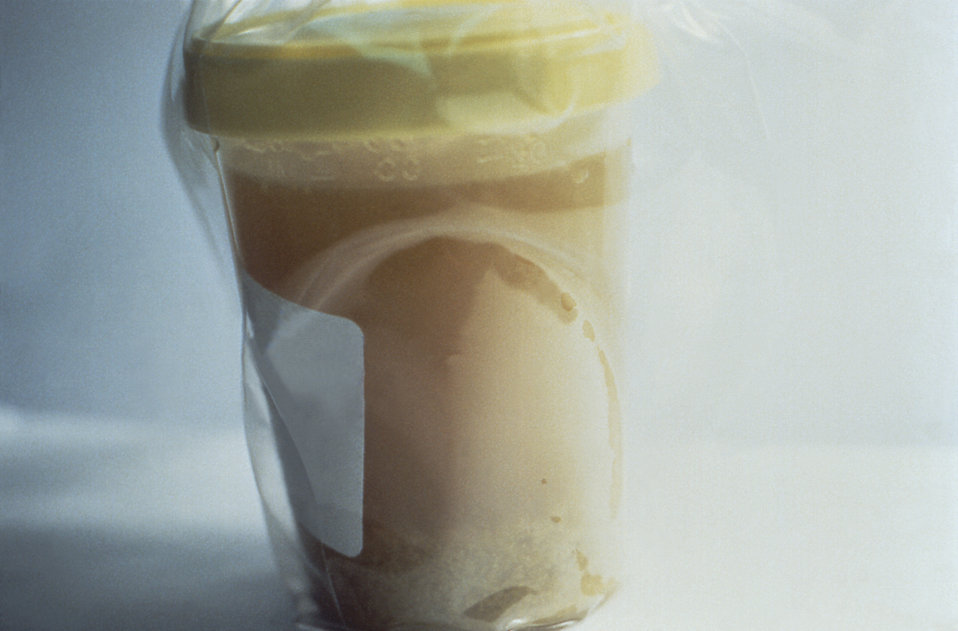
    • Heces de “agua de arroz” (heces acuosas sin mal olor con manchas de moco)
    • La producción de heces puede alcanzar hasta 1 L/hora en EN Erythema nodosum is an immune-mediated panniculitis (inflammation of the subcutaneous fat) caused by a type IV (delayed-type) hypersensitivity reaction. It commonly manifests in young women as tender, erythematous nodules on the shins. Erythema Nodosum casos severos (más que cualquier otra diarrea infecciosa).
    • Vómitos: pueden preceder o seguir el inicio de la diarrea.
  • Consecuencias de la diarrea secretora severa:
    • Pérdida profunda de fluidos y electrolitos → “deshidratación isotónica”:
      • Un tipo de deshidratación causada con mayor frecuencia por la diarrea
      • Ocurre cuando las pérdidas netas de agua y sodio están en EN Erythema nodosum is an immune-mediated panniculitis (inflammation of the subcutaneous fat) caused by a type IV (delayed-type) hypersensitivity reaction. It commonly manifests in young women as tender, erythematous nodules on the shins. Erythema Nodosum la misma proporción que normalmente se encuentran en EN Erythema nodosum is an immune-mediated panniculitis (inflammation of the subcutaneous fat) caused by a type IV (delayed-type) hypersensitivity reaction. It commonly manifests in young women as tender, erythematous nodules on the shins. Erythema Nodosum el líquido extracelular
      • Acidosis Acidosis A pathologic condition of acid accumulation or depletion of base in the body. The two main types are respiratory acidosis and metabolic acidosis, due to metabolic acid build up. Respiratory Acidosis metabólica por pérdida de bicarbonato
      • La lesión renal aguda (insuficiencia renal aguda) es una posible complicación.
    • Los LOS Neisseria síntomas y signos dependen de la contracción del volumen (gravedad de la hipovolemia):
      • < 5% del peso corporal normal: sed
      • 5%-10% de peso corporal normal: hipotensión postural, debilidad, calambres musculares, taquicardia, ↓ turgencia cutánea, mucosa oral seca
      • > 10% de peso corporal normal: oliguria Oliguria Decreased urine output that is below the normal range. Oliguria can be defined as urine output of less than or equal to 0. 5 or 1 ml/kg/hr depending on the age. Renal Potassium Regulation, pulsos débiles, ojos hundidos (fontanelas hundidas en EN Erythema nodosum is an immune-mediated panniculitis (inflammation of the subcutaneous fat) caused by a type IV (delayed-type) hypersensitivity reaction. It commonly manifests in young women as tender, erythematous nodules on the shins. Erythema Nodosum lactantes), piel arrugada, somnolencia, coma Coma Coma is defined as a deep state of unarousable unresponsiveness, characterized by a score of 3 points on the GCS. A comatose state can be caused by a multitude of conditions, making the precise epidemiology and prognosis of coma difficult to determine. Coma
    • En EN Erythema nodosum is an immune-mediated panniculitis (inflammation of the subcutaneous fat) caused by a type IV (delayed-type) hypersensitivity reaction. It commonly manifests in young women as tender, erythematous nodules on the shins. Erythema Nodosum casos severos, rápida progresión a shock Shock Shock is a life-threatening condition associated with impaired circulation that results in tissue hypoxia. The different types of shock are based on the underlying cause: distributive (↑ cardiac output (CO), ↓ systemic vascular resistance (SVR)), cardiogenic (↓ CO, ↑ SVR), hypovolemic (↓ CO, ↑ SVR), obstructive (↓ CO), and mixed. Types of Shock hipovolémico y muerte si no se trata con urgencia

Neumonía:

  • No es rara en EN Erythema nodosum is an immune-mediated panniculitis (inflammation of the subcutaneous fat) caused by a type IV (delayed-type) hypersensitivity reaction. It commonly manifests in young women as tender, erythematous nodules on the shins. Erythema Nodosum niños
  • Probablemente por aspiración de vómito
cólera diarrea agua de arroz

Diarrea típica del cólera que luce como”agua de arroz”

Imagen: “Here, a cup of typical “rice-water” stool from a cholera patient shows flecks of mucus that have settled to the bottom” por CDC. Licencia: Dominio Público

Tratamiento

La mortalidad en EN Erythema nodosum is an immune-mediated panniculitis (inflammation of the subcutaneous fat) caused by a type IV (delayed-type) hypersensitivity reaction. It commonly manifests in young women as tender, erythematous nodules on the shins. Erythema Nodosum pacientes no tratados es de hasta 50% (pero <1% con reposición inmediata de electrolitos y líquidos).

Tratamiento:

  • Terapia de rehidratación oral agresiva con electrolitos
  • Se pueden usar antibióticos para acortar la duración de la diarrea, más frecuentemente doxiciclina.

Prevención:

  • El suministro de agua limpia y un saneamiento adecuado son la clave de la prevención.
  • Precauciones generales para la prevención de la diarrea del viajero:
    • Evitar el agua del grifo, la comida de los LOS Neisseria vendedores ambulantes, los LOS Neisseria mariscos crudos o poco cocidos y las verduras crudas
    • El agua no embotellada debe tratarse con cloro o yodo, filtrarse o hervirse.
  • Vacunas:
    • La World Health Organization recomienda las vacunas orales de células enteras muertas para los LOS Neisseria residentes en EN Erythema nodosum is an immune-mediated panniculitis (inflammation of the subcutaneous fat) caused by a type IV (delayed-type) hypersensitivity reaction. It commonly manifests in young women as tender, erythematous nodules on the shins. Erythema Nodosum áreas endémicas.
    • Para viajeros estadounidenses a áreas de alto riesgo con alto riesgo de exposición:
      • Se encuentra disponible una vacuna oral viva contra el serotipo O1 (“Vaxchora”).
      • La vacuna carece del gen que codifica la toxina del cólera.

Diagnóstico

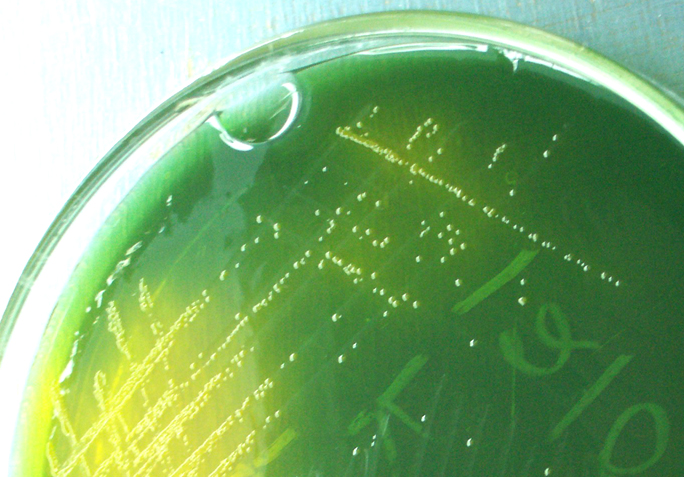
  • Cultivo de heces (estándar de oro) en EN Erythema nodosum is an immune-mediated panniculitis (inflammation of the subcutaneous fat) caused by a type IV (delayed-type) hypersensitivity reaction. It commonly manifests in young women as tender, erythematous nodules on the shins. Erythema Nodosum medios selectivos (agar taurocolato-telurito-gelatina):
    • V. cholerae produce colonias amarillas (debido a la fermentación de sacarosa).
    • Los LOS Neisseria vibrios que no fermentan sacarosa (e.g., la mayoría de las cepas de V. parahaemolyticus y V. vulnificus V. vulnificus A species of halophilic bacteria in the genus vibrio, which lives in warm seawater. It can cause infections in those who eat raw contaminated seafood or have open wounds exposed to seawater. Vibrio) producen colonias verdes.
    • Tinción de Gram y pruebas bioquímicas de los LOS Neisseria aislados: todos los LOS Neisseria vibriones son oxidasa positiva.
    • Serotipificación con antisueros específicos
  • Análisis microscópico de heces: solo unos pocos neutrófilos porque la pared intestinal no es invadida
  • Pruebas rápidas de detección de antígenos:
    • Crystal VC: detecta los LOS Neisseria antígenos O1 y O139
    • Cholkit: detecta el antígeno O1
  • Pruebas moleculares (e.g., reacción en EN Erythema nodosum is an immune-mediated panniculitis (inflammation of the subcutaneous fat) caused by a type IV (delayed-type) hypersensitivity reaction. It commonly manifests in young women as tender, erythematous nodules on the shins. Erythema Nodosum cadena de la polimerasa ( PCR PCR Polymerase chain reaction (PCR) is a technique that amplifies DNA fragments exponentially for analysis. The process is highly specific, allowing for the targeting of specific genomic sequences, even with minuscule sample amounts. The PCR cycles multiple times through 3 phases: denaturation of the template DNA, annealing of a specific primer to the individual DNA strands, and synthesis/elongation of new DNA molecules. Polymerase Chain Reaction (PCR), por sus siglas en EN Erythema nodosum is an immune-mediated panniculitis (inflammation of the subcutaneous fat) caused by a type IV (delayed-type) hypersensitivity reaction. It commonly manifests in young women as tender, erythematous nodules on the shins. Erythema Nodosum inglés): limitada a la investigación y vigilancia epidemiológica)

Importancia Clínica de V. vulnificus y V. parahaemolyticus

V. vulnificus V. vulnificus A species of halophilic bacteria in the genus vibrio, which lives in warm seawater. It can cause infections in those who eat raw contaminated seafood or have open wounds exposed to seawater. Vibrio

  • La principal causa de muertes relacionadas con mariscos en EN Erythema nodosum is an immune-mediated panniculitis (inflammation of the subcutaneous fat) caused by a type IV (delayed-type) hypersensitivity reaction. It commonly manifests in young women as tender, erythematous nodules on the shins. Erythema Nodosum Estados Unidos
  • Diarrea
  • Infecciones de heridas:
    • Asociado con lesiones en EN Erythema nodosum is an immune-mediated panniculitis (inflammation of the subcutaneous fat) caused by a type IV (delayed-type) hypersensitivity reaction. It commonly manifests in young women as tender, erythematous nodules on the shins. Erythema Nodosum las manos al AL Amyloidosis abrir ostras o laceraciones en EN Erythema nodosum is an immune-mediated panniculitis (inflammation of the subcutaneous fat) caused by a type IV (delayed-type) hypersensitivity reaction. It commonly manifests in young women as tender, erythematous nodules on the shins. Erythema Nodosum las piernas durante actividades de navegación
    • Puede causar ampollas hemorrágicas
    • Puede variar desde celulitis leve hasta infecciones necrosantes graves
  • Septicemia primaria:
    • Asociado con la ingesta de mariscos crudos o poco cocidos, más comúnmente ostras
    • Más común en EN Erythema nodosum is an immune-mediated panniculitis (inflammation of the subcutaneous fat) caused by a type IV (delayed-type) hypersensitivity reaction. It commonly manifests in young women as tender, erythematous nodules on the shins. Erythema Nodosum aquellos con afecciones subyacentes crónicas:
      • Enfermedad hepática (alcohólicos, cirrosis)
      • Hemocromatosis

V. parahaemolyticus

  • La principal causa de enfermedades transmitidas por alimentos en EN Erythema nodosum is an immune-mediated panniculitis (inflammation of the subcutaneous fat) caused by a type IV (delayed-type) hypersensitivity reaction. It commonly manifests in young women as tender, erythematous nodules on the shins. Erythema Nodosum Japón (especialmente los LOS Neisseria mariscos)
  • También asociado con diarrea, infecciones de heridas y septicemia
  • Mismos factores de riesgo que V. vulnificus V. vulnificus A species of halophilic bacteria in the genus vibrio, which lives in warm seawater. It can cause infections in those who eat raw contaminated seafood or have open wounds exposed to seawater. Vibrio

Referencias

  1. Aryal, S. (2022). Thiosulfate-citrate-bile salts-sucrose (TCBS) Agar. Retrieved June 26, 2025, from https://microbenotes.com/thiosulfate-citrate-bile-salts-sucrose-tcbs-agar/
  2. Morris J.G. (2025). Vibrio parahaemolyticus infections. UpToDate. Retrieved June 26, 2025, from https://www.uptodate.com/contents/vibrio-parahaemolyticus-infections
  3. Morris J.G. (2025). Vibrio vulnificus infections. UpToDate. Retrieved June 26, 2025, from https://www.uptodate.com/contents/vibrio-vulnificus-infections
  4. LaRocque, R., & Harris, J. B. (2024). Cholera: Epidemiology, clinical features, and diagnosis. In S. B. Calderwood & E. L. Baron (Eds.), UpToDate. Retrieved June 26, 2025, from https://www.uptodate.com/contents/cholera-epidemiology-clinical-features-and-diagnosis
  5. Harris, J. B., LaRocque, R., & Qadri, F. (2024). Cholera: Treatment and prevention. In S. B. Calderwood (Ed.), UpToDate. Wolters Kluwer. Retrieved June 26, 2025, from https://www.uptodate.com/contents/cholera-treatment-and-prevention
  6. Walder, M.K., Ryan, E.T. (2018). Cholera and Other Vibrioses. In Jameson, J.L., et al. (Ed.), Harrison’s Principles of Internal Medicine (20th ed. Vol 1, p. 1186–1192).
  7. Riedel, S., Hobden, J.A. (2019). In Riedel, S, Morse, S.A., Mietzner, T., Miller, S. (Eds.), Jawetz, Melnick, & Adelberg’s Medical Microbiology (28th ed, pp. 261–266).
  8. Liu, D. (2015). Toxin-Associated Gastrointestinal Disease. In Molecular Medical Microbiology (2nd ed., Vol. 2, pp. 971–977).
  9. Severin, G. B., et al. (Ed.) (2018). Direct activation of a phospholipase by cyclic gmp-amp in el tor vibrio cholerae. Proceedings of the National Academy of Sciences, 115(26), E6048–E6055. https://doi.org/10.1073/pnas.1801233115
  10. Tulchinsky, T. H., & Varavikova, E. A. (2014). The new public health (3rd ed.). Academic Press.

¡Crea tu cuenta gratis o inicia una sesión para seguir leyendo!

Regístrate ahora y obtén acceso gratuito a Lecturio con páginas de concepto, videos médicos y cuestionarios para tu educación médica.

User Reviews

Que tengas una sesión de estudio alegre y navideña 🎁 Ahorra 50% en todos los planes >>

Details