Domina Conceptos Médicos

Estudia para la escuela de medicina y tus examenes con Lecturio.

Síndrome De Mallory-Weiss (Desgarro De Mallory-Weiss)

El síndrome de Mallory-Weiss es una hemorragia por laceraciones longitudinales de la mucosa (desgarros) en EN Erythema nodosum is an immune-mediated panniculitis (inflammation of the subcutaneous fat) caused by a type IV (delayed-type) hypersensitivity reaction. It commonly manifests in young women as tender, erythematous nodules on the shins. Erythema Nodosum el esófago distal y el estómago proximal causada por un aumento repentino de la presión esofágica intraluminal por vómitos fuertes o recurrentes. La hematemesis Hematemesis Vomiting of blood that is either fresh bright red, or older 'coffee-ground' in character. It generally indicates bleeding of the upper gastrointestinal tract. Mallory-Weiss Syndrome (Mallory-Weiss Tear) se debe a una hemorragia de los LOS Neisseria vasos sanguíneos submucosos y es autolimitada en EN Erythema nodosum is an immune-mediated panniculitis (inflammation of the subcutaneous fat) caused by a type IV (delayed-type) hypersensitivity reaction. It commonly manifests in young women as tender, erythematous nodules on the shins. Erythema Nodosum el 80%-90% de los LOS Neisseria pacientes. El diagnóstico se realiza mediante anamnesis y endoscopia digestiva alta. El tratamiento incluye la supresión de la acidez gástrica, la intervención endoscópica y la angioterapia si hay hemorragia activa. Las transfusiones de sangre y la cirugía no suelen ser necesarias.

Last updated: Dec 15, 2025

Editorial responsibility: Stanley Oiseth, Lindsay Jones, Evelin Maza

Epidemiología y Patogénesis

Epidemiología

  • 3 veces más común en EN Erythema nodosum is an immune-mediated panniculitis (inflammation of the subcutaneous fat) caused by a type IV (delayed-type) hypersensitivity reaction. It commonly manifests in young women as tender, erythematous nodules on the shins. Erythema Nodosum hombres que en EN Erythema nodosum is an immune-mediated panniculitis (inflammation of the subcutaneous fat) caused by a type IV (delayed-type) hypersensitivity reaction. It commonly manifests in young women as tender, erythematous nodules on the shins. Erythema Nodosum mujeres, raro en EN Erythema nodosum is an immune-mediated panniculitis (inflammation of the subcutaneous fat) caused by a type IV (delayed-type) hypersensitivity reaction. It commonly manifests in young women as tender, erythematous nodules on the shins. Erythema Nodosum niños
  • Antecedentes de consumo excesivo de alcohol en EN Erythema nodosum is an immune-mediated panniculitis (inflammation of the subcutaneous fat) caused by a type IV (delayed-type) hypersensitivity reaction. It commonly manifests in young women as tender, erythematous nodules on the shins. Erythema Nodosum el 40%80% de los LOS Neisseria pacientes
  • En EN Erythema nodosum is an immune-mediated panniculitis (inflammation of the subcutaneous fat) caused by a type IV (delayed-type) hypersensitivity reaction. It commonly manifests in young women as tender, erythematous nodules on the shins. Erythema Nodosum mujeres en EN Erythema nodosum is an immune-mediated panniculitis (inflammation of the subcutaneous fat) caused by a type IV (delayed-type) hypersensitivity reaction. It commonly manifests in young women as tender, erythematous nodules on the shins. Erythema Nodosum edad fértil, la causa más común es la hiperémesis gravídica.
  • Representa aproximadamente el 8%15% de la hemorragia digestiva alta

Factores de riesgo

  • Trastorno por consumo de alcohol: visto en EN Erythema nodosum is an immune-mediated panniculitis (inflammation of the subcutaneous fat) caused by a type IV (delayed-type) hypersensitivity reaction. It commonly manifests in young women as tender, erythematous nodules on the shins. Erythema Nodosum 40%80% de los LOS Neisseria pacientes. El síndrome de Mallory-Weiss ( MWS MWS Mallory-Weiss syndrome (MWS) is defined by the presence of longitudinal mucosal lacerations in the distal esophagus and proximal stomach, which are usually associated with any action that provokes a sudden rise in intraluminal esophageal pressure, such as forceful or recurrent retching, vomiting, coughing, or straining. Mallory-Weiss Syndrome (Mallory-Weiss Tear), por sus siglas en EN Erythema nodosum is an immune-mediated panniculitis (inflammation of the subcutaneous fat) caused by a type IV (delayed-type) hypersensitivity reaction. It commonly manifests in young women as tender, erythematous nodules on the shins. Erythema Nodosum inglés) puede coexistir con várices esofágicas.
  • Cualquier evento que provoque un aumento repentino en EN Erythema nodosum is an immune-mediated panniculitis (inflammation of the subcutaneous fat) caused by a type IV (delayed-type) hypersensitivity reaction. It commonly manifests in young women as tender, erythematous nodules on the shins. Erythema Nodosum el gradiente de presión a través de la unión gastroesofágica (e.g., arcadas fuertes o recurrentes, vómitos, hipo (singultus), espasmos de tos TOS Thoracic outlet syndrome (TOS) is a broad term used for a spectrum of syndromes related to the general region of the thoracic outlet, which involves the compression or irritation of elements of the brachial plexus, subclavian artery, or subclavian vein. Thoracic Outlet Syndrome violentos, traumatismo abdominal cerrado)
  • Muchos pacientes no tienen factores de riesgo (23% en EN Erythema nodosum is an immune-mediated panniculitis (inflammation of the subcutaneous fat) caused by a type IV (delayed-type) hypersensitivity reaction. It commonly manifests in young women as tender, erythematous nodules on the shins. Erythema Nodosum un estudio por Kortas DY, 2001).
  • Existen estudios contradictorios con respecto a la hernia Hernia Protrusion of tissue, structure, or part of an organ through the bone, muscular tissue, or the membrane by which it is normally contained. Hernia may involve tissues such as the abdominal wall or the respiratory diaphragm. Hernias may be internal, external, congenital, or acquired. Abdominal Hernias de hiato como factor de riesgo: un gran estudio en EN Erythema nodosum is an immune-mediated panniculitis (inflammation of the subcutaneous fat) caused by a type IV (delayed-type) hypersensitivity reaction. It commonly manifests in young women as tender, erythematous nodules on the shins. Erythema Nodosum 2017 no mostró correlación (Corral, 2017).

Patogénesis

  • La patogénesis no se ha HA Hemolytic anemia (HA) is the term given to a large group of anemias that are caused by the premature destruction/hemolysis of circulating red blood cells (RBCs). Hemolysis can occur within (intravascular hemolysis) or outside the blood vessels (extravascular hemolysis). Hemolytic Anemia dilucidado por completo y son posibles varios mecanismos.
  • Las arcadas y los LOS Neisseria vómitos normalmente provocan un rápido aumento de la presión intraabdominal, lo que provoca un aumento de la presión intragástrica; esta presión supera la presión normalmente alta del esfínter esofágico inferior, por lo que el contenido gástrico se libera en EN Erythema nodosum is an immune-mediated panniculitis (inflammation of the subcutaneous fat) caused by a type IV (delayed-type) hypersensitivity reaction. It commonly manifests in young women as tender, erythematous nodules on the shins. Erythema Nodosum el esófago. Los LOS Neisseria reflejos autonómicos normales hacen que el esfínter esofágico superior se relaje en EN Erythema nodosum is an immune-mediated panniculitis (inflammation of the subcutaneous fat) caused by a type IV (delayed-type) hypersensitivity reaction. It commonly manifests in young women as tender, erythematous nodules on the shins. Erythema Nodosum este punto y que el contenido gástrico sea expulsado como parte del proceso normal de vómito.
  • Se postula que los LOS Neisseria desgarros esofágicos longitudinales pueden deberse únicamente a presiones intraabdominales muy altas, posiblemente combinadas con el fracaso de la relajación sincrónica del esfínter esofágico superior en EN Erythema nodosum is an immune-mediated panniculitis (inflammation of the subcutaneous fat) caused by a type IV (delayed-type) hypersensitivity reaction. It commonly manifests in young women as tender, erythematous nodules on the shins. Erythema Nodosum el momento de la expulsión del contenido gástrico hacia el esófago. El aumento de la presión torácica (y, por lo tanto, del esófago intraluminal) transmitida desde el abdomen, o el prolapso del estómago hacia el esófago en EN Erythema nodosum is an immune-mediated panniculitis (inflammation of the subcutaneous fat) caused by a type IV (delayed-type) hypersensitivity reaction. It commonly manifests in young women as tender, erythematous nodules on the shins. Erythema Nodosum el momento de la expulsión gástrica, también pueden ser los LOS Neisseria principales mecanismos patogénicos en EN Erythema nodosum is an immune-mediated panniculitis (inflammation of the subcutaneous fat) caused by a type IV (delayed-type) hypersensitivity reaction. It commonly manifests in young women as tender, erythematous nodules on the shins. Erythema Nodosum algunos casos.
  • El sangrado ocurre cuando los LOS Neisseria desgarros involucran los LOS Neisseria vasos sanguíneos submucosos. Si un desgarro se vuelve de espesor total y se perfora, se transforma en EN Erythema nodosum is an immune-mediated panniculitis (inflammation of the subcutaneous fat) caused by a type IV (delayed-type) hypersensitivity reaction. It commonly manifests in young women as tender, erythematous nodules on the shins. Erythema Nodosum una afección mucho más rara, el síndrome de Boerhaave, que es una emergencia quirúrgica.

Presentación Clínica y Diagnóstico

Presentación clínica

  • Por lo general, se presenta con hematemesis Hematemesis Vomiting of blood that is either fresh bright red, or older ‘coffee-ground’ in character. It generally indicates bleeding of the upper gastrointestinal tract. Mallory-Weiss Syndrome (Mallory-Weiss Tear) de inicio agudo con antecedentes de emesis no sanguinolentas, arcadas o tos TOS Thoracic outlet syndrome (TOS) is a broad term used for a spectrum of syndromes related to the general region of the thoracic outlet, which involves the compression or irritation of elements of the brachial plexus, subclavian artery, or subclavian vein. Thoracic Outlet Syndrome
  • Dolor Dolor Inflammation epigástrico o de espalda
  • Puede ser asintomático

Diagnóstico

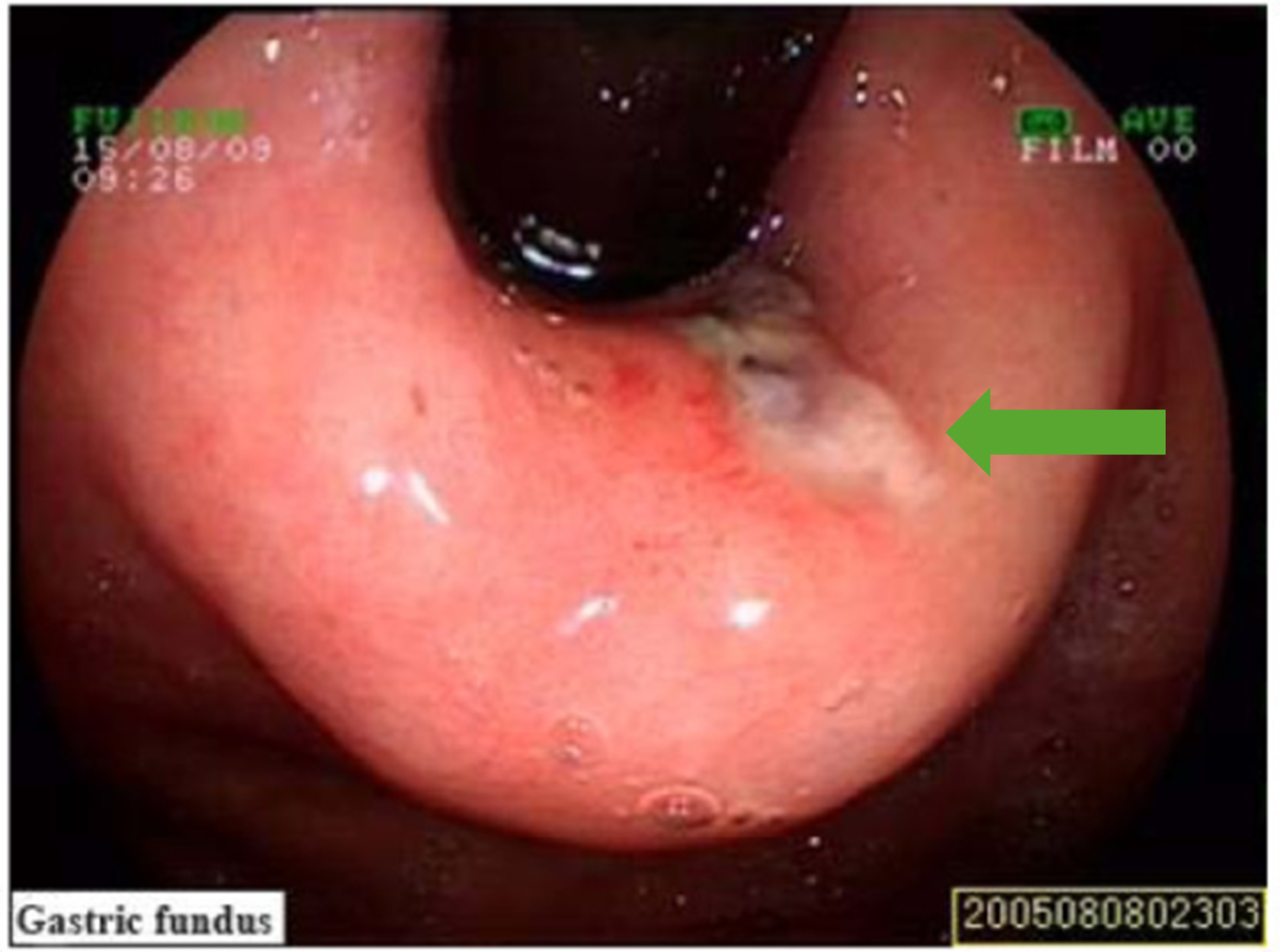
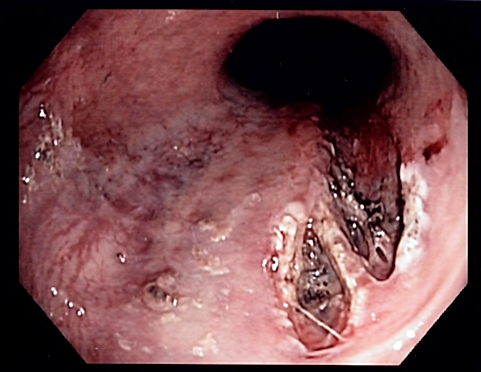
El diagnóstico se establece mediante endoscopia, que muestra un desgarro longitudinal (generalmente único) limitado a la mucosa y submucosa en EN Erythema nodosum is an immune-mediated panniculitis (inflammation of the subcutaneous fat) caused by a type IV (delayed-type) hypersensitivity reaction. It commonly manifests in young women as tender, erythematous nodules on the shins. Erythema Nodosum la unión gastroesofágica.
Tratamiento

  • Tratamiento agudo de una hemorragia digestiva superior:
    • Evalúe la estabilidad hemodinámica: administre líquidos y transfunda concentrados de eritrocitos si es necesario.
    • Inhibidores de la bomba de protones intravenosos
    • Endoscopia superior
  • En EN Erythema nodosum is an immune-mediated panniculitis (inflammation of the subcutaneous fat) caused by a type IV (delayed-type) hypersensitivity reaction. It commonly manifests in young women as tender, erythematous nodules on the shins. Erythema Nodosum el 80% de los LOS Neisseria casos, el sangrado se detiene espontáneamente. Sin embargo, para las lesiones que sangran activamente, las opciones de tratamiento incluyen:
    • 1ra línea: intervenciones endoscópicas, incluida la inyección de epinefrina, la electrocoagulación o la ligadura con banda
    • 2da línea: arteriografía con embolización si fallan las intervenciones endoscópicas; infusión de vasopresina utilizada si la embolización no es posible
    • 3ra línea: cirugía si falla la angiografía

Diagnóstico Diferencial

  • Síndrome de Boerhaave: esófago perforado como resultado de un desgarro de espesor total, que requiere cirugía inmediata para disminuir el riesgo de mediastinitis Mediastinitis Mediastinitis refers to an infection or inflammation involving the mediastinum (a region in the thoracic cavity containing the heart, thymus gland, portions of the esophagus, and trachea). Acute mediastinitis can be caused by bacterial infection due to direct contamination, hematogenous or lymphatic spread, or extension of infection from nearby structures. Mediastinitis y sepsis Sepsis Systemic inflammatory response syndrome with a proven or suspected infectious etiology. When sepsis is associated with organ dysfunction distant from the site of infection, it is called severe sepsis. When sepsis is accompanied by hypotension despite adequate fluid infusion, it is called septic shock. Sepsis and Septic Shock. El mecanismo patogénico es idéntico al AL Amyloidosis del MWS MWS Mallory-Weiss syndrome (MWS) is defined by the presence of longitudinal mucosal lacerations in the distal esophagus and proximal stomach, which are usually associated with any action that provokes a sudden rise in intraluminal esophageal pressure, such as forceful or recurrent retching, vomiting, coughing, or straining. Mallory-Weiss Syndrome (Mallory-Weiss Tear) (aumento repentino de la presión esofágica intraluminal debido a vómitos o arcadas fuertes). Los LOS Neisseria síntomas pueden incluir enfisema subcutáneo con crepitación en EN Erythema nodosum is an immune-mediated panniculitis (inflammation of the subcutaneous fat) caused by a type IV (delayed-type) hypersensitivity reaction. It commonly manifests in young women as tender, erythematous nodules on the shins. Erythema Nodosum el examen físico, neumomediastino, odinofagia y disnea.
  • Várices esofágicas: pueden presentarse con una hemorragia digestiva potencialmente mortal. Ocurre secundario a hipertensión portal, generalmente causada por cirrosis. Puede coexistir con MWS MWS Mallory-Weiss syndrome (MWS) is defined by the presence of longitudinal mucosal lacerations in the distal esophagus and proximal stomach, which are usually associated with any action that provokes a sudden rise in intraluminal esophageal pressure, such as forceful or recurrent retching, vomiting, coughing, or straining. Mallory-Weiss Syndrome (Mallory-Weiss Tear).

Referencias

  1. Guelrud M. Mallory Weiss Syndrome. UpToDate. Retrieved on July 24, 2020 from: https://www.uptodate.com/contents/mallory-weiss-syndrome#H2568211429
  2. Adler DG. Mallory Weiss Tear. BMJ Best Practice. Last updated: March 19, 2018, Retrieved on July 24, 2020 from: https://bestpractice.bmj.com/topics/en-gb/1145/pdf/1145/Mallory-Weiss%20tear.pdf
  3. Corral JE, Keihanian T, Kröner PT, et al. Mallory Weiss syndrome is not associated with hiatal hernia: A matched case-control study. Scand. J. Gastroenterol. 2017 Apr; 52(4):462-464.
  4. Kortas DY, Haas LS, Simpson WG, Nickl NJ 3rd, Gates LK Jr. Mallory-Weiss tear: Predisposing factors and predictors of a complicated course. Am J Gastroenterol. 2001;96(10):2863-2865. doi:10.1111/j.1572-0241.2001.04239.x

¡Crea tu cuenta gratis o inicia una sesión para seguir leyendo!

Regístrate ahora y obtén acceso gratuito a Lecturio con páginas de concepto, videos médicos y cuestionarios para tu educación médica.

User Reviews

Que tengas una sesión de estudio alegre y navideña 🎁 Ahorra 50% en todos los planes >>

Details